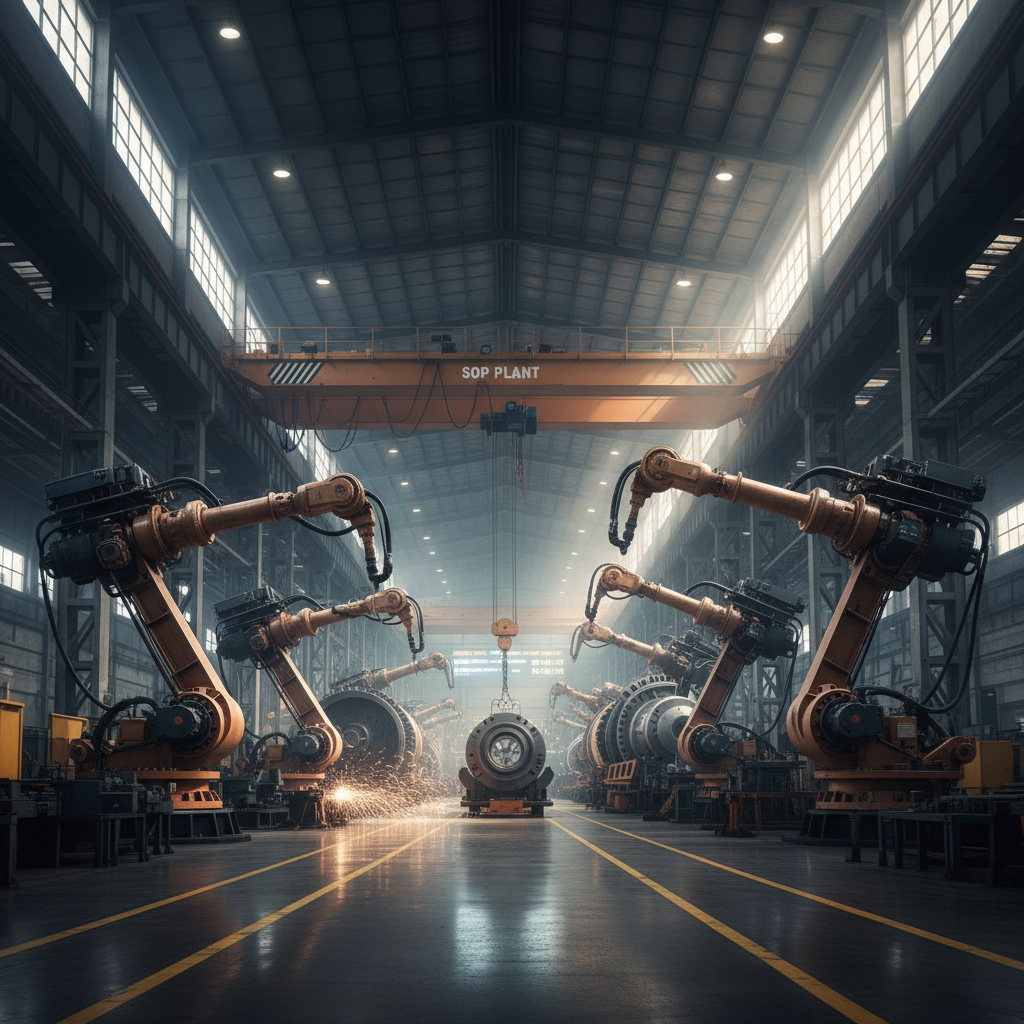
Filament winding machine design represents a crucial intersection of materials science, mechanical engineering, and manufacturing processes. Globally, the demand for lightweight, high-strength structures is escalating across diverse sectors, from aerospace and automotive to infrastructure and renewable energy. This surge is driven by a need for improved efficiency, reduced carbon footprints, and enhanced durability. Understanding the nuances of filament winding machine design is therefore paramount for businesses seeking to innovate and remain competitive in an increasingly demanding market. Mastering this technology translates directly into superior product performance, cost optimization, and a reduced environmental impact.
Within the specialized equipment manufacturing industry – specifically environmental protection equipment focused on water pollution control – the application of filament winding is becoming increasingly prevalent. FRP (Fiber Reinforced Polymer) components fabricated using this technique offer exceptional corrosion resistance, making them ideal for constructing chemical storage tanks, pipelines, and treatment systems. The ability to precisely control fiber orientation and resin content through advanced machine design ensures the longevity and reliability of these critical infrastructure elements, addressing a key challenge in environmental protection.
The increasing stringency of environmental regulations and the growing emphasis on sustainable materials are further accelerating the adoption of filament winding technology. Investing in cutting-edge filament winding machine design is no longer merely an option, but a strategic imperative for companies striving to meet evolving industry standards and environmental responsibilities.
Introduction to Filament Winding Machine Design
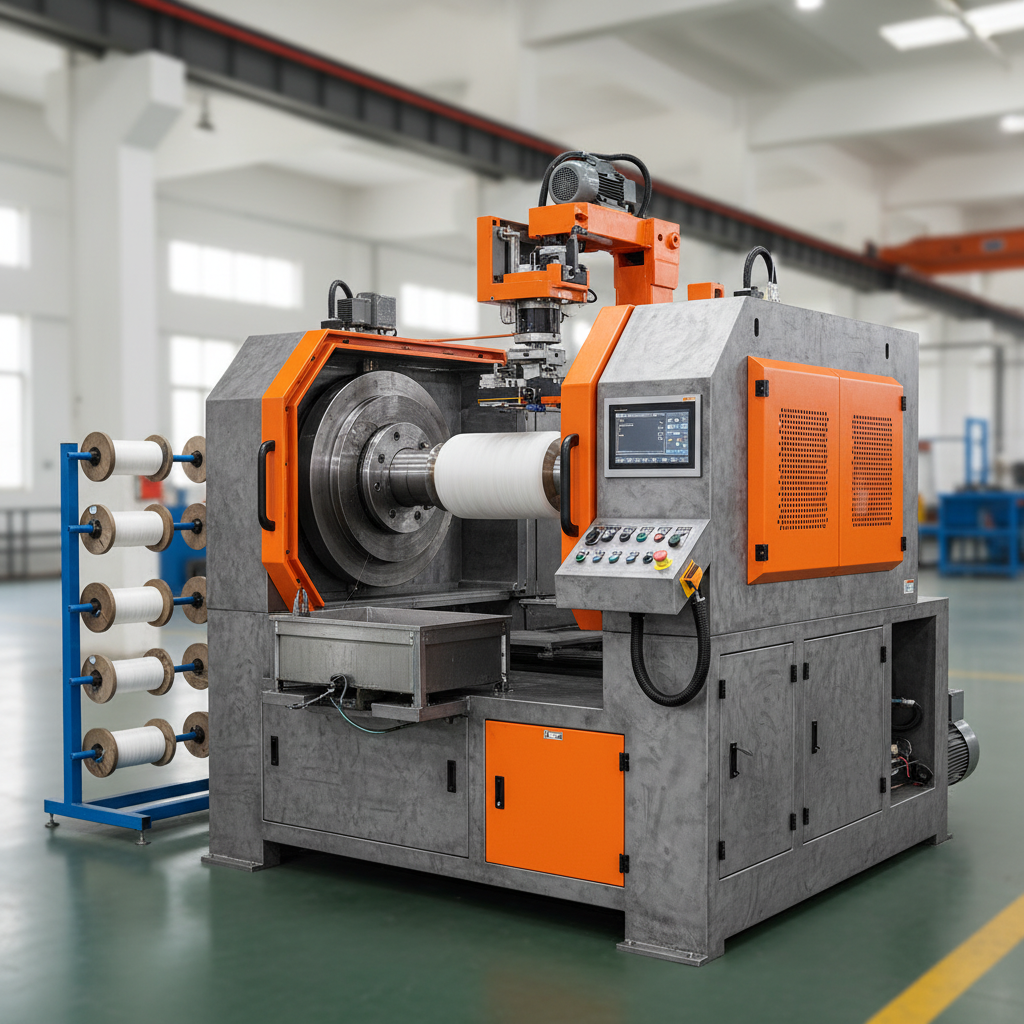
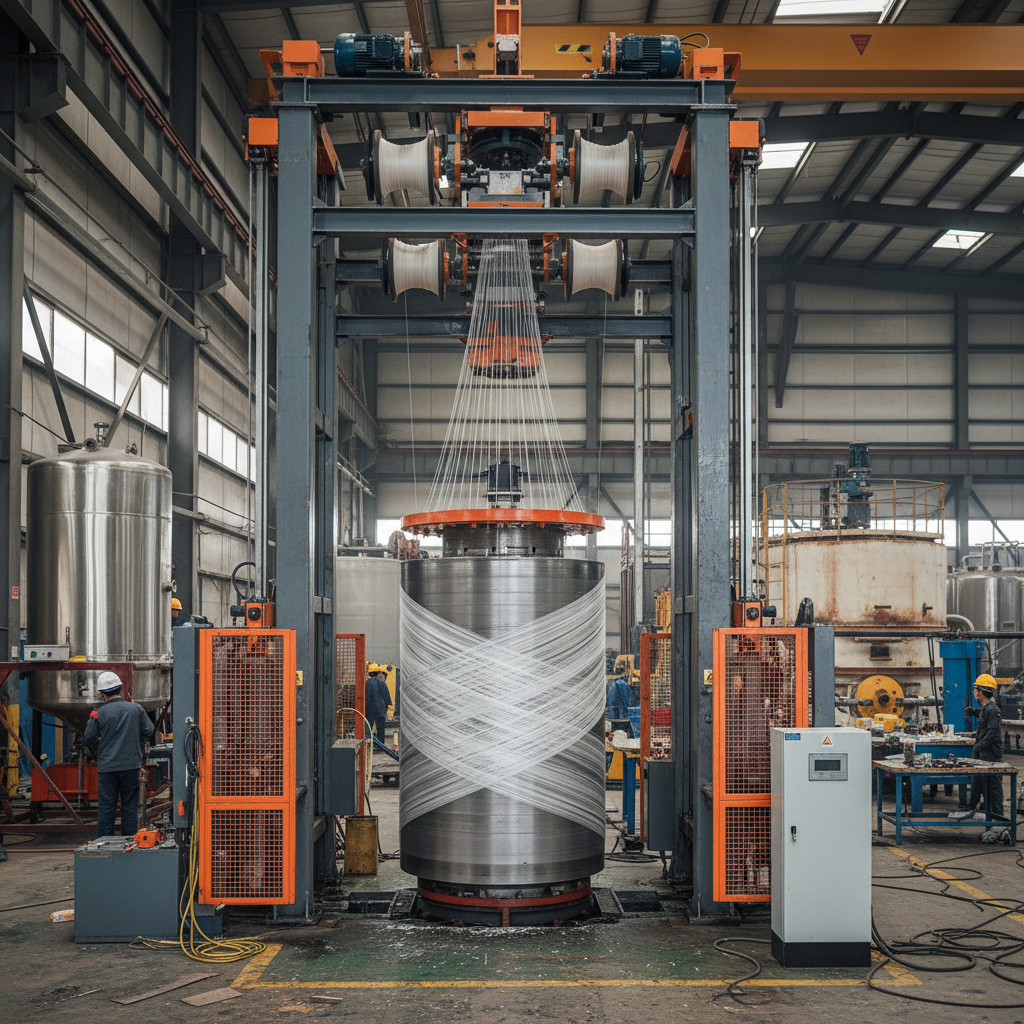
Filament winding machine design involves the meticulous engineering of systems that automate the process of wrapping continuous reinforcing fibers (like carbon fiber, fiberglass, or aramid) with a resin matrix around a rotating mandrel. This process creates incredibly strong, lightweight composite structures. The core challenge lies in achieving precise fiber placement, consistent resin impregnation, and efficient winding patterns to meet specific structural requirements. filament winding machine design is a cornerstone of modern composite material manufacturing.
The sophistication of filament winding machine design directly impacts the quality, consistency, and cost-effectiveness of the resulting composite parts. Advanced machines incorporate features like multi-axis winding heads, precise tension control systems, and automated resin delivery, allowing for the creation of complex geometries and tailored material properties. These advancements are crucial for applications demanding high performance and reliability.
Defining Filament Winding Machine Design
At its core, filament winding machine design is the art and science of creating the machinery required to manufacture composite structures using the filament winding process. This encompasses the mechanical, electrical, and software components that work in harmony to deliver continuous reinforcing fibers and resin onto a rotating mandrel, building up layers to form a robust and tailored composite part. It's a multidisciplinary field requiring expertise in robotics, material science, and control systems.
The connection to modern industry is undeniable. Industries like aerospace, automotive, pressure vessels, and water treatment rely heavily on filament-wound components due to their superior strength-to-weight ratio and corrosion resistance. The technology allows for customized designs and efficient production, addressing specific performance needs that traditional materials simply cannot match.
From a humanitarian perspective, filament winding plays a role in creating durable, portable water tanks for disaster relief and constructing affordable, sustainable shelters. The ability to quickly manufacture reliable infrastructure components using locally sourced materials makes it a valuable technology in addressing global challenges.
Core Components and Key Factors
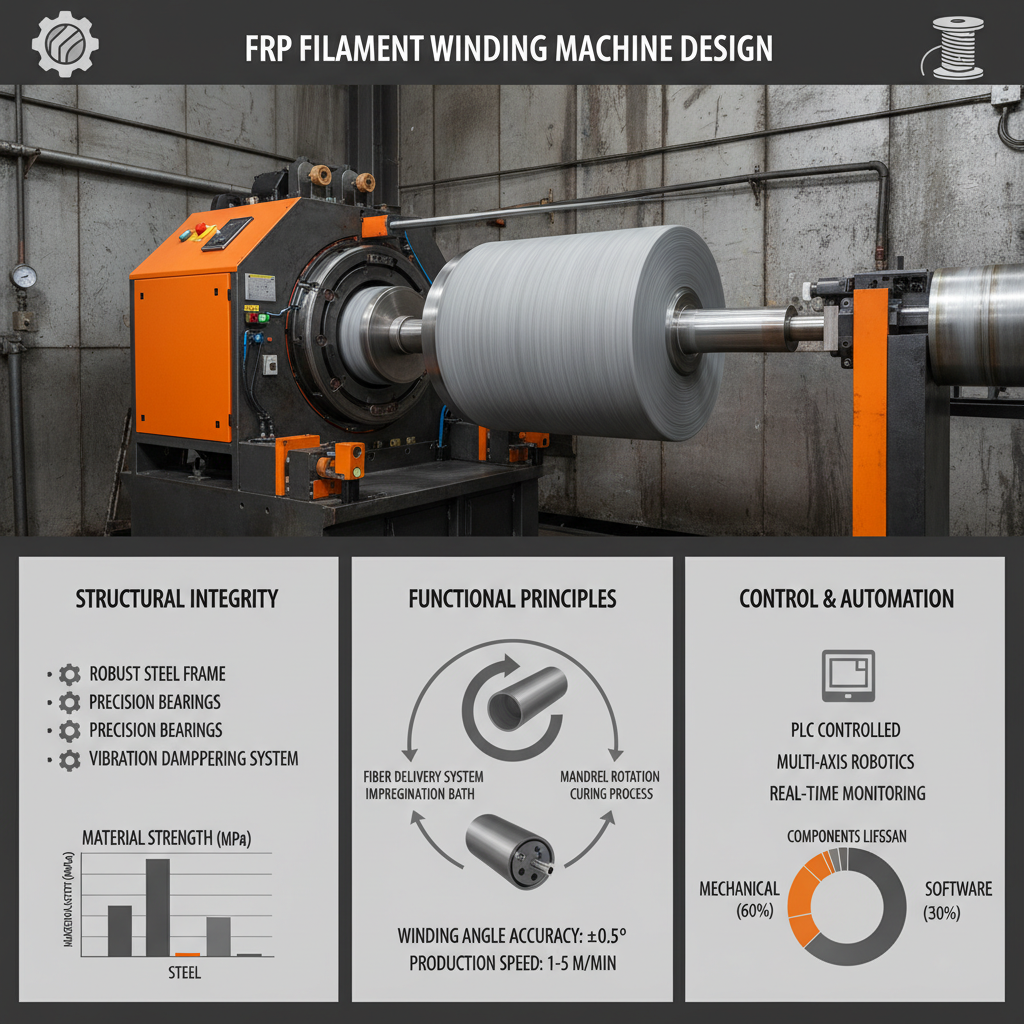
Several core components and factors are critical to effective filament winding machine design. Winding Head Precision is paramount; the ability to accurately position and orient the winding head dictates the quality of fiber placement and ultimately, the structural integrity of the finished part. Advanced winding heads often incorporate multiple axes of movement and sophisticated control algorithms.
Resin Impregnation Control is another key aspect. Ensuring uniform resin distribution throughout the fiber matrix is crucial for maximizing strength and preventing delamination. Modern machines employ precise resin delivery systems and adjustable pressure controls to achieve optimal impregnation. The correct resin-to-fiber ratio dictates the final product's performance characteristics.
Mandrel Drive System Stability is essential for maintaining consistent winding tension and preventing distortions. The mandrel needs to rotate smoothly and at precisely controlled speeds. Robust bearing systems and advanced motor controls are vital for reliable operation. Furthermore, Tension Control and Pattern Generation Software are crucial for defining and executing the desired fiber winding patterns to meet specific structural requirements. The ability to create complex geometries is a key differentiator in machine design.
Global Applications and Diverse Use Cases
Filament winding machine design's applications span a vast range of industries. In aerospace, it's used to manufacture lightweight aircraft components like fuselage sections and wing spars, improving fuel efficiency and performance. The automotive industry utilizes filament-wound pressure vessels for hydrogen storage in fuel cell vehicles, contributing to the development of sustainable transportation solutions.
The oil and gas sector relies heavily on filament-wound pipelines and storage tanks due to their exceptional corrosion resistance. In regions with harsh environmental conditions, such as the Middle East and North Sea, these components offer a reliable and long-lasting solution for transporting and storing valuable resources. Furthermore, in post-disaster relief operations, rapidly deployable water purification systems utilizing filament-wound tanks provide access to clean water in emergency situations.
Beyond these, filament winding is integral to the production of sporting goods (golf club shafts, bicycle frames), infrastructure components (bridge tendons, reinforcing bars), and environmental protection equipment (chemical storage tanks, wastewater treatment systems). Even in remote industrial zones where access to traditional materials is limited, filament winding offers a viable solution for constructing durable and cost-effective infrastructure.
Filament Winding Machine Design: Performance Metrics
Advantages and Long-Term Value Proposition
The advantages of utilizing advanced filament winding machine design are multifaceted. From a cost perspective, the automation capabilities reduce labor requirements and minimize material waste. The inherent strength and lightweight nature of composite materials contribute to improved energy efficiency in applications like transportation, leading to long-term operational savings.
Sustainability is a key benefit. Filament winding enables the use of renewable and recyclable materials, reducing reliance on traditional, less environmentally friendly options. Furthermore, the durability of filament-wound structures minimizes the need for frequent replacements, reducing lifecycle environmental impact. The resulting products offer a combination of performance, longevity, and reduced environmental footprint.
Future Trends and Innovations in Filament Winding
The future of filament winding machine design is poised for significant innovation. Automation and robotics are playing an increasingly important role, with the development of fully automated systems capable of handling complex geometries and varying material combinations. The integration of artificial intelligence (AI) and machine learning (ML) algorithms allows for real-time process optimization and predictive maintenance.
The exploration of new materials, such as bio-based resins and advanced fiber reinforcements, is driving the development of more sustainable and high-performance composites. Digital twin technology – creating virtual replicas of machines and processes – enables simulation and optimization before physical production, accelerating development cycles and improving product quality.
Challenges and Solutions in Filament Winding Machine Design
Despite its many advantages, filament winding machine design faces certain challenges. Maintaining consistent resin impregnation, particularly with high-viscosity resins or complex geometries, can be difficult. Another challenge is controlling fiber tension accurately to prevent defects and ensure structural integrity. The initial investment cost for advanced machinery can also be a barrier for some companies.
Solutions involve developing advanced resin delivery systems with precise temperature and pressure control, implementing sophisticated tension control algorithms, and offering flexible financing options. Furthermore, collaborative research and development initiatives between machine manufacturers and material suppliers are crucial for overcoming these challenges and unlocking the full potential of filament winding technology. filament winding machine design continues to push boundaries.
Addressing these challenges will require a continued focus on innovation, collaboration, and a commitment to developing sustainable and cost-effective solutions.
Analysis of Filament Winding Machine Design Parameters
| Parameter |
Importance Level (1-10) |
Impact on Product Quality |
Typical Cost Contribution (%) |
| Winding Head Precision |
10 |
High |
20% |
| Resin Impregnation System |
9 |
High |
15% |
| Mandrel Drive System |
8 |
Medium |
10% |
| Tension Control System |
7 |
Medium |
8% |
| Control Software |
9 |
High |
12% |
| Safety Features |
10 |
Critical |
5% |
FAQS
Filament winding provides superior corrosion resistance compared to traditional materials like steel, eliminating the need for costly linings and reducing maintenance. The design flexibility allows for custom tank geometries optimized for specific chemical compatibility and storage volume. Furthermore, FRP tanks are significantly lighter, simplifying installation and reducing structural support requirements. The resulting lifespan and reduced operational costs offer a compelling long-term value proposition.
The precision of the winding head directly influences fiber placement accuracy, which is critical for achieving the desired mechanical properties. Inaccurate placement can lead to stress concentrations and premature failure. Consistent tension control is also vital; variations in tension can result in voids and delamination, weakening the structure. Advanced machines employ closed-loop control systems and real-time monitoring to ensure optimal precision.
Commonly used resins include epoxy, polyester, and vinyl ester. Epoxy resins offer the highest strength and chemical resistance, making them ideal for demanding applications. Polyester resins are more cost-effective but have lower performance characteristics. Vinyl ester resins provide a balance between cost and performance. The choice of resin significantly impacts the composite’s temperature resistance, corrosion resistance, and mechanical strength.
The mandrel serves as the form around which the fibers and resin are wound. It dictates the final shape and dimensions of the composite part. Mandrels are typically made from materials like steel, aluminum, or fiberglass. The choice depends on the size and complexity of the part, as well as the operating temperature. Demountable mandrels are preferred for complex geometries and to facilitate part removal.
Automation minimizes labor costs, reduces material waste, and increases production throughput. Automated systems can handle complex winding patterns with greater consistency and precision. Robotics can be integrated for tasks like fiber creeling, resin mixing, and part handling. Machine learning algorithms can optimize winding parameters in real-time, further enhancing efficiency and reducing defects.
Key considerations include the desired part geometry, production volume, material compatibility, and budget. The machine’s winding capabilities (e.g., dome winding, cylindrical winding) must align with the application requirements. Control system sophistication, available automation features, and after-sales support are also important factors to evaluate. A thorough assessment of these factors will ensure that the selected machine meets the specific needs of the user.
Conclusion
In conclusion, filament winding machine design is a vital technology underpinning the production of high-performance composite structures. Its applications are diverse, spanning industries from aerospace and automotive to environmental protection and infrastructure. By understanding the core components, key factors, and future trends in this field, businesses can unlock significant advantages in terms of cost efficiency, sustainability, and product innovation.
Looking ahead, continued advancements in automation, materials science, and digital technologies will further enhance the capabilities of filament winding. Embracing these innovations will be crucial for staying competitive and addressing the evolving demands of a global market increasingly focused on lightweight, durable, and environmentally responsible solutions. To explore how advanced filament winding equipment can revolutionize your operations, visit our website at www.frpgrpmachine.com.