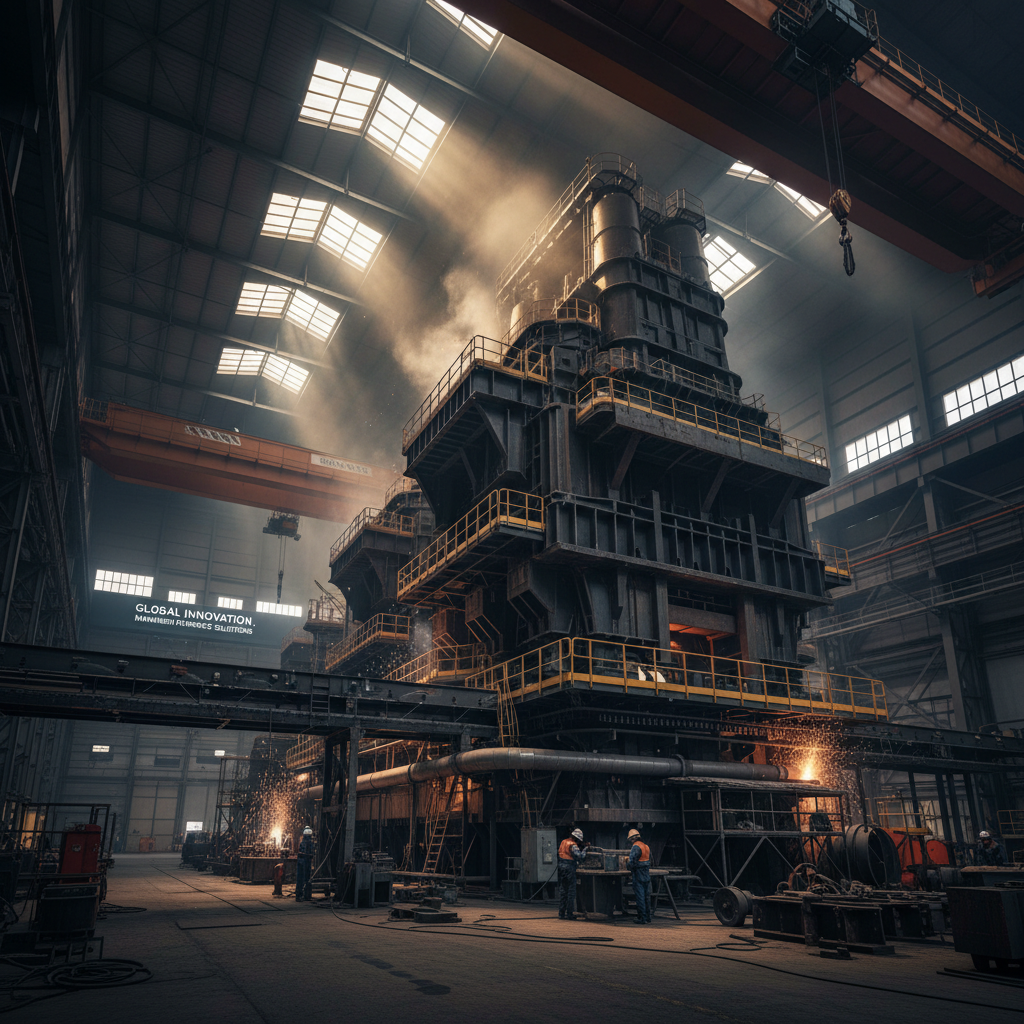
The world relies on robust, durable materials, and increasingly, that means composites. For decades, we’ve been using fiberglass reinforced polymer (FRP) materials, but it’s the way we make things with them that's truly evolving. That’s where the fiberglass filament winding machine comes in. It’s not just about wrapping fibers around a form; it’s about precision, efficiency, and creating structures capable of withstanding incredible stress. I’ve spent years on sites watching projects delayed, budgets blown, and materials fail prematurely. A good filament winding process changes all that, and I’ve seen it firsthand.
The demand for lighter, stronger, and corrosion-resistant materials is skyrocketing across industries. From pressure vessels and pipelines to aerospace components and sporting goods, the applications are vast. Traditional manufacturing methods simply can't compete with the speed and consistency of filament winding, especially when you're dealing with complex geometries. I've watched teams spend weeks fabricating a single component by hand, only to have a filament winding machine churn out the same part in hours, with far superior quality. The global composite materials market is projected to reach $129.25 billion by 2027 (according to Grand View Research), demonstrating the massive potential.
Understanding the capabilities of a fiberglass filament winding machine isn't just for engineers anymore. Project managers, procurement specialists, even site supervisors need to grasp its benefits to optimize projects and drive innovation. It’s about shifting from reactive problem-solving – patching up failing infrastructure – to proactive building with materials designed to last. We're talking about long-term cost savings, reduced maintenance, and increased safety. That’s what matters on the ground.
Understanding Fiberglass Filament Winding
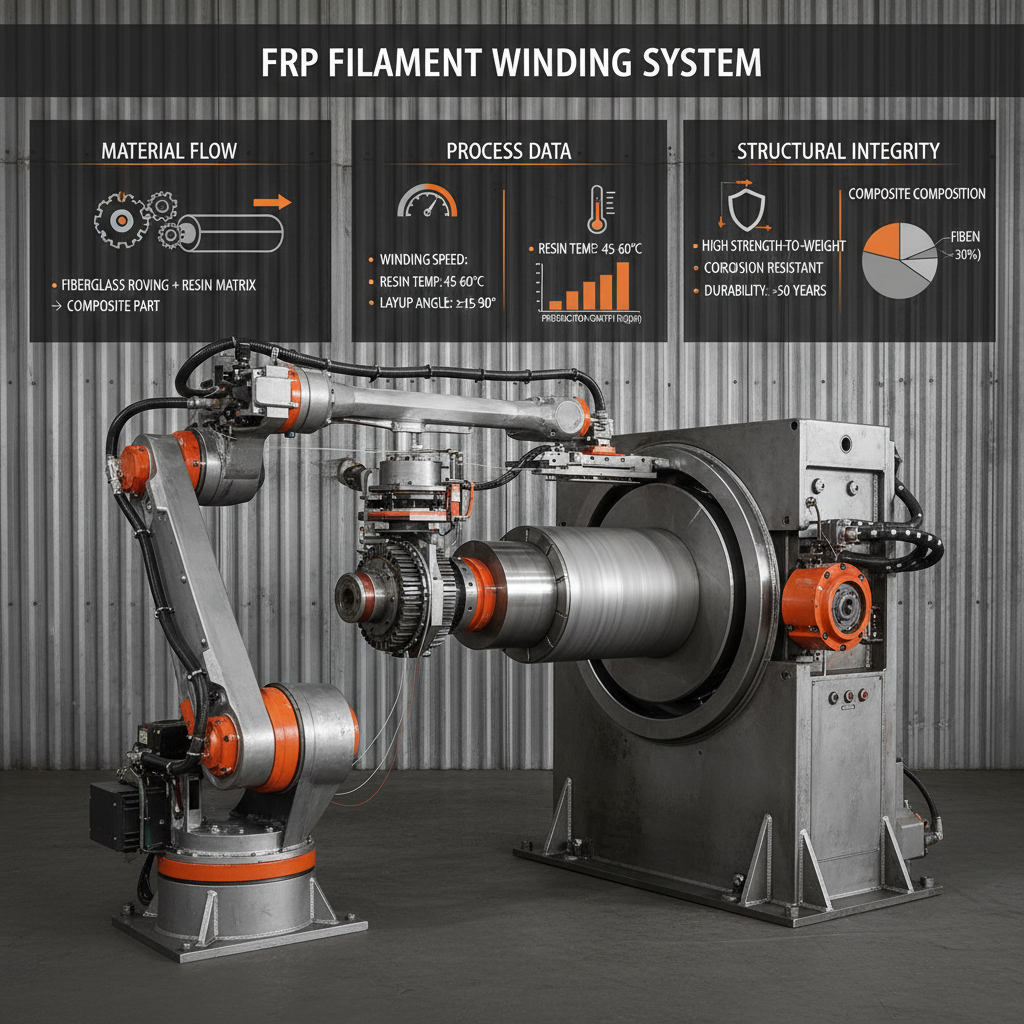
Simply put, a fiberglass filament winding machine is a system that automates the process of wrapping fibers (typically fiberglass, carbon fiber, or aramid) around a rotating mandrel – the shape that defines the final product. These fibers are coated with a resin, which hardens to create a strong, lightweight composite structure. It’s not a new concept, but the technology has advanced dramatically, giving us unprecedented control over fiber placement and resin distribution.
What sets it apart from other composite manufacturing methods, like hand lay-up or resin transfer molding, is the ability to create highly optimized structures with tailored strength properties. You can precisely orient the fibers to resist specific loads, making it ideal for applications where weight and performance are critical. I've seen it used to build everything from rocket motor casings to high-pressure tanks, where failure isn't an option.
The Core Principles of Filament Winding
At its heart, filament winding relies on a few key principles. First is the precise control of the winding angle – how the fibers are laid down relative to the mandrel. This dictates the structural performance of the final product. Then there’s resin impregnation; ensuring each fiber is thoroughly wetted with resin is crucial for bonding and strength. Finally, there’s compaction – removing air voids and ensuring a dense, void-free laminate. It sounds simple, but each of these elements requires careful calibration and control.
The winding patterns themselves are varied. You have helical winding, where fibers are wrapped at a constant angle; hoop winding, used for creating pressure vessels; and polar winding, for dome-shaped structures. The choice of pattern depends on the geometry of the mandrel and the desired strength characteristics. I've spent hours optimizing winding patterns for complex shapes, and it’s a blend of engineering calculation and practical experience.
The type of resin used also impacts the final properties. Polyester, vinyl ester, and epoxy resins are common choices, each offering different strengths, weaknesses, and curing characteristics. Selecting the right resin for the application is as important as choosing the right fibers and winding pattern.
Key Components and Their Roles
A fiberglass filament winding machine isn't just one big piece of equipment; it's a system of interconnected components. You've got the winding head, which guides the fibers onto the mandrel; the fiber delivery system, which controls the tension and speed of the fibers; the resin bath or injection system, which applies the resin; and the control system, which orchestrates the whole process. Each component plays a critical role.
The mandrel itself is often overlooked, but it's just as important. It needs to be accurately machined and dimensionally stable. Any imperfections in the mandrel will translate directly into imperfections in the finished product. We often build custom mandrels in-house, and quality control is paramount. A robust and accurate mandrel is the foundation of a successful winding process.
Finally, the control system is the brains of the operation. Modern machines use sophisticated software to manage winding parameters, monitor process variables, and even detect defects in real-time. I’ve seen systems that can automatically adjust fiber tension or resin flow based on sensor feedback. It's a significant leap from the manual machines of the past.
Performance Metrics: Assessing Winding Quality
You can't just look at a filament wound part and know if it's good. You need to measure it. Fiber volume fraction – the percentage of the laminate that's actually fiber – is a key metric. Higher fiber volume generally means higher strength and stiffness. Resin content also matters, as does void content. We use ultrasonic testing and destructive testing to evaluate these parameters.
Another important metric is interlaminar shear strength (ILSS). This measures the resistance of the laminate to delamination – the separation of layers. A low ILSS indicates poor bonding between the fibers and the resin. I've had projects where we had to scrap entire batches of parts because they failed ILSS testing.
Fiberglass Filament Winding Machine Quality Control Metrics
Real-World Applications Across Industries
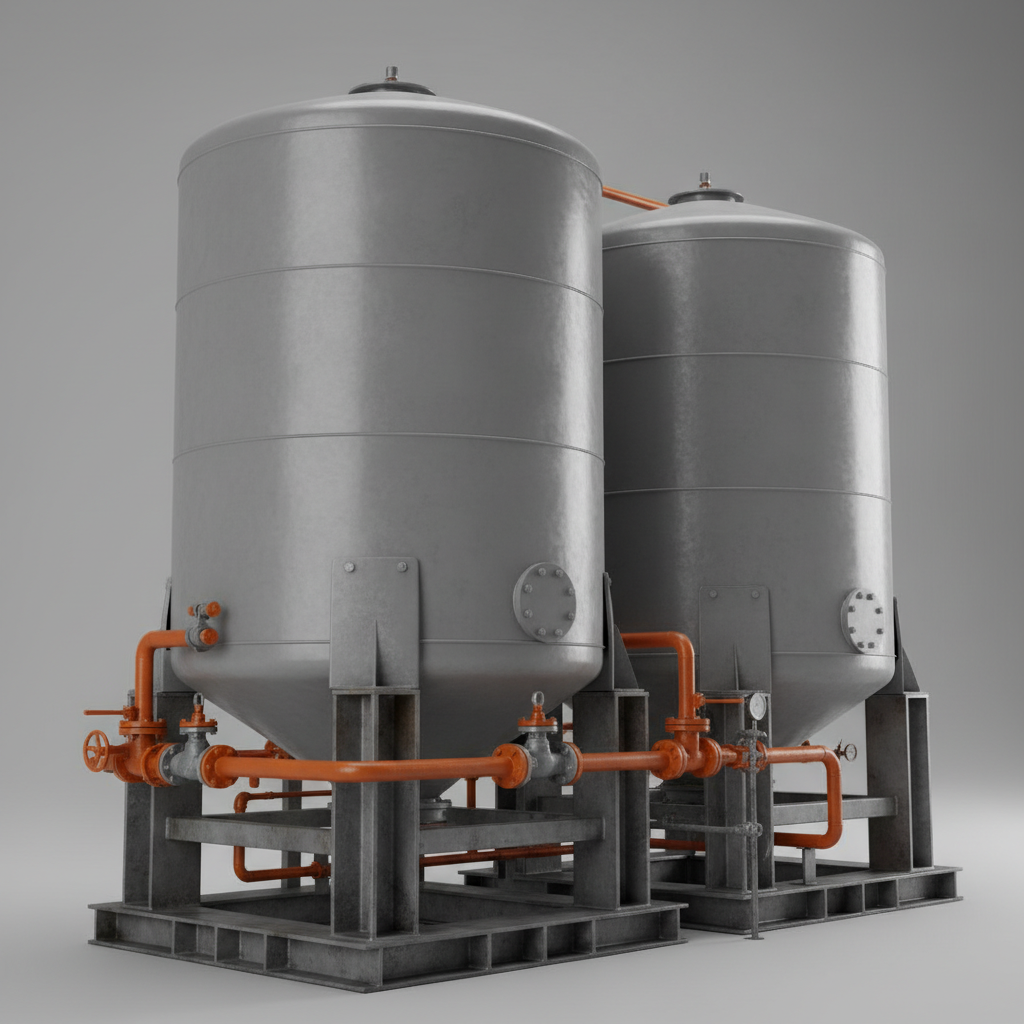
The applications are almost endless. I've seen these machines producing pressure vessels for everything from compressed air tanks to hydrogen storage. In the aerospace industry, they’re used to create lightweight, high-strength rocket motor casings and aircraft components. The oil and gas industry relies on filament-wound pipes and tanks for handling corrosive fluids.
Even in consumer goods, you’ll find filament winding. Think about high-performance sporting equipment like golf club shafts, fishing rods, and bicycle frames. I’ve worked with companies designing filament-wound composite structures for wind turbine blades, improving efficiency and reducing weight. The versatility of the process is what makes it so appealing.
Advantages and Long-Term Value Proposition
The biggest advantage? Strength-to-weight ratio. Composites are significantly stronger and lighter than traditional materials like steel or aluminum. This translates into fuel savings in transportation, increased payload capacity in aerospace, and reduced material costs overall. But it's not just about weight. Composites are also incredibly corrosion-resistant, meaning they last longer and require less maintenance.
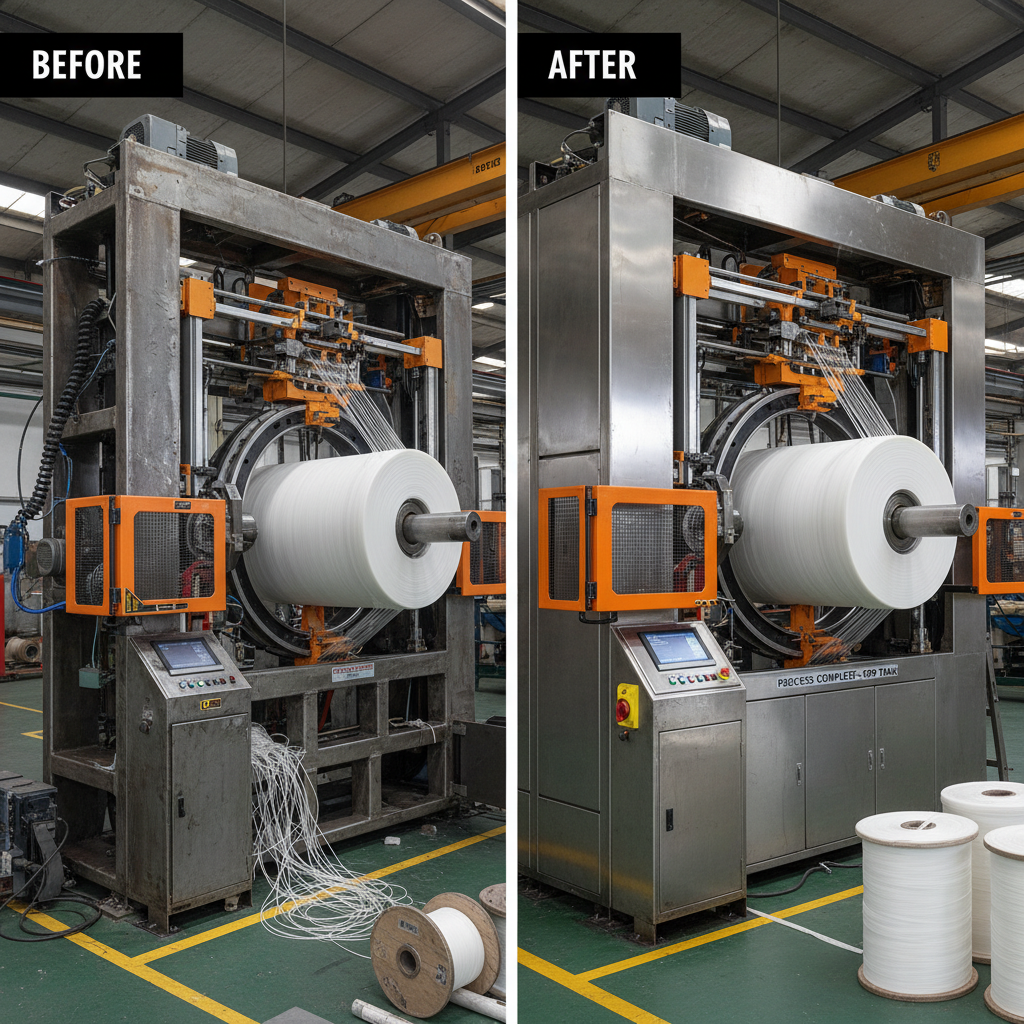
When you factor in the reduced labor costs associated with automated filament winding, the long-term value proposition is compelling. Yes, the initial investment in a fiberglass filament winding machine can be significant, but the return on investment is often substantial. I’ve seen companies pay for a machine in less than two years thanks to increased production and reduced scrap rates.
Beyond the economic benefits, there's a sustainability aspect. Composites can be designed for durability, extending the lifespan of products and reducing the need for replacements. And with the development of bio-based resins, we're moving towards even more environmentally friendly composite materials.
Future Trends and Technological Advancements
We're seeing a lot of innovation in the field right now. Automated fiber placement (AFP) and automated tape laying (ATL) are becoming more common, allowing for even greater control over fiber orientation. The integration of artificial intelligence and machine learning is also promising, with systems that can optimize winding parameters in real-time based on sensor data. I'm excited about the potential of these technologies to further improve quality and efficiency.
There’s a growing focus on developing new, more sustainable resin systems, including those derived from renewable resources. And we're seeing more research into the use of advanced fibers, like carbon nanotubes and graphene, to further enhance the properties of composite materials. The future of filament winding is bright, and I believe we’re only scratching the surface of what’s possible.
Digital twins, virtual replicas of the winding process, are also gaining traction. These allow engineers to simulate different scenarios and optimize winding parameters before ever touching a machine, saving time and reducing waste. It’s a game-changer for process development.
FAQS
Lead times vary depending on the complexity of the machine and current production schedules, but generally range from 6 to 12 months. Factors influencing the timeframe include the level of automation, mandrel customization, and software integration. We work closely with clients to provide accurate timelines upfront, and maintain open communication throughout the build process.
We offer comprehensive training programs tailored to your specific needs. This typically includes on-site training at your facility, covering machine operation, maintenance, troubleshooting, and safety procedures. We also provide detailed manuals, online resources, and ongoing technical support to ensure your team is fully equipped to operate the machine effectively.
Fiberglass filament winding machines are critical for producing components for wind turbine blades, such as blade spars and shells. The lightweight and high-strength properties of filament-wound composites improve blade efficiency and reduce overall turbine weight. They are also used to manufacture components for solar panel frames and mounting structures.
Our machines are designed for versatility and can accommodate a wide range of fiber types, including fiberglass, carbon fiber, aramid, and hybrid combinations. The resin delivery system is adaptable to various resin chemistries, such as polyester, vinyl ester, and epoxy. We provide the necessary adjustments and modifications to ensure optimal performance with your chosen materials.
Safety is paramount. Our machines incorporate numerous safety features, including emergency stop buttons, safety guards, light curtains, and interlock systems to prevent unauthorized access to moving parts. We adhere to stringent safety standards and provide thorough safety training to operators.
Regular maintenance includes lubrication of moving parts, inspection of wear components, cleaning of the resin system, and calibration of sensors. We provide a detailed maintenance schedule and offer preventative maintenance services to ensure optimal performance and longevity of the machine.
Conclusion
In conclusion, the fiberglass filament winding machine is a transformative technology for industries demanding high-performance, lightweight, and durable materials. From aerospace and energy to infrastructure and consumer goods, the benefits are clear: increased strength, reduced weight, corrosion resistance, and cost efficiency. It’s not just about building better products; it’s about building a more sustainable future.
Investing in filament winding technology requires careful consideration, but the long-term rewards are substantial. Partnering with a knowledgeable and experienced supplier, like us, is crucial for ensuring a successful implementation. Visit our website at www.frpgrpmachine.com to learn more about how we can help you unlock the potential of composite materials.