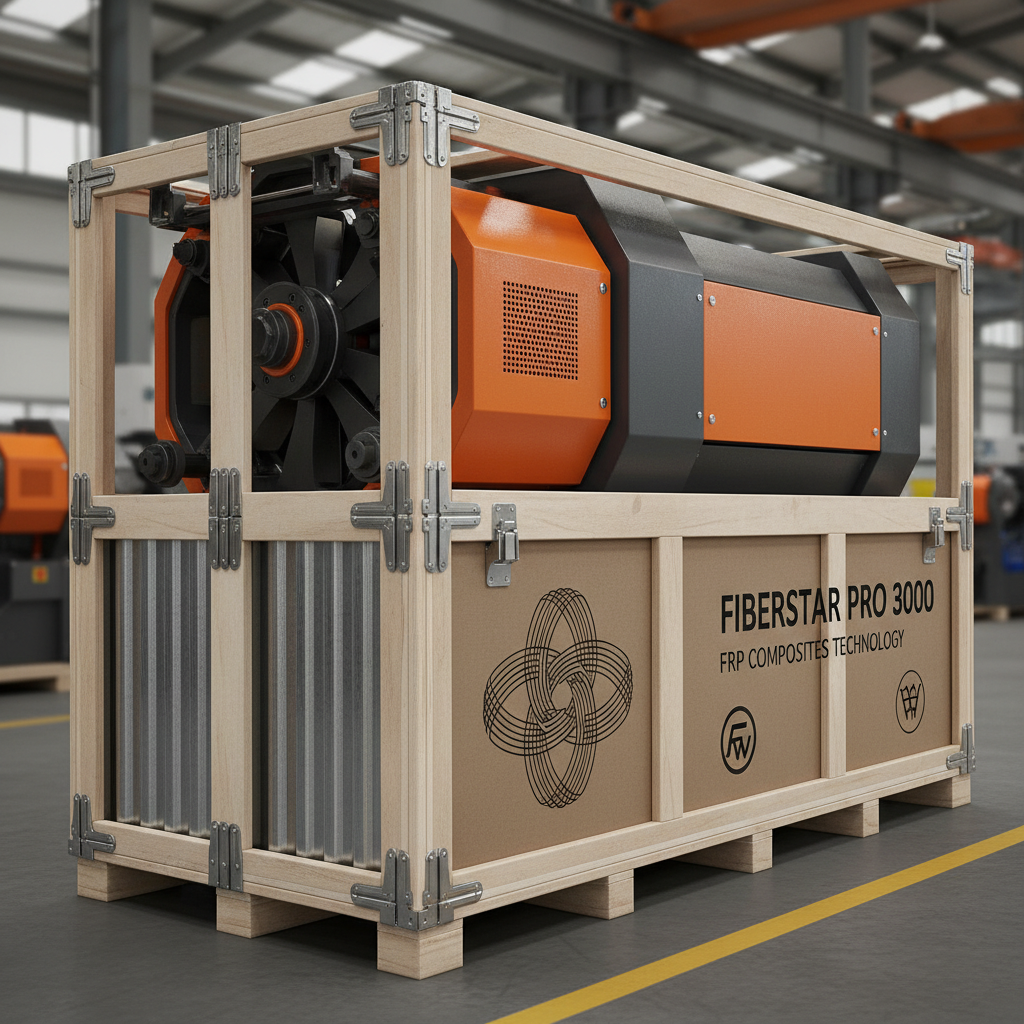
Look, I’ve spent the last fifteen years knee-deep in concrete dust and fiberglass resin, watching construction projects come to life. And let me tell you, the game has changed. We're moving away from the old ways of doing things, the heavy, slow, expensive methods. That’s where the fiber winding machine comes in – it's not just another piece of equipment, it’s a core technology that’s reshaping how we build everything from pipelines to pressure vessels, even specialized structural components. It's about precision, efficiency, and ultimately, getting the job done right, and on schedule.
For years, we relied on manual layering and traditional fabrication techniques. It was labor intensive, prone to inconsistencies, and frankly, a bit of a headache. Then you factor in the weight, the transportation costs, the potential for corrosion… it all adds up. The fiber winding machine addresses these issues head-on, offering a streamlined, automated process that delivers superior strength and durability. It's a shift that's not just improving project outcomes; it’s improving the lives of the people building them.
I've seen firsthand the difference a good fiber winding machine can make on a project. We're talking about reduced material waste, faster production times, and a significantly higher quality product. This isn't just about fancy technology for technology’s sake – it’s about providing a practical solution to real-world construction challenges. It’s a technology that’s becoming increasingly vital.
The Core Principles of fiber winding machine
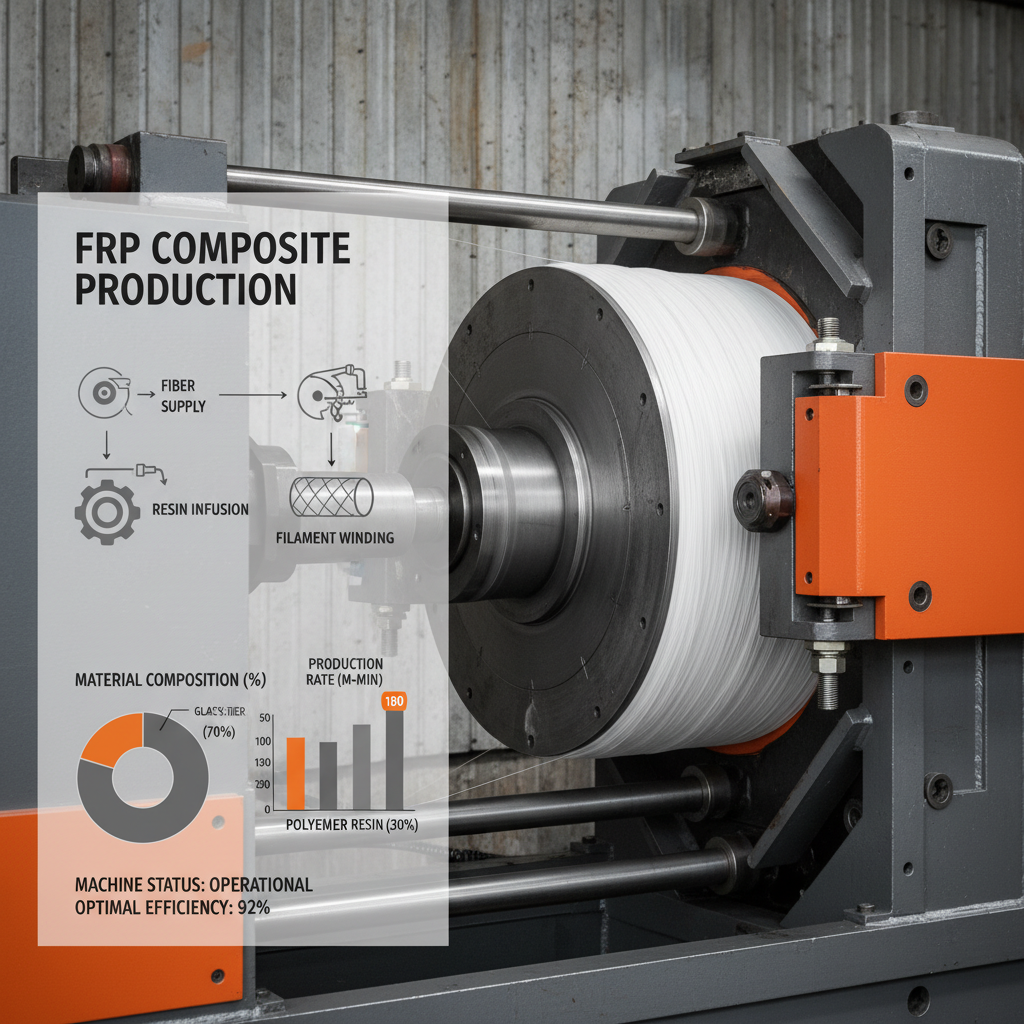
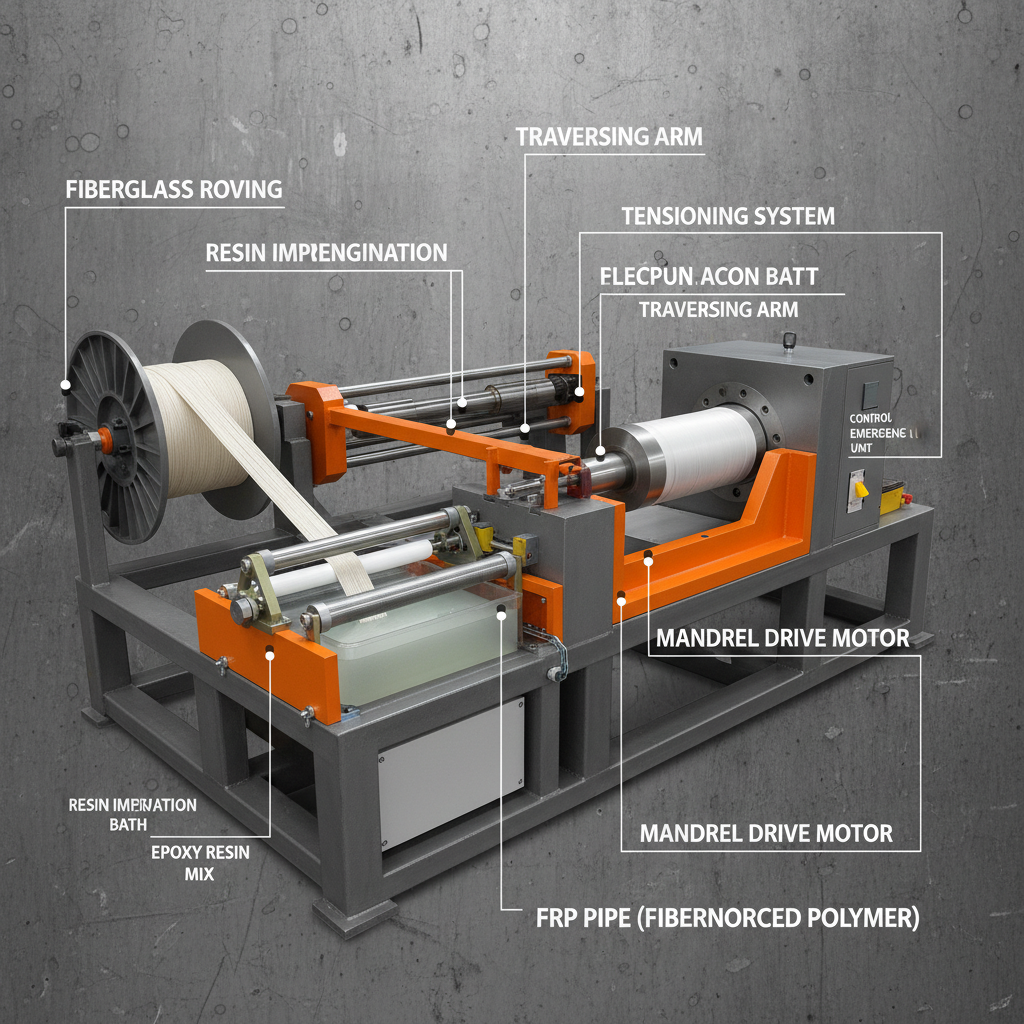
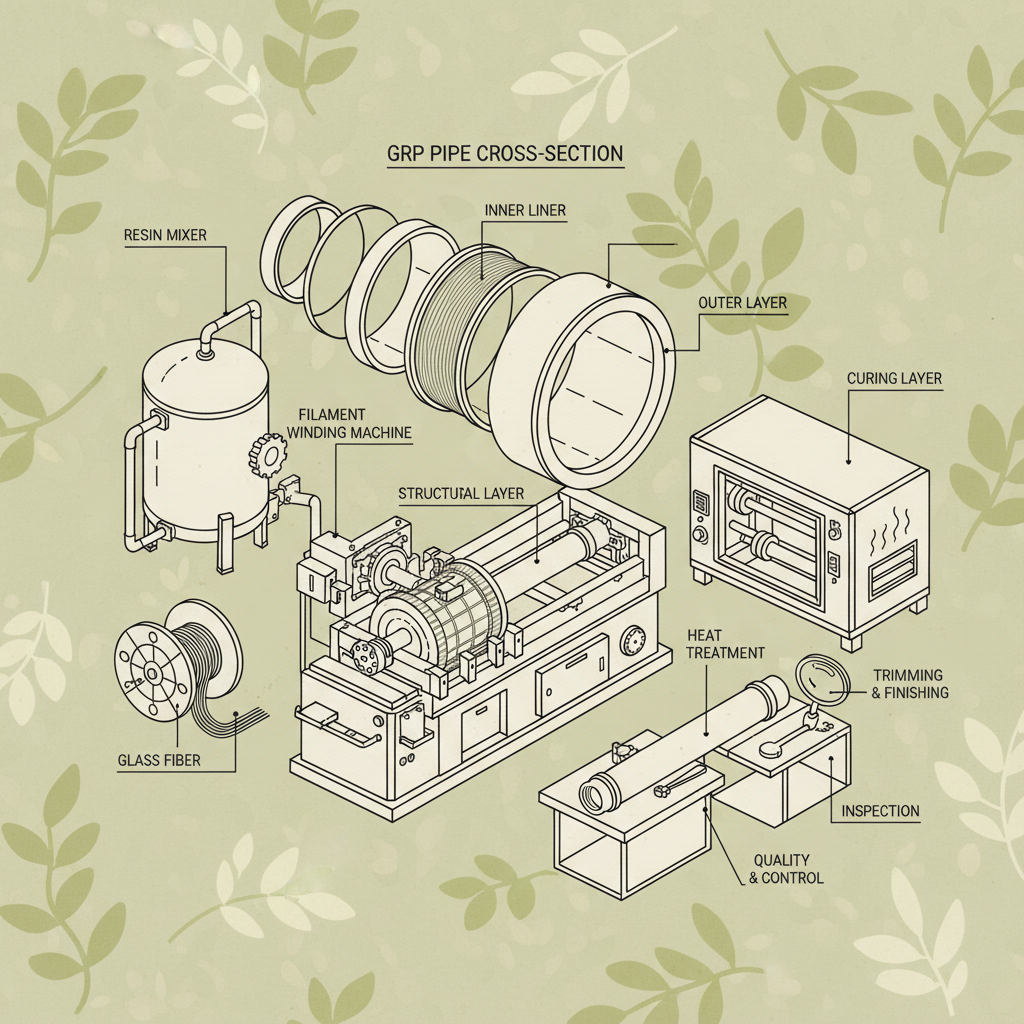
At its heart, a fiber winding machine is about controlled material placement. It’s the precise layering of reinforcing fibers – carbon fiber, fiberglass, aramid – onto a mandrel or form, using a resin to bind it all together. This process creates structures that are incredibly strong and lightweight, far surpassing traditional materials in many applications. The real trick is controlling the tension, the angle, and the resin content - get those wrong, and you’re building a weak point.
We’ve moved from purely manual winding operations to fully automated systems. Modern machines utilize computer numerical control (CNC) to ensure consistent, repeatable results. This isn’t just about speed; it's about minimizing defects and maximizing structural integrity. I’ve seen the difference firsthand - a consistently wound product means fewer failures in the field, and that saves everyone time and money.
Global Relevance and Industry Impact
The demand for lightweight, high-strength materials is exploding globally. Look at the pressure on infrastructure; we need longer-lasting, more corrosion-resistant pipes and tanks. The aerospace industry is constantly striving for weight reduction to improve fuel efficiency. And then there's the renewable energy sector, with its need for robust wind turbine blades. Fiber winding is a cornerstone in meeting these needs. The UN estimates infrastructure spending will reach trillions in the coming decades, and a lot of that will rely on advanced composite materials.
ISO standards are becoming increasingly stringent, demanding higher levels of quality and traceability in manufacturing processes. A fiber winding machine, particularly one with advanced monitoring and control systems, helps companies meet and exceed these standards. We’re not just building structures; we’re building trust and ensuring long-term reliability. The World Bank also highlights the need for resilient infrastructure, and fiber reinforced polymers (FRP) are a key part of that solution.
The challenge, frankly, is scaling up production to meet this growing demand, and making the technology accessible to more companies. It’s about breaking down the barriers to entry and ensuring that even smaller businesses can leverage the benefits of fiber winding. That's where innovations in machine design and automation are crucial.
Defining the fiber winding machine
Simply put, a fiber winding machine is a device that precisely wraps continuous reinforcing fibers (like carbon, glass, or aramid) around a rotating mandrel, embedding them in a resin matrix. This creates a composite structure that's incredibly strong for its weight. It’s not just about wrapping; it's about engineering a material property profile tailored to the specific application.
Historically, this was a manual, painstaking process. Today’s machines are highly automated, utilizing CNC controls, precise tension control systems, and automated resin application. They can handle a wide range of mandrel shapes and sizes, and produce everything from small-diameter pipes to large-scale pressure vessels. The evolution has been remarkable.
The connection to modern industry is direct. Think about the need for lighter, stronger materials in aerospace, automotive, and renewable energy. Think about the demand for corrosion-resistant infrastructure. Fiber winding is a key enabling technology for meeting these demands, and the fiber winding machine is the workhorse that makes it all happen.
Key Performance Indicators of a fiber winding machine
When I’m evaluating a fiber winding machine, there are a few key things I look at. First, winding speed – how quickly can it lay down material without sacrificing quality? Then there's material compatibility - can it handle a variety of fiber types and resin systems? Critical as well is precision – the accuracy of fiber placement directly impacts the structural integrity of the final product.
Beyond those, mandrel versatility is crucial; can the machine accommodate different shapes and sizes? Automation level impacts labor costs and consistency. Finally, data logging and monitoring capabilities are becoming increasingly important for quality control and process optimization.
Fiber Winding Machine Performance Metrics
Applications Across Diverse Sectors
You see fiber winding popping up everywhere. In oil and gas, it’s used for corrosion-resistant pipelines and storage tanks. In aerospace, for lightweight aircraft components. In the automotive industry, for high-performance parts and structural elements. I even saw a project using it to reinforce bridges in a hurricane-prone area.
In post-disaster relief operations, rapidly deployable shelters constructed with FRP materials are gaining traction. They're lightweight, durable, and can be erected quickly. And in remote industrial zones, where access to traditional construction materials is limited, fiber winding offers a localized manufacturing solution.
Long-Term Advantages and Value Proposition
The cost savings are significant. While the initial investment in a fiber winding machine can be substantial, the reduced material waste, faster production times, and lower labor costs quickly offset that expense. Plus, the durability and corrosion resistance of FRP materials translate into lower maintenance and repair costs over the lifespan of the structure.
From a sustainability standpoint, fiber winding offers a compelling alternative to traditional materials. FRP materials are lightweight, reducing transportation costs and fuel consumption. They also have a longer lifespan, reducing the need for frequent replacements. It’s about building a more resilient and sustainable future.
Future Trends and Innovations in fiber winding machine Technology
We're seeing a lot of exciting developments. Automated fiber placement (AFP) and automated tape laying (ATL) are pushing the boundaries of speed and precision. The integration of artificial intelligence (AI) for process optimization is also a major trend. AI can analyze data from sensors on the machine to fine-tune parameters and improve product quality.
There’s also a growing focus on bio-based resins and sustainable fiber sources. The goal is to create truly “green” composite materials that minimize environmental impact. Digital twins - virtual representations of the winding process – are enabling better simulation and predictive maintenance.
The push for more modular and adaptable machines is also important. Companies want systems that can quickly switch between different products and applications. It’s about flexibility and responsiveness in a rapidly changing market.
Analysis of Current Fiber Winding Machine Challenges and Opportunities
| Challenge Category |
Impact on fiber winding machine Performance |
Potential Solutions |
Implementation Difficulty (1-10) |
| Material Costs |
High cost of carbon fiber limits wider adoption of fiber winding machine. |
Research and development of lower-cost fiber alternatives. |
7 |
| Automation Complexity |
Integrating advanced automation can be challenging and require specialized expertise. |
Develop user-friendly software and training programs for operating fiber winding machine. |
6 |
| Process Monitoring |
Real-time monitoring of winding parameters is crucial for quality control, but can be difficult to implement. |
Implement sensor systems and data analytics to monitor fiber tension, resin content, and winding speed. |
5 |
| Scale-Up Challenges |
Scaling up production to meet increasing demand can be difficult and require significant investment. |
Modular machine designs and standardized processes to facilitate rapid expansion. |
8 |
| Resin Handling |
Proper handling and mixing of resins is critical for achieving optimal composite properties. |
Automated resin mixing and delivery systems to ensure consistent quality and reduce waste. |
4 |
| Skilled Labor Shortage |
Lack of trained personnel to operate and maintain fiber winding machine. |
Invest in training programs and certifications to develop a skilled workforce. |
9 |
FAQS
Fiber winding machines offer significant advantages including increased production speed, improved material consistency, reduced labor costs, and the ability to create complex shapes with high strength-to-weight ratios. Traditional methods often rely on manual layering, which is slower, more prone to errors, and can't always achieve the same level of precision and structural integrity. The automation built into fiber winding is a game changer.
A wide range of materials are compatible with fiber winding machines. Common reinforcing fibers include carbon fiber, fiberglass, aramid (Kevlar), and various hybrid combinations. Resin systems typically include epoxy, polyester, vinyl ester, and phenolic resins. The choice of materials depends on the specific application requirements, such as strength, stiffness, temperature resistance, and chemical compatibility.
Regular maintenance is crucial for ensuring optimal performance and longevity. This typically includes daily inspections, lubrication of moving parts, and periodic calibration of sensors and control systems. More extensive maintenance, such as replacing wear parts and inspecting electrical components, should be performed on a quarterly or annual basis, depending on usage. Preventative maintenance is key.
Safety is paramount. Operators should wear appropriate personal protective equipment (PPE), including respirators, gloves, and eye protection, when handling resins and fibers. Machines should be equipped with safety guards and emergency stop mechanisms. Proper ventilation is essential to remove fumes and dust. Comprehensive training on machine operation and safety procedures is mandatory.
The mandrel is the foundation of the winding process, and its size and shape significantly influence the complexity. Larger and more complex mandrels require more sophisticated winding patterns and precise control of fiber tension and resin distribution. Automated machines with advanced CNC controls are particularly well-suited for handling intricate geometries and ensuring consistent quality.
ROI varies depending on factors such as production volume, material costs, labor rates, and product pricing. However, the increased efficiency, reduced waste, and improved product quality associated with fiber winding often lead to a rapid payback period, typically within 2-5 years. The ability to produce high-value, specialized composite parts can further enhance the ROI.
Conclusion
The fiber winding machine isn't just a piece of equipment; it's a foundational technology driving innovation across numerous industries. From enhancing infrastructure durability to enabling lightweight aerospace components, its impact is undeniable. Investing in this technology means investing in efficiency, sustainability, and the future of materials science. The benefits extend beyond cost savings; it’s about building a more resilient and capable world.
As we move forward, continued advancements in automation, material science, and AI integration will further unlock the potential of fiber winding. The challenge lies in making this technology accessible to a wider range of businesses and fostering a skilled workforce to operate and maintain these sophisticated machines. For more information and to explore how a fiber winding machine can benefit your operations, visit our website: fiber winding machine.