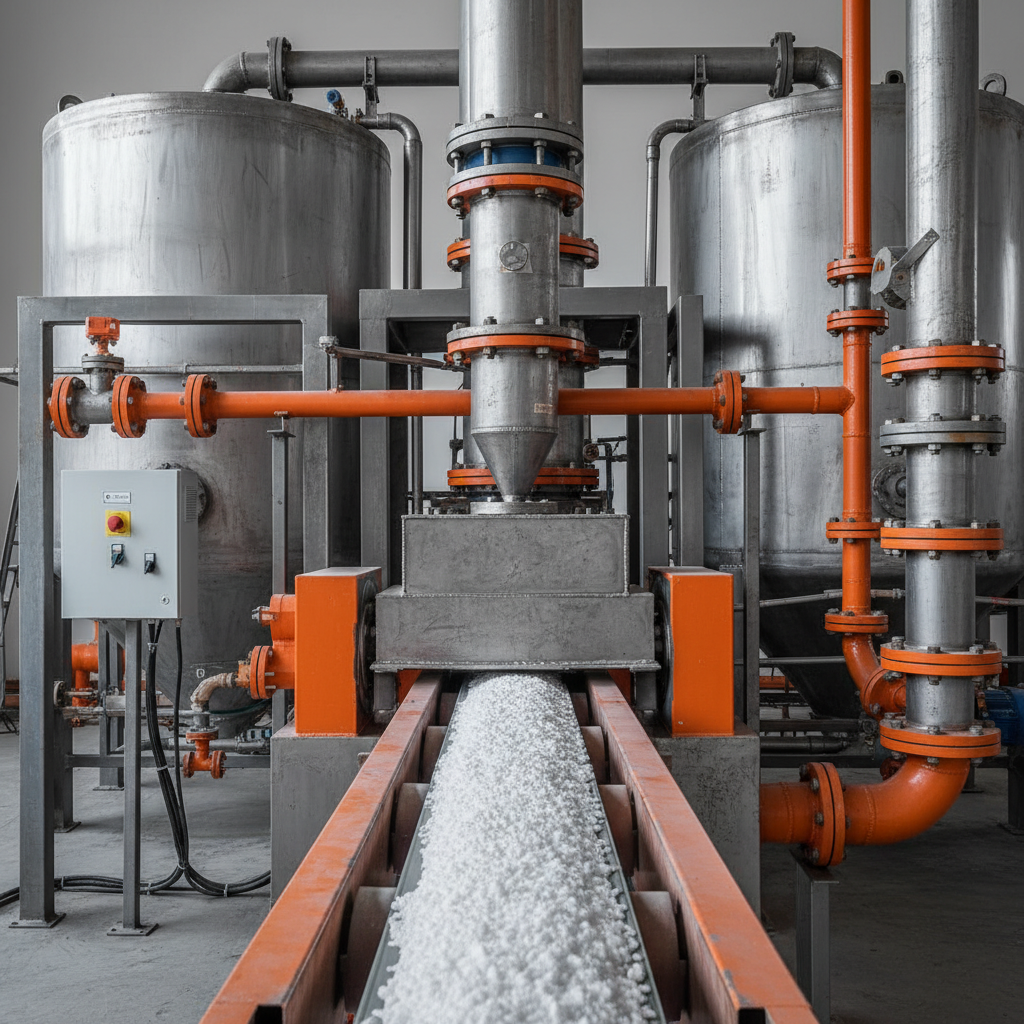
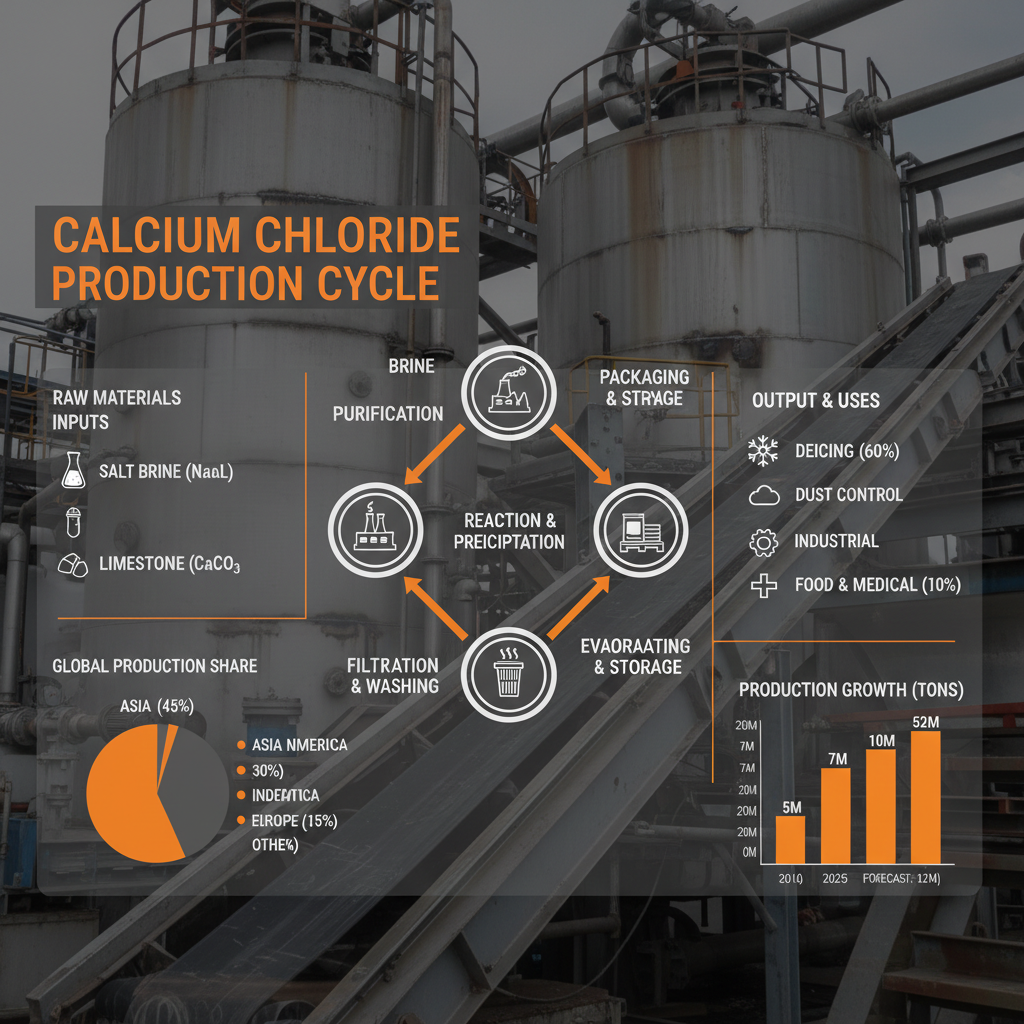
Calcium chloride production is a globally significant industrial process with applications spanning diverse sectors, from de-icing roads to enhancing food processing. Understanding the methods of production, its applications, and future trends is crucial for engineers, policymakers, and businesses alike. The demand for calcium chloride continues to rise alongside infrastructural development and increasing needs for industrial chemicals, necessitating efficient and sustainable production methods.
Globally, the calcium chloride market is experiencing steady growth, driven by infrastructure projects, particularly in rapidly developing economies. According to industry reports, the demand for de-icing salts, a major application of calcium chloride, is particularly high in regions with harsh winter climates. The increasing adoption of calcium chloride in oil and gas drilling, as well as its use in dust control, further contributes to market expansion. This consistent demand underscores the importance of optimized and scalable calcium chloride production.
At its core, calcium chloride production involves obtaining calcium chloride from naturally occurring sources or as a byproduct of other industrial processes. Its ability to lower freezing points and absorb moisture makes it an invaluable chemical in countless applications, impacting everything from road safety to food preservation, solidifying its place as a cornerstone of modern industrial needs.
Introduction to Calcium Chloride Production
The production of calcium chloride is not a monolithic process; it encompasses several methods tailored to the source material and desired product purity. The most common routes include the Solvay process, extraction from natural brines, and recovery from byproduct streams. Each method presents unique challenges and opportunities regarding cost, energy consumption, and environmental impact.
Efficient calcium chloride production relies on careful process control, optimization of chemical reactions, and adherence to stringent quality standards. The resulting product is used extensively in de-icing applications, industrial processing, and even food additives, highlighting the breadth of its demand and the importance of consistent, reliable production.
Key Production Methods
The Solvay process, traditionally used for soda ash production, generates calcium chloride as a byproduct. This byproduct can be further processed to varying degrees of purity, making it a significant source of the chemical. Direct extraction from naturally occurring brines is another common method, particularly in regions with abundant salt deposits. The concentration and purification of these brines determine the final product quality.
A less common but increasingly important method involves recovering calcium chloride from waste streams of other industrial processes, such as the production of hydrochloric acid. This approach aligns with principles of circular economy and waste minimization, offering both economic and environmental benefits. Careful management of impurities is critical in all methods to achieve the desired product specifications.
The selection of a production method hinges on factors like raw material availability, production scale, desired purity levels, and environmental regulations. Each technique requires specific equipment and expertise to maximize efficiency and minimize environmental impact, presenting unique considerations for plant operators and investors.
Raw Material Sourcing & Quality Control
The quality of raw materials significantly impacts the final calcium chloride product. Natural brines, for instance, must be carefully analyzed for contaminants such as magnesium, sulfates, and heavy metals. The presence of these impurities can necessitate additional purification steps, increasing production costs and potentially affecting product performance.
Rigorous quality control measures are crucial throughout the production process. This includes regular sampling and analysis of raw materials, intermediate products, and the final product. Analytical techniques like titration, ion chromatography, and atomic absorption spectroscopy are commonly employed to ensure compliance with industry standards and customer specifications.
Sustainable sourcing of raw materials is also gaining importance. Utilizing byproduct streams and exploring alternative brine sources can minimize environmental impact and reduce reliance on virgin resources. Responsible sourcing practices contribute to a more circular and sustainable calcium chloride production industry.
Cost Efficiency & Production Optimization
Optimizing production costs is essential for competitiveness in the calcium chloride market. This involves minimizing energy consumption, reducing waste generation, and improving process efficiency. Implementing advanced process control systems and utilizing heat recovery technologies can significantly lower operating expenses.
Process optimization also extends to logistics and supply chain management. Efficient transportation and storage of raw materials and finished products can contribute to overall cost savings. Streamlining production schedules and minimizing downtime are crucial for maximizing throughput and reducing per-unit costs.
Calcium Chloride Production Cost Breakdown
Global Applications & Industry Impact
Calcium chloride finds extensive use in de-icing roads and sidewalks, particularly during winter months. Its ability to lower the freezing point of water makes it a highly effective solution for maintaining safe driving conditions. Beyond de-icing, it's crucial in oil and gas drilling as a drilling fluid component, increasing density and preventing wellbore collapse.
Other significant applications include dust control on unpaved roads, concrete acceleration in construction, and as a food additive (calcium chloride is used in cheese making and to firm fruits and vegetables). These diverse applications demonstrate the widespread impact of calcium chloride across multiple industries.
Sustainability & Environmental Considerations
The environmental impact of calcium chloride production is a growing concern. Utilizing byproduct streams and exploring renewable energy sources can significantly reduce the carbon footprint. Implementing efficient water management practices and minimizing waste generation are also crucial for sustainable production.
Responsible disposal of calcium chloride-containing wastewater is essential to prevent soil and water contamination. Developing innovative technologies for recovering and reusing calcium chloride from industrial processes contributes to a circular economy and minimizes environmental burdens.
The long-term sustainability of calcium chloride production hinges on adopting environmentally conscious practices throughout the entire supply chain, from raw material sourcing to product disposal.
Future Trends & Innovations in Production
Future innovations in calcium chloride production will likely focus on improving process efficiency, reducing energy consumption, and minimizing environmental impact. Advanced membrane technologies and novel crystallization techniques hold promise for enhancing product purity and reducing production costs.
The integration of digital technologies, such as artificial intelligence and machine learning, can optimize process control and predict equipment failures, leading to improved operational efficiency. Research into alternative brine sources and sustainable raw materials will also play a key role in shaping the future of the industry.
The increasing demand for sustainable and environmentally friendly products will drive the development of innovative calcium chloride production methods that align with circular economy principles and minimize ecological footprints.
Summary of Calcium Chloride Production Process Challenges and Mitigation Strategies
| Challenge |
Impact on Production |
Mitigation Strategy |
Implementation Cost (1-10) |
| Raw Material Impurities |
Reduced Product Purity, Increased Purification Costs |
Advanced Filtration & Purification Systems |
7 |
| High Energy Consumption |
Increased Operating Costs, Carbon Footprint |
Heat Recovery Systems, Energy-Efficient Equipment |
6 |
| Wastewater Management |
Environmental Concerns, Compliance Issues |
Wastewater Treatment & Recycling Technologies |
8 |
| Process Inefficiency |
Reduced Throughput, Increased Production Time |
Process Optimization & Automation |
5 |
| Supply Chain Disruptions |
Raw Material Shortages, Increased Costs |
Diversified Sourcing, Strategic Inventory Management |
4 |
| Equipment Maintenance |
Downtime, Repair Costs |
Predictive Maintenance Programs, Regular Inspections |
3 |
FAQS
The demand for calcium chloride is driven primarily by de-icing applications, particularly in regions with harsh winter climates. However, it's also essential in oil and gas drilling as a drilling fluid, dust control on roads, concrete acceleration in construction, and even as a food additive. This versatility ensures consistent demand across diverse industries.
The Solvay process, used to produce soda ash, generates calcium chloride as a significant byproduct. This byproduct is then collected and purified to create commercially viable calcium chloride products. The efficiency of soda ash production directly impacts the available supply of calcium chloride from this route, making it a key source.
Environmental concerns include the energy intensity of production, wastewater management, and potential impacts on soil and water quality. Mitigation strategies involve using byproduct streams, implementing efficient water treatment technologies, adopting renewable energy sources, and minimizing waste generation, aligning with principles of sustainability.
Quality control is paramount throughout the entire process, from raw material sourcing to final product analysis. Regular sampling and analysis using techniques like titration and ion chromatography ensure the product meets industry standards and customer specifications, maintaining consistency and reliability for diverse applications.
Advancements include membrane technologies for enhanced purification, automation systems for optimized process control, and the use of AI/ML for predictive maintenance and efficiency improvements. These technologies drive down costs, reduce environmental impact, and enhance product quality.
Future costs will be impacted by energy prices, raw material availability, environmental regulations, and the adoption of new technologies. Investments in sustainable production methods and efficient logistics will be critical for mitigating cost increases and maintaining competitiveness in the long term.
Conclusion
In conclusion, calcium chloride production is a complex industrial process with a far-reaching impact on multiple sectors. From maintaining road safety to enabling critical industrial applications, the demand for this versatile chemical continues to grow. Optimizing production methods, ensuring sustainability, and embracing technological advancements are crucial for meeting future needs.
Looking ahead, the calcium chloride industry must prioritize innovation in process efficiency, environmental responsibility, and supply chain resilience. By focusing on these key areas, the industry can ensure a reliable and sustainable supply of this essential chemical for generations to come. For more information and to explore our calcium chloride production solutions, visit our website: https://www.frpgrpmachine.com.