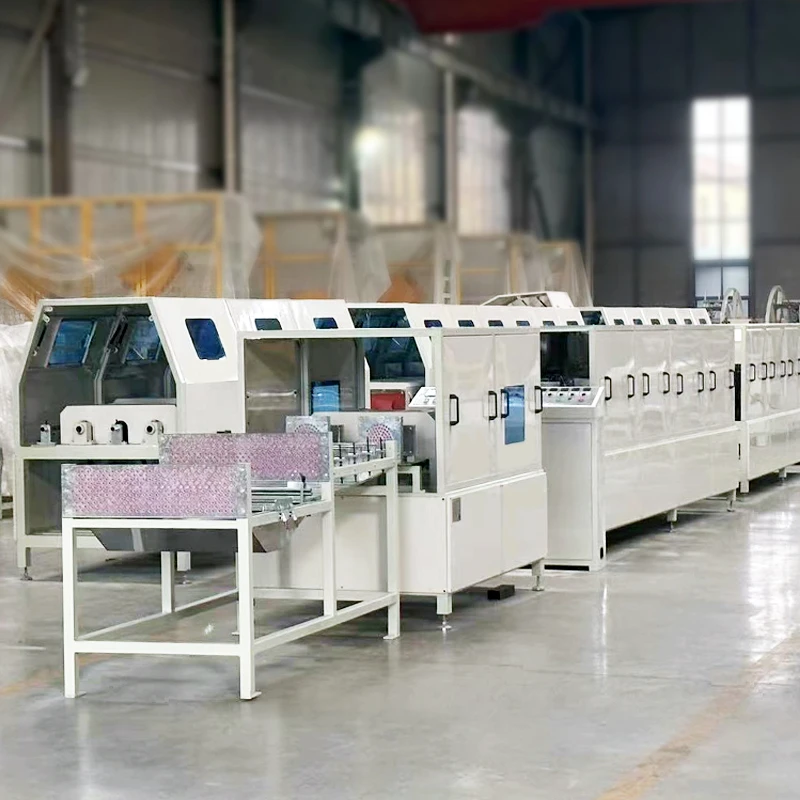
Industrial Water Treatment & cnc filament winding Solutions for Egypt

Advanced environmental protection equipment engineered for the harsh climatic conditions and industrial demands of Egypt's water pollution control sector.

Industrial Water Treatment & cnc filament winding Solutions for Egypt

Providing high-performance filtration and storage systems designed to mitigate water pollution and optimize industrial chemical handling across Egyptian manufacturing hubs.

The Current State of Water Pollution Control in Egypt

Analyzing the intersection of industrial growth and environmental sustainability in the Nile Delta and Suez Canal zones.

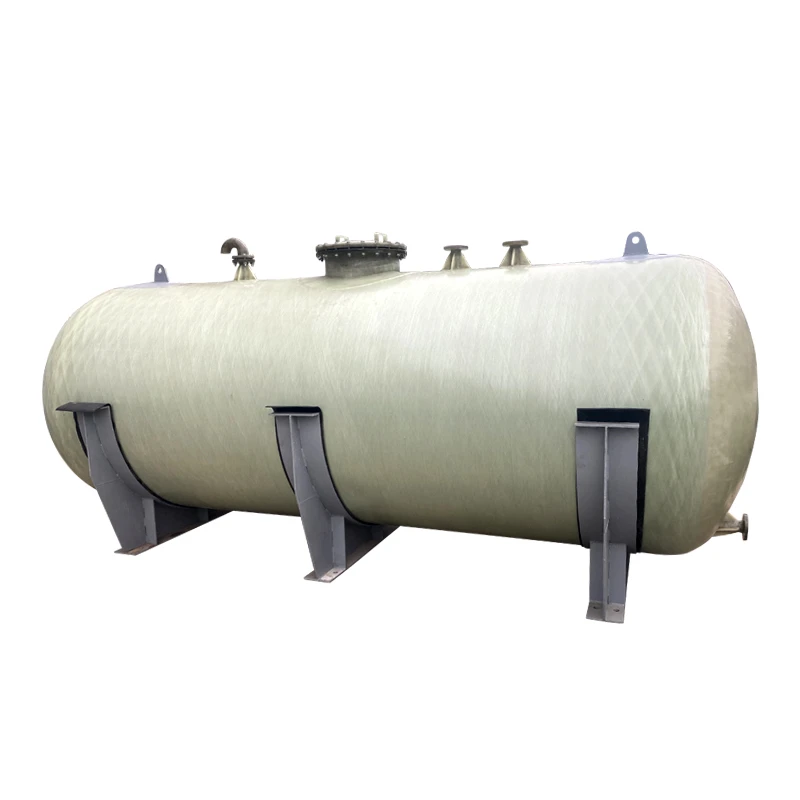
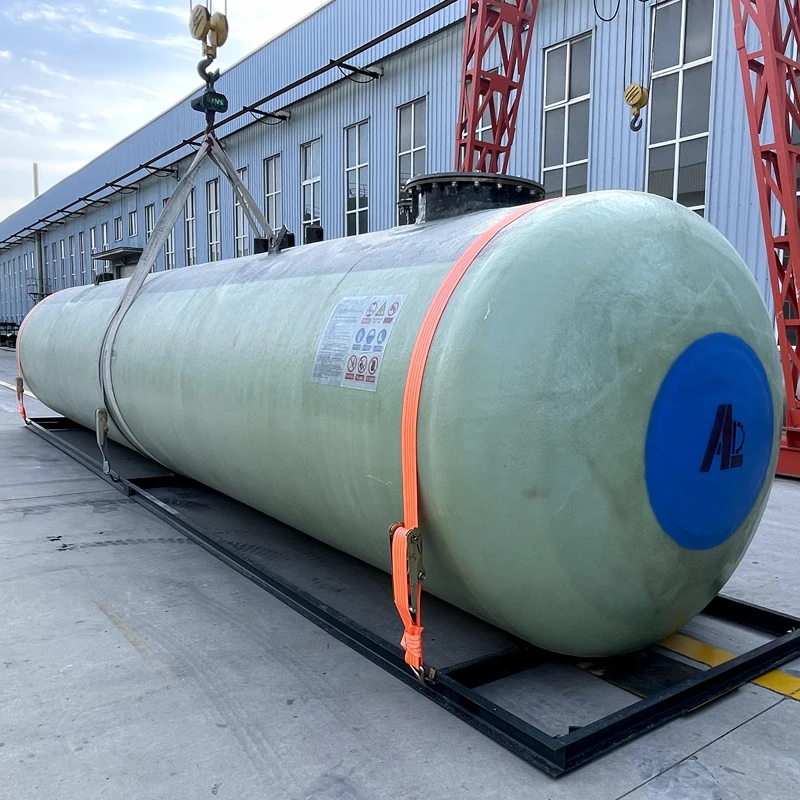
Egypt's manufacturing sector is currently facing a dual challenge: rapid industrial expansion and the critical need for water conservation. The high salinity and alkalinity of local water sources, combined with extreme desert heat, accelerate the corrosion of traditional metal equipment, necessitating the shift toward sulphuric acid storage tanks made from composite materials.

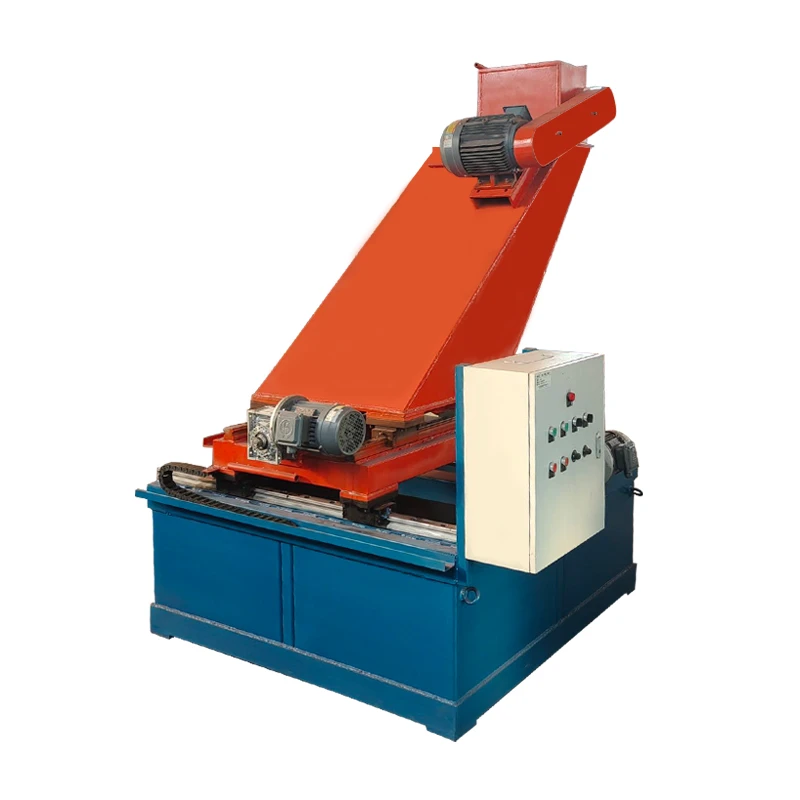
In the wastewater treatment plants across Cairo and Alexandria, the accumulation of heavy sludge requires robust mechanical removal systems. The demand for high-durability rake teeth has surged as facilities upgrade their clarifiers to handle the increased load of textile and chemical industrial runoff.

Furthermore, the local chemical industry is transitioning from imported bulk storage to localized, high-precision manufacturing. The adoption of sulfuric acid storage containers that meet international safety standards is now a priority to prevent hazardous leaks into the fragile Nile ecosystem.
Evolution of Environmental Equipment in the Egyptian Market

From manual filtration to automated composite manufacturing.

Market Development History

In the early 2000s, Egypt relied heavily on basic concrete and steel tanks for chemical storage. However, these materials suffered from severe corrosion due to the aggressive nature of industrial acids and the saline soil of the coastal regions.

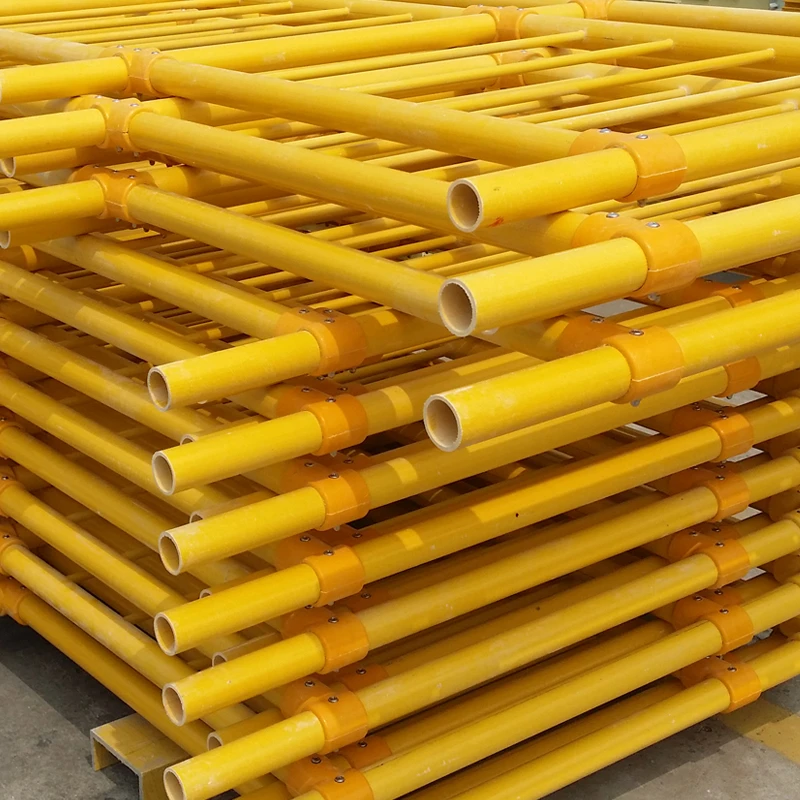
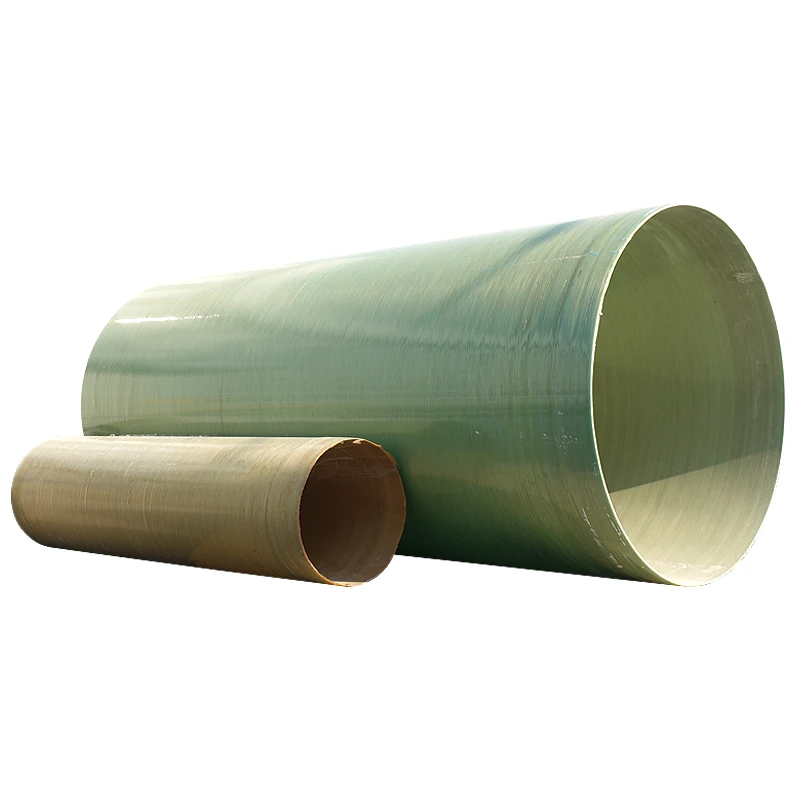
By 2010-2015, there was a noticeable shift toward FRP (Fiber Reinforced Plastic). The introduction of the mannheim furnace technology in specialized thermal processing helped improve the curing quality of composite materials used in high-temperature industrial environments.

From 2018 to the present, the market has entered the era of digitalization. The transition to CNC-controlled production has allowed for the creation of complex, high-pressure vessels with unmatched precision and structural integrity.

Future Development Trends

Integration of Smart Monitoring

Future systems will integrate IoT sensors into composite tanks to monitor wall thickness and chemical leakage in real-time, reducing environmental risk.

Advanced Material Hybridization

The use of carbon-fiber hybrids in the winding process will allow for lighter yet stronger containers capable of withstanding higher internal pressures.

Zero Liquid Discharge (ZLD) focus

Egyptian factories are moving toward ZLD targets, driving the need for more efficient evaporation and crystallization equipment.

Future Trends in Water Pollution Prevention

Strategic foresight for Egypt's specialized equipment manufacturing sector.

Precision Automation
Expanding the use of automated winding to eliminate human error in chemical vessel construction.
Corrosion Resistance
Developing new resin formulas specifically for Egypt's extreme UV and heat exposure.
Modular Design
Implementing prefabricated modules for faster deployment in remote industrial zones.
Eco-Friendly resins
Switching to low-emission resins to comply with new Egyptian environmental laws.

Industry Outlook

The trajectory for Egypt's water pollution control equipment is moving toward a "Circular Economy" model. Google search trends indicate a rising interest in sustainable infrastructure and chemical waste recovery, which will drive the demand for more specialized composite equipment.

Over the next 3-5 years, we expect a convergence of material science and AI, where the production of equipment like storage tanks is optimized for the specific chemical composition of the waste streams they will hold.

Local Application Scenarios in Egypt

Real-world deployment of water pollution control technology in diverse Egyptian environments.

1. Nile Delta Fertilizer Plants

Deployment of heavy-duty sulphuric acid storage tanks to handle large-scale phosphate processing while preventing leakage into agricultural irrigation channels.

2. Alexandria Industrial Wastewater Hubs

Installation of high-strength rake teeth in primary clarifiers to remove industrial debris from textile effluent before biological treatment.

3. Suez Canal Economic Zone Chemical Units

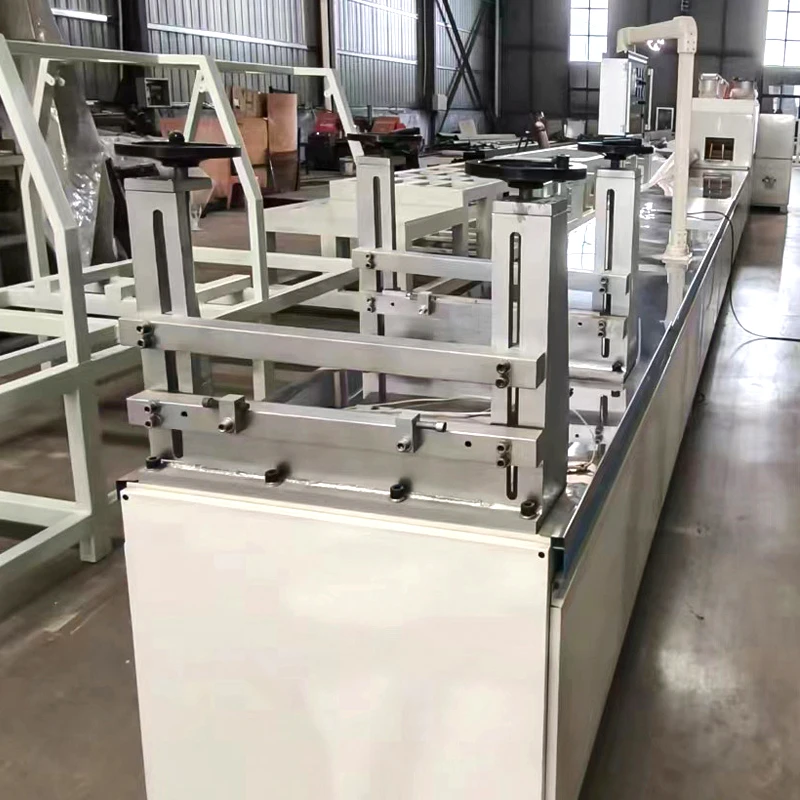
Utilization of cnc filament winding to create custom-sized, pressure-resistant vessels for specialized chemical storage in the port area.

4. Red Sea Desalination Facilities

Applying thermal processing via mannheim furnace techniques to cure high-performance coatings for brine handling equipment exposed to extreme salt levels.

5. Cairo Pharmaceutical Manufacturing

Implementing compact sulfuric acid storage containers for precise dosing and safe storage of acids used in drug synthesis and laboratory waste treatment.

Brand Story

Global Development Journey of Hebei Aoliande Chemical Equipment Co., Ltd.

Founding Vision

Established with a mission to solve the critical problem of chemical corrosion in industrial water treatment, focusing on durability and safety.

Technical Breakthrough

Pioneered the integration of precision winding and thermal curing to set new benchmarks for composite vessel strength.

Global Expansion

Extended our footprint to the Middle East and Africa, adapting equipment to withstand extreme temperatures and salinity.

Quality Certification

Achieved international safety certifications, ensuring our storage solutions meet the strictest global environmental protocols.

Sustainable Future

Committing to zero-leakage technology to protect global water resources and support industrial green transitions.

Complete Product Portfolio for Egypt's Water Treatment Sector

Comprehensive equipment solutions from storage to mechanical filtration.

Egyptian Industrial Equipment FAQ

Technical answers for local engineers and procurement managers.

How does cnc filament winding improve tank longevity in Egypt?

CNC filament winding ensures uniform wall thickness and optimal fiber orientation, which eliminates weak points and provides superior resistance to the high thermal expansion cycles common in Egypt's climate.

Are sulphuric acid storage tanks suitable for high-temperature zones?

Yes, our FRP tanks are engineered with specialized heat-resistant resins that prevent softening and degradation even when exposed to Egypt's peak summer temperatures.

What is the benefit of using a mannheim furnace for equipment curing?

The mannheim furnace provides precise temperature control during the polymerization process, ensuring the composite reaches its maximum chemical resistance and structural hardness.

How often should rake teeth be replaced in Nile Delta clarifiers?

Depending on the sludge abrasiveness, we recommend inspection every 6 months. Our reinforced composite rake teeth typically last 3x longer than traditional steel parts.

Can sulfuric acid storage containers be customized for small labs?

Absolutely. We provide a range of modular sizes and custom dimensions to fit the specific spatial constraints of pharmaceutical and research facilities in Cairo.

Do these systems comply with Egyptian environmental regulations?

Yes, all our equipment is designed to meet or exceed the Egyptian Ministry of Environment's standards for hazardous chemical containment and water discharge.

Consult Our Engineering Experts

Ready to upgrade your water pollution control infrastructure in Egypt? Contact us for a technical audit and a customized equipment proposal.

Contact Us Now

If you are interested in our products, you can choose to leave your information here, and we will be in touch with you shortly.