Advanced FRP Rebar Machine: High-Performance GFRP Production
The Advanced FRP Rebar Machine: Revolutionizing Construction Materials
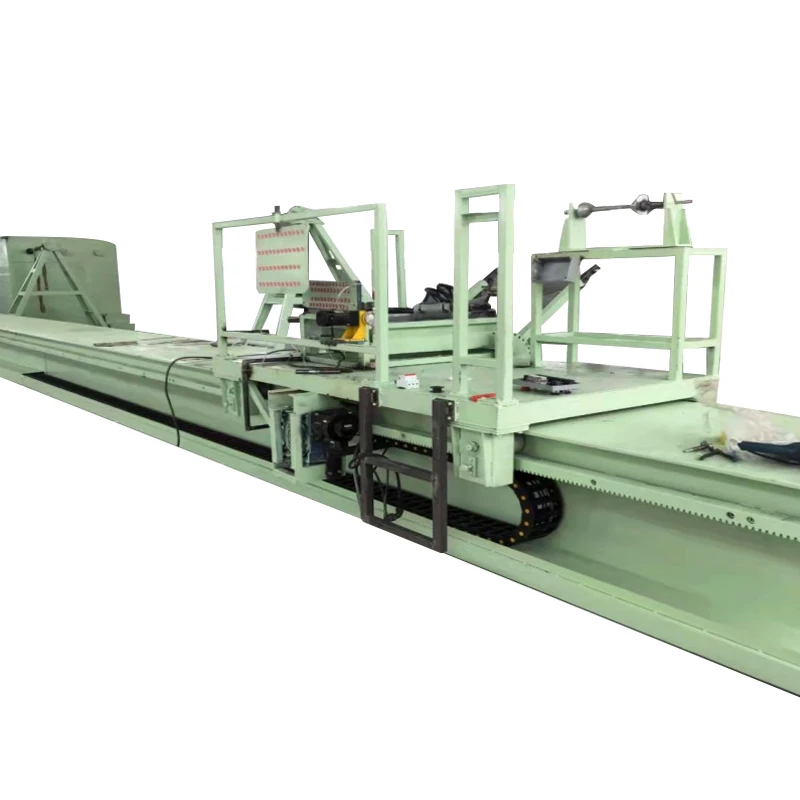
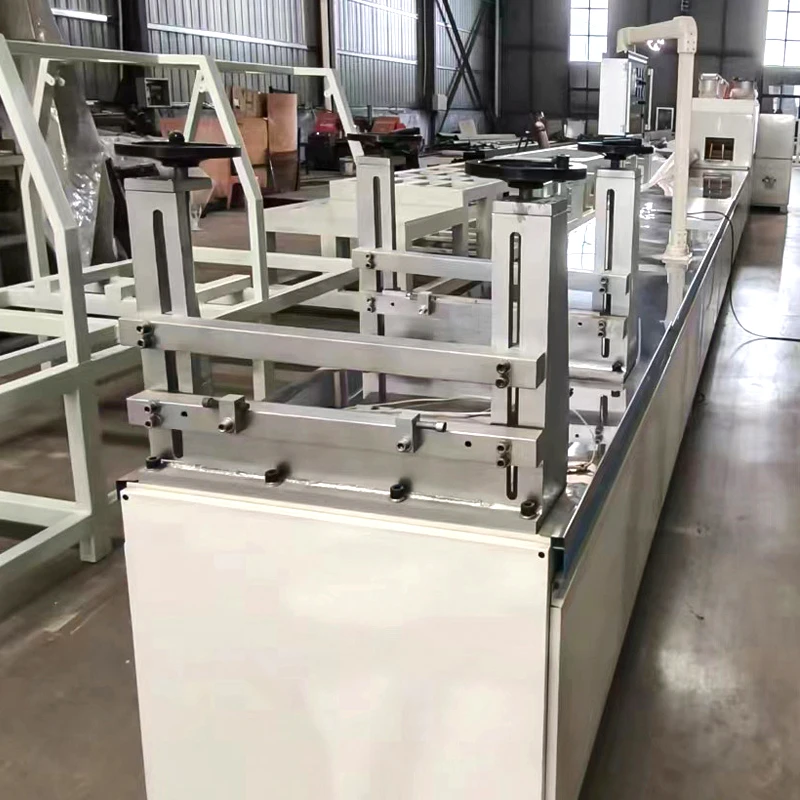
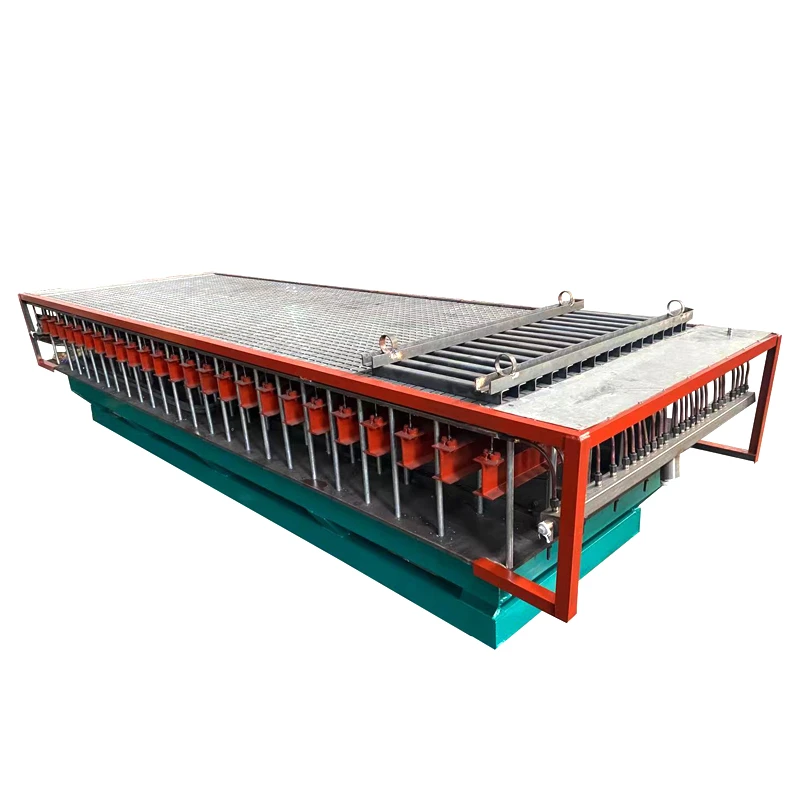
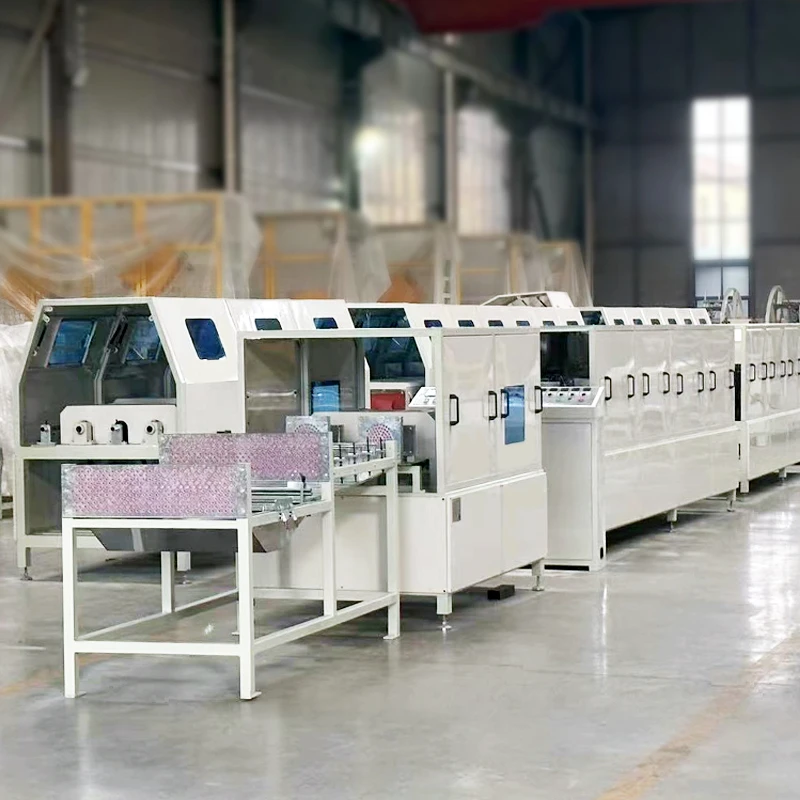
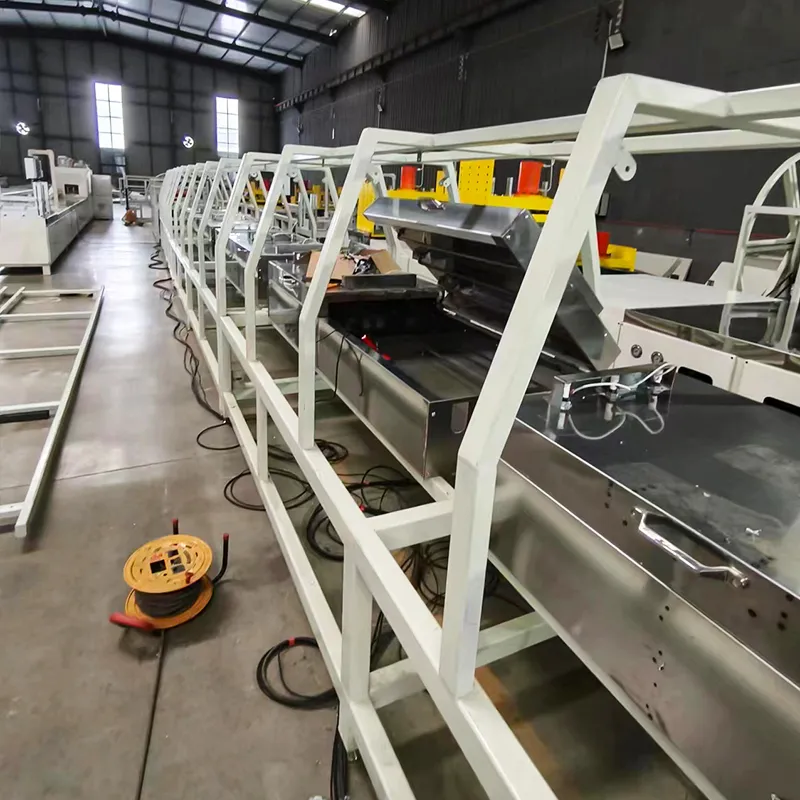
The global construction industry is continually seeking innovative materials that offer superior performance, extended service life, and environmental sustainability. Fiber Reinforced Polymer (FRP) rebar has emerged as a groundbreaking alternative to traditional steel reinforcement, particularly in corrosive environments. Central to its production is the sophisticated frp rebar machine, an advanced manufacturing solution designed to produce high-quality FRP and Glass Fiber Reinforced Polymer (GFRP) rebars with exceptional precision and efficiency. This article delves into the technical intricacies, industry applications, and strategic advantages of this essential equipment, highlighting its role in shaping the future of infrastructure.
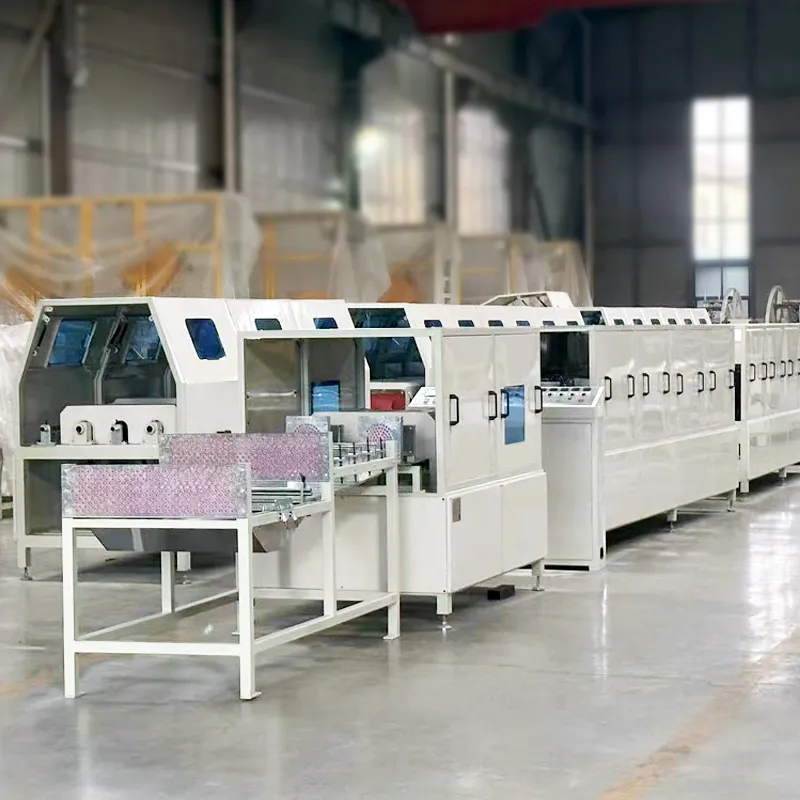
Current industry trends indicate a significant shift towards composite materials due to their inherent resistance to corrosion, electromagnetic neutrality, and high strength-to-weight ratio. The demand for FRP rebars is projected to grow substantially, driven by large-scale infrastructure projects such as bridges, marine structures, wastewater treatment plants, and magnetic resonance imaging (MRI) facilities. This robust market growth directly fuels the innovation and deployment of advanced production lines, ensuring that manufacturers can meet the increasing global appetite for sustainable and durable construction materials. Specialized equipment, like the frp rebar machine, is at the forefront of this evolution, offering the capability to produce diverse diameters and profiles tailored to specific engineering requirements.
Detailed Process Flow: Manufacturing FRP Rebar
The production of FRP rebar primarily utilizes the pultrusion process, a continuous manufacturing method for composite materials with constant cross-section. This highly automated process ensures consistent quality and mechanical properties. The core materials for FRP rebar typically include high-strength glass fibers (for GFRP rebar), carbon fibers, or basalt fibers, impregnated with a thermosetting polymer resin matrix, commonly vinylester, polyester, or epoxy.
Pultrusion Process Steps:
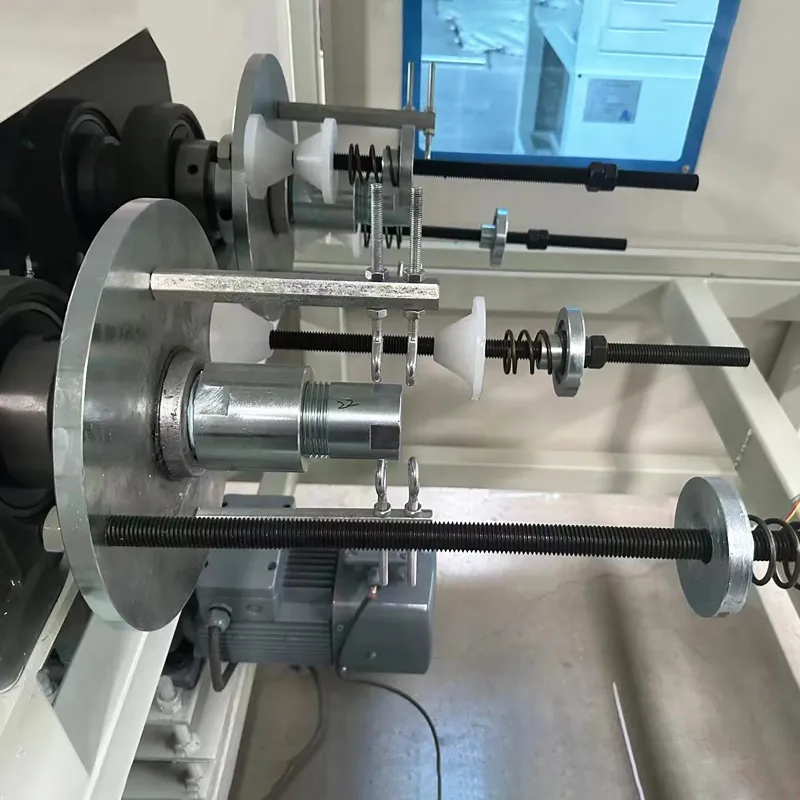
- Fiber Creel & Guide System: Continuous fiber rovings (bundles of fibers) are pulled from a creel system, which manages tension and ensures uniform feeding. The rovings pass through a guiding system that aligns them precisely into the desired rebar shape.
- Resin Impregnation Bath: The aligned fibers enter a resin bath where they are thoroughly wetted out with the chosen polymer resin mixture. This mixture typically includes catalysts, accelerators, and pigments. This step is critical for achieving optimal fiber-to-resin ratio and complete saturation.
- Pre-forming Die: After impregnation, the saturated fibers are pulled through a pre-forming die that shapes them into the approximate cross-section of the rebar. Excess resin is squeezed out, further optimizing the fiber volume fraction.
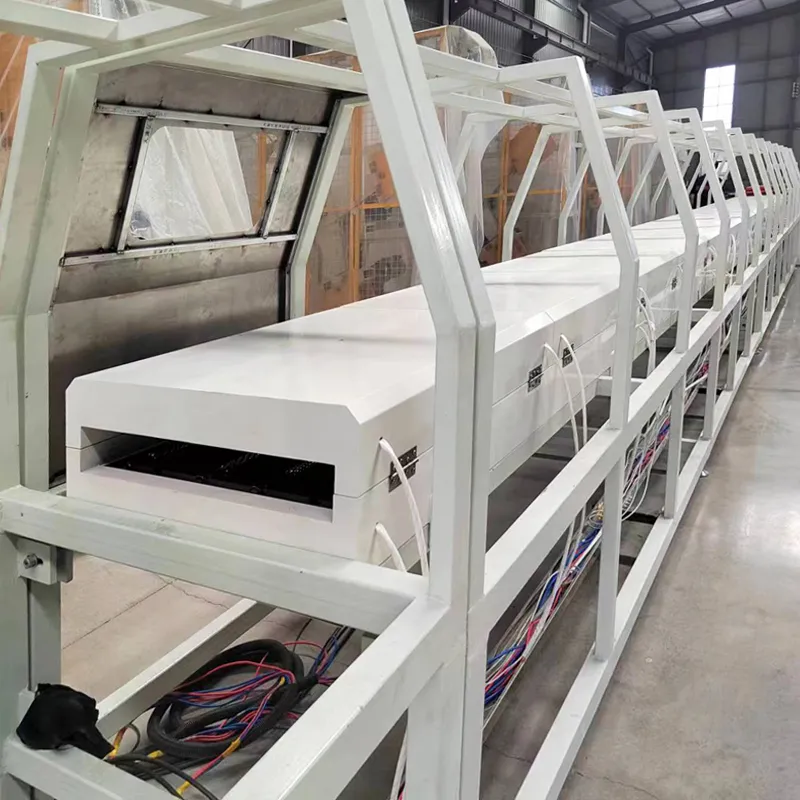
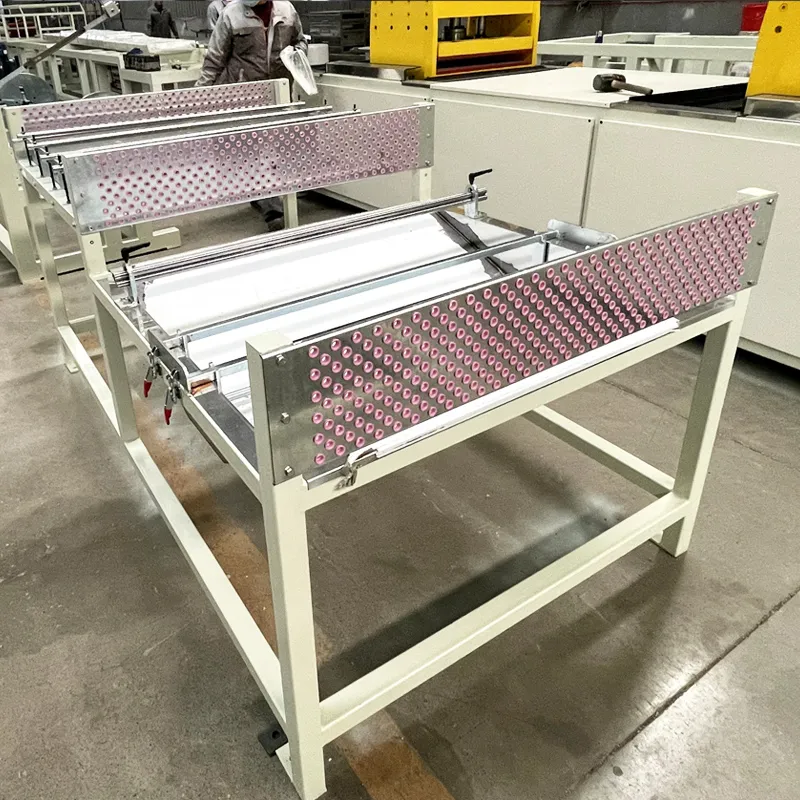
- Heated Curing Die: The shaped composite then enters a heated curing die, where the thermosetting resin undergoes polymerization. Controlled heating ensures rapid and complete curing, transforming the liquid resin into a solid, rigid matrix that binds the fibers together. This section is often equipped with multiple heating zones to optimize the curing profile.
- Surface Application (Optional): For enhanced bond strength with concrete, the rebar may pass through a grit application station immediately after the curing die, where sand or grit is applied to its surface while the resin is still tacky. Alternatively, a helical winding station can apply a continuous fiber helix for improved mechanical interlocking.
- Pulling Mechanism: A continuous pulling mechanism (often a caterpillar-type or reciprocating clamp puller) draws the composite material through all preceding stages at a consistent speed. The precision of this pulling force is paramount for maintaining dimensional accuracy and preventing fiber distortion.
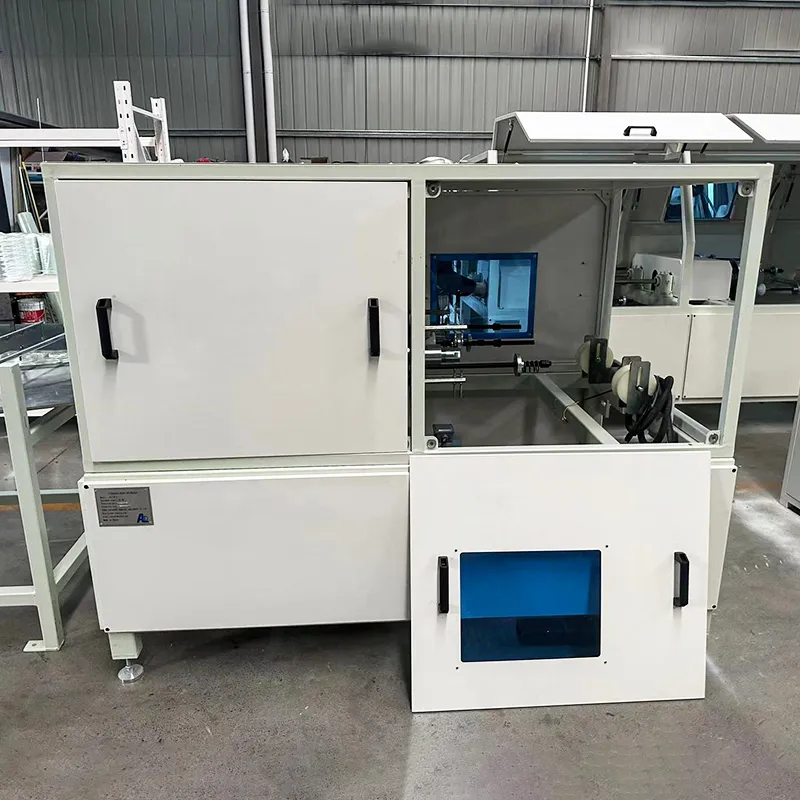
- Cutting Station: Finally, the cured and finished FRP rebar is cut to desired lengths using an automatic, precise saw. This CNC machining ensures accurate cuts for varied project specifications.
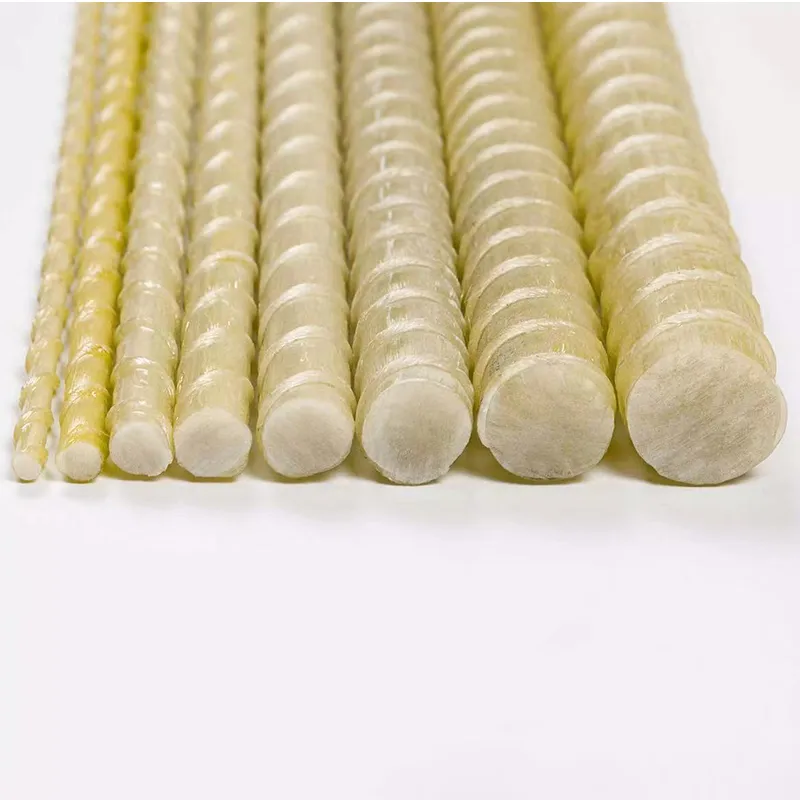
Testing Standards: Finished FRP rebar is rigorously tested to meet international standards such as ASTM D7957 (Standard Specification for FRP Composites for Concrete Reinforcement), ISO 10406 (FRP for Reinforcing Concrete), and ACI 440.1R (Guide for the Design and Construction of Structural Concrete Reinforced with FRP Bars). These standards dictate minimum requirements for tensile strength, modulus of elasticity, bond strength, and durability.
Service Life: FRP rebars offer a significantly extended service life compared to steel, often exceeding 100 years in harsh environments, reducing the need for costly maintenance and replacement, thus demonstrating substantial energy saving over the lifecycle of the structure.
Target Industries & Advantages: The inherent corrosion resistance makes FRP rebars ideal for petrochemical facilities, coastal and marine structures, water supply & drainage systems, and bridge decks. Their non-conductive and non-magnetic properties are crucial for metallurgical operations, power plants, and MRI rooms, providing unique advantages where electromagnetic interference or stray currents are concerns. The advanced frp rebar machine is instrumental in producing these specialized materials.
Technical Specifications and Parameters of a GFRP Rebar Machine
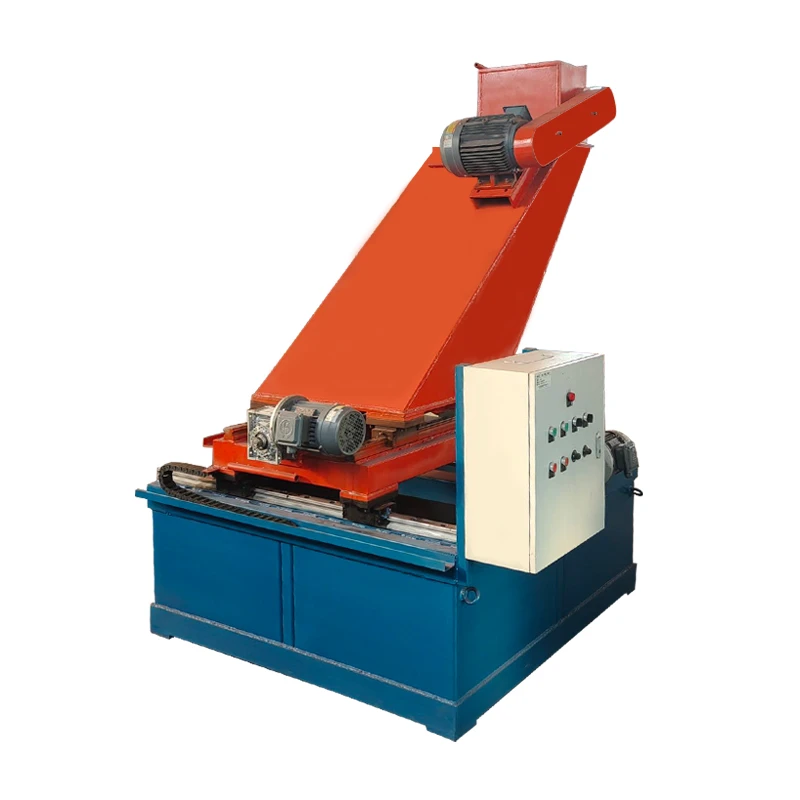
A state-of-the-art gfrp rebar machine is engineered for high-volume, precision manufacturing. Understanding its key technical specifications is vital for potential investors and operators seeking to optimize production and ensure product quality. Below is a representative table of typical parameters for a high-performance GFRP rebar production line.
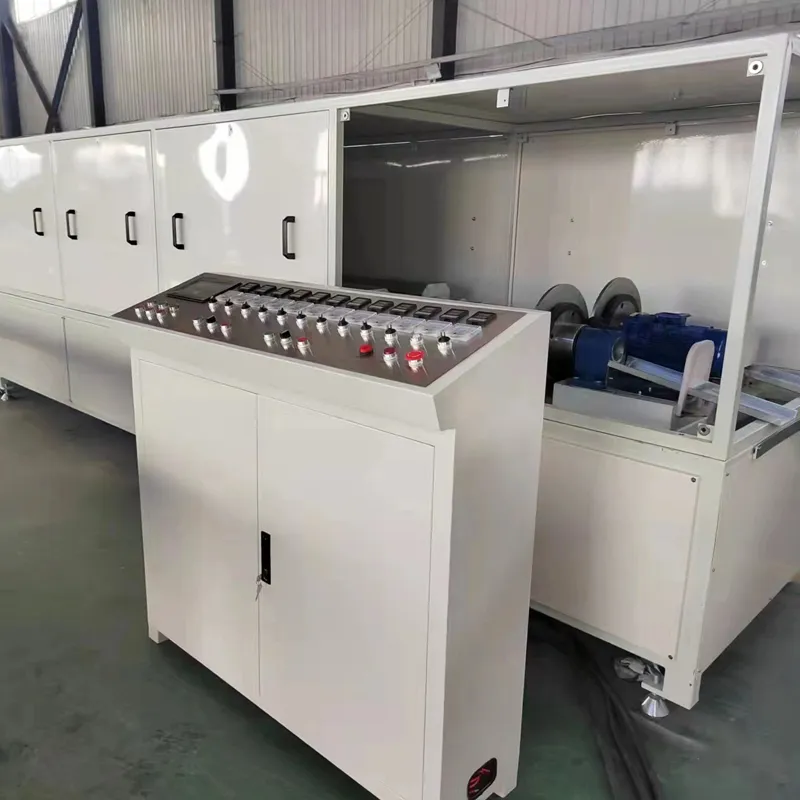
Typical GFRP Rebar Machine Specifications:
| Parameter | Specification Range | Unit/Description |
|---|---|---|
| Rebar Diameter Range | 6 - 40 | mm |
| Production Speed | 0.5 - 2.0 | m/min (per strand, depends on diameter) |
| Number of Production Lines/Strands | 1 - 8 | Simultaneous output |
| Total Installed Power | 30 - 80 | kW (varies with capacity) |
| Heating Zones | 5 - 10 | Individual PID controlled |
| Pulling Force | 20 - 100 | kN |
| Resin Bath Capacity | 100 - 500 | Litres |
| Control System | PLC with HMI | Siemens/Allen-Bradley or equivalent |
| Machine Dimensions (L x W x H) | 15-30 x 1.5-3 x 1.5-2 | meters (approx.) |
These specifications underscore the advanced engineering embedded in a modern frp rebar machine. High production speeds coupled with multi-strand capabilities allow for efficient high-volume output. Precision control systems, often utilizing Programmable Logic Controllers (PLCs) with Human-Machine Interfaces (HMIs), ensure consistent product quality, enable real-time parameter adjustments, and minimize material waste.
Application Scenarios and Technical Advantages
The unique properties of FRP rebar make it indispensable across a multitude of challenging and specialized construction applications where traditional steel reinforcement is inadequate or cost-prohibitive in the long term.
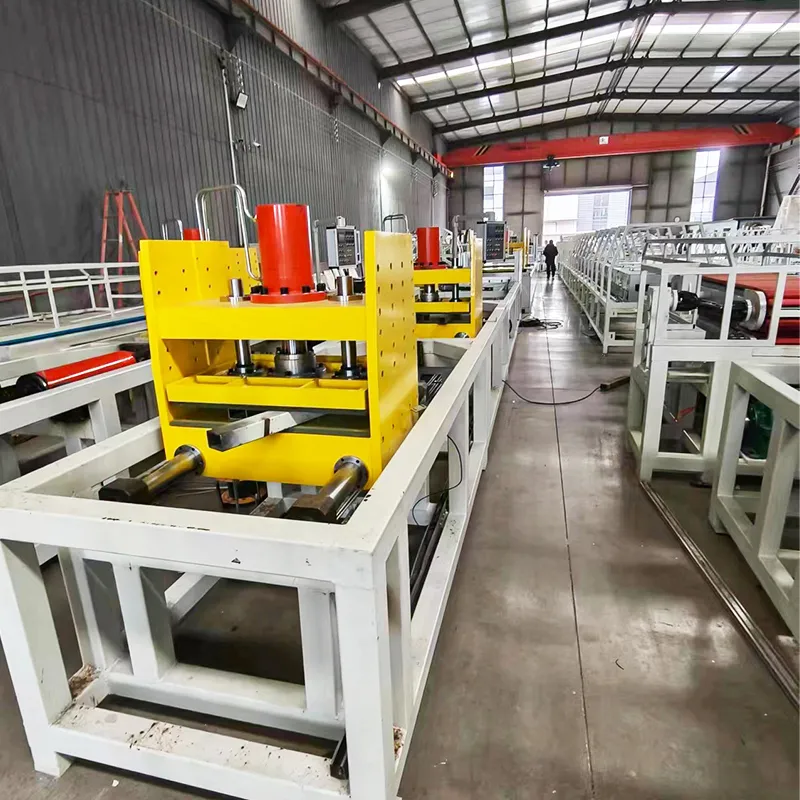
Key Application Scenarios:
- Marine and Coastal Structures: Docks, seawalls, breakwaters, and piers constantly exposed to saltwater, chlorides, and aggressive chemicals benefit immensely from FRP's complete corrosion resistance, preventing spalling and structural degradation common with steel.
- Bridge Decks and Roadways: FRP rebar extends the lifespan of bridge decks and concrete barriers by eliminating corrosion-induced cracking, especially in regions utilizing de-icing salts. This leads to reduced maintenance costs and traffic disruptions.
- Wastewater Treatment Plants: Concrete structures in these facilities are exposed to highly corrosive chemicals and aggressive biological agents. FRP rebar ensures the longevity and structural integrity of tanks, clarifiers, and filter beds.
- MRI Facilities and Sensitive Electronic Environments: As FRP is non-magnetic and non-conductive, it eliminates electromagnetic interference, making it ideal for reinforcing concrete in hospitals, research labs, and data centers where sensitive equipment operates.
- Power Plants and Electrical Substations: Its non-conductive nature prevents electrical currents from flowing through the reinforcement, enhancing safety and operational reliability.
- Tunneling and Mining: In temporary ground support and permanent structures, FRP rock bolts and rebars offer ease of cutting (tunnel boring machines can cut through them), lightweight handling, and resistance to aggressive ground conditions.
Technical Advantages of FRP Rebar:
- Superior Corrosion Resistance: Impervious to chlorides, sulfates, acids, and alkalis, ensuring long-term structural integrity without rust or degradation.
- High Tensile Strength-to-Weight Ratio: Significantly lighter than steel (typically 1/4th the weight) while offering comparable or superior tensile strength, simplifying transport and handling.
- Non-Conductive and Non-Magnetic: Essential for applications sensitive to electromagnetic fields or where electrical insulation is critical.
- Enhanced Durability & Service Life: Structures reinforced with FRP can last significantly longer, reducing lifecycle costs and environmental impact.
- Thermal Insulation Properties: Reduces thermal bridging in concrete, contributing to energy efficiency in buildings.
- Fatigue Resistance: Exhibits excellent performance under cyclic loading, crucial for dynamic structures.
These advantages, facilitated by the precision and quality of a well-engineered gfrp rebar machine, position FRP rebar as a cornerstone material for resilient and sustainable infrastructure development.
Vendor Comparison and Customized Solutions
Choosing the right vendor for an FRP rebar machine is a strategic decision that impacts production efficiency, product quality, and long-term operational costs. Key factors for comparison include technological sophistication, after-sales support, customization capabilities, and adherence to international standards.
Key Vendor Comparison Criteria:
| Feature Category | Premium Vendor | Standard Vendor (Comparative) |
|---|---|---|
| Pultrusion Technology | Advanced PLC-HMI control, multi-zone heating, precision pulling mechanism (e.g., servo-driven), integrated process monitoring. | Basic PLC, fewer heating zones, hydraulic or mechanical pulling, manual adjustments. |
| Material Compatibility | Versatile for GFRP, BFRP, CFRP; supports various resin systems (vinylester, epoxy, polyester). | Primarily GFRP, limited resin flexibility. |
| Production Capacity & Speed | High-speed multi-strand lines (up to 8 strands), 0.5-2.0 m/min per strand. | Lower speed (0.3-1.0 m/min), fewer strands (1-4). |
| Quality Control & Standards | ISO 9001 certified, CE conformity, compliance with ASTM, ACI, ISO rebar standards. Integrated inline quality checks. | Basic quality checks, fewer certifications. |
| Customization Options | Tailored for specific rebar diameters, lengths, surface finishes, resin types, and factory layouts. | Limited customization, standard configurations only. |
| After-Sales Support | Comprehensive installation, training, remote diagnostics, readily available spare parts, long-term technical assistance. | Basic installation, limited training, slower spare parts delivery. |
Customized Solutions:
Leading manufacturers of frp rebar machine understand that each client's needs are unique. Customization options extend to:
- Rebar Diameter & Profile: Machines can be engineered to produce specific rebar diameters from 6mm to 40mm or more, including various surface deformations (e.g., sand-coated, ribbed, helically wound) for optimal concrete bond.
- Production Capacity: Scalable solutions, from single-strand laboratory lines to multi-strand industrial systems, to match required output volumes.
- Material Versatility: Configuration to process different fiber types (glass, carbon, basalt) and resin matrices to produce GFRP, CFRP, or BFRP rebars according to performance needs.
- Automation Levels: Integration of advanced automation features like robotic handling, automatic creel loading, and sophisticated data logging for Industry 4.0 readiness.
- Footprint Optimization: Modular designs that can be adapted to existing factory layouts, optimizing space utilization and workflow.
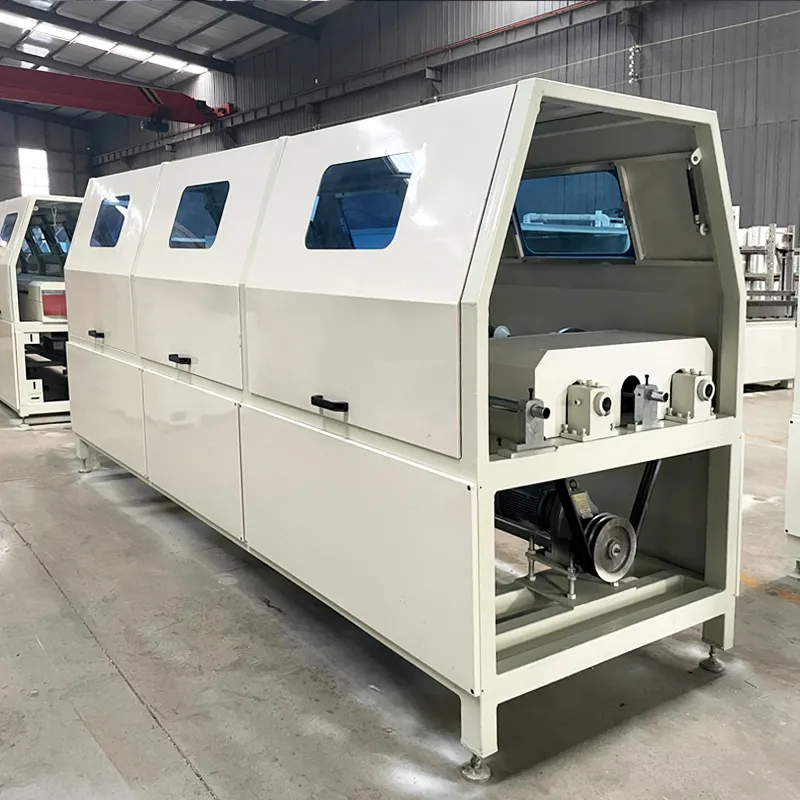
These tailored solutions ensure that the investment in an frp rebar machine aligns perfectly with specific project requirements and long-term business objectives.
Application Case Studies and Customer Experience
Real-world implementations demonstrate the tangible benefits of FRP rebar and the efficiency of the production machinery behind it. These case studies highlight not only the technical prowess but also the economic and operational advantages delivered by a reliable frp rebar machine.
Case Study 1: Coastal Bridge Deck Rehabilitation, North America
- Challenge: An aging concrete bridge deck suffered from severe corrosion of steel reinforcement due to de-icing salts and marine spray, leading to extensive spalling and costly annual repairs.
- Solution: The decision was made to entirely replace the rebar with GFRP reinforcement. A client acquired a multi-strand gfrp rebar machine, producing 16mm and 20mm GFRP bars, sand-coated for enhanced bond.
- Outcome: The GFRP rebar provided complete immunity to chloride attack, extending the estimated service life of the bridge deck by over 75 years compared to a steel-reinforced alternative. Construction time was reduced by 15% due to the lighter weight and easier handling of GFRP bars. The client reported excellent machine uptime and consistent product quality, meeting ASTM D7957 standards.
Case Study 2: New Wastewater Treatment Plant Construction, Middle East
- Challenge: The highly aggressive chemical environment of the new plant’s aeration tanks and clarifiers demanded reinforcement resistant to sulfuric acid and other corrosive agents.
- Solution: The construction firm opted for FRP rebar for all submerged and exposed concrete elements. The FRP rebar machine in use was customized to produce vinylester-based GFRP rebars, known for superior chemical resistance, in diameters ranging from 10mm to 32mm.
- Outcome: The project successfully integrated over 1,500 tons of FRP rebar. The client highlighted the smooth operation of the production line and the reliability of the FRP rebar's performance data, which showed a tensile strength retention of over 95% after accelerated aging tests in acidic solutions. Customer feedback emphasized the machine’s intuitive PLC controls, which simplified operator training and maintenance.
Trustworthiness: FAQ, Lead Time, Warranty & Support
Building trust with B2B clients requires transparency and robust commitments to service, delivery, and quality. Here, we address common inquiries and outline our support framework.
Frequently Asked Questions (FAQ):
- Q: What is the typical lead time for an FRP rebar machine production line?
- A: Standard configurations typically have a lead time of 60-90 days from order confirmation to shipment. Custom-engineered lines may require 120-180 days, depending on the complexity of specifications. This includes manufacturing, assembly, and rigorous factory acceptance testing (FAT).
- Q: What kind of warranty is offered with the equipment?
- A: We provide a comprehensive 12-month warranty on mechanical and electrical components from the date of commissioning or 18 months from shipment, whichever comes first. Extended warranty options are available upon request.
- Q: Do you provide installation and training services?
- A: Absolutely. Our experienced engineers provide on-site installation supervision, commissioning, and comprehensive operational and maintenance training for your technical staff. This typically lasts 7-14 days depending on the machine's complexity.
- Q: How is after-sales support managed?
- A: We offer lifelong technical support, including remote diagnostics, troubleshooting, and prompt spare parts delivery. Our dedicated service team is available via phone, email, and video conferencing to ensure minimal downtime for your operations.
- Q: Can the machine produce different types of FRP rebar (e.g., GFRP, CFRP, BFRP)?
- A: Yes, our advanced frp rebar machine designs are highly versatile. With appropriate material selection (fibers and resins) and minor adjustments to the feeding and curing parameters, the same machine can produce GFRP, CFRP, or BFRP rebar, offering flexibility to meet diverse market demands.
Lead Time & Fulfillment Details:
Our manufacturing process adheres to strict ISO 9001 quality management protocols, ensuring that every frp rebar machine is built to the highest standards. We maintain a transparent production schedule and provide regular updates on your order status. Pre-shipment inspections and factory acceptance tests are mandatory to ensure that the equipment meets all contractual specifications before it leaves our facility. Efficient logistics partnerships enable timely and secure global delivery.
Warranty Commitments:
Beyond the standard warranty, our commitment includes providing original spare parts and components for at least 10 years, ensuring the long-term operability and maintainability of your investment. Our warranty covers manufacturing defects and material failures under normal operating conditions.
Customer Support Information:
Our customer support team comprises highly skilled engineers and technicians with decades of expertise in composite manufacturing. We offer tiered support packages, from basic remote assistance to comprehensive on-site service contracts, designed to meet varying operational demands and budget constraints. Your success is our priority, and we are dedicated to ensuring your frp rebar machine operates at peak performance.
Conclusion
The advent of advanced frp rebar machine technology has fundamentally transformed the landscape of reinforced concrete construction. By enabling the efficient and precise production of high-performance FRP and GFRP rebars, these machines contribute significantly to the development of more durable, sustainable, and resilient infrastructure. The shift from traditional steel to composite reinforcement is not merely a trend but a necessary evolution driven by increasing demands for corrosion resistance, extended service life, and adaptability to specialized environmental conditions. Investing in a cutting-edge FRP rebar machine is an investment in future-proof construction, ensuring that projects meet the highest standards of engineering excellence and environmental responsibility. As the global push for sustainable building materials continues, the role of these specialized manufacturing lines will only grow in importance, solidifying FRP rebar's position as a critical material in modern civil engineering.
References
- ACI Committee 440. (2015). ACI 440.1R-15: Guide for the Design and Construction of Structural Concrete Reinforced with FRP Bars. American Concrete Institute.
- ASTM International. (2019). ASTM D7957: Standard Specification for FRP Composites for Concrete Reinforcement.
- International Organization for Standardization. (2017). ISO 10406-1: Fibre-reinforced polymer (FRP) reinforcement of concrete – Test methods – Part 1: Bar and rod.
- Fiber Reinforced Polymer Composites in Construction. (2020). Engineering News-Record (ENR).
- Composites World Magazine. (2021). Pultrusion Technology Advancements for Infrastructure.