Automatic FRP Pipe Winding Machine | High-Precision & Efficient
Advancing Composite Manufacturing: The frp pipe winding machine
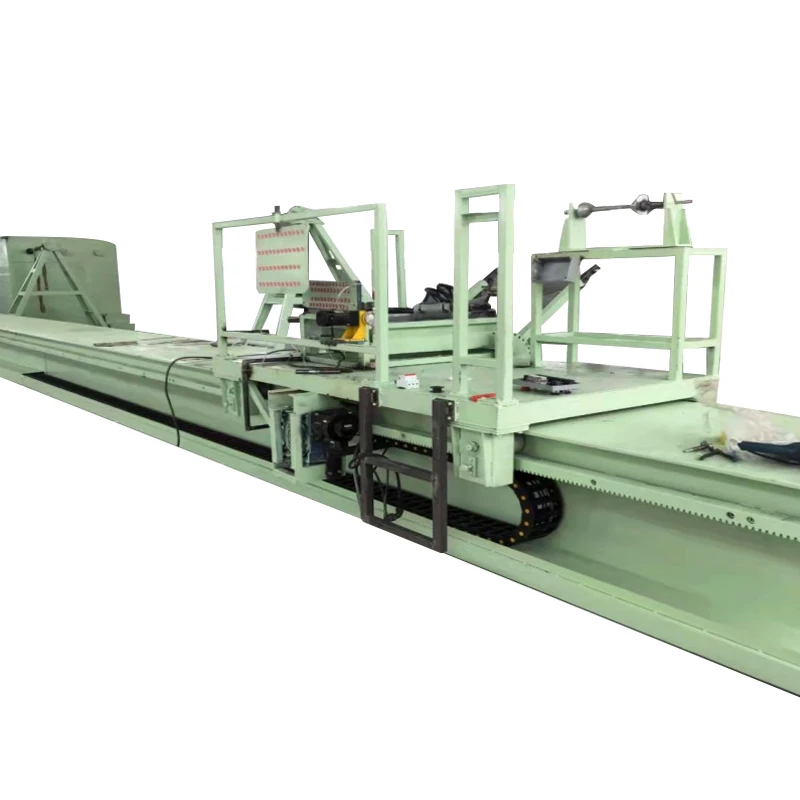
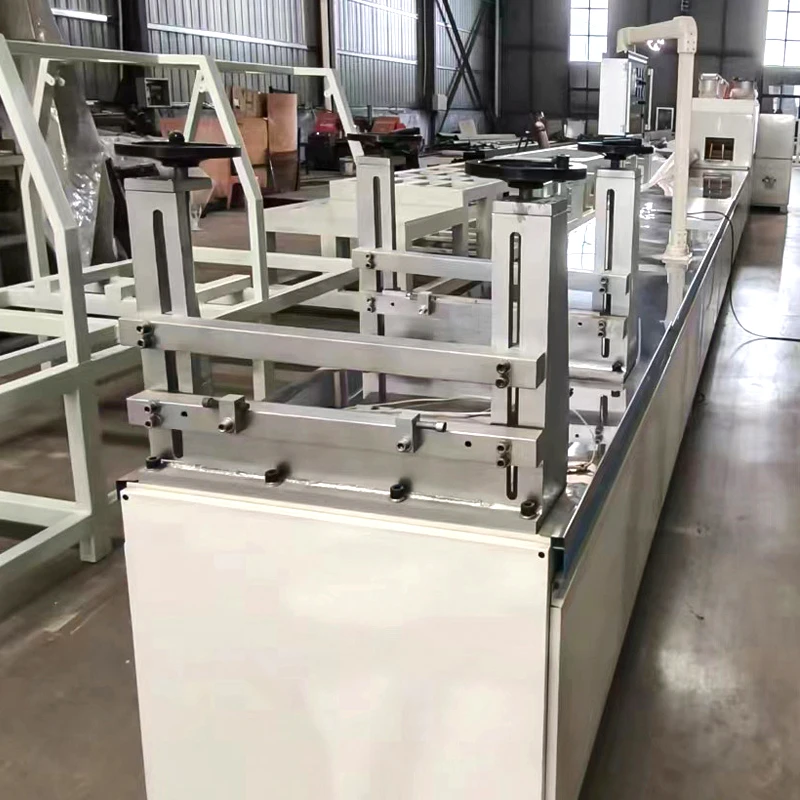
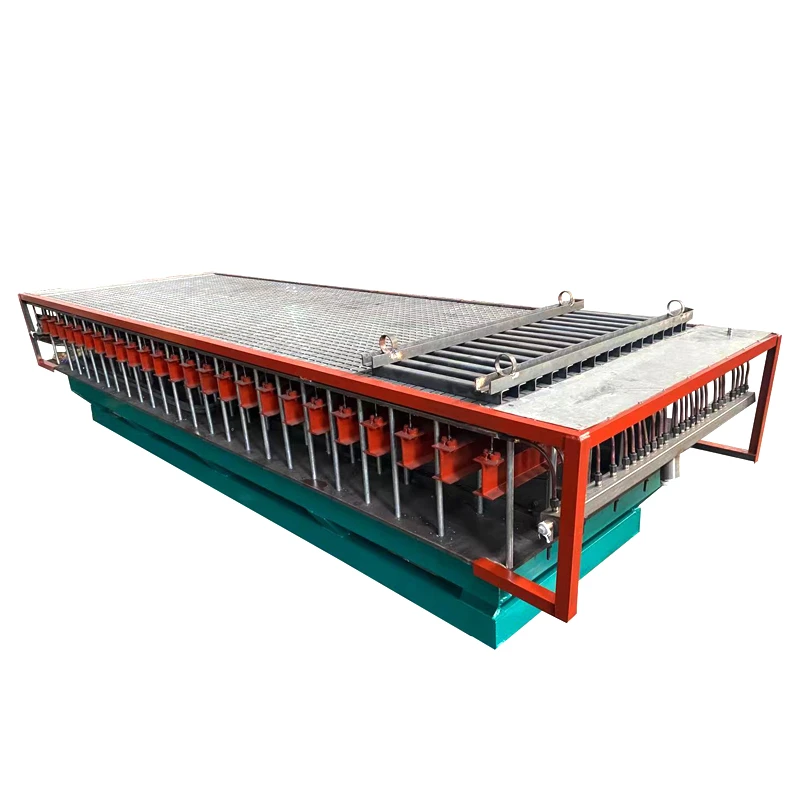
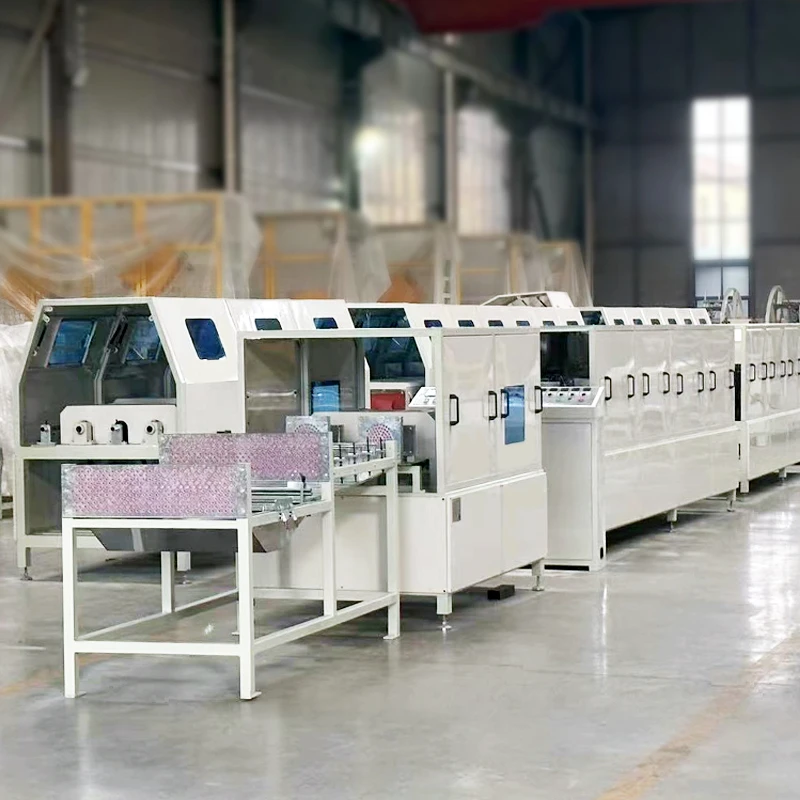
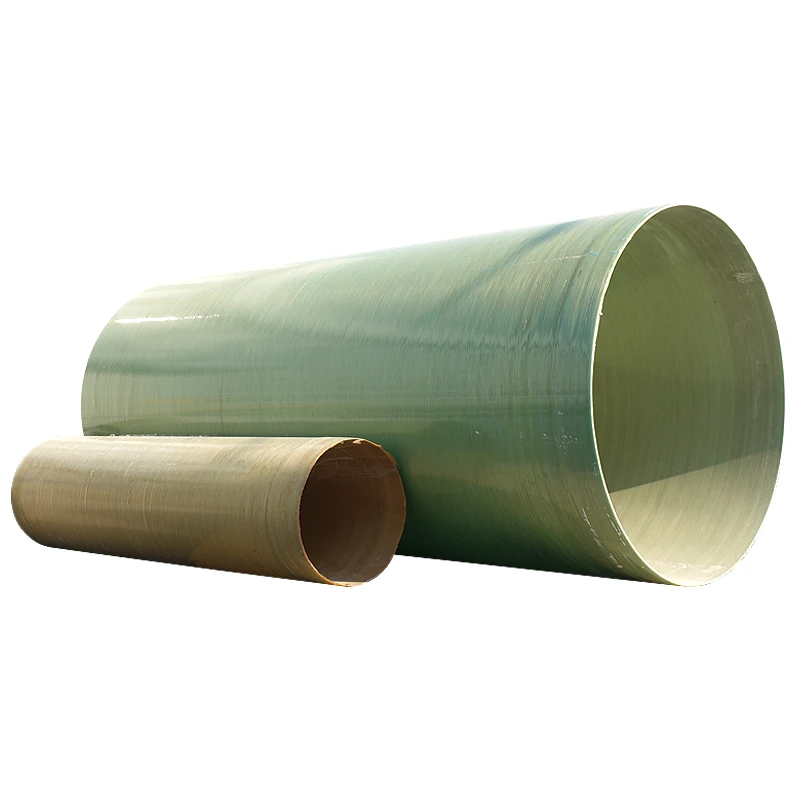
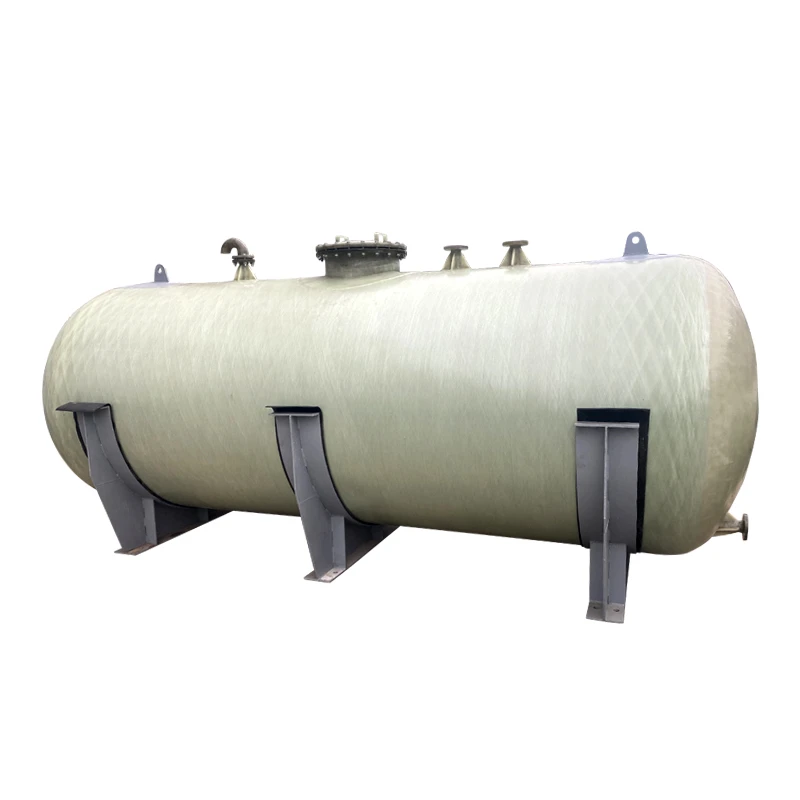
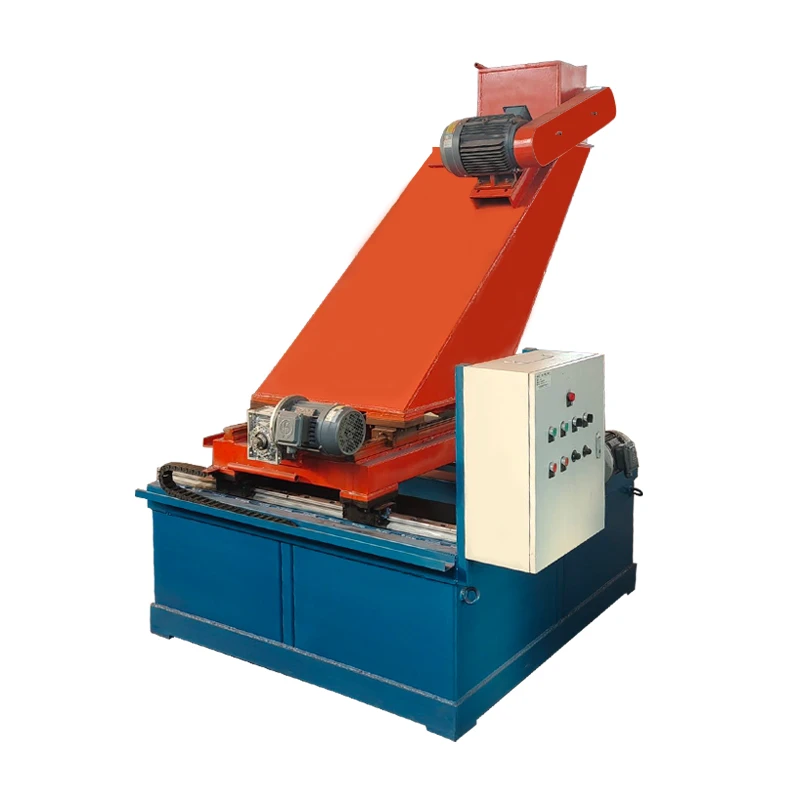
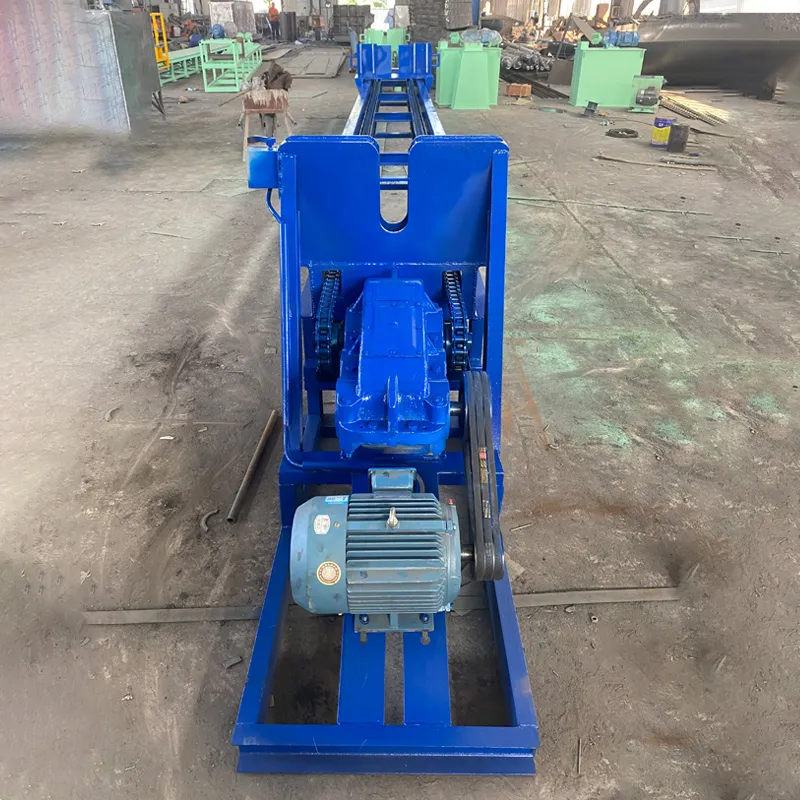
The industrial landscape's demand for high-performance, corrosion-resistant, and lightweight piping solutions continues to grow, driving innovation in manufacturing technologies. At the forefront of this evolution is the frp pipe winding machine, a critical piece of filament winding equipment designed for the efficient production of Fiber Reinforced Polymer (FRP) pipes. These machines are pivotal in creating robust GRP (Glass Reinforced Plastic) and FRP pipes, which are increasingly replacing traditional materials like steel and concrete in challenging environments. This comprehensive overview delves into the technology, applications, and strategic considerations for deploying this advanced machinery.
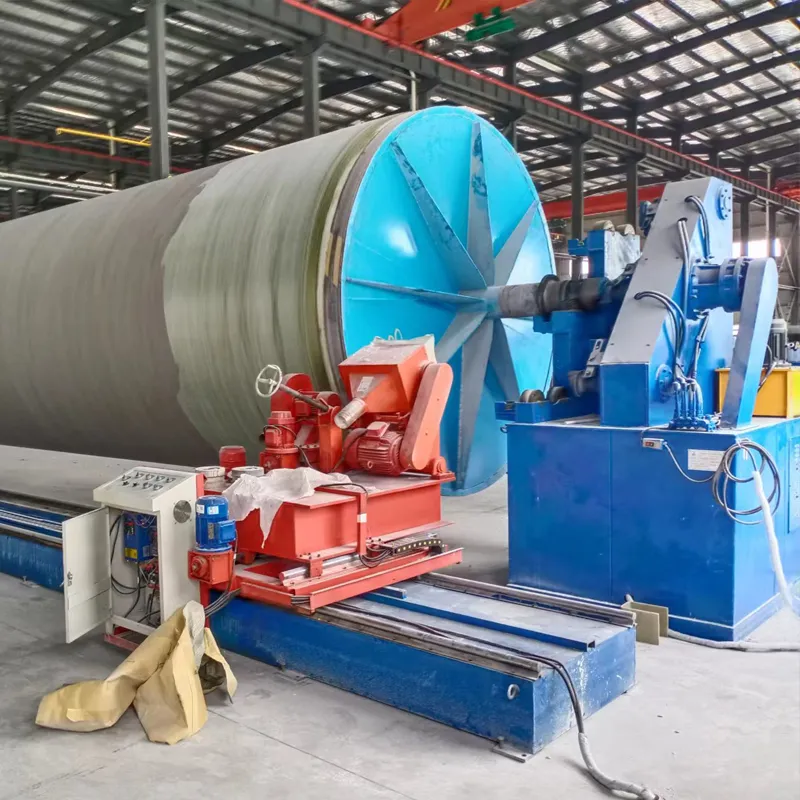
FRP pipes, known for their exceptional strength-to-weight ratio, superior corrosion resistance, and extended service life, are manufactured using a precise filament winding process. The core of this process lies within the specialized pipe winding machine, which meticulously applies resin-impregnated glass fibers onto a rotating mandrel. This method allows for precise control over the pipe's structural integrity, ensuring it meets the stringent requirements of various industries, from petrochemical to water infrastructure.
Industry Trends and Market Dynamics
The global FRP pipe market is projected to reach USD 7.5 billion by 2028, growing at a CAGR of over 5% from 2023 to 2028. This growth is primarily fueled by increasing infrastructure development, especially in emerging economies, and the rising demand for lightweight and corrosion-resistant materials in industrial applications. Key drivers include:
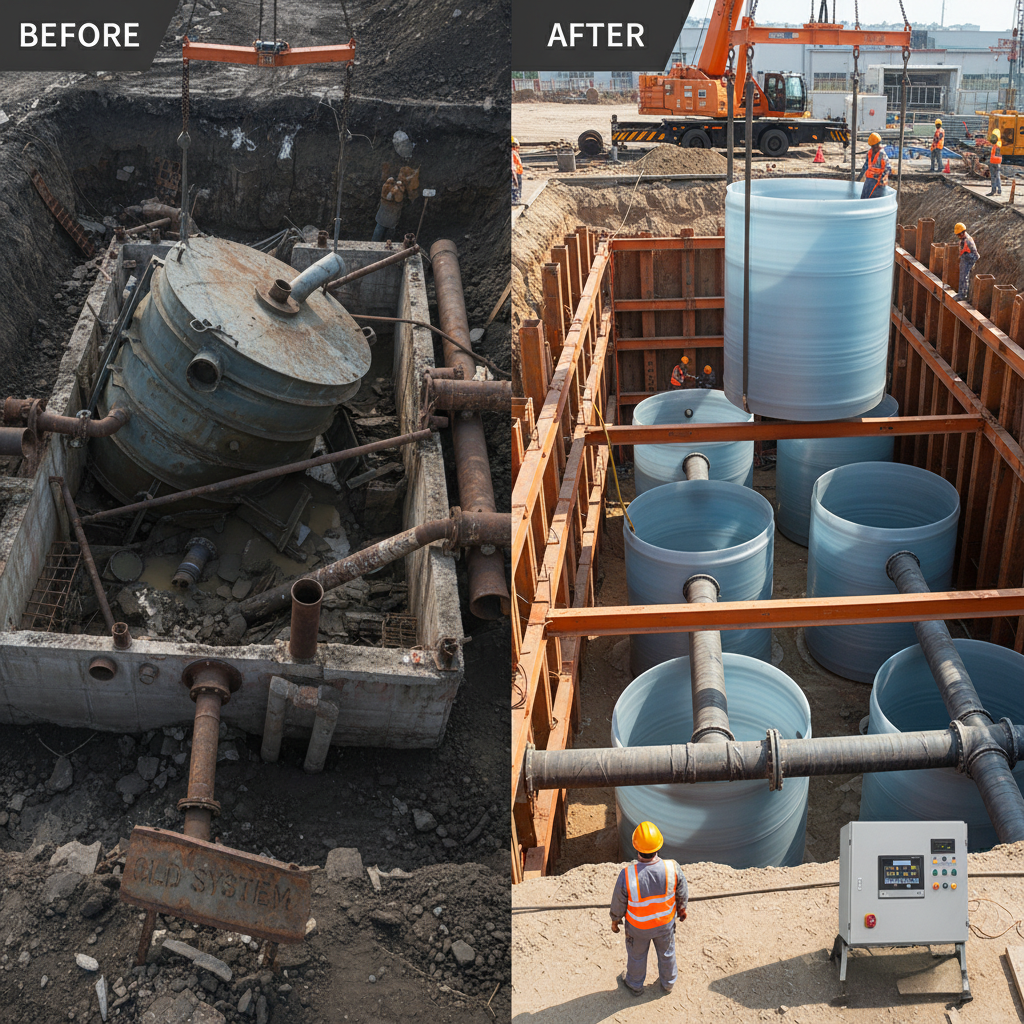
- Aging Infrastructure Replacement: Many countries are replacing deteriorating conventional pipelines with durable FRP solutions.
- Strict Environmental Regulations: FRP pipes prevent leaks and contamination, aligning with stringent environmental protection standards.
- Oil & Gas Sector Expansion: Increased exploration and production activities, particularly in offshore and corrosive environments, demand high-performance piping.
- Water and Wastewater Management: The need for efficient, leak-free municipal water supply and sewerage systems.
- Technological Advancements: Continuous innovation in resin systems, fiber types, and winding technologies (including the frp pipe machine itself) enhances product performance and manufacturing efficiency.
Detailed Process Flow of FRP Pipe Manufacturing
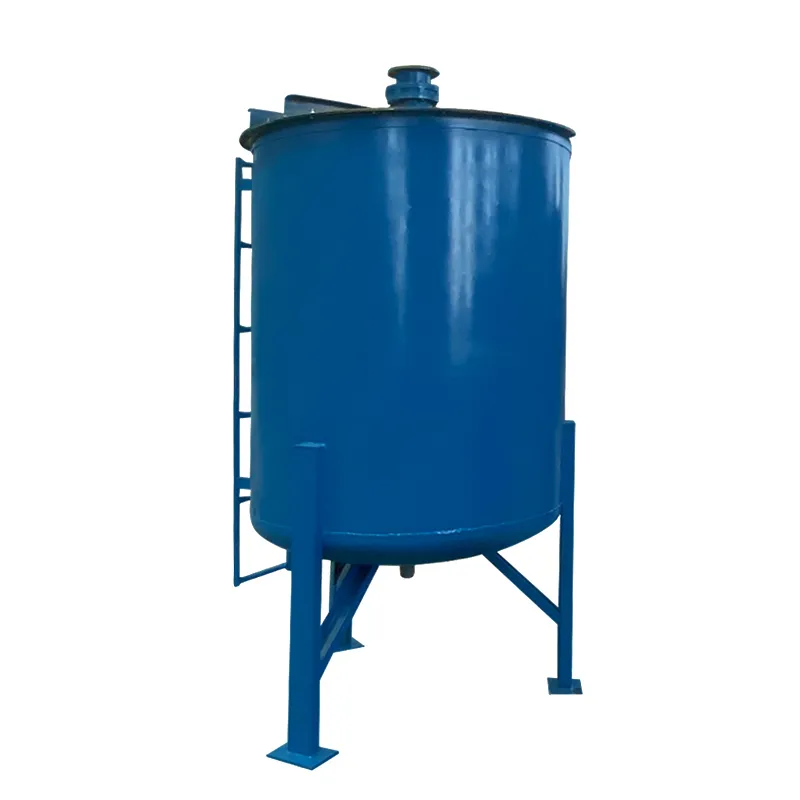
The production of FRP pipes using a grp pipe machine is a sophisticated, multi-stage process ensuring optimal mechanical properties and long-term durability.
Key Materials:
- Reinforcement Fibers: Typically E-glass fibers (rovings) for standard applications, ECR-glass for enhanced corrosion resistance, or carbon/aramid fibers for specialized high-strength requirements.
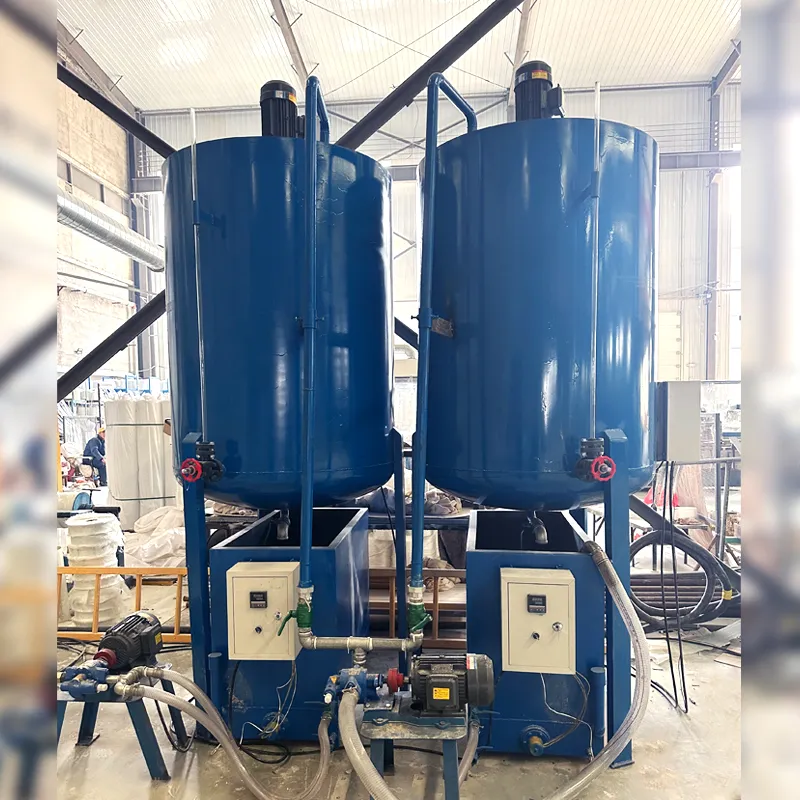
- Resin Systems: Unsaturated Polyester Resins (UPR) are common due to their versatility and cost-effectiveness. Vinyl ester resins offer superior chemical and temperature resistance. Epoxy resins are used for the highest mechanical and chemical performance.
- Curing Agents & Accelerators: Initiate and control the polymerization process of the resin.
- Fillers: Calcium carbonate, silica, or clay to modify properties, reduce cost, and improve processing.
- Surface Veil: Polyester or C-glass veil used on the inner surface for enhanced corrosion resistance and a smoother finish.
Manufacturing Process Steps:
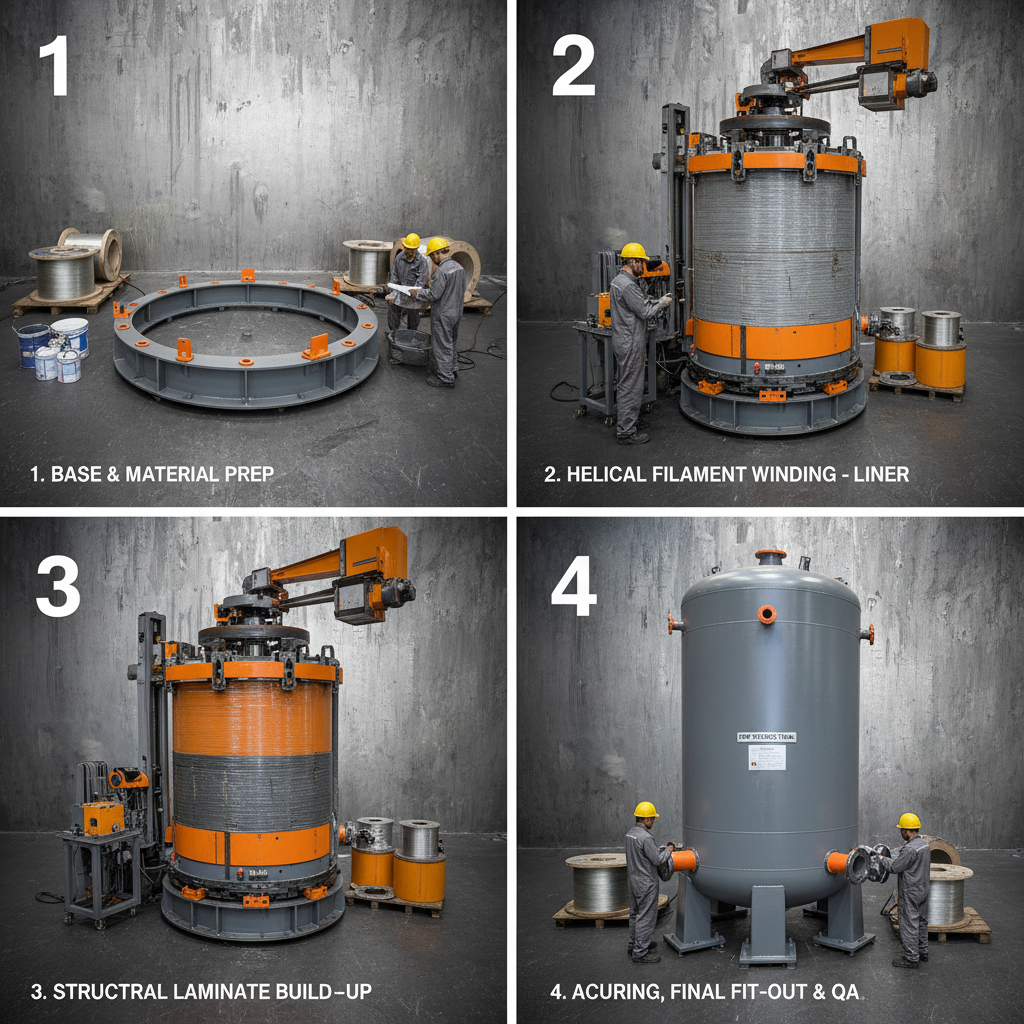
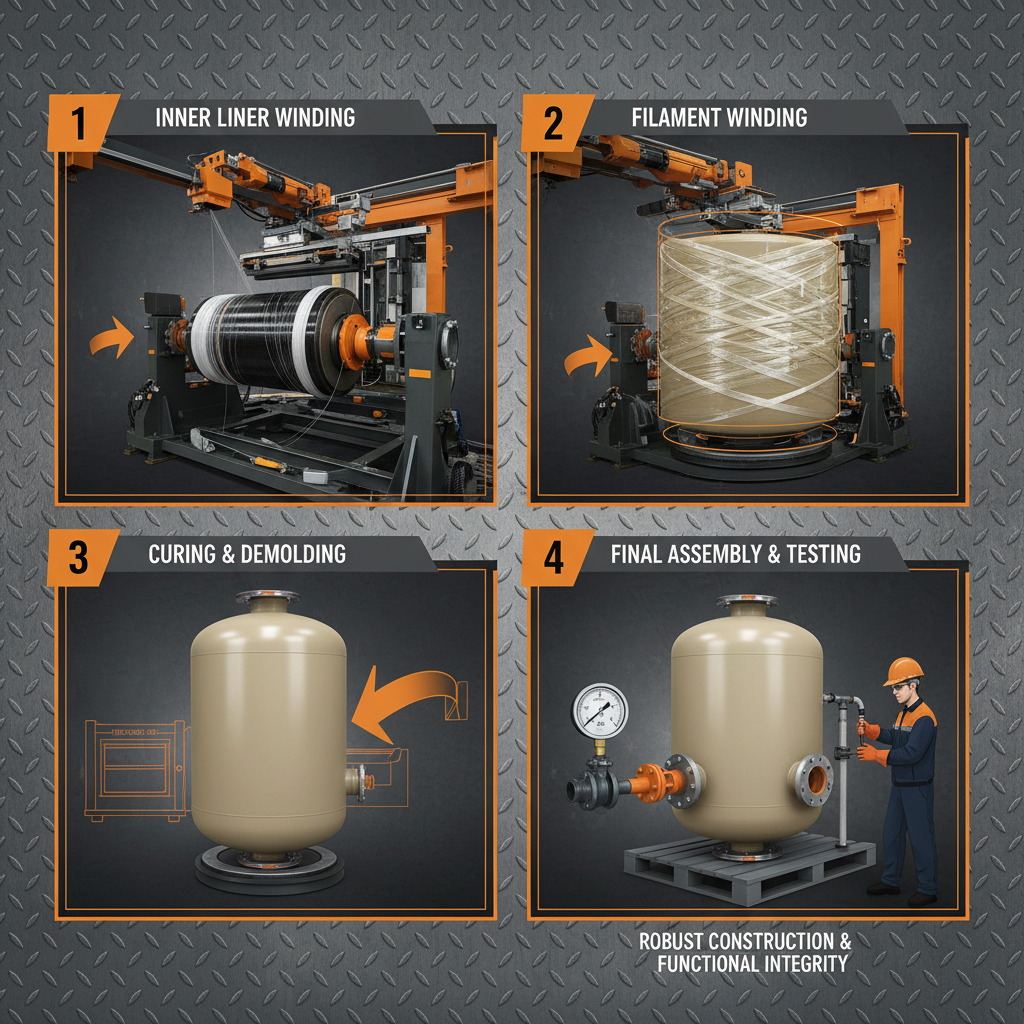
- Mandrel Preparation: A precisely machined steel mandrel, often polished and coated with a release agent, serves as the pipe's internal mold. The quality of the mandrel dictates the internal finish of the pipe.
-
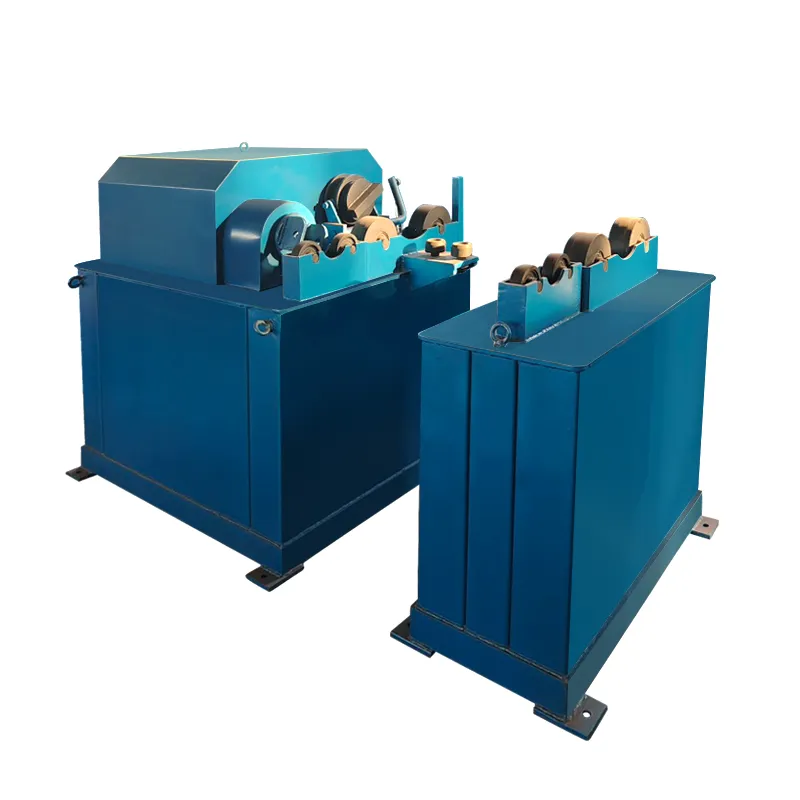
Inner Liner Application: A resin-rich layer (typically 0.5-2 mm thick) incorporating a surface veil and corrosion-resistant resin (e.g., vinyl ester) is applied to the rotating mandrel. This provides chemical resistance.
-
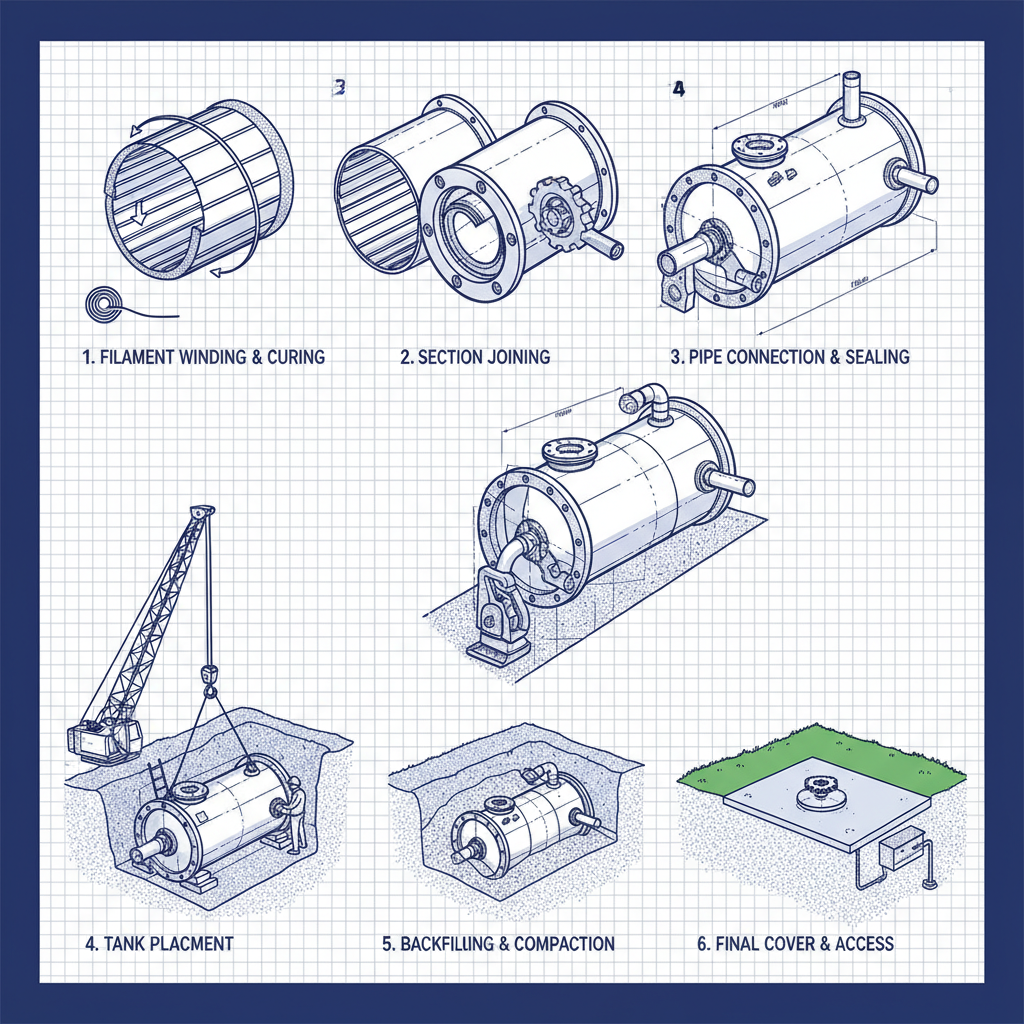
Filament Winding (Structural Layer): The filament winding equipment precisely impregnates rovings with the chosen resin system. These wetted fibers are then wound onto the mandrel in specific patterns (helical, circumferential, or chop/hoop) and angles. CNC control ensures precise fiber placement and tension, crucial for achieving desired mechanical properties like hoop strength and axial stiffness. This layer builds the structural integrity of the pipe.
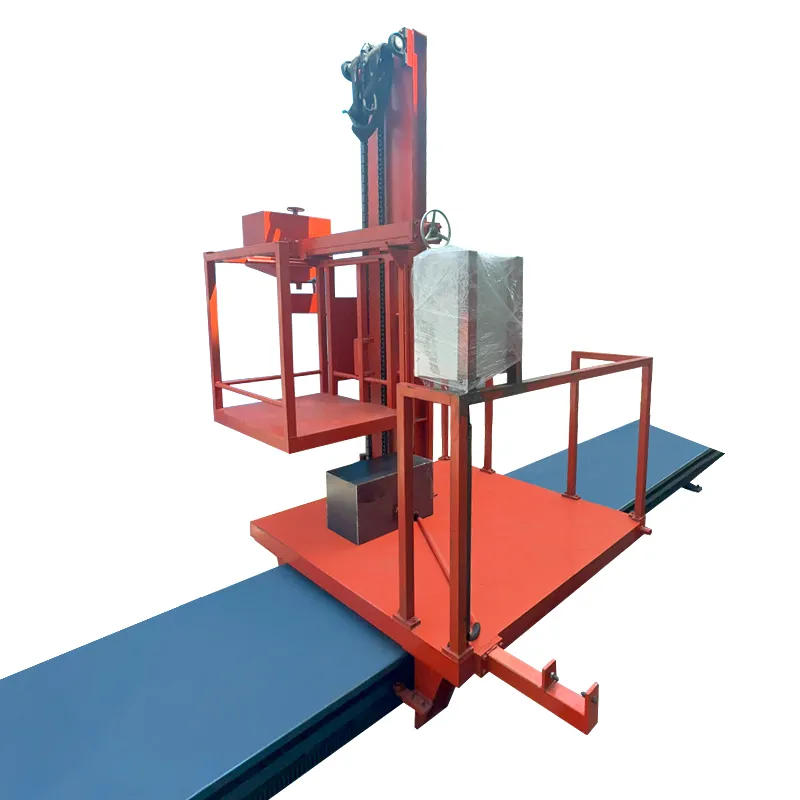
- Outer Layer Application: A final resin-rich layer, sometimes with UV inhibitors or fire retardants, is applied to protect the structural layer from external environmental factors and provide a smooth outer finish.
- Curing: The wound pipe on the mandrel is moved to a curing oven where controlled temperature and time facilitate the polymerization of the resin. This process transforms the liquid resin into a solid, thermoset matrix, bonding the fibers together.
-
Mandrel Extraction: After curing, the pipe is cooled, and the mandrel is extracted, typically using hydraulic or mechanical means. This is a critical step, and the quality of the release agent and mandrel finish directly impacts the ease of extraction and pipe integrity.
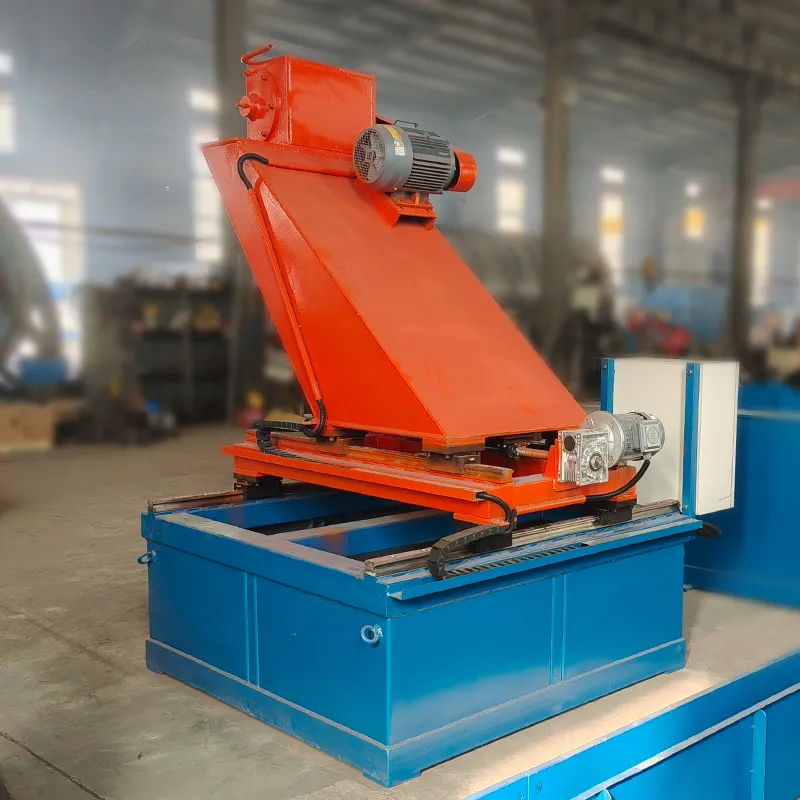
- Finishing and Testing: Pipes undergo trimming, chamfering, and are subjected to rigorous quality control tests.
Testing Standards:
FRP pipes are tested against international standards to ensure performance and reliability:
- ISO 14692: Petroleum and natural gas industries — Glass-reinforced plastics (GRP) piping.
- ASTM D2996: Standard Specification for Filament-Wound "Fiberglass" (Glass-Fiber-Reinforced Thermosetting-Resin) Pipe.
- AWWA C950: AWWA Standard for Fiberglass Pressure Pipe.
- EN 1796: Plastics piping systems for industrial applications - Glass-reinforced thermosetting plastic (GRP) pipes - Specifications.
Technical Specifications of an Advanced FRP Pipe Winding Machine
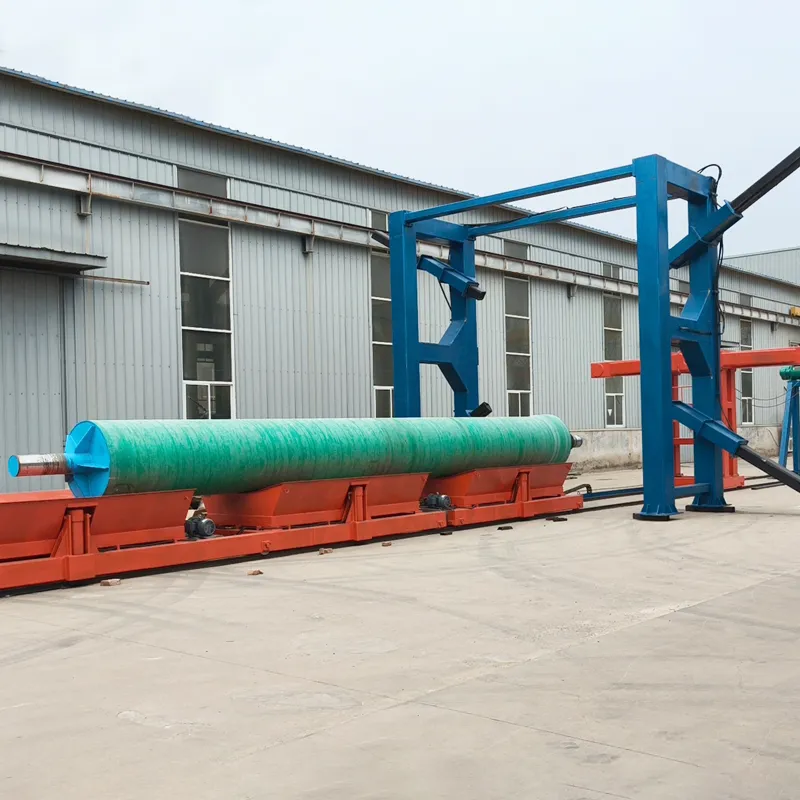
Modern frp pipe winding machine models are engineered for precision, automation, and versatility. Below are typical specifications for a high-performance filament winding machine.
| Parameter | Specification | Unit/Description |
|---|---|---|
| Winding Diameter Range | DN 100 - DN 4000 | (4 inches - 160 inches) |
| Winding Length | Up to 12,000 mm | (40 feet) |
| Axis Count | 4-6 Axes (Mandrel Rotation, Carriage Travel, Cross-feed, Fiber Angle, etc.) | For complex winding patterns |
| Winding Speed | Up to 100 m/min | (Linear fiber speed) |
| Fiber Tension Control | Closed-loop automatic | Precision control for consistent laminate quality |
| Control System | Industrial PC with PLC and HMI | User-friendly interface, recipe management |
| Resin Bath Capacity | 100 - 500 Liters | Temperature and level controlled |
| Power Requirement | 380V/50Hz/3-Phase, 30-75 kW | Varies with machine size |
| Accuracy | ±0.1 mm fiber placement | Geometric precision |
| Service Life Expectancy | >20 years (with proper maintenance) | For the machinery itself |
Application Scenarios and Target Industries
FRP pipes produced by a high-quality filament winding equipment are indispensable across a multitude of sectors due to their inherent advantages.
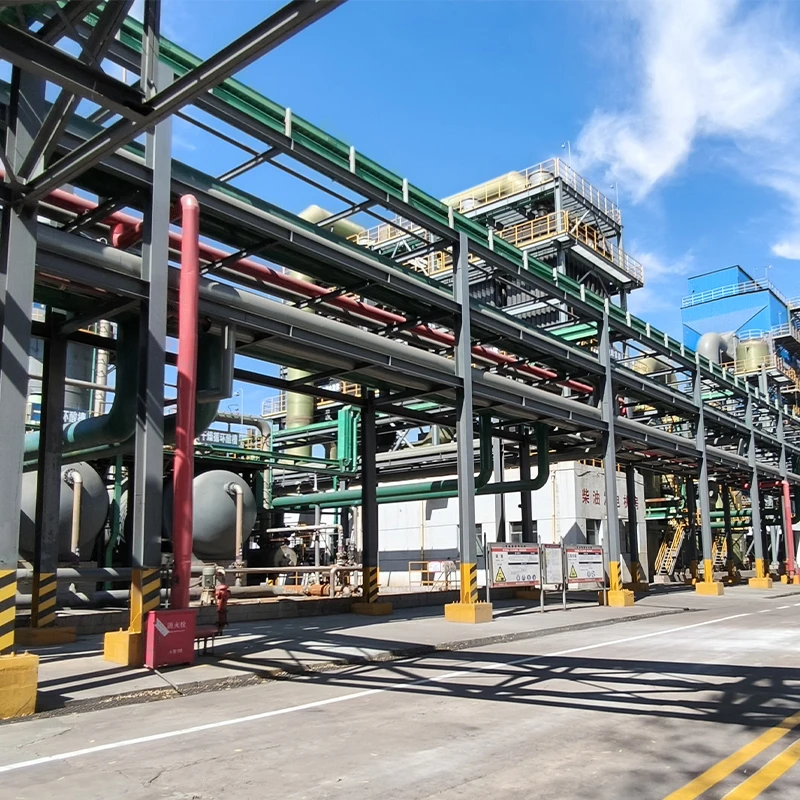
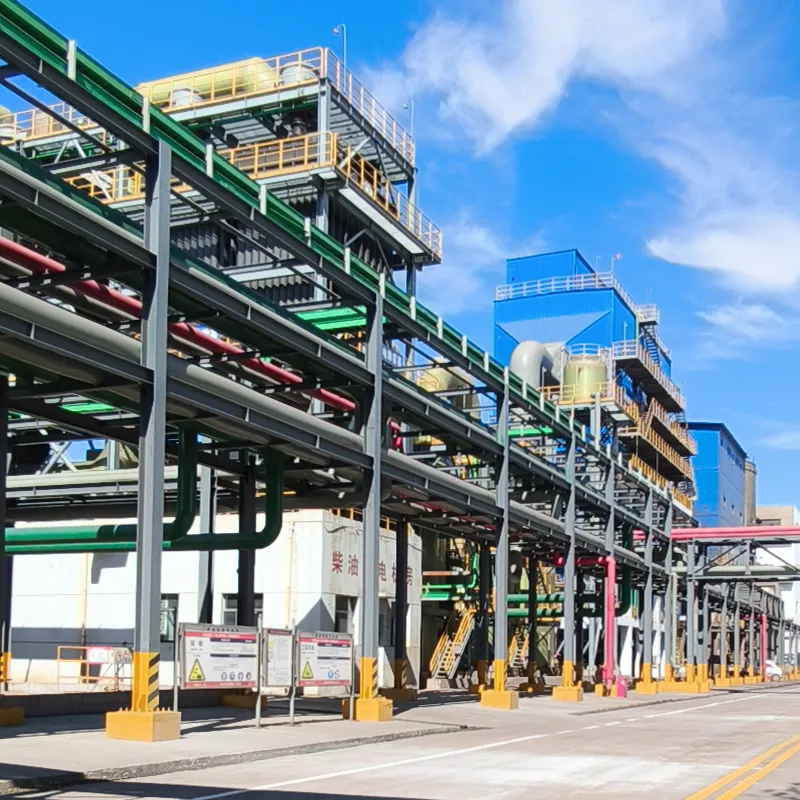
- Petrochemical Industry: For conveying corrosive chemicals, crude oil, and natural gas, especially in environments where steel pipes would quickly degrade. This includes onshore and offshore pipelines, process piping, and storage tank connections.
- Water Supply & Drainage: Large-diameter FRP pipes are ideal for municipal water transmission lines, sewage systems, and stormwater drainage. Their smooth inner surface minimizes friction losses, leading to energy savings in pumping.
- Desalination Plants: Handling highly corrosive seawater and brine solutions, where conventional materials are prone to rapid corrosion.
- Power Plants: Cooling water lines, ash sluice lines, and other utility piping due to their resistance to thermal cycling and abrasion.
- Mining and Metallurgy: Slurry transport and process water lines, where abrasion and chemical attack are common.
- Marine and Offshore: Piping systems on ships, offshore platforms, and subsea pipelines for their lightweight nature and corrosion resistance to saltwater.
Technical Advantages of FRP Pipes and Winding Technology
The advantages of FRP pipes produced by modern winding machines are manifold and contribute significantly to lower lifecycle costs and improved operational reliability.
- Superior Corrosion Resistance: Unlike metallic pipes, FRP is impervious to electrolytic corrosion, rust, and chemical attack from a wide range of acids, alkalis, and salts, drastically extending service life to 50+ years.
- High Strength-to-Weight Ratio: FRP pipes are significantly lighter than steel or concrete pipes, simplifying transportation, handling, and installation, thus reducing labor and equipment costs.
- Excellent Flow Characteristics: The smooth interior surface of FRP pipes results in lower friction losses (Hazen-Williams C-factor typically 150), leading to reduced pumping costs and energy consumption over the pipe's lifetime. This directly translates to substantial energy savings.
- Low Thermal Conductivity: FRP acts as a natural insulator, minimizing heat transfer and reducing the need for external insulation in many applications, saving energy and material costs.
- Design Flexibility: The filament winding process allows for tailored design of pipe properties by adjusting fiber orientation, resin type, and wall thickness to meet specific pressure, temperature, and chemical resistance requirements.
- Durability and Longevity: Resistant to abrasion, UV radiation (with appropriate surface layers), and fatigue, ensuring a long, maintenance-free service life.
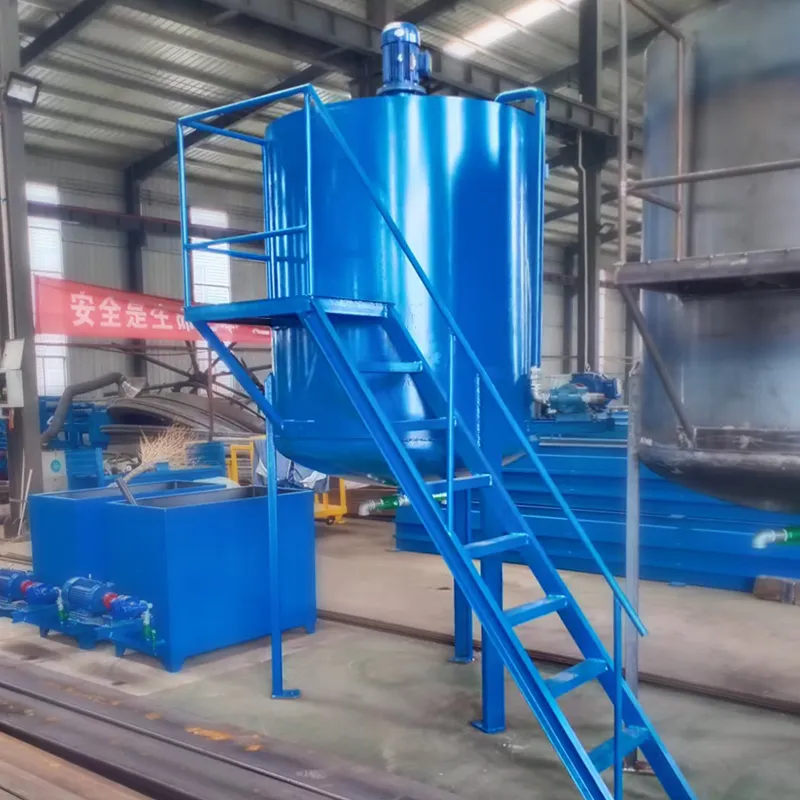
Vendor Comparison: Key Differentiators in FRP Pipe Winding Machines
Choosing the right frp pipe machine is a strategic decision. Vendors differentiate themselves based on several factors, including technology, automation, support, and customization capabilities.
| Feature | High-End Vendor (e.g., European/US) | Mid-Range Vendor (e.g., Established Asian) | Entry-Level Vendor |
|---|---|---|---|
| Control System | Advanced Siemens/Allen-Bradley PLC, Intuitive HMI, Remote Diagnostics, Industry 4.0 integration | Reliable PLC (e.g., Delta, Mitsubishi), Basic HMI, Local troubleshooting | Basic PLC, Manual adjustments, Limited diagnostics |
| Mechanical Construction | Heavy-duty cast iron/machined steel, High precision linear guides, Zero-backlash gearboxes | Welded steel frame, Standard linear guides, Good quality gearboxes | Basic welded frame, Less robust components |
| Fiber Delivery System | Multi-spool creel, Automatic tension control for each roving, Integrated cutting system | Standard creel, Centralized tension control, Manual cutting | Simple creel, Basic tension control |
| Resin Impregnation | Automated closed-loop resin mixing and delivery, Temperature control, Level sensors, Degassing | Manual/Semi-auto mixing, Basic temperature control | Manual mixing and replenishment |
| Customization | Extensive, modular design, integration with existing production lines, bespoke software features | Moderate, adjustments to length/diameter, basic accessory integration | Limited, standard configurations only |
| After-Sales Support | Global network, 24/7 technical support, on-site training, extensive spare parts inventory | Regional support, remote assistance, standard spare parts | Limited, often reliant on distributors |
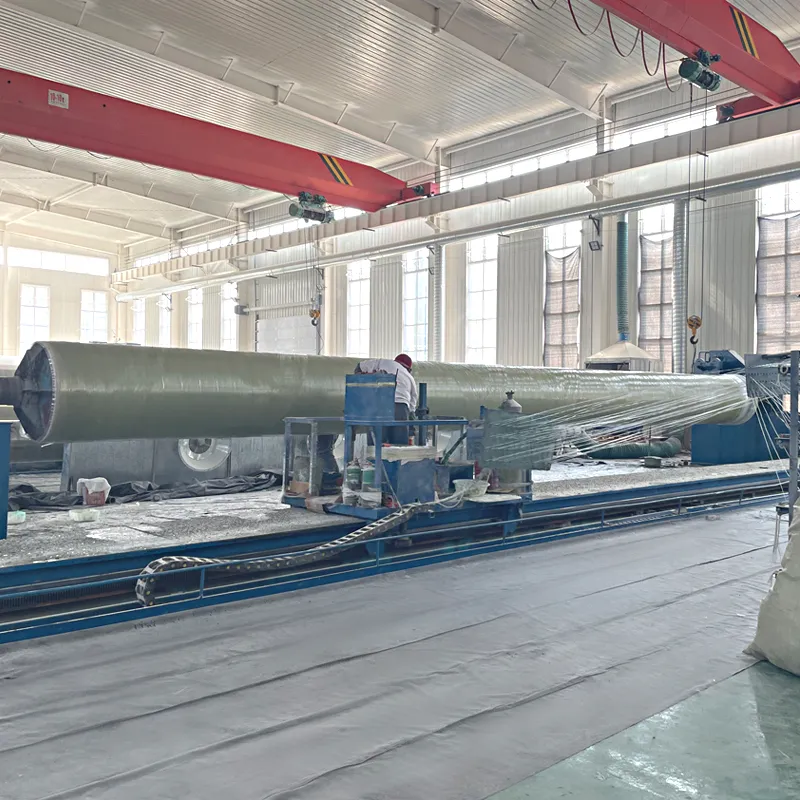
Customized Solutions and Project Implementation
Recognizing that each industrial application has unique requirements, leading manufacturers of pipe winding machine technology offer highly customized solutions. This includes:
- Tailored Machine Dimensions: Machines designed for specific pipe diameters (e.g., extra-large for municipal projects) or lengths.
- Integration with Existing Production Lines: Seamless incorporation into existing plant layouts, including automated material handling, curing ovens, and finishing stations.
- Specialized Winding Patterns: Development of custom winding programs for anisotropic properties (e.g., higher axial strength for thrust loads) or specific pressure ratings.
- Multi-Material Capability: Machines adaptable for various fiber types (glass, carbon, aramid) and resin systems (polyester, vinyl ester, epoxy) to produce hybrid pipes.
- Environmental Controls: Integration of fume extraction systems, temperature and humidity control in the winding area, and advanced safety features.
The project implementation typically involves detailed consultation, CAD design, factory acceptance testing (FAT), site acceptance testing (SAT), and comprehensive operator training, ensuring a smooth transition and rapid production ramp-up.
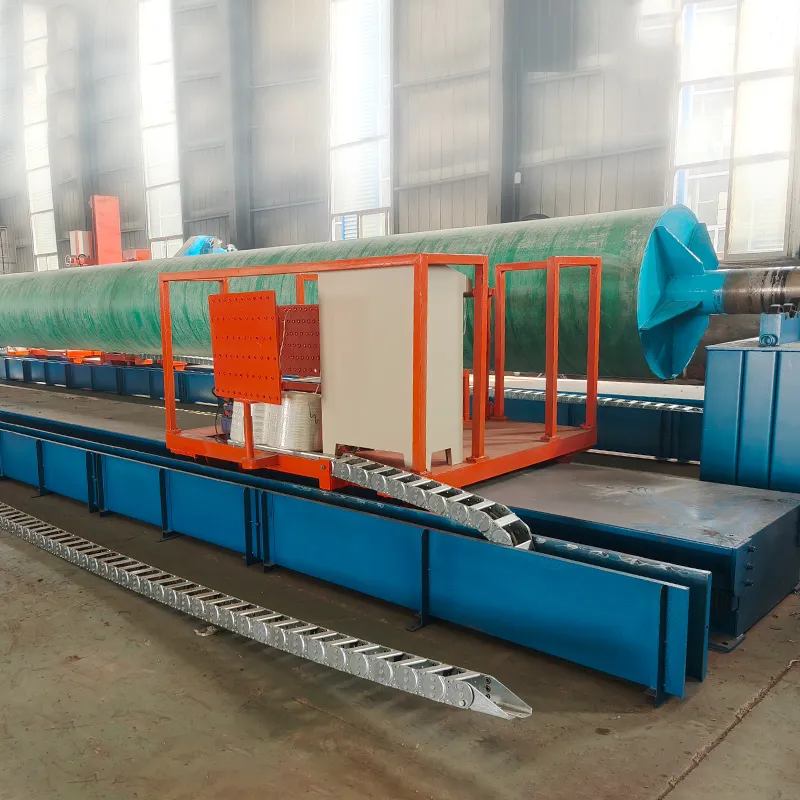
Application Case Studies
Case Study 1: Large-Scale Municipal Water Transmission Line (Middle East)
A major municipal authority faced challenges with corrosion and leakage in its aging concrete and ductile iron water main network. They opted for FRP pipes manufactured on a high-capacity grp pipe machine, producing pipes of DN 2000 mm over 25 km. The project resulted in a 30% reduction in installation time due to the lighter weight of FRP pipes, and hydraulic analysis showed a 15% energy saving in pumping costs due to the smoother internal surface. The system is projected to have a service life exceeding 70 years, drastically reducing future maintenance costs.
Case Study 2: Chemical Process Piping in a Pharmaceutical Plant (Europe)
A pharmaceutical manufacturer required new process piping capable of handling highly corrosive acids and solvents at elevated temperatures. Stainless steel options were proving prohibitively expensive and had limited lifespans. Custom-engineered FRP pipes, produced on a precision filament winding equipment utilizing vinyl ester resin and specialized fiber architecture, provided the ideal solution. The installation offered superior chemical resistance and eliminated the risk of metallic contamination, meeting stringent FDA and ISO 9001 standards, and demonstrating exceptional operational stability over five years of service without incident.
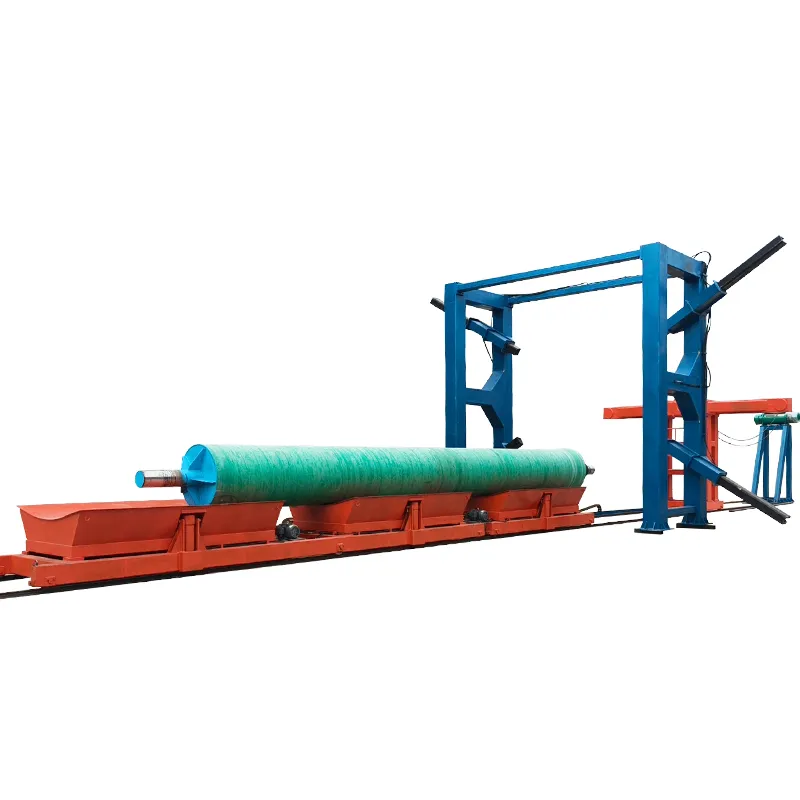
Frequently Asked Questions (FAQ)
- Q: What is the typical lead time for an FRP pipe winding machine?
- A: Lead times typically range from 12 to 24 weeks, depending on the machine's complexity, customization requirements, and current production schedule. Standard models may have shorter lead times. We recommend a detailed consultation for an accurate quote and timeline.
- Q: What kind of warranty is offered with the equipment?
- A: Our machines come with a standard 12-month warranty on parts and labor, effective from the date of installation or 18 months from shipment, whichever comes first. Extended warranty options and service contracts are available for continuous operational assurance.
- Q: What after-sales support is provided?
- A: We offer comprehensive after-sales support, including remote technical assistance, on-site troubleshooting by experienced engineers, spare parts supply, and regular maintenance services. Our global network ensures timely support wherever your operations are located. Training programs for your operators and maintenance staff are also a standard offering.
- Q: Can your machines produce both FRP and GRP pipes?
- A: Yes, our pipe winding machine technology is capable of producing both FRP (Fiber Reinforced Polymer) and GRP (Glass Reinforced Plastic) pipes. GRP is a specific type of FRP where glass fibers are the primary reinforcement. The versatility of our machines allows for various fiber and resin combinations.
Conclusion
The deployment of an advanced frp pipe winding machine represents a significant investment in manufacturing capability, yielding substantial returns through the production of high-performance, durable, and cost-effective piping solutions. As industries continue to seek sustainable and reliable infrastructure, the role of filament winding technology will only expand. Partnering with a reputable manufacturer ensures access to cutting-edge technology, expert support, and solutions tailored to specific operational demands, ultimately driving efficiency and long-term success.
References
- ISO 14692: Petroleum and natural gas industries — Glass-reinforced plastics (GRP) piping. International Organization for Standardization.
- ASTM D2996: Standard Specification for Filament-Wound "Fiberglass" (Glass-Fiber-Reinforced Thermosetting-Resin) Pipe. ASTM International.
- AWWA C950: AWWA Standard for Fiberglass Pressure Pipe. American Water Works Association.
- Mordor Intelligence. (2023). FRP Pipes Market - Growth, Trends, COVID-19 Impact, and Forecasts (2023 - 2028).
- Bank, L. C. (2006). Composites for Construction: Structural Design with FRP Materials. John Wiley & Sons.