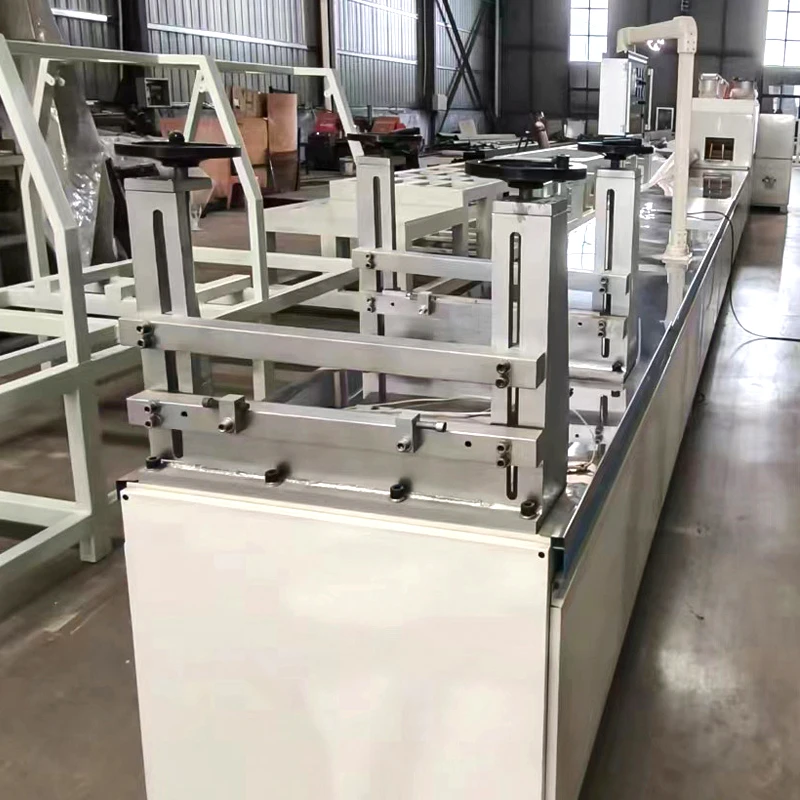
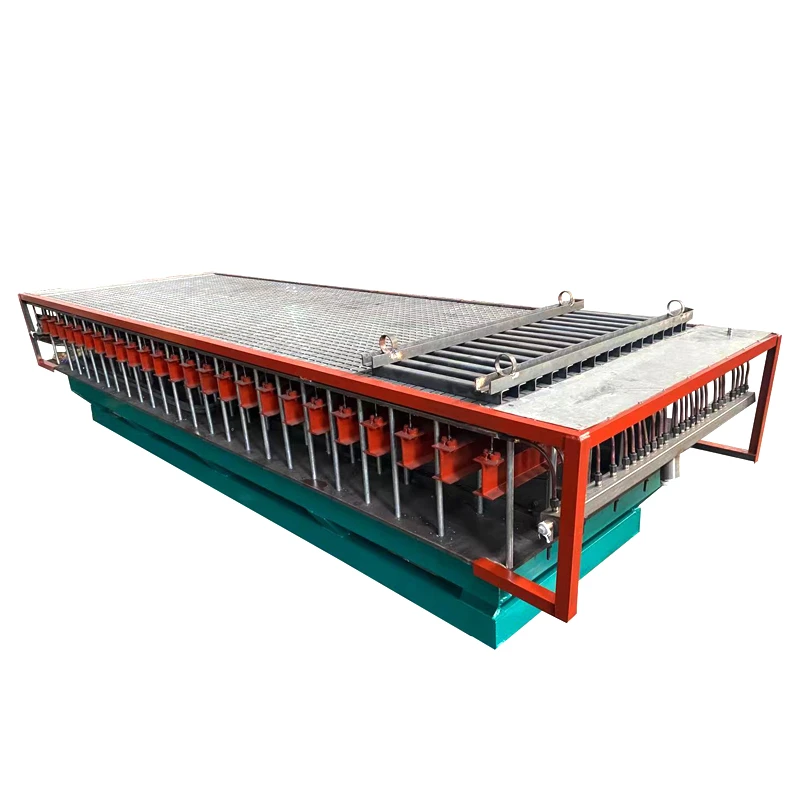
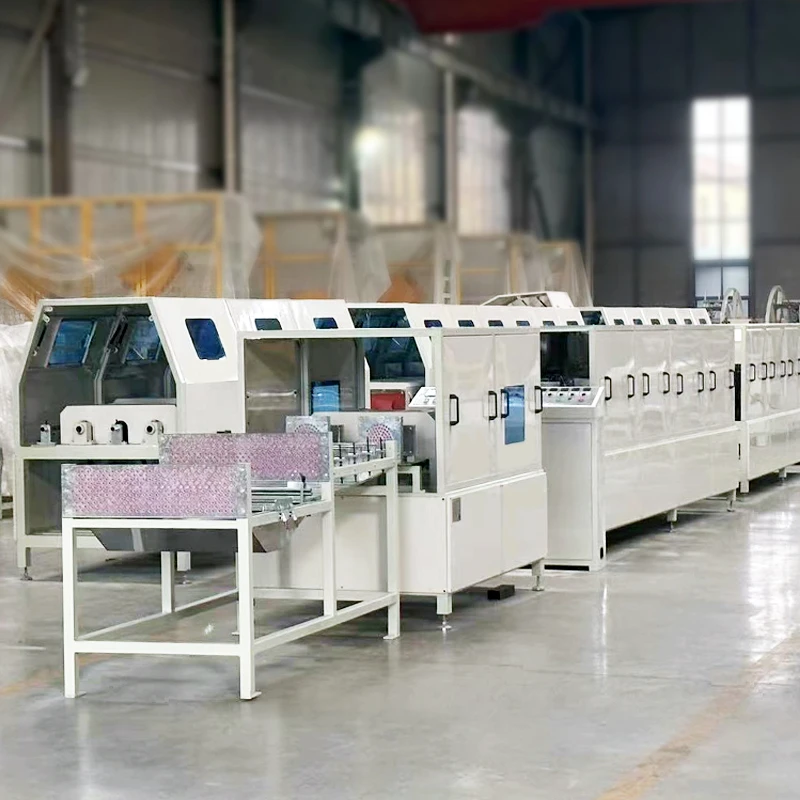
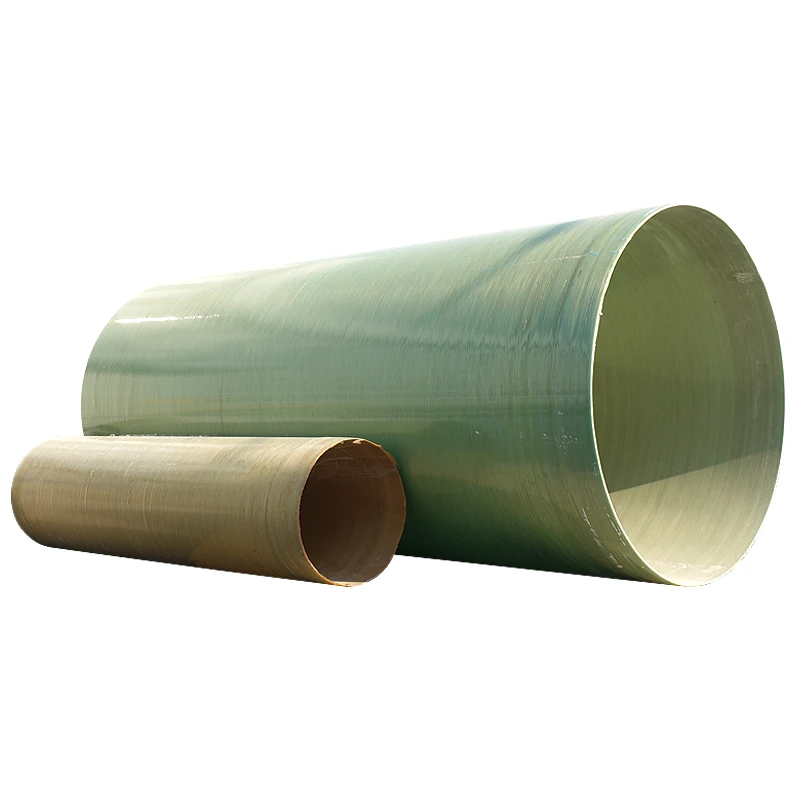
Calcium Chloride Production Line - High Yield, Automated?
Inside the calcium chloride production line: what buyers are really asking in 2025
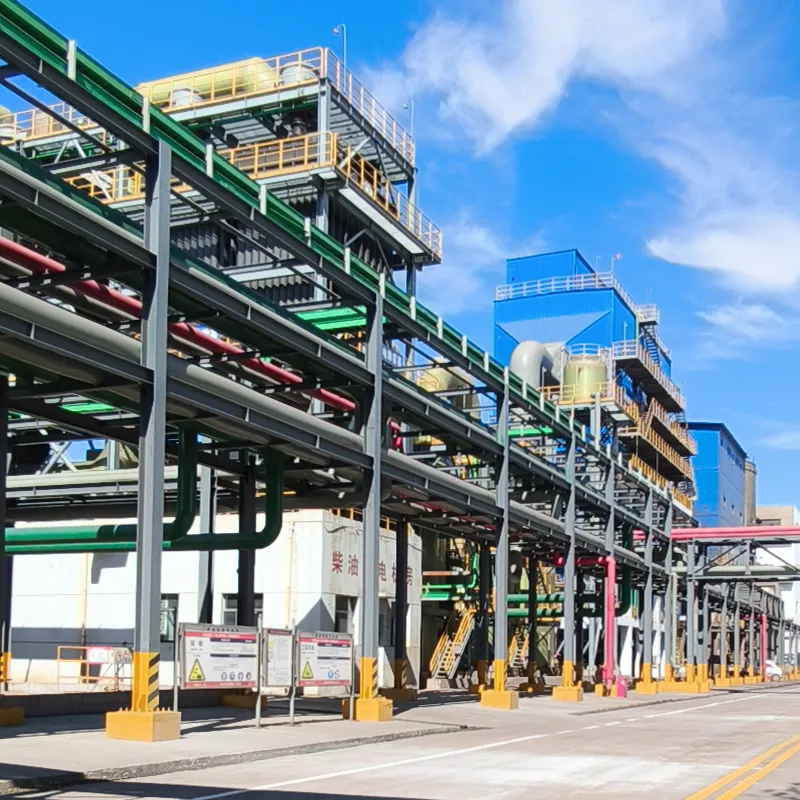
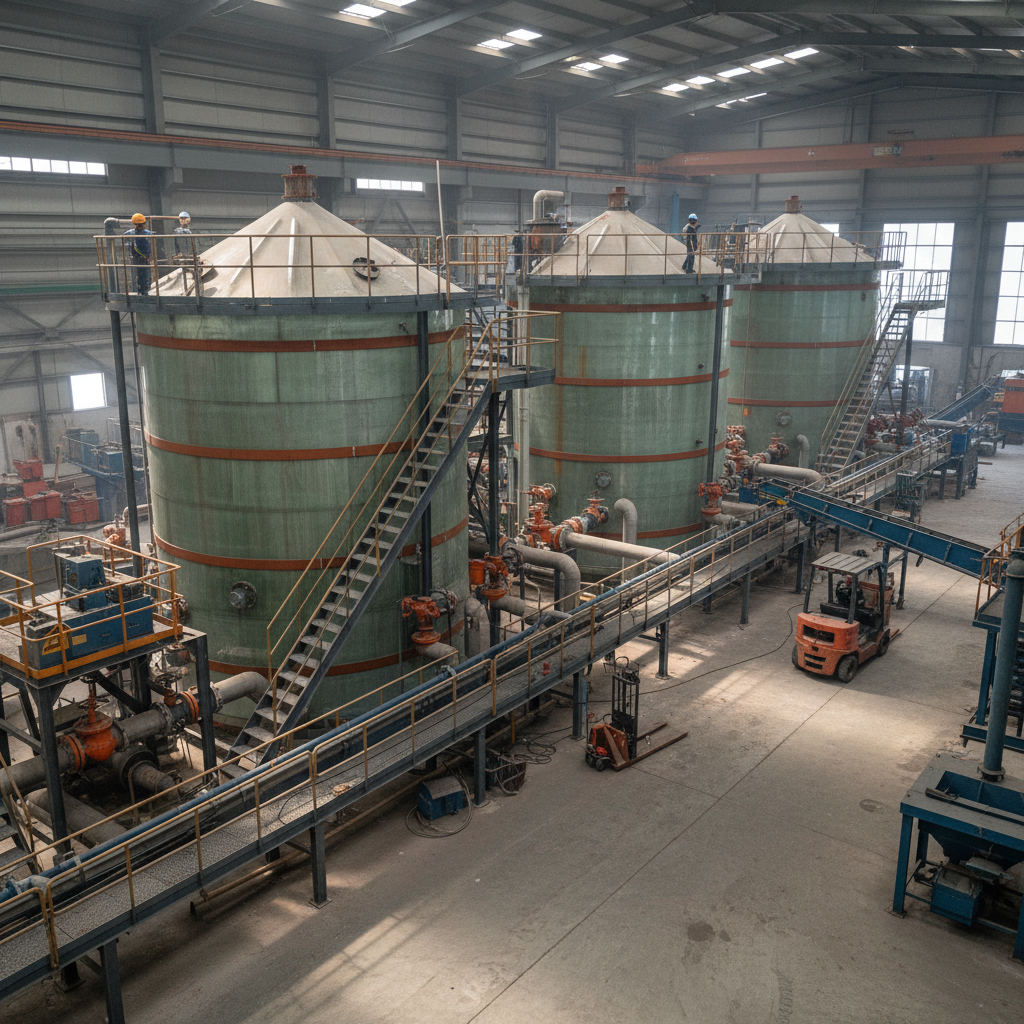
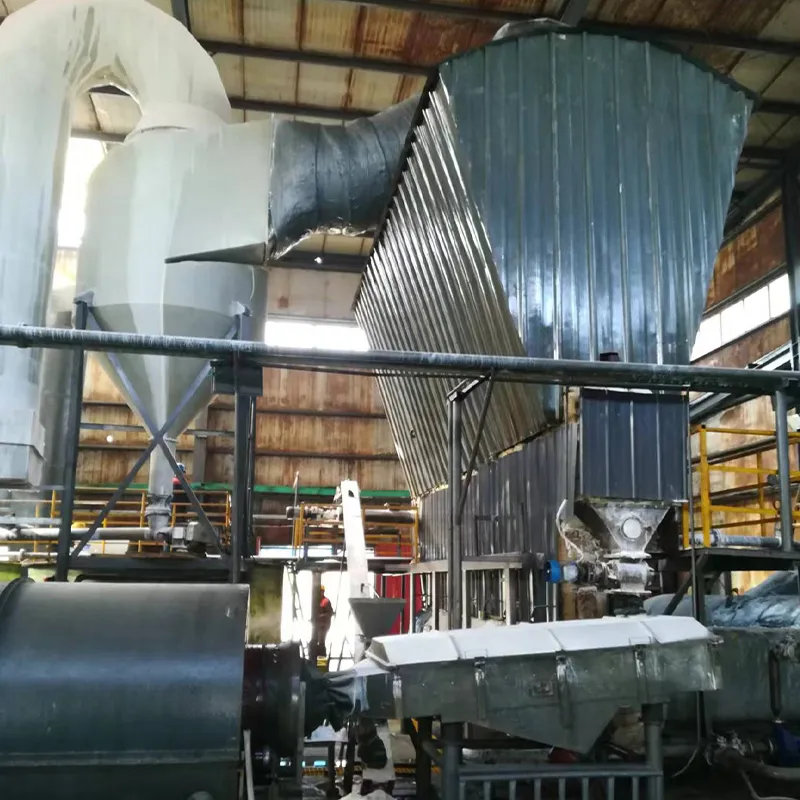
I’ve toured more plants than I can count, and to be honest, the best ones feel…quiet. That’s usually a sign of good engineering. The same vibe came through in Hebei, where a team that cut its teeth on Mannheim furnace revamps now applies that even-heating, low-loss mindset to the calcium chloride production line—from acid dissolution to multi-effect evaporation, flaking, and dust-tight packing.
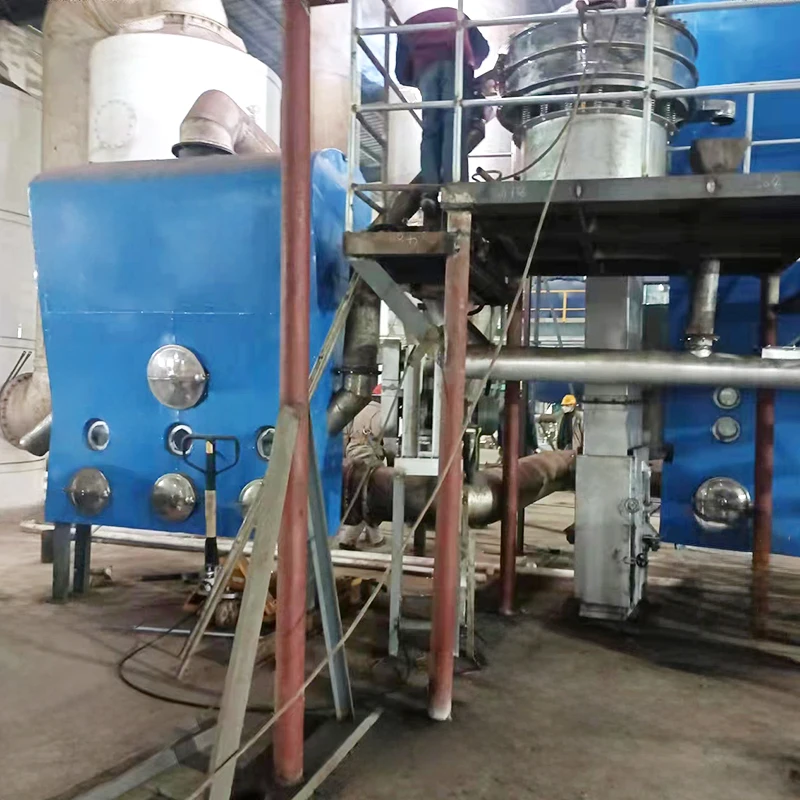
Market snapshot (and why it matters)
De-icing budgets rise with every odd winter. Oilfield and dust-control orders spike in Q3, then food-grade requests trickle in—steady and picky. The winning calcium chloride production line today? Efficient steam use, reliable granulation (94–97%), and emissions that don’t give compliance teams heartburn. Surprisingly, many customers say they’d trade 2% capacity for uptime they can bank on.
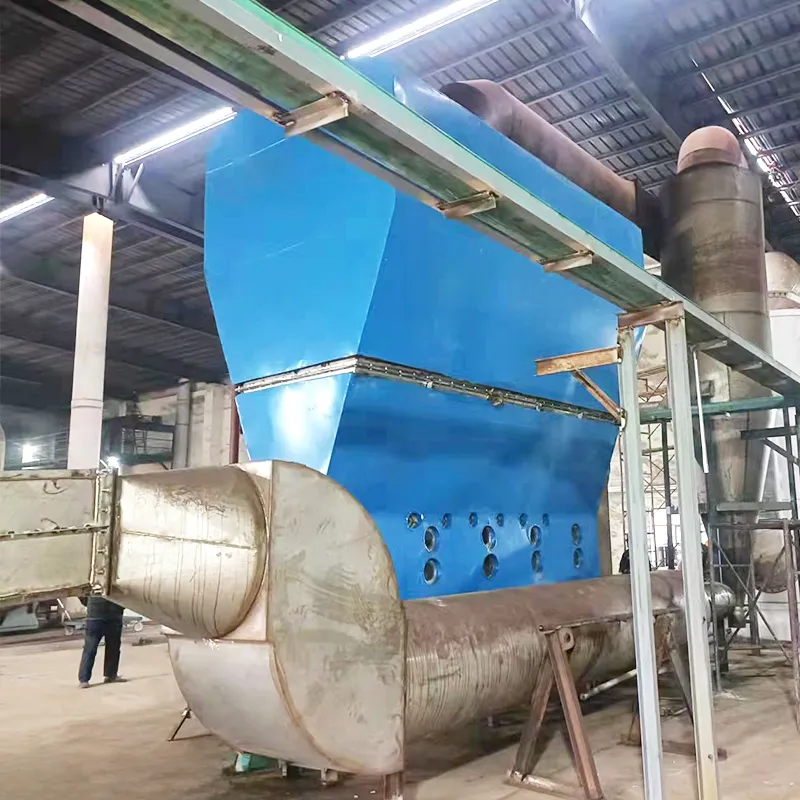
Process flow: materials, methods, and the boring stuff that saves money
Feed options: limestone (≈98% CaCO3) + 31–33% HCl, or integrated by‑product brine from soda ash. Core steps:
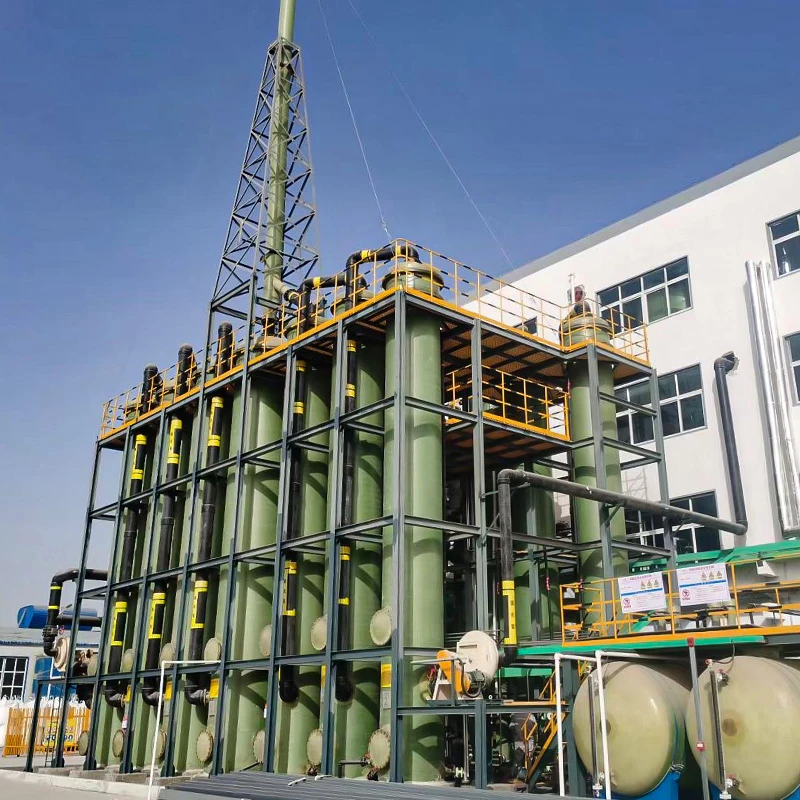
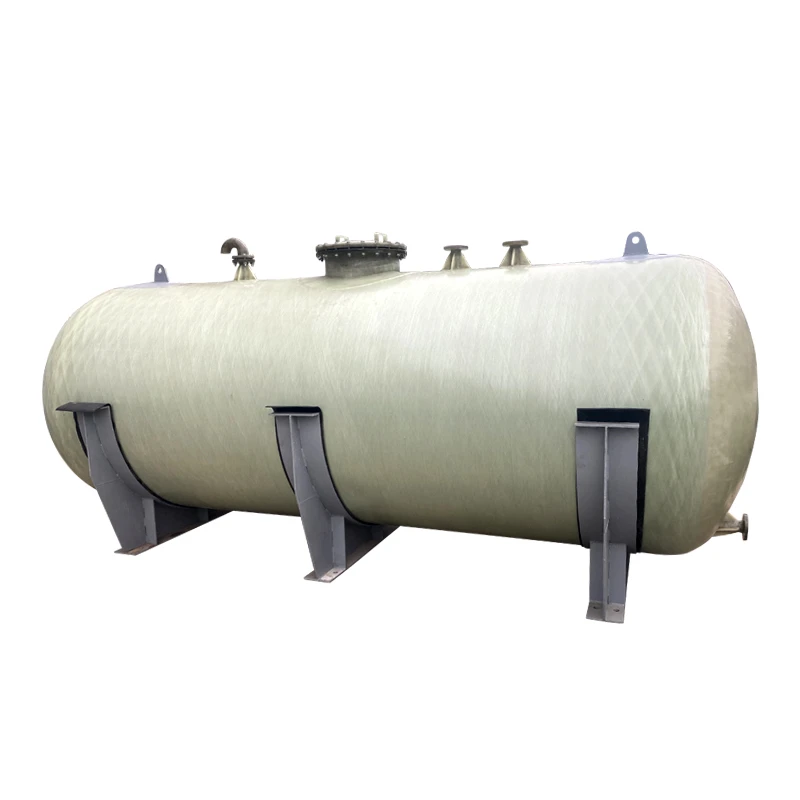
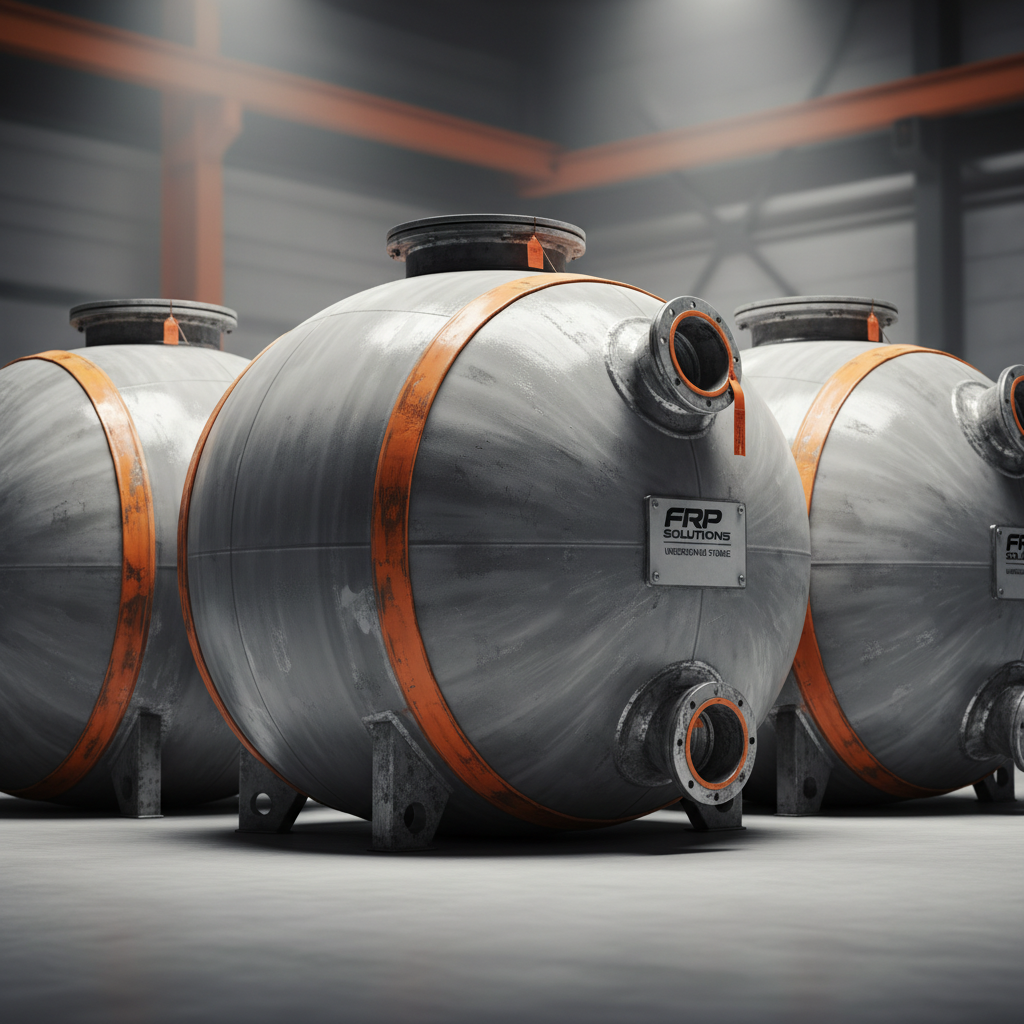
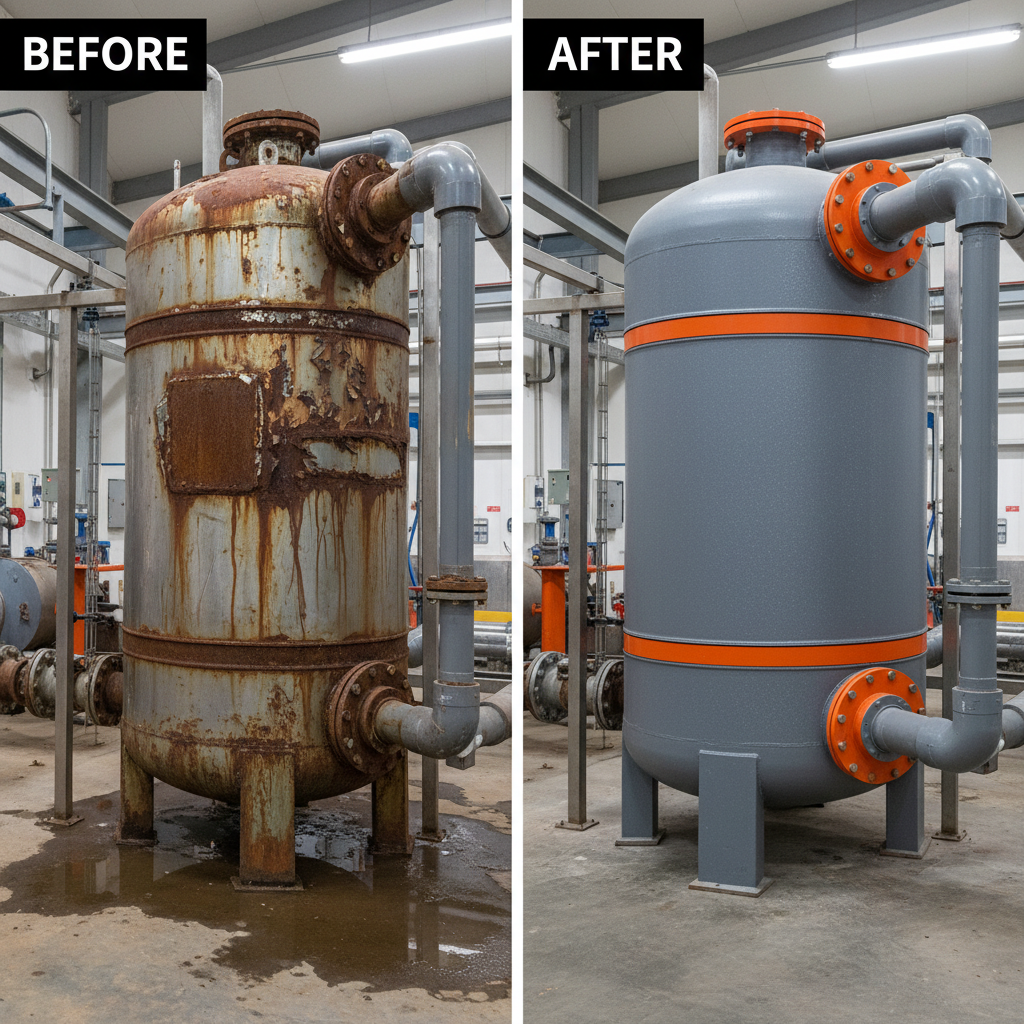
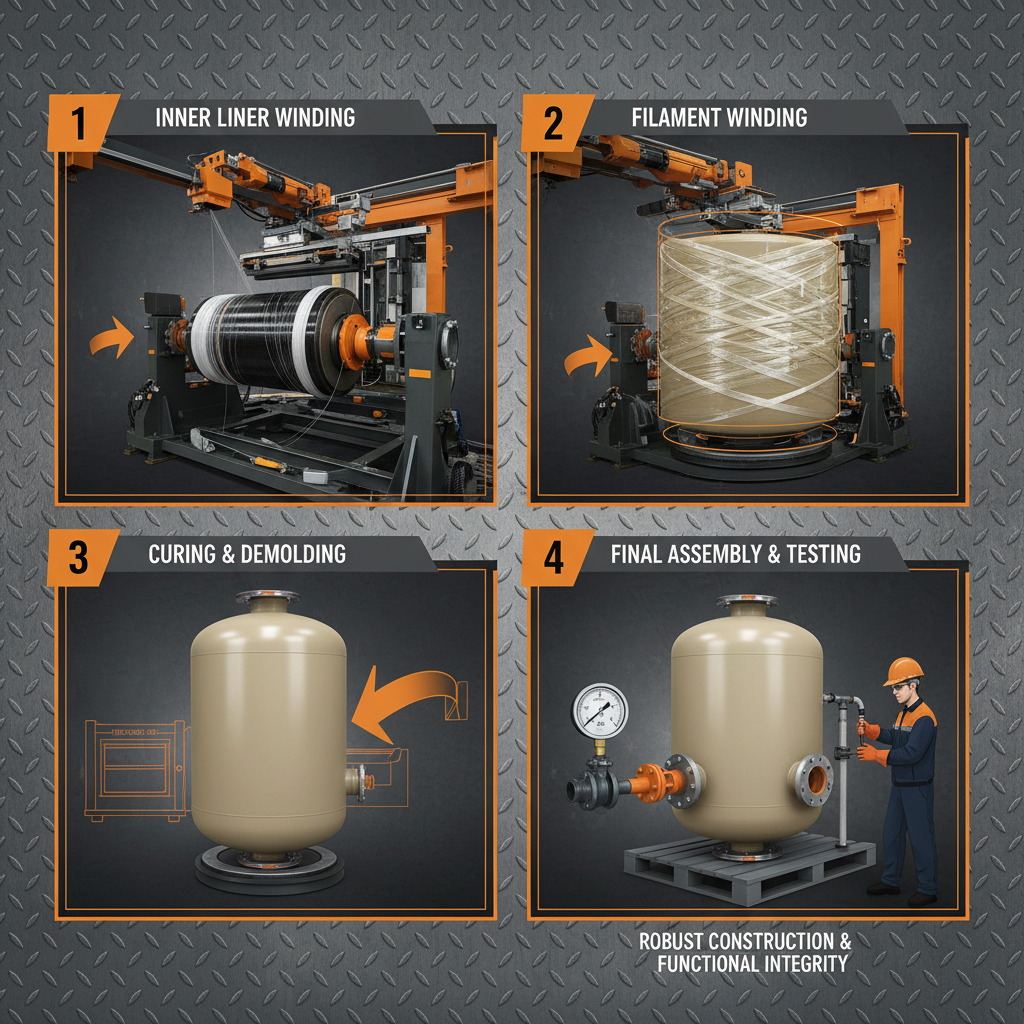
- Acid dissolution reactor with controlled HCl dosing; off-gas to FRP scrubber.
- Solid-liquid separation (pressure leaf or decanter) to knock down fines.
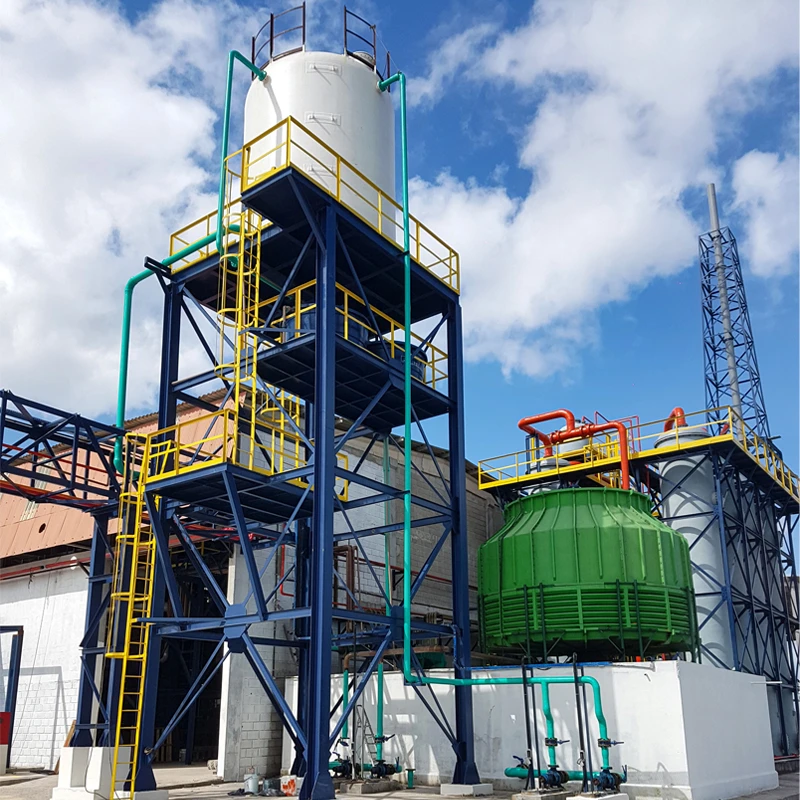
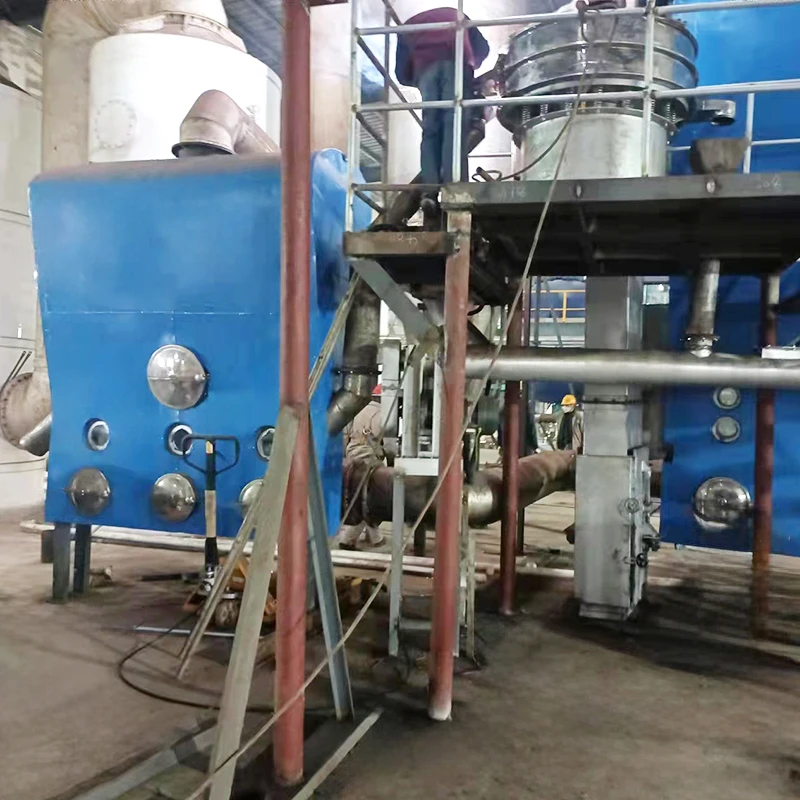
- 3–5 effect evaporation to 74% CaCl2 solution; condensate reuse to cut water bills.
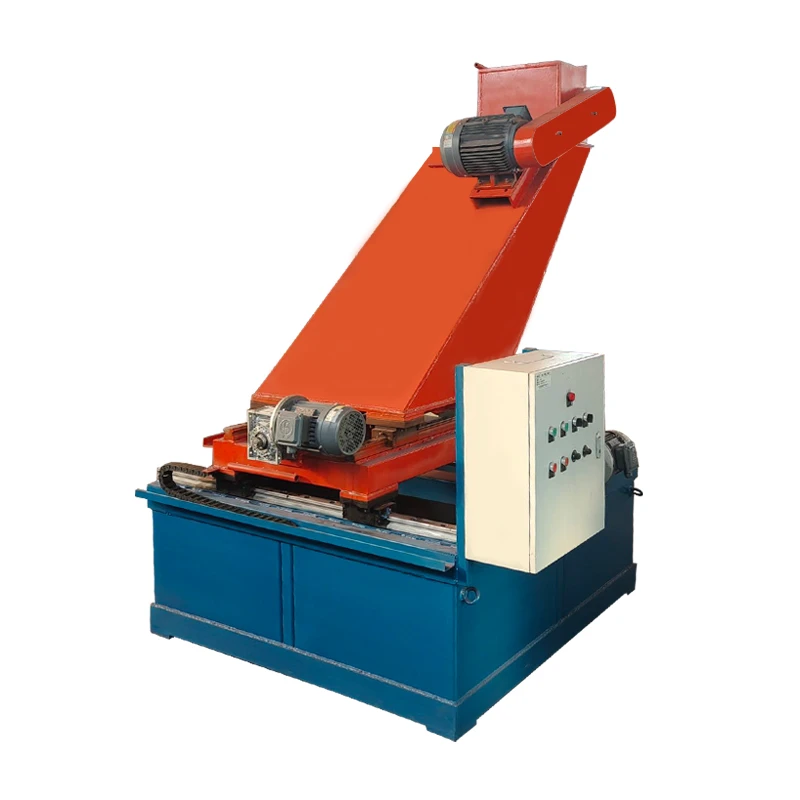
- Flaker/granulator to 94–97% pellets/prills; optional dryer to hit low moisture.
- Screening, anti-caking dose (food/industrial grade variants), closed packing.
Testing: ASTM D98 and GB/T 26520 routines—titration for CaCl2, ICP-OES for metals, chloride insolubles, and KF moisture. Typical batch data (real-world use may vary): 94.3% CaCl2, Fe < 10 ppm, Mg < 0.02%, insolubles < 0.05%, pH (10% soln) ≈ 8.0.
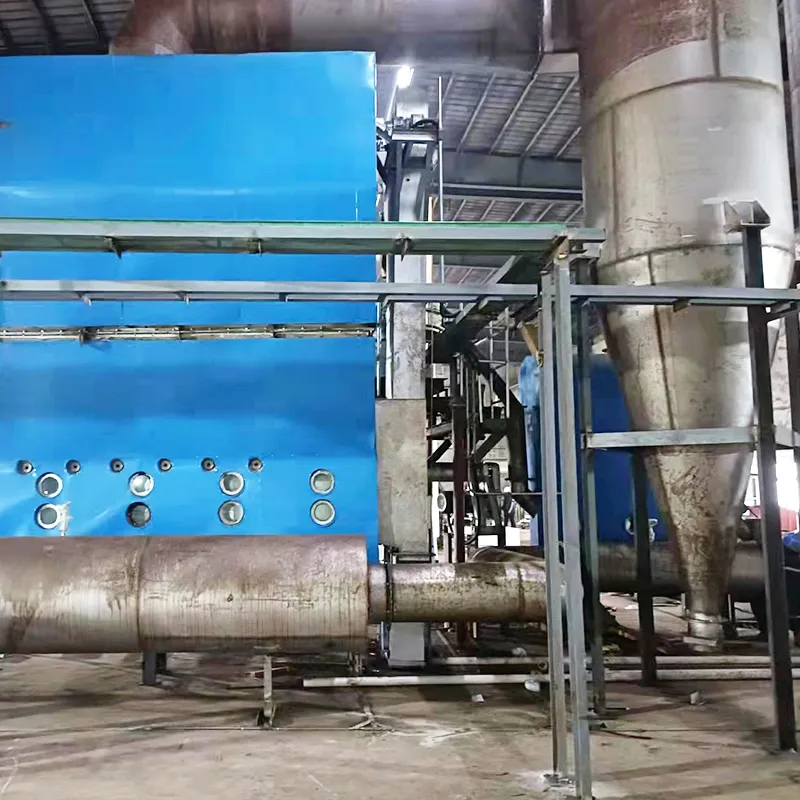
Core specifications (typical)
| Capacity | 10–100 t/day (expandable modules) |
| Grades | 74% solution; 94–97% flakes/prills; anhydrous option |
| Raw materials | HCl 31–33% + CaCO3; or by‑product brine |
| MOC (key) | Reactor PTFE-lined CS; evaporator 316L/2205; scrubber FRP |
| Steam use | ≈0.8–1.2 t/t product (multi-effect) |
| Power | ≈45–120 kWh/t (line size dependent) |
| Emissions | HCl off-gas < 5 mg/Nm³ after scrubber |
| Controls | PLC/DCS (Siemens S7-1500 or similar) |
| Service life | 10–15 years critical equipment with proper CIP |
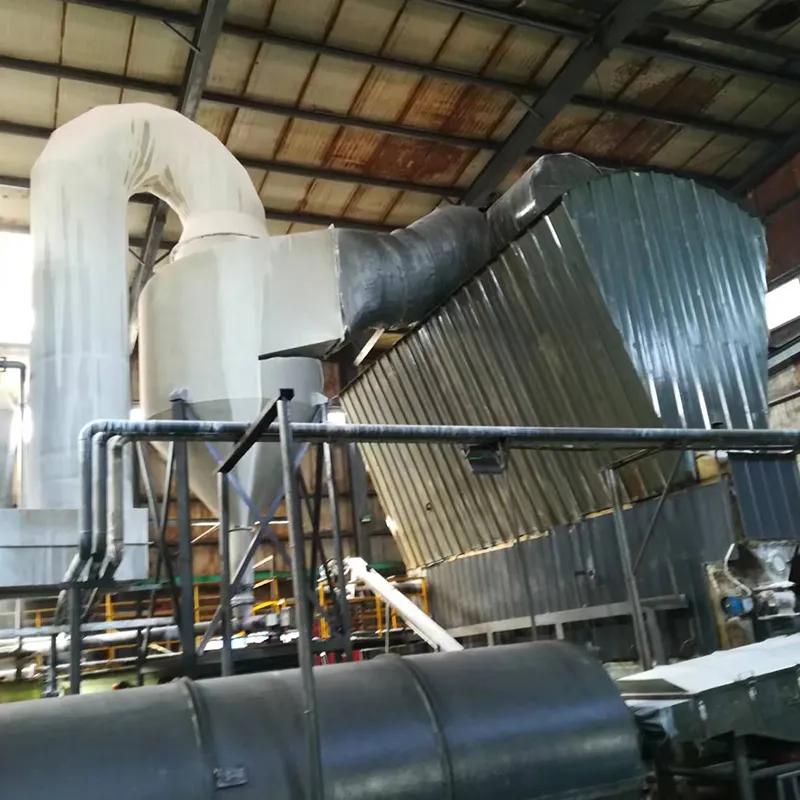
Applications and industries
- Municipal de-icing and anti-icing (flakes, 32% solution).
- Dust control for mines and unpaved roads.
- Oilfield brines, workover fluids, cementing.
- Concrete accelerator (careful dosing), wastewater treatment.
- Food/beverage (E509), if the calcium chloride production line includes food-grade modules and HACCP.
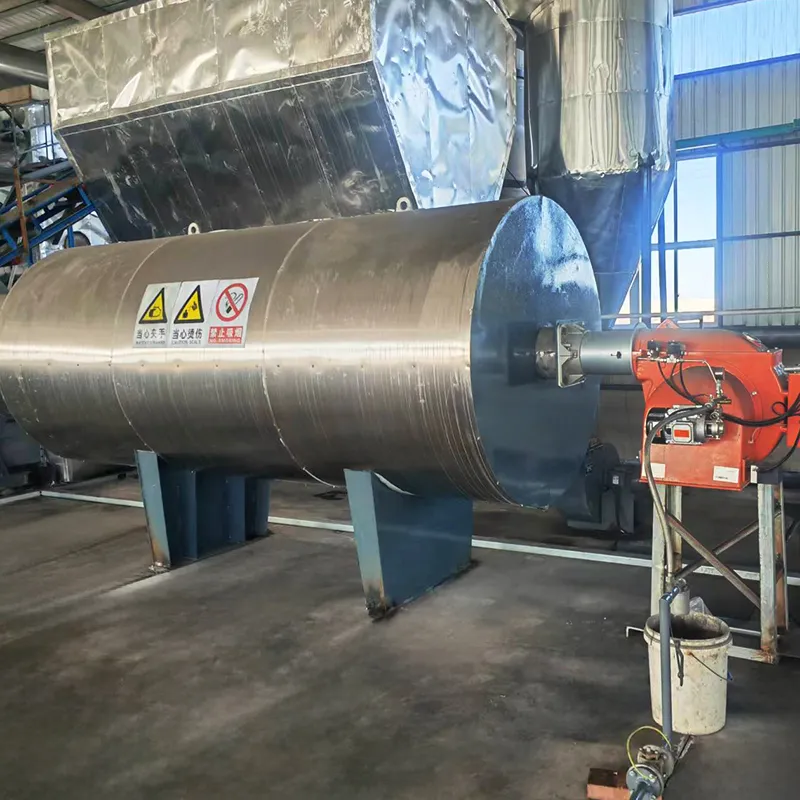
Vendor comparison (quick, imperfect, but useful)
| Feature | Hebei Manufacturer | Regional OEM | Low‑cost Builder |
|---|---|---|---|
| Energy use | Low (multi-effect) | Medium | High (single/dual effect) |
| Corrosion design | 316L/2205 + FRP scrubbers | Mostly 304/316 | Carbon steel heavy |
| Automation | PLC/DCS with historian | Basic PLC | Manual-heavy |
| Food-grade option | Yes (HACCP/HALAL/KOSHER) | Limited | No |
| Lead time | ≈4–6 months | ≈6–8 months | ≈3–4 months |
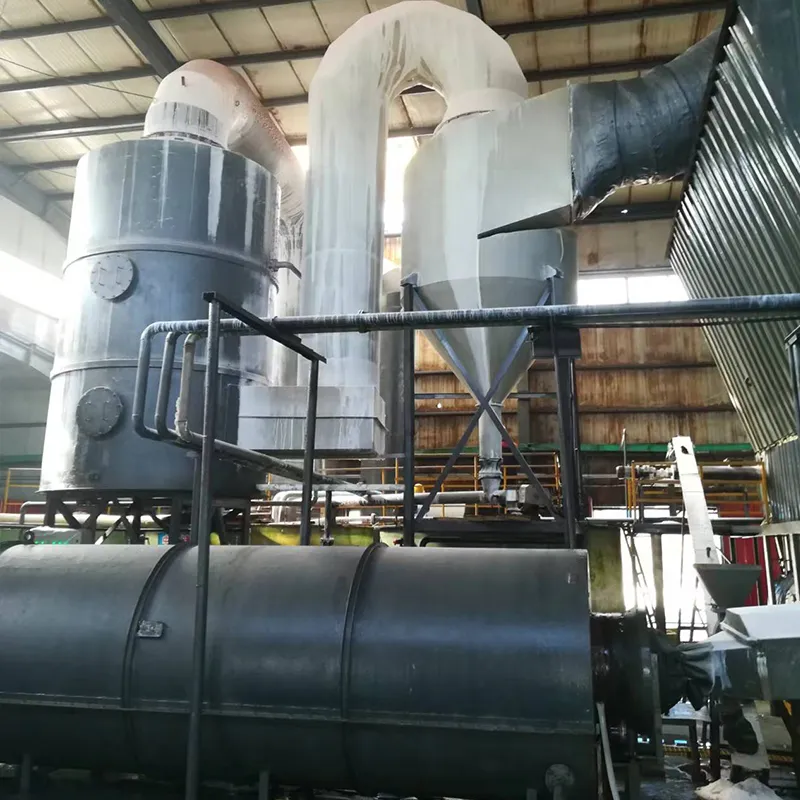
Customization, certifications, and real feedback
Options include duplex-steel evaporators, flaker vs. prilling, ATEX-rated electrics, and closed-loop condensate reuse. Certifications many buyers ask for: ISO 9001/14001, CE for machinery, REACH registration, and for food-grade, 21 CFR 184.1193 compliance. Customers keep pointing out stable granule hardness and cleaner stacks as the reasons they’ve standardized on this calcium chloride production line.
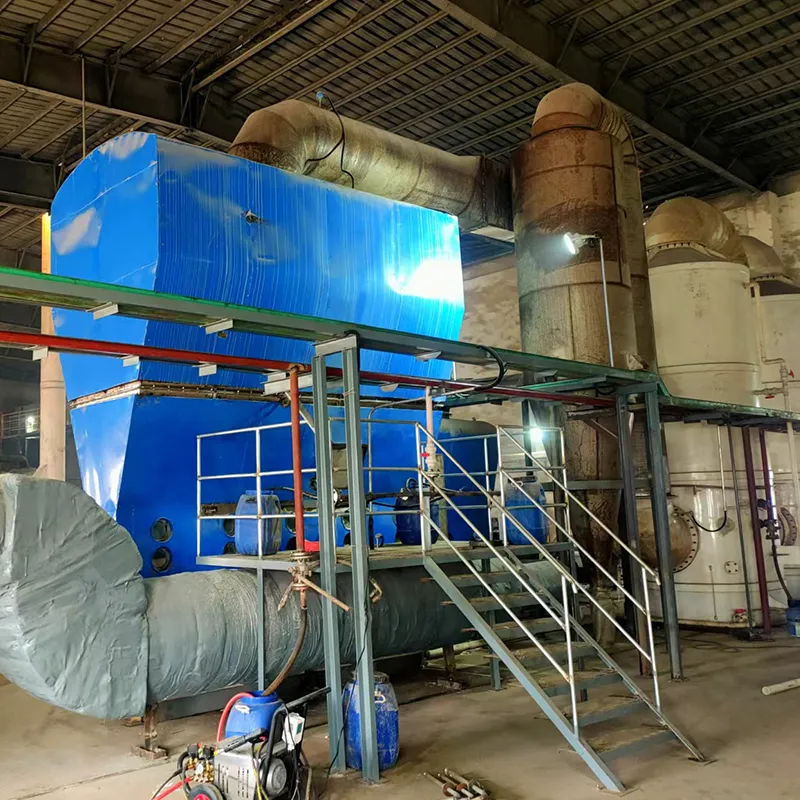
Case notes (field-proven)
- Northern city de-icing hub, 50 t/d: steam cut ≈18% after a 4-effect retrofit; payback in 14 months.
- GCC oilfield base, 30 t/d: duplex upgrade stopped seasonal pitting; uptime +6%.
- Beverage-grade micro line, 10 t/d: low-iron skid with HEPA packing; passed third-party audits first try.
Origin: No. Room 211,706 Xinghua North Street, Jizhou District, Hengshui City, Hebei Province. It seems modest, but the shop floor is better than you’d expect.
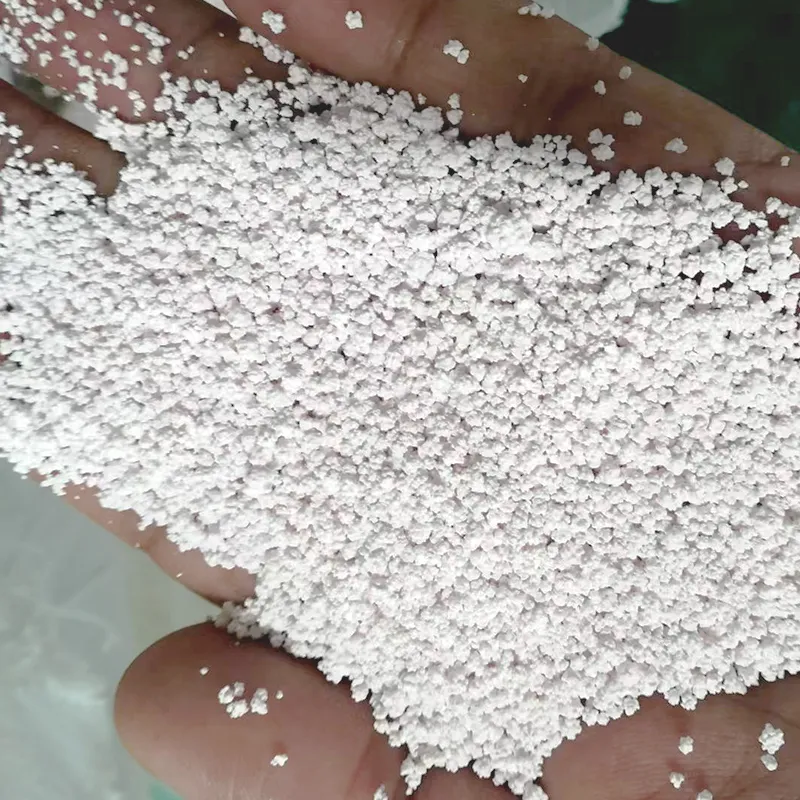
What to ask before you buy
- Can you share verified ASTM D98/GB/T 26520 test runs from the exact calcium chloride production line model?
- What’s the guaranteed HCl stack number and the scrubber packing spec?
- Real steam and kWh per ton, not just design values—got historian exports?
References
- ASTM D98 – Standard Specification for Calcium Chloride.
- GB/T 26520 – Calcium chloride for industrial use (China).
- AASHTO M 144 – Standard Specification for Calcium Chloride.
- 21 CFR 184.1193 – Calcium chloride (FDA GRAS; food use conditions).