Double Wall Fuel Tank: Safer, Leak Detection, Compliant?
Why SF Double-Wall Tanks Are Quietly Reshaping Fuel Storage
If you’re evaluating an double wall fuel tank for a station build, data center backup, or a modernization project, you’re not alone. To be honest, I’ve watched this category go from “nice to have” to practically mandatory as regulators tighten the screws and operators chase leak-free uptime.
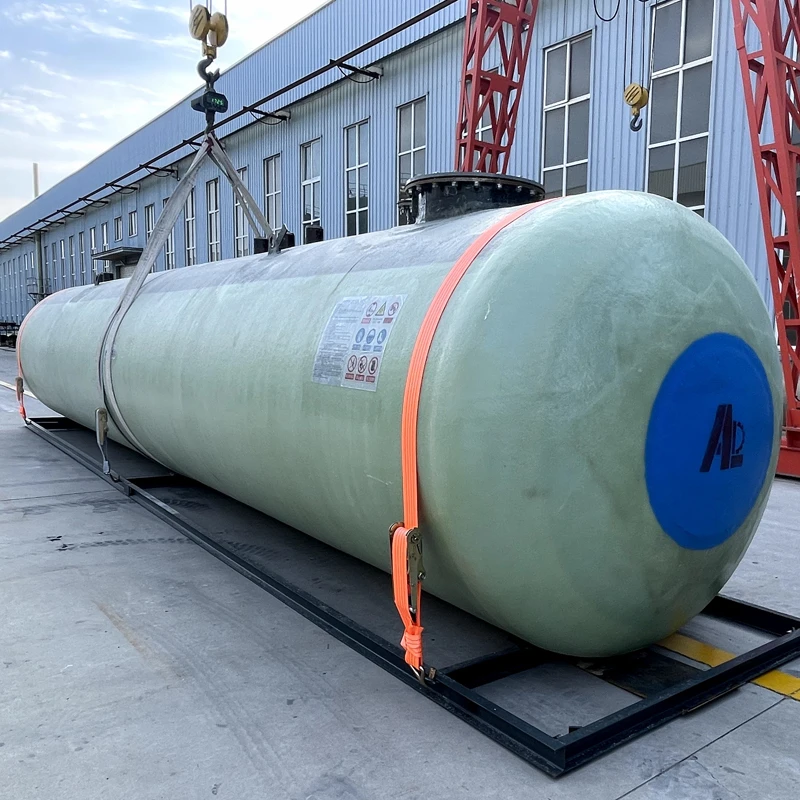
What “SF” Actually Means (and Why It Matters)
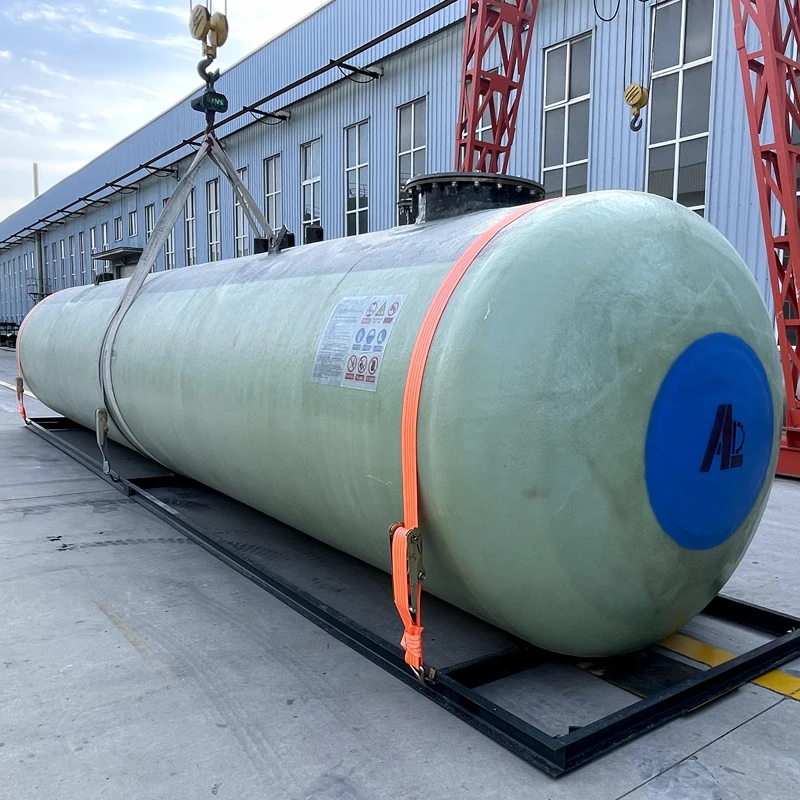
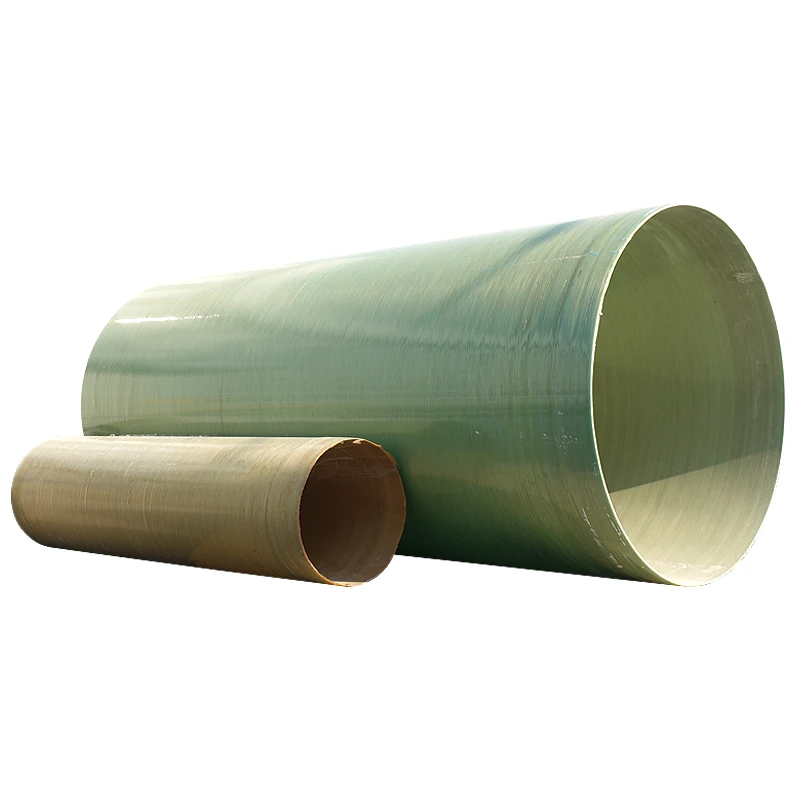
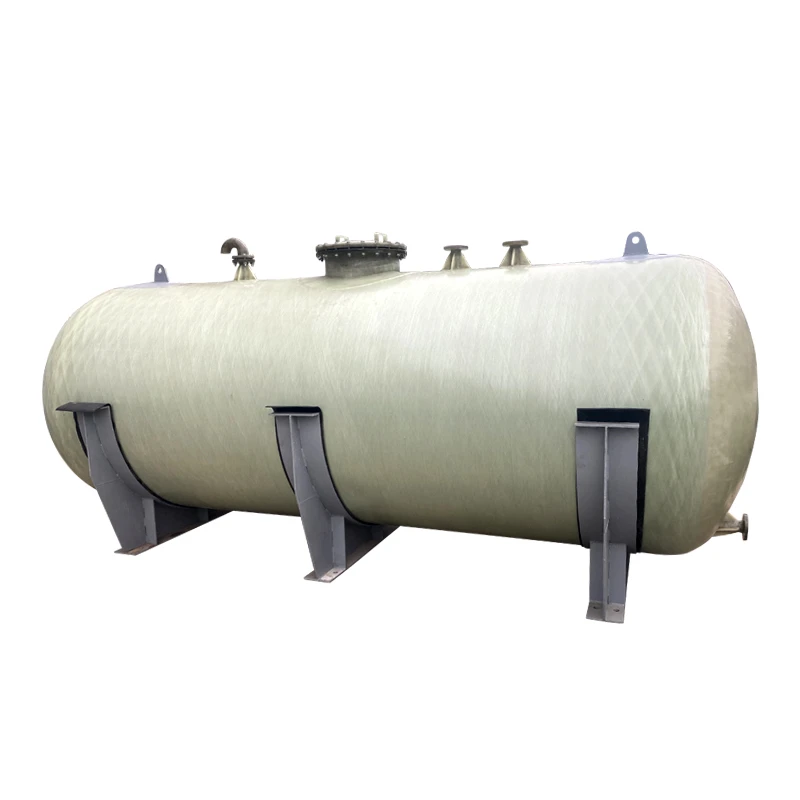
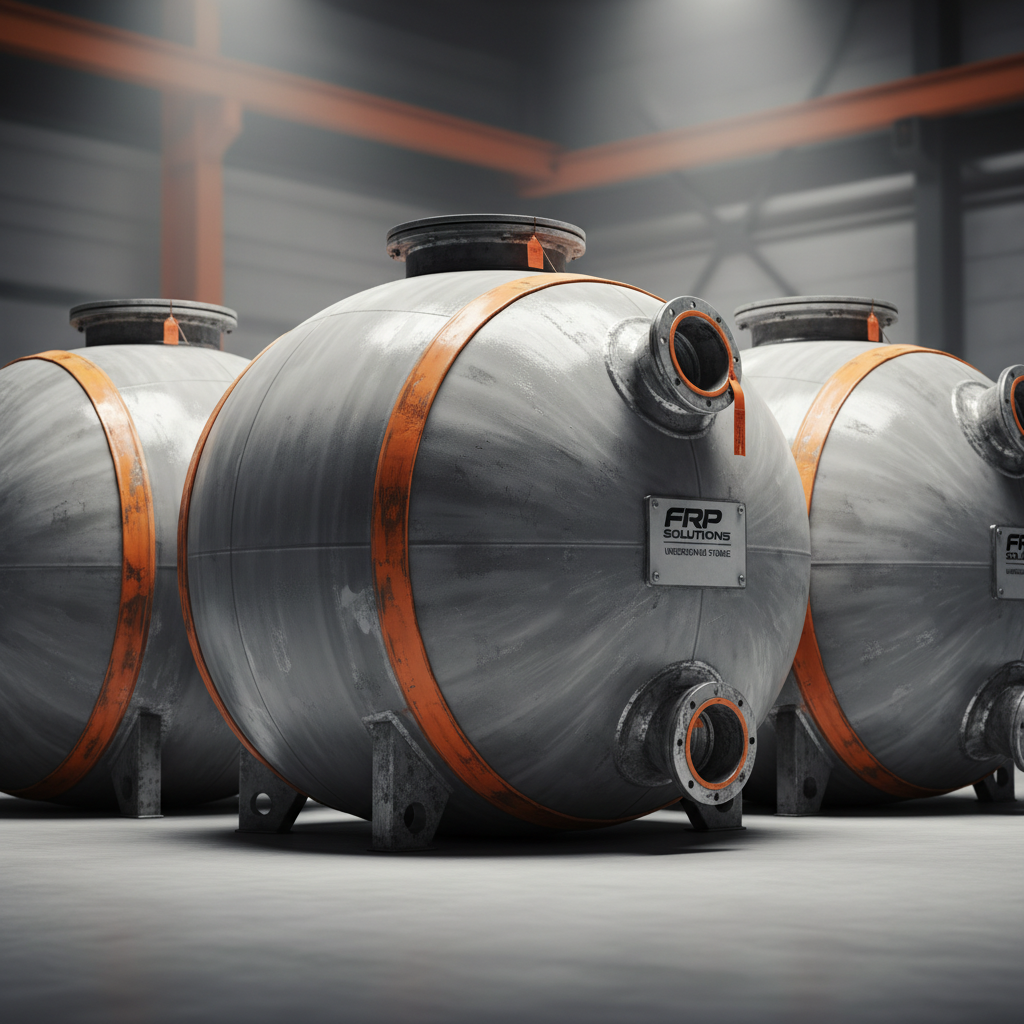
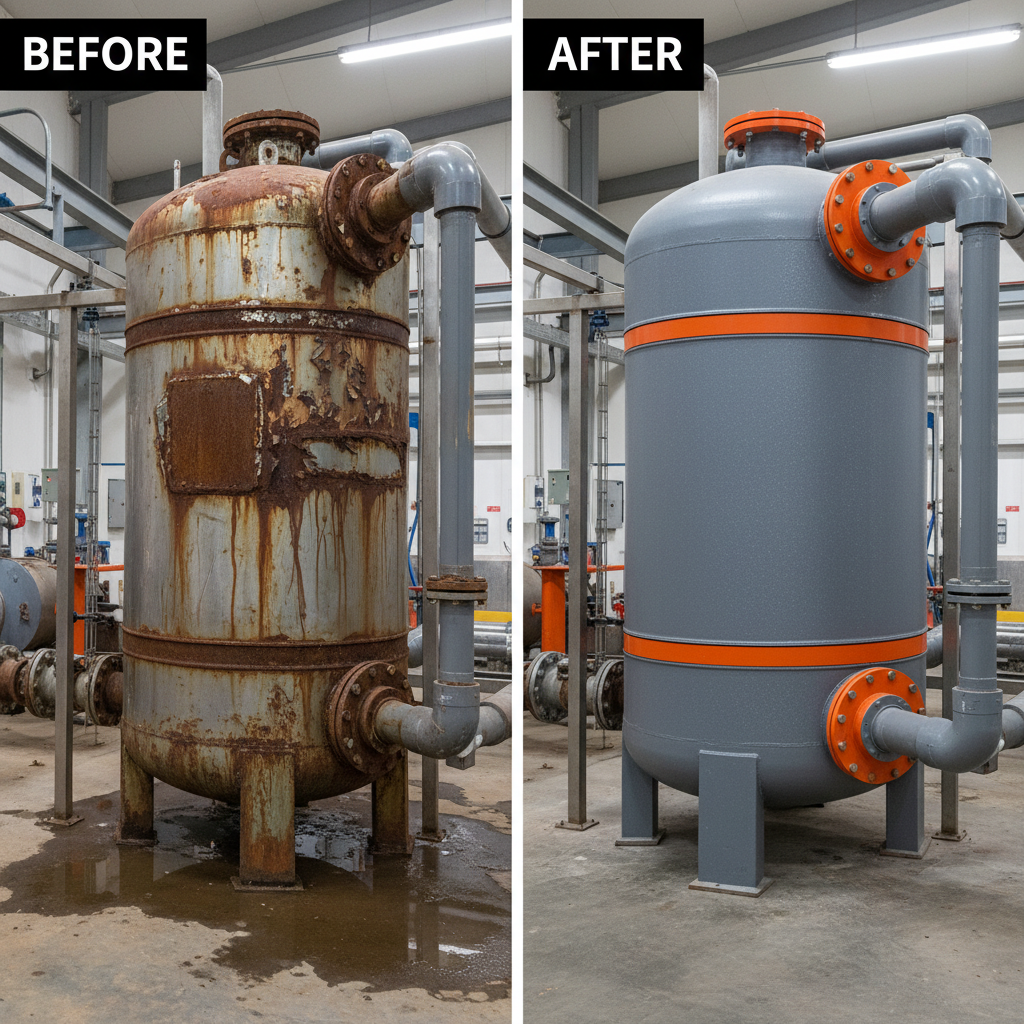
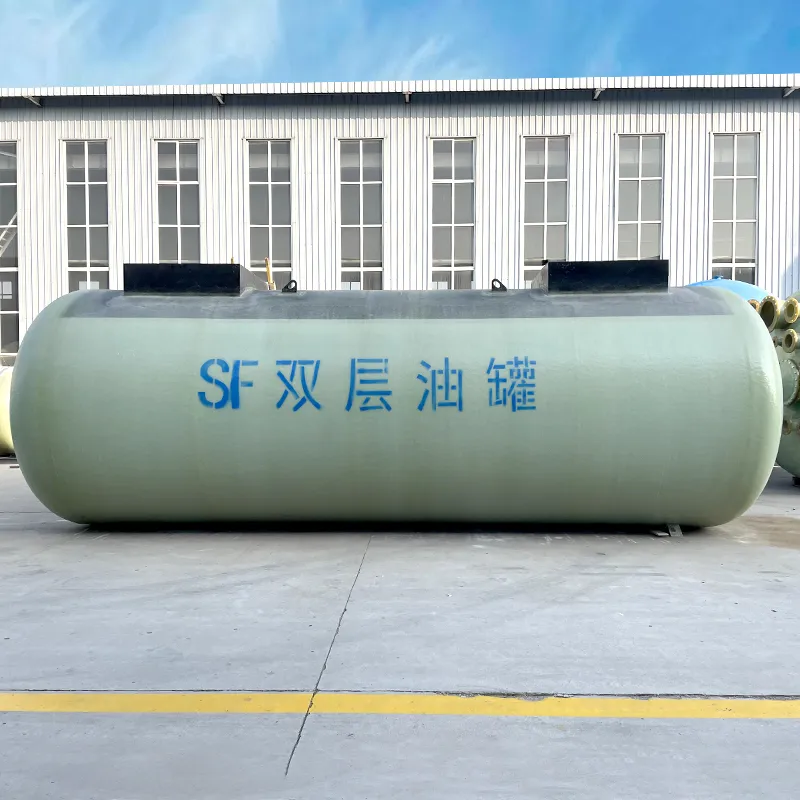
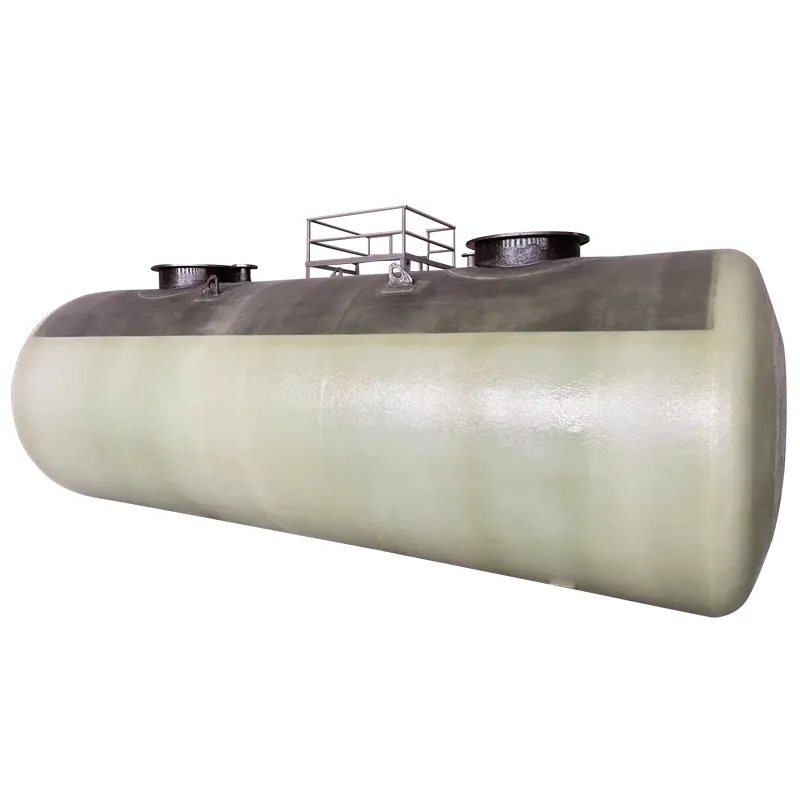
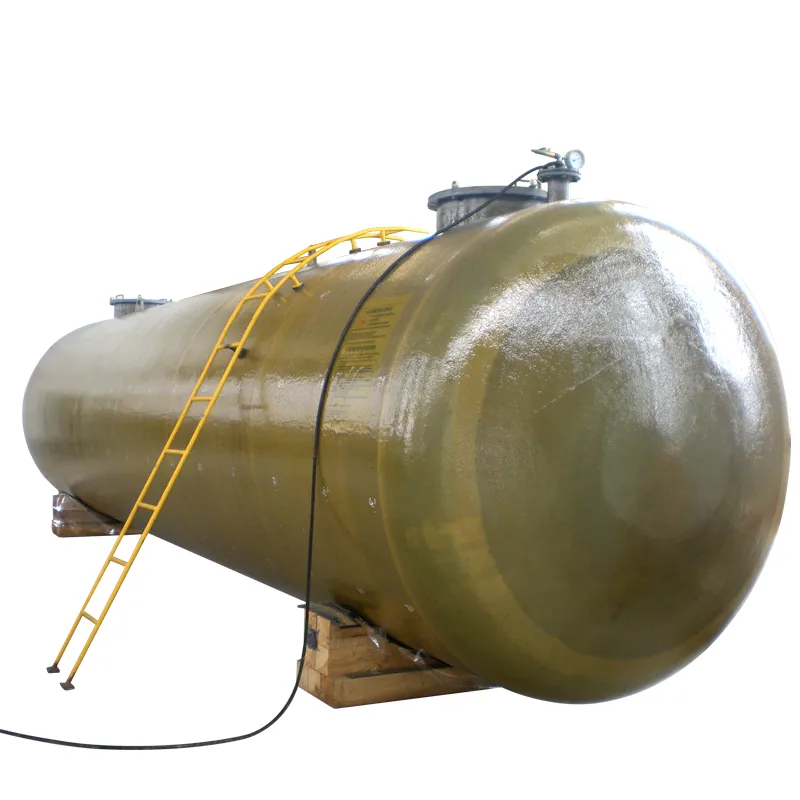
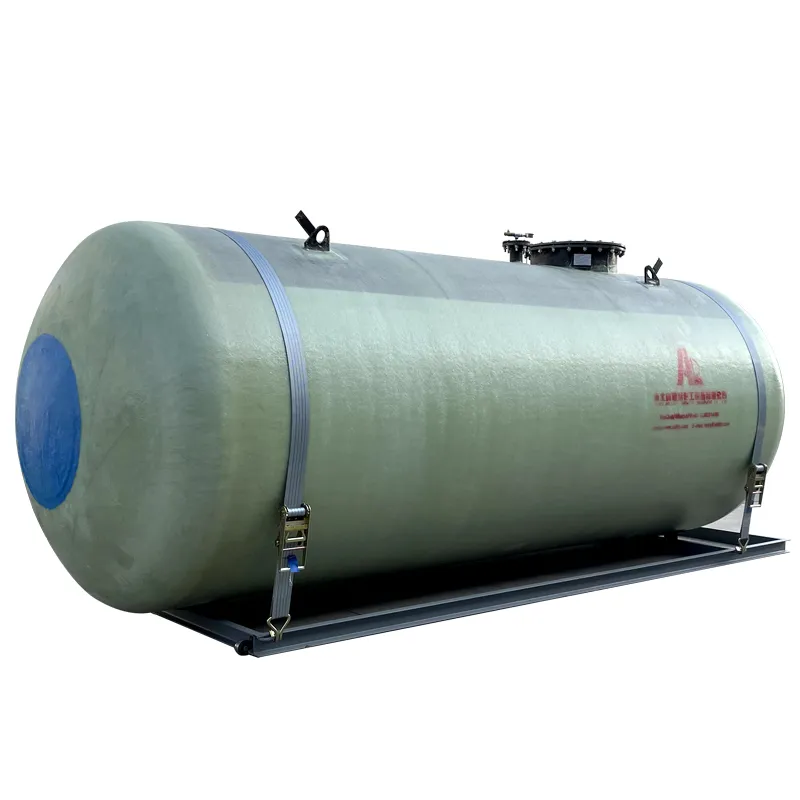
“S” = steel inner tank in contact with fuel; “F” = fiberglass (FRP) outer shell against soil. The steel gives structural integrity and compatibility with gasoline, diesel, E10–E15, and up to around B20 biodiesel, while the FRP jacket isolates the environment and resists corrosion. The result is a robust double wall fuel tank with an interstitial space you can continuously monitor.
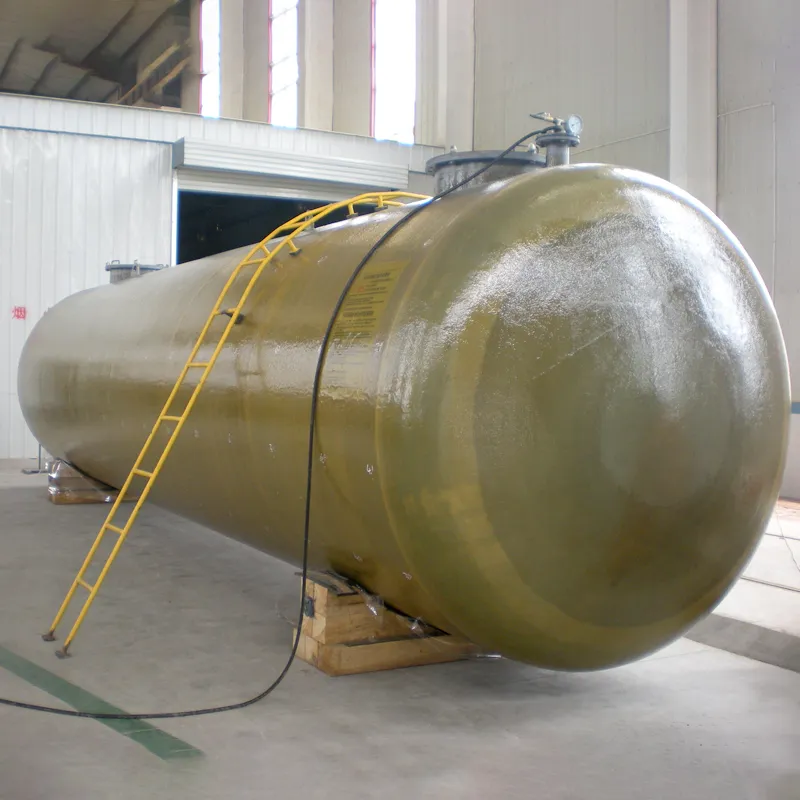
Industry Trend Snapshot
- Compliance-first design: EPA 40 CFR Part 280 and UL 58/1746 are driving adoption.
- Lifecycle math: operators pick double wall fuel tank systems for 30+ years service life and lower corrosion risk.
- Data-ready: interstitial vacuum monitoring and smart sensors are now standard expectations.
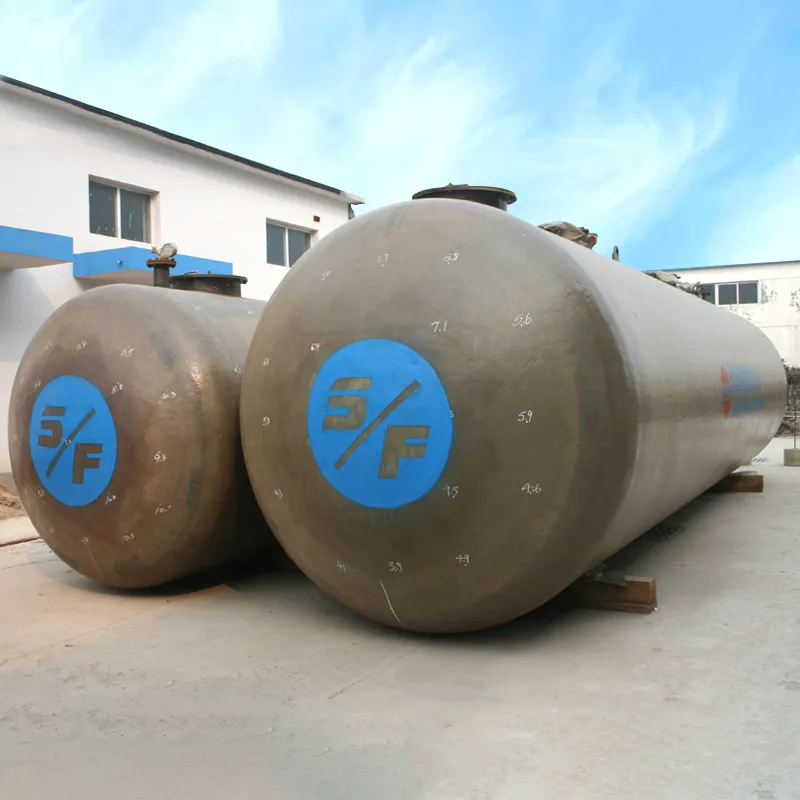
How It’s Built: Materials, Methods, Tests
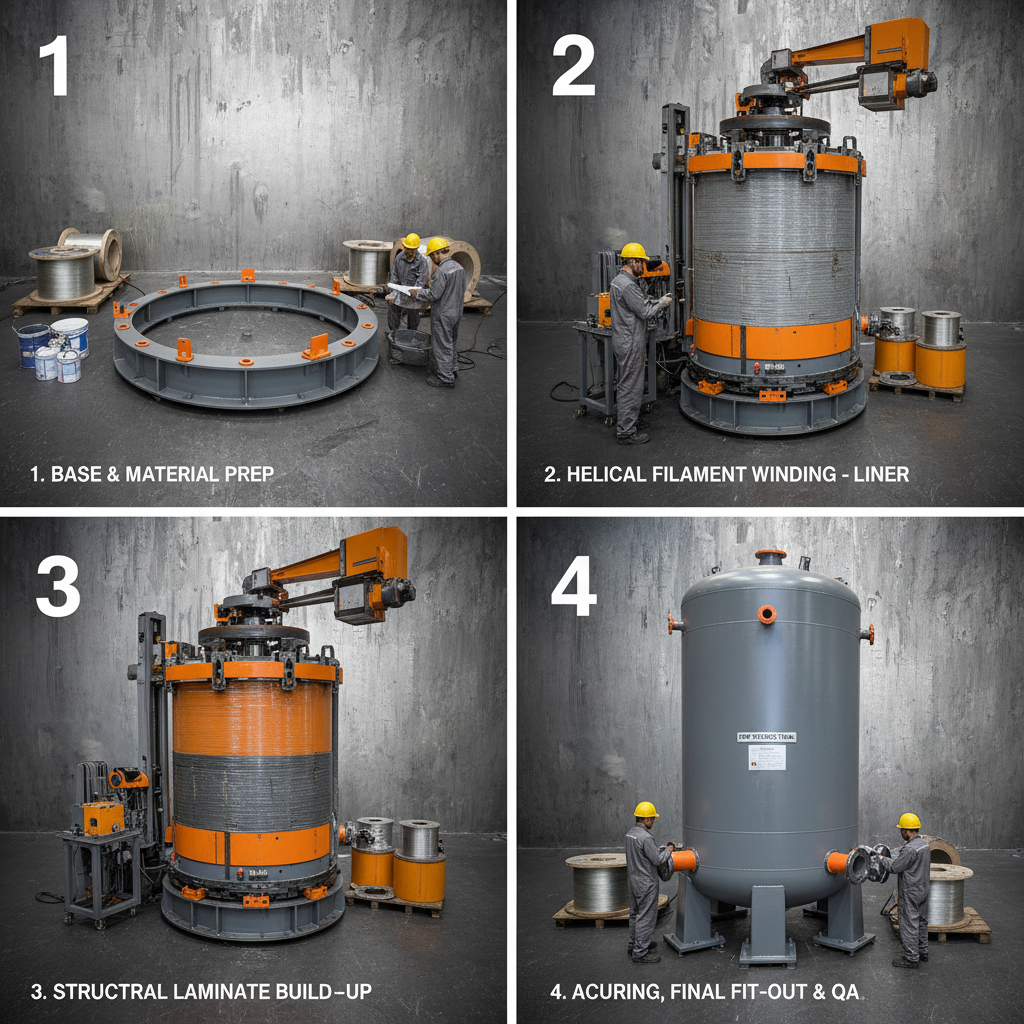
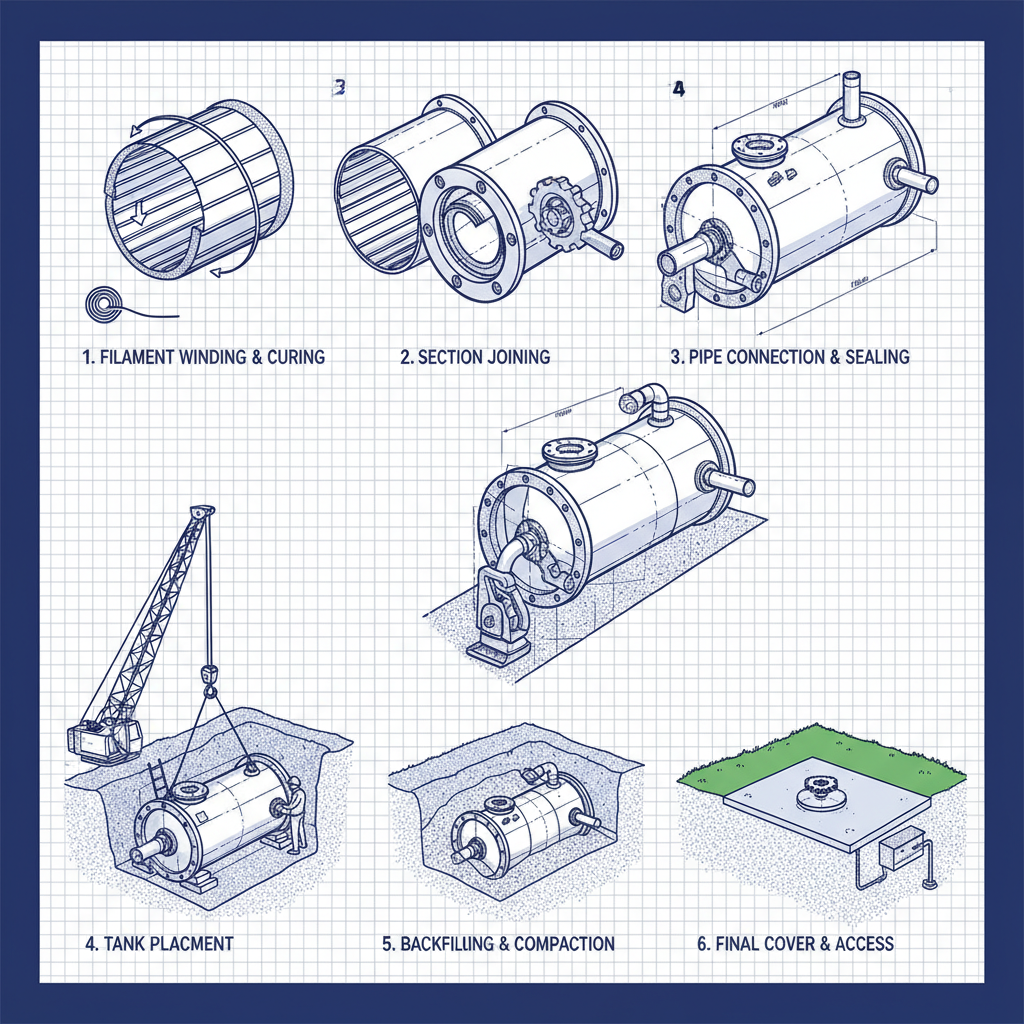
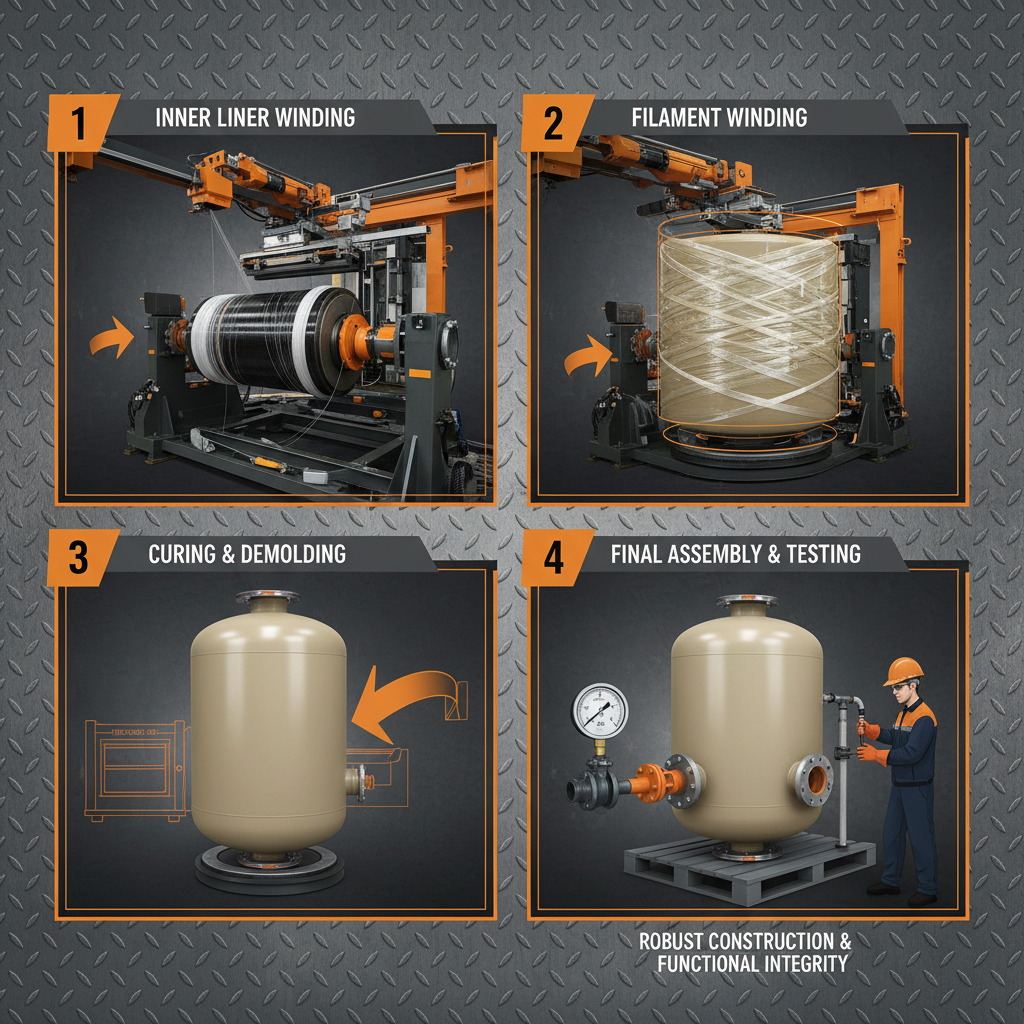
Inner shell: carbon steel (e.g., Q235B/ASTM A36), welded to API/UL fabrication practices. Outer shell: FRP laid up with vinyl ester resin for chemical resistance; spacers create a continuous interstice. Ports are set for fill, vent, STP, gauge, and interstitial monitoring. Factory tests typically include hydrostatic or air-tightness, interstice vacuum hold, dimensional checks, and coating adhesion.
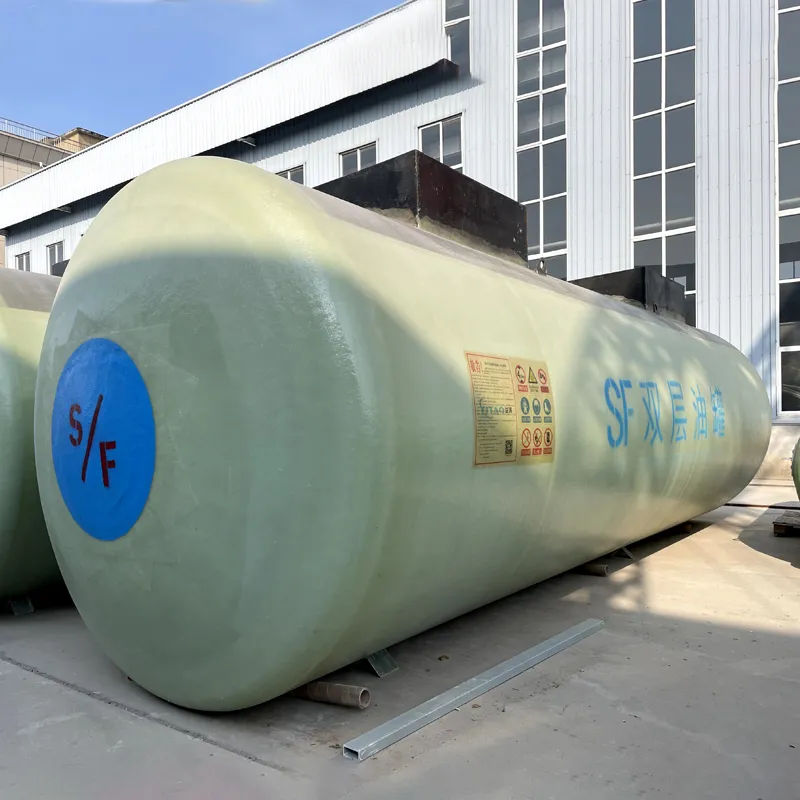
| Capacity Range | ≈ 5–100 m³ (1,300–26,000 gal) |
| Diameter Options | ≈ 1.2–3.5 m |
| Interstitial Monitoring | Vacuum (≈ −5 to −10 kPa) or pressure per UL 1746 |
| Outer FRP Shell | Corrosion-resistant, ≈ 3–6 mm |
| Fuel Compatibility | Gasoline, Diesel, E10–E15, up to B20 (check local approvals) |
| Service Life | Around 30+ years with proper install/maintenance |
| Standards | UL 58, UL 1746, EN 12285-1, PEI/RP100, local codes |
Where It’s Used (and Why)
Retail forecourts, truck stops, airports, mining sites, marine fuel docks, and data centers. Many customers say the monitored interstice gives them peace of mind—no surprises during audits, fewer emergency calls.
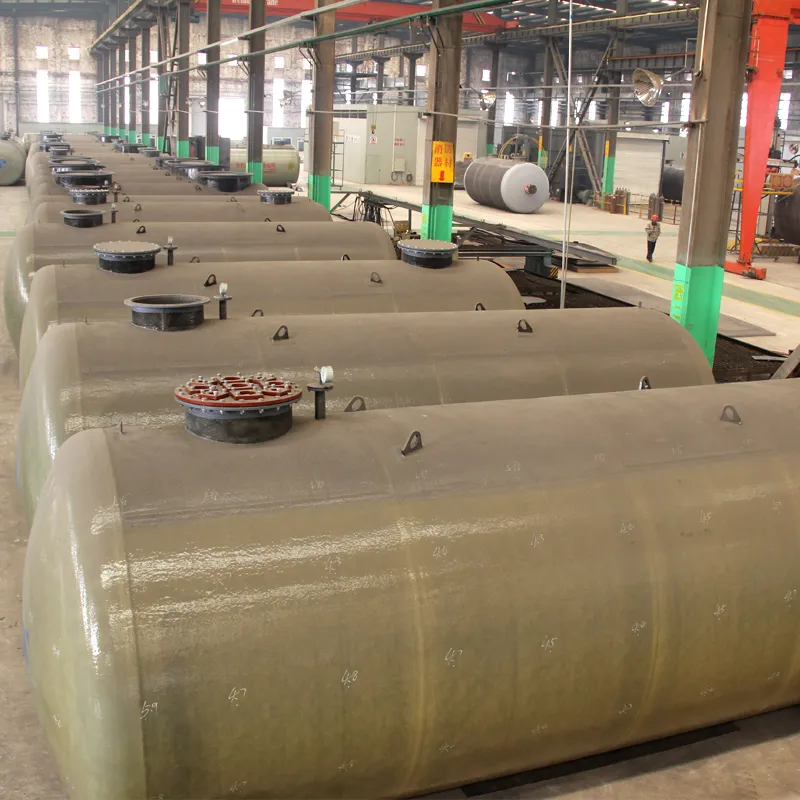
- Environmental protection and fast compliance sign-off.
- Lower corrosion exposure vs. bare steel.
- Straightforward leak detection on a double wall fuel tank without guesswork.
Customization
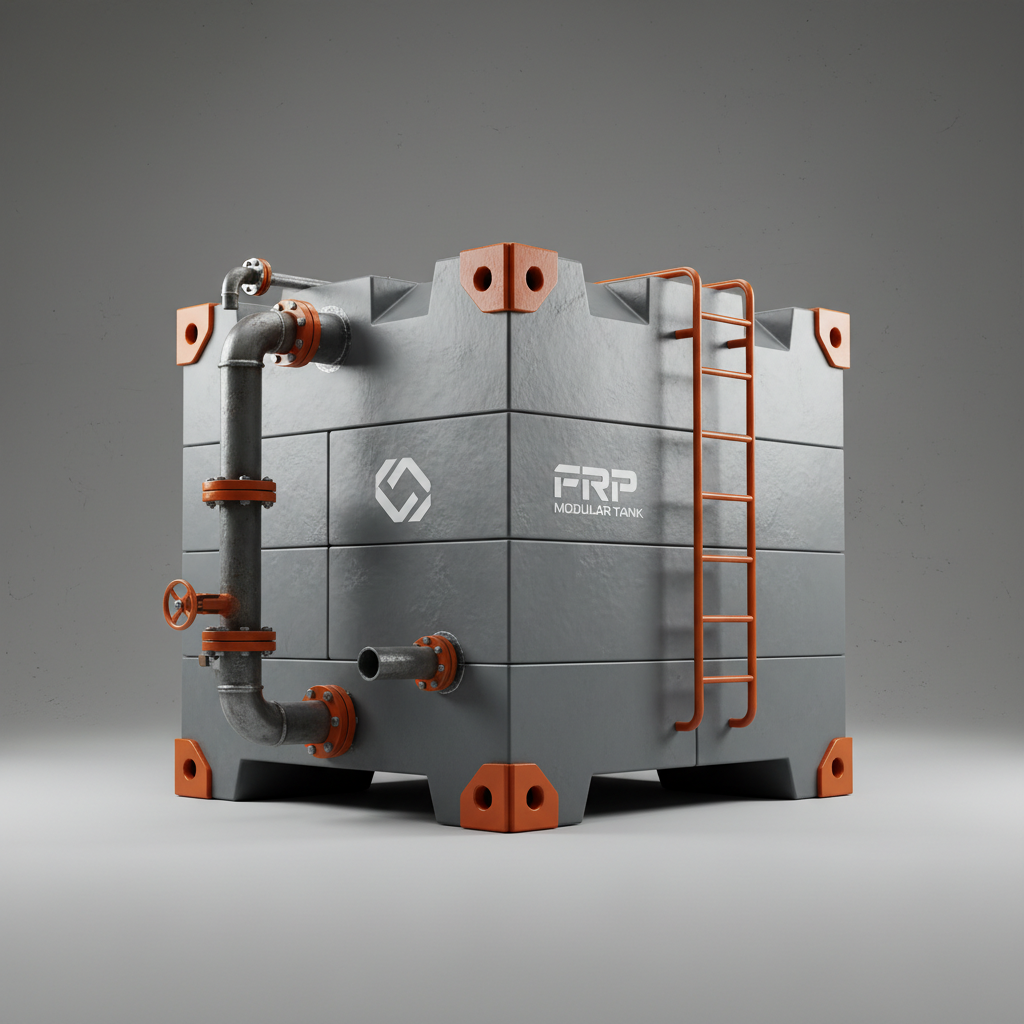
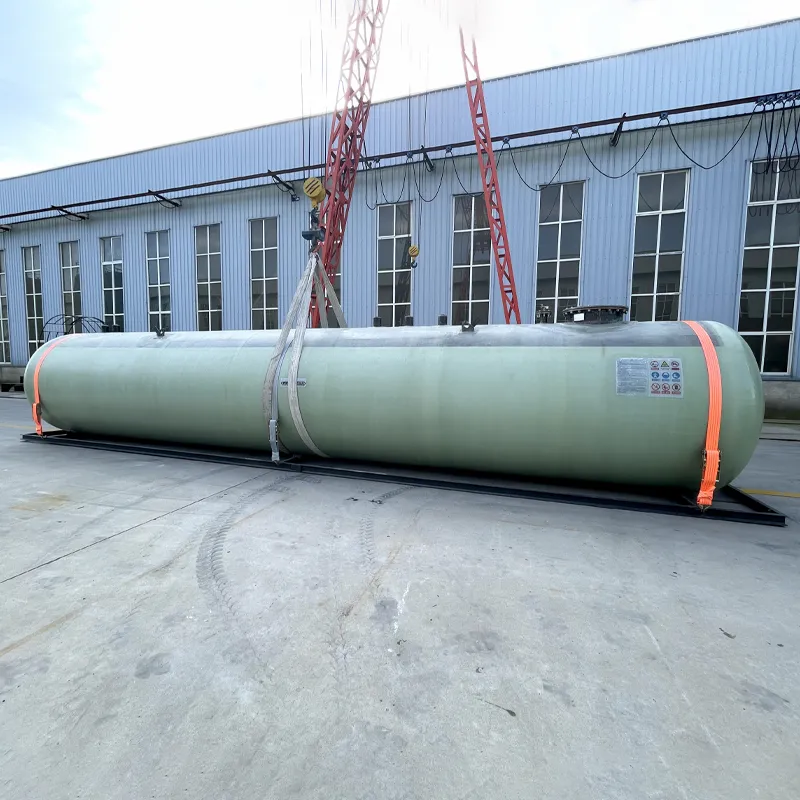
Compartments for multiple grades, reinforced manways, anti-float deadmen, factory-installed piping kits, and sensor-ready interstice ports. Origin: No. Room 211,706 Xinghua North Street, Jizhou District, Hengshui City, Hebei Province.
| Vendor | Construction | Typical Certifications | Capacity Range | Notes |
|---|---|---|---|---|
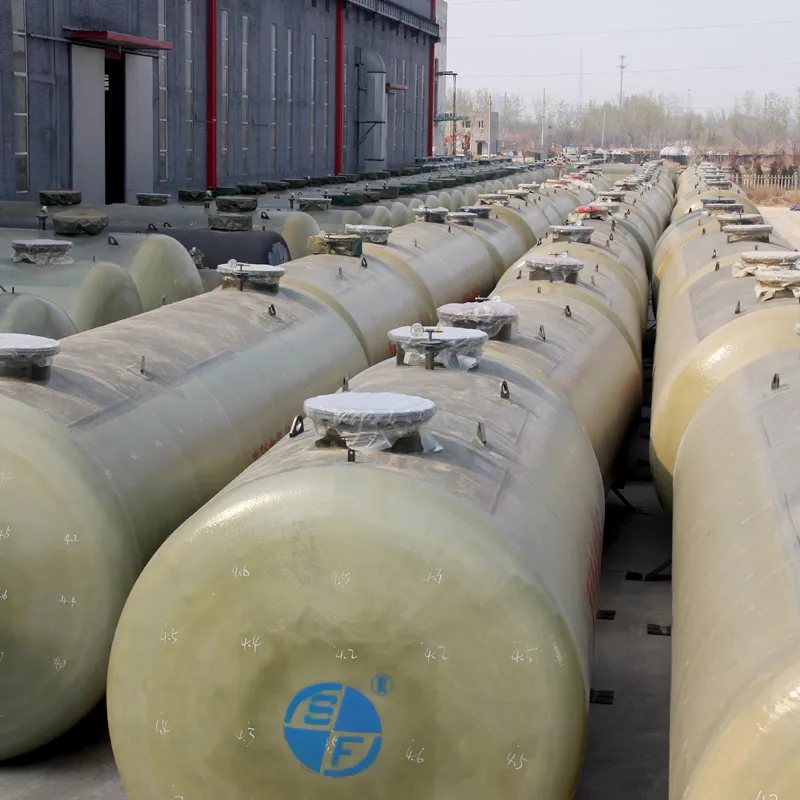
| Sf Double Wall Underground Fuel Tank For Sale | Steel inner + FRP outer | UL 58/1746, EN 12285-1 (as applicable) | ≈ 5–100 m³ | Strong interstice vacuum setup |
| Xerxes (example) | FRP inner + FRP outer | UL 1316 | ≈ 5–95 m³ | All-FRP corrosion immunity |
| Containment Solutions (example) | FRP double-wall | UL 1316 | ≈ 5–95 m³ | Lightweight install |
Real-World Case Notes
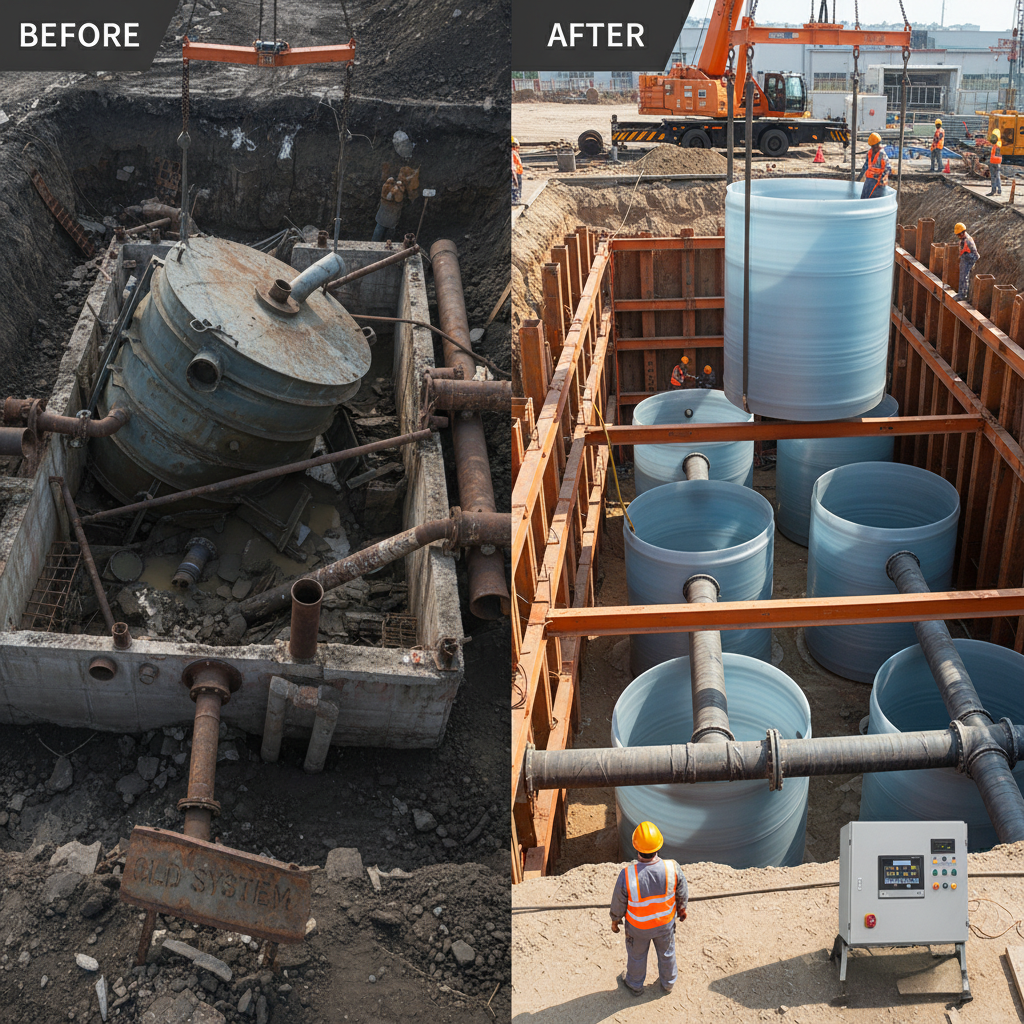
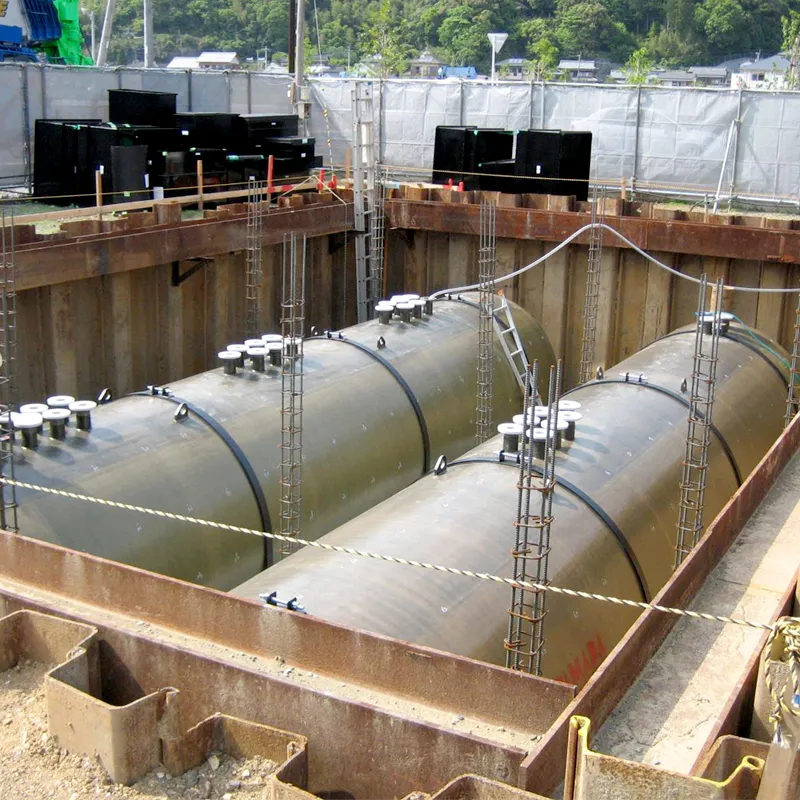
Retail forecourt, Southeast Asia: three 30 m³ units. Interstice vacuum held at ≈ −7 kPa for 24 h, zero drift, commissioning passed first inspection. The manager told me, “Surprisingly painless—no rework.”
Data center microgrid, EU: two 50 m³ units for diesel. Annual tightness verification reported 0 alarms. Fuel quality stayed stable; no water ingress flagged by the interstitial sensor.
Testing & Documentation You Should Ask For
- Factory pressure/vacuum test records (interstice hold ≥ 1 h, drift within spec).
- Material certs (steel mill certs, resin datasheets), weld NDT where applicable.
- Certificates: UL 58/1746 or EN 12285-1, and installation per PEI/RP100.
Final Take
For operators who don’t want surprises, an SF-style double wall fuel tank blends the strength of steel with the corrosion resistance of FRP—and, frankly, makes audits smoother. If you need a practical, standards-aligned choice, this is it.
References
- US EPA Underground Storage Tank Regulations, 40 CFR Part 280.
- UL 58 (Steel Underground Tanks) and UL 1746 (External Corrosion Protection Systems).
- EN 12285-1: Workshop-fabricated tanks — Steel tanks for underground installation.
- PEI/RP100: Recommended Practices for Installation of Underground Liquid Storage Systems.