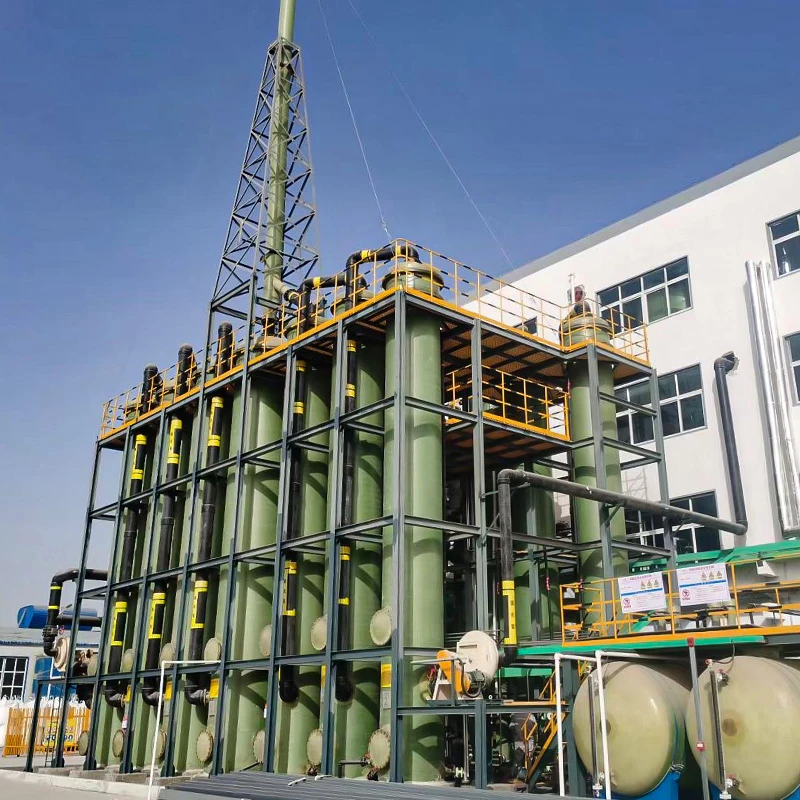
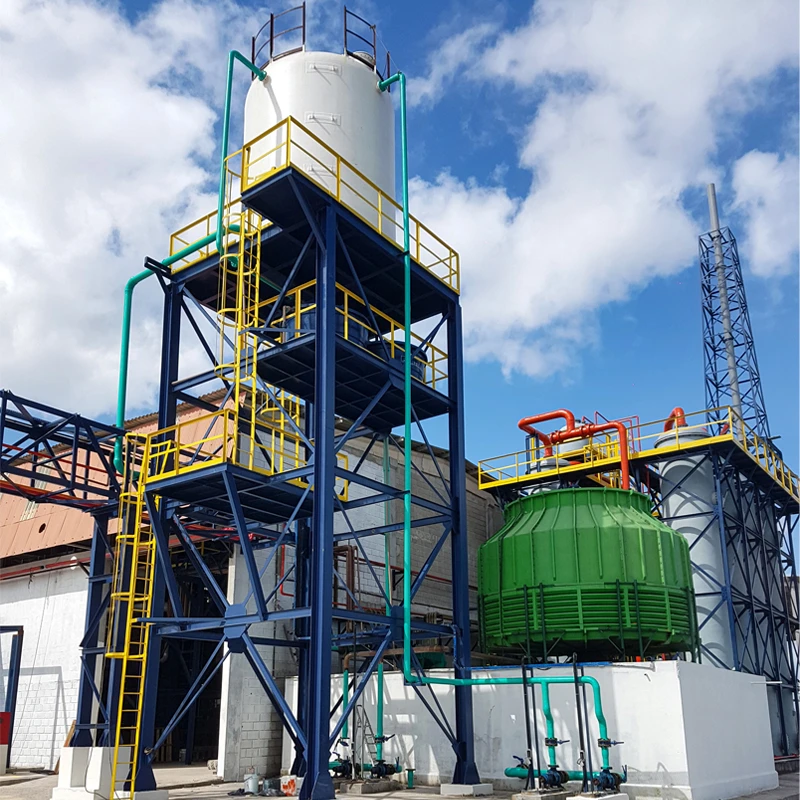
Durable 500 Gallon Fiberglass Tanks for Industrial Use
Why the 500 Gallon Fiberglass Tank Is a Game Changer in Industrial Storage
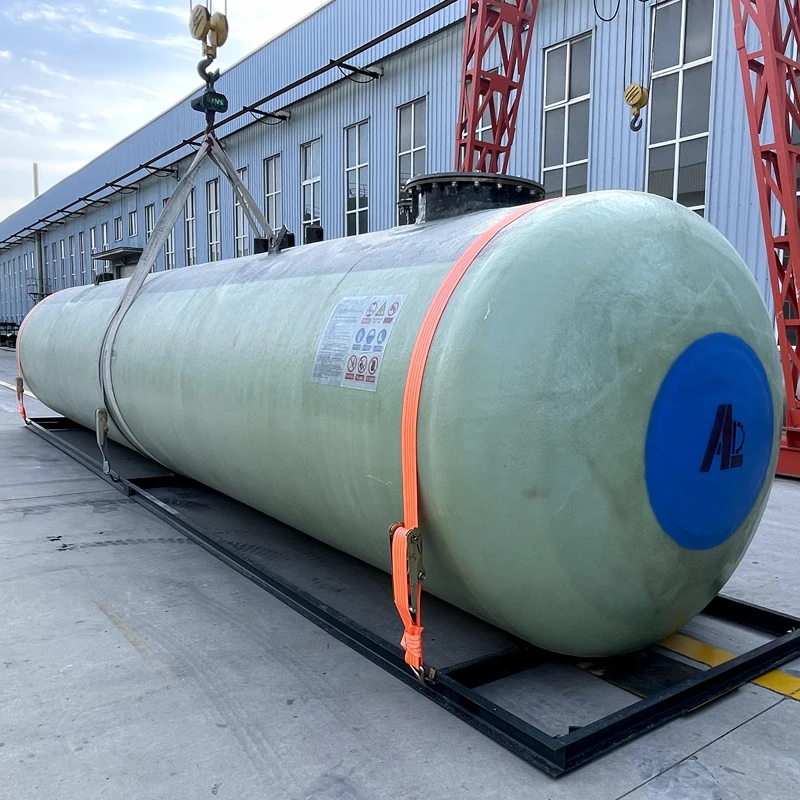
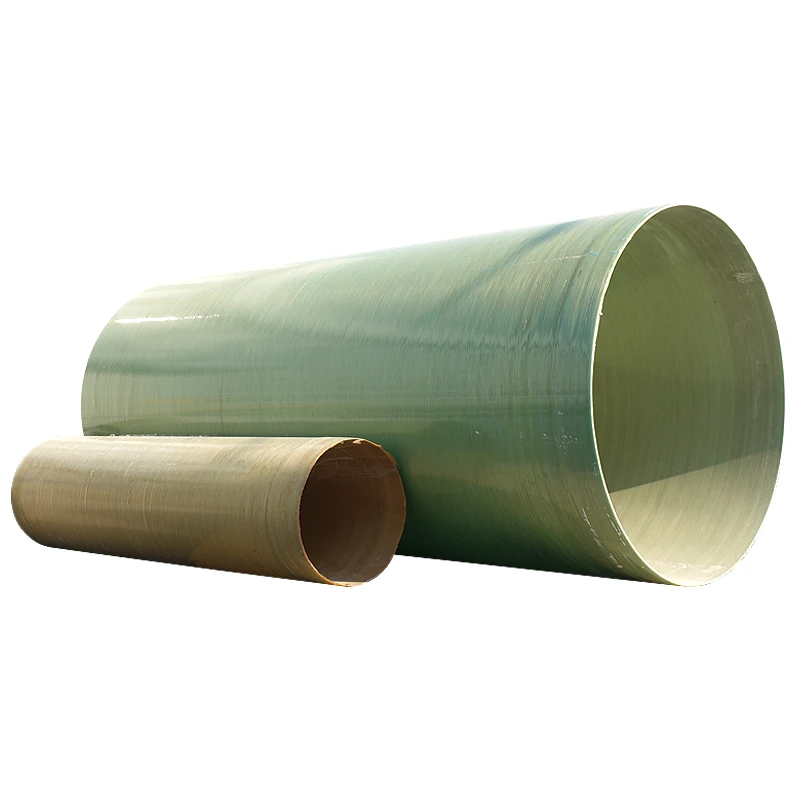
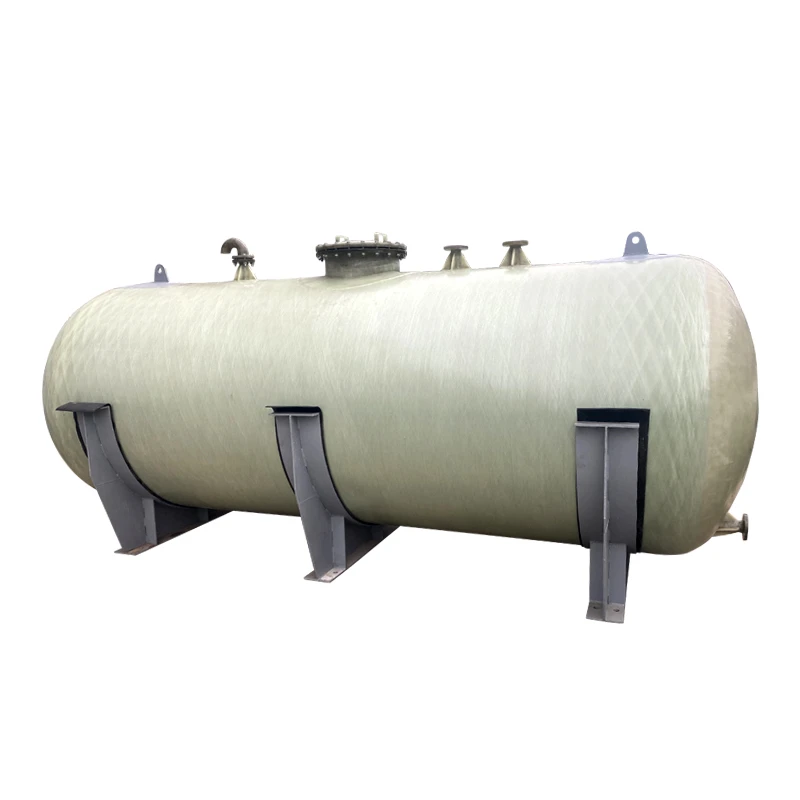
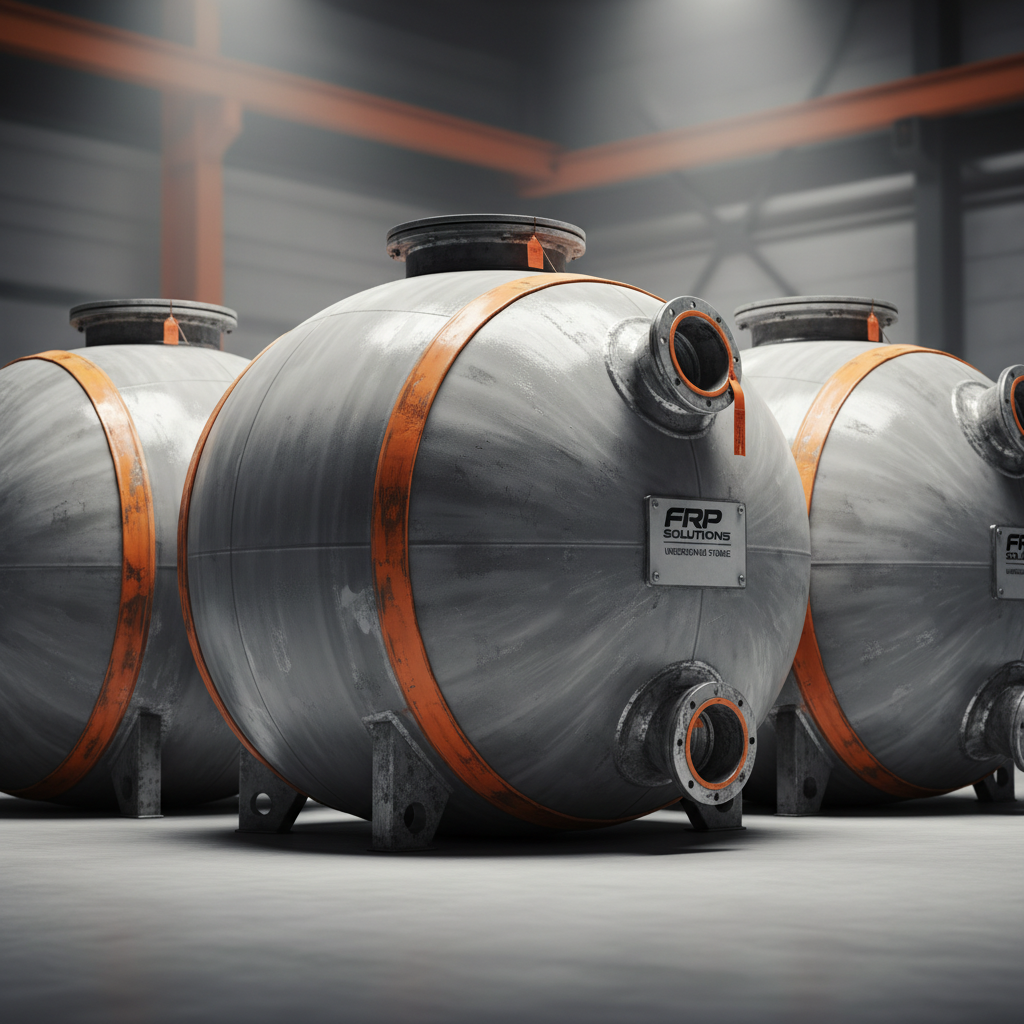
After spending more years than I care to count working in the industrial equipment field, I’ve seen firsthand how the humble storage tank has transformed — especially the 500 gallon fiberglass tank. Now, don’t get me wrong, steel tanks have their place, but something about fiberglass tanks keeps engineers coming back for more. That combination of toughness and light weight is hard to beat.
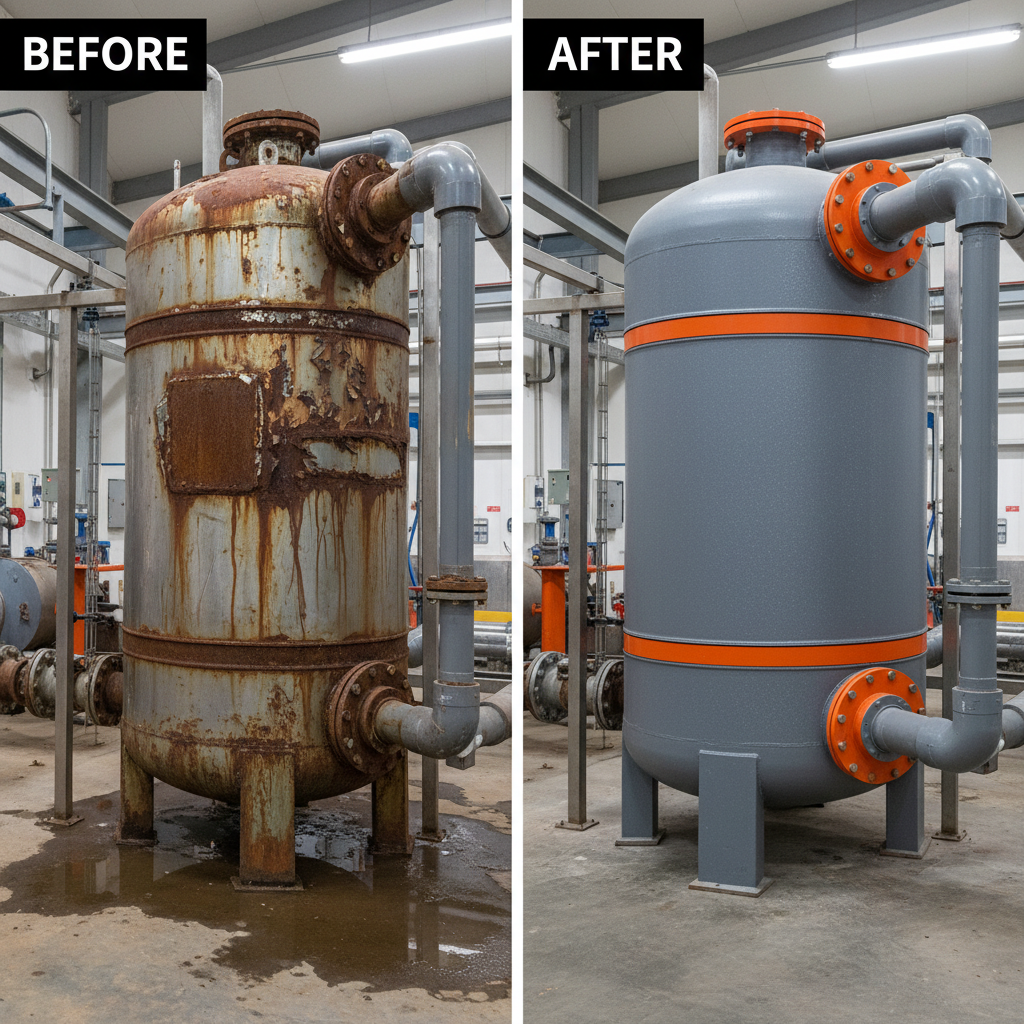
Fiberglass reinforced plastic (FRP) tanks have evolved dramatically, with improvements in resin formulas and manufacturing techniques that make these tanks incredibly resilient against corrosion and chemicals. In fact, many engineers say that this is the go-to solution for storing everything from potable water to aggressive chemicals where metal simply wouldn’t last.
Design and Material Insights That Matter
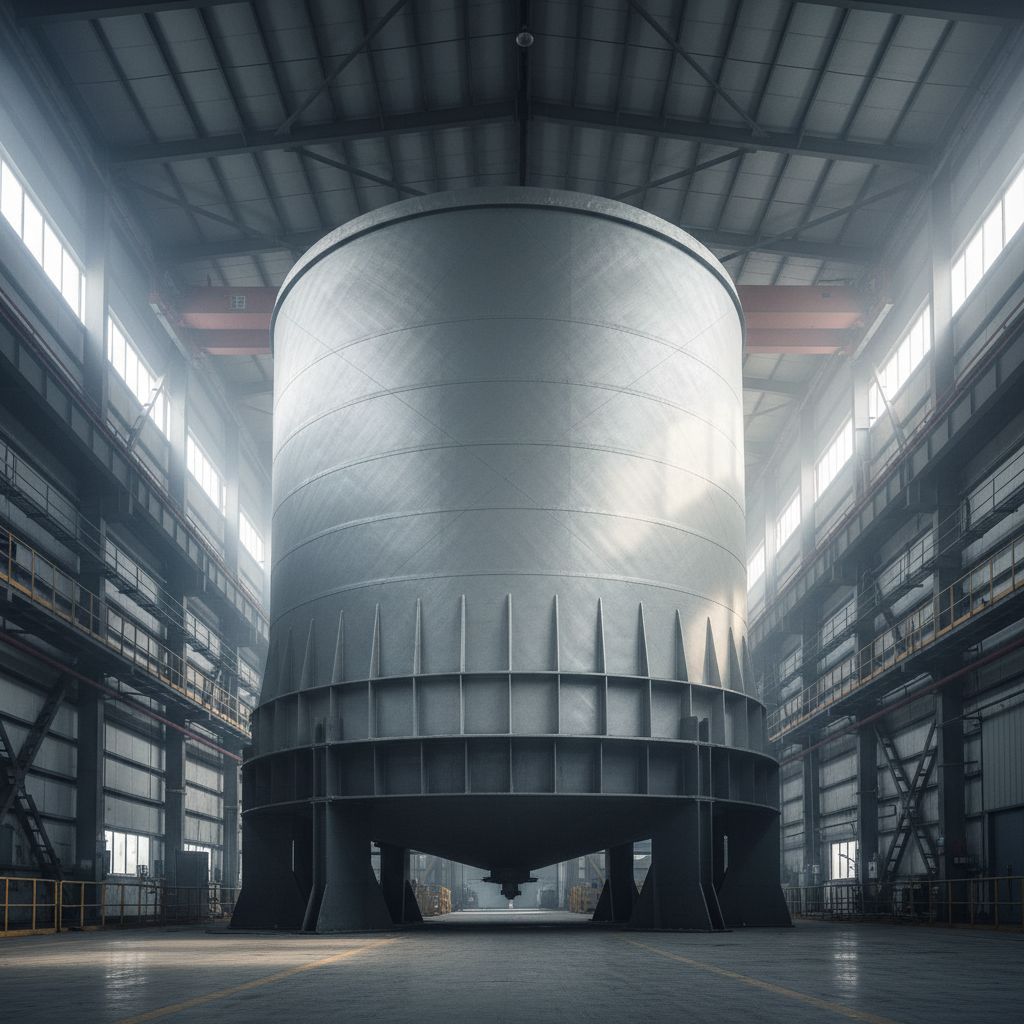
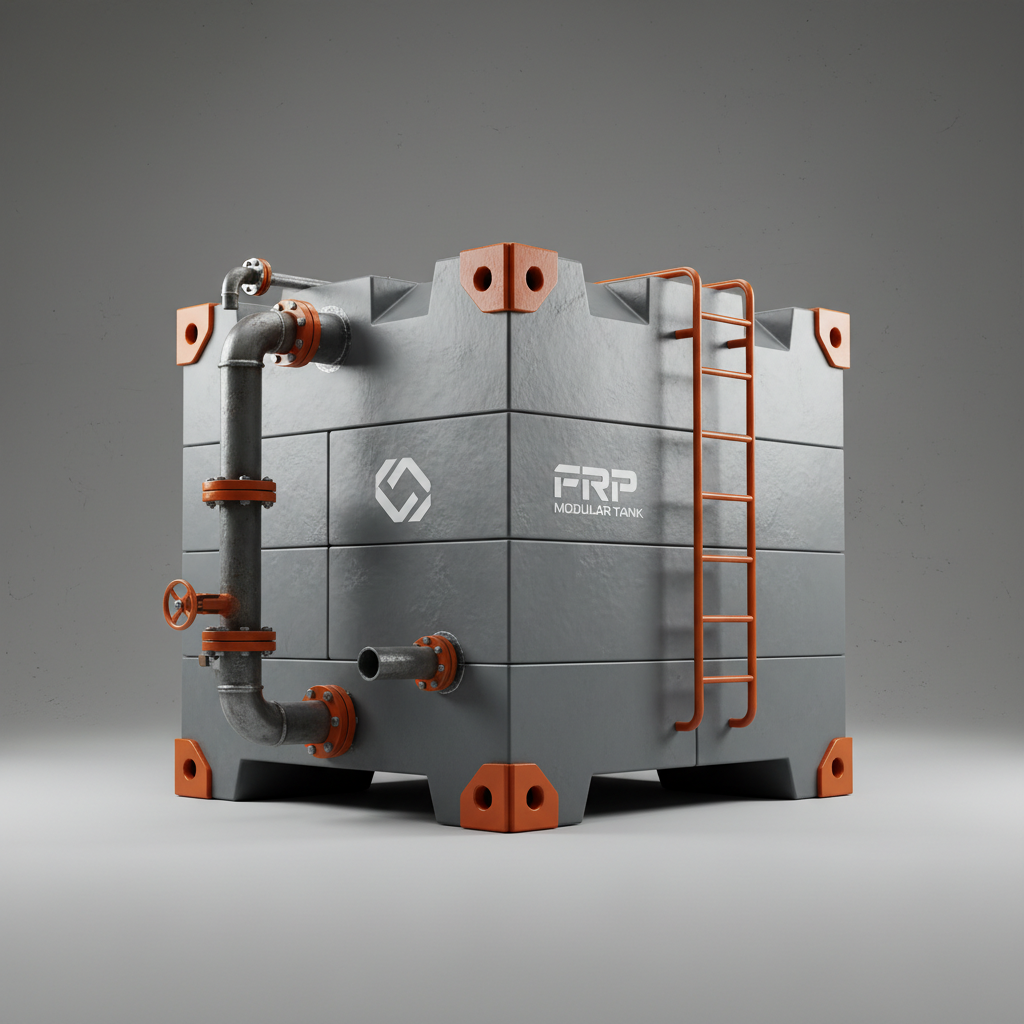
The 500 gallon fiberglass tank might look straightforward at first glance, but the design subtly balances form and function. Oddly enough, the wall thickness and the type of resin used are often the two most important factors in how it will hold up over time.
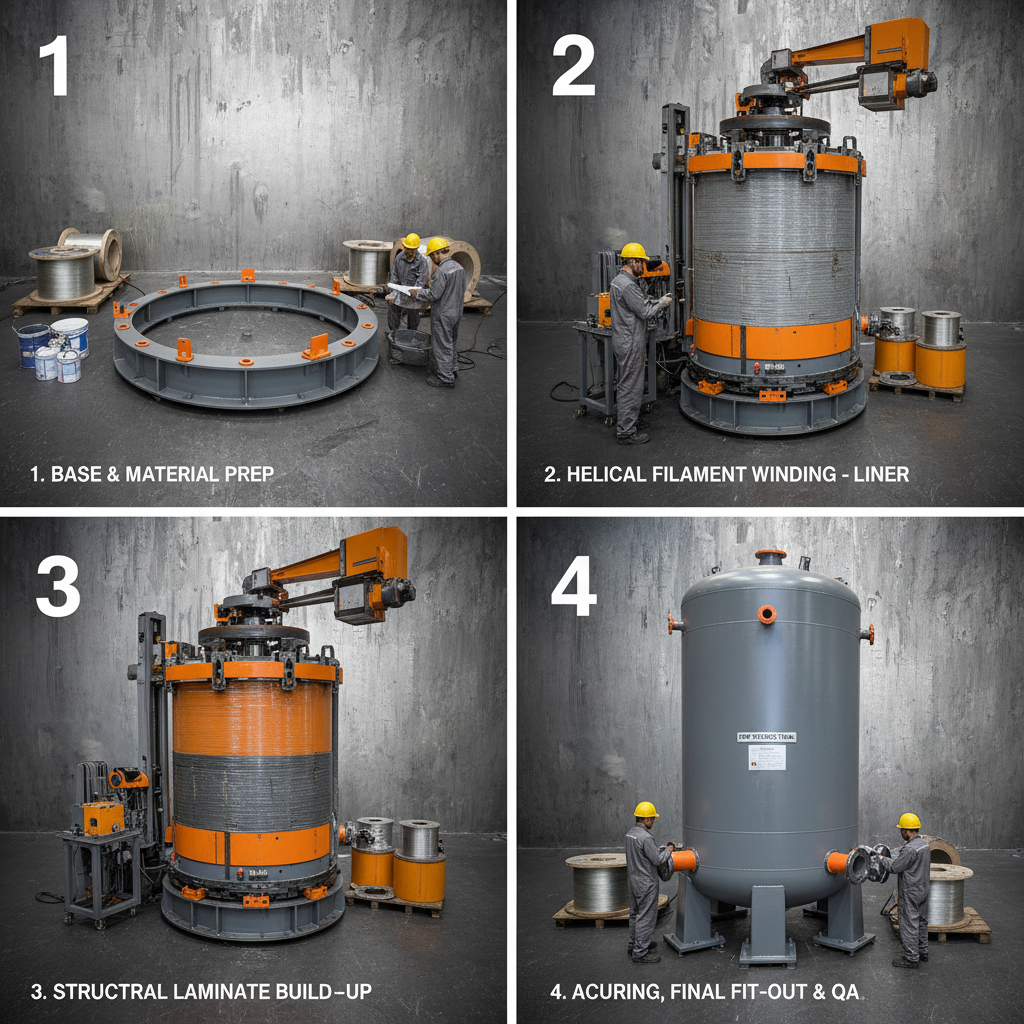
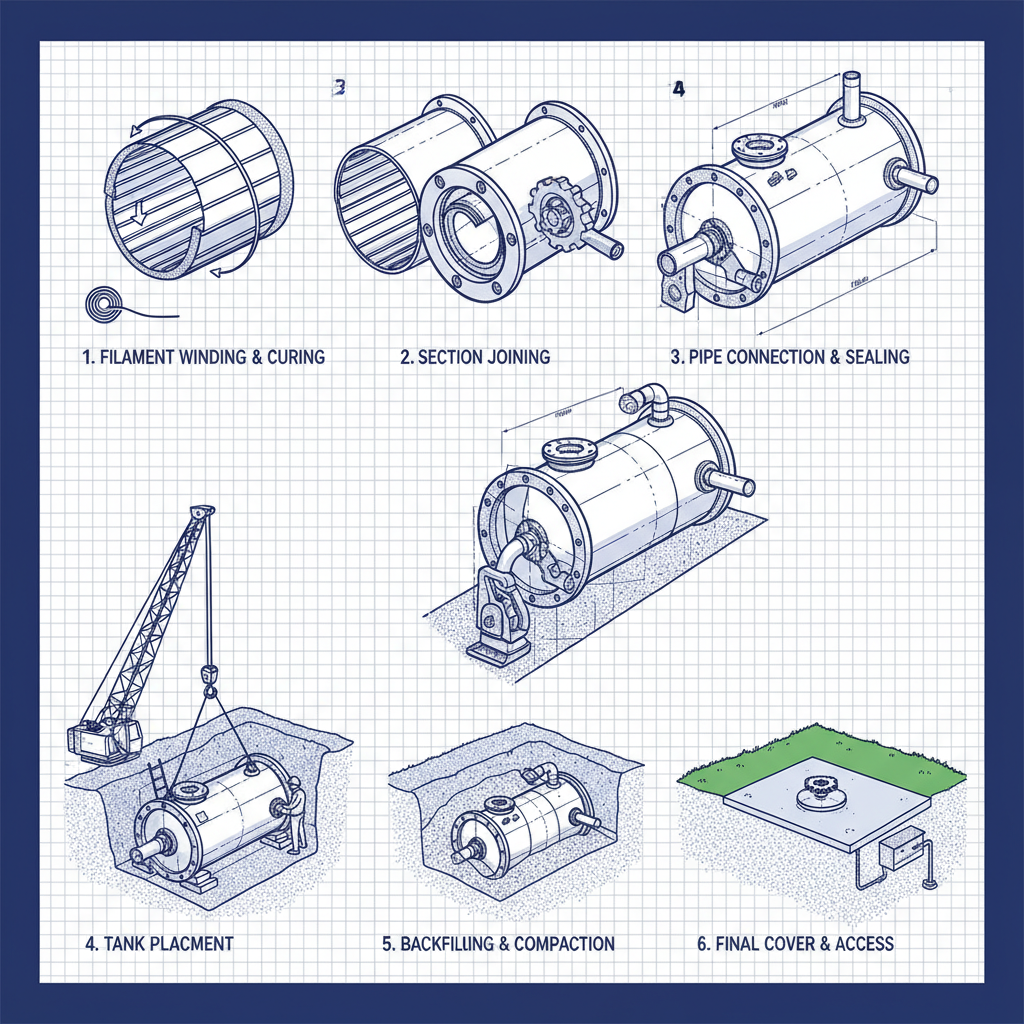
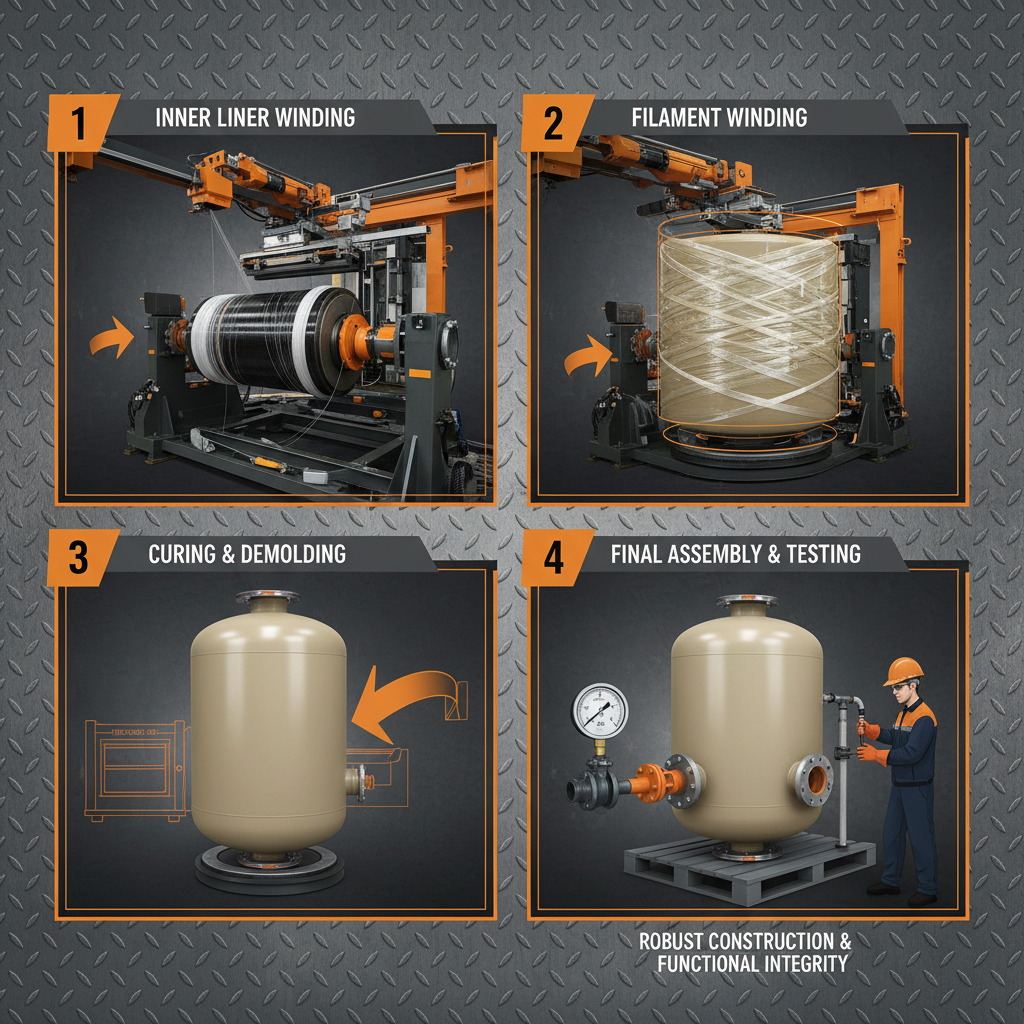
Most tanks use a combination of polyester or vinyl ester resins reinforced with multi-directional fiberglass mats and roving. This composite layering is what gives these tanks their strength and chemical resistance. And when you look at the specs, you’ll notice they are engineered to tolerate extremes — temperature swings, UV exposure, and various chemicals.
| Specification | Details |
|---|---|
| Capacity | 500 gallons (about 1,893 liters) |
| Material | Fiberglass Reinforced Plastic with vinyl ester resin |
| Dimensions (approx.) | Diameter: 48" - Height: 60" |
| Temperature Range | -20°F to 180°F (-29°C to 82°C) |
| Chemical Resistance | Excellent against acids, alkalis, and solvents |
| Lifespan | Typically 15+ years under normal conditions |
How to Choose Your Ideal 500 Gallon Fiberglass Tank Vendor
From my experience, not all fiberglass tanks are created equal. The market has plenty of options, and while some boast lower prices, others focus on higher quality and testing rigor. If you’re like me, you want a supplier who understands the industrial hustle and the penalties for downtime.
| Vendor | Testing Standards | Customization Options | Typical Lead Time |
|---|---|---|---|
| FRPGRP Machine | ASTM D4097 and hydrostatic pressure testing | Full design customization & fittings | 4-6 weeks |
| Generic Tank Co. | Basic pressure and leak tests | Limited customization | 6-8 weeks |
| Custom Tank Builders | Third-party certified testing | Extensive options plus installation support | 8-10 weeks |
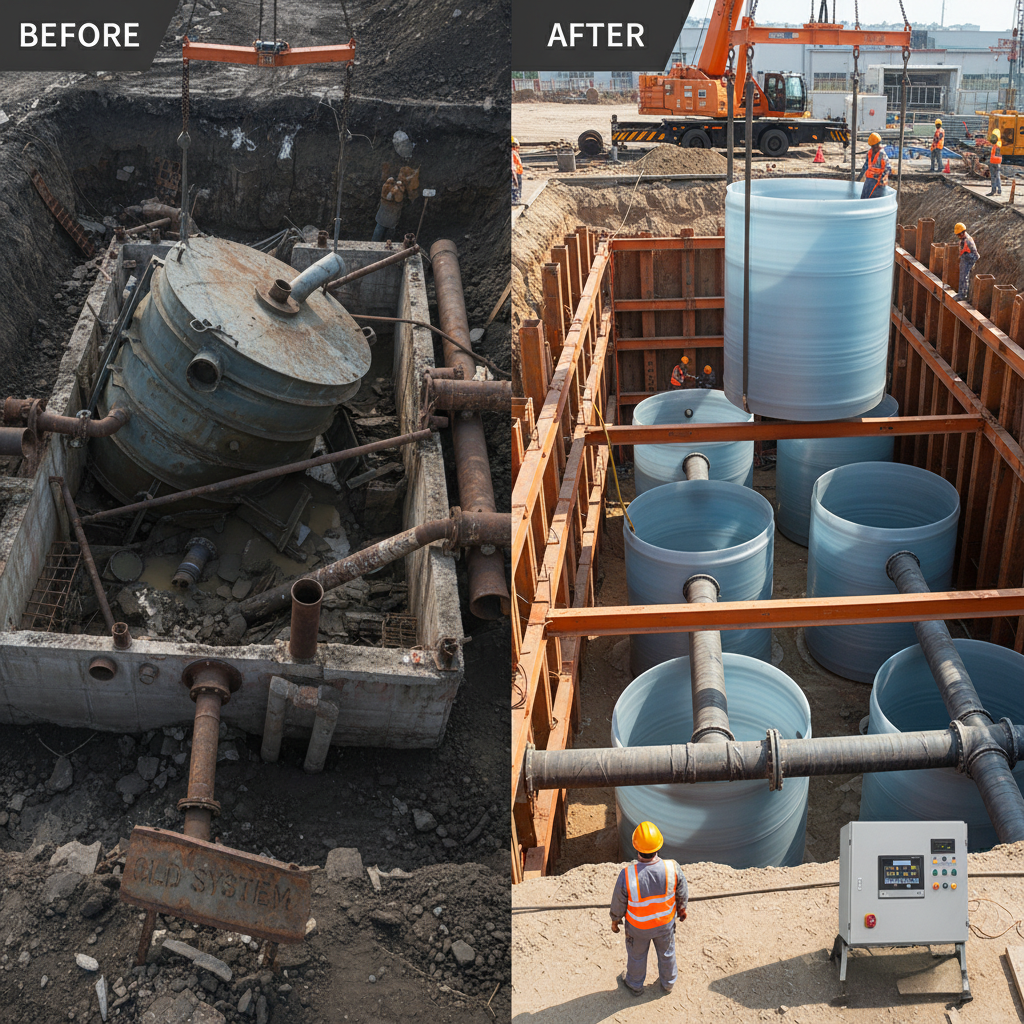
One story that sticks out: a client was switching from steel to fiberglass tanks and insisted on a supplier who could certify chemical resistance for a tricky acid blend. FRPGRP stepped up with testing documentation and tailored fitments. That tank still runs strong two years later — proof, in my book, that trust is built on more than just specs.
Final Thoughts on Fiberglass Tanks in Today's Market
So, if you’re hunting for a reliable, relatively lightweight, and corrosion-resistant tank, the 500 gallon fiberglass option is absolutely worth your time. It feels like the industry has fully embraced fiberglass for a reason — longevity, cost-effectiveness, and the peace of mind come standard. And like a seasoned engineer once told me, “Never underestimate the quiet strength of good FRP.”
If you want to explore more or check out the kind of tanks I trust, this is where I’d start. Seriously.
References & Reflection:
- The evolution of FRP tanks and resin technology in industrial applications, industry whitepaper 2022.
- ASTM D4097: Standard Practice for Filament Wound Tanks, a favorite testing guideline.
- Case notes from 10+ years advising industrial process plants on storage solutions.