Durable and Efficient Fiberglass Water Softener Tanks for Global Water Treatment
A Fresh Look at Fiberglass Water Softener Tanks: Why They Matter Today
Water treatment is more than just a technical process—it's a cornerstone of industry, agriculture, and even human dignity. Among various components, the fiberglass water softener tank quietly plays a crucial role in ensuring our access to cleaner, softer water for homes and businesses alike. But why the fuss about fiberglass? And why should this tank grab your attention globally? Let’s dive in.
Introduction: A Global Perspective on Fiberglass Water Softener Tanks
Water scarcity affects roughly 2 billion people worldwide, according to the UN (1). Many regions struggle with hard water—meaning water enriched with calcium or magnesium salts—that damages plumbing, reduces appliance lifespan, and complicates industrial processes. The need for reliable, cost-effective water softening solutions has never been greater.
Fiberglass water softener tanks have become a global solution, combining durability and efficiency at an affordable price. These tanks are components of many municipal and industrial water treatment systems, helping soften water while resisting corrosion—a classic problem with metal tanks.
By addressing hard water challenges, these tanks improve everything from municipal water treatment in Europe and Asia to agricultural irrigation systems in the Americas and beyond.
What Exactly Is a Fiberglass Water Softener Tank?
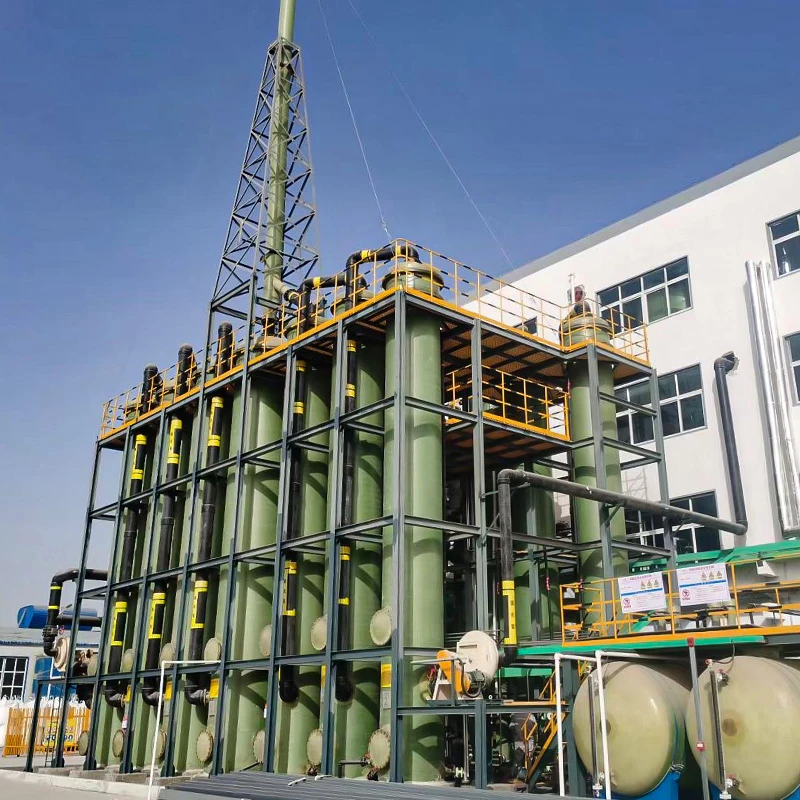
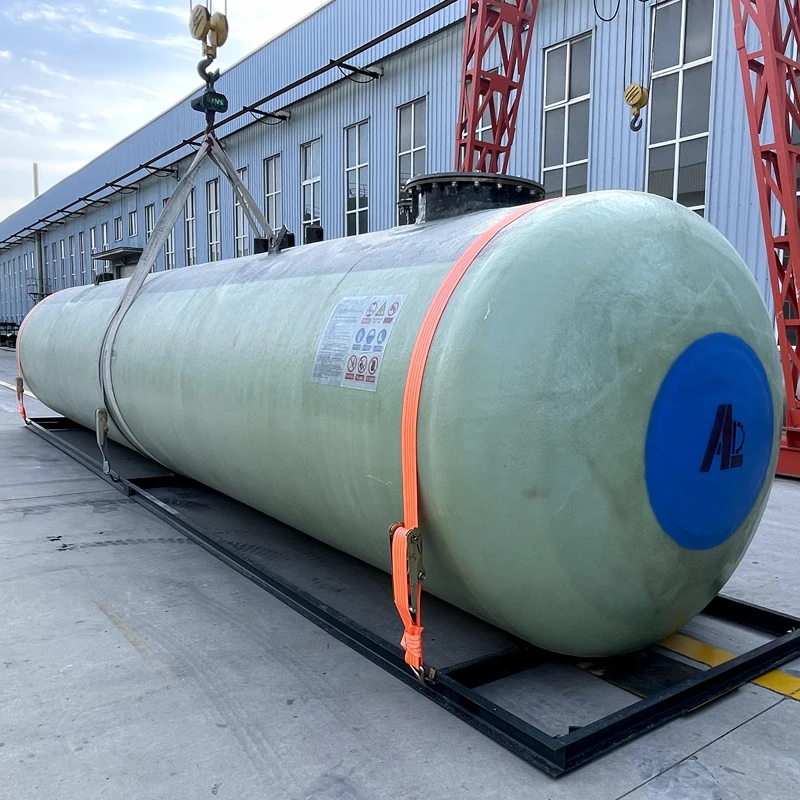
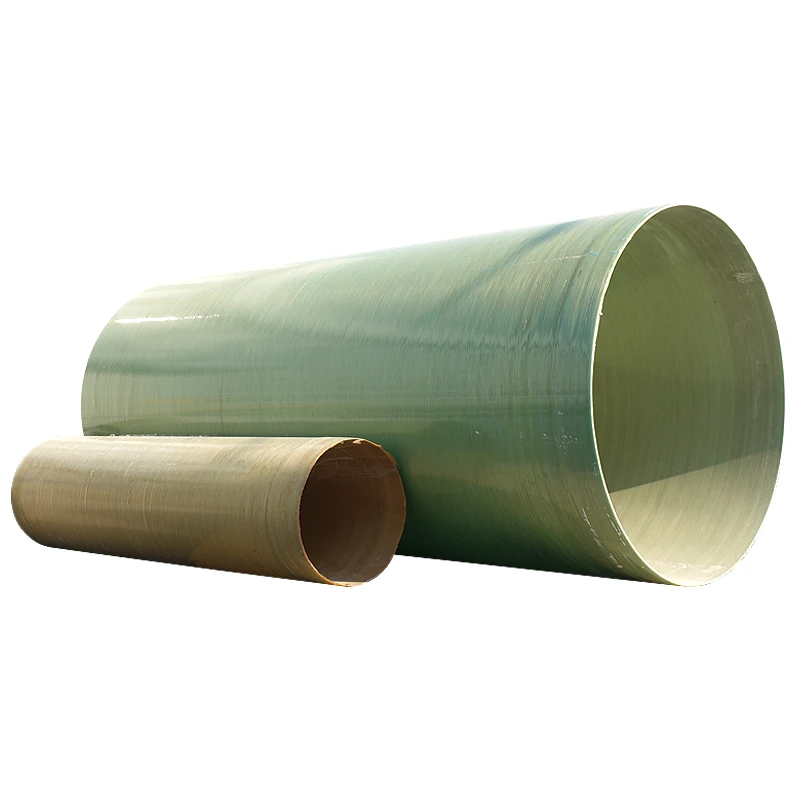
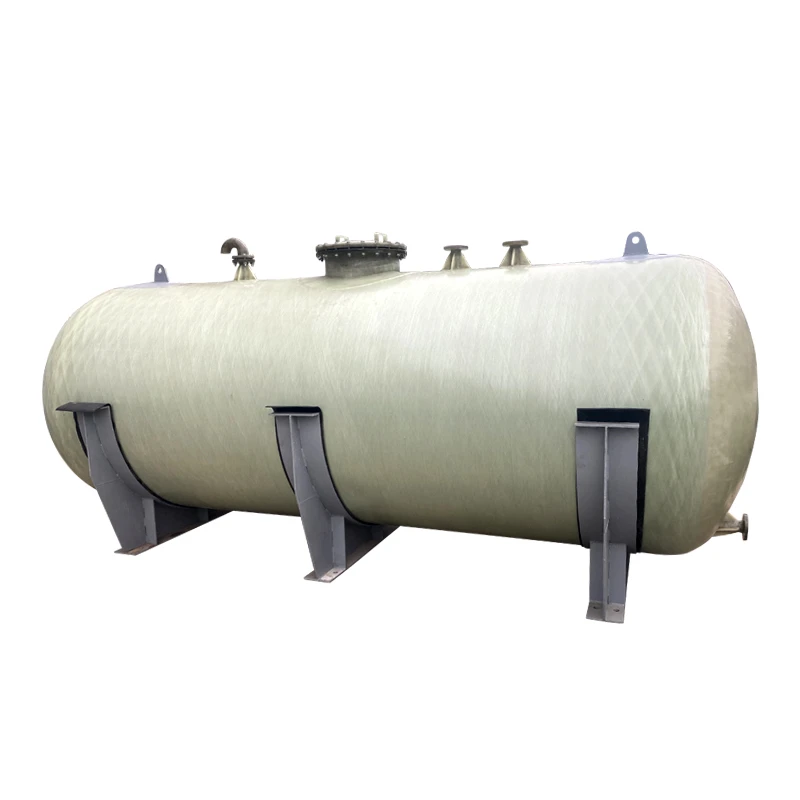
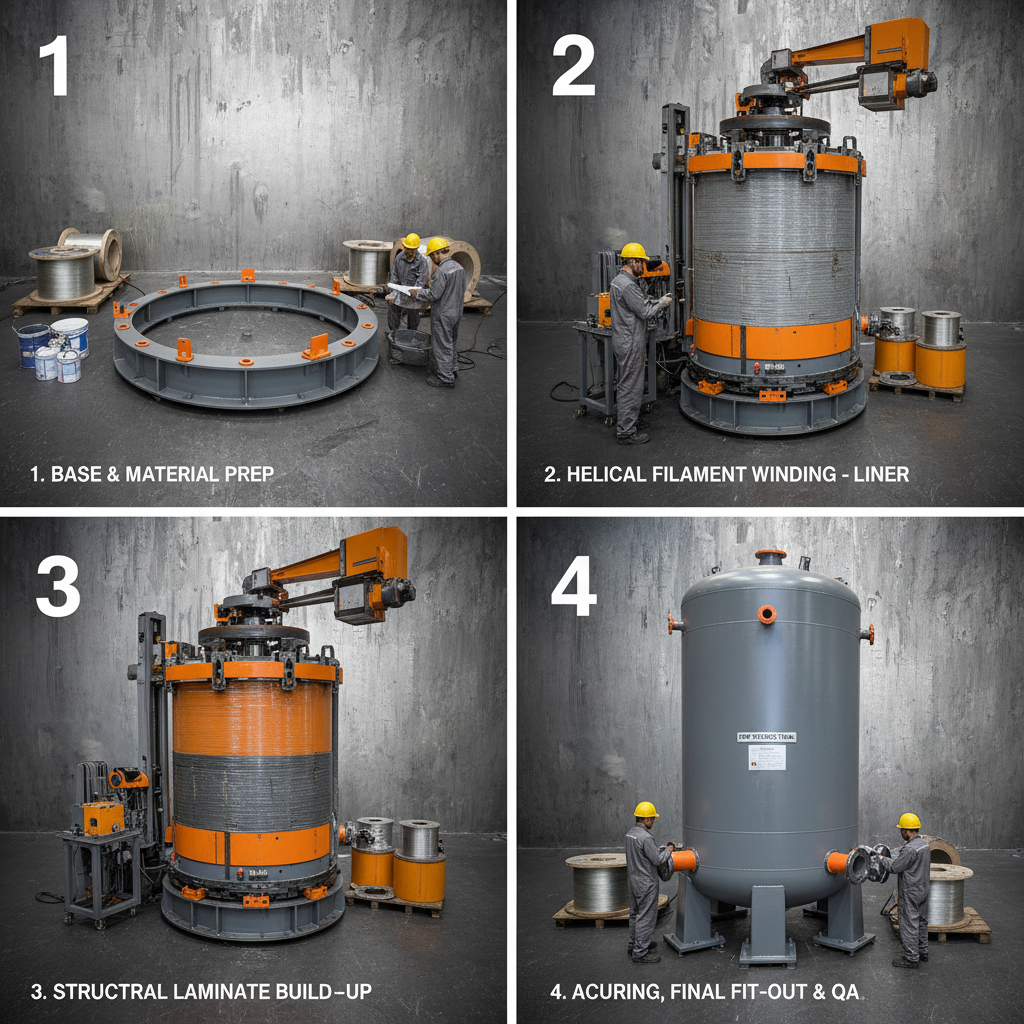
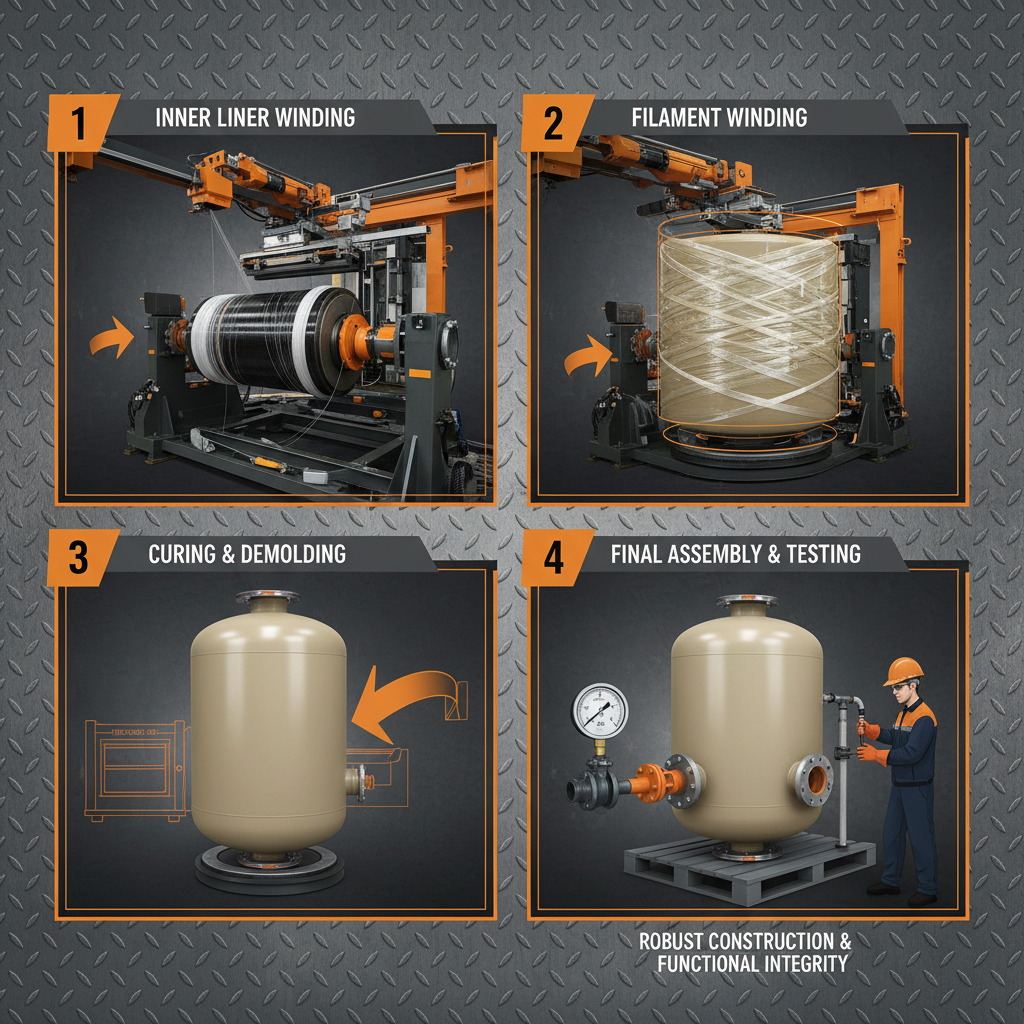
In simple terms, a fiberglass water softener tank is a durable, corrosion-resistant container designed to hold resin that softens water by exchanging calcium and magnesium ions with sodium or potassium ions. Unlike traditional steel tanks, fiberglass tanks are lightweight yet strong, thanks to their composite construction—usually layers of fiberglass reinforced plastic (FRP) wrapped around a core.
Today, fiberglass water softener tanks serve industries from residential water treatment to heavy-duty industrial systems. Because water hardness remains a perennial problem, their role bridges technical needs and humanitarian goals — such as providing safe water in challenging environments.
Key Aspects of Fiberglass Water Softener Tanks
1. Durability and Corrosion Resistance
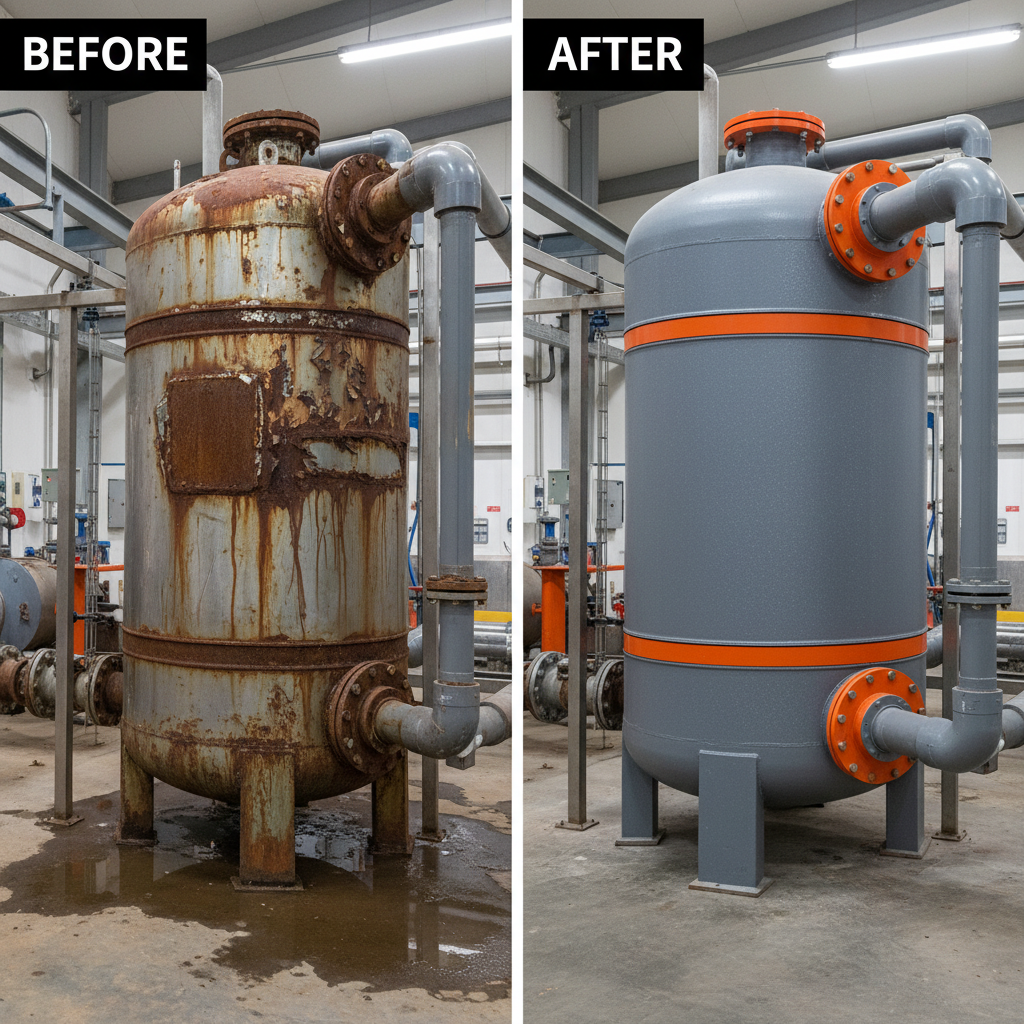
A fiberglass tank resists rust and chemical corrosion that steel struggles with. This means longer lifespan and less maintenance—critical for industrial settings where downtime can be costly.
2. Lightweight Yet Strong Construction
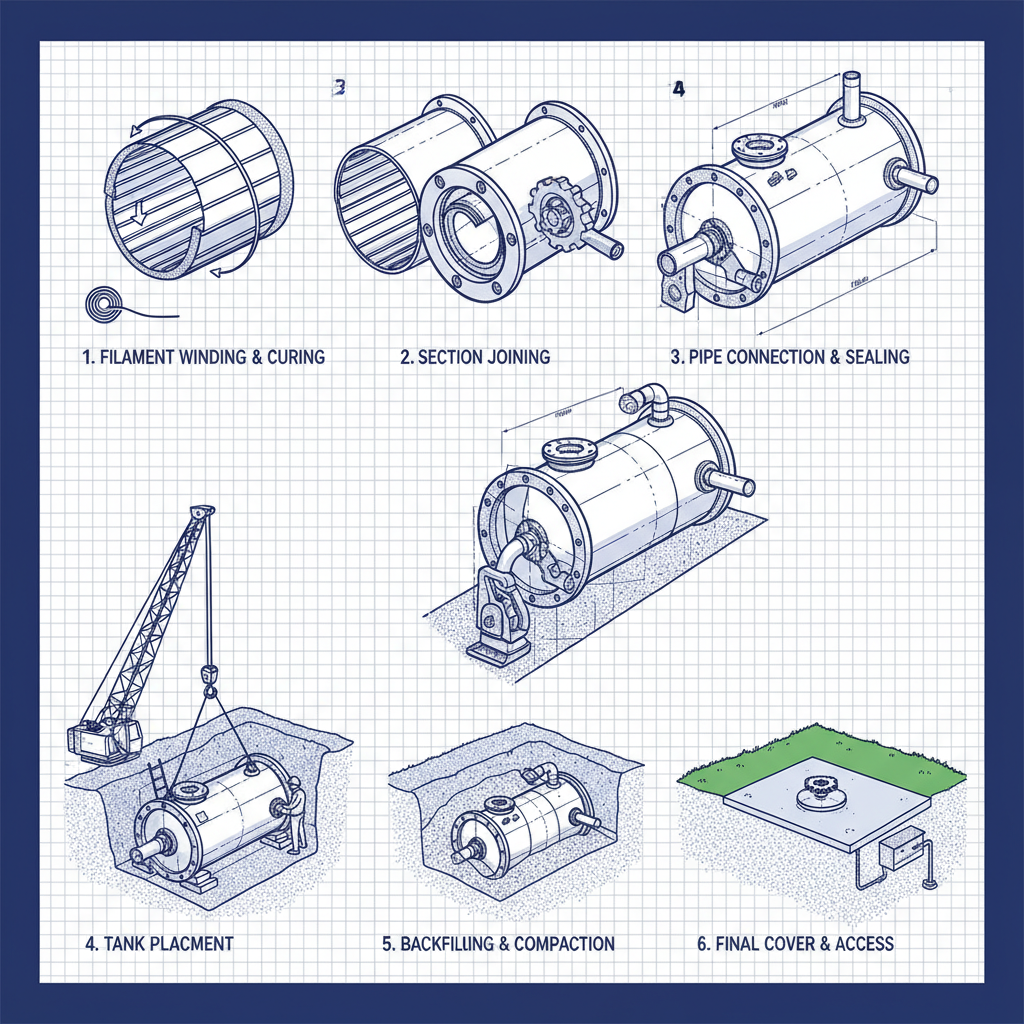
Compared to their steel cousins, fiberglass tanks are surprisingly light without compromising strength. They’re easier to transport and install, especially in remote or confined areas.
3. Cost Efficiency Over Time
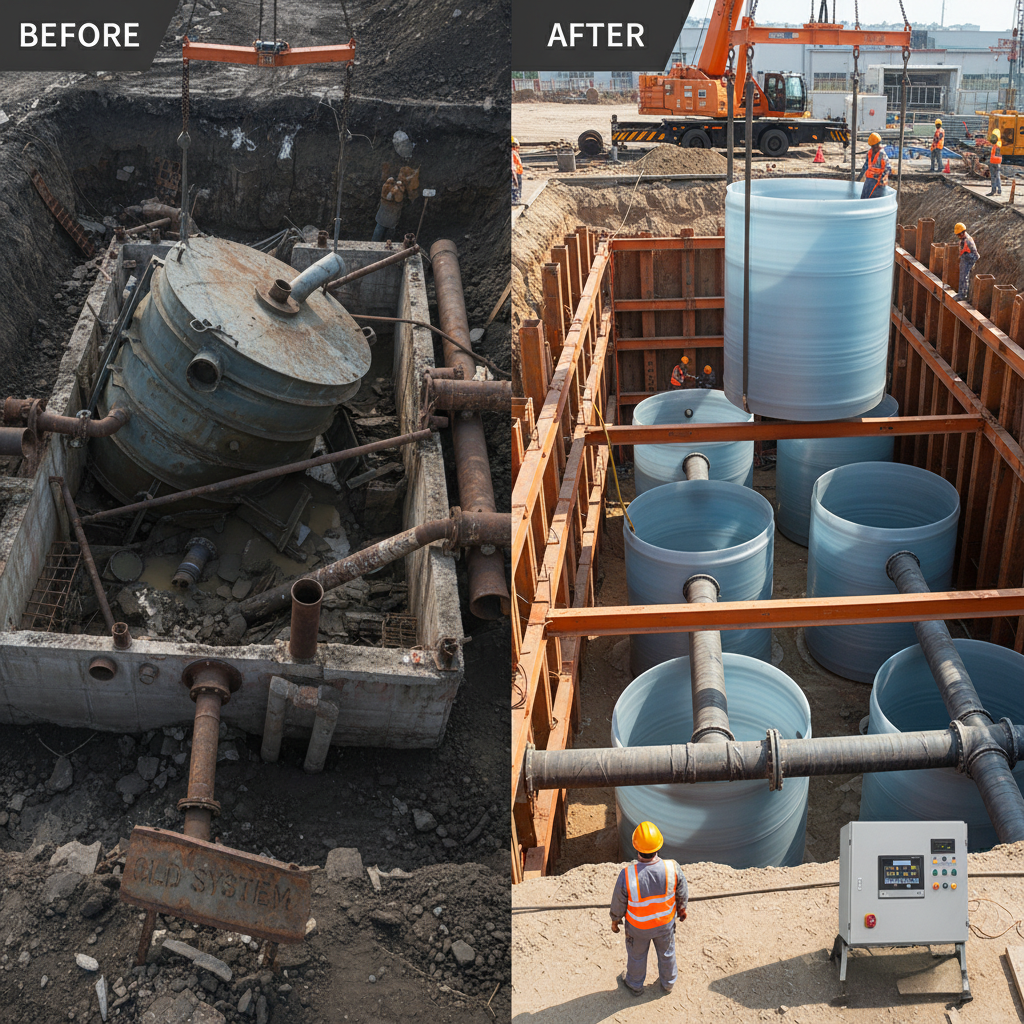
While the upfront cost may be slightly higher than some materials, fiberglass tanks pay off by reducing repair costs and extending service intervals.
4. Versatile Sizes and Customization
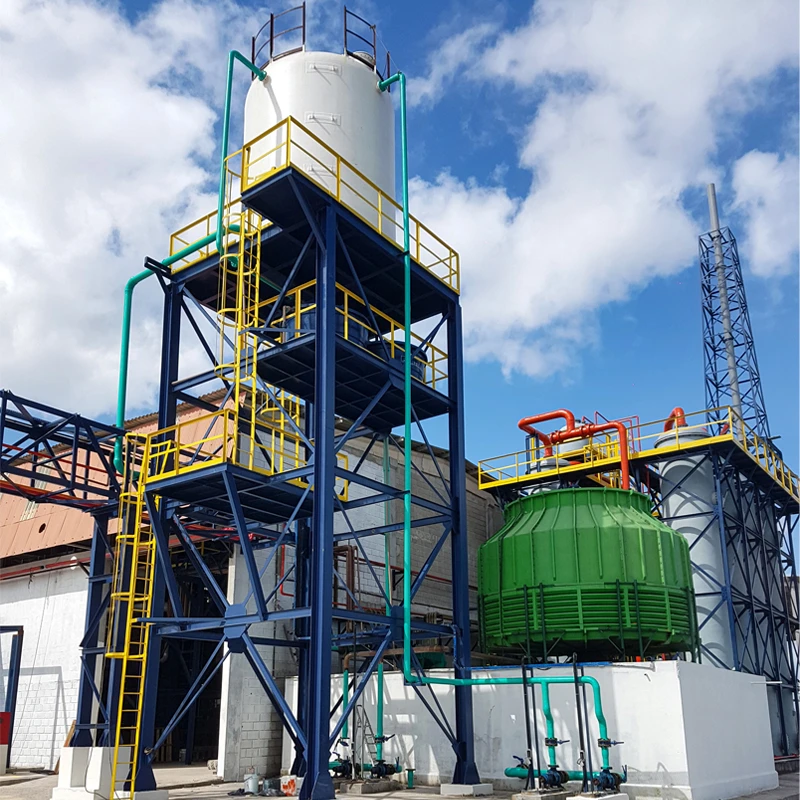
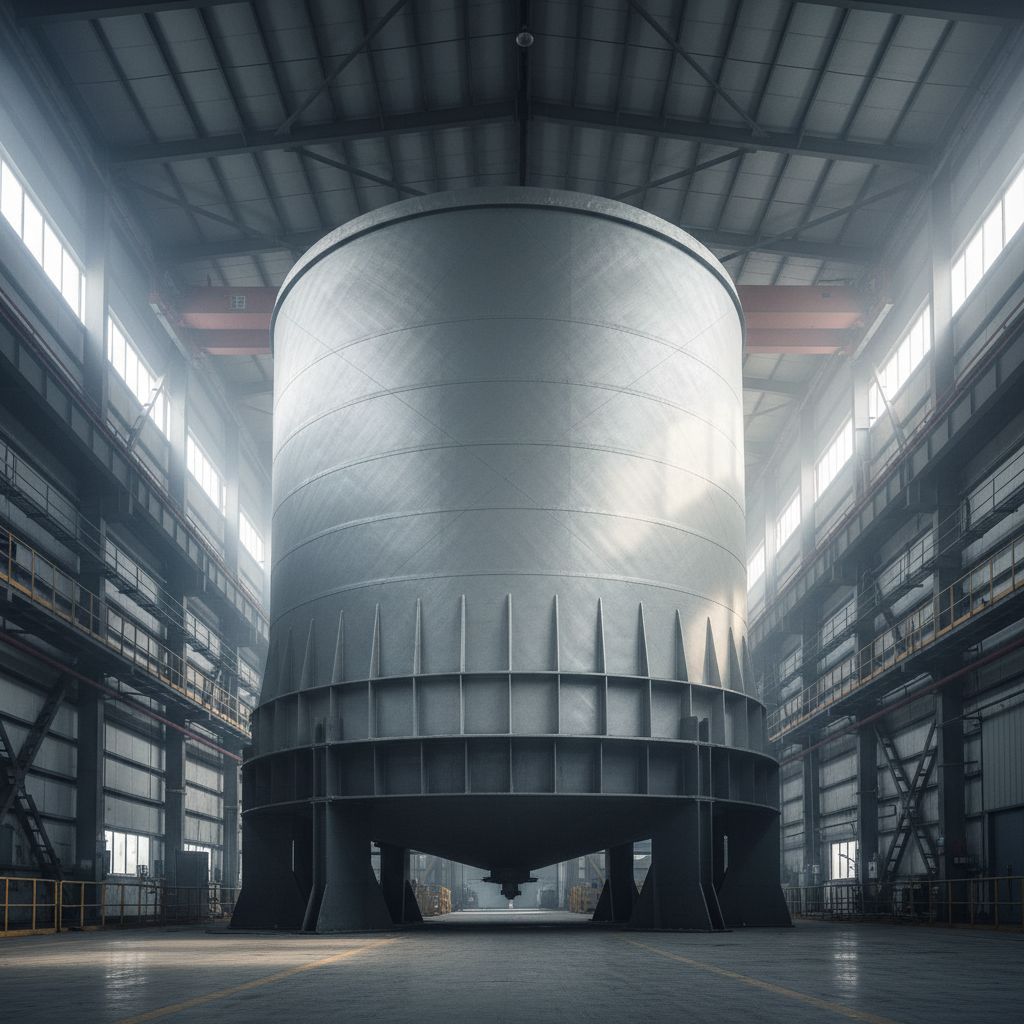
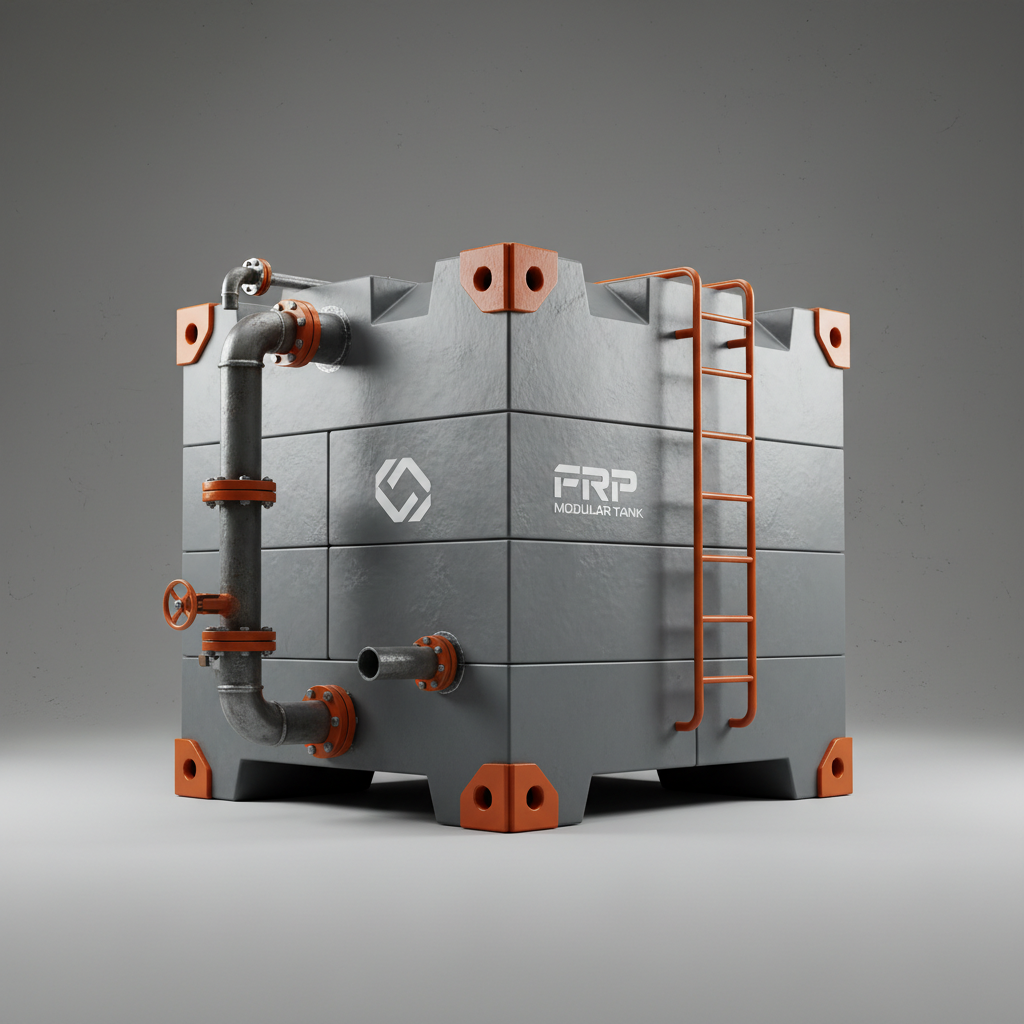
Fiberglass tanks come in a range of sizes—from small residential units to large industrial capacities. Manufacturers often customize dimensions and pressure ratings to fit specific needs.
5. Ease of Maintenance
Fiberglass tanks typically require less frequent servicing, and their corrosion resistance means fewer unexpected failures.
Product Specifications Snapshot
| Specification | Typical Range / Feature |
|---|---|
| Diameter | 4" to 42" |
| Height | 24" to 120" |
| Maximum Pressure | 150 psi |
| Material | Fiberglass Reinforced Plastic (FRP) |
| Operating Temperature | 40°F to 120°F (4°C to 49°C) |
How Are These Tanks Used Globally?
They’re used everywhere, really—from large municipal water treatment plants in Europe and the U.S., where hard water impacts millions of users, to agricultural irrigation systems in India and Brazil, which rely on softer water to protect equipment and fields alike. I recall a case in the Middle East where harsh groundwater made a plastics plant rethink its entire water system, and fiberglass tanks offered relief due to their resistance against corrosion by salts.
Relief organizations deploying water purification setups in post-disaster zones also prefer these tanks because they’re robust but easy to ship and install without expensive infrastructure upgrades.
Vendor Comparison: Leading Fiberglass Water Softener Tank Suppliers
| Vendor | Material Quality | Customization | Lead Times | Price Range |
|---|---|---|---|---|
| FRP Solutions Inc. | High-grade FRP | Full customization | 2–4 weeks | $$$ |
| Global Water Tanks | Standard FRP | Limited options | 3–6 weeks | $$ |
| EcoTank Works | Eco-friendly FRP blends | Custom & standard | 4 weeks | $$$ |
What Makes These Tanks So Valuable Long-Term?
Cost savings are the obvious upside; fewer repairs, longer lifespans, and reduced chemical buildup cut overall expenses. But there’s a less tangible aspect too: trust and safety. People often underestimate what soft water means for their appliances, pipes, and, frankly, peace of mind.
Environmentally, fiberglass tanks align with sustainability goals. They reduce the need for replacement and disposal, contributing less waste overall. And socially? Providing clean, soft water supports community well-being—especially where infrastructure is fragile.
The Road Ahead: Trends and Innovations
Looking forward, you'll see increasing interest in integrating these tanks with smart monitoring systems—leveraging IoT to track resin health, water quality, and tank pressure in real time. Add to that improvements in greener fiberglass materials and recycling protocols, and these tanks might soon be doubly sustainable.
Common Challenges and How Experts Overcome Them
One downside is the vulnerability of fiberglass to UV damage if exposed openly. Manufacturers recommend UV coatings or sheltering tanks outdoors. Also, extreme temperature swings can stress the plastic matrix, requiring material upgrades or insulation.
In practice, experts customize tank thickness and incorporate protective layers for harsh environments—especially in desert or sub-zero zones. So, yes, challenges exist, but they are manageable with good design.
FAQ on Fiberglass Water Softener Tanks
- Q: How long does a fiberglass water softener tank typically last?
A: With proper maintenance and conditions, these tanks often last 15–20 years, sometimes longer, depending on environment and usage. - Q: Can fiberglass tanks be repaired if cracked?
A: Minor surface cracks or damage can be repaired with specialized resin kits, but severe structural cracks usually require replacement for safety. - Q: Are fiberglass tanks safe for potable water systems?
A: Absolutely. Fiberglass used in these tanks meets standards like NSF/ANSI 61, ensuring water safety. - Q: What maintenance do fiberglass water softener tanks require?
A: Mainly periodic inspections for leaks or fractures, plus checking connections and resin quality inside the tank.
Conclusion: Why Fiberglass Water Softener Tanks Still Matter
Ultimately, fiberglass water softener tanks mesh great engineering with real-world demands. They offer durability, efficiency, and versatility that meet today’s hard water challenges while preparing us for tomorrow’s innovations in clean water management. If you’re diving into water treatment solutions and want something reliable that scales globally, these tanks might just be your unsung heroes.
Thinking it over? Check out fiberglass water softener tank options and find the perfect fit for your project—because good water deserves good tanks.