Efficient Sodium Sulfate Production Plant & Solutions
Navigating Industry Trends in Sodium Sulfate Production
The global market for sodium sulfate continues to exhibit robust growth, driven primarily by its extensive applications in detergent manufacturing, paper and pulp production, glass making, and textile dyeing. As industries worldwide strive for greater efficiency, sustainability, and product purity, the demand for advanced sodium sulfate production technologies is accelerating. Key trends include the integration of energy-efficient crystallization processes, enhanced purification methods to meet stringent industry specifications, and the adoption of automation for improved operational control and reduced labor costs. Furthermore, environmental regulations are prompting a shift towards more sustainable production routes, such as utilizing by-product streams from other chemical processes, minimizing waste, and optimizing resource utilization. This evolving landscape necessitates production lines that are not only high-capacity and reliable but also adaptable to varying raw material sources and purity requirements.
Innovations in materials science are also playing a crucial role, with advanced corrosion-resistant alloys and polymer composites being employed in critical equipment components to extend service life and reduce maintenance downtime. The increasing emphasis on circular economy principles means that recovery and recycling of sodium sulfate from industrial effluents are becoming increasingly vital, presenting new opportunities for integrated production and reclamation facilities. For businesses looking to invest in a new sodium sulfate plant, understanding these trends is paramount to ensuring long-term competitiveness and operational excellence.
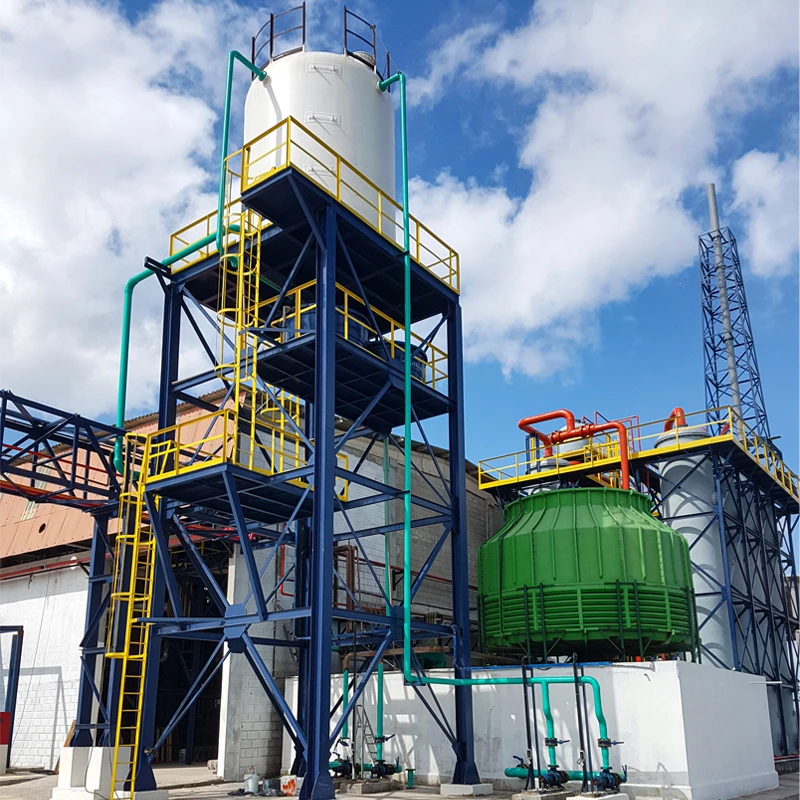
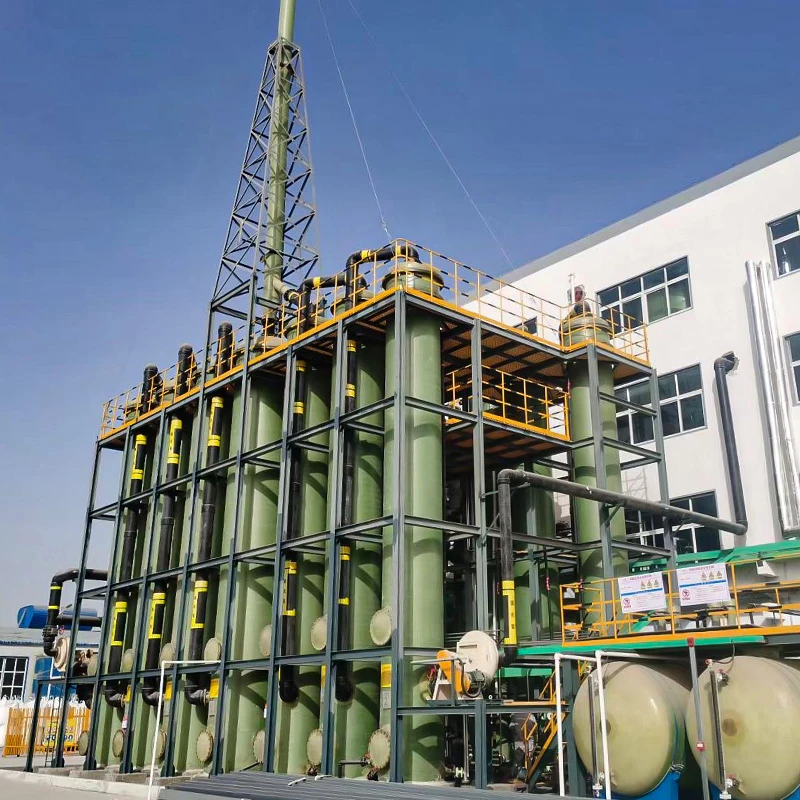
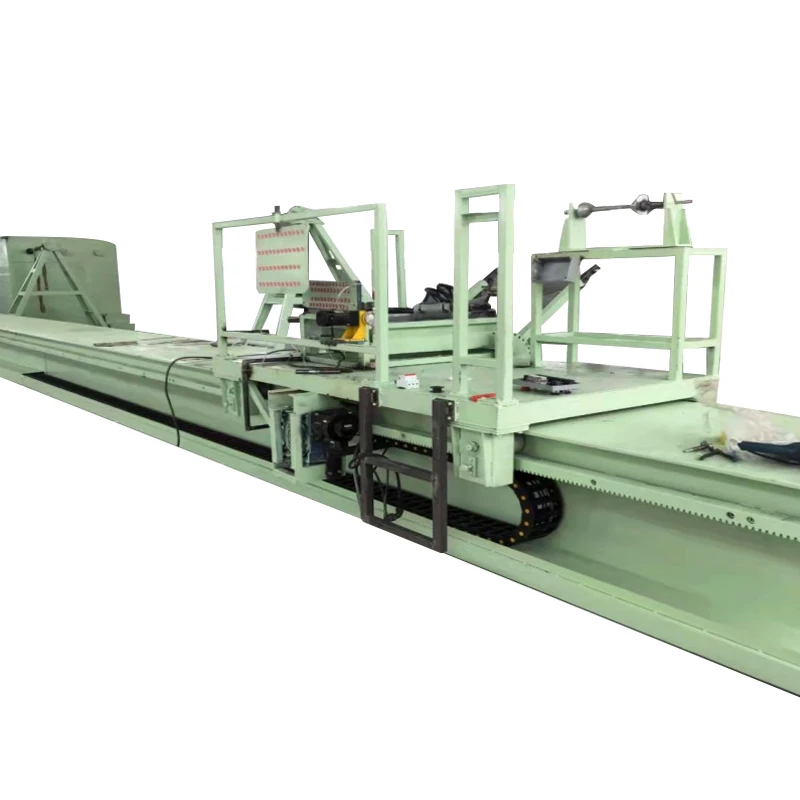
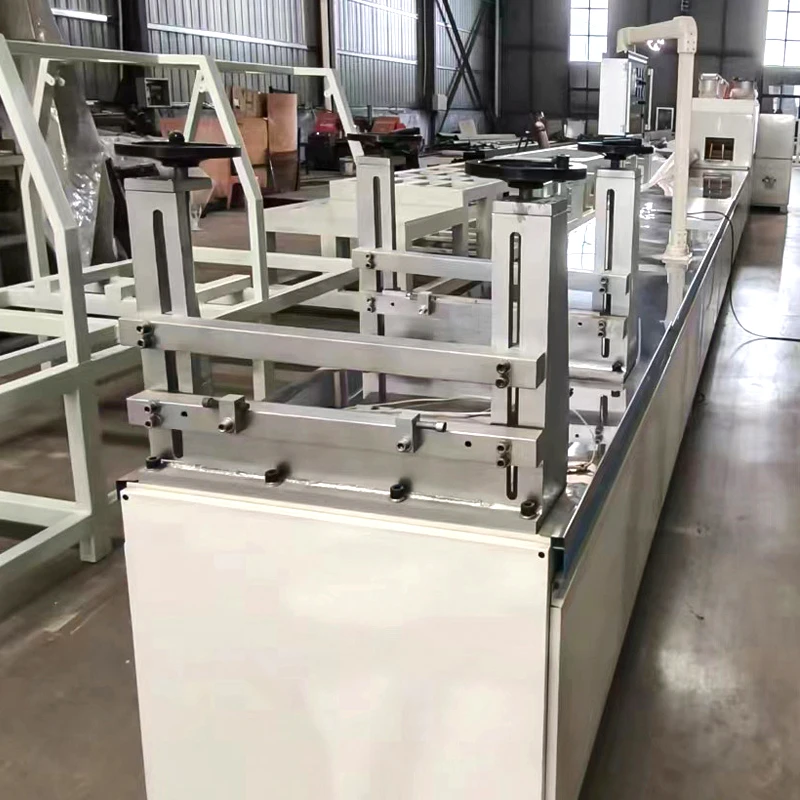
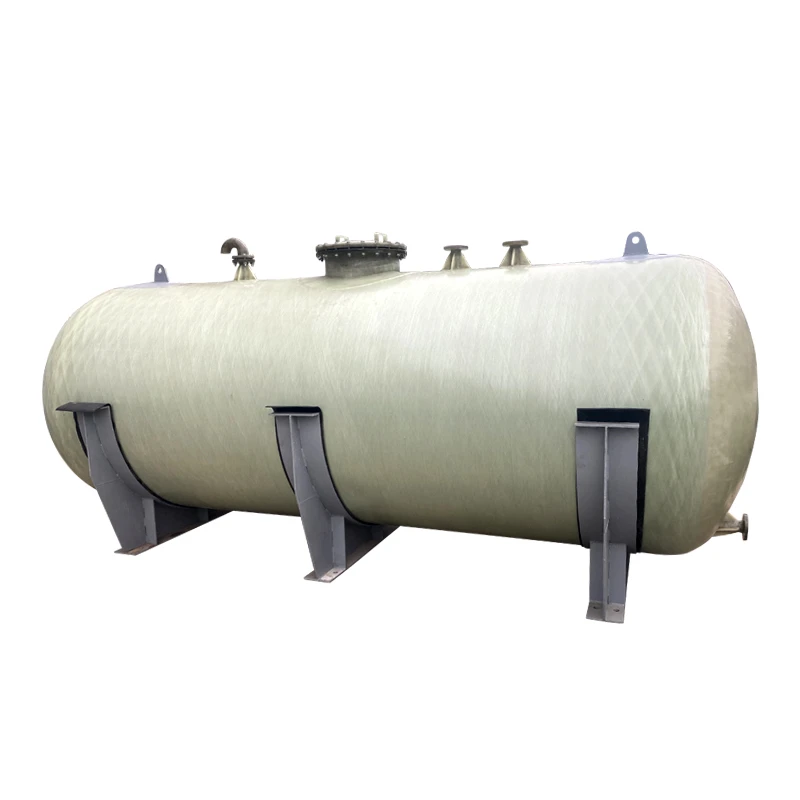
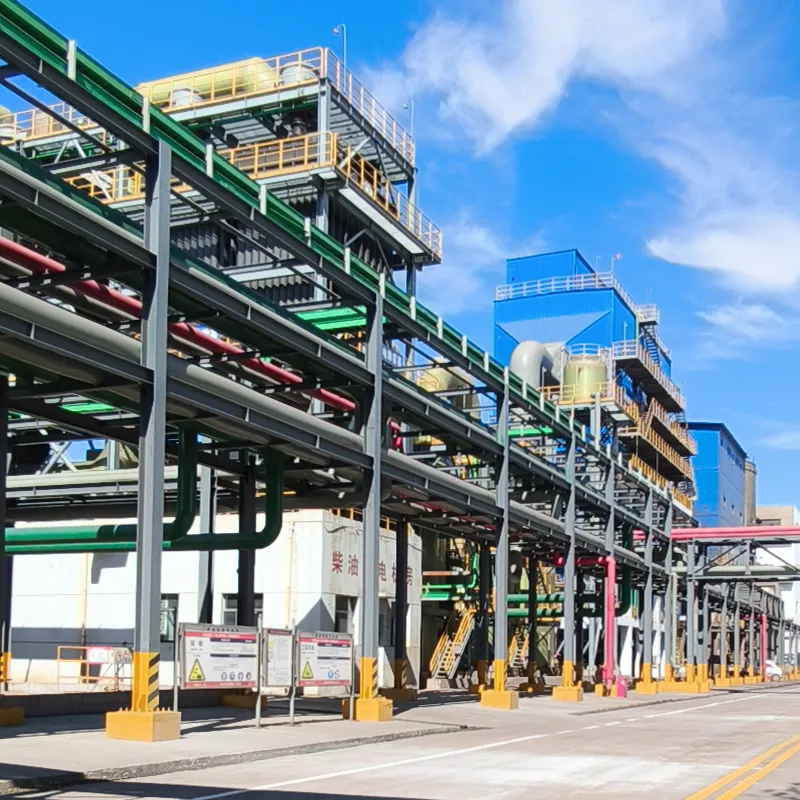
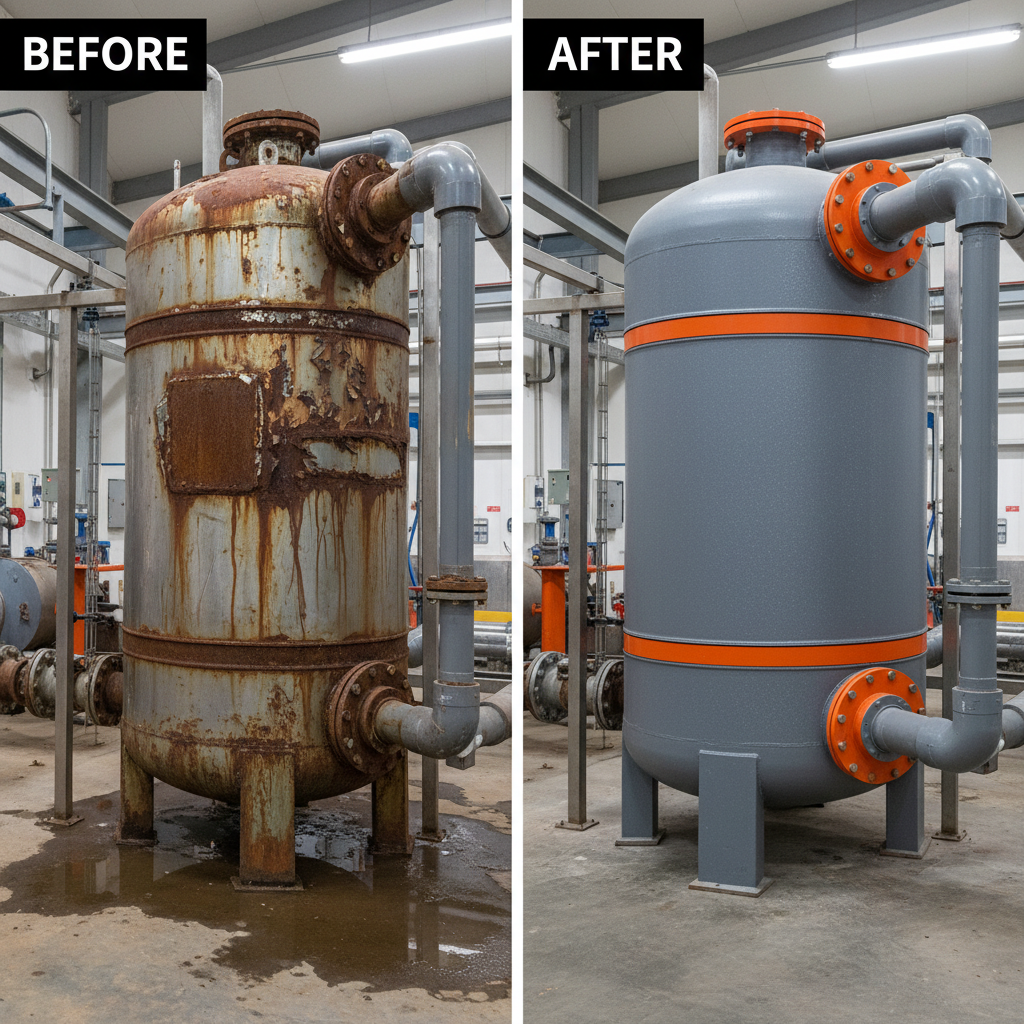
Modern facilities for efficient sodium sulfate production.
Detailed Process Flow of Sodium Sulfate Production
The manufacturing process of sodium sulfate production involves several critical stages designed to achieve high purity and consistent crystal morphology. Our production lines are engineered with precision, incorporating robust materials and advanced processing techniques to ensure optimal performance and longevity.
- Raw Material Preparation: This initial stage involves sourcing and preparing sodium-containing brines (e.g., natural Glauber's salt deposits, by-product streams from rayon or hydrochloric acid production) and sulfuric acid. Impurities are often removed via pre-treatment filtration or chemical precipitation to prevent interference with downstream processes.
-
Reaction/Crystallization:
Mannersheim Process (for by-product HCl): Here, sodium chloride (NaCl) reacts with sulfuric acid (H₂SO₄) at elevated temperatures in a Mannheim furnace to produce sodium sulfate (Na₂SO₄) and hydrogen chloride (HCl) gas. The reaction is typically: 2NaCl + H₂SO₄ → Na₂SO₄ + 2HCl. The solid Na₂SO₄ is then cooled and further processed.
Glauber's Salt Dehydration: For natural deposits (Na₂SO₄·10H₂O), the decahydrate is dissolved in water, impurities removed, and then dehydrated through heating and controlled crystallization to yield anhydrous sodium sulfate. This often employs multi-effect evaporators or mechanical vapor recompression (MVR) for energy efficiency.
By-product Recovery: When recovering from industrial waste streams (e.g., rayon spinning bath effluent), the liquor is typically concentrated, and then sodium sulfate is crystallized out. This often involves cooling crystallization or salting-out crystallization.
- Separation & Washing: The crystallized sodium sulfate slurry is then fed to centrifuges or filters (e.g., push-type centrifuges, rotary drum filters) to separate the solid crystals from the mother liquor. The crystals are typically washed with demineralized water to remove residual impurities and achieve the desired purity levels.
- Drying: The wet cake from separation is then conveyed to dryers, such as rotary dryers or fluid bed dryers, where residual moisture is evaporated. Careful control of drying temperature and residence time is crucial to prevent caking and ensure a free-flowing product.
- Screening & Packaging: The dried product is screened to achieve uniform particle size distribution, meeting specific customer requirements. Finally, it is transported to packaging stations for bagging (e.g., 25kg bags, 1-ton jumbo bags) or bulk loading.
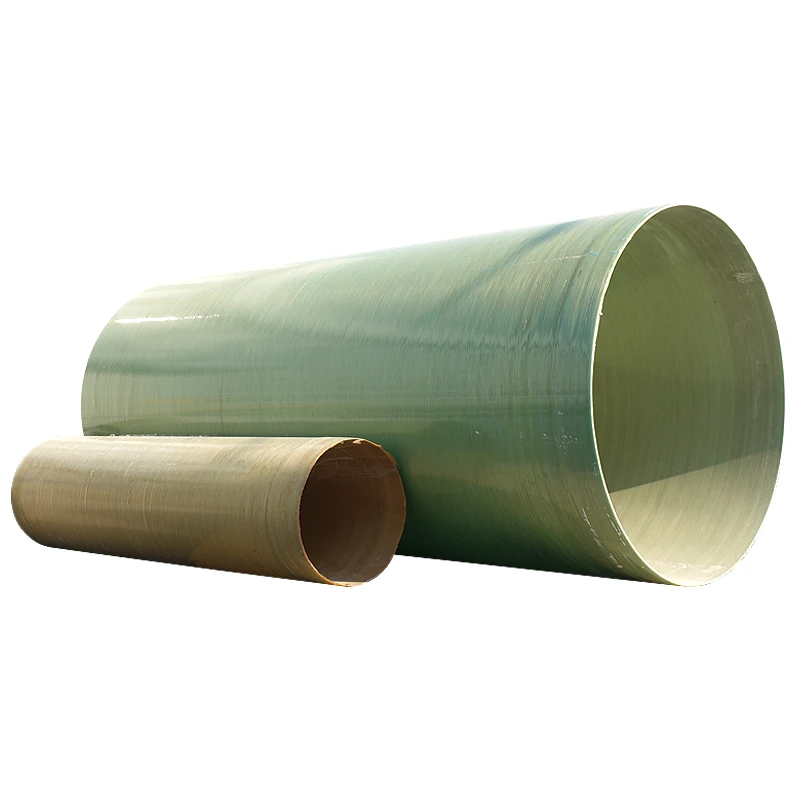
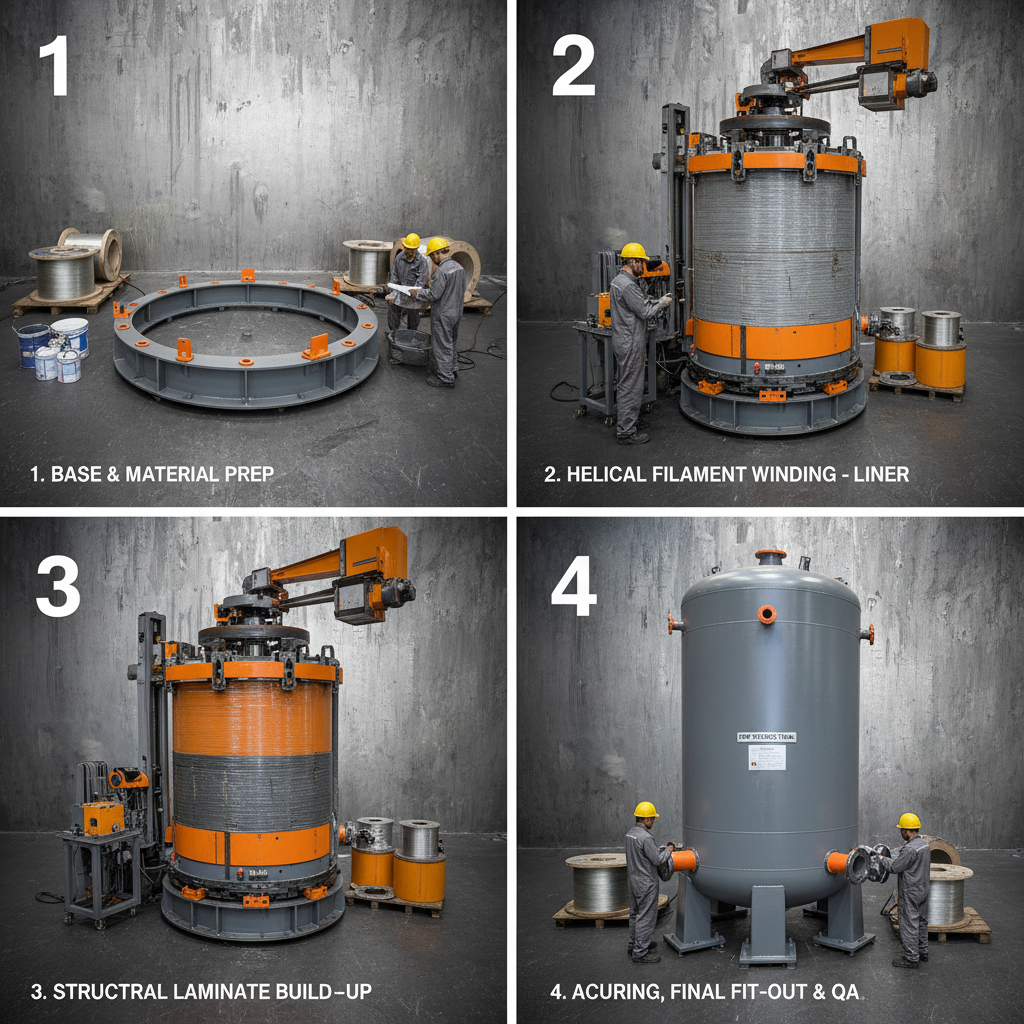
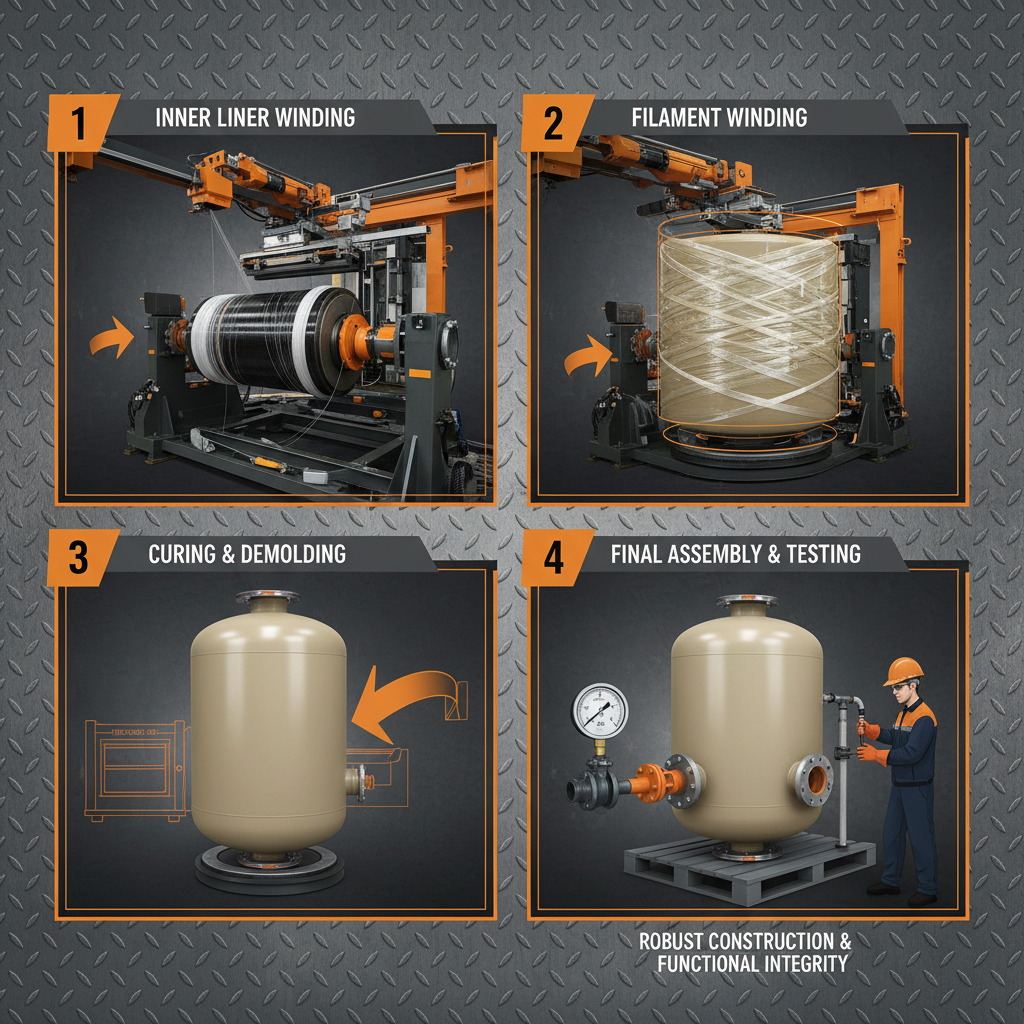
Manufacturing Processes and Materials: Key components of our sodium sulfate plant lines are manufactured using advanced techniques such as precision casting for complex pump housings, high-strength forging for critical structural elements, and sophisticated CNC machining for tight-tolerance components like centrifuge baskets and heat exchanger plates. Materials include specialized alloys (e.g., Duplex Stainless Steel, Hastelloy) for corrosion resistance in acidic environments, and FRP/GRP composites for tanks and piping where chemical inertness is paramount.
Testing Standards: All equipment adheres to international testing standards, including ISO 9001 for quality management, ANSI/ASME for pressure vessel design, and relevant industry-specific norms for chemical processing equipment. Each component undergoes rigorous hydrostatic, non-destructive, and functional testing before assembly.
Target Industries & Service Life: Our sodium sulfate production lines are designed for demanding environments in target industries such as petrochemical, metallurgy, paper & pulp, and water supply & drainage. With proper maintenance, equipment service life typically exceeds 15-20 years, offering a robust return on investment.
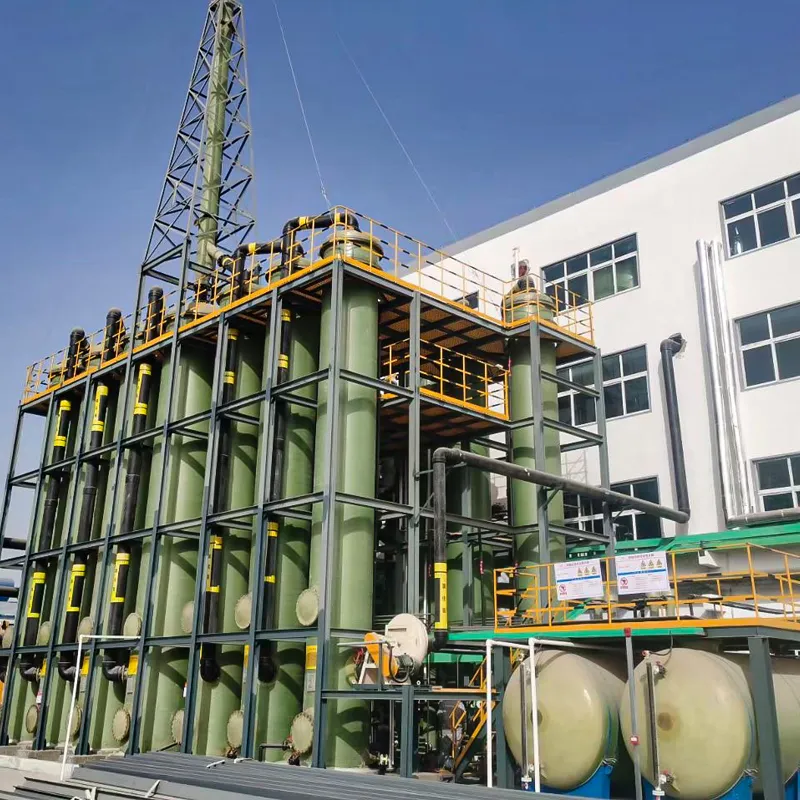
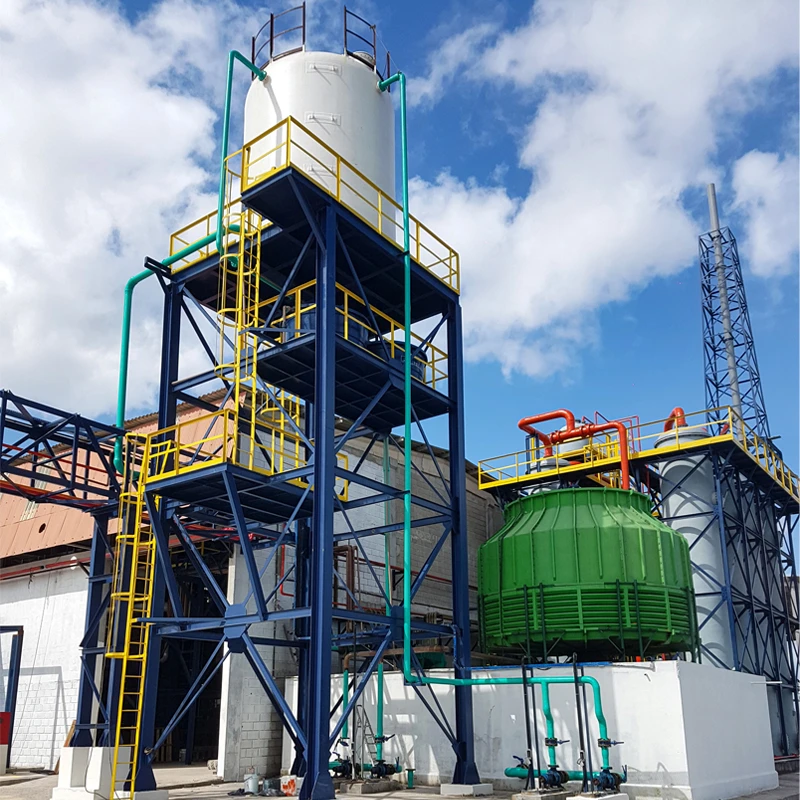
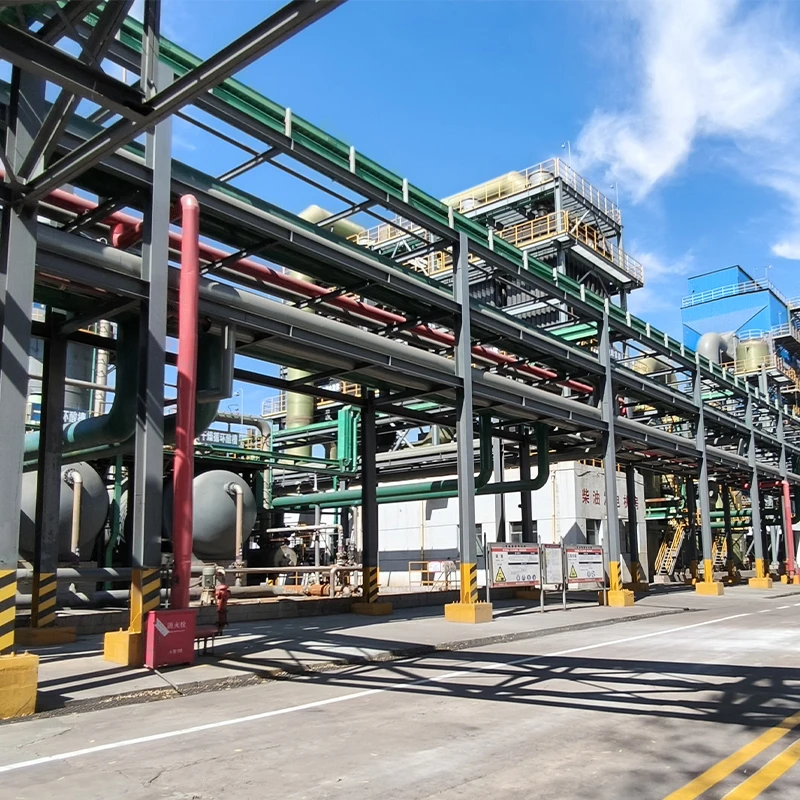
Schematic diagram of a typical sodium sulfate production process.
Technical Specifications for Sodium Sulfate Production Lines
Our sodium sulfate production lines are designed for high efficiency, reliability, and low operational costs. Below are typical technical parameters and specifications that define the performance and capabilities of our systems, leveraging cutting-edge engineering and robust material selection.
| Parameter | Specification / Value Range | Notes |
|---|---|---|
| Production Capacity | 5,000 - 100,000 tons/year | Customizable based on client demand |
| Product Purity (Na₂SO₄) | ≥ 99.5% | Meets industrial grade and detergent grade requirements |
| Moisture Content | ≤ 0.1% | Ensures long shelf life and flowability |
| Energy Consumption (electricity) | 200-350 kWh/ton (for MVR-based systems) | Optimized for energy efficiency through advanced heat recovery |
| Steam Consumption | 0.8-1.2 tons steam/ton product (for traditional evaporators) | Reduced significantly with MVR/multi-effect systems |
| Main Equipment Materials | SS304, SS316L, Duplex SS, Hastelloy, FRP/GRP | Selected based on corrosion resistance and process conditions |
| Operational Temperature Range | -10°C to 200°C | Specific to process stage (crystallization, drying, etc.) |
| Automation Level | PLC/DCS controlled, HMI interface | Automated monitoring, control, and fault diagnosis |
| Compliance | ISO 9001, CE, ASME, local environmental regulations | Ensures safety, quality, and environmental responsibility |
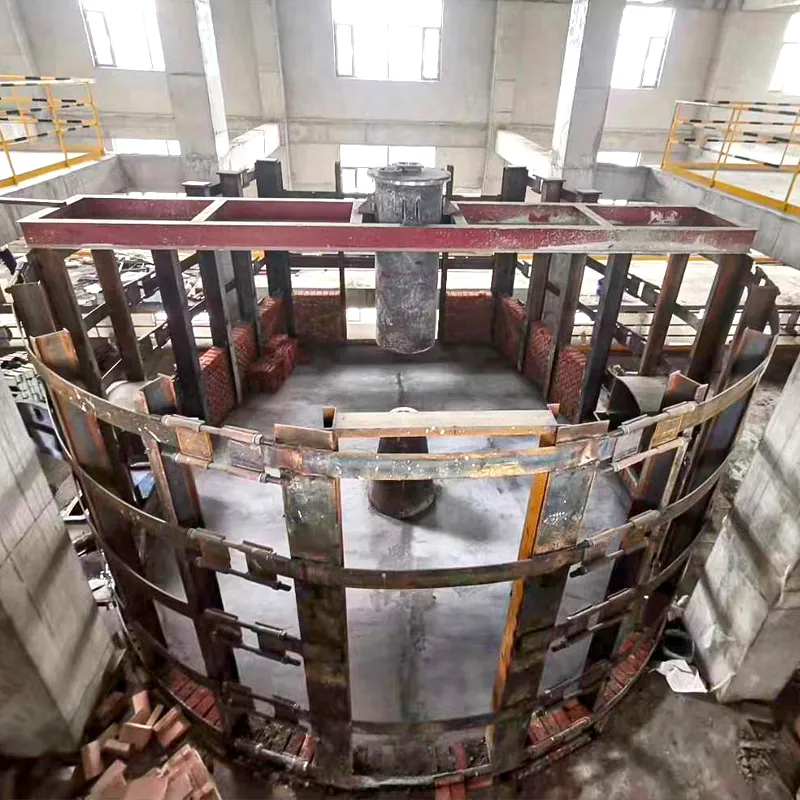
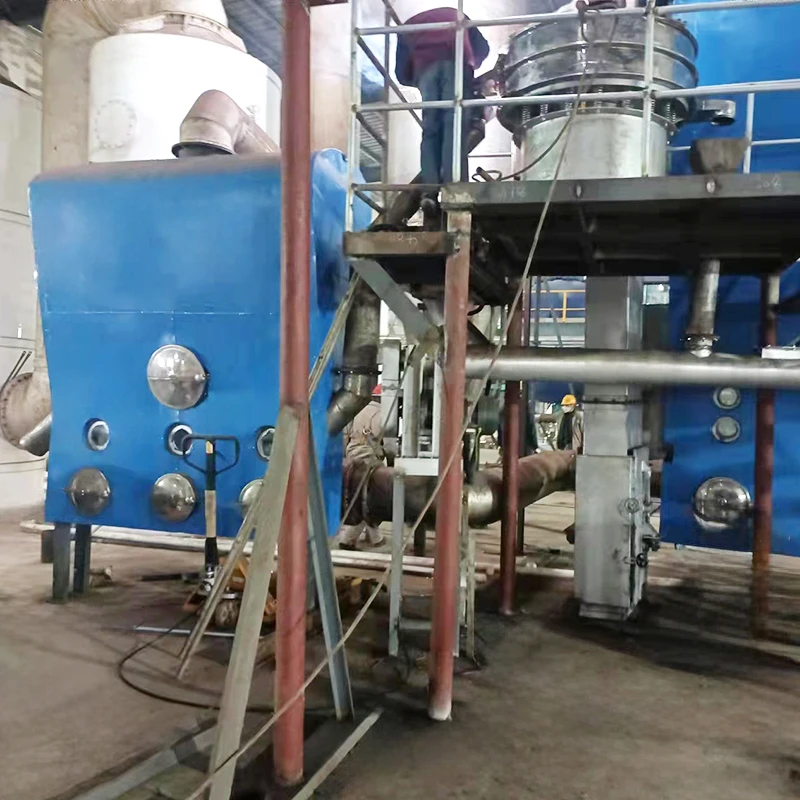
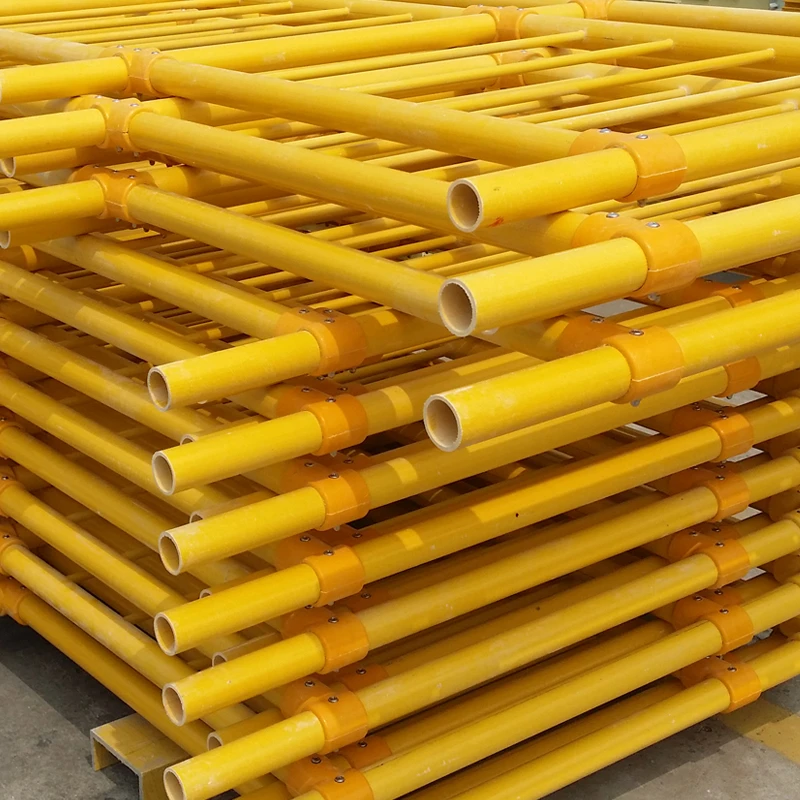
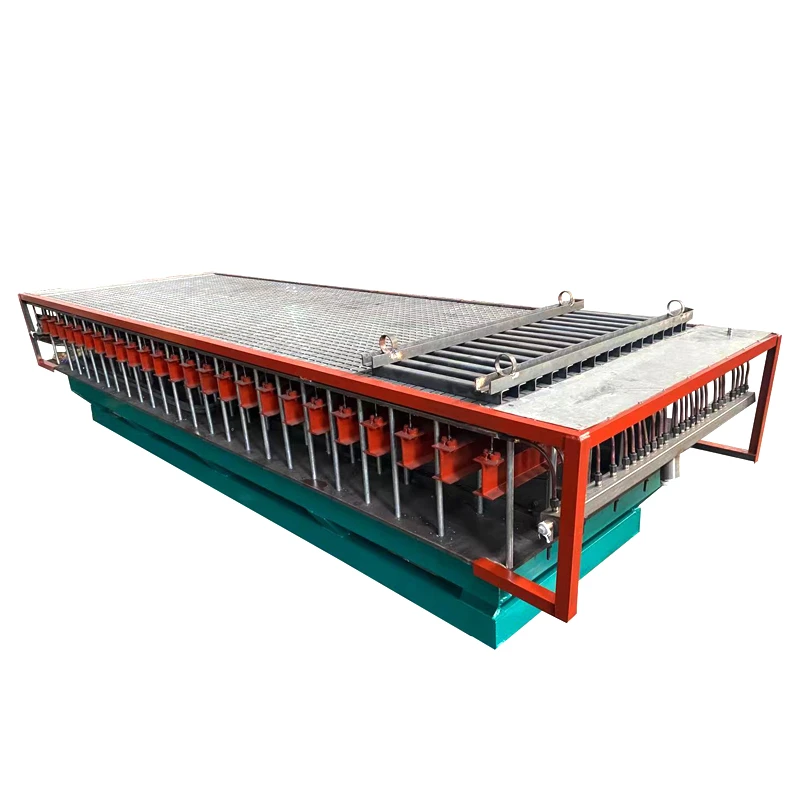
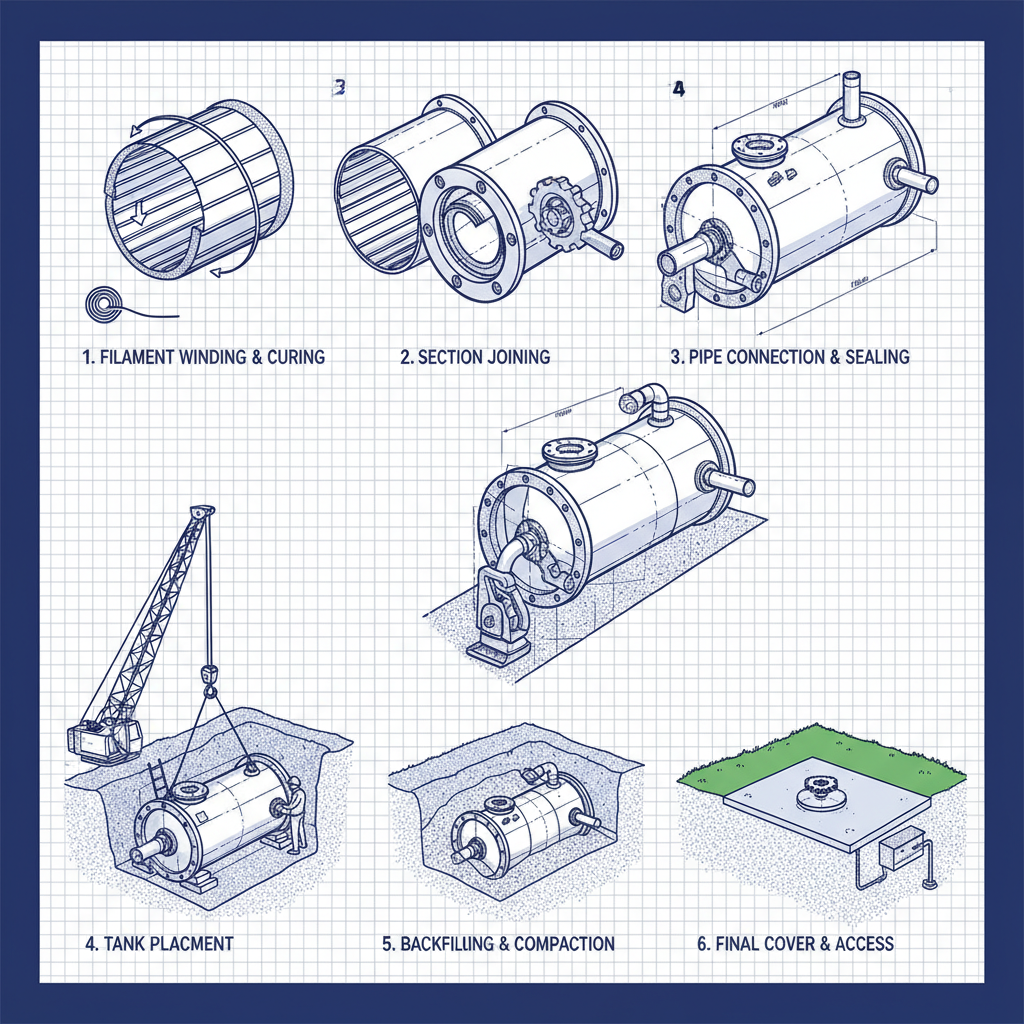
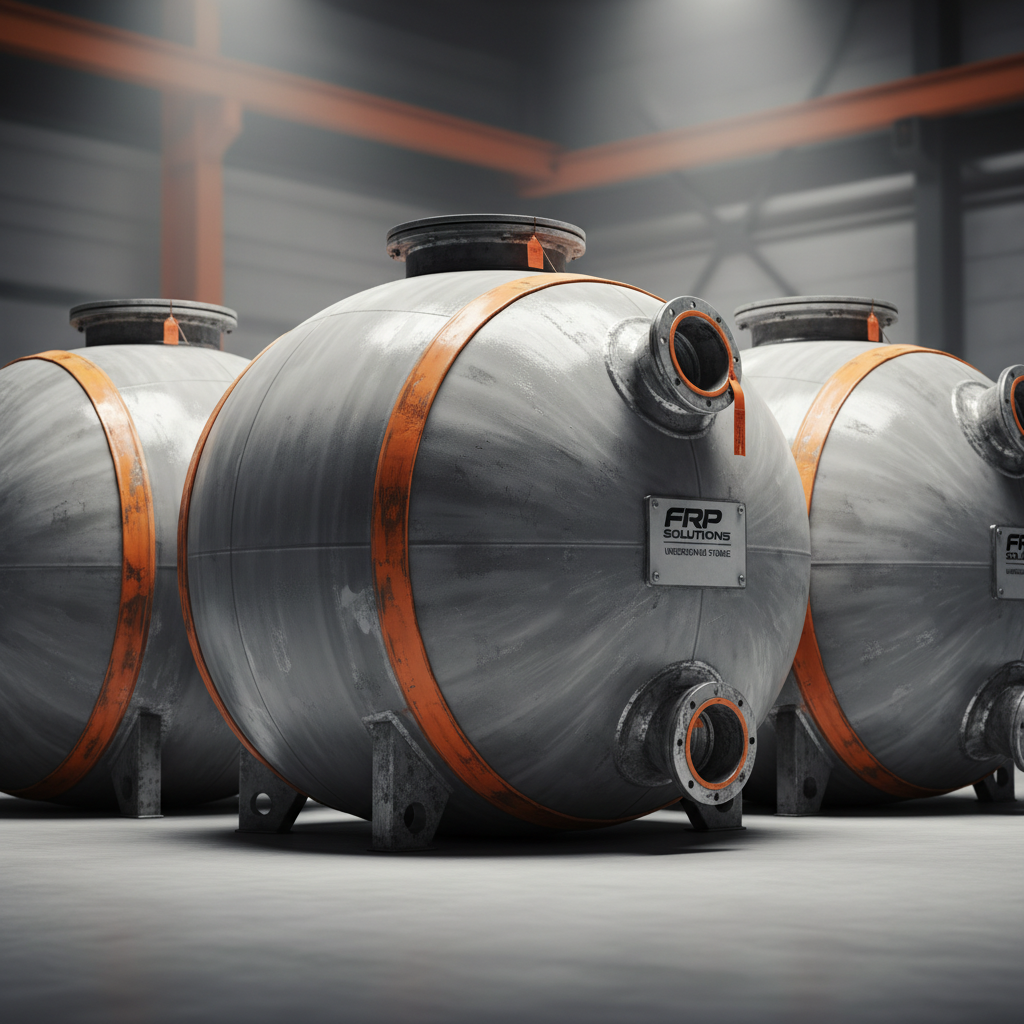
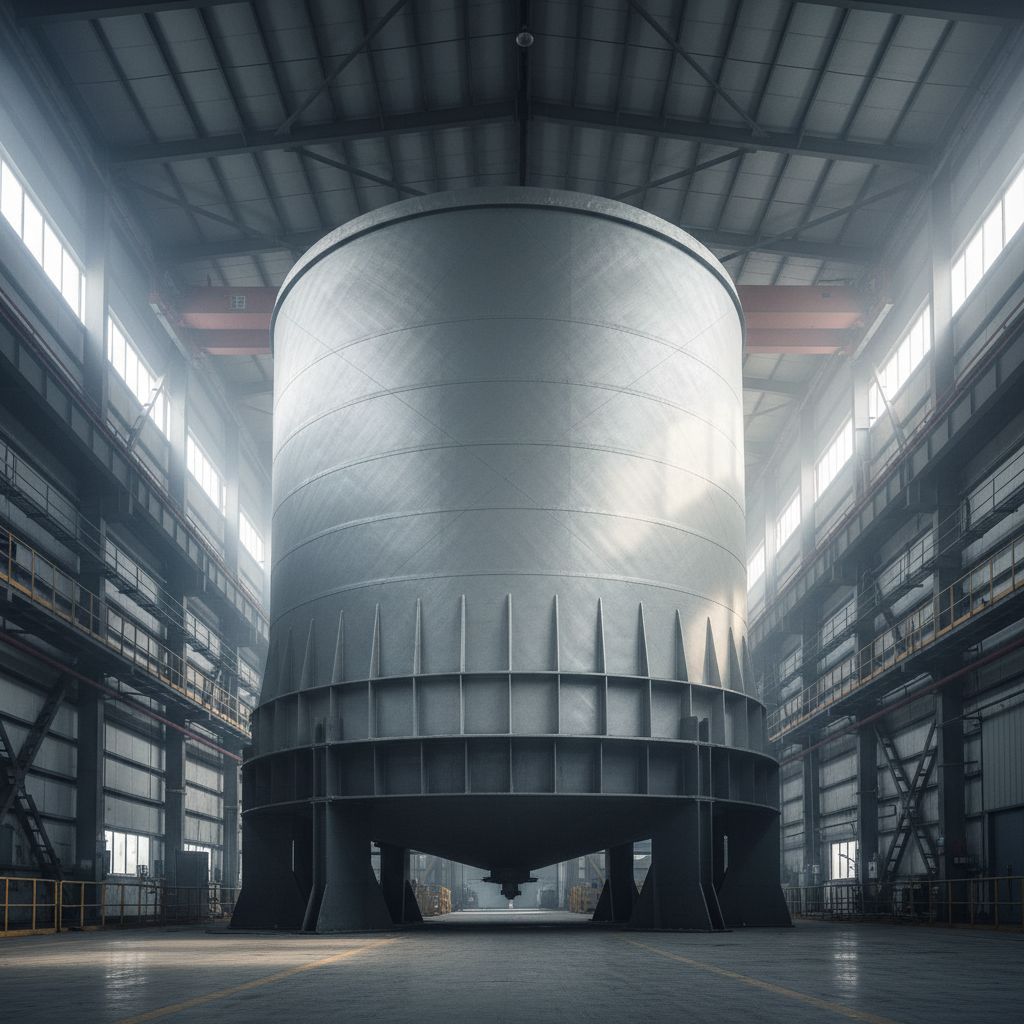
High-capacity crystallizers critical for quality sodium sulfate production.
Technical Advantages and Efficiency in Application
Our sodium sulfate production lines are engineered to deliver significant technical advantages, translating directly into operational efficiency and cost savings for our clients. These benefits are realized across various typical application scenarios.
- Superior Energy Efficiency: Through the integration of advanced technologies like Mechanical Vapor Recompression (MVR) evaporators and multi-effect crystallization systems, our lines drastically reduce energy consumption. For instance, an MVR-based system can achieve energy savings of up to 60-70% compared to traditional steam-heated evaporators, significantly lowering operational expenditures for a sodium sulfate plant.
- Exceptional Corrosion Resistance: Critical components, especially those in contact with corrosive brines and acids, are fabricated from highly resistant materials such as Duplex Stainless Steel, Hastelloy, and premium FRP/GRP composites. This ensures extended service life, reduced maintenance, and consistent product quality even under harsh chemical conditions.
- High Product Purity & Consistency: Precision control over crystallization kinetics, efficient washing stages, and optimized drying parameters enable the production of sodium sulfate with purity exceeding 99.5%. This meets the strict requirements for industries like detergents (preventing insoluble residues) and glass manufacturing (avoiding coloration).
- Automated and Stable Operation: Fully integrated PLC/DCS control systems with intuitive Human-Machine Interfaces (HMI) provide real-time monitoring, precise parameter control, and automated fault diagnosis. This leads to stable operation, reduced human error, and optimized yield.
- Environmental Compliance: Our designs incorporate features for minimized effluent discharge, efficient recovery of by-products, and reduced atmospheric emissions. This proactive approach helps clients meet increasingly stringent environmental regulations and enhance their sustainability profile.
For instance, in a large-scale detergent manufacturing complex, the reliability and high purity of our sodium sulfate directly impact the end-product quality and formulation stability. In the paper and pulp industry, consistent sodium sulfate quality from our plant supports efficient Kraft process chemical recovery cycles, reducing fresh chemical consumption and operational costs.
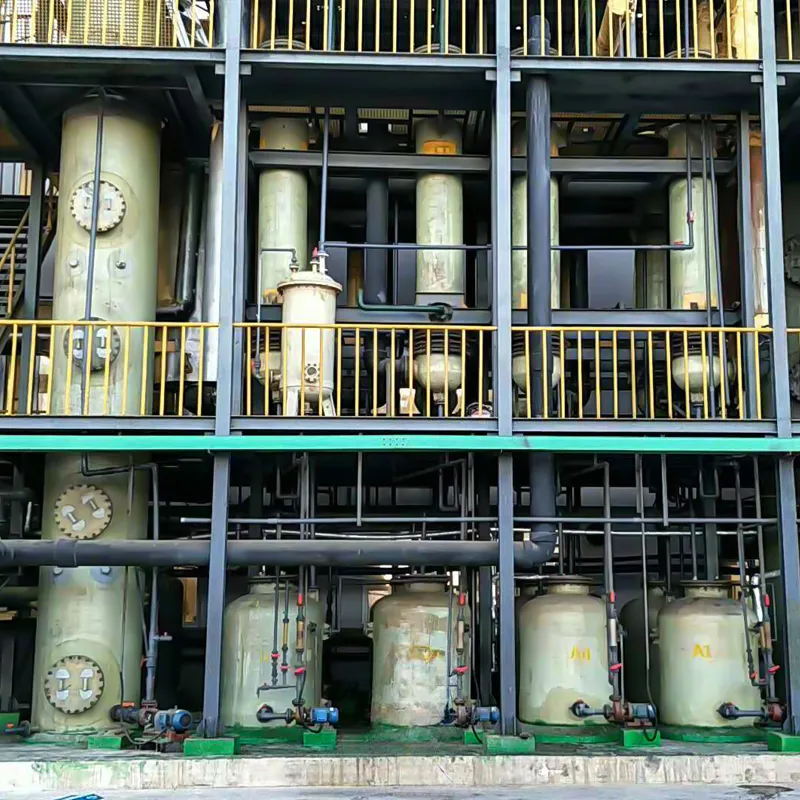
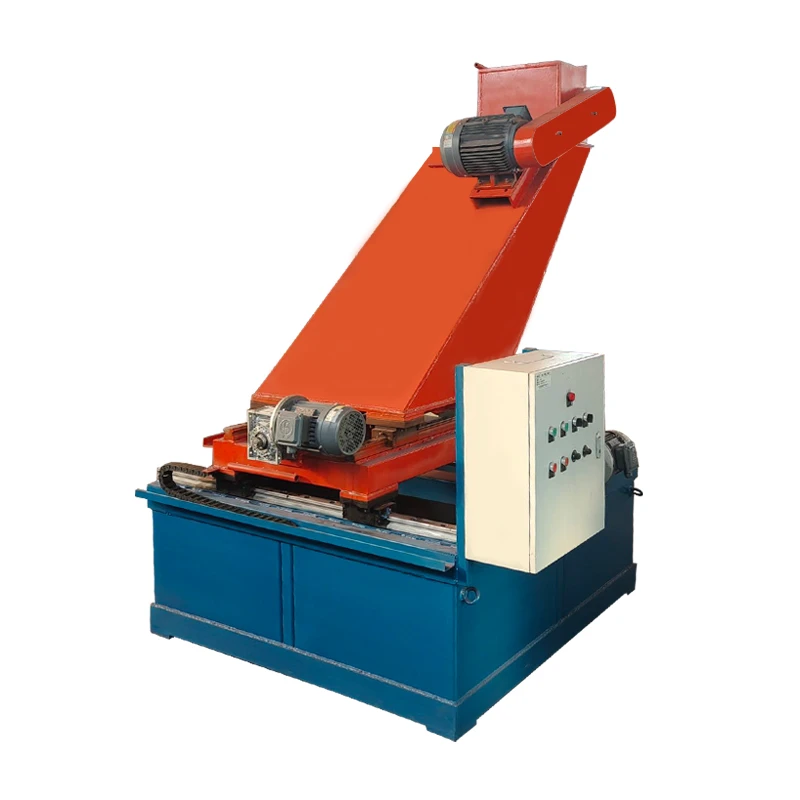
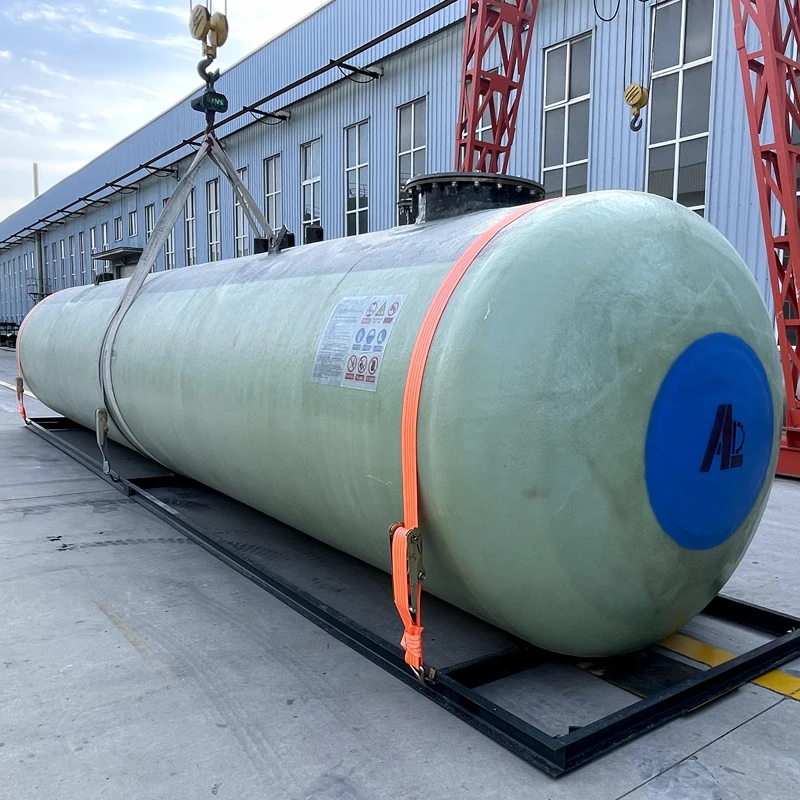
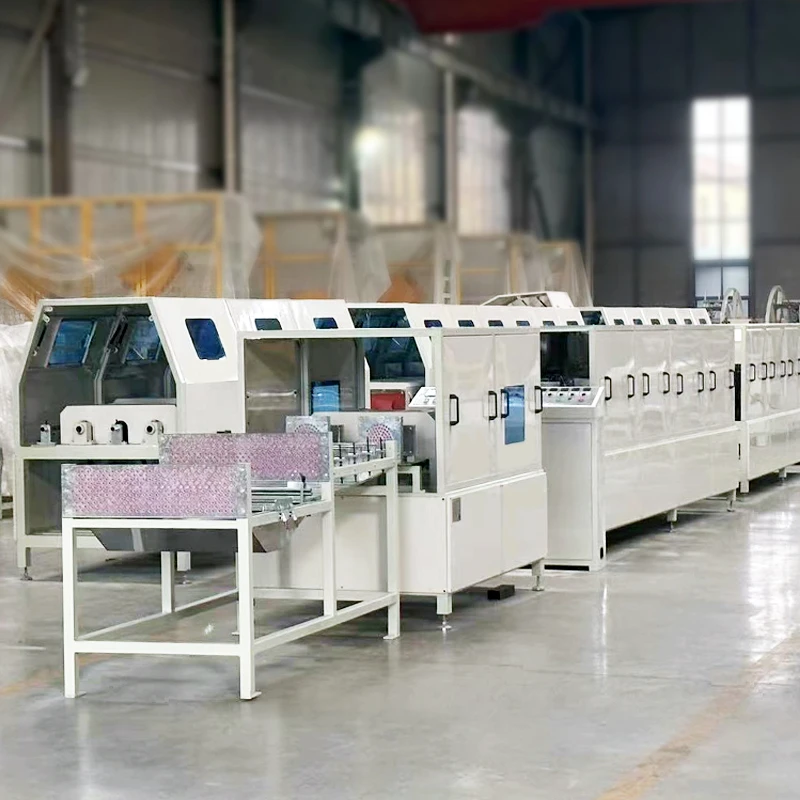
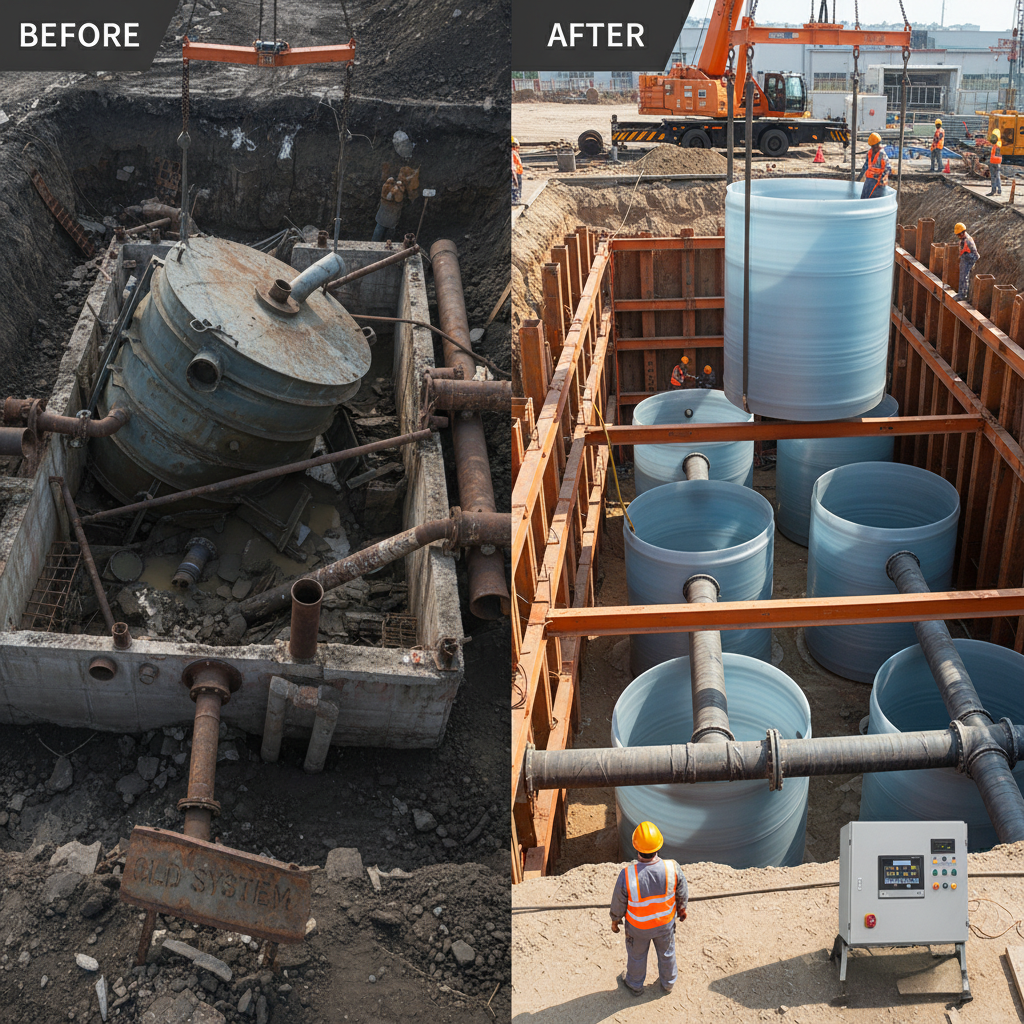
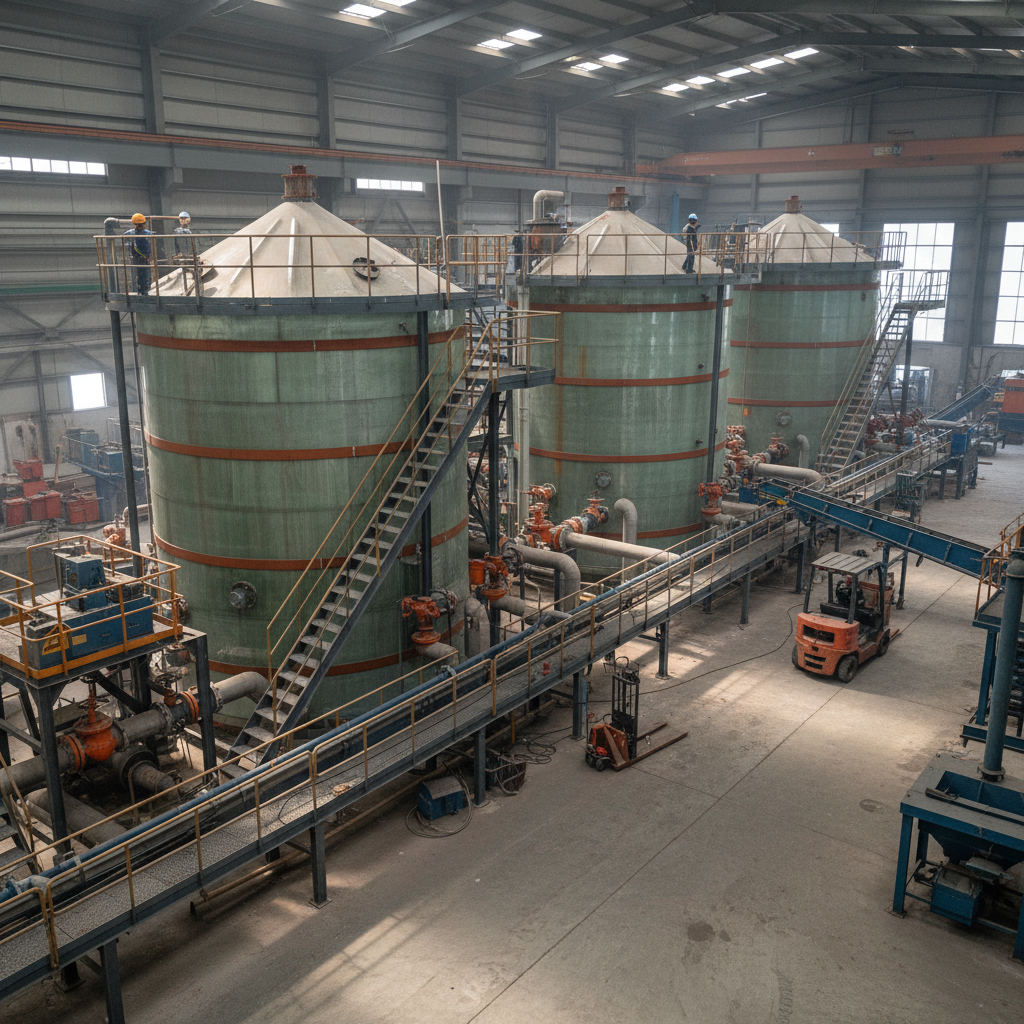
Advanced control systems ensure precise and efficient sodium sulfate production.
Application Scenarios and Industry Case Studies
The versatility and high performance of our sodium sulfate production lines make them indispensable across a diverse range of industrial applications. We have successfully implemented solutions for various clients, demonstrating tangible benefits in real-world settings.
Typical Application Scenarios:
- Detergent Industry: Sodium sulfate serves as a filler in powdered detergents. Our lines deliver ultra-pure, consistent-particle-size product essential for stable detergent formulations and optimal washing performance.
- Paper and Pulp Industry: A crucial component in the Kraft pulping process, acting as a makeup chemical in the recovery cycle. Our systems ensure a continuous supply of high-quality sodium sulfate, supporting efficient chemical recovery.
- Glass Manufacturing: Used as a fining agent to remove small bubbles from molten glass, improving glass clarity and strength. The purity and controlled particle size from our production lines prevent defects in the final glass product.
- Textile Industry: Functions as a leveling agent in dyeing cotton and other cellulosic fibers, ensuring uniform dye penetration and preventing patchiness.
- Chemical Industry: Used in various chemical syntheses, including the production of sodium sulfide, sodium silicates, and other specialty chemicals.
Selected Case Studies:
A leading detergent producer sought to upgrade their existing sodium sulfate plant to increase capacity and improve product purity. We deployed an integrated production line featuring MVR evaporators and a two-stage crystallization system. The result was a 40% increase in daily output, a consistent 99.6% purity, and a remarkable 55% reduction in energy consumption compared to their old system. Customer feedback highlighted the enhanced stability of their detergent formulations and significant savings on utility bills.
This client required a solution to recover sodium sulfate from their black liquor treatment stream, aiming for closed-loop chemical management. Our customized solution involved specialized filtration followed by a multi-effect evaporator and crystallizer designed to handle complex effluent compositions. The system successfully recovered high-purity sodium sulfate for internal reuse, reducing fresh chemical procurement by 70% and achieving full compliance with strict local environmental discharge limits.
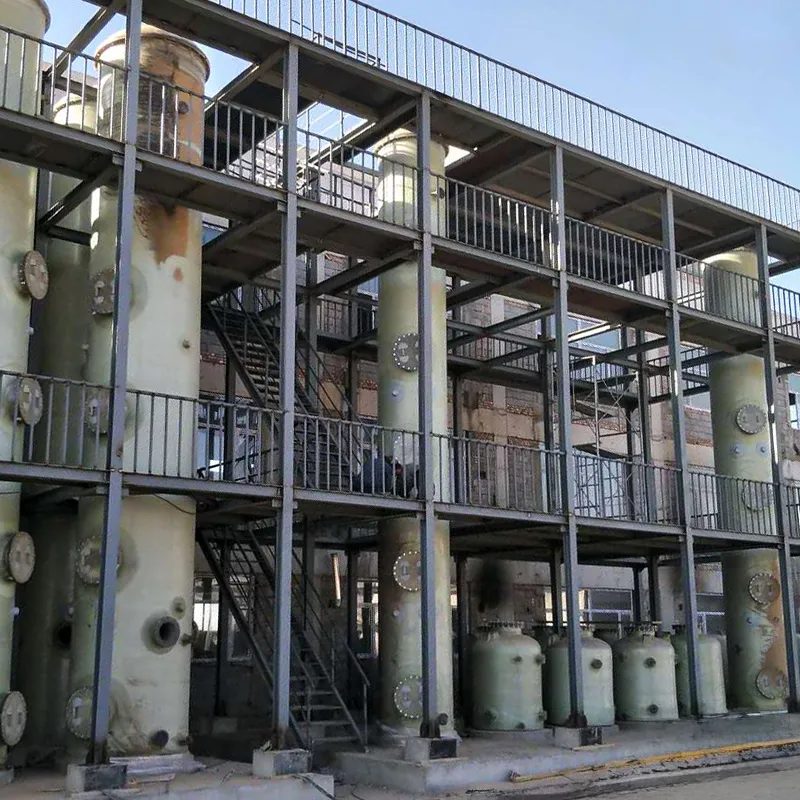
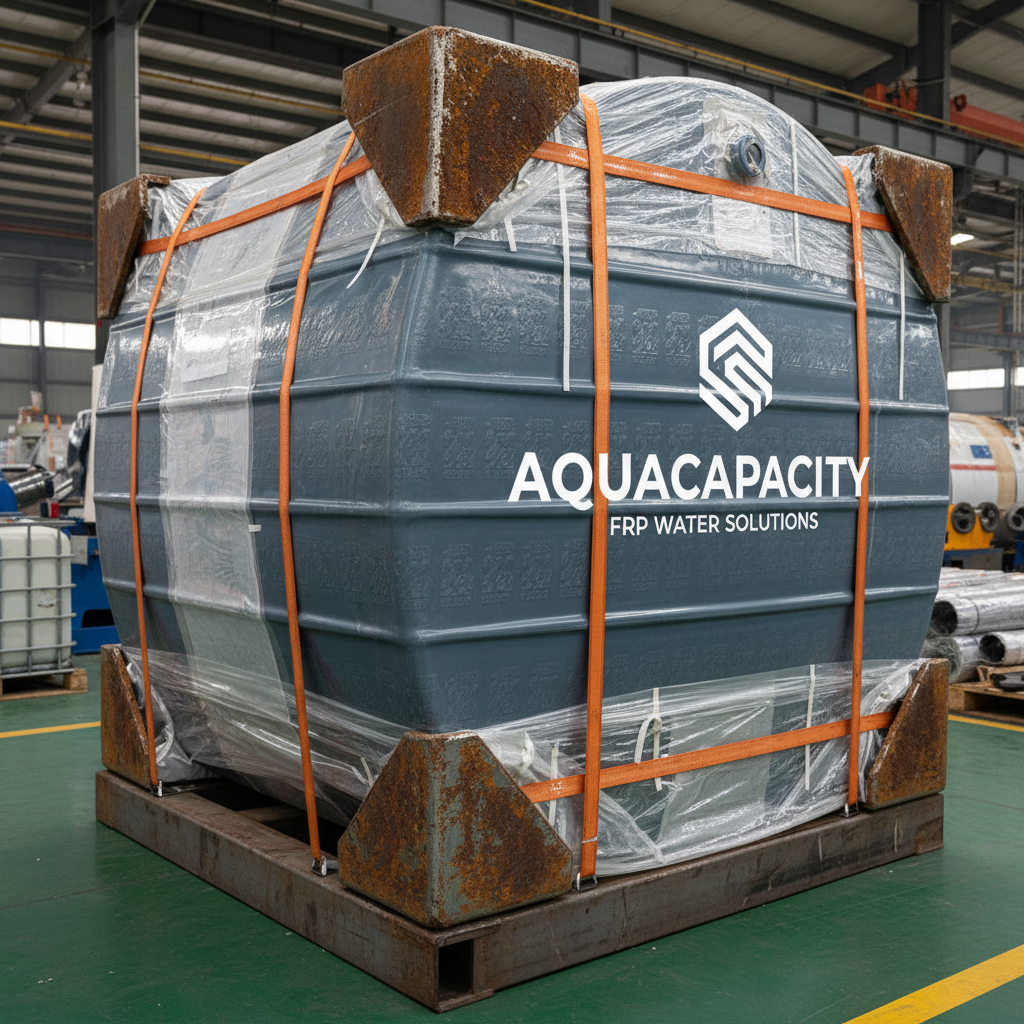
Robust drying equipment ensures quality and consistency in sodium sulfate production.
Vendor Comparison: Selecting the Right Sodium Sulfate Production Partner
Choosing the right partner for your sodium sulfate production investment is crucial for long-term operational success. A thorough vendor comparison should extend beyond initial cost to encompass technology, reliability, customization capabilities, and after-sales support. Below is a comparative overview highlighting key differentiators.
| Feature/Criterion | Our Solution | Typical Competitor A | Typical Competitor B |
|---|---|---|---|
| Technology Integration | MVR, Multi-Effect Evaporation, Advanced Crystallization (e.g., DTB) | Traditional Evaporation, Basic Crystallizers | Some MVR, Standard Crystallizers |
| Energy Efficiency | Excellent (Up to 70% energy savings) | Moderate (Standard steam consumption) | Good (Some energy recovery) |
| Material Quality & Corrosion Resistance | Premium (Duplex SS, Hastelloy, High-Grade FRP/GRP) | Standard SS, Carbon Steel (coated) | SS304/316, Basic FRP |
| Automation & Control | Full PLC/DCS, HMI, Remote Monitoring | Basic PLC, Manual Intervention | Advanced PLC, Limited HMI |
| Customization & Engineering | High (Tailored solutions for complex feeds) | Low (Standardized modules) | Moderate (Some adaptability) |
| After-Sales Support | Global team, 24/7 remote, on-site, extensive spare parts | Regional, limited remote support | Local agents, scheduled maintenance |
| Certifications | ISO 9001, CE, ASME, Industry-specific | Basic CE, sometimes ISO | ISO 9001, some regional compliance |
Our commitment to advanced technology, premium materials, and comprehensive client support positions us as a leader in providing high-performance sodium sulfate plant solutions, ensuring not just a purchase, but a strategic partnership for sustained operational excellence.
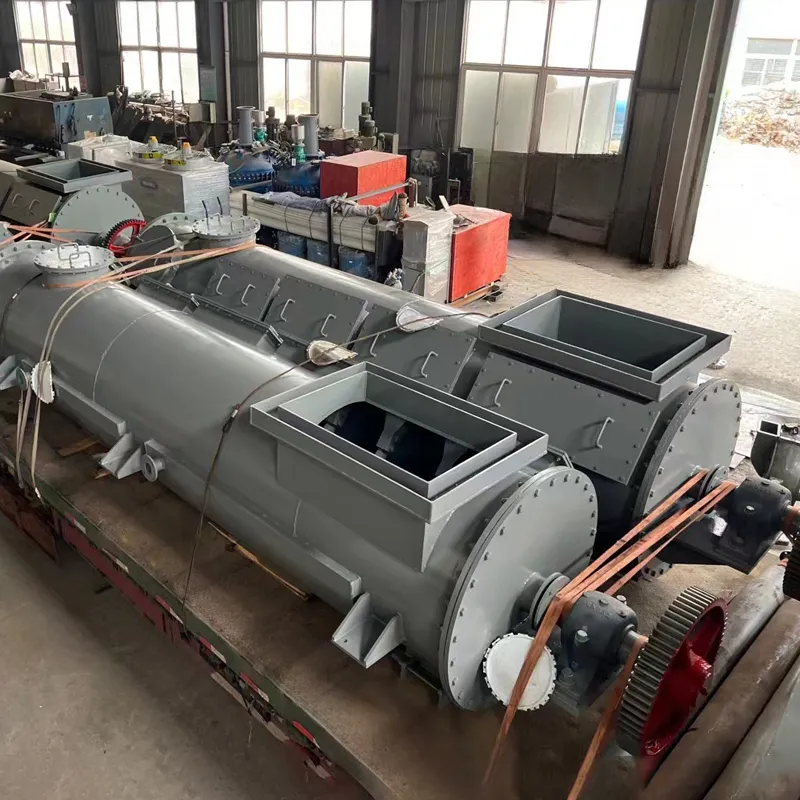
Precision engineering for optimized sodium sulfate production lines.
Customized Solutions for Diverse Sodium Sulfate Production Needs
Recognizing that every industrial requirement is unique, we specialize in providing highly customized solutions for sodium sulfate production. Our approach begins with a comprehensive analysis of client-specific raw material characteristics, desired product purity and capacity, site constraints, and local environmental regulations.
- Raw Material Flexibility: Whether your source is natural Glauber's salt, a by-product of viscose rayon manufacturing, a waste stream from hydrochloric acid production (Mannheim process), or flue gas desulfurization, our engineers design the appropriate pre-treatment and crystallization stages to handle varying feed compositions and impurity profiles.
- Capacity Scaling: From pilot-scale units to large industrial operations producing over 100,000 tons/year, our modular designs allow for flexible scaling of production capacity to meet current demands and future expansion plans.
- Purity & Particle Size Control: We can engineer systems to achieve specific purity levels (e.g., standard industrial grade, detergent grade, chemical reagent grade) and control crystal size distribution, which is critical for specialized applications like glass fining or specific detergent formulations.
- Energy Optimization: Depending on local energy costs and availability (electricity, steam, waste heat), we integrate the most suitable energy-saving technologies, including single/multi-effect evaporators, Mechanical Vapor Recompression (MVR), and heat recovery systems, to minimize operational expenses.
- Environmental Integration: Our solutions can be integrated with existing plant infrastructure to optimize resource utilization, manage effluent, and recover valuable by-products, aligning with sustainable industrial practices.
Our team of chemical engineers and process design specialists works closely with clients through every phase, from conceptual design and pilot testing to detailed engineering, fabrication, installation, and commissioning, ensuring that the delivered sodium sulfate plant precisely matches the client's strategic objectives.
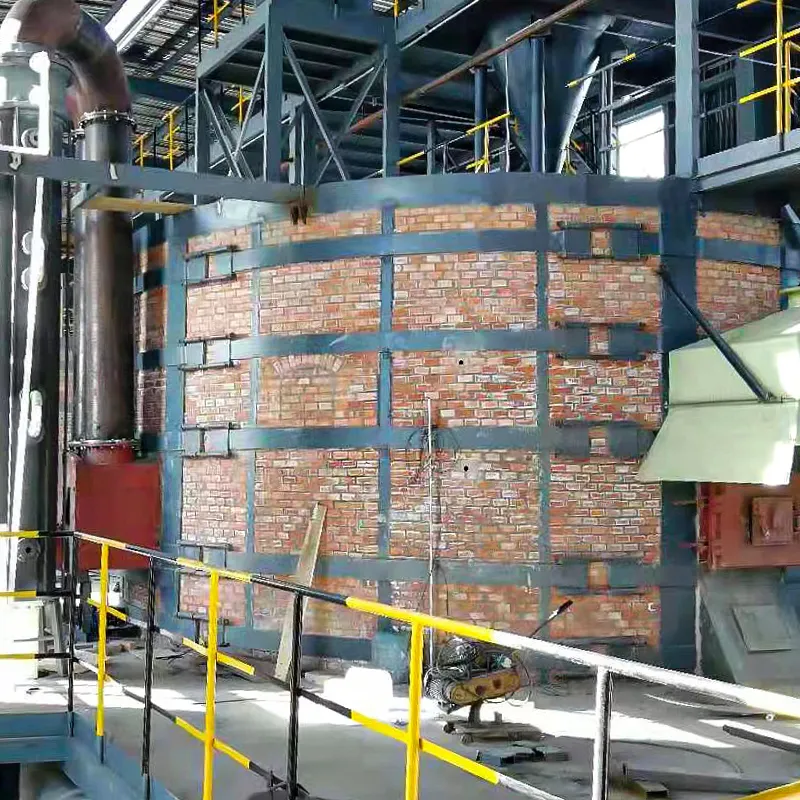
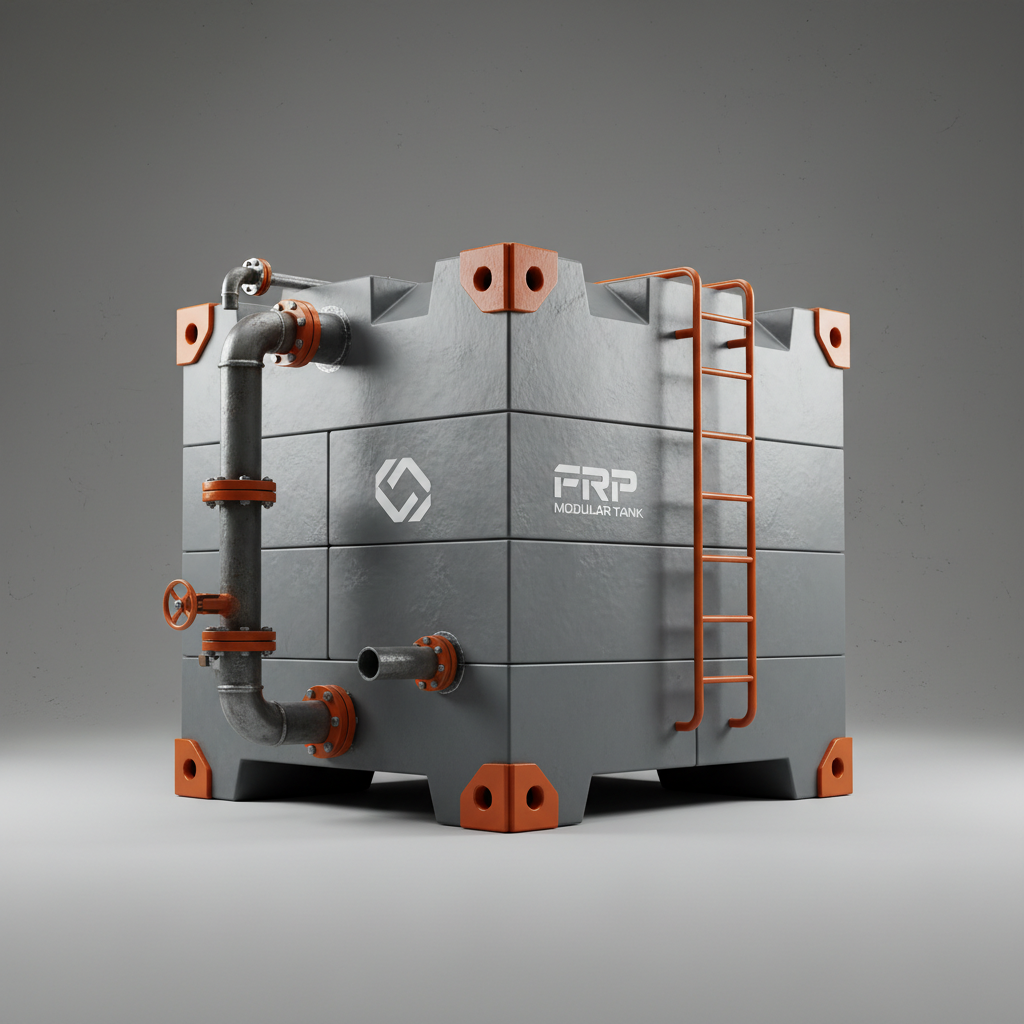
Specialized equipment tailored for unique sodium sulfate production requirements.
Commitment to Authoritativeness and Trustworthiness
Our dedication to excellence in sodium sulfate production is underpinned by a strong foundation of authoritative standards and unwavering trustworthiness. We strive to provide transparent information and reliable services that build lasting partnerships.
Certifications and Quality Assurance:
- ISO 9001:2015 Certified: Our quality management system ensures consistent product design, manufacturing, installation, and service.
- CE and ASME Compliance: All relevant equipment components meet stringent European CE safety directives and ASME international boiler and pressure vessel codes, guaranteeing structural integrity and operational safety.
- Years of Industry Service: With decades of specialized experience in chemical process equipment and plant design, we bring unparalleled expertise to every project.
- Authoritative References: Our designs and processes are informed by extensive research and adherence to recognized chemical engineering principles and industry best practices.
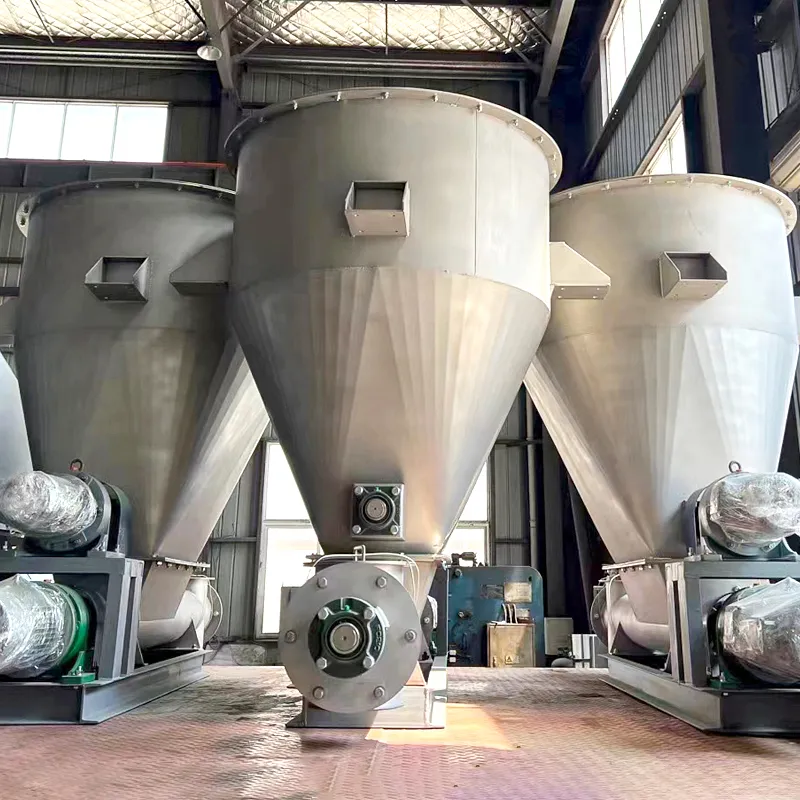
Quality inspection is paramount in every stage of sodium sulfate production equipment manufacturing.
Frequently Asked Questions (FAQ):
- Q1: What is the typical lead time for a complete sodium sulfate production line?
- A1: Lead times vary based on complexity and capacity, generally ranging from 6 to 12 months from detailed design approval to factory acceptance testing. Project-specific timelines are provided during the proposal phase.
- Q2: What kind of warranty do you offer on your equipment?
- A2: We offer a standard 12-24 month warranty on mechanical and electrical components, effective from commissioning or 18-30 months from shipment, whichever comes first. Extended warranty options are available.
- Q3: Can your sodium sulfate plant handle fluctuating raw material quality?
- A3: Yes, our customized solutions include robust pre-treatment and flexible process controls designed to mitigate the impact of variations in raw material quality, ensuring consistent product output.
- Q4: What kind of after-sales support and spare parts availability do you provide?
- A4: We offer comprehensive after-sales support, including remote diagnostics, on-site technical assistance, routine maintenance services, and training programs. A dedicated spare parts inventory and rapid dispatch system ensure minimal downtime.
Lead Time & Fulfillment:
Our streamlined project management methodology ensures efficient execution from design to commissioning. Typical fulfillment for a standard sodium sulfate production facility ranges from 8 to 14 months, depending on the scale and complexity, with detailed project schedules provided transparently.
Customer Support:
Our global customer support network is available 24/7. We provide multi-lingual technical assistance, remote troubleshooting, and rapid response for on-site interventions. Our commitment extends throughout the entire lifecycle of your sodium sulfate plant.
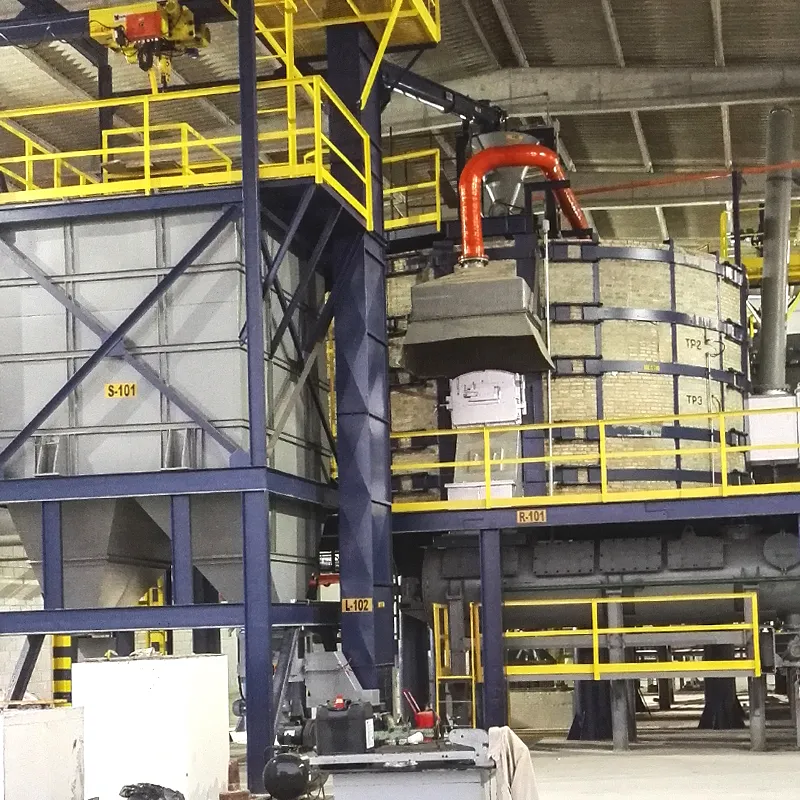
Dedicated engineering support for seamless sodium sulfate production plant operations.
Conclusion: Your Strategic Partner in Sodium Sulfate Production
Investing in a state-of-the-art sodium sulfate production line is a strategic decision that impacts long-term profitability and environmental stewardship. Our commitment to technological innovation, robust engineering, and comprehensive client support ensures that our partners receive not just equipment, but a complete, optimized solution. By focusing on energy efficiency, exceptional product purity, and tailored designs, we empower industries to meet their production goals while adhering to the highest standards of quality and sustainability. Partner with us to achieve unparalleled efficiency and reliability in your sodium sulfate plant operations.
References:
- Smith, J. (2022). "Advances in Industrial Crystallization for Chemical Production." Journal of Chemical Engineering and Technology, 45(3), 201-215.
- European Chemical Industry Council (CEFIC). (2021). Sustainability Report 2021: Chemical Industry's Contribution to the Circular Economy.
- National Institute of Standards and Technology (NIST). (2020). Thermodynamic Data for Aqueous Sodium Sulfate Solutions.
- Brown, K. (2023). "Energy-Efficient Evaporation Technologies in Chemical Processing." Industrial & Engineering Chemistry Research, 62(15), 6540-6555.
- United States Environmental Protection Agency (EPA). (2019). Best Available Technologies for Industrial Wastewater Treatment.