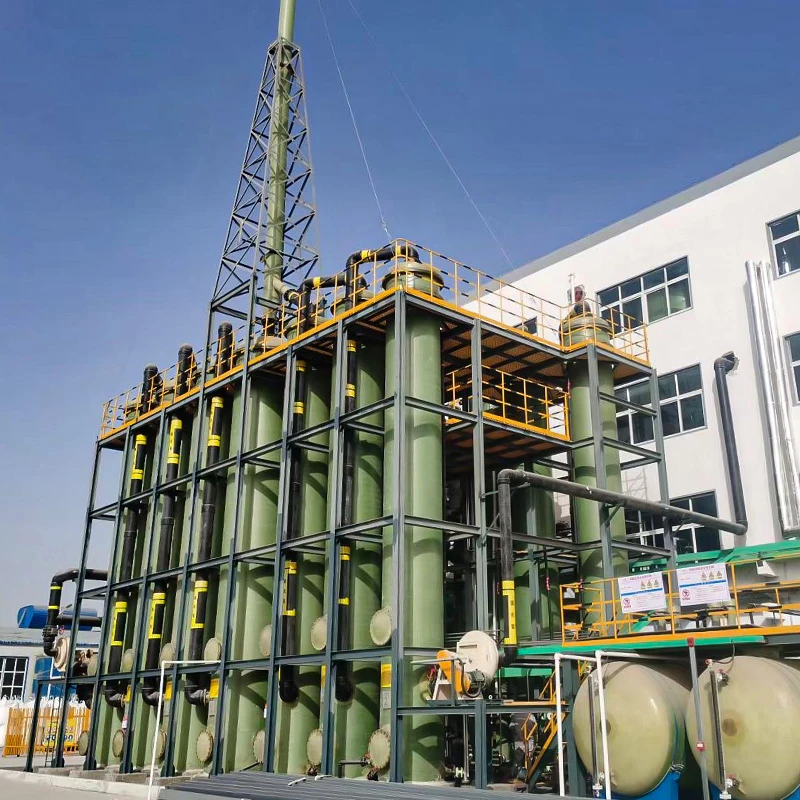
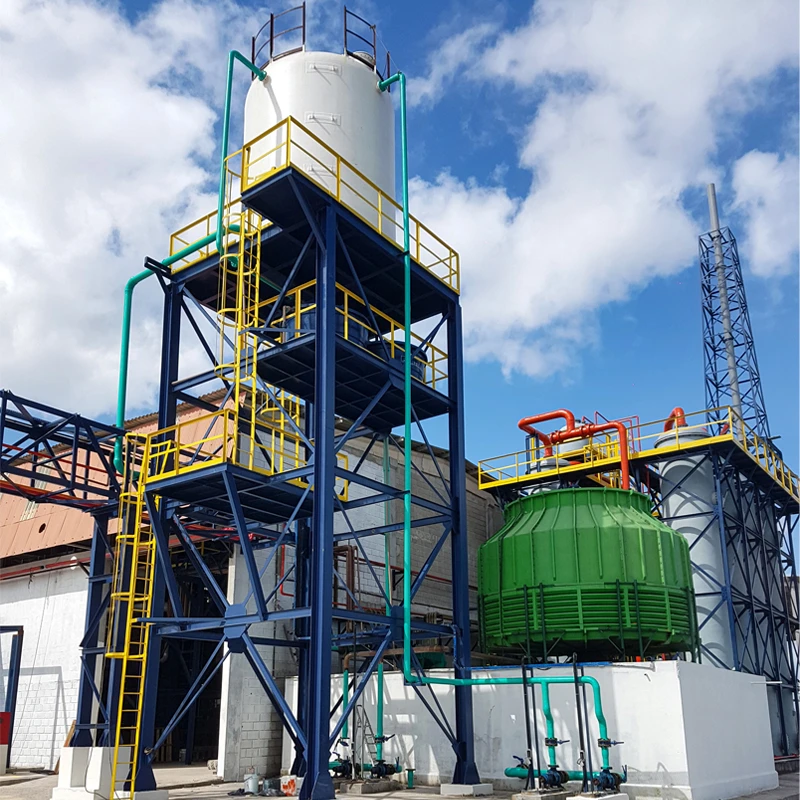
Fibreglass Profiles: Durable, Customizable Solutions for Industry
Understanding Fibreglass Profiles: A Veteran’s Perspective
Having spent over a decade navigating the ins and outs of industrial equipment, I’ve come to appreciate the quiet workhorses of many constructions and applications—fibreglass profiles. Oddly enough, these unassuming components are everywhere, yet not enough people truly grasp their value and versatility. So, here’s my two cents on fibreglass profiles, from design to real-world use.
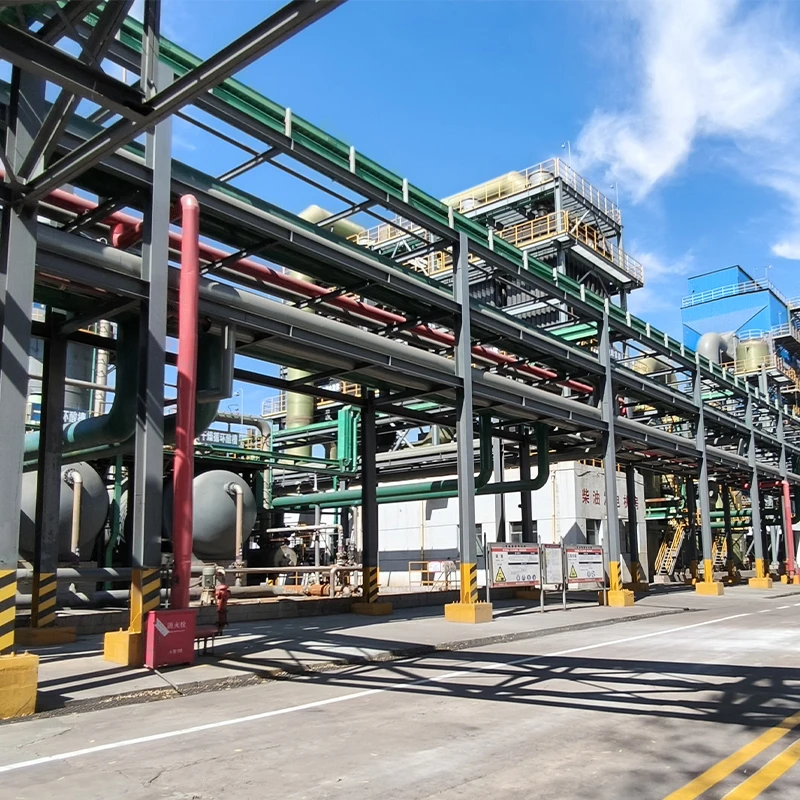
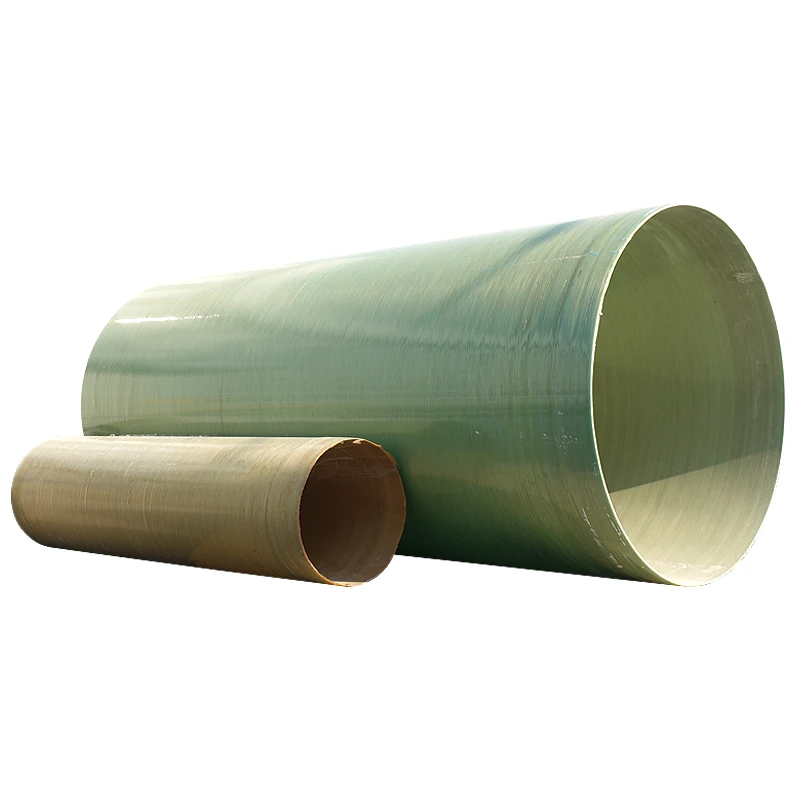
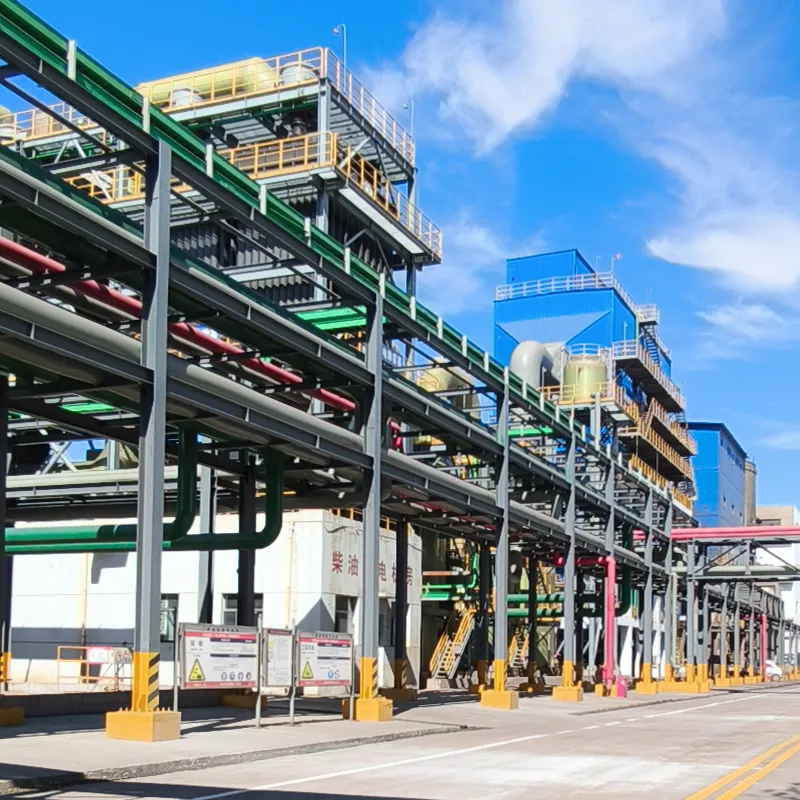
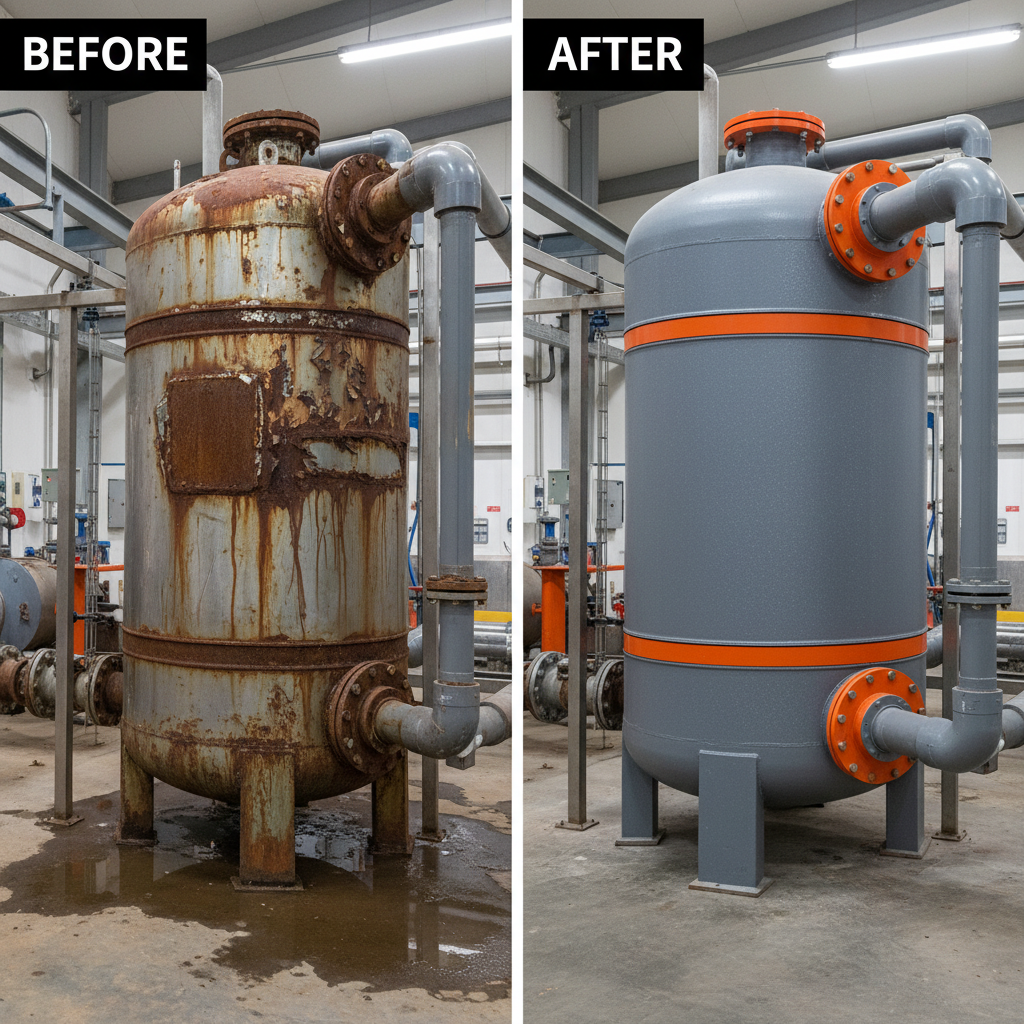
Fibreglass profiles often get overshadowed by metals or plastics, but they bring a unique blend of strength, durability, and lightness that’s tough to beat. Frankly, they’ve revolutionized how many engineers approach structural and functional elements, especially in corrosive environments or where metal would just rust away. For example, when I was working on a waterfront facility, metal supports failed repeatedly. Switching to fibreglass profiles cut maintenance costs dramatically.
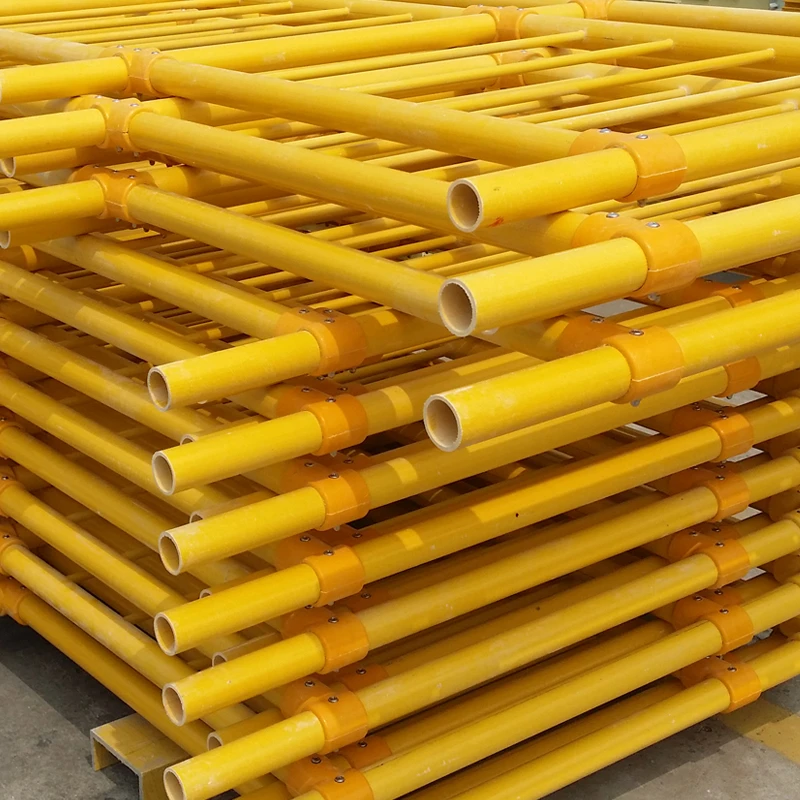
One thing I noticed—these profiles shine not just for what they are but how customizable they’ve become. You can order them in almost any shape or size, designed specifically to fit a project’s nuanced demands. Custom extrusions, color matching, even fire retardant treatments; the options seem endless.
| Specification | Details |
|---|---|
| Material Composition | E-Glass Fibres & Polyester Resin |
| Tensile Strength | Up to 700 MPa |
| Density | 1.8 – 2.0 g/cm³ |
| Corrosion Resistance | Excellent |
| Typical Applications | Construction, Marine, Electrical Insulation |
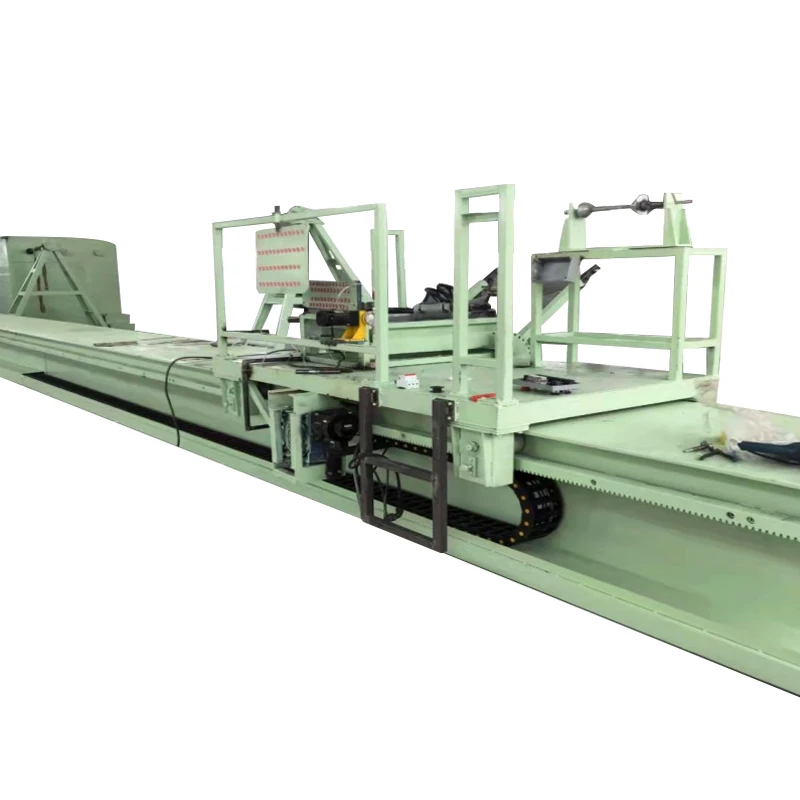
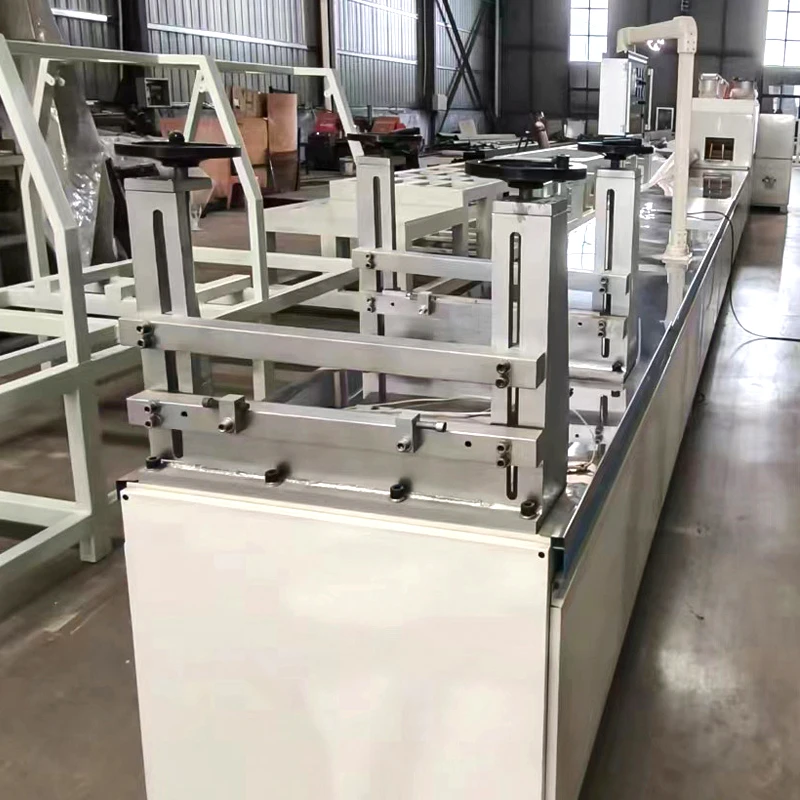
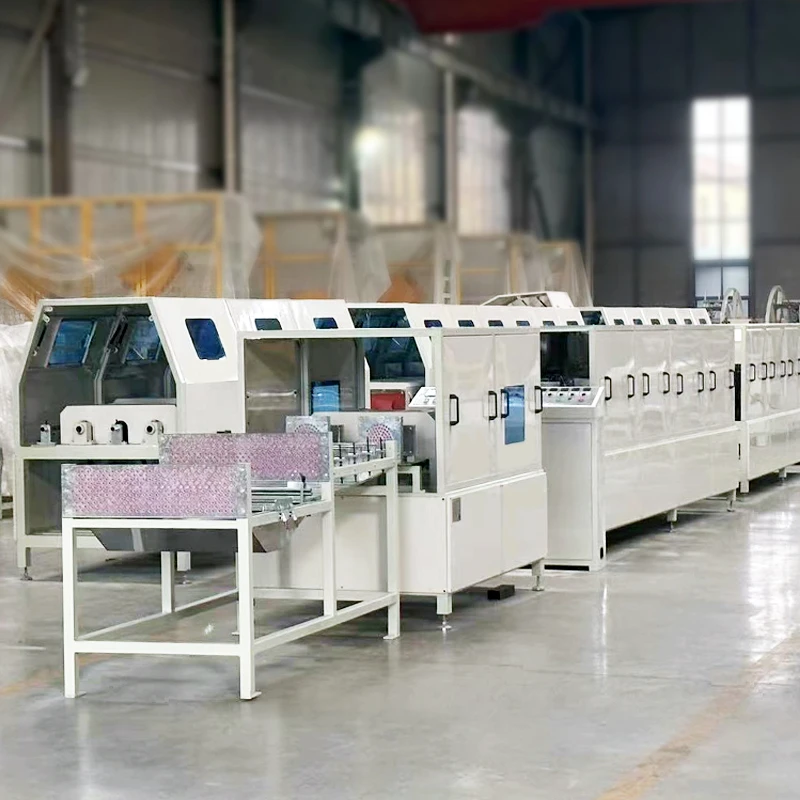
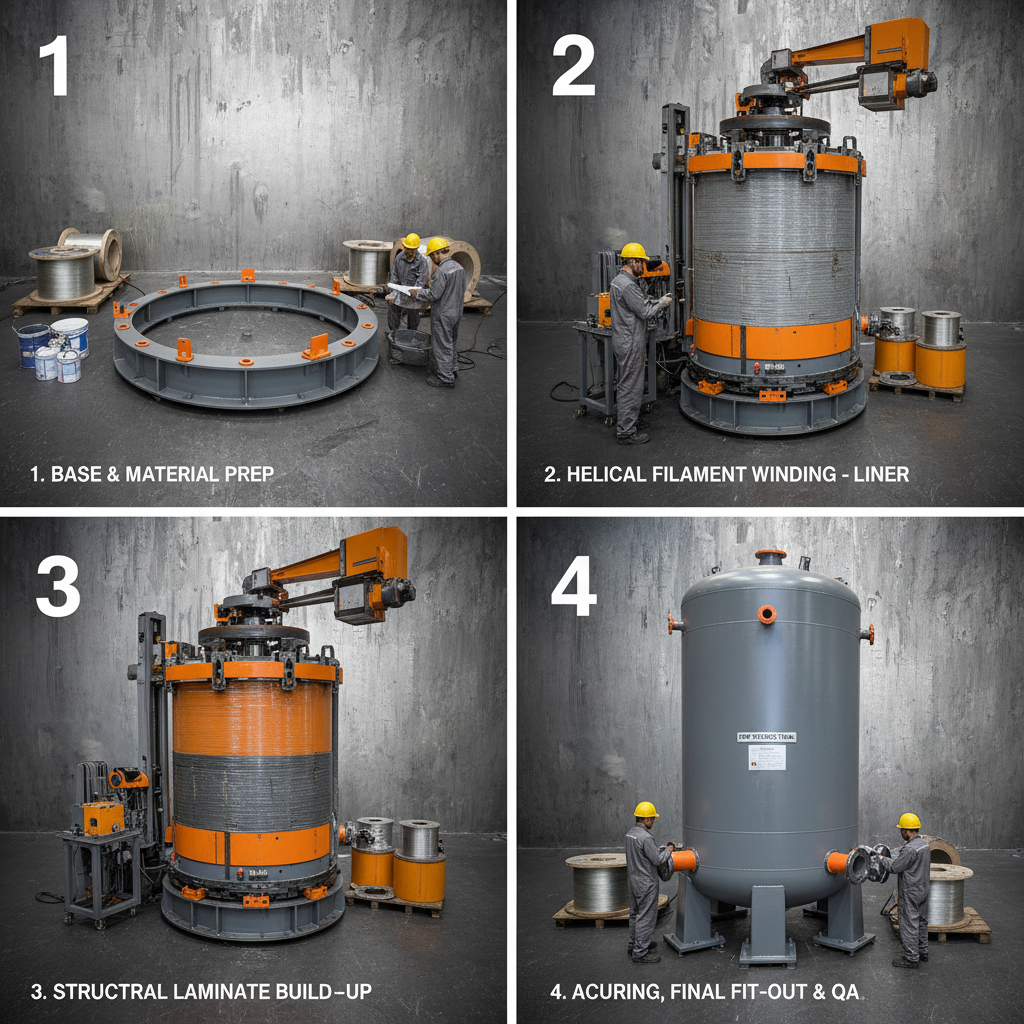
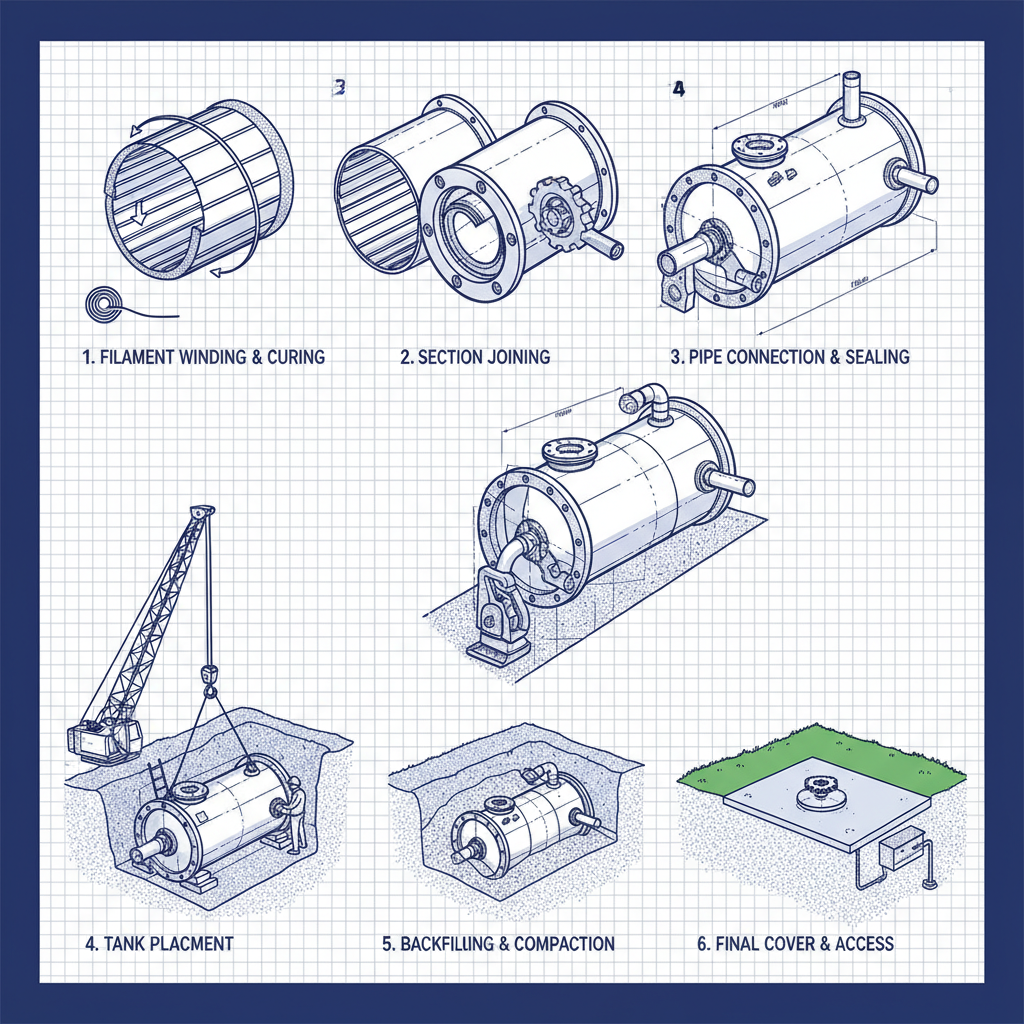
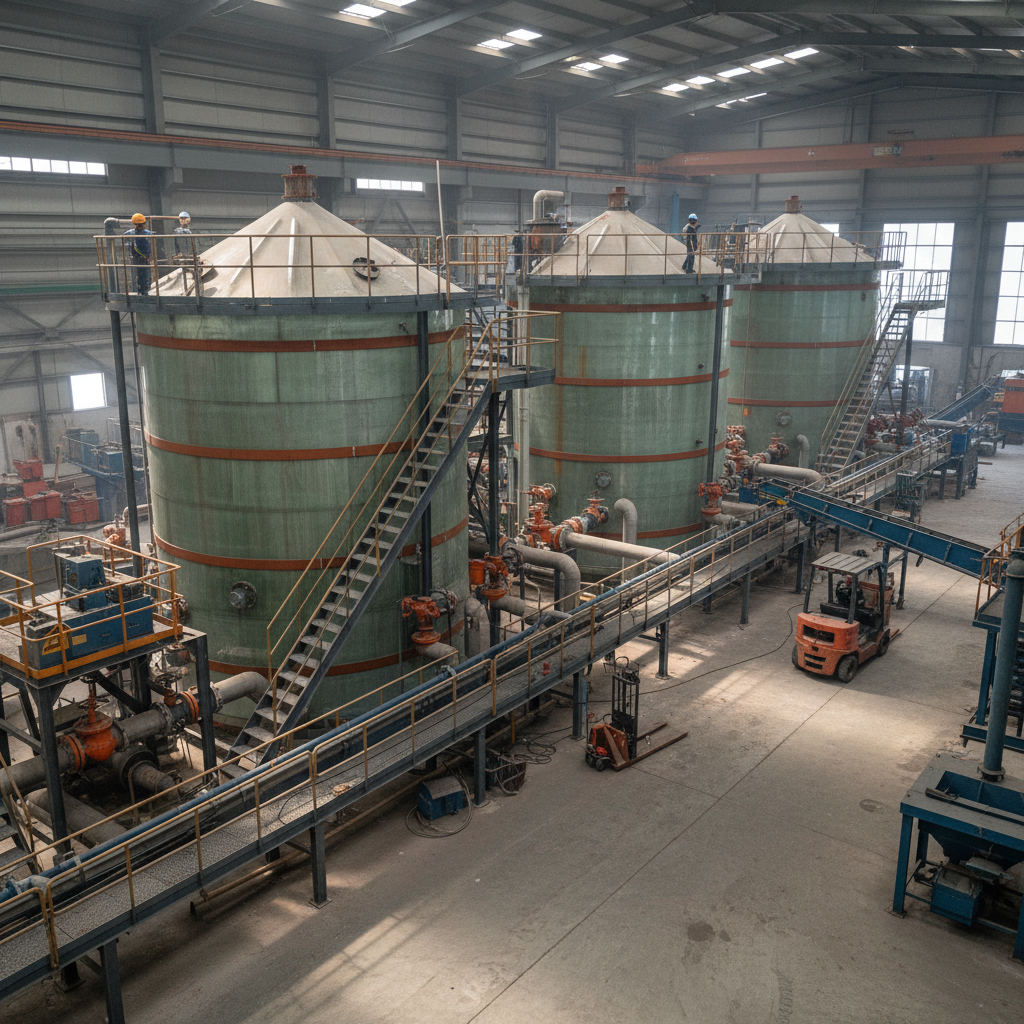
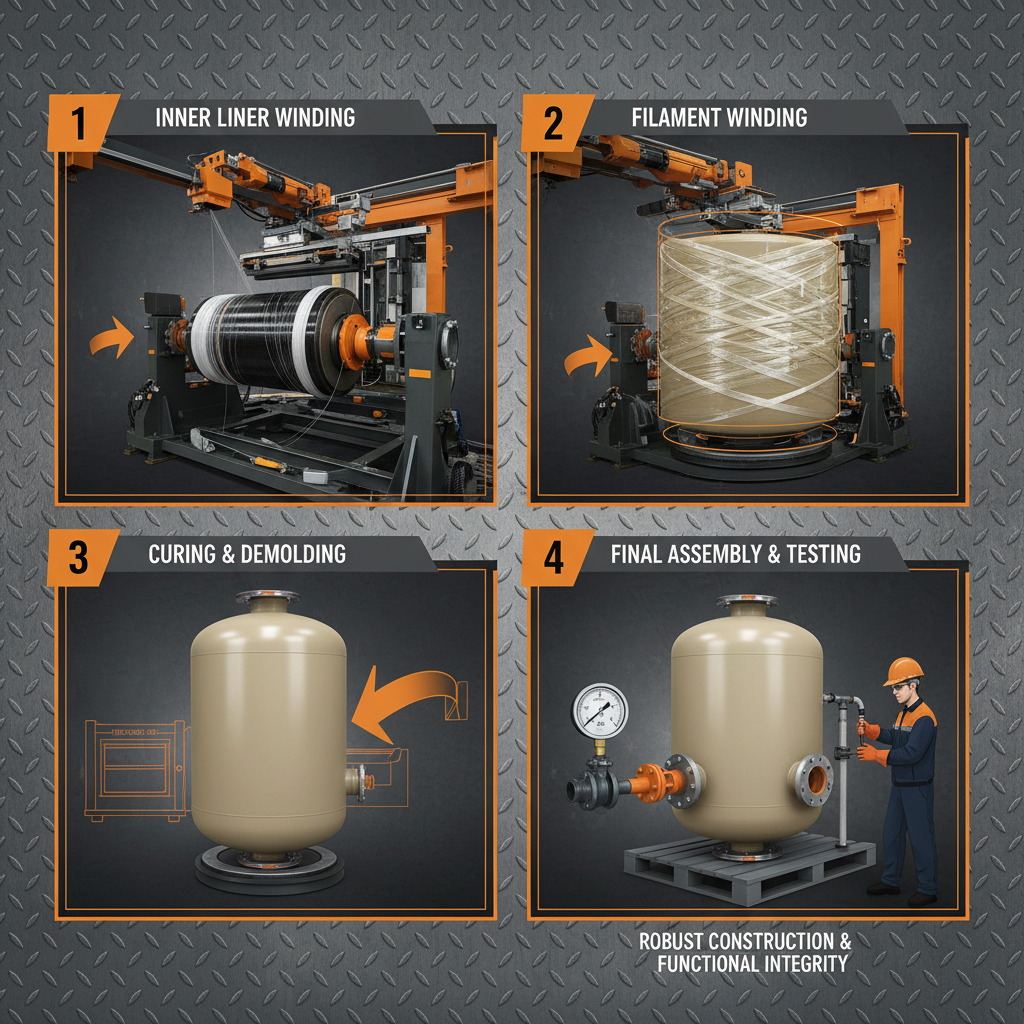
But it’s not just specs. The manufacturing process—typically pultrusion—is critical for ensuring consistent quality. This method pulls continuous fibres through a resin bath and then through heated dies, shaping it while curing the resin. I once saw a plant where a small glitch in temperature control led to profiles that were brittle and unusable. So yes, quality control is everything.
Now, when it comes to buying fibreglass profiles, quality and vendor reliability matter, or you’ll end up with flaky products or delivery headaches. Here’s a quick snapshot comparing three well-known suppliers I’ve dealt with:
| Vendor | Customization Options | Lead Time | Price Range | Quality Assurance |
|---|---|---|---|---|
| FRP Group Machine | Extensive (shapes & finishes) | 3-4 weeks | Mid to High | ISO Certified & Batch Testing |
| FibraTech Solutions | Moderate (standard profiles) | 2-3 weeks | Low to Mid | Basic Quality Checks |
| CompositeWorks Inc. | High (custom & rapid prototyping) | 4-6 weeks | High | Advanced Lab Testing & Certifications |
Between those, I often find myself linking to FRP Group Machine because they balance customization, certifiable quality, and acceptable lead times well. I recall a project loading dock where their profiles withstood chemical exposure better than expected, which was a real eye-opener for the client.
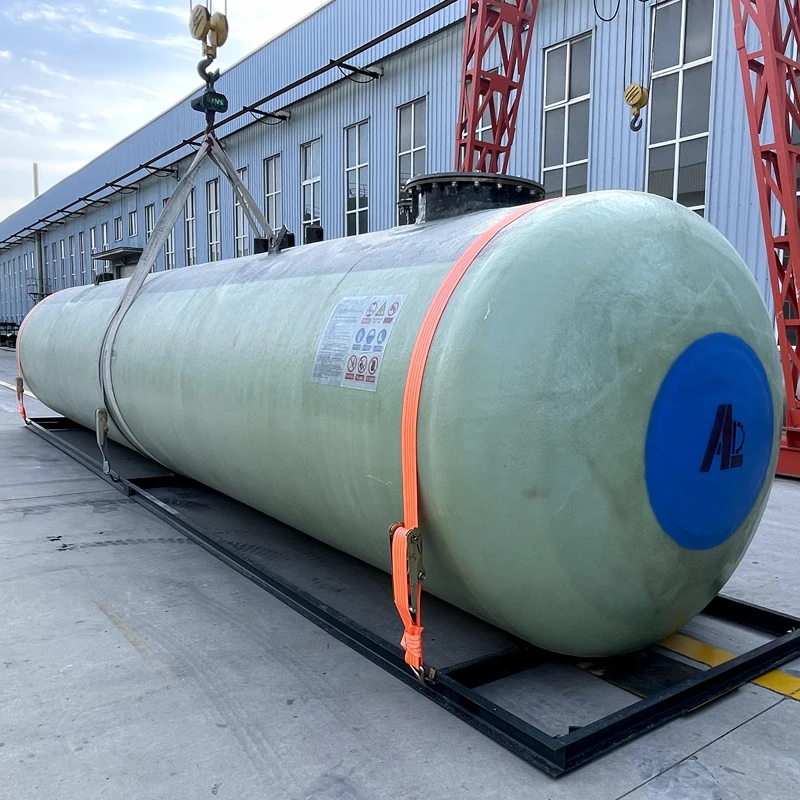
In real terms, the benefits of fibreglass profiles boil down to longevity and low maintenance—two things engineers always crave. They won’t conduct electricity, won’t rust, and are sturdy enough to bear substantial loads. But even so, it pays to check the resin type and fibre content if your environment demands specific resistance or fire ratings.
Lastly, sourcing from a reputable supplier is key. Cheap fibreglass can be brittle; untreated resin can degrade quickly. The investment upfront saves headaches—and downtime—down the line.
To wrap it up, fibreglass profiles might not steal the spotlight, but trust me, their quiet performance shapes many durable, efficient industrial and infrastructure outcomes. Next time you’re specifying materials, consider giving fibreglass profiles a closer look—they might just surprise you.
Quick References:
- “Pultrusion Process Fundamentals,” Composite World, 2023.
- “Corrosion Resistance of FRP,” Technical Journal of Materials, 2022.
- Company reports and personal field experience, 2015–2023.
— A veteran who’s seen fibreglass profiles stand the test of time and tough conditions.