FRP Pultrusion Machine | High Precision, Auto Control
Field Notes from the Shop Floor: Why a Frp Pultrusion Machine Keeps Winning Projects
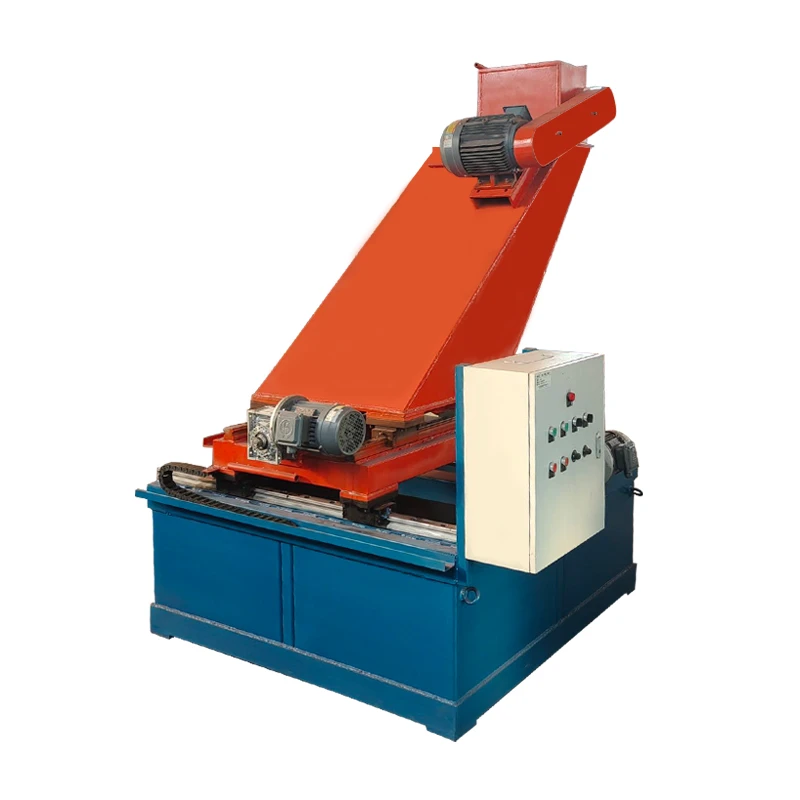
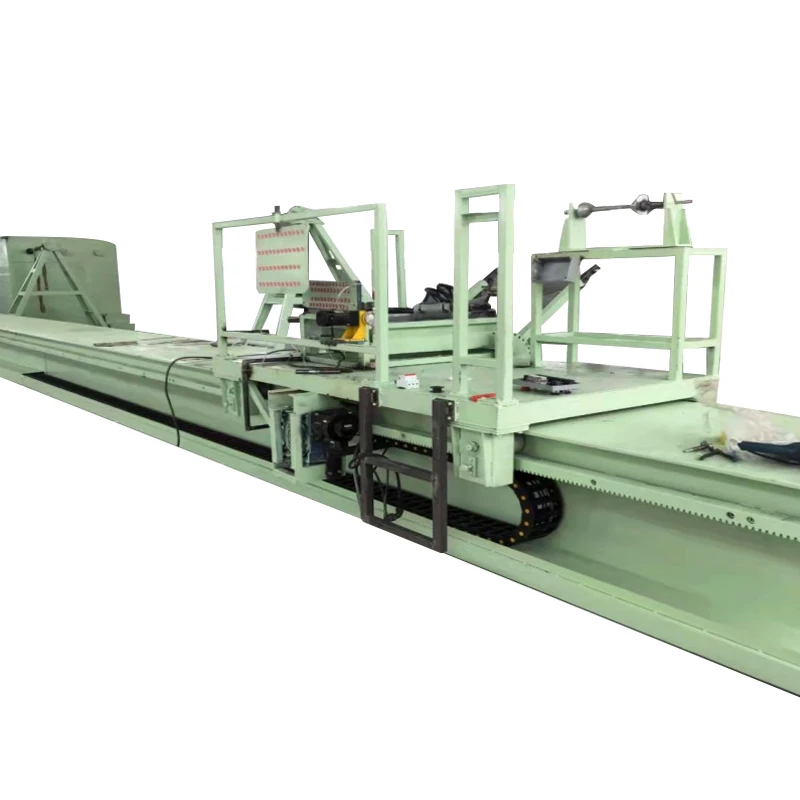
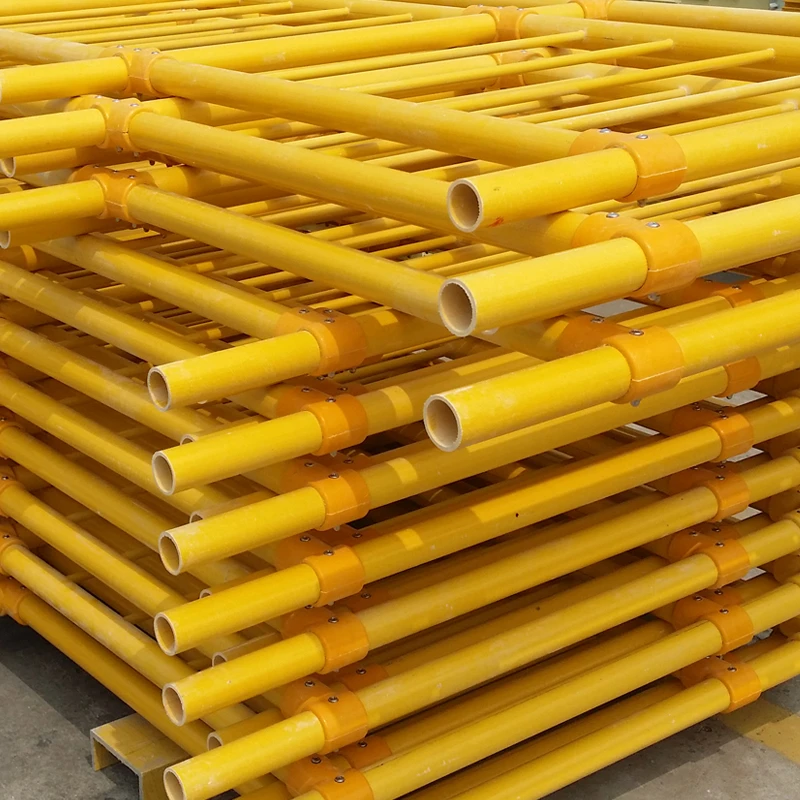
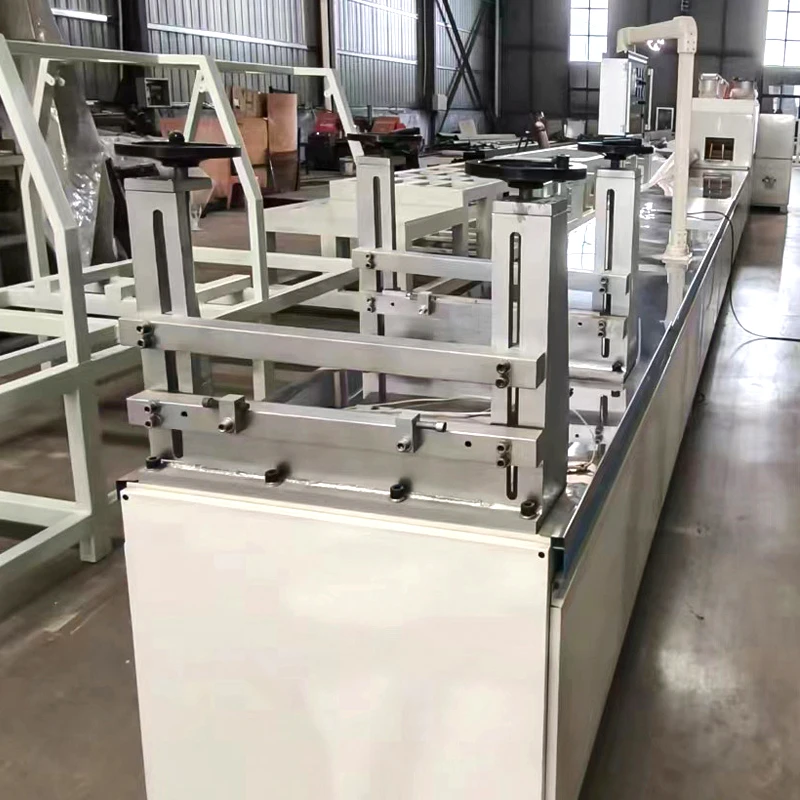
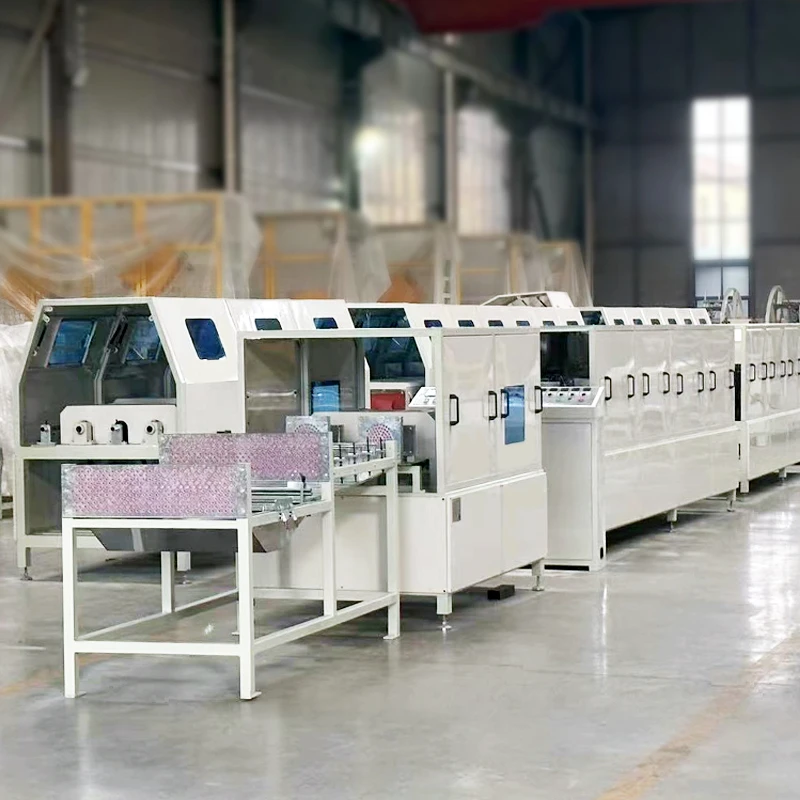
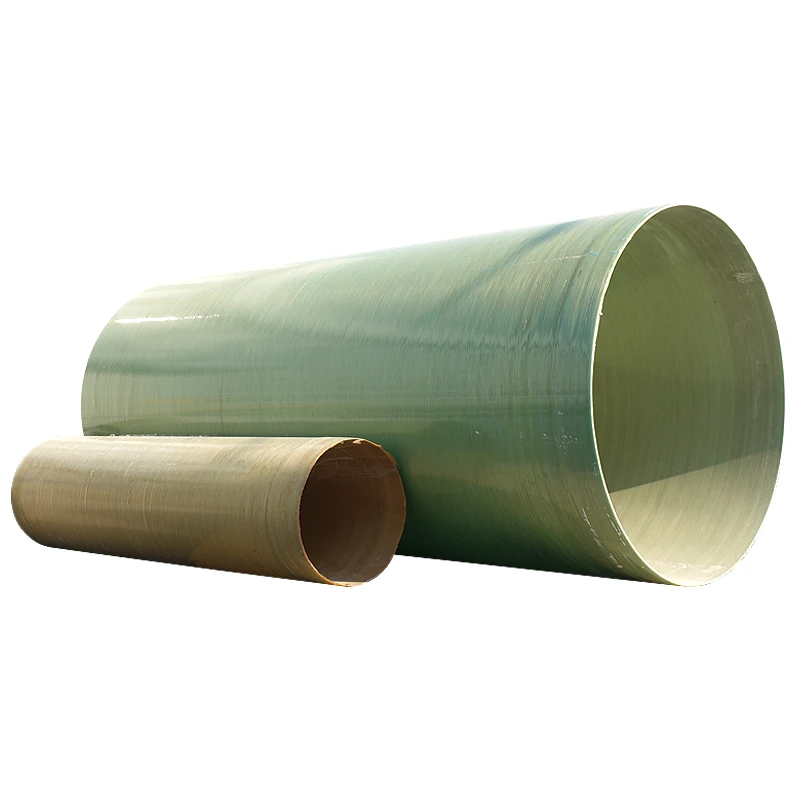
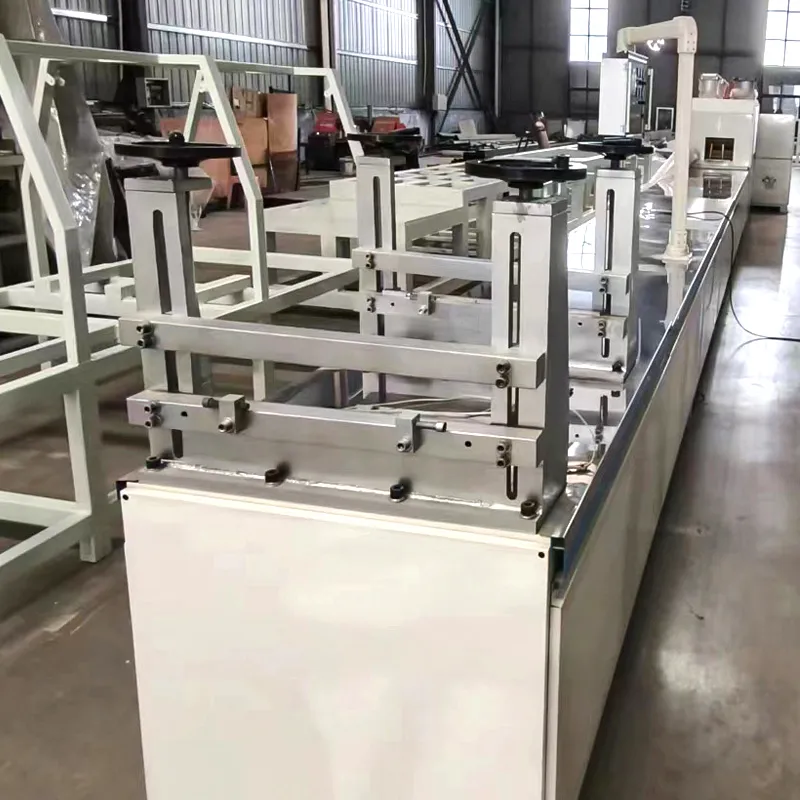
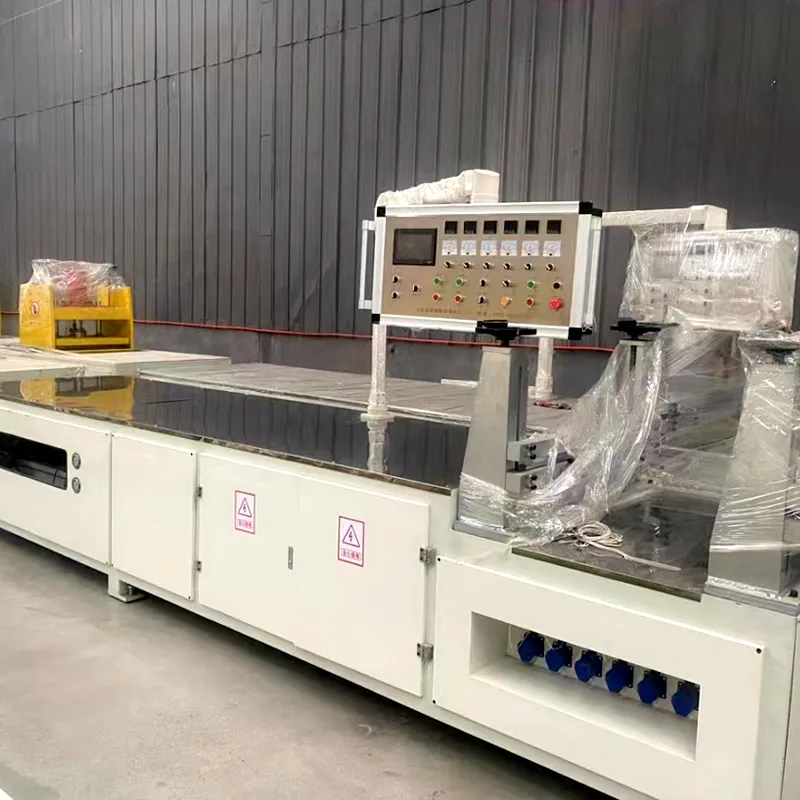
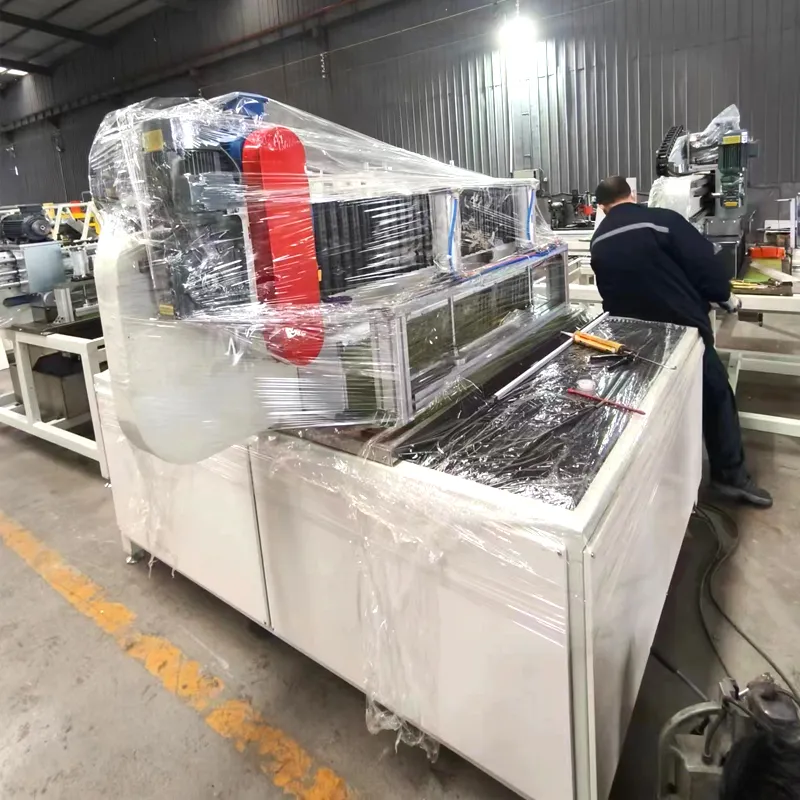
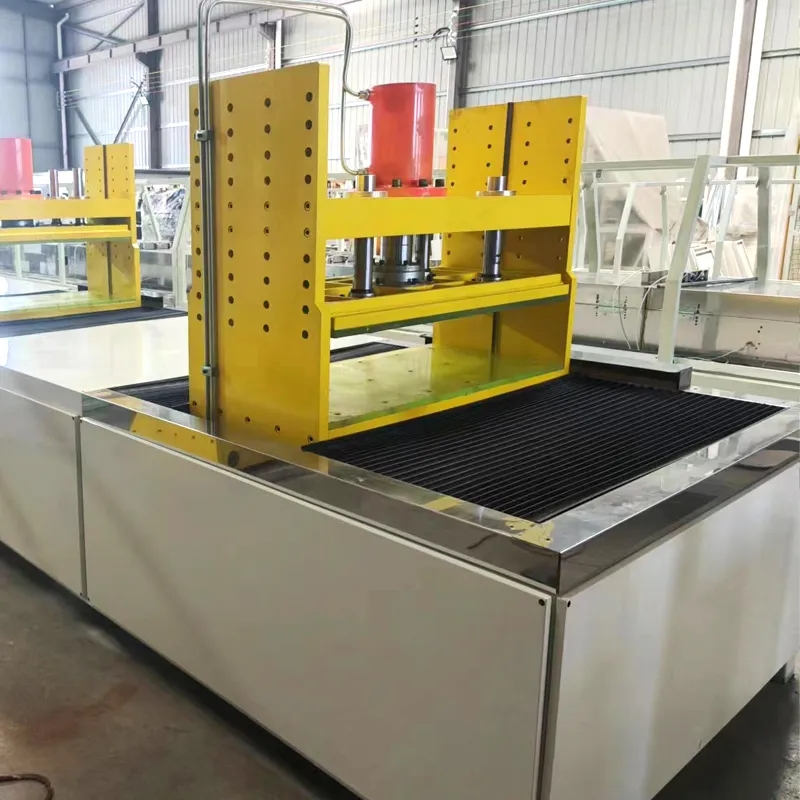
I’ve spent a good chunk of my career in plants that smell faintly of resin and hot steel. The Frp Pultrusion Profile Machine coming out of No. Room 211,706 Xinghua North Street, Jizhou District, Hengshui City, Hebei Province has been a steady conversation starter—mostly because it’s practical. PLC control, LCD display, hydraulic reciprocating traction, pneumatic fixed-length cutting… it’s basically the production backbone for wire troughs, rods, I‑beams, angles, square/round tubes, hollow panels, bridge profiles—you name it.
What’s trending (and what’s noise)
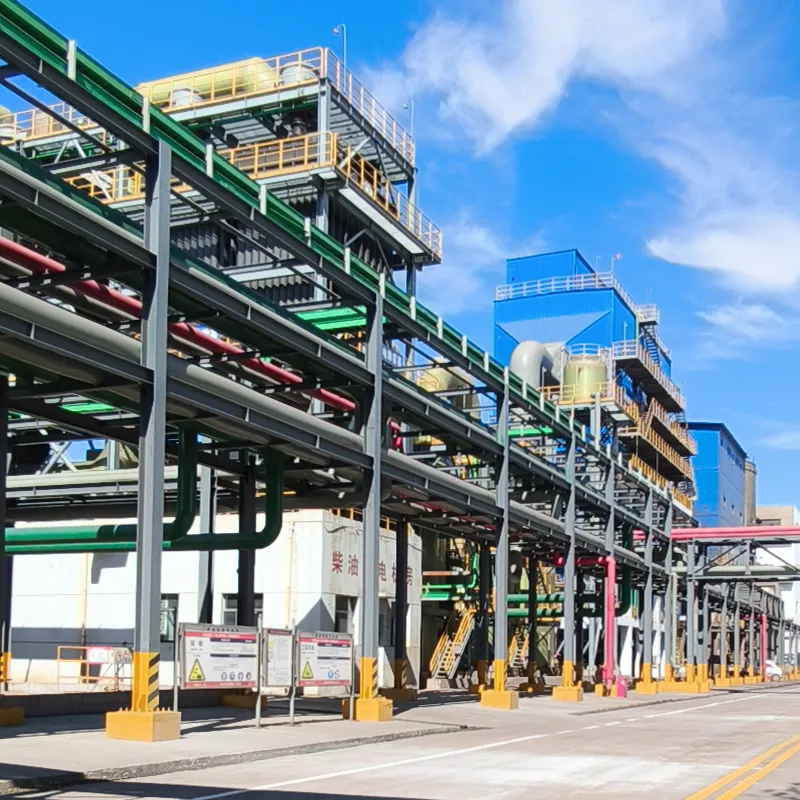
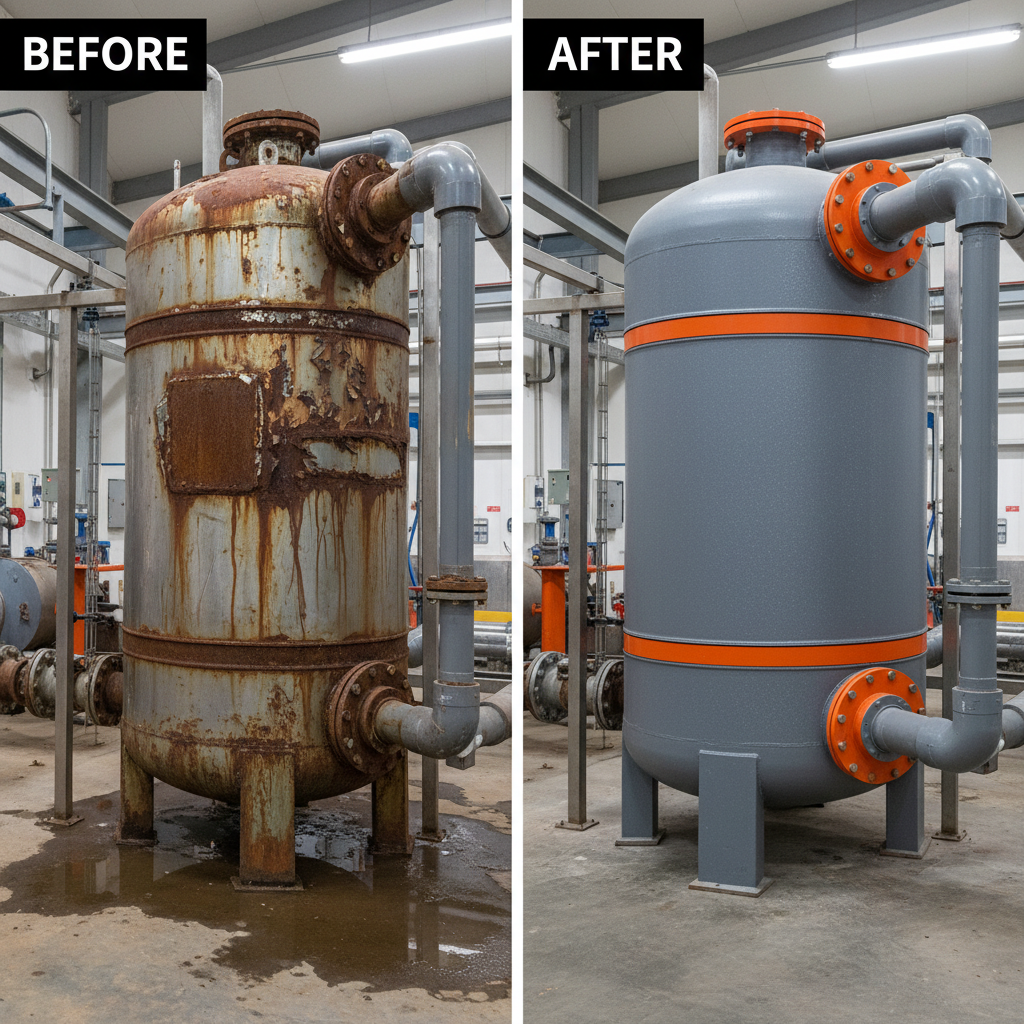
There’s a real push toward lightweight, corrosion-resistant structures—utility grids, data center cable ladders, offshore walkways. Surprisingly, many customers say they’re swapping steel for Frp Pultrusion Machine outputs to dodge repaint cycles and salt-fog corrosion. Energy companies, transit operators, even theme parks are buying pultruded profiles for safety platforms and non-conductive frameworks.
Process flow in plain language
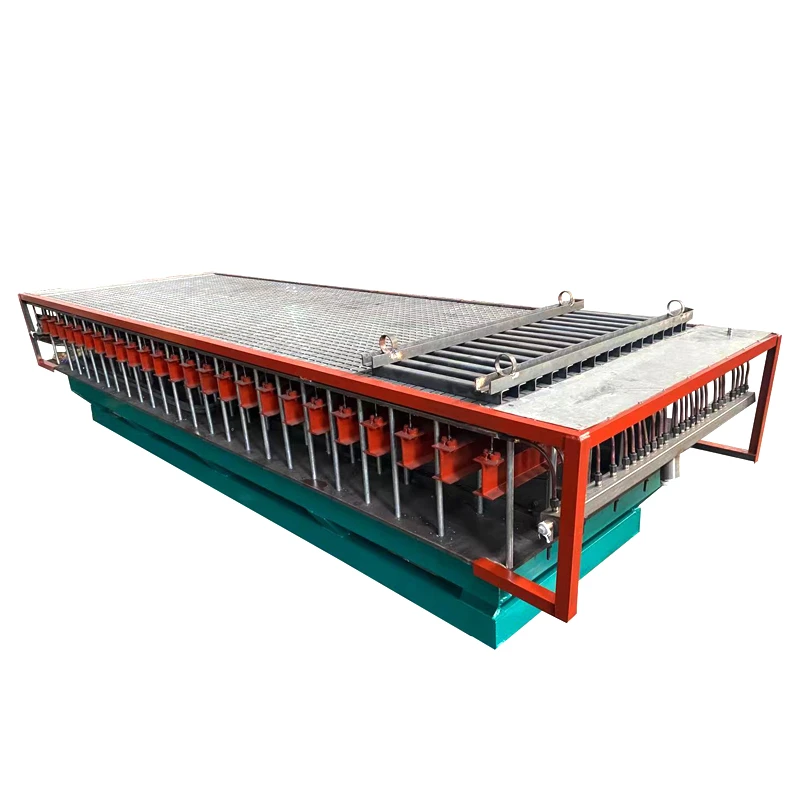
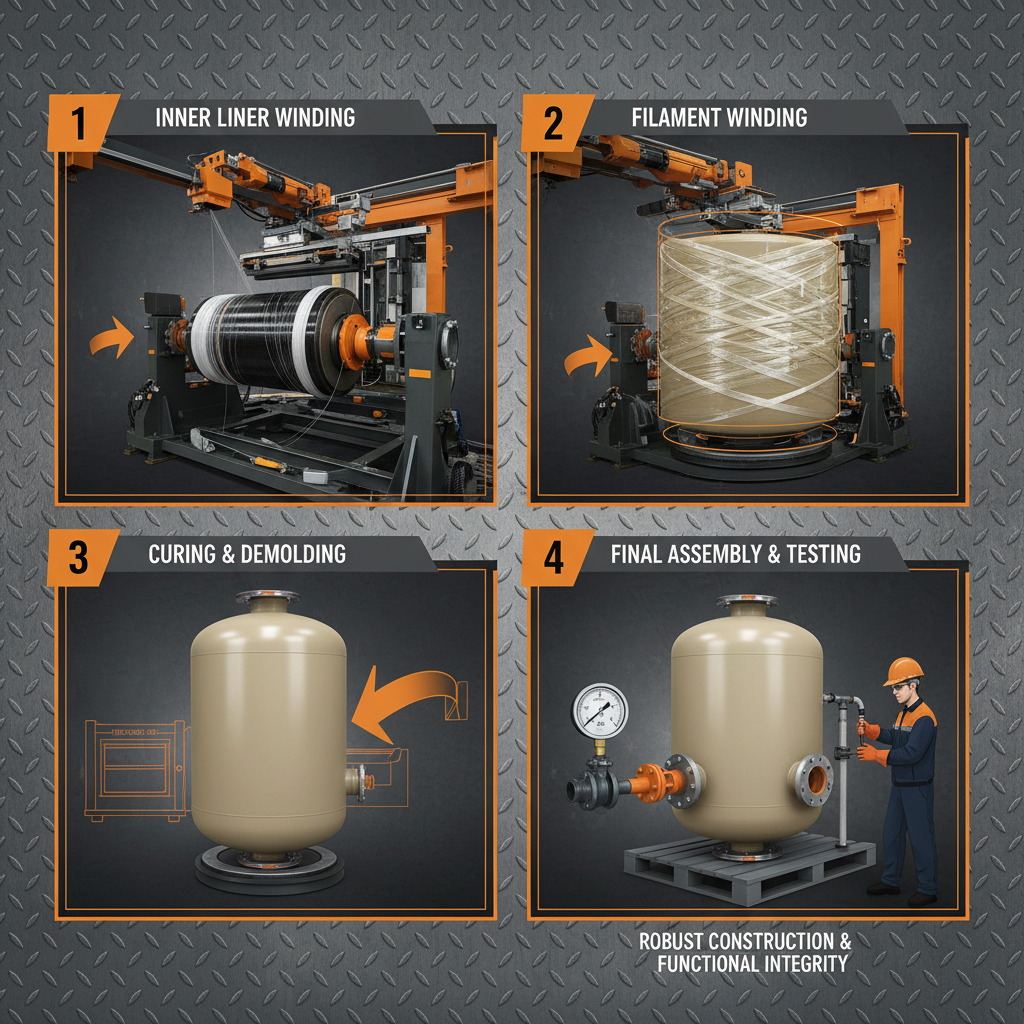
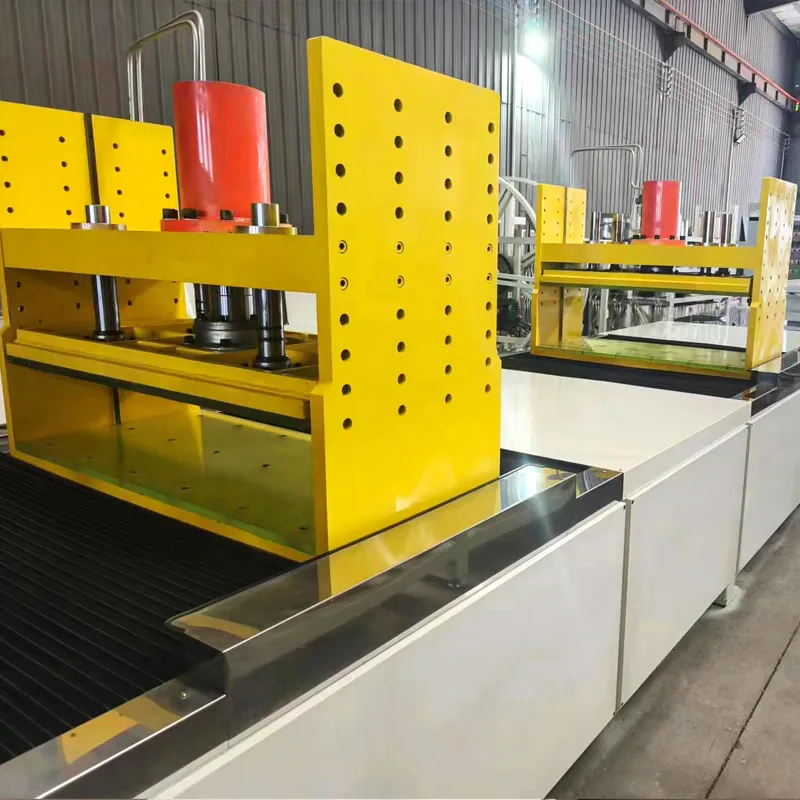
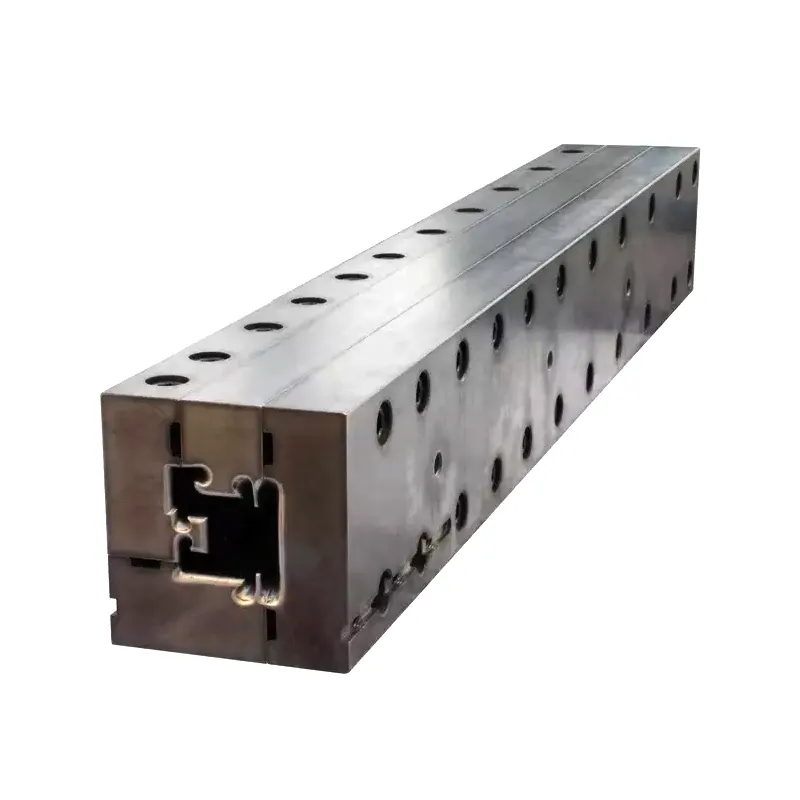
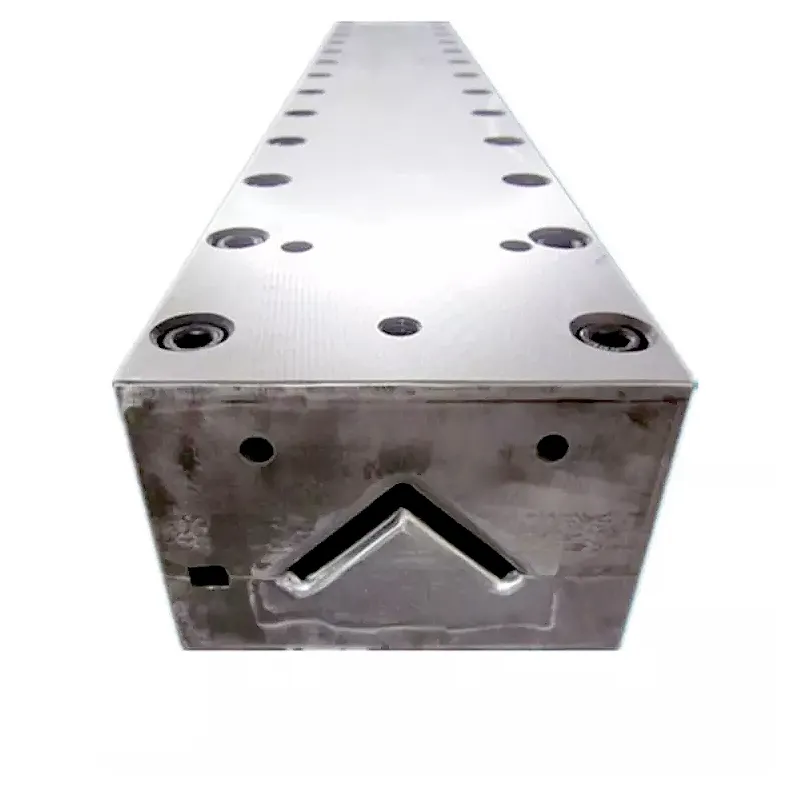
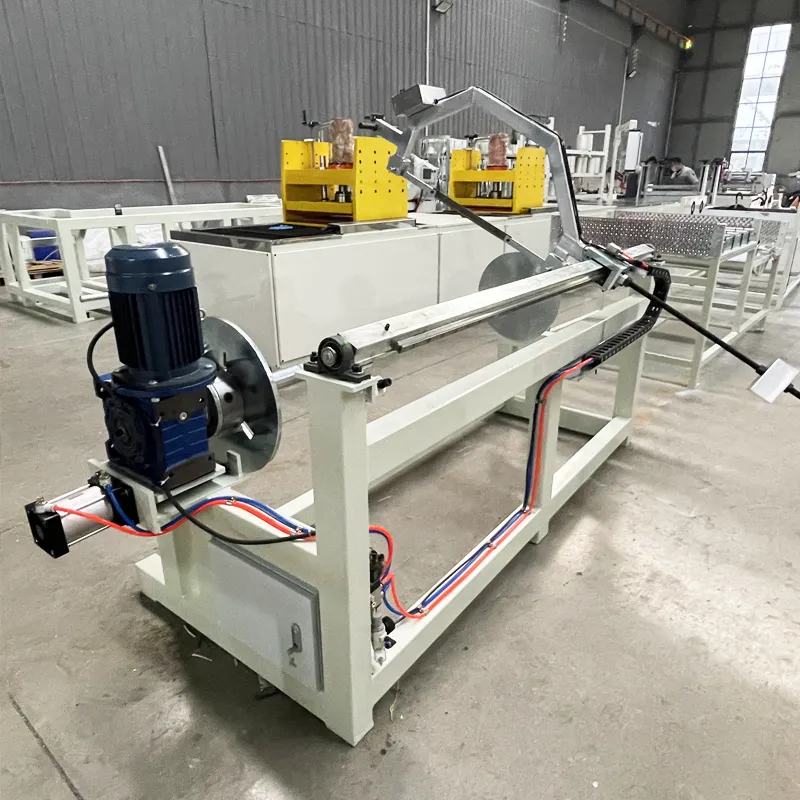
Creel → fiber guiding → resin dipping/impregnation → pre-forming → heated die curing → reciprocating tractor → pneumatic cut-to-length → product rack. The machine ships as a complete line: creel, dipping tank, mold table, die set, tractor, cutting saw, supports, control system. Resins? Polyester, vinyl ester, epoxy (fire-retardant variants available). Reinforcement? Glass roving, mat, stitched fabrics; carbon is possible for high‑modulus projects.
Real-world specs (typical line)
| Pulling force | ≈ 30–60 kN (actual need-dependent) |
| Line speed | 0.2–1.2 m/min (real-world use may vary) |
| Die heating | Electric, multi-zone PID, up to ≈ 160–180°C |
| Max profile width | Up to ≈ 600 mm (custom dies available) |
| Controls | PLC + LCD HMI, recipe management |
| Cutting | Pneumatic fixed-length; dust capture optional |
Testing standards and indicative performance
Typical pultruded FRP profiles from a Frp Pultrusion Machine are validated per EN 13706 for profiles, ASTM D638 tensile, D790 flexural, and E84 flame spread when specified. Example factory data: tensile strength ≈ 240–450 MPa, flexural ≈ 300–1000 MPa, water absorption (ASTM D570) ≈ 0.2–0.5%, dielectric strength often > 20 kV/mm. Service life? 20–30 years outdoors is commonplace with UV additives and a surfacing veil; coastal sites may need topcoats.
Where it’s used
- Utilities: cable trays, ladders, substation fencing (non-conductive).
- Transportation: platform edge beams, handrails, grating supports.
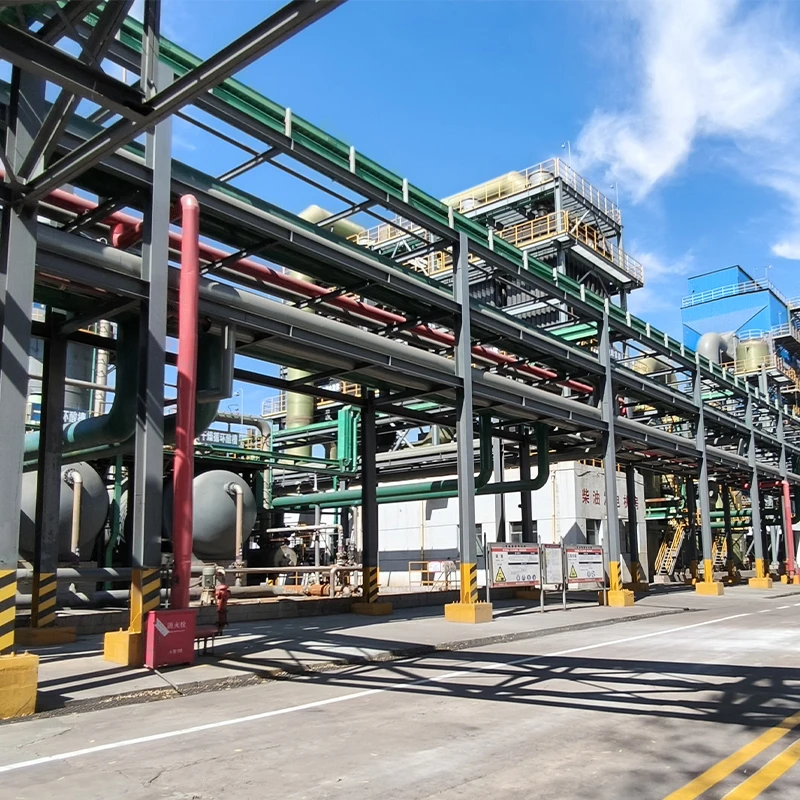
- Chemical plants: corrosion-resistant ribs and structural angles.
- Telecom/data centers: wire troughs, lightweight frames.
- Marine/offshore: walkways, guard rails, anti-slip structures.
Vendor snapshot (quick take)
| Vendor | Strengths | Considerations |
|---|---|---|
| Hebei Producer (this unit) | Complete line, mold variety, PLC/HMI, flexible customization | Lead time for custom dies |
| EU Pultrusion OEM | Advanced automation, CE focus | Higher capex ≈ 15–30% |
| Local Integrator | Fast service response, spares nearby | Limited die portfolio; speed range narrower |
Customization that matters
- Molds for round/rect tubes, I‑beams, channels, solid rods, bridges.
- Resin systems: halogen-free FR, low-smoke, UV stabilized.
- Puller tonnage, speed window, and die length for thick sections.
- Inline sanding, drilling, labeling; QC add-ons like laser gauges.
- Certifications: ISO 9001, CE; material tests on request.
Case notes from the field
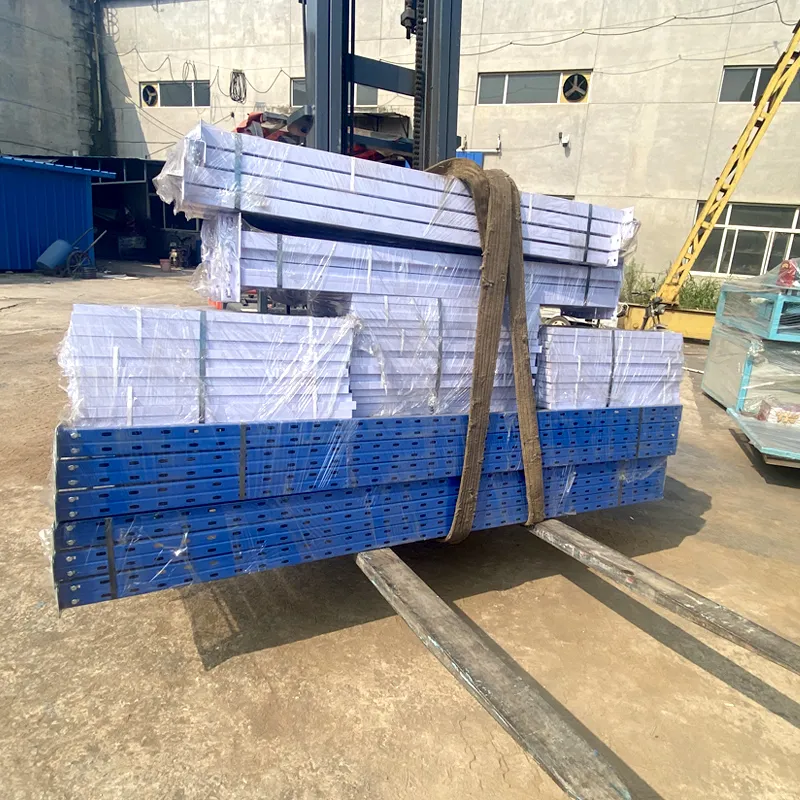
A coastal utility swapped a galvanized steel cable ladder line for a Frp Pultrusion Machine output profile. ASTM D790 flexural strength tested ≈ 550 MPa; E84 Class A resin kept flame spread low. After 18 months of salt-fog exposure, mass gain by ASTM D570 hovered around 0.3%. Maintenance went from quarterly touch-up paint to a simple rinse—operations team was thrilled, to be honest.
Why this line works day-to-day
The PLC recipes reduce operator guesswork; the reciprocating traction grips without bruising laminate; the pneumatic cutter keeps lengths consistent. If you’re scaling SKUs across beam sizes, that mold library is a quiet lifesaver. Actually, it’s the uptime that sells it—less fiddling, more pulling.
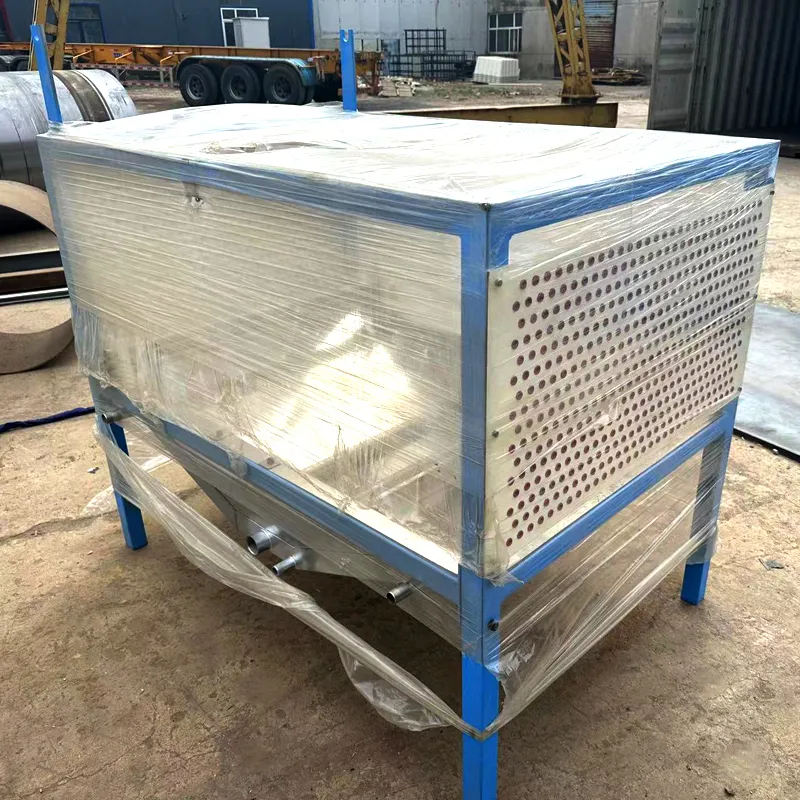
Customer feedback, paraphrased: “It seems that rejects dropped after switching to the multi-zone die control,” and “surprisingly easy to teach new operators—HMI is clean.”
Citations
- EN 13706: Pultruded profiles — Specifications
- ASTM D638: Standard Test Method for Tensile Properties of Plastics
- ASTM D790: Flexural Properties of Unreinforced and Reinforced Plastics
- ASTM E84: Surface Burning Characteristics of Building Materials
- ISO 9001: Quality management systems
- ASTM D570: Water Absorption of Plastics