FRP Rebar Machine: High-Speed, Automated, Low Waste
FRP Rebar Making Machine: What Buyers Need to Know in 2025
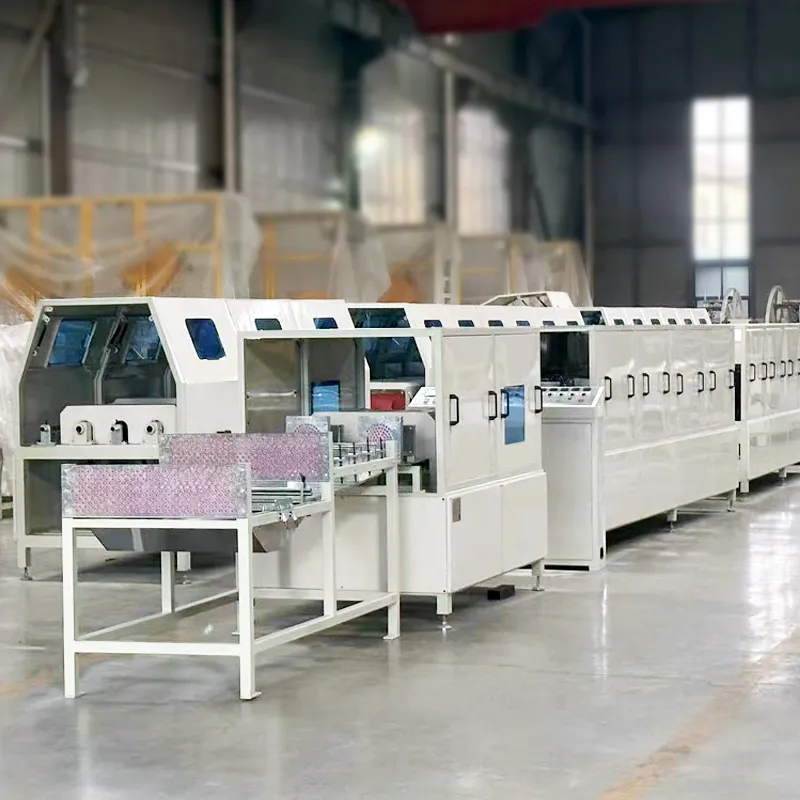
If you’ve been watching the concrete world lately, you’ve noticed the shift. Steel is still king, sure, but corrosion budgets are getting ugly. That’s why the frp rebar machine is having a moment. It’s not hype—cities, DOTs, and marine owners are standing up FRP bars in places where rust used to win.
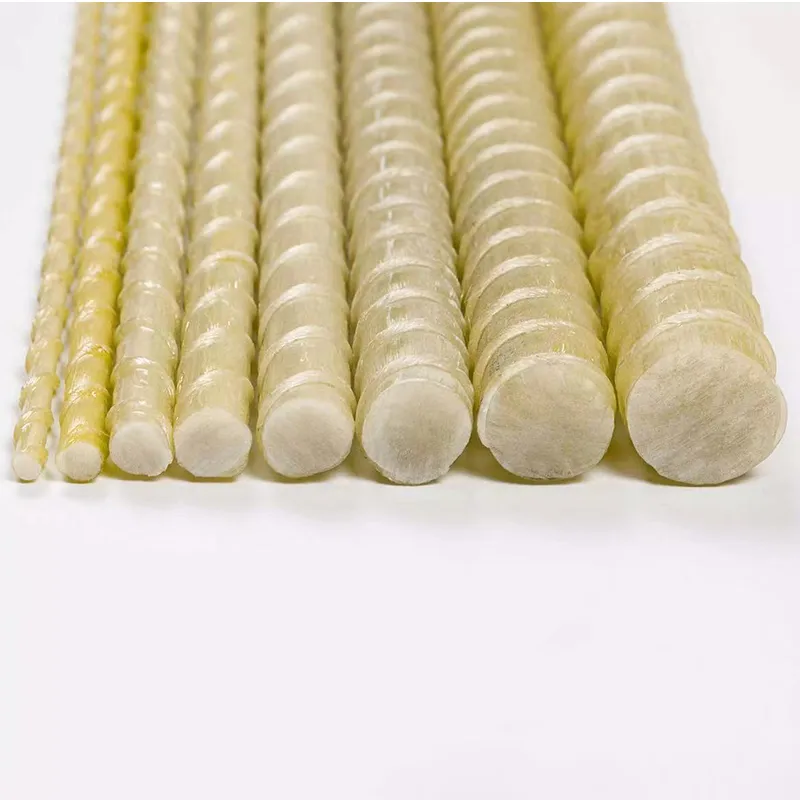
What This Line Actually Does
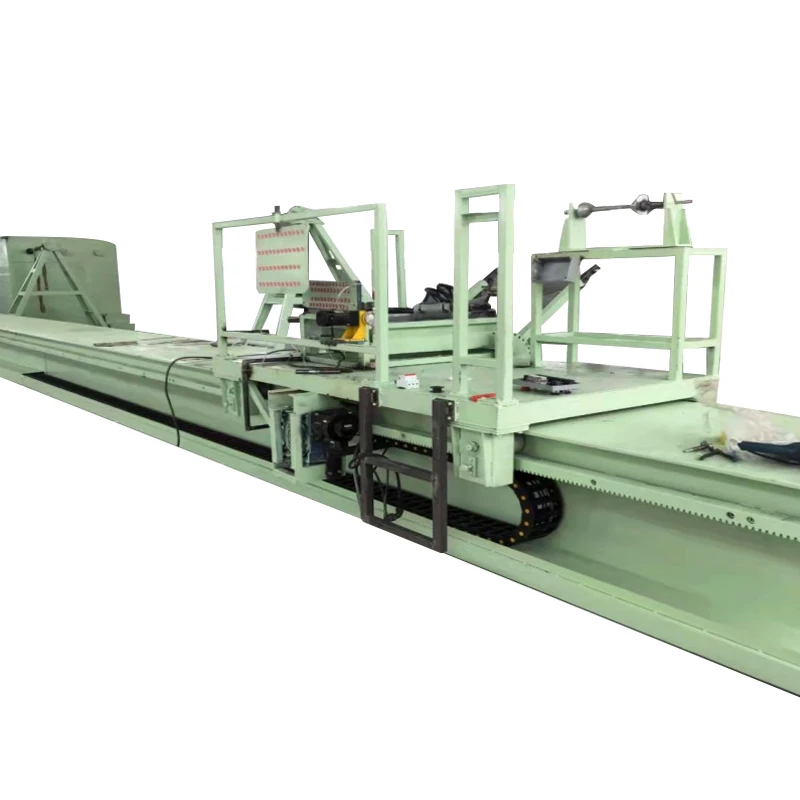
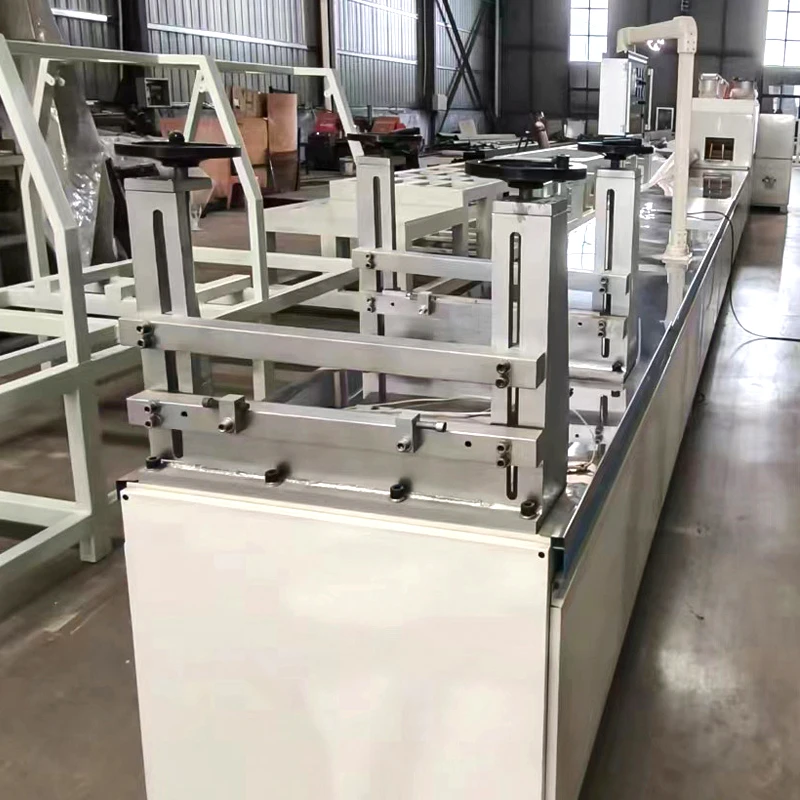
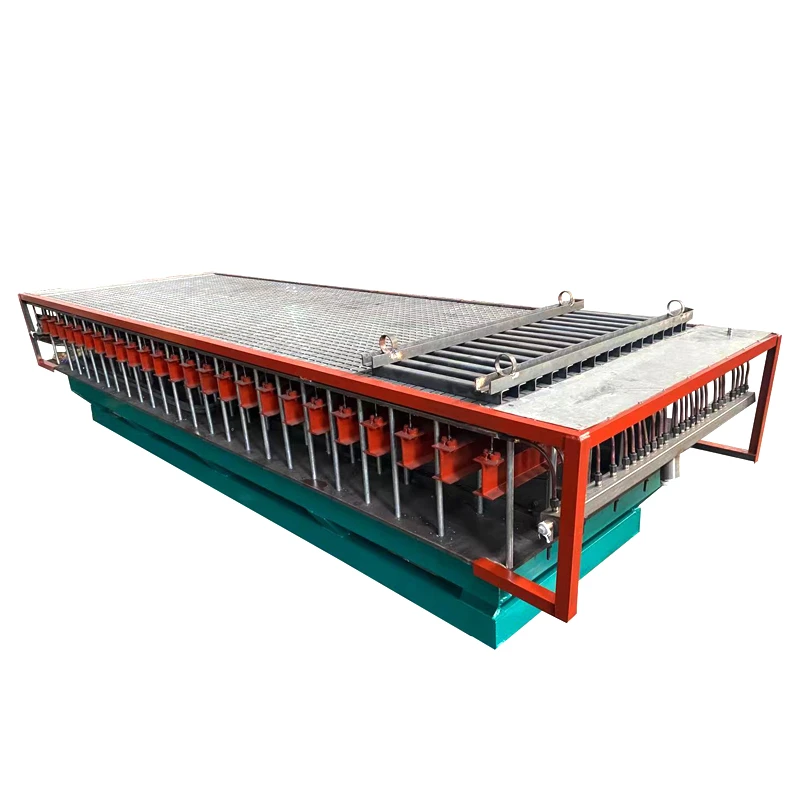
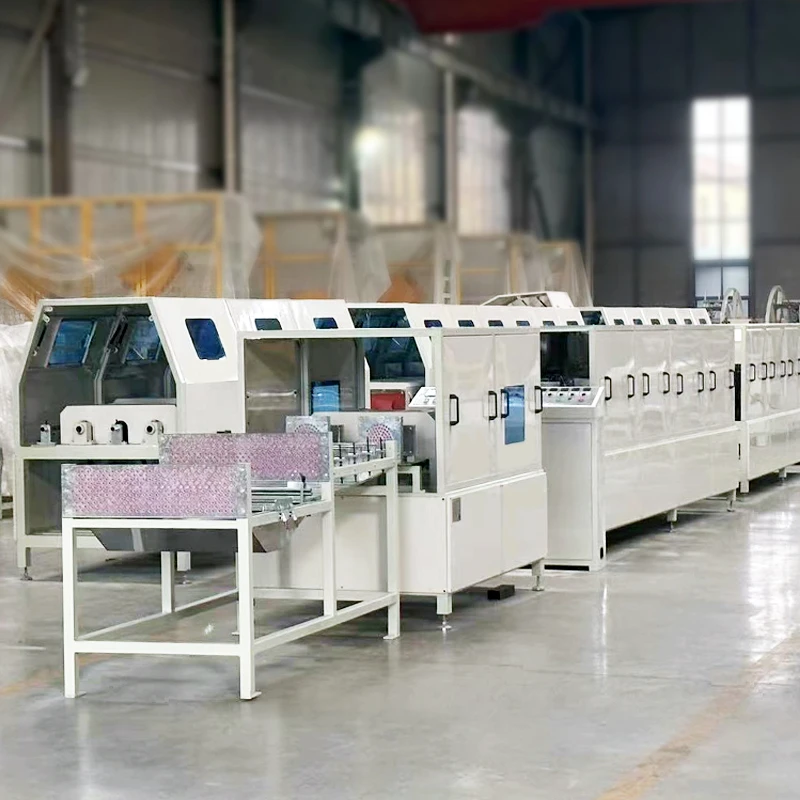
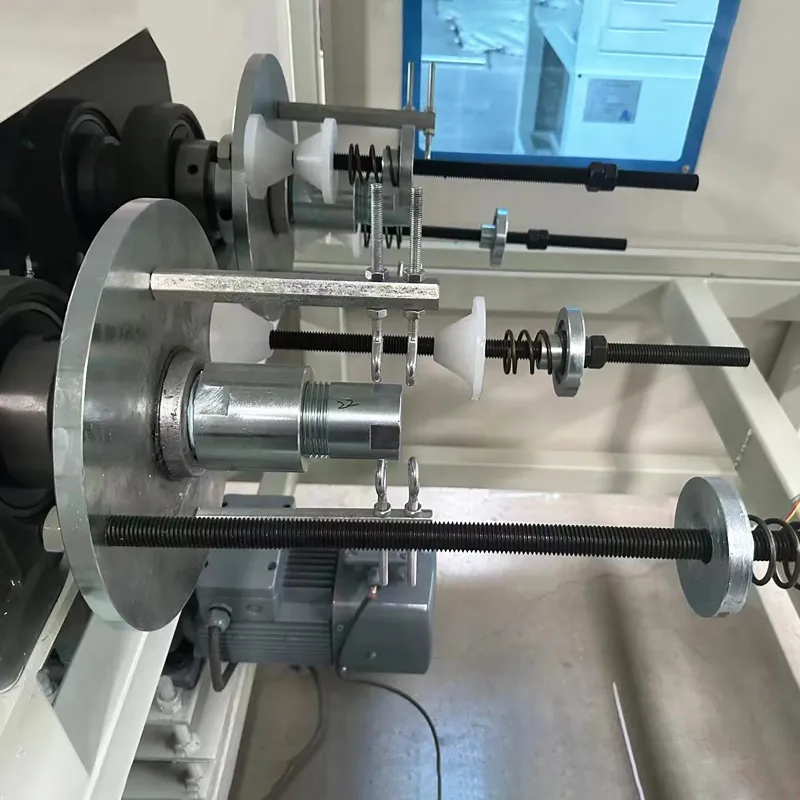
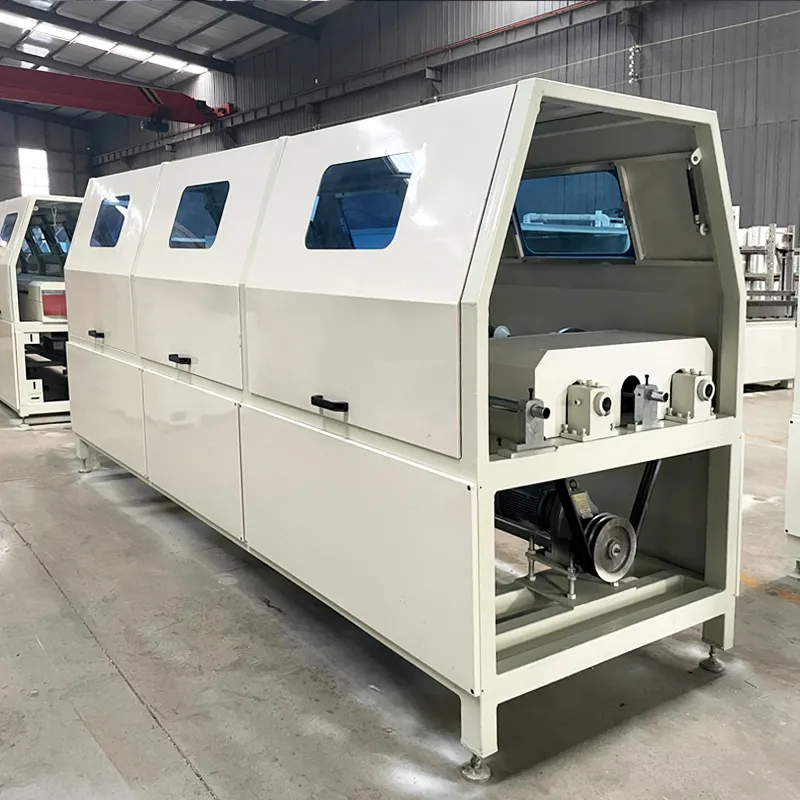
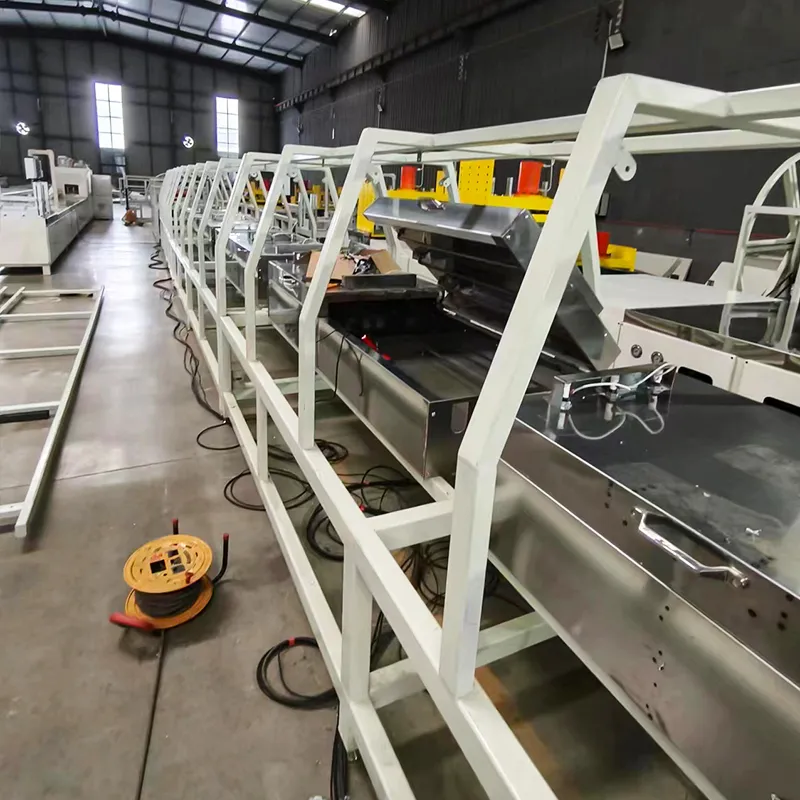
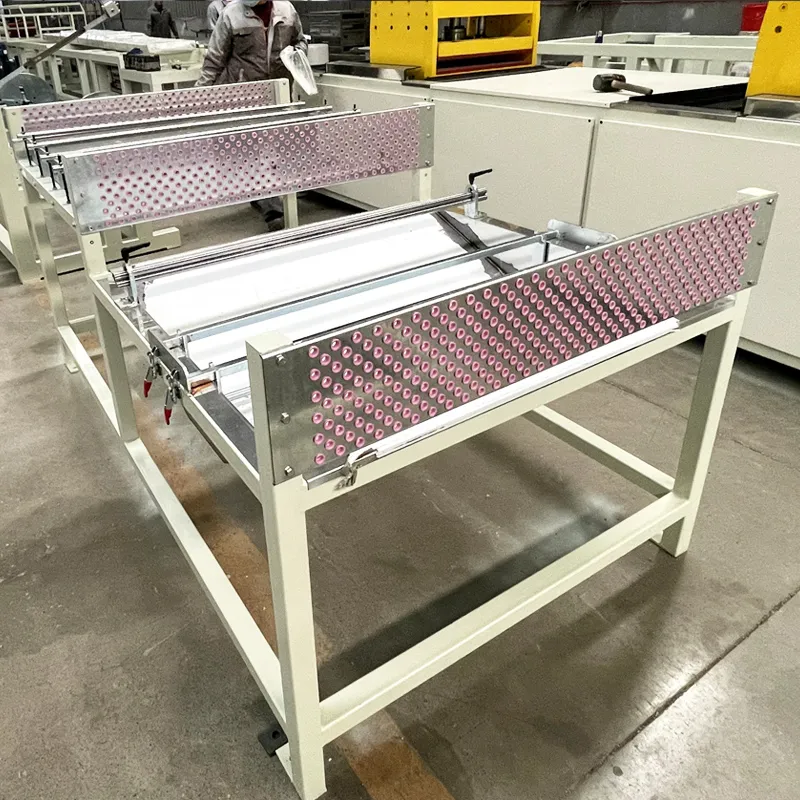
The FRP Rebar Making Machine is designed to turn glass or basalt fibers + resin systems into fully cured, cut-to-length composite bars. The unit—origin: No. Room 211,706 Xinghua North Street, Jizhou District, Hengshui City, Hebei Province—automates yarn splitting, resin impregnation, pre-forming, spiral winding (for surface deformations), heating/curing, continuous hauling, fixed-length cutting, and stacking. In short: raw roving in, finished bars out. Simple sentence, surprisingly complex engineering.
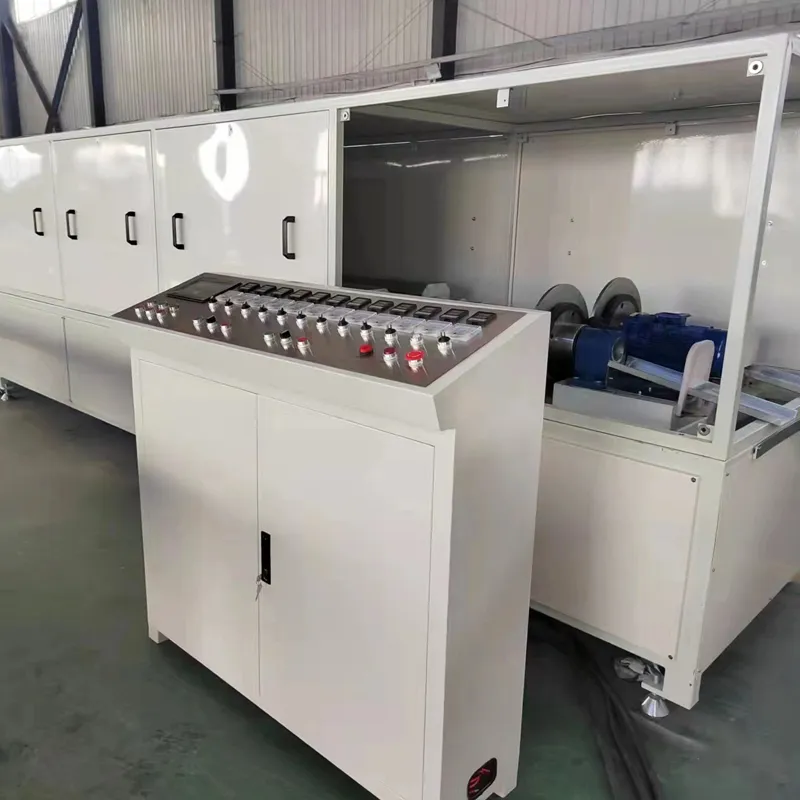
Industry Trend Check
Adoption’s accelerating in coastal bridges, MRT tunnels, water/wastewater plants, precast panels, and data-center slabs (EMI-friendly, no rust staining). To be honest, engineers used to hesitate over design familiarity; now ACI and ISO documents have cleared much of that fog. Many customers say the learning curve is shorter than expected.
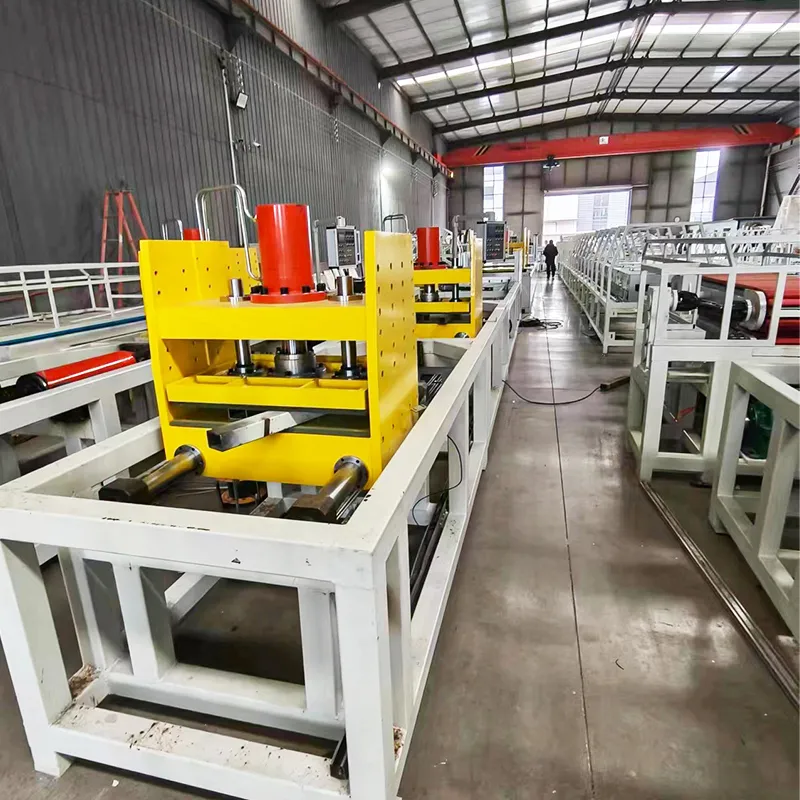
Typical Process Flow
- Material prep: glass/basalt roving, epoxy/vinyl ester resin, initiators, fillers, surface sand.
- Yarn splitting and tensioning to maintain fiber alignment.
- Impregnation bath with controlled viscosity and wet-out ratio (glass content ≈ 70% by weight).
- Pre-forming + spiral winding for rib profile and bond.
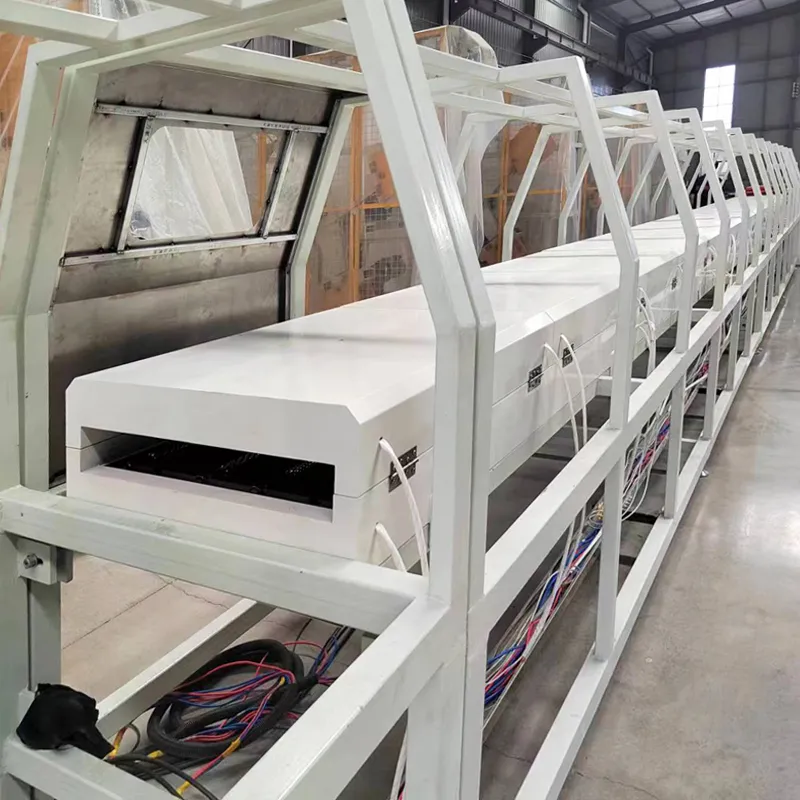
- Heating/curing (multi-zone oven) to achieve full Tg and crosslink density.
- Hauling, online diameter check, fixed-length cutting, counting/stacking.
- QC: tensile coupons, bond pull-out, diameter/ovalization, cure state (DSC), and visual.
Indicative Machine Specs
| Item | Spec (≈ / real-world may vary) |
|---|---|
| Bar diameters | Ø4–Ø32 mm |
| Line speed | 0.3–1.2 m/min (depends on diameter & resin) |
| Heating/curing | Multi-zone oven, 150–220°C |
| Power | 25–40 kW installed |
| Cutting | Automatic fixed-length, dust extraction |
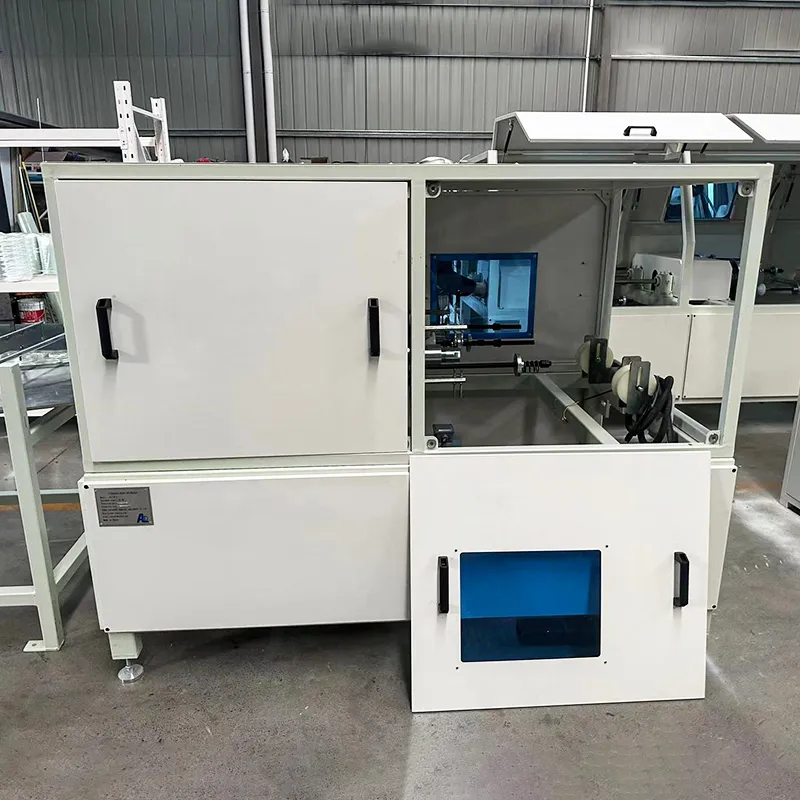
| Controls | PLC + HMI, recipe storage |
Performance, Testing, and Standards
Finished GFRP bars typically reach tensile strength 1000–1400 MPa, modulus 45–60 GPa, and bond performance validated by rib geometry and sand coating. Testing commonly follows ASTM D7957, ISO 10406-1, and design checks per ACI 440.1R. Service life? In chloride-heavy exposure, 75–100 years is frequently targeted, assuming proper resin selection and cover. We’ve seen labs report retention after hot-wet conditioning that still satisfies design factors—again, verify for your exact recipe.
Where It’s Used
- Coastal bridges, quay walls, decks, precast piles.
- Tunnels, metro slabs, salt-storage facilities.
- Water/wastewater tanks, chemical plants, cooling towers.
- Lightweight UHPC panels and non-magnetic/EMI-sensitive sites.
Users like the handling: frp rebar machine output is light, easy to cut, and sparks less drama on-site.
Customization and Options
Diameter change kits, rib profiles, sand-coating units, resin mixing/degassing, closed-loop oven control, and inline tensile sampling can be tailored. Certifications like CE for machinery and ISO 9001 for QA are commonly requested by international buyers.
| Vendor | Origin | Line speed | Heating | Control | Notes |
|---|---|---|---|---|---|
| Hengshui Maker | Jizhou District, Hebei | 0.3–1.2 m/min | Multi-zone oven | PLC/HMI | Strong after-sales, parts ready |
| Vendor A | EU | ≈1.0 m/min | IR + convection | PLC/SCADA | Strong documentation |
| Vendor B | Asia | 0.5–1.3 m/min | Hot-air | PLC | Budget-friendly |
Field Notes and Case Snippets
A Gulf-coast precaster told me their crew switched to GFRP #5 bars for exposure class XS. They reported smoother cutting and no rust bleed—small wins that add up. Another metro project used basalt FRP for non-magnetic platforms; designers leaned on ACI 440.1R and ISO 10406-1 test data to sign off. Actually, once installers adapted tying methods, productivity normalized within a week.
Bottom line: if you need consistent, standards-compliant bars, a modern frp rebar machine with tight process control and documented QA is the safe bet.
References
- ASTM D7957/D7957M – Solid Round GFRP Bars for Concrete Reinforcement.
- ACI 440.1R – Guide for the Design and Construction of Concrete Reinforced with FRP Bars.
- ISO 10406-1 – Fibre-reinforced polymer (FRP) reinforcement of concrete – Test methods.
- CSA S807 – Specification for Fibre-Reinforced Polymers for Concrete Construction.