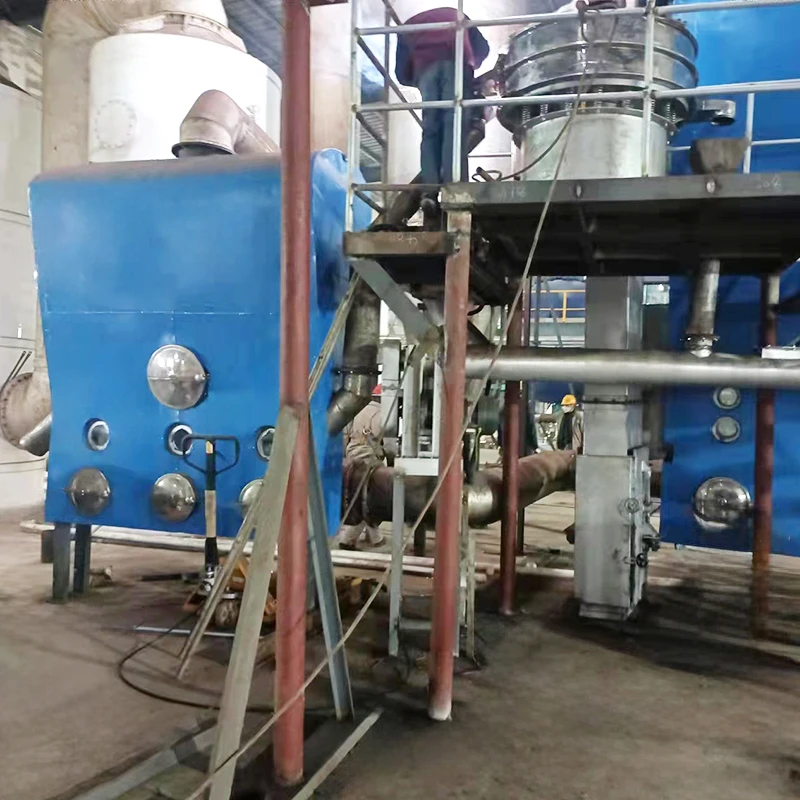
Industrial Sulphuric Acid Storage Tanks Solutions for Bolivia

Advanced water pollution prevention and chemical containment systems engineered for the challenging Andean environments and industrial mining sectors of Bolivia.

Industrial Sulphuric Acid Storage Tanks Solutions for Bolivia

Providing high-performance water quality protection and hazardous chemical storage equipment designed to withstand extreme altitude and corrosive industrial effluents.

Industrial Water Treatment Status in Bolivia

Analyzing the intersection of mining activities and environmental protection in the Bolivian Altiplano.

Bolivia's industrial landscape is heavily dominated by mining and mineral processing, which generates significant volumes of acidic wastewater. The geographic diversity, from the high-altitude Altiplano to the tropical lowlands, creates unique challenges for the deployment of sulfuric acid storage containers, requiring materials that can handle thermal expansion and high UV exposure.

Currently, many water quality prevention sites rely on aging infrastructure. The demand for high-precision components like rake teeth in wastewater sludge treatment is increasing as the government tightens environmental regulations to protect the Lake Titicaca basin and local watersheds.

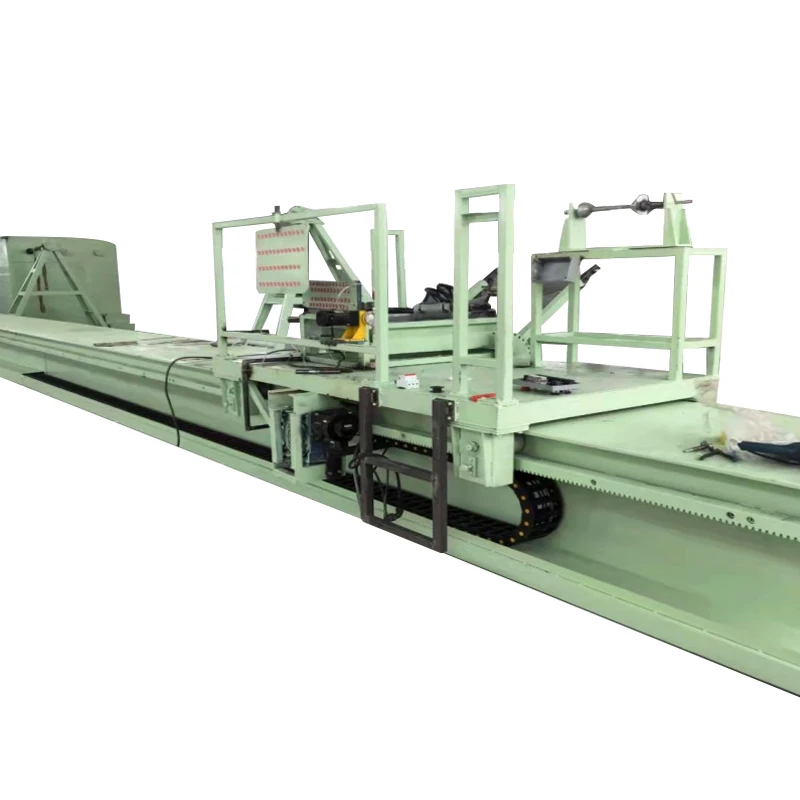
The shift toward sustainable manufacturing in Bolivia is evident, yet there is a critical gap in localized high-tech fabrication. This has led to an increased reliance on imported specialized equipment, specifically those produced via cnc filament winding to ensure structural integrity against seismic activity common in the region.
Evolution of Water Pollution Control Technology

From basic containment to automated chemical processing systems.

Market Development History

In the early 2000s, water treatment in Bolivia primarily utilized concrete pits and basic steel tanks. These systems suffered from rapid corrosion due to the aggressive nature of mining acids, leading to frequent leaks and soil contamination.

Between 2010 and 2020, the industry transitioned toward FRP (Fiber Reinforced Plastic). The introduction of the mannheim furnace technology in supporting thermal processes allowed for better material synthesis, enhancing the durability of chemical reactors used in water purification.

By 2023, the focus shifted toward precision engineering. The adoption of automated winding processes replaced manual layup, significantly reducing human error in the production of large-scale hazardous liquid vessels.

Future Development Trends

Intelligent Containment Monitoring

Integration of IoT sensors within tank walls to detect micro-leaks in real-time, reducing environmental risk in remote mining sites.

Advanced Composite Hybridization

Moving beyond standard FRP to hybrid composites that offer superior resistance to extreme temperature fluctuations found in the Bolivian Andes.

Zero-Liquid Discharge (ZLD) Integration

Implementing closed-loop systems where acidic waste is neutralized and recycled, minimizing the footprint of industrial effluent.

Industry Trends and Future Outlook

Strategic foresight for Bolivia's environmental equipment sector.

Automation via CNC Winding
Rapid adoption of cnc filament winding to produce seamless, high-pressure vessels for acidic storage.
Corrosion-Resistant Alloys
Integration of advanced polymers to replace traditional metal components in aggressive chemical environments.
Eco-Friendly Processing
Reducing the carbon footprint of the manufacturing process through energy-efficient heating systems.
Modular Installation
Prefabricated units that allow for rapid deployment in remote Bolivian mining regions.

Industry Outlook

Google search trends indicate a rising interest in "Sustainable Mining" and "Effluent Treatment" within South America. This suggests that Bolivian firms will increasingly invest in high-end water quality equipment to meet international ESG (Environmental, Social, and Governance) standards.

The future will see a convergence of material science and digital monitoring, where the equipment is not just a passive container but an active part of the pollution prevention ecosystem.

Localized Application Scenarios in Bolivia

Real-world implementations of water quality and chemical storage equipment.

01. Lithium Extraction Plants in Salar de Uyuni

Deployment of specialized sulfuric acid storage containers to manage the reagents required for lithium carbonate production while protecting the fragile salt flat ecosystem.

02. Silver and Tin Mining in Potosí

Installation of heavy-duty wastewater clarifiers featuring reinforced rake teeth to handle high-density mineral sludge in high-altitude processing plants.

03. Industrial Parks in Santa Cruz

Use of cnc filament winding tanks for the storage of aggressive chemicals used in agribusiness water treatment plants.

04. Urban Sewage Treatment in La Paz

Implementation of high-efficiency filtration units and chemical dosing tanks to manage urban runoff in the steep topography of the administrative capital.

05. Gold Processing Facilities in Northern Bolivia

Custom-engineered leaching tanks that utilize advanced polymer lining to prevent cyanide and acid seepage into the Amazonian rainforest watersheds.

Brand Story

Global Development History of Hebei Aoliande Chemical Equipment Co., Ltd.

Foundation and Vision

Established with a commitment to solving the world's most difficult corrosion challenges in the chemical and water treatment sectors.

Technological Breakthroughs

Pioneered the integration of precision winding and thermal curing, ensuring zero-defect manufacturing for hazardous material containment.

Global Market Expansion

Expanded our reach to South America, tailoring equipment for the extreme climates and specific industrial needs of the Andean region.

Commitment to Sustainability

Developing "Green Equipment" that minimizes energy consumption during fabrication and maximizes the lifecycle of water treatment assets.

Future Engineering Goals

Leading the industry toward fully automated, AI-driven chemical storage and water purification systems for a cleaner planet.

Complete Product Portfolio for Bolivia

Comprehensive equipment sets for the mining and environmental sectors.

Frequently Asked Questions in Bolivia

Technical guidance and common inquiries regarding water pollution equipment.

How does CNC filament winding improve tank safety for Bolivian mining?

It ensures uniform wall thickness and precise fiber orientation, which significantly increases the burst pressure and structural resilience of tanks used in high-altitude environments.

Are your sulphuric acid storage tanks resistant to UV radiation?

Yes, we apply specialized UV-resistant gel coats that prevent the polymer matrix from degrading under the intense solar radiation typical of the Altiplano.

What is the lifespan of rake teeth in high-acidity wastewater?

Depending on the material grade, our specialized rake teeth are designed to last 3-5 times longer than standard steel by using corrosion-resistant alloys or high-performance polymers.

How is the Mannheim furnace used in the production of chemical equipment?

The mannheim furnace provides the precise thermal control needed for curing complex composite structures, ensuring maximum chemical resistance.

Can sulfuric acid storage containers be customized for remote transport?

Absolutely. We offer modular designs and reinforced frames that allow for safe transportation via rugged roads to remote mining sites in Bolivia.

What certifications do your water pollution prevention devices hold?

Our equipment complies with international ISO and ASME standards, ensuring safety and efficiency for water quality management globally.

Get Expert Technical Support

Ready to upgrade your industrial water treatment infrastructure in Bolivia? Our engineers are here to provide customized solutions.

Contact Us Now

If you are interested in our products, you can choose to leave your information here, and we will be in touch with you shortly.