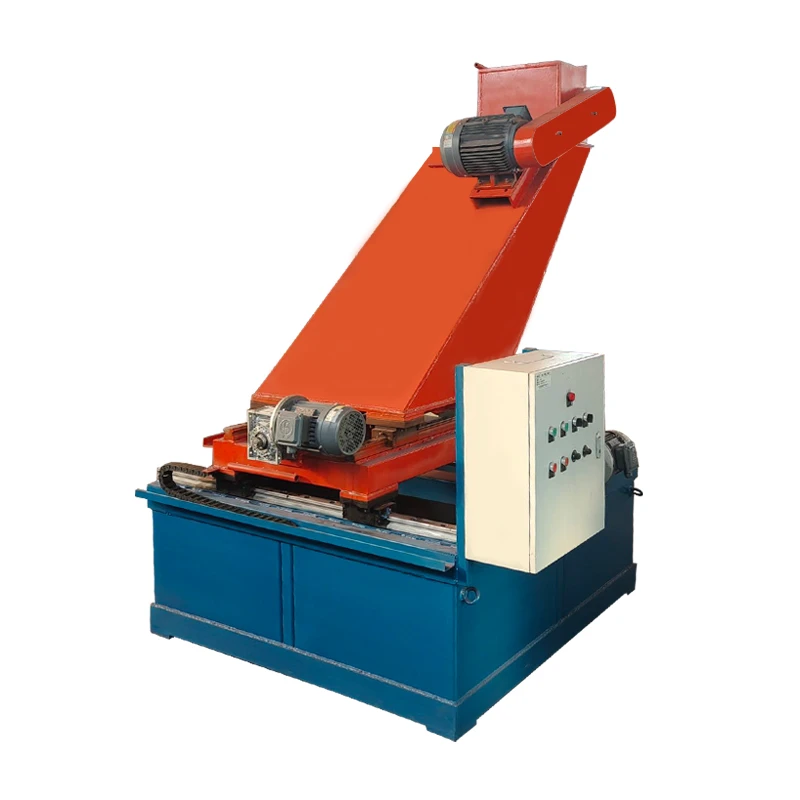
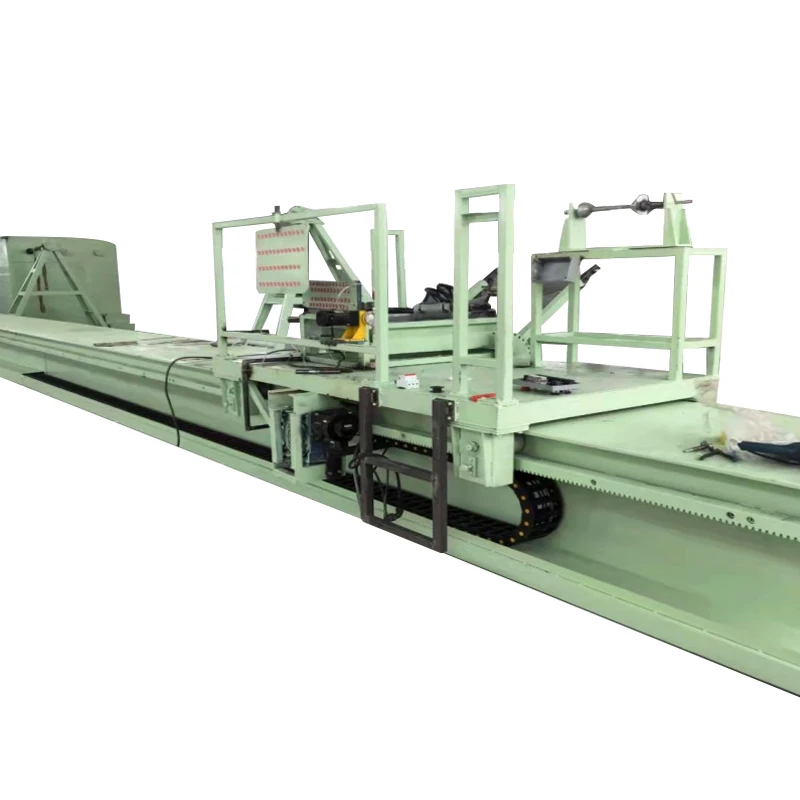
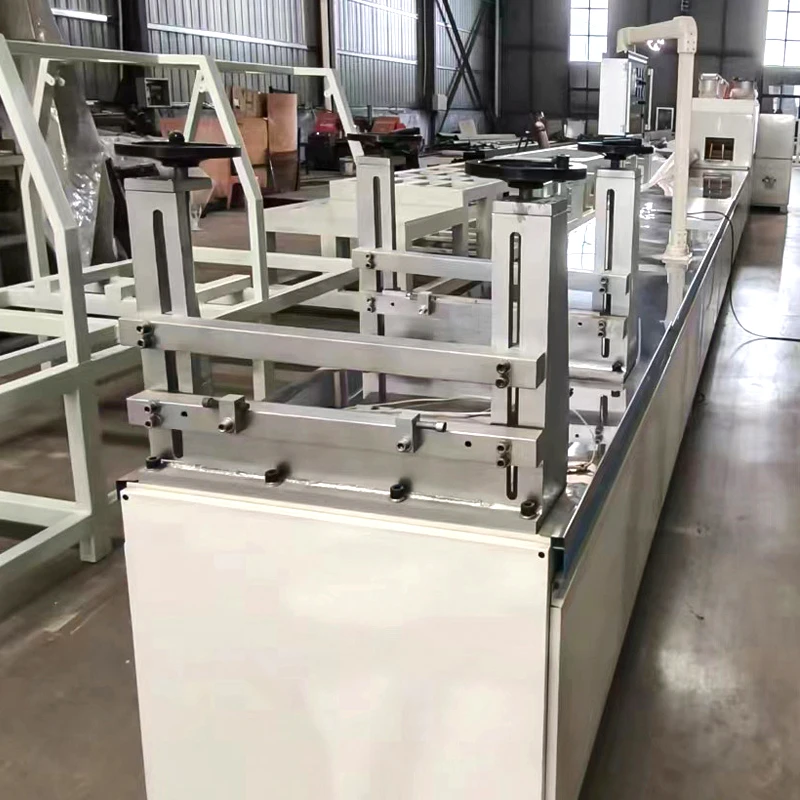
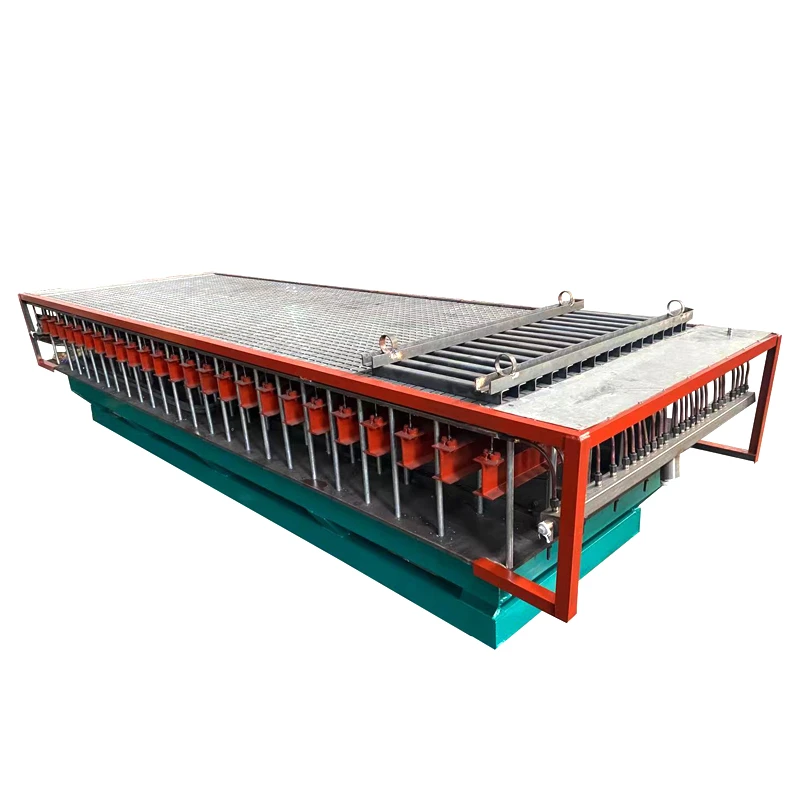
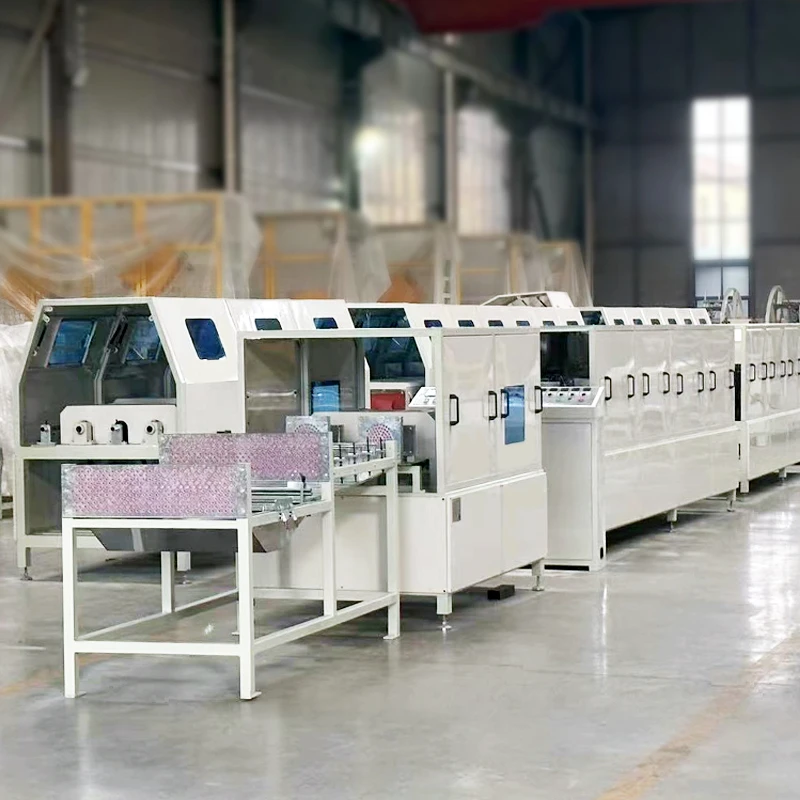
Need an FRP Grating Machine with High Output and Precision?
Inside the factory: why the frp grating machine has quietly become a workhorse
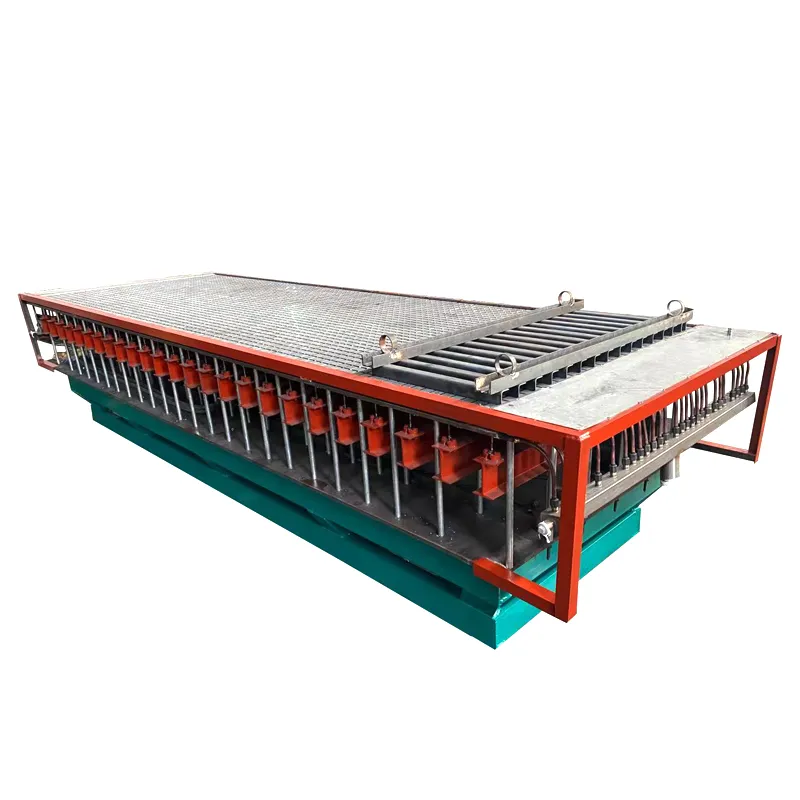
A quick confession: I didn’t expect grating to be a hot topic. Yet the surge in car beauty shops and caravan fit-outs has pushed molded FRP grating back into the spotlight. And behind the scenes, the frp grating machine is doing the heavy lifting—producing 3660 and 4000 mm plates that fabricators keep asking for.
What’s trending (and why it matters)
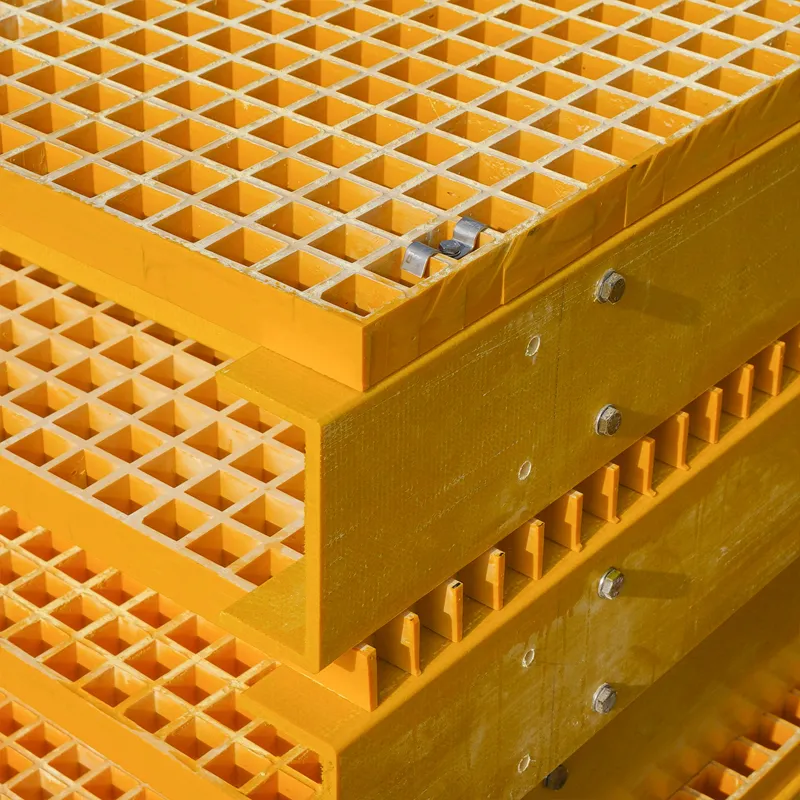
Lightweight, corrosion-proof decks replace steel in wash bays, chemical plants, and—surprisingly—mobile caravans. Many customers say they want safer, non-slip platforms with less maintenance. This frp grating machine caters to that: consistent fiber wet-out, stable cure, predictable load ratings. Not flashy, just reliable.
Process flow (shop-floor view)
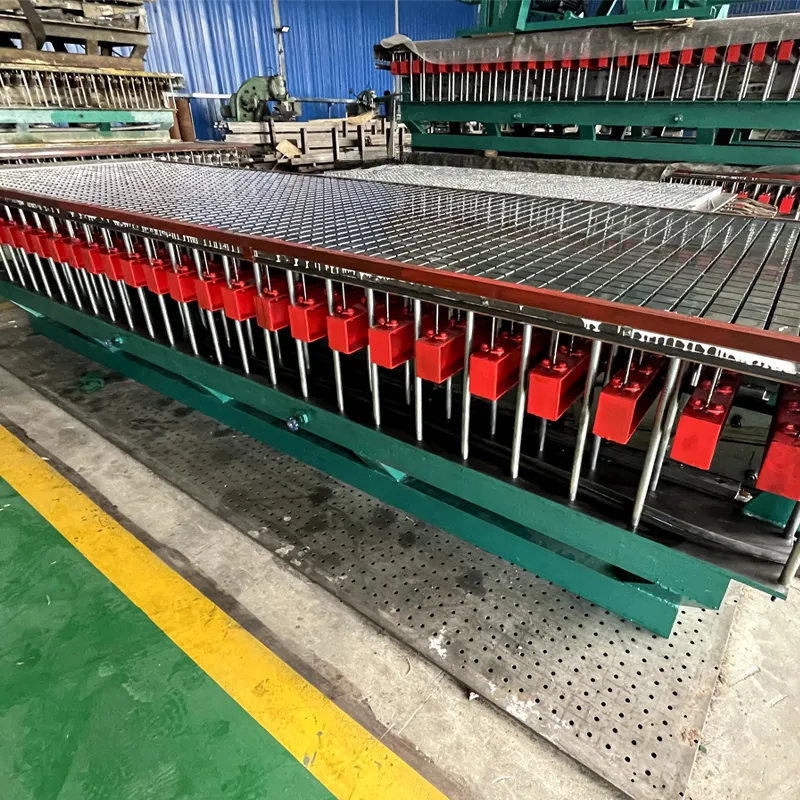
- Materials: E-glass roving/mats, unsaturated polyester or vinyl ester resin, fillers, pigment, MEKP catalyst, release agents.
- Mixing: Metered resin blend with inhibitor and accelerator; viscosity ≈ 350–600 mPa·s (real-world varies with ambient).
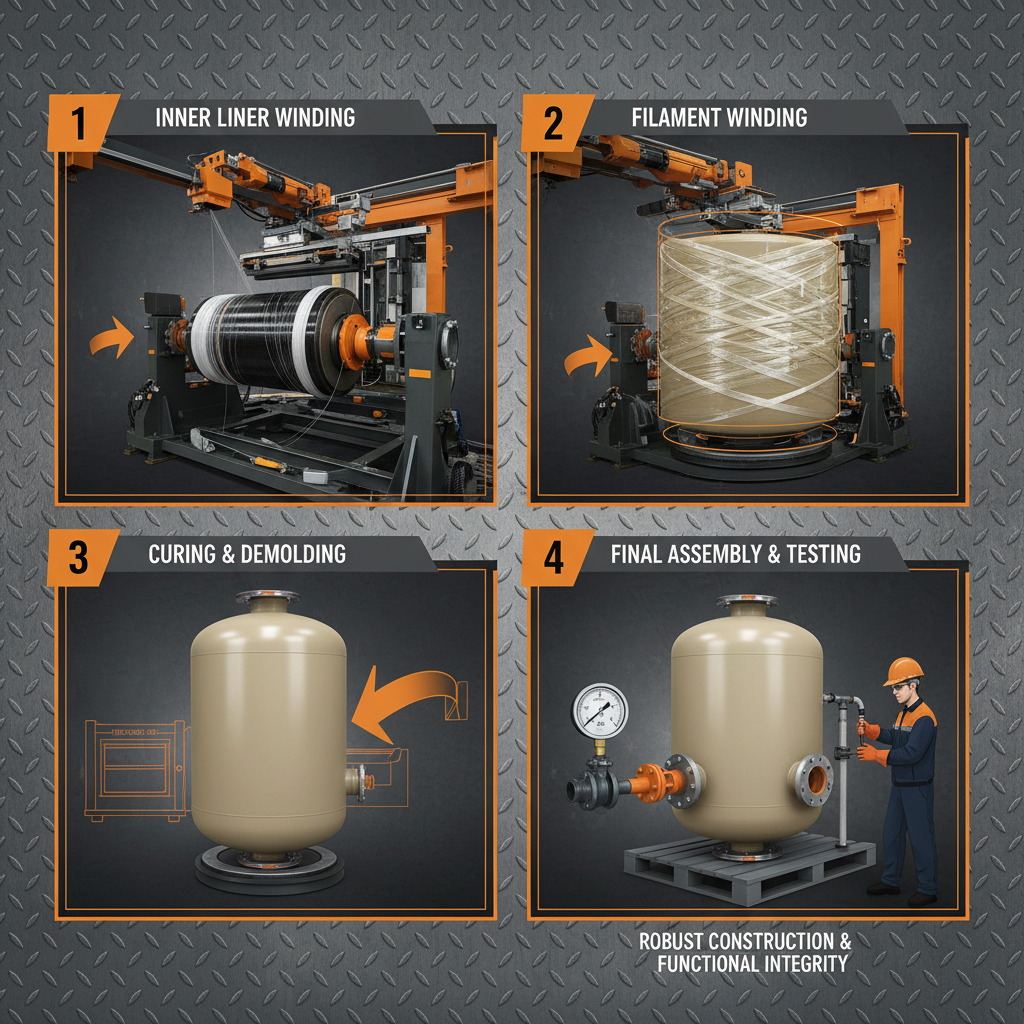
- Molding: Layered glass placement → resin wet-out → mold closing → heated cure at ≈ 80–120°C.
- Demold & post-cure: Controlled cooldown, trimming, edge sealing, optional grit top.
- Testing: Flexural per ASTM D790, tensile per ASTM D638, Barcol hardness ASTM D2583, flame per ASTM E84/D635, slip per ASTM E303 or EN 13036.
- Service life: around 20–25 years in marine/chemical exposure with proper resin selection and UV coat.
Core specifications
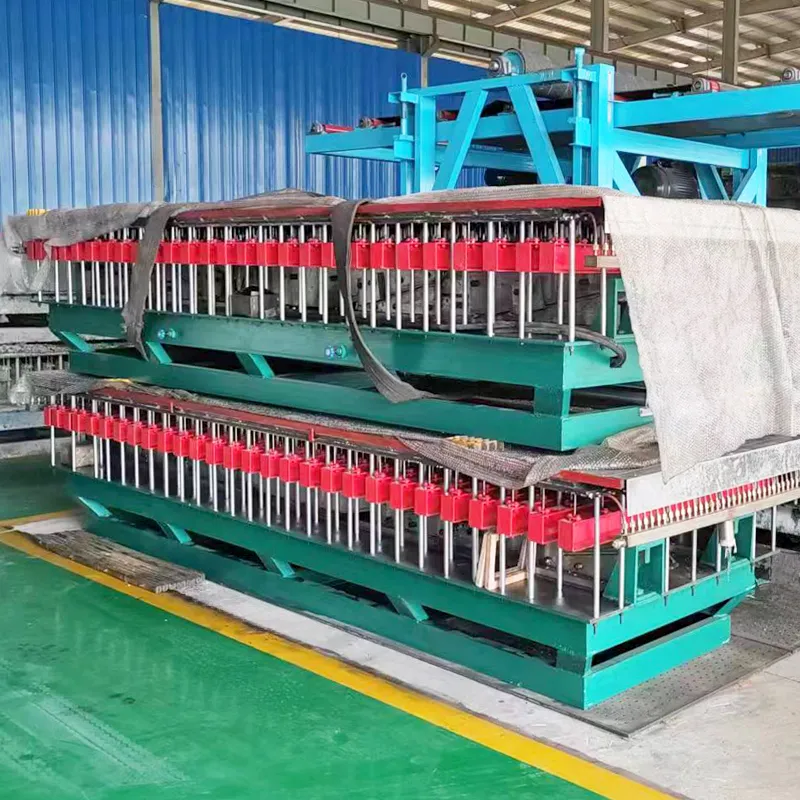
| Max plate length | 3660 / 4000 mm |
| Grid thickness range | 25–60 mm (≈ common: 30/38 mm) |
| Mold width | up to ≈ 1220 mm |
| Resin systems | Orthophthalic, Isophthalic, Vinyl Ester |
| Heating / power | Electric or oil heating; ≈ 18–25 kW |
| Cycle time | 30–60 min, thickness dependent |
| Control | PLC + HMI, recipe memory |
| Throughput | ≈ 12–24 m²/shift (operator and design dependent) |
Where it’s used
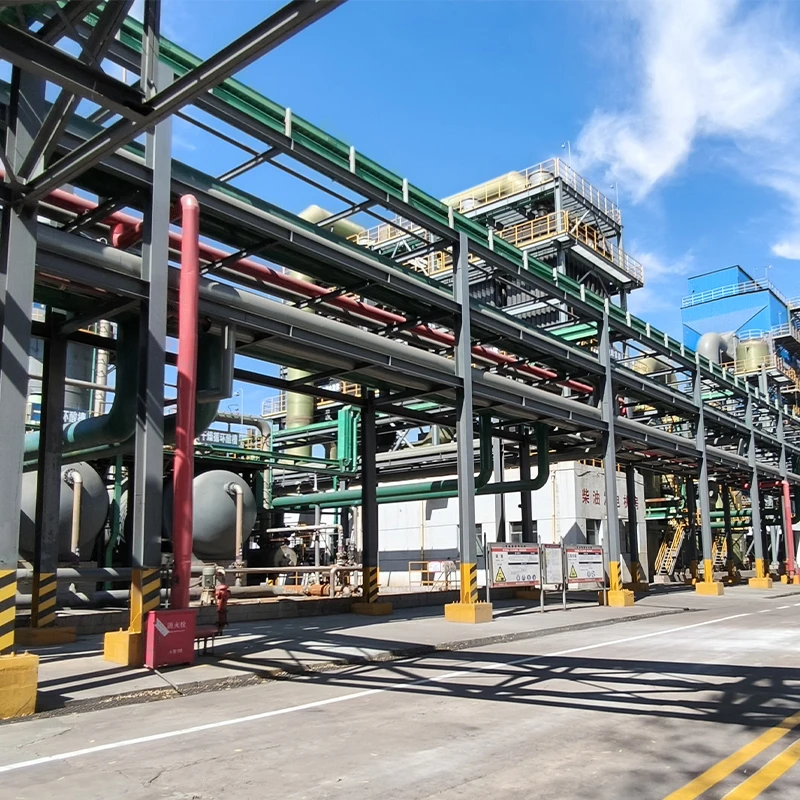
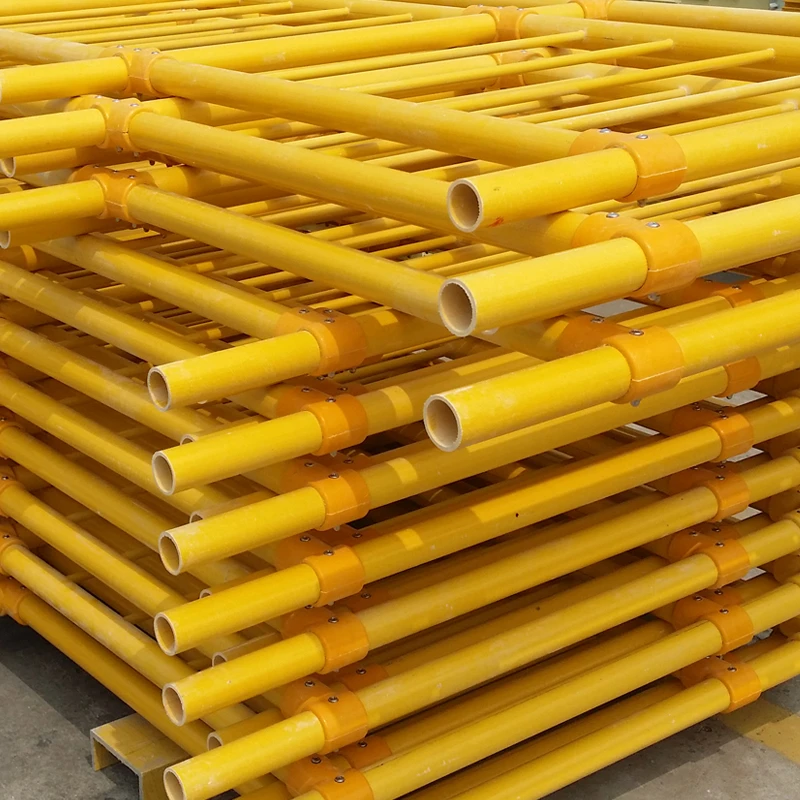
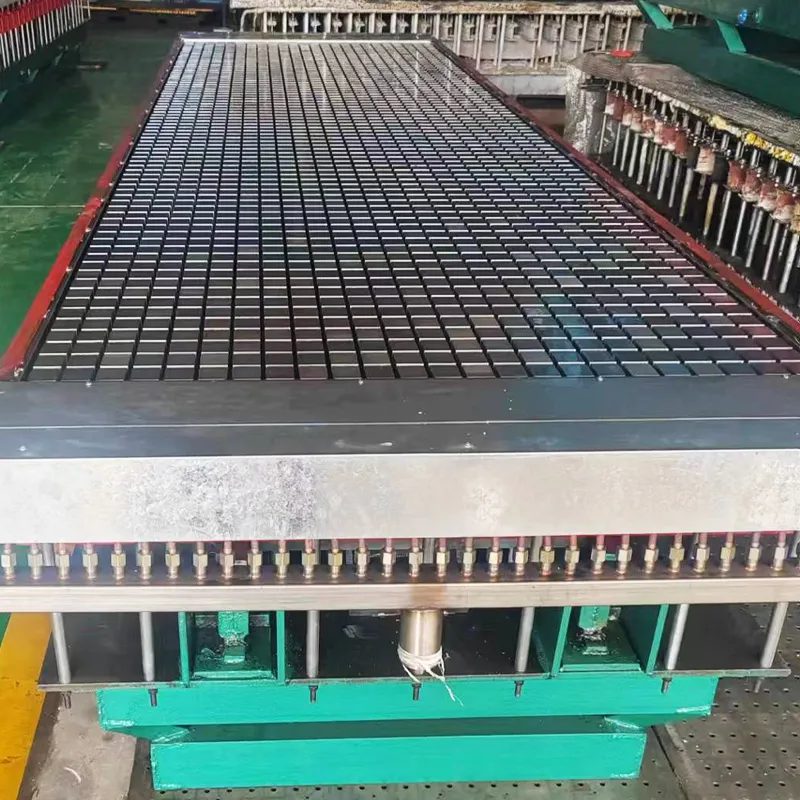
Car wash bays, caravan floors, wastewater plants, desalination, chemical processing, rooftop walkways, trench covers, offshore platforms. Installers like that panels are non-sparking and easy to cut on-site.
Performance highlights (field data)
- Flexural strength: ≈ 180–220 MPa (ASTM D790, 38 mm panel).
- Barcol hardness: 45–55 (ASTM D2583).
- Water absorption:
- Slip resistance: wet coefficient ≈ 0.60–0.80 with grit top.
- Fire: E84 flame spread index can be ≤ 25 with VE + fillers (spec-dependent).
Vendor snapshot (what buyers compare)
| Vendor | Price | Lead time | Certs | Notes |
|---|---|---|---|---|
| Hengshui OEM (this model) | Mid | 3–6 wks | ISO 9001, CE (machine) | Custom molds, fast spares |
| EU Brand A | High | 8–12 wks | CE, UL panels (optional) | Strong documentation |
| APAC Value B | Low | 4–8 wks | Basic ISO | Good for starters; fewer options |
Customization most buyers request
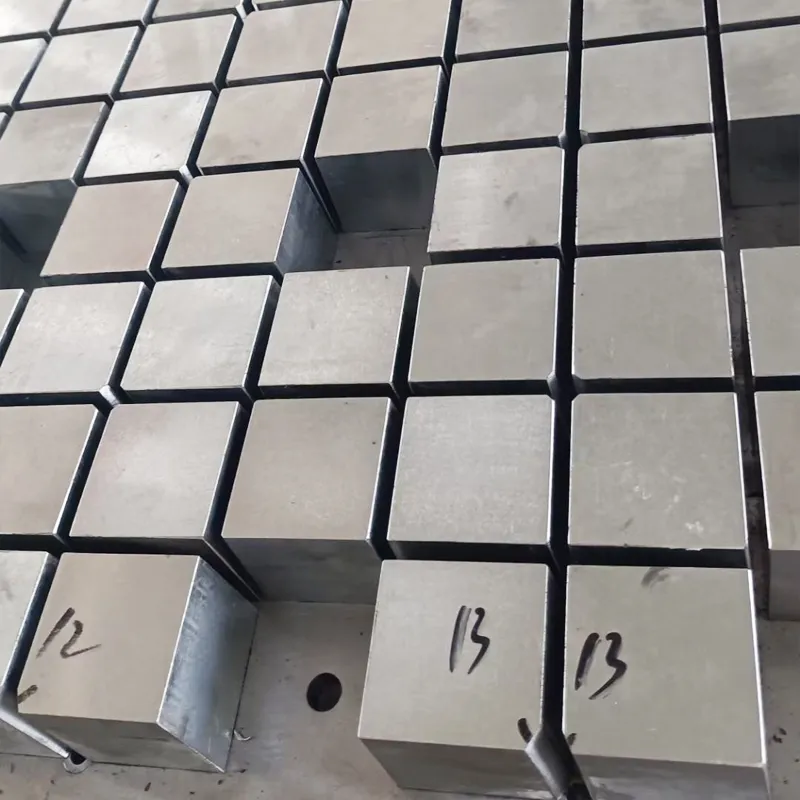
- Mold size: 38 mm thick, 38×38 mm mesh is the classic; custom meshes welcome.
- Resin upgrades: VE for chemical plants; UV topcoat for rooftops.
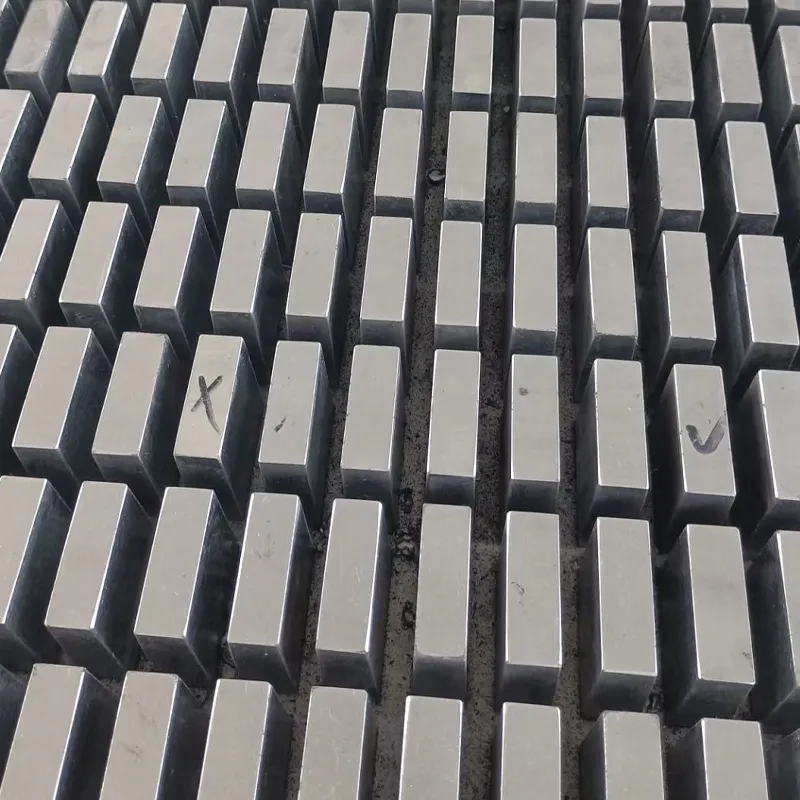
- Grit system: aluminum oxide grain size per slip target.
- Automation: recipe locking, batch logging, remote diagnostics.
Quick case files
Car wash chain (EU): two frp grating machine lines, 38 mm panels with grit top. Output ≈ 18 m²/shift, slip test avg 0.72 wet. Downtime cut by 22% after PLC recipe tweaks.
Caravan OEM (APAC): 30 mm lightweight panels, color-matched resin. Weight reduction ≈ 27% vs aluminum checker plate; no corrosion complaints in 18 months.
Compliance and paperwork
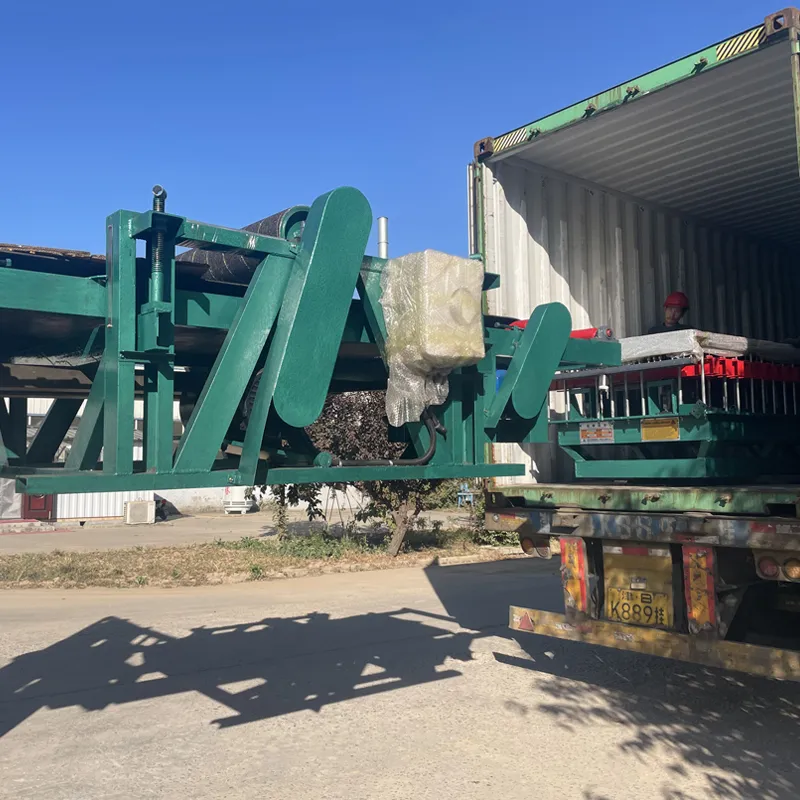
Typical documentation: ISO 9001 QMS, CE machinery directive, material SDS, and test reports to ASTM D790/D638/D2583/E84/D635. For walkways, check OSHA 1910 and ISO 14122 guidance. Real compliance depends on your resin and filler package.
Origin and logistics
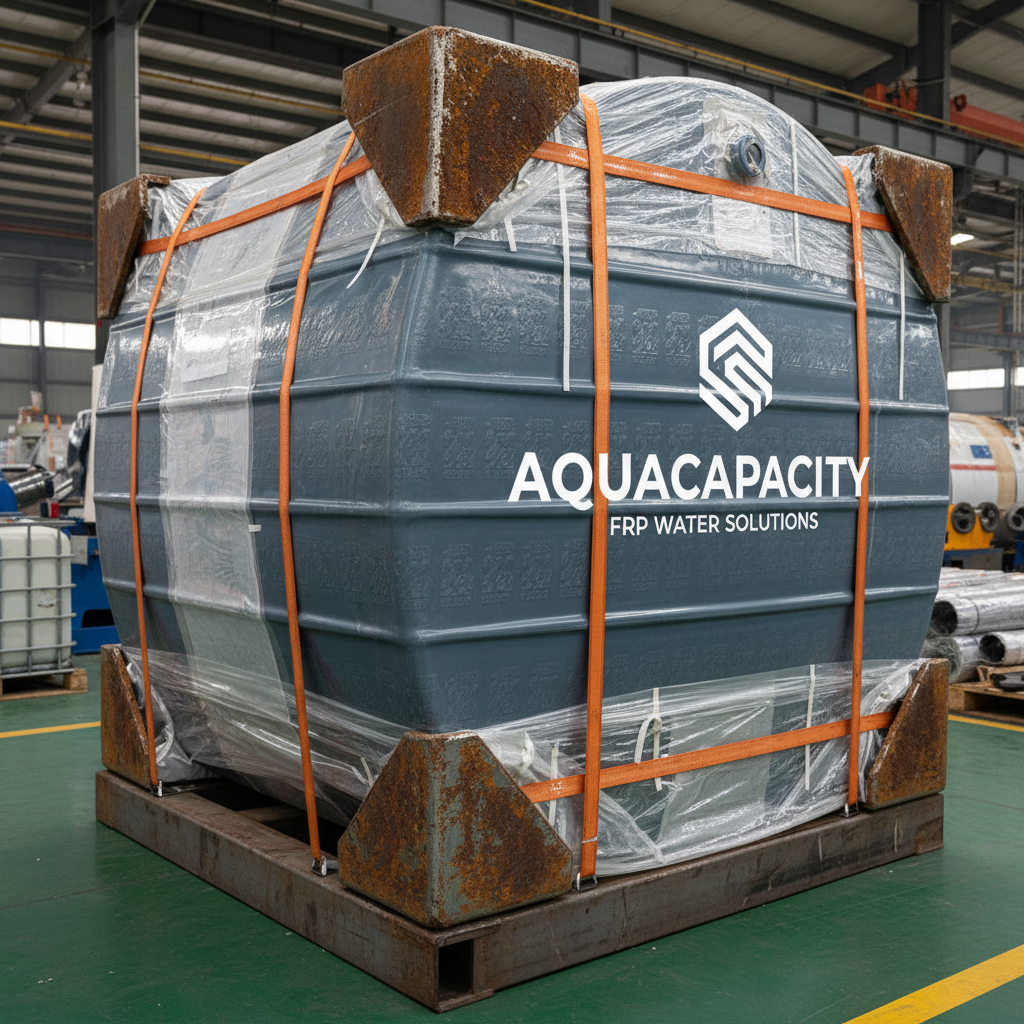
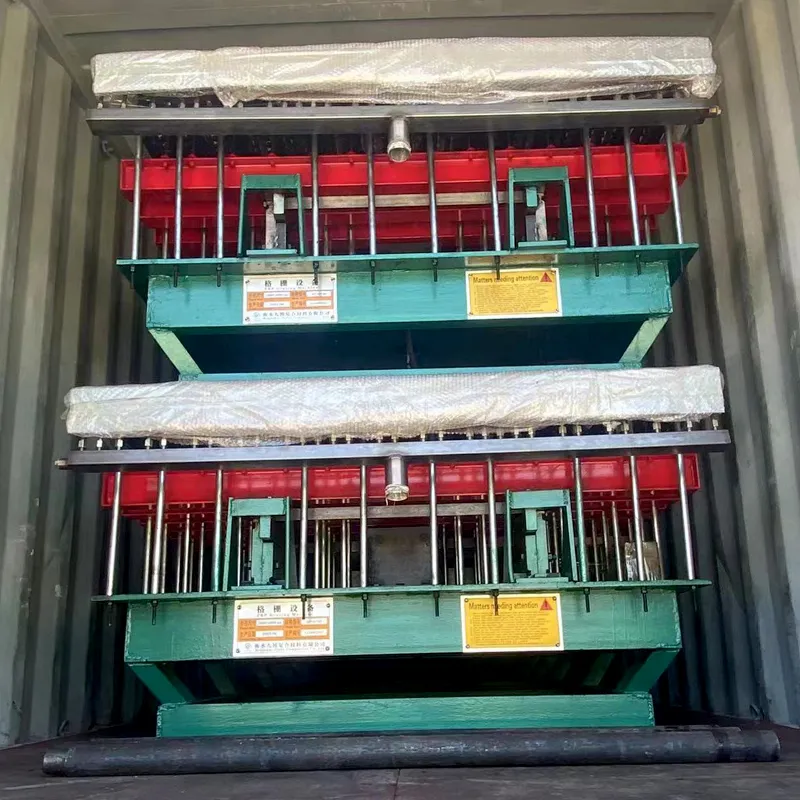
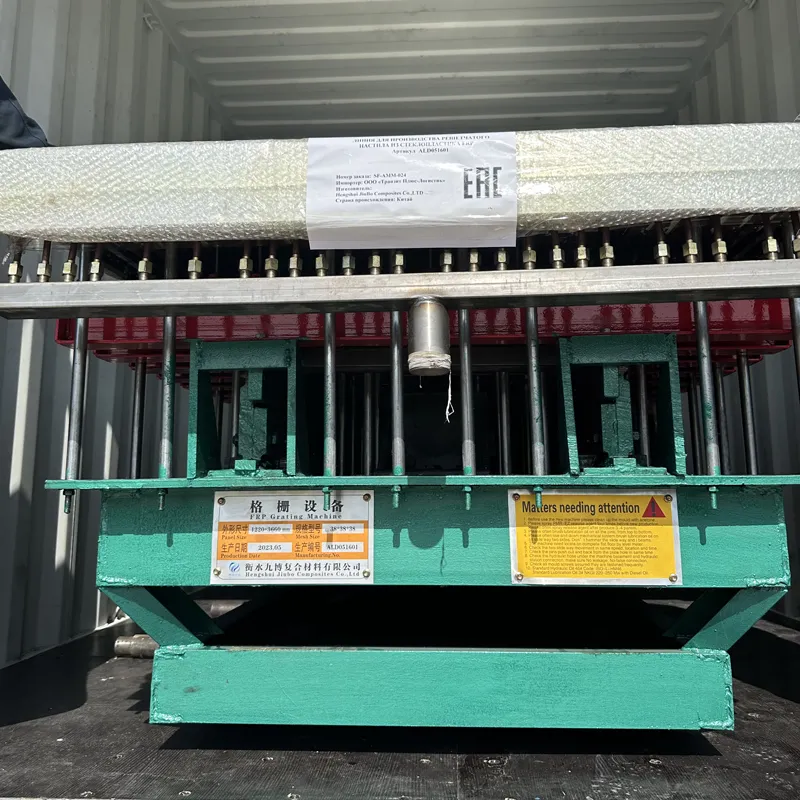
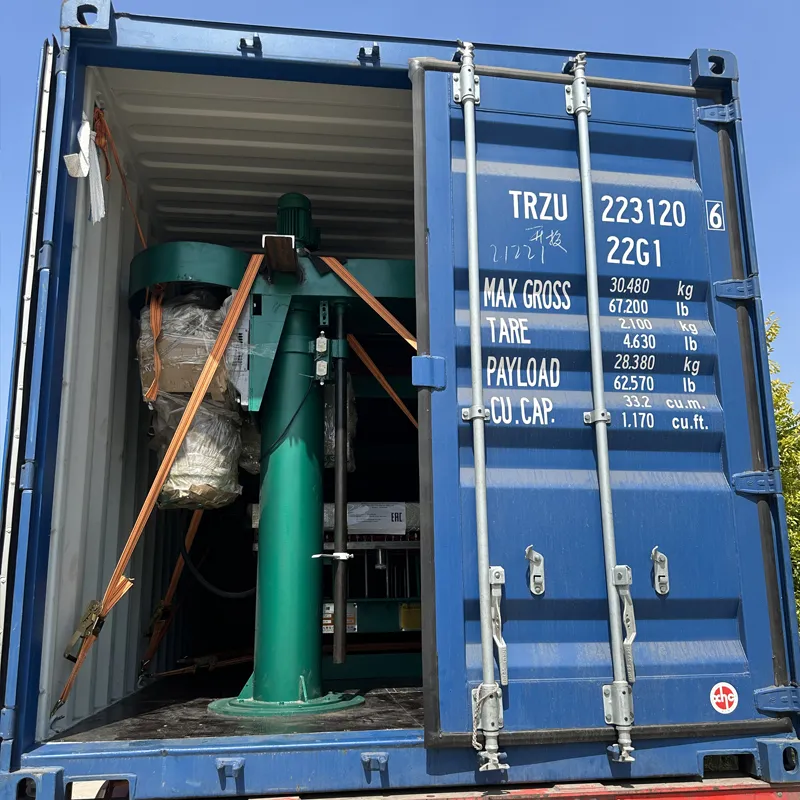
Manufactured in: No. Room 211,706 Xinghua North Street, Jizhou District, Hengshui City, Hebei Province. Crating is sturdy; most units ship in one 20' or 40' container111 depending on mold sets.
References
- ASTM D790 – Standard Test Methods for Flexural Properties of Unreinforced and Reinforced Plastics.
- ASTM E84 – Standard Test Method for Surface Burning Characteristics of Building Materials.
- ASTM D2583 – Standard Test Method for Indentation Hardness of Rigid Plastics by Means of a Barcol Impressor.
- OSHA 29 CFR 1910 Subpart D – Walking-Working Surfaces.
- ISO 14122-2/3 – Safety of machinery – Permanent means of access to machinery.