Potassium Sulfate Production | High-Purity SOP Plants
Inside a Modern Potassium Sulfate Fertilizer Production Line
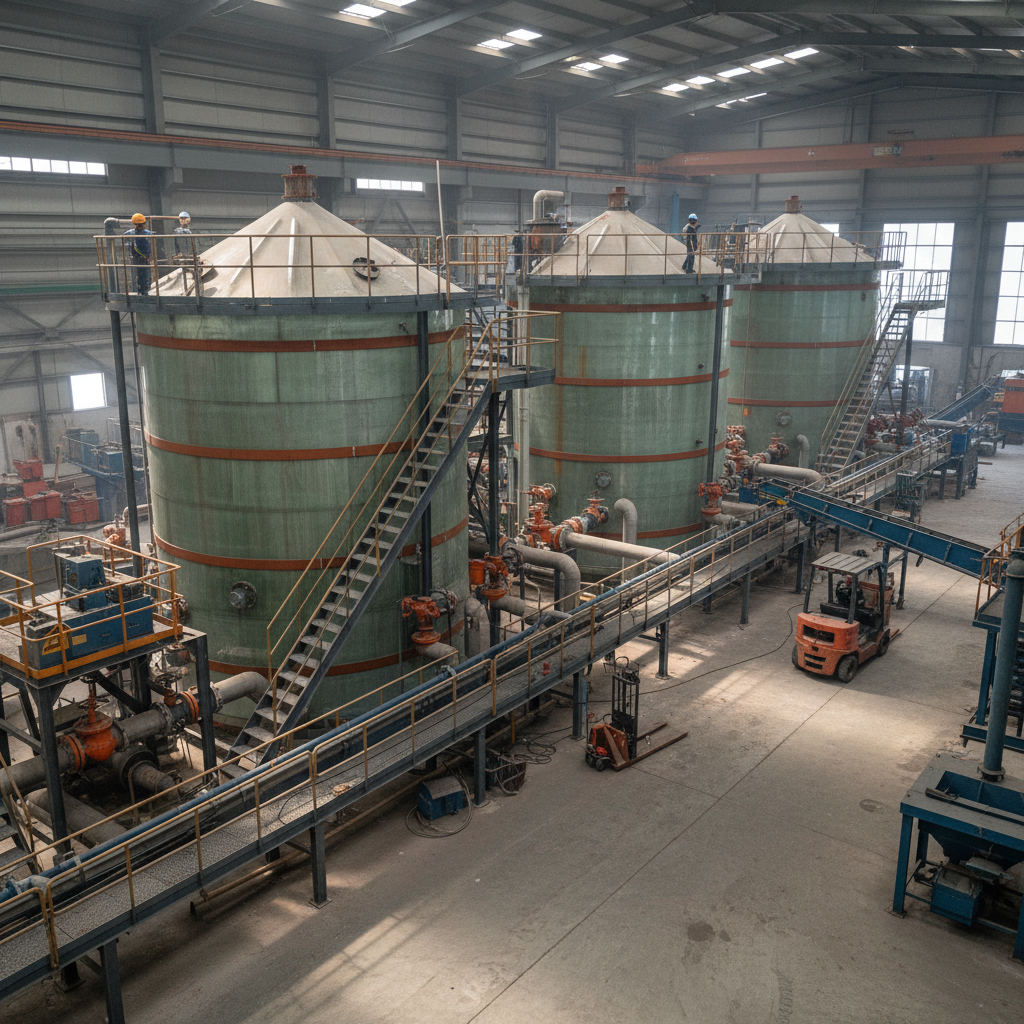
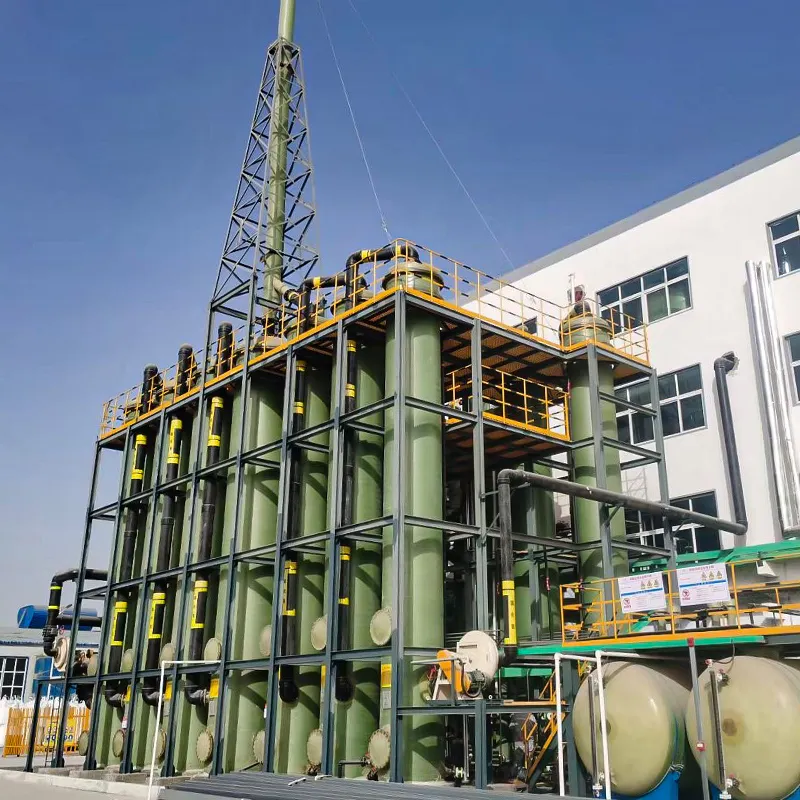
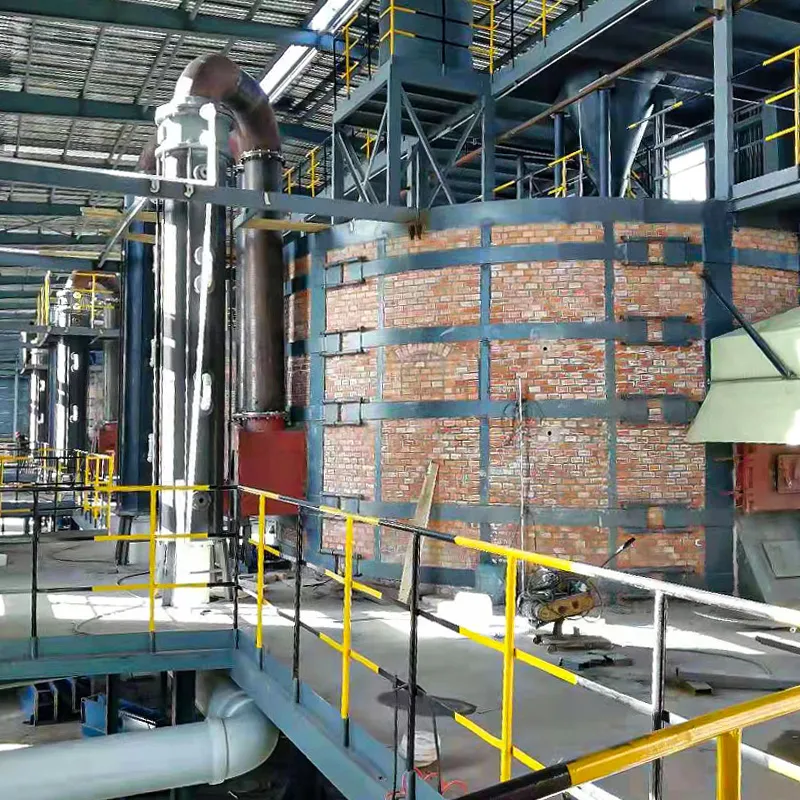
If you’ve ever toured a Mannheim furnace block, you know the air has that sharp, clean tang of HCl capture—and the control room screens never sleep. This is where potassium sulfate production moves from slides to steel.
What’s different now
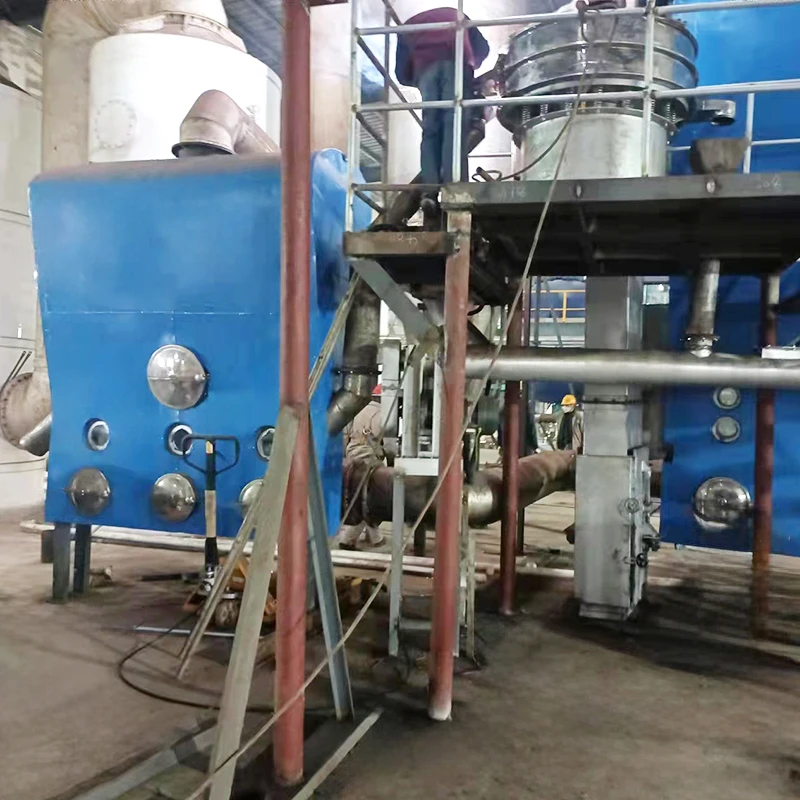
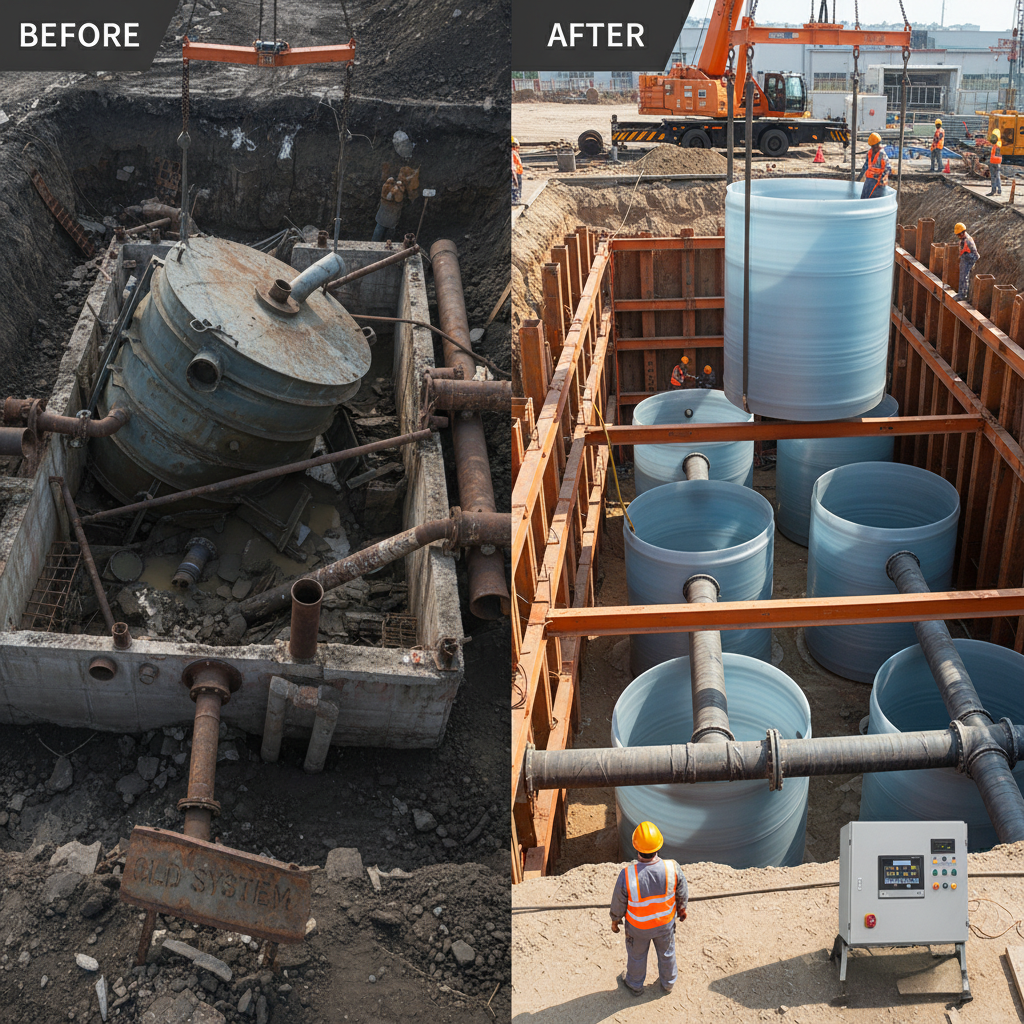
The team in Jizhou, Hebei (No. Room 211,706 Xinghua North Street, Jizhou District, Hengshui City) quietly rebuilt the Mannheim playbook: even heating, complete reaction, lower fuel burn. Honestly, it’s the small things—refractory profiles, acid distribution, smarter off‑gas routing—that add up. Many customers say OPEX dips 6–10% after commissioning. That tracks with what I’ve seen.
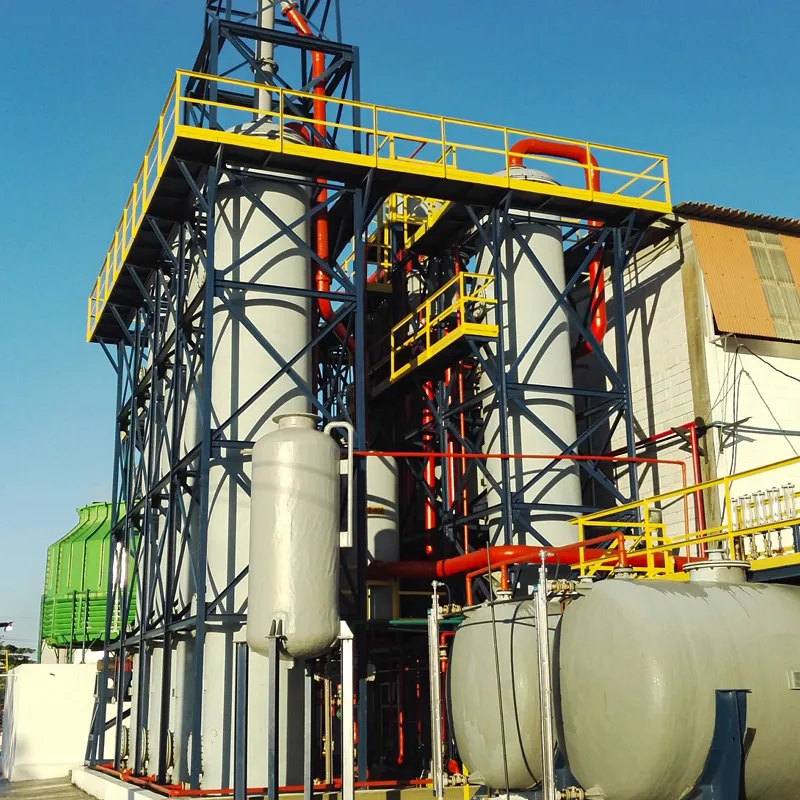
Process flow (Mannheim, upgraded)
- Feedstock: KCl (≥95%), H2SO4 (92–98%).
- Stage 1: KCl + H2SO4 → KHSO4 + HCl↑ (controlled exotherm; even heat spread).
- Stage 2: KHSO4 + KCl → K2SO4 + HCl↑ (completion boosted by residence-time tuning).
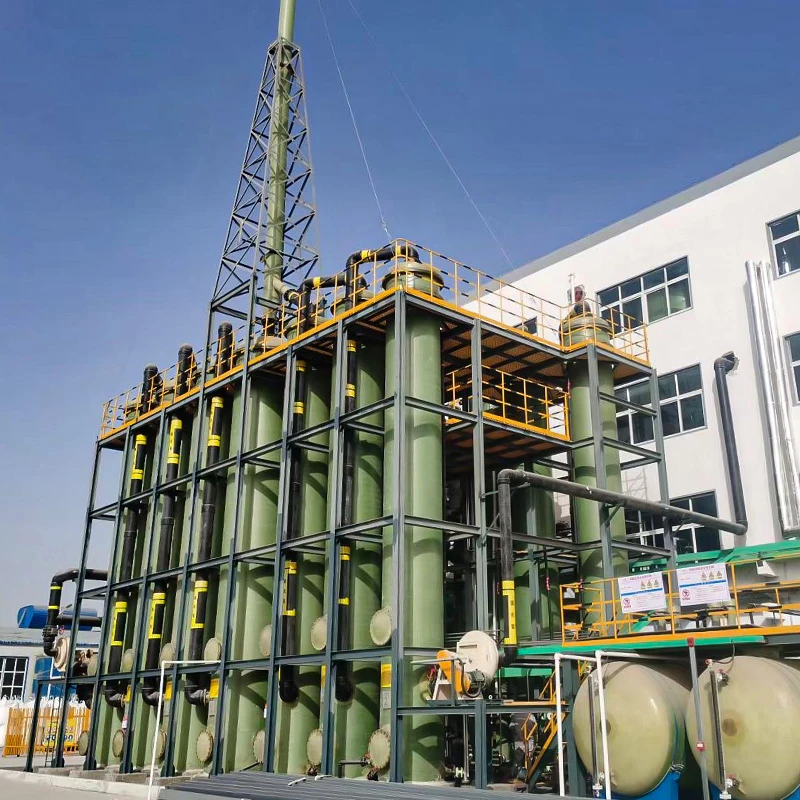
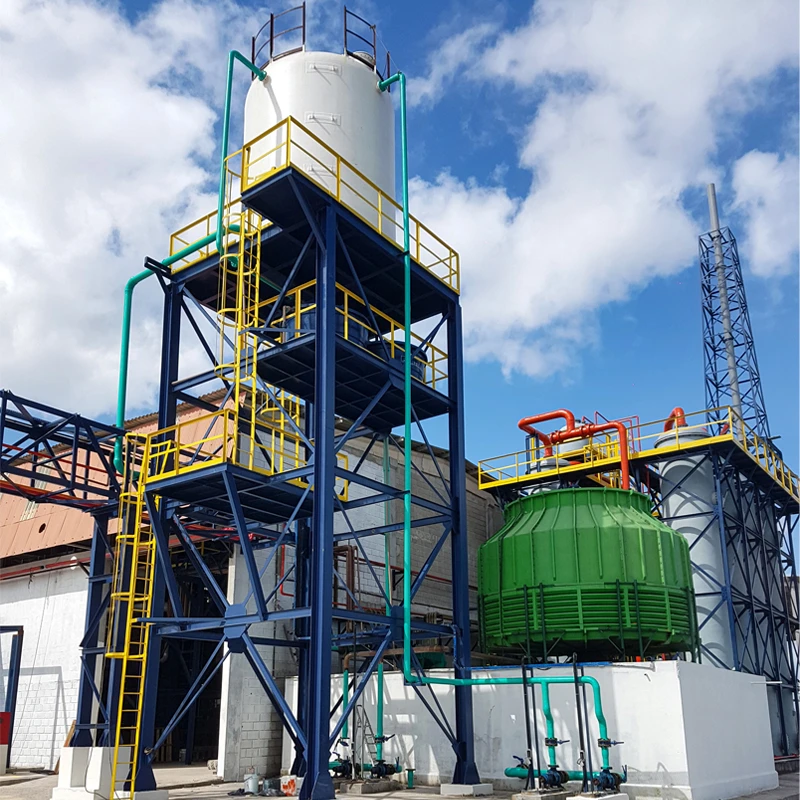
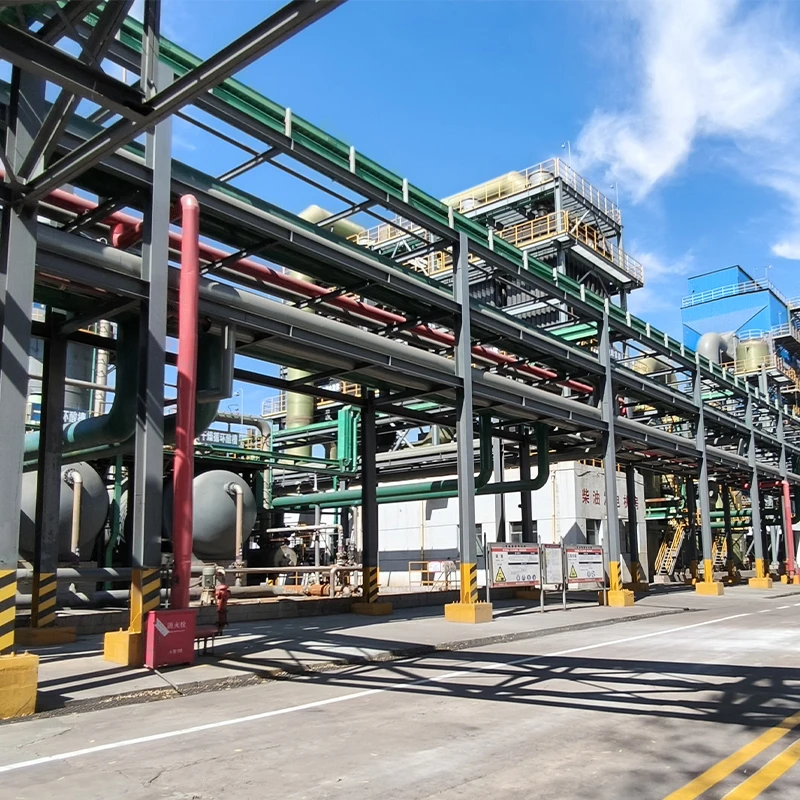
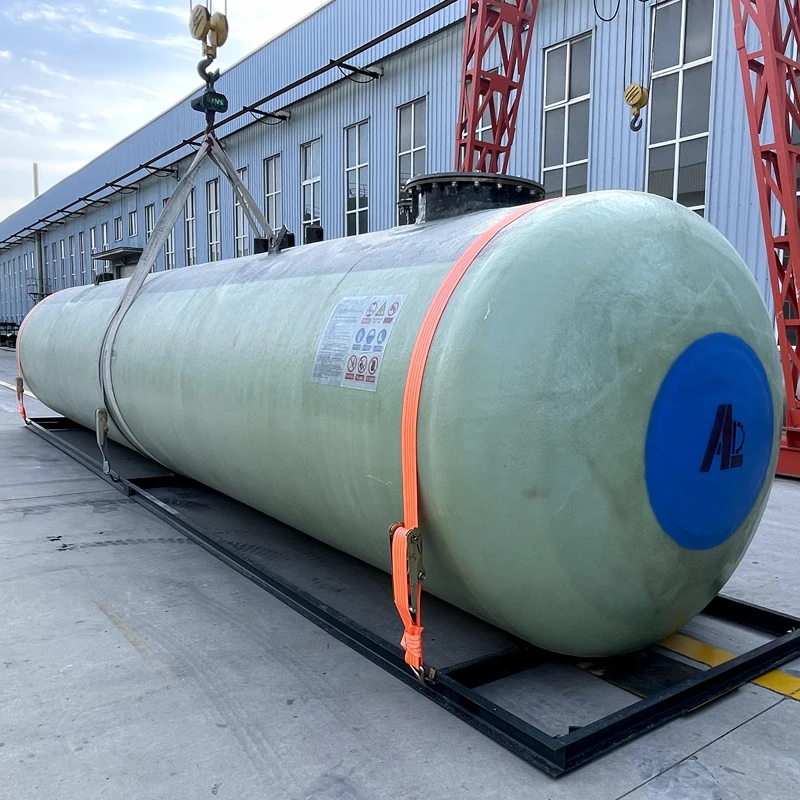
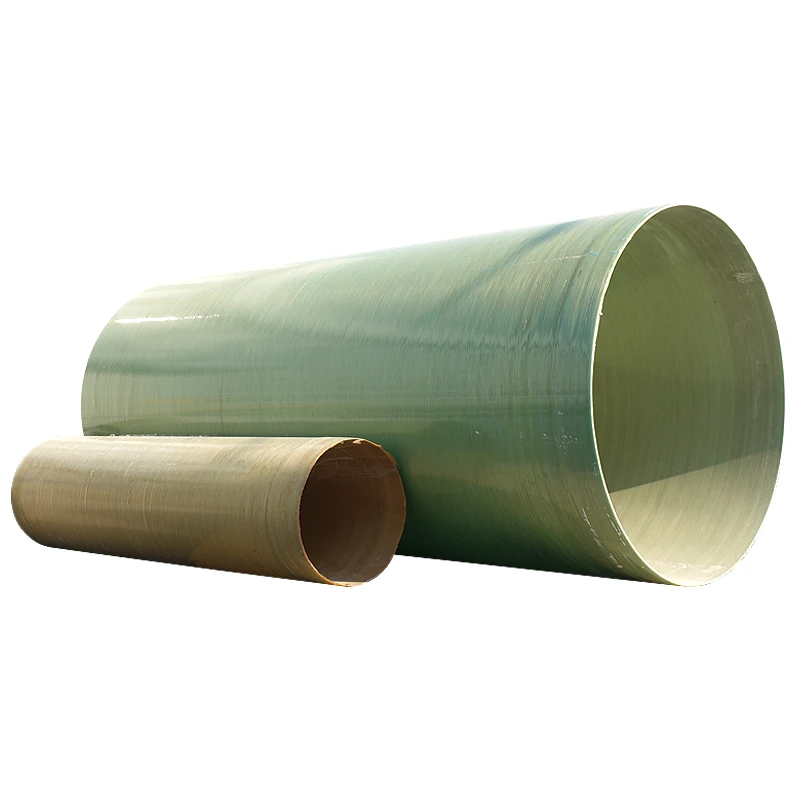
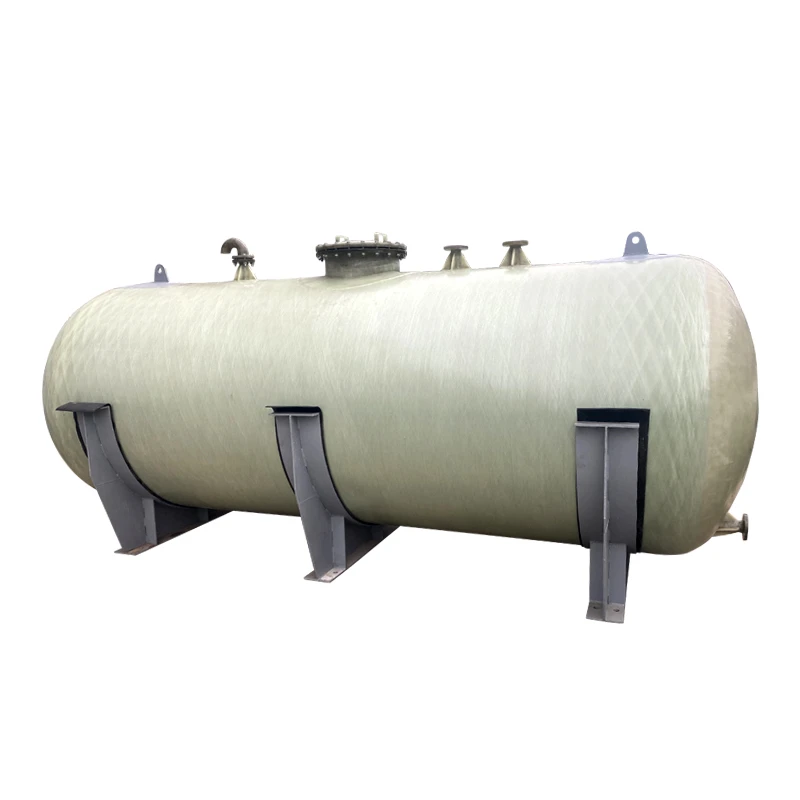
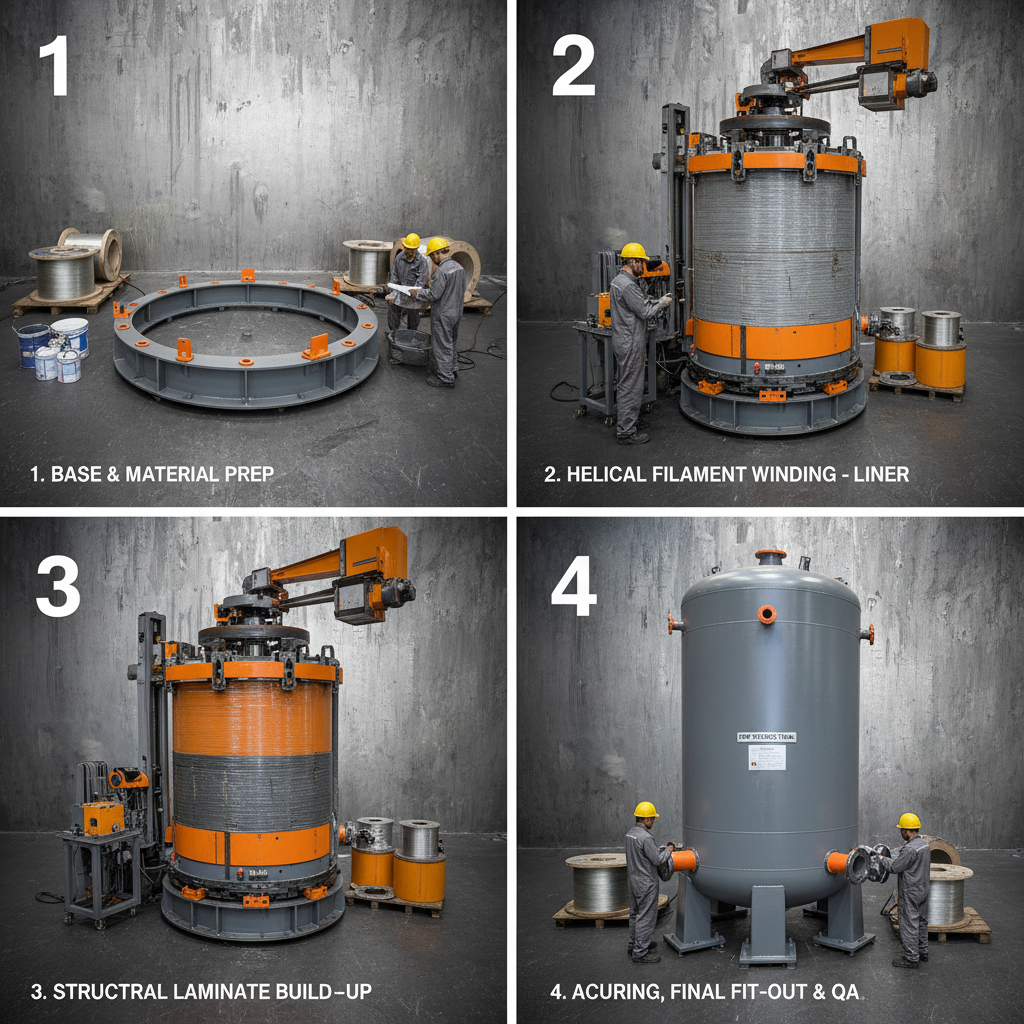
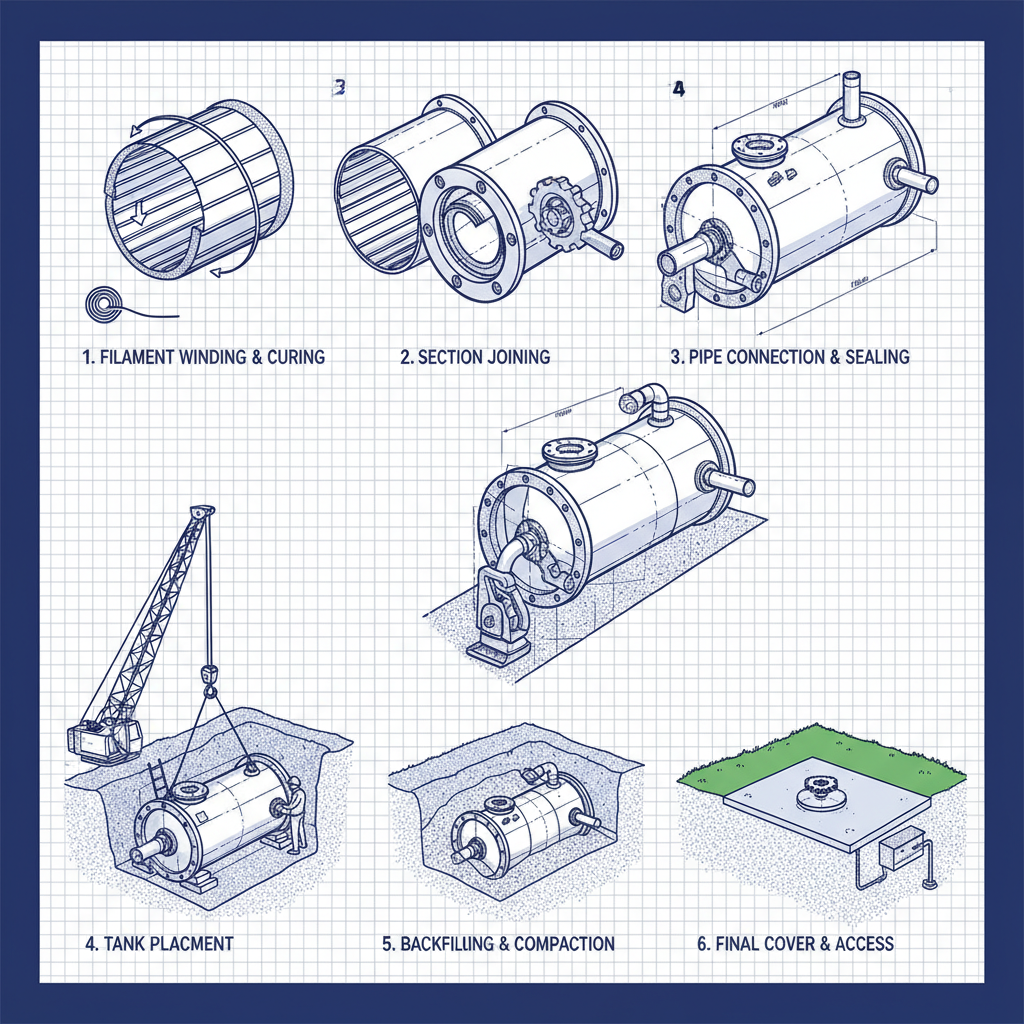
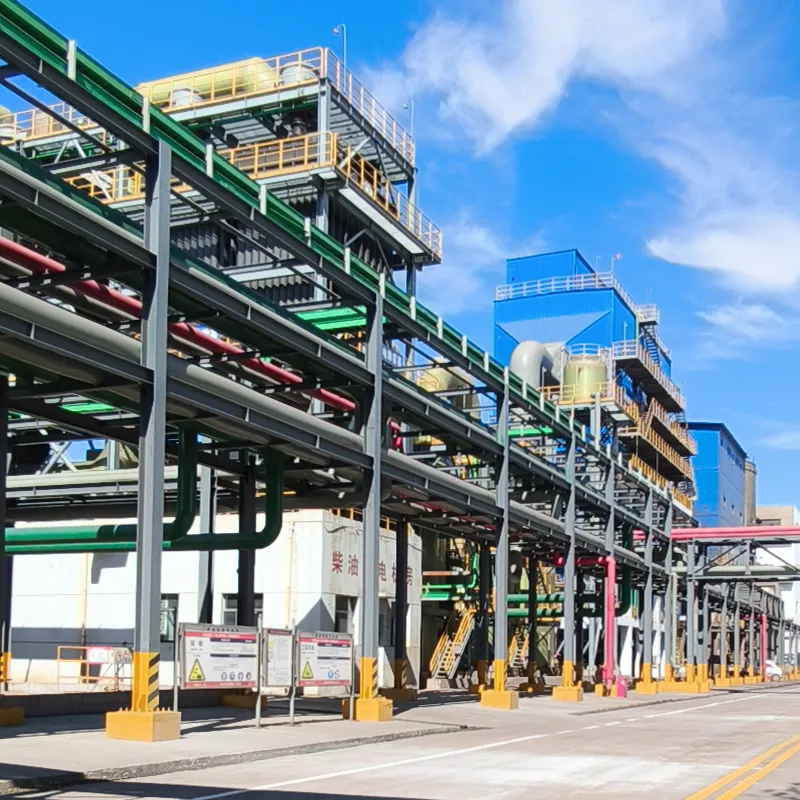
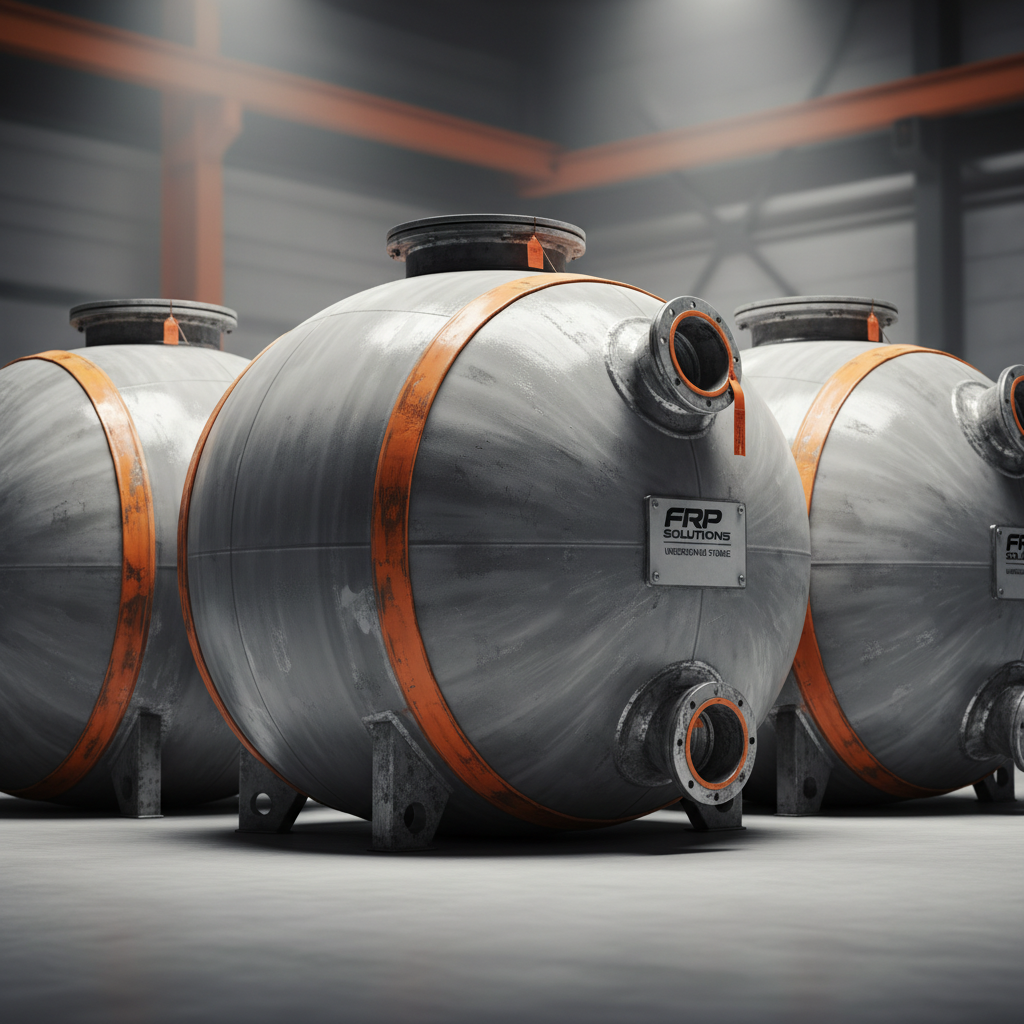
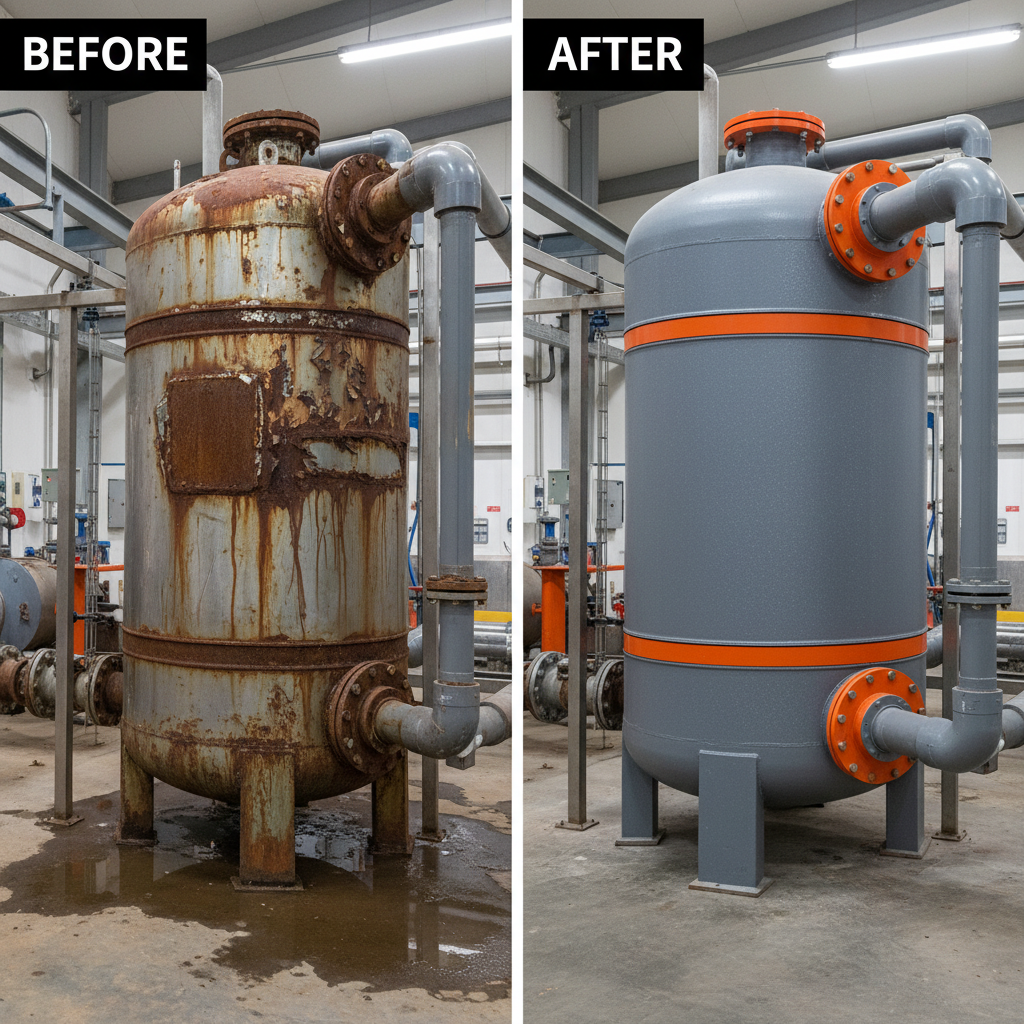
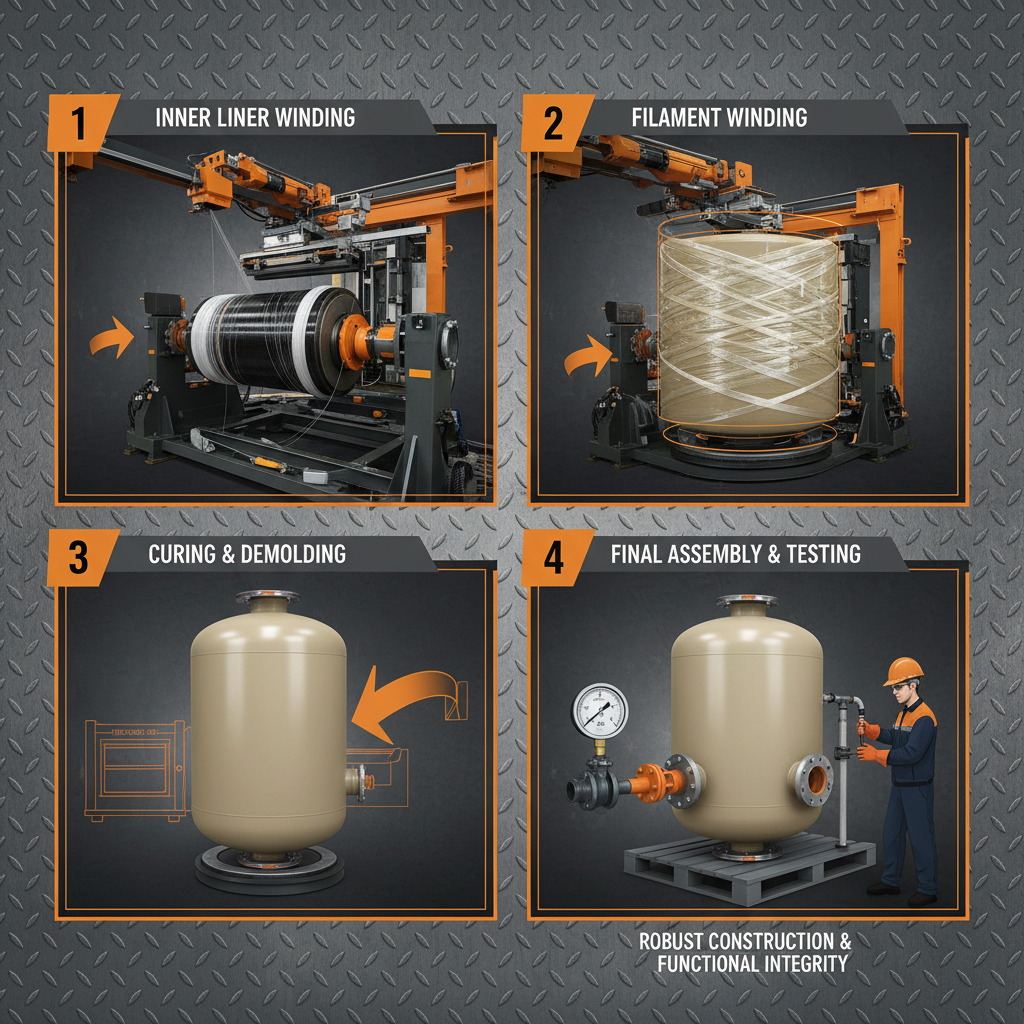
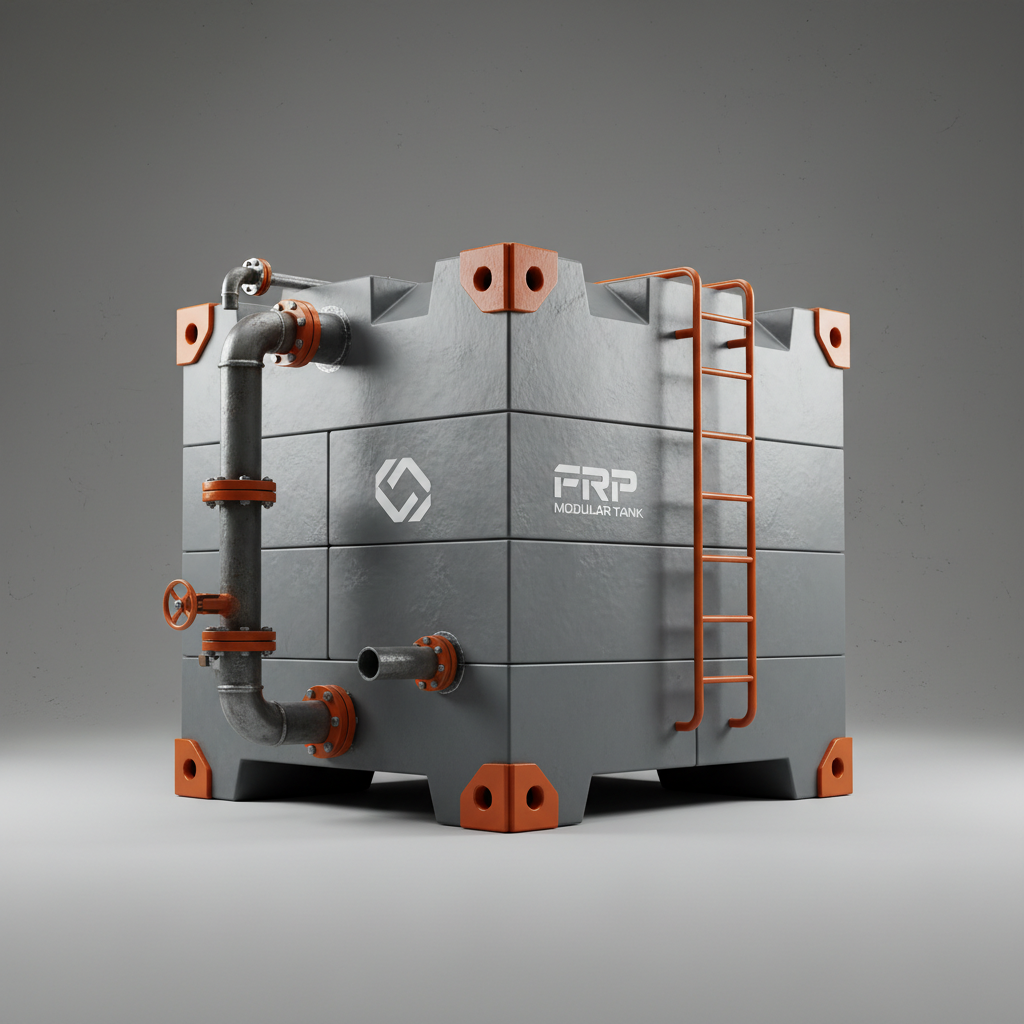
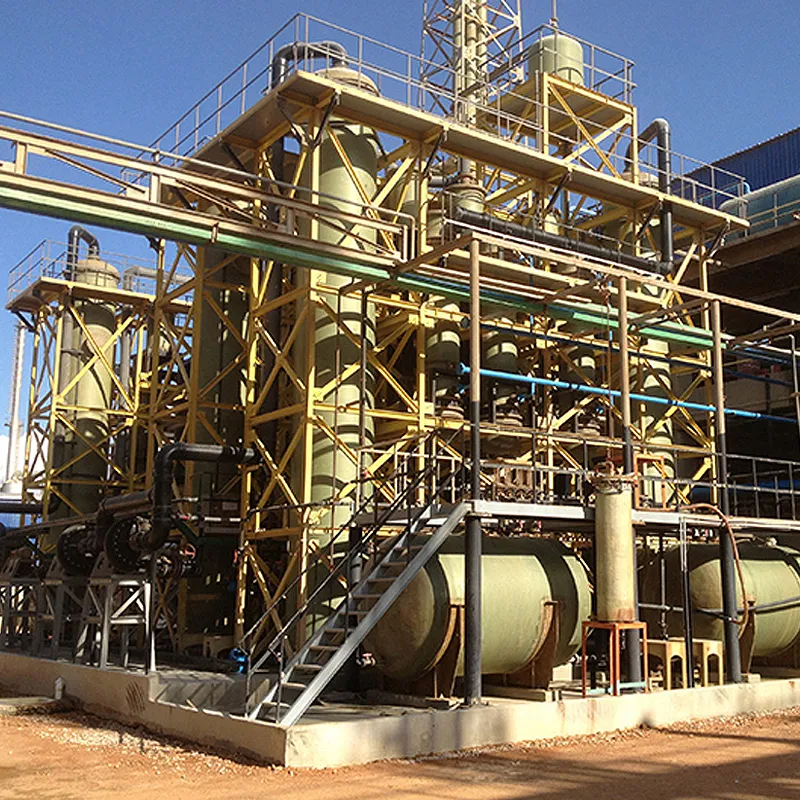
- Gas handling: Two‑stage FRP scrubbers recover HCl; drift eliminators cut carryover.
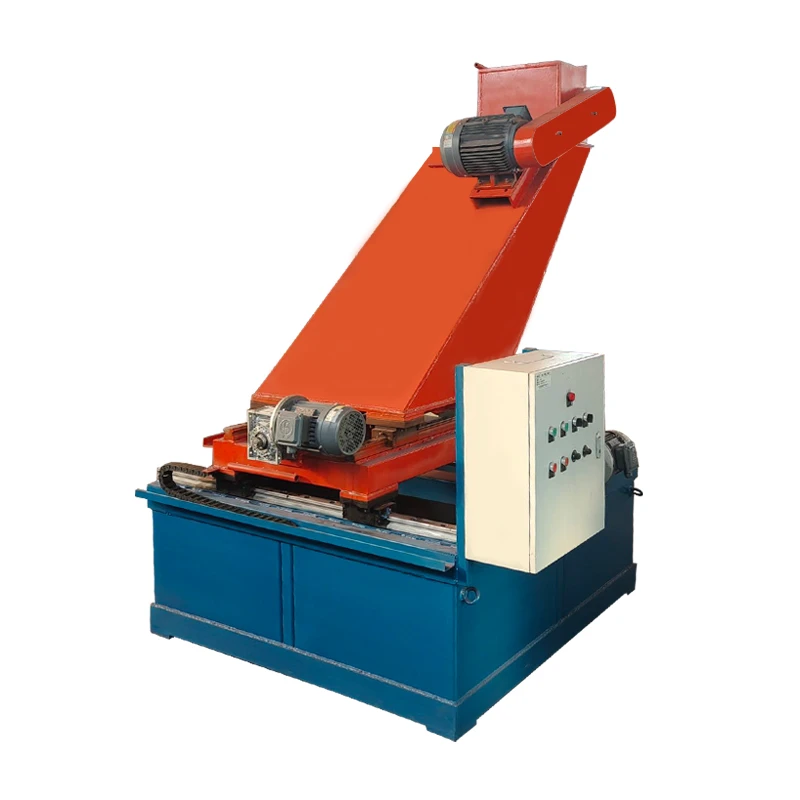
- Cooling, milling/granulation, classification, de‑dusting, bagging (25–50 kg or bulk).
QA checks? Continuous mass balance, inline dust monitoring, and batch assays for K2O, Cl, moisture. Not glamorous, but it keeps penalties off your shipment sheets.
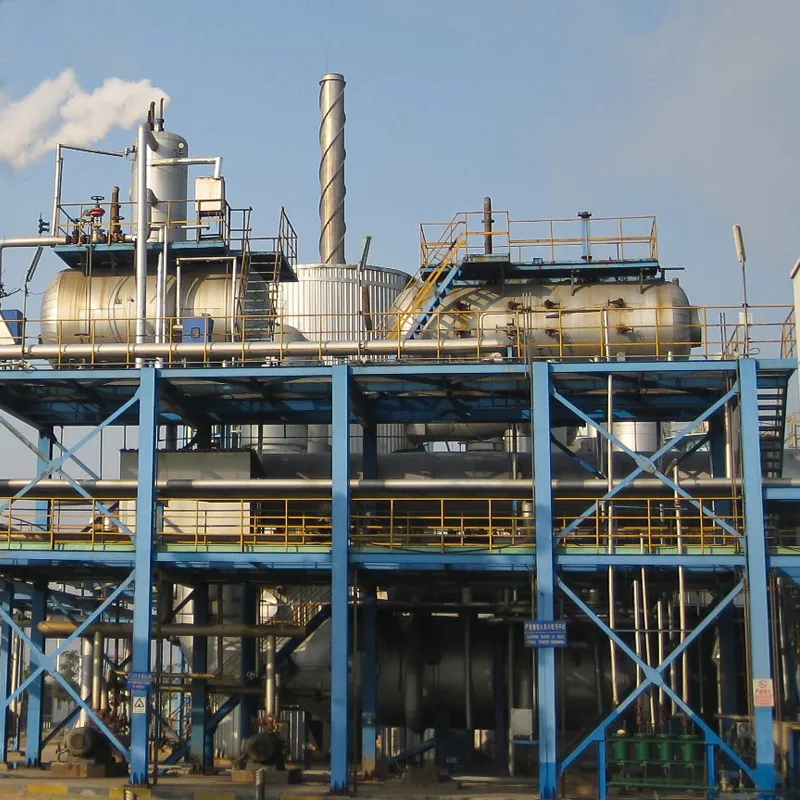
Product specs (typical, real-world may vary)
| Parameter | Spec (≈) | Test method |
|---|---|---|
| K2O (as K2SO4) | ≥ 50.0% | ICP-OES / flame photometry |
| Chloride (Cl−) | ≤ 1.5% | Mohr argentometric |
| Moisture | ≤ 1.0% | 105°C oven |
| Granule size (1–4 mm) | ≥ 90% | ISO 3310 sieving |
| Insolubles | ≤ 0.05% | Gravimetric |
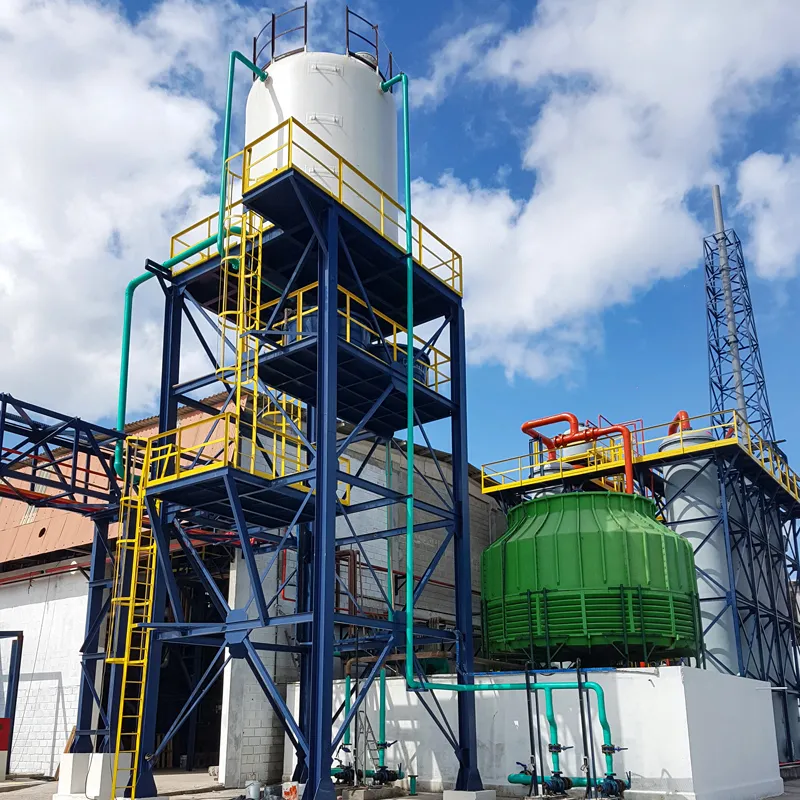
Where it goes (and why it wins)
For chloride‑sensitive crops—tobacco, potato, citrus, grapes—potassium sulfate production means higher marketable yields with fewer quality downgrades. Also used in high‑purity glass, pharma intermediates, and specialty feeds. Advantages: low Cl−, neutral pH, good blendability. Farmers tell me spreadability is “clean” and dust is manageable after the granulation tweak.
Equipment service life (typical): furnace refractory 3–6 years; alloy paddles 2–4 years; FRP scrubbers 8–10 years; baghouse filters 18–36 months—depending on duty cycle and acid loads.
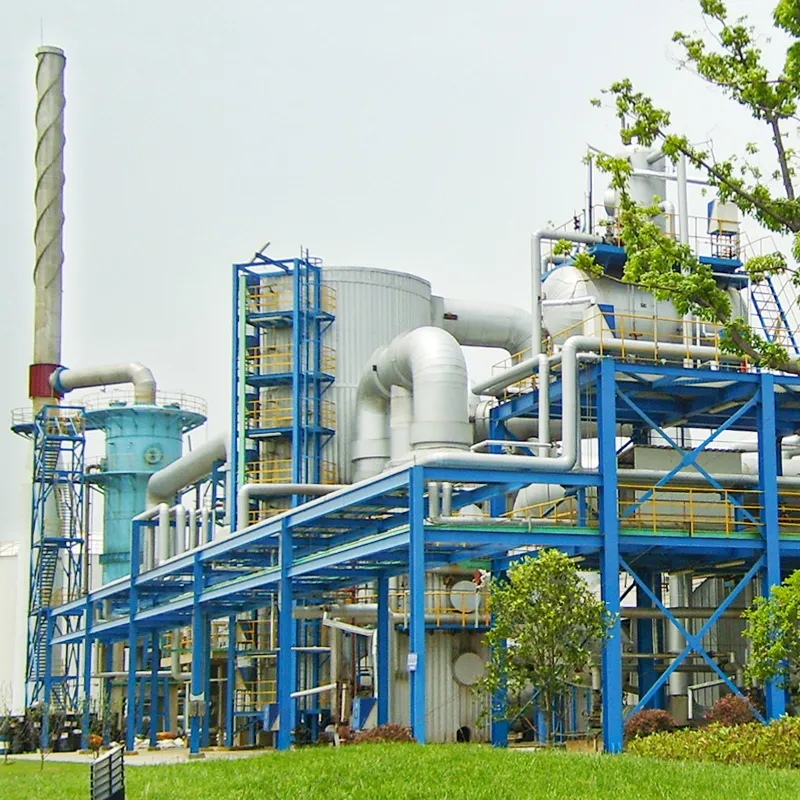
Vendor snapshot (what buyers actually compare)
| Vendor | Process | Line capacity | Energy use (≈) | Emissions control | After‑sales |
|---|---|---|---|---|---|
| Hebei Jizhou Manufacturer | Mannheim, upgraded furnace | 20–80 kt/a | Low; heat‑balance optimized | 2‑stage FRP scrubber + baghouse | On‑site start‑up, 24/7 remote |
| EU OEM | Mannheim, classic | 30–60 kt/a | Medium | Wet scrubber + mist pads | Scheduled only |
| India EPC | Mannheim, value build | 15–50 kt/a | Medium‑high | Single‑stage scrubber | Remote only |
Customization and real‑world results
- Fuel flexibility: natural gas, LPG, or hybrid (waste heat integration).
- HCl recovery options: saleable acid or neutralization loop.
- Granulation: compacting roll vs. pan—depends on your blend plant.
Case A (South Asia, 40 kt/a): energy cut ≈8%, Cl drift stabilized. Case B (Mediterranean, 25 kt/a): premium grades for table grapes; fewer caking complaints after anti‑caking tweak. To be honest, the operator training made as much difference as the hardware.
Quality, testing, and compliance
Labs operate per ISO/IEC 17025 with routine fertilizer sampling (EN 1482‑1). Typical CoA includes K2O, Cl−, moisture, particle size, insolubles, and heavy metals when required. Potassium sulfate production lines are delivered under ISO 9001 QMS, with FAT/SAT, and emission checks against local permits; many plants reference IFA analysis guides for harmonized methods.
References
- International Fertilizer Association (IFA). Potash and SOP overview: https://www.fertilizer.org
- Ullmann’s Encyclopedia of Industrial Chemistry. Potassium Compounds (Wiley): https://onlinelibrary.wiley.com
- EN 1482‑1: Fertilizers and liming materials—Sampling: https://standards.cencenelec.eu
- ISO/IEC 17025: General requirements for testing and calibration labs: https://www.iso.org
- FAO. Fertilizer and Plant Nutrition resources: https://www.fao.org