Reliable FRP Water Tank Manufacturer for Industrial & Agricultural Use
FRP Water Tank Manufacturer: A Solid Choice for Industrial Needs
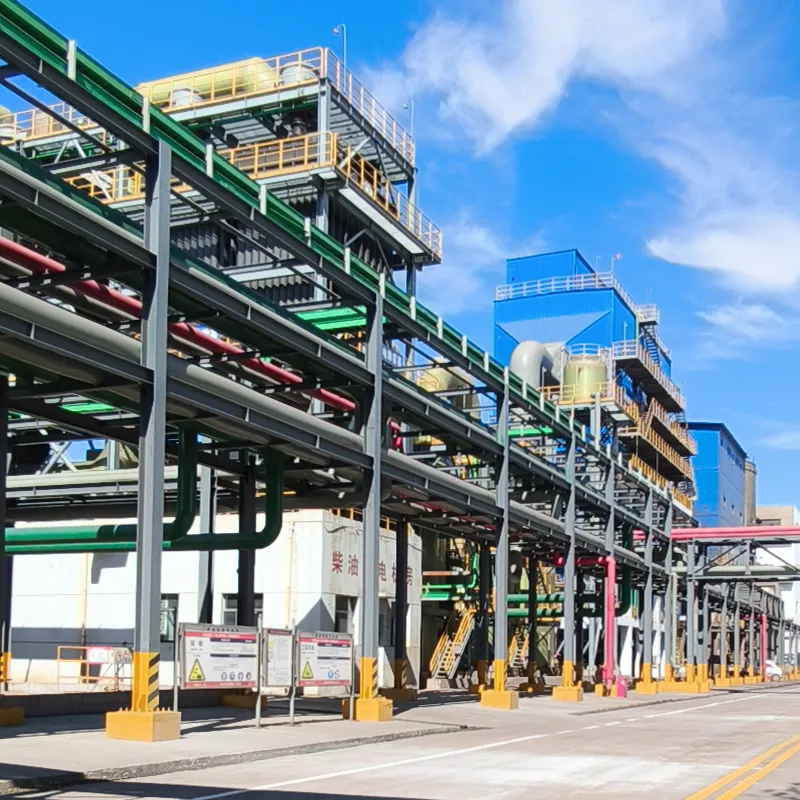
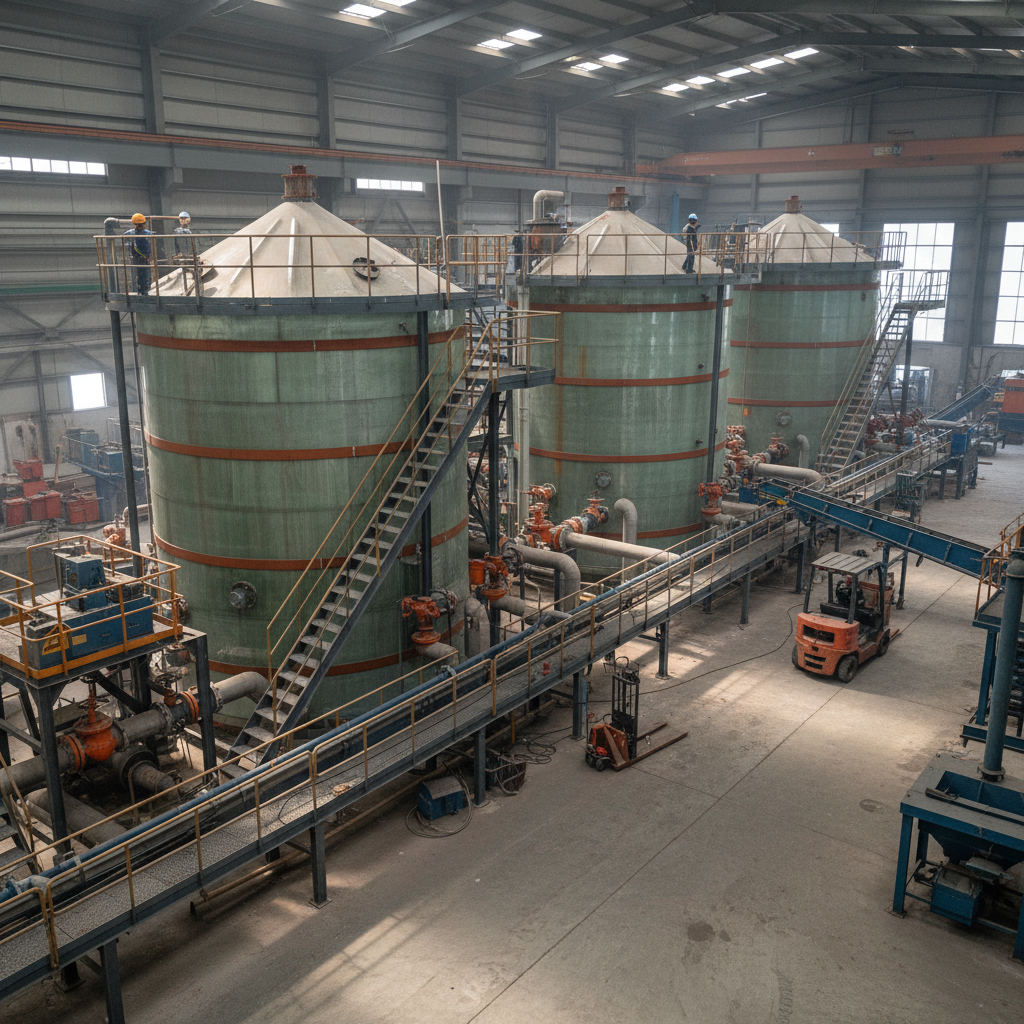
After spending years in the industrial equipment sector, I've come to respect just how vital quality and reliability are, especially when it comes to storage solutions like FRP water tanks. These aren’t just large containers; they’re often critical components of water management systems in factories, agricultural setups, and municipal utilities.
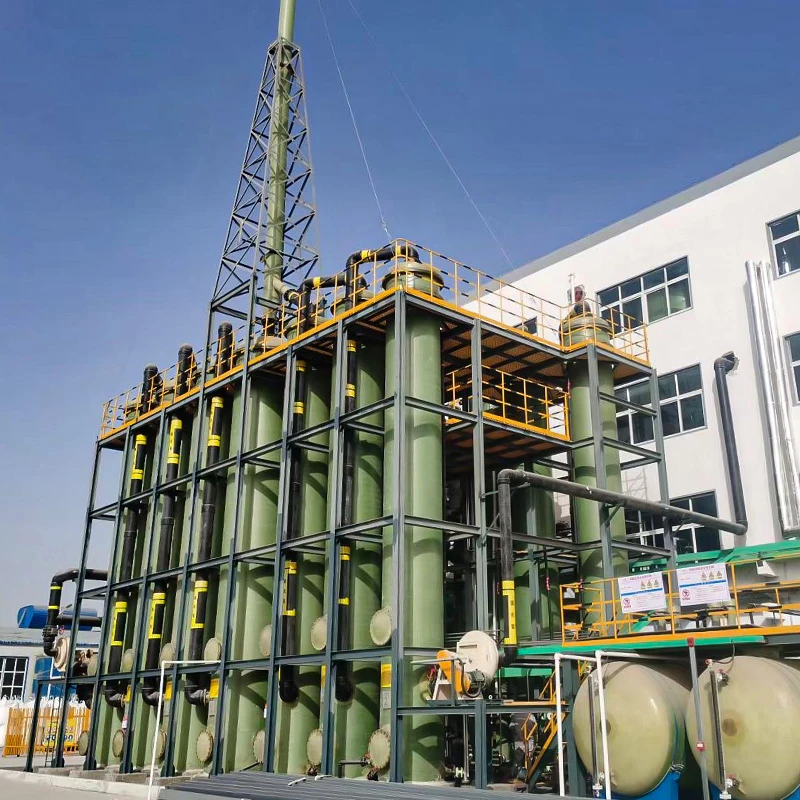
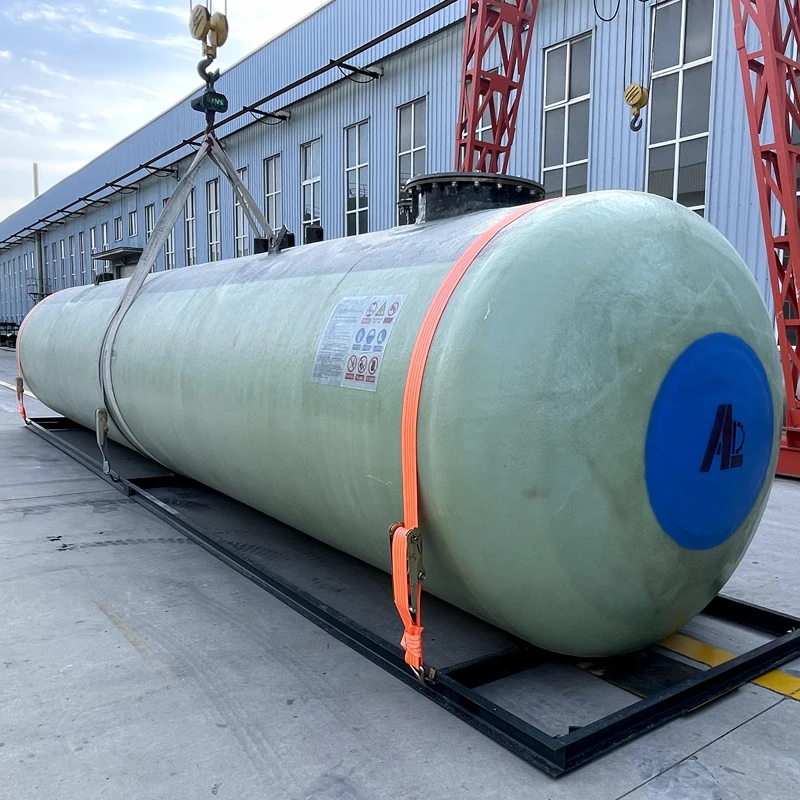
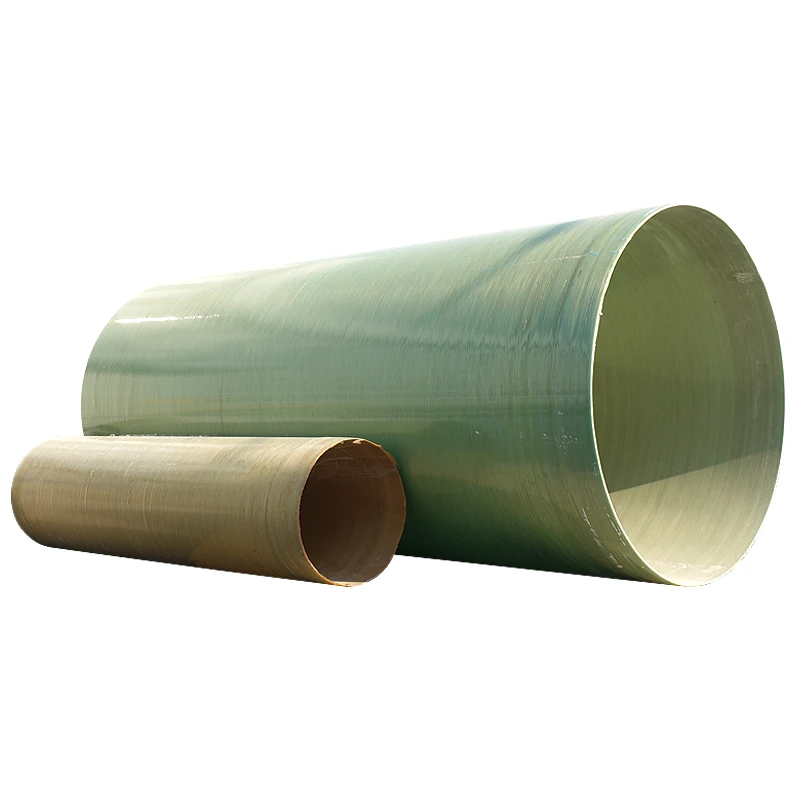
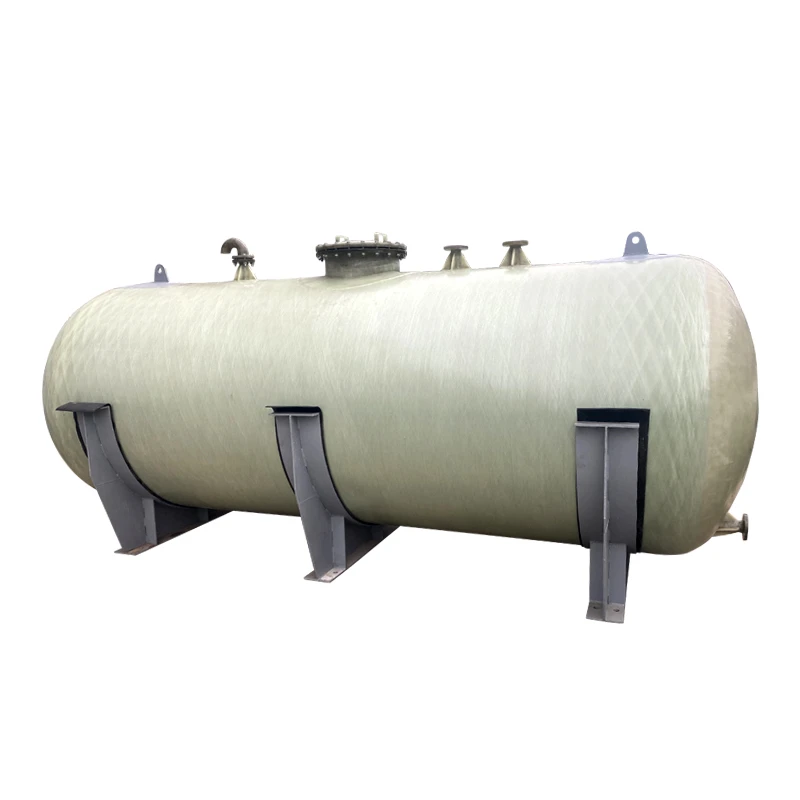
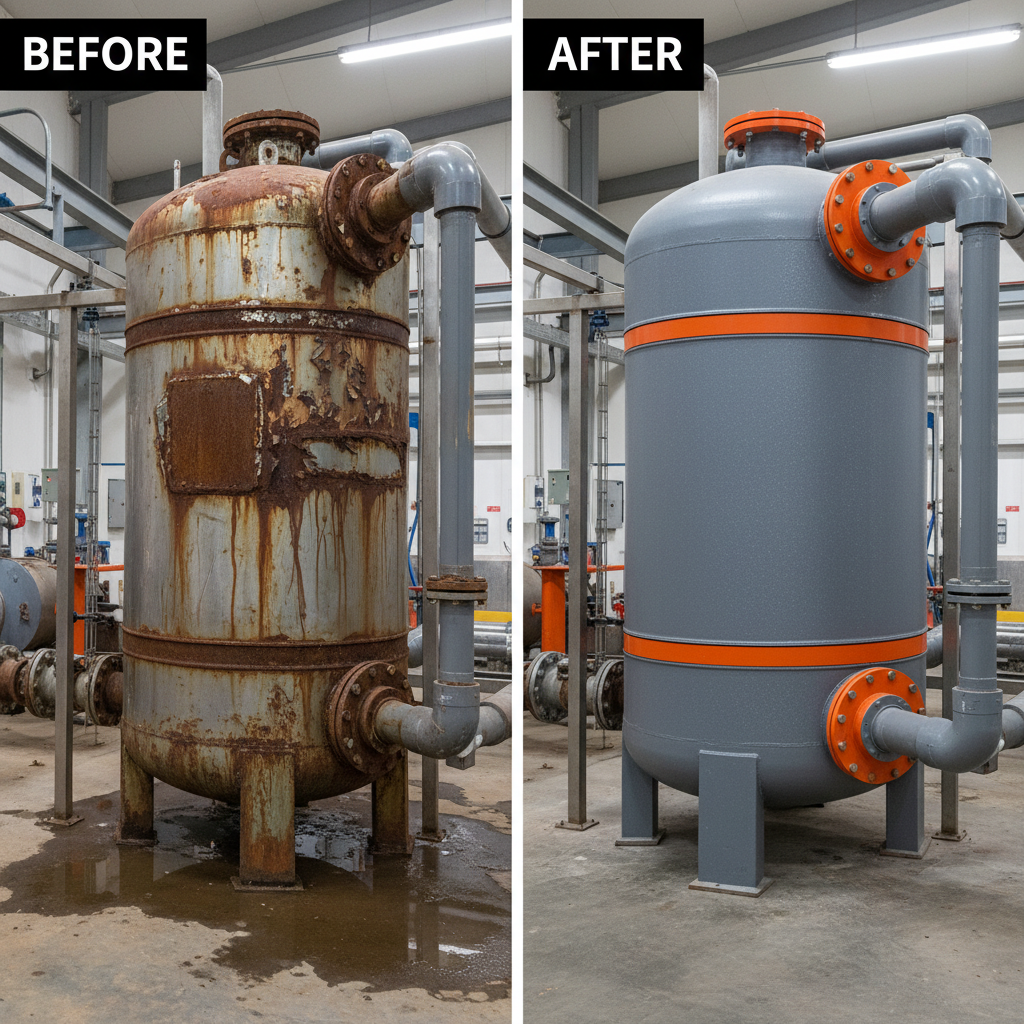
Fiberglass Reinforced Plastic (FRP) tanks have become more popular over the last decade due to their impressive corrosion resistance and durability. Unlike traditional steel or concrete tanks that can corrode or crack over time, FRP holds up well, even in harsh chemical environments or areas prone to extreme weather.
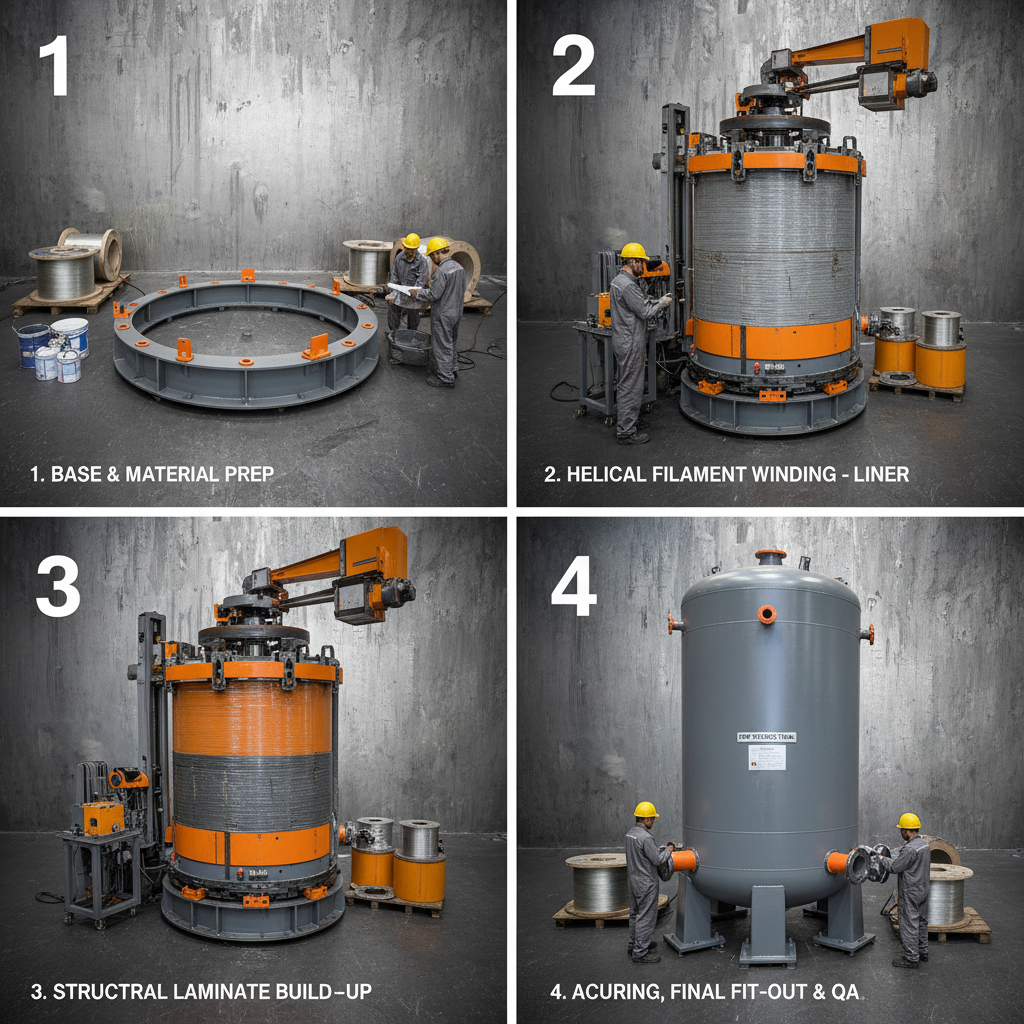
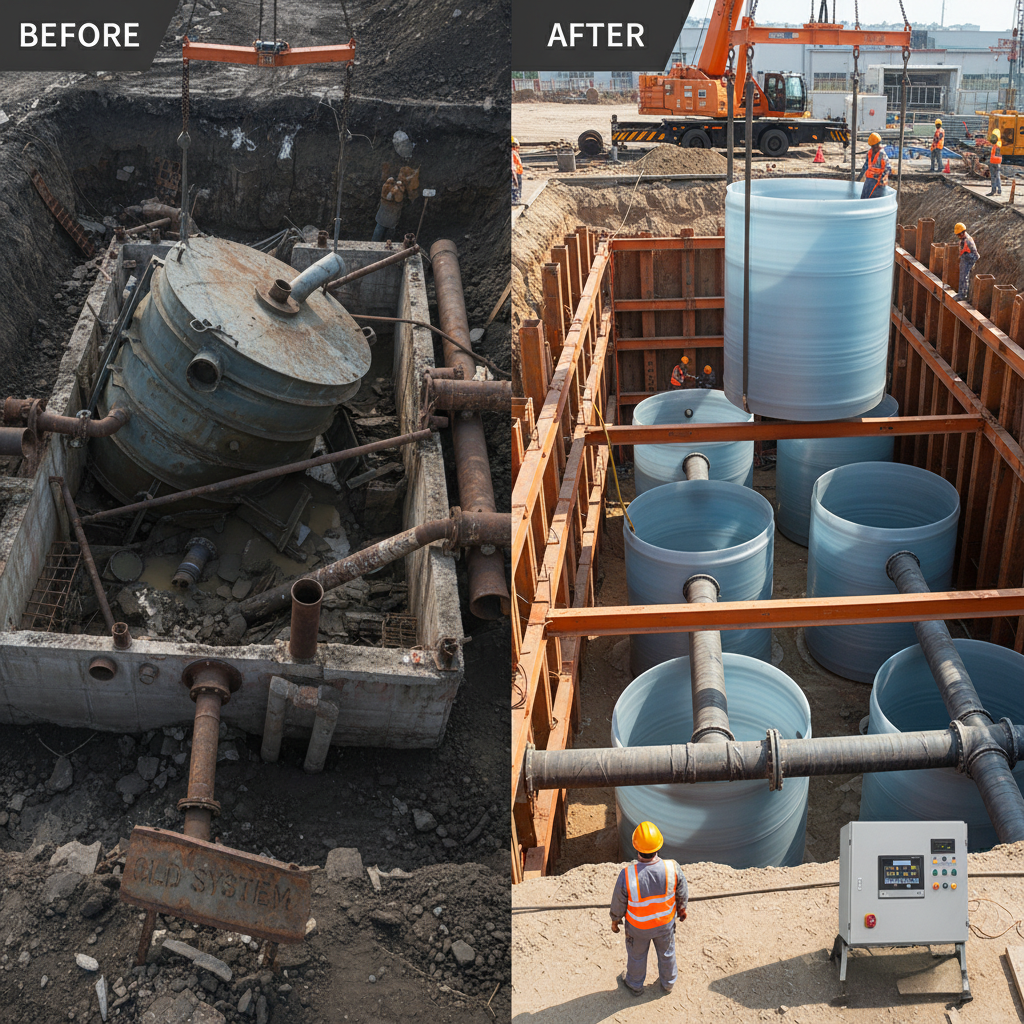
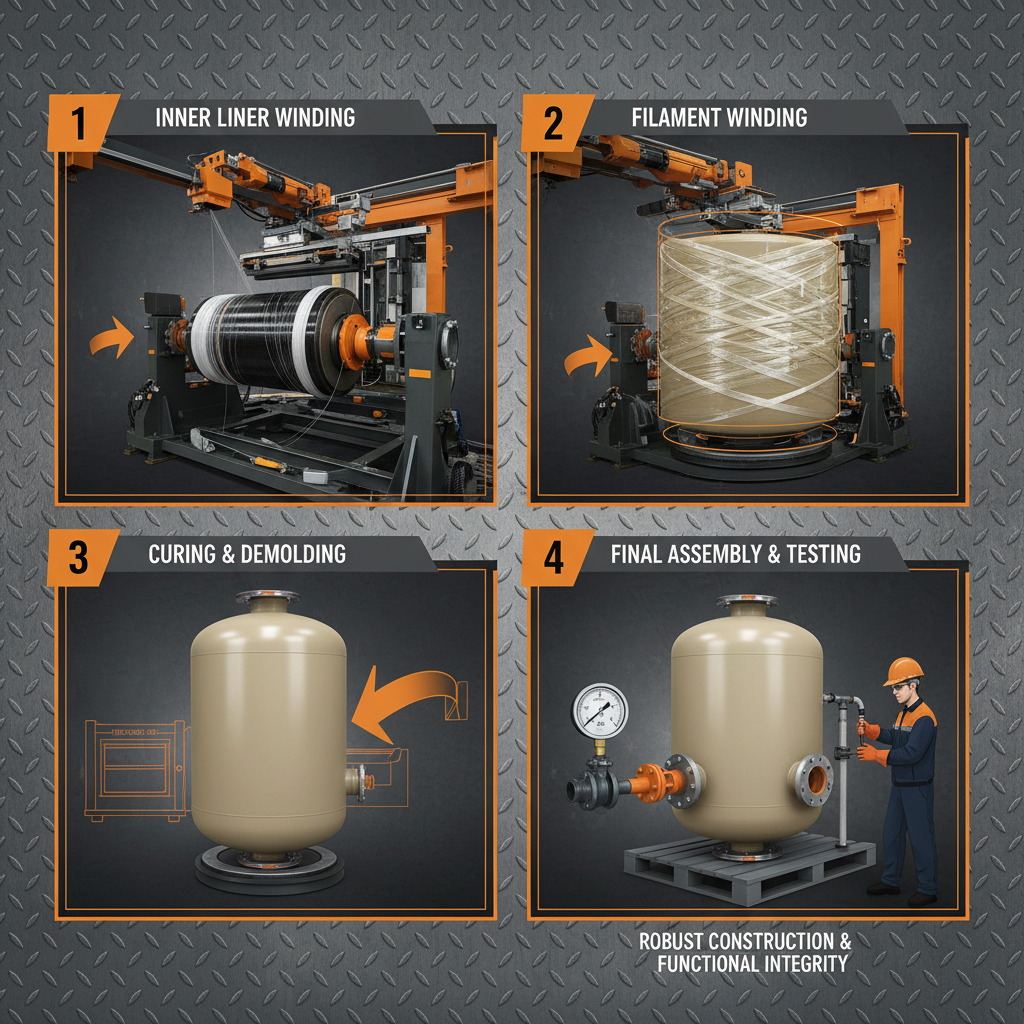
Frankly, when I first encountered FRP tanks, I was a bit skeptical. They felt almost too “modern” compared to the heavy, familiar steel tanks I was used to. But after seeing them in action and learning about their manufacturing nuances, my appreciation grew. You see, the laminate layers and resin quality make all the difference. I recall a customer who replaced corroded steel tanks with FRP units and ended up saving thousands on maintenance within the first year alone. It’s one of those cases where upfront investment pays off in real terms.
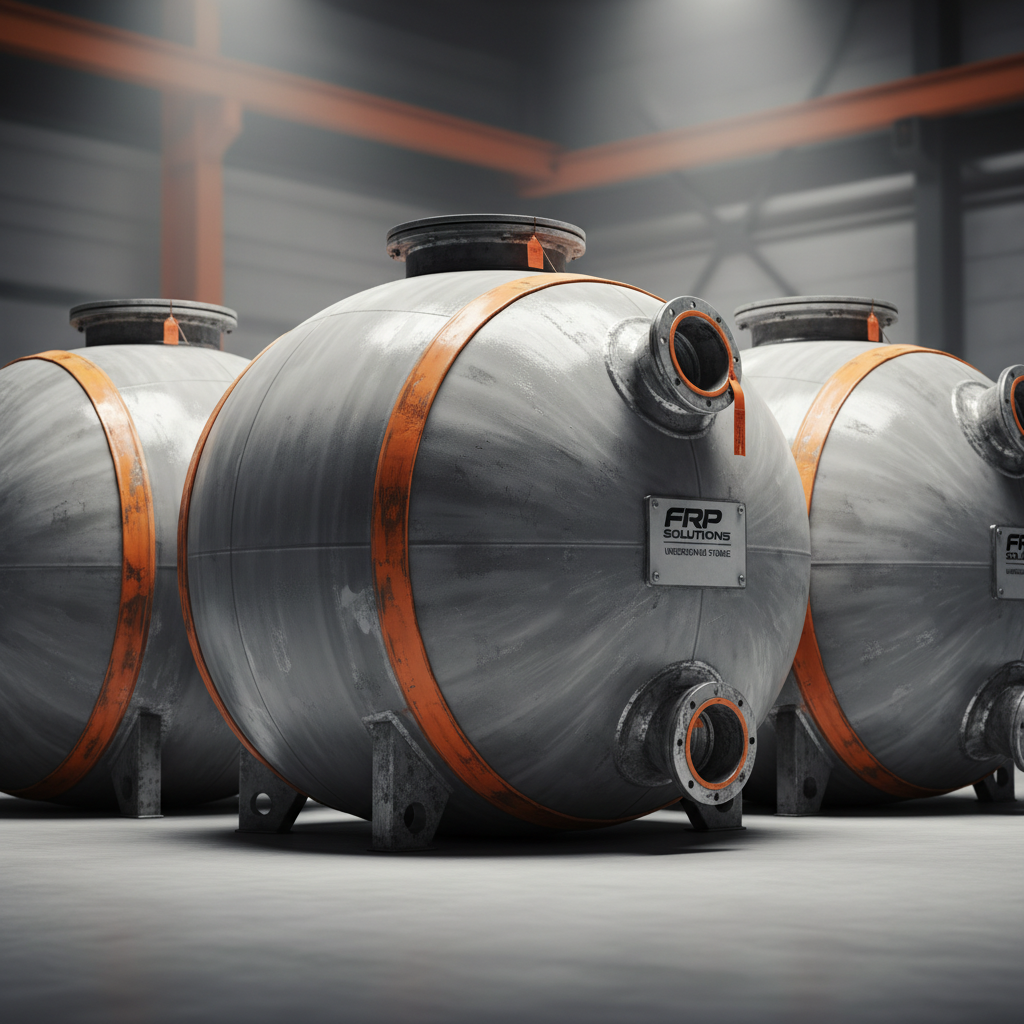
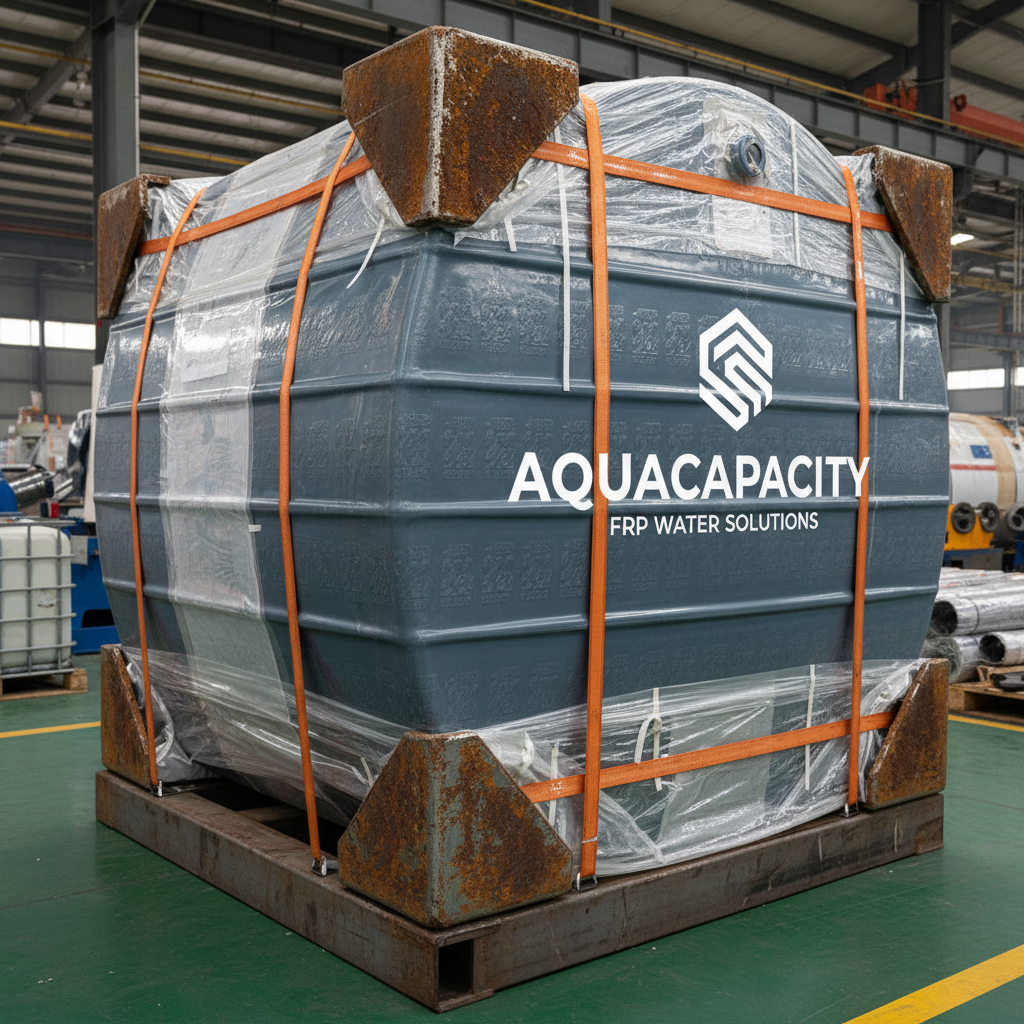
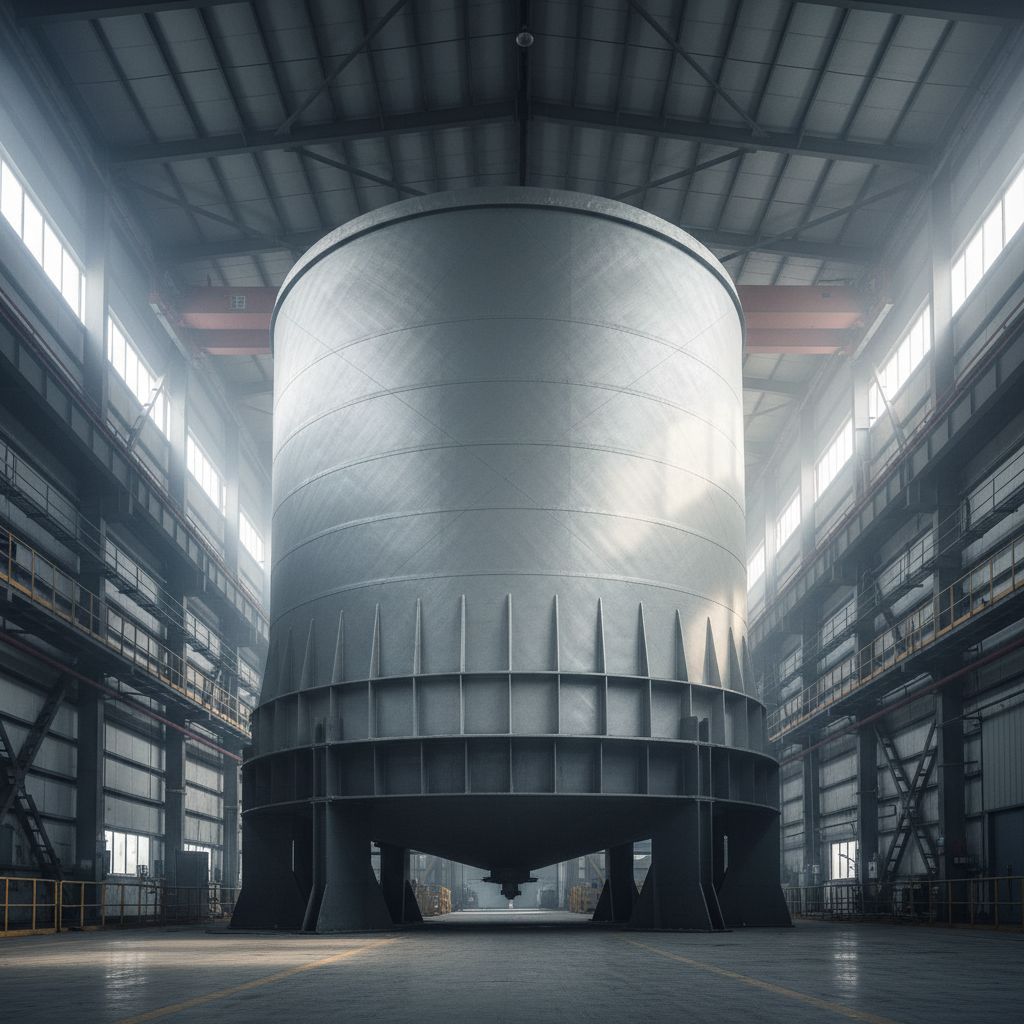
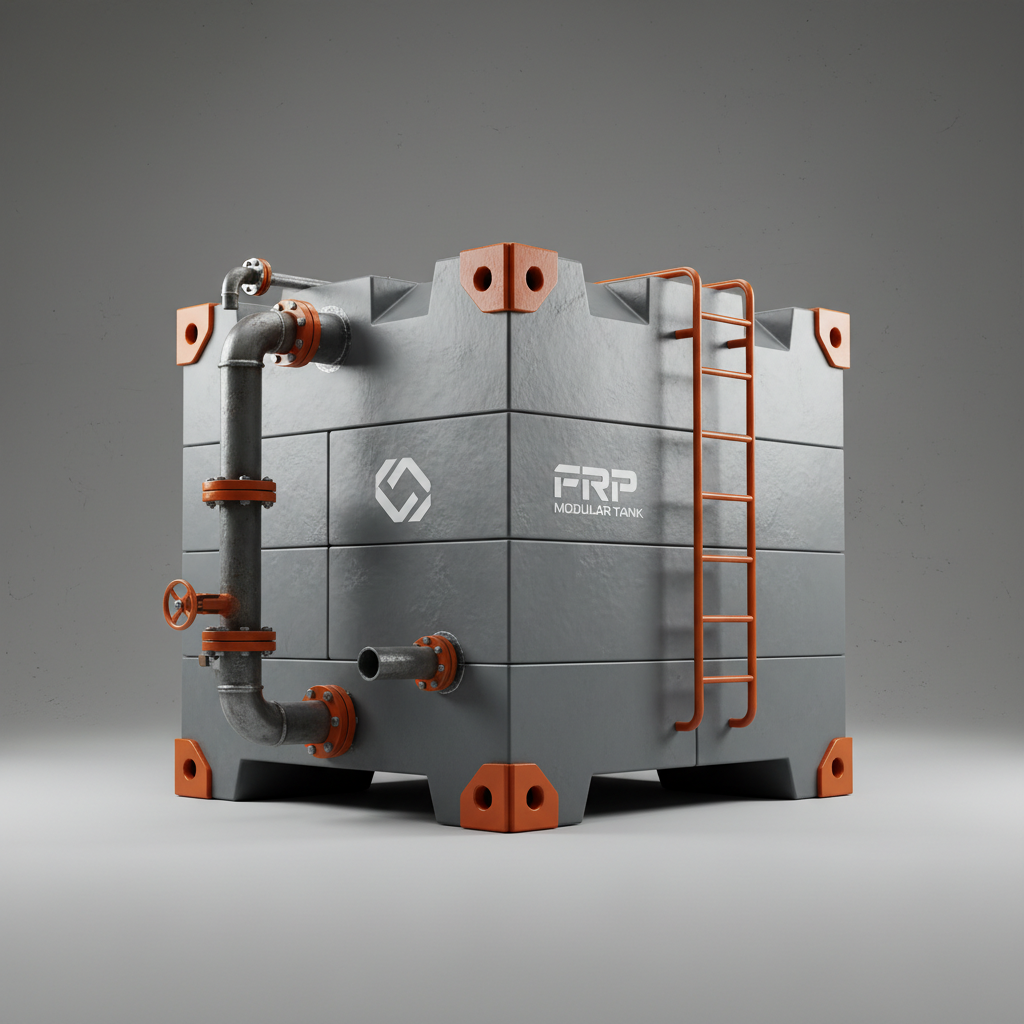
Manufacturers typically customize these tanks by size, shape, and resin type to suit different applications — be it potable water, agricultural irrigation, or chemical storage. The design flexibility is surprisingly broad, which means clients often get exactly what they need without hefty compromises.
What I find especially impressive is how strict factory testing is nowadays. Standards like ASTM, ISO, and sometimes local certifications come into play. Hydrostatic pressure tests, UV resistance checks, and even flame-retardant tests ensure these tanks won't fail unexpectedly. I suppose, in industrial contexts, that reliability translates directly into operational peace of mind.
| Feature | Details |
|---|---|
| Material | Fiberglass with polyester or vinyl ester resin |
| Capacity | From 500 liters up to 100,000 liters or custom sizes |
| Shape | Cylindrical, rectangular, or custom |
| Coating | Gel coat UV-resistant, chemical-resistant layers |
| Temperature Range | -40°C to 80°C depending on resin |
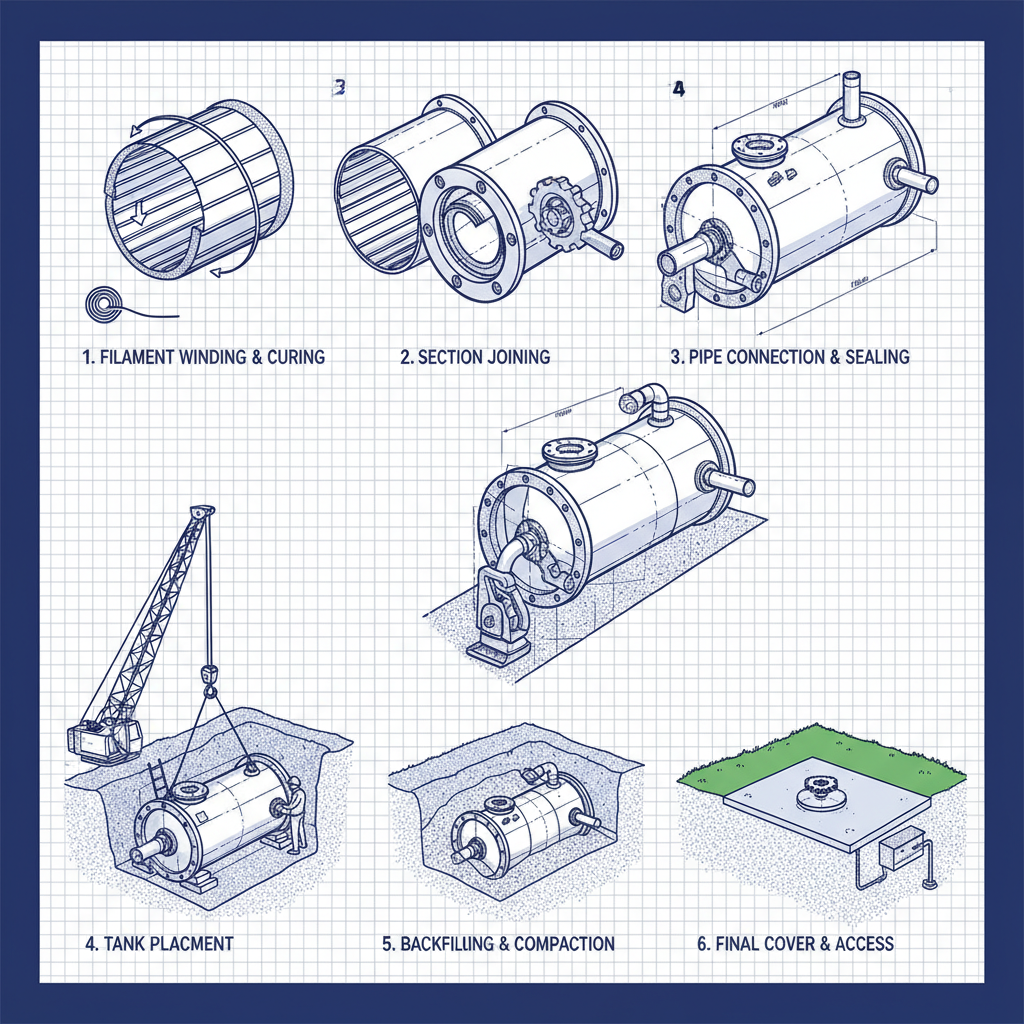
| Installation | Above ground or partially buried options |
Oddly enough, the most common question I get is about how FRP tanks compare to steel and polyethylene tanks in terms of lifespan and cost. While polyethylene tanks are cheaper upfront, their long-term resistance to UV and chemicals is often inferior. Steel tanks can be stronger structurally but need regular maintenance to stave off rust. FRP, when sourced from reputable manufacturers, tends to hit a sweet spot — decent upfront cost, excellent lifespan, and minimal upkeep.
| Vendor | Customization | Certifications | Delivery Lead Time | Typical Applications |
|---|---|---|---|---|
| FRPGRP Machine | High (custom sizes/shapes) | ISO 9001, ASTM Compliant | 4-6 weeks | Industrial, agricultural, municipal |
| TankCo Ltd | Medium (standard sizes) | ISO 9001 | 6-8 weeks | Chemical, potable water storage |
| AquaFiber Systems | Low (mostly standard options) | ASTM Compliant | 3-5 weeks | Residential, small commercial |
To wrap up, if you’re in the market for a robust yet maintenance-friendly water storage solution, finding the right FRP water tank manufacturer is worth the effort. The blend of material science and practical design results in tanks that just keep performing, often exceeding expectations.
Just a little piece of advice from someone who's been there—always confirm certifications and ask about testing protocols upfront. It makes a difference.
References:
- ASTM International, Standards for Composite Water Tanks
- ISO 9001 Quality Management for FRP manufacturers
- Industry insights from “Water Storage Solutions,” Journal of Industrial Engineering, 2023