Sulfuric Acid Production | High-Purity, Low-Emission
Sulfuric Acid Production Line for H2SO4 Plants: Notes From the Floor
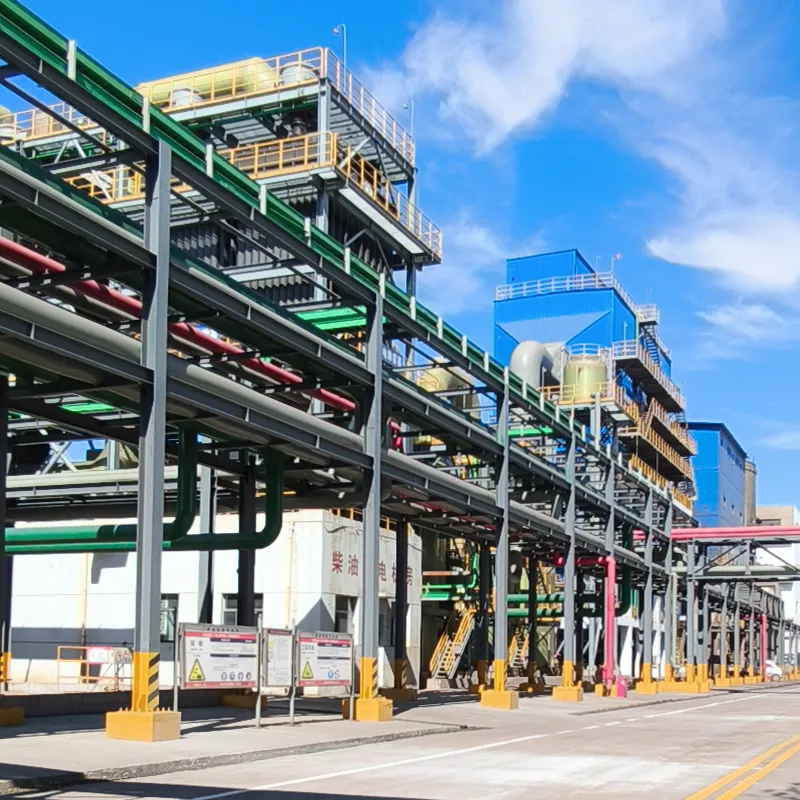
If you work around acid plants, you can smell a good design long before you see it. When people ask me about sulfuric acid production, I usually start with what’s changed: smarter heat management, tighter emission control, and equipment that just keeps running. This particular line leans on a modernized Mannheim furnace section (yes, really) integrated with the classic contact process—an interesting hybrid that, in practice, improves heat balance and reaction completion. To be honest, the even heating is what operators rave about first.
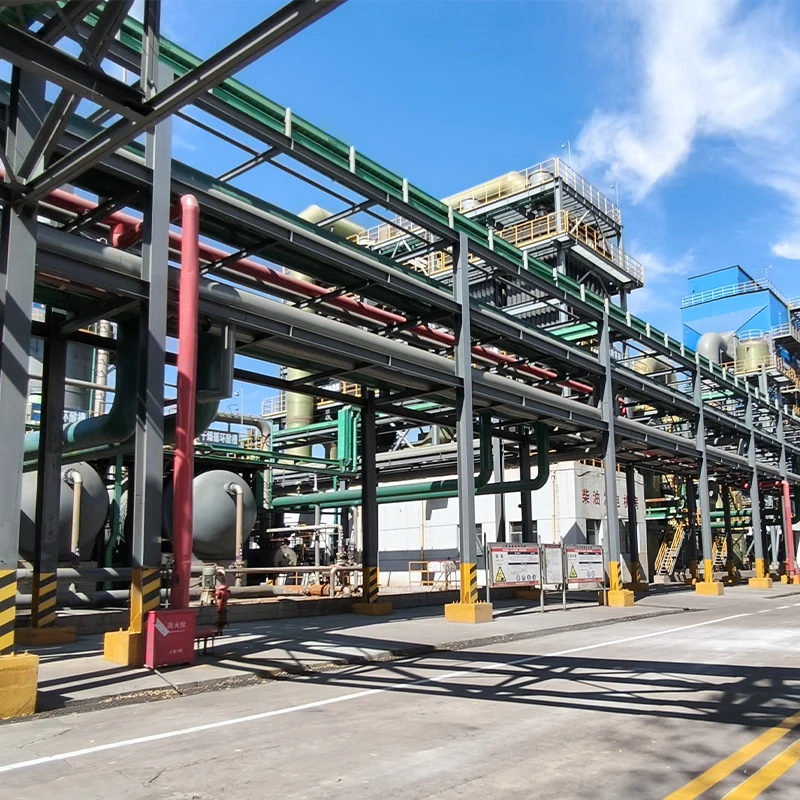
Process Flow (Field-Proven)
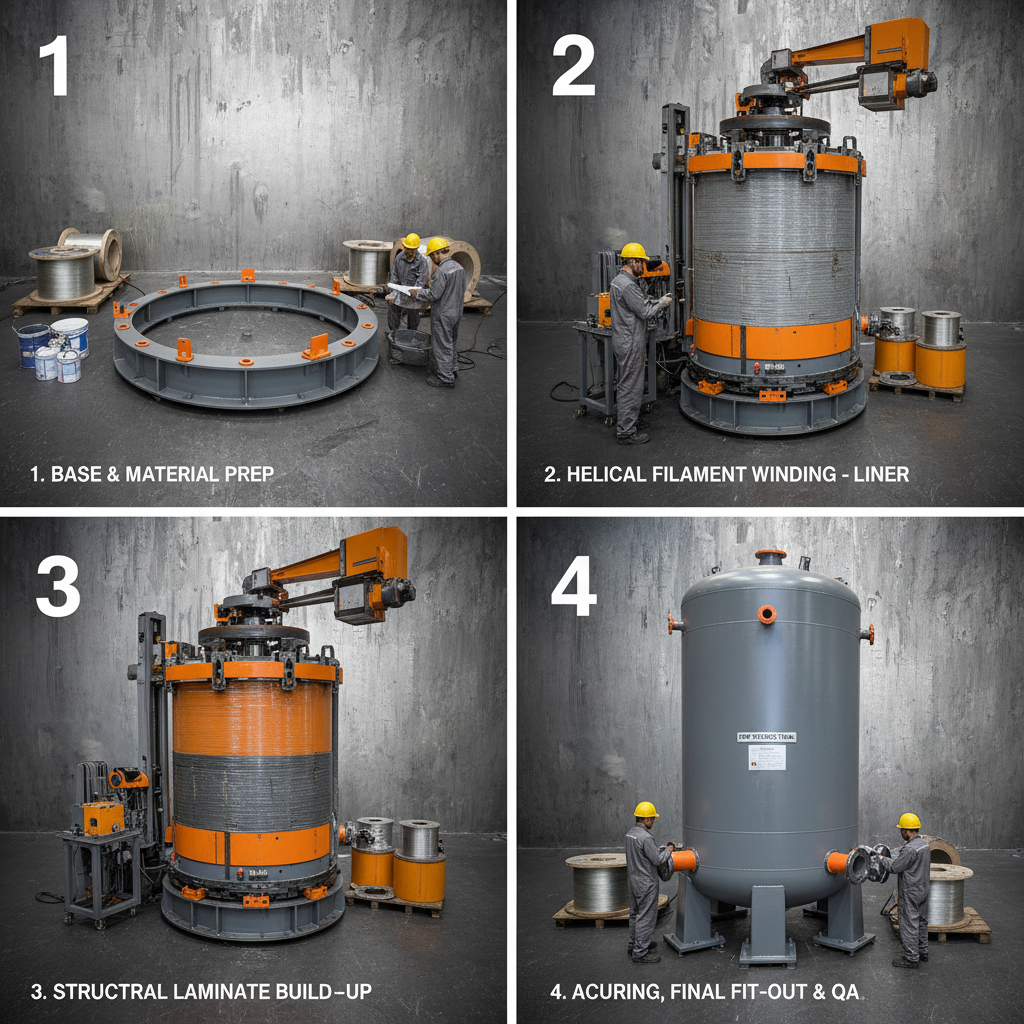
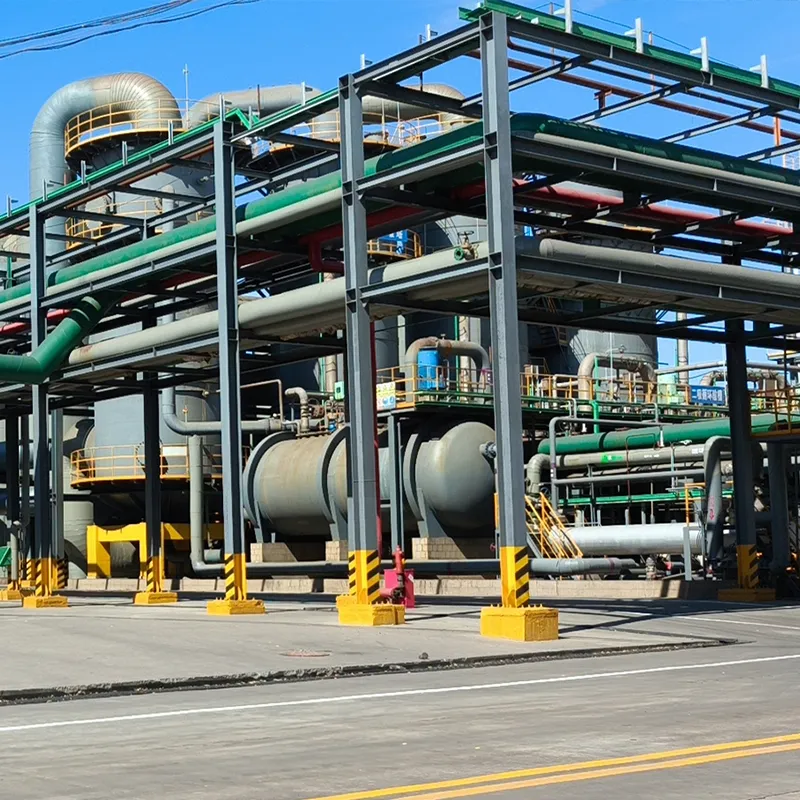
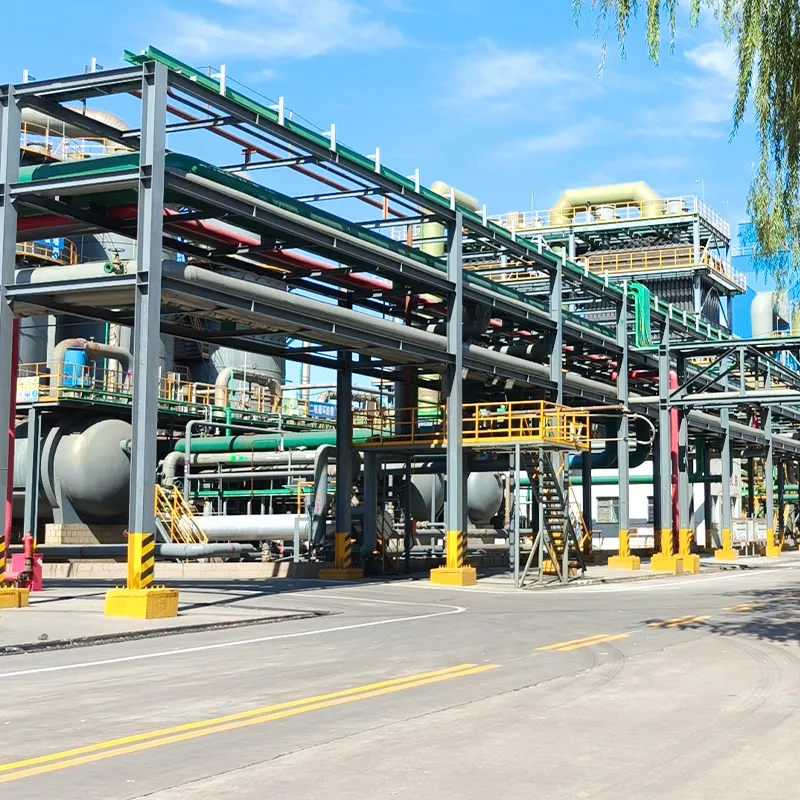
Here’s the practical walk-through I’ve seen on site: molten sulfur (or off-gas sulfur streams) to sulfur burner; SO2 gas cooling and scrubbing; multi-bed V2O5 catalyst conversion (SO2→SO3); absorption in strong acid to make oleum/adjusted H2SO4; tail-gas polishing. The Mannheim furnace module—improved refractories, revised grate, and staged heating—stabilizes upstream thermal conditions and cuts fuel peaks. Net effect: lower energy per tonne and fewer “hot spots” that chew through linings.
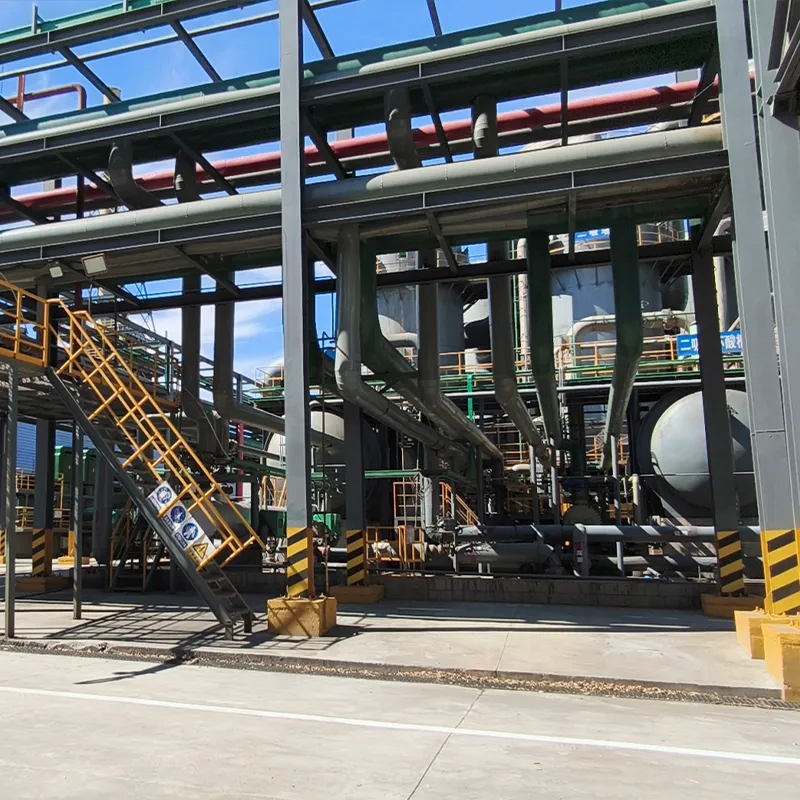
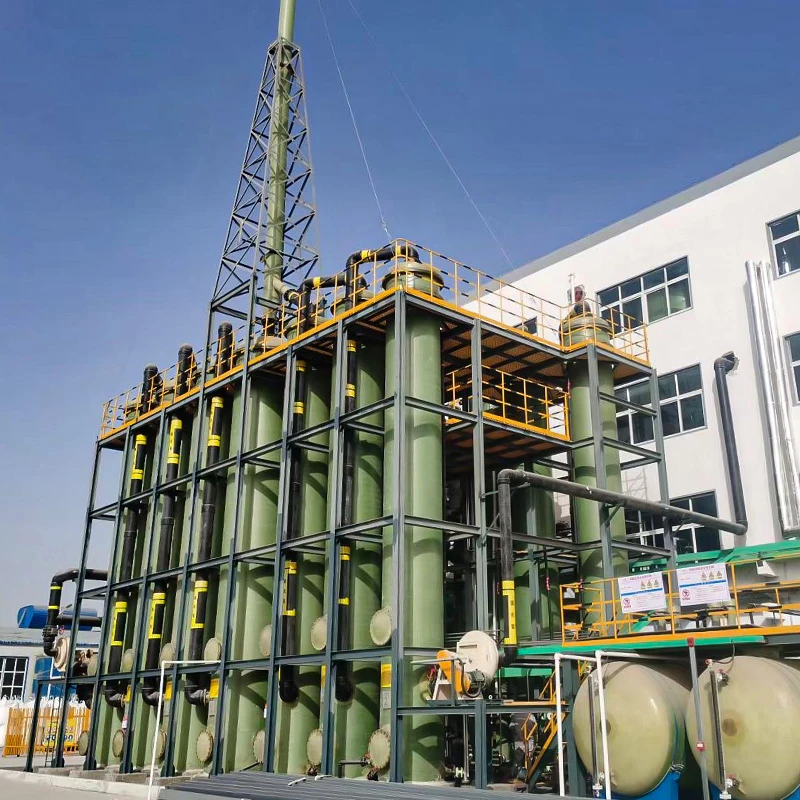
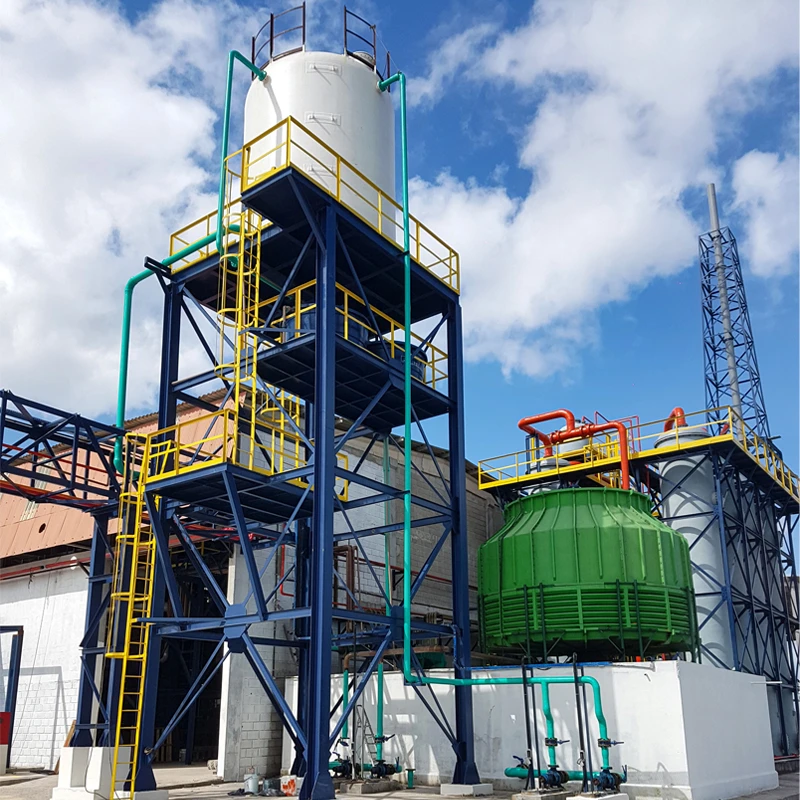
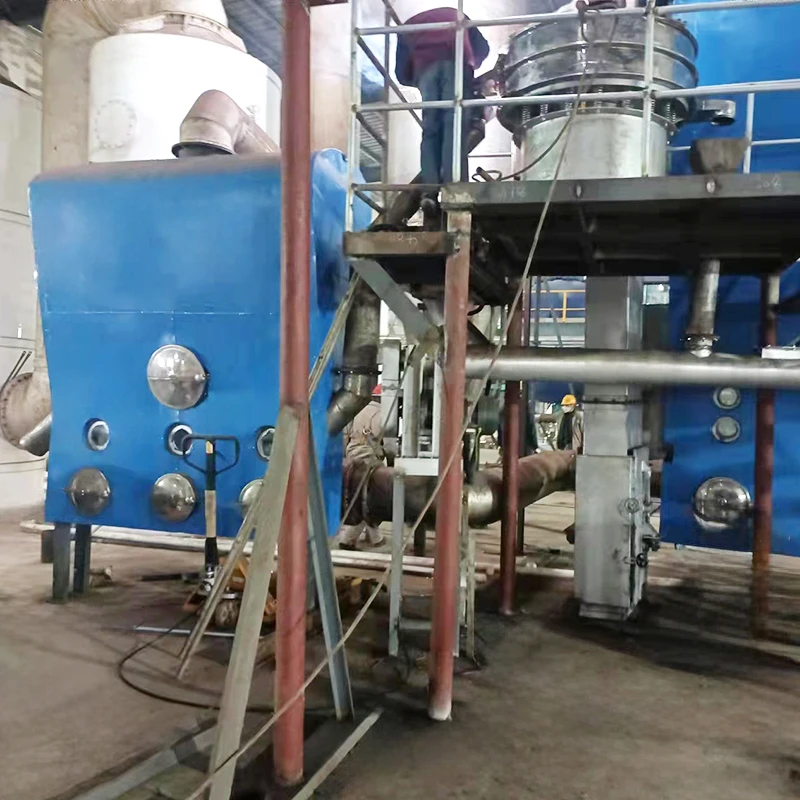
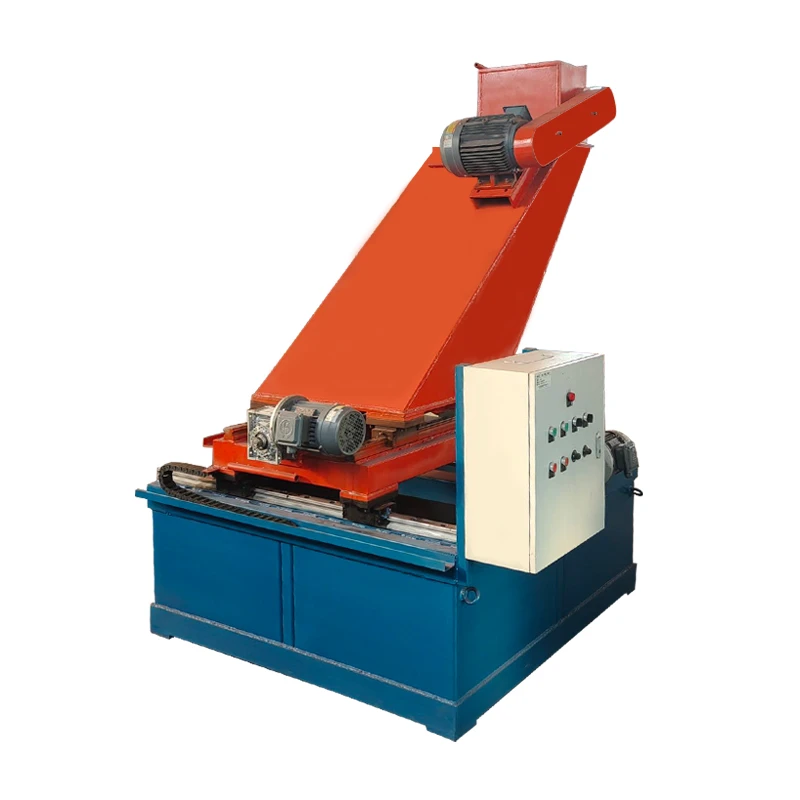
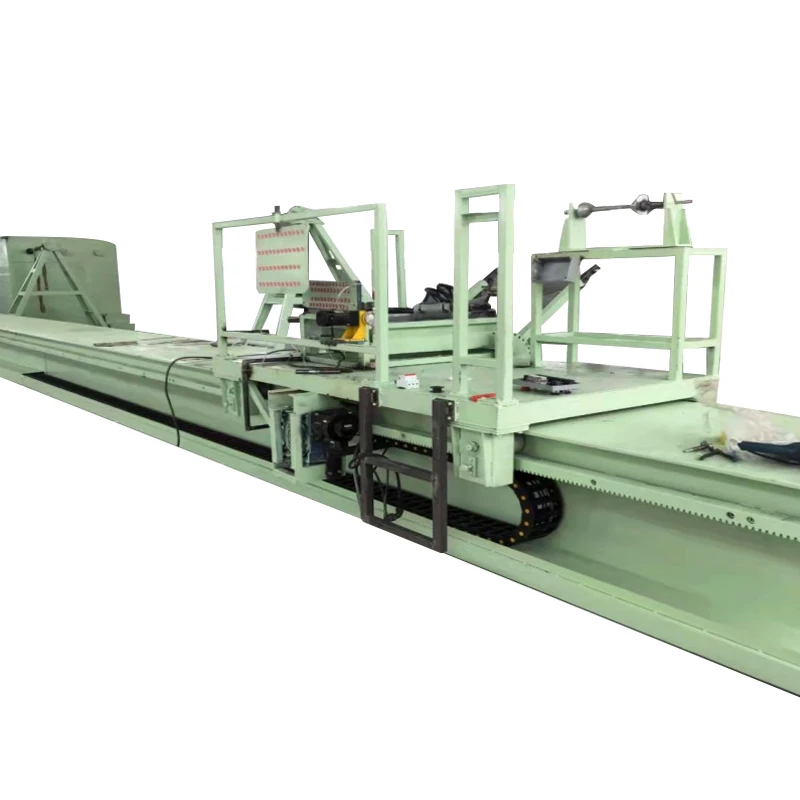
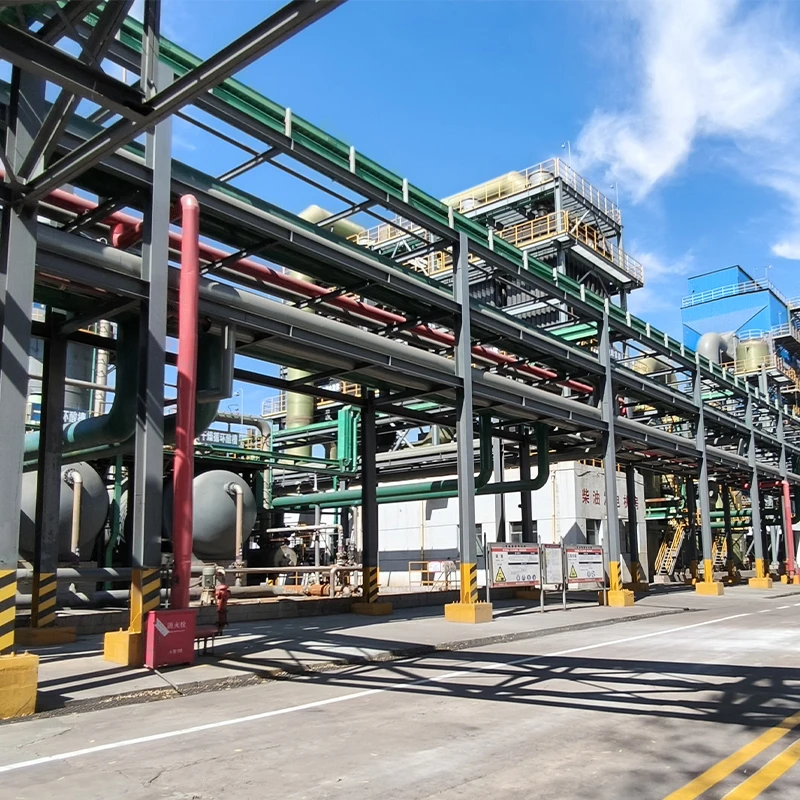
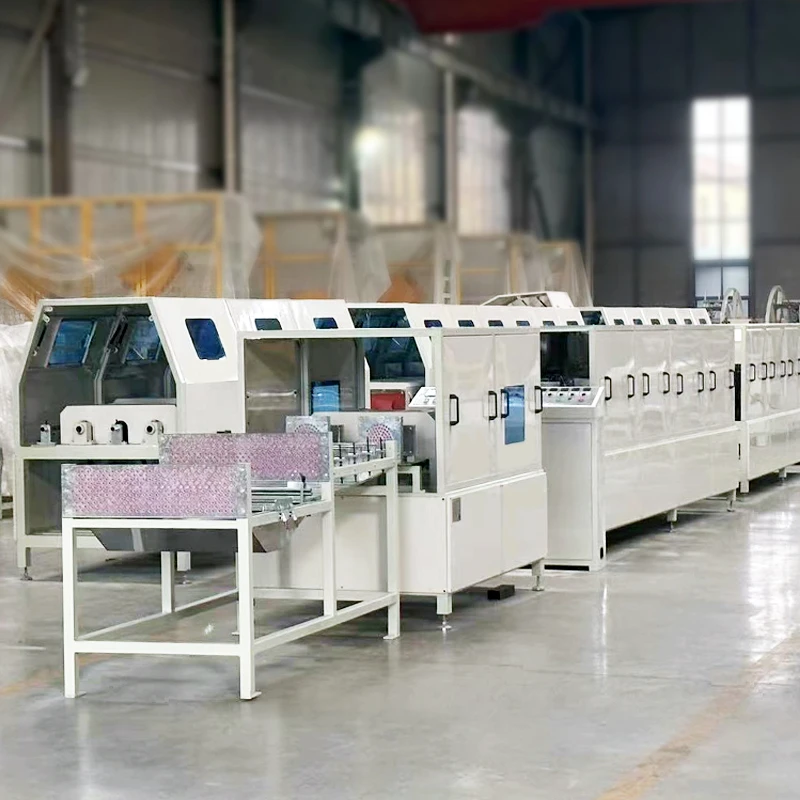
Product Snapshot: Sulfuric Acid Production Line For H2so4 Plant
Origin: No. Room 211, 706 Xinghua North Street, Jizhou District, Hengshui City, Hebei Province. The team has tweaked the Mannheim furnace construction and materials for even heating, complete reaction, and low energy use. In fact, many customers say daily operation feels… calmer.
| Parameter | Spec (≈, real-world use may vary) |
|---|---|
| Capacity | 50–800 t/d H2SO4 |
| Energy Consumption | ≈ 0.9–1.1 GJ/t (net), site-dependent |
| Conversion Efficiency | SO2→SO3 ≥ 99.5% with 3–4 bed V2O5 |
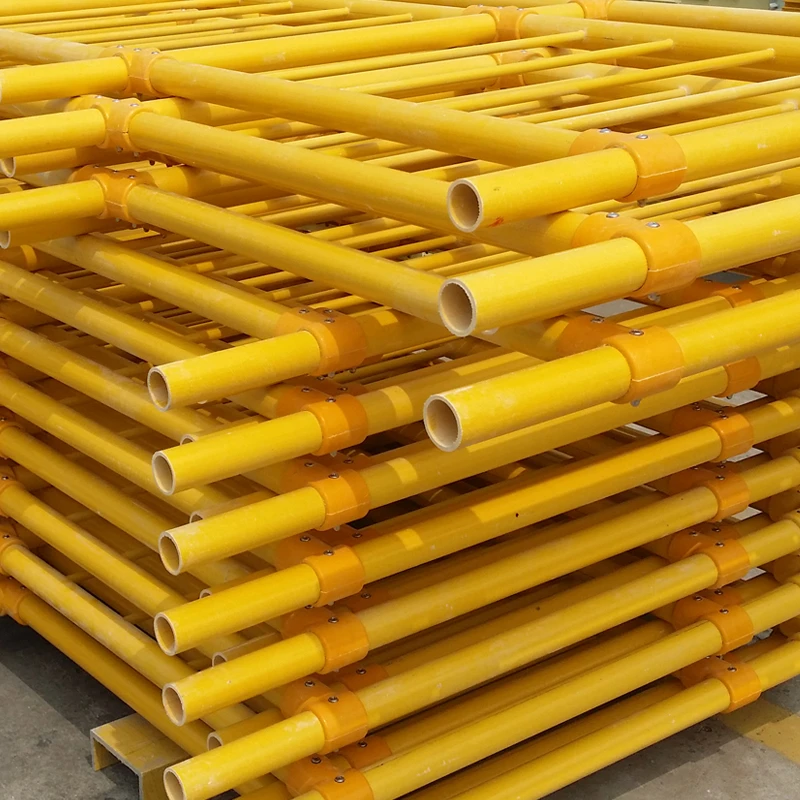
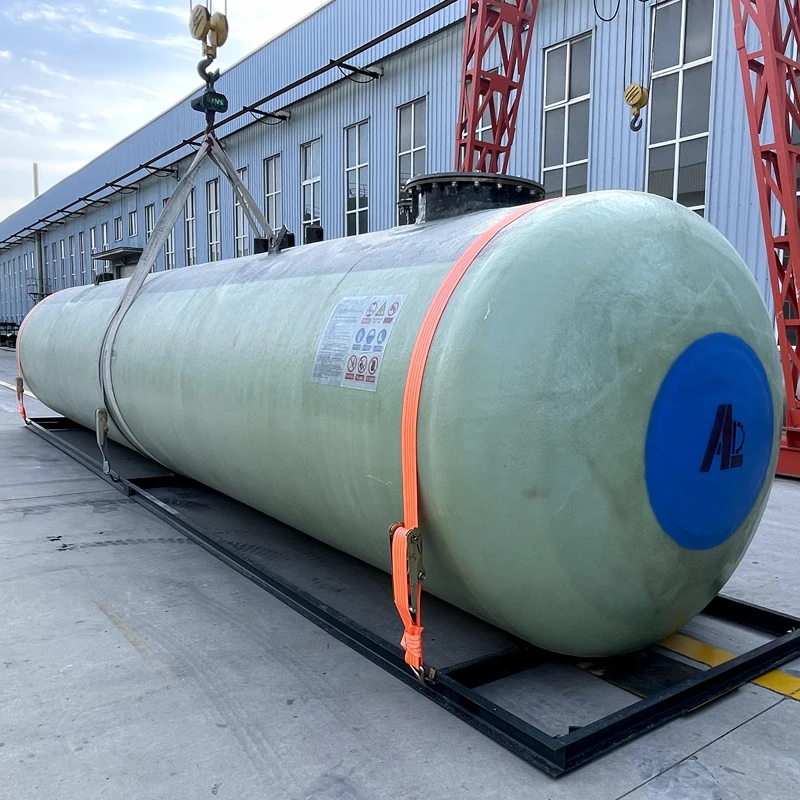
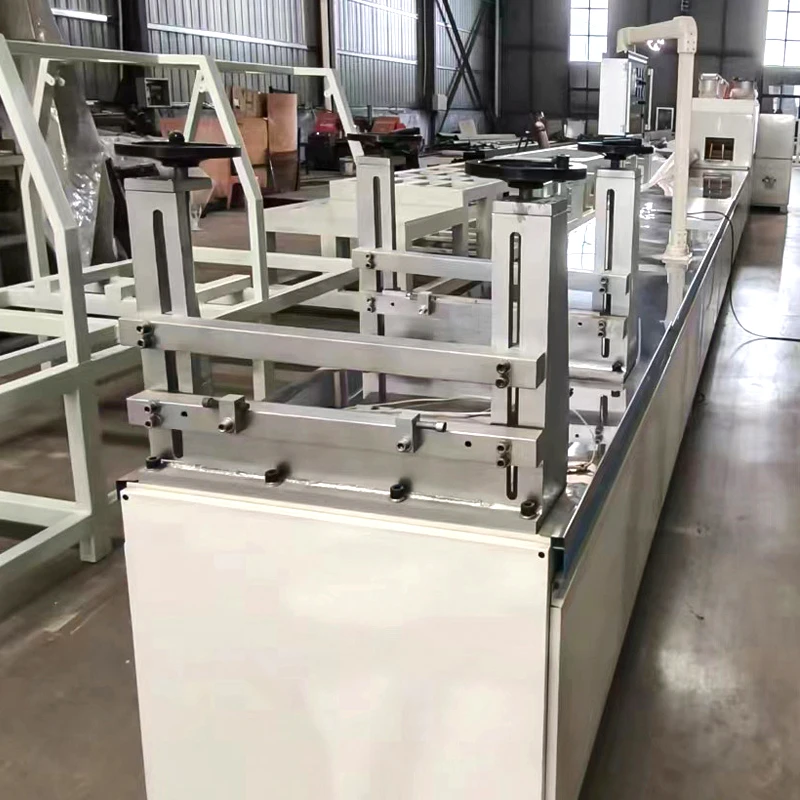
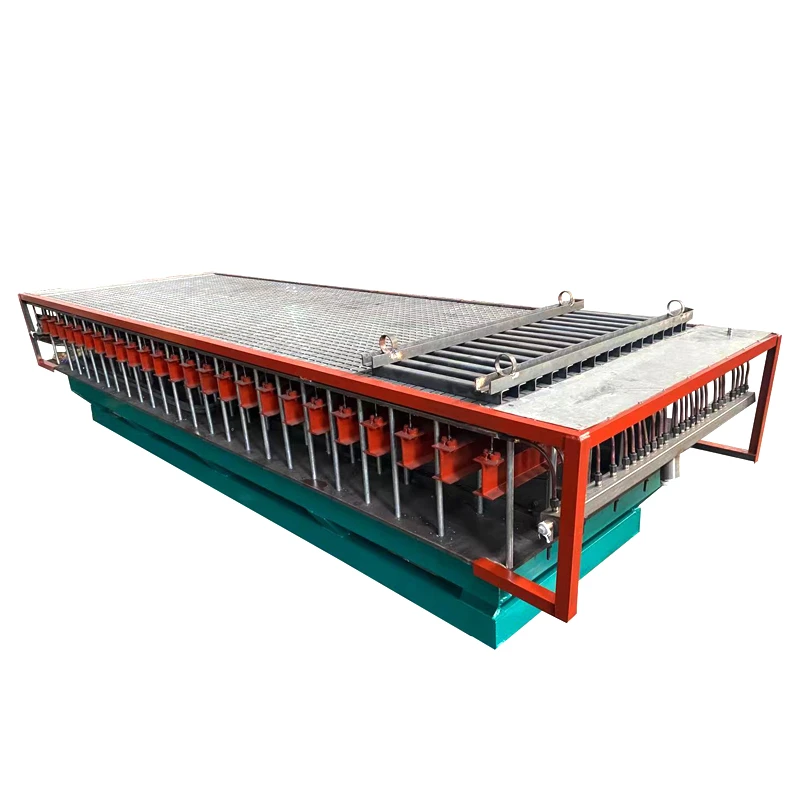
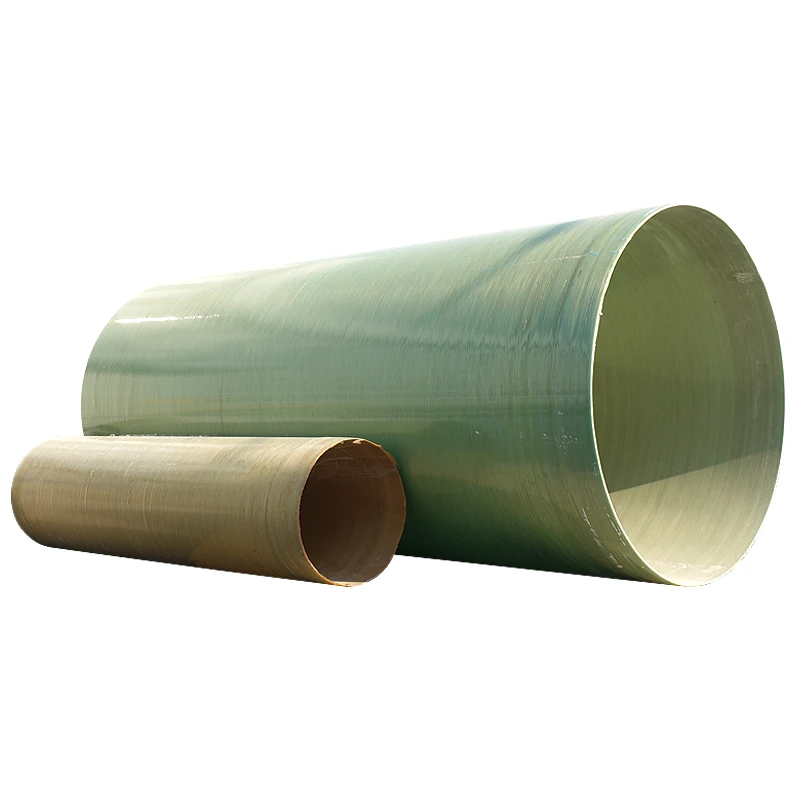
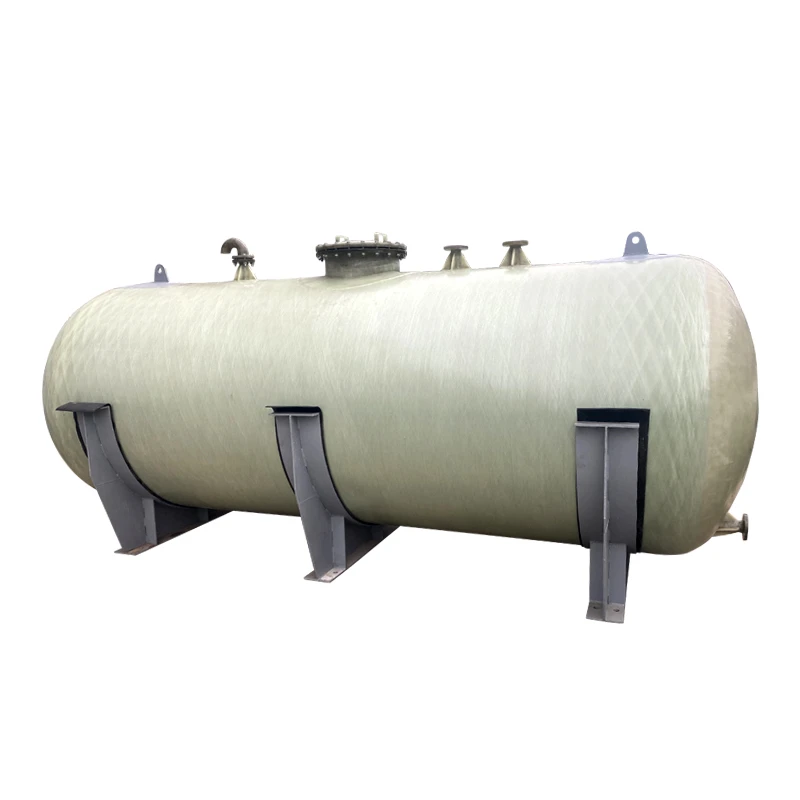
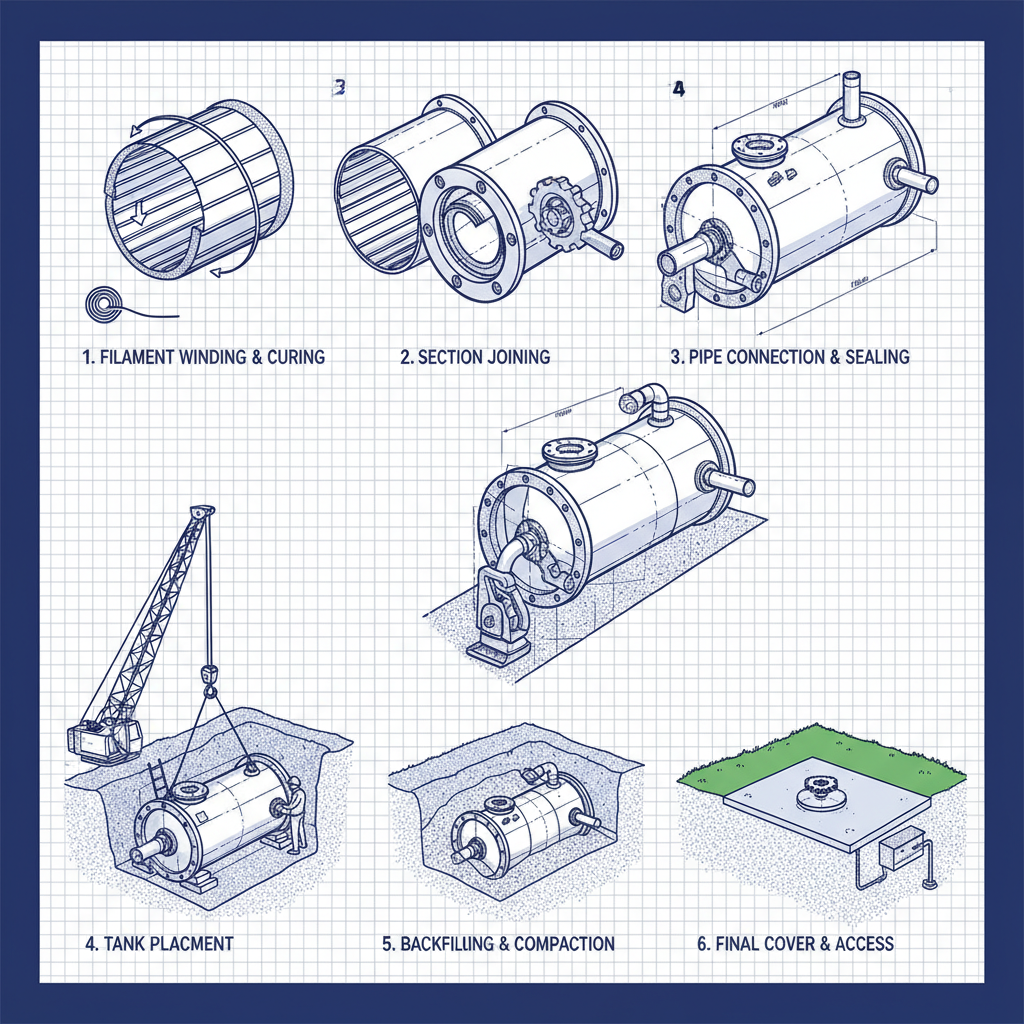
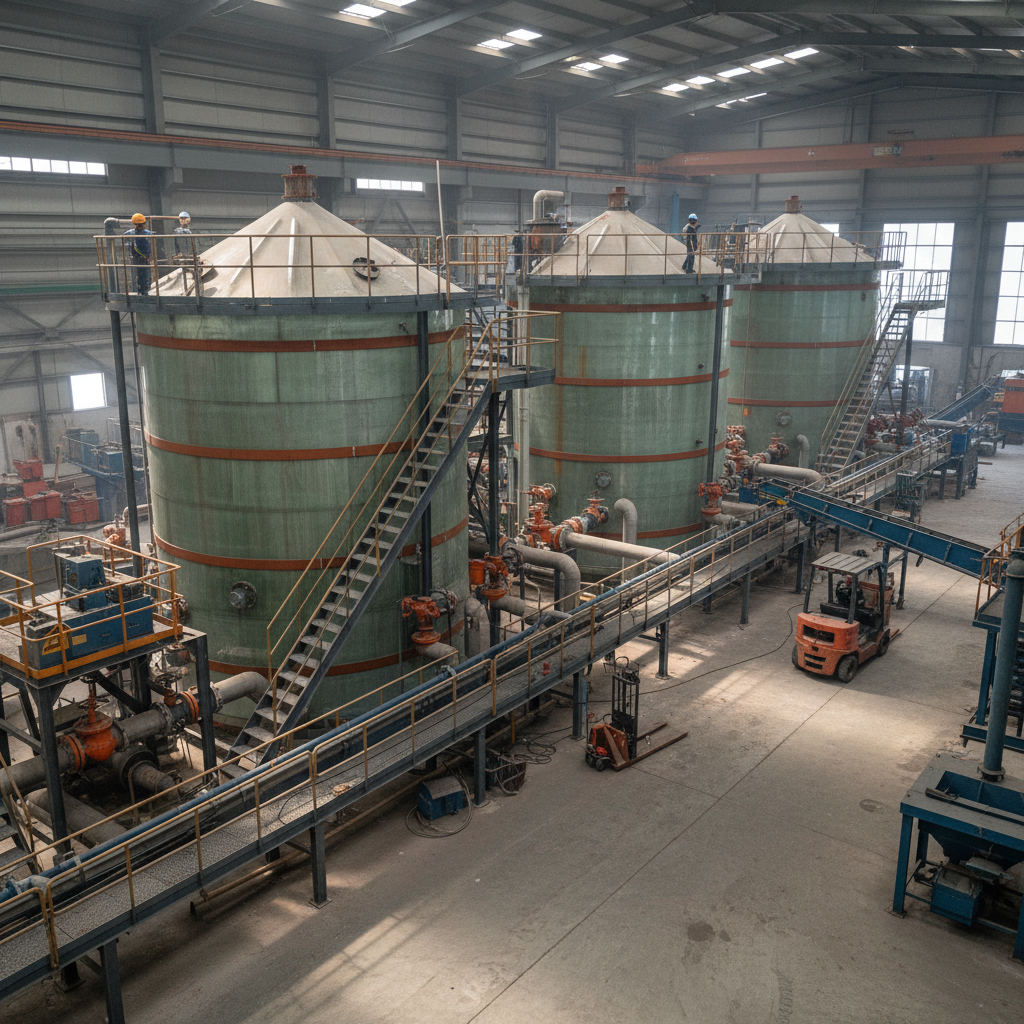
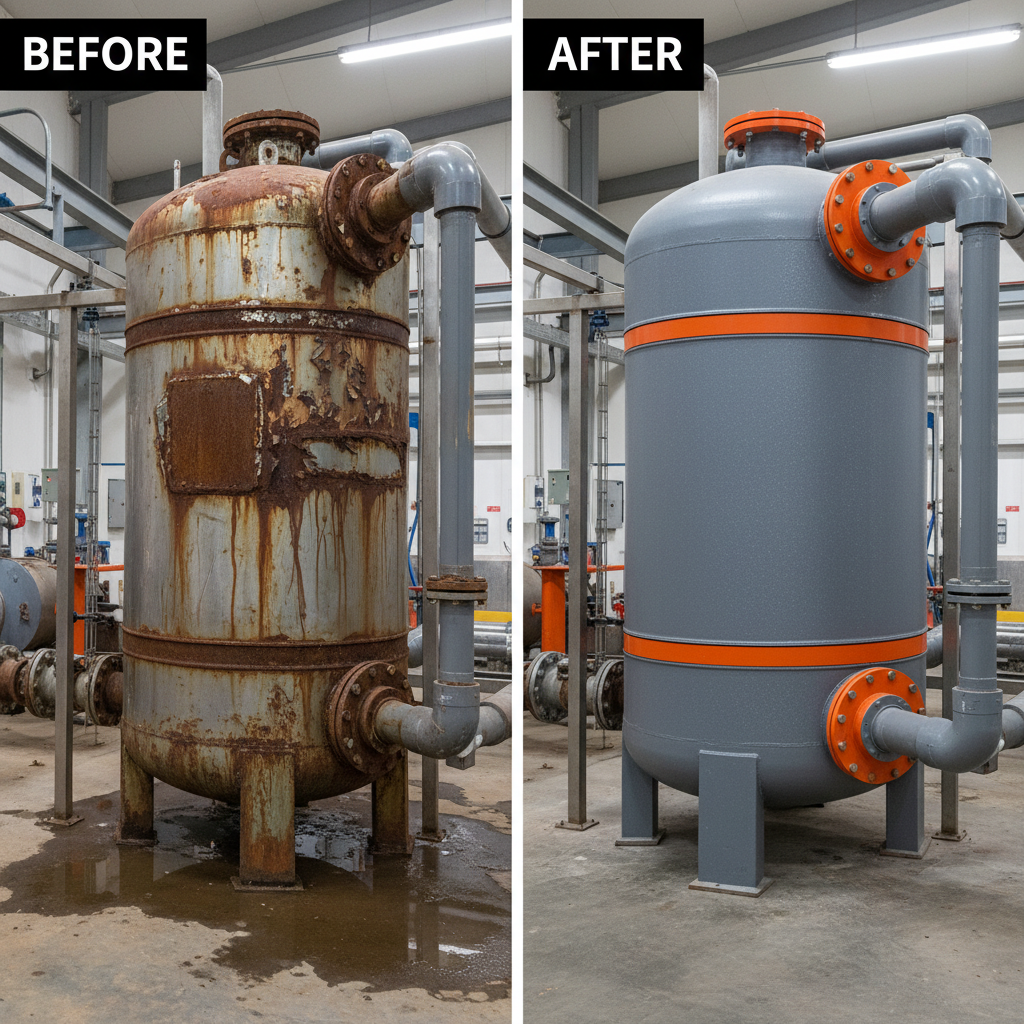
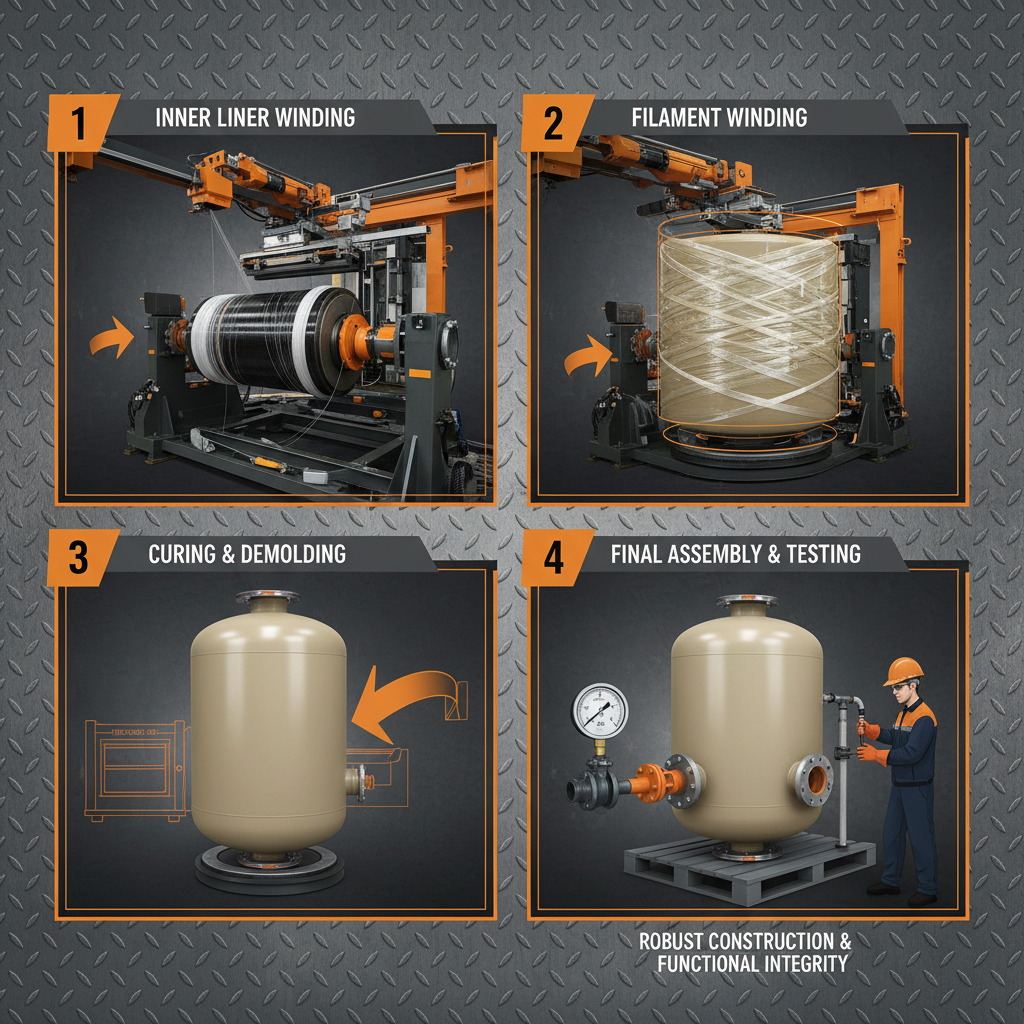
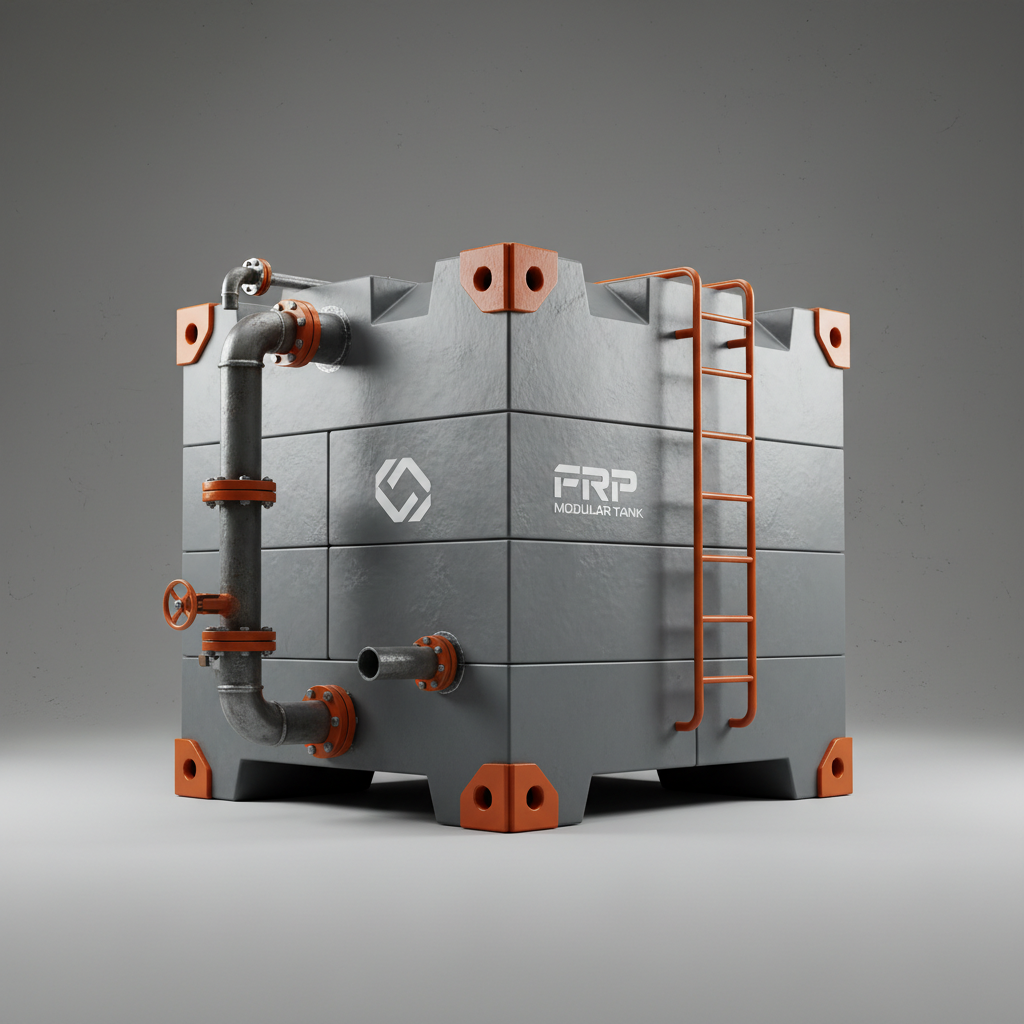
| Materials of Construction | Acid-resistant brick, SiC nozzles, PTFE-lined steel, FRP ducts/towers, alloy internals |
| Service Life | Refractory 8–12 yrs; FRP ducts 10–15 yrs; packing 5–7 yrs |
| Emissions | SO2 |
| Automation | PLC/DCS (Siemens/ABB/others by request) |
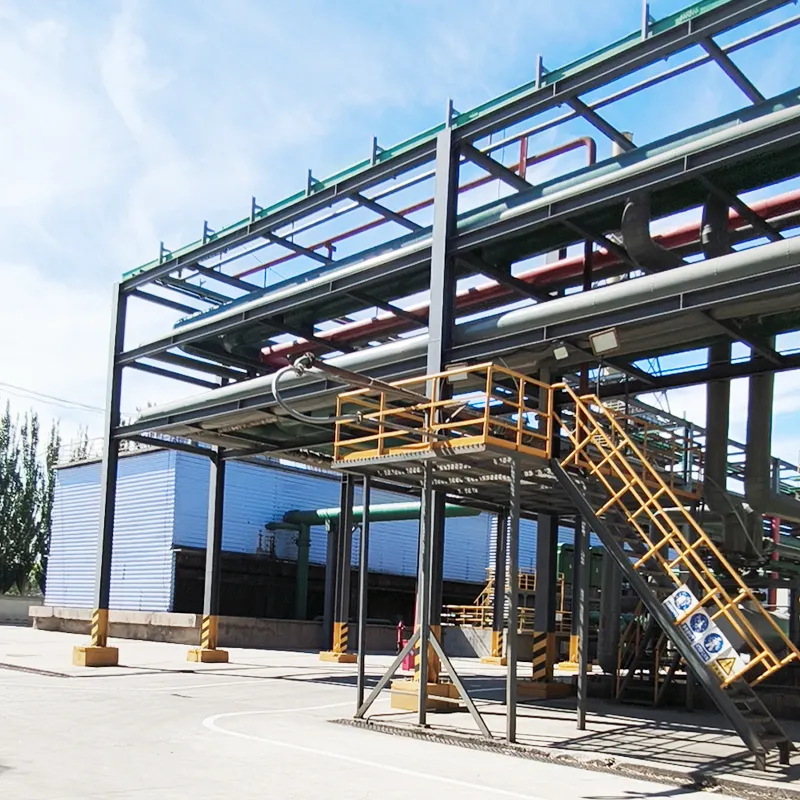
Where It Fits
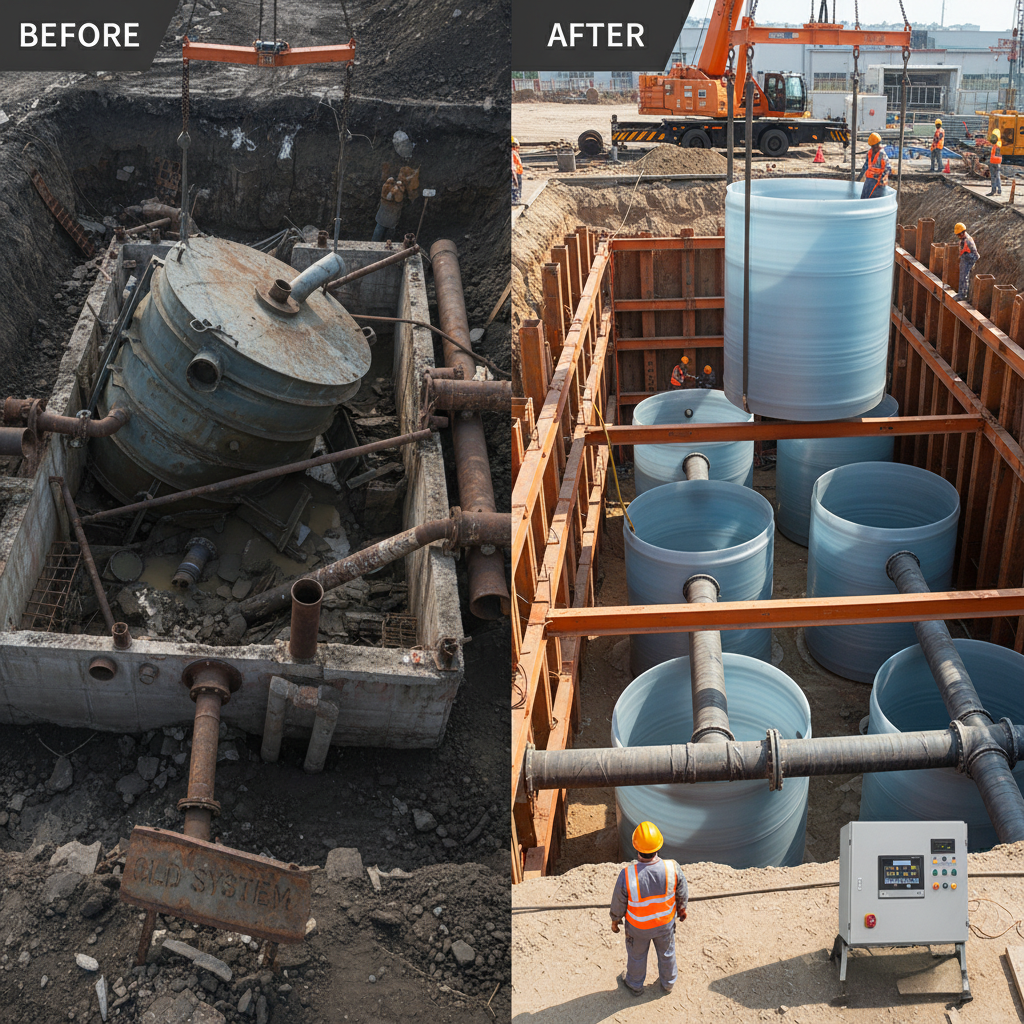
Fertilizer complexes, non-ferrous smelters, battery-grade acid units, mineral processing, and water treatment. I guess the sweet spot is brownfield upgrades where energy and acid-mist control matter.
| Vendor | Process Edge | Customization | Certifications | Warranty |
|---|---|---|---|---|
| This Line | Enhanced Mannheim + optimized contact beds; low energy | High (capacity, catalysts, FRP specs) | ISO 9001, ISO 14001; CE/ASME on request | 18–24 months typical |
| Vendor A | Conventional contact; standard heat recovery | Medium | ISO 9001 | 12 months |
| Vendor B | Compact footprint; higher OPEX | Medium–High | ISO 9001, CE | 12–18 months |
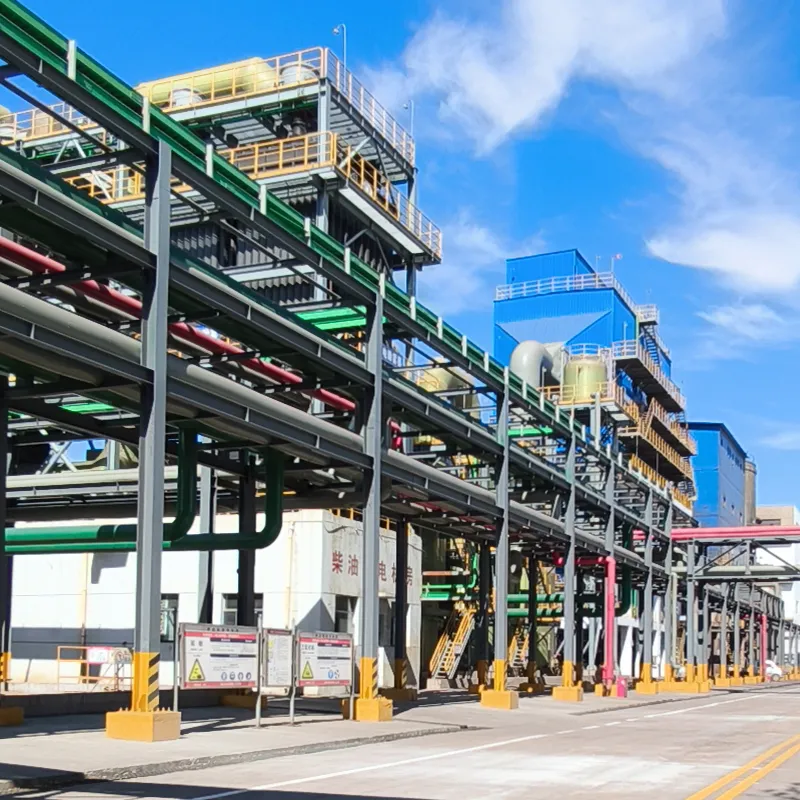
Customization & Options
- Capacity modules: 50/100/200/400/800 t/d
- Fuel: natural gas, fuel oil, or sulfur off-gas integration
- Catalyst grades: high-activity V2O5 for low-temp beds
- FRP duct thickness, resin system, and anti-mist packings
- PLC/DCS brand, redundancy, historian, and remote diagnostics
Case Notes (Real Plants)
• Southeast Asia, 100 t/d: Energy down ≈9%; SO2 stack
Quality, Testing, and Standards
Typical lab checks: density by oscillating U‑tube (ASTM D4052), moisture by Karl Fischer (ASTM E1064), titration for free SO3/acid strength, acid mist by isokinetic sampling, and materials QA per ASME Section VIII for pressure parts. Product can be specified to EN 899 (water treatment grade) or GB/T 534-2014 (industrial acid). Control system and safety devices can be supplied to ATEX/IECEx where required.
What Buyers Say
Feedback trends are consistent: easier heat balance, fewer unplanned outages, cleaner tail gas. One maintenance lead told me downtime “shrunk to scheduled only,” which, if you’ve lived through midnight shutdowns, is priceless.
Bottom line: for sulfuric acid production in mixed-duty plants (fertilizer + smelter tie-ins), the even heating and low energy draw stand out. For greenfields chasing stringent emission permits, the integrated polishing step is the clincher.
Authoritative References
- Ullmann’s Encyclopedia of Industrial Chemistry, “Sulfuric Acid, Sulfur Trioxide.”
- EFMA/CEFIC Best Available Techniques for Sulphuric Acid Production, latest guidance.
- US EPA AP-42, Chapter 8.10: Sulfuric Acid Production.
- EN 899: Chemicals used for treatment of water intended for human consumption — Sulfuric acid; GB/T 534-2014 Industrial sulfuric acid.