Sulfuric Acid Production Line - Hebei Aoliande|Efficient, Eco-Friendly
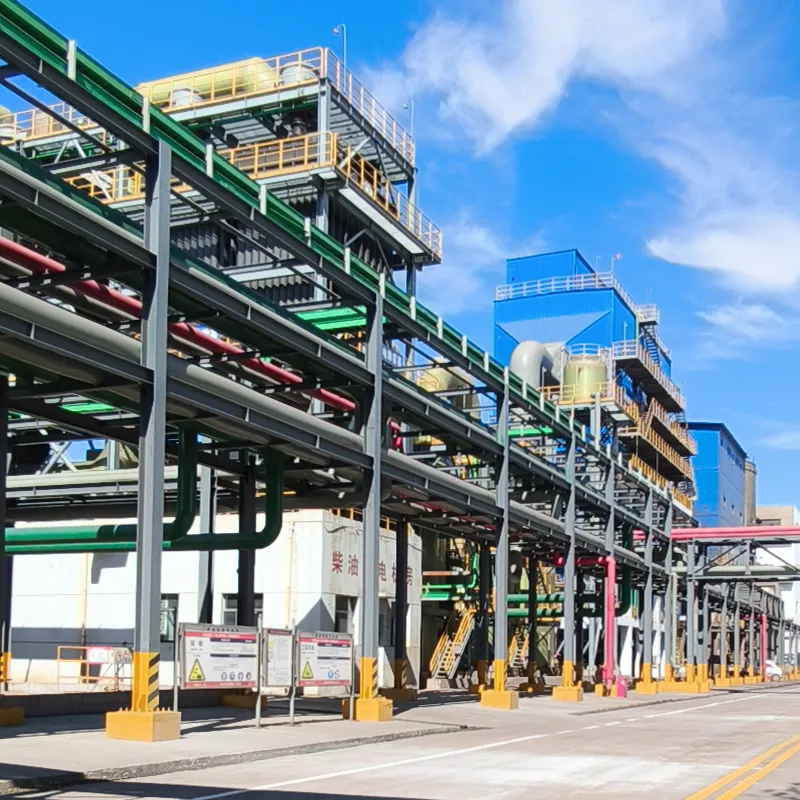
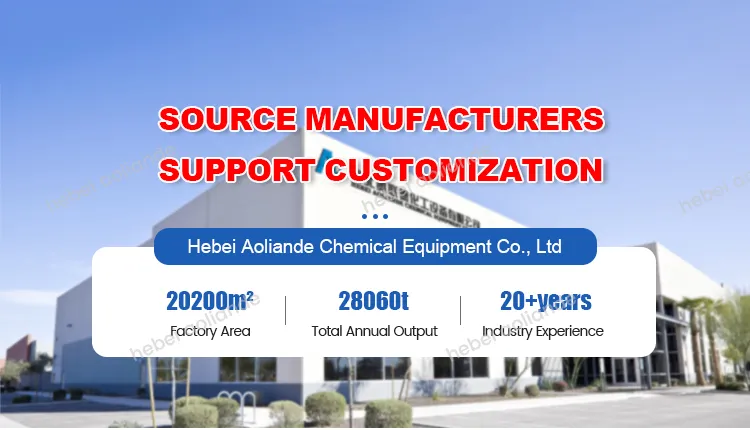
Sulfuric acid (H₂SO₄) is one of the most critical chemicals in modern industrial processes, serving as a foundational material for fertilizers, pharmaceuticals, and various chemical manufacturing applications. The sulfuric acid production industry requires advanced technology to ensure efficiency, environmental compliance, and cost-effectiveness. Hebei Aoliande Chemical Equipment Co., Ltd. has developed an innovative sulfuric acid production line that leverages the Mannheim process with significant technical improvements, offering a reliable solution for global manufacturers.
Product Specification
| Parameter | Details |
|---|---|
| Production Process | Mannheim Process (Potassium Chloride + Sulfuric Acid) |
| Raw Materials | Potassium Chloride (KCl), Sulfuric Acid (H₂SO₄) |
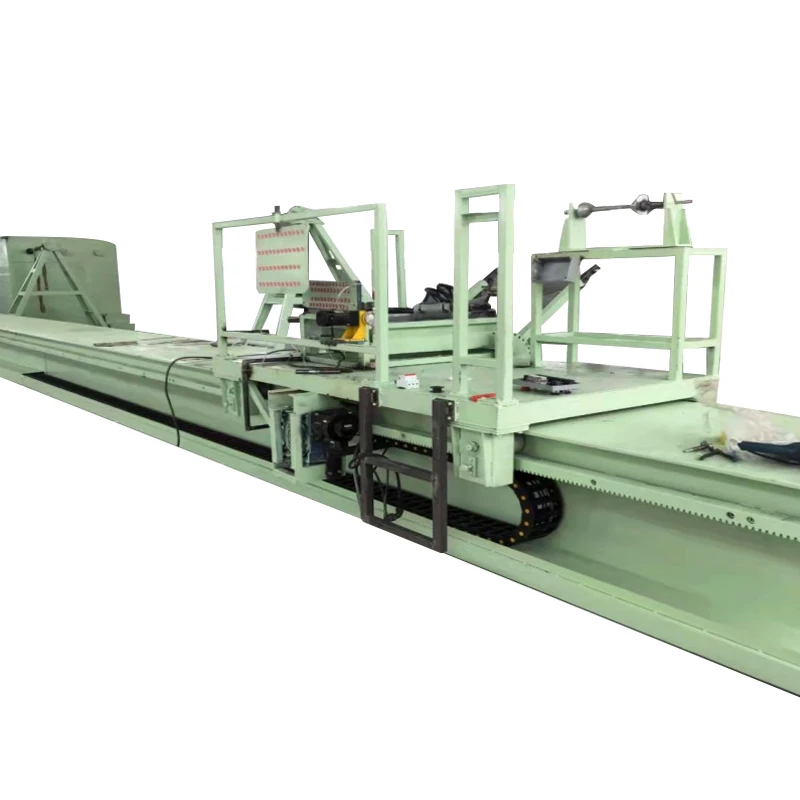
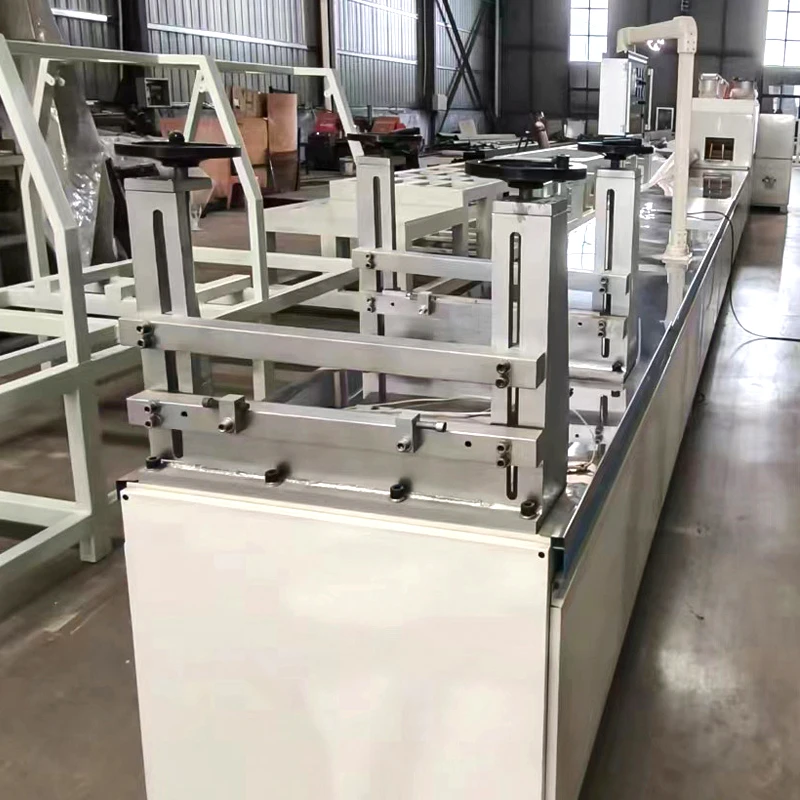
| Key Components | Corrosion-Resistant Materials, PLC Control System |
| Energy Consumption | Low (Improved Flue Design and Gas Generator) |
| Environmental Compliance | Waste Recovery System for Hydrochloric Acid (HCl) |
| Output Capacity | Large (Customizable for Industrial Scale) |
The Mannheim Process: A Cornerstone of Sulfuric Acid Production
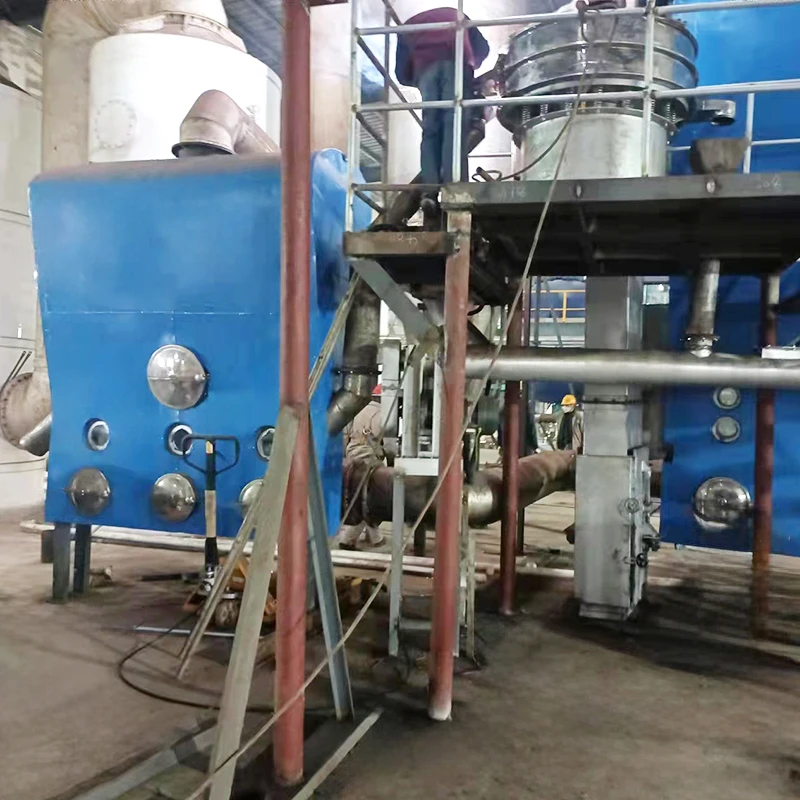
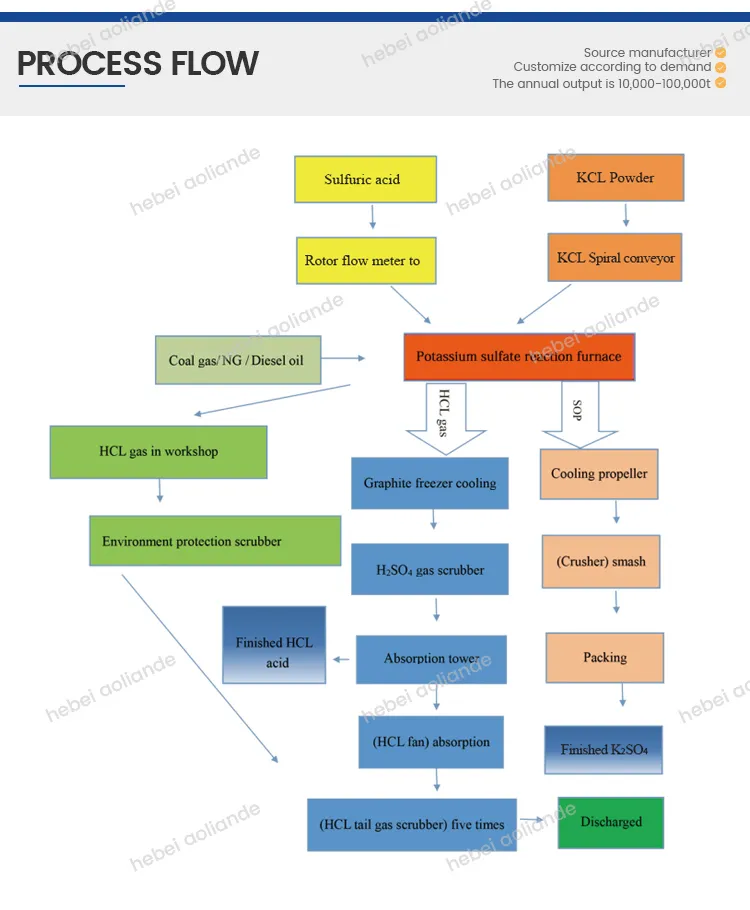
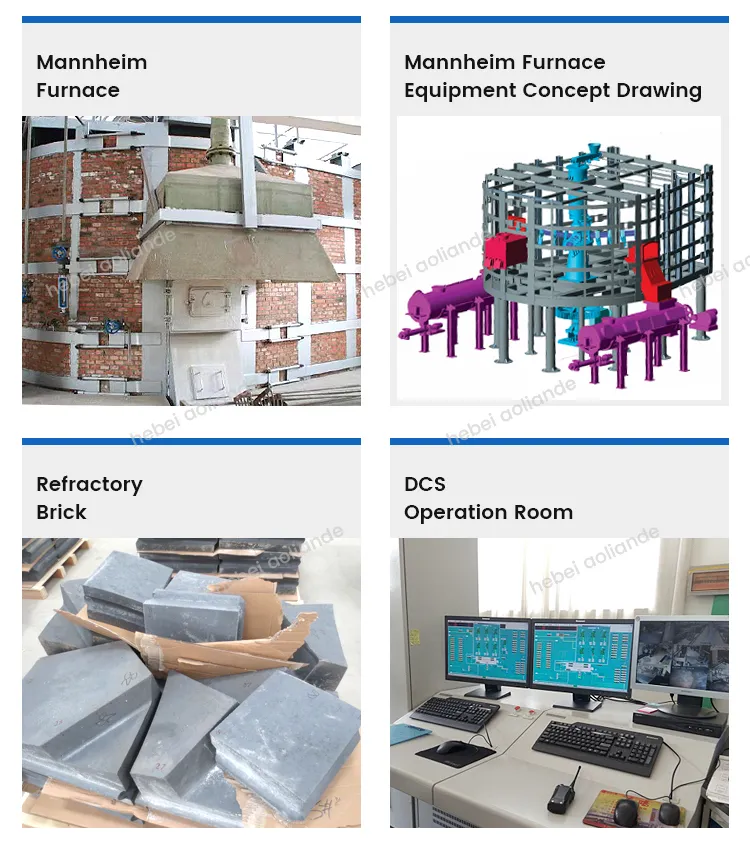
The Mannheim process is the most widely used method for producing sulfuric acid, particularly for manufacturing potassium sulfate (SOP). This process involves the reaction of potassium chloride (KCl) with sulfuric acid (H₂SO₄) at high temperatures (over 600°C) in a muffle furnace. The reaction proceeds in two steps: first, potassium chloride reacts with sulfuric acid to form potassium bisulfate (KHSO₄), which then decomposes to produce potassium sulfate (K₂SO₄) and hydrochloric acid (HCl). This method accounts for 50–60% of global sulfuric acid supply but is often criticized for its high energy costs and environmental impact.
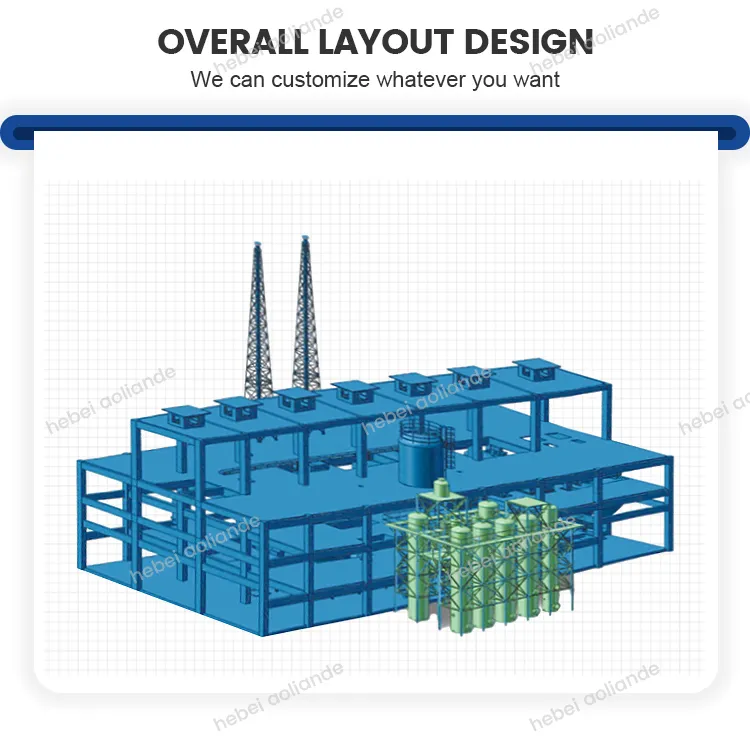
Technical Advantages of Hebei Aoliande's Sulfuric Acid Production Line
Hebei Aoliande Chemical Equipment Co., Ltd. has optimized the Mannheim process through several key innovations, addressing traditional challenges in sulfuric acid production. These advancements include:
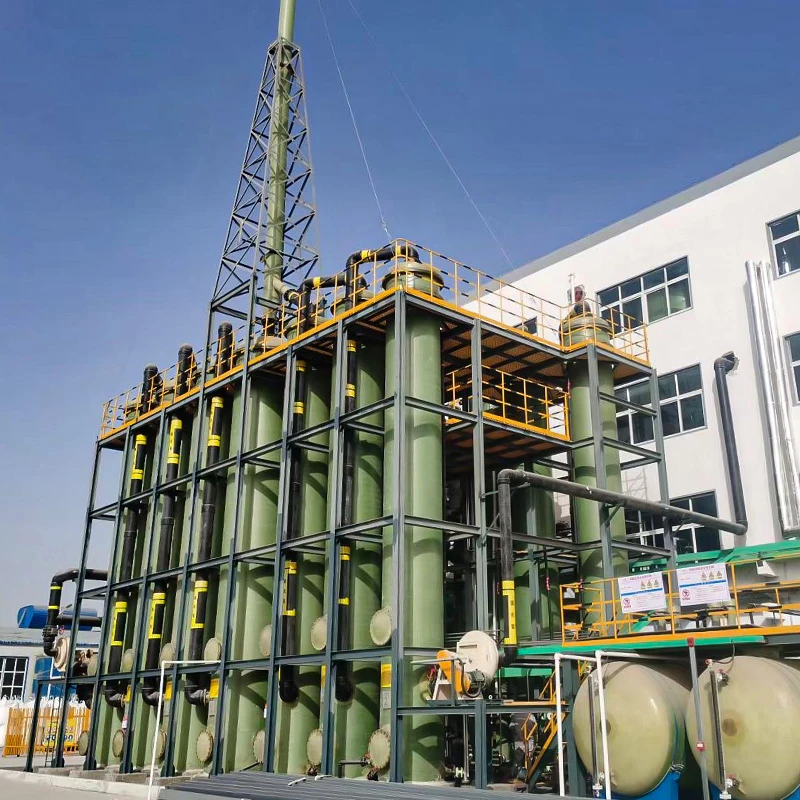
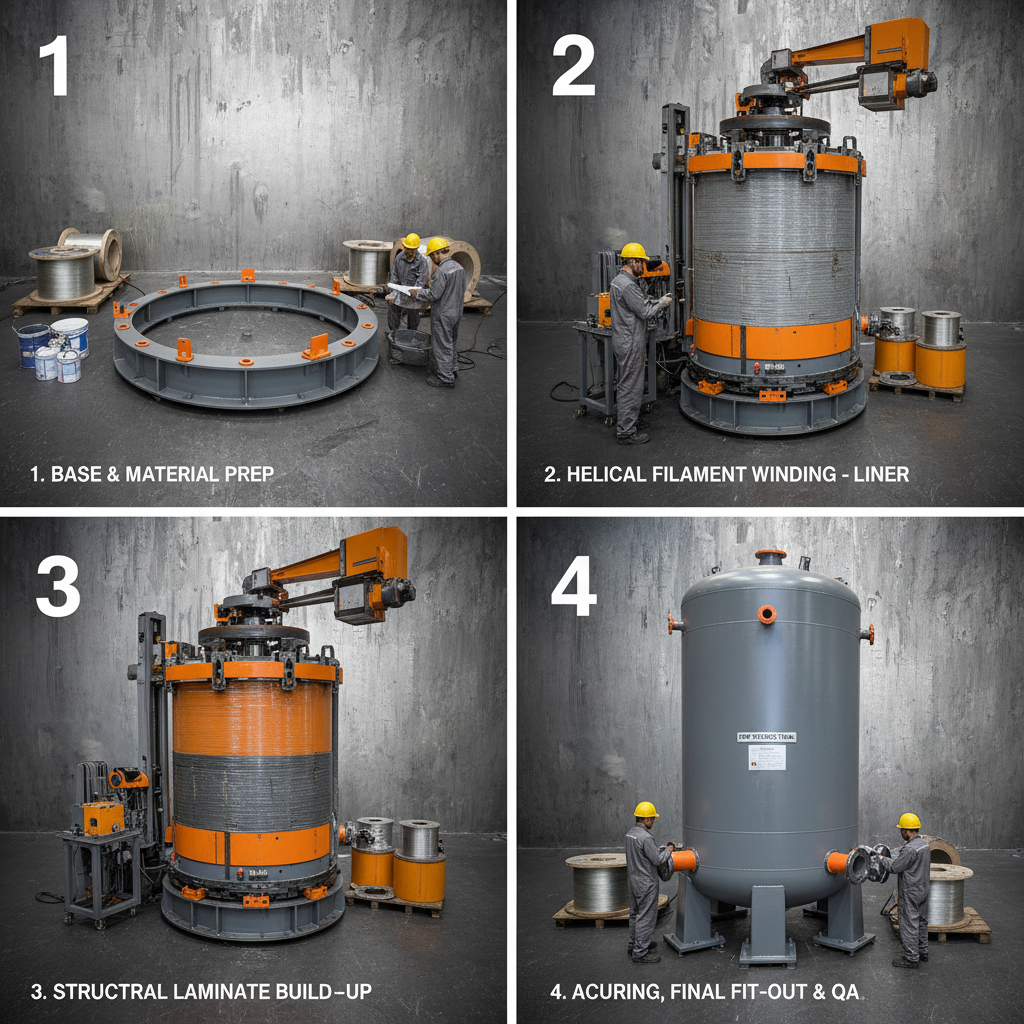
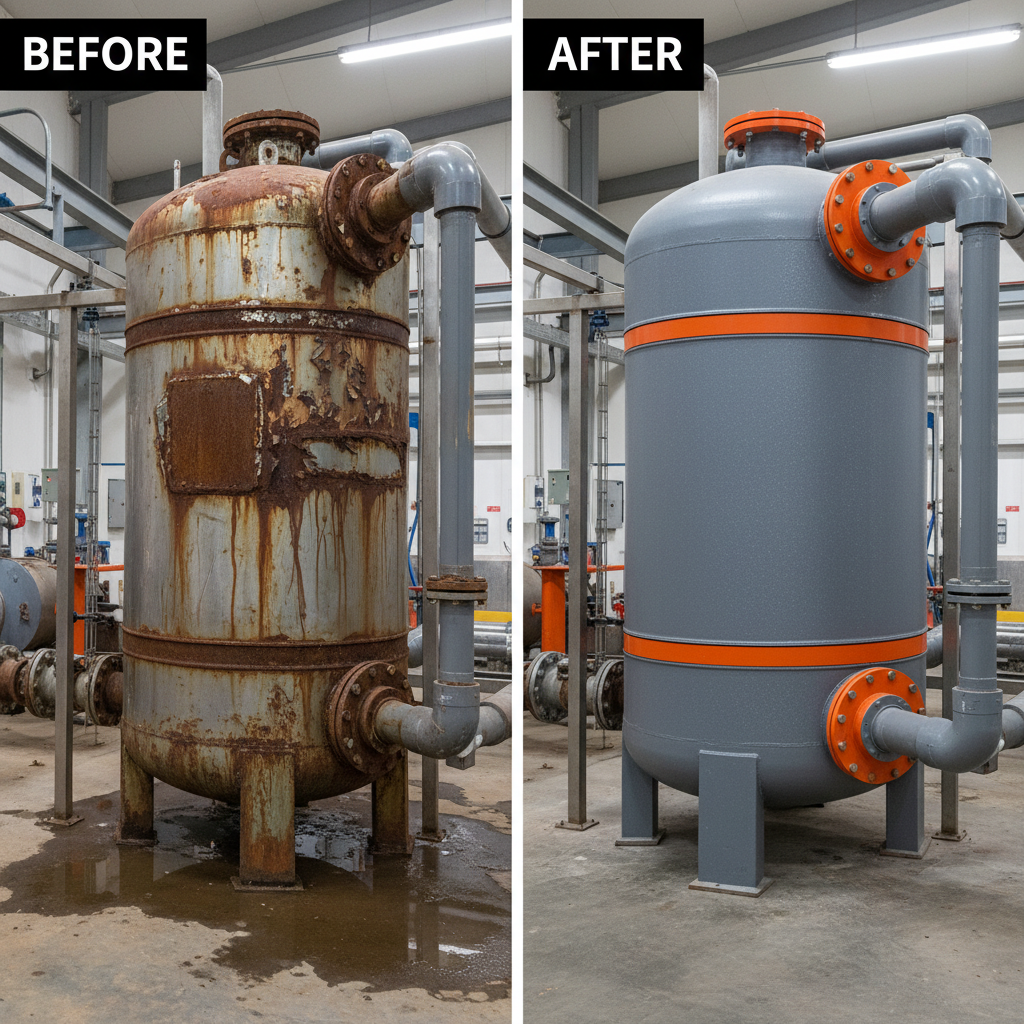
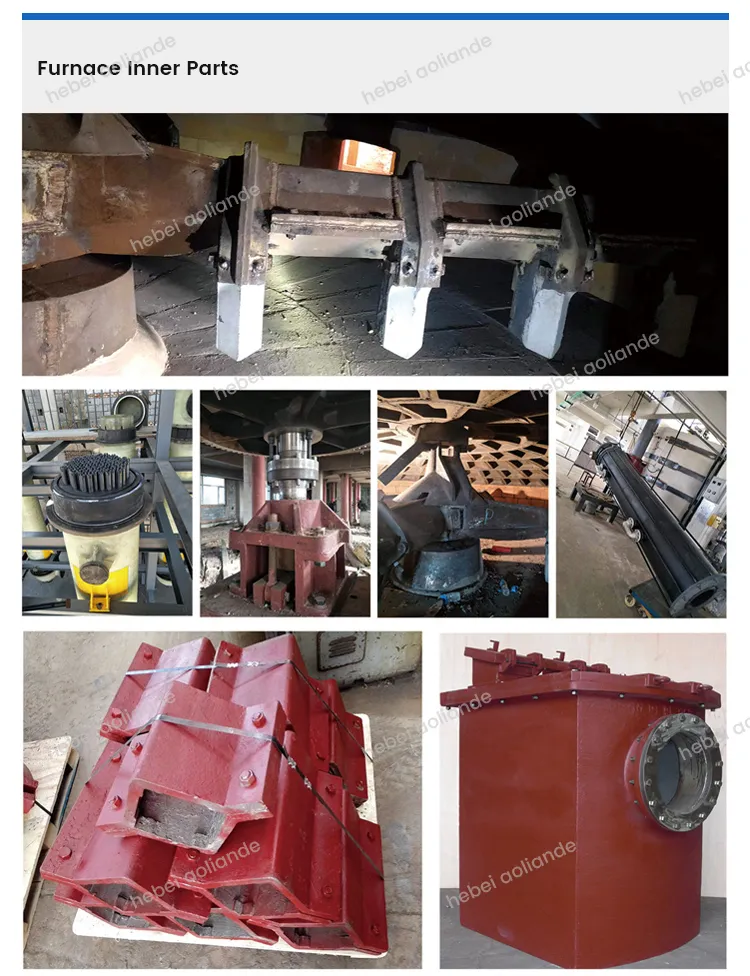
- Corrosion-Resistant Materials: Critical components are constructed from specialized materials to withstand harsh chemical environments, ensuring long-term durability and reducing maintenance costs.
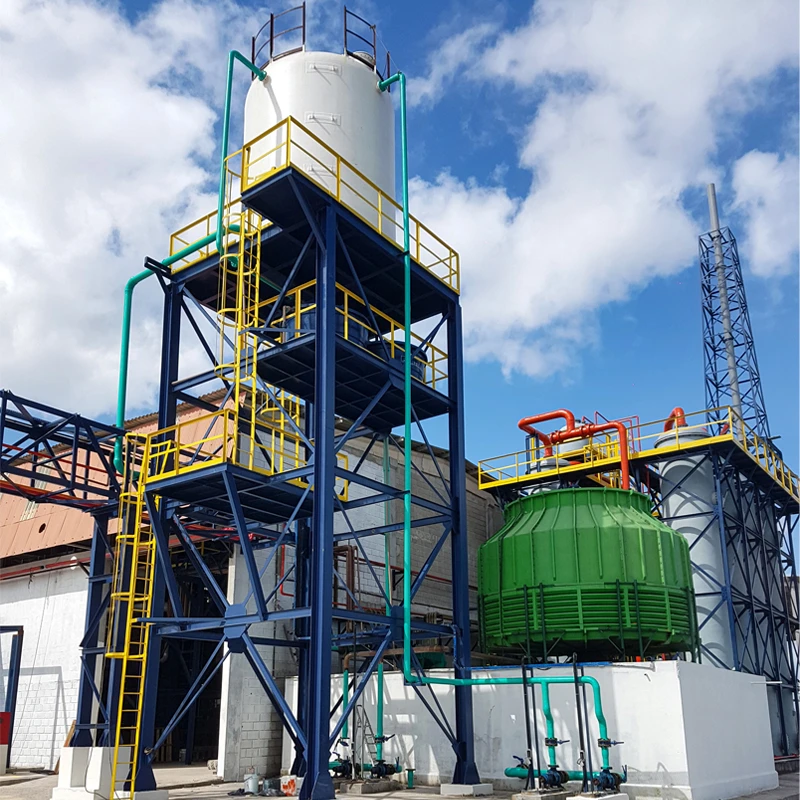
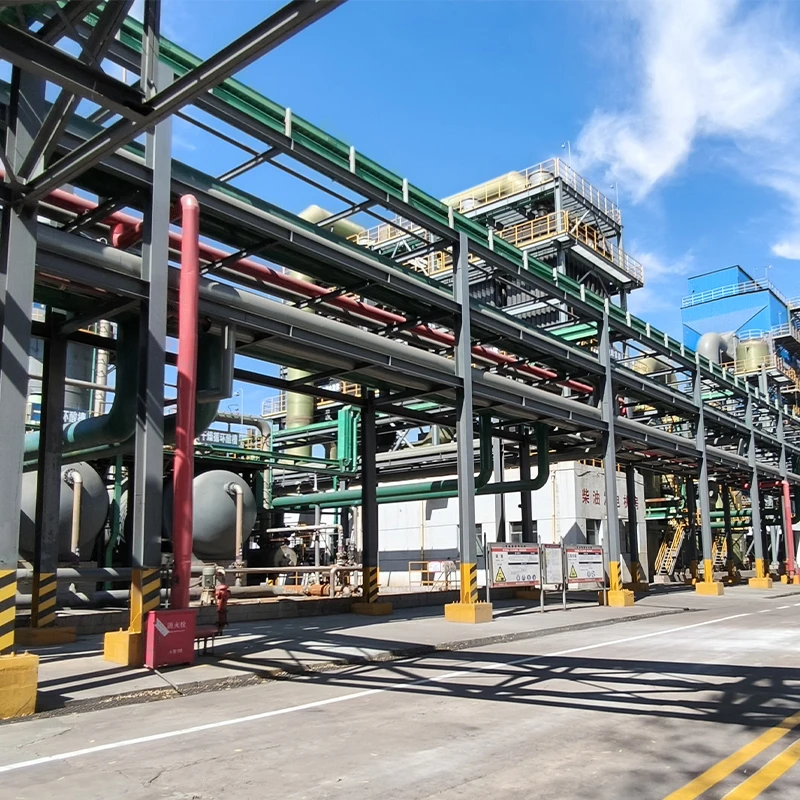
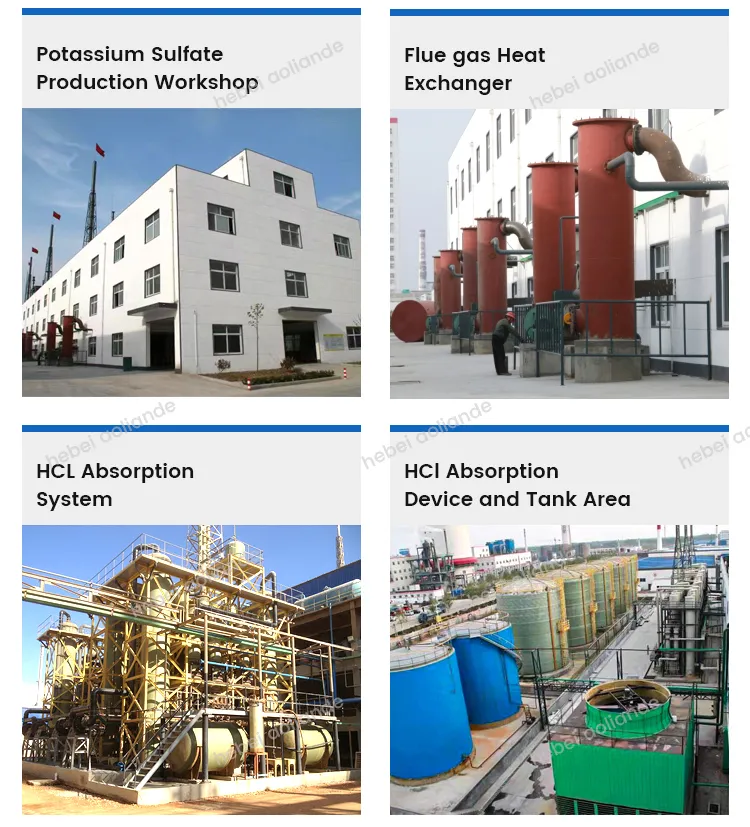
- Hydrochloric Acid Recovery System: A waste recovery system recycles HCl, minimizing environmental pollution and enhancing resource efficiency.
- Improved HCl Absorption: Enhanced absorption systems improve the quality of the final product by ensuring complete chemical reactions.
- Energy-Saving Design: Optimized flue design and gas generators reduce energy consumption, lowering operational costs.
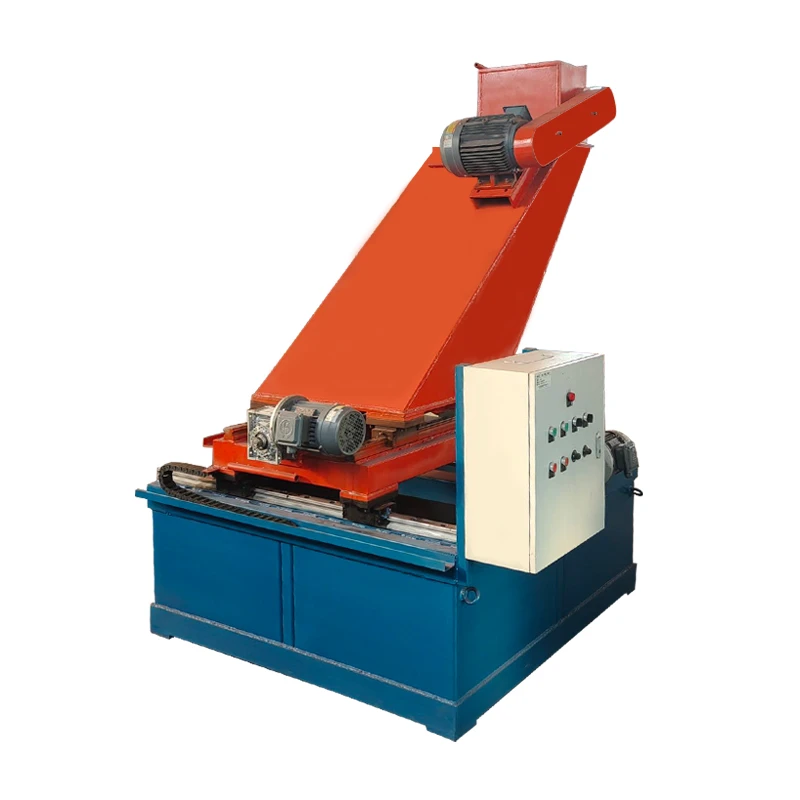
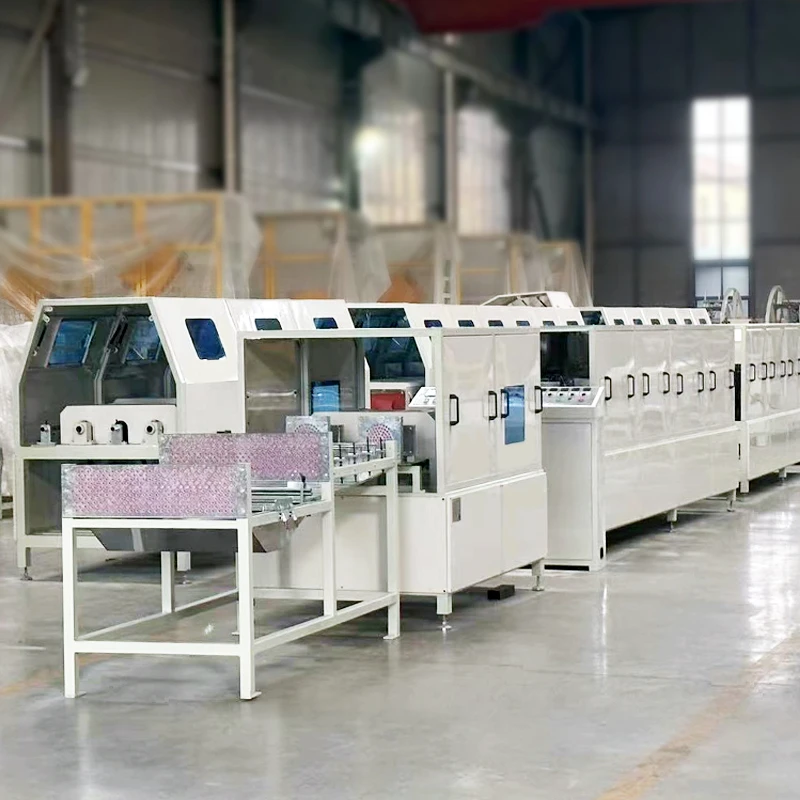
- PLC Automation: Advanced PLC (Programmable Logic Controller) systems automate production, improving precision and reducing labor requirements.
Product Details and Applications
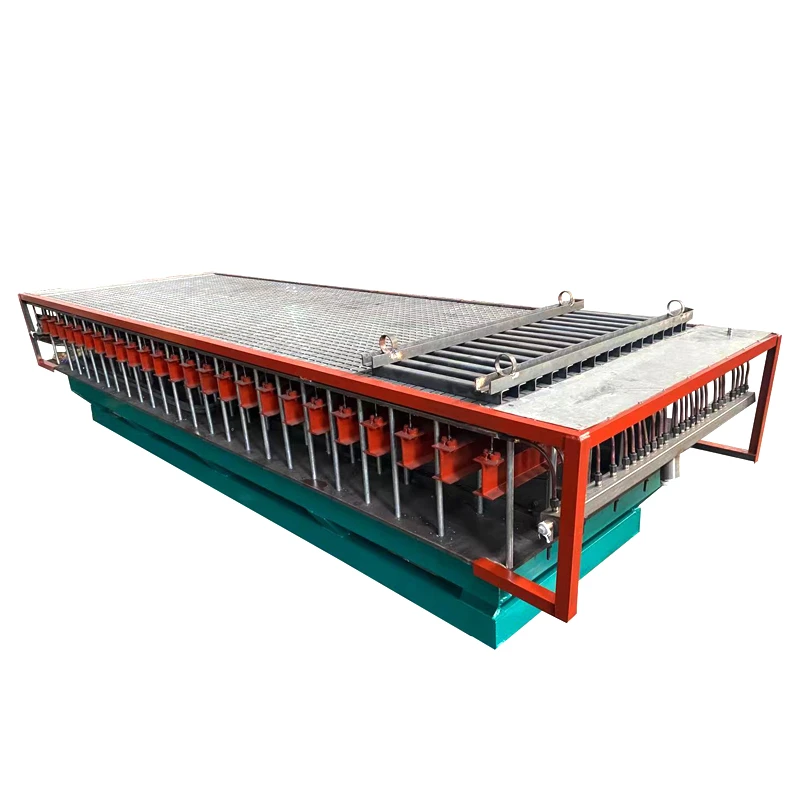
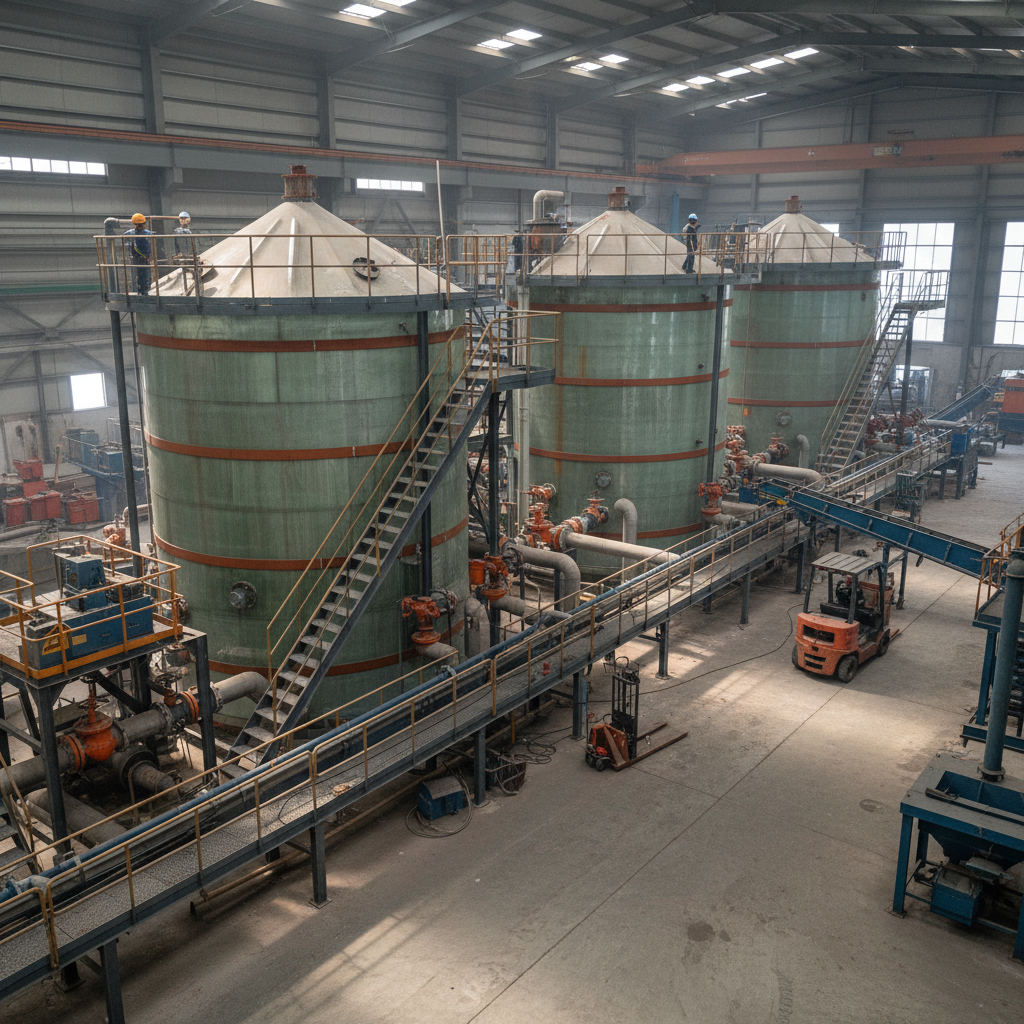
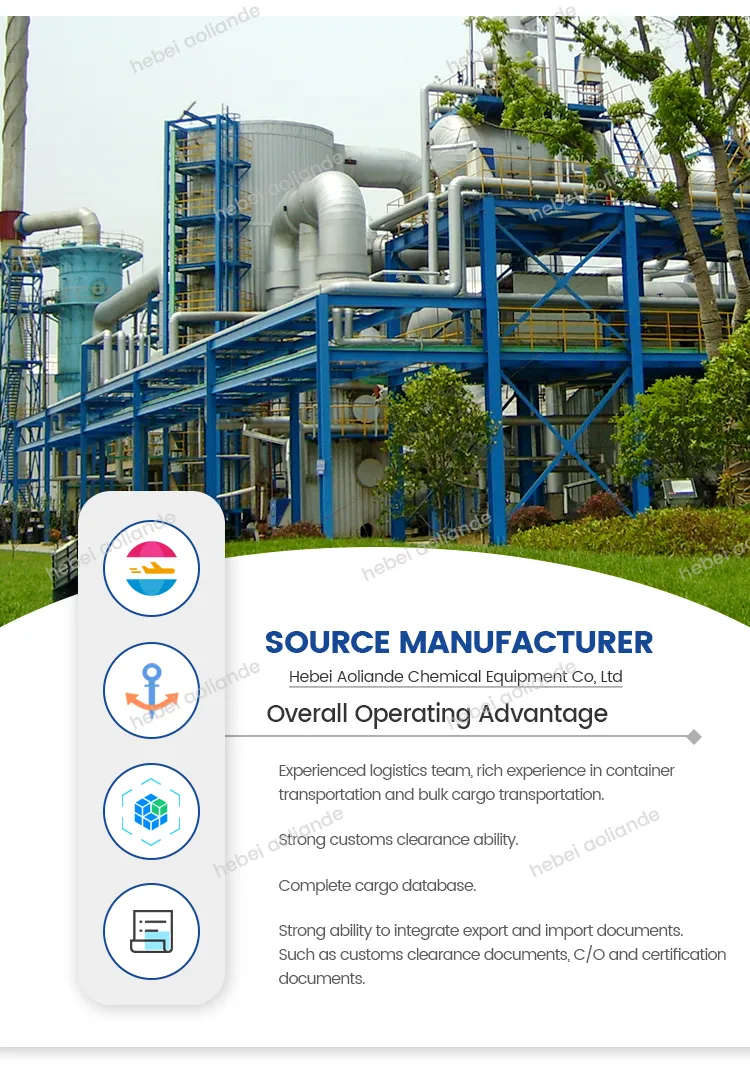
The sulfuric acid production line from Hebei Aoliande is designed for scalability and adaptability, catering to diverse industrial needs. Key features include:
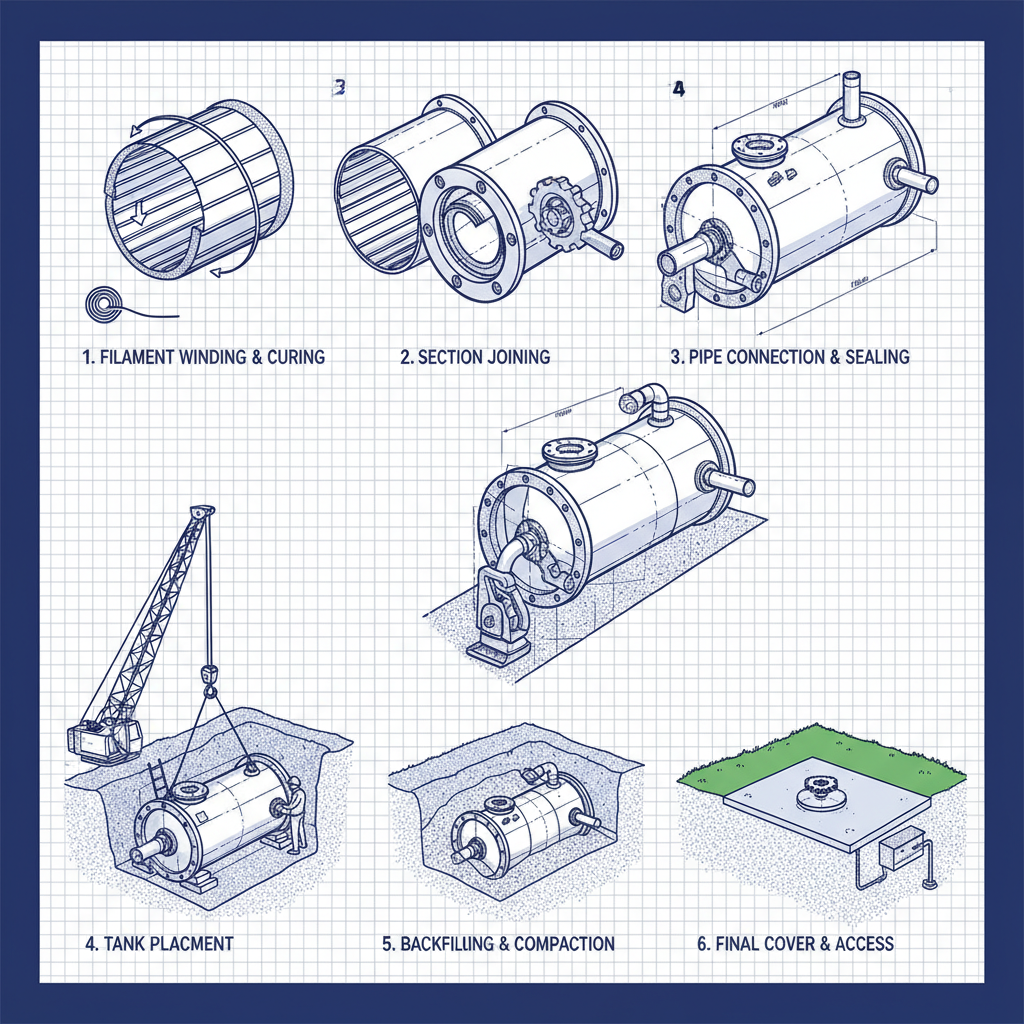
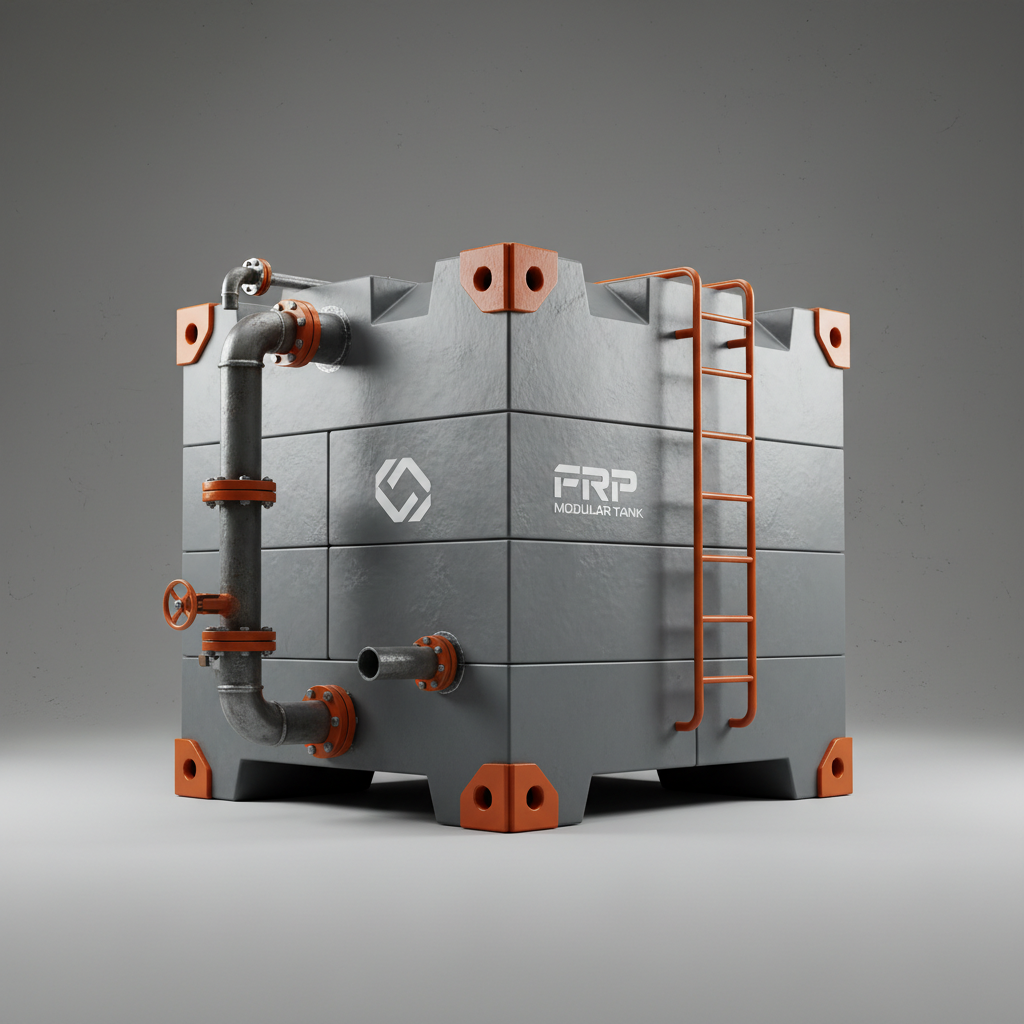
- Modular Design: Equipment can be customized to fit specific production requirements, from small-scale operations to large industrial plants.
- High Output Capacity: The system ensures consistent and high-volume production, meeting the demands of global markets.
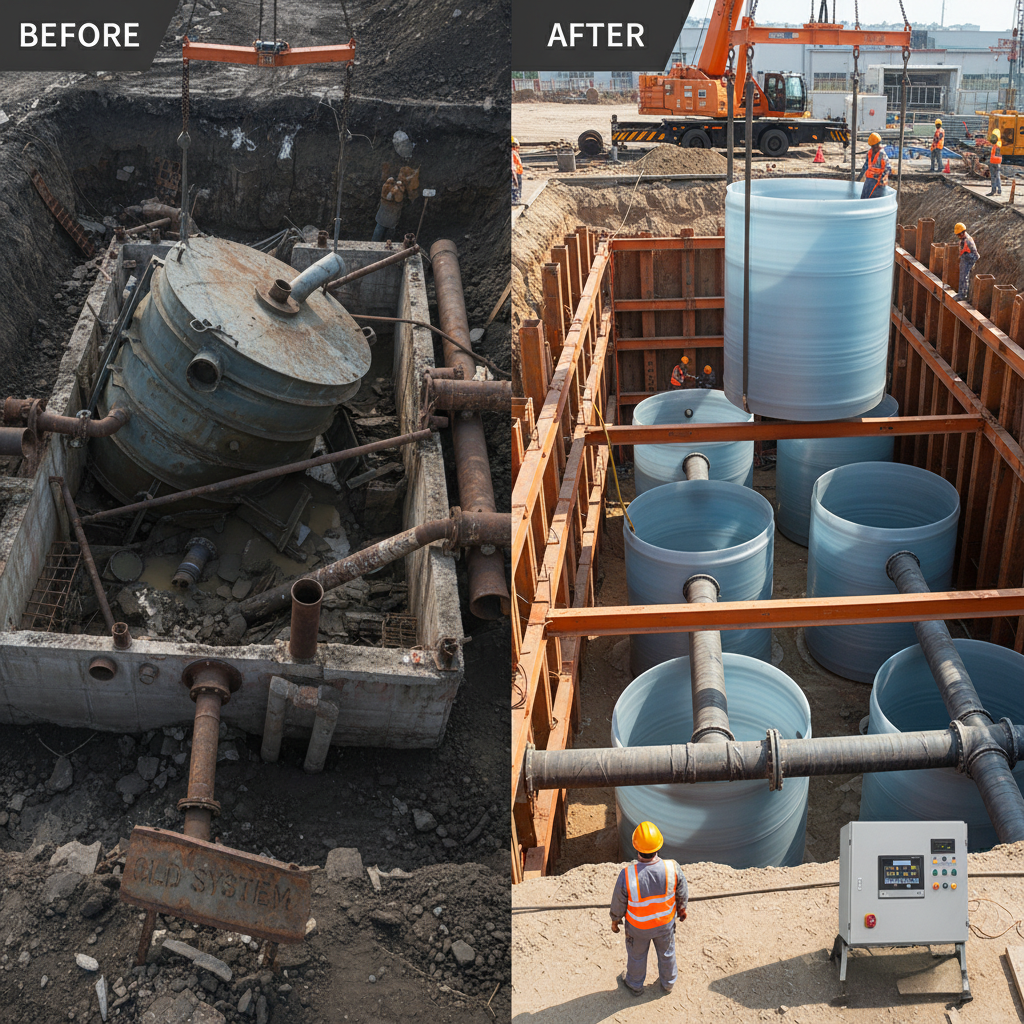
- Environmental Compliance: The integration of waste recovery systems aligns with modern environmental regulations, reducing the carbon footprint of sulfuric acid manufacturing.
This production line is particularly suited for:
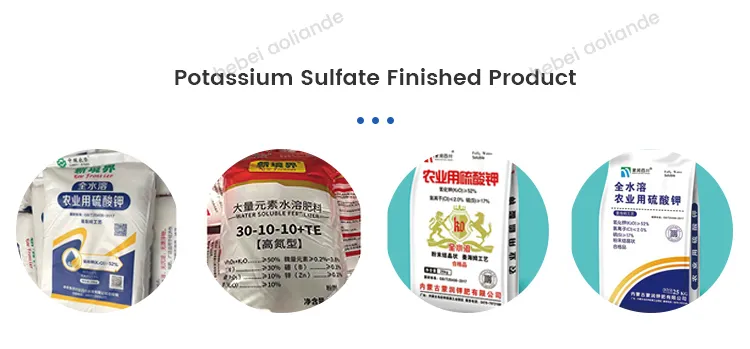
- Fertilizer Manufacturing: Potassium sulfate (SOP) is a key ingredient in fertilizers, essential for agricultural productivity.
- Chemical Industry: Sulfuric acid serves as a catalyst and raw material in various chemical processes.
- Pharmaceuticals: Used in the synthesis of drugs and medical compounds.
Packaging and Logistics
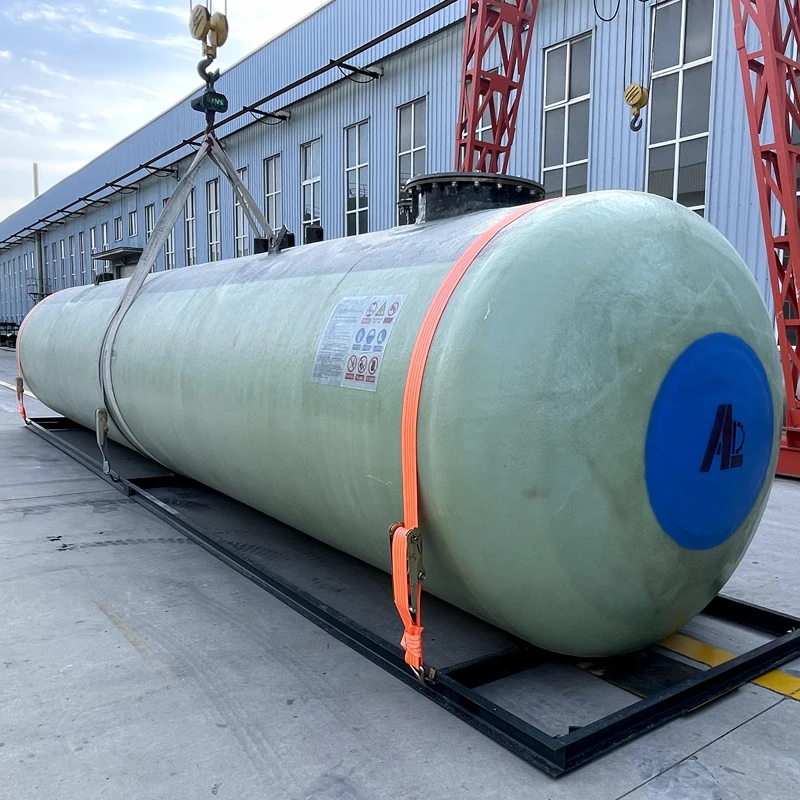
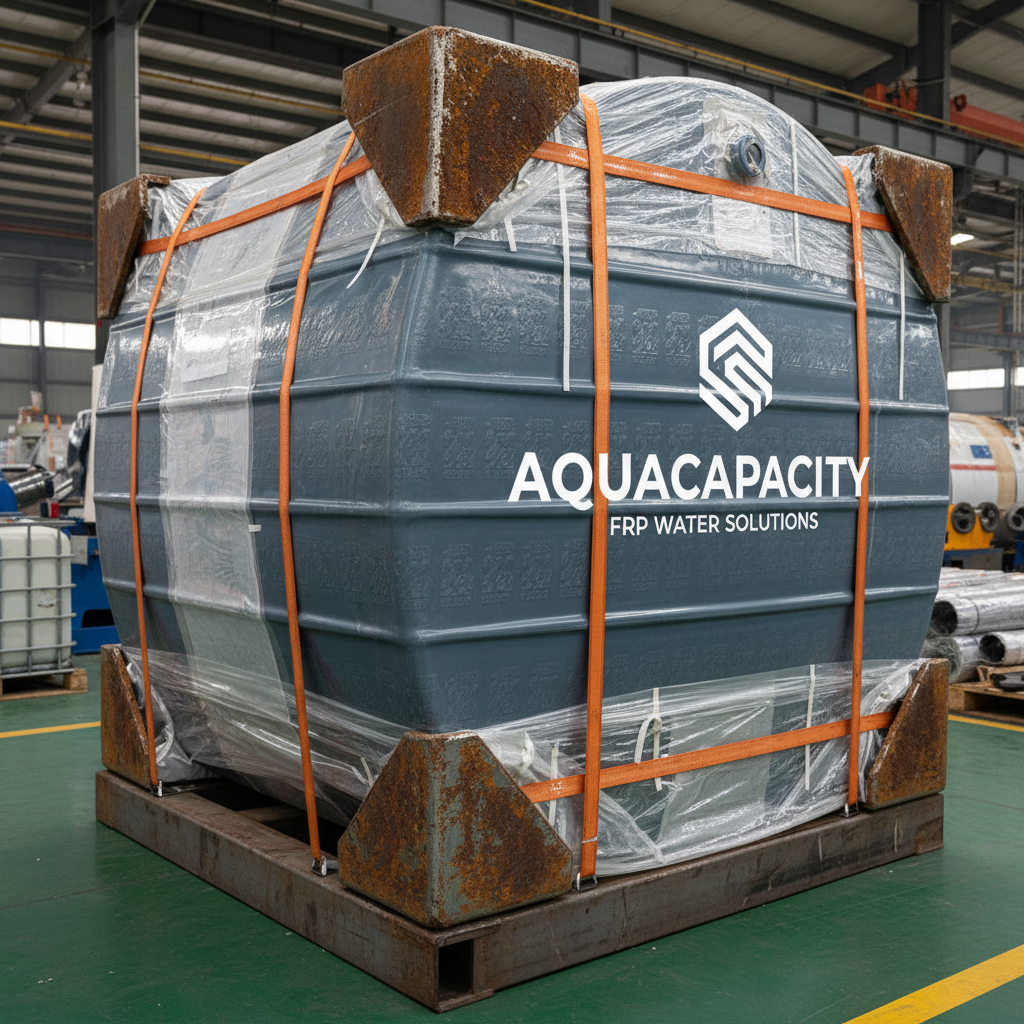
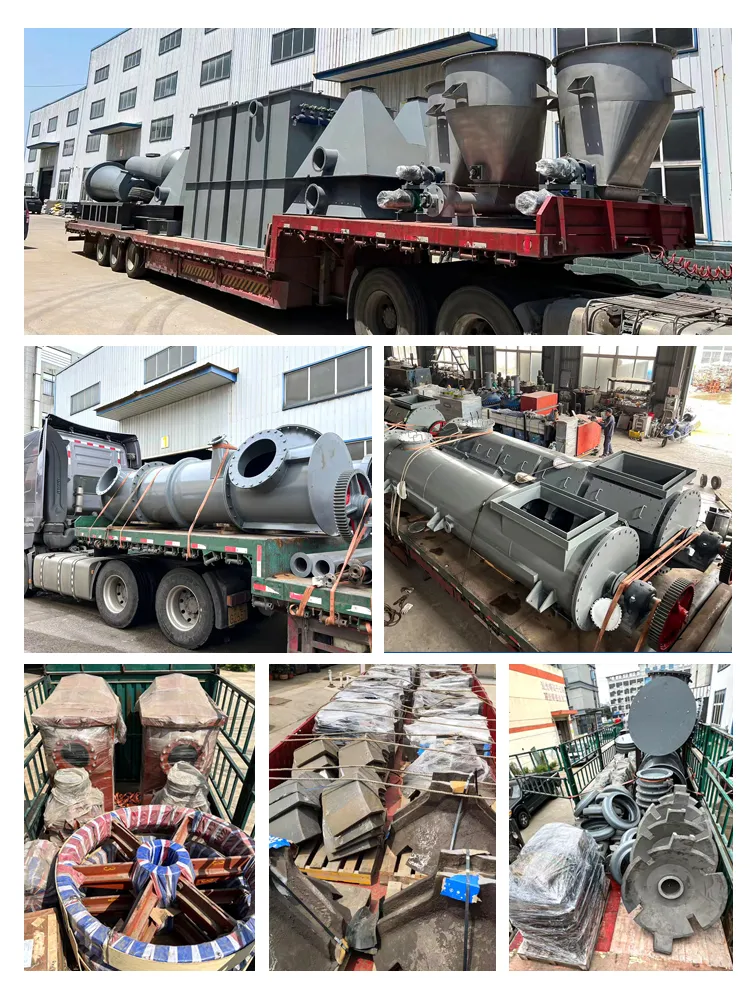
Hebei Aoliande ensures that its sulfuric acid production equipment is packaged to withstand long-distance transportation while maintaining structural integrity. The packaging solutions are designed to protect sensitive components from damage during transit, ensuring seamless installation at the customer's facility.

Company Profile: Hebei Aoliande Chemical Equipment Co., Ltd.
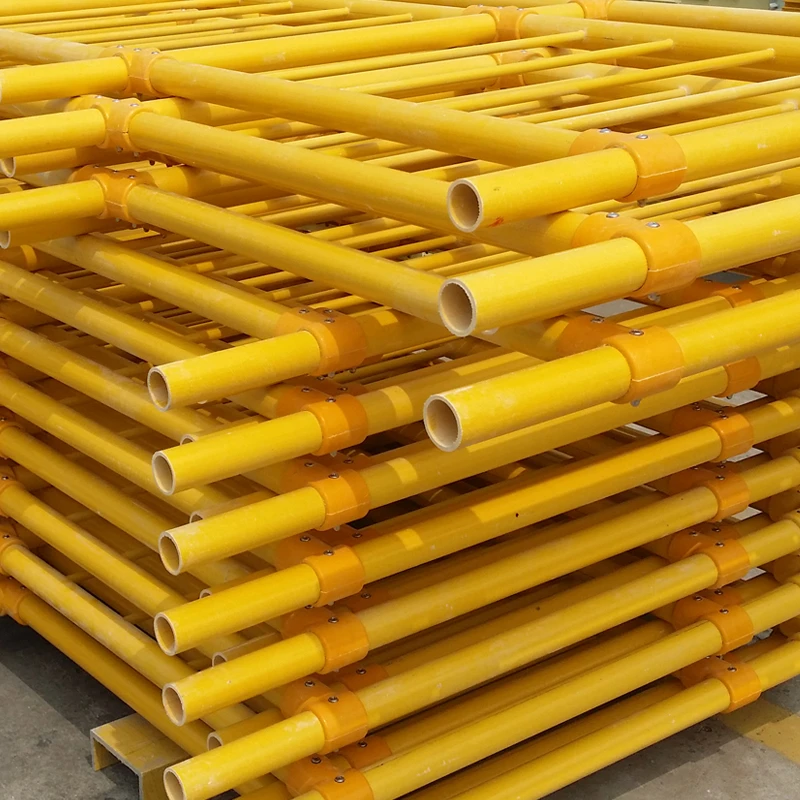
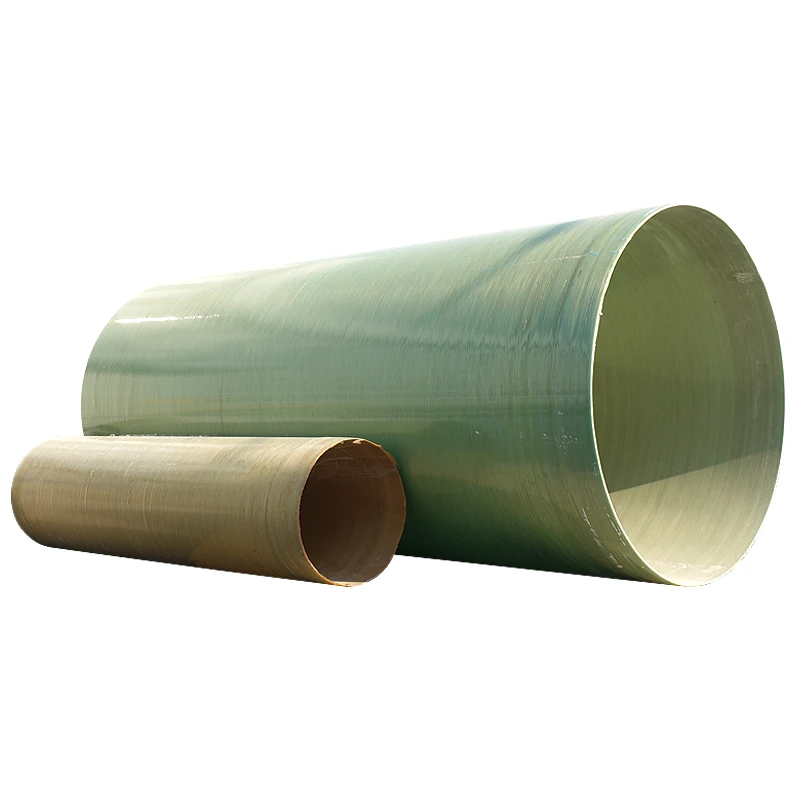
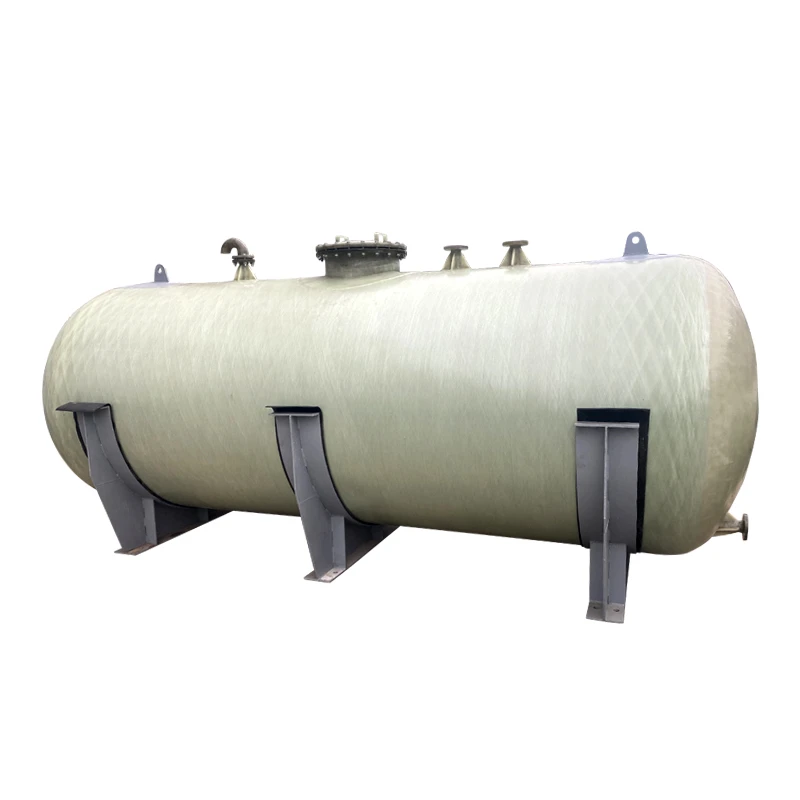
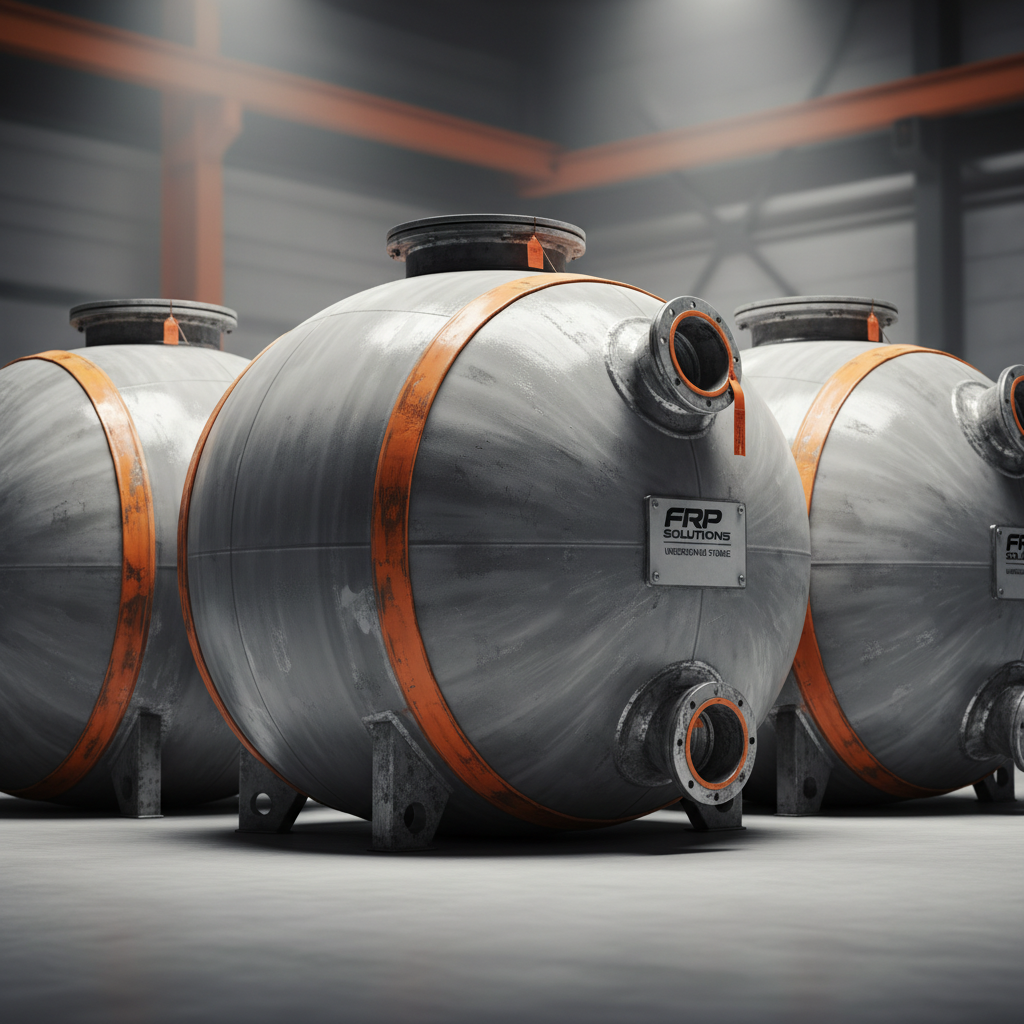
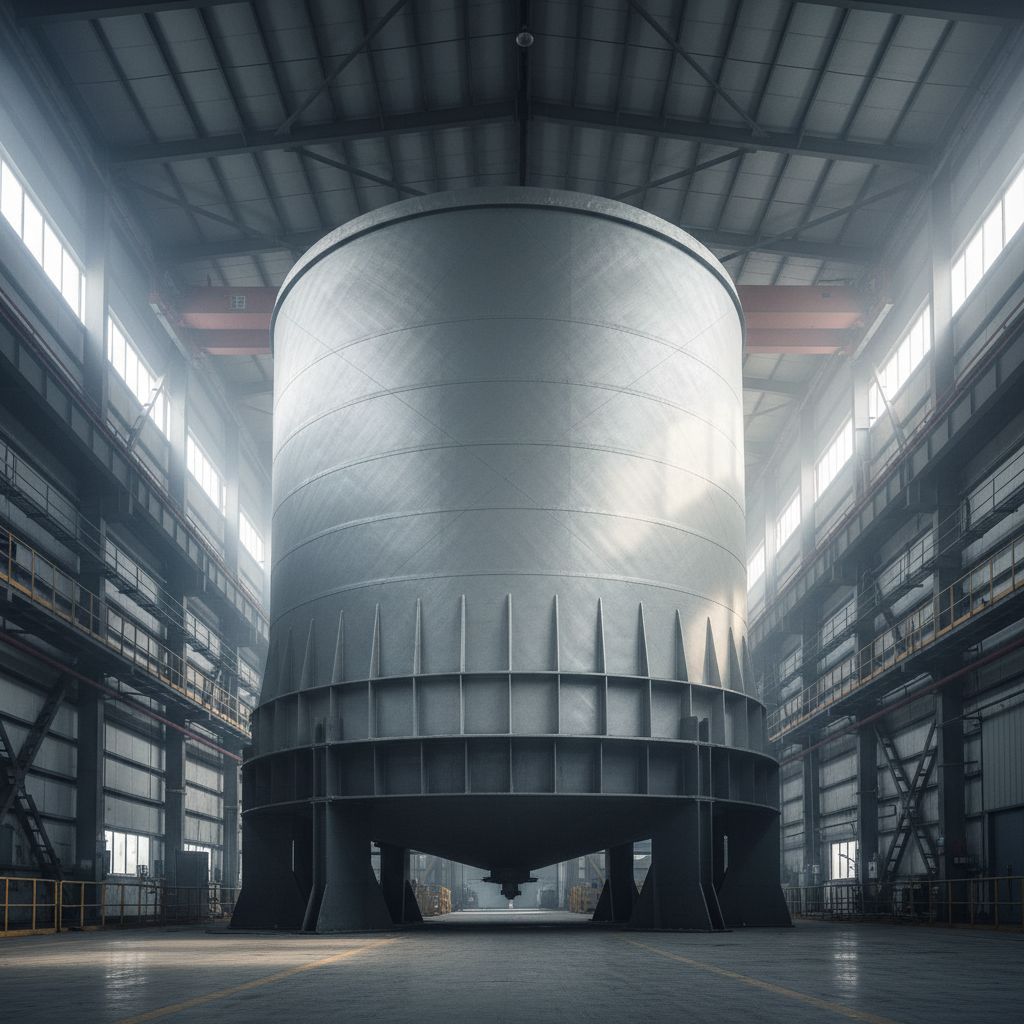
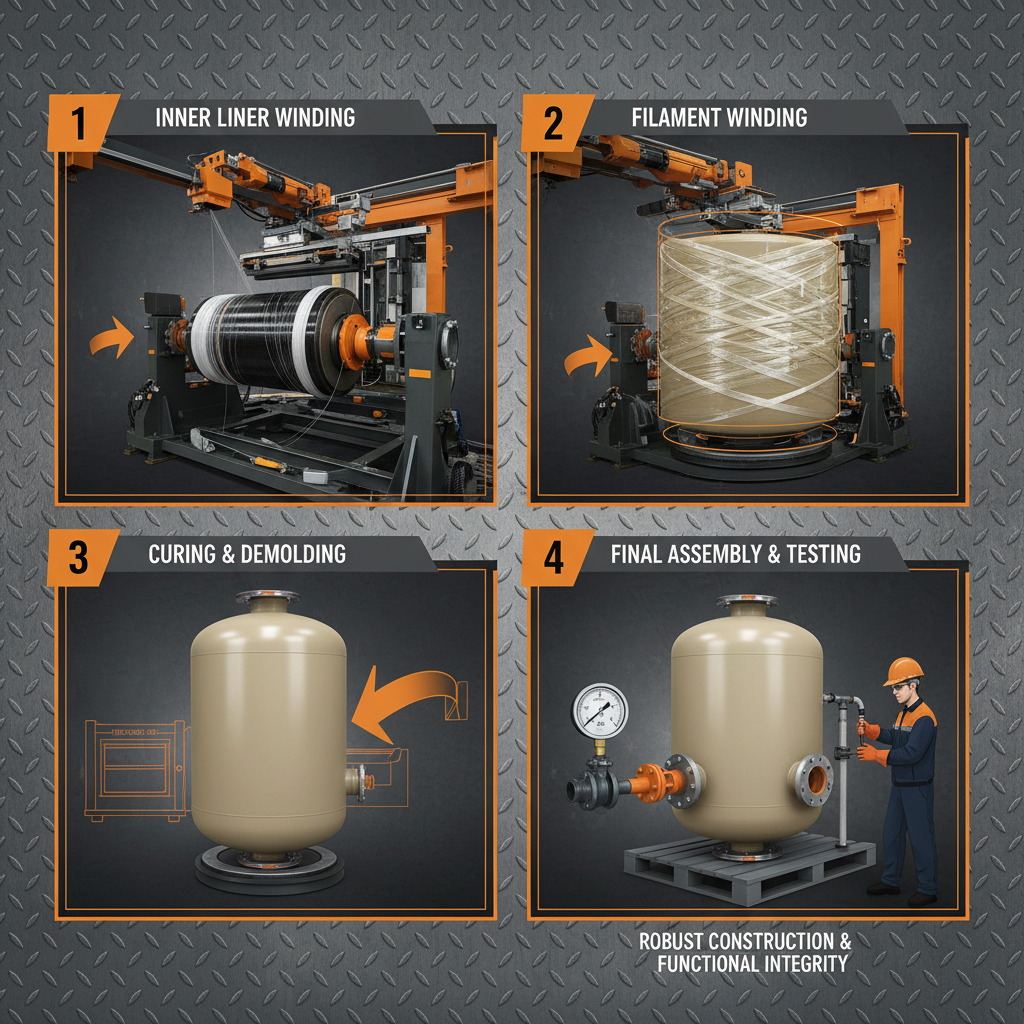
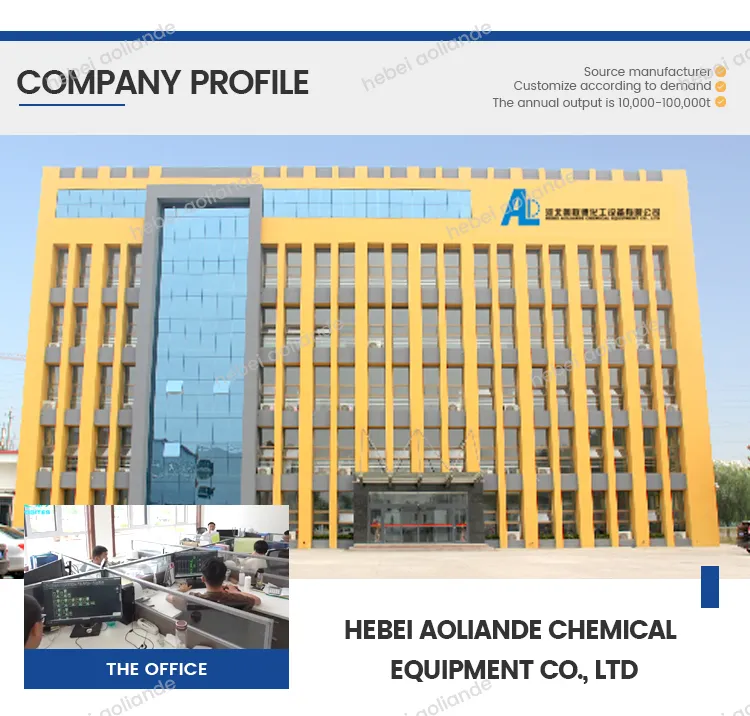
As a leading manufacturer of FRP (Fiberglass Reinforced Plastic) products and chemical equipment, Hebei Aoliande Chemical Equipment Co., Ltd. has established itself as a trusted partner in the global sulfuric acid production industry. The company specializes in FRP pipes, storage tanks, and production machinery, combining advanced technology with rigorous quality control to deliver reliable solutions.
Key highlights of the company include:
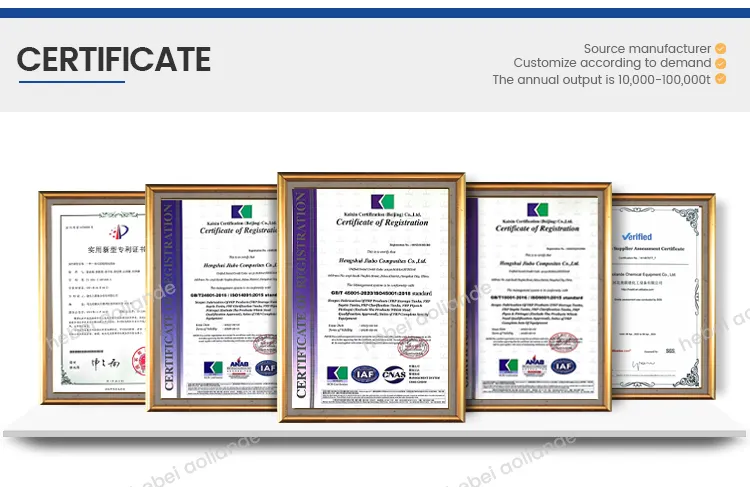
- ISO Certifications: The company has achieved ISO 9001 (Quality Management) and ISO 14001 (Environmental Management) certifications, reflecting its commitment to excellence and sustainability.
- Global Reach: With products exported to countries such as the United States, Brazil, Japan, Germany, India, Malaysia, and Egypt, Hebei Aoliande has built a strong international presence.
- Skilled Workforce: Over 50 employees, including engineers and technicians, ensure the development and maintenance of high-quality equipment.
Ensuring Quality and Compliance
Hebei Aoliande's sulfuric acid production line adheres to strict quality standards, ensuring that the final product meets international benchmarks. The company's commitment to innovation and environmental responsibility is evident in its use of advanced technologies, such as the PLC control system and gas generators, which enhance operational efficiency and reduce energy consumption.
For further information on sulfuric acid production and the company's solutions, visit the official website: Hebei Aoliande Chemical Equipment Co., Ltd.
References and Authoritative Sources
The technical specifications and environmental standards referenced in this article align with guidelines from the National Institute of Standards and Technology (NIST), which provides critical research and measurement standards for industrial processes. According to NIST, "Advancements in chemical manufacturing must prioritize energy efficiency and environmental sustainability to meet global regulatory requirements" (NIST, 2025).
References: