Sep 19,2025

Sulfuric Acid Production Line-Hebei Aoliande|Energy Efficiency&Environmental Compliance

The sulfuric acid production line is a critical solution for manufacturers seeking efficient and sustainable methods to produce sulfuric acid (H2SO4). This advanced production system, developed by Hebei Aoliande Chemical Equipment Co., Ltd., leverages the Mannheim process with significant technological improvements to enhance productivity, reduce environmental impact, and ensure cost-effectiveness.
Sulfuric Acid Production Line

Product Overview

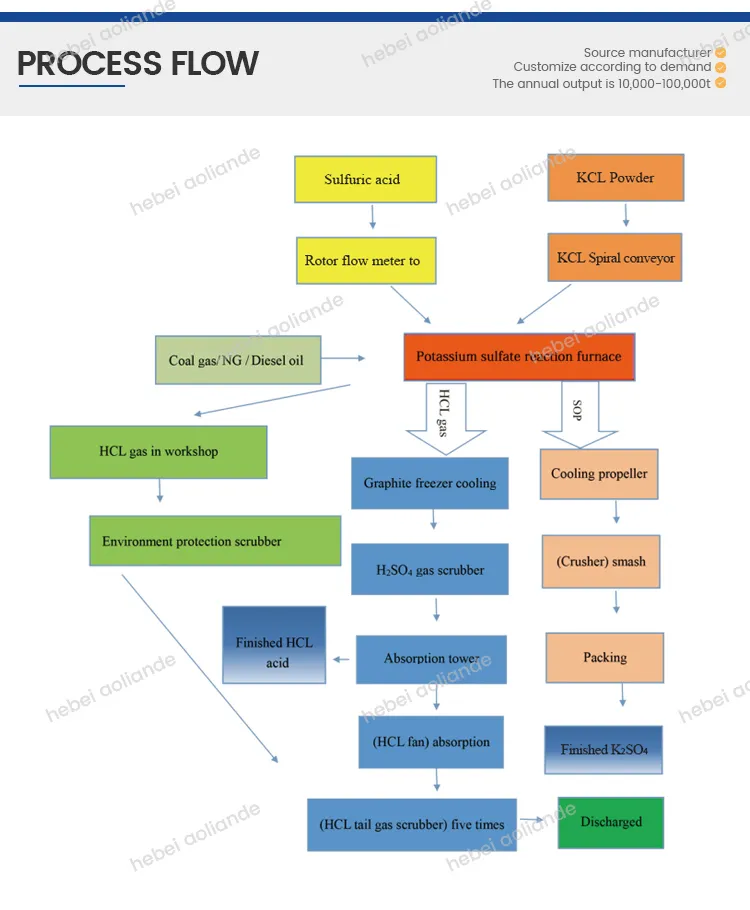
The sulfuric acid production line is designed to optimize the commercial production of sulphuric acid using the Mannheim process. This method involves the reaction of potassium chloride (KCl) with sulfuric acid (H2SO4) at high temperatures, producing potassium sulfate (K2SO4) and hydrochloric acid (HCl). The process is widely adopted due to its efficiency, but traditional systems often face challenges such as high energy consumption, environmental pollution, and suboptimal reaction control. Hebei Aoliande Chemical Equipment Co., Ltd. has addressed these issues through innovative technological upgrades, resulting in a more sustainable and efficient production line.
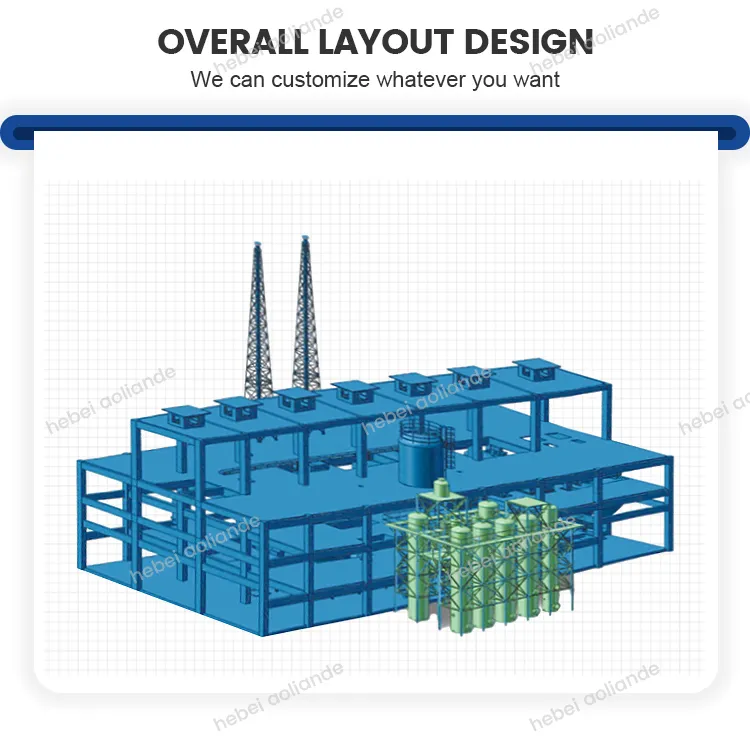
Commercial Production of Sulphuric Acid

Technical Advantages

Hebei Aoliande's sulfuric acid production line incorporates several technical advancements to improve performance and sustainability:

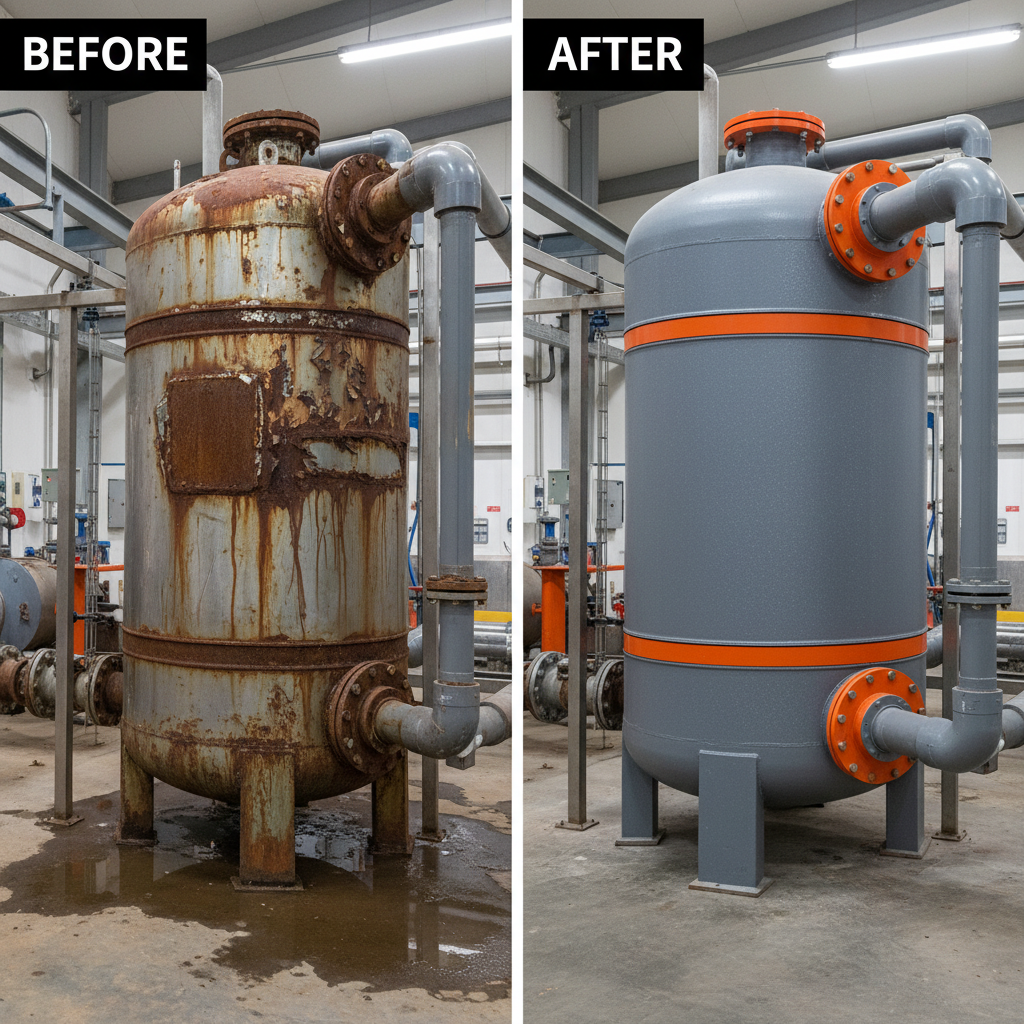
  • Corrosion-Resistant Materials: Key components are made from special materials that resist corrosion, ensuring a long service life and reducing maintenance costs.
  • Waste Recovery System: The system recycles hydrochloric acid (HCl), minimizing environmental impact and aligning with global sustainability goals.
  • Enhanced HCl Absorption: The improved absorption system increases efficiency, resulting in higher-quality final products.
  • Energy-Efficient Design: Optimized flue design and gas generators reduce energy consumption, lowering operational costs.
  • Automation: A PLC (Programmable Logic Controller) system ensures precise control over feedstock ratios, improving production stability and reducing labor costs.
  • Stable Operation: The system ensures consistent output and ease of operation, even under varying conditions.
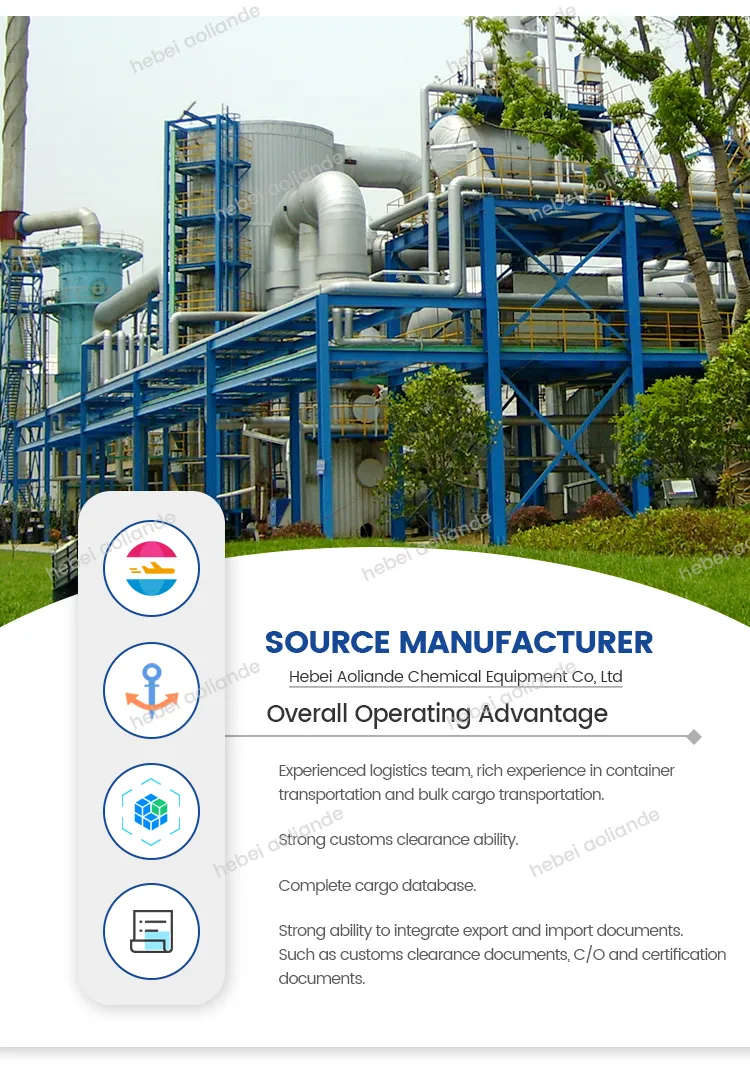
Sulfuric Acid Production

Product Specifications

Parameter Details
Process Type Mannheim Process
Raw Materials Potassium Chloride (KCl), Sulfuric Acid (H2SO4)
Reaction Temperature 600°C+
Output Capacity Varies based on system size
Energy Consumption Low (due to optimized design)
Environmental Compliance Waste recovery and HCl recycling
Control System PLC Automation
Sulfuric Acid Production

Product Details

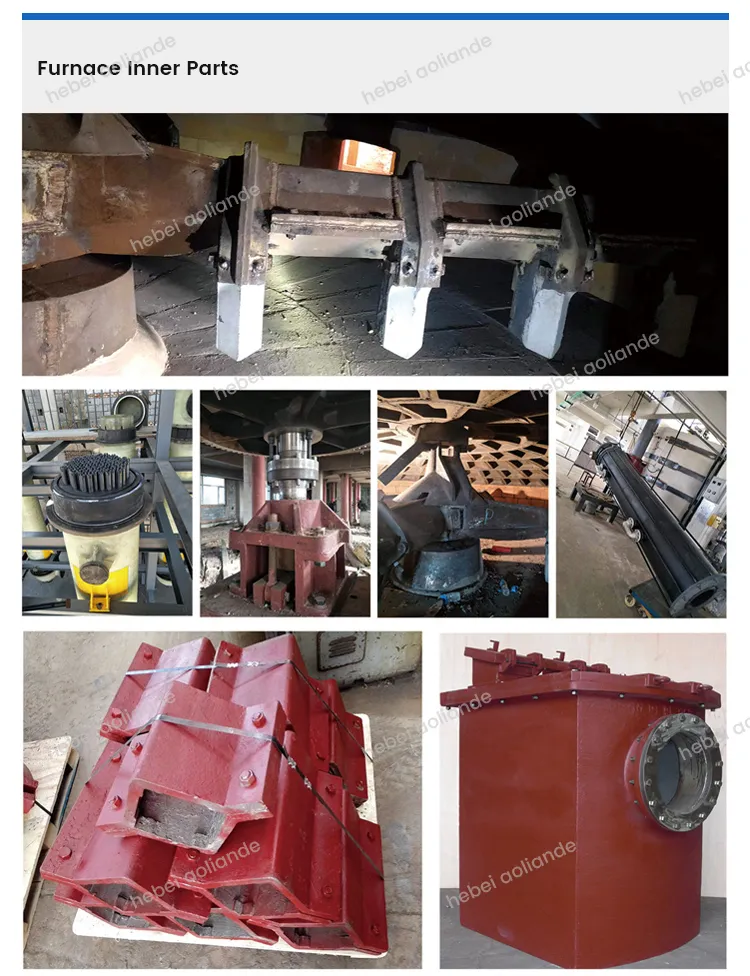
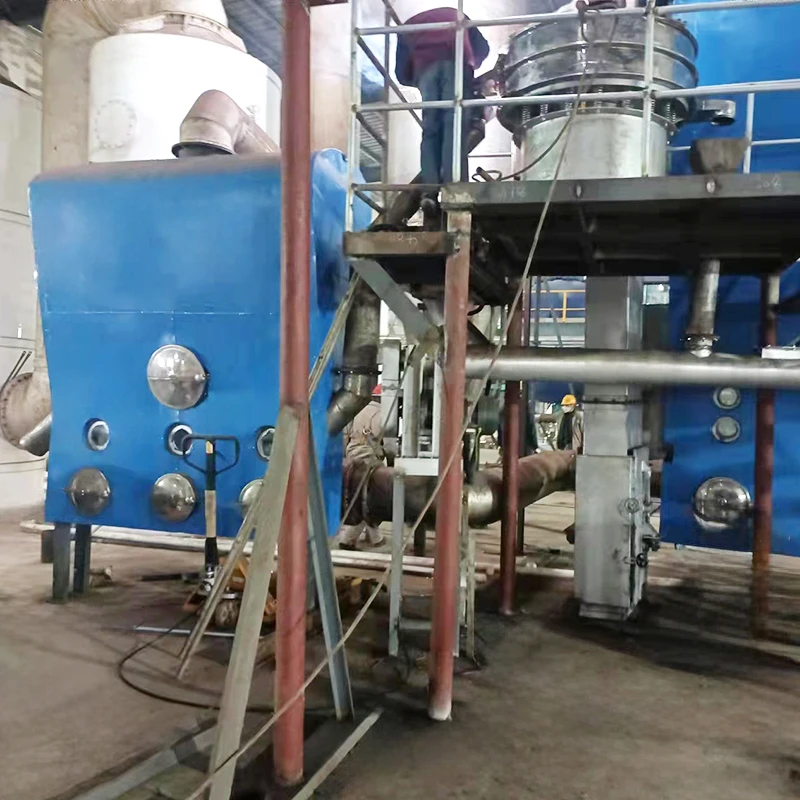
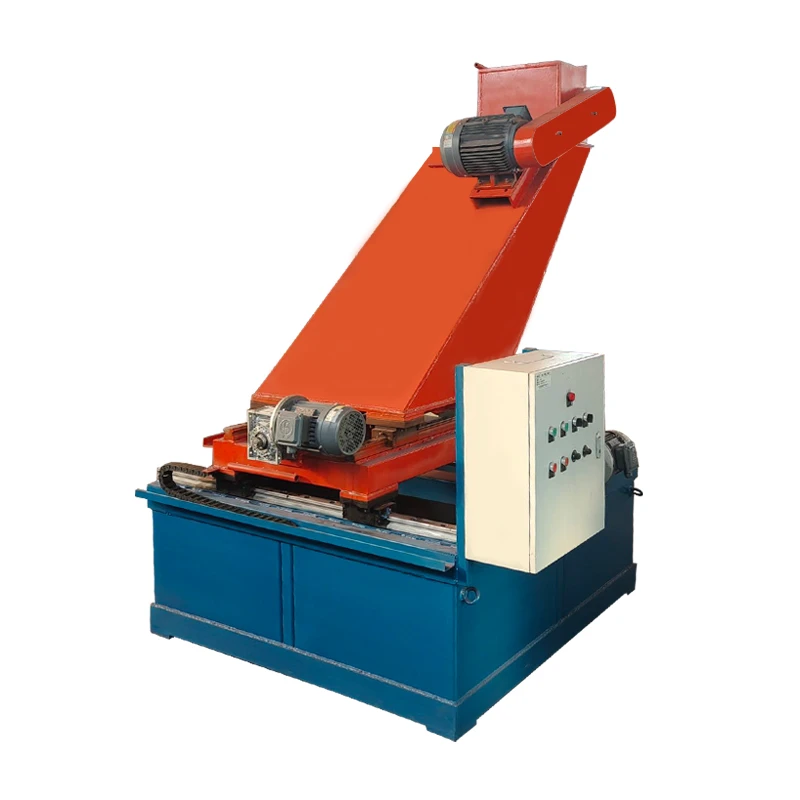
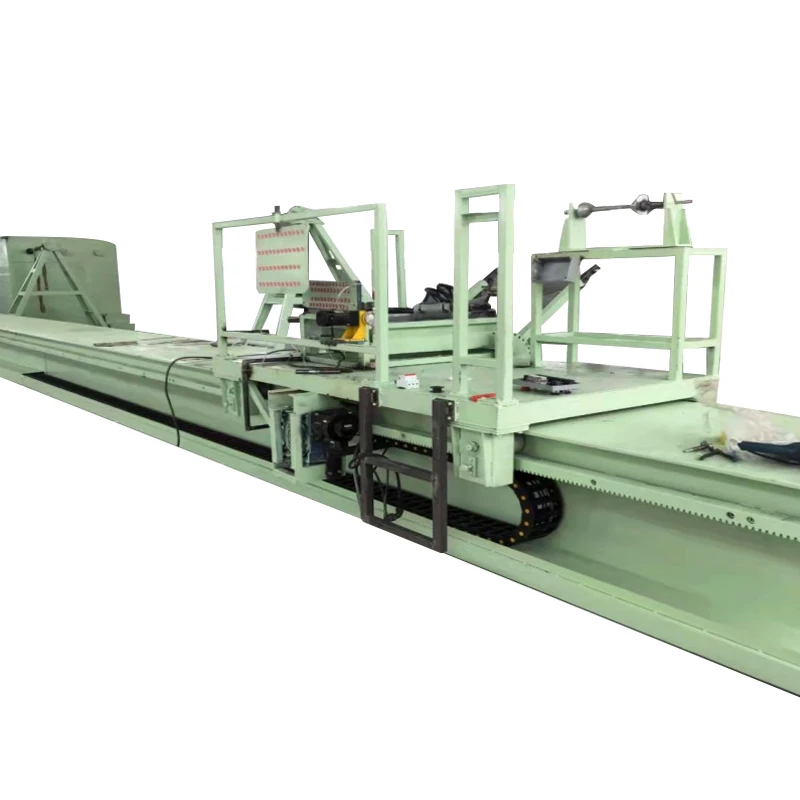
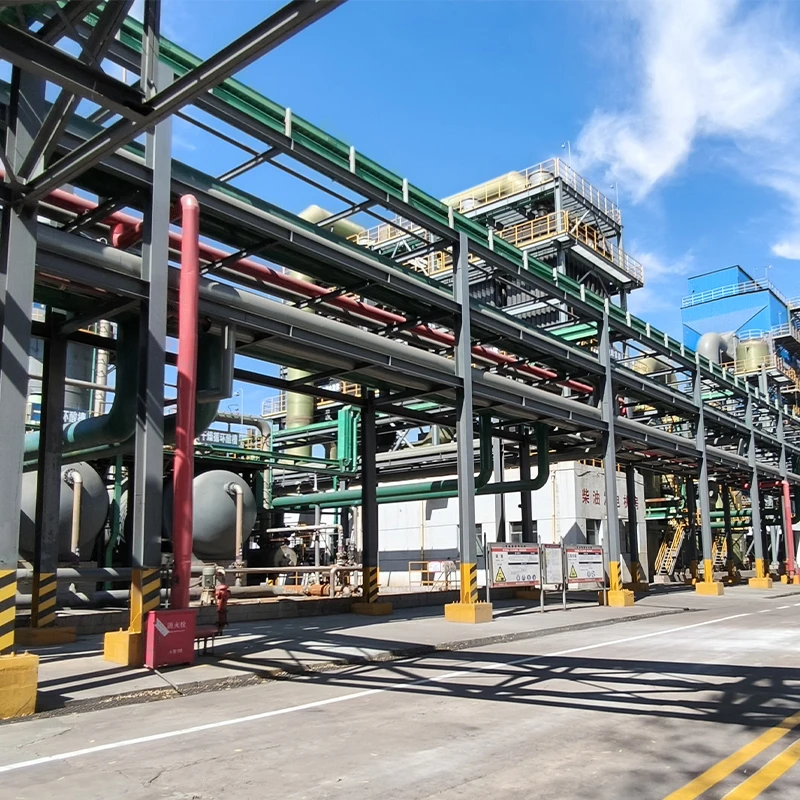
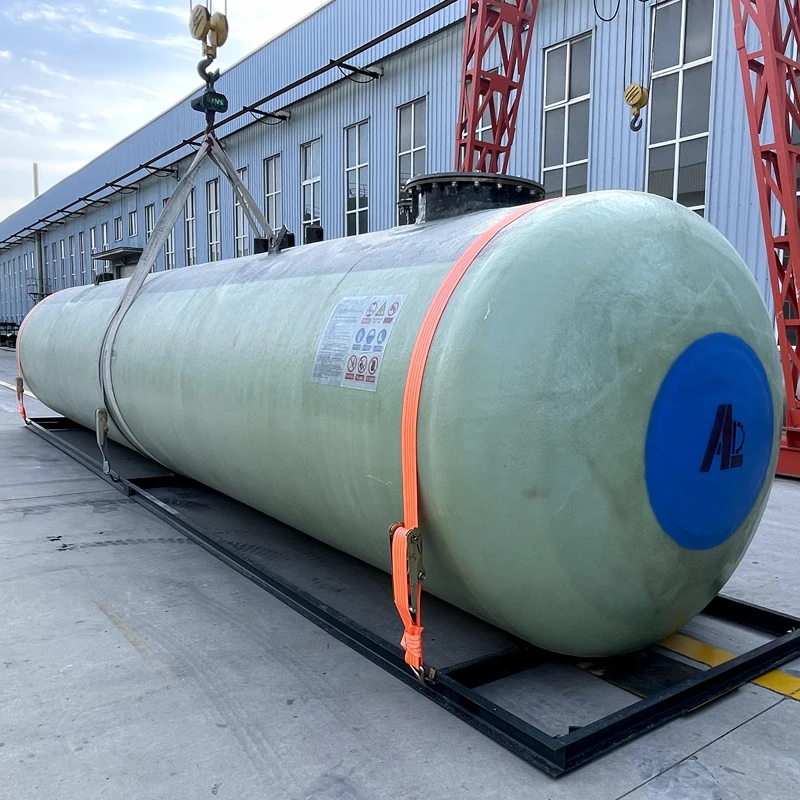
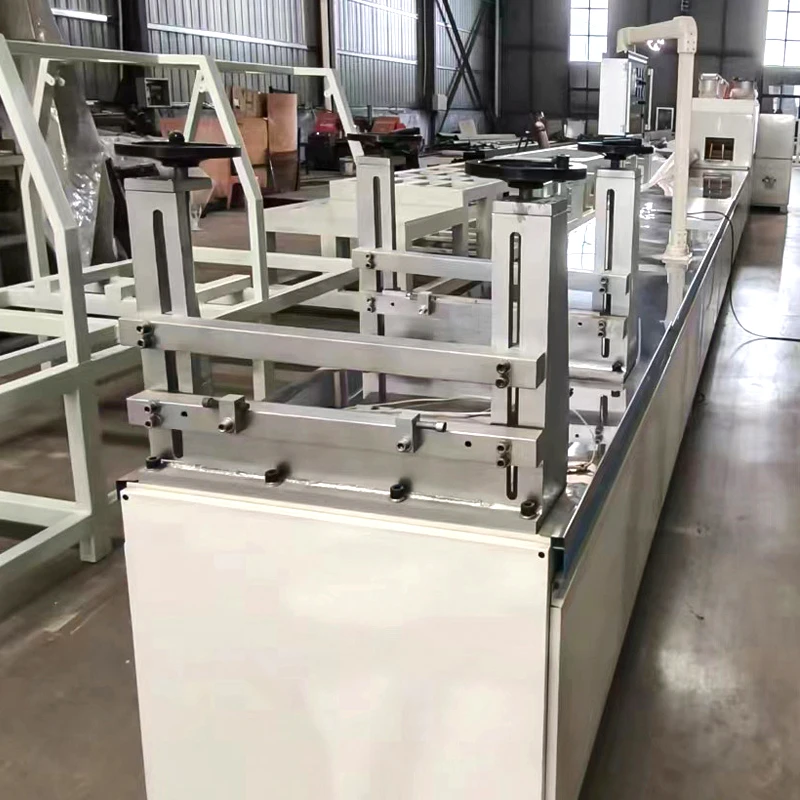
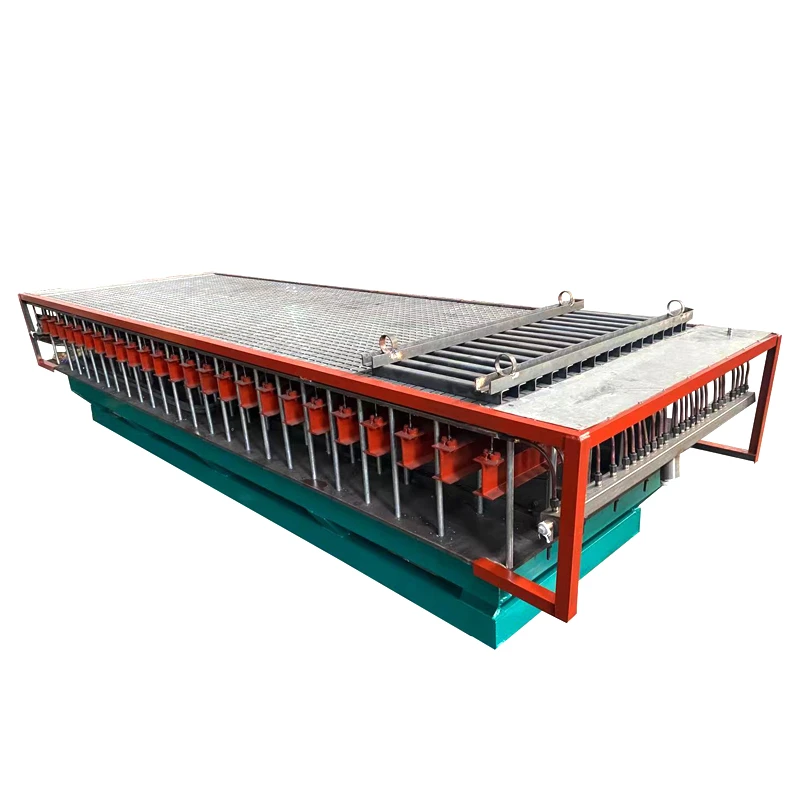
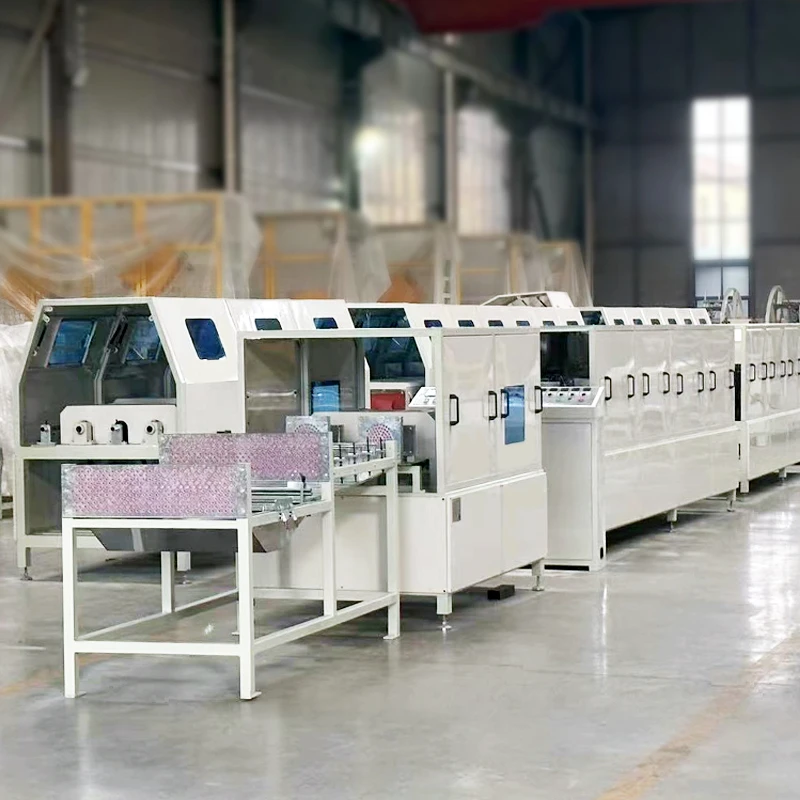
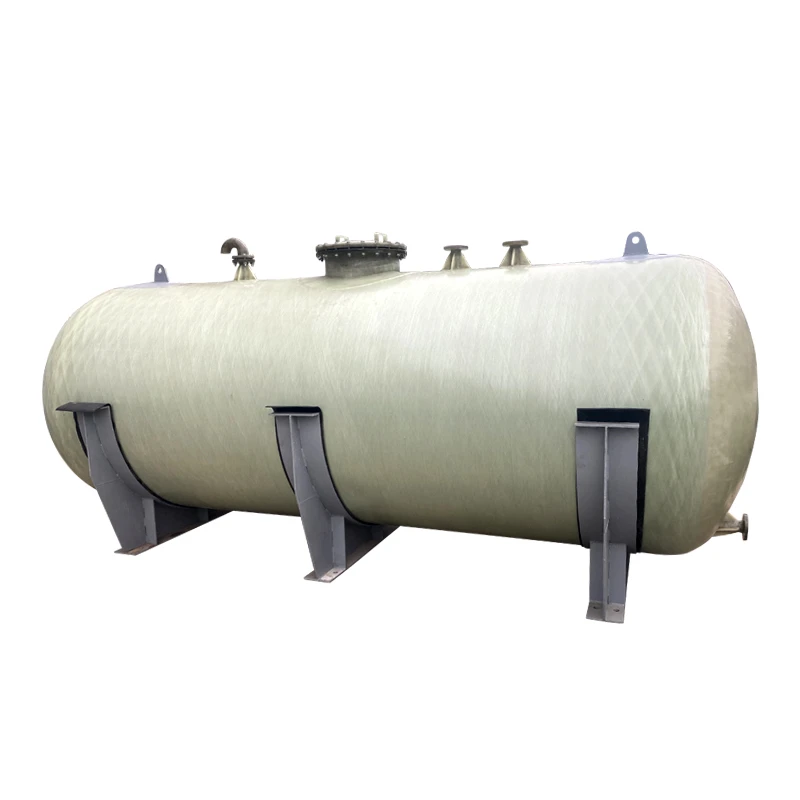
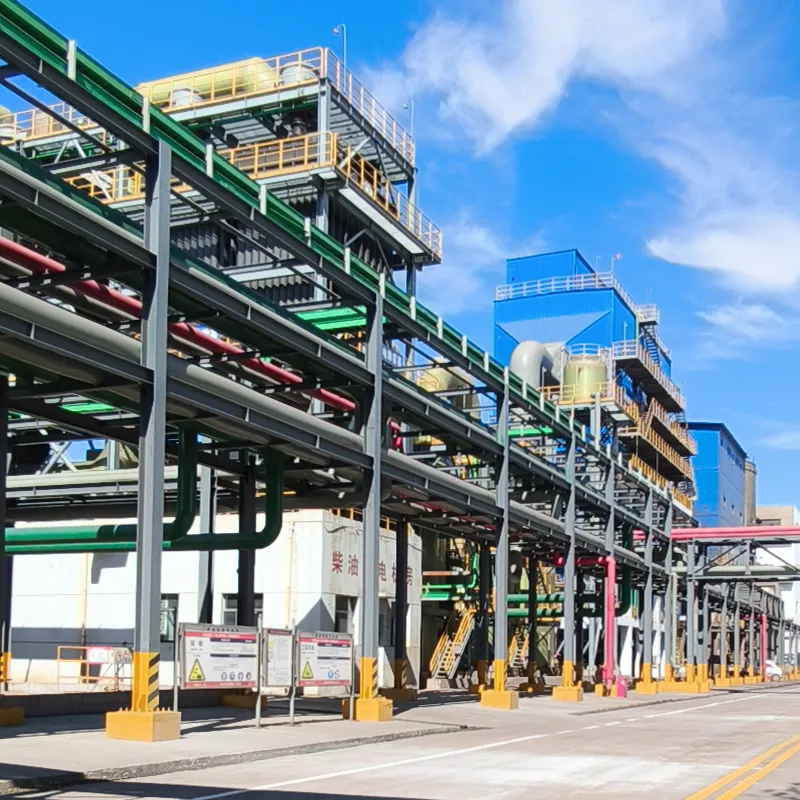
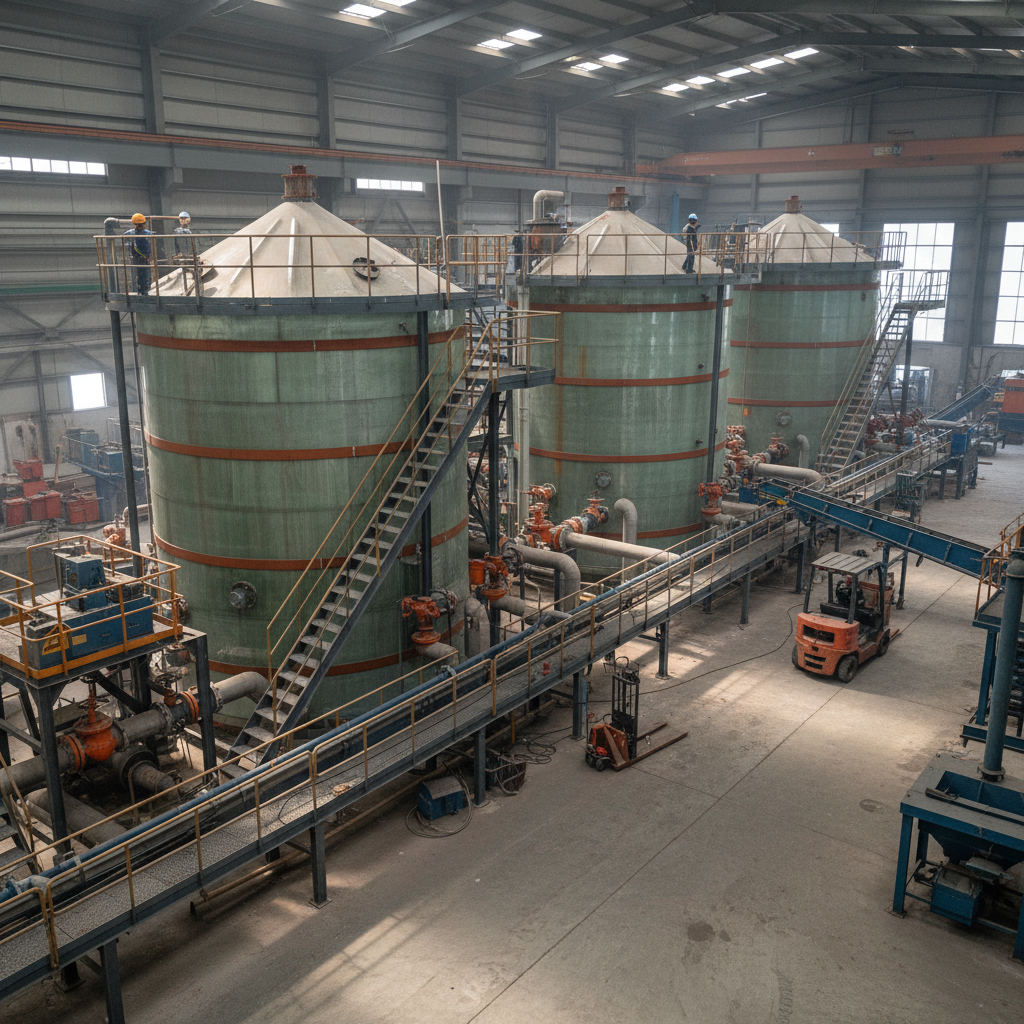
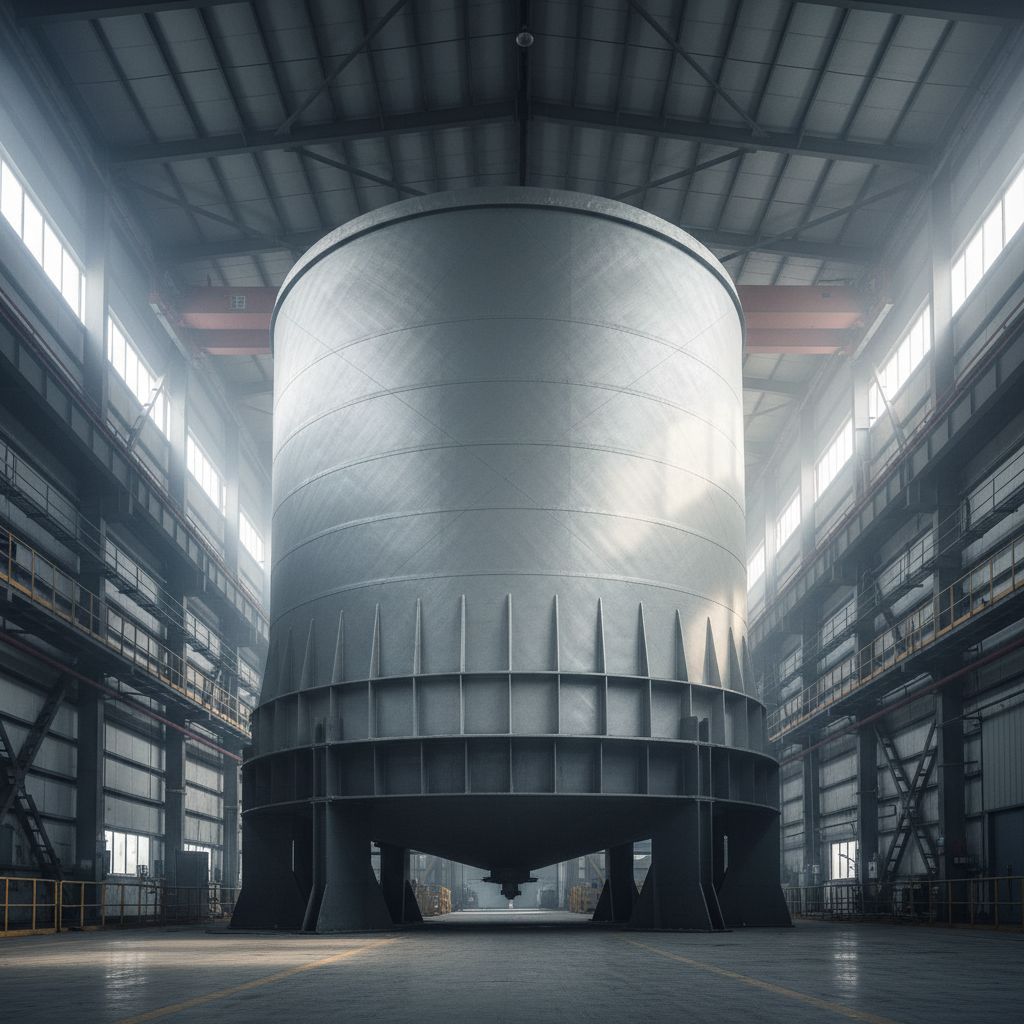
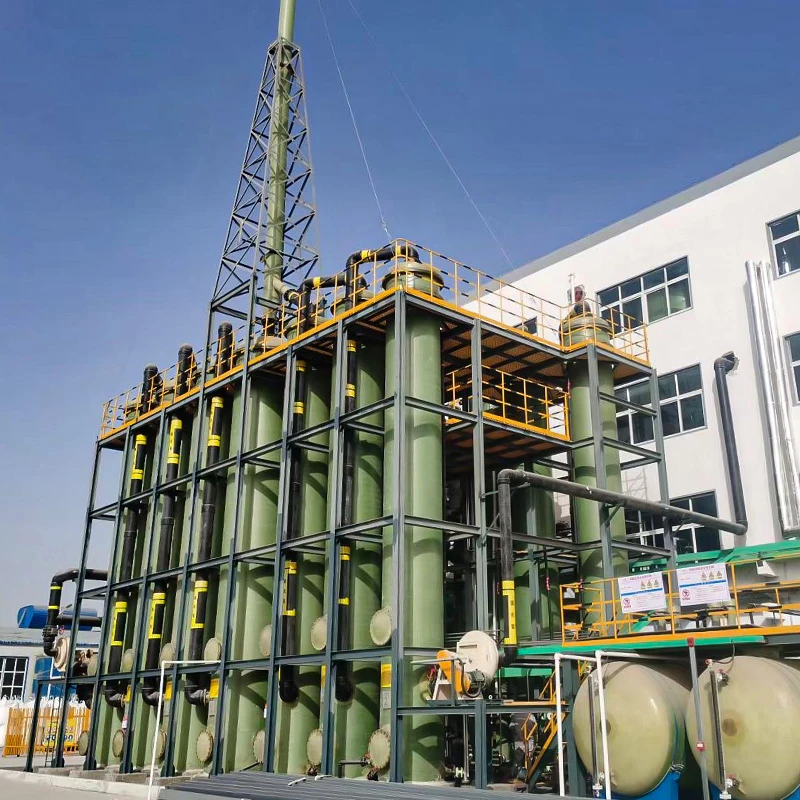
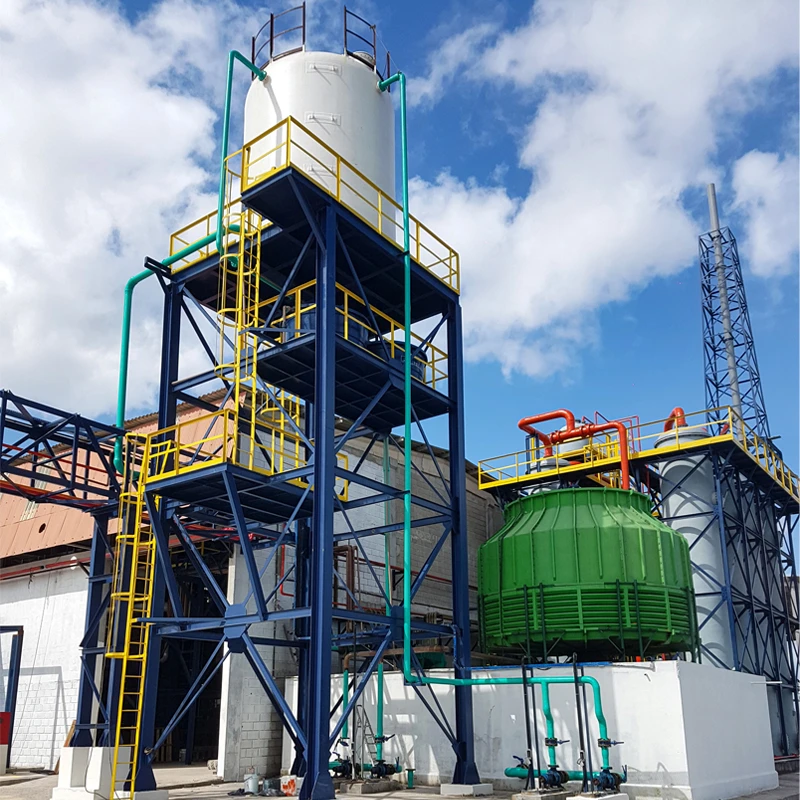
The sulfuric acid production line includes advanced equipment such as the Mannheim furnace, absorption towers, and waste recovery units. Each component is designed to work seamlessly, ensuring efficient production. The system's modular design allows for scalability, making it suitable for both small-scale and large-scale operations. Additionally, the use of high-quality materials ensures durability and resistance to harsh chemical environments.
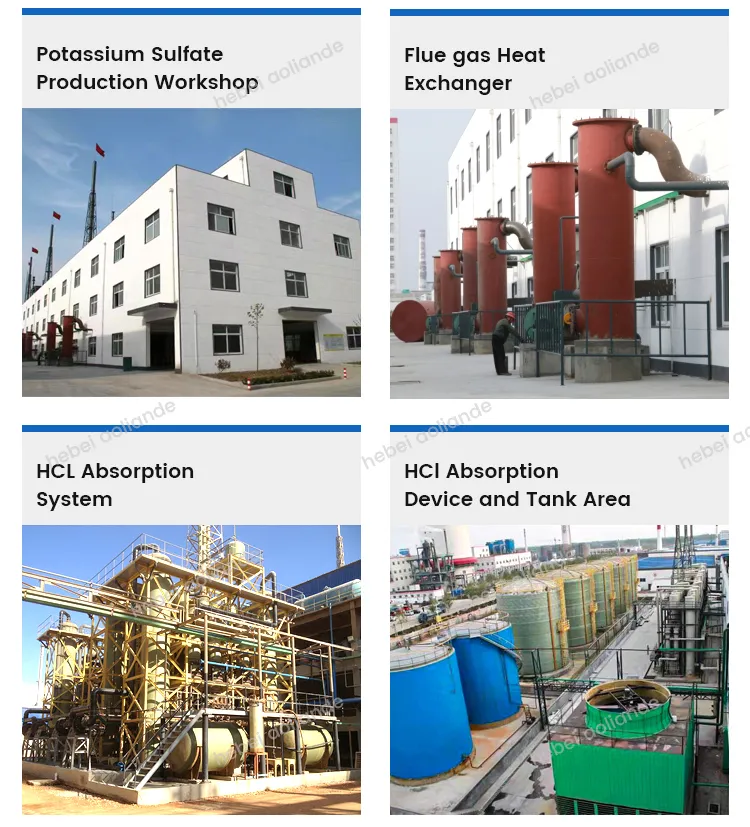
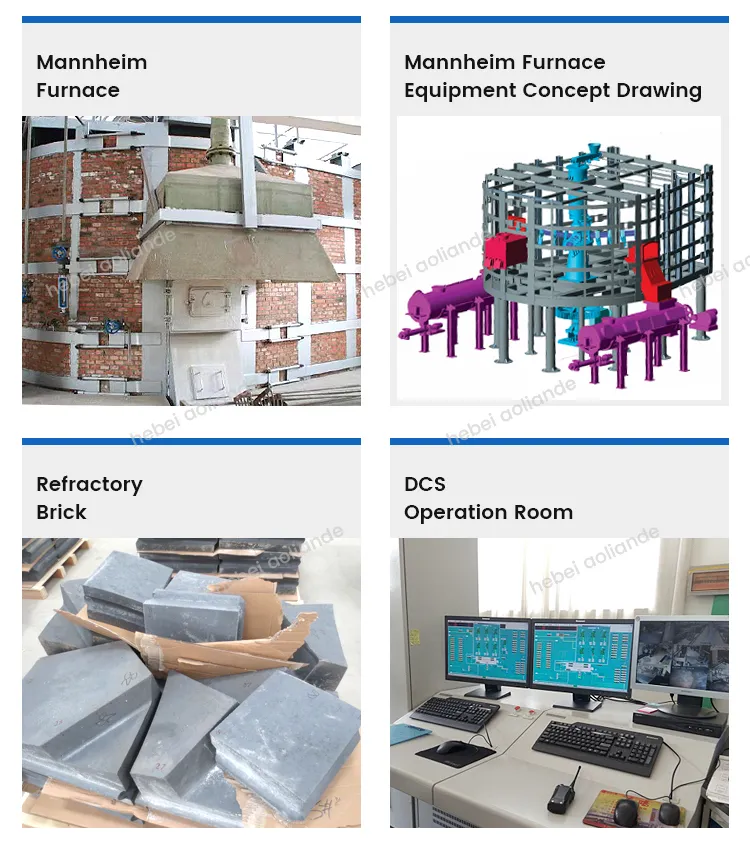
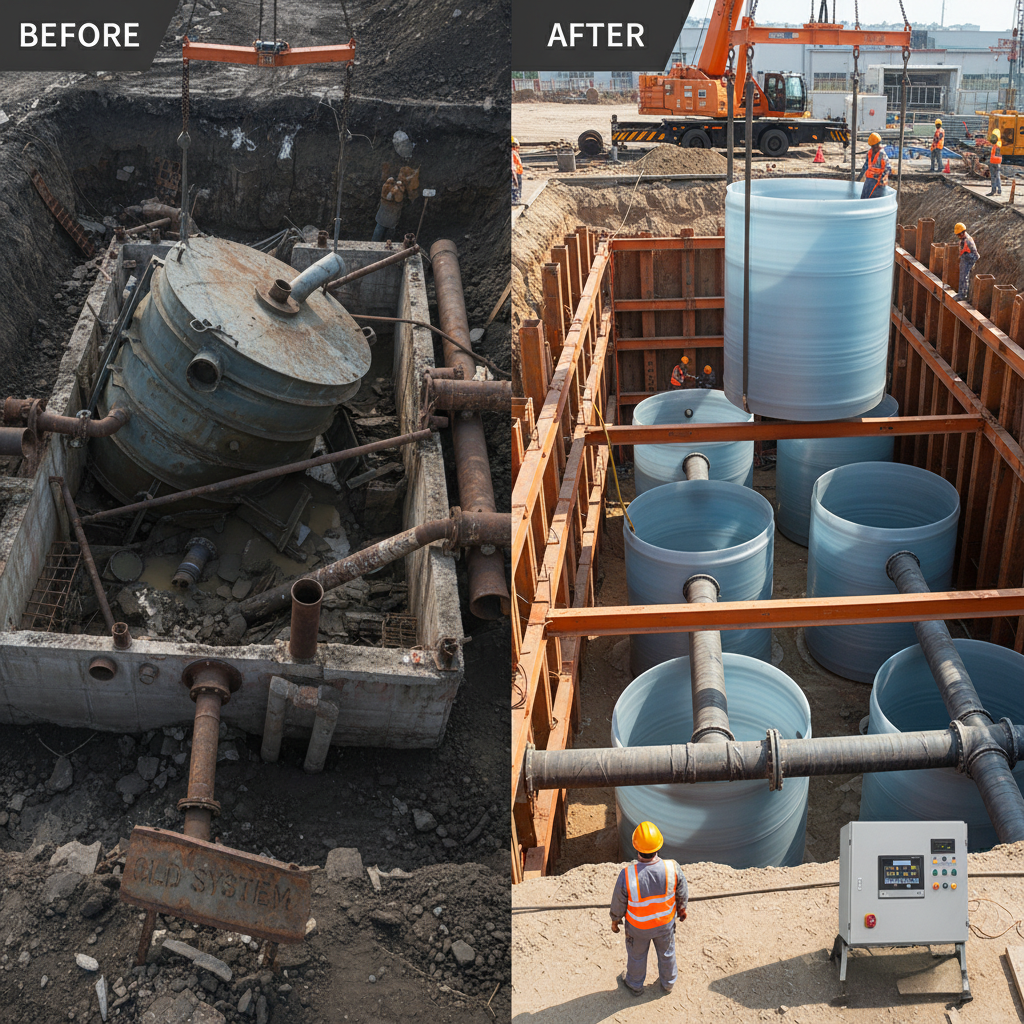
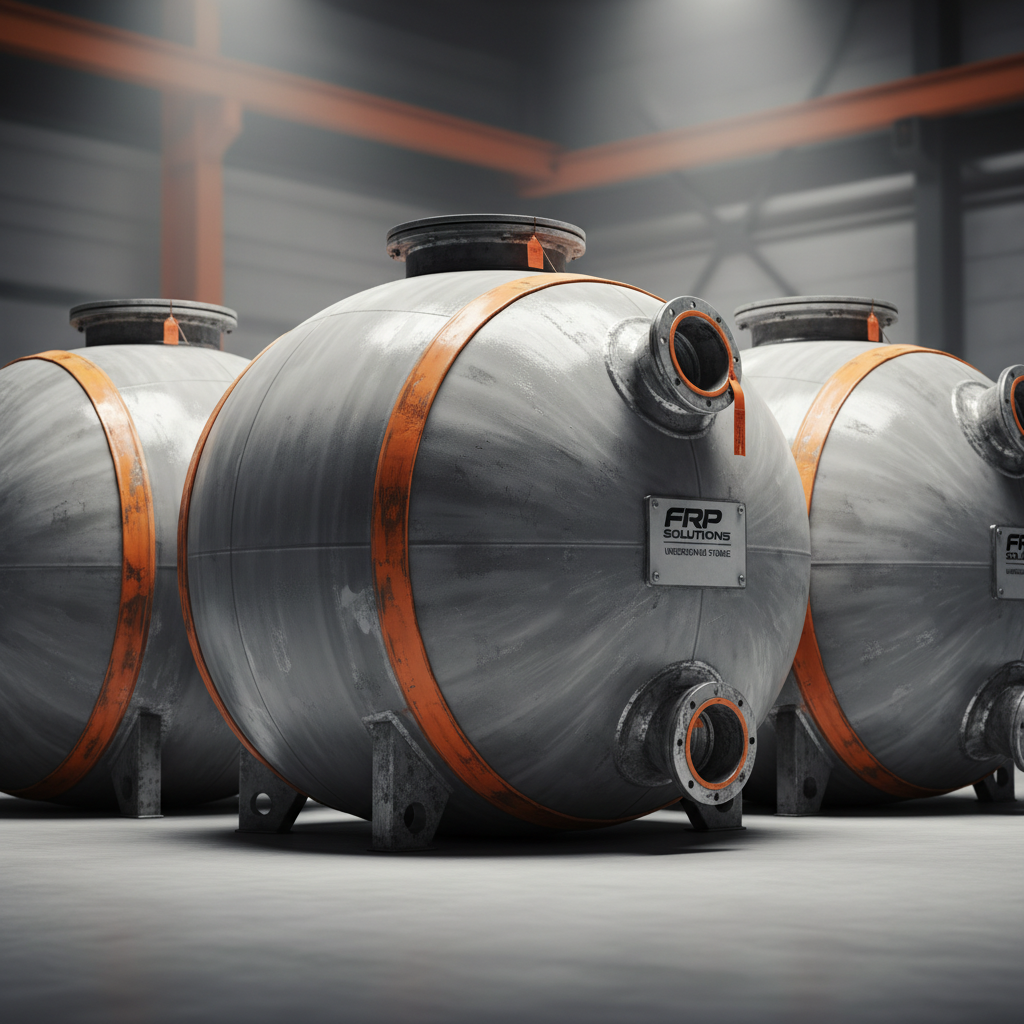
Sulfuric Acid Plant Sulfuric Acid Production Sulfuric Acid Plant Sulfuric Acid Plant

Packaging and Shipping

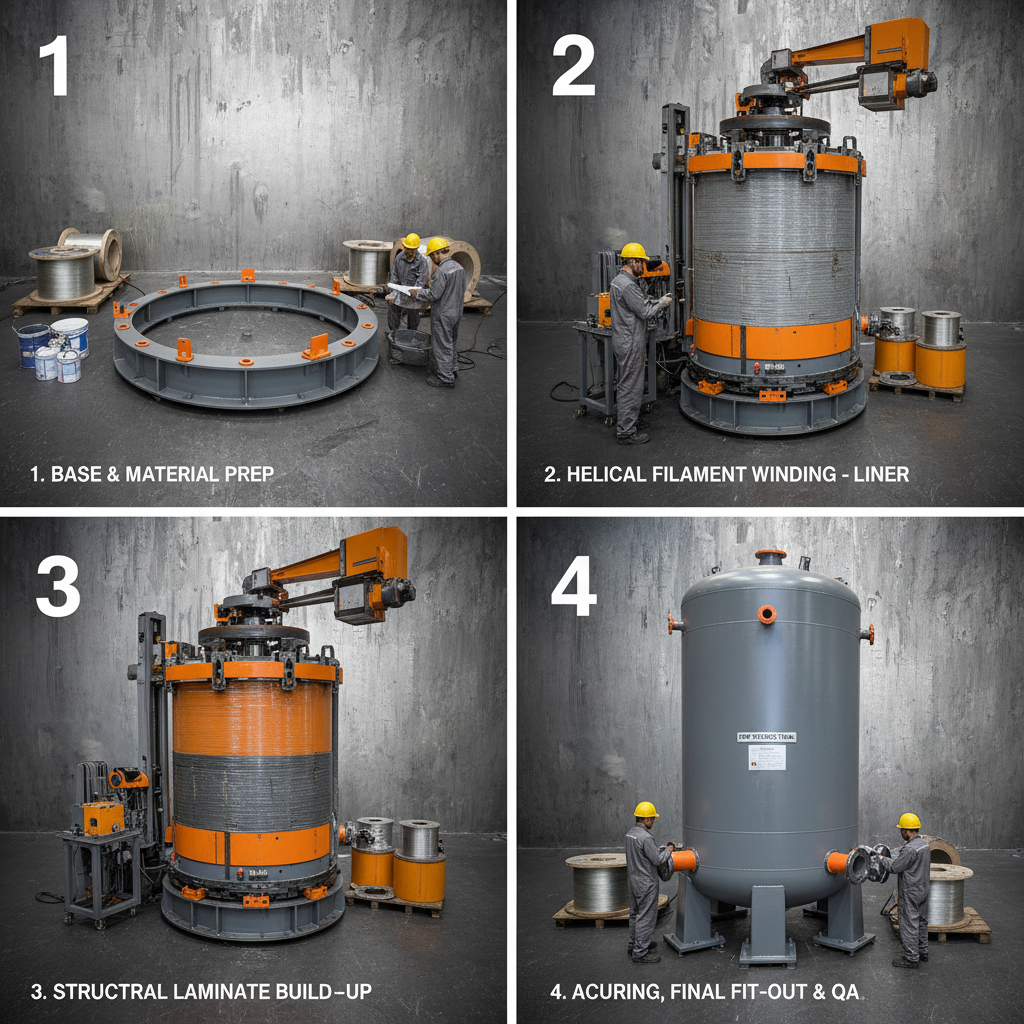
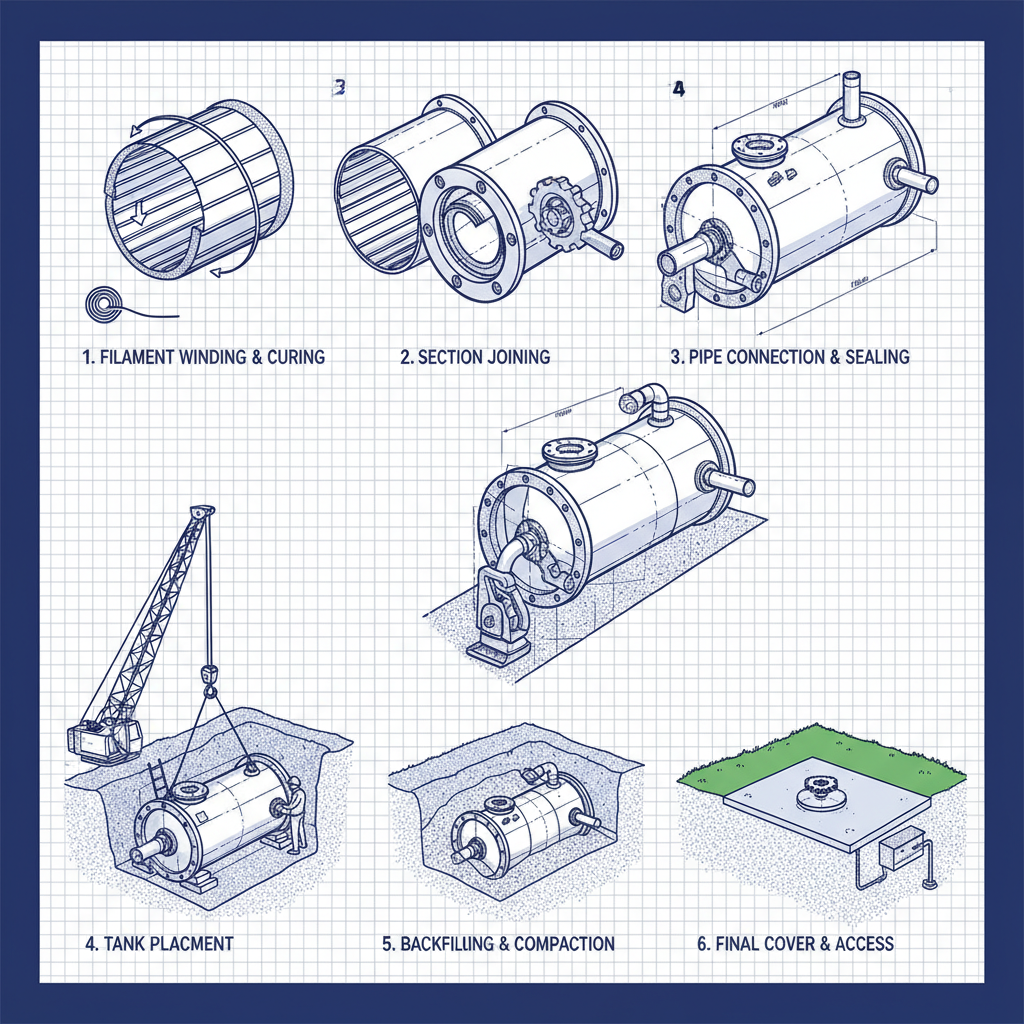
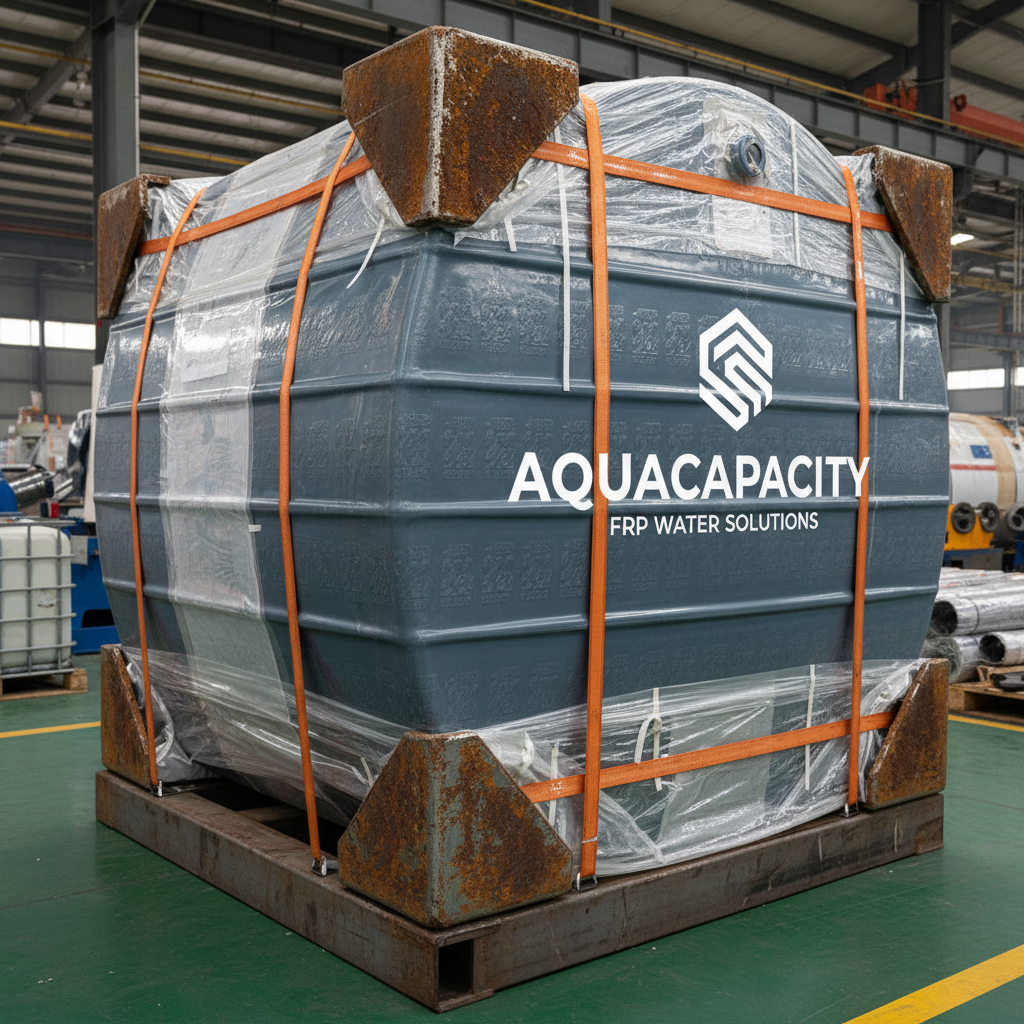
The production line is packaged to ensure safe transportation and easy installation. The company provides detailed guidelines for handling and setting up the equipment, minimizing downtime and ensuring smooth operations. The packaging is designed to protect the equipment from damage during transit, even over long distances.
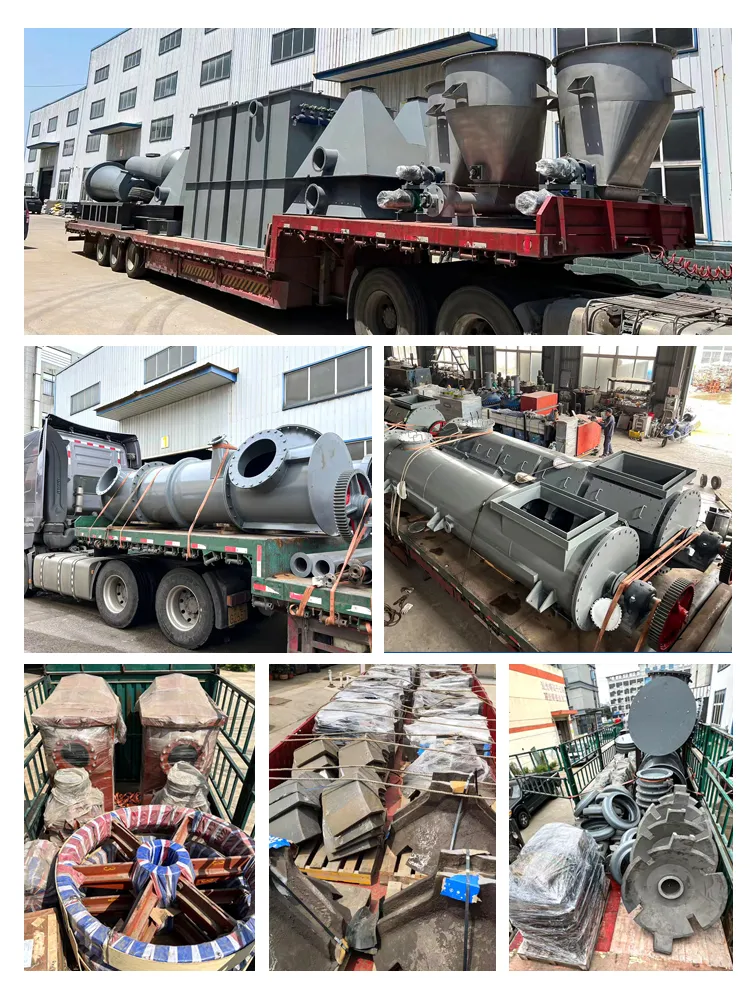

Sulfuric Acid Plant Sulfuric Acid Production

Company Profile

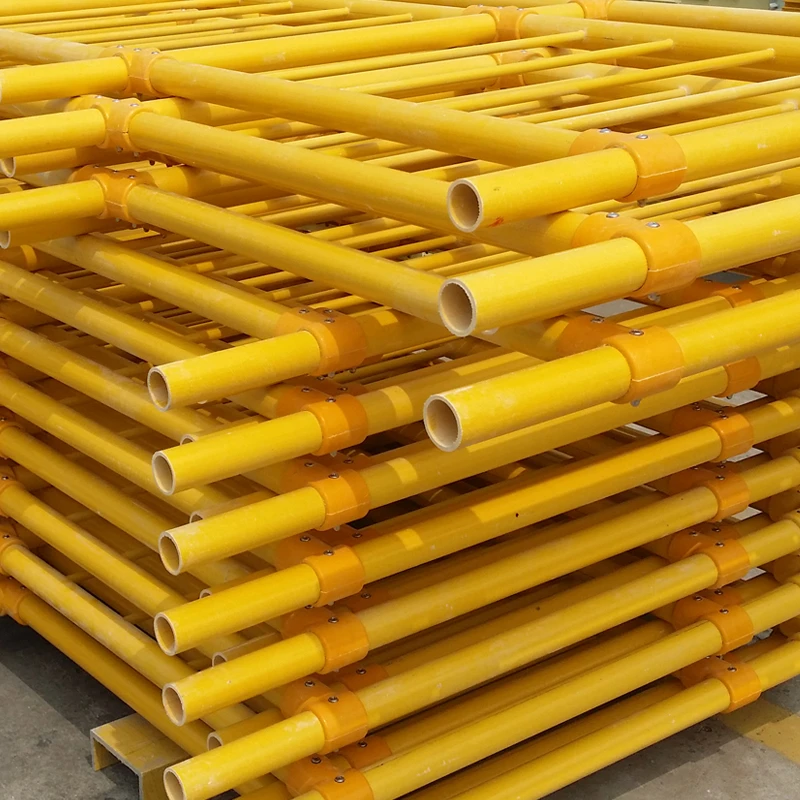
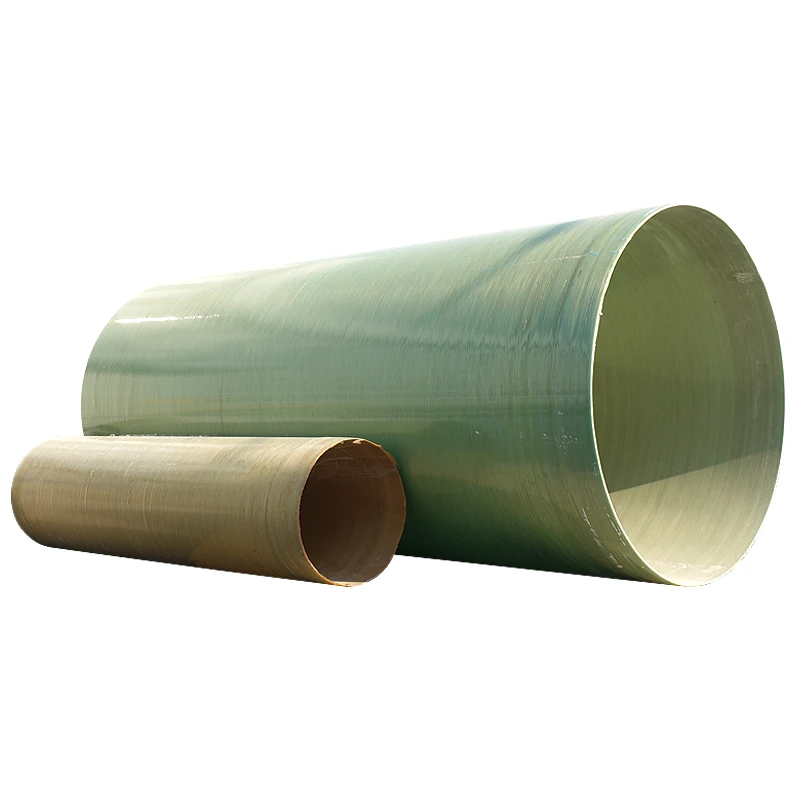
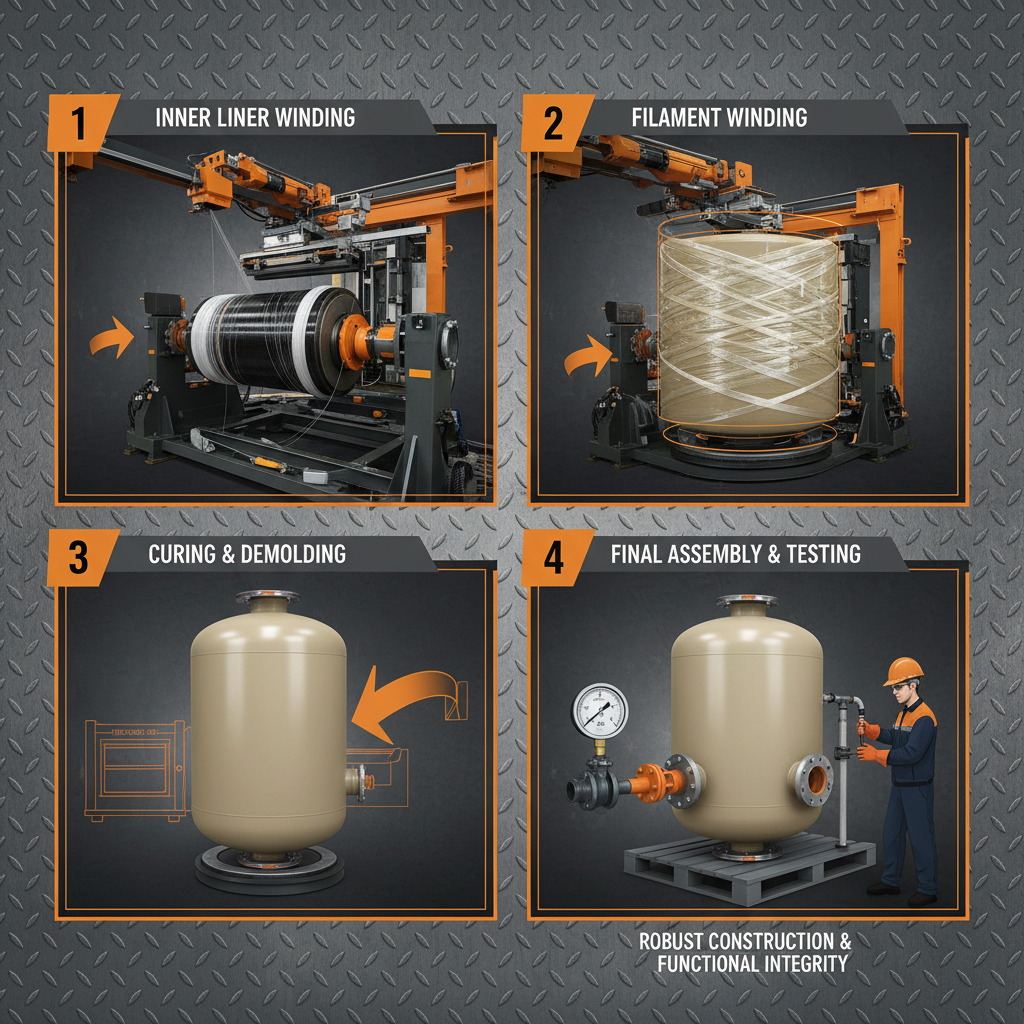
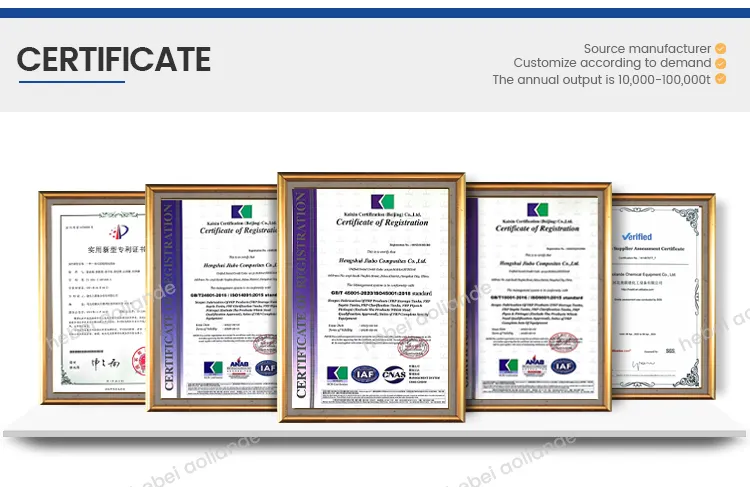
Hebei Aoliande Chemical Equipment Co., Ltd. is a leading manufacturer of FRP (Fiberglass Reinforced Plastic) pipes, storage tanks, and production machinery. The company has been dedicated to providing high-quality solutions for industrial applications, with a focus on innovation and sustainability. Hebei Aoliande has achieved ISO 9001 and ISO 14001 certifications, demonstrating its commitment to quality management and environmental responsibility. The company's products are exported globally, serving markets in the United States, Brazil, Japan, Germany, India, Malaysia, Egypt, and other regions.
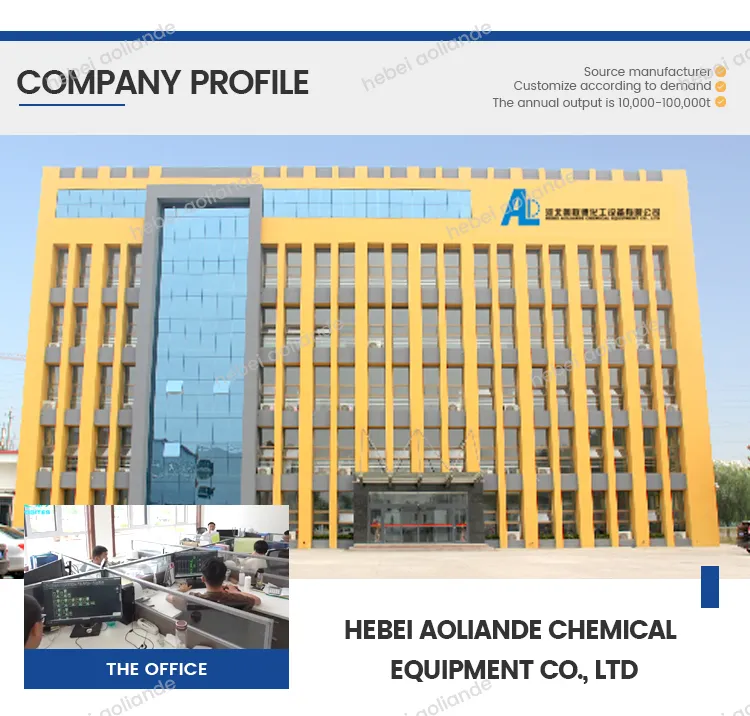
Sulfuric Acid Plant Sulfuric Acid Plant

Applications

The sulfuric acid production line is widely used in industries requiring large-scale sulfuric acid production, including:

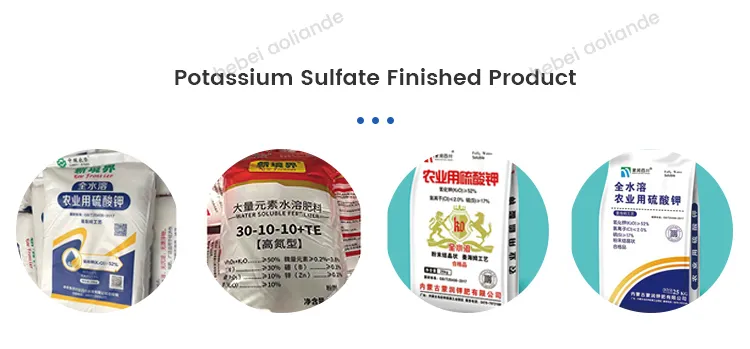
  • Fertilizer Manufacturing: Sulfuric acid is a key component in the production of potassium sulfate (K2SO4), a common fertilizer.
  • Chemical Industry: Used in the synthesis of various chemicals, including detergents, dyes, and pharmaceuticals.
  • Metallurgy: Employed in ore processing and metal purification.
  • Wastewater Treatment: Sulfuric acid helps in pH adjustment and heavy metal removal.

Environmental and Economic Benefits

Hebei Aoliande's production line addresses critical environmental concerns associated with traditional sulfuric acid manufacturing. The waste recovery system ensures that hydrochloric acid is recycled, reducing emissions and pollution. Additionally, the energy-efficient design lowers operational costs, making the process economically viable for manufacturers. According to the National Institute of Standards and Technology (NIST), advancements in industrial processes like this one contribute to sustainable manufacturing by minimizing resource consumption and environmental impact 1.

Conclusion

The sulfuric acid production line from Hebei Aoliande Chemical Equipment Co., Ltd. represents a significant advancement in sulfuric acid manufacturing. With its innovative design, energy efficiency, and environmental compliance, this system is ideal for industries seeking to optimize their production processes. By combining cutting-edge technology with a commitment to sustainability, Hebei Aoliande is setting new standards in the chemical industry.

References

1 National Institute of Standards and Technology (NIST). "Advancements in Industrial Processes for Sustainable Manufacturing." Retrieved from https://www.nist.gov.
Upsell Products
Upsell News
Comprehensive Guide to FRP Fuel Tanks Benefits and Applications
Mar 12,2026
Comprehensive Guide to FRP Fuel Tanks Benefits and Applications
Fiber Reinforced Polymer (FRP) fuel tanks are rapidly gaining prominence as a robust and reliable alternative to traditional steel tanks. Offering significant advantages in terms of corrosion resistance, weight reduction, and design flexibility, they are becoming a go-to solution for a wide range of applications, from fuel storage at service stations to large-scale industrial facilities. This article delves into the benefits, applications, construction, and considerations when choosing an FRP fuel tank, providing a comprehensive overview for businesses and engineers. Investing in the right fuel storage solution is crucial for safety, compliance, and long-term cost efficiency. FRP fuel tanks offer a compelling set of advantages over traditional materials like steel. Their inherent resistance to corrosion is a primary benefit, significantly reducing maintenance costs and extending the tank's lifespan. Unlike steel, FRP won’t rust or corrode when exposed to fuels, water, or harsh environmental conditions. Furthermore, FRP is significantly lighter than steel – often by up to 60% – leading to easier installation, reduced transportation costs, and lower structural support requirements.
Comprehensive Guide to Durable Fibre Reinforced Plastic Tanks and Vessels
Mar 11,2026
Comprehensive Guide to Durable Fibre Reinforced Plastic Tanks and Vessels
In industries demanding robust, corrosion-resistant storage solutions, fibre reinforced plastic (FRP) tanks and vessels are increasingly becoming the material of choice. These tanks, crafted from materials like glass fibre reinforced polymer (GRP), offer superior performance compared to traditional materials like steel or concrete. This article delves into the benefits, applications, manufacturing processes, and considerations when choosing FRP tanks and vessels. We'll explore why they are a smart investment for various industrial needs. FRP is a composite material made by combining a polymer matrix (resin) with reinforcing fibres, typically glass, carbon, or aramid. This combination results in a material that is lightweight, incredibly strong, and highly resistant to corrosion. GRP, a common type of FRP using glass fibres, is particularly popular due to its cost-effectiveness and excellent chemical resistance. The properties of FRP can be tailored during manufacturing to meet specific application requirements.
Comprehensive Guide to Durable Double Wall FRP Tank Solutions for Industries
Mar 10,2026
Comprehensive Guide to Durable Double Wall FRP Tank Solutions for Industries
Double wall Fiber Reinforced Polymer (FRP) tanks are increasingly becoming the preferred choice for storing a wide range of chemicals and liquids across diverse industries. Offering superior corrosion resistance, durability, and safety compared to traditional materials like steel, these tanks are a valuable asset for any business dealing with potentially hazardous substances. This article will delve into the key features, benefits, applications, and considerations when choosing a double wall FRP tank, providing you with the information needed to make an informed decision. Investing in a reliable storage solution is crucial for operational efficiency and environmental responsibility. A double wall FRP tank consists of two layers of FRP material separated by a space. This design provides a critical layer of containment in the event of a leak or failure in the inner tank. The space between the walls can be monitored for leaks, allowing for early detection and preventing environmental contamination. The construction typically involves a resin matrix reinforced with fiberglass, offering excellent chemical resistance, and the ability to be customized for specific application requirements. These tanks offer a significantly enhanced safety profile compared to single-wall tanks.
Comprehensive Guide to FRP Water Storage Tank Solutions and Applications
Mar 09,2026
Comprehensive Guide to FRP Water Storage Tank Solutions and Applications
Fiber Reinforced Polymer (FRP) water storage tanks are increasingly becoming the preferred choice for a wide range of applications, from potable water storage to industrial chemical containment. Their lightweight nature, corrosion resistance, and durability offer significant advantages over traditional materials like steel and concrete. This article will explore the benefits, applications, and key considerations when choosing an FRP water storage tank, providing insights for engineers, project managers, and anyone involved in water management. Selecting the right tank is critical for ensuring long-term reliability and water quality. FRP tanks offer a compelling set of advantages. Their corrosion resistance is paramount, eliminating the need for costly linings and repairs often required with steel tanks. The lightweight nature of FRP significantly reduces installation costs, as less heavy machinery is needed.
Comprehensive Guide to FRP Tanks for Water Treatment and Their Applications
Mar 08,2026
Comprehensive Guide to FRP Tanks for Water Treatment and Their Applications
In the realm of water treatment, ensuring water quality and storage efficiency is paramount. FRP (Fiber Reinforced Polymer) tanks have emerged as a leading solution for various water treatment applications. These tanks offer a compelling blend of durability, corrosion resistance, and cost-effectiveness. This article will delve into the benefits, applications, types, and considerations when choosing an FRP tank for water treatment, providing a comprehensive overview for engineers, facility managers, and anyone involved in water treatment processes. Choosing the right tank is crucial for long-term performance and minimal maintenance. Compared to traditional tank materials like steel or concrete, FRP tanks offer significant advantages. Their lightweight nature simplifies installation and reduces transportation costs. Crucially, FRP is highly resistant to corrosion, even in aggressive chemical environments.
Comprehensive Guide to PP FRP Tanks for Corrosion Resistant Storage
Mar 07,2026
Comprehensive Guide to PP FRP Tanks for Corrosion Resistant Storage
Polypropylene (PP) Fiber Reinforced Polymer (FRP) tanks are becoming increasingly popular in a wide range of industries due to their exceptional corrosion resistance, durability, and cost-effectiveness. These tanks provide a robust and reliable solution for storing various chemicals, wastewater, and other corrosive substances. This article dives deep into the world of PP FRP tanks, exploring their benefits, applications, manufacturing processes, and factors to consider when choosing the right tank for your specific needs. Choosing the right tank is crucial for safe and efficient operations, and we'll guide you through the essential aspects of PP FRP tank technology. PP FRP tanks are constructed using a combination of polypropylene resin and reinforcing fibers, typically fiberglass. The polypropylene provides excellent chemical resistance, while the fiberglass adds strength and structural integrity. The layering of these materials creates a tank that is lightweight, yet incredibly durable and resistant to corrosion, impact, and UV degradation.
Comprehensive Guide to Choosing the Right Water Tank FRP for Your Needs
Mar 06,2026
Comprehensive Guide to Choosing the Right Water Tank FRP for Your Needs
Fiber Reinforced Plastic (FRP) water tanks are becoming increasingly popular for a wide range of applications, from agricultural irrigation to industrial water storage. Their durability, corrosion resistance, and lightweight nature offer significant advantages over traditional materials like steel or concrete. This article will explore the benefits of FRP water tanks, their various types, key considerations when choosing one, and the advantages of sourcing from a reputable manufacturer like FRPGRP Machine. Investing in a quality FRP water tank ensures long-term reliability and cost-effectiveness. FRP water tanks are constructed using a combination of synthetic resin matrices – typically polyester, vinyl ester, or epoxy – reinforced with fibers like fiberglass. This composite material yields a tank that is remarkably strong yet surprisingly lightweight. Compared to steel, FRP tanks don’t rust or corrode, significantly reducing maintenance costs and extending their lifespan. They’re also easier to install, requiring less heavy machinery, and can be molded into various shapes and sizes to suit specific project needs.
Comprehensive Guide to Tank FRP Solutions and Their WideRanging Applications
Mar 05,2026
Comprehensive Guide to Tank FRP Solutions and Their WideRanging Applications
Fiber Reinforced Polymer (FRP) tanks are increasingly becoming the preferred choice for storage and processing across various industries. These tanks offer a compelling alternative to traditional materials like steel, particularly when dealing with corrosive substances. This article dives into the world of tank FRP, exploring its benefits, applications, manufacturing processes, and key considerations when choosing the right tank for your needs. We'll examine why FRP tanks represent a smart, long-term investment for many businesses. Tank FRP refers to tanks constructed using a composite material – fiberglass (or other fibers) embedded in a polymer matrix, typically polyester, vinyl ester, or epoxy resin. This combination yields a tank that's lightweight, incredibly strong, and remarkably resistant to corrosion. Unlike steel tanks that require costly linings and frequent maintenance to combat rust, FRP tanks provide a long service life with minimal upkeep. They are ideal for storing a wide array of aggressive chemicals, wastewater, and other demanding fluids.
Comprehensive Guide to FRP Storage Tanks for Diverse Industrial Applications
Mar 04,2026
Comprehensive Guide to FRP Storage Tanks for Diverse Industrial Applications
Fiber Reinforced Polymer (FRP) storage tanks are increasingly popular across a diverse range of industries due to their exceptional durability, corrosion resistance, and cost-effectiveness. This article provides a detailed overview of FRP storage tanks, covering their construction, benefits, applications, and considerations for choosing the right tank for your specific needs. Whether you are involved in chemical processing, wastewater treatment, or any other industry requiring safe and reliable liquid storage, understanding FRP tanks is crucial. An FRP storage tank is a container constructed from a composite material consisting of a polymer matrix reinforced with fibers – typically fiberglass, carbon fiber, or aramid fiber. The polymer matrix, such as polyester, vinyl ester, or epoxy resin, binds the fibers together and provides environmental protection. The reinforcement fibers provide strength and rigidity. The combination of these materials results in a tank that is lightweight, incredibly strong, and highly resistant to corrosion.
Comprehensive Guide to FRP Water Tanks Applications and Long Term Benefits
Mar 03,2026
Comprehensive Guide to FRP Water Tanks Applications and Long Term Benefits
Fiber Reinforced Polymer (FRP) water tanks are increasingly becoming the preferred choice for water storage across a diverse range of industries. Offering a compelling alternative to traditional materials like steel and concrete, FRP tanks deliver superior corrosion resistance, lightweight construction, and long-term cost-effectiveness. This article provides an in-depth look at FRP water tanks, their applications, key benefits, and considerations for selecting the right tank for your specific needs. Explore how FRPGRPMachine delivers high-quality FRP solutions for water storage and beyond.
Buy Durable 5000 Gallon Fiberglass Water Tanks – Reliable, Corrosion-Resistant Storage
Nov 26,2025
Buy Durable 5000 Gallon Fiberglass Water Tanks – Reliable, Corrosion-Resistant Storage
Discover the benefits and applications of 5000 gallon fiberglass water tanks. Durable, lightweight, and corrosion-resistant solutions for industrial, agricultural, and humanitarian needs.
Exploring the Benefits and Uses of 300 Gallon Fiberglass Tanks for Industrial and Humanitarian Needs
Nov 25,2025
Exploring the Benefits and Uses of 300 Gallon Fiberglass Tanks for Industrial and Humanitarian Needs
Discover how 300 gallon fiberglass tanks deliver durable, cost-efficient, and sustainable liquid storage solutions globally. Learn key features, applications, and future trends.
Fiberglass Sewer Tanks: Durable, Lightweight Solutions for Modern Sanitation
Nov 25,2025
Fiberglass Sewer Tanks: Durable, Lightweight Solutions for Modern Sanitation
Explore how fiberglass sewer tanks revolutionize wastewater management with corrosion resistance, easy installation, and global applications. Learn benefits, trends, and FAQs.
Durable Rectangular Fiberglass Tanks for Industrial and Humanitarian Use | FRP Solutions
Nov 24,2025
Durable Rectangular Fiberglass Tanks for Industrial and Humanitarian Use | FRP Solutions
Explore the benefits, applications, and innovations of rectangular fiberglass tanks. Durable, lightweight, and corrosion resistant, perfect for water treatment and chemical storage.
Above Ground Fiberglass Storage Tanks: Durable, Sustainable Solutions for Global Storage Needs
Nov 24,2025
Above Ground Fiberglass Storage Tanks: Durable, Sustainable Solutions for Global Storage Needs
Discover how above ground fiberglass storage tanks offer corrosion-resistant, cost-efficient storage for water, chemicals, and fuels worldwide. Explore specs, applications, and future trends.
Durable & Lightweight GRP Storage Tanks for Global Industrial Use
Nov 24,2025
Durable & Lightweight GRP Storage Tanks for Global Industrial Use
Explore the advantages, applications, and innovations in GRP storage tanks—ideal for water, chemical, and fuel storage worldwide.
For More Details Pls Contact Us
Thank you for your interest in our gloves! We offer high-quality, durable, and comfortable gloves with fast delivery and competitive prices. For any questions or customization, feel free to contact us. We look forward to working with you!

If you are interested in our products, you can choose to leave your information here, and we will be in touch with you shortly.