Jul 21,2025

High-Efficiency Potassium Sulfate Fertilizer Production Line

Hebei Aoliande Chemical Equipment Co., Ltd.

Email: bella@aldfrp.com
Phone: +86 133 0331 4492
Address: Room 211,706 Xinghua North Street, Jizhou District, Hengshui City, Hebei Province

Industry Overview and Technological Advancements

The global Potassium Sulfate Fertilizer Production Line market is experiencing significant growth, projected to reach $6.8 billion by 2028 according to Agricultural Solutions Review. This growth is driven by increasing demand for chlorine-free specialty fertilizers in high-value crops like fruits, vegetables, tobacco, and berries.

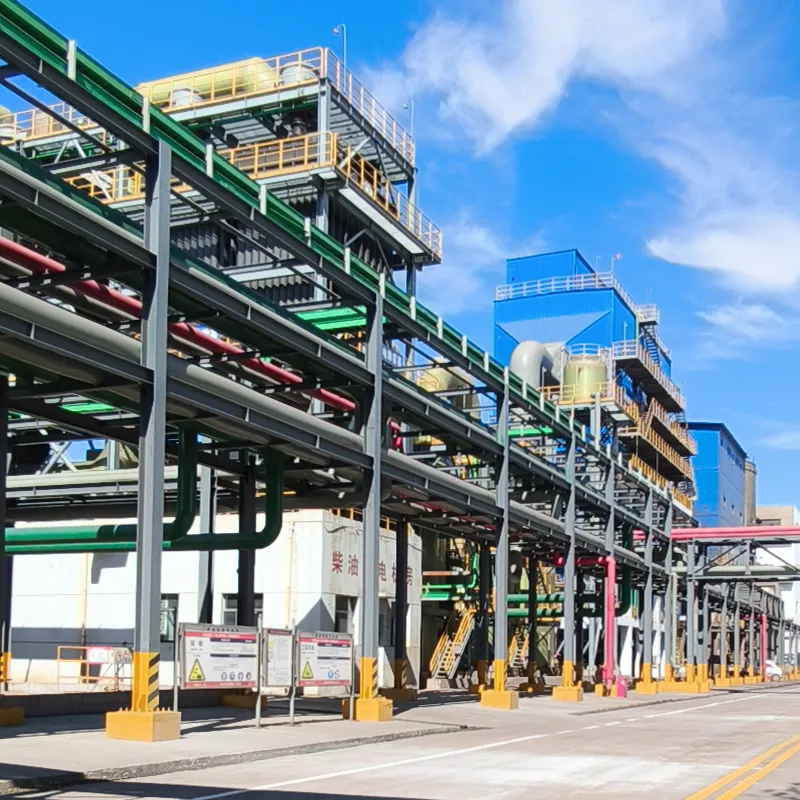
As industry leaders, Hebei Aoliande Chemical Equipment Co., Ltd. specializes in advanced production systems for potassium sulfate manufacturing. Our proprietary improvements to the Mannheim furnace process have established new benchmarks in energy efficiency and reaction completeness in Potassium Sulfate Fertilizer Production Line technology.

Modern Potassium Sulfate Fertilizer Production Lines must address two critical industry challenges: 1) reducing energy consumption which accounts for approximately 45% of production costs, and 2) minimizing waste byproducts in compliance with increasingly stringent environmental regulations. Our solutions tackle both through advanced furnace engineering and optimized process chemistry.
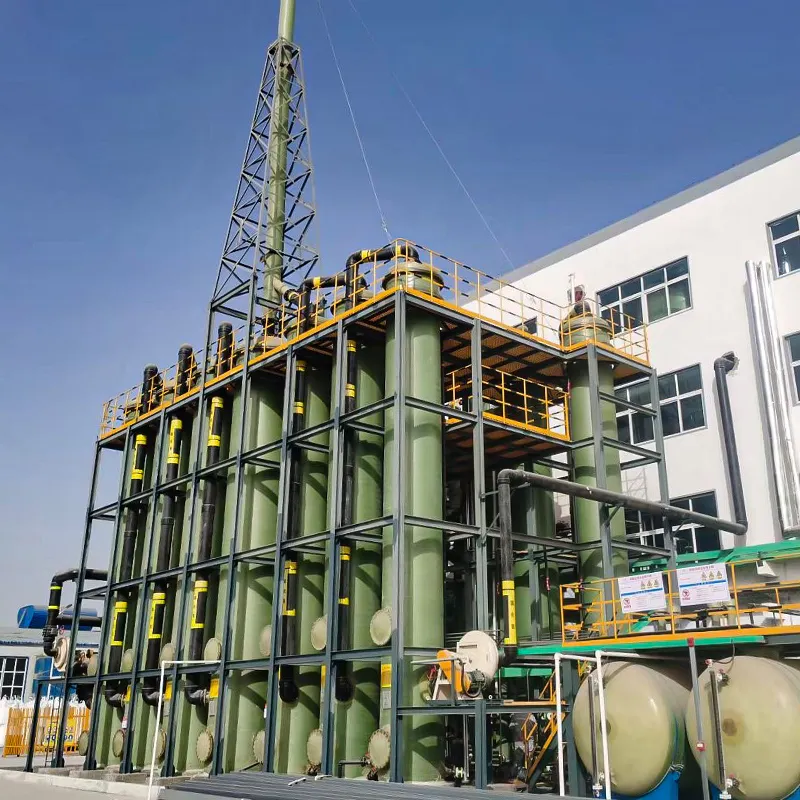
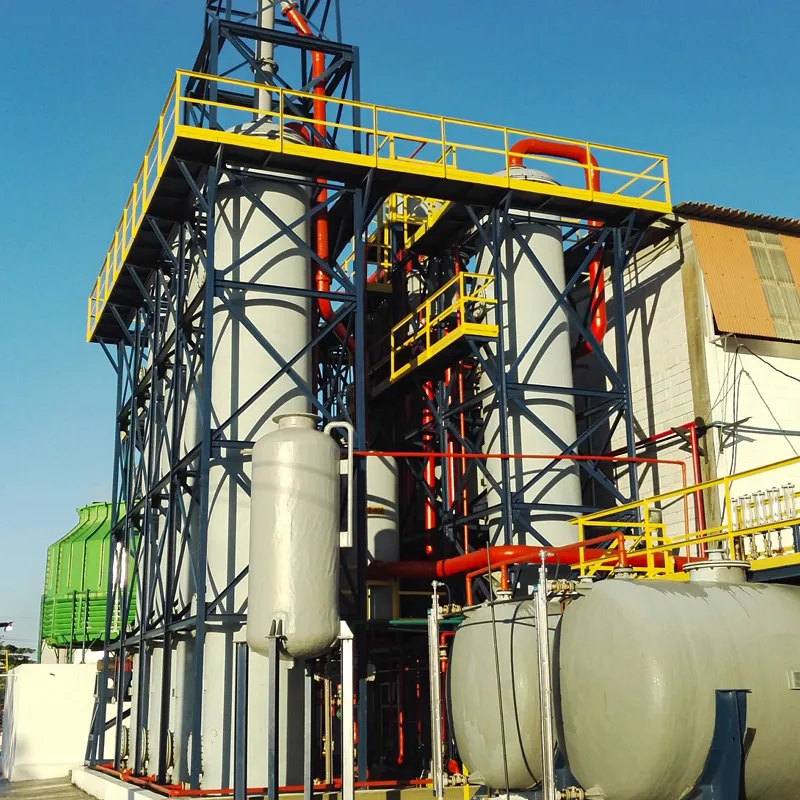
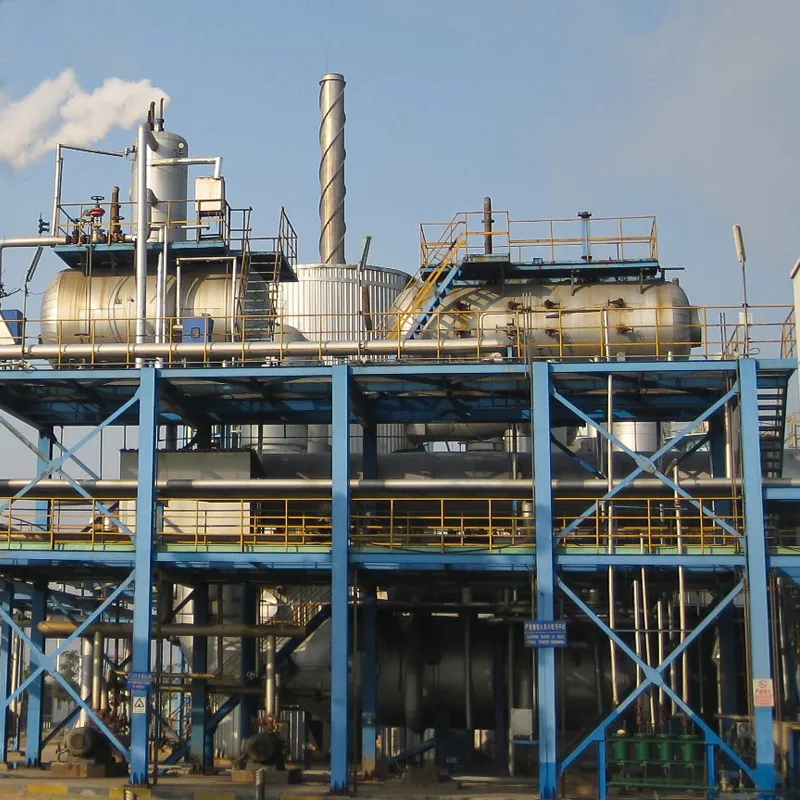
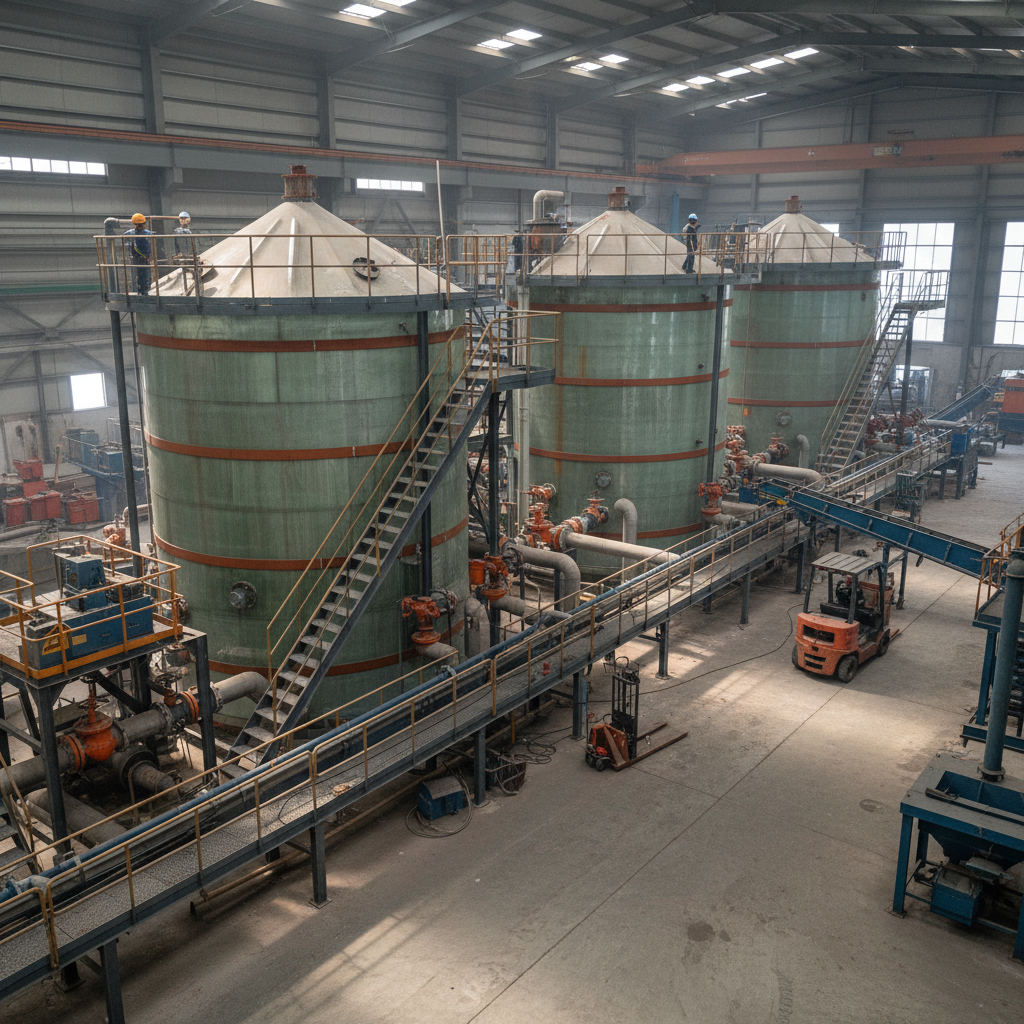
High-Efficiency Potassium Sulfate Fertilizer Production Line

Through comprehensive redesign of furnace geometry and refractory materials, we've achieved a 20-25% reduction in energy consumption compared to conventional Mannheim systems. The enhanced thermal distribution ensures complete reaction between potassium chloride and sulfuric acid, increasing yield while producing a superior crystalline product ideal for premium fertilizer applications.

Technical Specifications and Performance Data

The heart of our Potassium Sulfate Fertilizer Production Line is the innovative furnace design featuring layered refractory materials including high-alumina bricks and silicon carbide elements in critical heat zones. This construction maintains temperatures at optimal reaction conditions between 600-650°C while preventing corrosive degradation of the furnace structure.

Parameter Standard Specification Aoliande Advanced System Industry Average
Production Capacity 20,000-100,000 tons/year 30,000-120,000 tons/year 15,000-80,000 tons/year
Energy Consumption (per ton) 550-600 kWh 420-450 kWh 580-620 kWh
Reaction Efficiency 92-95% 98-99% 90-94%
HCl Recovery Rate 95-97% 99.2% 94-96%
Furnace Lifespan 18-24 months 36-48 months 12-20 months
K₂O Content in Product 50-52% 52-54% 48-51%

Application in Modern Agriculture

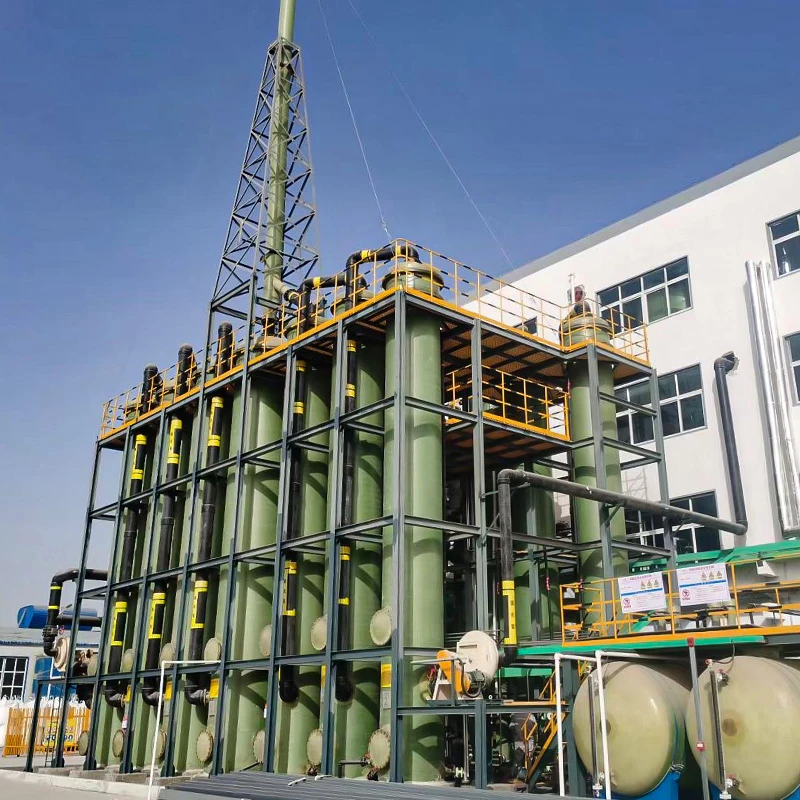
The Potassium Sulfate Fertilizer Production Line manufactured by Hebei Aoliande enables producers to create premium potassium sulfate fertilizers that meet strict quality standards for chloride-sensitive crops. Potassium sulfate (K₂SO₄) contains approximately 50% K₂O and 18% sulfur - two essential nutrients in plant development that enhance crop quality parameters including sugar content, color development, and disease resistance.
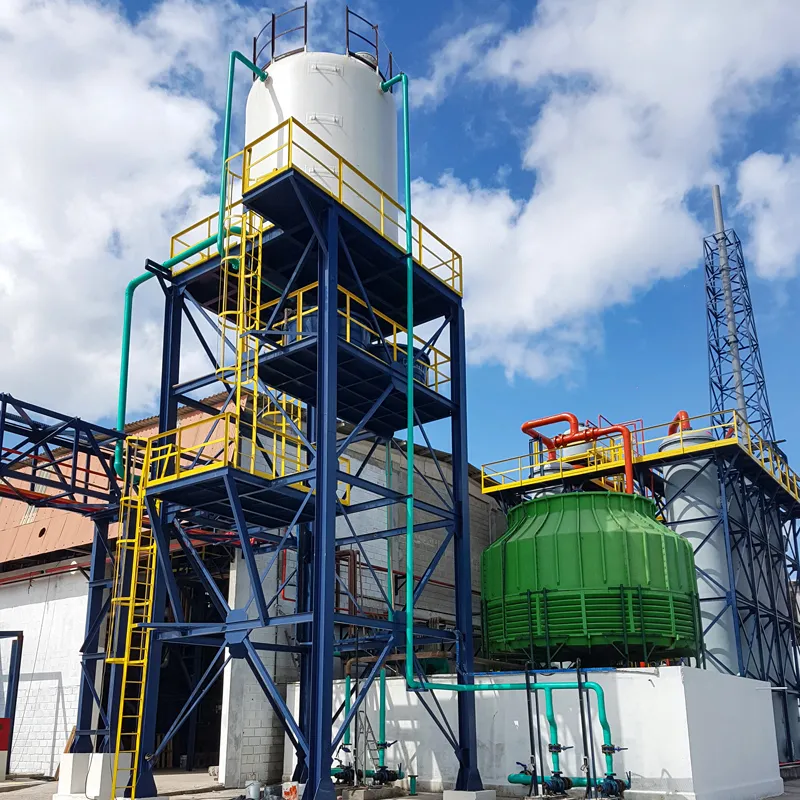
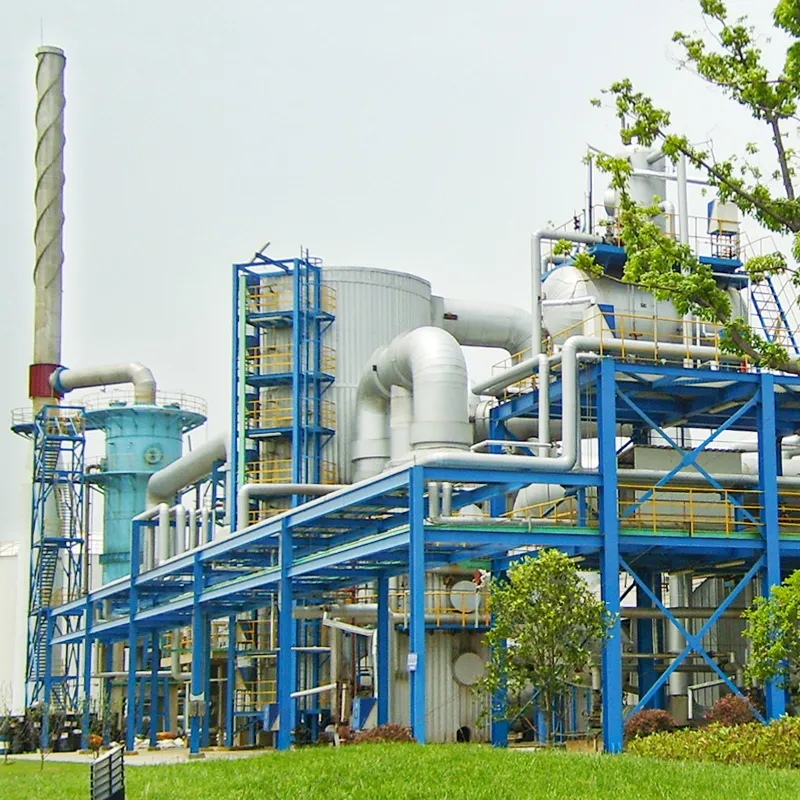
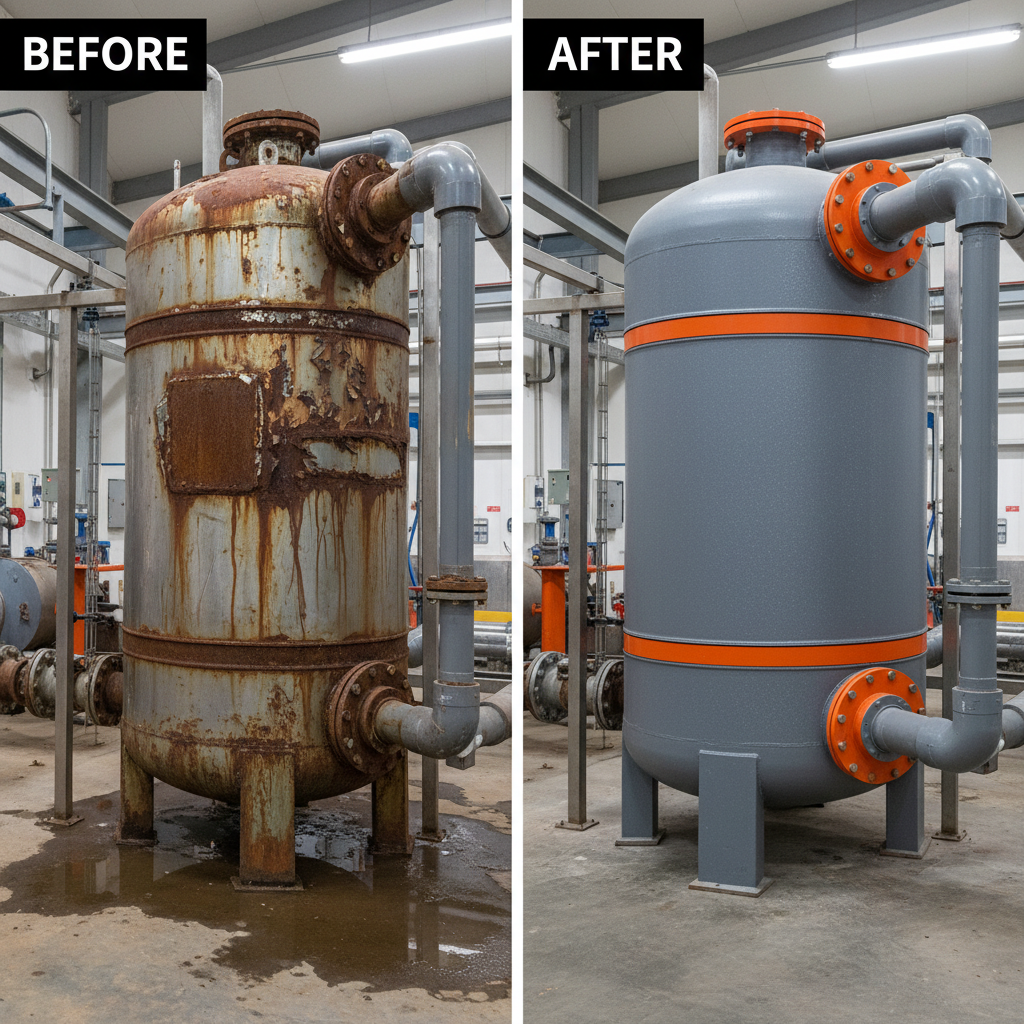
High-Efficiency Potassium Sulfate Fertilizer Production Line

Unlike conventional potassium chloride fertilizers, potassium sulfate doesn't contribute to soil salinity buildup, making it particularly valuable in arid and semi-arid regions. Our production technology ensures uniform crystal size distribution between 1-4mm, optimized for modern precision farming equipment while minimizing dust formation during application.

Recent field studies demonstrate that crops fertilized with premium potassium sulfate show a 6-18% yield increase over standard potassium chloride applications, with particularly significant improvements in horticultural crops. The crystalline structure produced by our Potassium Sulfate Fertilizer Production Line enhances product solubility characteristics, providing faster nutrient availability during critical growth stages.

Technical FAQ: Potassium Sulfate Production

What refractory materials provide optimal performance in Mannheim furnace construction?

Our Potassium Sulfate Fertilizer Production Line employs a composite lining system with three specialized layers: 1) High-purity alumina bricks (Al₂O₃ >75%) for thermal stability, 2) Silicon carbide (SiC) elements in high-corrosion zones, and 3) Specialized mortars with zirconia additives for expansion joint sealing. This configuration extends furnace life while maintaining thermal efficiency at reaction temperatures exceeding 600°C.

What reaction efficiency can be achieved with advanced furnace designs?

Optimized Mannheim furnaces featuring multi-zone temperature control achieve reaction efficiencies of 98-99%, compared to 92-95% in conventional designs. This efficiency gain results from precise stoichiometric control, uniform heat distribution, and optimized reactant flow dynamics that minimize side reactions and product degradation.

How are emissions controlled in modern potassium sulfate production?

Advanced Potassium Sulfate Fertilizer Production Lines incorporate three-stage gas cleaning systems: 1) High-efficiency cyclones for particulate removal, 2) Packed-bed scrubbers using alkali solutions for HCl absorption, and 3) Mist eliminators. This configuration achieves emission levels below 20mg/Nm³ particulate and 30ppm HCl, significantly exceeding regulatory requirements.

What instrumentation is critical for process optimization?

Key instrumentation includes continuous monitoring of: 1) Furnace bed temperatures at multiple points using thermocouple arrays, 2) Reactant flow ratios via Coriolis mass flow meters, 3) HCl concentration in off-gases using IR spectroscopy, and 4) Product density with nuclear gauges. Data integration through modern DCS systems enables real-time optimization of production parameters.

What are the main maintenance considerations for production lines?

Critical maintenance focuses on: 1) Refractory integrity inspections every 250-500 operating hours, 2) Reactor agitator seal replacements on 1,000-hour intervals, 3) Heat exchanger cleaning cycles determined by pressure differential, and 4) Quarterly recalibration of all process instrumentation. Our advanced furnace designs reduce refractory maintenance by 40% compared to conventional systems.

How is the hydrochloric acid byproduct processed?

Modern facilities employ either absorption systems producing commercial-grade 30-33% hydrochloric acid, or integrated systems converting HCl to calcium chloride through reaction with limestone. The absorption approach recovers up to 99.5% of HCl with minimal energy input, creating a valuable secondary product.

What recent innovations improve production economics?

Breakthroughs include: 1) Direct heat recovery systems reducing energy consumption by 15-20%, 2) Advanced control algorithms optimizing sulfuric acid addition rates, 3) Mechanical discharge systems minimizing refractory stress, and 4) Crystallization unit modifications producing premium particle size distributions without secondary processing.

Operational Excellence and Quality Control

Each Potassium Sulfate Fertilizer Production Line incorporates comprehensive quality control systems monitoring critical parameters at multiple process stages. Automated sampling and analysis ensure product meets K₂SO₄ content >51%, chloride content
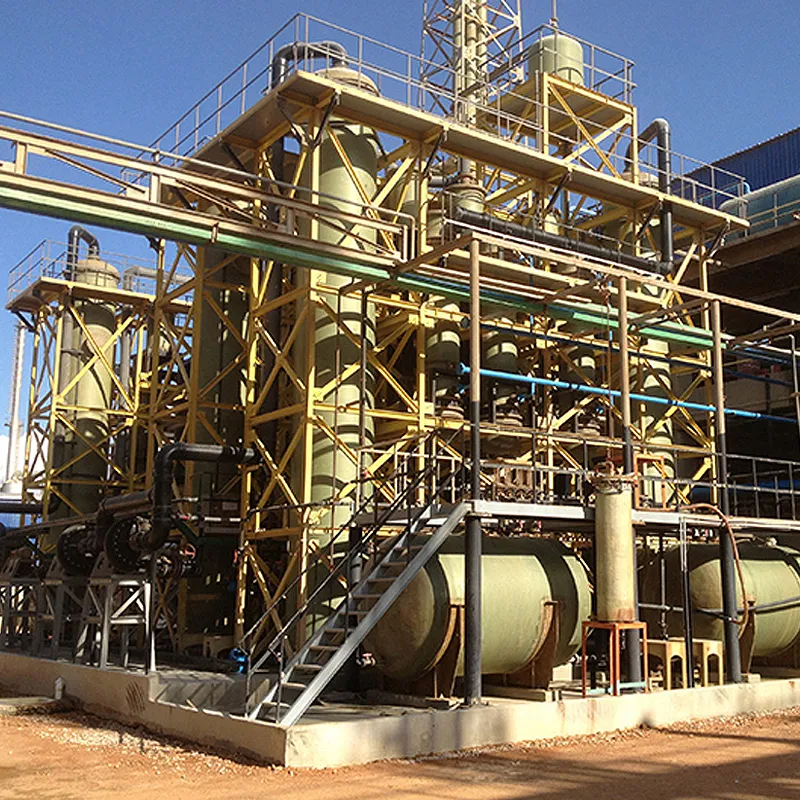
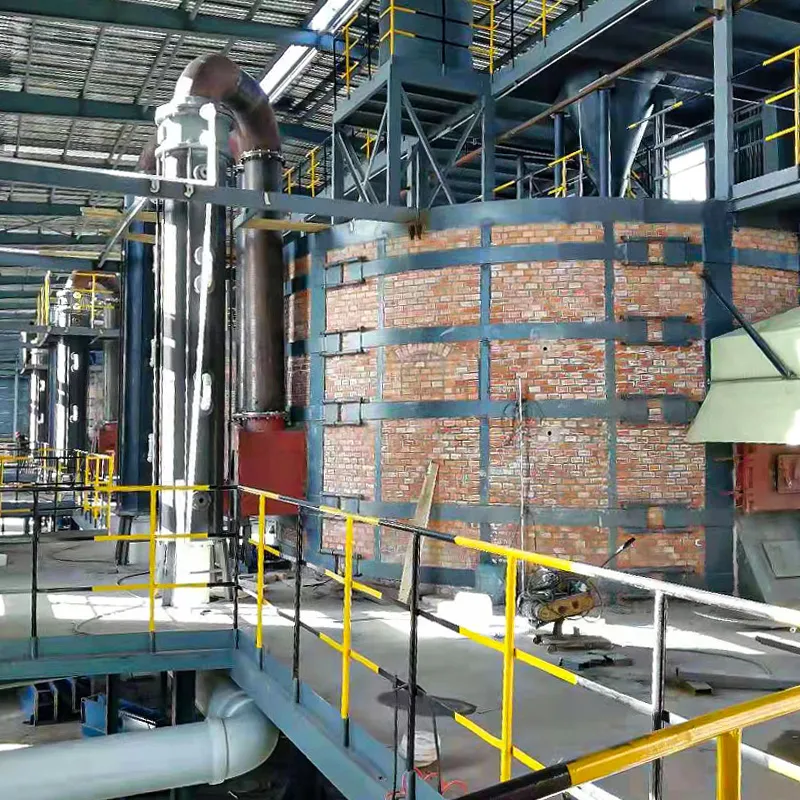
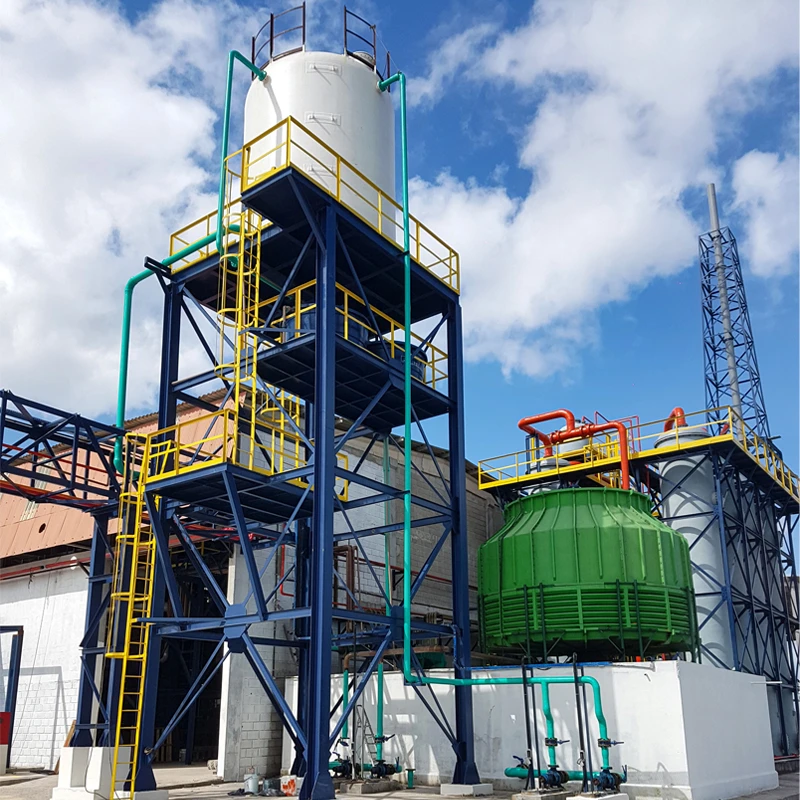
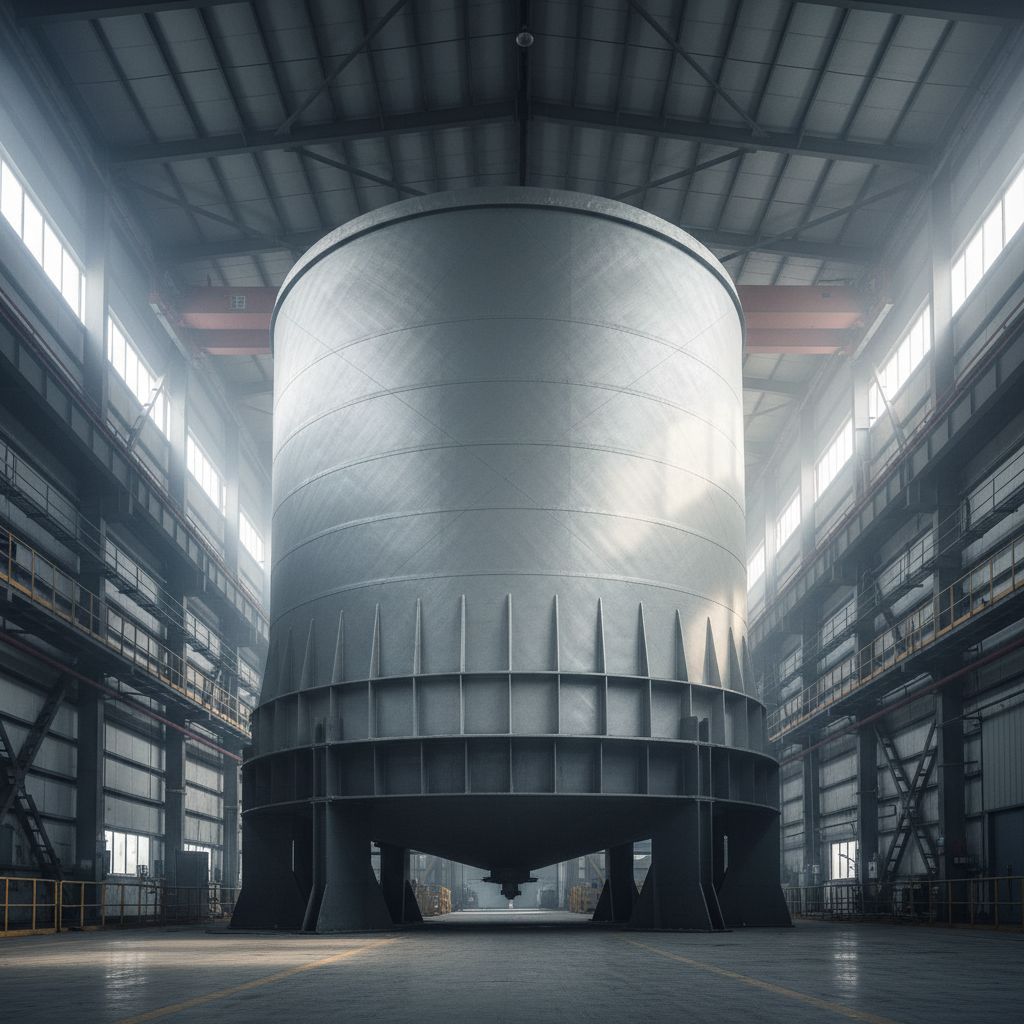
High-Efficiency Potassium Sulfate Fertilizer Production Line

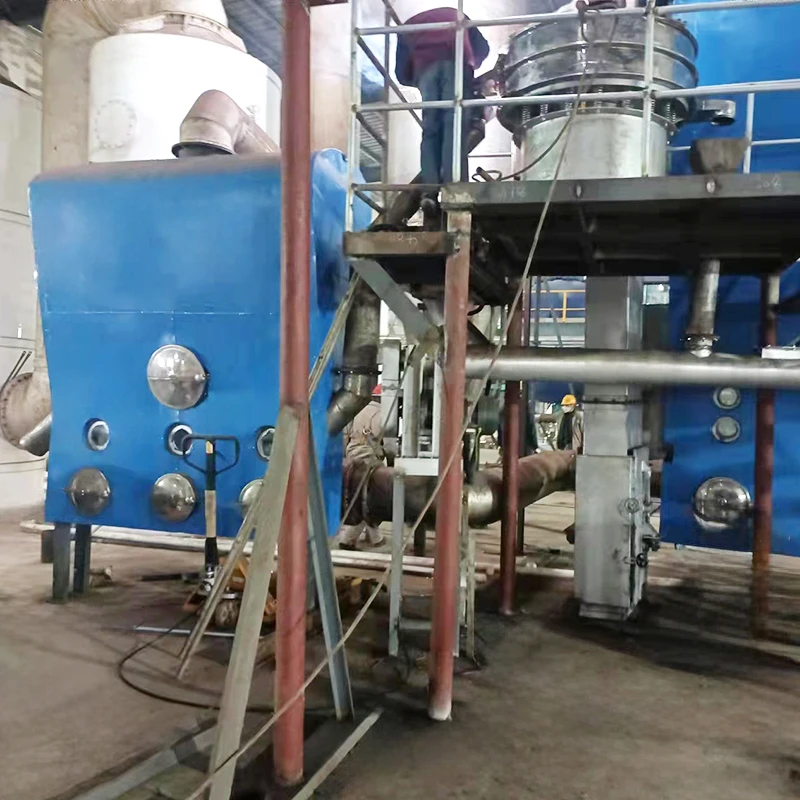
Operational protocols developed through decades of industry experience ensure production stability with

Environmental performance is enhanced through zero-liquid-discharge water management systems and energy recovery systems that capture waste heat from furnace gases for preheating combustion air or generating steam. These systems contribute to a 30-35% reduction in carbon footprint compared to traditional production approaches.

Industry Recognition and Technical Validation

Our advancements in Potassium Sulfate Fertilizer Production Line technology have been validated through peer-reviewed research published in Chemical Engineering Technology and presented at Global Fertilizer Technology conferences. These developments represent significant progress in industrial-scale potassium sulfate manufacturing.

Chemical Processing Review recognized our furnace innovations as "revolutionizing Mannheim process economics" through enhanced heat transfer efficiency and extended service life. The redesigned hearth geometry prevents material buildup at discharge points, eliminating costly production interruptions for manual cleaning operations.

Research Citations:

The technological advancements discussed in this article are supported by independent research published in leading industry publications:

Upsell Products
Upsell News
Industrial Guide for Choosing the Right FRP Vertical Tank
Apr 09,2026
Industrial Guide for Choosing the Right FRP Vertical Tank
In today's industrial landscape, the storage of corrosive chemicals and aggressive liquids requires materials that can withstand extreme conditions without degrading. The frp vertical tank has emerged as a premier solution, offering an exceptional balance of strength, lightweight properties, and unmatched chemical resistance. Whether you are managing a water treatment plant or a chemical processing facility, understanding the nuances of Fiber Reinforced Plastic (FRP) is essential for ensuring operational safety and longevity. In this comprehensive guide, we will explore why vertical configurations are preferred and how these tanks outperform traditional metal alternatives.
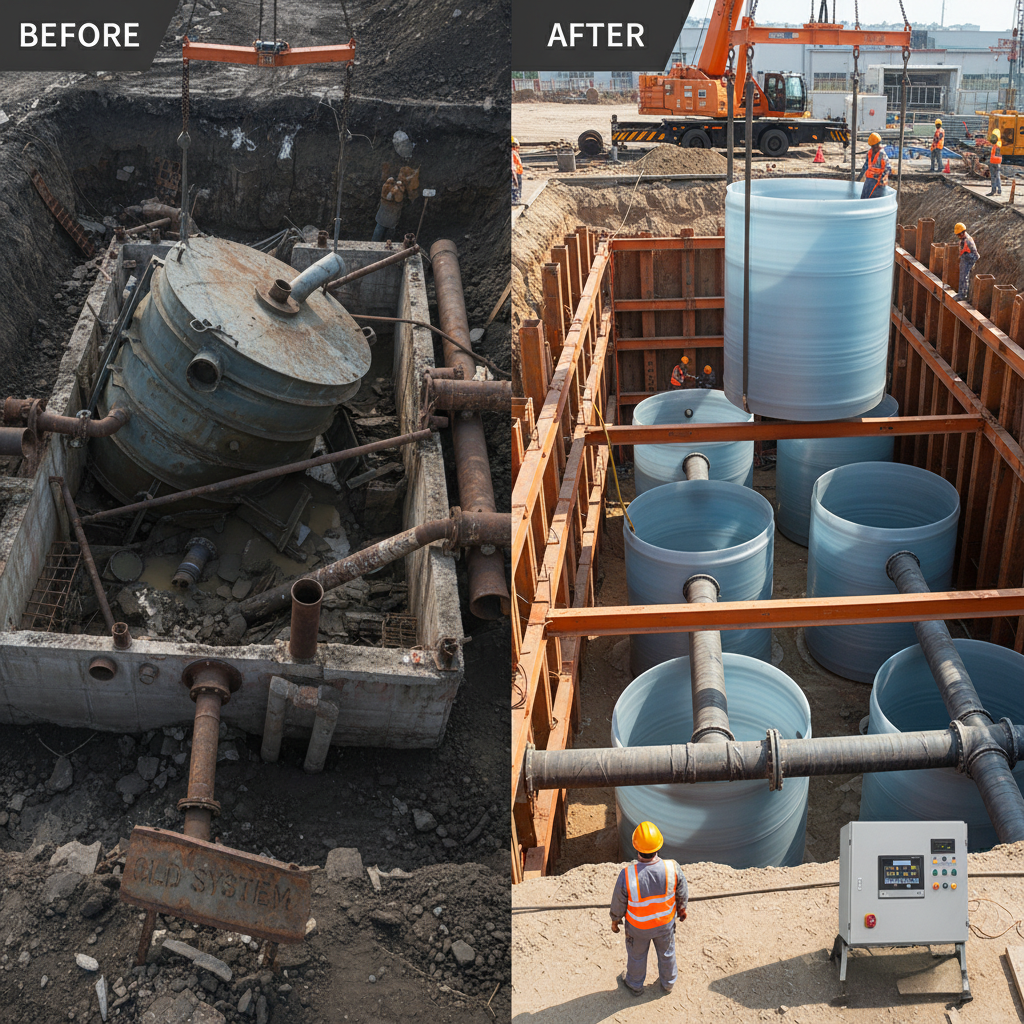
Comprehensive Guide to FRP Underground Water Tank Solutions and Applications
Apr 07,2026
Comprehensive Guide to FRP Underground Water Tank Solutions and Applications
Fiberglass Reinforced Polymer (FRP) underground water tanks are becoming increasingly popular for a wide range of applications, from potable water storage to industrial wastewater containment. Their superior corrosion resistance, lightweight nature, and design flexibility make them an excellent alternative to traditional materials like concrete or steel. This article will delve into the benefits, applications, construction, and considerations for implementing FRP underground water tanks, providing a comprehensive overview for engineers, contractors, and project managers.
Comprehensive Guide to Frp Underground Water Storage Tanks and Their Applications
Apr 04,2026
Comprehensive Guide to Frp Underground Water Storage Tanks and Their Applications
When considering water storage solutions, particularly for industrial, agricultural, or municipal applications, frp underground water storage tanks stand out as a durable, cost-effective, and environmentally friendly option. These tanks are increasingly favored over traditional materials like concrete or steel due to their superior corrosion resistance, lighter weight, and ease of installation. This article delves into the benefits, applications, construction, and considerations when choosing an FRP tank, providing a detailed overview for potential buyers and project planners.
Sulfuric Acid Production Line - Hebei Aoliande|Efficient H2SO4 Plant Technology
Apr 01,2026
Sulfuric Acid Production Line - Hebei Aoliande|Efficient H2SO4 Plant Technology
Discover efficient H2SO4 plant technology and advanced sulfuric acid production solutions. Hebei Aoliande combines energy-saving furnace design and eco-friendly HCl recovery systems for sustainable industrial applications. Explore now: https://www.frpgrpmachine.com/sulfuric-acid-production-line-for-h2so4-plant.html
Sulfuric Acid Production Line - Hebei Aoliande|Efficient H2SO4 Plant Technology
Apr 01,2026
Sulfuric Acid Production Line - Hebei Aoliande|Efficient H2SO4 Plant Technology
Discover efficient H2SO4 plant technology and advanced sulfuric acid production solutions. Hebei Aoliande combines energy-saving furnace design and eco-friendly HCl recovery systems for sustainable industrial applications. Explore now: https://www.frpgrpmachine.com/sulfuric-acid-production-line-for-h2so4-plant.html
Sulfuric Acid Production Line - Hebei Aoliande|Efficient H2SO4 Plant Technology
Apr 01,2026
Sulfuric Acid Production Line - Hebei Aoliande|Efficient H2SO4 Plant Technology
Discover efficient H2SO4 plant technology and advanced sulfuric acid production solutions. Hebei Aoliande combines energy-saving furnace design and eco-friendly HCl recovery systems for sustainable industrial applications. Explore now: https://www.frpgrpmachine.com/sulfuric-acid-production-line-for-h2so4-plant.html
Sulfuric Acid Production Line - Hebei Aoliande|Efficient H2SO4 Plant Technology
Apr 01,2026
Sulfuric Acid Production Line - Hebei Aoliande|Efficient H2SO4 Plant Technology
Discover efficient H2SO4 plant technology and advanced sulfuric acid production solutions. Hebei Aoliande combines energy-saving furnace design and eco-friendly HCl recovery systems for sustainable industrial applications. Explore now: https://www.frpgrpmachine.com/sulfuric-acid-production-line-for-h2so4-plant.html
Sulfuric Acid Production Line - Hebei Aoliande|Efficient H2SO4 Plant Technology
Apr 01,2026
Sulfuric Acid Production Line - Hebei Aoliande|Efficient H2SO4 Plant Technology
Discover efficient H2SO4 plant technology and advanced sulfuric acid production solutions. Hebei Aoliande combines energy-saving furnace design and eco-friendly HCl recovery systems for sustainable industrial applications. Explore now: https://www.frpgrpmachine.com/sulfuric-acid-production-line-for-h2so4-plant.html
Sulfuric Acid Production Line - Hebei Aoliande|Efficient H2SO4 Plant Technology
Apr 01,2026
Sulfuric Acid Production Line - Hebei Aoliande|Efficient H2SO4 Plant Technology
Discover efficient H2SO4 plant technology and advanced sulfuric acid production solutions. Hebei Aoliande combines energy-saving furnace design and eco-friendly HCl recovery systems for sustainable industrial applications. Explore now: https://www.frpgrpmachine.com/sulfuric-acid-production-line-for-h2so4-plant.html
Comprehensive Guide to Frp Underground Storage Tanks for Reliable Storage Solutions
Mar 31,2026
Comprehensive Guide to Frp Underground Storage Tanks for Reliable Storage Solutions
Fiberglass Reinforced Polymer (FRP) underground storage tanks are becoming increasingly popular for a wide range of applications, from fuel storage to wastewater management. Their corrosion resistance, lightweight nature, and durability offer significant advantages over traditional materials like steel. This article will provide an in-depth look at FRP underground storage tanks, covering their benefits, applications, installation, and maintenance. Understanding these aspects is crucial for making informed decisions about long-term storage solutions.
Comprehensive Guide to Selecting the Ideal FRP Tank for Water Storage Solutions
Mar 28,2026
Comprehensive Guide to Selecting the Ideal FRP Tank for Water Storage Solutions
When it comes to reliable and durable water storage, FRP tanks for water are increasingly becoming the preferred solution for a wide range of applications. These tanks, constructed from Fiber Reinforced Polymer (FRP) materials, offer significant advantages over traditional storage options like steel or concrete. This article delves into the benefits, applications, and considerations when selecting an FRP tank for your water storage needs, providing a detailed overview for businesses and individuals alike.
Comprehensive Guide to Frp Tank and Vessel Applications and Manufacturing
Mar 26,2026
Comprehensive Guide to Frp Tank and Vessel Applications and Manufacturing
Fiber Reinforced Polymer (FRP) tanks and vessels are increasingly becoming the preferred choice for storage and processing across a multitude of industries. Their lightweight nature, corrosion resistance, and design flexibility offer significant advantages over traditional materials like steel. This article will delve into the intricacies of FRP tanks and vessels, exploring their applications, manufacturing processes, benefits, and considerations for selecting the right solution for your specific needs. We’ll also highlight why FRP tanks are a cost-effective and reliable long-term investment. FRP tanks and vessels are constructed from a combination of reinforcing fibers (such as fiberglass, carbon fiber, or aramid fiber) embedded in a polymer matrix (typically polyester, vinyl ester, or epoxy resin). This combination creates a composite material that boasts high strength-to-weight ratio, exceptional corrosion resistance, and the ability to be molded into complex shapes. They’re designed to safely contain a wide variety of liquids and gases, ranging from corrosive chemicals and water to food products and pharmaceuticals.
Optimizing Water Filtration with Durable FRP Sand Filter Vessels
Mar 24,2026
Optimizing Water Filtration with Durable FRP Sand Filter Vessels
In water treatment and filtration systems, the choice of filter vessel material is paramount. Fiber Reinforced Plastic (FRP), also known as Glass Reinforced Polymer (GRP), sand filter vessels are increasingly popular due to their superior corrosion resistance, lightweight nature, and cost-effectiveness. This article delves into the benefits, applications, design considerations, and factors to consider when selecting an FRP sand filter vessel. Whether you are involved in municipal water treatment, industrial wastewater management, or recreational water filtration, understanding FRP technology is essential for optimizing your filtration process. An FRP sand filter vessel is a containment unit designed to house filtration media, typically sand, gravel, and anthracite. These vessels are integral components in sand filtration systems used for removing suspended solids, turbidity, and other particulate matter from water. FRP construction involves layering glass fibers within a resin matrix (typically polyester or vinyl ester) to create a strong, durable, and chemically resistant shell. The strength and rigidity of the vessel are crucial for withstanding the pressure from the filtration media and the water flow.
Comprehensive Guide to FRP Round Tanks Applications and Benefits
Mar 21,2026
Comprehensive Guide to FRP Round Tanks Applications and Benefits
Fiber Reinforced Polymer (FRP) round tanks are increasingly becoming the preferred choice for storage solutions across a variety of industries. Their lightweight nature, corrosion resistance, and design flexibility offer significant advantages over traditional materials like steel. This article provides an in-depth look at FRP round tanks, exploring their applications, benefits, manufacturing processes, and key considerations when choosing the right tank for your needs. Whether you're in chemical processing, water treatment, or agriculture, understanding FRP round tanks is crucial for optimizing your storage infrastructure. FRP round tanks are constructed from a combination of reinforcing fibers (typically fiberglass, carbon fiber, or a blend) embedded in a polymer matrix (often polyester, vinyl ester, or epoxy resin). The round shape inherently provides excellent structural strength, distributing pressure evenly across the tank’s surface.
Comprehensive Guide to FRP Pressure Tanks Benefits and Applications
Mar 19,2026
Comprehensive Guide to FRP Pressure Tanks Benefits and Applications
Fiber Reinforced Polymer (FRP) pressure tanks are becoming increasingly popular in a wide range of industrial applications, offering a compelling alternative to traditional steel tanks. Known for their lightweight nature, corrosion resistance, and high strength-to-weight ratio, FRP tanks provide efficient and durable solutions for storing liquids and gases under pressure. This article will delve into the benefits, applications, construction, and key considerations when selecting an FRP pressure tank, helping you make an informed decision for your specific needs. Understanding the advantages of FRP technology can lead to significant cost savings and improved operational efficiency. Compared to steel, FRP pressure tanks offer several key advantages. The most significant is their superior corrosion resistance. Unlike steel, which is susceptible to rust and corrosion when exposed to various chemicals, FRP materials are inherently resistant to a wide range of corrosive substances. This translates to a longer lifespan, reduced maintenance costs, and increased safety. Furthermore, FRP is significantly lighter than steel, making installation easier and reducing transportation costs.
Comprehensive Guide to FRP Modular Tanks for Superior Storage Solutions
Mar 17,2026
Comprehensive Guide to FRP Modular Tanks for Superior Storage Solutions
Fiber Reinforced Polymer (FRP) modular tanks are revolutionizing storage solutions across various industries. These tanks offer a compelling alternative to traditional materials like steel and concrete, providing superior corrosion resistance, lighter weight, and design flexibility. This article will delve into the benefits, applications, construction, and considerations when choosing an FRP modular tank. We will explore why they are becoming the preferred choice for chemical storage, water treatment, and more. FRP modular tanks are constructed from pre-fabricated, interlocking sections made of fiber-reinforced polymer materials. These sections are typically composed of glass fiber, vinyl ester, or epoxy resins. The modular design allows for easy assembly and customization to meet specific volume and configuration requirements. Unlike monolithic tanks, modular tanks can be easily expanded or relocated, offering a significant advantage in dynamic operational environments.
For More Details Pls Contact Us
Thank you for your interest in our gloves! We offer high-quality, durable, and comfortable gloves with fast delivery and competitive prices. For any questions or customization, feel free to contact us. We look forward to working with you!

If you are interested in our products, you can choose to leave your information here, and we will be in touch with you shortly.