Optimizing Water Filtration with Durable FRP Sand Filter Vessels
Understanding FRP Sand Filter Vessels
In water treatment and filtration systems, the choice of filter vessel material is paramount. Fiber Reinforced Plastic (FRP), also known as Glass Reinforced Polymer (GRP), sand filter vessels are increasingly popular due to their superior corrosion resistance, lightweight nature, and cost-effectiveness. This article delves into the benefits, applications, design considerations, and factors to consider when selecting an FRP sand filter vessel. Whether you are involved in municipal water treatment, industrial wastewater management, or recreational water filtration, understanding FRP technology is essential for optimizing your filtration process.
What are FRP Sand Filter Vessels?
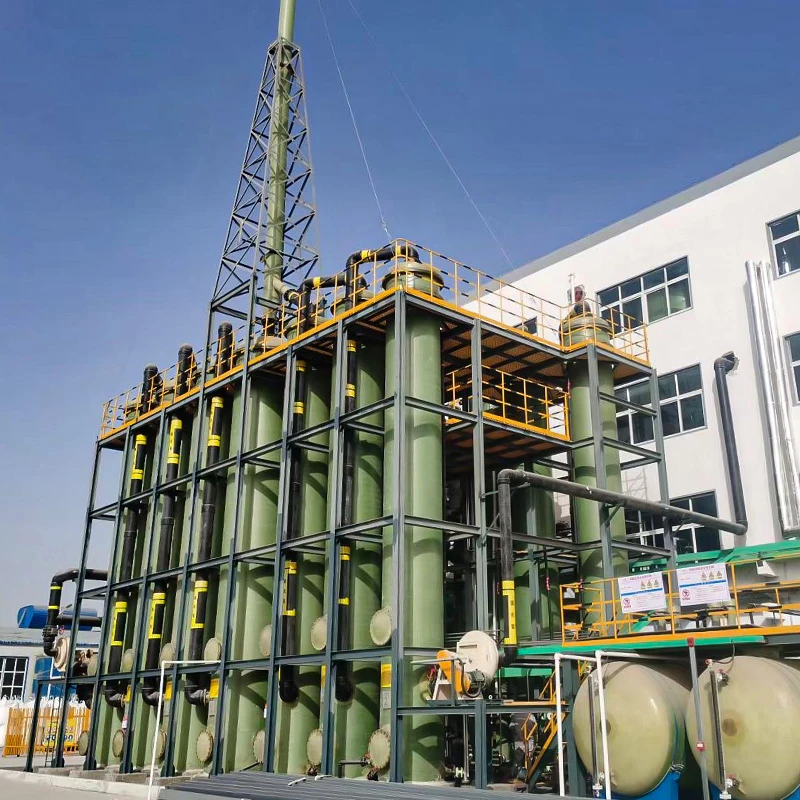
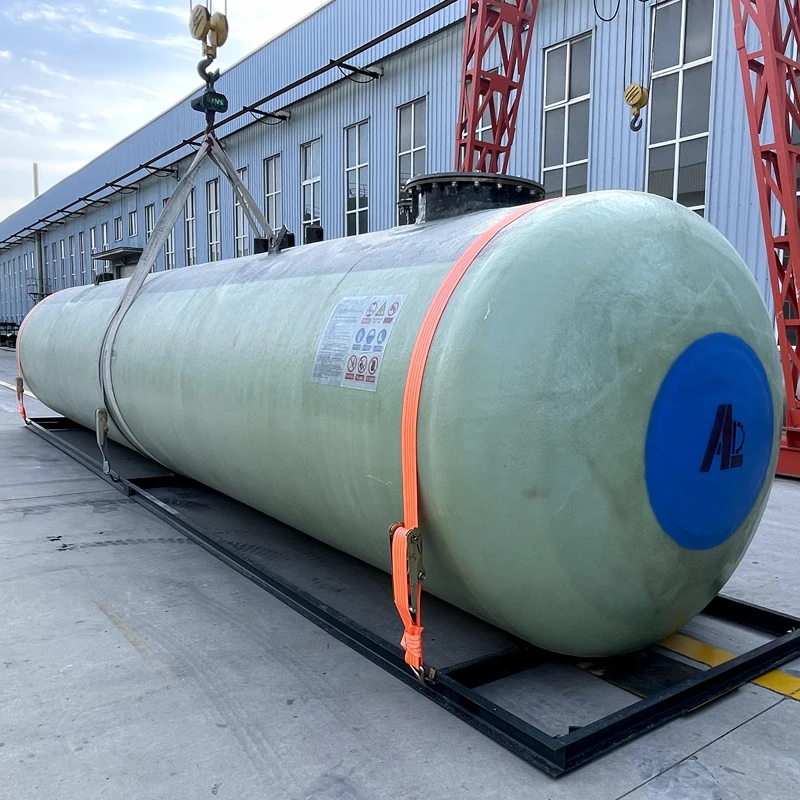
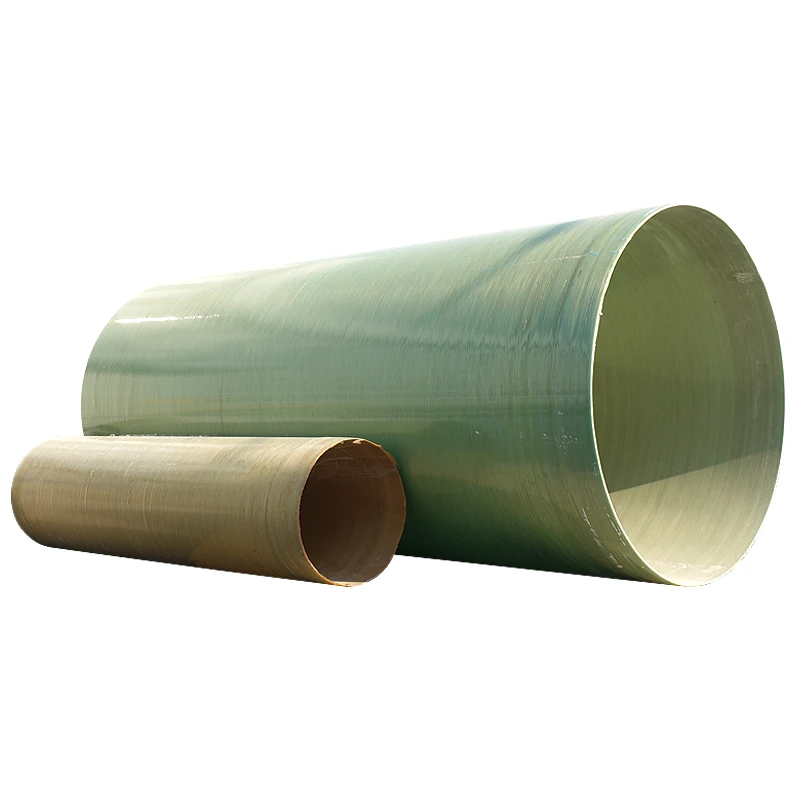
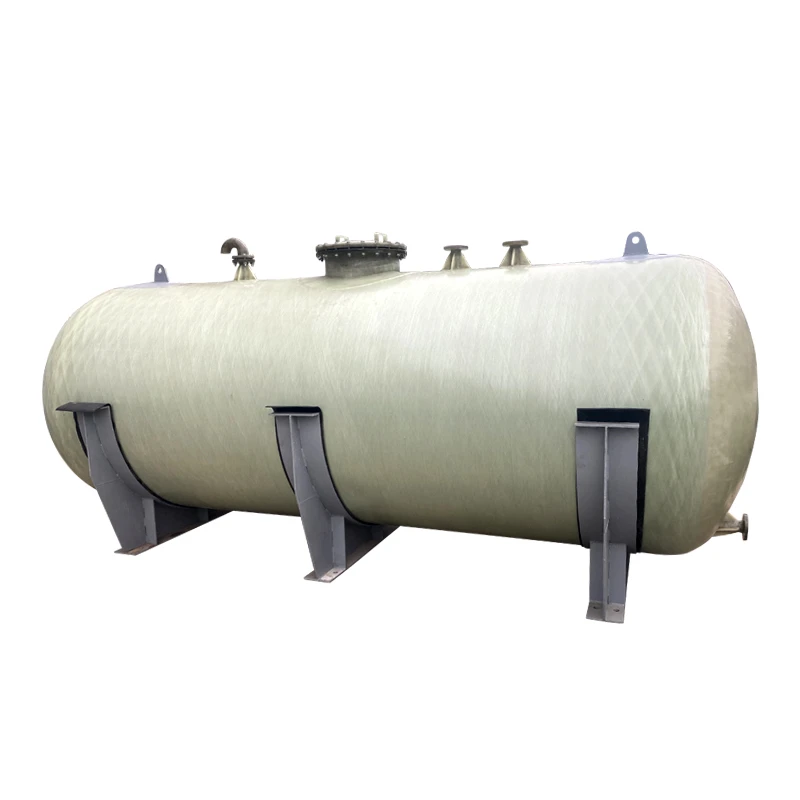
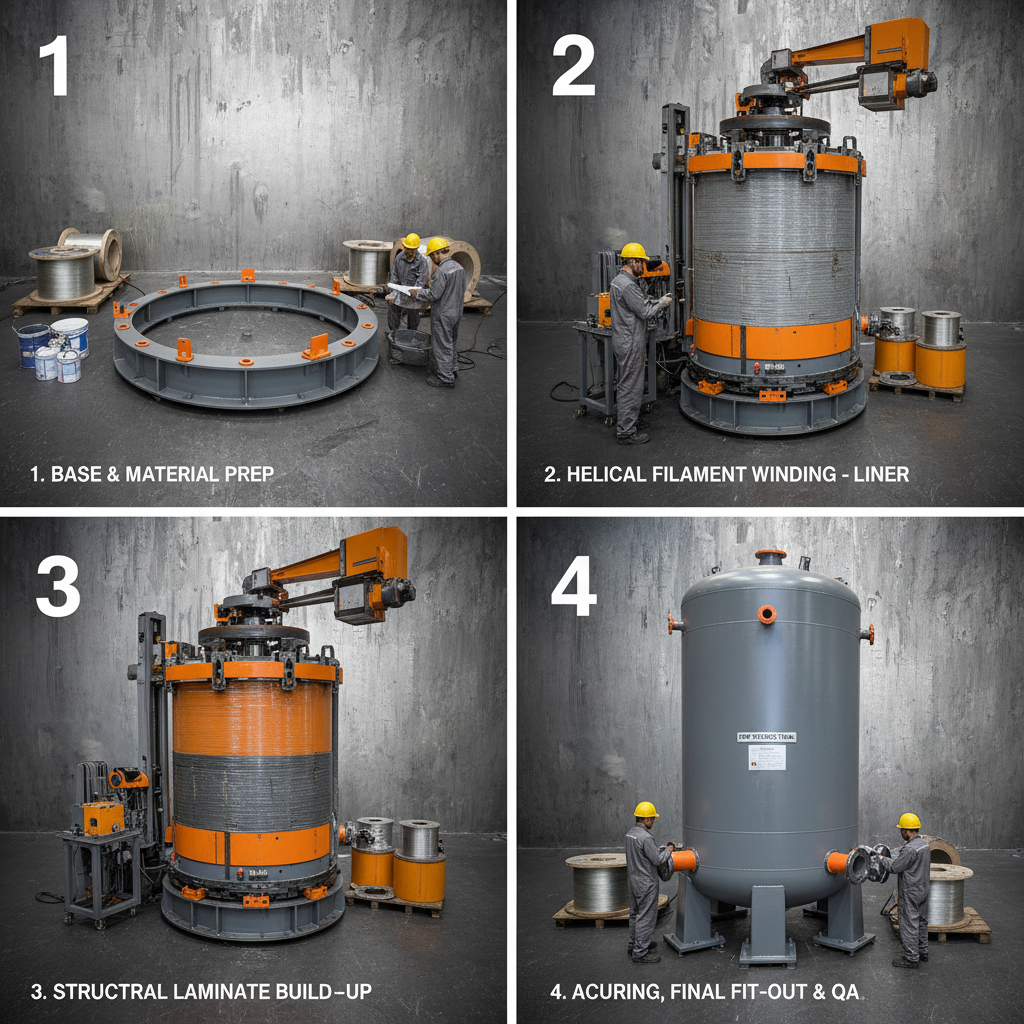
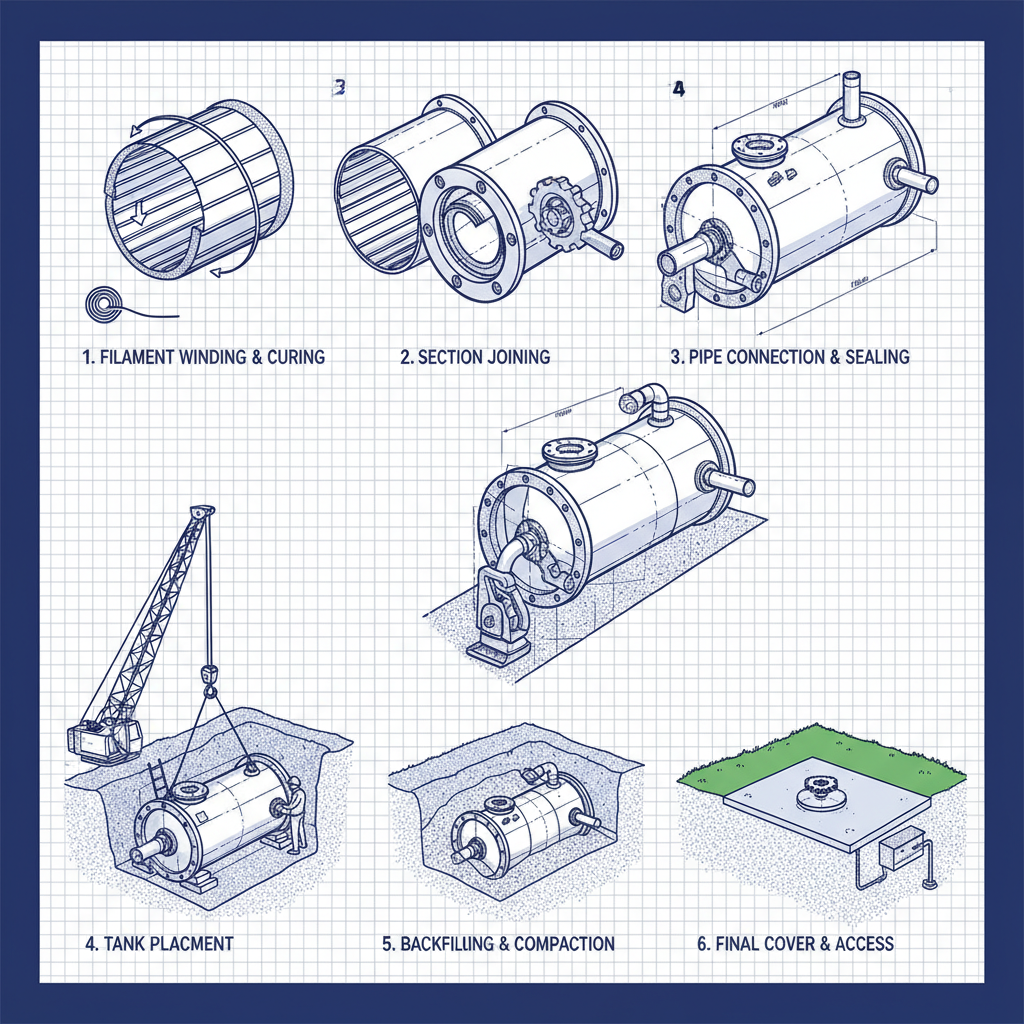
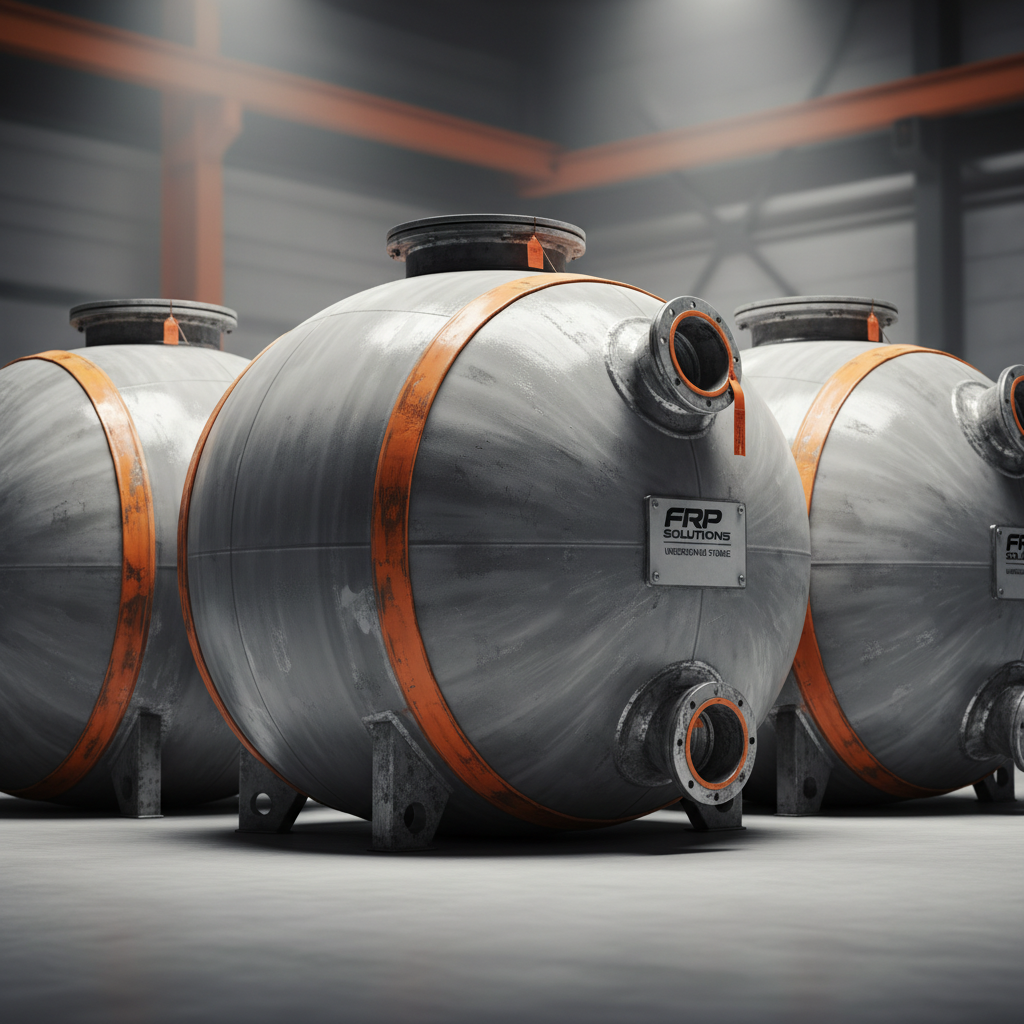
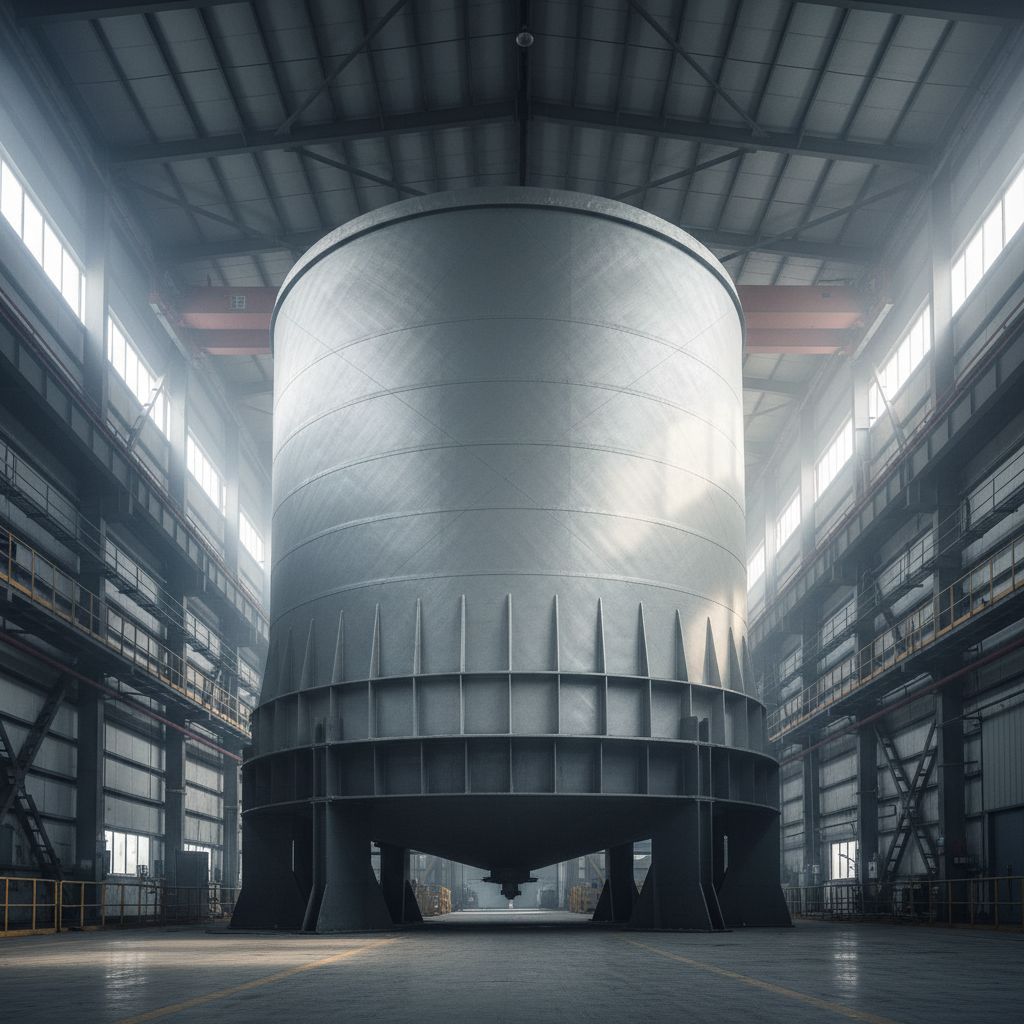
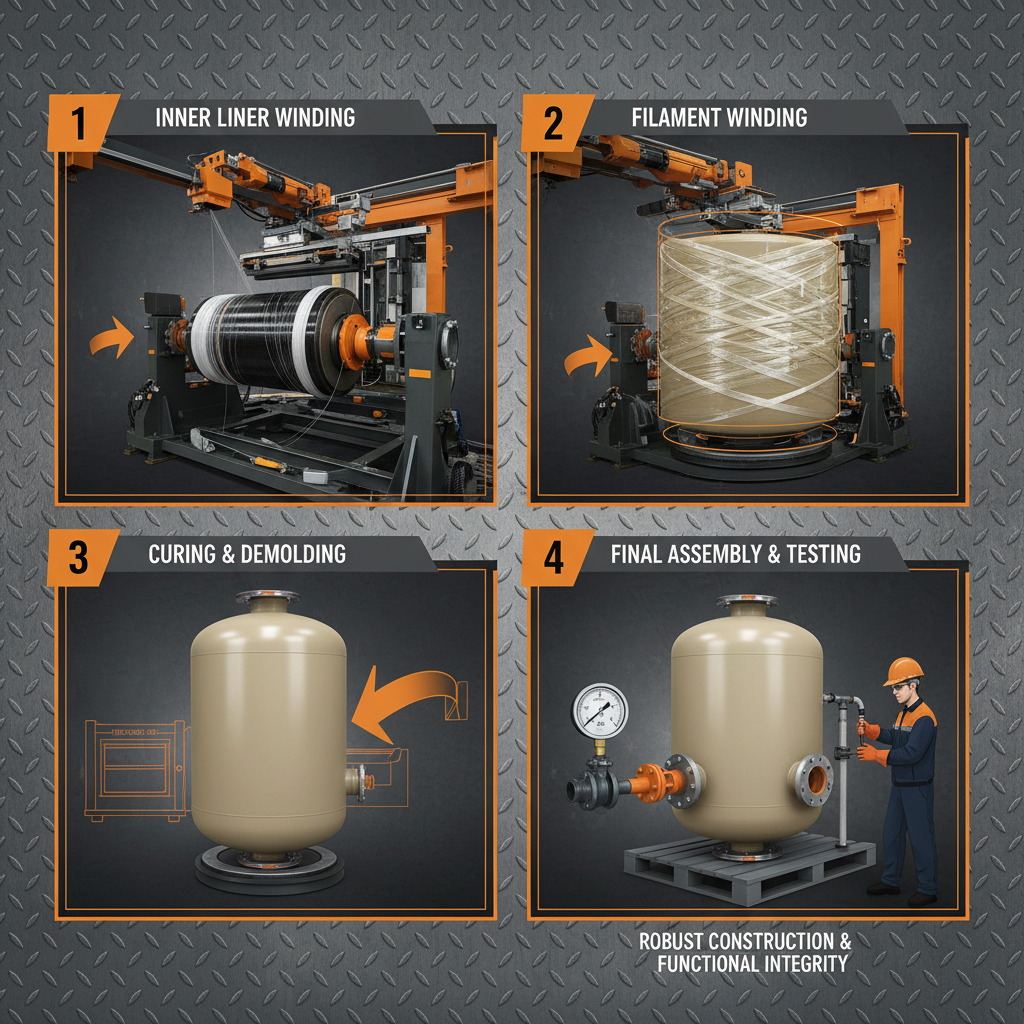
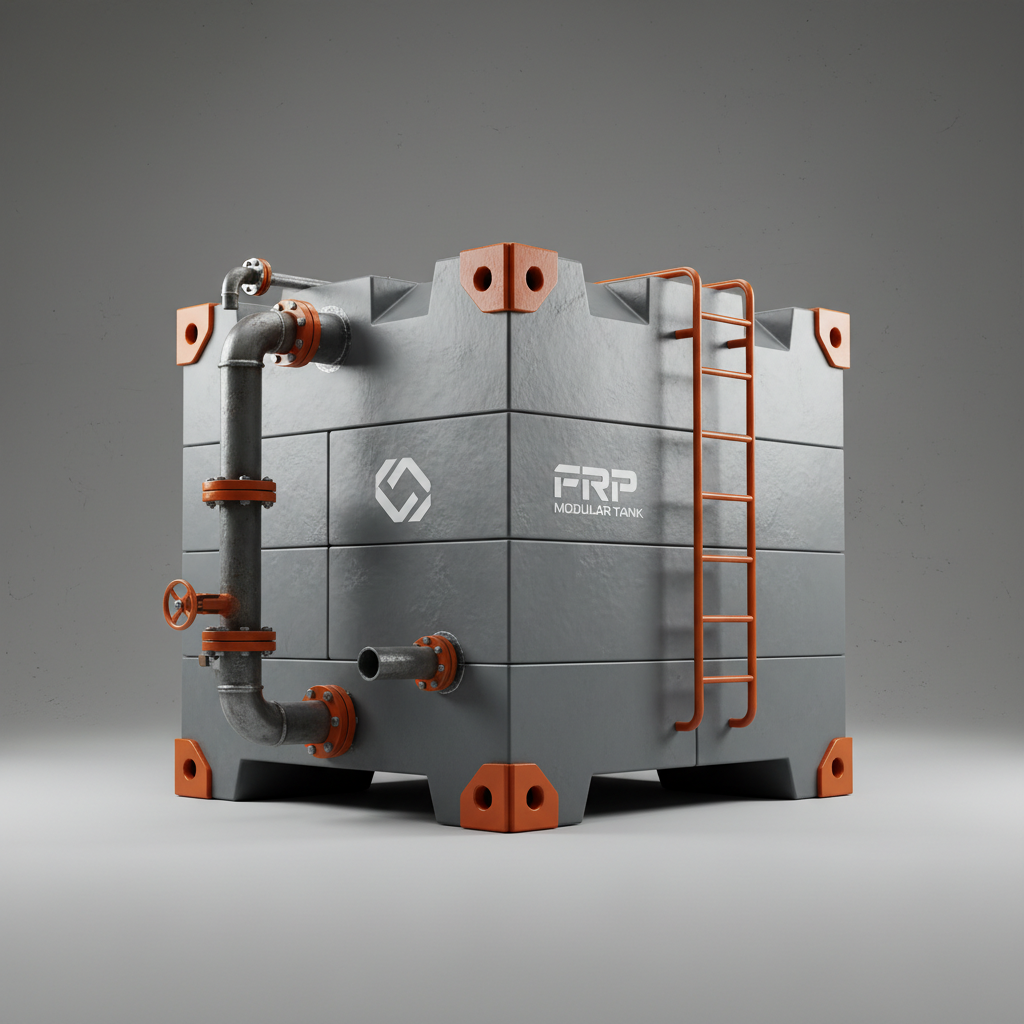
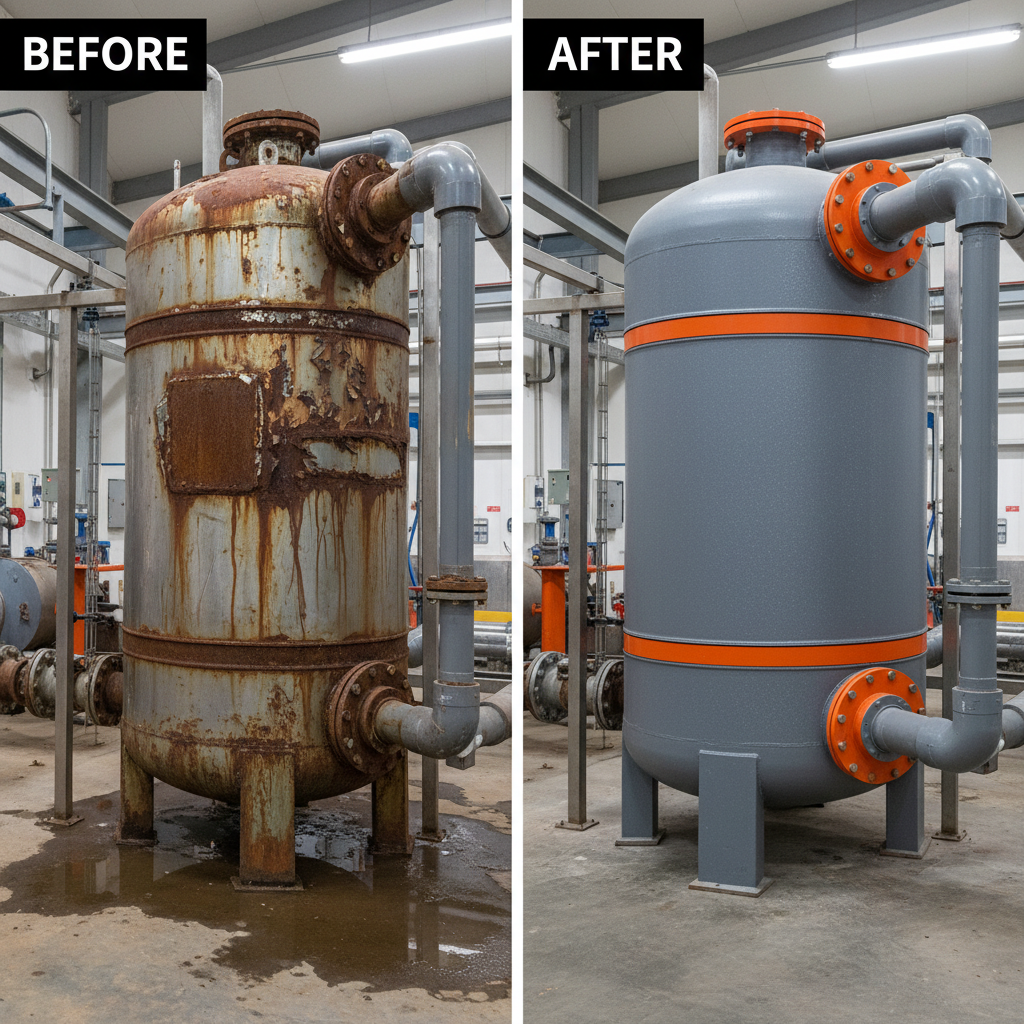
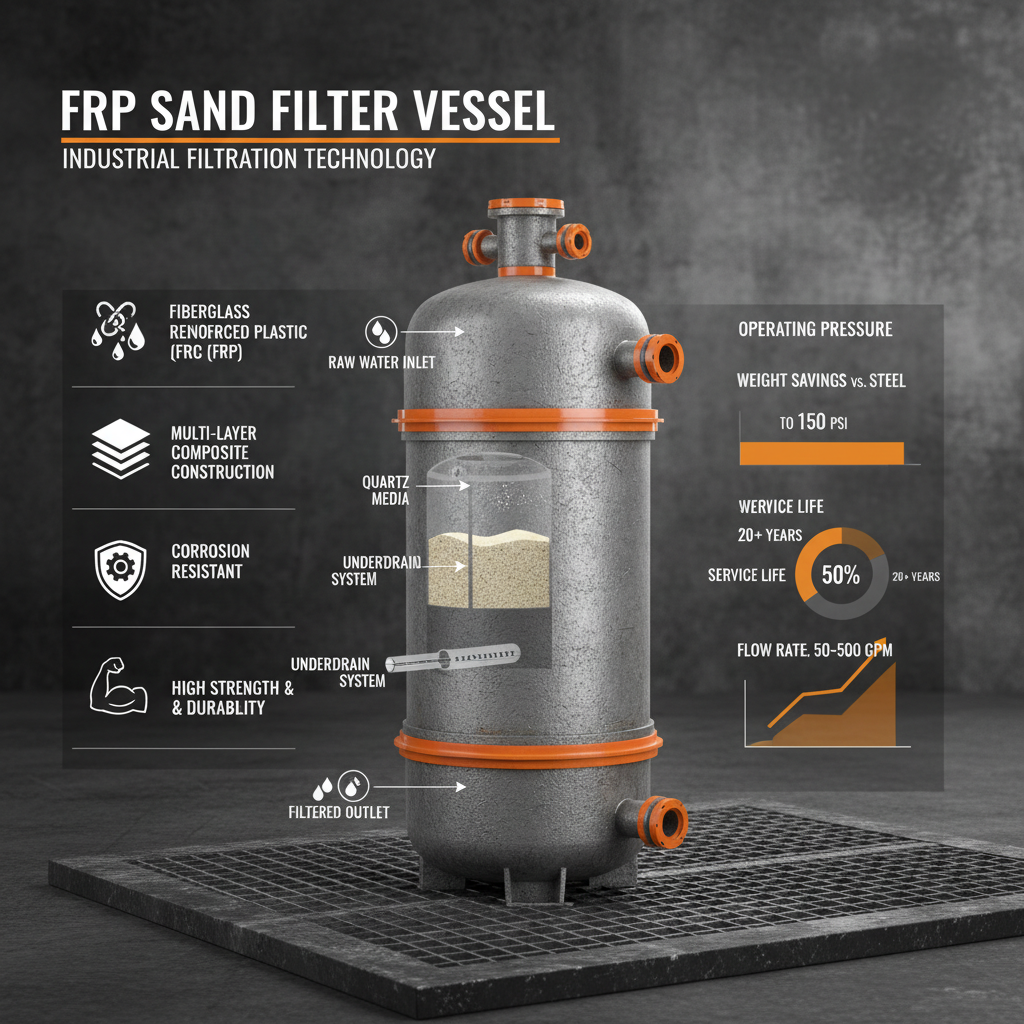
An FRP sand filter vessel is a containment unit designed to house filtration media, typically sand, gravel, and anthracite. These vessels are integral components in sand filtration systems used for removing suspended solids, turbidity, and other particulate matter from water. FRP construction involves layering glass fibers within a resin matrix (typically polyester or vinyl ester) to create a strong, durable, and chemically resistant shell. The strength and rigidity of the vessel are crucial for withstanding the pressure from the filtration media and the water flow. FRP sand filter vessels offer a significant advantage over traditional materials like steel in corrosive environments.
Key Benefits: Superior corrosion resistance, lightweight for easy installation, cost-effective, long service life, and customizable designs.
Advantages of Using FRP Sand Filter Vessels
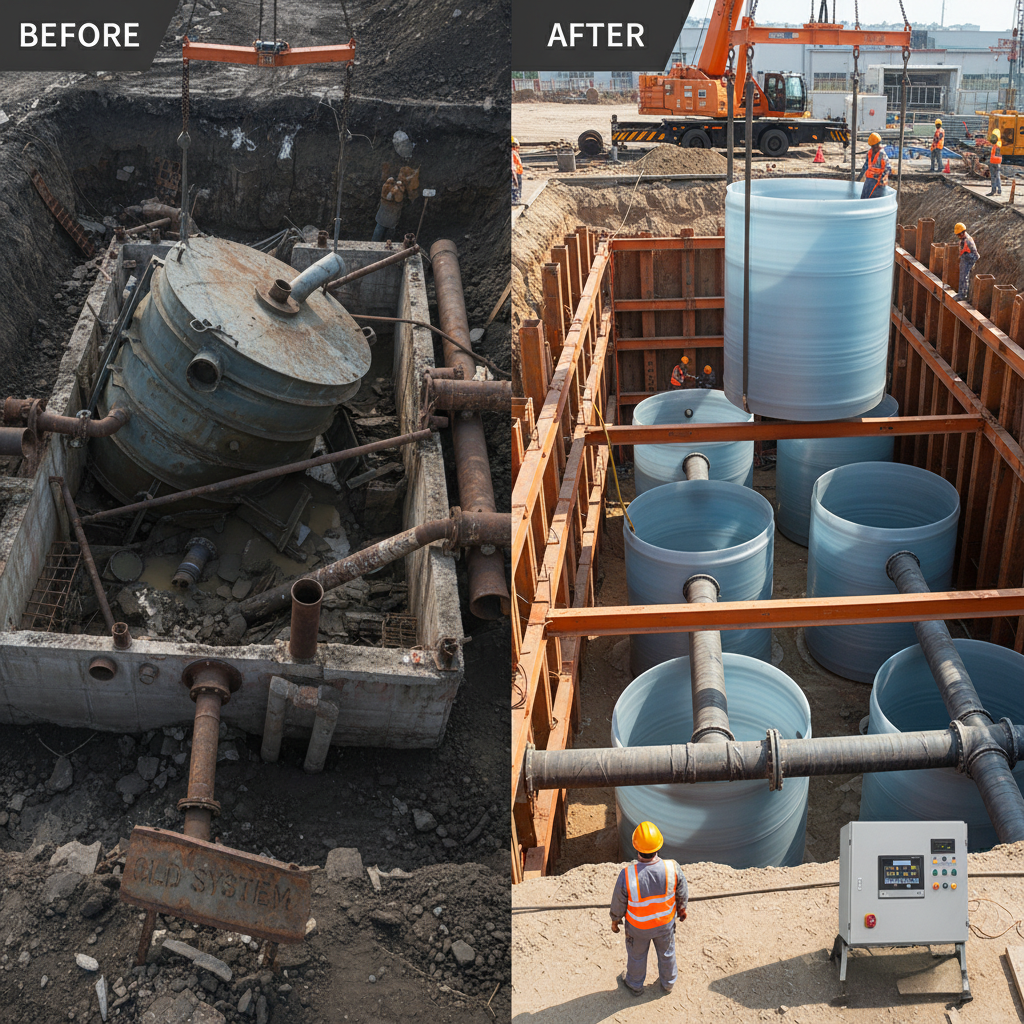
The benefits of utilizing FRP for sand filter vessels are numerous. The most prominent is their exceptional resistance to corrosion, particularly in aggressive water chemistries containing chlorides, sulfates, and other corrosive agents. This translates to lower maintenance costs and an extended operational lifespan. Secondly, FRP is significantly lighter than steel, simplifying transportation, installation, and handling. This is a particularly important consideration for large-scale filtration systems. Moreover, FRP vessels can be custom-designed to meet specific application requirements, offering flexibility in terms of size, shape, and pressure ratings. The versatility and durability of these vessels make them a superior choice for many filtration applications.
FRP Vessel Advantages:
• Exceptional corrosion resistance
• Lightweight for easier handling and installation
• Lower maintenance costs
• Customizable design options
FRP vs. Steel Sand Filter Vessels: A Comparative Analysis
While steel has traditionally been used for sand filter vessels, FRP offers compelling advantages in many applications. The following table highlights a direct comparison between the two materials:
Applications of FRP Sand Filter Vessels
FRP sand filter vessels find widespread application across various industries, including: Municipal water treatment plants, Industrial wastewater treatment facilities, Swimming pool and spa filtration, Groundwater remediation systems, and Pre-treatment for reverse osmosis (RO) systems. Their ability to handle diverse water qualities and operational pressures makes them a versatile solution for both small-scale and large-scale filtration needs. Contact us today to discuss your specific application.
Key Considerations When Choosing an FRP Sand Filter Vessel
Selecting the appropriate FRP sand filter vessel requires careful consideration of several factors. These include: flow rate, operating pressure, water chemistry (pH, salinity, presence of corrosives), filtration media type, and vessel size. It's crucial to work with a reputable manufacturer like FRPGRPMachine who can assist in designing a vessel that meets your specific requirements. Proper vessel sizing ensures optimal filtration efficiency and minimizes pressure drop. Additionally, adherence to relevant industry standards and certifications is essential.
Conclusion: Investing in Durable and Reliable Filtration
Investing in an FRP sand filter vessel is a strategic decision for long-term cost savings and operational efficiency. Their superior corrosion resistance, lightweight design, and customizable options make them a compelling alternative to traditional materials. By partnering with a trusted manufacturer and carefully considering your specific application needs, you can ensure a reliable and effective filtration system for years to come.
Frequently Asked Questions (FAQs)
What is the typical lifespan of an FRP sand filter vessel?
The lifespan of an FRP sand filter vessel can exceed 20 years with proper maintenance and operation. However, this can vary depending on the severity of the operating conditions, water chemistry, and frequency of backwashing. Regular inspections for cracks, blistering, or delamination are crucial. The resin system used in the FRP construction plays a significant role in longevity, with vinyl ester resins offering superior resistance to aggressive chemicals compared to polyester resins.
What pressure ratings are available for FRP sand filter vessels?
FRP sand filter vessels are available in a wide range of pressure ratings, typically from 50 PSI to 150 PSI and beyond, depending on the design and construction. The specific pressure rating is determined by the resin type, fiber reinforcement, and wall thickness of the vessel. It’s essential to select a vessel with a pressure rating that exceeds the maximum operating pressure of your filtration system to ensure safety and prevent vessel failure.
Can FRP sand filter vessels be repaired if damaged?
Minor damage, such as small cracks or superficial scratches, can often be repaired using FRP repair kits specifically designed for this purpose. However, significant structural damage, such as large cracks or delamination, typically requires vessel replacement. It is crucial to assess the extent of the damage and consult with a qualified FRP repair specialist before attempting any repairs. Preventative maintenance and regular inspections can help minimize the risk of damage and extend the vessel's lifespan.
What are the advantages of using a custom-designed FRP sand filter vessel?
Custom-designed FRP sand filter vessels offer several advantages, including optimized sizing for your specific flow rate and filtration needs, tailored pressure ratings to match your system requirements, and the ability to incorporate specific features such as custom ports, nozzles, and internal baffling. This ensures maximum efficiency, performance, and longevity of your filtration system. Contact our experts to discuss your specific needs and obtain a custom quote.