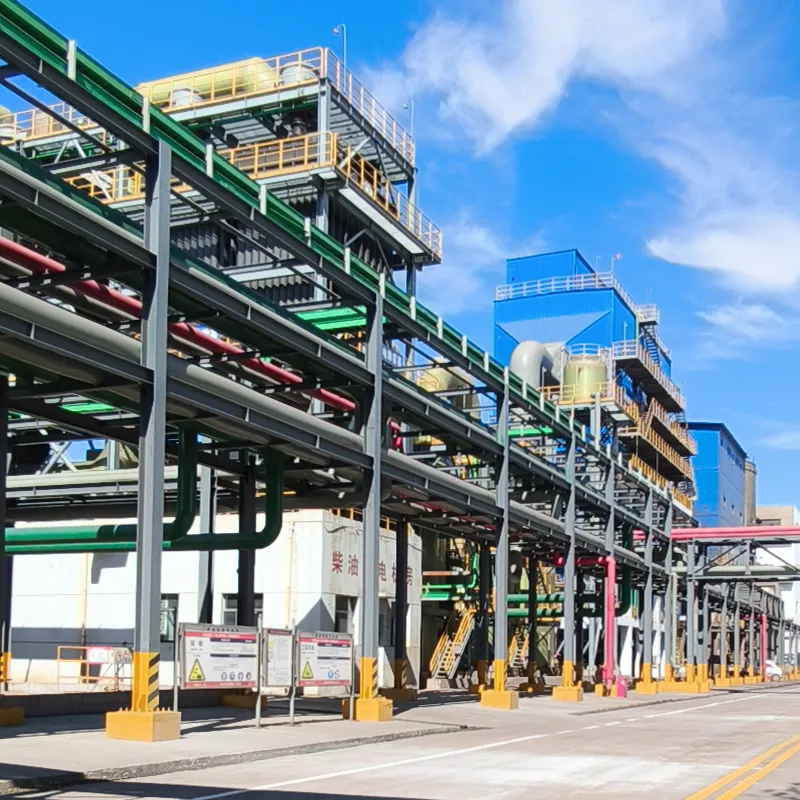
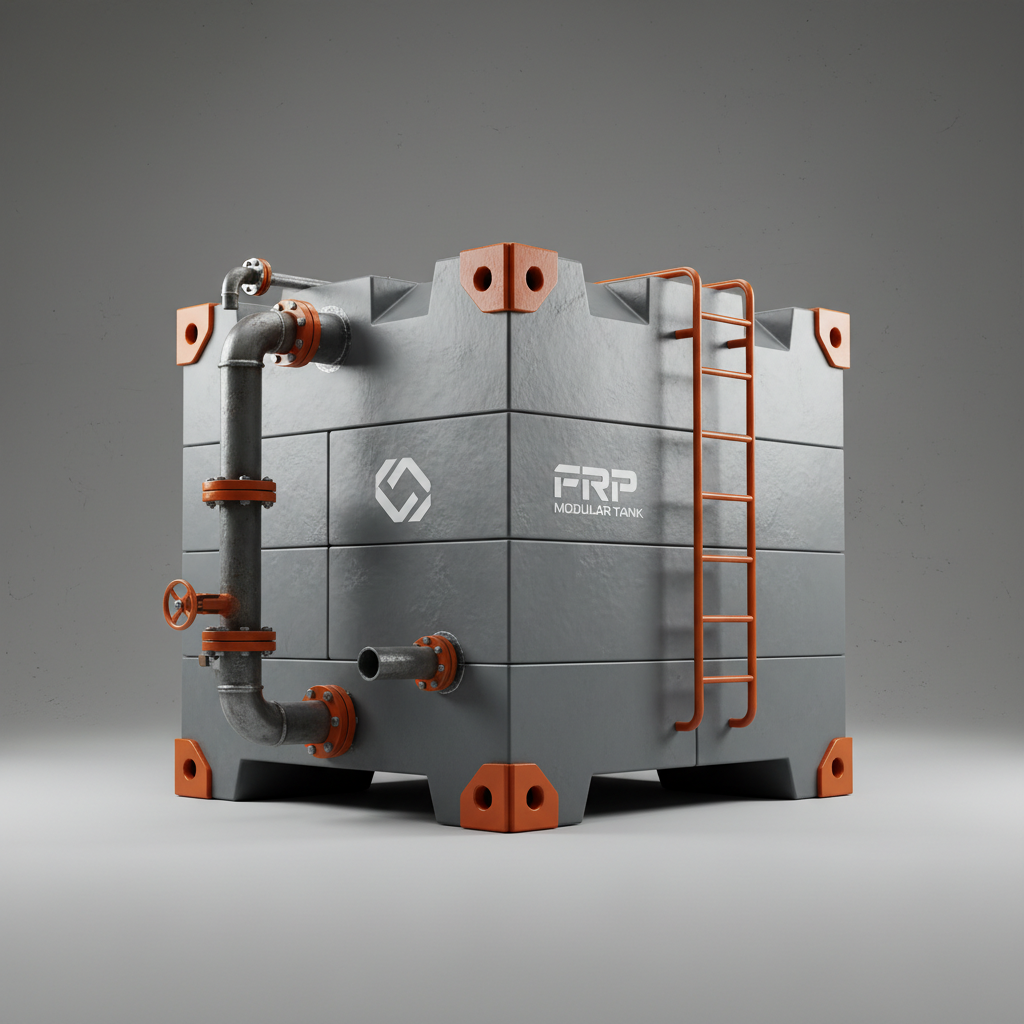
Comprehensive Guide to FRP Pressure Tanks Benefits and Applications
Understanding FRP Pressure Tanks: A Comprehensive Guide
Fiber Reinforced Polymer (FRP) pressure tanks are becoming increasingly popular in a wide range of industrial applications, offering a compelling alternative to traditional steel tanks. Known for their lightweight nature, corrosion resistance, and high strength-to-weight ratio, FRP tanks provide efficient and durable solutions for storing liquids and gases under pressure. This article will delve into the benefits, applications, construction, and key considerations when selecting an FRP pressure tank, helping you make an informed decision for your specific needs. Understanding the advantages of FRP technology can lead to significant cost savings and improved operational efficiency.

The Benefits of Choosing an FRP Pressure Tank
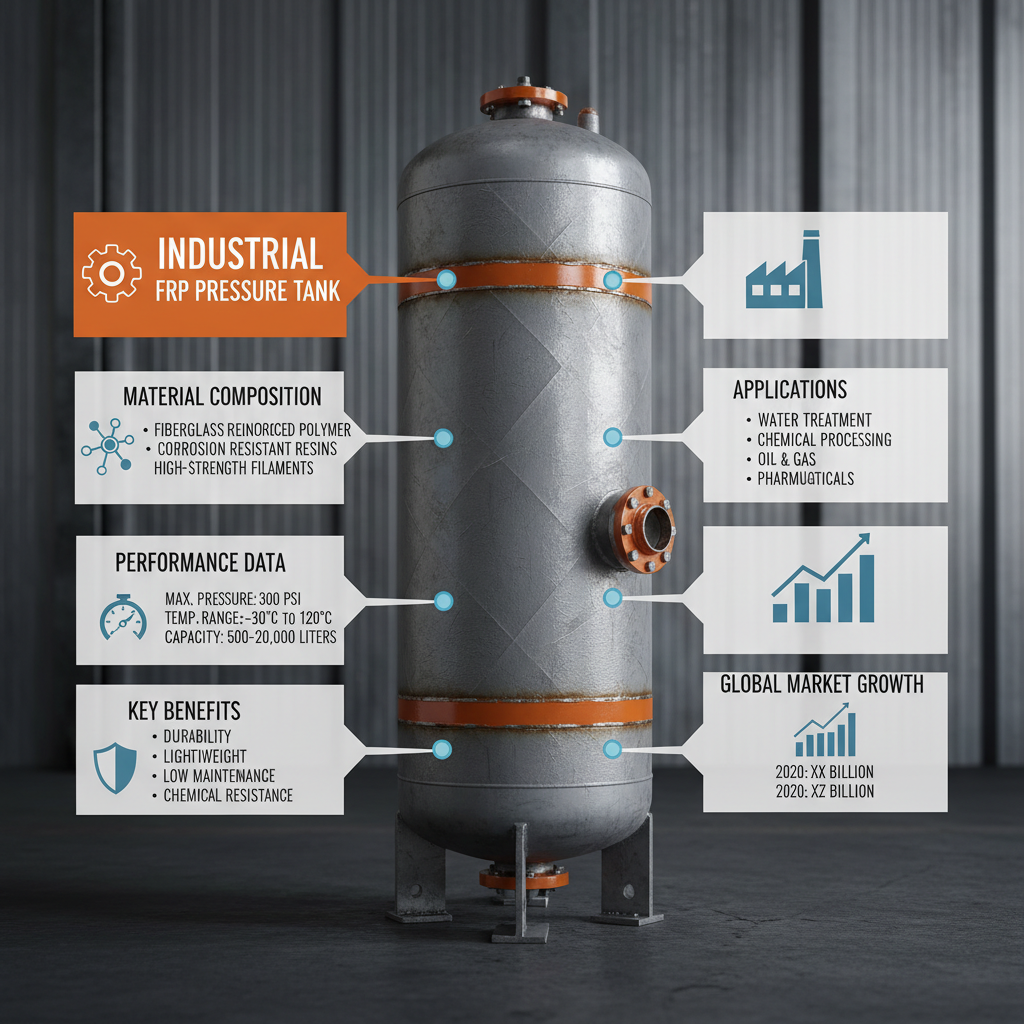
Compared to steel, FRP pressure tanks offer several key advantages. The most significant is their superior corrosion resistance. Unlike steel, which is susceptible to rust and corrosion when exposed to various chemicals, FRP materials are inherently resistant to a wide range of corrosive substances. This translates to a longer lifespan, reduced maintenance costs, and increased safety. Furthermore, FRP is significantly lighter than steel, making installation easier and reducing transportation costs. This lightweight characteristic also contributes to lower structural support requirements. The high strength-to-weight ratio of FRP allows for the design of tanks that can withstand high pressures while maintaining a relatively low weight.
Key Highlights: Superior corrosion resistance, lightweight construction, high strength-to-weight ratio, and reduced maintenance requirements.
Common Applications for FRP Pressure Tanks
FRP pressure tanks are versatile and find application across a broad spectrum of industries. In the water treatment industry, they are used for storing chlorinated water, demineralized water, and other treatment chemicals. The chemical processing industry utilizes FRP tanks for storing acids, caustics, and various other corrosive liquids. Air compressors often employ FRP tanks for efficient and reliable compressed air storage. Furthermore, FRP tanks are used in oil and gas applications for storing produced water, glycol, and other process fluids. Their ability to withstand high pressures and corrosive environments makes them ideal for these demanding applications.
Application Areas:
• Water Treatment
• Chemical Processing
• Air Compression
• Oil and Gas
FRP Pressure Tank Construction & Materials
The construction of an FRP pressure tank typically involves several layers. The inner liner is usually made of a chemically resistant resin, such as vinyl ester or epoxy, providing a barrier against the stored fluid. This liner is reinforced with layers of fiberglass or carbon fiber, oriented to withstand the hoop stresses caused by internal pressure. An outer shell provides additional structural support and environmental protection. The specific materials used depend on the application and the chemicals being stored. Careful selection of resins and reinforcements is critical to ensure compatibility and long-term performance.
Steel vs. FRP Pressure Tanks: A Comparison
Choosing between steel and FRP pressure tanks requires careful consideration of the specific application requirements. While steel tanks have been the traditional choice, FRP tanks offer distinct advantages in many scenarios. The following table highlights a comparison between the two materials:
Key Considerations When Selecting an FRP Pressure Tank
Selecting the right FRP pressure tank requires careful consideration of several factors. First, determine the specific chemical compatibility requirements based on the fluid being stored. Ensure the liner material is resistant to the chemicals involved. Second, calculate the required design pressure and temperature to ensure the tank can safely operate under the expected conditions. Third, consider the size and shape of the tank needed to meet your storage capacity requirements. Finally, choose a reputable manufacturer like FRPGRPMachine, known for quality construction and adherence to industry standards.
Conclusion: The Future is FRP
FRP pressure tanks offer a compelling combination of benefits – corrosion resistance, lightweight construction, and high strength. As industries continue to seek durable and cost-effective solutions for fluid storage, FRP technology is poised to play an increasingly important role. Choosing a quality FRP pressure tank from a reputable supplier like FRPGRPMachine is a smart investment for long-term reliability and performance.
Frequently Asked Questions (FAQs)
What is the typical lifespan of an FRP pressure tank?
The lifespan of an FRP pressure tank can exceed 20-30 years, depending on operating conditions and the specific chemicals stored. Unlike steel tanks, FRP doesn’t corrode, eliminating a major factor contributing to tank failure. Regular inspections for physical damage and adherence to manufacturer’s recommended operating parameters are essential for maximizing the lifespan. Correct material selection for the specific application is also critical.
What safety standards do FRP pressure tanks adhere to?
FRP pressure tanks are typically manufactured to meet stringent industry standards, such as ASME Section X for fiberglass reinforced plastic pressure vessels. These standards ensure the tank's structural integrity and safe operation under pressure. Manufacturers like FRPGRPMachine prioritize compliance with these regulations to guarantee the safety and reliability of their products. Certificates of conformance are usually available upon request.
Can FRP pressure tanks be repaired if damaged?
Minor damage to the outer shell of an FRP pressure tank can often be repaired by qualified technicians using approved repair materials and procedures. However, any damage to the inner liner or structural layers requires careful assessment. Significant structural damage typically necessitates tank replacement to ensure continued safe operation. It's crucial to consult with the manufacturer or a qualified FRP repair specialist for proper evaluation and repair guidance.
What factors influence the cost of an FRP pressure tank?
The cost of an FRP pressure tank is influenced by several factors, including the tank’s size, design pressure, materials of construction, and the complexity of the application. Custom designs and specialized features will also increase the cost. While the initial investment may be higher than steel tanks, the long-term benefits of reduced maintenance, corrosion resistance, and extended lifespan often result in a lower total cost of ownership.