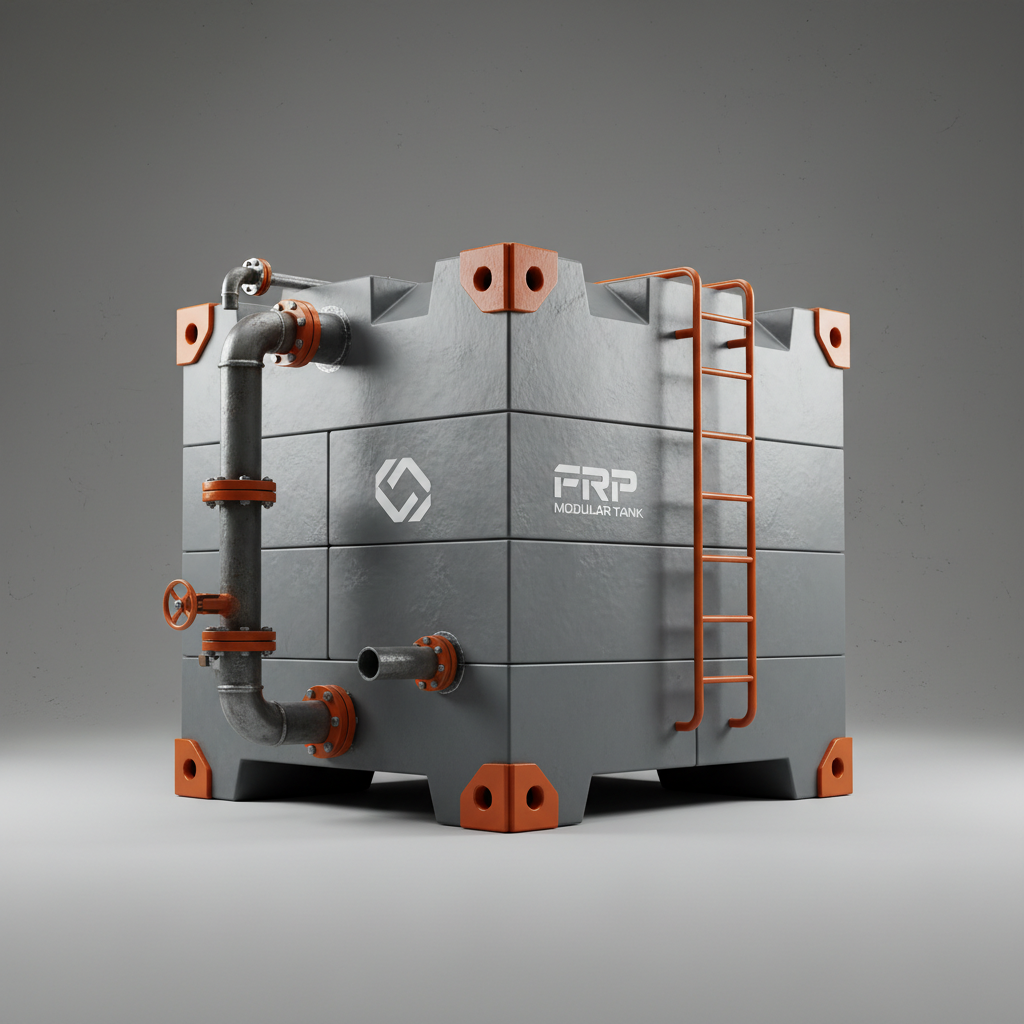
Comprehensive Guide to FRP Underground Water Tank Solutions and Applications
Understanding FRP Underground Water Tanks
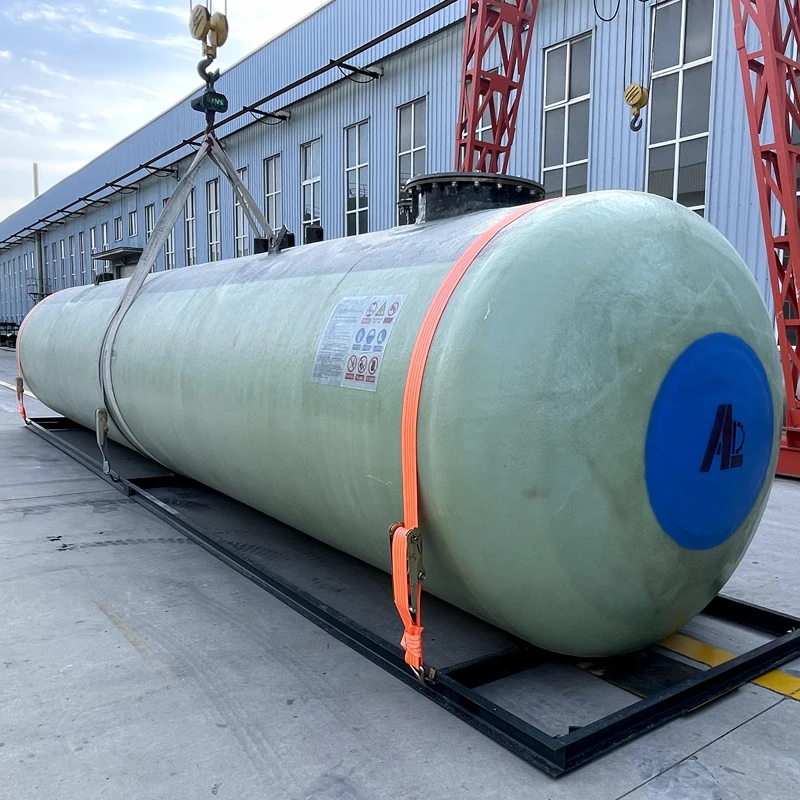
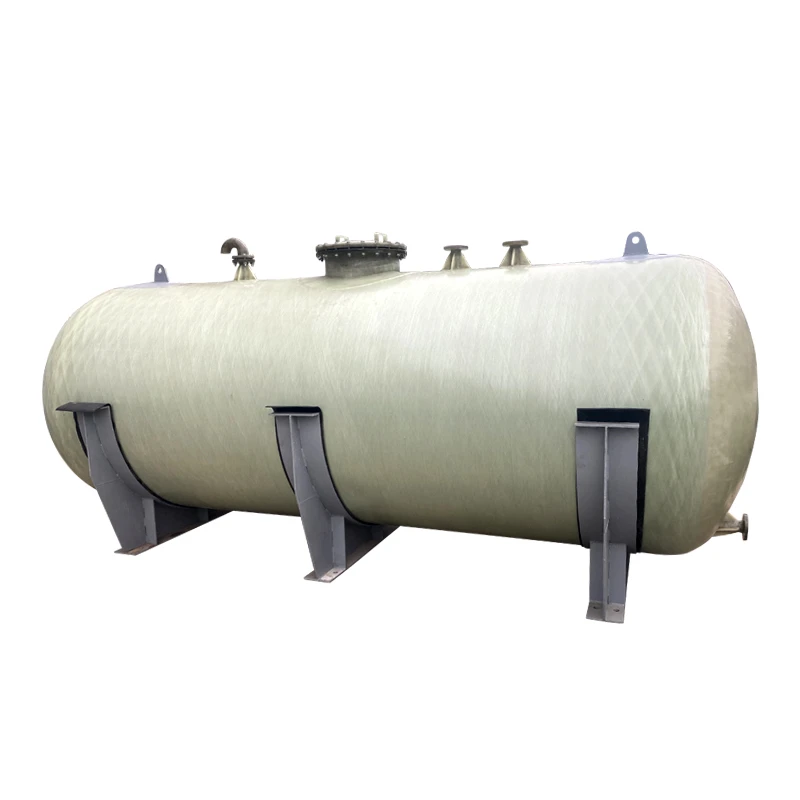
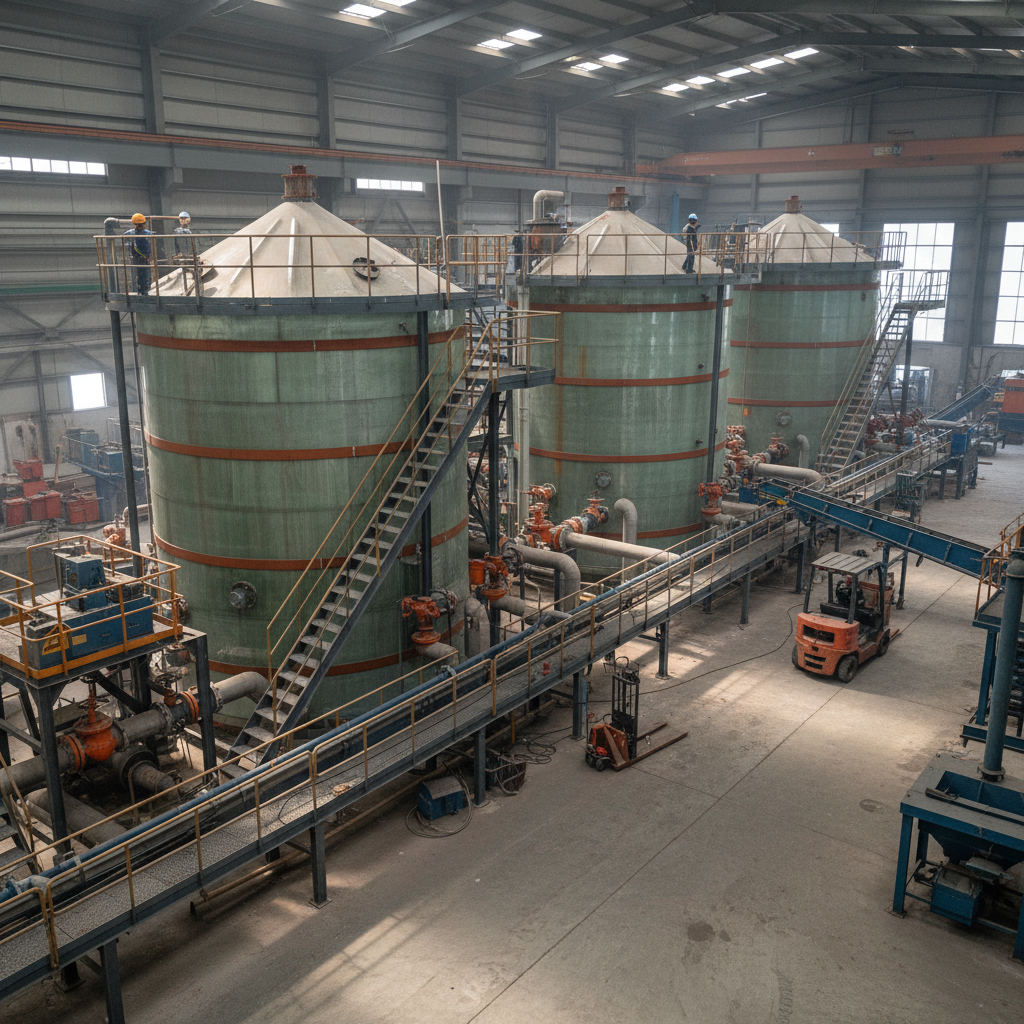
Fiberglass Reinforced Polymer (FRP) underground water tanks are becoming increasingly popular for a wide range of applications, from potable water storage to industrial wastewater containment. Their superior corrosion resistance, lightweight nature, and design flexibility make them an excellent alternative to traditional materials like concrete or steel. This article will delve into the benefits, applications, construction, and considerations for implementing FRP underground water tanks, providing a comprehensive overview for engineers, contractors, and project managers. Investing in the right water storage solution is crucial for long-term reliability and cost-effectiveness.
The Advantages of Choosing FRP Underground Water Tanks
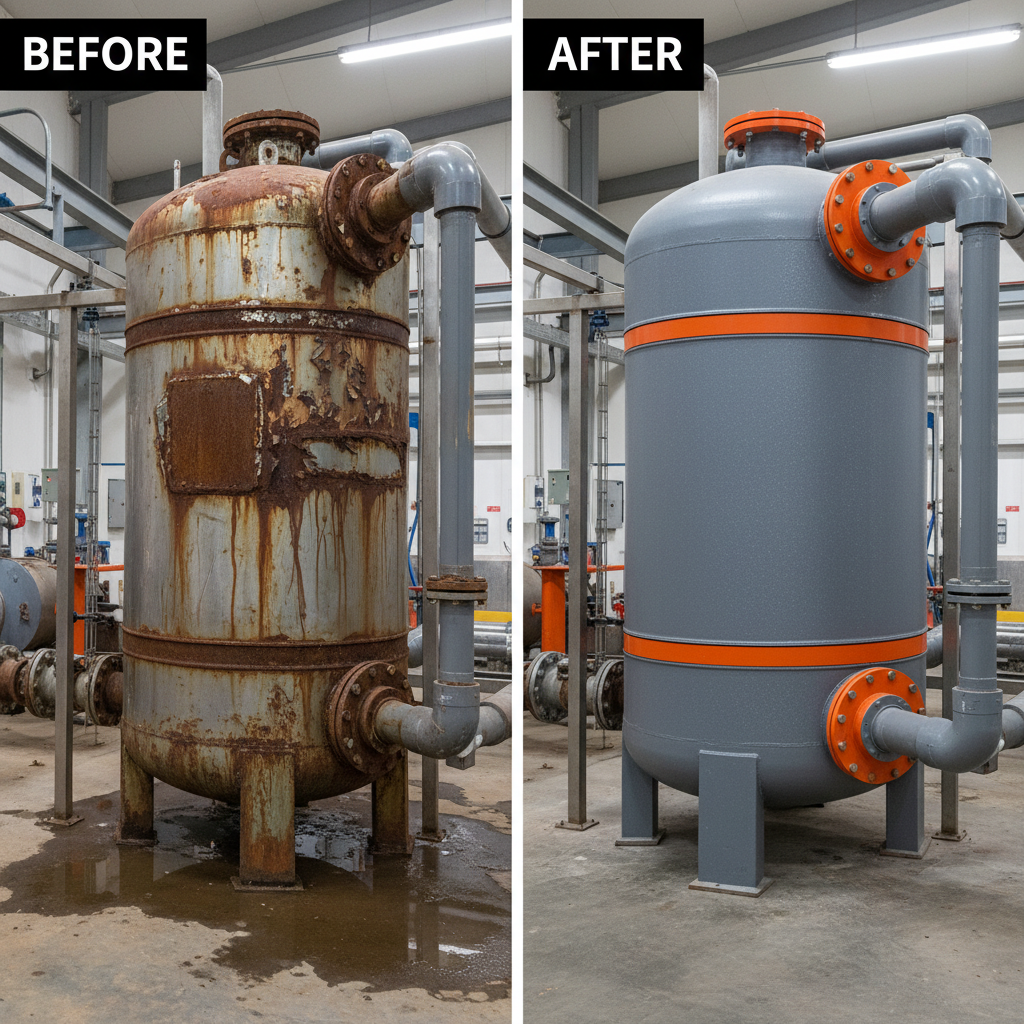
Unlike traditional materials, FRP offers a compelling combination of benefits. The inherent corrosion resistance of FRP eliminates the need for costly linings or protective coatings, reducing lifecycle maintenance expenses. Their lightweight nature simplifies installation, minimizing heavy equipment requirements and reducing installation time. FRP tanks are also highly adaptable to various shapes and sizes, allowing for customized solutions to fit specific site constraints. Furthermore, FRP's non-metallic composition prevents rust and doesn't contribute to water contamination, making it an ideal choice for potable water storage. Exploring the benefits of FRP tanks is essential for informed decision-making.
Key Highlights: Corrosion resistance, Lightweight, Design flexibility, and Non-metallic composition prevents contamination.
Applications of FRP Underground Water Tanks
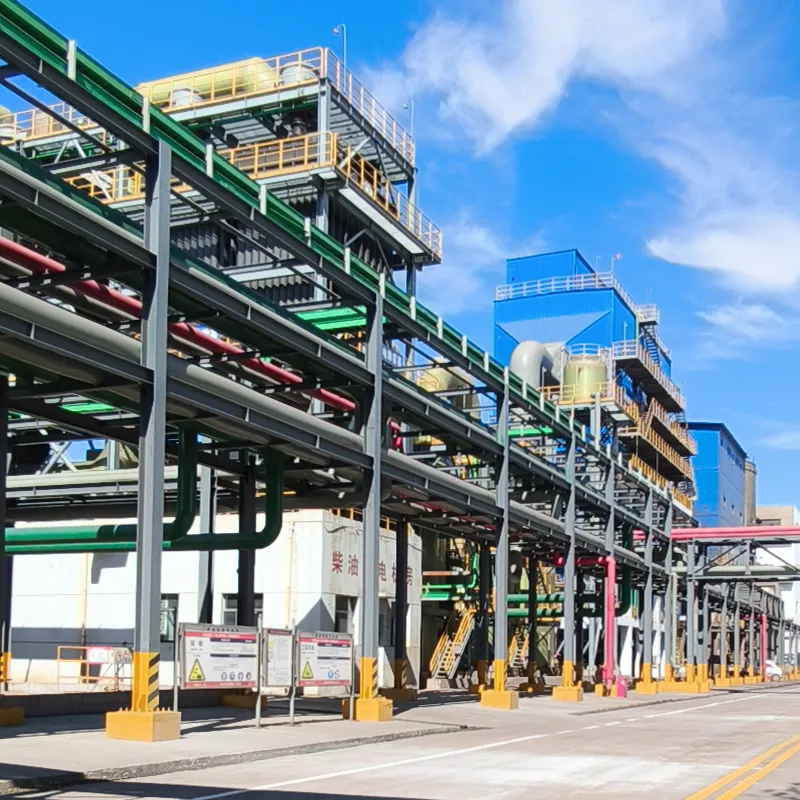
FRP underground water tanks serve a diverse range of applications. They are commonly used for storing potable water for municipalities, agricultural irrigation, fire suppression systems, and industrial process water. They also excel in containing wastewater, chemical storage, and rainwater harvesting. Their ability to withstand harsh environmental conditions makes them suitable for remote locations and challenging soil conditions. The versatility of underground water tanks makes them an essential component in various infrastructure projects.
Application Areas:
• Potable Water Storage
• Wastewater Treatment
• Fire Suppression Systems
• Rainwater Harvesting
FRP Underground Water Tank Construction & Materials
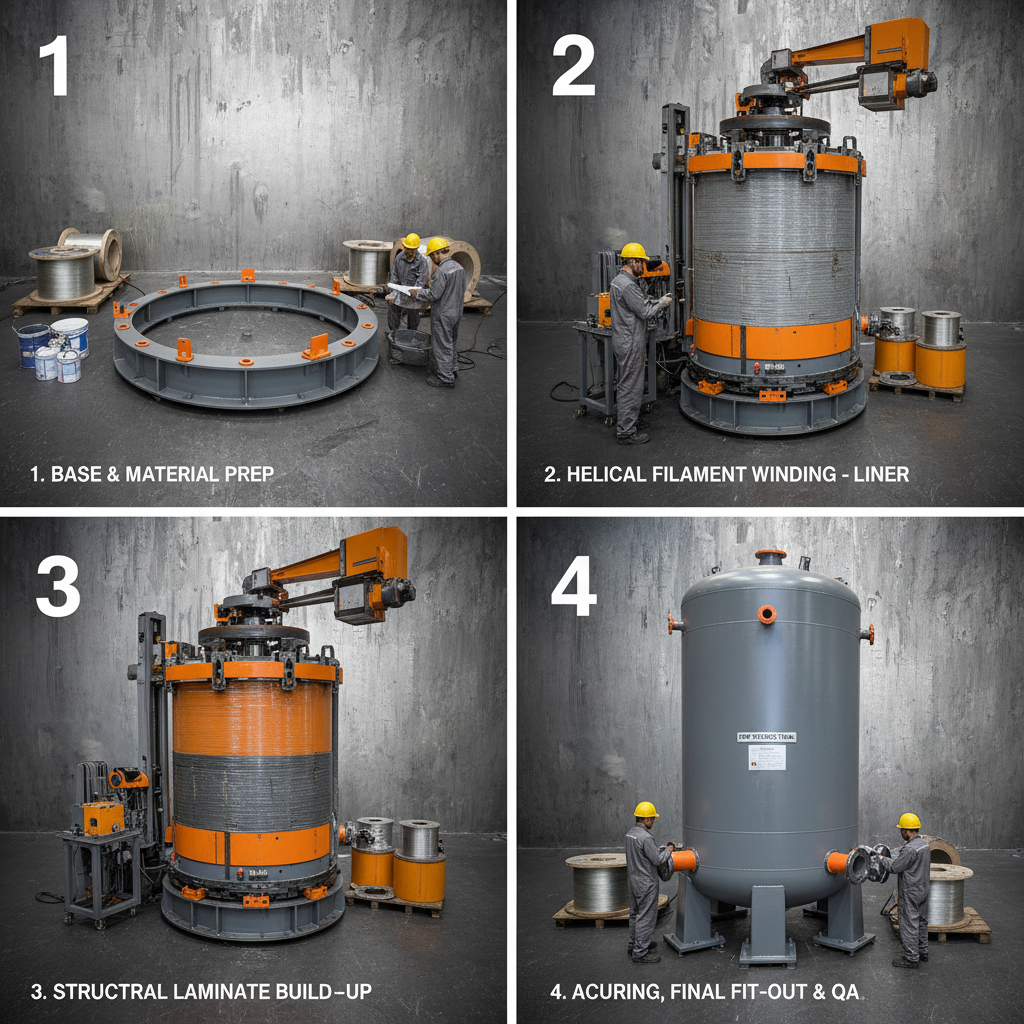
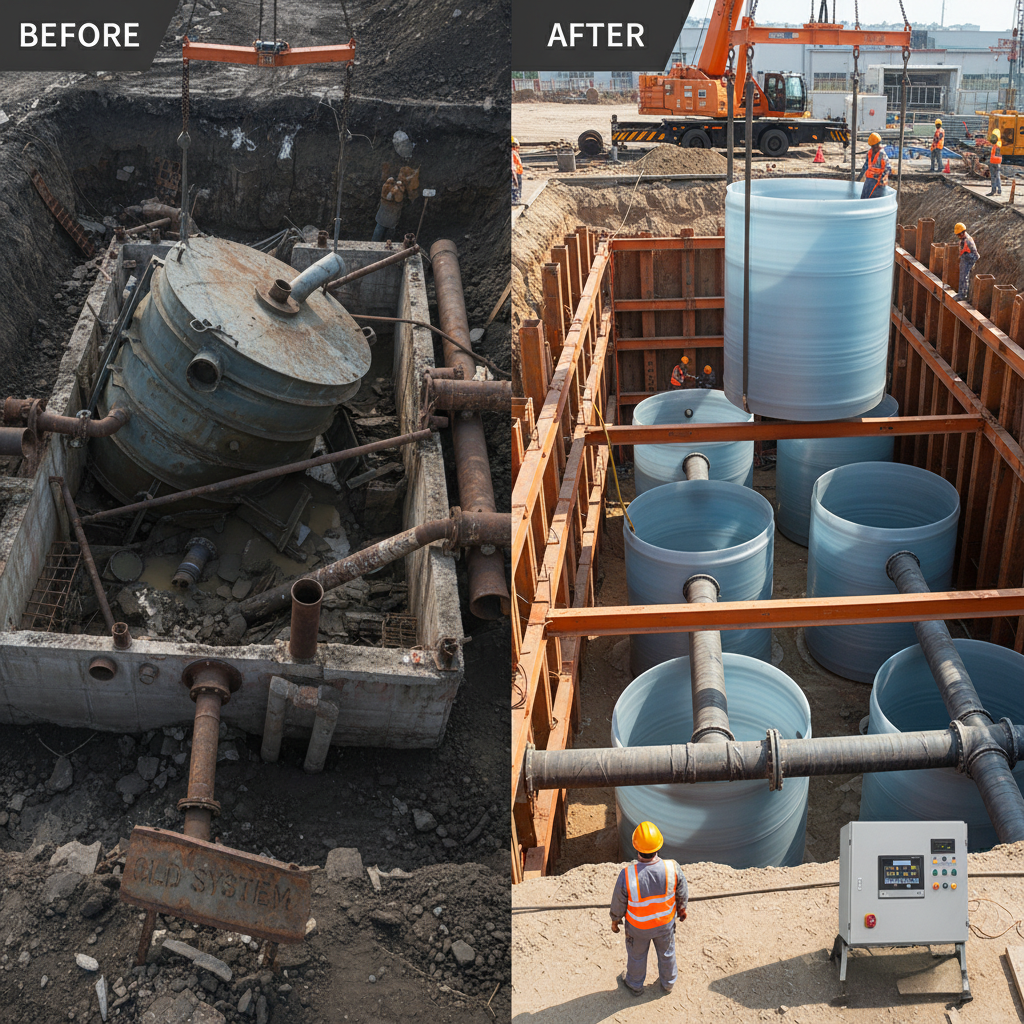
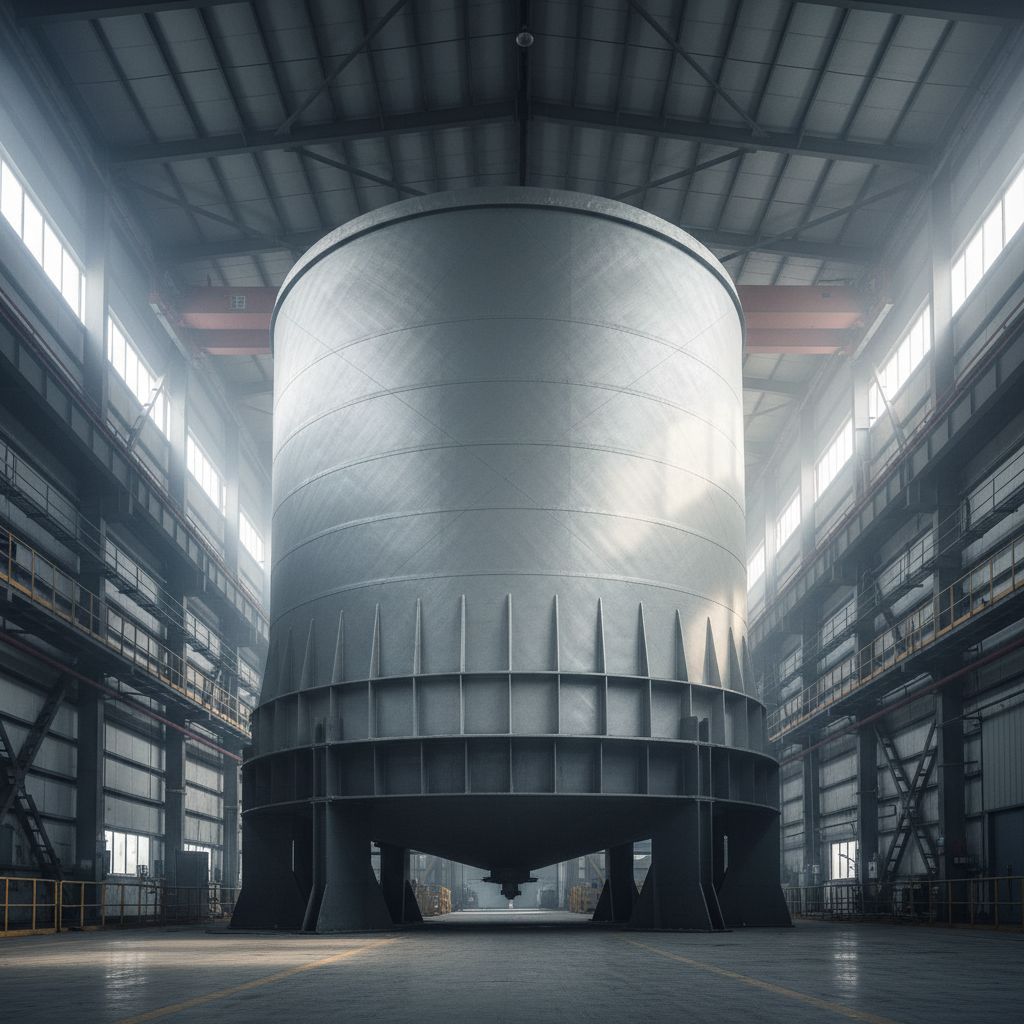
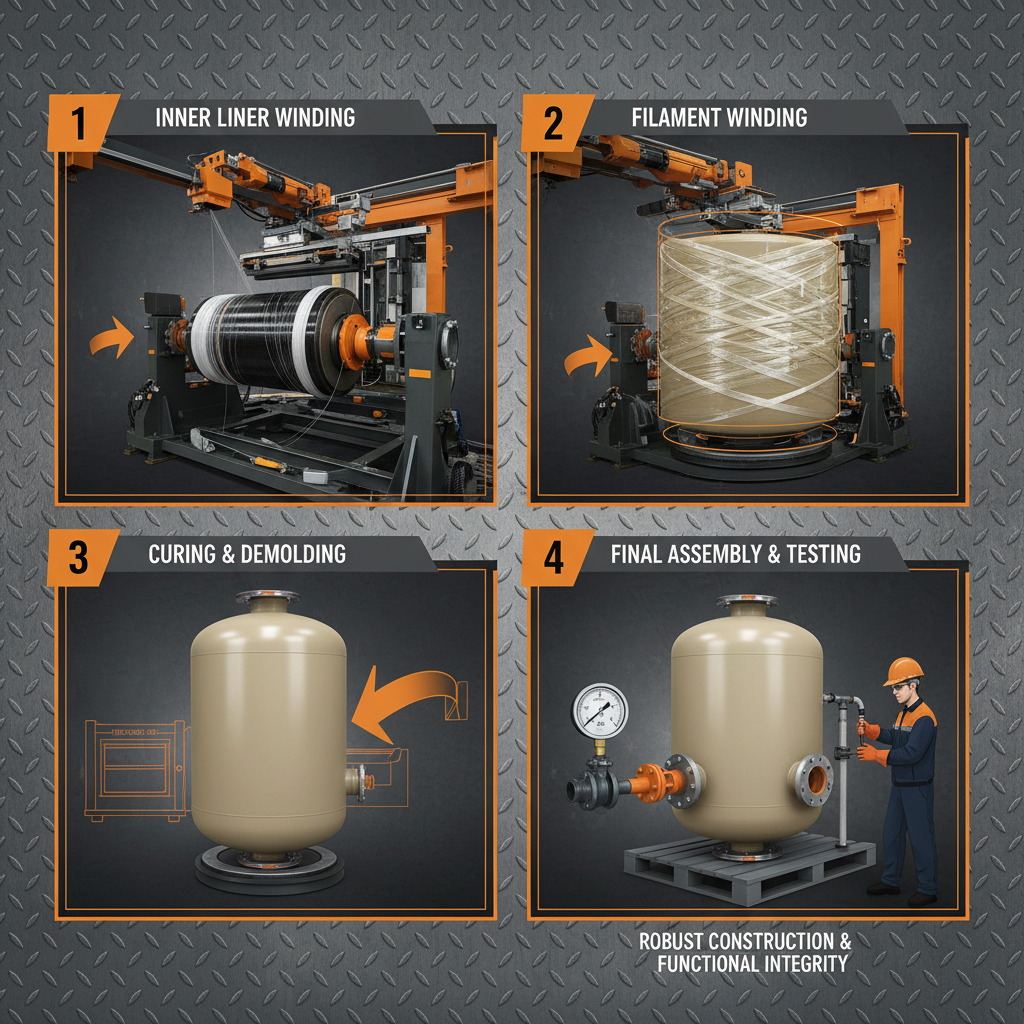
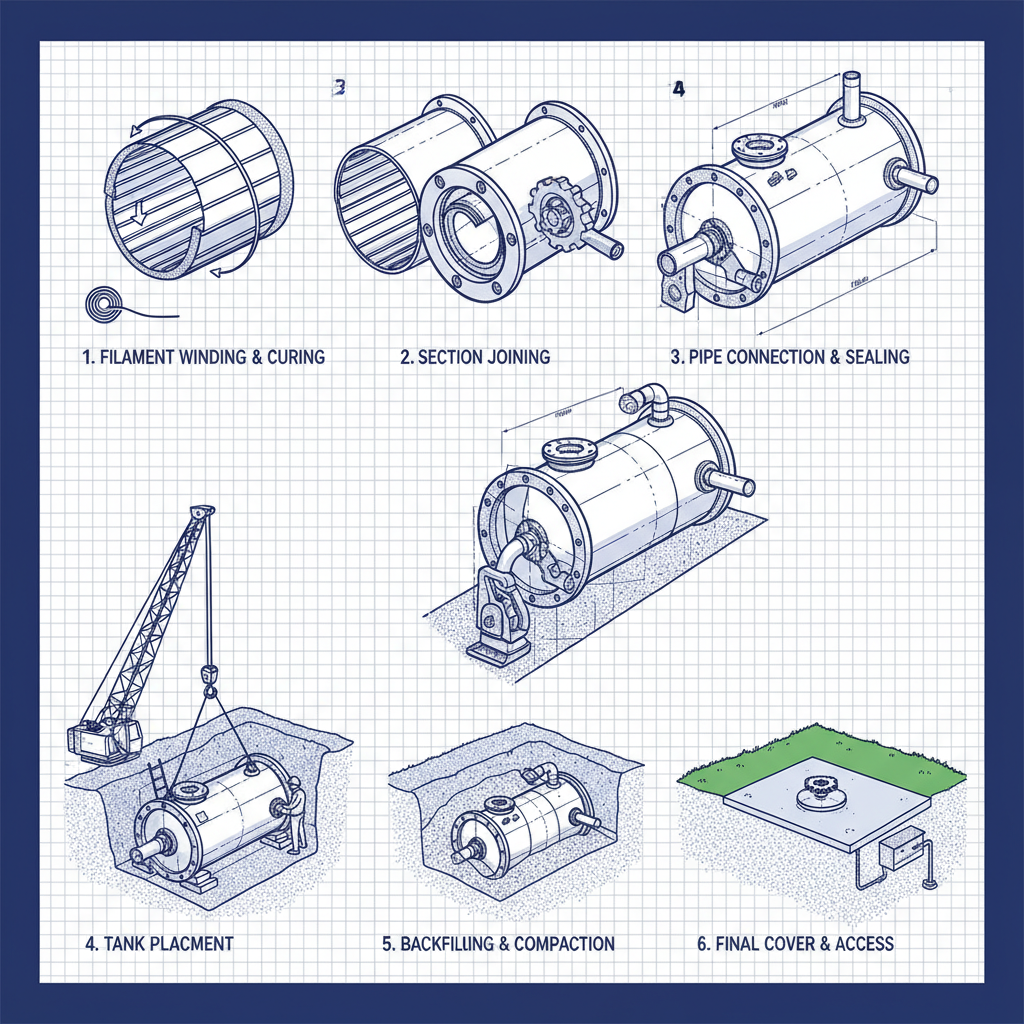
The construction of an FRP underground water tank typically involves several stages, starting with excavation and site preparation. A properly compacted base is essential for structural support. The tank itself is built using layers of resin and reinforcing fibers – typically fiberglass, but other materials like carbon fiber can be used for specialized applications. The resin binds the fibers together, creating a strong and watertight structure. External support structures, such as concrete pads or backfilling with appropriate materials, are crucial for long-term stability and preventing ground movement from impacting the tank. FRP tank construction requires skilled technicians and adherence to industry standards.
Considerations for Installation and Maintenance
Proper installation is critical for the long-term performance of any FRP underground water tank. Careful attention must be paid to site preparation, backfilling procedures, and the integration of any necessary piping or accessories. Regular inspections are recommended to identify potential issues such as leaks, cracks, or damage to the external support structure. Preventative maintenance, including cleaning and periodic assessments, can significantly extend the tank's lifespan. Collaborating with experienced professionals specializing in FRP tank installation is key to ensuring a successful project.
Cost Comparison: FRP vs. Traditional Materials
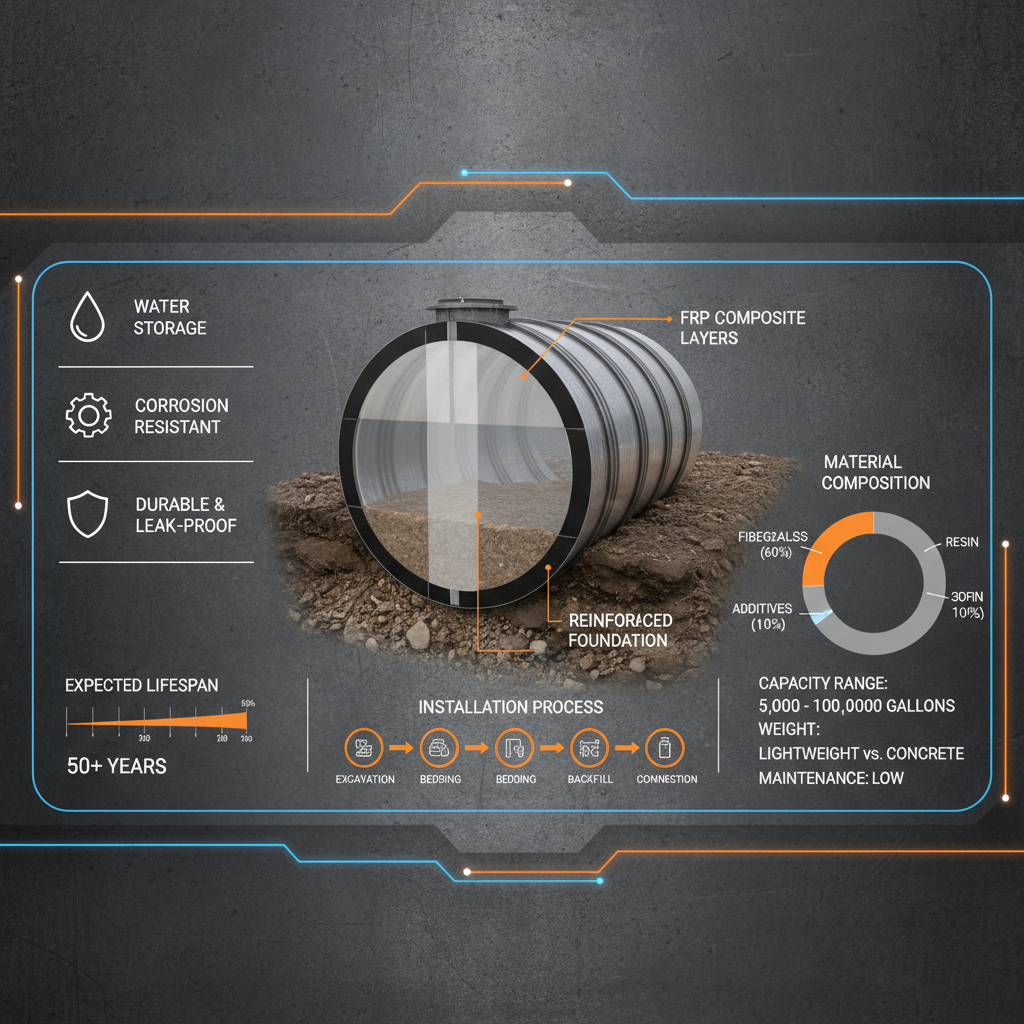
While the initial cost of an FRP underground water tank might be slightly higher than traditional materials like concrete, the lifecycle cost is often significantly lower. Concrete tanks require regular maintenance and repair to prevent corrosion and leaks, while steel tanks are susceptible to rust. FRP's inherent durability and corrosion resistance minimize maintenance requirements, resulting in substantial cost savings over the tank's lifespan. Considering long-term costs, FRP water tanks offer a more economically viable solution.
Conclusion: A Sustainable and Cost-Effective Solution
FRP underground water tanks represent a significant advancement in water storage technology. Their durability, corrosion resistance, and design flexibility make them an ideal choice for a wide range of applications. By choosing FRP tanks, you're investing in a long-term, sustainable, and cost-effective solution.
Frequently Asked Questions (FAQs)
What is the typical lifespan of an FRP underground water tank?
With proper installation and maintenance, an FRP underground water tank can have a lifespan of 50 years or more. The exact lifespan depends on factors like soil conditions, water quality, and frequency of inspections. Unlike concrete or steel, FRP doesn’t corrode, significantly extending its service life. Regular inspections and adherence to manufacturer’s recommendations are crucial for maximizing the tank's longevity.
What are the soil requirements for installing an FRP tank?
The soil should be properly compacted and free from large rocks or debris that could damage the tank. A stable and level base is essential. Soil testing is recommended to assess its bearing capacity and pH level. In some cases, soil stabilization may be required to prevent settling or shifting. It’s critical to follow the manufacturer’s guidelines for site preparation to ensure the tank’s structural integrity.
Can FRP tanks be installed in areas with a high water table?
Yes, FRP tanks can be installed in areas with a high water table, but special considerations are required. Proper anchoring systems may be necessary to prevent the tank from floating or shifting due to hydrostatic pressure. Drainage systems may also be needed to manage groundwater accumulation around the tank. Careful planning and expert installation are essential to ensure the tank’s stability and prevent damage.