Comprehensive Guide to Frp Underground Water Storage Tanks and Their Applications
Frp Underground Water Storage Tanks: A Comprehensive Guide
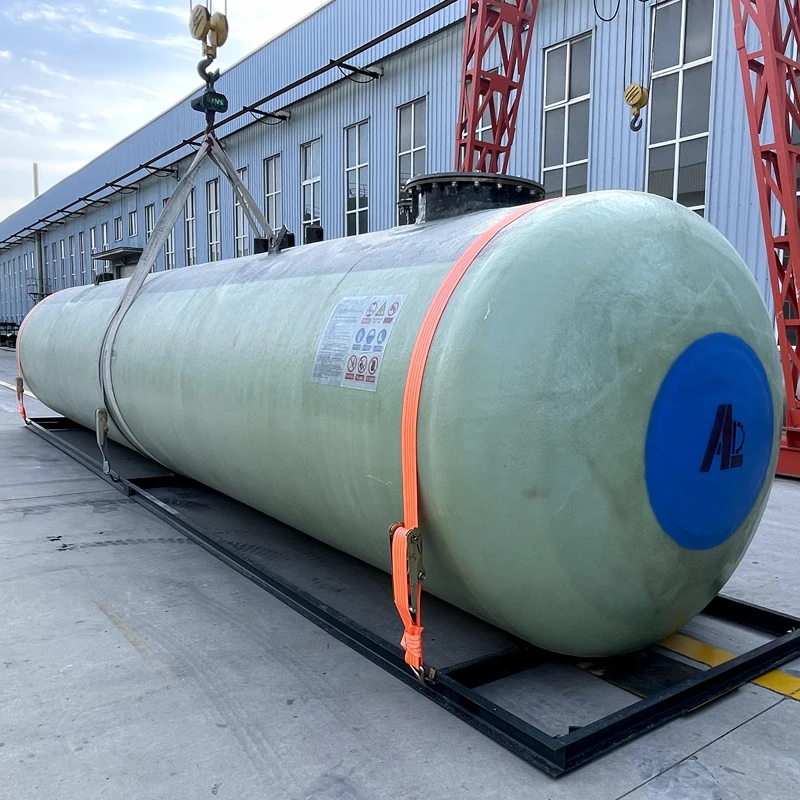
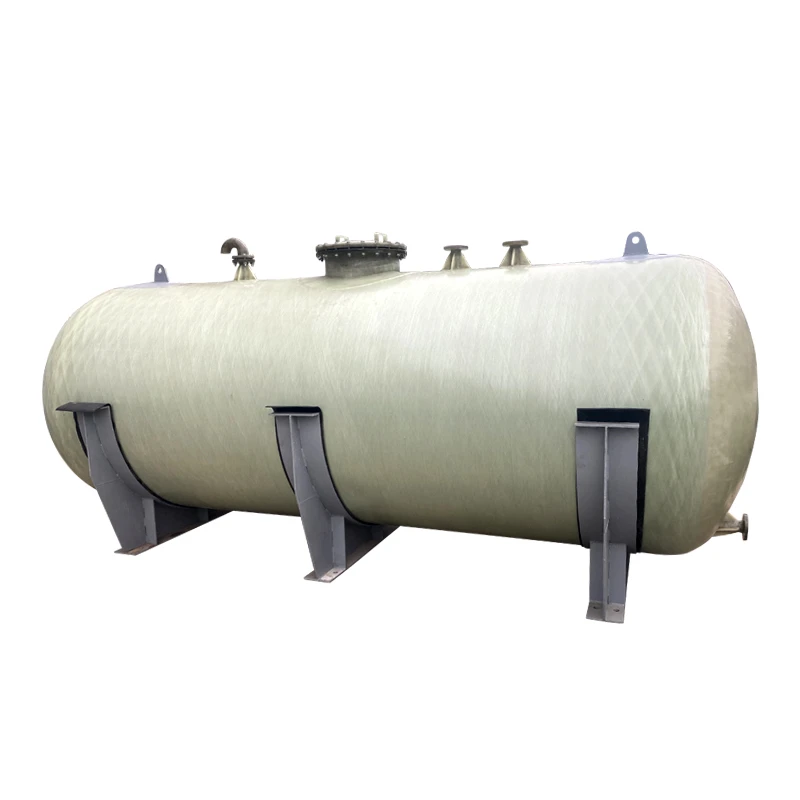
When considering water storage solutions, particularly for industrial, agricultural, or municipal applications, frp underground water storage tanks stand out as a durable, cost-effective, and environmentally friendly option. These tanks are increasingly favored over traditional materials like concrete or steel due to their superior corrosion resistance, lighter weight, and ease of installation. This article delves into the benefits, applications, construction, and considerations when choosing an FRP tank, providing a detailed overview for potential buyers and project planners.
What are FRP Underground Water Storage Tanks?
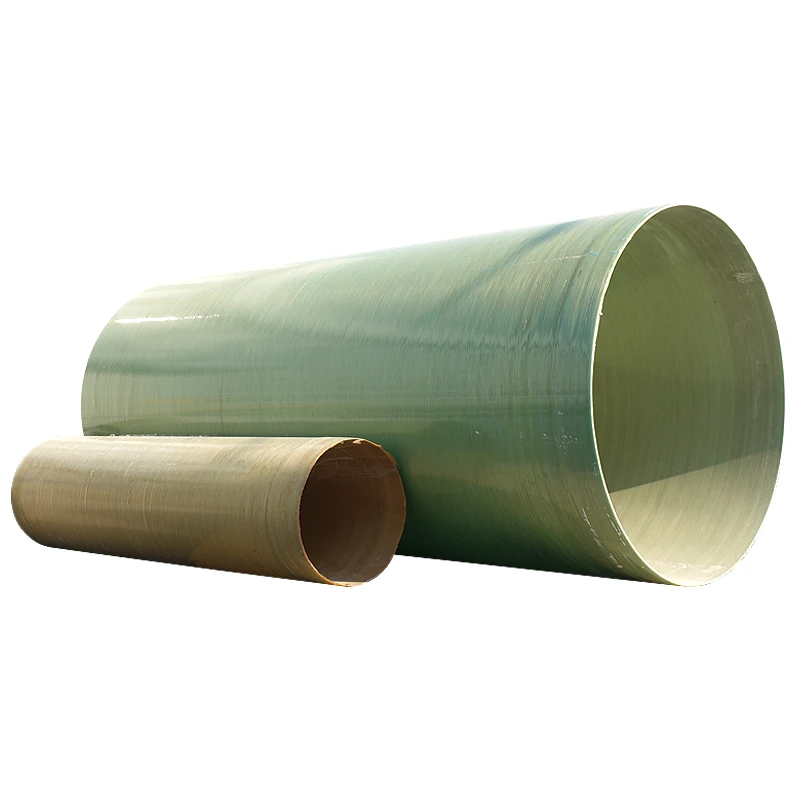
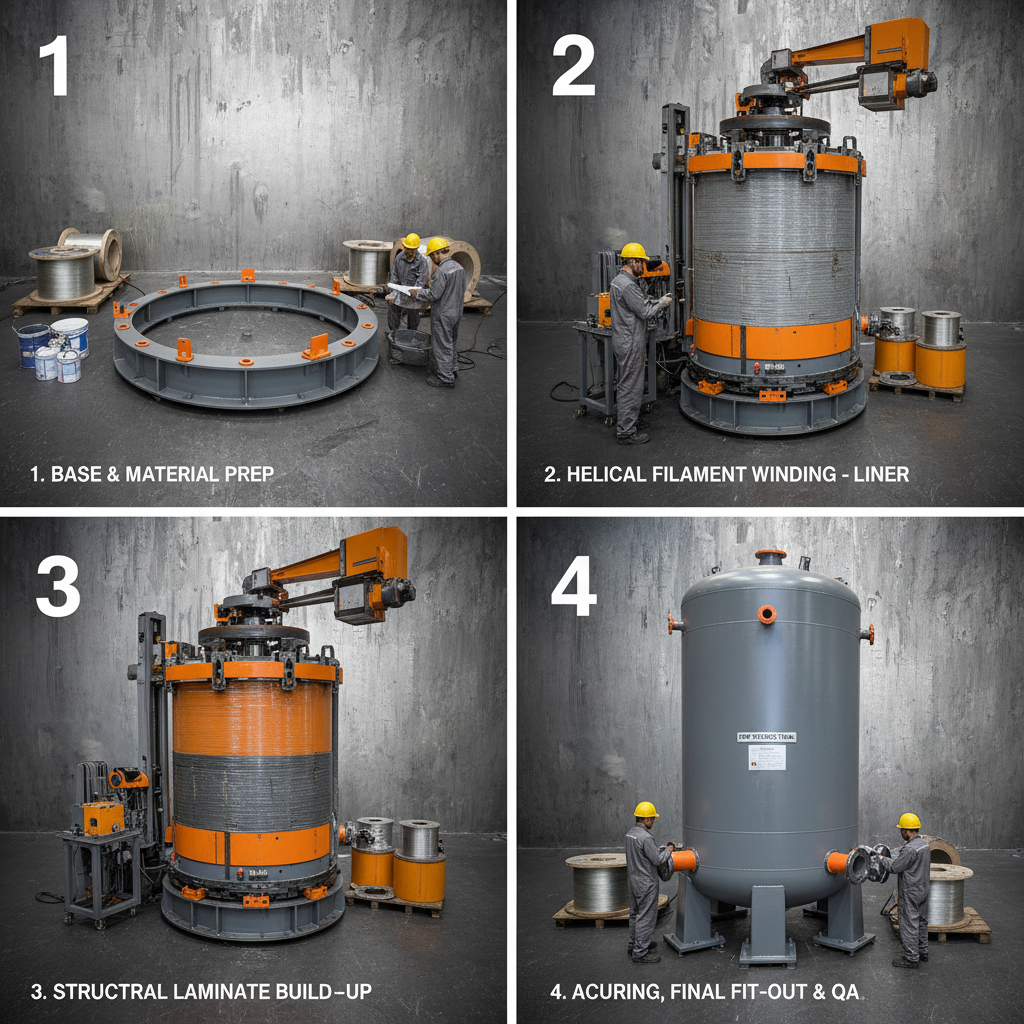
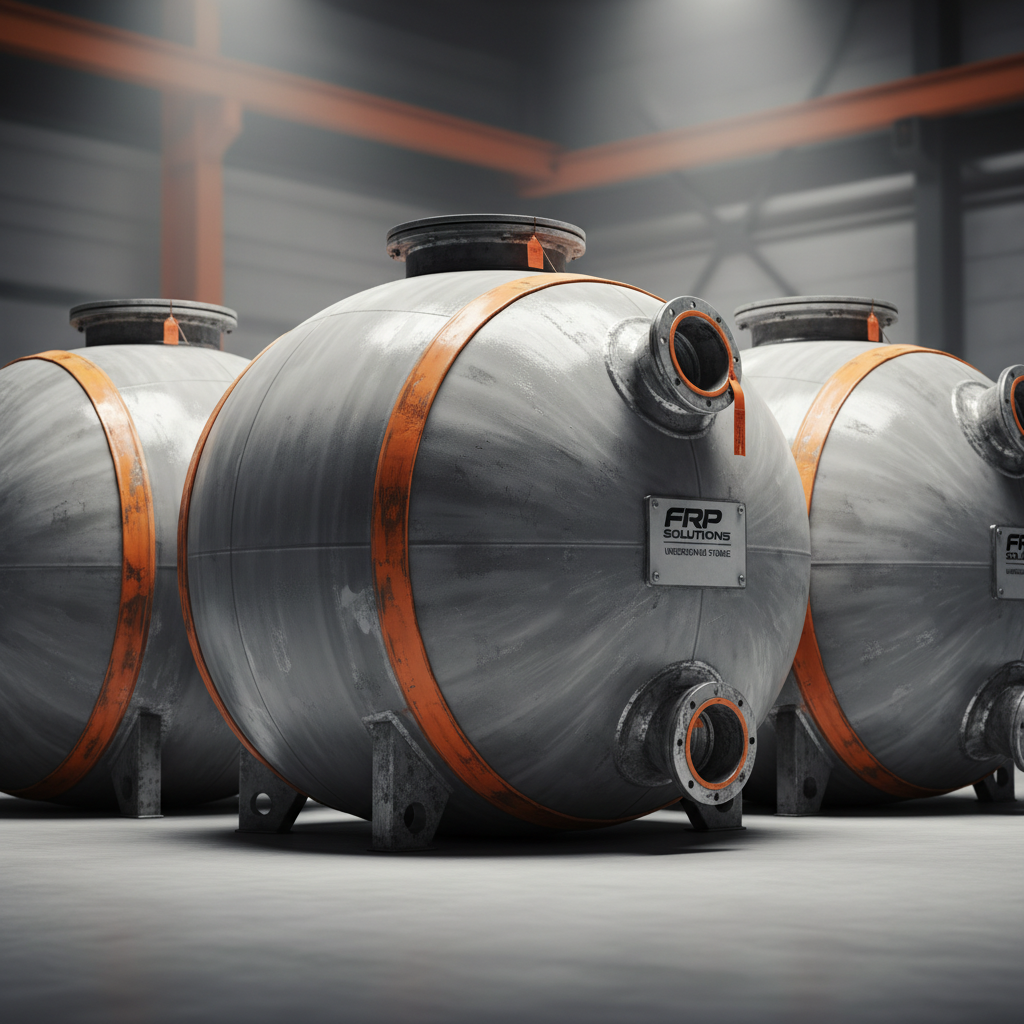
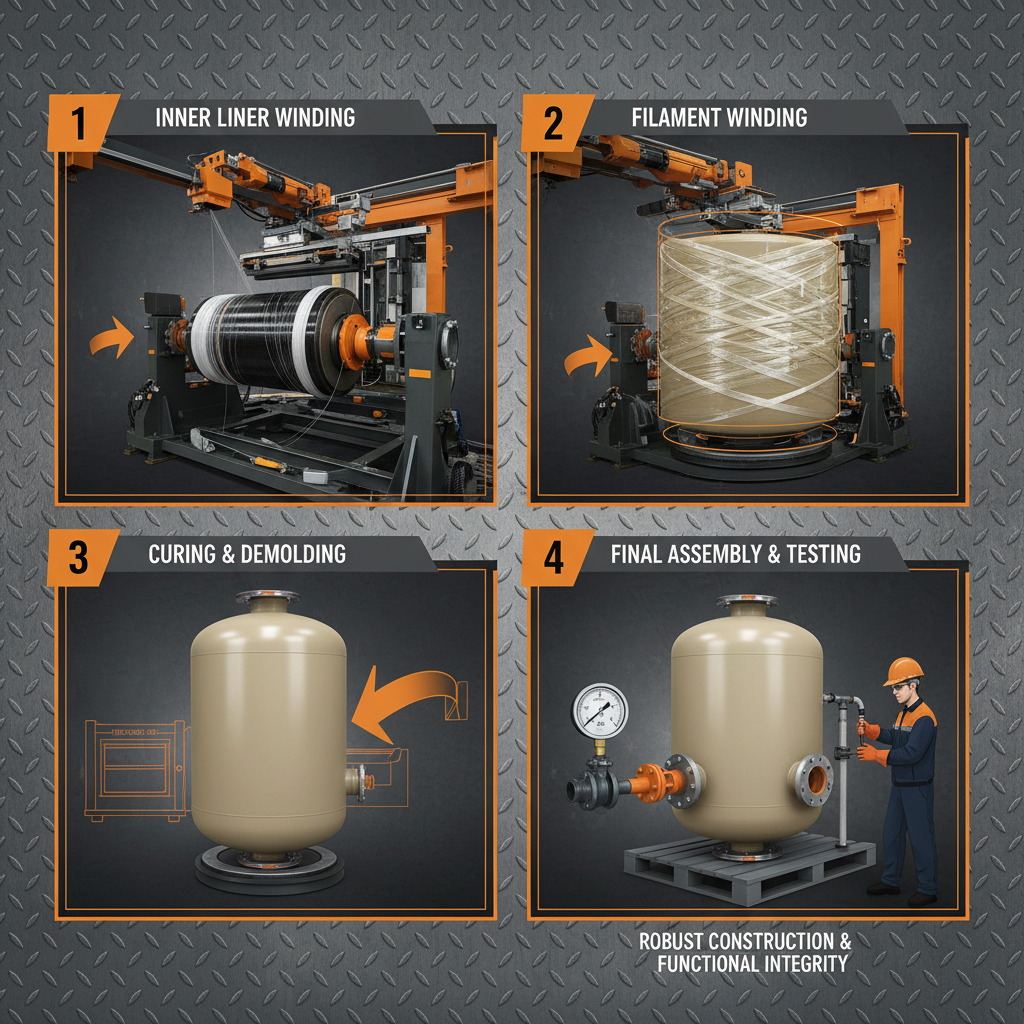
FRP, or Fiber Reinforced Polymer, tanks are constructed using a composite material consisting of reinforcing fibers (typically fiberglass) embedded in a resin matrix (such as polyester, vinyl ester, or epoxy). This combination provides exceptional strength and resistance to a wide range of chemicals and environmental factors. Underground installation offers several advantages, including temperature regulation, space saving, and protection from UV degradation. These tanks are custom-fabricated to meet specific volume, size, and performance requirements, making them suitable for diverse applications. They are particularly useful when land space is limited, and maintaining water quality is crucial.
Key Benefits of Choosing FRP Tanks
Several factors contribute to the growing popularity of FRP underground water storage tanks. Firstly, their exceptional corrosion resistance eliminates the need for expensive coatings and linings required by steel or concrete tanks, reducing long-term maintenance costs. Secondly, FRP is significantly lighter than traditional materials, simplifying transportation and installation. Thirdly, FRP tanks are highly durable and have a long service life, often exceeding 50 years. Furthermore, they are non-conductive, reducing the risk of stray current corrosion. Finally, their design flexibility allows for custom shapes and sizes to fit specific site constraints.
Key Advantages: Corrosion Resistance, Lightweight, Long Service Life, Design Flexibility, Reduced Maintenance.
Applications of Frp Underground Water Storage Tanks
The versatility of FRP tanks allows for a wide range of applications. They are commonly used for potable water storage in municipal water systems, firefighting water reserves, agricultural irrigation, industrial process water, and chemical storage. Specific industries benefiting from FRP tanks include agriculture (storing fertilizer and irrigation water), oil and gas (containing produced water and chemicals), wastewater treatment (holding treated effluent), and food and beverage processing (storing purified water). Their ability to maintain water purity and resist chemical attack makes them ideal for sensitive applications.
Common Applications:
• Potable Water Storage
• Firefighting Water Reserves
• Agricultural Irrigation
• Industrial Process Water
FRP vs. Traditional Materials: A Comparison
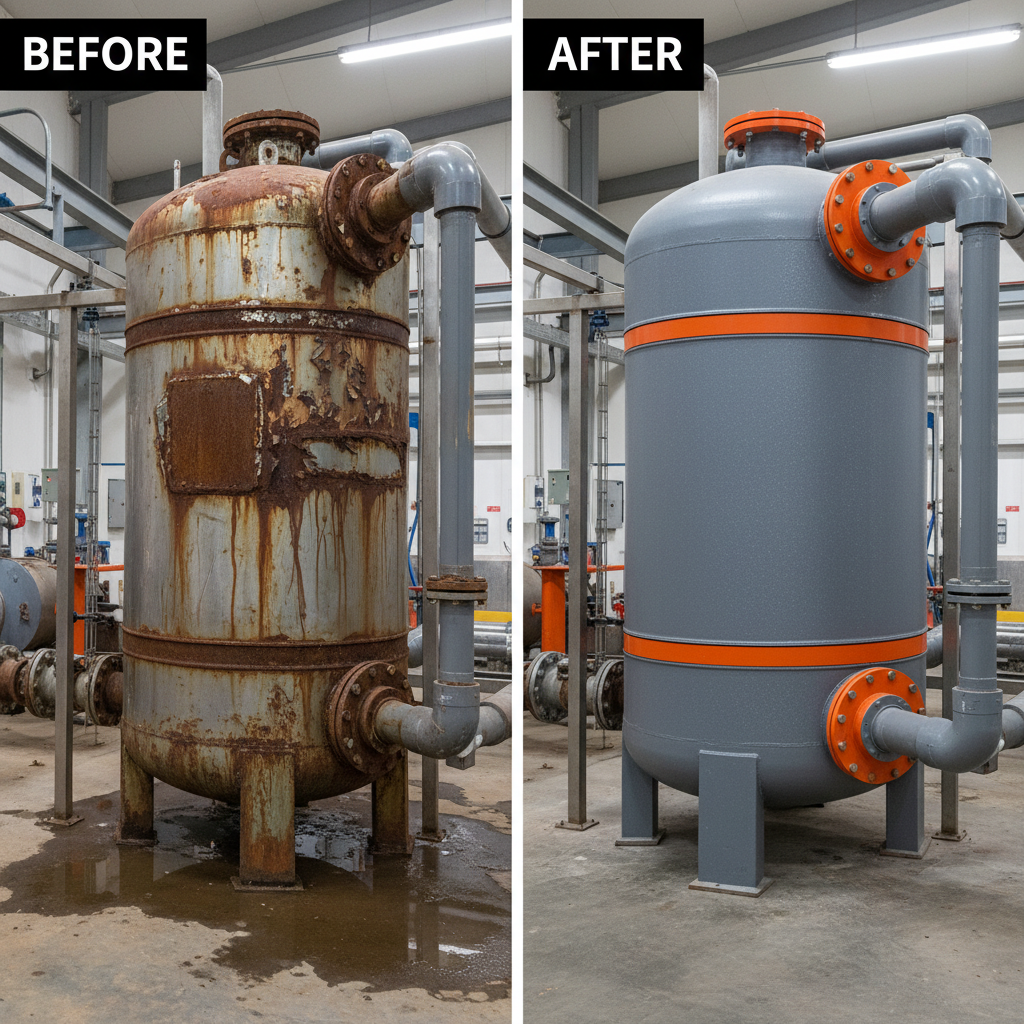
When comparing FRP underground water storage tanks to traditional materials like concrete and steel, several key differences emerge. Concrete tanks are prone to cracking and leaching, requiring regular repairs and linings. Steel tanks are susceptible to corrosion, necessitating ongoing maintenance and protective coatings. FRP tanks, on the other hand, offer superior durability, corrosion resistance, and a longer lifespan with minimal maintenance. While the initial cost of FRP may be slightly higher, the long-term cost savings due to reduced maintenance and extended service life often make it the more economical choice.
Considerations for Installation and Maintenance
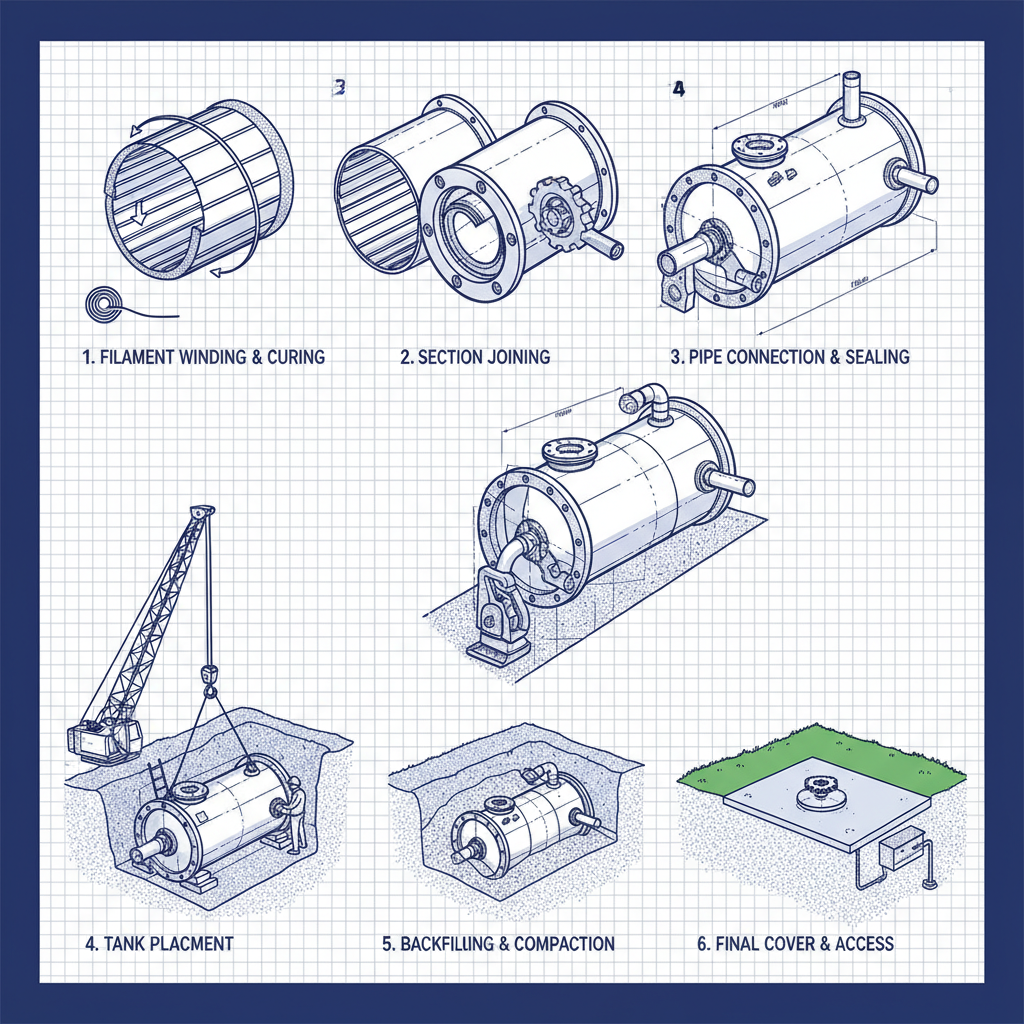
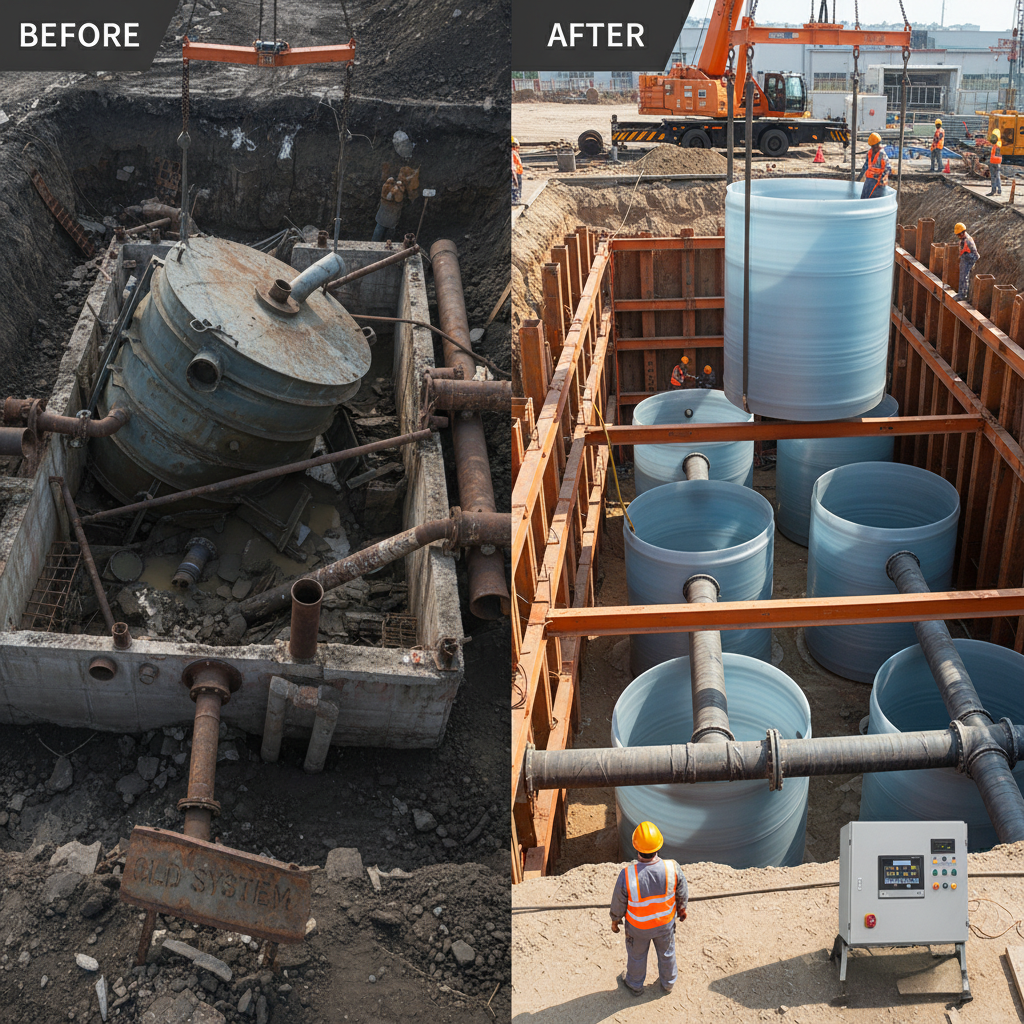
Proper installation is crucial for the longevity and performance of frp underground water storage tanks. This includes adequate site preparation, proper bedding material, and careful backfilling procedures. Regular inspections, although minimal, are recommended to check for any signs of damage or leaks. While FRP is highly resistant to corrosion, it's important to avoid exposing the tank to excessive impact or abrasive materials. Following the manufacturer's guidelines for installation and maintenance will ensure optimal performance and a long service life.
Conclusion: A Sustainable and Reliable Water Storage Solution
Investing in FRP underground water storage tanks offers a sustainable and reliable solution for a wide range of water storage needs. Their superior durability, corrosion resistance, and long lifespan make them a cost-effective choice in the long run. Contact us today to discuss your specific requirements and learn how we can help you select the right FRP tank for your project.
Frequently Asked Questions (FAQs)
What is the typical lifespan of an FRP underground water storage tank?
The lifespan of a properly installed and maintained FRP underground water storage tank generally exceeds 50 years. FRP's inherent corrosion resistance and structural integrity contribute to its longevity. However, the exact lifespan can vary depending on factors such as the specific resin system used, the operating conditions, and the quality of installation. Regular inspections are recommended to identify any potential issues early on and ensure optimal performance.
Can FRP tanks be installed in areas with high groundwater?
Yes, FRP tanks are well-suited for installation in areas with high groundwater levels. The tanks are designed to withstand hydrostatic pressure, and proper anchoring and backfilling techniques can prevent flotation or movement. However, it’s essential to consult with a qualified engineer to ensure the design and installation are appropriate for the specific site conditions. Adequate drainage systems may also be required to manage groundwater accumulation around the tank.
What types of resins are commonly used in FRP tank construction?
Several resin types are used in FRP tank construction, each offering different properties. Polyester resin is the most common and cost-effective option for general-purpose applications. Vinyl ester resin provides enhanced corrosion resistance, making it suitable for more aggressive chemical environments. Epoxy resin offers the highest strength and chemical resistance but is typically more expensive. The choice of resin depends on the specific application and the fluids being stored.
Do FRP tanks require any special maintenance?
FRP tanks require minimal maintenance compared to traditional materials. Regular visual inspections for cracks, leaks, or damage to the tank surface are recommended. It's also important to ensure the surrounding soil and backfill are properly maintained to prevent settling or erosion. Avoid exposing the tank to excessive impact or abrasive materials. With proper care, an FRP tank can provide decades of reliable service.