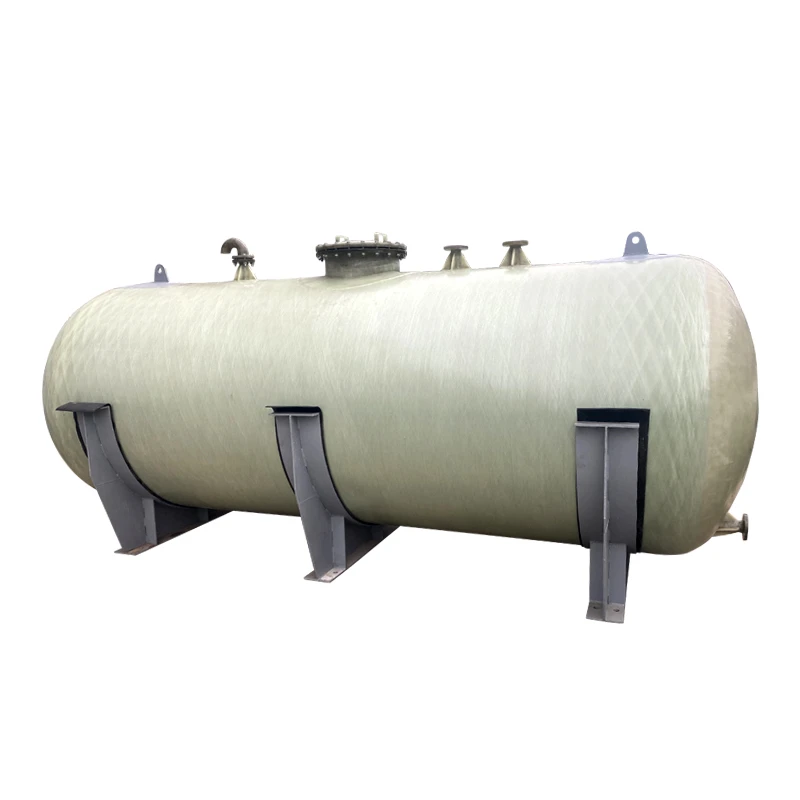
Durable FRP Vessel for Water Treatment and Industrial Filtration
The Ultimate Guide to FRP Vessel for Water Treatment
In the modern era of industrial and residential water purification, the choice of containment materials is critical for efficiency and longevity. An frp vessel for water treatment has emerged as the gold standard, replacing traditional steel tanks due to its superior corrosion resistance and lightweight properties. Whether you are dealing with desalination, softening, or filtration, using Fiber Reinforced Plastic (FRP) ensures that your system remains leak-proof and durable against aggressive chemicals. In this comprehensive guide, we will explore why FRP is the preferred choice for water treatment professionals worldwide and how to select the right vessel for your specific application.
The Core Advantages of FRP Materials
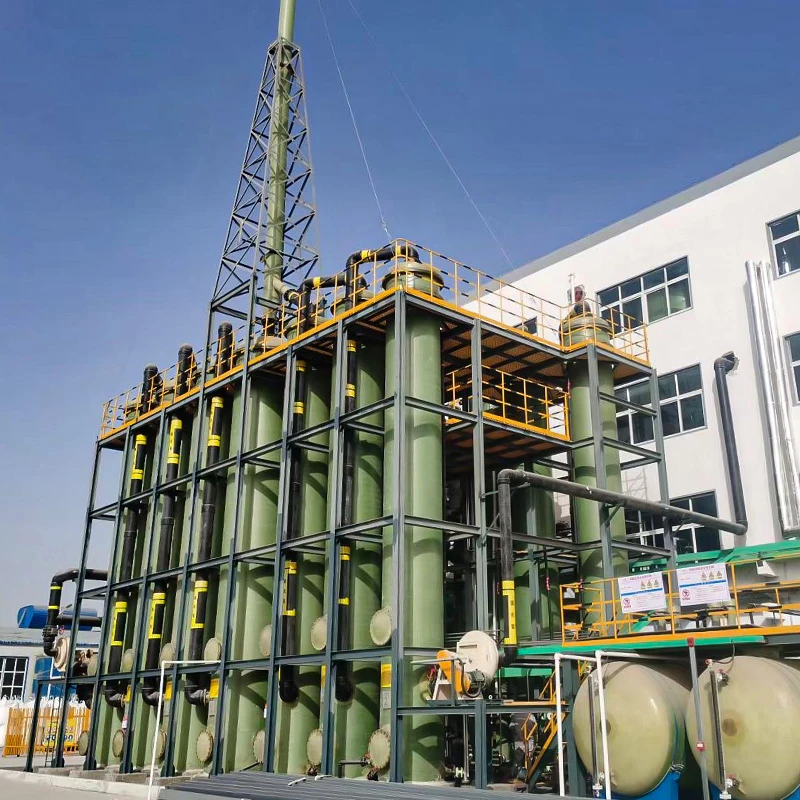
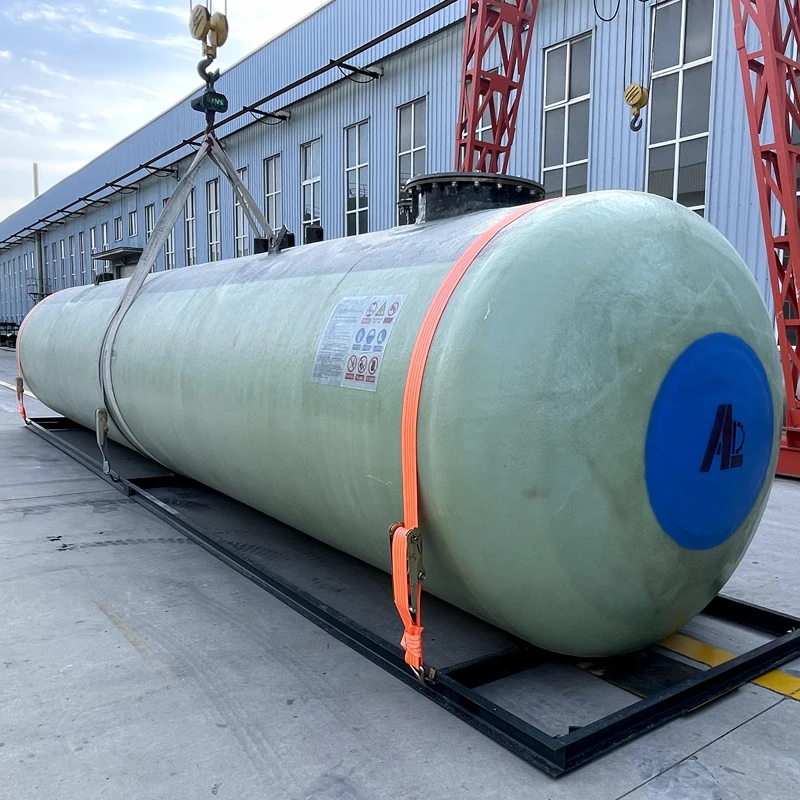
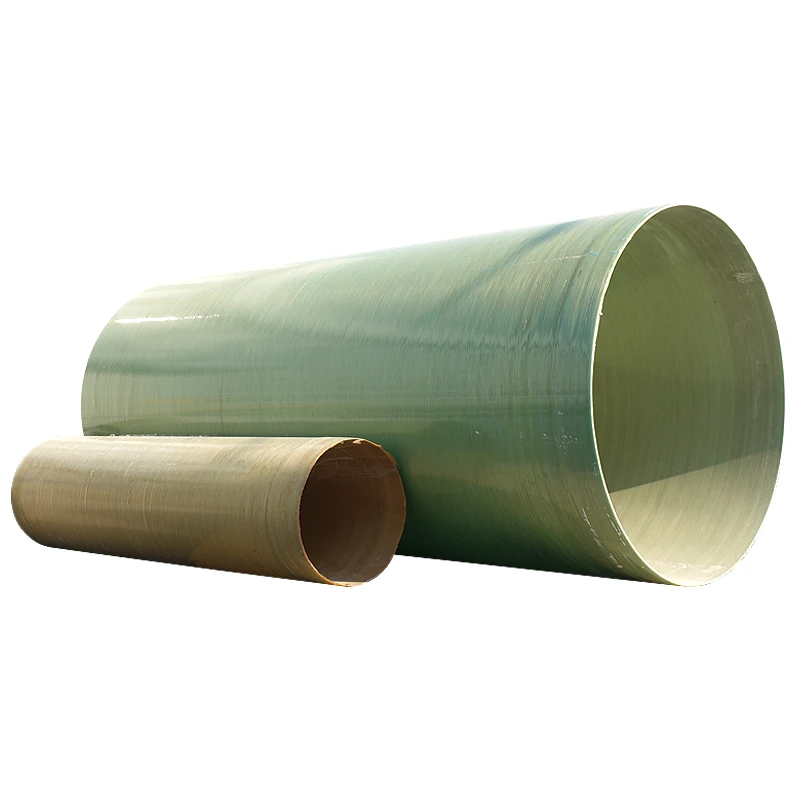
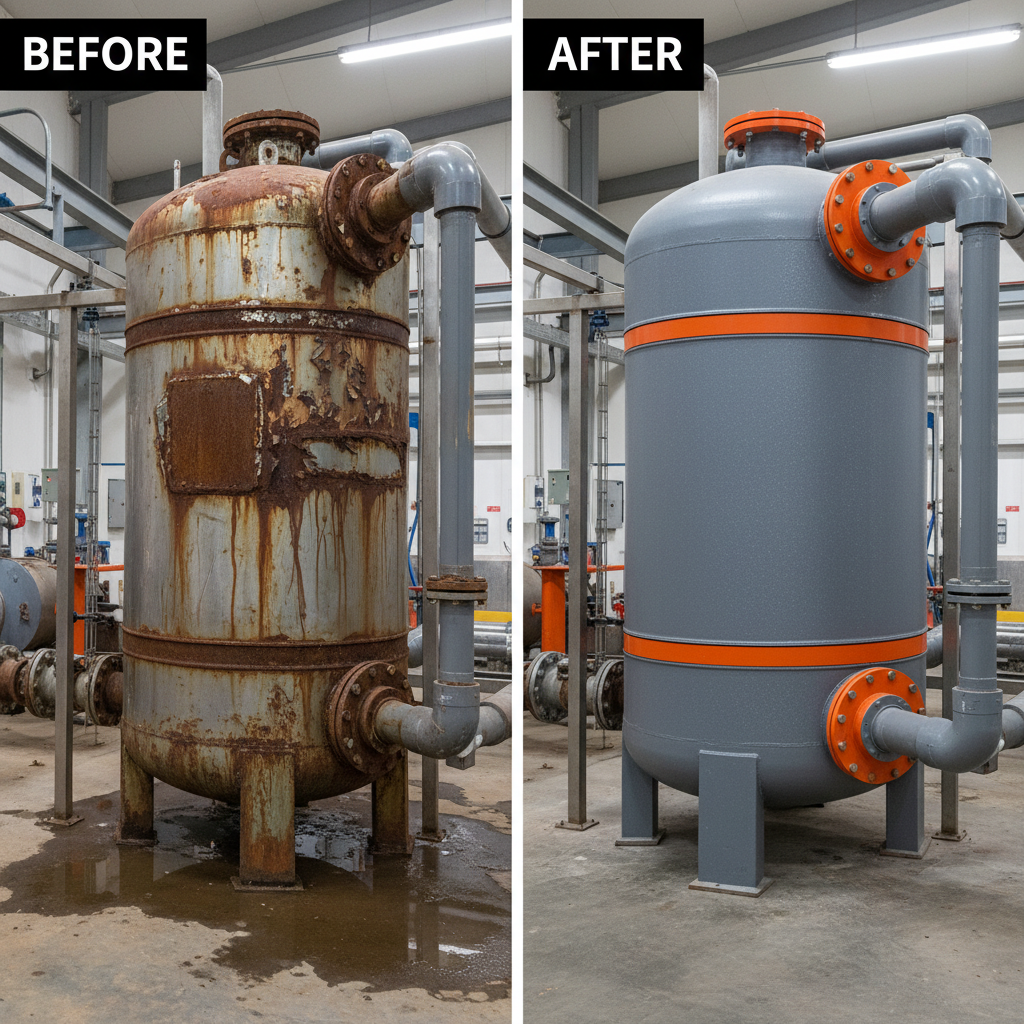
The primary appeal of an frp vessel for water treatment lies in its unique composite structure. By combining high-strength glass fibers with a high-quality resin matrix, these vessels achieve a strength-to-weight ratio that far exceeds that of stainless steel. Unlike metal, FRP does not rust, oxidize, or corrode when exposed to brine, chlorine, or acidic water, which eliminates the need for expensive internal linings. Furthermore, the smooth interior surface reduces friction and prevents the buildup of biofilms, ensuring a higher purity of treated water and lower maintenance costs over the system's lifecycle.
Industry Insight: FRP vessels can withstand high pressure while remaining lightweight, making them significantly easier to transport and install in remote locations compared to traditional carbon steel tanks.
Comparing FRP Vessel for Water Treatment vs. Steel
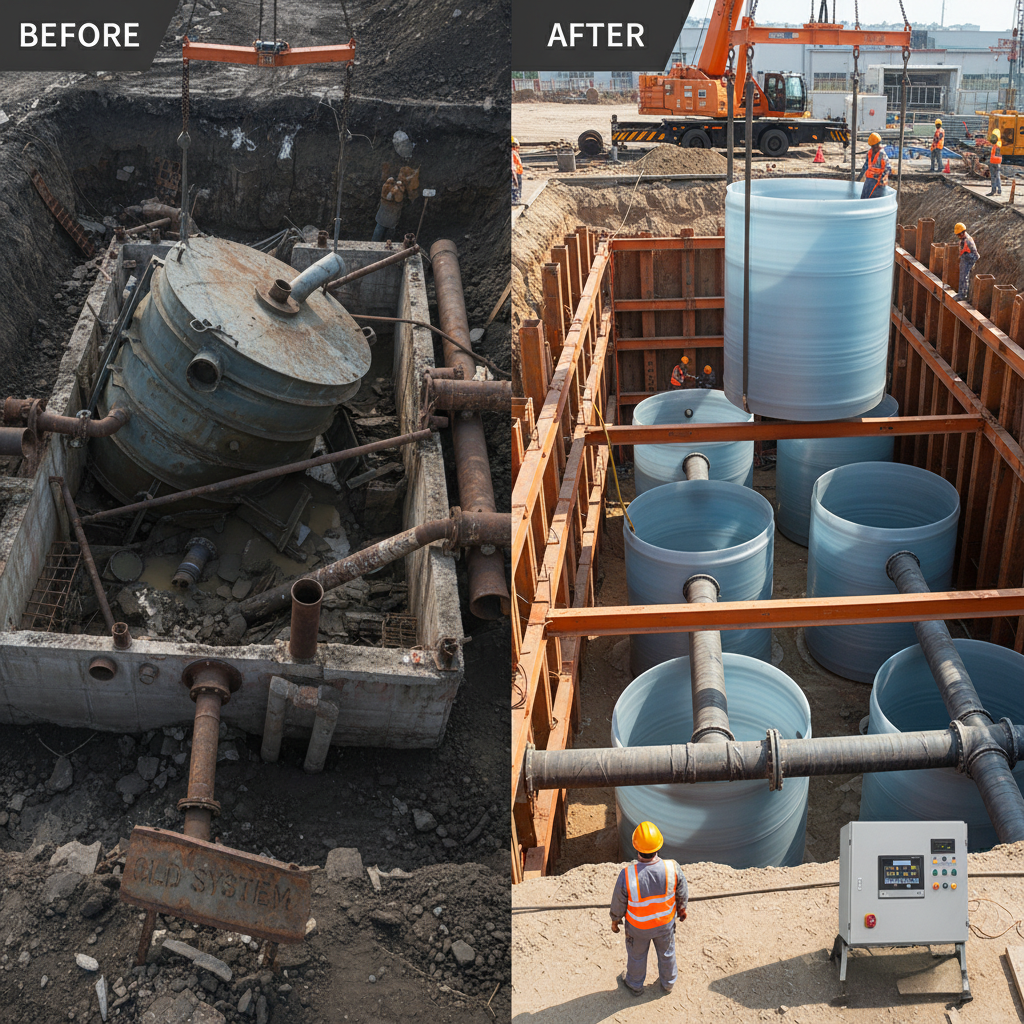
When deciding between materials, engineers often weigh the initial cost against the total cost of ownership. While steel may be familiar, the frp vessel for water treatment consistently outperforms in corrosive environments. Steel requires frequent painting and cathodic protection to prevent rust, whereas FRP is inherently inert. This leads to a dramatic reduction in downtime and replacement frequency. The following comparison highlights the stark differences in performance and maintenance requirements between these two common materials.
Common Applications of FRP Vessels
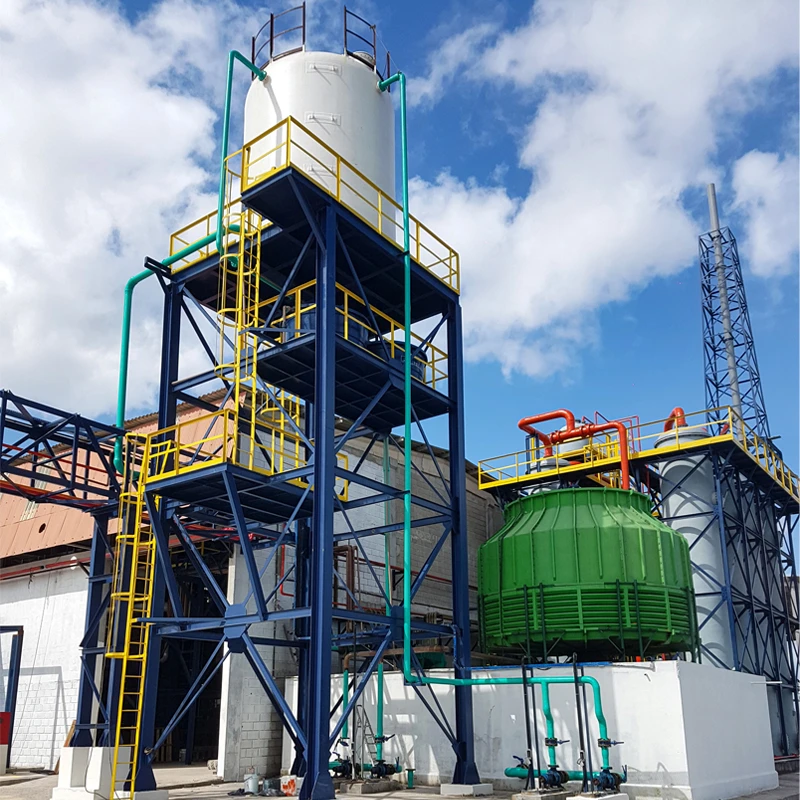
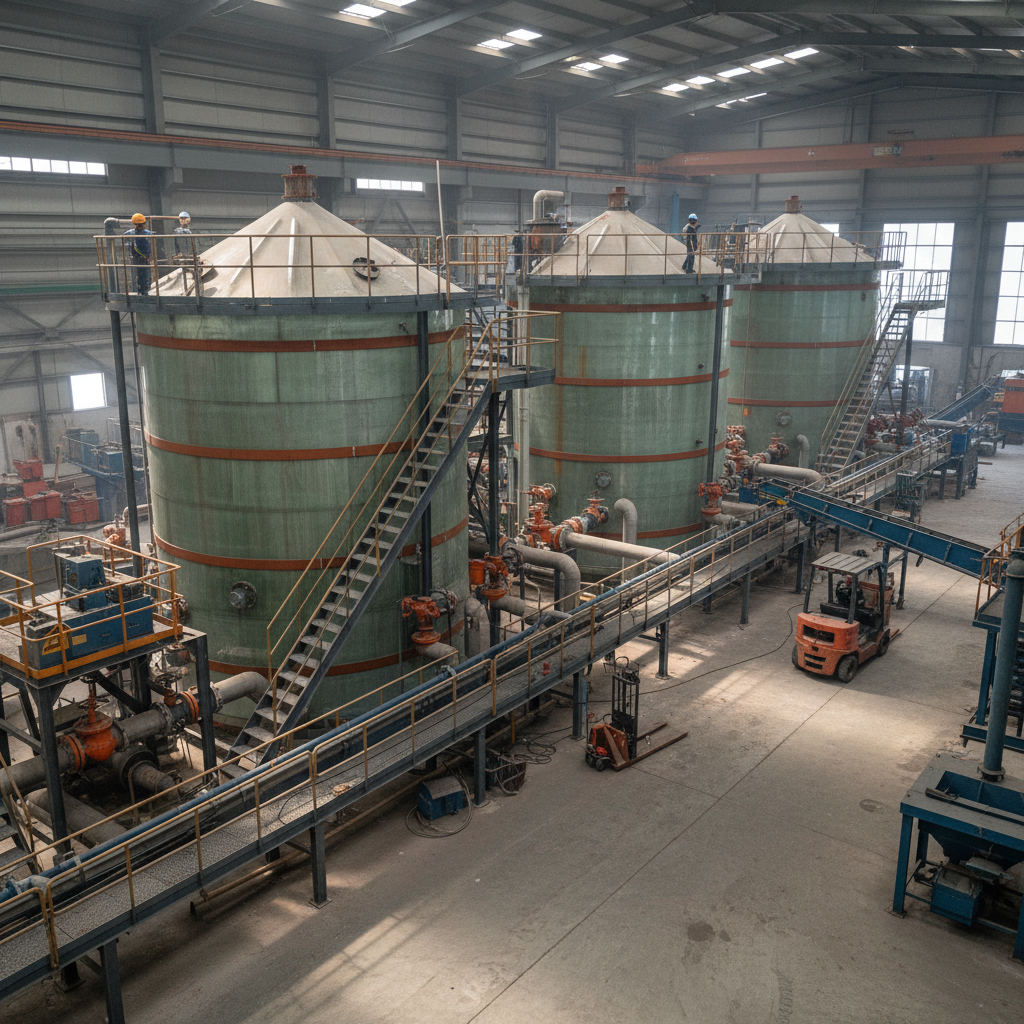
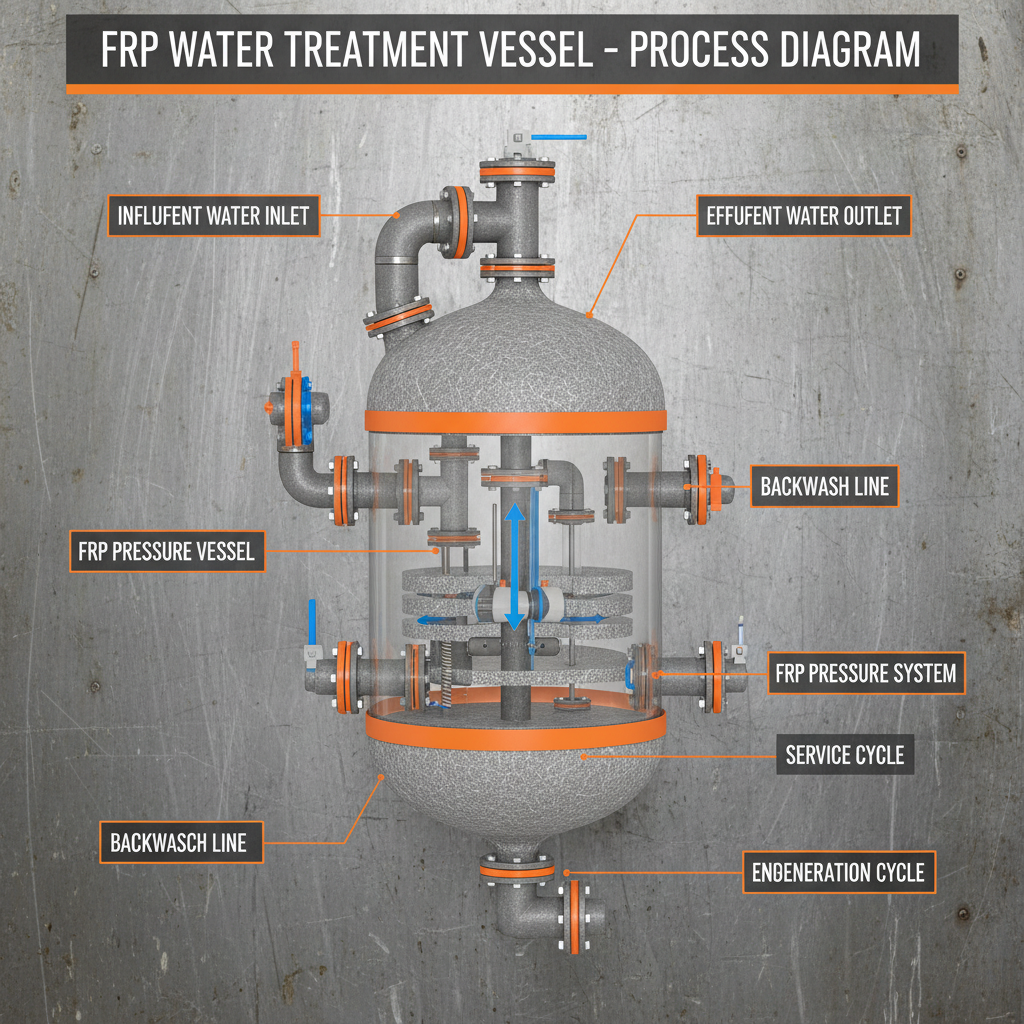
The versatility of the frp vessel for water treatment allows it to be used across a vast spectrum of applications. In residential water softening, FRP tanks hold the ion-exchange resin necessary to remove hardness minerals. In larger industrial settings, they serve as pressure vessels for activated carbon filtration, sand filtration, and reverse osmosis pre-treatment. Because they can be manufactured in various sizes and pressure ratings, they are equally effective for small-scale home systems and massive municipal water plants. Their ability to resist chemical attack makes them indispensable for treating wastewater containing aggressive industrial solvents.
Technical Specifications for FRP Vessels
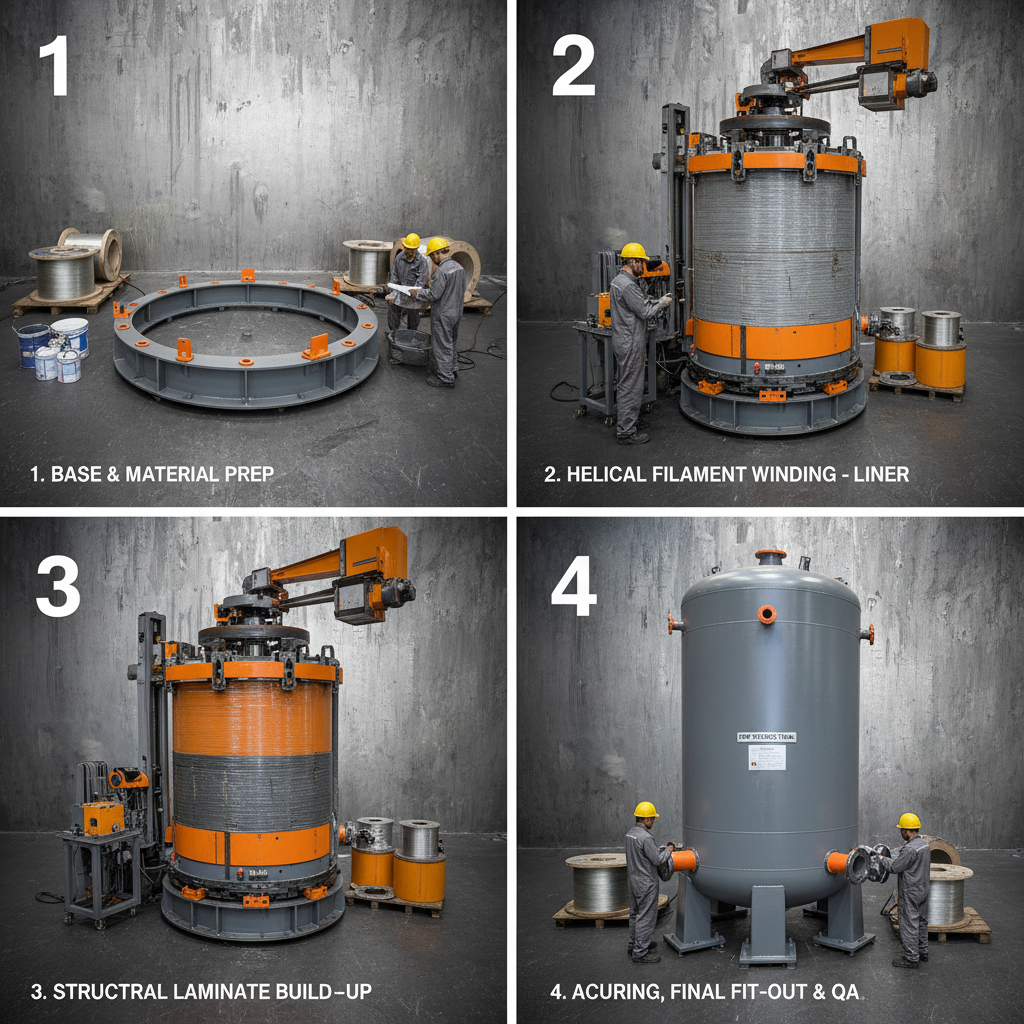
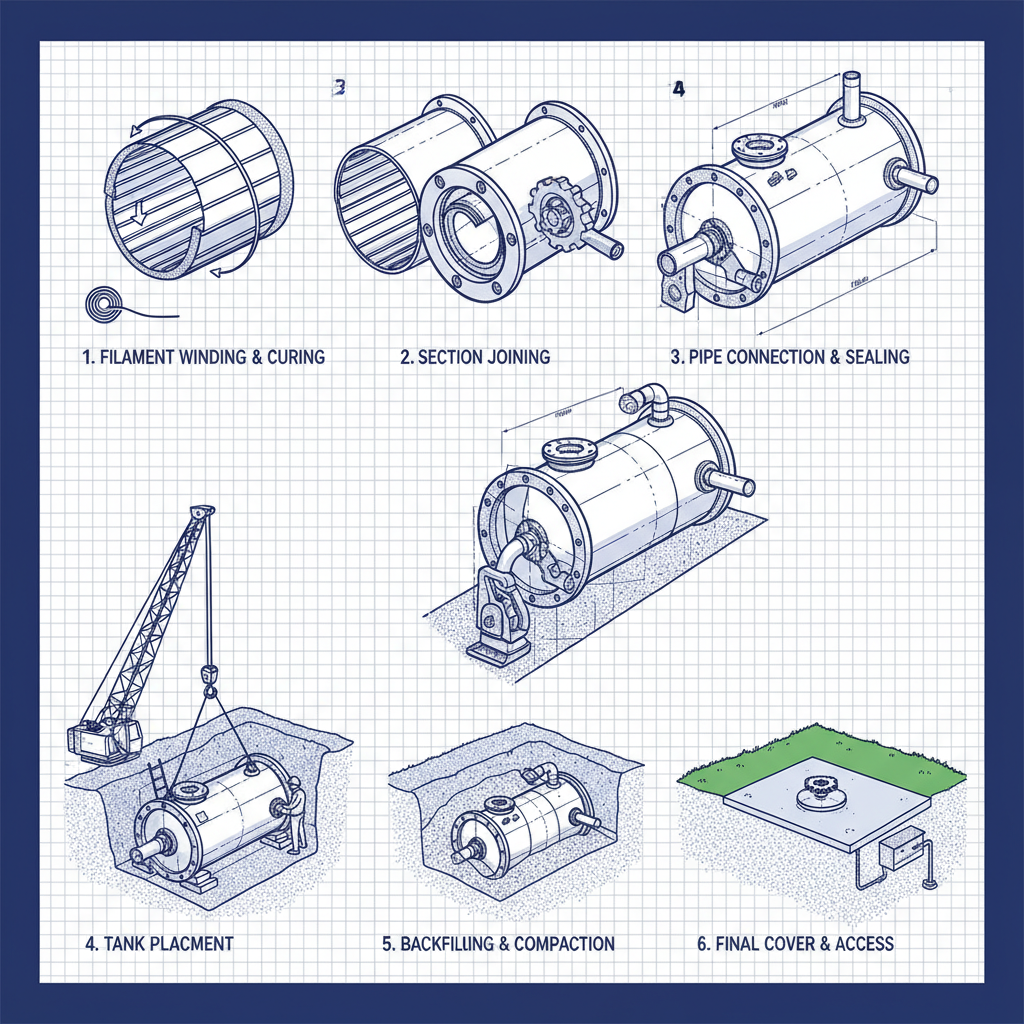
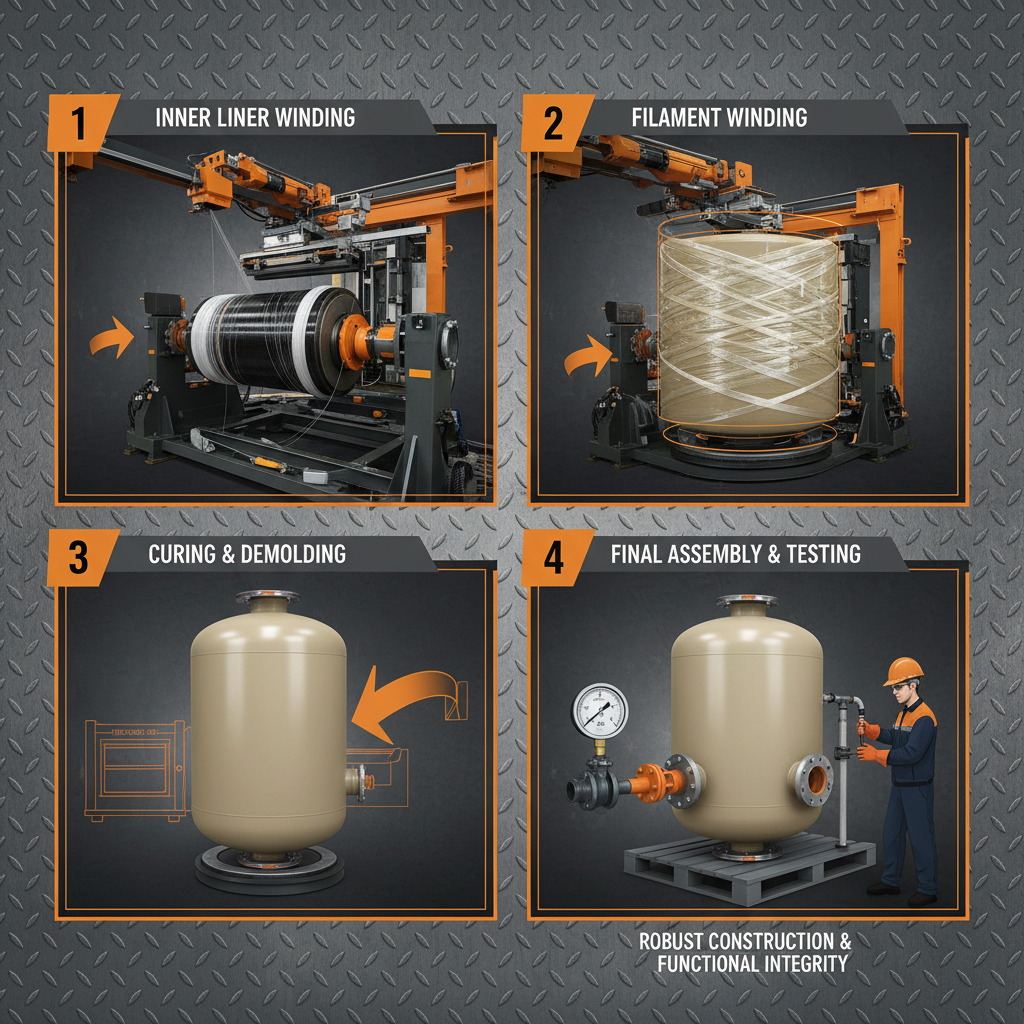
When specifying an frp vessel for water treatment, it is essential to consider the operating pressure, the temperature of the water, and the chemical composition of the fluid. High-quality vessels are typically filament-wound, a process that ensures the glass fibers are oriented to maximize burst strength. Standard specifications often include a wide range of diameters and heights to accommodate different flow rates. Below is a general specification table for standard industrial FRP vessels.
Maintenance and Longevity of FRP Systems
One of the most significant advantages of utilizing an frp vessel for water treatment is the ease of maintenance. Because the material does not rust, the primary maintenance focus shifts from the vessel shell to the internal media. Periodic backwashing of the sand or carbon media is the only requirement to maintain flow rates. However, it is recommended to inspect the top and bottom distributors for wear and tear every few years. When properly installed, an FRP vessel can last for over 20 years, providing a stable and safe environment for water processing without the risk of catastrophic corrosion failure.
Environmental Impact and Sustainability
Sustainability is increasingly important in water treatment. The production of an frp vessel for water treatment often involves fewer energy-intensive processes compared to the smelting and forging of high-grade alloys. Additionally, the long lifespan of FRP reduces the need for frequent replacements, which minimizes industrial waste. Because FRP vessels are lighter, the carbon footprint associated with shipping and logistics is significantly lowered. By choosing FRP, facilities not only improve their operational efficiency but also move toward a more sustainable infrastructure model that protects the surrounding environment from chemical leaks.
Conclusion: The Smart Choice for Water Treatment
Investing in a high-quality frp vessel for water treatment is a strategic move for any business looking to optimize its water purification process. With unmatched corrosion resistance, low maintenance requirements, and a high strength-to-weight ratio, FRP is simply more efficient than traditional metal alternatives. Whether you are building a new plant or upgrading an existing system, prioritizing durable materials will ensure long-term reliability and superior water quality. Choose FRP for a future-proof water treatment solution.
Frequently Asked Questions (FAQs)
How long does a typical FRP water treatment vessel last?
A high-quality FRP vessel is designed for extreme longevity. In most standard water treatment applications, these vessels can last between 15 to 25 years. The lifespan depends largely on the operating conditions, such as the temperature of the water and the specific chemicals being processed. Unlike steel tanks that may fail due to internal corrosion within a few years if not properly coated, FRP is inherently resistant to most water-based chemicals, ensuring a much longer service life with minimal intervention.
Can FRP vessels handle high-pressure industrial applications?
Yes, FRP vessels are exceptionally capable of handling high pressure. Thanks to the continuous filament winding process, the glass fibers are layered in specific patterns to withstand significant internal pressure. While standard vessels often range from 100 to 150 PSI, custom engineering can allow for even higher pressure ratings depending on the wall thickness and resin type used. This makes them ideal for reverse osmosis pre-filtration and other high-pressure industrial water processes.
Is an FRP vessel safe for drinking water?
Absolutely. Modern FRP vessels used for water treatment are manufactured using food-grade resins and high-quality fiberglass that do not leach harmful chemicals into the water stream. Many are certified to meet international health and safety standards for potable water. Because the internal surface is non-porous and smooth, it also resists the growth of bacteria and algae, making it a safer and more hygienic choice for drinking water systems than older, rusting metal tanks.
How do I choose the right size FRP vessel for my needs?
Choosing the right size depends on your required flow rate, the type of media being used (e.g., resin, sand, carbon), and the desired contact time between the water and the media. Generally, a larger diameter allows for a slower flow velocity, which often improves the efficiency of the filtration or ion-exchange process. We recommend consulting with a technical expert at FRPGRP Machine to calculate the exact volume and pressure rating needed for your specific water quality goals.