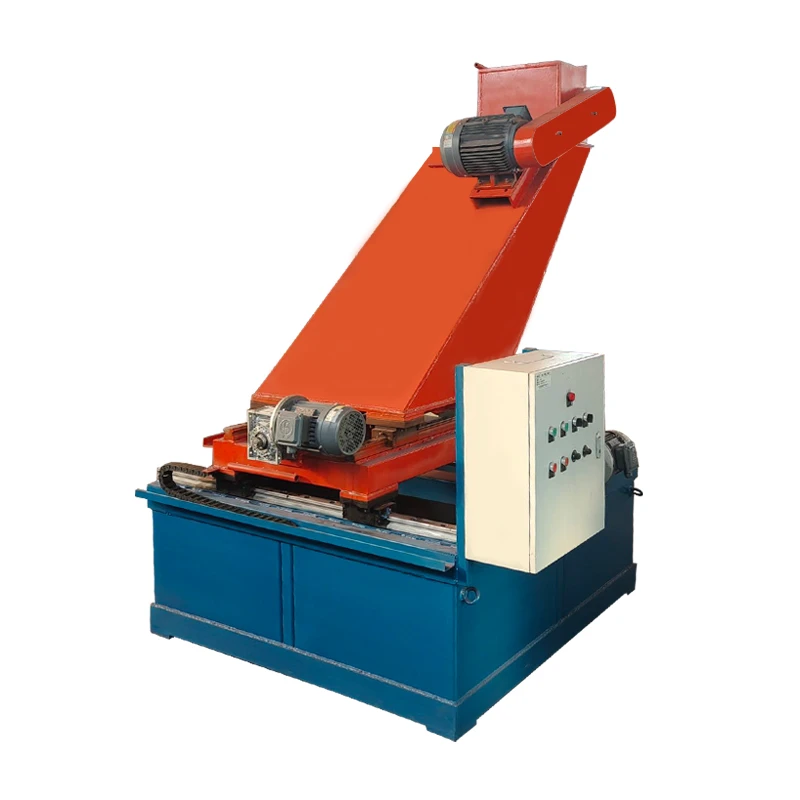
3D Filament Winding Machine: Precision & Efficiency in Composite Manufacturing
Why a 3D filament winding machine is a Game-Changer in Industrial Composite Manufacturing
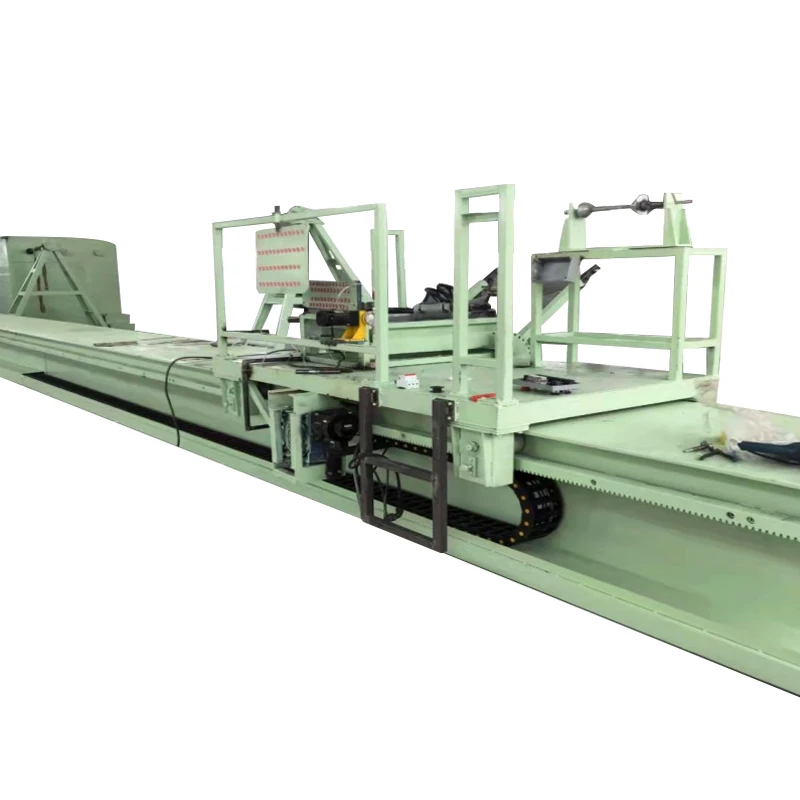
Having spent well over a decade working around heavy industrial equipment—specifically in composite manufacturing—I've developed a fairly sharp eye for what makes a machine truly worth its salt. The 3D filament winding machine, frankly, stands out for its blend of precision, flexibility, and efficiency. It’s one of those tools that, once you see it in action, kind of changes the way you think about producing high-strength, lightweight components.
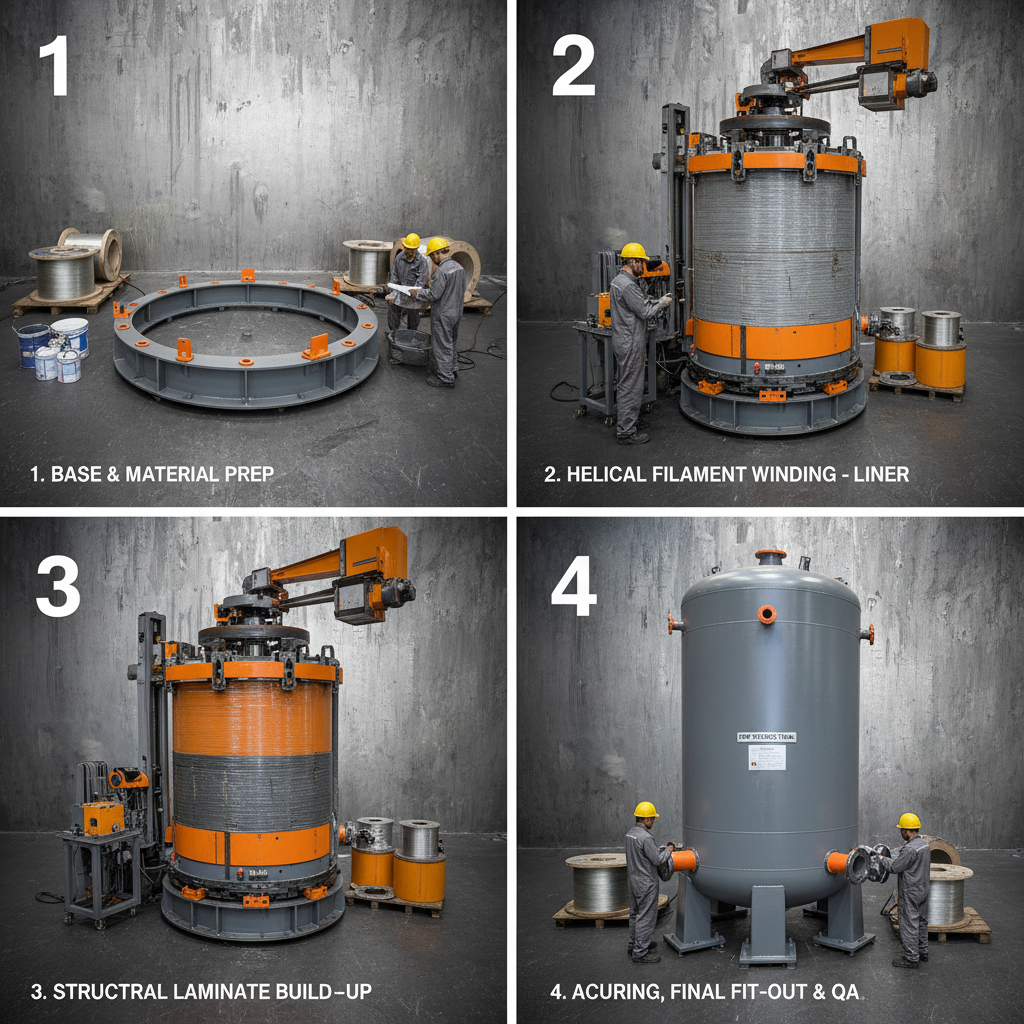
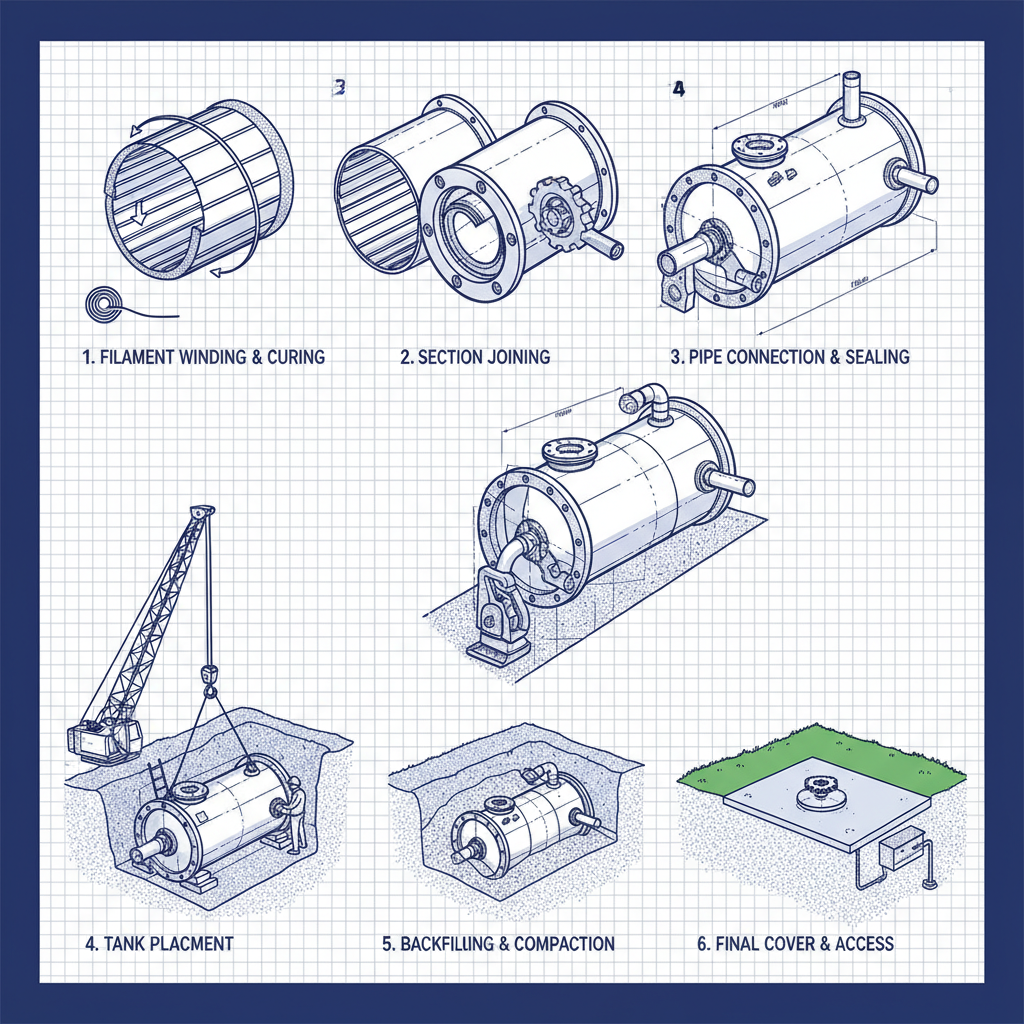
Filament winding isn't exactly new—it’s been around since the mid-20th century shaping everything from pressure vessels to aerospace parts. But the 3D variant? That’s where things get interesting. Instead of winding fibers in simple, repetitive patterns, 3D filament winding machines can lay fibers along complex, contoured shapes with exact angles, creating parts that are both stronger and lighter than those made by traditional methods.
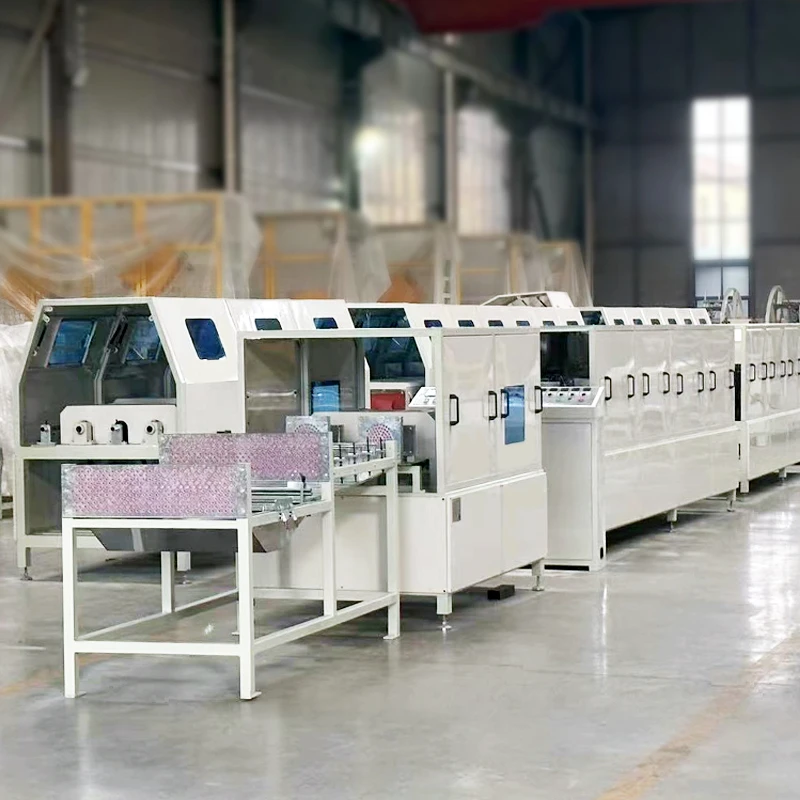
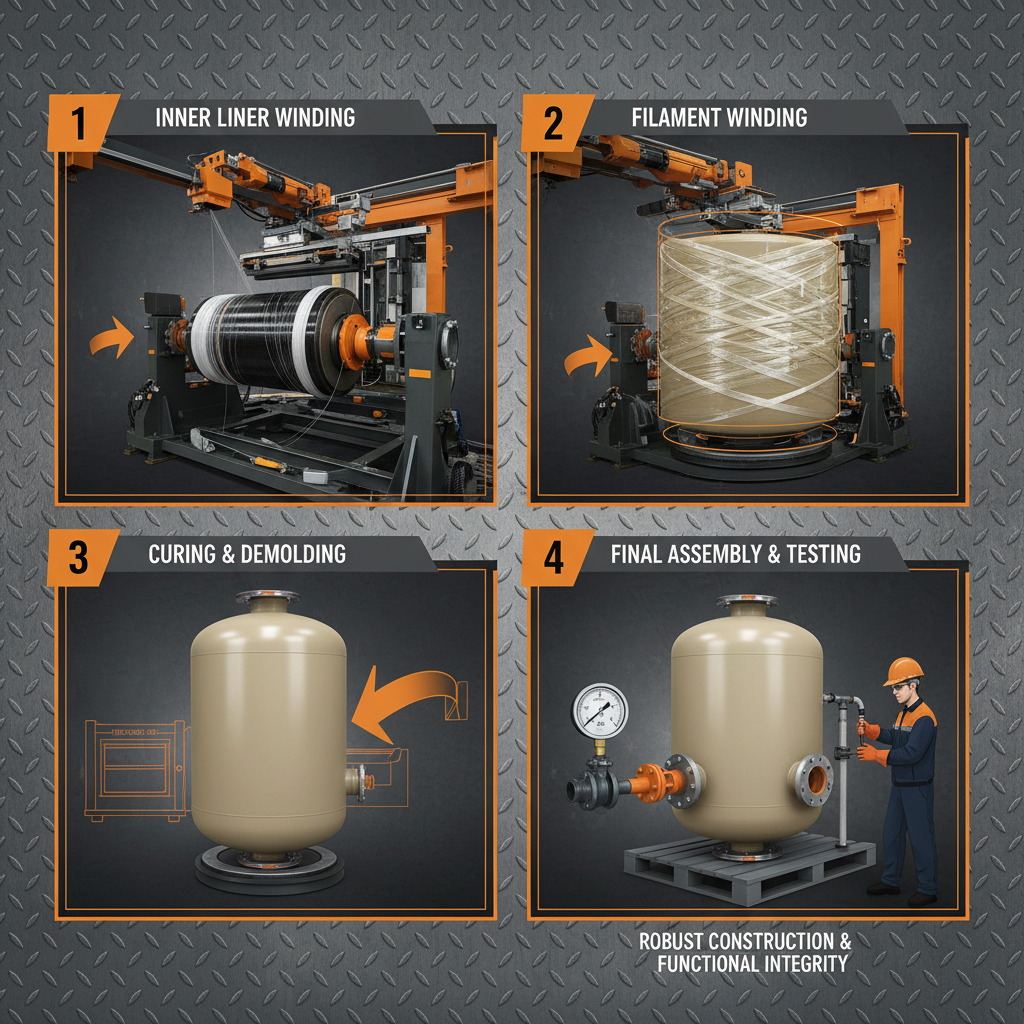
What’s particularly striking about these machines is how they handle the whole process—controlled by computer software but still relying on the skilled operator’s eye to tweak things now and then. I’ve seen operators tweak tension settings and fiber paths on the fly to adjust quickly to design nuances. It’s a beautiful interplay of automation and craftsmanship.
Key Product Specifications
| Specification | Details |
|---|---|
| Maximum Winding Diameter | 1200 mm |
| Fiber Tension Range | 0 – 50 N (adjustable) |
| Control System | PLC with touchscreen HMI |
| Supported Fiber Materials | Carbon, Glass, Aramid |
| Max Operating Speed | 500 RPM (spindle) |
| Dimensional Accuracy | ±0.1 mm |
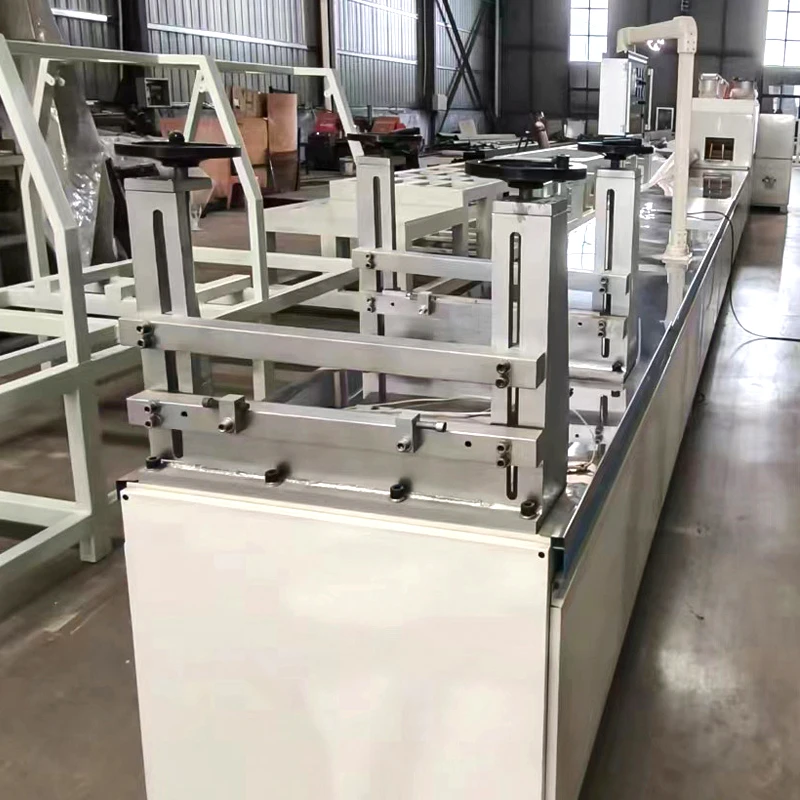
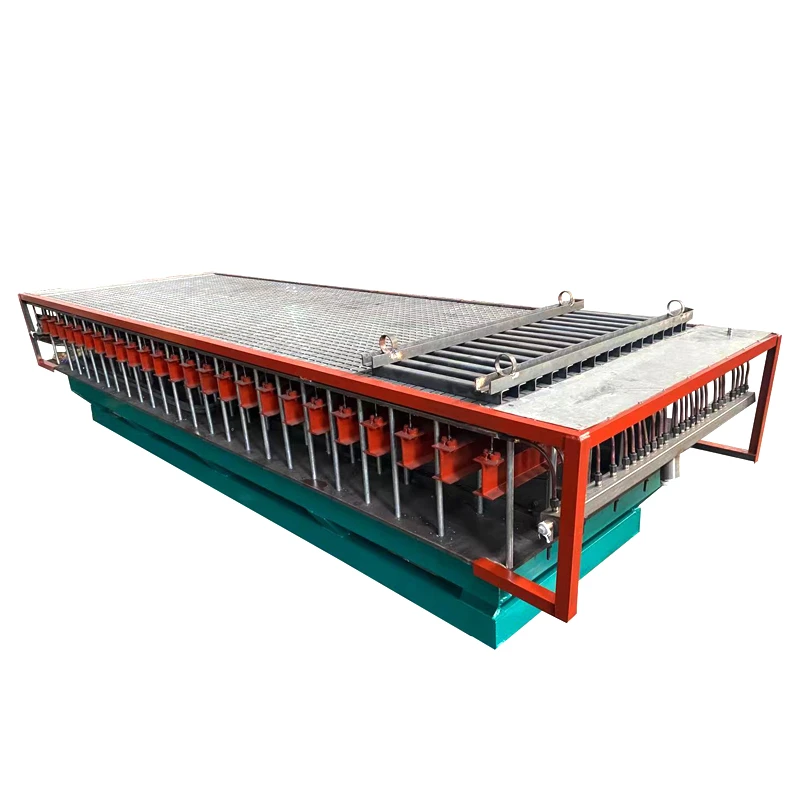
Now, when I reflect on the machine’s design, what stands out is the modular setup. I once visited a site where a client needed to switch quickly between winding different fiber types—carbon one day, glass the next. This 3D filament winding machine made the swap painless, which frankly isn’t the case with older units. It also has an advanced tension control that many operators told me felt "almost instinctive" to manage, reducing material waste considerably.
Comparing Leading 3D Filament Winding Machine Vendors
| Feature | Vendor A | Vendor B | Vendor C |
|---|---|---|---|
| Max Diameter | 1200 mm | 1100 mm | 1300 mm |
| Fiber Materials Supported | Carbon, Glass, Aramid | Carbon, Glass | Carbon, Glass, Aramid, Basalt |
| Control Interface | PLC + Touchscreen | PC-based GUI | PLC + Custom Software |
| Automatic Tension Control | Yes | Partial | Yes |
| Price Range | $150K – $200K | $130K – $180K | $170K – $220K |
Oddly enough, despite the technical sophistication, many end-users tell me that the best 3D filament winding machines feel ‘accessible’—not intimidating. You don’t have to be a rocket scientist (though understanding composites is a big plus). Training sessions usually last just a few days, after which teams can start adapting the machine’s programming to their own product lines.
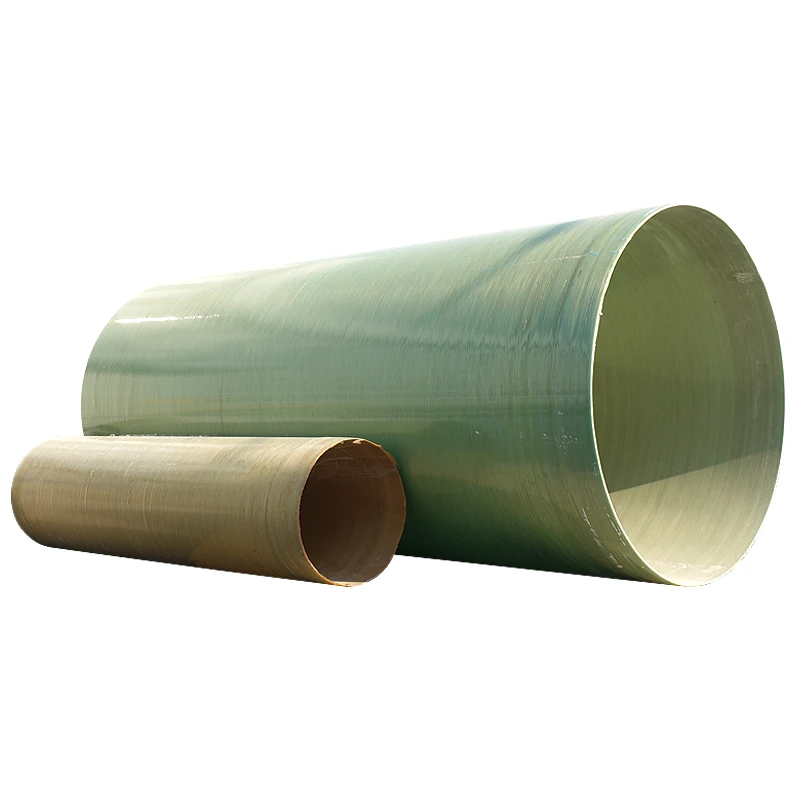
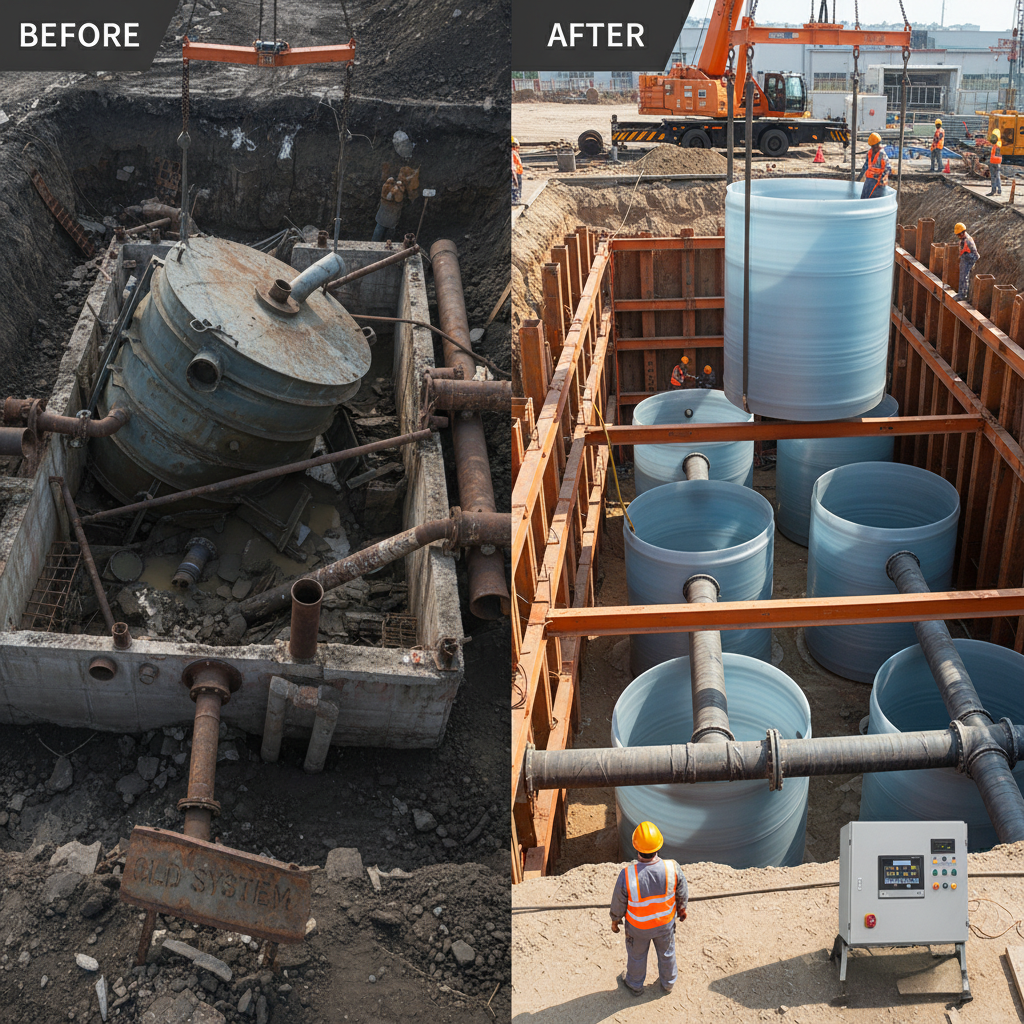
I remember a manufacturer I worked with who used this kind of machine for pipeline composites. After a few months, their scrap rate dropped noticeably and customer feedback improved, largely because the parts had better uniformity and strength. That’s the practical benefit I always highlight—this technology isn’t just flashy; it’s a real investment in product quality.
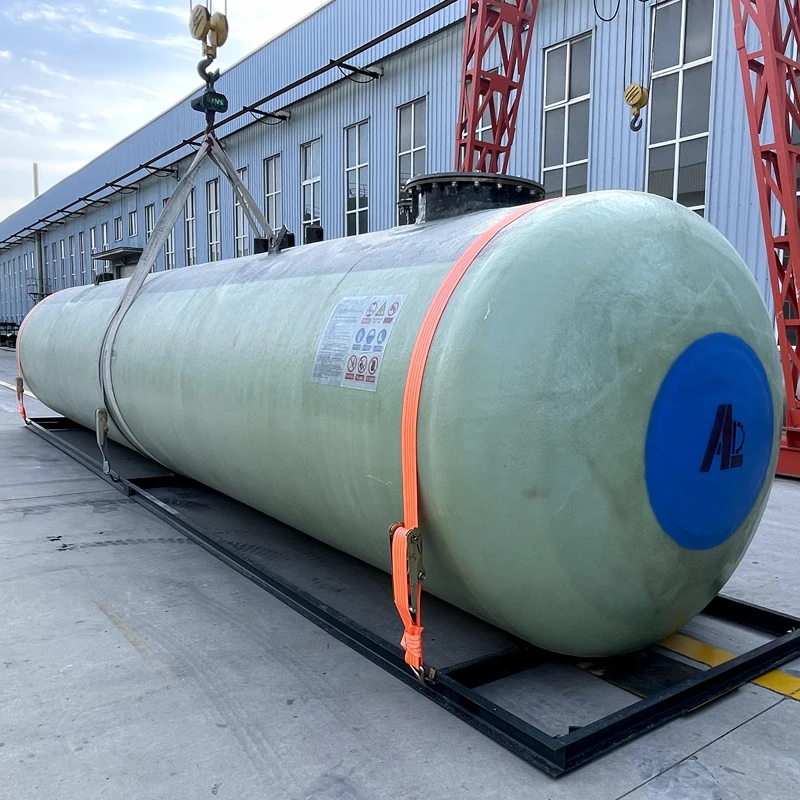
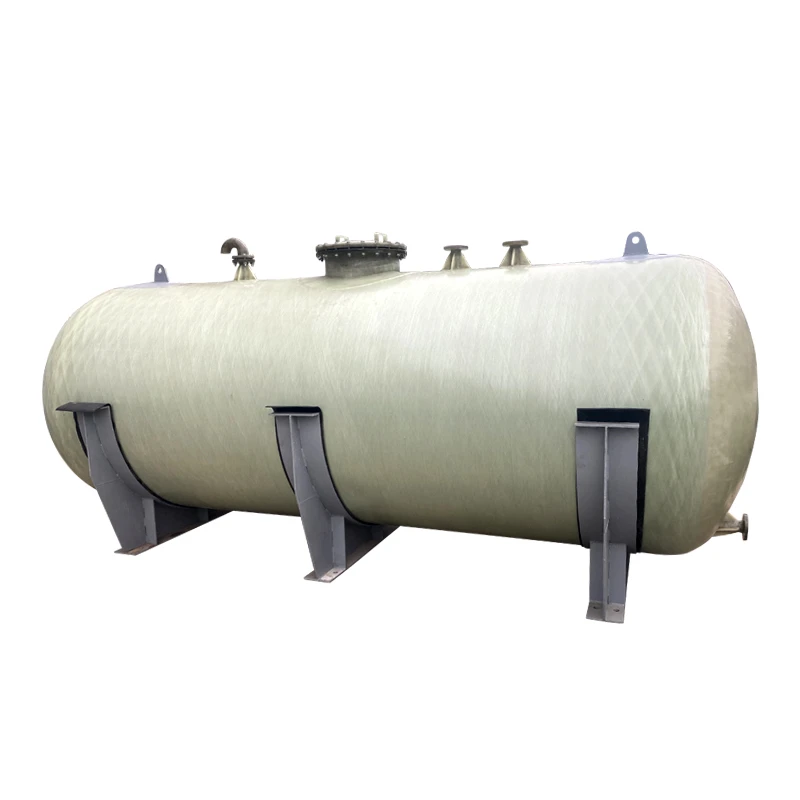
Customization is another big factor. These machines often come with options to add multiple fiber creels or switch spindle configurations to fit unique needs. So, whether you’re producing cylindrical pressure tanks or complex aerodynamic panels, the 3D filament winding machine adapts to you, not the other way around.
In real terms, if you’re involved in composites manufacturing and haven’t looked into a 3D filament winding machine yet, it might just be time to change that. The blend of precision and modularity helps keep pace with evolving composite demands, and from what I’ve seen, it pays off.
All told, these machines represent a beautiful convergence of engineering, materials science, and shop-floor pragmatism. And honestly? There’s a certain satisfaction watching a thin, strong fiber winding perfectly around a complex mold, layer after layer—knowing the final product will outperform its predecessors.
Takeaway? In the industrial equipment space, embracing the 3D filament winding machine could very well be the difference between staying current and trailing behind.
References:
1. “Filament Winding in Composites Manufacturing,” Journal of Reinforced Plastics and Composites, 2019.
2. FRP Composite Industry White Paper, 2022.
3. Personal site visits and operator interviews, 2015-2023.