Durable FRP Structural Profiles for Industrial Use | Expert Insights
FRP Structural Profiles: Durable Solutions in Modern Industry
Having spent over a decade in the industrial equipment sector, I’ve seen many materials come and go—some promising, some underwhelming. But FRP structural profiles are one of those innovations that truly stuck with me. They’re a smart, lightweight alternative to traditional metals that frankly still surprises many engineers with their strength and versatility.
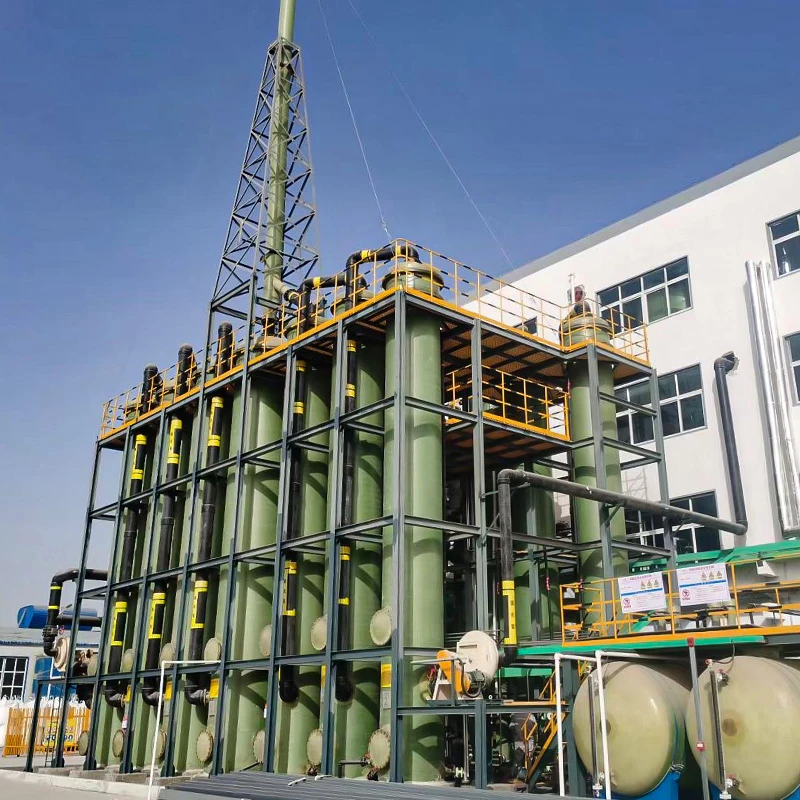
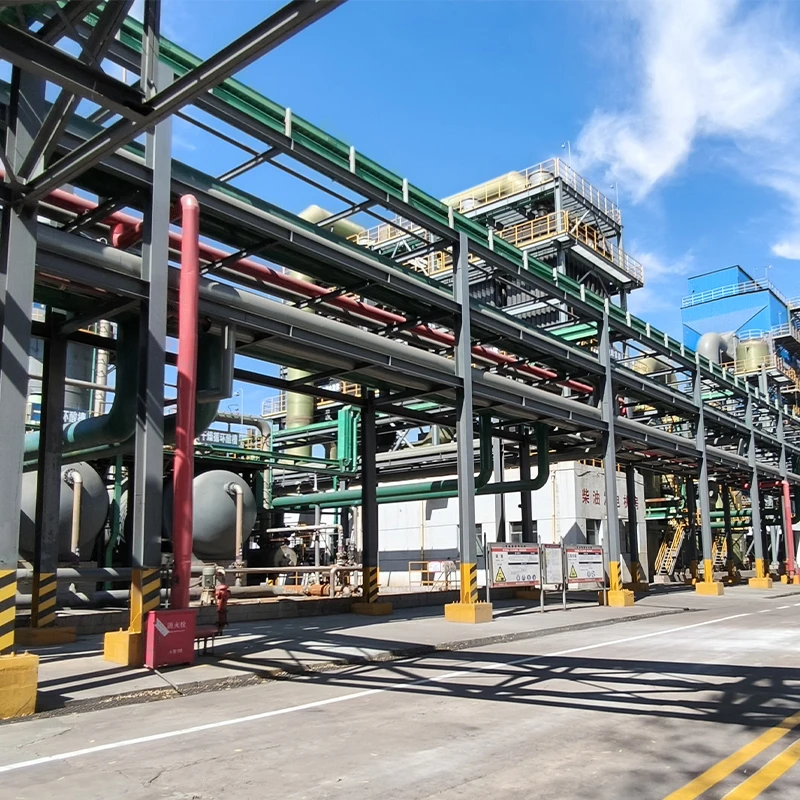
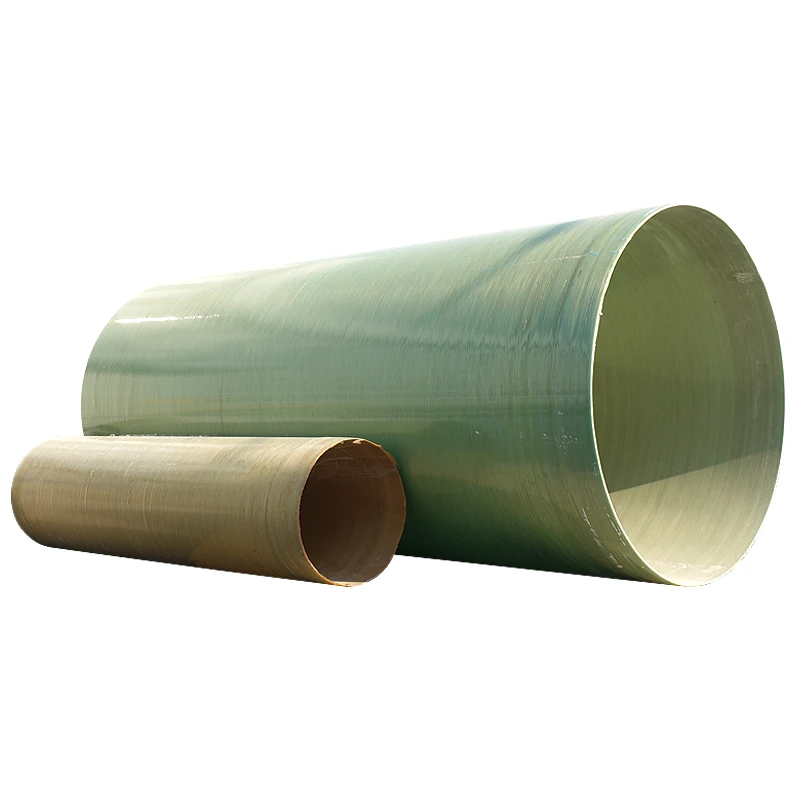
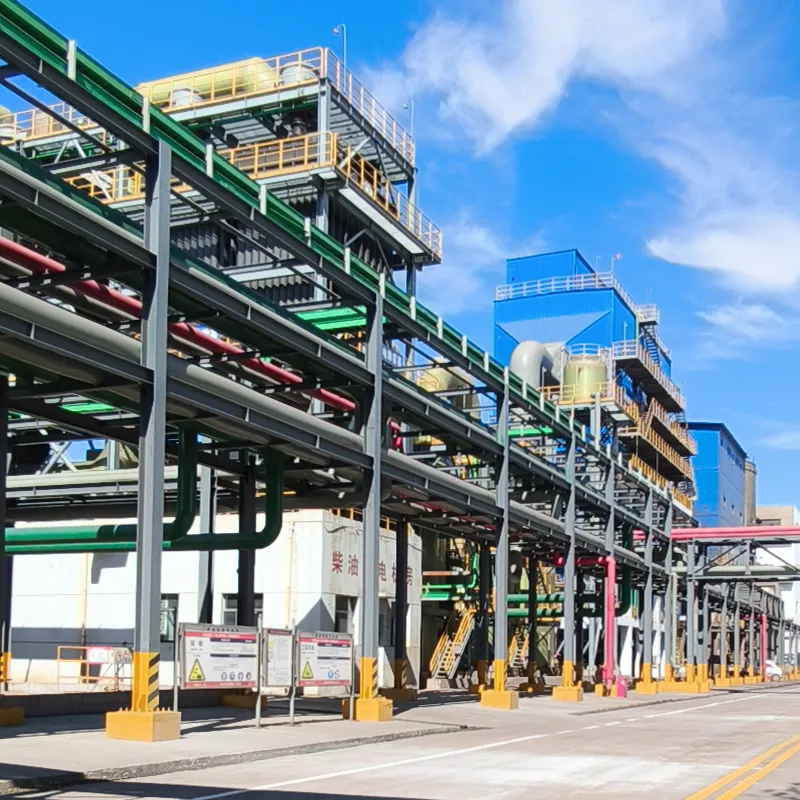
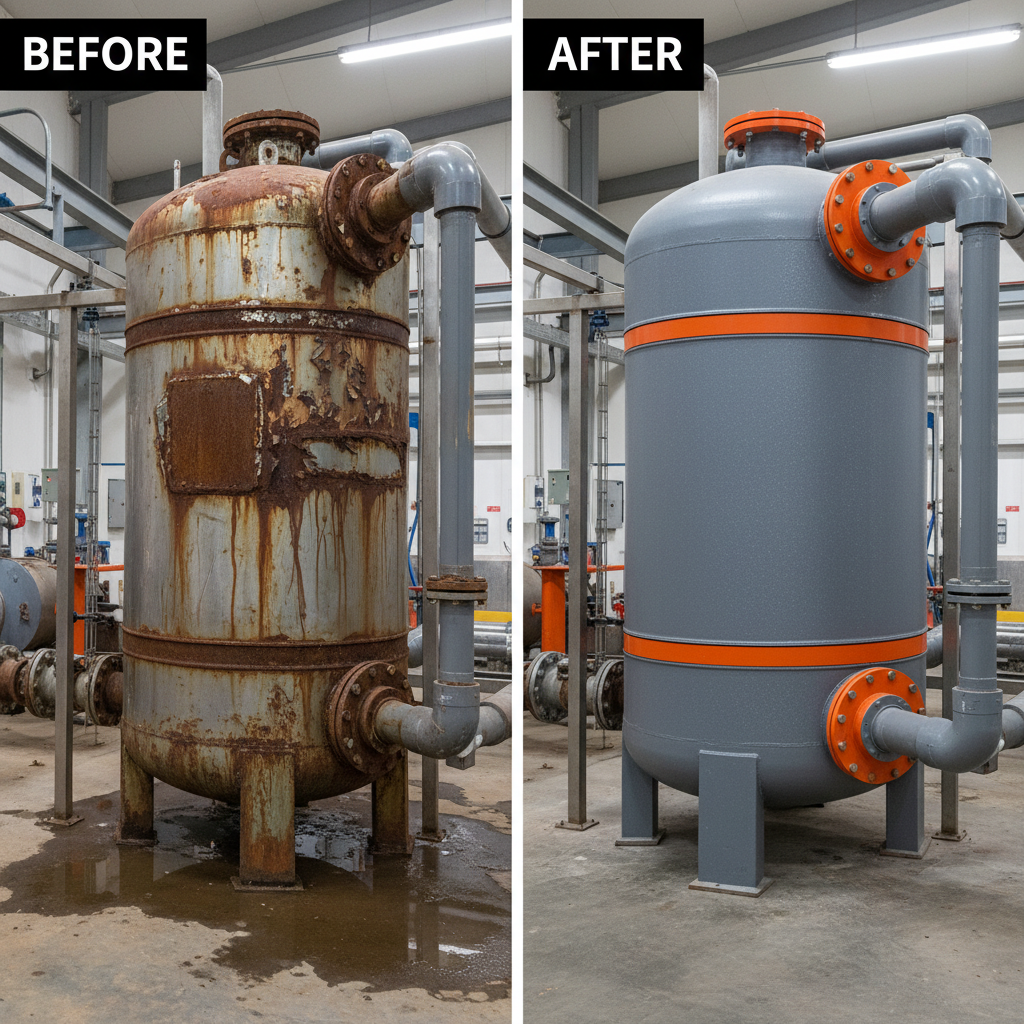
FRP, or fiberglass-reinforced polymer, is not new to engineers but how it’s applied in structural profiles has evolved significantly. You know, it feels like just yesterday when corrosion issues meant routine expensive maintenance for outdoor frameworks or chemical plants. FRP profiles bring remarkable resistance to corrosion, chemicals, and weather extremes—all while staying relatively light. The result: lower costs over the long haul and sometimes a few headaches less.
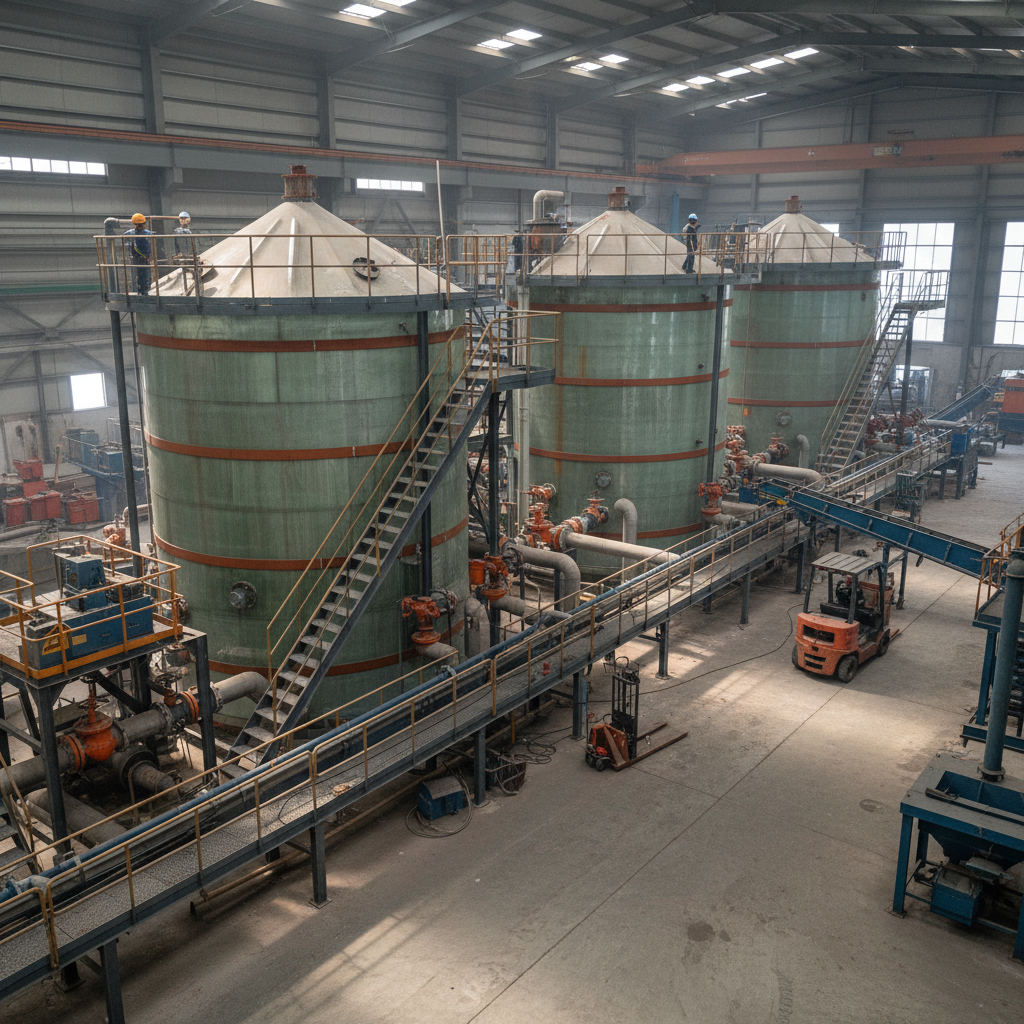
I recall a client in the wastewater treatment industry emphasizing how switching to FRP structural profiles for their support beams cut down replacement time below six months—a task that sometimes took over a year with carbon steel. Oddly enough, the profiles’ dimensional stability impressed site crews, too. It’s kind of those small benefits piling up that made a difference.
Material Composition and Design Considerations
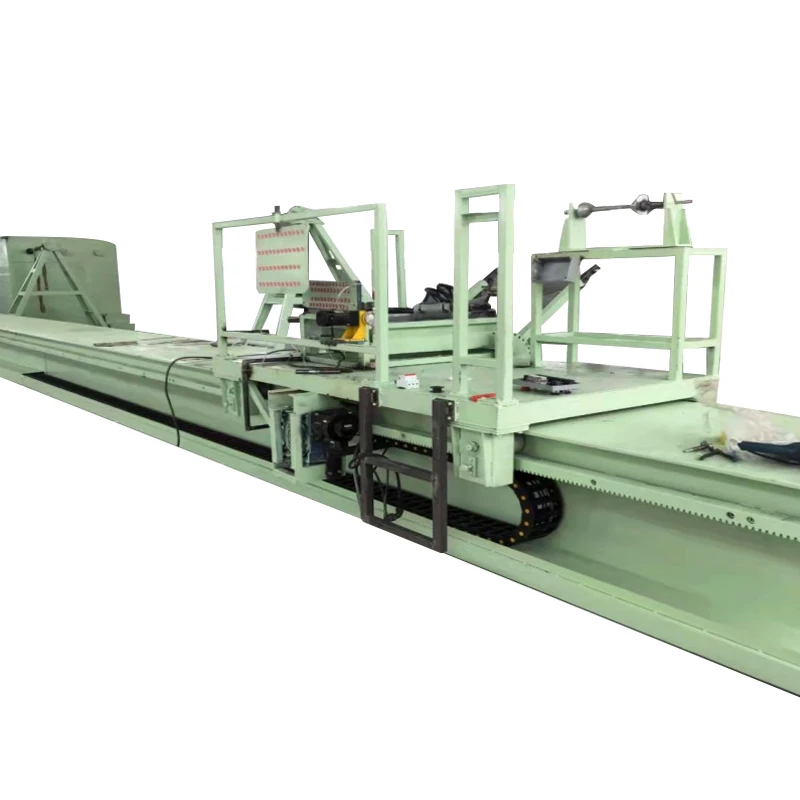
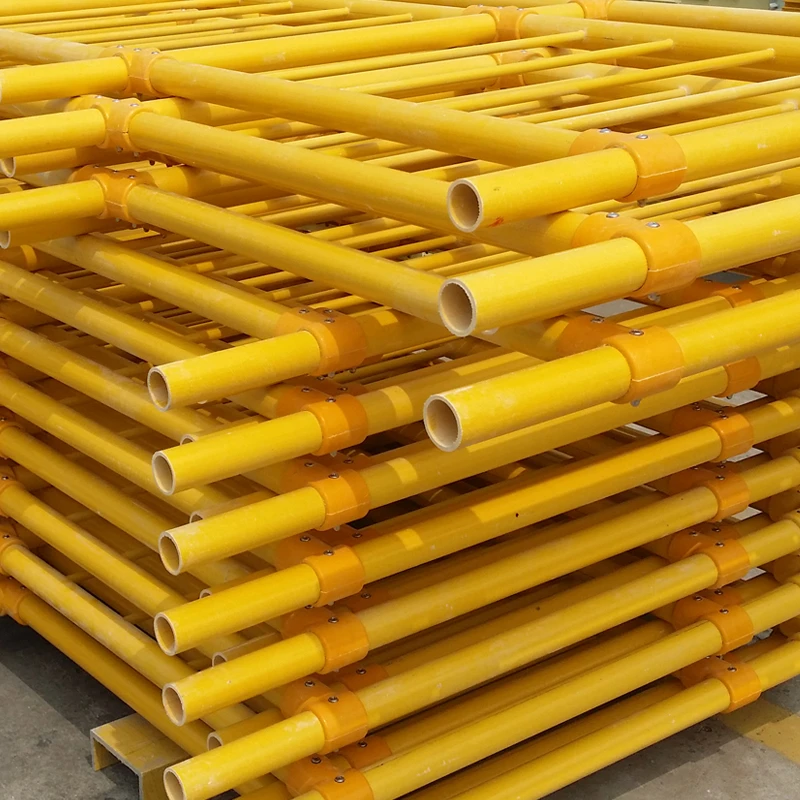
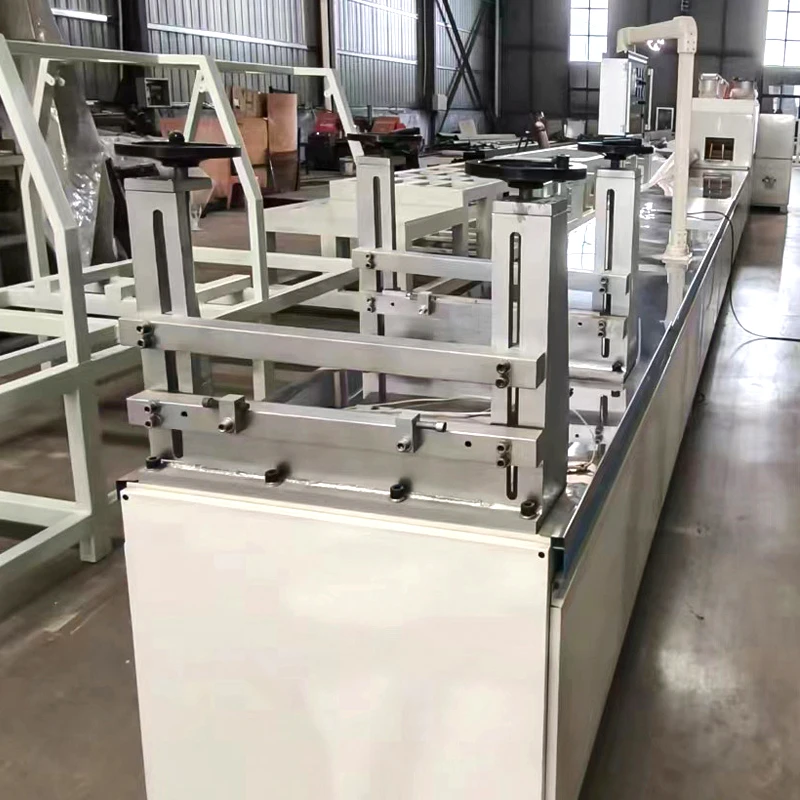
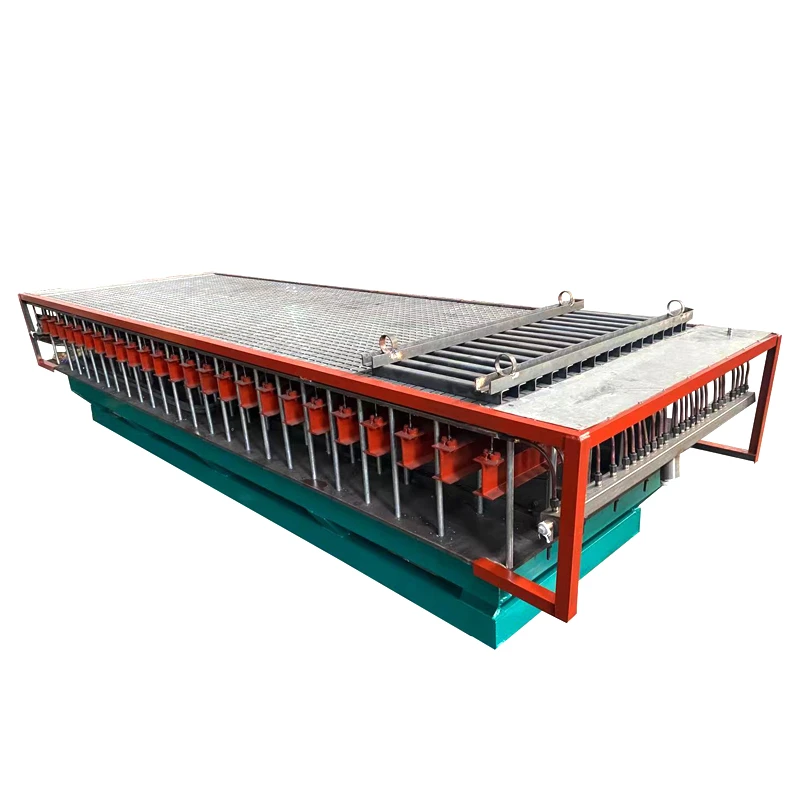
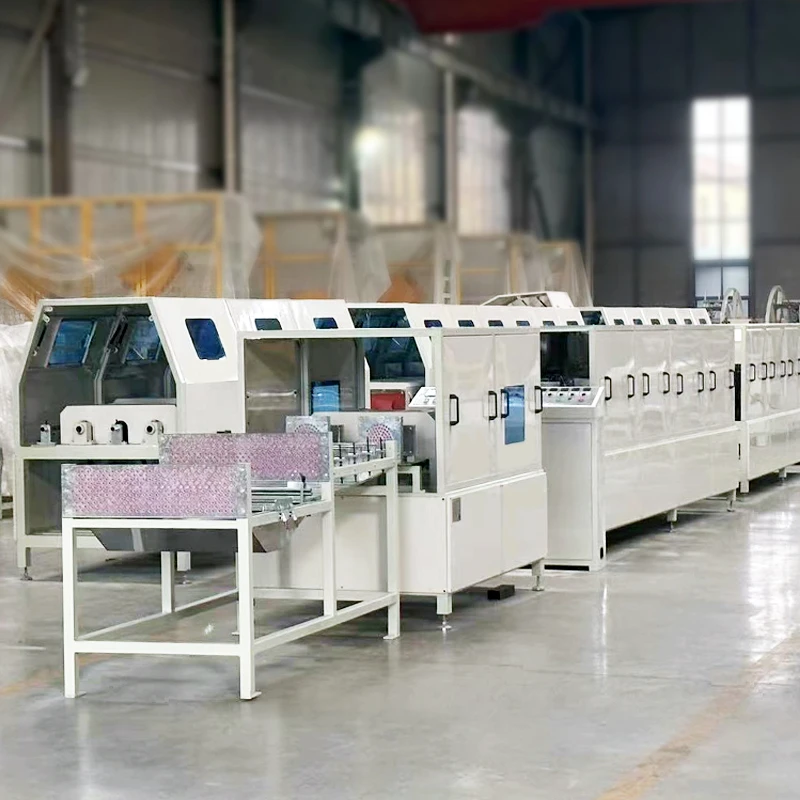
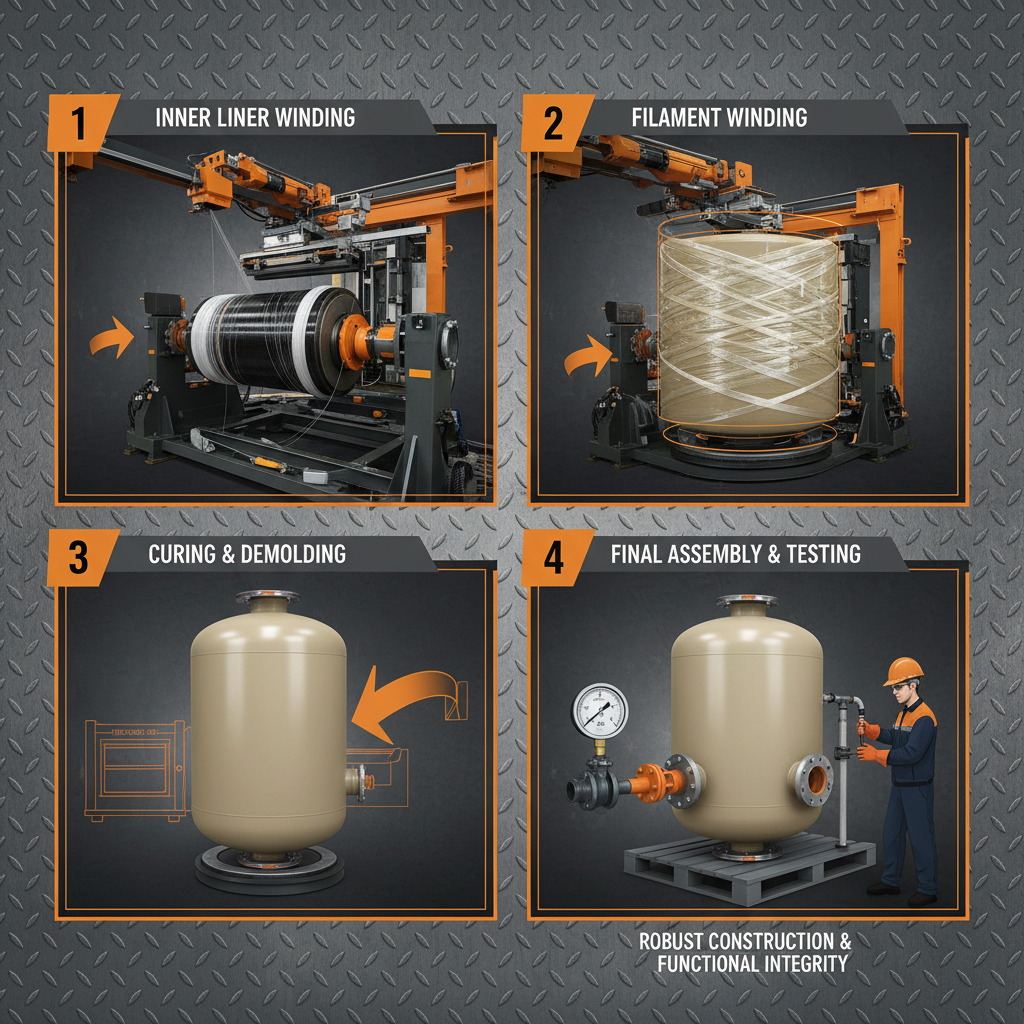
Typically, these profiles are made by pultrusion—a process where continuous fiberglass strands are pulled through resin and shaped to exact cross-sections. This method ensures consistent strength and eliminates many defects common in other composites. Frankly, the range of shapes and sizes you can get—from I-beams and channels to custom sections—makes it easy to fit very particular project specs.
Designers often note the favorable strength-to-weight ratio, with tensile strengths often exceeding 500 MPa, depending on the resin type and fiber orientation. Thermal expansion, however, can be 2-3 times higher than steel, so allowances in design are wise. Also, it’s key to ensure UV stabilizers are included or protective coatings applied, especially in outdoor applications.
| Specification | Typical Value | Unit |
|---|---|---|
| Tensile Strength | 450 - 550 | MPa |
| Density | 1.8 - 2.0 | g/cm³ |
| Flexural Modulus | 20,000 - 30,000 | MPa |
| Thermal Expansion Coefficient | 7 - 12 | 10⁻⁶ /°C |
| Max Operating Temp. | 120 - 130 | °C |
Comparing Leading FRP Structural Profile Vendors
In real terms, not all FRP profiles are created equal. Choice of resin, fiber type, and manufacturing precision affects performance, durability, and cost significantly. Here's a quick comparison of three notable vendors I’ve worked with over the years:
| Vendor | Fiber Type | Resin System | Typical Lead Time | Noted Strength | Price Range |
|---|---|---|---|---|---|
| Fibra Struct | E-Glass | Vinyl Ester | 4-6 weeks | Good Chemical Resistance | $$ |
| PolyCore Inc. | S-Glass | Phenolic | 6-8 weeks | Highest Strength & Fire Resistance | $$$ |
| ResinWorks | E-Glass/Hybrid | Polyester | 3-5 weeks | Cost-Effective, Moderate Chemical Resistance | $ |
Application & Customization Insights
One thing I frequently tell young engineers entering the field: customization is where FRP shines. You’re not stuck with standard beams or angles. Need a distinct cross-section for a machine frame? Or a lightweight but ultra-corrosion-resistant handrail for a coastal platform? Just specify and it’s usually doable. That said, costs ramp up with complexity and volume, so it pays to be precise with design stages.
Plus, it’s important to consider load calculations carefully. FRP’s anisotropic nature means it behaves differently under stress depending on fiber alignment. I’ve seen projects flop when teams overlooked layered orientation patterns, but on the flip side, it offers exciting ways to tailor strength along specific axes.
I sometimes muse that if we had these materials twenty years ago, the rig maintenance schedules at offshore oil platforms might have looked very different. Fewer shutdowns due to corrosion damage would’ve likely saved millions.
To wrap up, I’d say FRP structural profiles represent a mature, practical choice for engineers and industry professionals looking to upgrade their structural elements with a mix of durability, flexibility, and reduced weight. They’re not magic, but they’re solid, and that counts.
For detailed product selections and customization options, explore FRP structural profiles from trusted manufacturers.
References:
1. “Pultruded FRP Composites Handbook,” Composites World, 2019
2. ASTM D7565-12, Standard Guide for Design and Fabrication of Pultruded FRP Structural Shapes
3. Client case file: Wastewater Plant Retrofit, 2018