Chemical Wash Tank Guide – Durable, Efficient Industrial Cleaning Solutions
What Is a Chemical Wash Tank and Why Does It Matter?
In an age where cleanliness, safety, and industrial efficiency are paramount, the chemical wash tank quietly plays a crucial role in many sectors worldwide. But what exactly is it, and why should we care?
Simply put, a chemical wash tank is a containment system designed to hold chemical solutions used for cleaning, sanitizing, or neutralizing residues on equipment, parts, or surfaces. It matters globally because chemical washing processes ensure quality in manufacturing, safeguard public health by sterilizing equipment, and assist environmental efforts by improving waste handling.
Understanding these tanks — their design, function, and application — reveals how industries can boost efficiency, reduce pollution, and maintain safety standards. Think of it as a behind-the-scenes hero, quietly supporting countless processes from food manufacturing to wastewater treatment.
Setting the Stage: The Global Importance of Chemical Wash Tanks
The global industrial landscape increasingly relies on processes demanding thorough cleaning with chemical agents. For example, the ISO standards emphasize stringent cleanliness protocols that only chemical wash tanks can reliably support. The International Labour Organization notes that safe chemical handling reduces workplace hazards — tanks tailored to chemical wash applications are front and center here.
Statistics matter too: the global cleaning chemicals market was valued at over $40 billion USD recently, fueling the demand for reliable containment systems.1 The right tank designs help companies meet environmental regulations imposed by entities like the UN Environment Programme, as cleaning tanks mitigate chemical spills and contamination.
Industries typically struggle with disposing hazardous residues safely. Chemical wash tanks offer a challenge solution — their contained, durable design allows effective handling of harsh substances with minimal risk.
Mini takeaway: These tanks aren’t just industrial furniture; they’re pivotal in global efforts to marry production with environmental responsibility.
Breaking It Down: What Exactly Is a Chemical Wash Tank?
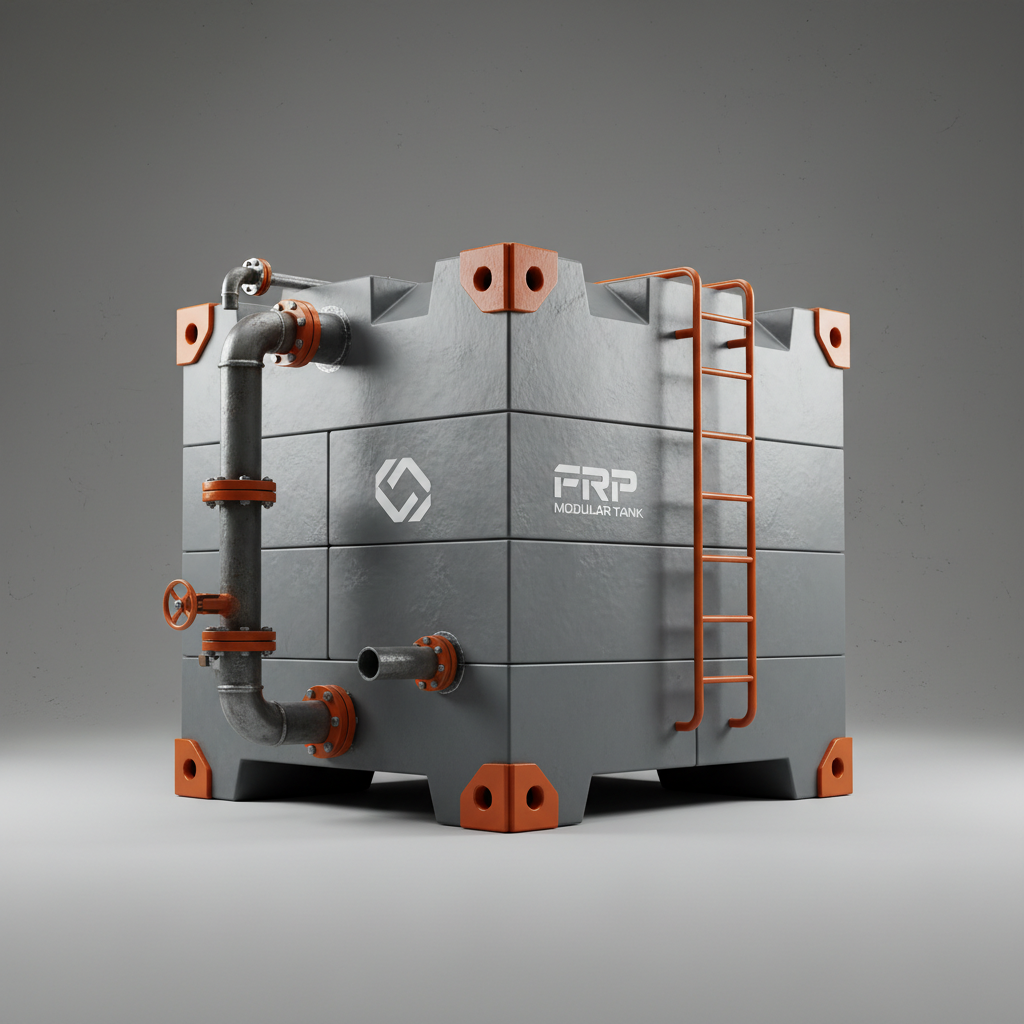
Think of a chemical wash tank as a purpose-built vessel — robust, corrosion resistant, and carefully designed — engineered to accommodate chemical cleaning solutions safely and efficiently.
- Function: To provide a controlled environment for washing components using chemicals without leakage or degradation.
- Material: Usually made from FRP (fiberglass-reinforced plastic), stainless steel, or specialized polymers to resist corrosion and chemical reactions.
- Customization: Sizes and shapes vary depending on the industry—from small tanks for laboratory use to large-scale units in food processing or manufacturing plants.
In humanitarian or remote settings, chemical wash tanks can serve essential sanitation needs, especially where water quality and infrastructure are compromised.
Core Components That Make a Great Chemical Wash Tank
1. Durability and Corrosion Resistance
This is foundational. Without corrosion resistance, tanks quickly degrade, causing leaks or contamination. FRP is popular because, frankly, it’s light enough to transport and tough enough to battle chemical corrosives.
2. Capacity and Scalability
From small washing units holding less than 100 liters to massive industrial tanks of several thousand liters, scalability lets operators match their needs precisely. This flexibility supports everything from routine maintenance to large batch cleaning operations.
3. Ease of Maintenance
Tanks need to be easy to clean and inspect, minimizing downtime. Removable lids, smooth internal finishes, and accessible drain valves all contribute here.
4. Safety Features
Features like secure locking lids, seamless joints, and pressure relief valves reduce risk from chemical fumes or pressure buildup — protecting workers and environments.
5. Cost Efficiency
High initial investment? Maybe. But these tanks often pay for themselves through reduced chemical waste, lower maintenance, and compliance with environmental laws.
Mini takeaway:
When you think about it, these features aren’t just technical specs — they’re the difference between a tank that lasts a decade and one that fails in months.
Where Are Chemical Wash Tanks Making a Difference?
Used worldwide, chemical wash tanks span industries and regions. In Southeast Asia’s food processing plants, they help sanitize equipment, preventing contamination in densely populated supply chains. In Europe and North America, pharmaceutical companies rely heavily on these tanks to sterilize manufacturing instruments — a non-negotiable for quality control.2
Consider the aftermath of natural disasters. NGOs use portable chemical wash tanks in post-disaster relief to safely decontaminate water treatment units or medical equipment. Remote oil rigs and mining operations, often far from standard utilities, depend on onsite chemical wash tanks to maintain equipment without environmental compromise.
Real-Life Example: A Manufacturer’s Story
A mid-sized electronics manufacturer in Taiwan recently upgraded to FRP chemical wash tanks. The result? Reduced cleaning time by almost 30%, fewer chemical spill incidents, and a noticeable boost in worker safety satisfaction.
Advantages That Go Beyond the Surface
- Cost Savings: Less chemical waste, fewer leaks, and longer appliance lifespan reduce total costs.
- Sustainability: Prevents hazardous materials from escaping, aligning with global sustainability goals.
- Operational Reliability: Tanks perform consistently even under extreme chemical exposures.
- Enhanced Safety: Protects workers from harmful vapors and accidental spills.
- Social Impact: Enables safer processes which, in turn, protect communities and ecosystems.
Frankly, these tanks are a small linchpin enabling big-picture goals — safety, sustainability, and profitability in one go.
Looking Ahead: Innovations in Chemical Wash Tank Technology
The next wave involves integrating sensors and automation, allowing real-time monitoring of chemical levels and tank integrity. Imagine tanks that alert operators before leaks or allow remote control cleaning cycles. Green materials, such as bio-based resins replacing traditional plastics, are emerging, echoing the circular economy trend.3
Smart chemical wash tanks could soon link to digital platforms to optimize cleaning schedules, reduce chemical use, and predict maintenance— leading to lower costs and better compliance worldwide.
Challenges Still Hanging in the Air—and How We Can Fix Them
Common issues include corrosion due to unexpected chemical mixes, installation errors, or incompatibility with certain acids or alkalis. Some tanks still wrestle with cost barriers for smaller operators.
Solutions come through improved material science—better composites and liners—enhanced training, and government subsidies encouraging sustainable infrastructures. Collaborations across industries cultivate standards and design improvements.
Quick FAQ: All About Chemical Wash Tanks
- What materials are best for chemical wash tanks?
- FRP and stainless steel dominate due to their corrosion resistance and durability. The choice depends on chemicals involved and budget.
- How do you maintain a chemical wash tank?
- Regular inspections, timely cleaning to prevent residue buildup, and monitoring to catch leaks early keep tanks in good shape.
- Can these tanks be used outdoors?
- Yes, provided they have UV protection or weather-resistant coatings to prevent degradation over time.
- Are chemical wash tanks customizable?
- Absolutely. Sizes, inlet/outlet positions, and safety features are tailored to specific industry needs and regulations.
- How important is compliance in tank selection?
- Very important. Choosing tanks that meet local and international standards ensures legal operation and safety assurance.
Product Specification Table
| Specification | Typical Range | Notes |
|---|---|---|
| Material | FRP, Stainless Steel | Material choice affects durability and chemical compatibility |
| Capacity | 100 to 10,000 liters | Highly customizable for different industries |
| Temperature Range | -10°C to 90°C | Varies by material and design |
| Safety Features | Pressure relief valves, locking lids | Protect operators from hazards |
| coatings available | UV-resistant, Anti-corrosion | Extend tank lifespan, especially outdoors |
Vendor Comparison Table
| Manufacturer | Material Options | Customization | Lead Time | Typical Applications |
|---|---|---|---|---|
| FRP Tank Co. | FRP only | High (sizes, fittings) | 4-6 weeks | Food, Pharma, Wastewater |
| SteelSafe Tanks | Stainless Steel | Medium (standard configs) | 6-8 weeks | Chemical Manufacturing, Mining |
| Custom Containment Inc. | FRP & Steel | Very high (modular designs) | 5-7 weeks | Industrial, Environmental Services |
In Closing: Why the Chemical Wash Tank Is Here to Stay
When you step back, the chemical wash tank may seem like a humble industrial component, but it’s a key player in the grand narrative of modern manufacturing, environmental stewardship, and safety compliance. From scalable designs to brave new smart features on the horizon, these tanks help industries thrive while protecting health and planet.
Curious about what chemical wash tanks can do for your operation? Feel free to explore detailed models and consultation at chemical wash tank — there’s plenty more to discover!