Durable Chemical Treatment Tanks for Industry & Water Safety | FRPGRP Machine
Understanding Chemical Treatment Tanks: Why They Matter More Than You Think
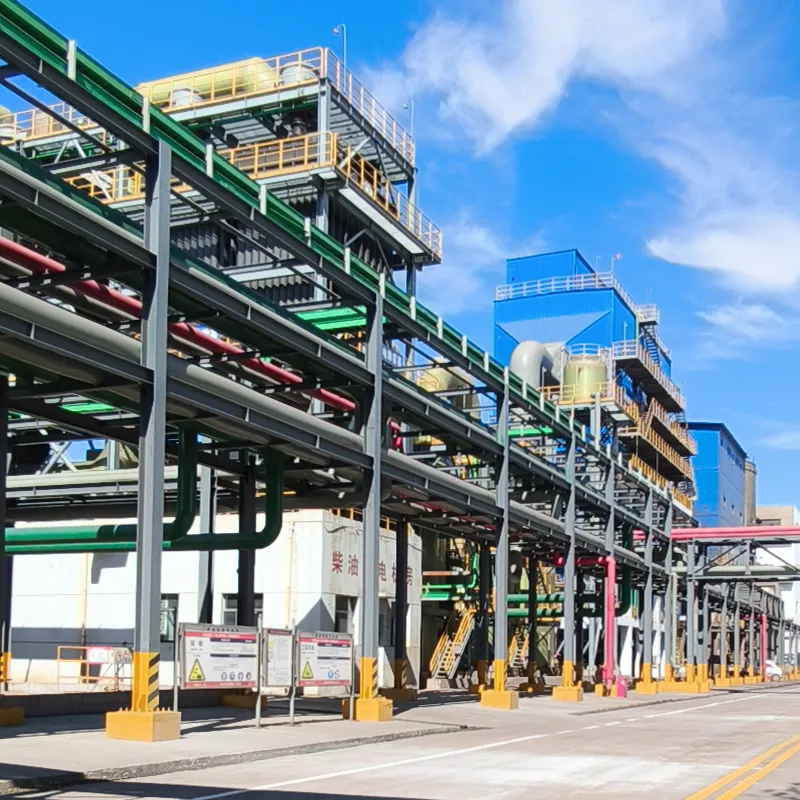
Ever stopped to think about what keeps industrial sites, water treatment plants, and even disaster relief efforts running smoothly? At the heart of many such operations lies the humble chemical treatment tank. These tanks aren't just storage vessels—they're pivotal to processes ensuring safety, sustainability, and efficiency around the globe. Understanding them means appreciating how industries handle chemicals safely and effectively, impacting everything from clean water production to manufacturing.
Globally, with increasing industrial activities and environmental regulations tightening, the demand for efficient chemical treatment tanks is soaring. According to the International Water Association, wastewater treatment processes alone have increased by over 20% in demand worldwide in the last decade, and much of this relies on reliable chemical containment and processing systems.
The Global Context: Why Chemical Treatment Tanks Are Essential
The global industry landscape is constantly evolving. From booming urban centers to remote manufacturing zones, chemical management has become a major challenge. The United Nations Environment Programme (UNEP) highlights chemical safety as a global priority given the risks of leaks, contamination, and waste. Here, chemical treatment tanks step in as a controlled environment to carry out reactions, store hazardous materials, or safely treat wastewater.
For instance, the World Bank reports that developing nations often struggle with reliable chemical storage infrastructure leading to environmental hazards and health risks. This drives a pressing need for scalable, cost-efficient tanks that comply with safety standards (like ISO 9001 and ISO 14001), which are increasingly adopted worldwide.
In short, these tanks help bridge the gap between industrial growth and responsible chemical handling—the kind of balance that the planet really needs.
What Exactly Is a Chemical Treatment Tank?
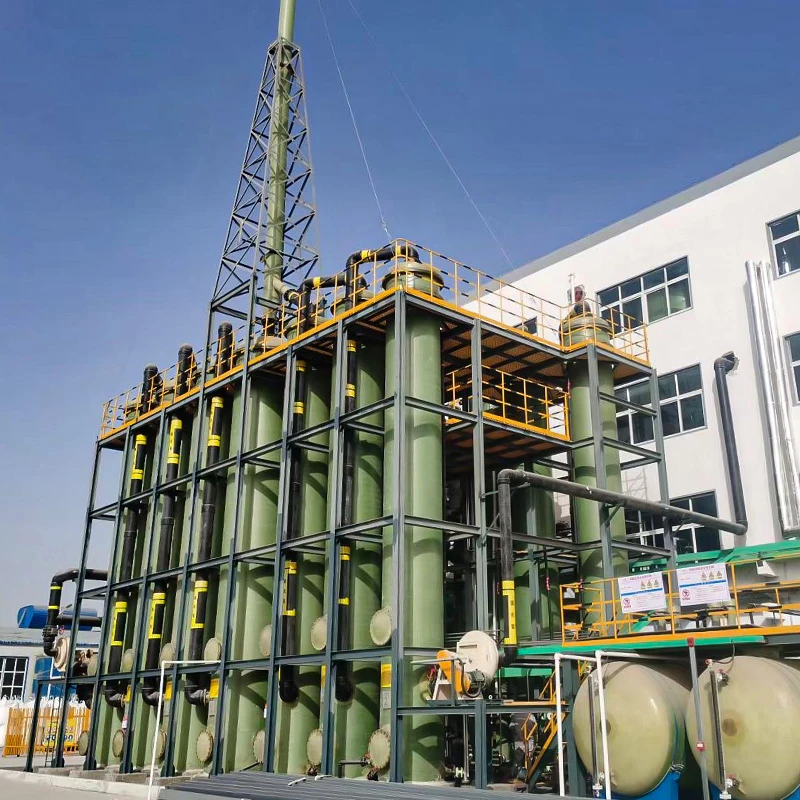
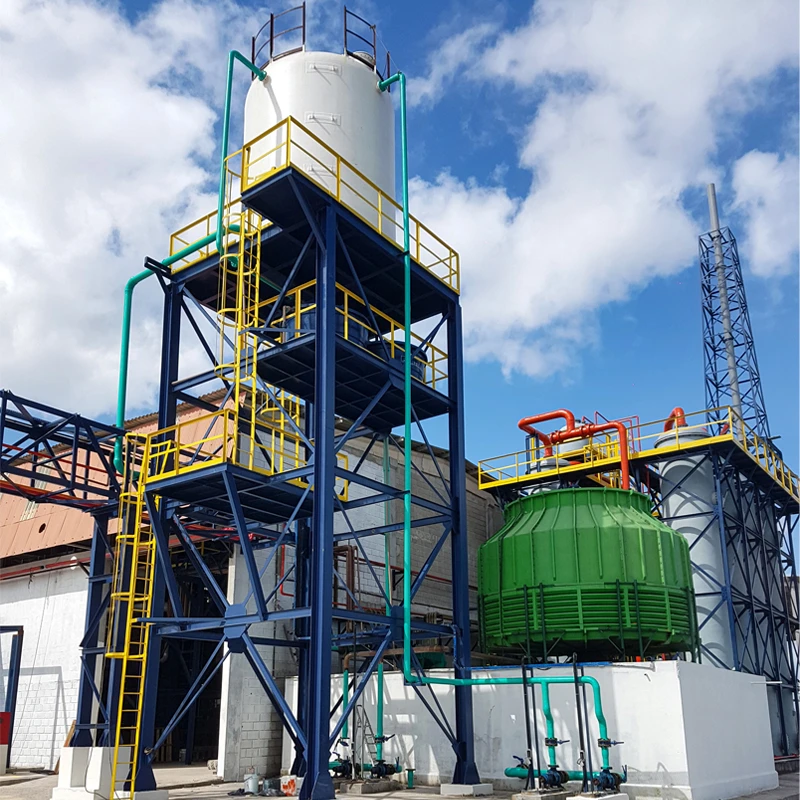
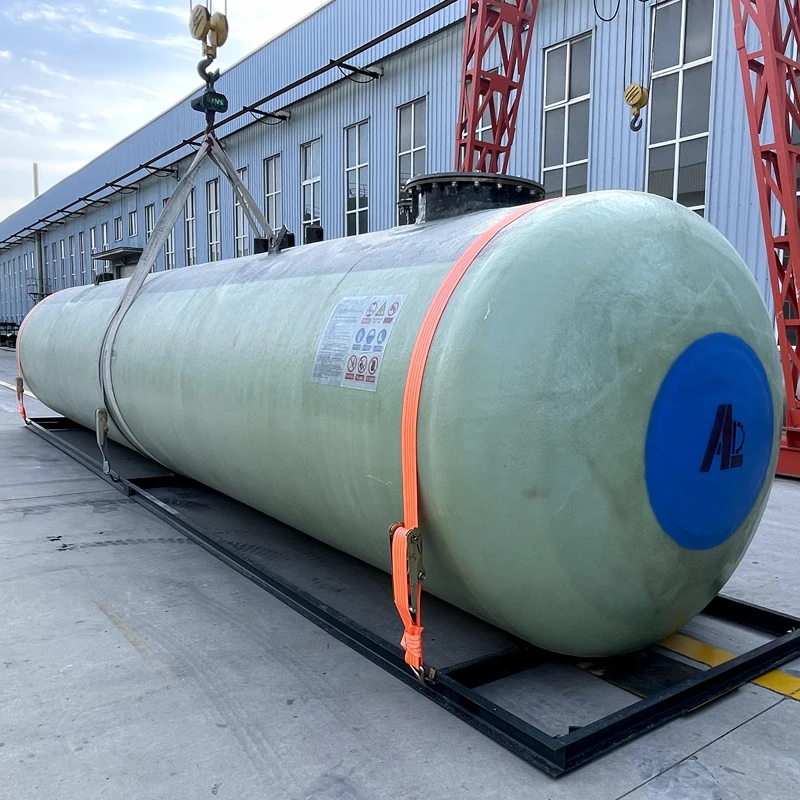
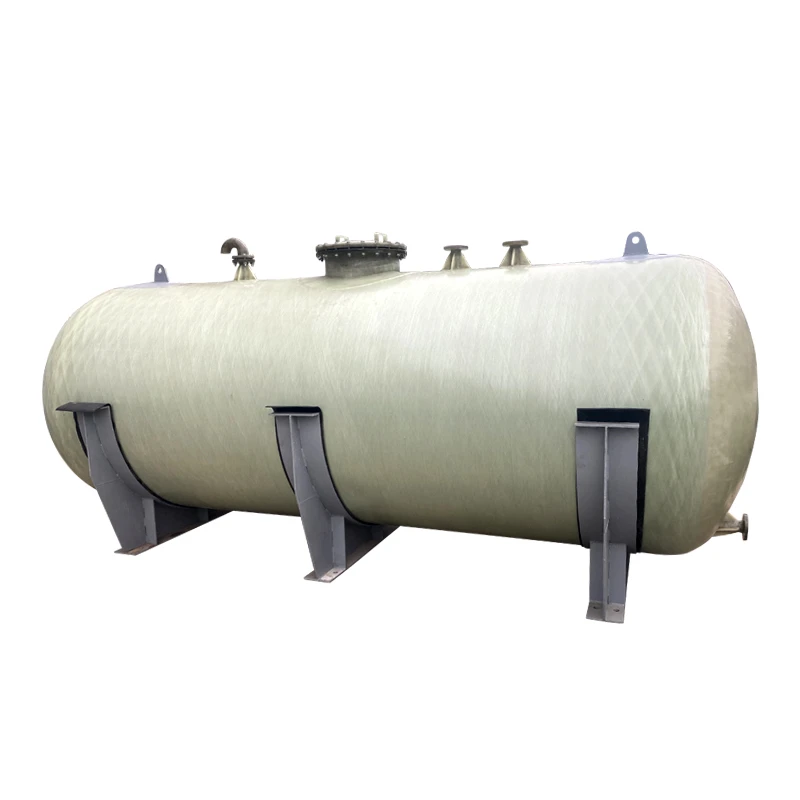
Put simply, a chemical treatment tank is a vessel designed to hold, process, or treat chemicals safely under controlled conditions. These tanks come in various forms — from small, mobile units used in field operations to large, fixed tanks in industrial plants designed for continuous processing.
They’re made to withstand corrosive substances, extreme temperatures, or pressure variations, making them indispensable in sectors like water treatment, petrochemicals, pharmaceuticals, and emergency relief operations. Beyond industry, they often serve humanitarian projects where chemical disinfection or purification is necessary for safe drinking water.
Core Components and Key Factors of Chemical Treatment Tanks
Durability and Material Composition
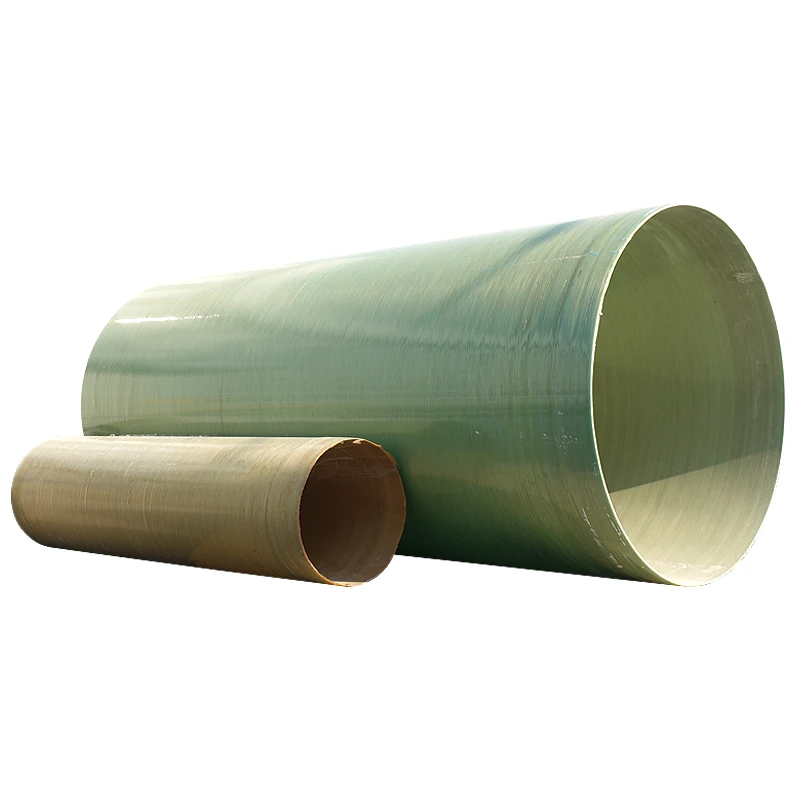
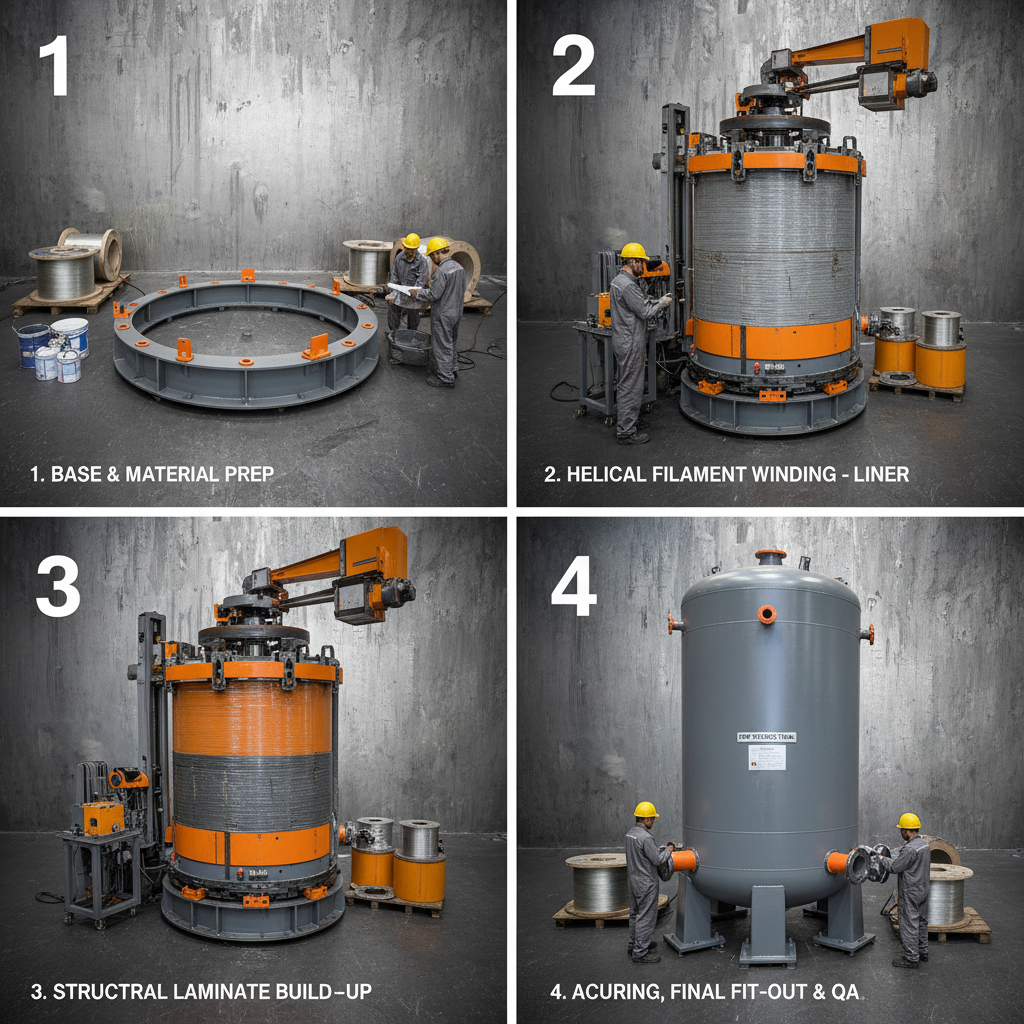
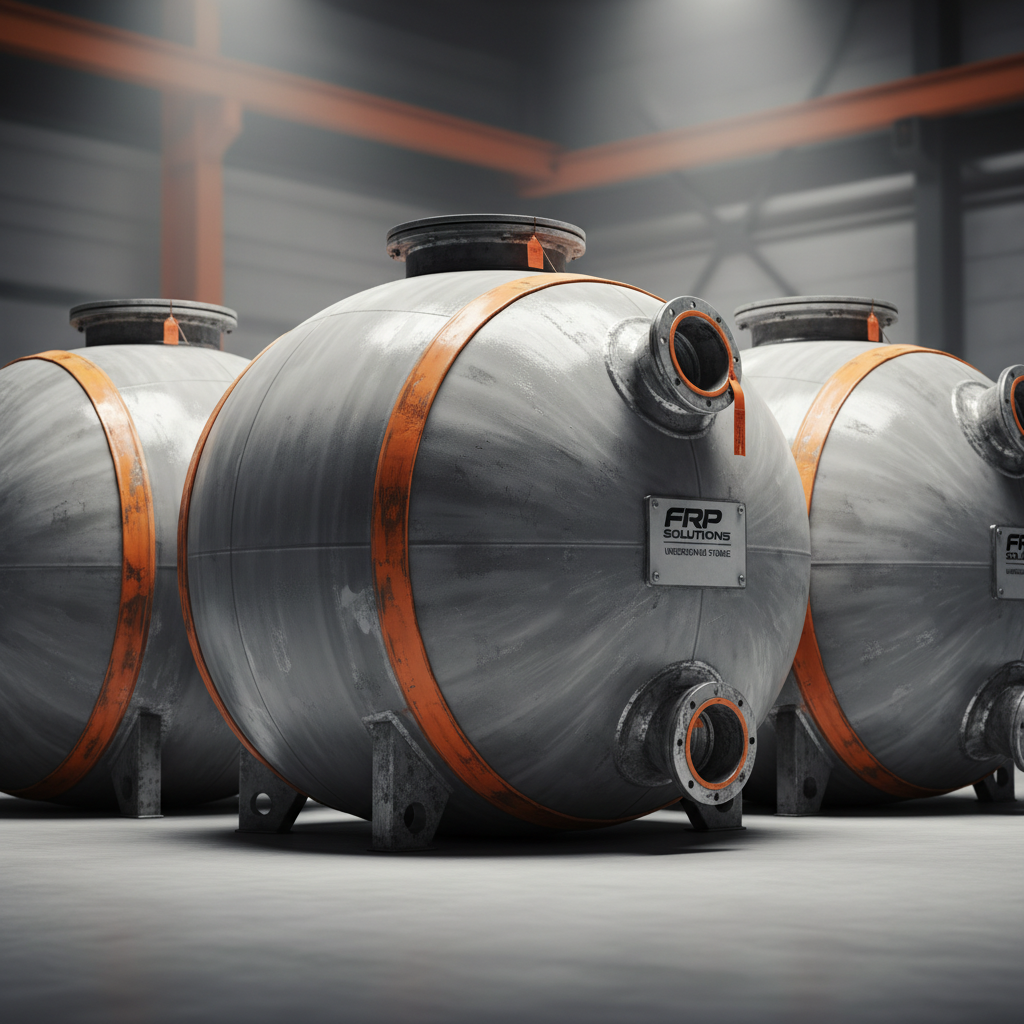
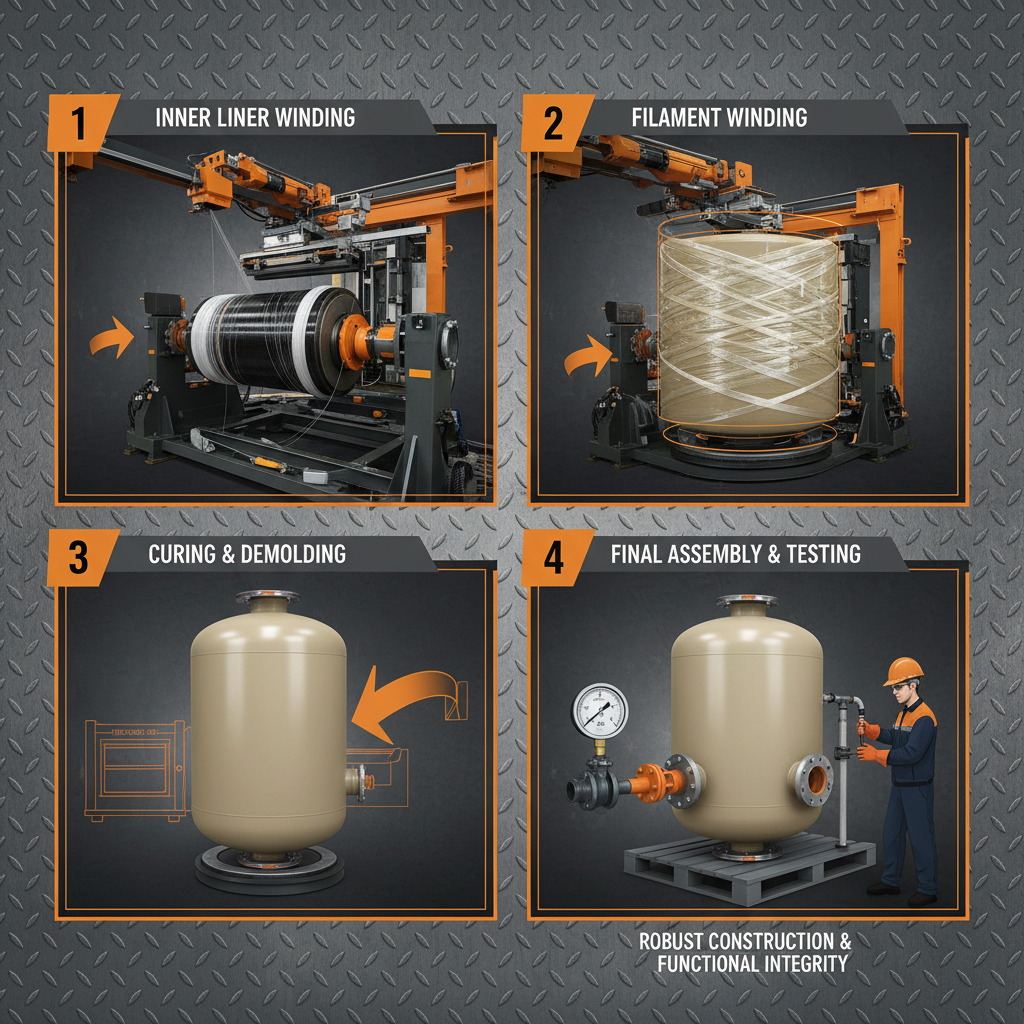
These tanks often face harsh chemical environments, requiring materials like fiberglass reinforced plastic (FRP), stainless steel, or high-density polyethylene (HDPE). Each material offers its pros and cons—FRP is lightweight and corrosion-resistant, steel offers high strength, and HDPE is cost-effective with good chemical resistance.
Size and Scalability
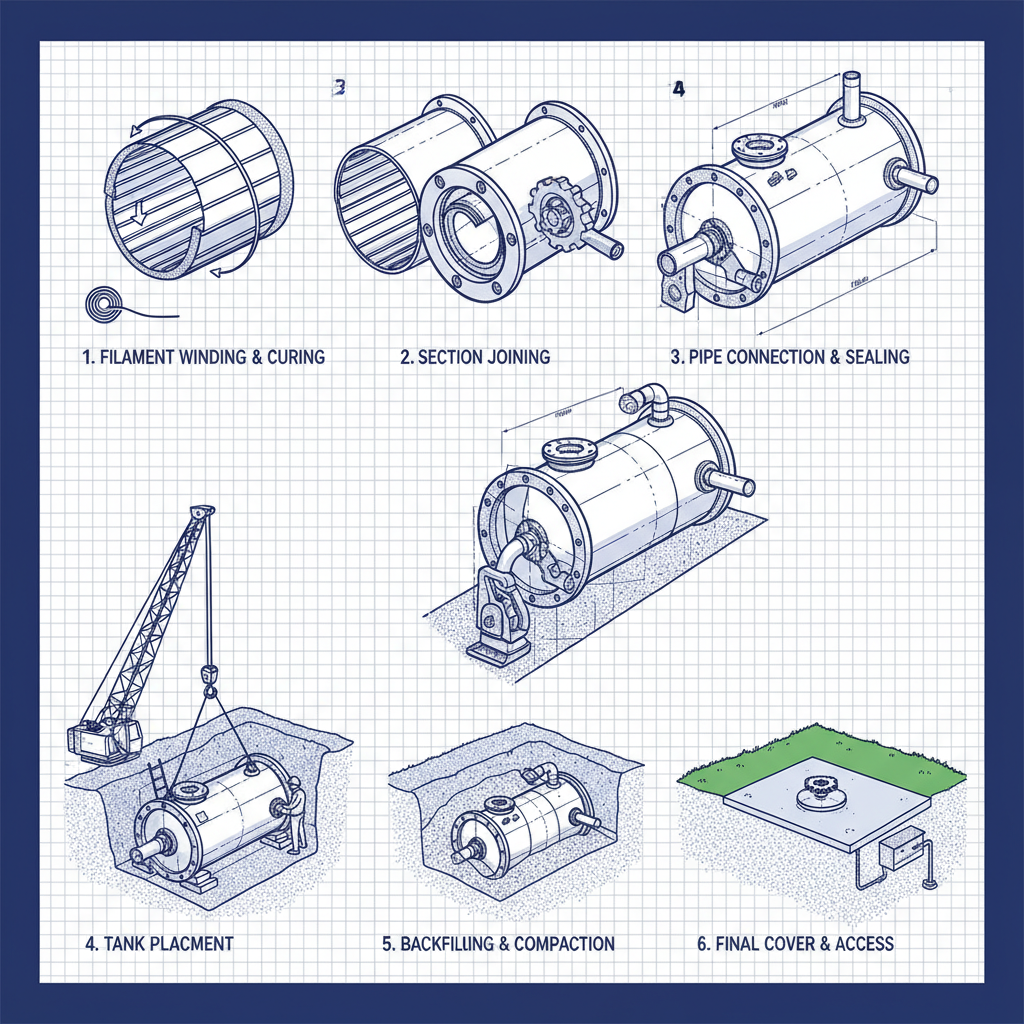
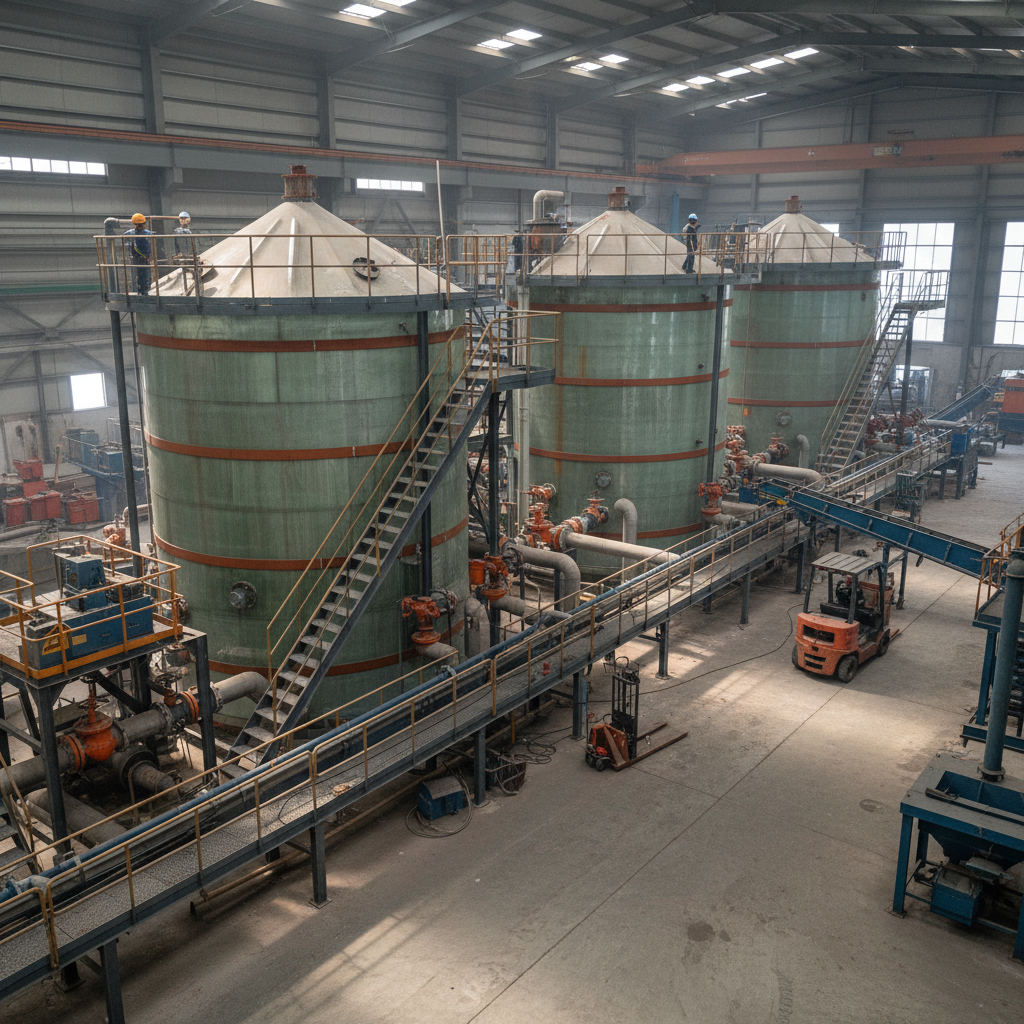
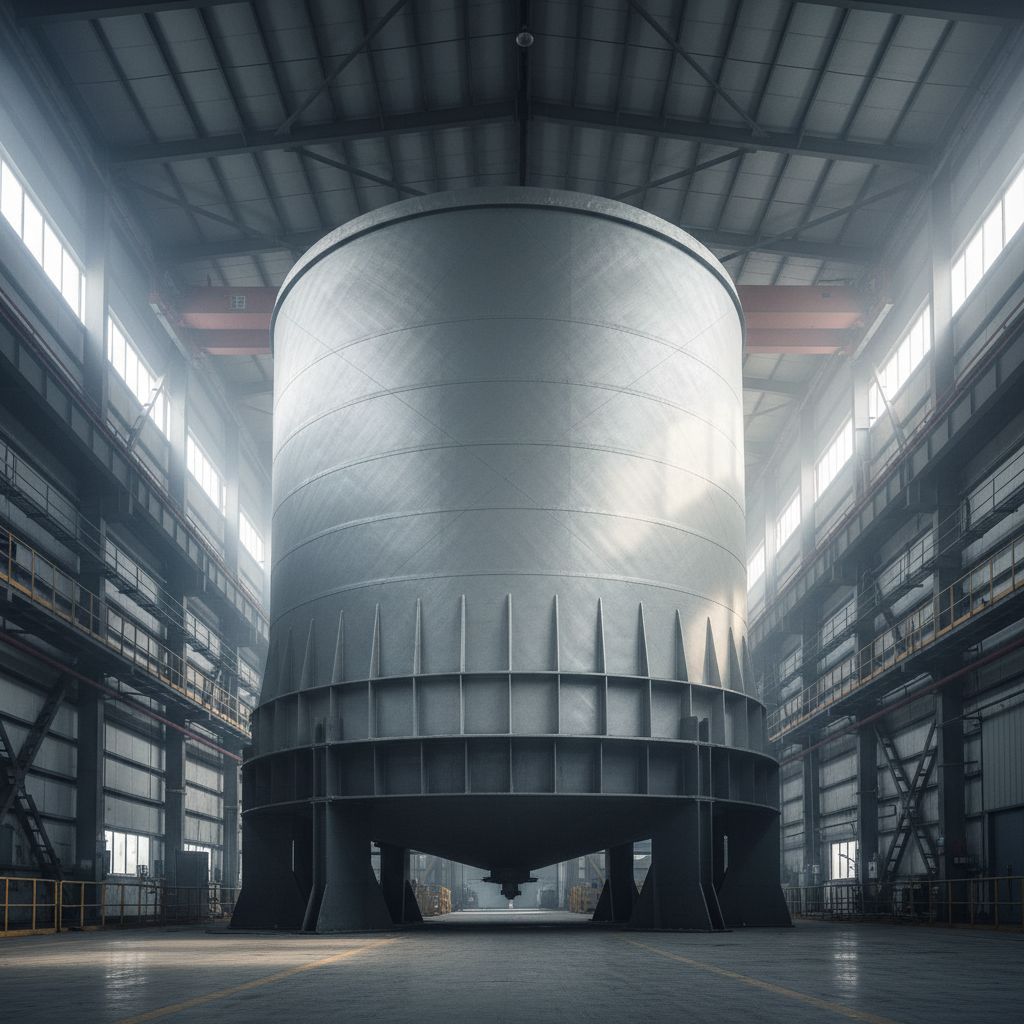
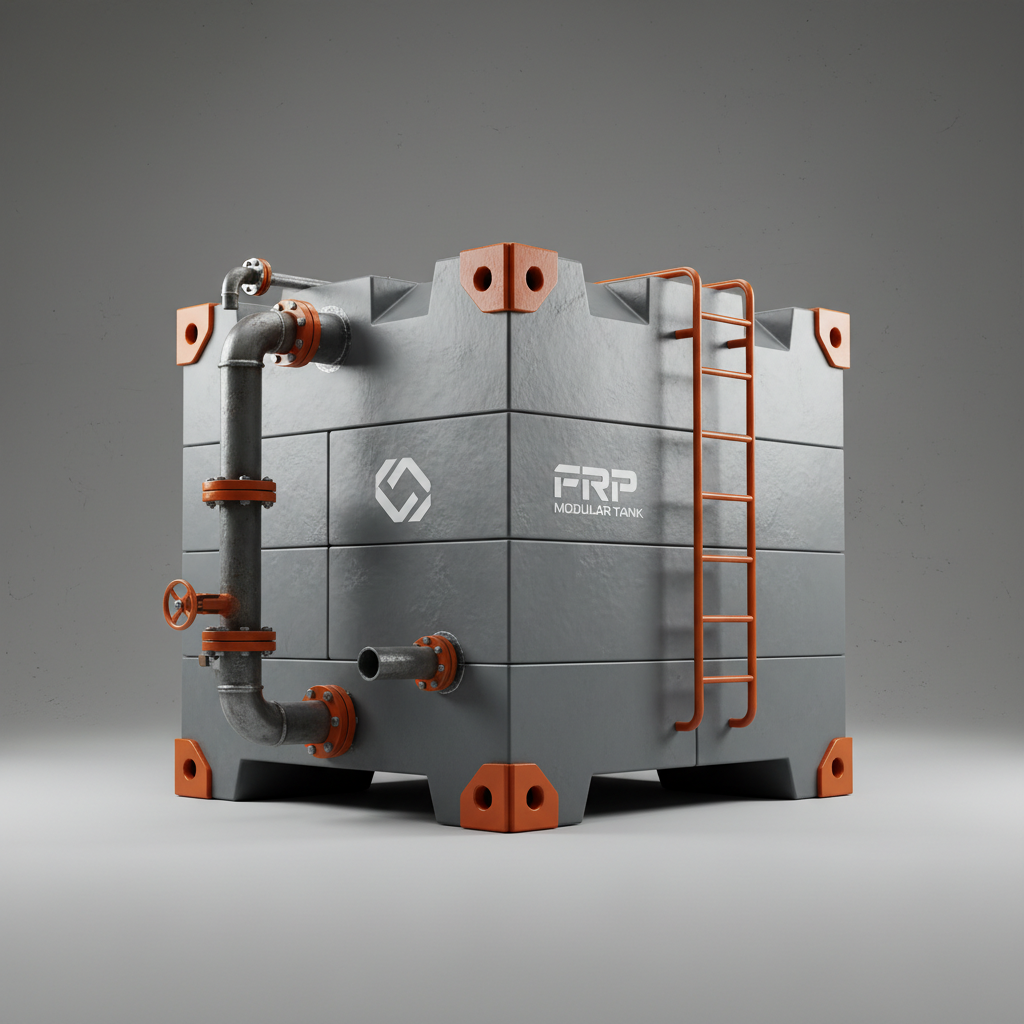
Tanks must fit the scale of operation. Small-scale treatment plants might rely on modular tanks that are easy to transport and install. Meanwhile, large industrial sites use massive fixed tanks tailored to ongoing, high-volume chemical processes. Flexibility here is key.
Safety Features
Pressure relief valves, leak detection systems, and secure lids are common but critical. These safeguard workers and nearby communities by minimizing chemical exposure risks and preventing accidental spills.
Cost Efficiency
Balancing upfront costs with operational longevity is a big deal. Economically, a tank that’s cheap but prone to corrosion can end up costing far more due to maintenance and downtime.
Compliance and Environmental Impact
Makers must ensure the tanks meet stringent standards ensuring not just operational safety but also environmental responsibility, such as secondary containment systems to prevent environmental contamination.
| Specification | Typical Range | Notes |
|---|---|---|
| Material | FRP, Stainless Steel, HDPE | Depends on chemical compatibility |
| Capacity | 500 - 100,000+ liters | Customizable |
| Temperature Range | -10°C to 90°C | Varies with material |
| Pressure Rating | Up to 5 bar | Standard safety valves included |
| Compliance Standards | ISO 9001, ISO 14001 | Varies by region |
Where and How Are Chemical Treatment Tanks Used Globally?
Chemical treatment tanks power a whole spectrum of operations worldwide:
- Water and Wastewater Treatment: Municipal plants in Europe use large tanks to treat effluent chemically before discharge.
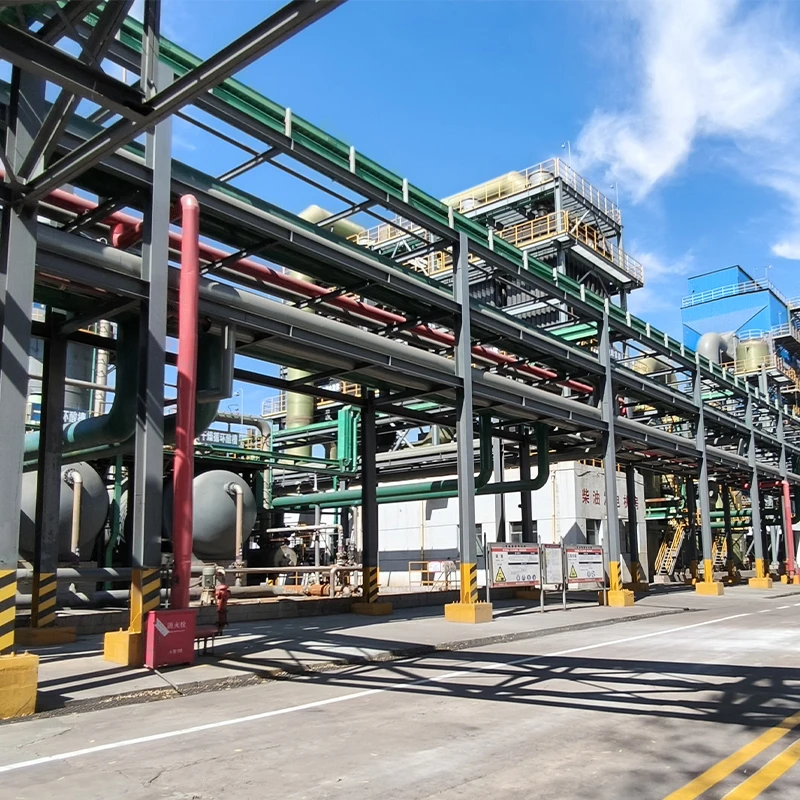
- Industrial Manufacturing: Petrochemical plants in the Middle East rely on durable tanks for handling corrosive solvents.
- Disaster Relief Efforts: NGOs deploying chemical treatment tanks for field water purification in post-flood zones in South Asia.
- Remote Mining Operations: In Canada and Australia, these tanks treat water chemically to remove heavy metals, critical for environmental permits.
The varied usage reflects adaptability but also highlights how these tanks contribute directly to safer industrial practices and humanitarian work — a win-win in many senses.
The Long-Term Advantages of Investing in High-Quality Chemical Treatment Tanks
There’s an emotional side to reliable chemical storage: peace of mind. Knowing your plant won’t suffer unplanned shutdowns or that local communities remain safe from toxic leaks matters deeply. On the practical side, these tanks reduce maintenance costs, lower risks of regulatory fines, and enable greener, more sustainable operations.
In environmental terms, proper chemical treatment and containment prevents soil and water pollution—a major social and ecological benefit. Plus, modern tanks are increasingly energy efficient and recyclable, further reducing their footprint.
What’s Next? Future Trends in Chemical Treatment Tanks
Innovation rarely sleeps. Smart tanks embedded with IoT sensors are becoming more common, offering remote monitoring for leaks, temperature shifts, or chemical levels. This kind of automation helps prevent accidents before they start.
Material science is pushing boundaries too, exploring composite blends that better resist chemicals and weather while reducing weight. On the sustainability front, tanks designed with circular economy principles—think modular, repairable parts—are gaining traction.
Policy-wise, stricter chemical handling regulations worldwide (in places like the EU and North America) continue to push tank manufacturers toward safer, greener designs, which is kind of reassuring.
Common Challenges and How Experts Are Solving Them
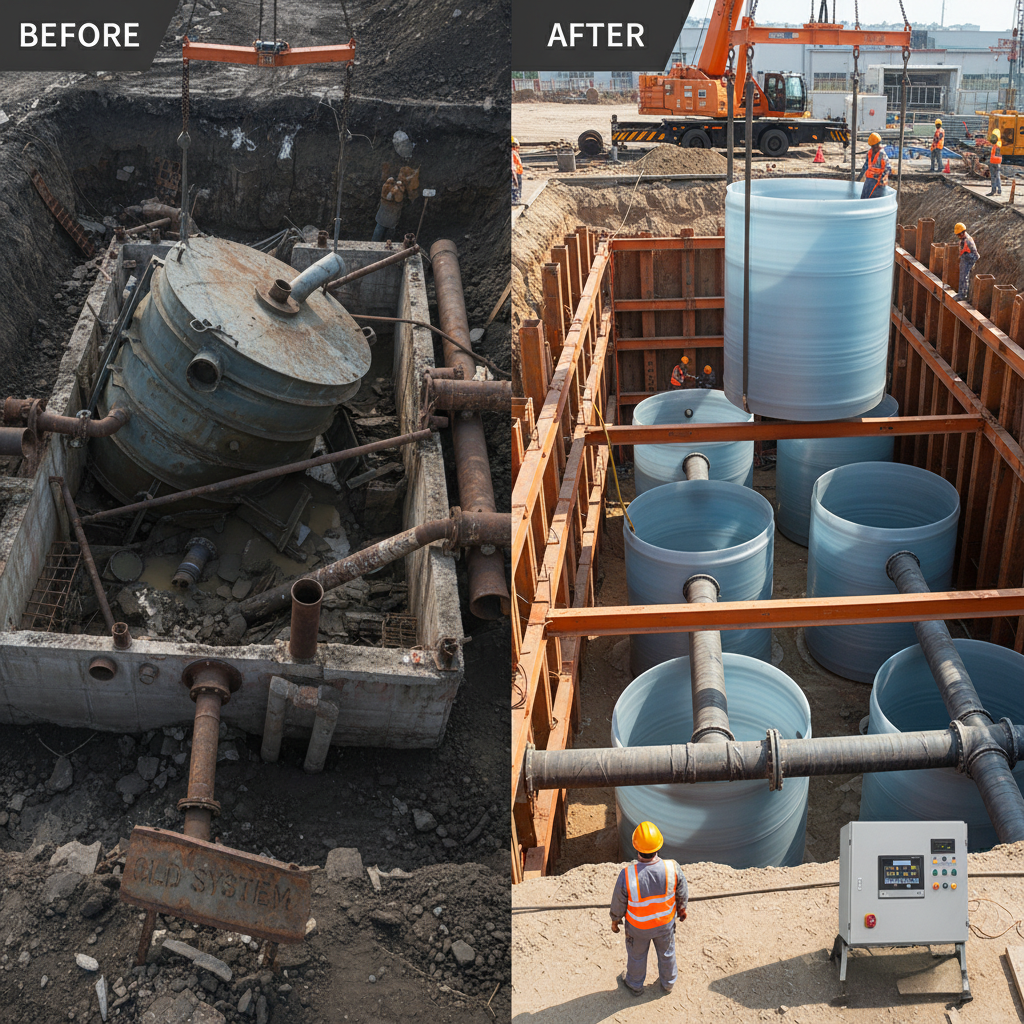
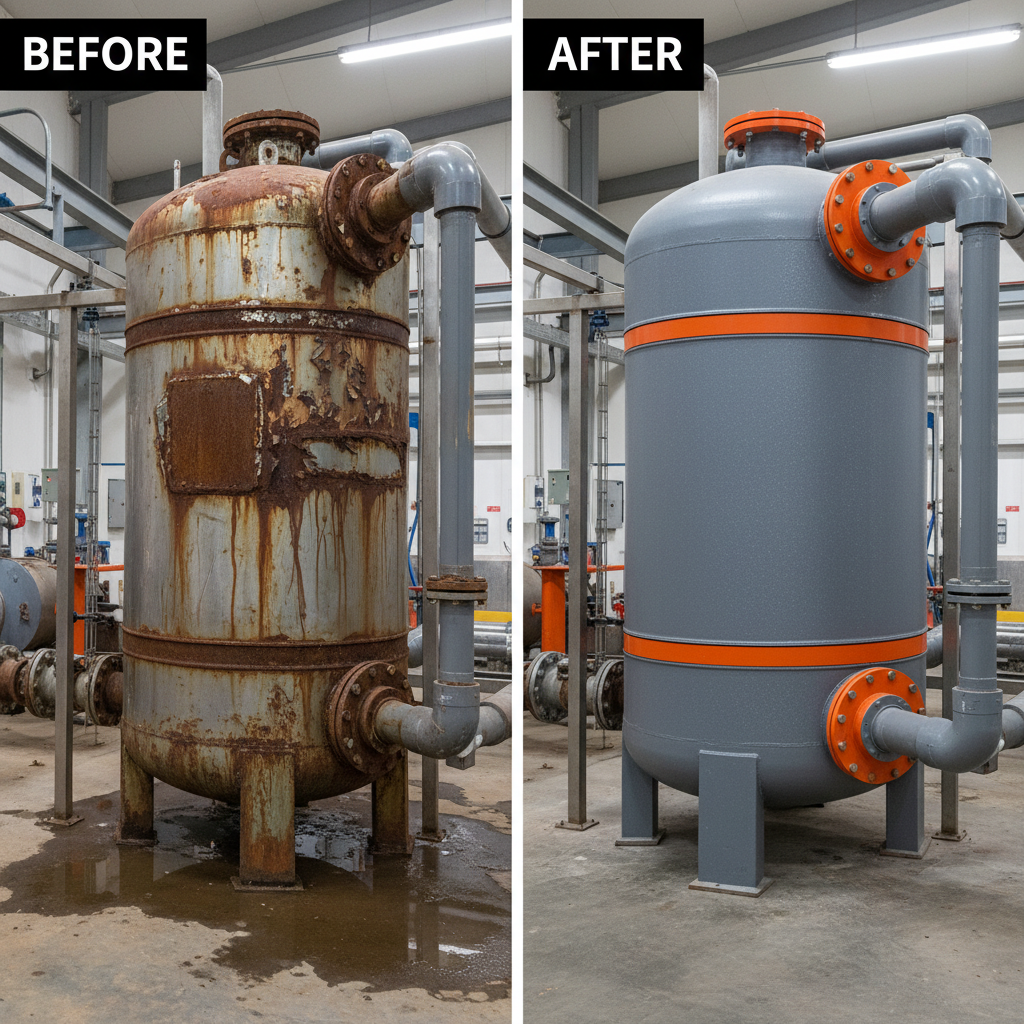
Corrosion remains a top headache. Even the best materials degrade with exposure to aggressive chemicals over time, sometimes leading to costly repairs. Experts advise regular maintenance protocols and newer coatings that extend tank life.
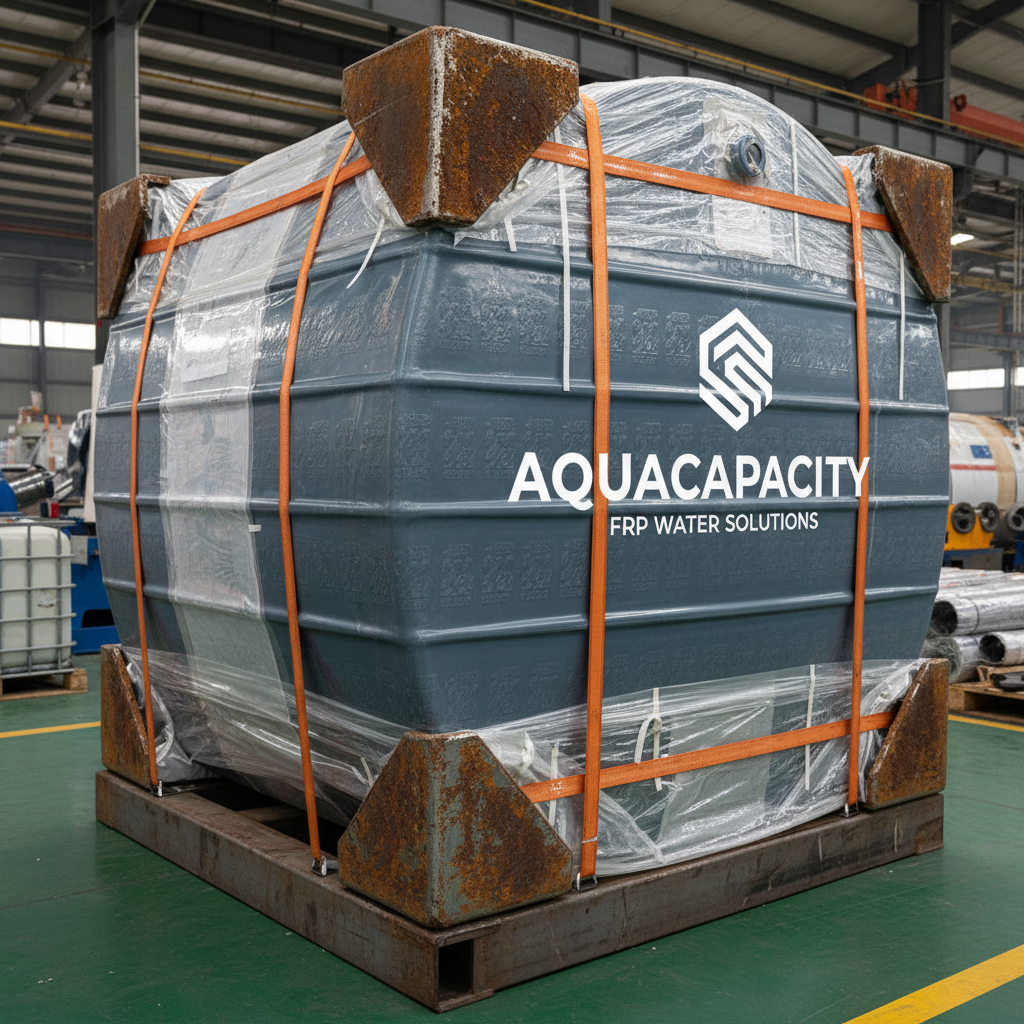
Another issue is deployment in remote areas with limited infrastructure, where tanks may need to be modular and quick to install. Companies responding to this are focusing on lightweight designs and plug-and-play systems that are, frankly, a lifesaver in emergencies.
Finally, cost barriers for smaller businesses persist. Leasing options, scalable models, and government subsidies are helping break down those walls.
Vendor Comparison Table: Key Suppliers of Chemical Treatment Tanks
| Vendor | Materials Offered | Customization | Lead Time | Price Range |
|---|---|---|---|---|
| FRP Solutions Inc. | FRP, HDPE | High (size & fittings) | 4-6 weeks | $$$ |
| SteelTech Tanks | Stainless Steel | Medium (limited models) | 6-8 weeks | $$$$ |
| EcoTank Solutions | Recycled composites | Moderate | 3-5 weeks | $$ |
FAQ: Frequently Asked Questions About Chemical Treatment Tanks
- Q1: How do I choose the right chemical treatment tank for corrosive substances?
- A1: Selecting materials resistant to the specific chemical’s effects is essential. For highly corrosive chemicals, FRP or specialized HDPE tanks are often preferable over steel due to their superior corrosion resistance. Always consult with suppliers about your chemical profiles for best results.
- Q2: Can chemical treatment tanks be deployed quickly in emergency situations?
- A2: Yes, many tanks are designed modularly for rapid deployment. Units made from lightweight materials like FRP can be transported easily, assembled on site quickly, and come with plug-and-play fittings to minimize downtime.
- Q3: What regular maintenance does a chemical treatment tank require?
- A3: Maintenance typically involves periodic inspections for leaks, integrity checks of seals and valves, and cleaning to prevent buildup of residues. Coating reapplications every few years may also be necessary to prolong tank life.
- Q4: Are chemical treatment tanks environmentally friendly?
- A4: Modern tanks incorporate recyclable materials and energy-efficient manufacturing. Additionally, they help prevent chemical spills which protect soil and water quality, making them integral to responsible industrial operations.
- Q5: Where can I find suppliers that comply with international standards?
- A5: Leading suppliers typically adhere to ISO 9001 and ISO 14001 standards. Verify certifications directly on vendor websites or product documentation to ensure compliance.
Wrapping It Up: Your Next Step Towards Safer Chemical Management
Whether you’re overseeing a massive industrial plant or coordinating water treatment for a remote community, investing in a quality chemical treatment tank is one of those decisions that feels right in both the head and the heart. You gain reliability, safety, cost savings, and—crucially—a way to minimize environmental impact that everyone can appreciate.
Ready to explore options? Visit our website: https://www.frpgrpmachine.com to find tailored chemical treatment tanks designed for your specific needs. Because when it comes to chemical safety, settling for less isn’t really an option.