Comprehensive Guide to Fibreglass Storage Tanks: Durability, Applications & Future Trends
Understanding Fibreglass Storage Tanks: Durable Solutions for a Sustainable Future
In a world where efficient, long-lasting, and environmentally sound storage is crucial—from water supply systems to chemical containment—fibreglass storage tanks have emerged as a global game-changer. These tanks stand out not only for their resilience and adaptability but also for their contribution to safer, more sustainable industry practices. Understanding these tanks is important because they address critical challenges like corrosion resistance, weight limitations, and environmental impact.
Global Context: Why Fibreglass Storage Tanks Matter Today
Fibreglass storage tanks aren't just industrial niceties—they’re increasingly vital across continents. According to the International Organization for Standardization (ISO), industries worldwide face rising demands for storage solutions that balance durability with environmental responsibility. From water scarcity challenges highlighted in UN water scarcity reports to the growing chemical manufacturing ecosystems in Asia, fibreglass tanks provide a compelling answer to age-old problems like corrosion and heavy tank infrastructure.
Oddly enough, regions as diverse as sub-Saharan Africa and Northern Europe rely on these tanks—whether for potable water distribution or for storing corrosive substances safely. Yet, despite this global utility, many industries still wrestle with the question: How do you balance cost, longevity, and environmental impact effectively?
What Are Fibreglass Storage Tanks?
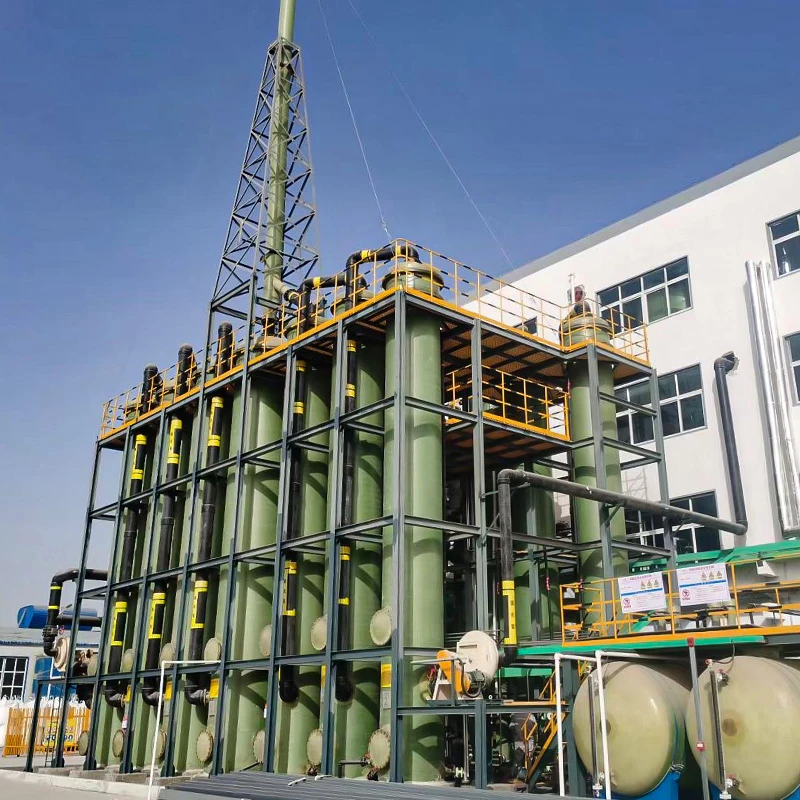
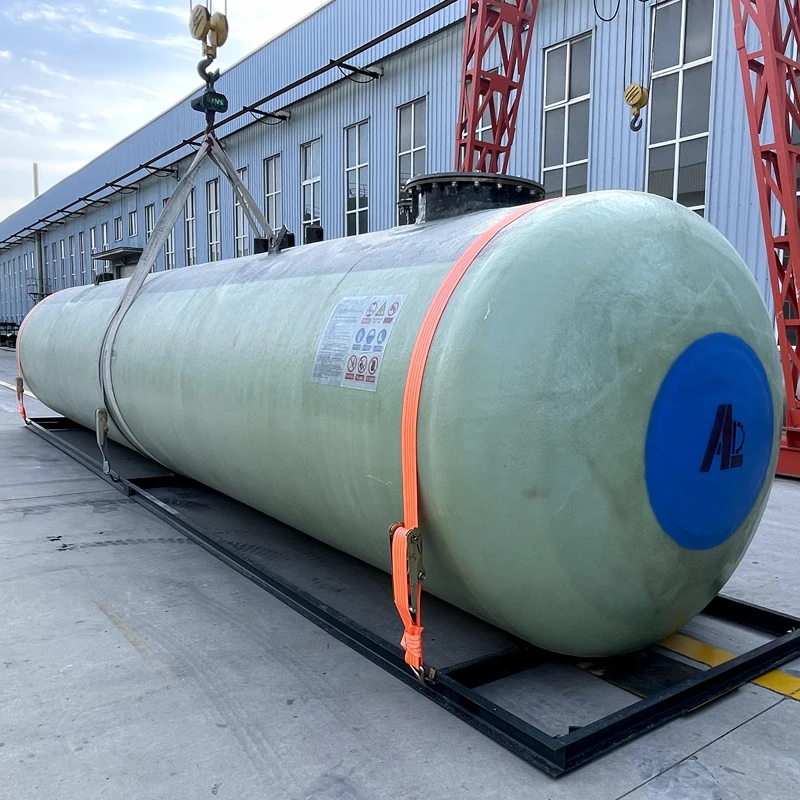
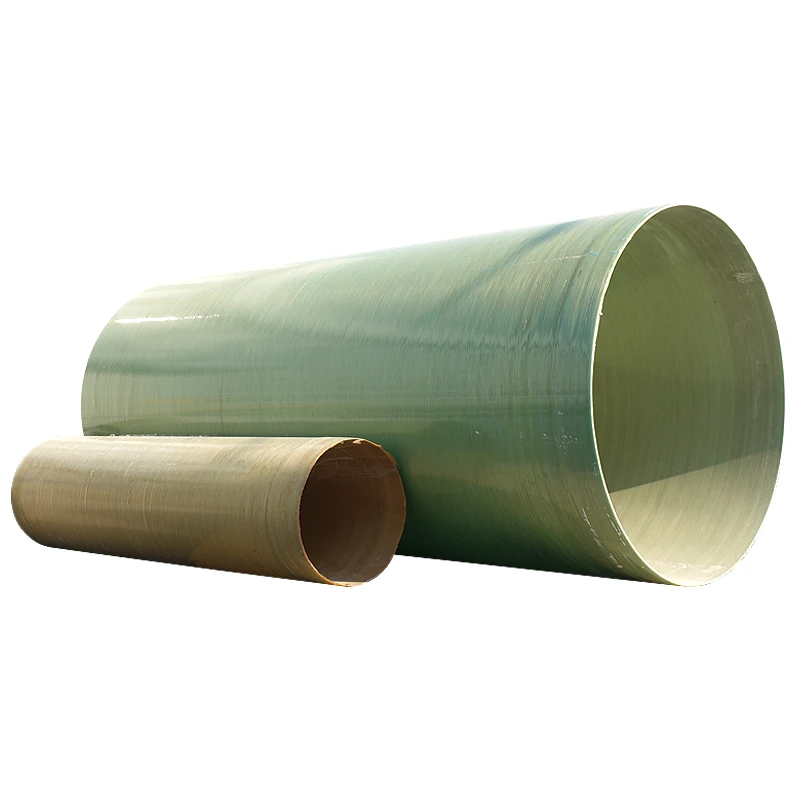
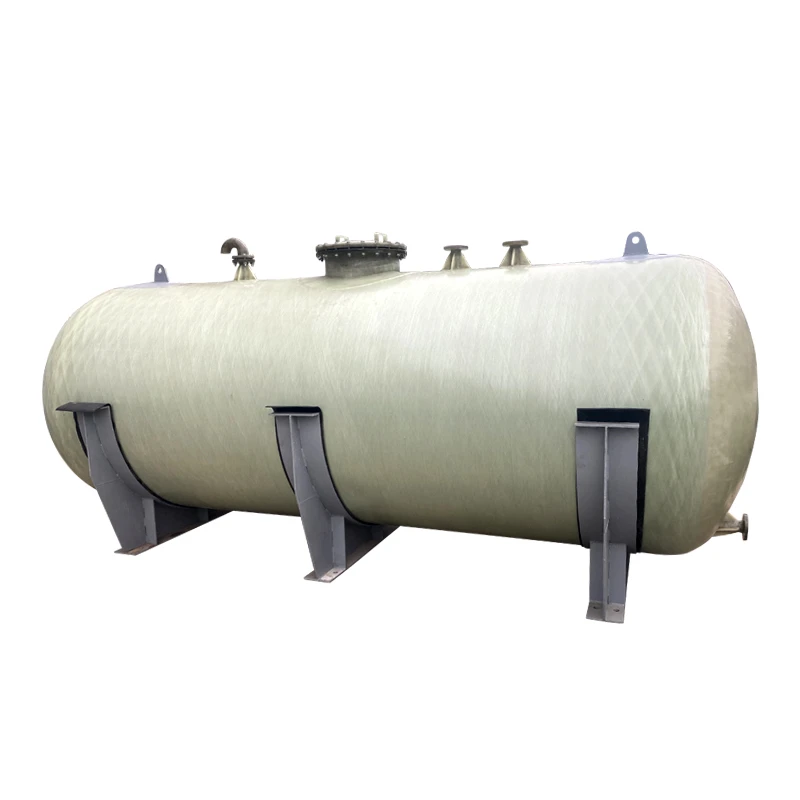
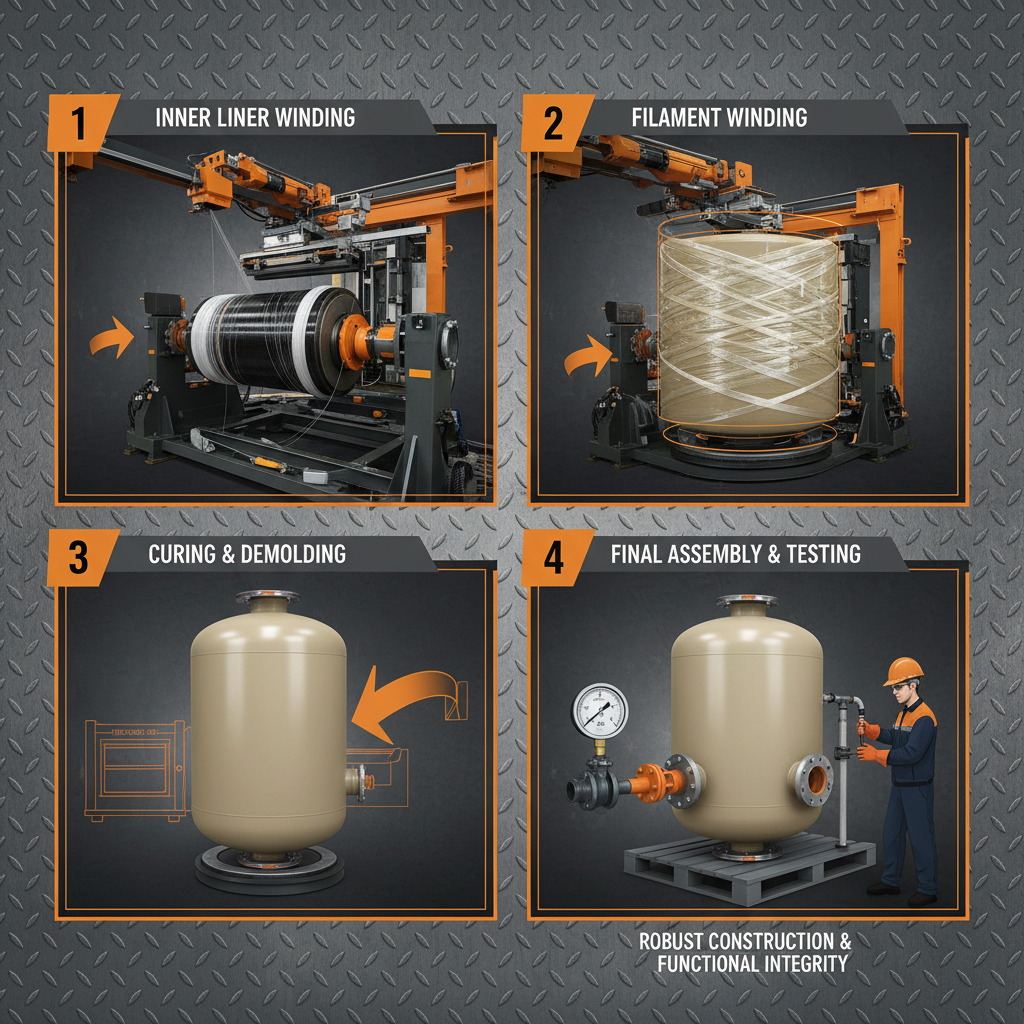
Simply put, a fibreglass storage tank is a container made from glass fiber-reinforced plastic (often called GRP or FRP) that stores liquids or chemicals. The fibreglass material creates a strong but lightweight shell that resists rust, UV rays, and chemical corrosion far better than traditional materials like steel or concrete. This durability means fewer repairs and safer long-term containment, especially important for drinking water, oil derivatives, and industrial chemicals. Beyond industrial uses, these tanks also contribute to humanitarian efforts, like water storage in disaster-affected or remote areas.
Core Components & Key Factors of Fibreglass Storage Tanks
Durability and Corrosion Resistance
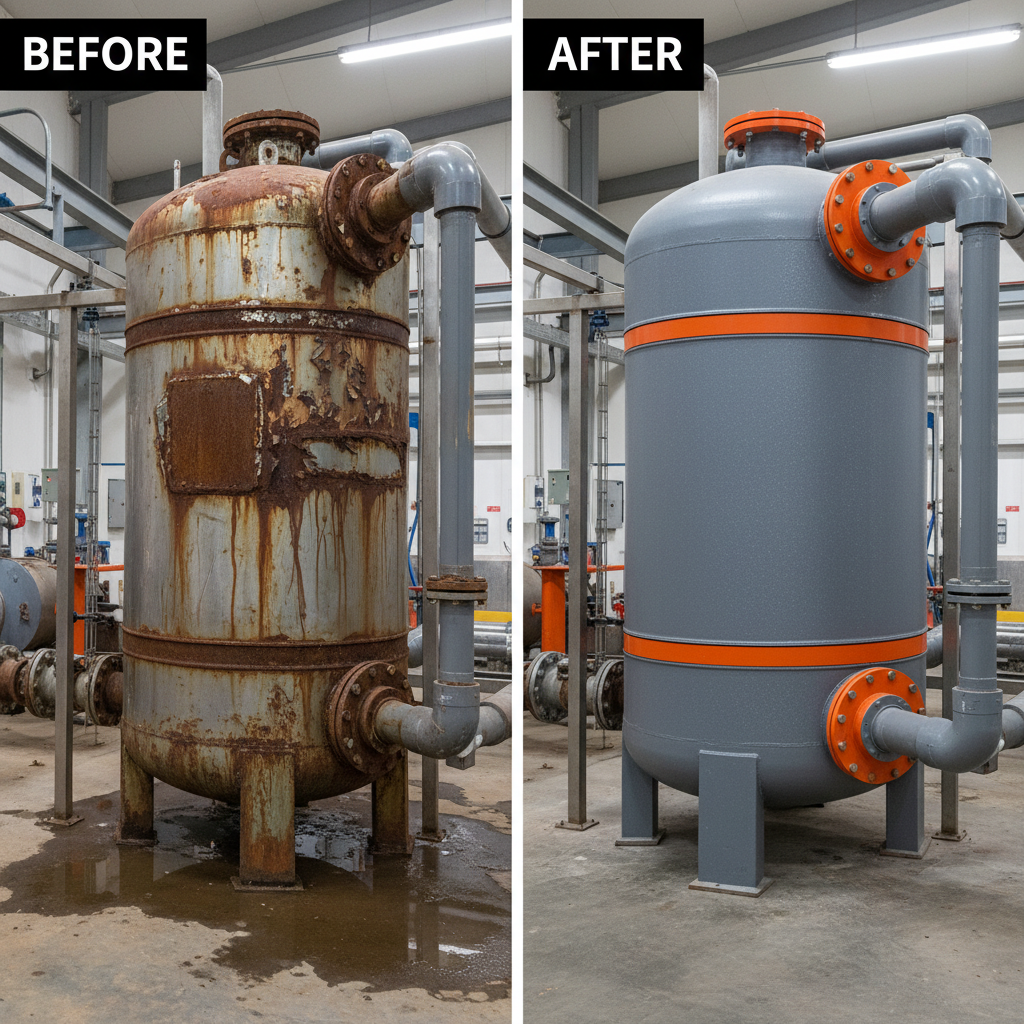
A core selling point is their impressive resistance to corrosion. Unlike metal tanks, fibreglass doesn’t rust, which means longer service life and reduced maintenance costs. For industries handling aggressive chemicals, that’s a game-changer.
Lightweight and Easy Installation
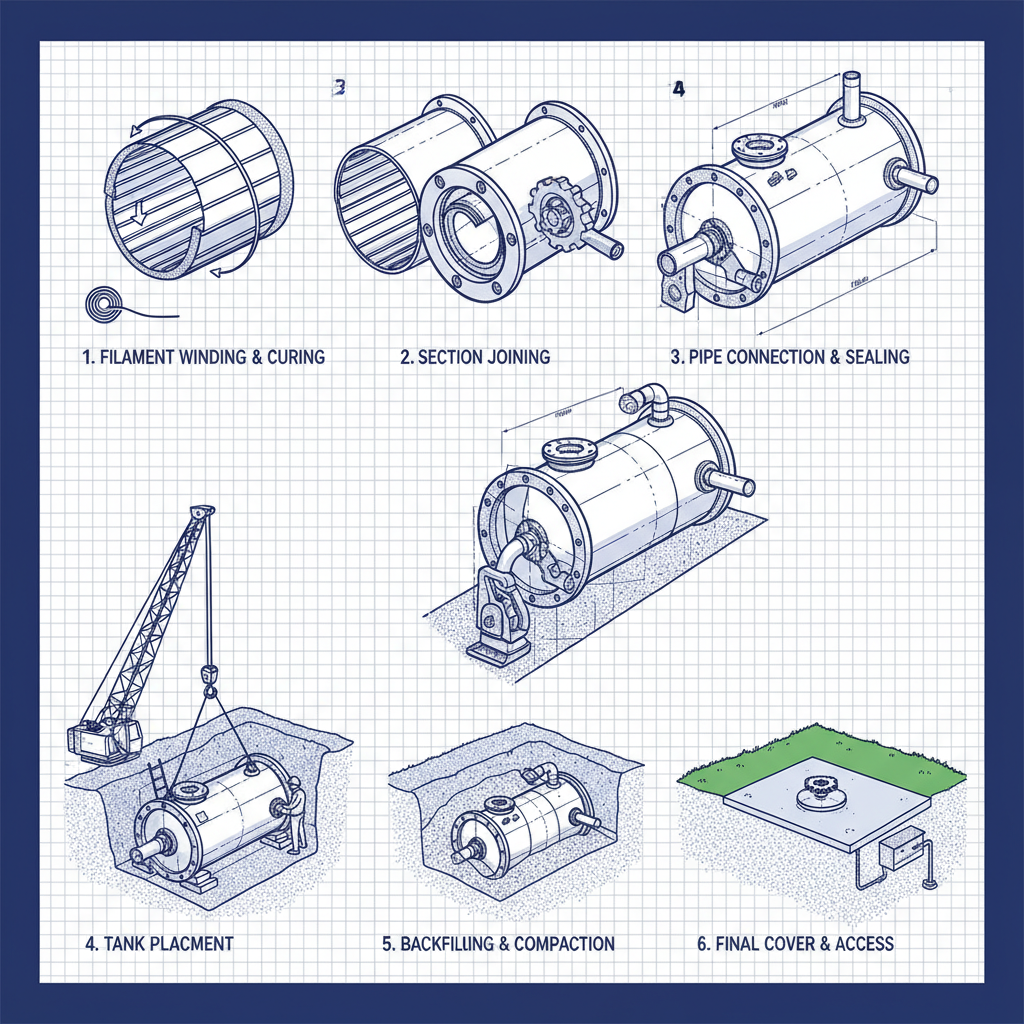
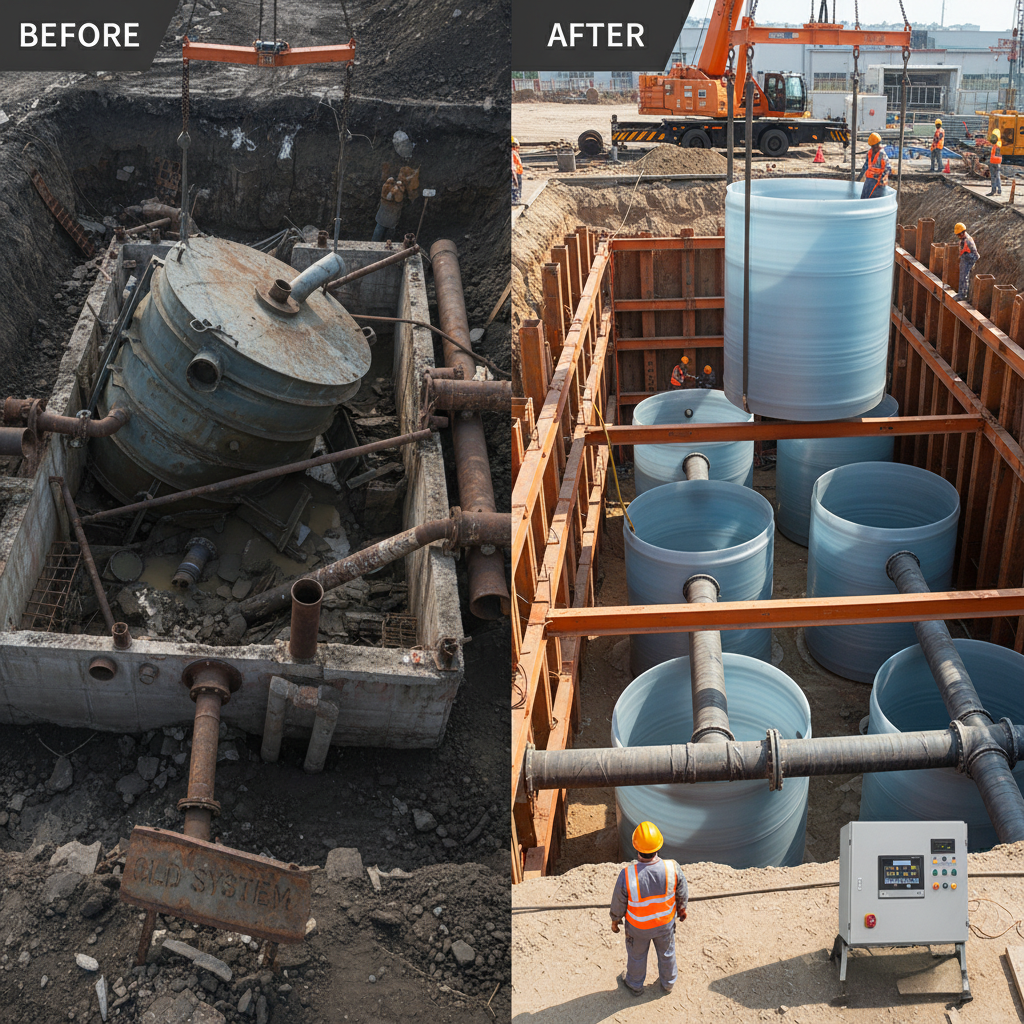
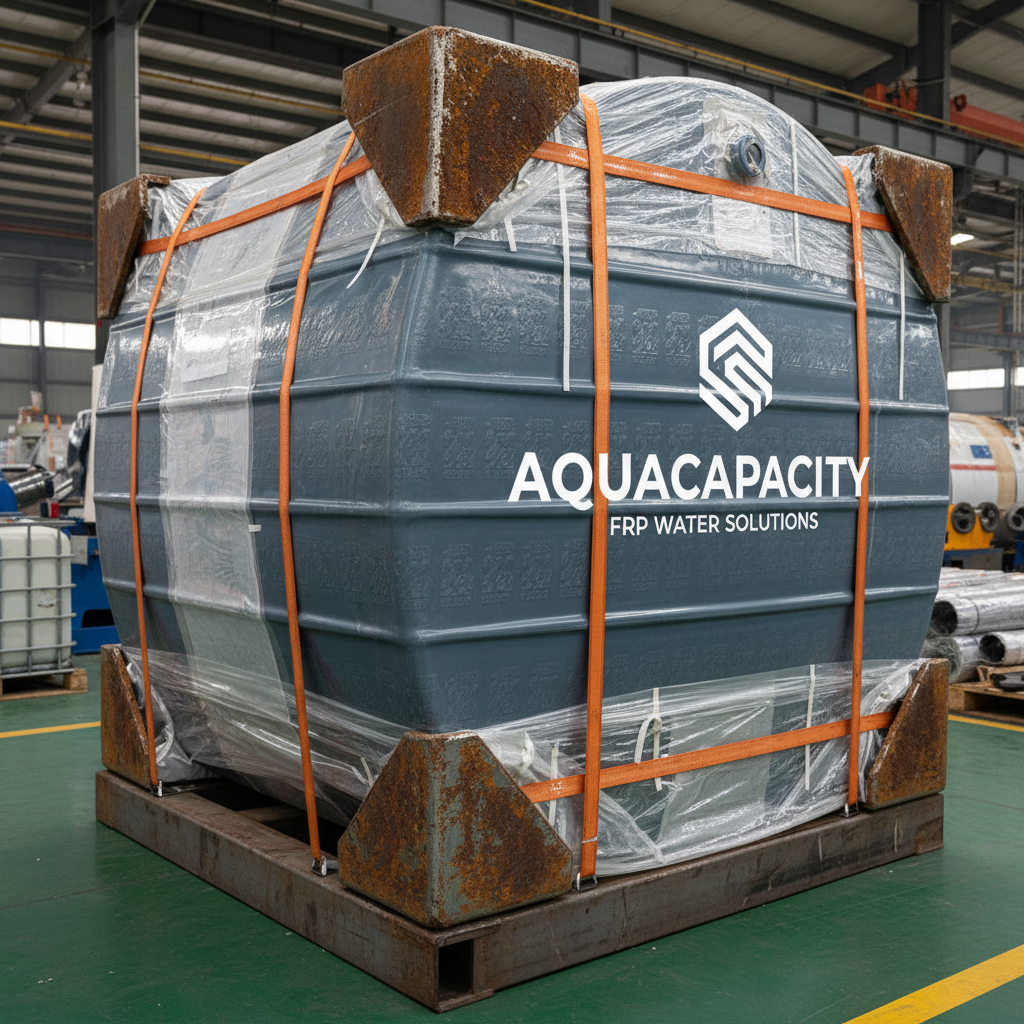
Fibreglass tanks are significantly lighter than their steel counterparts. This helps reduce transportation costs and simplifies installation—particularly beneficial in remote or hard-to-reach locations.
Cost Efficiency Over Time
While upfront costs may sometimes seem higher compared to plastic or metal tanks, the low maintenance demands and long life cycle can save businesses substantial money.
Customizability and Design Flexibility
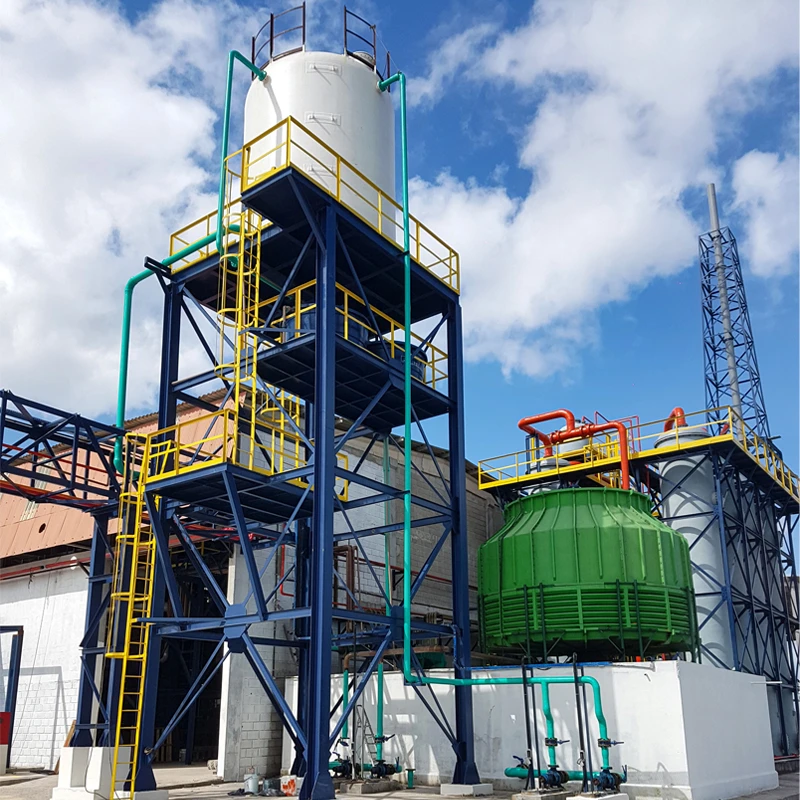
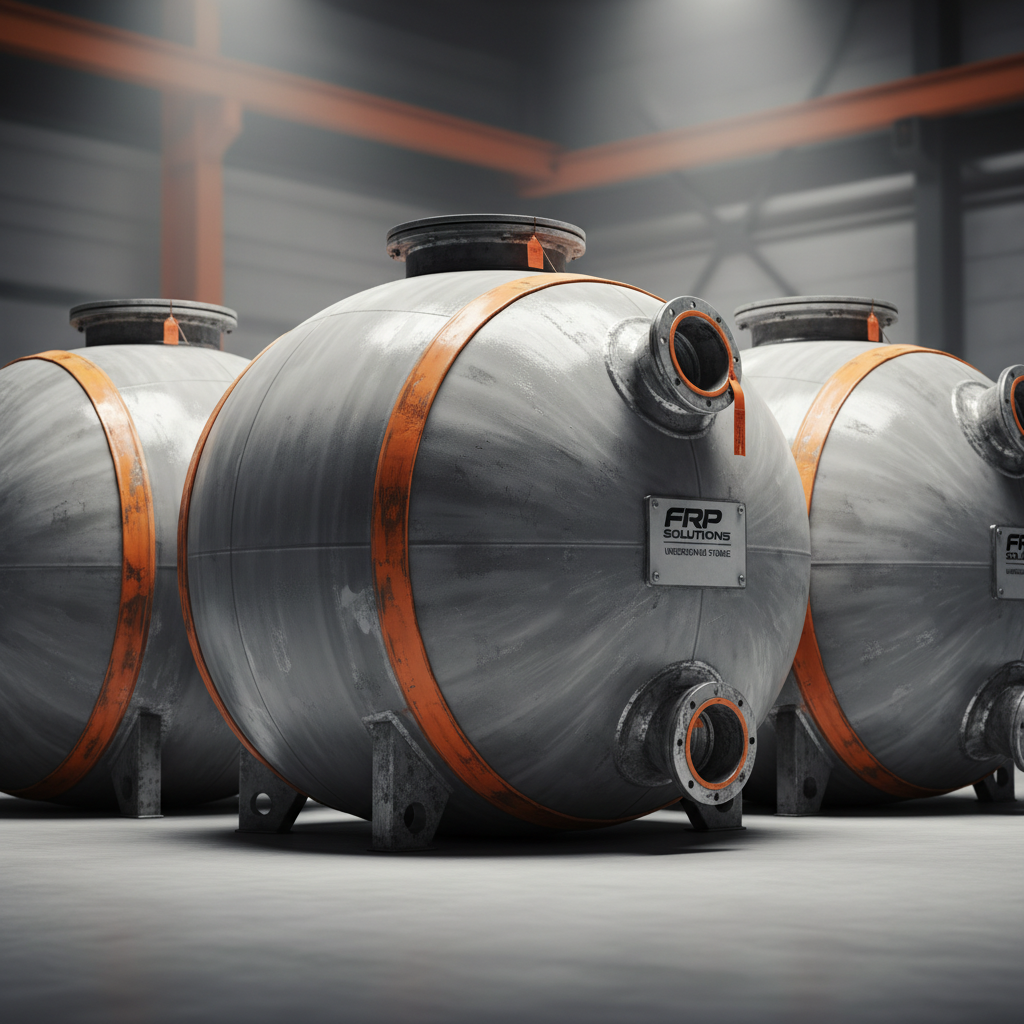
These tanks can be fabricated in a wide variety of sizes and shapes to fit specific needs. You can go for vertical, horizontal, or modular designs depending on the application. This flexibility also means they can be equipped with insulation, liners, or special coatings.
Environmental Sustainability
Fibreglass has a relatively smaller carbon footprint during installation compared to steel, and its longevity reduces waste. Moreover, its inert properties help in preventing contamination.
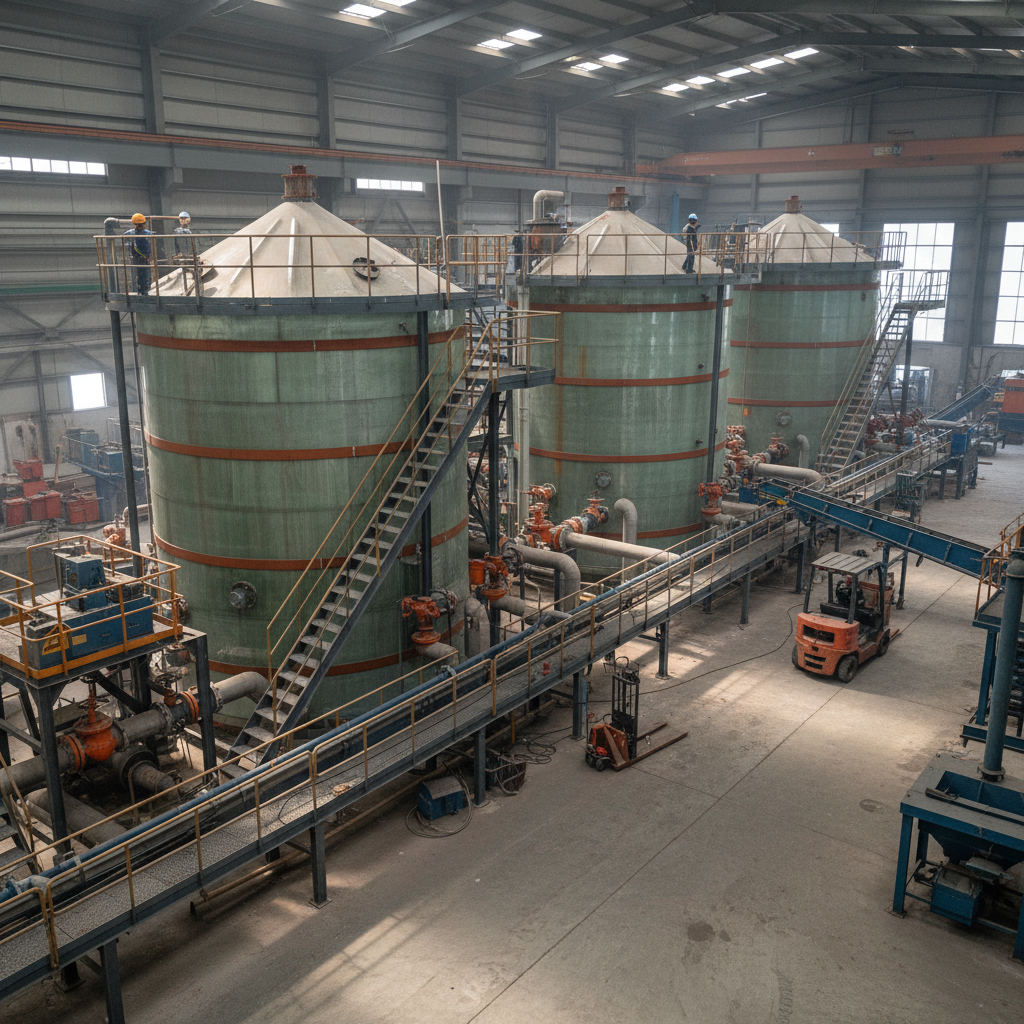
Fibreglass Storage Tanks in Action: Global Applications
These tanks have found homes in an array of industries and geographies:
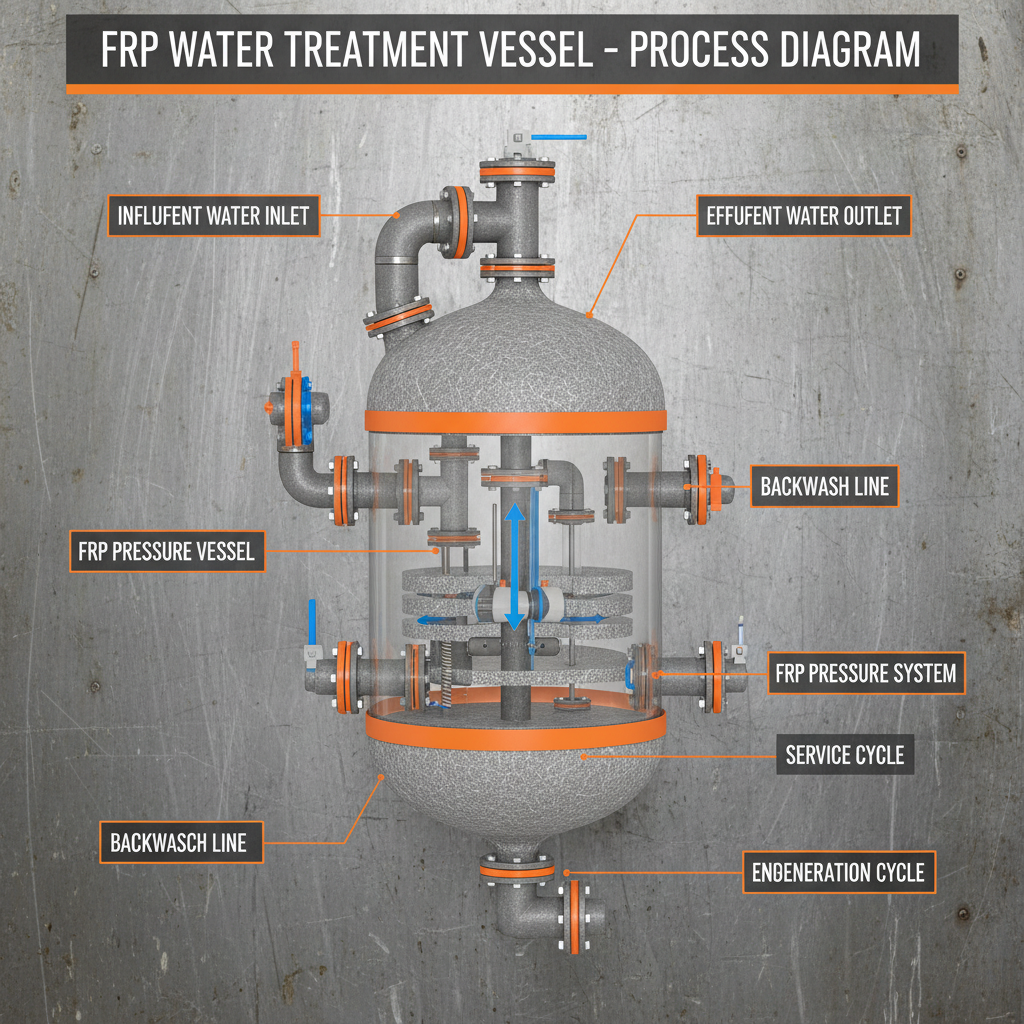
- Water and Wastewater Management: Many municipalities in drought-stricken areas rely on fibreglass tanks to store clean water safely.
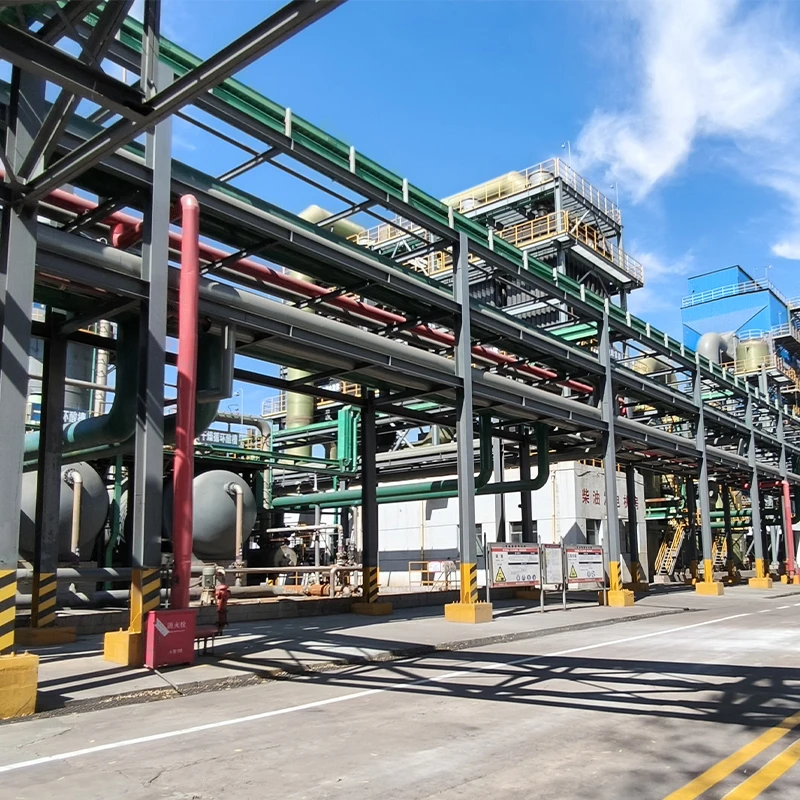
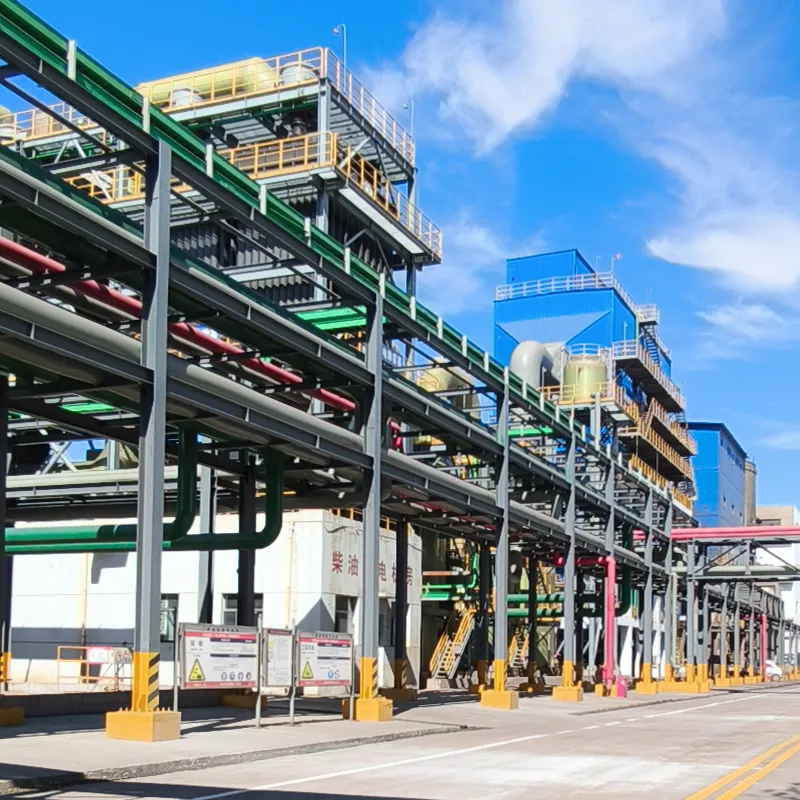
- Chemical Processing Plants: Highly corrosive chemicals require containment solutions that won’t degrade—fibreglass fits the bill perfectly.
- Oil & Gas Industry: From remote field sites to refineries, these tanks store fuel and lubricants safely and reliably.
- Emergency and Humanitarian Aid: In disaster zones, quickly deployable fibreglass tanks store potable water, contributing to relief efforts.
- Agriculture: For irrigation and fertilizer storage, fibreglass tanks offer a stable, corrosion-free option.
For example, in the aftermath of the 2019 Cyclone Idai in Mozambique, NGOs used fibreglass water tanks extensively for their ease of transport and resistance to contamination, restoring access to safe water faster than many alternatives.
Quick Summary
- Resistant to corrosion and chemical attack
- Light and easy to install
- Cost-effective over time
- Highly customizable
- Environmentally friendly
Product Specifications: Typical Fibreglass Storage Tanks
| Specification | Typical Value |
|---|---|
| Material | Glass Fiber Reinforced Plastic (GRP) |
| Capacity Range | 1,000 to 100,000 liters |
| Temperature Range | -40°C to 120°C |
| Typical Lifespan | 20+ years |
| UV Resistance | Excellent, ASTM tested |
Comparing Major Fibreglass Storage Tank Vendors
| Feature | Vendor A | Vendor B | Vendor C |
|---|---|---|---|
| Customization Options | High | Medium | High |
| Max Capacity (liters) | 100,000 | 75,000 | 90,000 |
| Lead Time (weeks) | 6-8 | 4-6 | 8-10 |
| Warranty | 10 years | 7 years | 15 years |
| Price Range | $$$ | $$ | $$$$ |
Advantages & Long-Term Value
Fibreglass storage tanks bring more than just technical benefits. They build trust—you can literally see fewer leaks, less rust, and longer durability. Frankly, for industries storing potable water, this means safer drinking water, which relates directly to human dignity and health. Socially, communities relying on these tanks enjoy greater resilience during shortages or emergencies.
Economically, reduced maintenance and repair costs translate into more predictable budgeting. Plus, their resistance to bacteriological growth helps maintain water quality, which can be the difference between health and hardship in many developing regions.
Future Trends & Innovations
Looking ahead, fibreglass tank technology is inching towards even smarter solutions. We see developments like:
- Integration of sensors for remote monitoring to detect leaks or chemical imbalances.
- Use of bio-based resins to improve sustainability further.
- Hybrid tanks that combine fibreglass with insulation materials for energy-efficient storage.
- Modular designs for easier scalability and transport.
These advances align with global pushes for green energy and digitalization, giving fibreglass storage tanks a bright and innovative future.
Challenges & Solutions
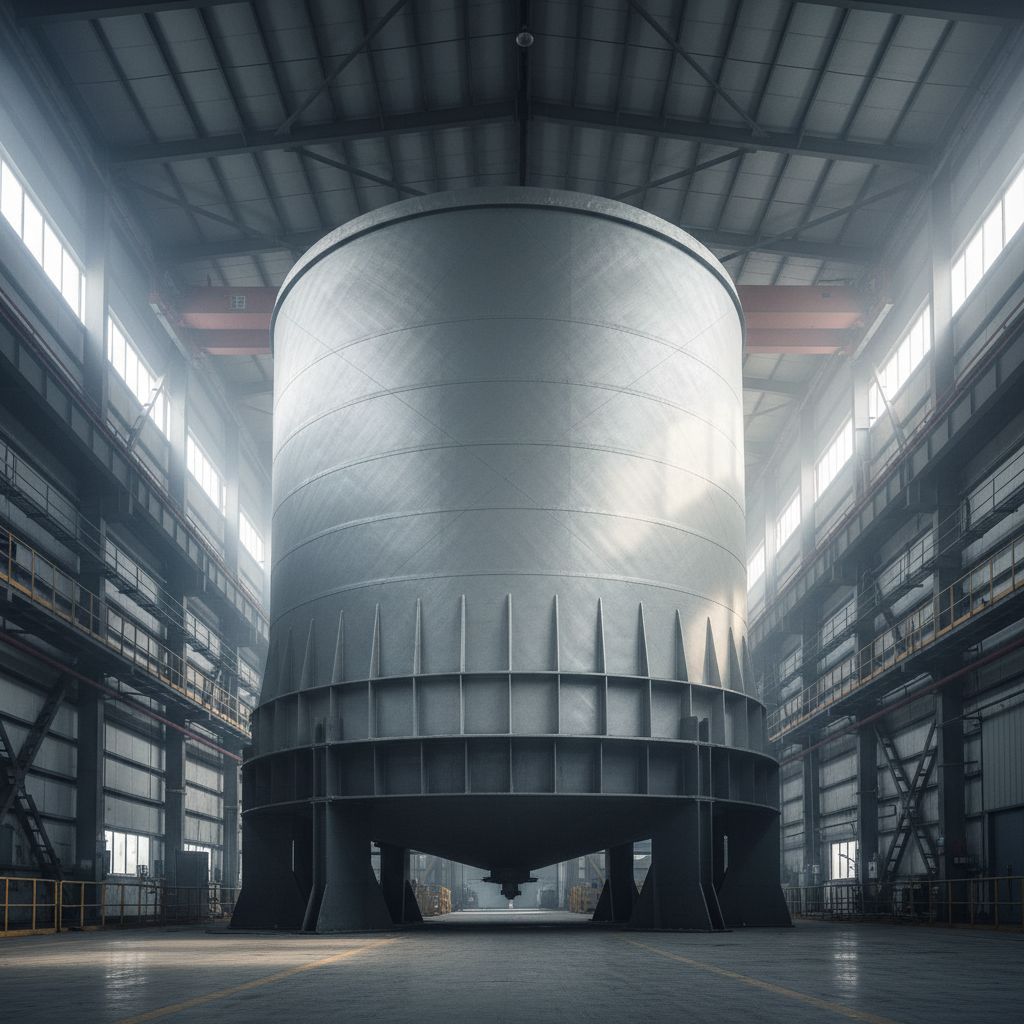
Like any technology, fibreglass tanks come with challenges. UV degradation can occur if poor-quality coatings are applied. Also, while lightweight, large tanks may require specialized supports. Installation in extremely cold regions can affect resin performance unless specifically formulated.
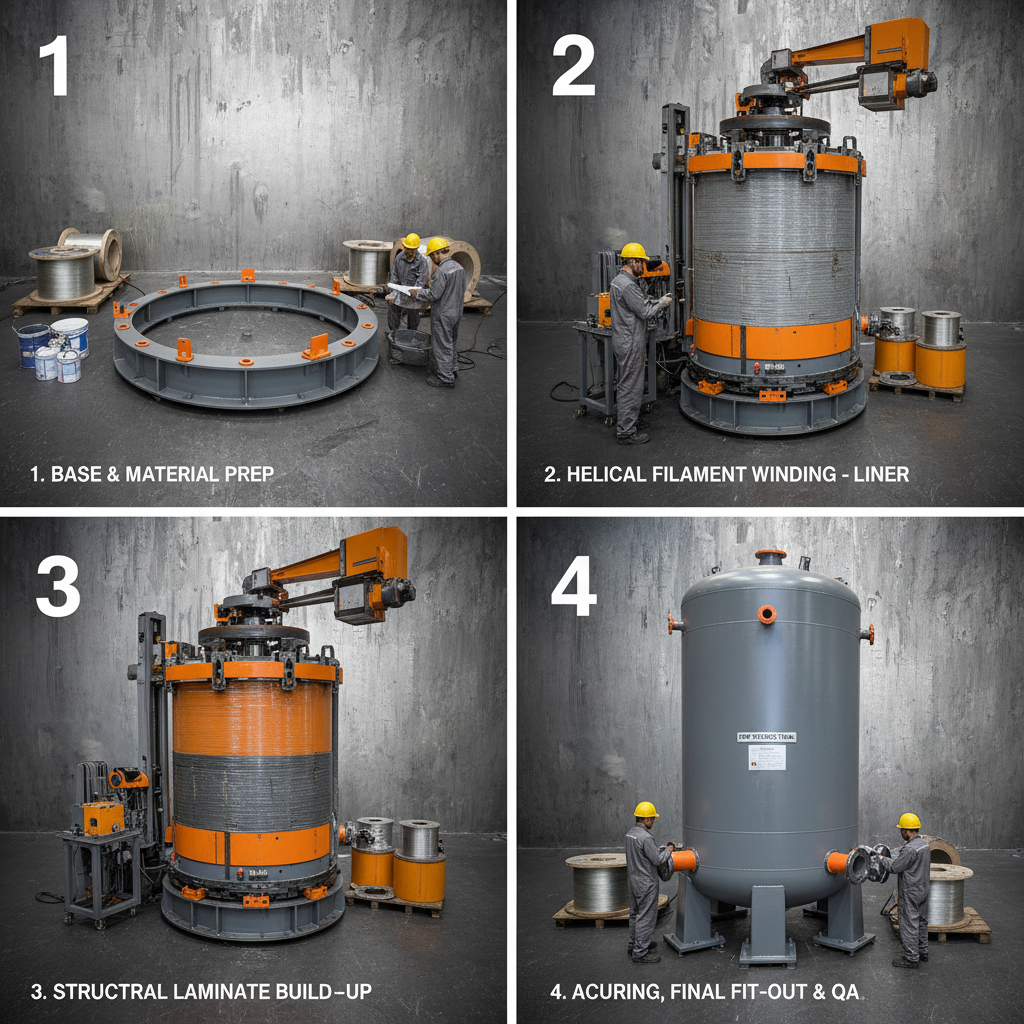
Experts recommend rigorous quality control during manufacturing and proper site assessment before installation. Advances in resin chemistry and protective gel coats are constantly addressing these issues, making tanks tougher and more adaptable every year.
FAQ: Frequently Asked Questions About Fibreglass Storage Tanks
- Q: How long do fibreglass storage tanks usually last?
A: Typically, these tanks have a lifespan exceeding 20 years, depending on their use and maintenance. Proper installation and UV protection extend this considerably. - Q: Are fibreglass tanks suitable for drinking water storage?
A: Absolutely. When made with FDA-compliant resins and proper liners, fibreglass tanks are safe for potable water. - Q: Can fibreglass tanks withstand extreme weather conditions?
A: Yes, with correct design and protective coatings, they perform well in harsh environments—from salty coastal zones to freezing temperatures. - Q: How do I choose a vendor for fibreglass storage tanks?
A: Look for certifications (ISO, ASTM), warranty offers, customizable options, and proven industry experience. It’s also worth checking references or case studies. - Q: What maintenance do these tanks require?
A: Routine inspections for surface damage and cleaning to prevent sediment buildup are generally sufficient.
Conclusion
Fibreglass storage tanks offer a compelling mix of durability, flexibility, and sustainability that the modern industrial landscape—and many humanitarian projects—need. They combine technical sophistication with practical long-term savings and social benefits. If you want to explore cutting-edge options or learn more, don’t hesitate to visit our website: fibreglass storage tanks.
In real terms, these tanks reflect the intersection of material science and global needs, proving that innovation can be practical, trusted, and impactful.