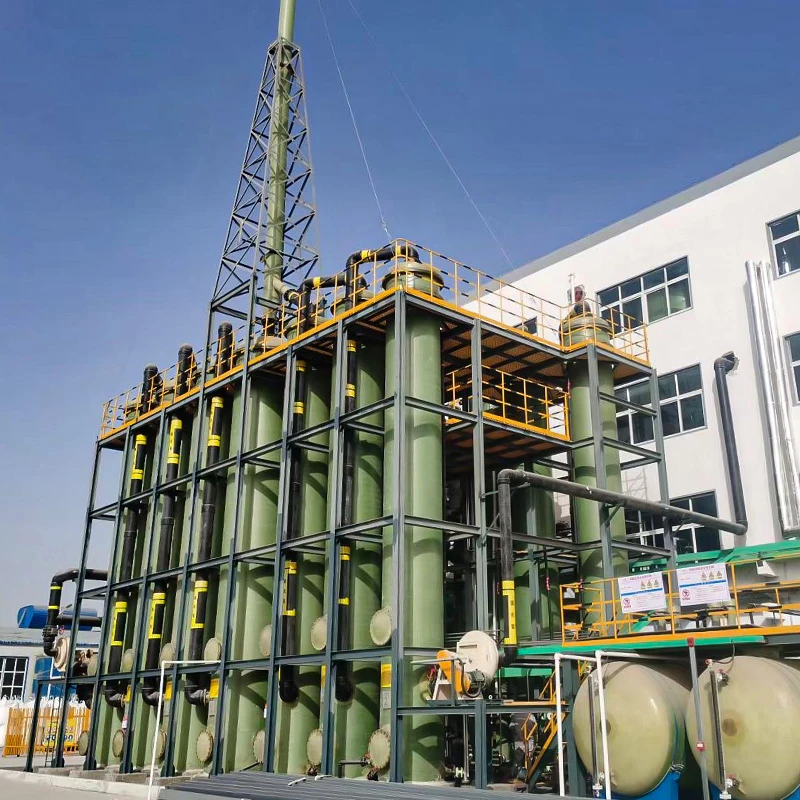
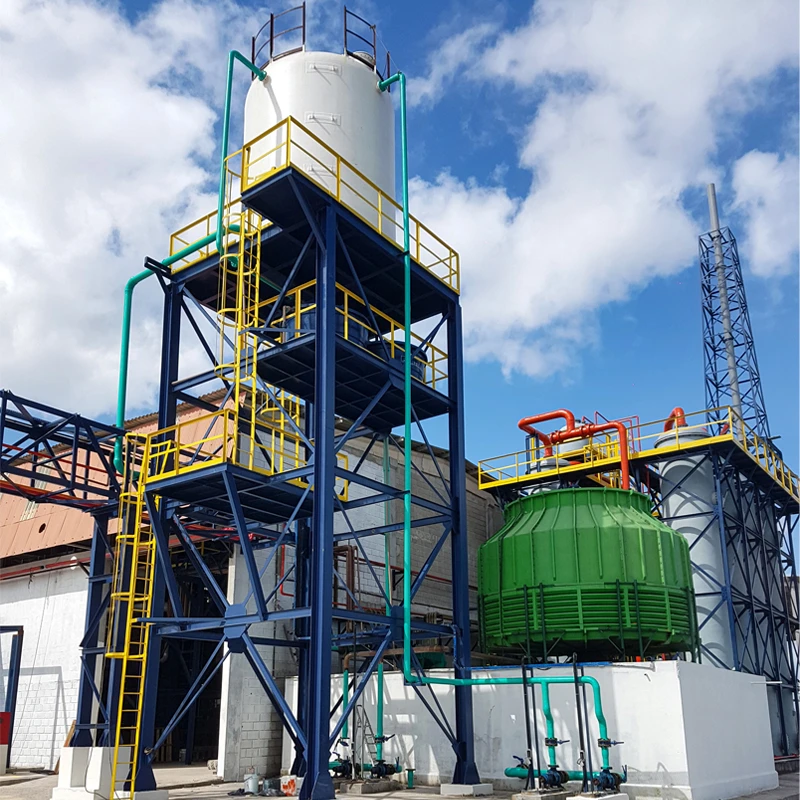
Durable 20000 Gallon Fiberglass Tanks for Industrial Use
What Makes a 20000 Gallon Fiberglass Tank Stand Out?
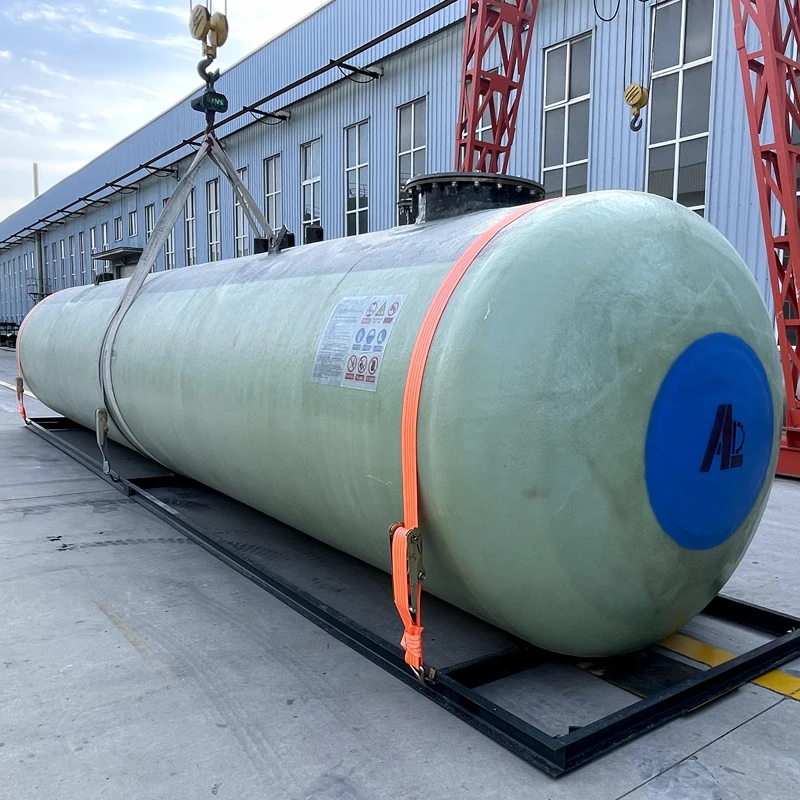
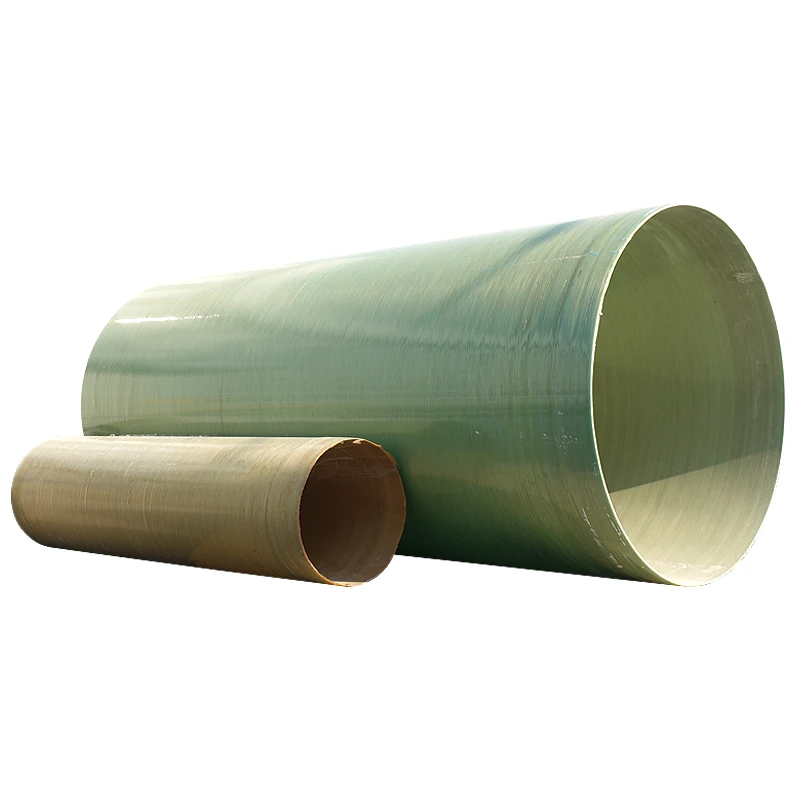
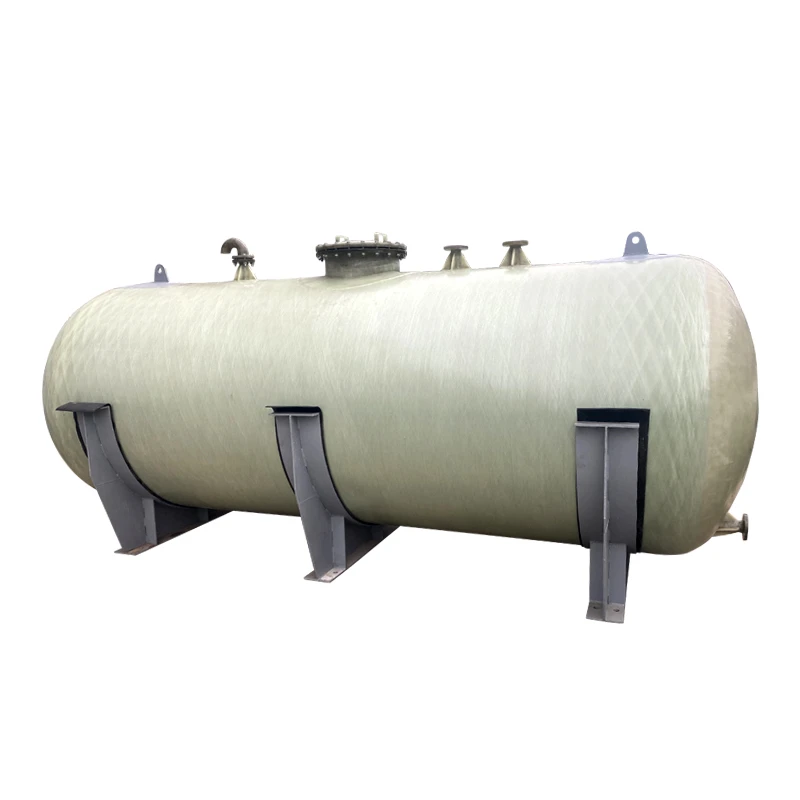
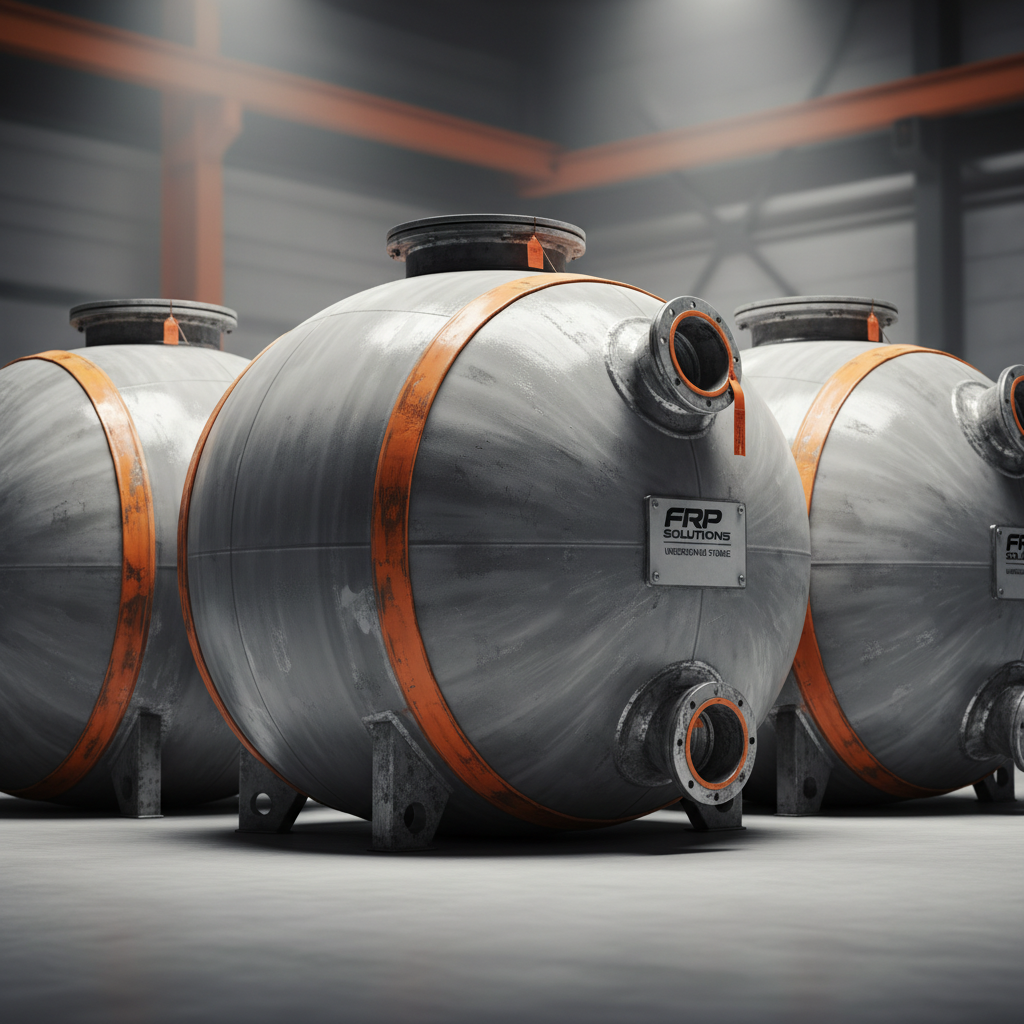
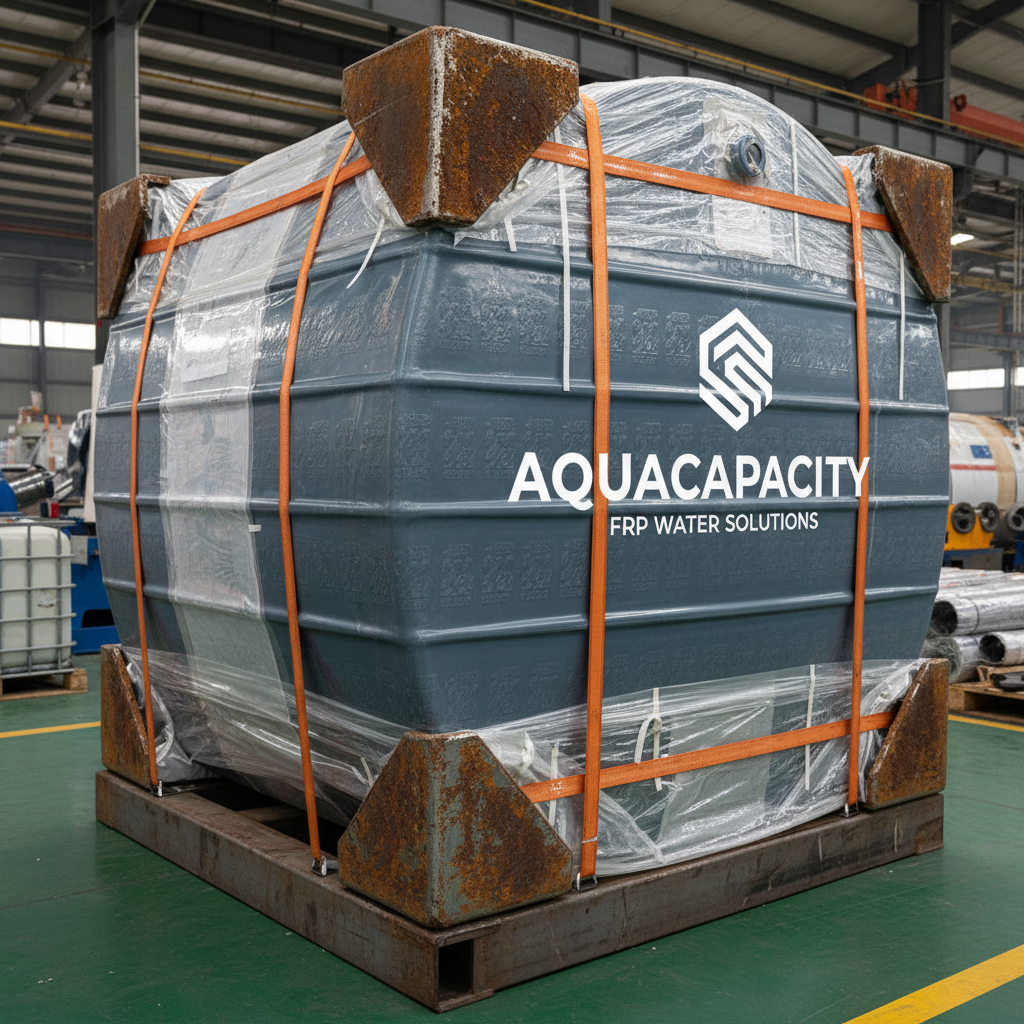
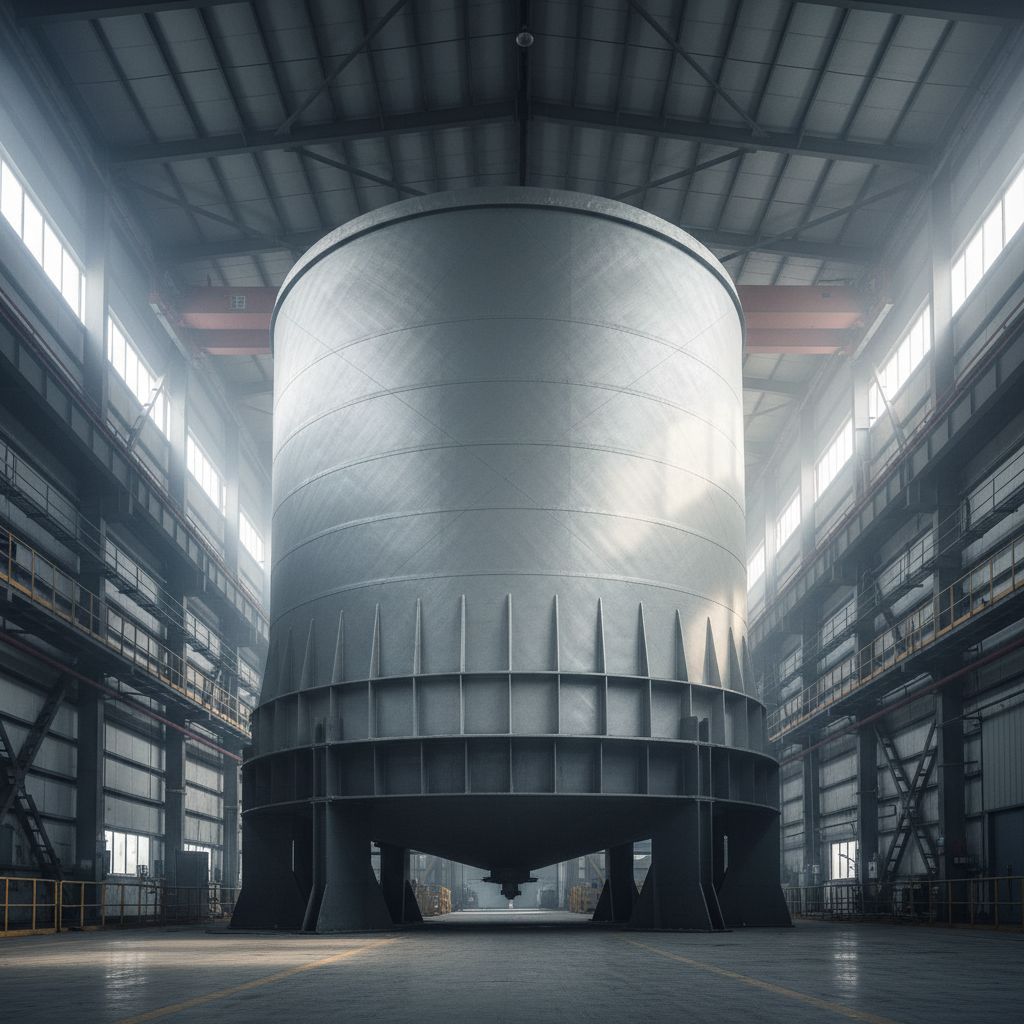
Having spent quite a few years in the industrial equipment sector, I can honestly say that tanks of this scale aren’t just about holding bulk volume — they’re about reliability and smart engineering wrapped in a shell that’s both strong and corrosion-proof. The 20000 gallon fiberglass tank fits neatly into that category. These tanks are typically made from fiberglass reinforced plastic (FRP), which is a composite that feels almost like the industrial world’s multitool: lightweight but tough, resistant to chemicals, and flexible enough to tweak for different needs.
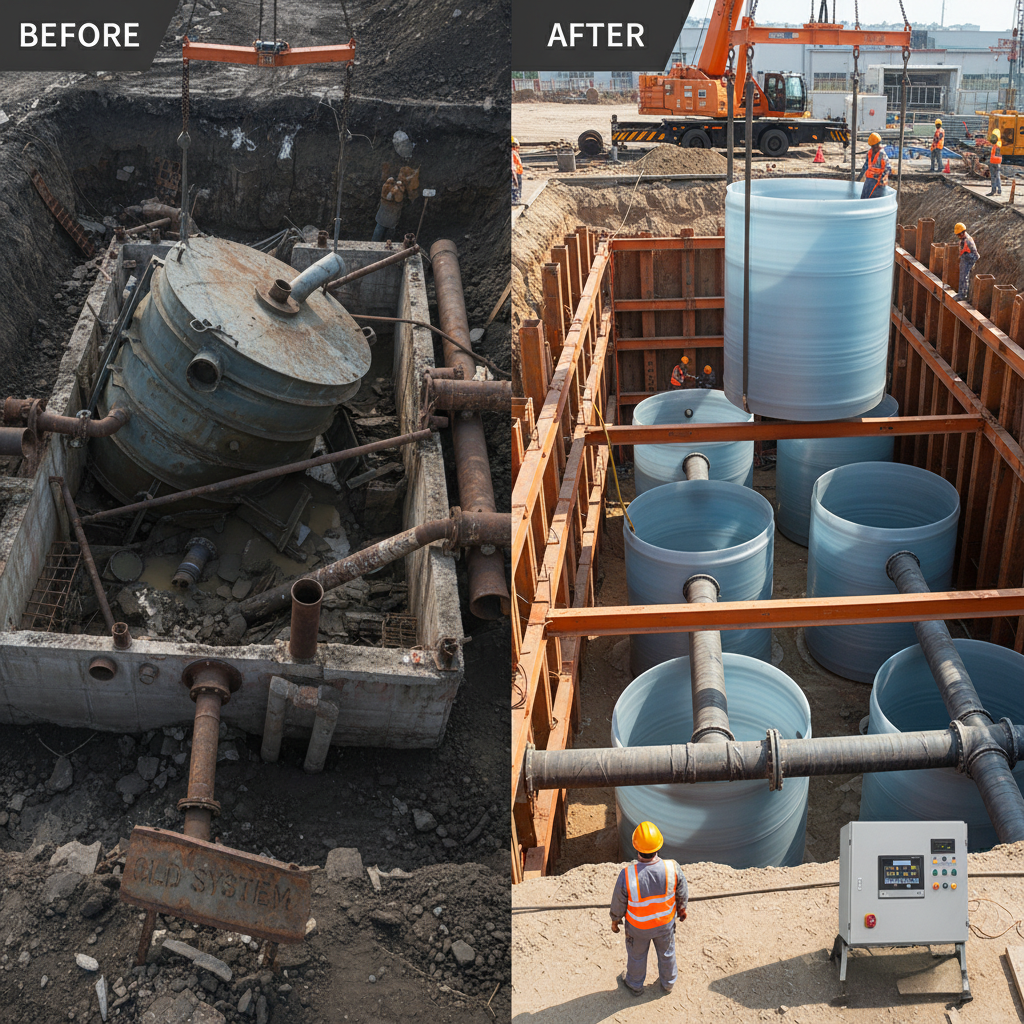
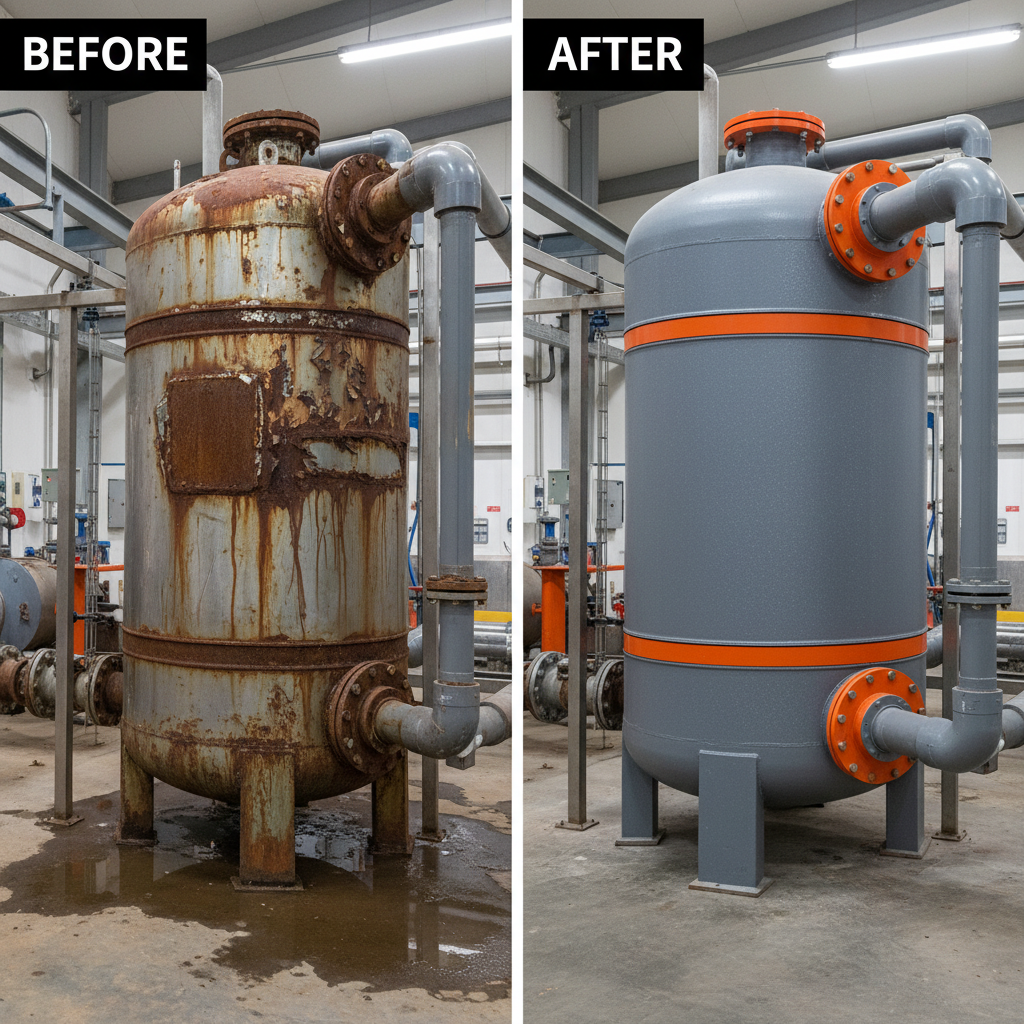
One of the reasons these tanks have become go-to solutions for everything from chemical storage to wastewater management is because of their material science. Fiberglass doesn’t rust, it isn’t prone to denting like metals, and when fabricated properly, it can withstand pretty aggressive environments for years. I remember a plant inspection where an old steel tank was worn through and leaking, yet a similar capacity FRP tank next door was still solid after a decade.
Key Specifications of a 20000 Gallon Fiberglass Tank
| Specification | Details |
|---|---|
| Capacity | 20,000 gallons (approx. 75,700 liters) |
| Material | Fiberglass Reinforced Plastic (FRP) with vinyl ester resin |
| Diameter | Approximately 15 feet (4.57 meters) |
| Height | Approximately 12 feet (3.66 meters) |
| Operating Temp Range | -20°F to 150°F (-29°C to 65°C) |
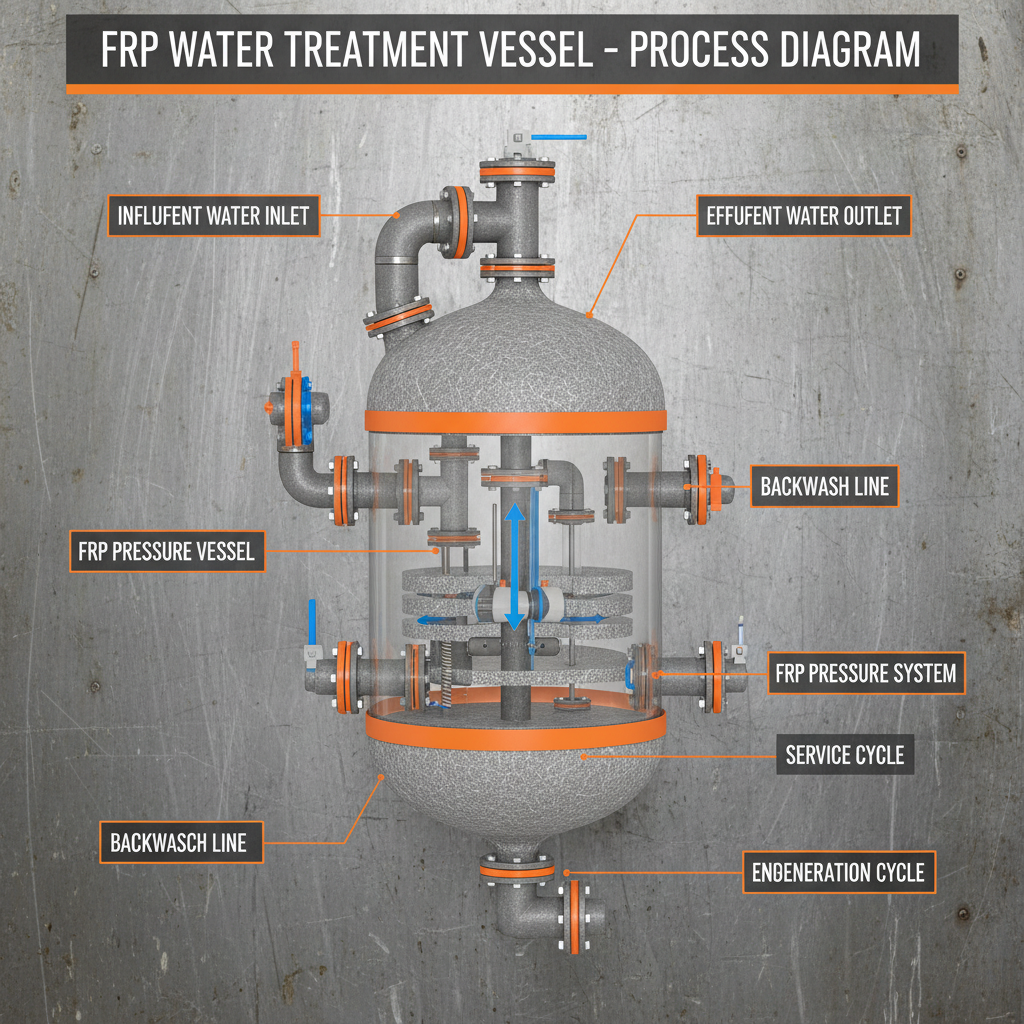
| Typical Applications | Chemical storage, water treatment, agriculture, industrial waste management |
Just a quick aside — the resin type matters. Vinyl ester resin is preferred because of its resistance to acids and corrosive chemicals, which are common in industrial setups. I’ve seen tank integrity compromised because someone chose a generic polyester resin, which simply didn’t cut it.
Comparing Leading Manufacturers for Fiberglass Tanks
| Feature | FRPGRP Machine | Competitor A | Competitor B |
|---|---|---|---|
| Customization Options | Full (sizes, resin types, fittings) | Limited (standard sizes only) | Moderate (few resin options) |
| Warranty Period | 5 years | 3 years | 2 years |
| Lead Time | 4-6 weeks | 8-10 weeks | 6-8 weeks |
| Certification | ASTM & API compliant | ASTM only | No formal certification |
| Price Range | $$$ (value for money) | $$$$ | $$ |
As someone who has been on both buyer and supplier sides, I’ve noticed that while price is always a tempting focal point, the real value lies in longevity and customization. I had a client once who went for the cheapest option — sure, saved cash upfront — but replaced the tank in 4 years because of corrosion issues. Not a happy story.
Applications and Real-World Insights
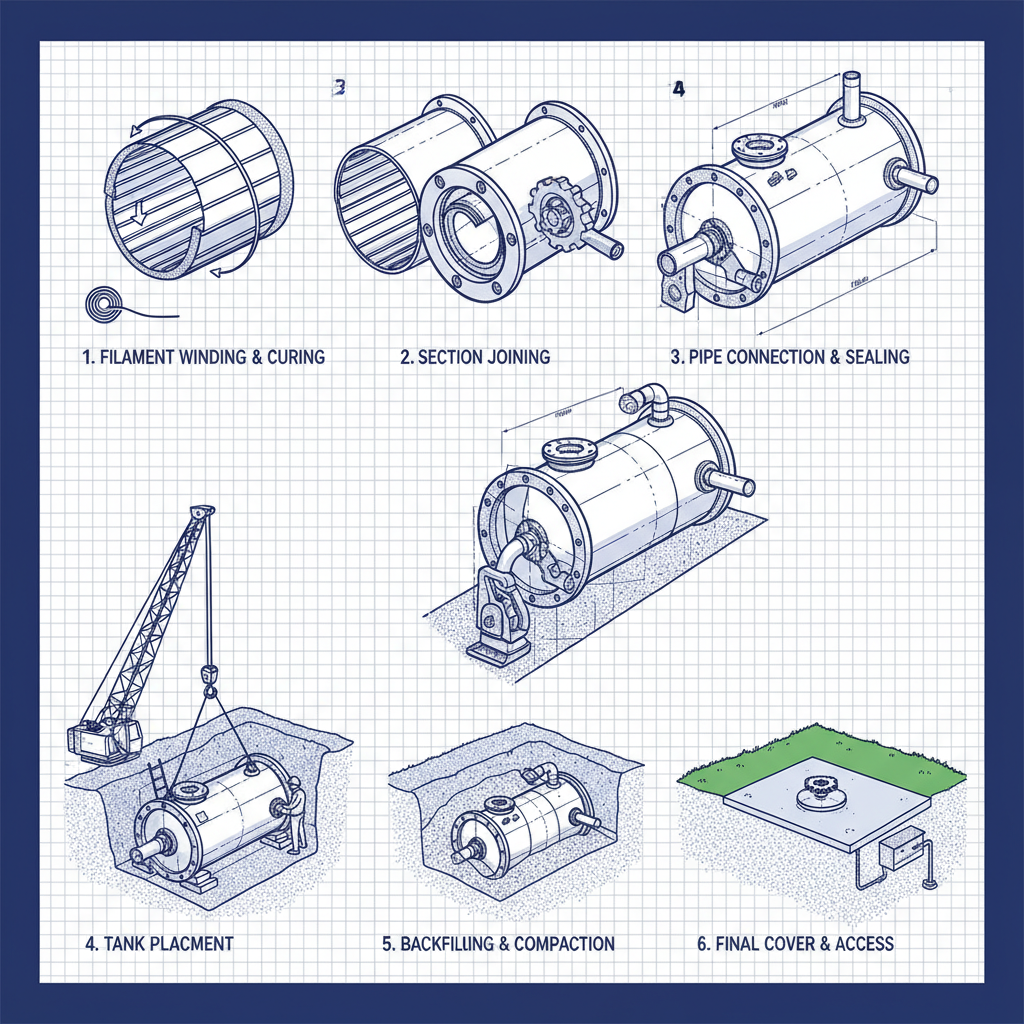
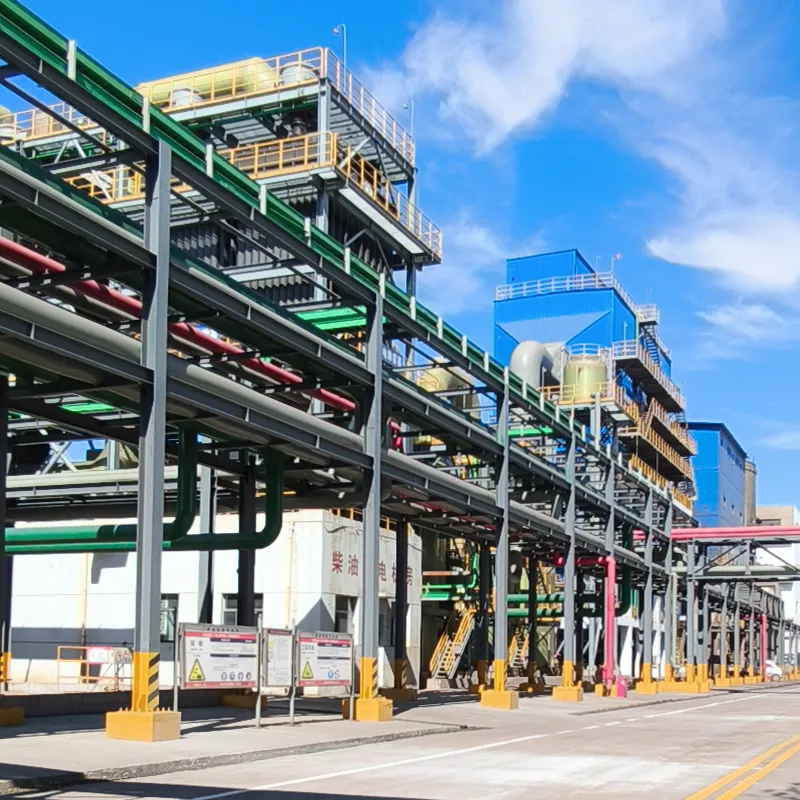
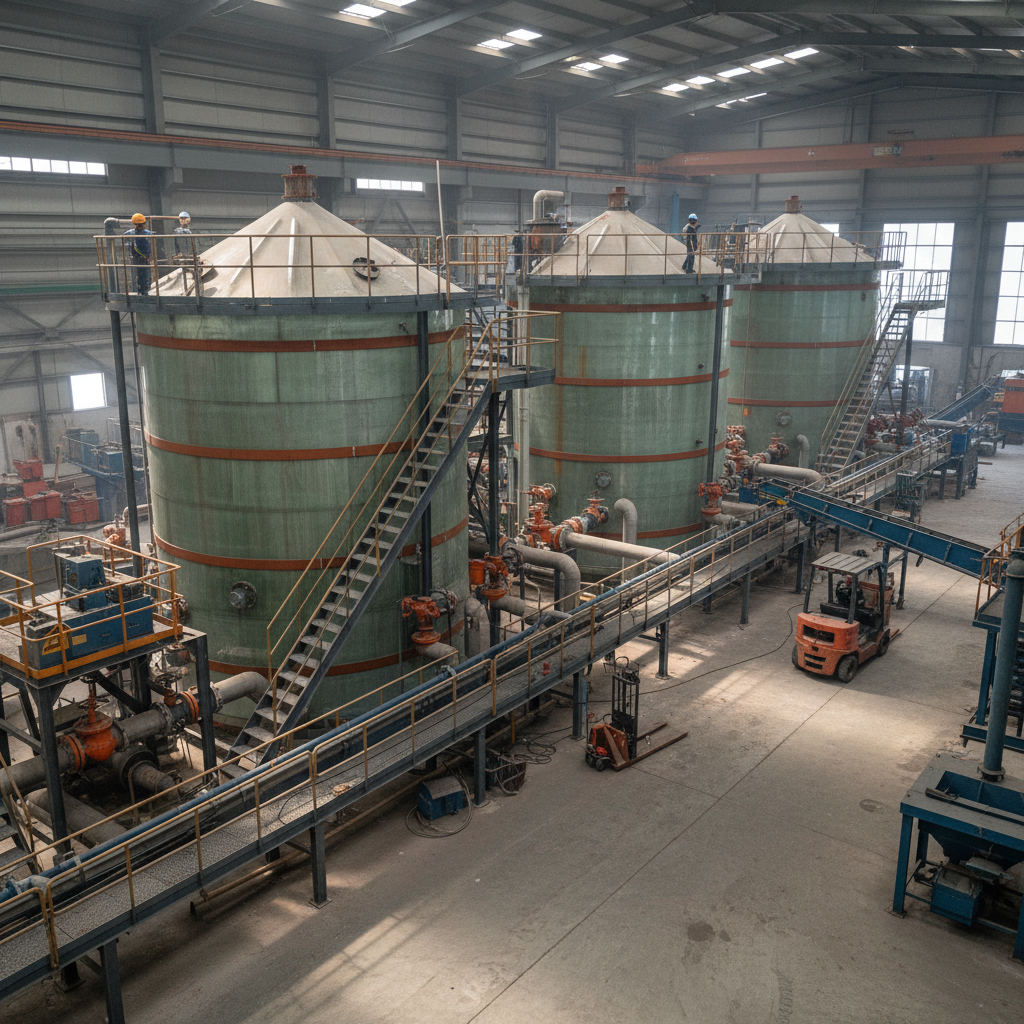
Industrially speaking, a 20000 gallon fiberglass tank is a formidable piece. It’s often deployed in chemical plants for acid storage, in agricultural setups for fertilizer storage, or in wastewater treatment facilities where harsh chemicals or varying pH levels are common.
Oddly enough, I recall a recent project where customization was truly put to the test: a client needed a tank with special UV-resistant coating and internal baffles to reduce fluid sloshing during seismic activity. Not standard stuff but absolutely critical for their site. The manufacturer — well, the folks behind this 20000 gallon fiberglass tank — managed to deliver without much fuss.
This kind of adaptability is what you don’t always get if you settle for off-the-shelf units. And frankly, when you’re investing into these tanks, it’s worth it to ask the tough questions about material grades, testing protocols, and certifications.
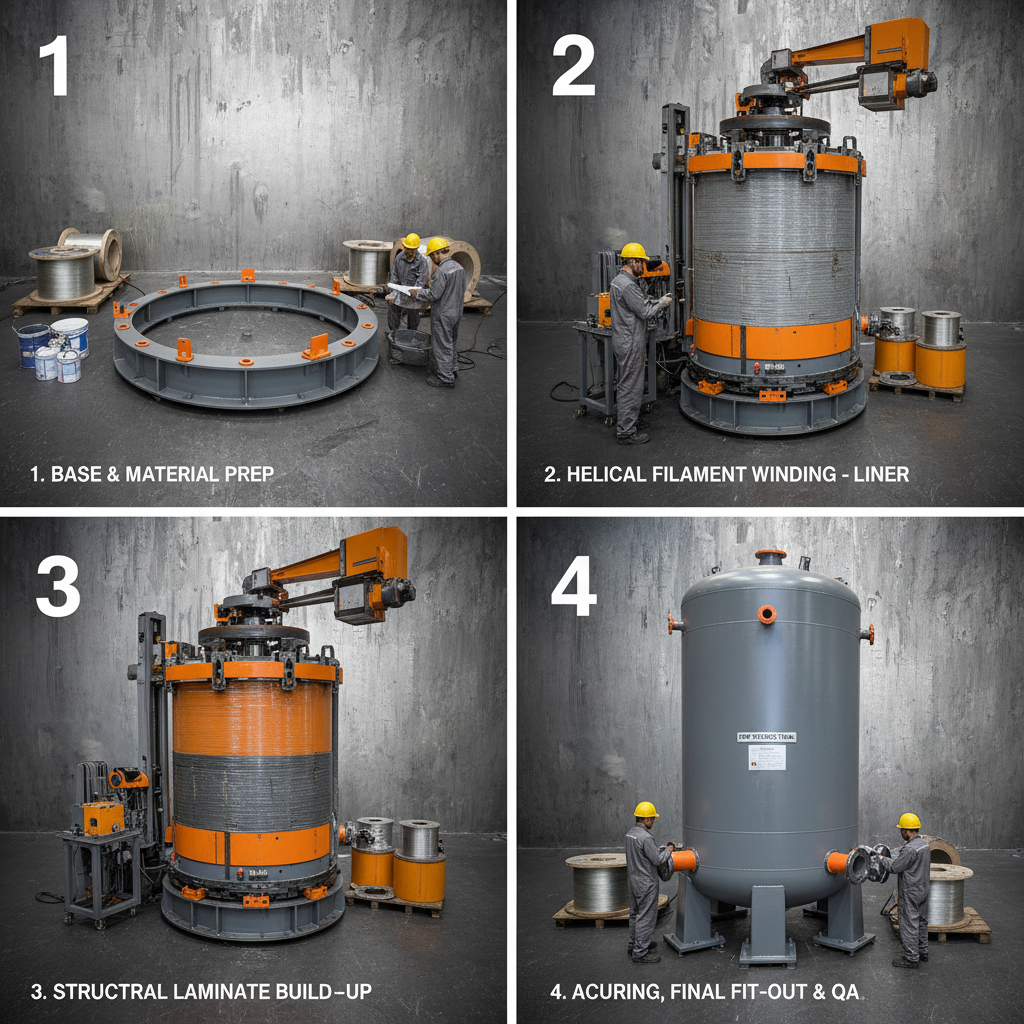
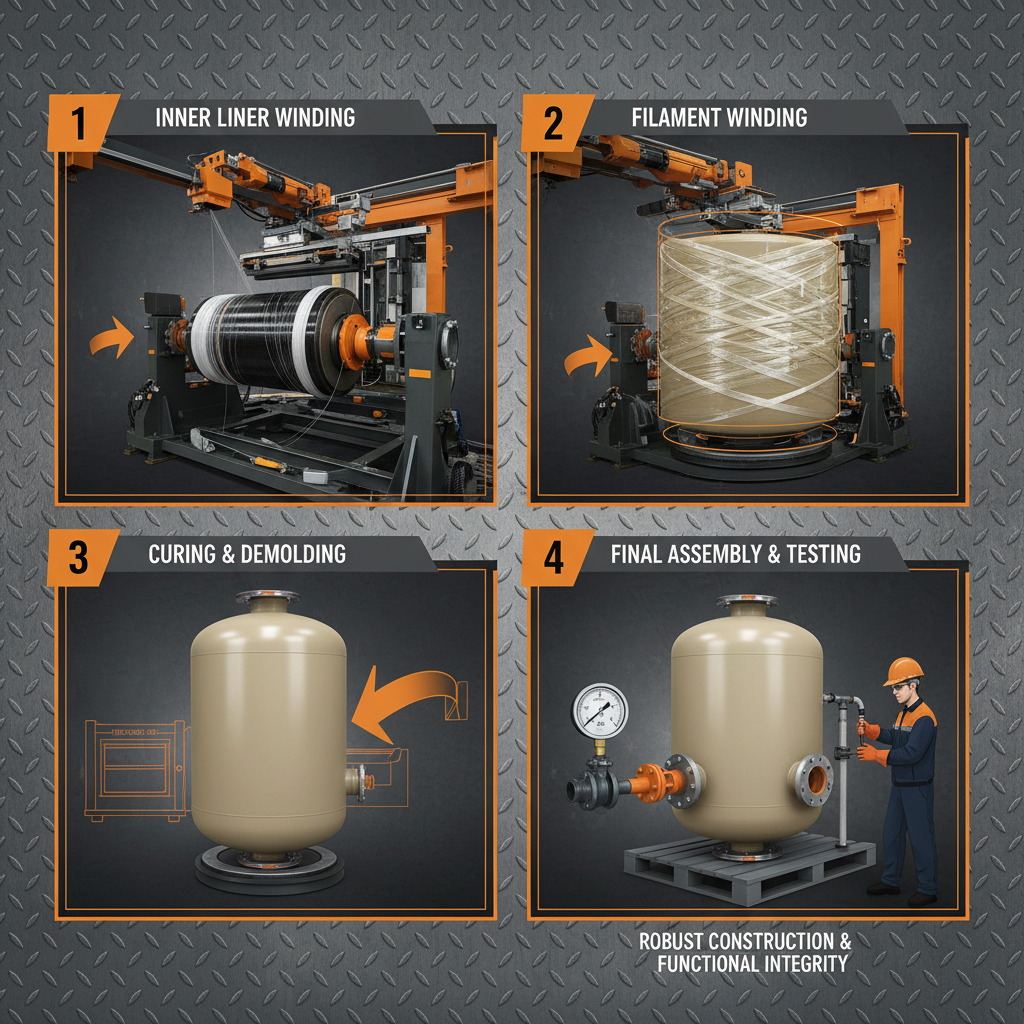
In real terms, these tanks usually require testing under hydrostatic pressure conditions, resin cure verification, and sometimes environmental exposure simulation to gauge long-term performance. I’ve been at plants witnessing these tests, and it’s always better to see the build quality up close rather than blindly trusting specs.
So, if you’re scouting for a high-capacity tank that won’t give up at the first sign of aggressive chemicals or tough conditions, a fiberglass tank inching toward 20000 gallons is a solid bet. Just keep in mind it’s not the cheapest plastic drum you toss around. It’s a serious investment, so picking the right supplier counts.
Well, I’m out of steam for now — but maybe this gives you a little more context when sizing up your next bulk storage option.
Cheers, and keep those tanks sturdy!
References & Further Thoughts
- ASTM Standards for Fiberglass Tanks, 2023 Edition
- Industrial Storage Tank Materials – Petrochemical Journal, Vol 58, 2022
- Case Study: Custom FRP Tanks in Seismic Zones, Global Industrial Review, 2023