Durable and Efficient 30000 Gallon Fiberglass Tanks for Industrial & Humanitarian Use
Understanding the 30000 Gallon Fiberglass Tank: More Than Just a Container
At first glance, a 30000 gallon fiberglass tank might just seem like a big vessel, right? But the story behind this common industrial and humanitarian tool is much richer, woven through with global consequences. These tanks quietly underpin water security, chemical storage, and environmental safety in countless settings worldwide. Understanding what makes these tanks tick—material, capacity, design—not only matters to engineers and procurement teams but also impacts communities and industries globally.
Globally, water scarcity affects over 2 billion people according to the UN, and secure, durable storage—especially portable or modular options—is in high demand. The 30000 gallon fiberglass tank is perfectly positioned to meet these challenges. Whether it’s storing potable water in drought-stricken areas or holding chemicals safely in a remote refinery, the tank’s versatility is a real game changer.
Mini takeaway: These fiberglass behemoths are crucial infrastructure, ensuring safe, large-volume storage with a lighter footprint compared to traditional steel or concrete tanks.
Why the 30000 Gallon Fiberglass Tank Matters Globally
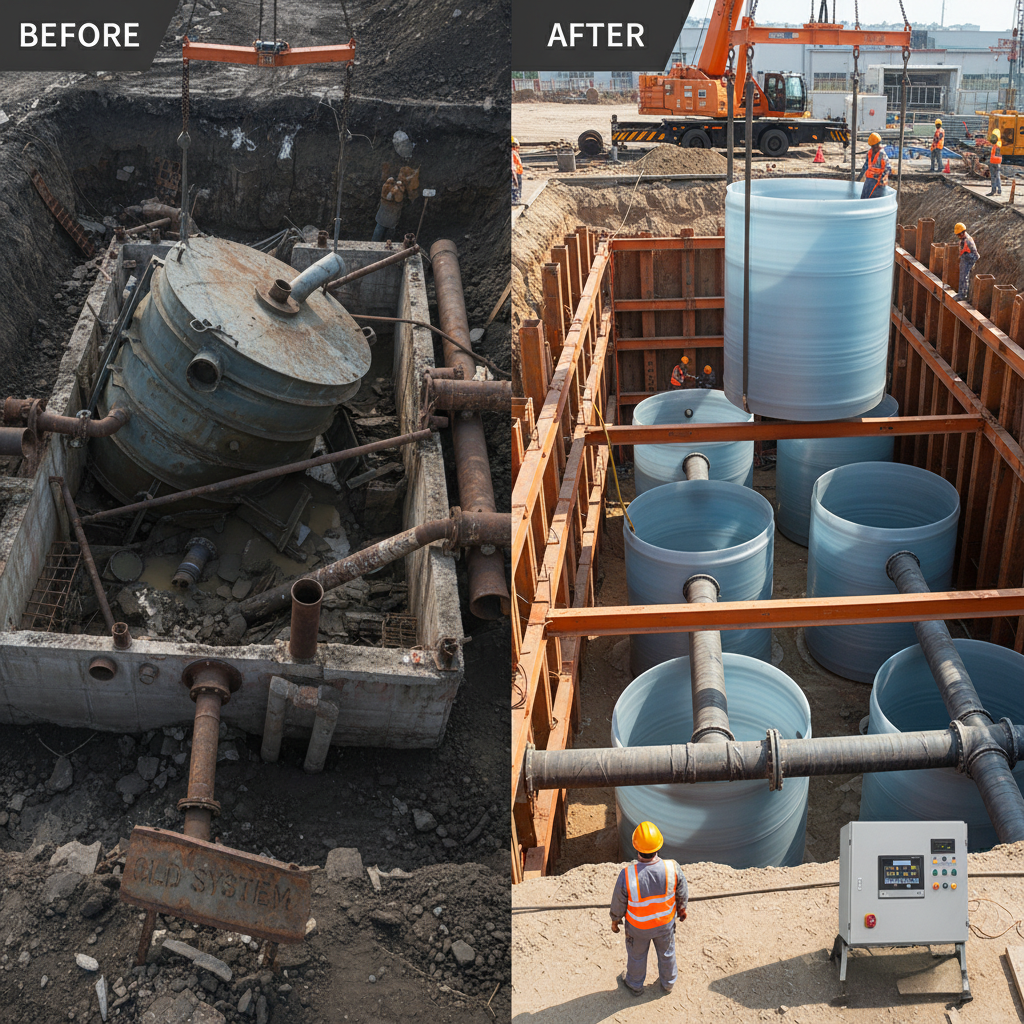
The numbers are staggering. The World Bank estimates that industrial water demand alone will increase by 400% in coming decades. Add humanitarian crises—think natural disasters that disrupt municipal services—and the need for rapid deployment of reliable storage is clear. Fiberglass tanks, particularly the 30000 gallon size, offer a scalable solution that traditional materials often can’t match: they’re corrosion-resistant, lighter, and easier to install.
This is not just industrial hype. Countries in arid regions like Australia, parts of Africa, and the southwestern USA increasingly depend on fiberglass storage for water and waste management. Oddly enough, there’s an aesthetic and practical appeal too—these tanks don’t rust, dent easily, or require as much maintenance as conventional counterparts. That means less downtime and fewer environmental risks.
Mini takeaway: In real terms, fiberglass tanks help communities stay resilient against climate uncertainty and industrial strain.
What Exactly Is a 30000 Gallon Fiberglass Tank?
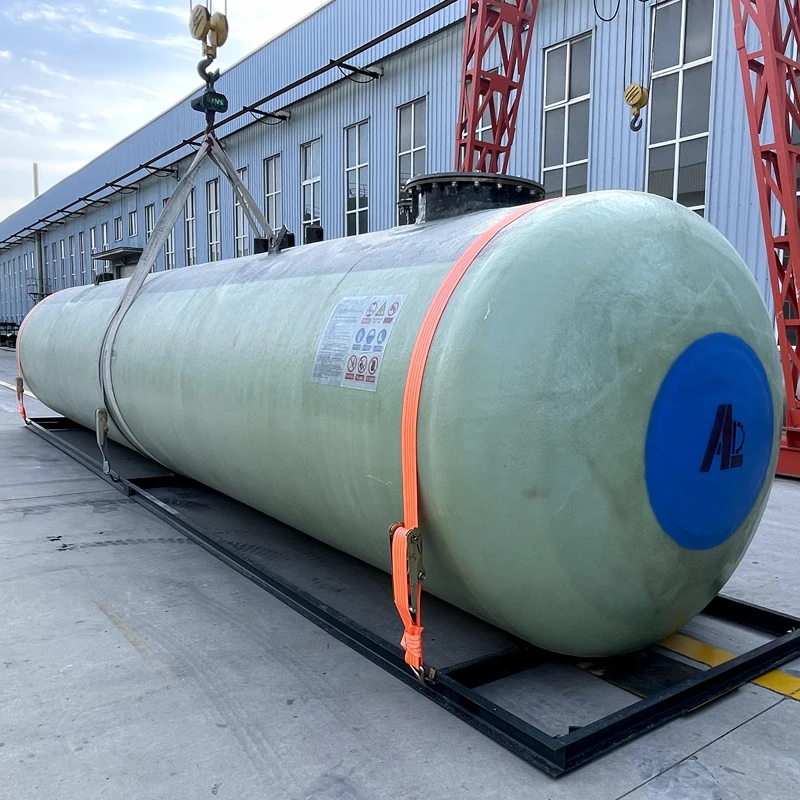
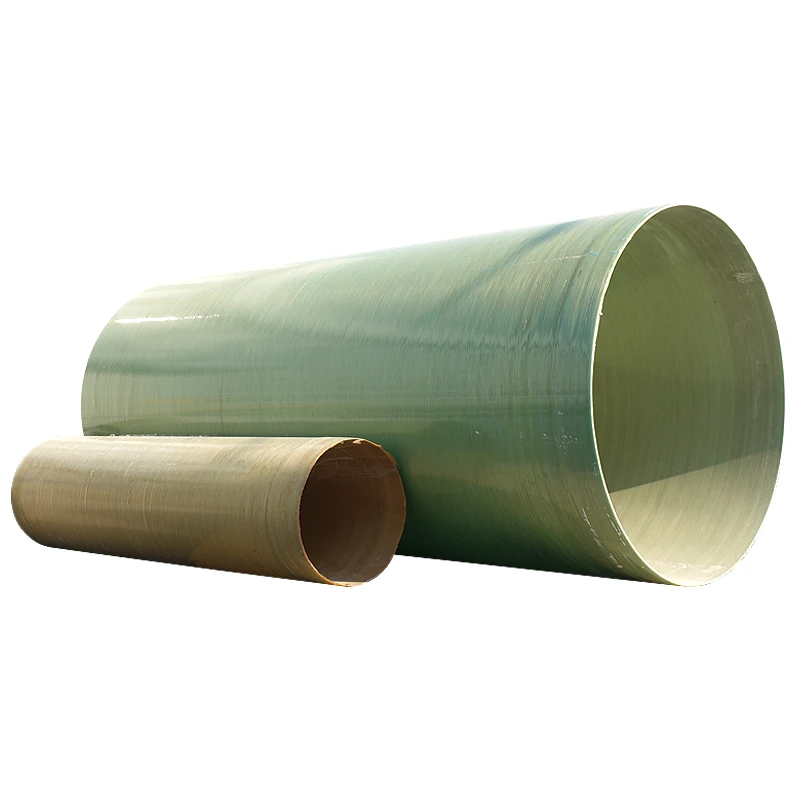
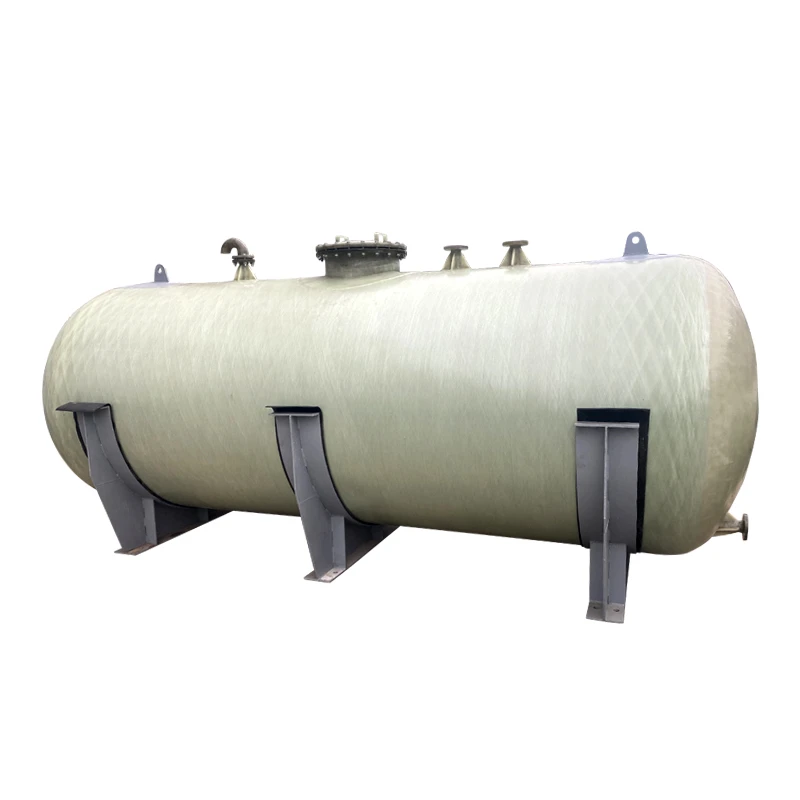
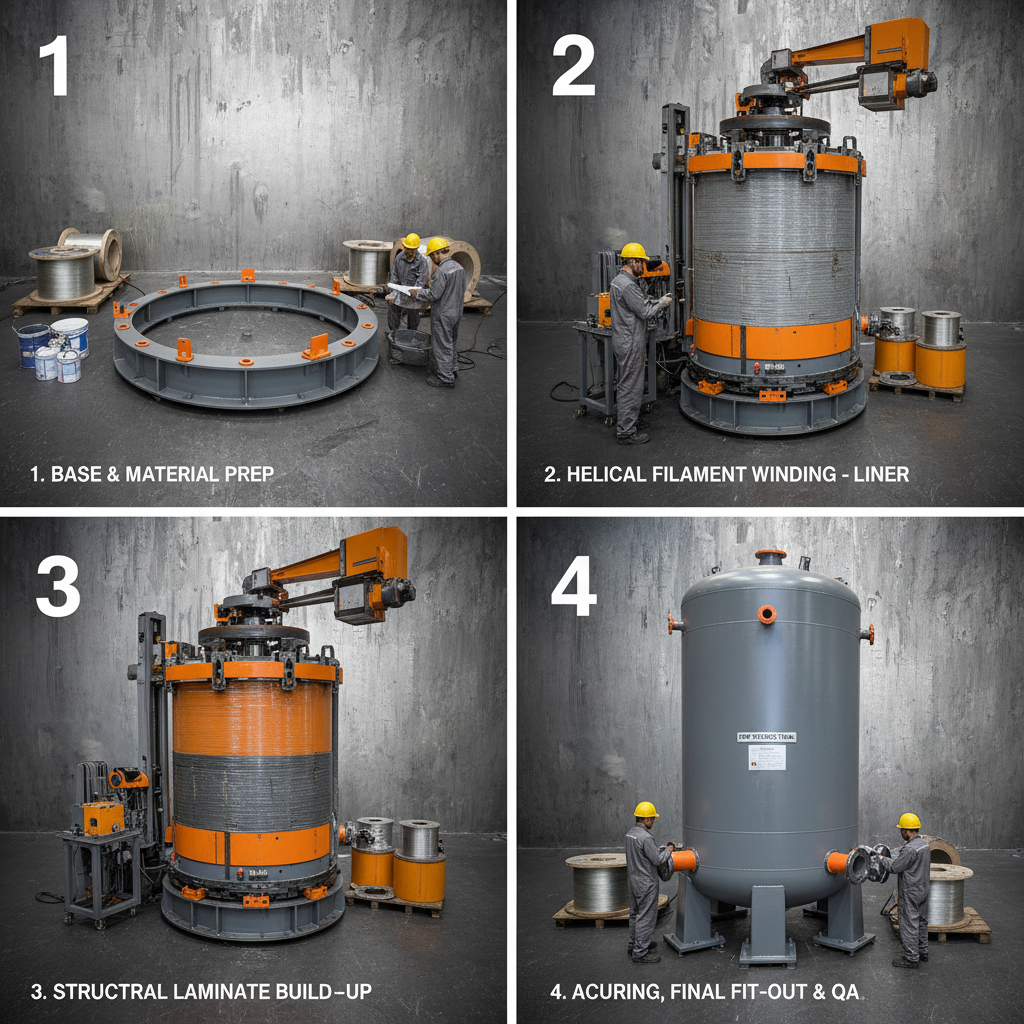
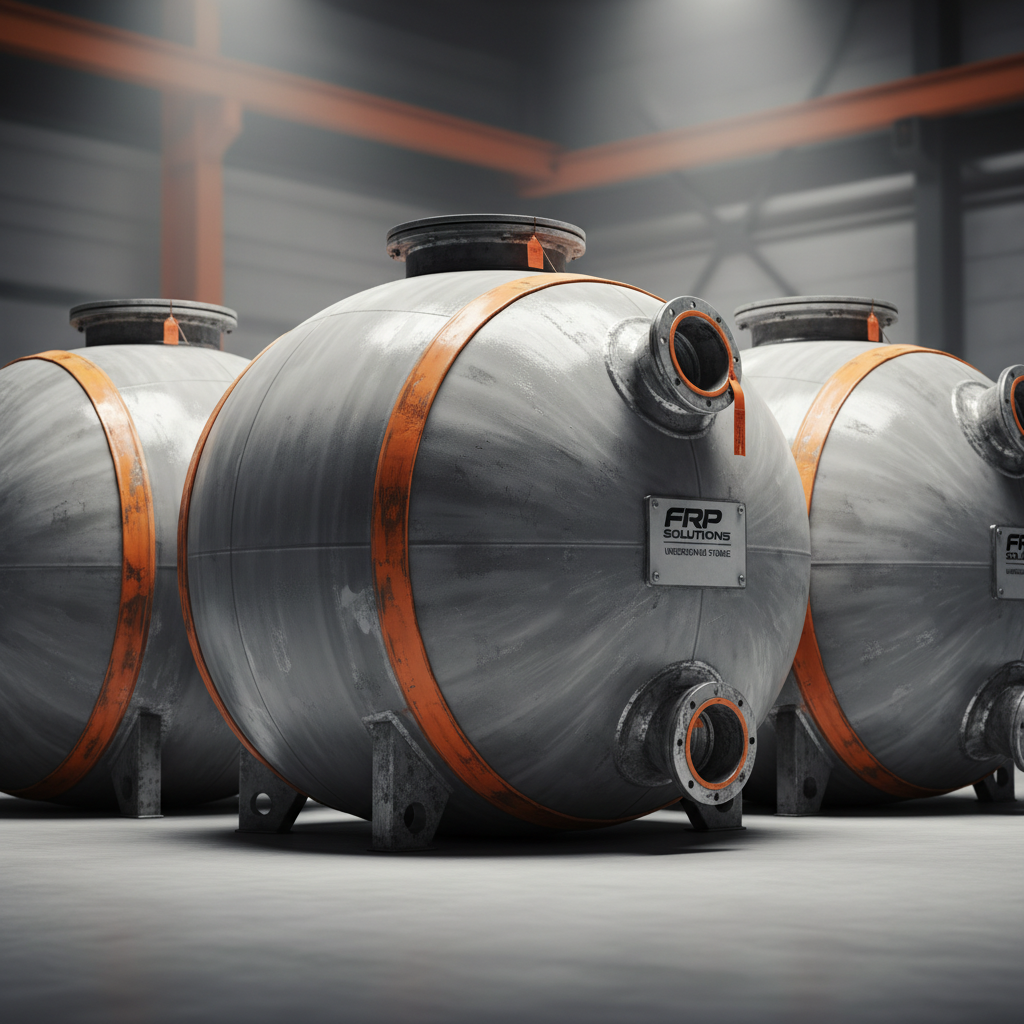
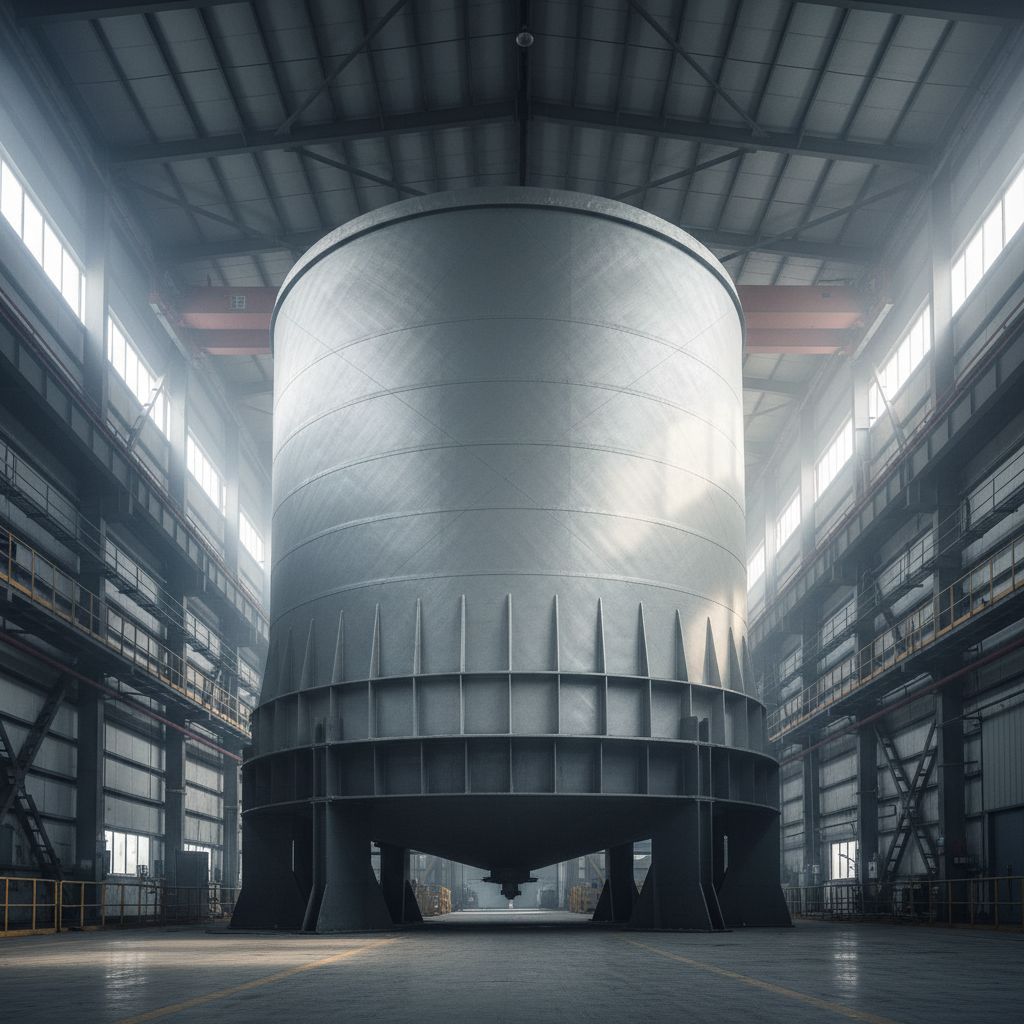
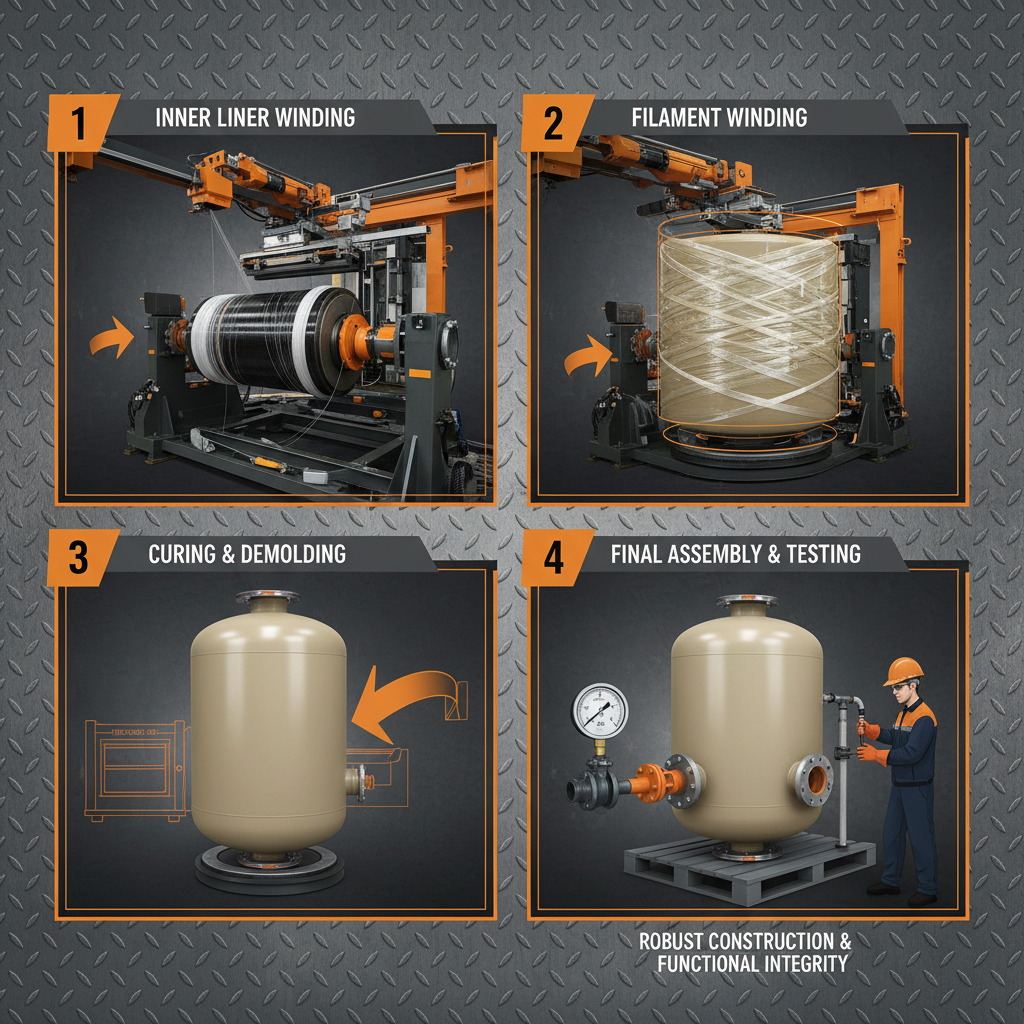
So, what is this tank, fundamentally? Put simply, it’s a large-capacity storage vessel made primarily of glass-fiber reinforced plastic (FRP). The construction involves layers of fiberglass cloth saturated with resin, creating a lightweight yet robust structure. Designed to hold around 30,000 gallons (about 113,500 liters), these tanks accommodate liquids ranging from water to chemicals and even fuel.
They represent a shift from traditional steel or concrete water tanks, blending plastic’s corrosion resistance with fiberglass’s strength. In industry and emergency response alike, these tanks fill an operational gap—large volume, durable, transportable, and relatively quick to install.
Mini takeaway: The 30000 gallon fiberglass tank is a modern, industrial-age solution born from composite material innovation.
Key Features That Make These Tanks Tick
Durability and Resistance
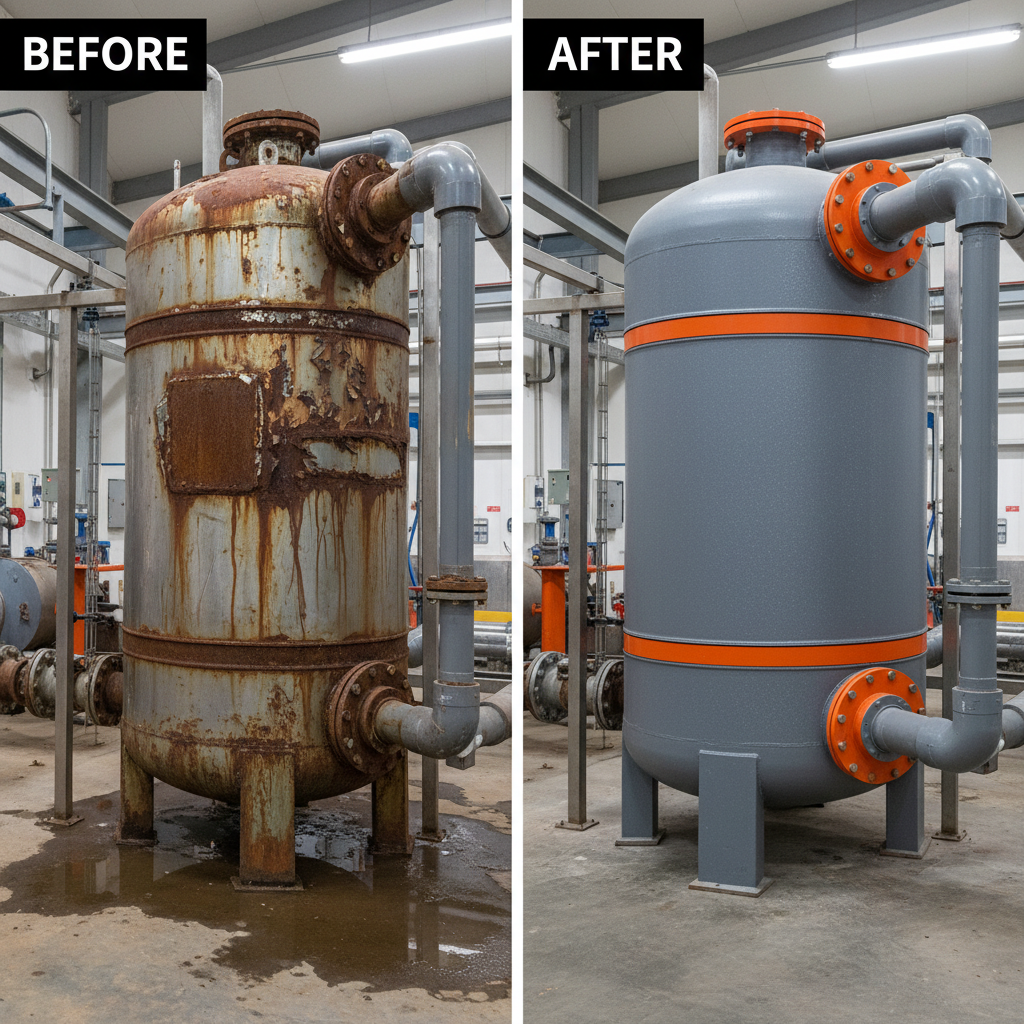
Fiberglass means chemical and corrosion resistance second to none. Unlike steel, these tanks don’t rust or corrode when exposed to harsh chemicals or salty water, making them invaluable across sectors.
Lightweight Yet Strong Construction
Engineers often praise how these tanks weigh roughly 60% less than steel equivalents—an advantage in transportation and installation, especially in remote zones.
Customization and Scalability
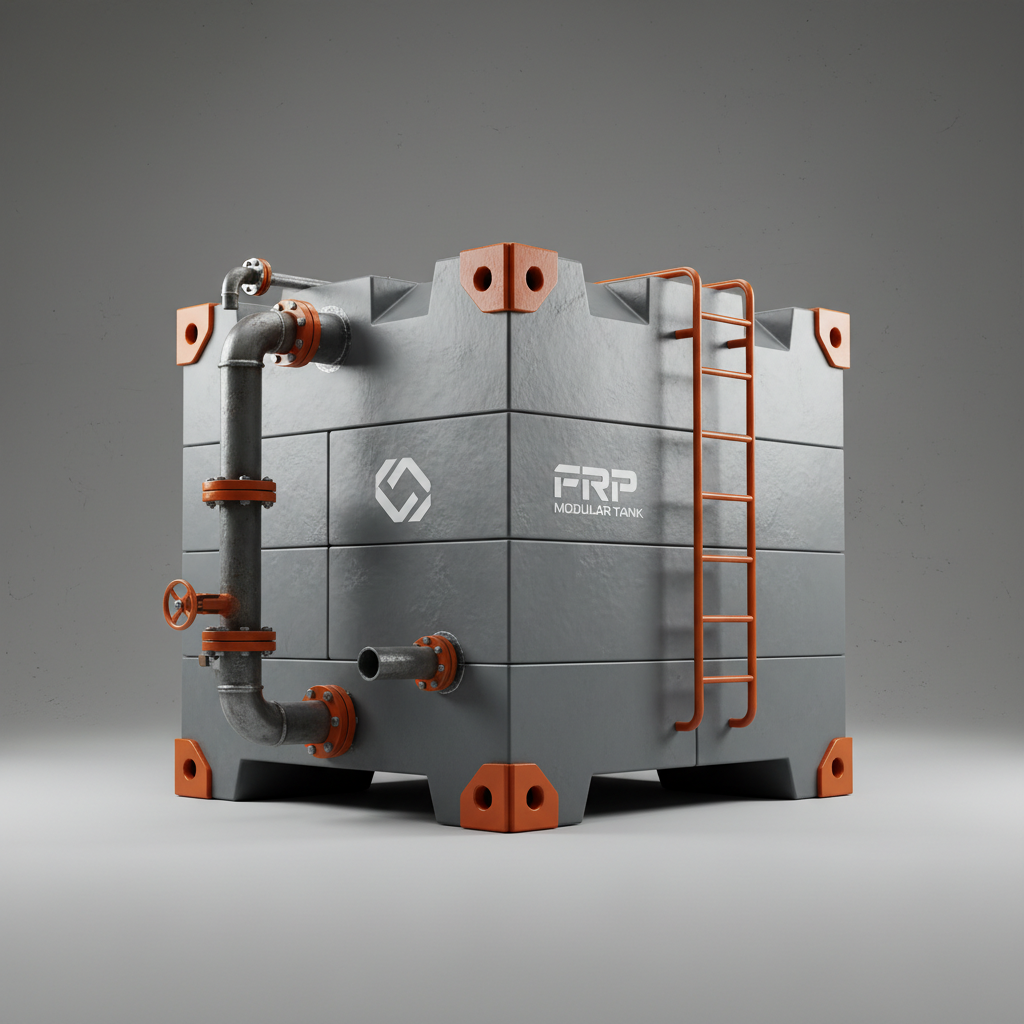
One can tailor them in diameter, height, and fittings depending on precise needs. Plus, modular designs allow linking multiple tanks for greater capacity or phased expansions.
Cost Efficiency Over Lifecycle
Initial costs may seem higher than some options, but lower maintenance and longer service life tend to tip the scales economically.
Environmental Compatibility
Being non-toxic and inert, fiberglass tanks typically have less environmental impact if breached or disposed of improperly.
Ease of Installation
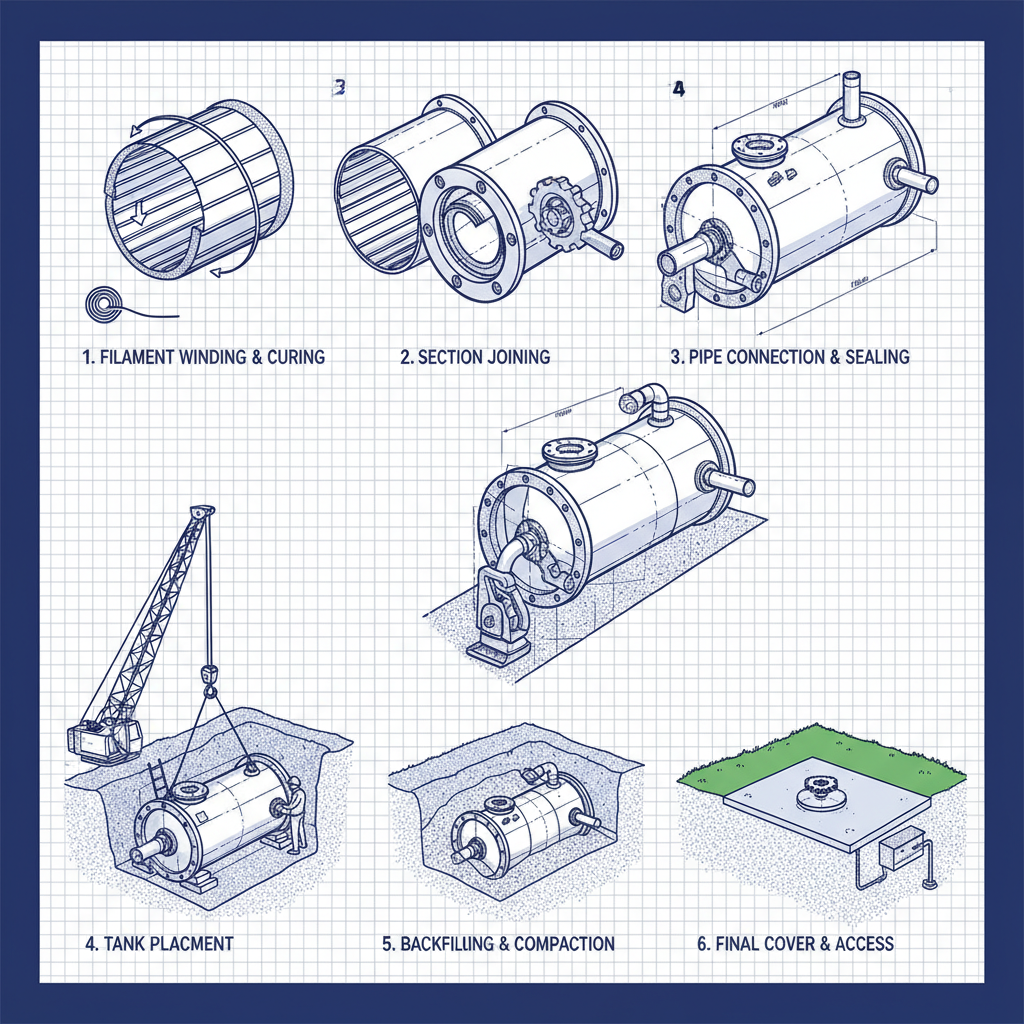
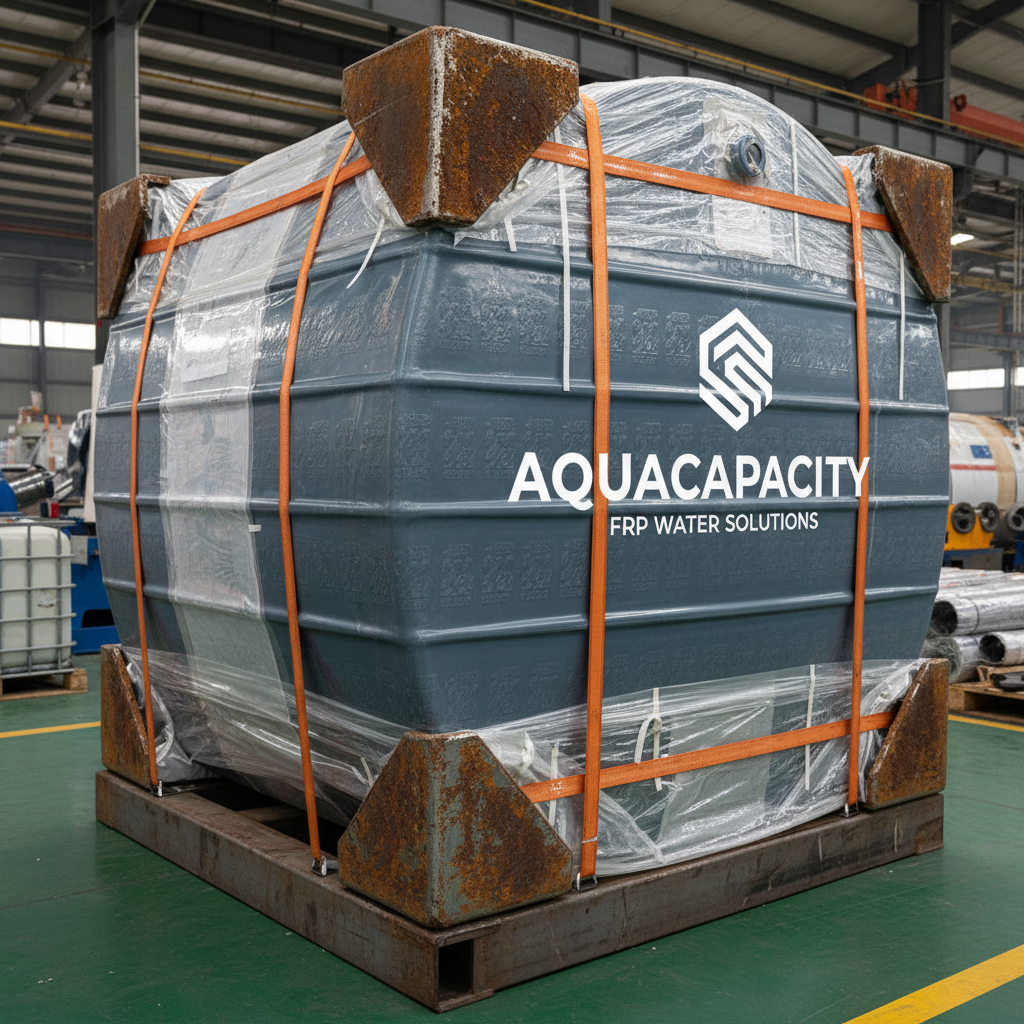
Because they're lightweight and often pre-fabricated, setup times shrink dramatically — a huge plus when timing really matters.
Mini takeaway: These core elements blend into an intuitive product tailored for demanding environments and evolving needs.
Where Are 30000 Gallon Fiberglass Tanks Actually Used?
From industrial to humanitarian sectors, the applications range widely:
- Water storage for municipal and rural supply: Especially in drought-prone regions of California and South Africa.
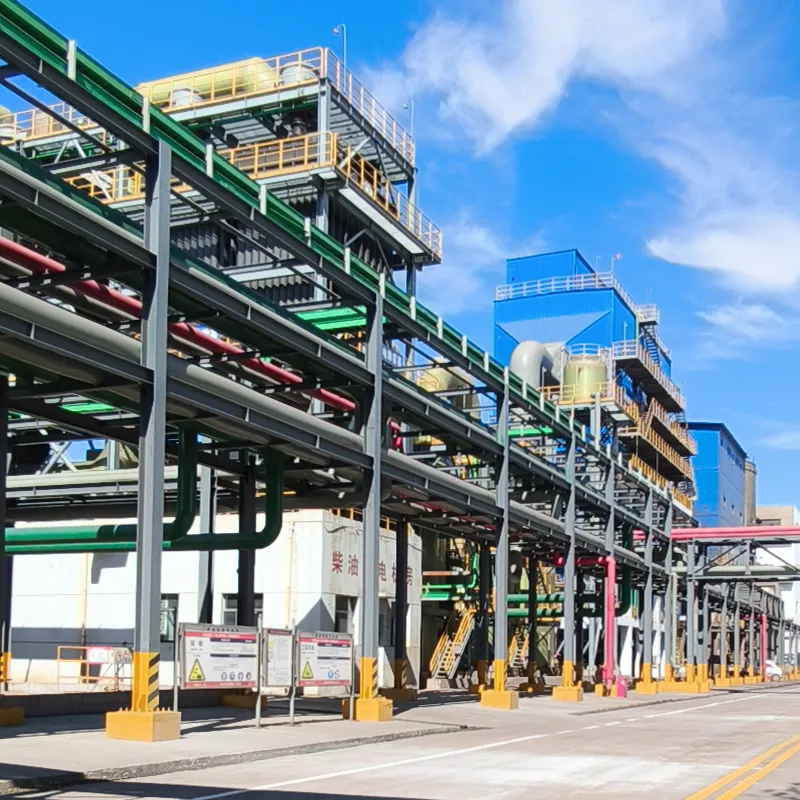
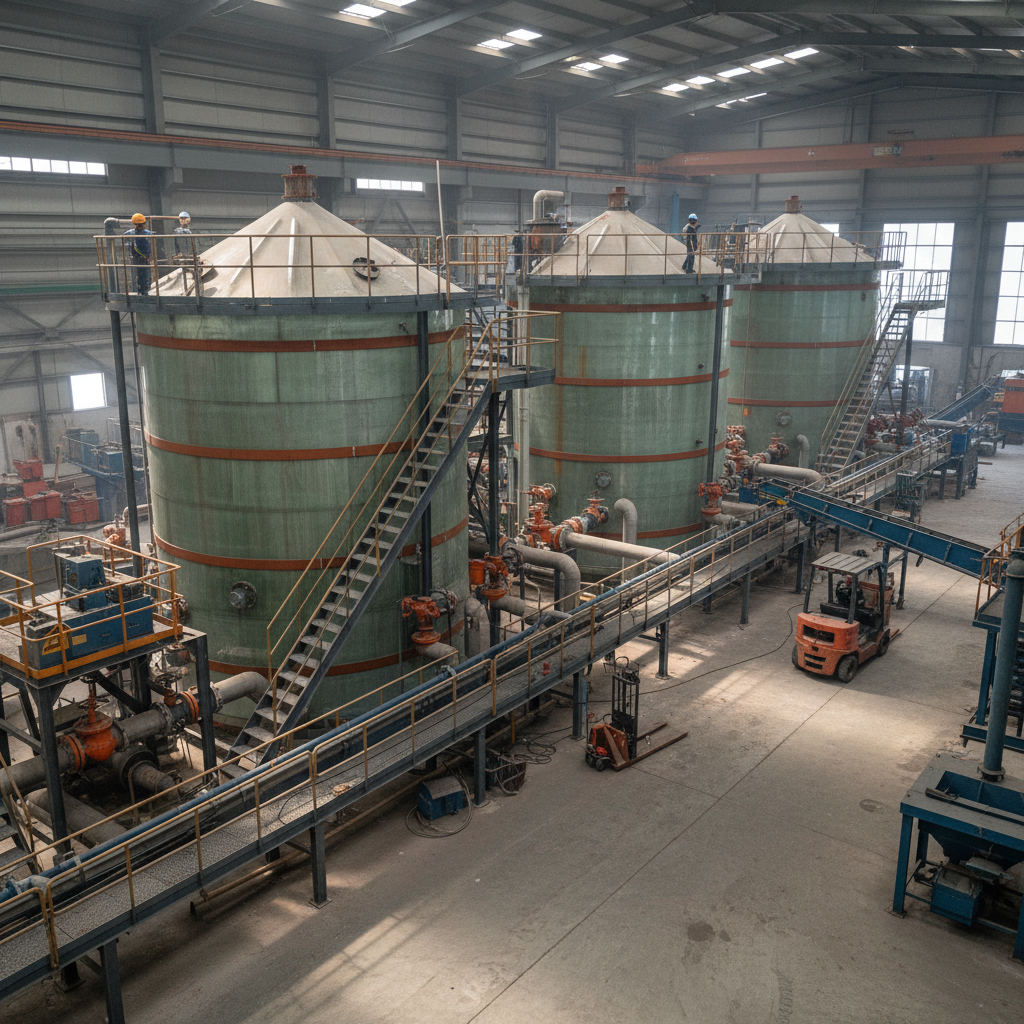
- Chemical and waste containment: In refineries or mining operations where corrosion resistance is paramount.
- Disaster relief: NGOs deploy these tanks in earthquake or flood zones to store clean water.
- Agricultural irrigation: They hold irrigation water in large volumes for farms in remote areas.
- Firefighting reserves: In wildfire-prone zones, these tanks provide buffer water reserves.
For example, after the 2019 cyclones in Mozambique, emergency responders installed modular fiberglass tanks to quickly restore potable water. Meanwhile, remote mining operations in Canada use 30000 gallon tanks to safely store process chemicals on-site without corroding infrastructure.
Mini takeaway: These tanks adapt well to diverse environments—industrial or humanitarian—proving their versatility in action.
Specifications at a Glance: What One Might Expect
| Specification | Details |
|---|---|
| Capacity | Approximately 30,000 gallons (113,562 liters) |
| Material | Glass Fiber Reinforced Plastic (FRP) with polyester resin |
| Weight (Empty) | Approximately 2,500-3,200 lbs (depending on design) |
| Dimensions (Typical) | ~16-18 ft diameter, 12-15 ft height |
| Installation | Above ground, modular assembly possible |
| Lifespan | 20-30+ years with proper maintenance |
Comparing Top 30000 Gallon Fiberglass Tank Vendors
| Vendor | Material Quality | Customization Options | Lead Time | Warranty |
|---|---|---|---|---|
| FibroTank Co. | High-grade FRP with UV inhibitors | Fully custom diameter, height & fittings | 6-8 weeks | 10 years |
| AquaSafe Storage | Standard FRP with corrosion resistance | Limited modular add-ons | 4-6 weeks | 7 years |
| Global Tank Solutions | Premium resin blends, UV and chemical resistant | Wide range with digital design previews | 8-10 weeks | 15 years |
Advantages and Lasting Value of Fiberglass Tanks
What’s really great about the 30000 gallon fiberglass tank? It combines physical toughness with user-friendly advantages. You get the cost savings from minimal maintenance (no rust, no repainting), the security of chemical inertness, and the emotional relief of knowing your water or chemicals are stored safely.
There’s also an environmental angle. Fiberglass tanks, if properly designed and maintained, contribute less to pollution—think fewer leaks, no metal corrosion, and potential for recycling components. In humanitarian contexts, that means safer drinking water supplies, which uphold not just health but also dignity and trust in aid delivery.
Mini takeaway: Investing in fiberglass tanks is an investment in reliability, sustainability, and peace of mind.
The Road Ahead: Innovations and Emerging Trends
Looking forward, manufacturers are integrating smart sensors within fiberglass tanks to monitor fill levels and detect leaks remotely. Coupled with IoT (Internet of Things) technology, this digital transformation could make tank management almost effortless. Additionally, greener resins and recycled fiberglass materials are gaining traction, aligning product design with circular economy goals.
Automation in fabrication is also reducing costs and lead times, making these tanks more accessible for emerging economies. Plus, as climate policies tighten worldwide, sustainable water storage solutions — like those these tanks represent — will only become more critical.
Challenges and How the Industry is Tackling Them
No solution is perfect, and fiberglass tanks do face hurdles. For one, they're less impact-resistant than steel—strong hits or punctures can cause damage. Also, installation requires a stable, level foundation, which can complicate remote deployments.
To address these, manufacturers are developing hybrid composites combining fiberglass with tougher polymers and improving training for field installation teams. There’s also a push for modular, pre-tested components that snap together to reduce on-site errors and damage.
Frequently Asked Questions About 30000 Gallon Fiberglass Tanks
- How long does a 30000 gallon fiberglass tank typically last?
- With proper maintenance and correct installation, these tanks can last 20 to 30 years, sometimes even longer depending on environmental conditions.
- Can these tanks be used for potable water storage safely?
- Yes, when manufactured with food-grade resins and properly sealed, fiberglass tanks are safe for drinking water storage and widely used for this purpose.
- Are fiberglass tanks resistant to UV radiation?
- Most quality tanks include UV inhibitors in the resin to protect against sun damage, prolonging lifespan even in sunny climates.
- Is the tank easy to relocate once installed?
- While lighter than steel tanks, 30000 gallon fiberglass tanks generally require professional equipment to move safely, and often need to be emptied before relocation.
- How does fiberglass tank installation time compare to steel tanks?
- Installation is typically faster because fiberglass tanks are lighter and often prefabricated, reducing on-site assembly requirements.
Wrapping Up: Why Choose a 30000 Gallon Fiberglass Tank?
In tough industrial environments or challenging humanitarian missions, a 30000 gallon fiberglass tank isn’t just a container — it's a cornerstone of resilient infrastructure. Low maintenance, corrosion-resistant, and versatile, these tanks offer long-term value that few alternatives can match. If you’re sourcing storage solutions that combine proven technology with future-ready adaptability, fiberglass tanks deserve your serious consideration.
Ready to explore options tailored for your needs? Visit our website and discover how a 30000 gallon fiberglass tank can unlock new possibilities for your project.