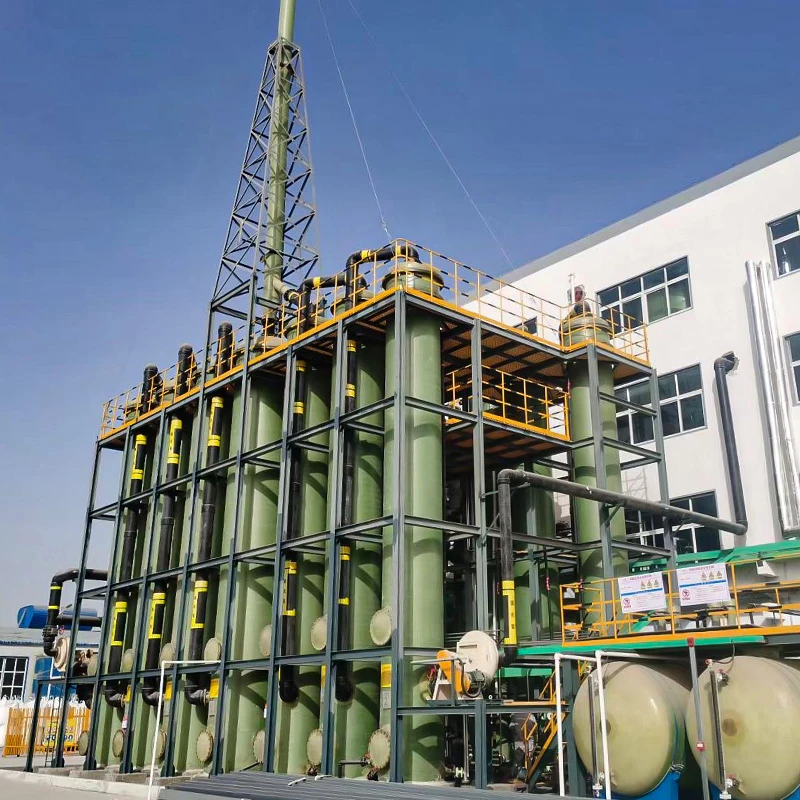
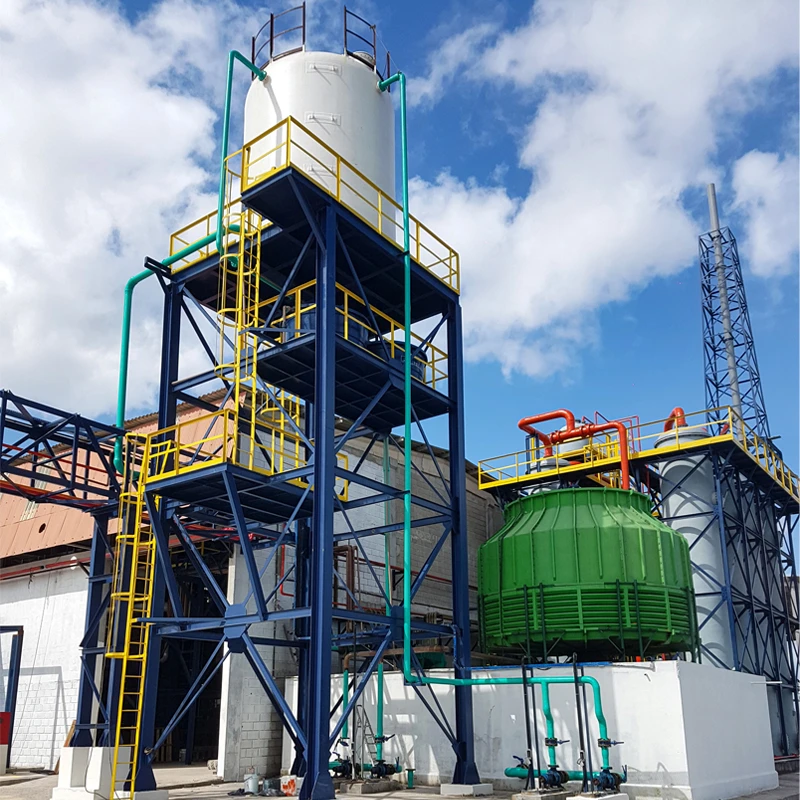
Durable 25000 Gallon Fiberglass Tank for Industrial & Water Storage Solutions
The Rising Importance of the 25000 Gallon Fiberglass Tank
If you've ever wondered how massive, durable storage solutions come into play for water, chemicals, or industrial fluids, the 25000 gallon fiberglass tank stands out as a remarkable player. Globally, we’re seeing water scarcity, chemical storage demands, and infrastructure challenges push industries and utilities toward smarter, longer-lasting containment solutions — and that’s where something like a 25000 gallon fiberglass tank makes a lot of sense. These tanks aren’t just massive; they bring specific advantages that align perfectly with the pressing environmental and industrial challenges of the 21st century. Understanding their design, use, and global impact helps industries, NGOs, and governments make prioritized choices about storage infrastructure that can withstand harsh conditions while reducing environmental footprint. ---Global Context: Why 25000 Gallon Fiberglass Tanks Matter Today
The UN World Water Development Report highlights that by 2025, half the world’s population could be living in water-stressed areas. Now, hold on — that statistic underscores something critical: storage and distribution infrastructure are the backbone of sustainable water management. Enter the 25000 gallon fiberglass tank, capable of holding vast quantities of potable or non-potable water with a fraction of the weight of steel tanks. Industries too are facing new pressure: tougher environmental regulations (think ISO environmental standards), the need for corrosion-resistant chemical storage, and expanding remote operations in mining, agriculture, and energy sectors. These tanks answer the call by offering chemical resistance, durability, and transportability rarely found in other materials. The challenge, of course, is balancing upfront cost with long-term reliability and maintenance — a balancing act that fiberglass tanks manage surprisingly well. Mini Takeaway: The 25000 gallon fiberglass tank meets global demands for sustainable, heavy-duty fluid storage in sectors battling water scarcity, chemical hazards, and environmental regulations. ---What Exactly Is a 25000 Gallon Fiberglass Tank?
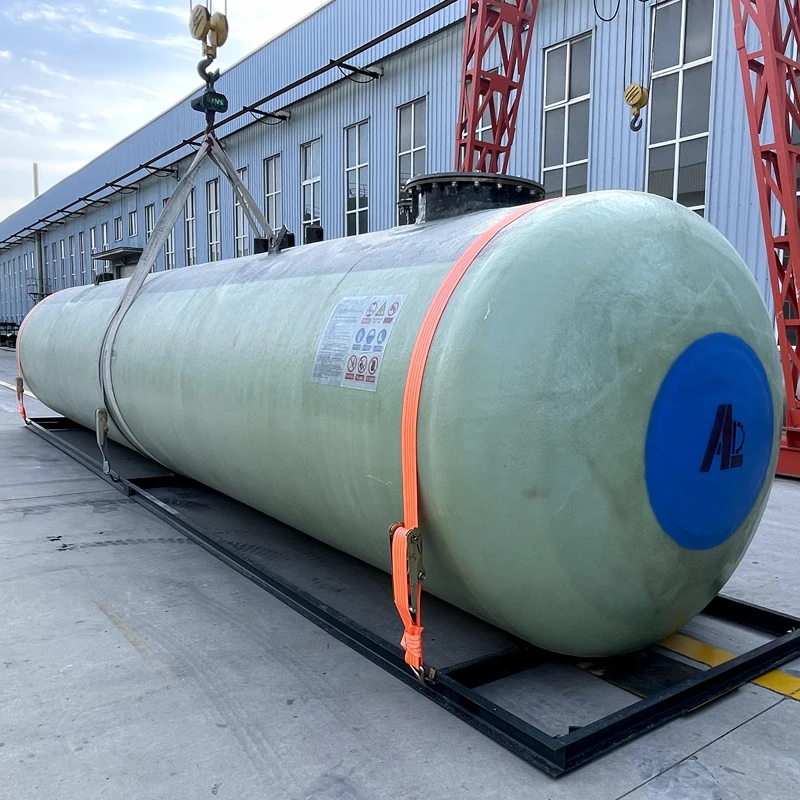
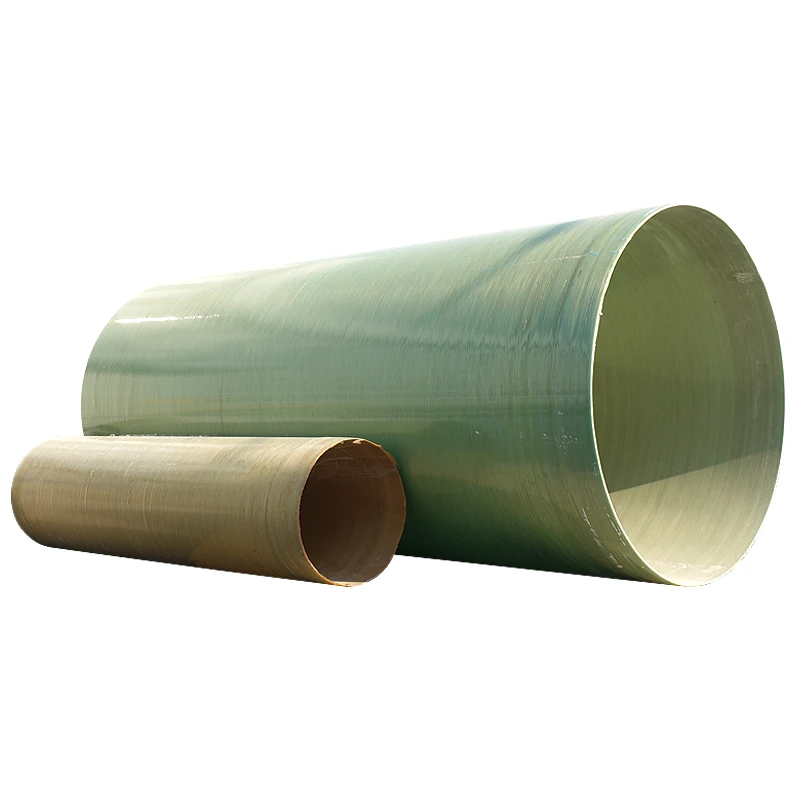
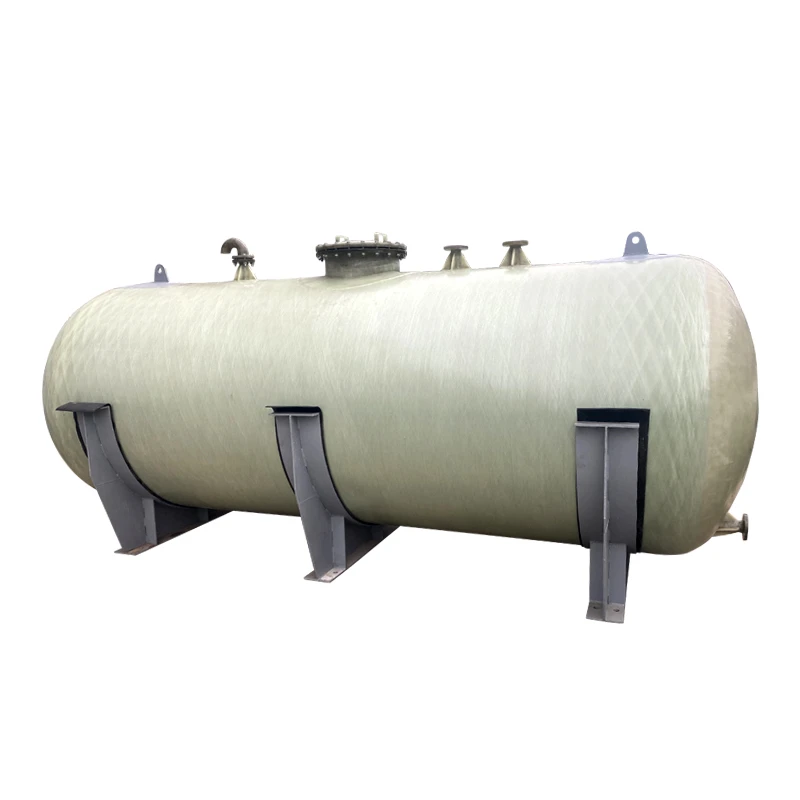
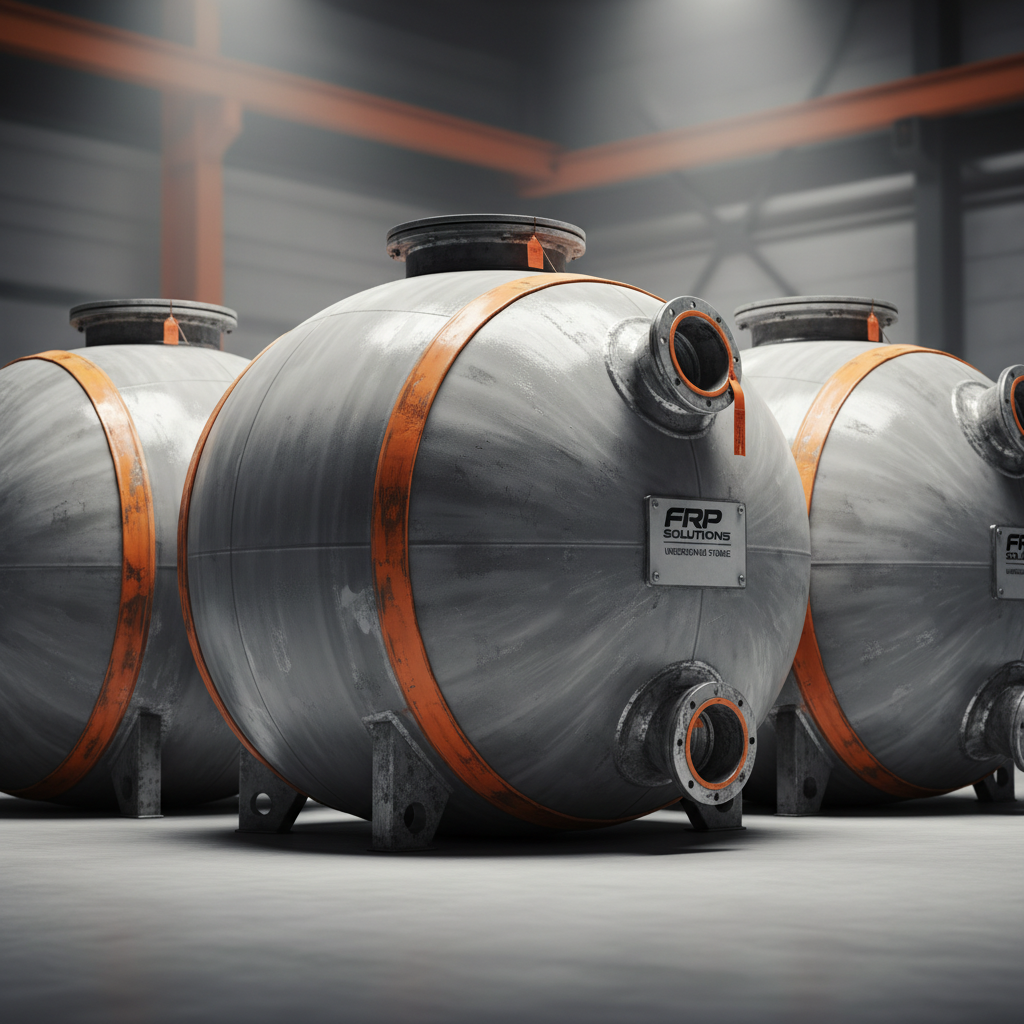
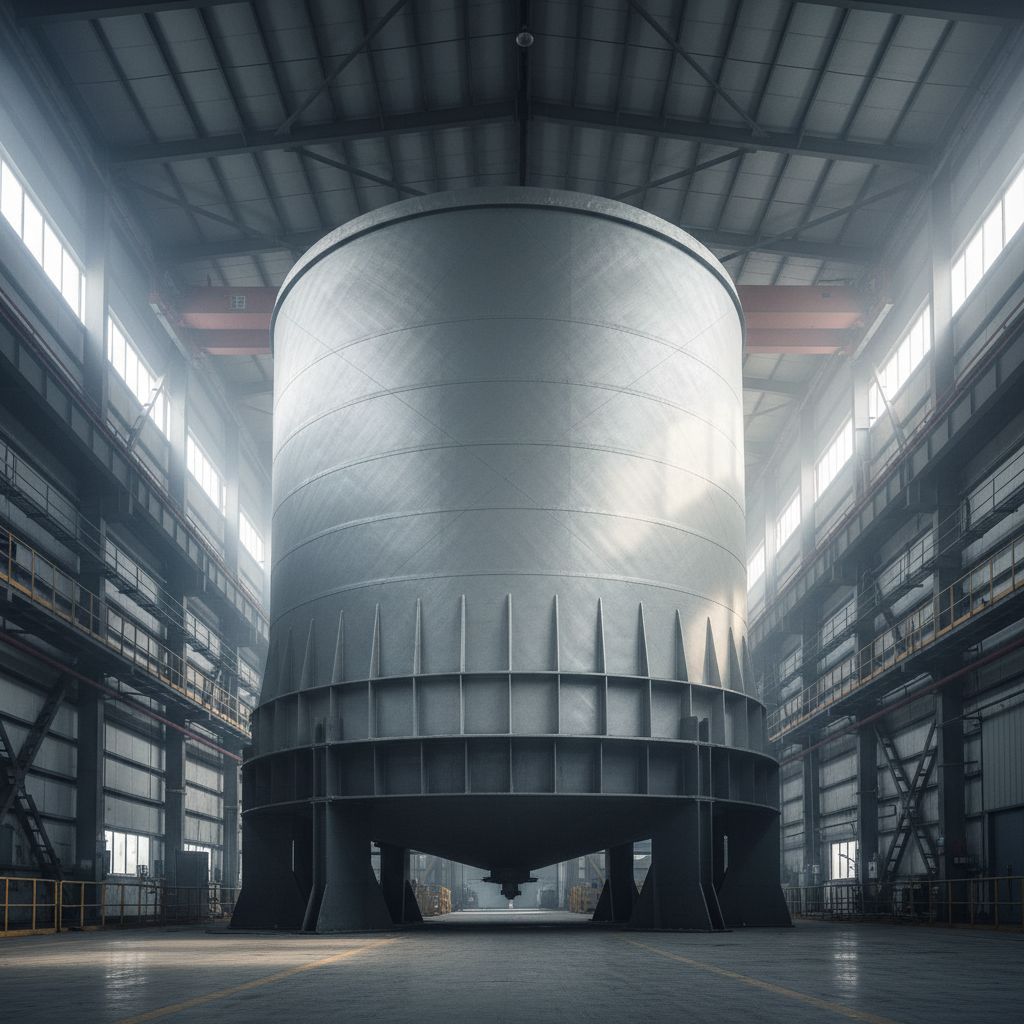
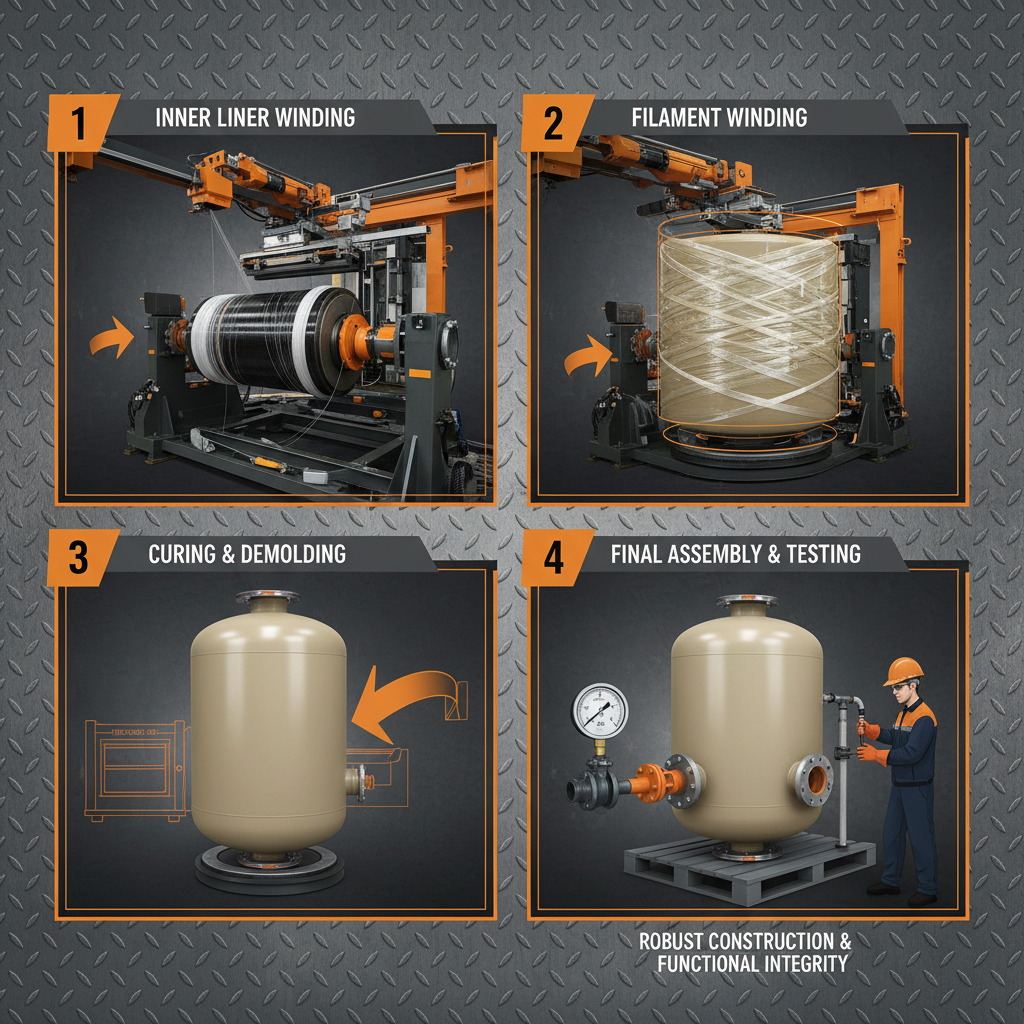
Put simply, a 25000 gallon fiberglass tank is a large-capacity container made primarily from fiberglass reinforced plastic (FRP). This composite material combines glass fibers with resin, resulting in a tank that’s remarkably strong yet lightweight. In practical terms, these tanks store massive volumes of liquids — from drinking water in rural communities to corrosive chemicals in processing plants. Unlike traditional steel or concrete tanks, fiberglass tanks resist rust, chemical degradation, and can last decades with minimal upkeep, making them attractive for modern industries and humanitarian uses alike. ---Durability and Longevity
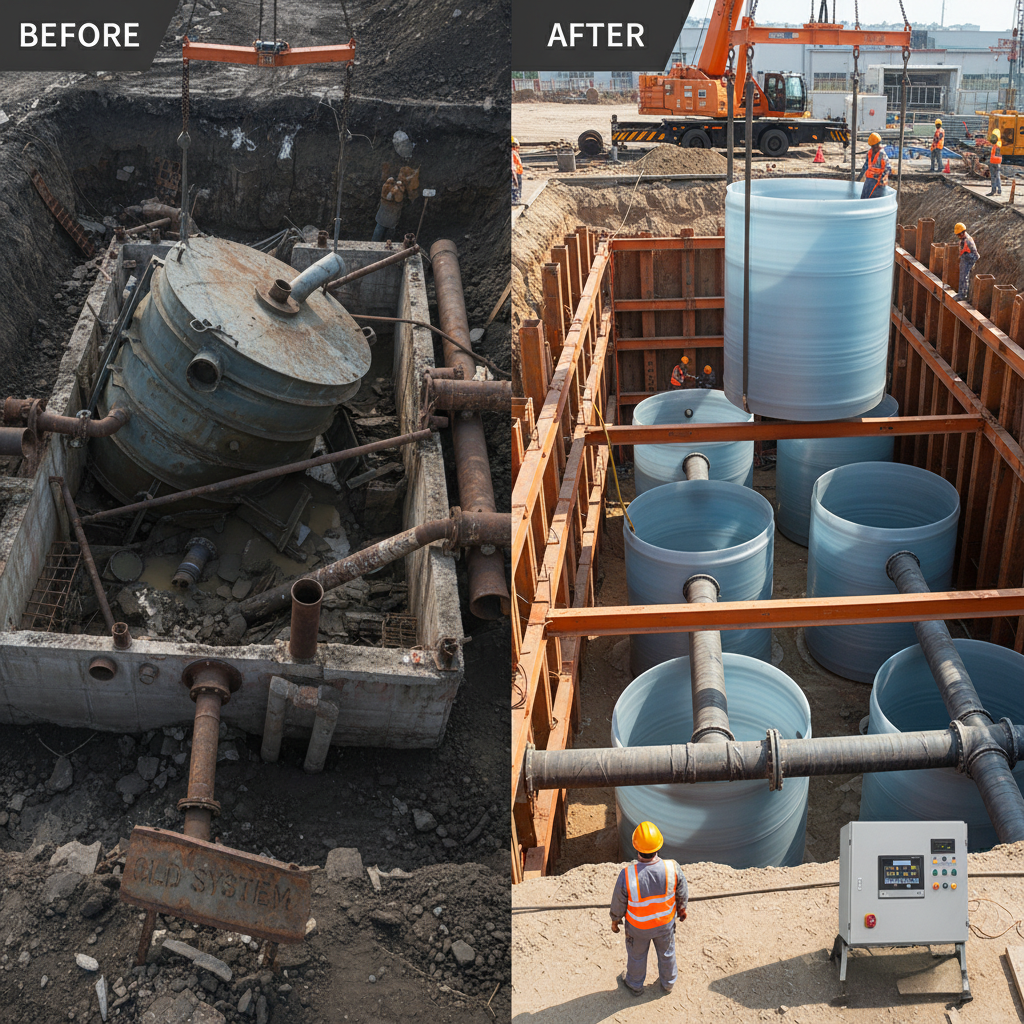
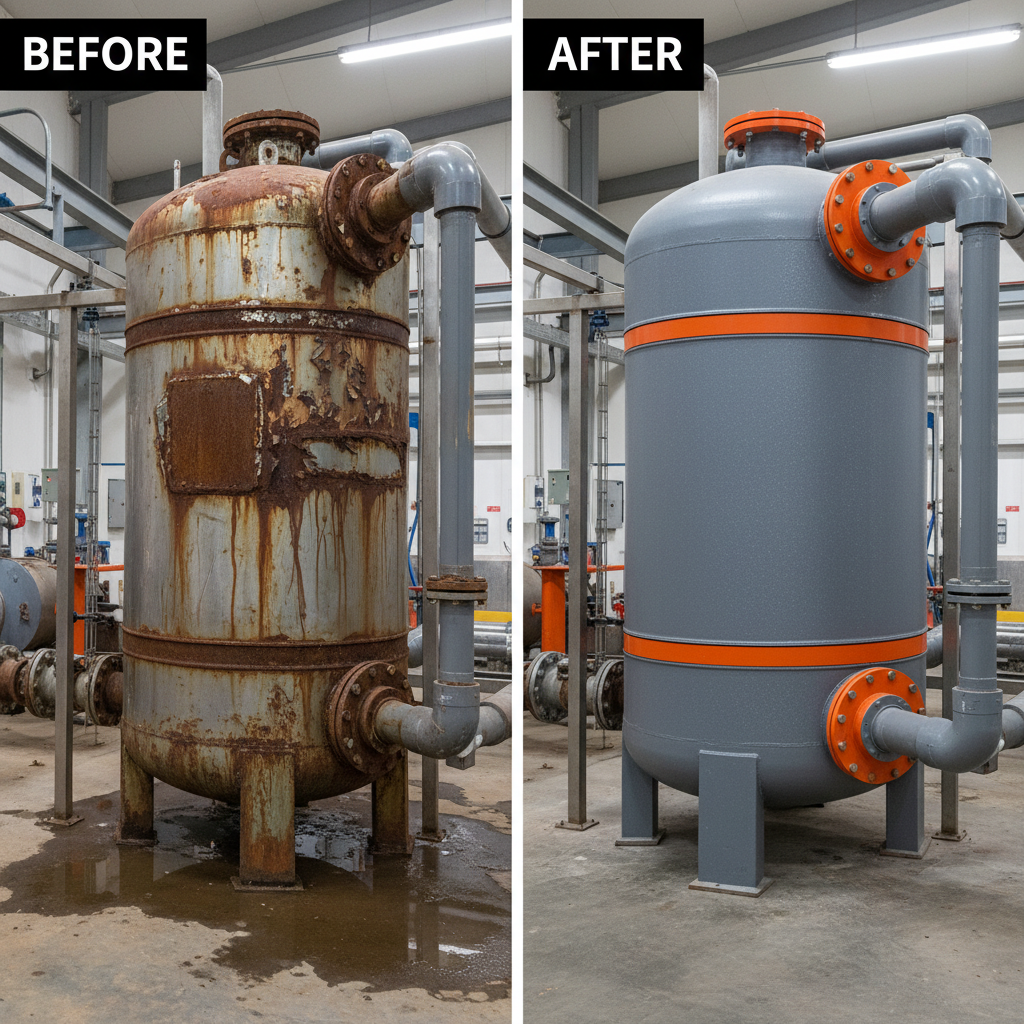
You don’t see many tanks lasting 30-50 years without major repairs, but fiberglass tanks are known to endure just that long. Their corrosion resistance means industries handling aggressive chemicals, fertilizers, or saltwater find them ideal. This longevity translates to fewer replacements and lower environmental waste. ---Custom Scalability
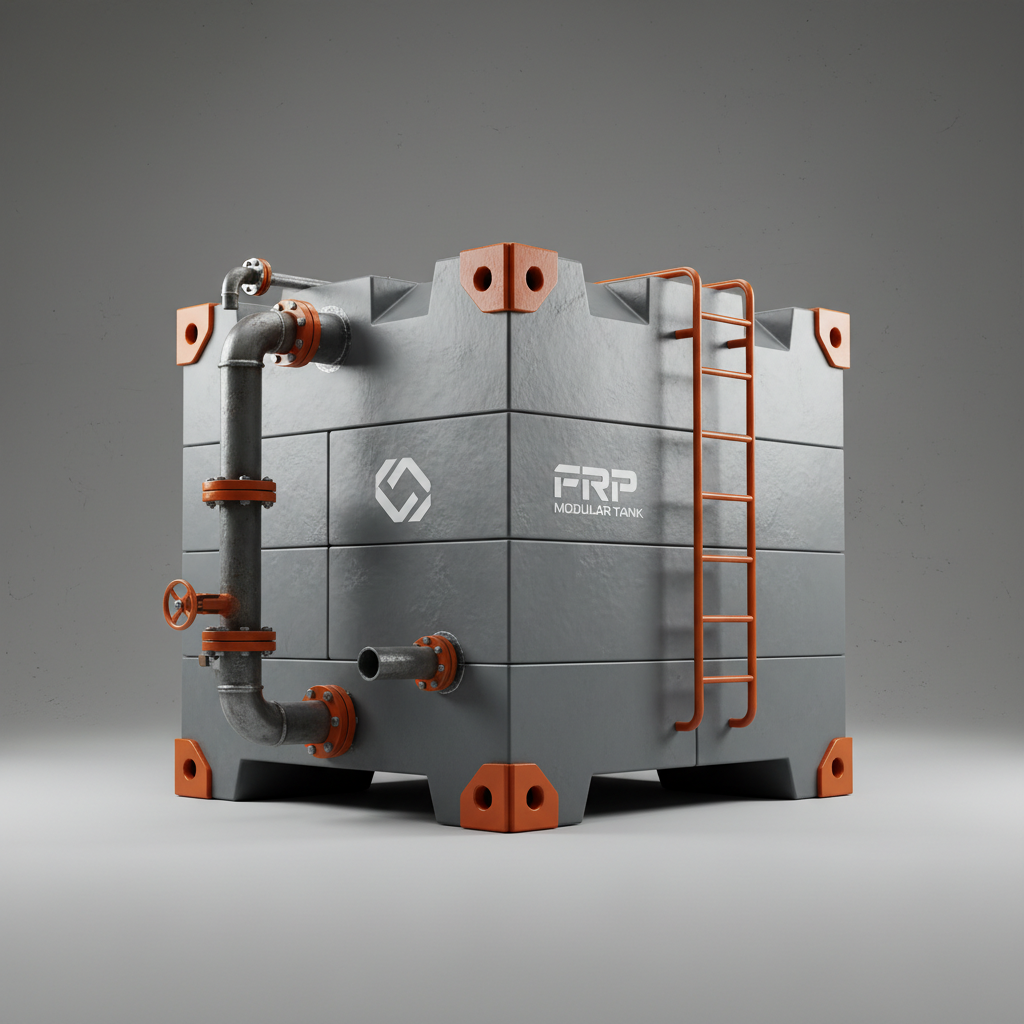
Whether you need a single 25000 gallon tank or several linked together for a mega-storage system, fiberglass tanks can be manufactured to fit different sizes and shapes. This scalability also allows integration with modular water treatment or industrial processing facilities, which is a huge plus. ---Cost Efficiency Over Time
While the initial price might be higher than some basic steel tanks, the reduced maintenance, lower transportation costs (due to lighter weight), and improved durability often mean you’re actually saving money in the long haul. Think of it as paying slightly more upfront for peace of mind and fewer surprise expenses. ---Ease of Installation and Transport
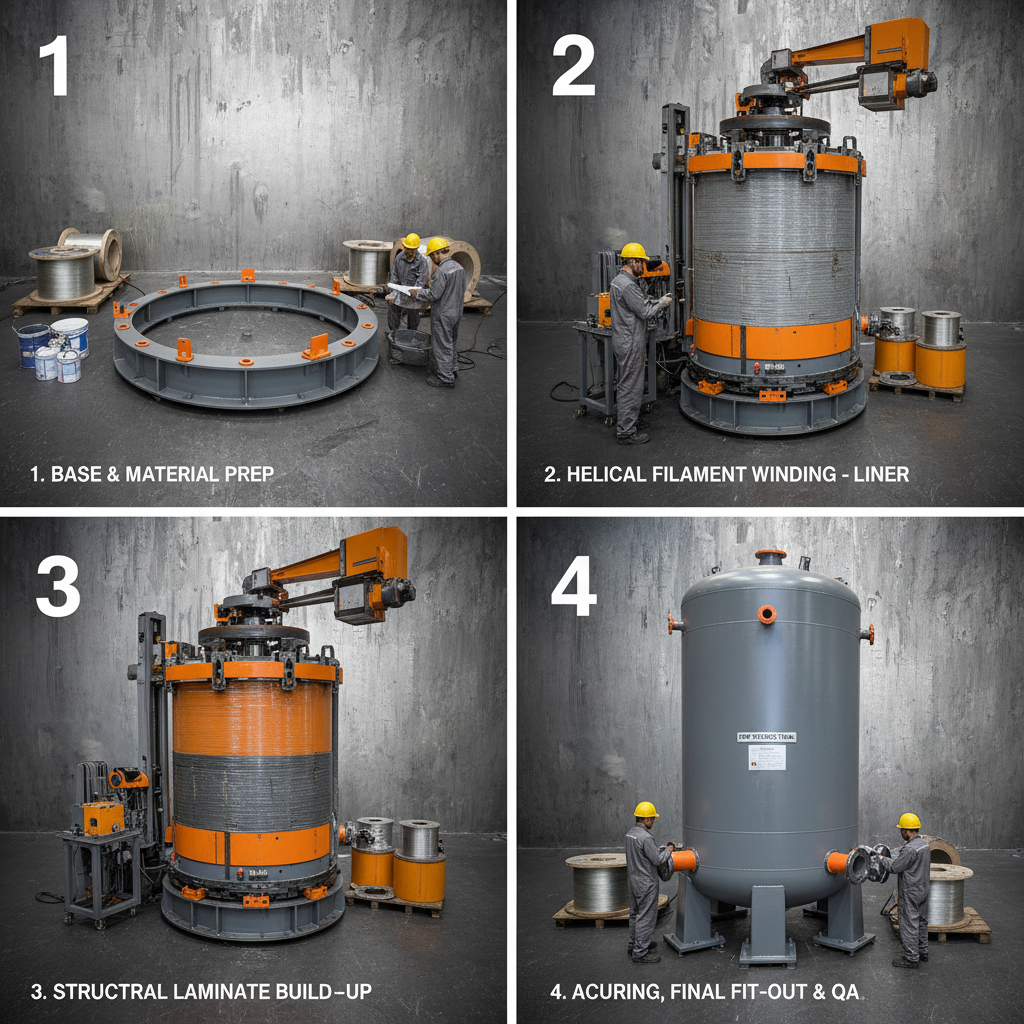
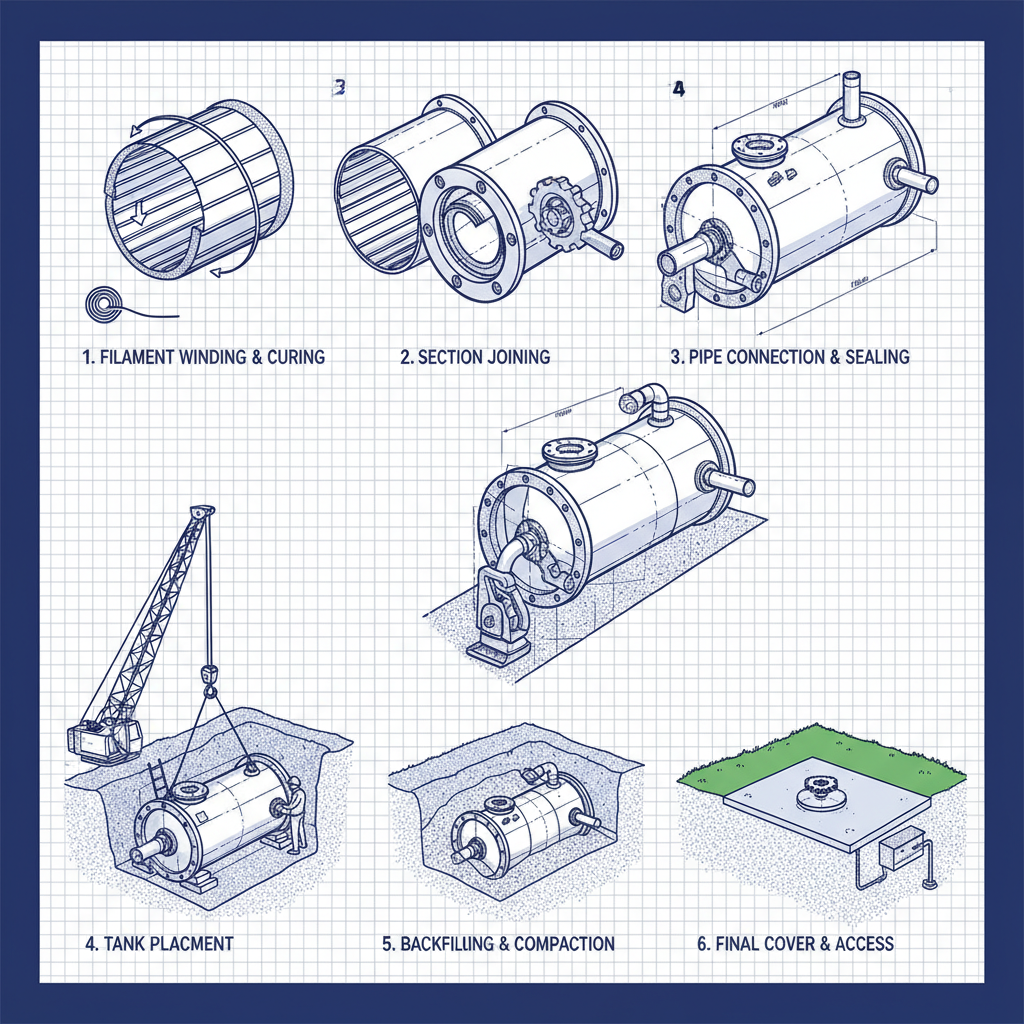
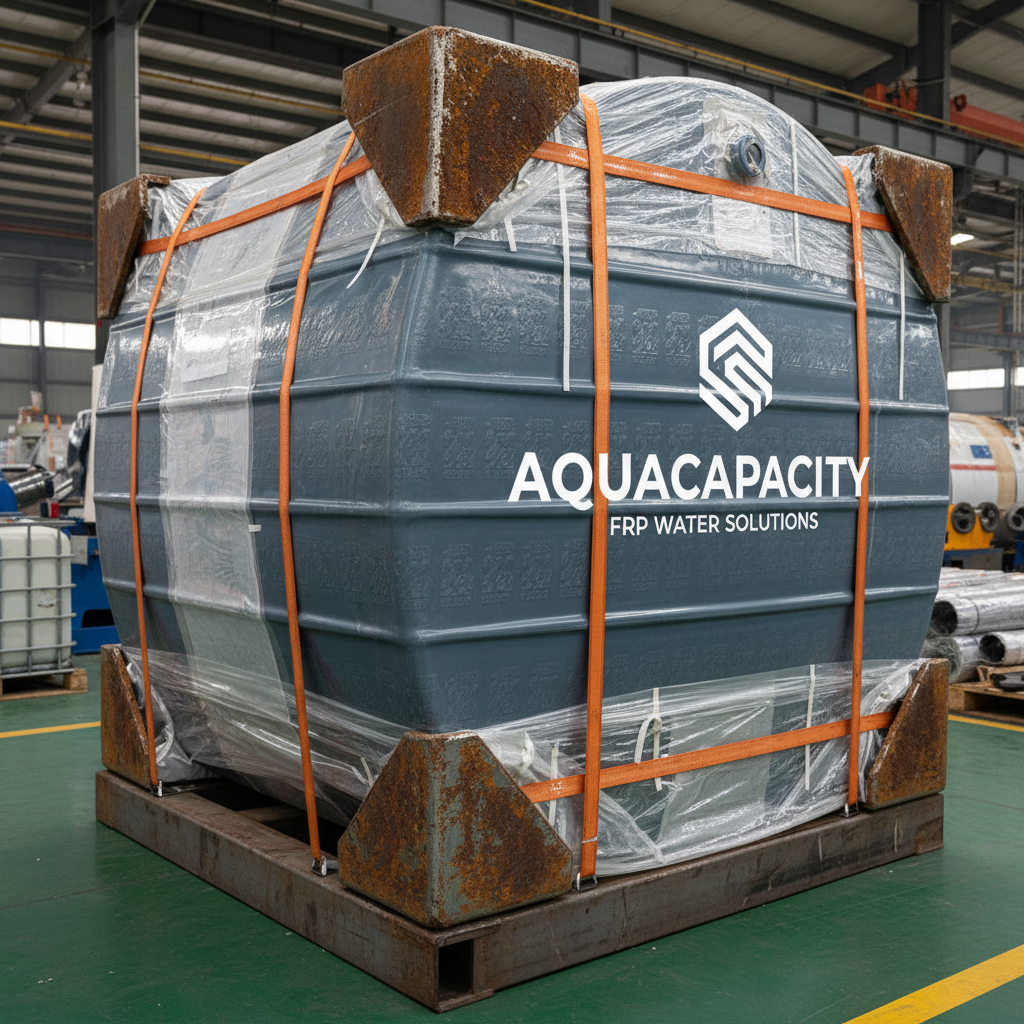
Because fiberglass tanks are lighter and often come pre-fabricated in manageable sections, they can be moved and installed in remote or difficult-to-access locations much faster than concrete or steel counterparts. This flexibility is game-changing in disaster zones or industrial projects in rugged terrain. Mini Takeaway: Fiberglass tanks’ durability, customization options, and cost-effectiveness add up to a practical, flexible storage choice for critical infrastructure worldwide. ---Real-World Applications For the 25000 Gallon Fiberglass Tank
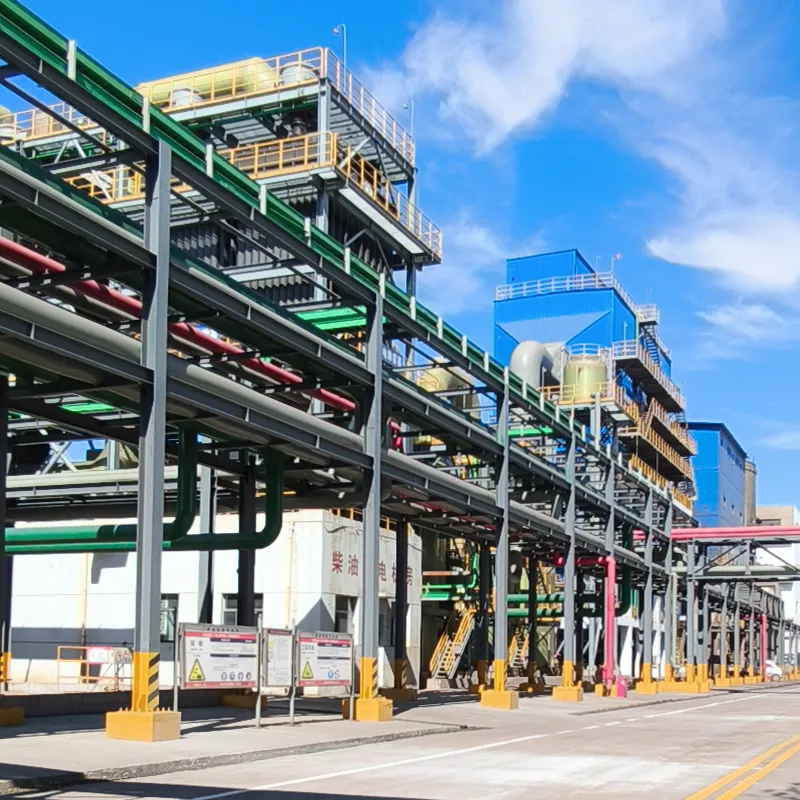
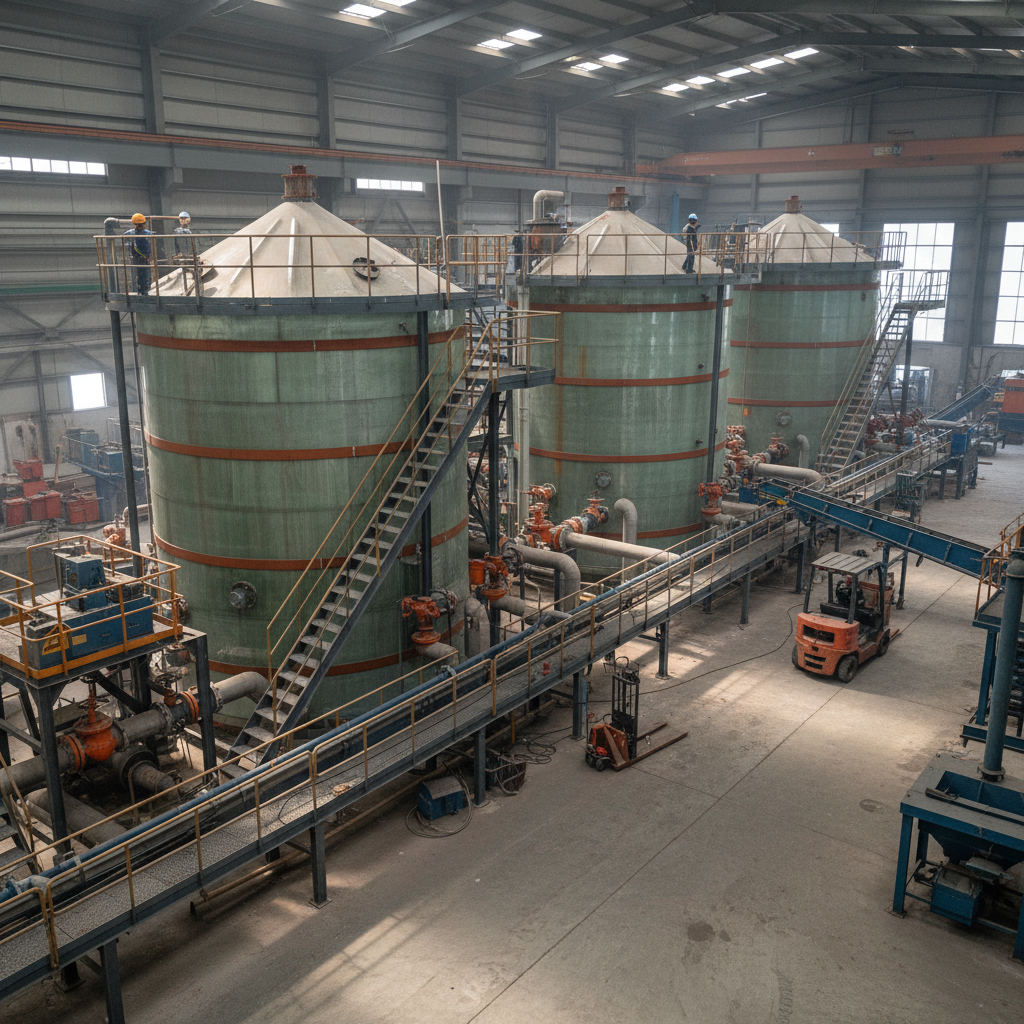
These tanks are everywhere — though often out of plain sight. From municipal water authorities storing emergency reserves, to agricultural operations keeping irrigation water safe, to chemical plants requiring corrosion-resistant containers, the uses are versatile. - Post-Disaster Relief: After hurricanes or droughts, NGOs deploy fiberglass tanks to quickly store and distribute safe drinking water in affected communities. - Mining Operations: Remote mines depend on these tanks for chemical storage and water supply where traditional infrastructure is limited. - Agricultural Irrigation: Large farms utilize these tanks for fertilizer blends and water reservoirs, cutting down contamination risks and system corrosion. - Energy Sector: Oil and gas facilities often use fiberglass tanks for storing corrosive liquids due to their non-metallic, non-reactive properties. For instance, a well-known agricultural company in California expanded their irrigation capacity by installing multiple 25000 gallon fiberglass tanks, dramatically reducing maintenance downtime caused by rusted steel tanks in salty soils. ---Key Advantages: Why Long-Term Value Makes Sense
Choosing a 25000 gallon fiberglass tank isn’t just a budget line — it’s a strategic investment. Here’s why: - Sustainability: FRP tanks reduce the need for harsh chemical repairs or coatings, limiting environmental impact. - Reliability and Safety: These tanks resist leaks, avoid rust, and withstand UV rays, protecting water quality and hazardous liquids alike. - Social Impact: For global water projects, reliable storage means secure access to clean water, which in turn improves community health and dignity. - Innovation: Manufacturers now incorporate smart sensors for real-time monitoring, integrating fiberglass storage into the digital age. When you consider that many industrial users feel the pressure to modernize but also keep budgets tight, fiberglass tanks strike the balance between functionality and long-term ROI. ---What’s Next? Trends & Innovations on the Horizon
The tanks themselves are evolving in some neat ways: - Green Resins: New bio-based resins reduce the carbon footprint of manufacturing while maintaining strength. - Digital Monitoring: Embedded IoT sensors track liquid levels and tank integrity, enabling predictive maintenance. - Modular Design: Prefab sections are getting easier to connect, allowing giant, almost custom-shaped tanks at scale. - Recycling Advances: Efforts to recycle FRP material after service life could turn fiberglass tanks into a truly circular product. Oddly enough, while the fiberglass tank has been around for decades, the digital age and sustainability wave have brought a new burst of innovation that feels very promising. ---Common Challenges and Practical Solutions
No product’s perfect, of course. Fiberglass tanks can face: - UV degradation if not properly coated — Though modern UV inhibitors help a lot. - Damage during transport or installation — Requires trained crews and careful handling. - Limited fire resistance compared to steel tanks — necessitating fire safety measures in risky environments. - Higher upfront costs — which some budget-conscious projects hesitate over. To counter these, vendors provide on-site training, offer warranties, and continuously improve resin formulas to maximize UV and impact resistance. Planning ahead for installation and compliance with fire codes also removes a good chunk of headaches. ---Product Specification Table
| Specification | Details |
|---|---|
| Capacity | 25,000 gallons (approx. 94,635 liters) |
| Material | Fiberglass Reinforced Plastic (FRP) with UV inhibitor |
| Dimensions (diameter x height) | Approx. 16 ft x 11 ft (customizable) |
| Weight (empty) | ~3,500 lbs (1,590 kg) |
| Protection | Corrosion-resistant, UV stable, fire retardant coating options |
| Installation | Prefabricated, modular sections, quick assembly |
Vendor Comparison: A Quick Look
| Vendor | Price Range (USD) | Lead Time | Warranty | Additional Features |
|---|---|---|---|---|
| FibroTech Tanks | $18,000 - $22,000 | 6-8 weeks | 10 years | Optional IoT sensor integration |
| AquaFiberglass Inc. | $20,000 - $25,000 | 4-6 weeks | 12 years | Custom sizes and coatings available |
| Global FRP Solutions | $17,500 - $21,500 | 5-7 weeks | 8 years | Training and installation support |
FAQs About 25000 Gallon Fiberglass Tanks
1. How long does a 25000 gallon fiberglass tank typically last?
With proper maintenance, these tanks can last between 30-50 years. The fiberglass’s corrosion resistance and UV protection coatings play a crucial role in extending its life, making it highly durable compared to steel alternatives.
2. Are these tanks safe for potable water storage?
Yes, when manufactured with FDA-approved resins and coatings, 25000 gallon fiberglass tanks are ideal for storing drinking water, ensuring no contamination or chemical leaching into the water supply.
3. Can fiberglass tanks be transported easily to remote areas?
Definitely. Fiberglass tanks are lighter and often come in modular sections, allowing easier transport and assembly in difficult terrain such as mountainous or disaster-affected zones.
4. What maintenance do fiberglass tanks require?
Routine inspections for cracks or surface damage, occasional cleaning, and verifying UV protective coatings are intact are generally sufficient to keep the tank in optimal condition.
5. How do fiberglass tanks compare cost-wise to steel tanks?
Though fiberglass tanks usually have a higher initial cost, they recoup expenses over time due to lower maintenance, no corrosion repairs, and longer overall service life.
---