Durable and Efficient Fiberglass Retention Tanks for Modern Industry
The Growing Importance of Fiberglass Retention Tanks in Industry and Beyond
Fiberglass retention tanks have quietly become essential components in modern industrial and environmental infrastructure. They are pivotal for water treatment plants, chemical storage, and many sectors requiring reliable and corrosion-resistant containment solutions. Globally, as industries push to improve safety, sustainability, and cost-effectiveness, understanding fiberglass retention tanks is more than just technical curiosity — it’s a necessity. For example, according to the World Bank, water scarcity and chemical handling safety are top priorities worldwide, making durable storage solutions vital in multiple regions. So, what exactly are these tanks, why do they matter, and what benefits can one expect from proper adoption? Let’s dive in.
Global Context: Why Fiberglass Retention Tanks Matter
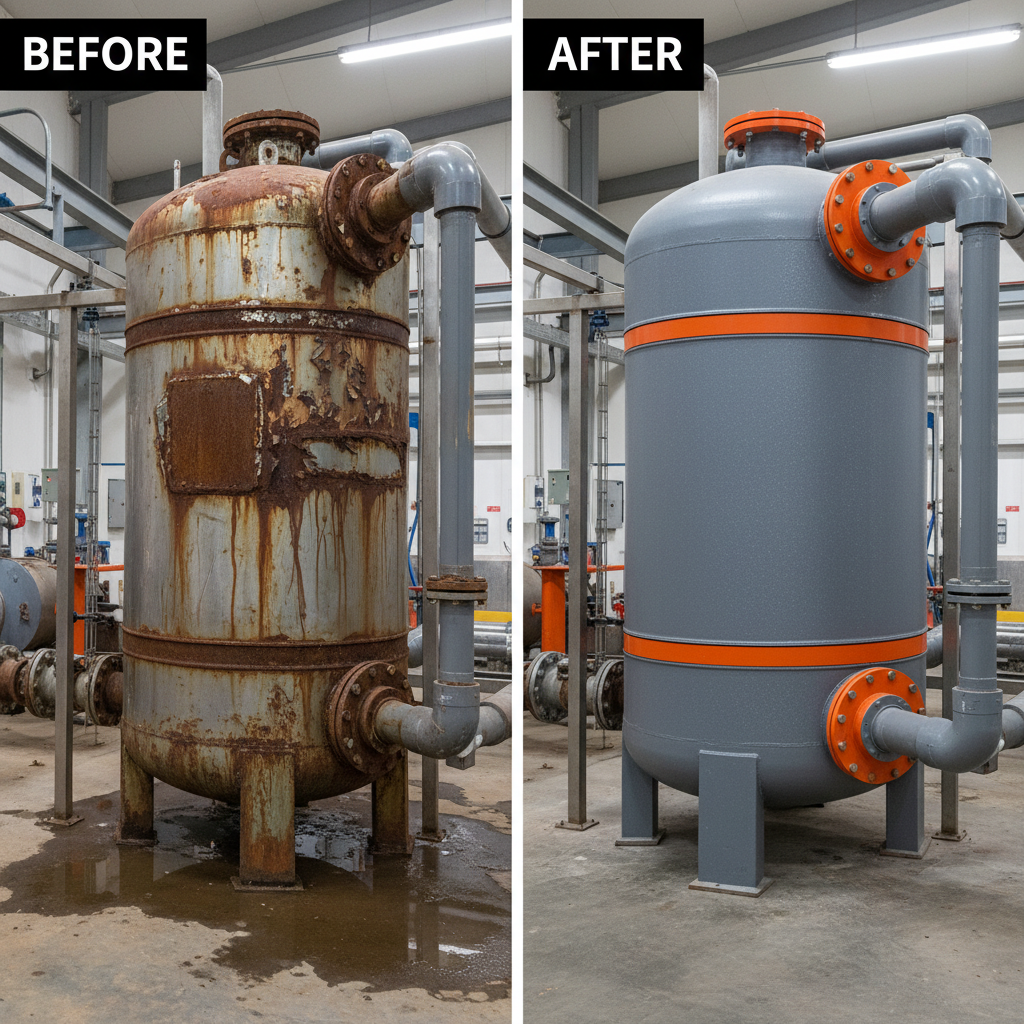
The demand for secure, long-lasting storage solutions has never been higher. From rapidly industrializing nations in Asia to established chemical hubs in Europe and North America, the need for containment that can resist corrosion and reduce maintenance costs is apparent. According to ISO standards on industrial storage, corrosion-resistant tanks like those made of fiberglass offer safety benefits and improve lifecycle costs compared to traditional steel tanks. However, many facilities still grapple with the challenges of rust, leaks, and environmental hazards when using outdated materials.
Fiberglass retention tanks address these challenges by offering better chemical resistance and durability — factors that directly impact operational continuity and environmental compliance. They’re increasingly preferred in places where chemical or wastewater storage is critical to both daily operations and disaster preparedness.
Mini Takeaway:
Industries worldwide face pressure to improve safe storage methods. Fiberglass retention tanks provide key solutions by enhancing durability and environmental safety.
What Is a Fiberglass Retention Tank?
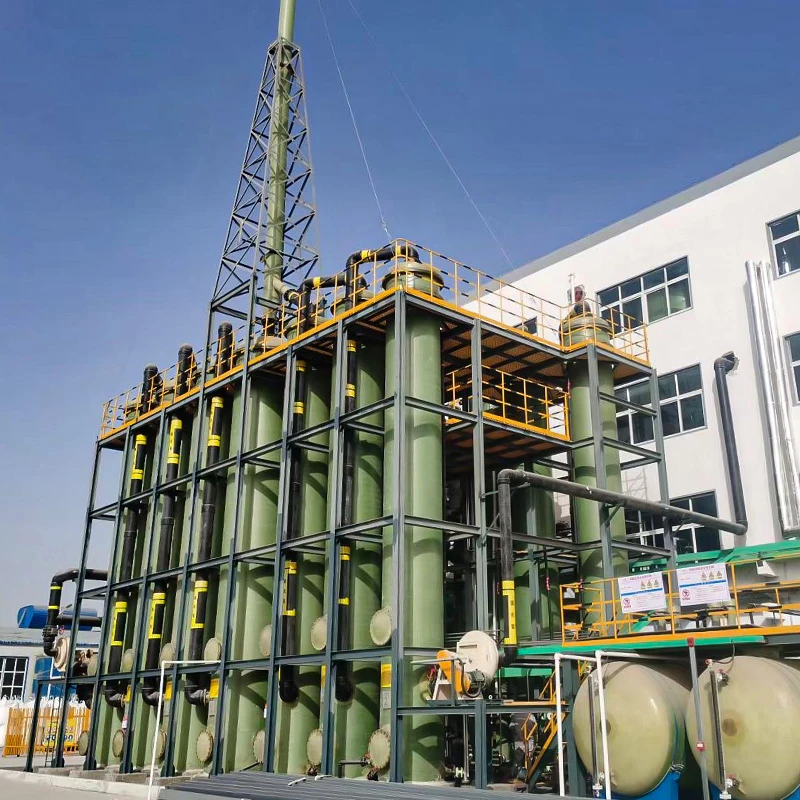
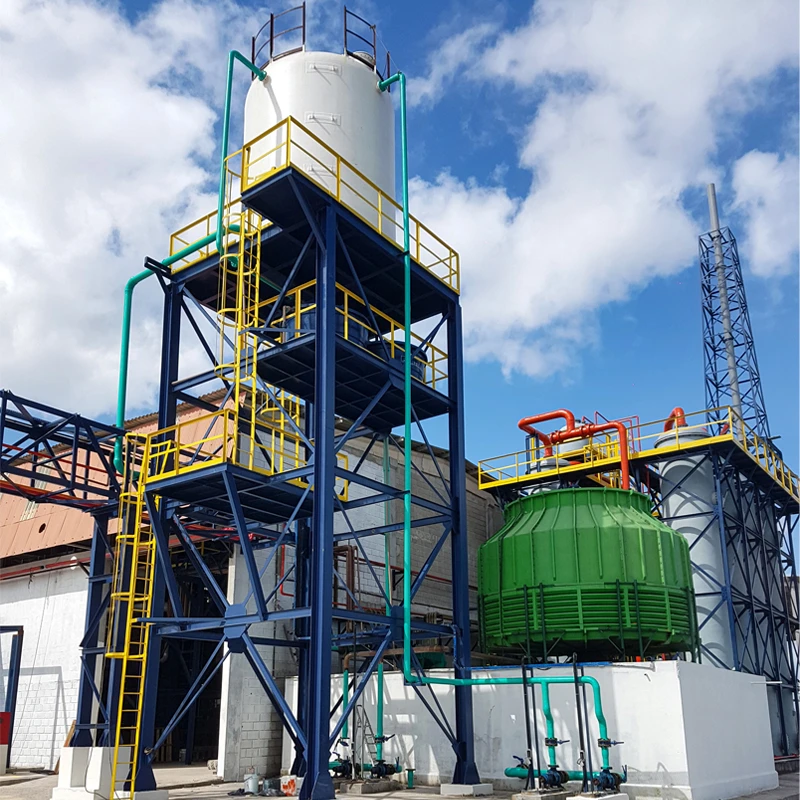
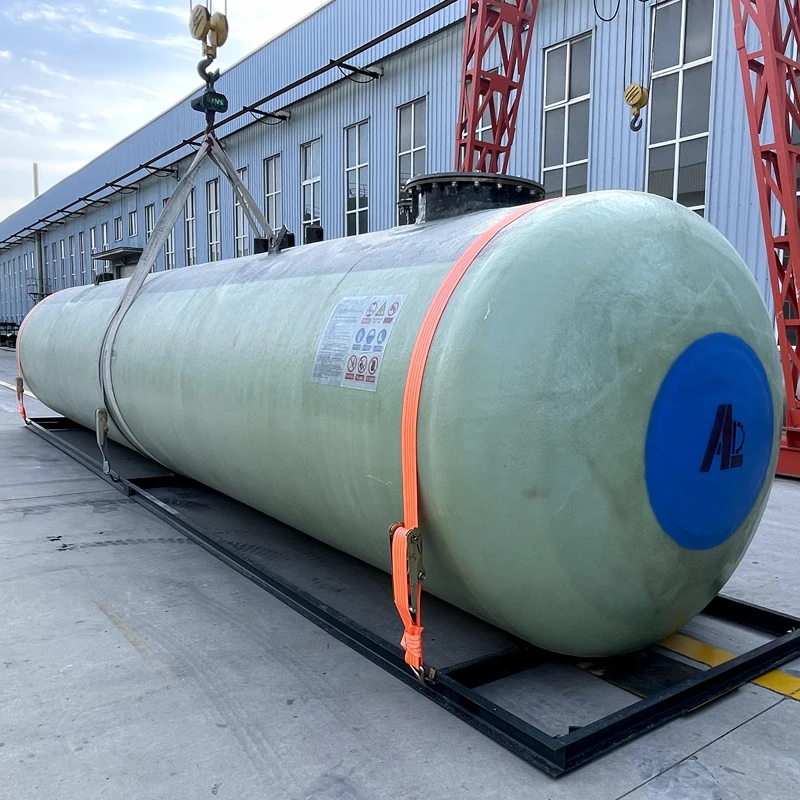
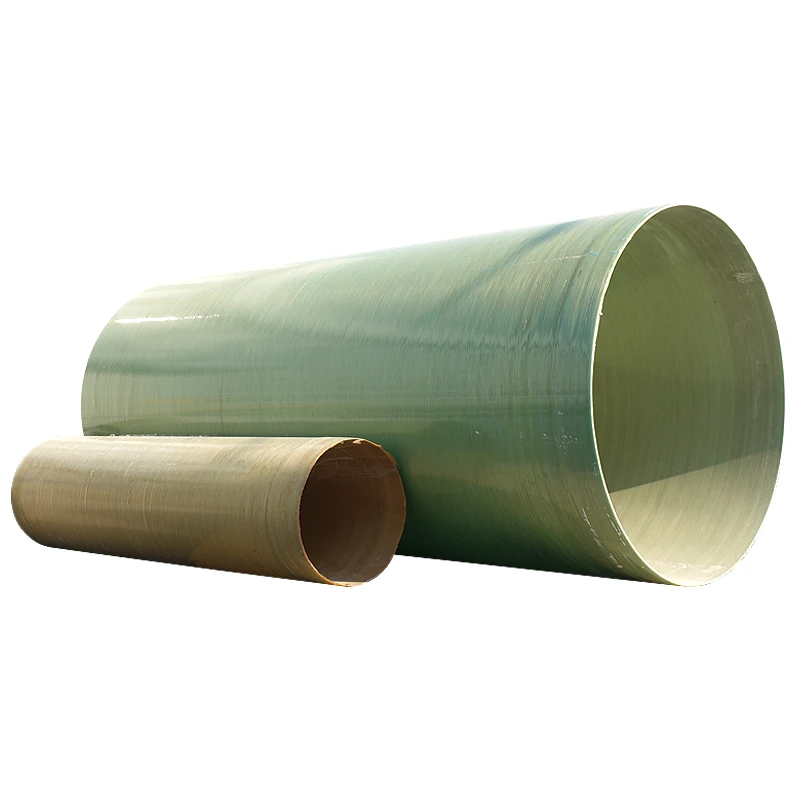
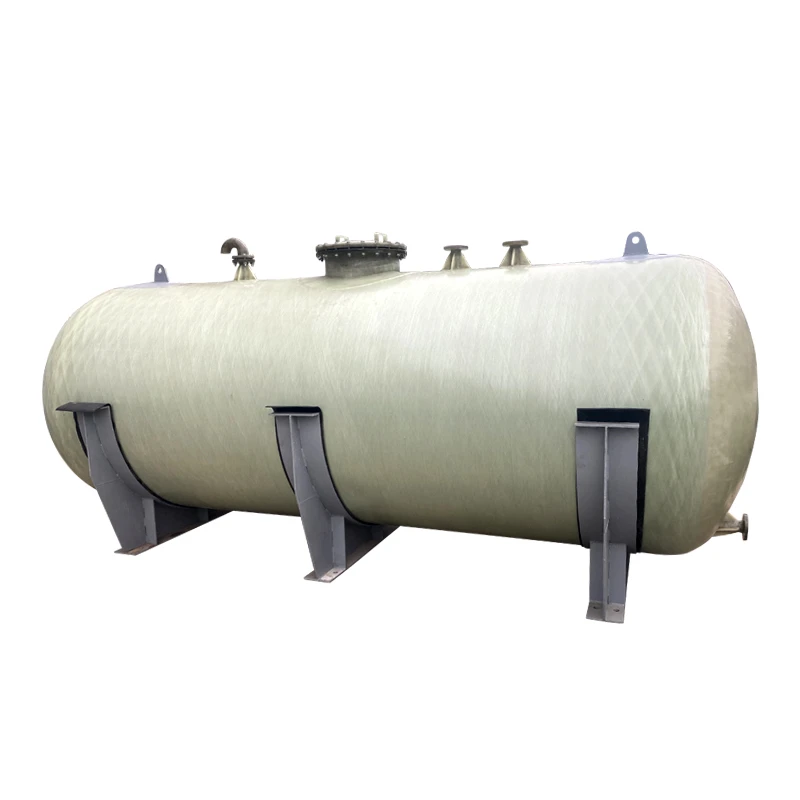
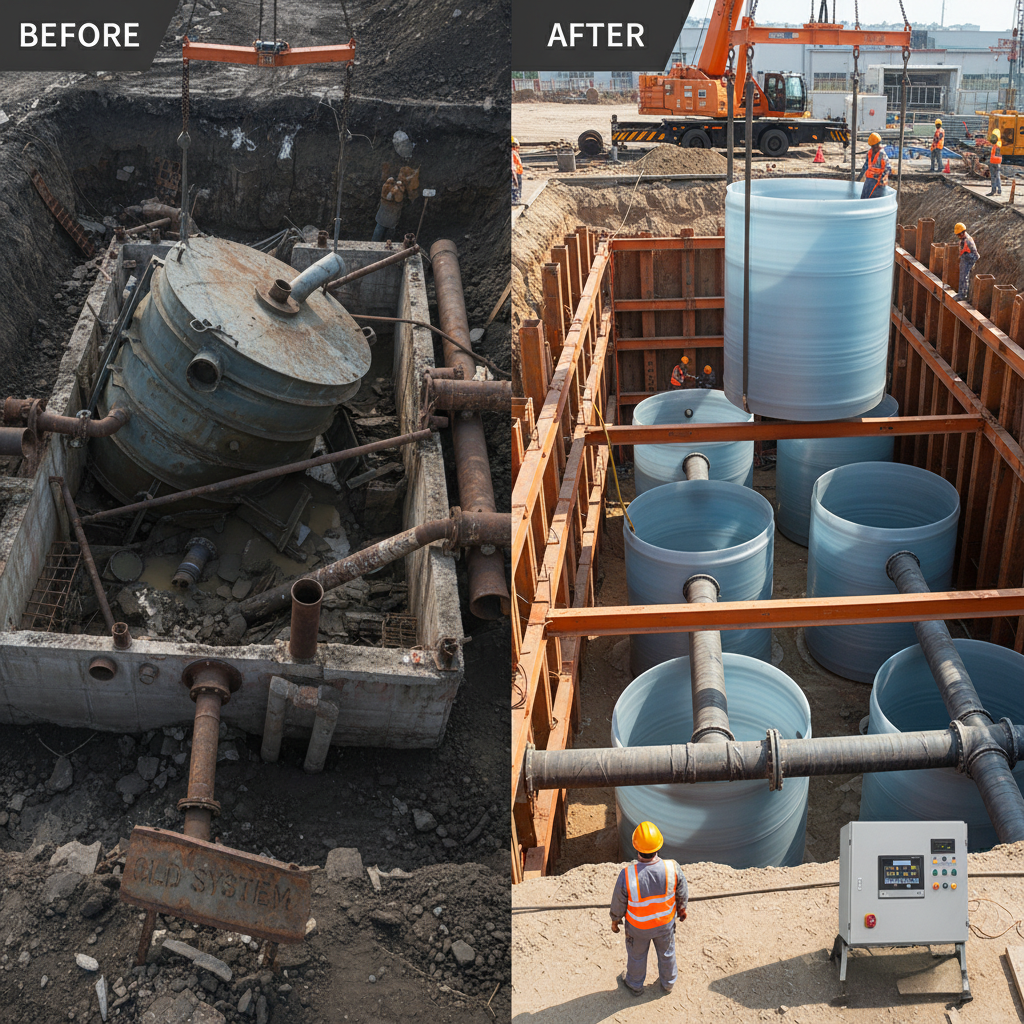
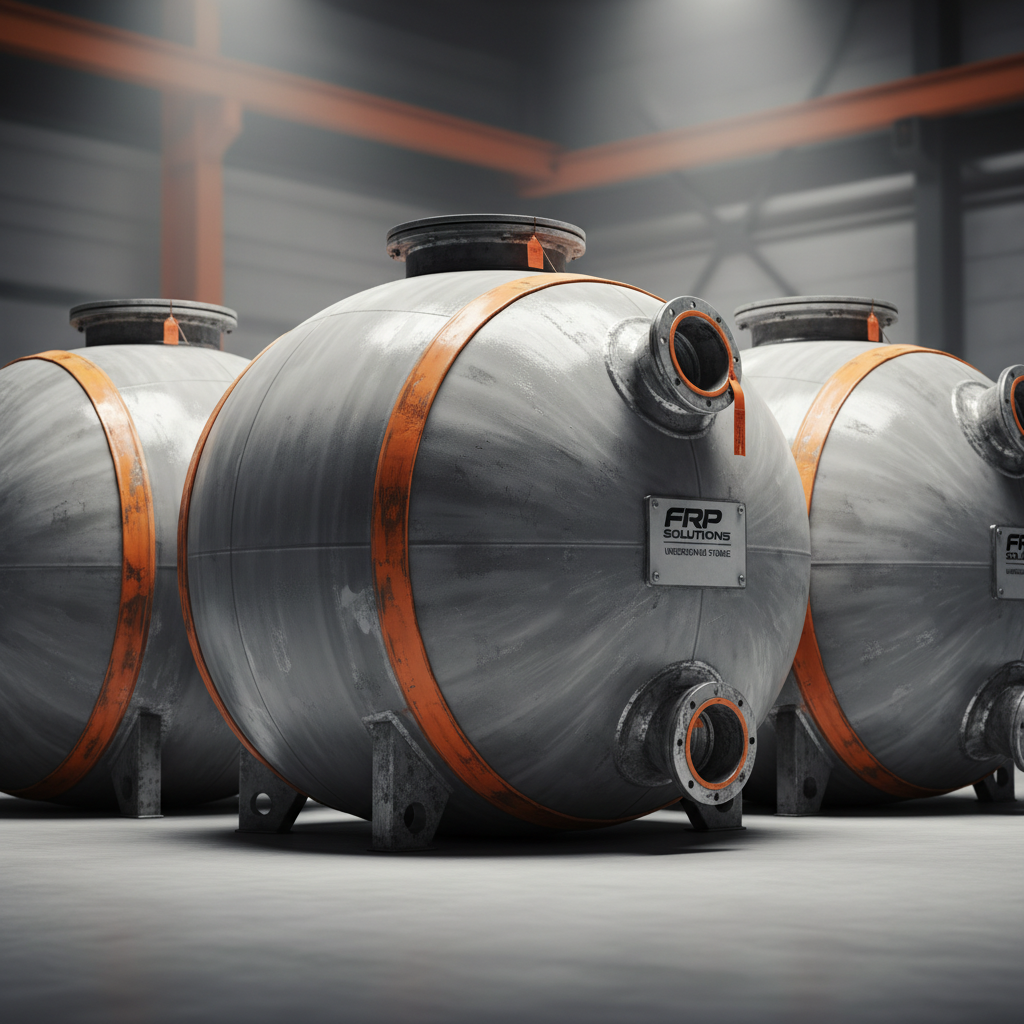
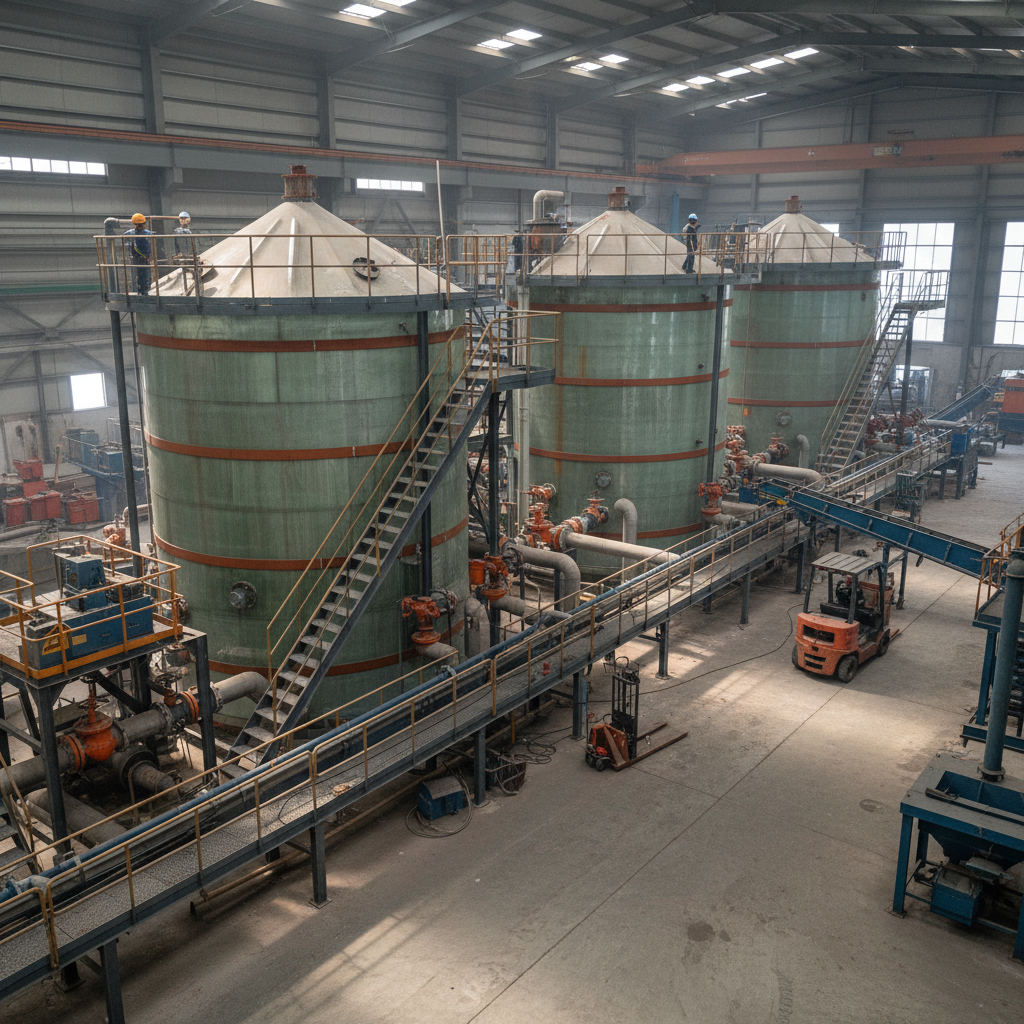
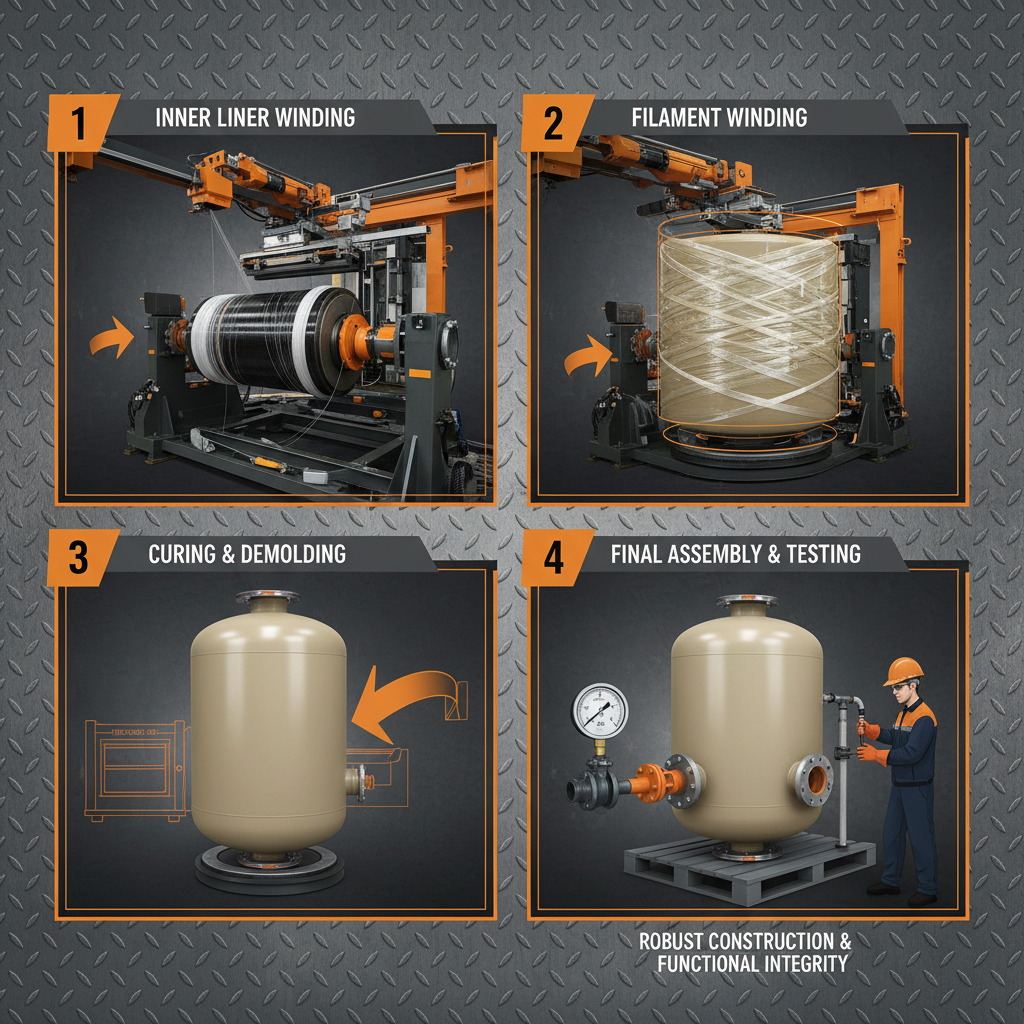
Simply put, a fiberglass retention tank is a containment vessel made primarily of fiberglass-reinforced plastic (FRP). These tanks are designed to hold liquids, gases, or chemicals safely, often as part of retention systems that manage overflow, leaks, or stormwater. The fiberglass construction resists corrosion, harsh chemicals, and UV damage far better than many metals.
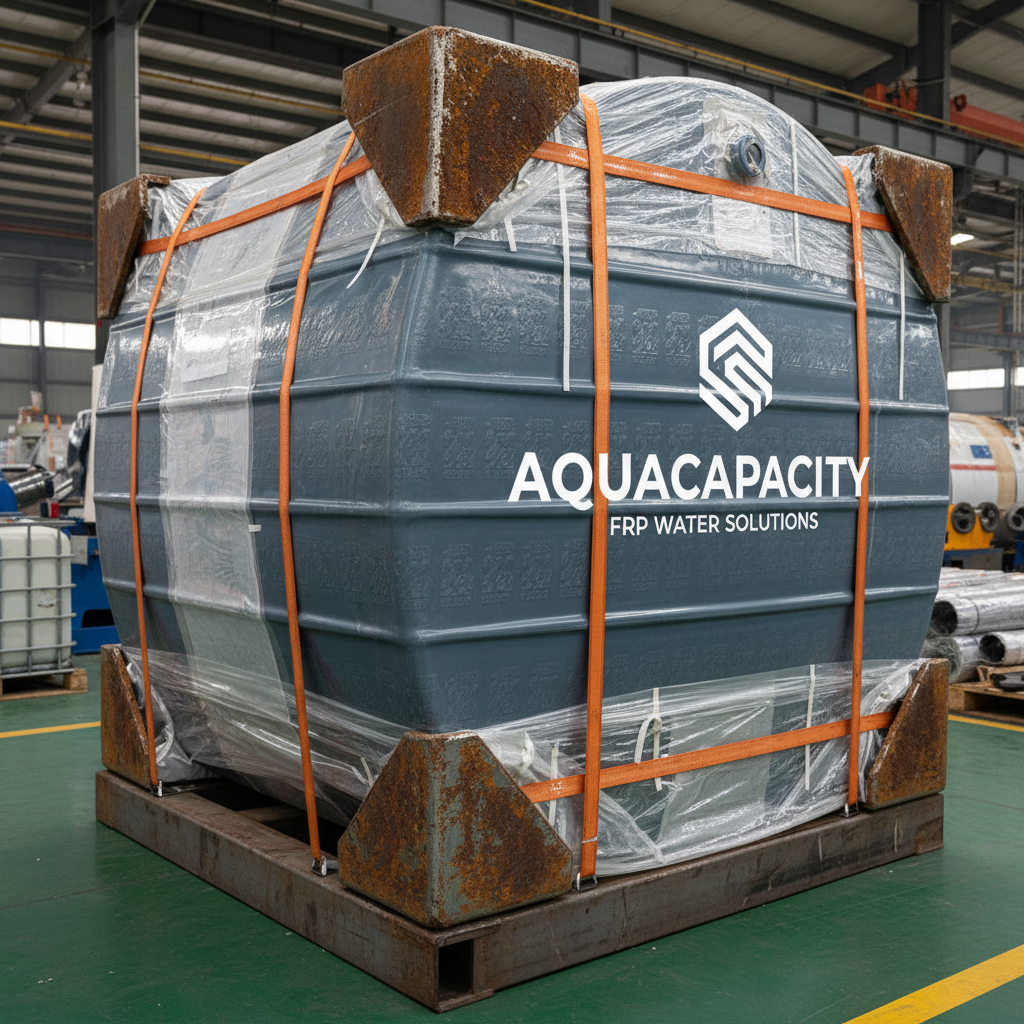
In humanitarian contexts or remote industrial sites, these tanks serve as reliable reservoirs for clean water, fuel, or hazardous materials. Their lightweight nature makes transportation and installation easier than traditional steel or concrete tanks, which can be heavy and less adaptable to challenging terrains.
Core Components and Key Factors of Fiberglass Retention Tanks
Durability & Corrosion Resistance
Fiberglass tanks excel in harsh environments. Unlike steel, they don’t rust or degrade under chemical exposure, greatly extending maintenance intervals. This durability translates into significant cost savings over time.
Lightweight & Scalability
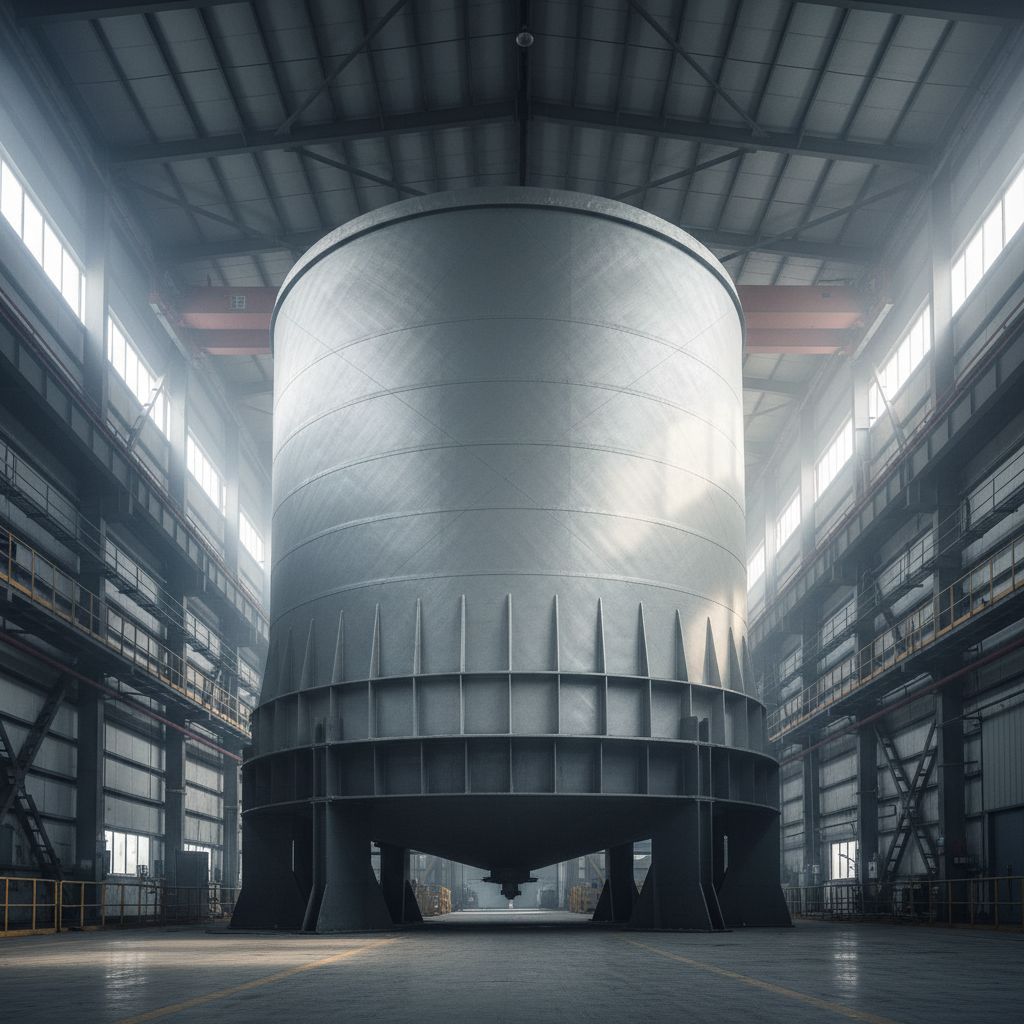
Because fiberglass is lighter, tanks can be larger without the logistical burdens of steel. This matters for modular industrial setups or expanding facilities where adding capacity quickly is valuable.
Cost Efficiency
Initially, fiberglass tanks might carry a slightly higher upfront cost than simple plastic ones, but over their lifetime, lower maintenance and longer lifespan mean better ROI. Many engineers note that avoided downtime alone justifies the investment.
Environmental Sustainability
Fiberglass tanks have a lower environmental impact compared to steel in production and end-of-life disposal. Plus, their leak-resistant nature protects local ecosystems from contamination.
Customization & Compliance
Modern manufacturers offer customizable tank sizes, shapes, and features to comply with various industrial standards, including leak detection systems and secondary containment options.
Maintenance & Inspection
Routine inspections are simpler because the tanks resist interior corrosion, reducing hidden failures. Many models incorporate inspection ports and monitoring systems.
Mini Takeaway:
Fiberglass retention tanks combine durability, lightweight design, cost savings, and environmental benefits — making them smart choices for complex industrial needs.
Applications Across the Globe: Real-World Uses of Fiberglass Retention Tanks
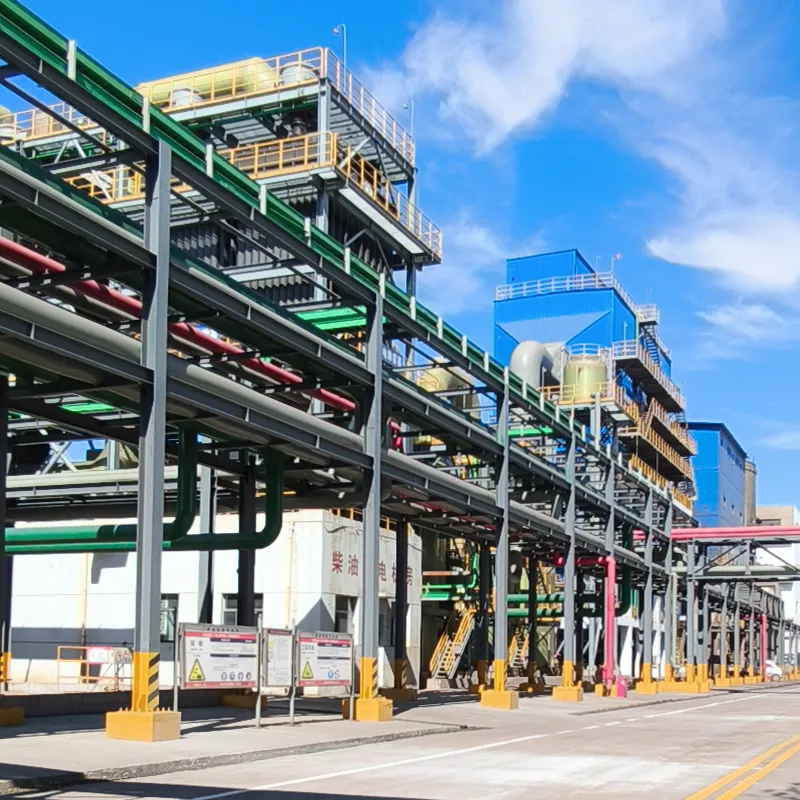
It’s fascinating to see how these tanks fit into vastly different sectors. In Southeast Asia, rapidly expanding manufacturing plants use fiberglass retention tanks to safely store chemical waste before treatment. Meanwhile, in the arid regions of the Middle East, water retention tanks crafted from fiberglass ensure consistent water availability, even under extreme conditions.
Fiberglass retention tanks feature prominently in disaster-prone zones, where NGOs rely on their quick installation and durability to provide emergency water storage during floods or droughts. Mining companies in South America depend on them for chemical containment, preventing harmful spills that could devastate local ecology.
Even municipal wastewater systems in Europe have adopted these tanks to handle stormwater retention, reducing urban flooding risks — a pressing concern as climate change intensifies weather extremes.
Product Specification Table: Typical Fiberglass Retention Tank
| Specification | Value/Range | Notes |
|---|---|---|
| Material | Fiberglass Reinforced Plastic (FRP) | Typical resin: polyester or vinyl ester |
| Capacity | 500 - 50,000 gallons | Custom sizes available |
| Operating Temperature | -40°C to +90°C (-40°F to +194°F) | Depends on resin type |
| Chemical Resistance | Excellent against acids, alkalis, and salts | Superior to steel in corrosive environments |
| Lifespan | 20-30 years | With proper maintenance |
How Does Vendor Choice Affect Your Fiberglass Retention Tank?
Choosing the right manufacturer or supplier can be as important as choosing the tank type itself. Let’s glance at a quick comparison of leading vendors on a few key parameters.
| Vendor | Customization | Lead Time | Warranty | Geographical Reach |
|---|---|---|---|---|
| FRP Global Tanks | High (sizes, features) | 4-8 weeks | 10 years structural | Worldwide |
| ClearWater Tanks Inc. | Moderate | 3-6 weeks | 8 years | North America, Europe |
| EnviroFibers Ltd. | Custom designs available | 6-10 weeks | 12 years | Asia-Pacific focus |
Advantages and Long-Term Value of Fiberglass Retention Tanks
The benefits here go beyond just technical specs. On a practical level, many operators appreciate how fiberglass tanks reduce downtime thanks to their corrosion resistance. Safety-wise, preventing leaks means fewer hazardous spills — something companies and communities value immensely. On an emotional level, these tanks help safeguard water resources and protect communities from environmental harm, instilling trust and confidence in the infrastructure.
Financially, the lifespan and relatively low maintenance demand of fiberglass tanks can lead to lower total cost of ownership. So while you might pay a bit more upfront, the operational savings in repair, replacement, and loss prevention add up over time.
Looking Ahead: Trends and Innovations in Fiberglass Retention Tanks
The field isn’t standing still. Innovations like integrating sensor technology directly into tanks for real-time monitoring of chemical levels or tank integrity are gaining traction. Some manufacturers are experimenting with bio-based resins to improve sustainability profiles further. There’s also a notable push towards tanks that meet stricter environmental standards, supporting green infrastructure and digital automation in industrial sites.
Plus, modular tank designs that can be quickly assembled or expanded onsite represent a growth area, especially valuable in disaster response or rapidly changing industrial conditions.
Challenges and How Experts Suggest Overcoming Them
Despite their advantages, fiberglass retention tanks aren’t without challenges. UV degradation over decades can weaken tanks if not properly coated. Installation requires skilled personnel to avoid damage. Leak detection can be difficult without external systems.
Experts recommend routine inspections, applying UV protective coatings, and integrating automated monitoring devices. Advances in resin formulations continue to address these concerns, but buyer awareness and supplier support are keys to long-term success.
FAQ: Common Questions About Fiberglass Retention Tanks
Q1: How long do fiberglass retention tanks typically last in industrial use?
A: With proper maintenance and environmental protection, fiberglass retention tanks generally last 20 to 30 years. The resin type, tank thickness, and site conditions also affect longevity.
Q2: Are fiberglass tanks suitable for storing hazardous chemicals?
A: Yes, fiberglass tanks offer excellent chemical resistance, often better than steel, making them suitable for a wide range of acids, bases, and salts. Always verify tank compatibility for specific chemicals.
Q3: Can these tanks be installed in remote or disaster-stricken areas?
A: Absolutely. Their lightweight nature makes transportation and installation easier in challenging locations, and they’re frequently used by NGOs for emergency water or fuel storage.
Q4: What are the installation requirements for fiberglass retention tanks?
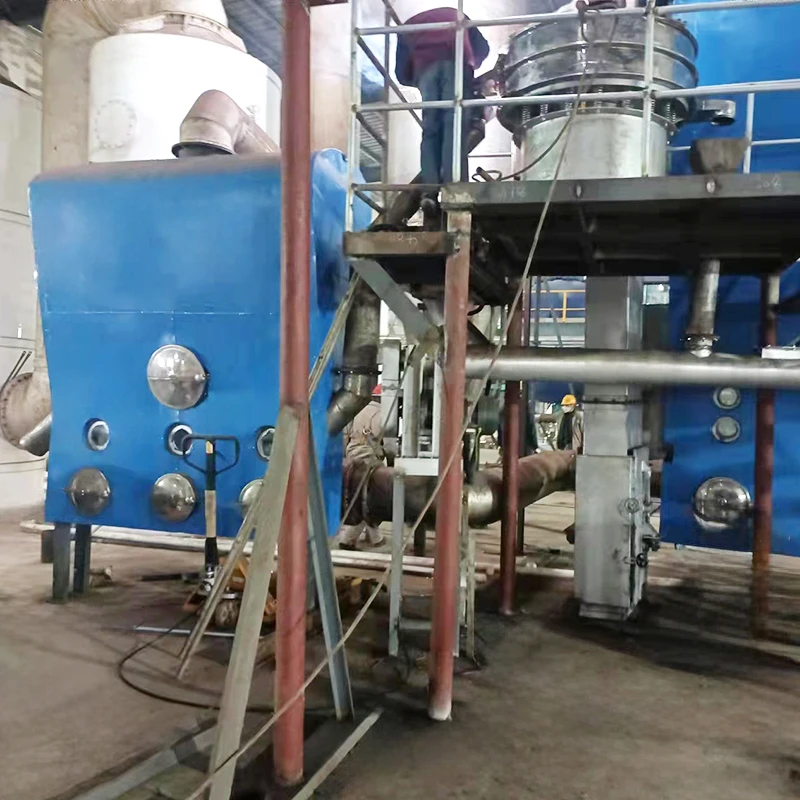
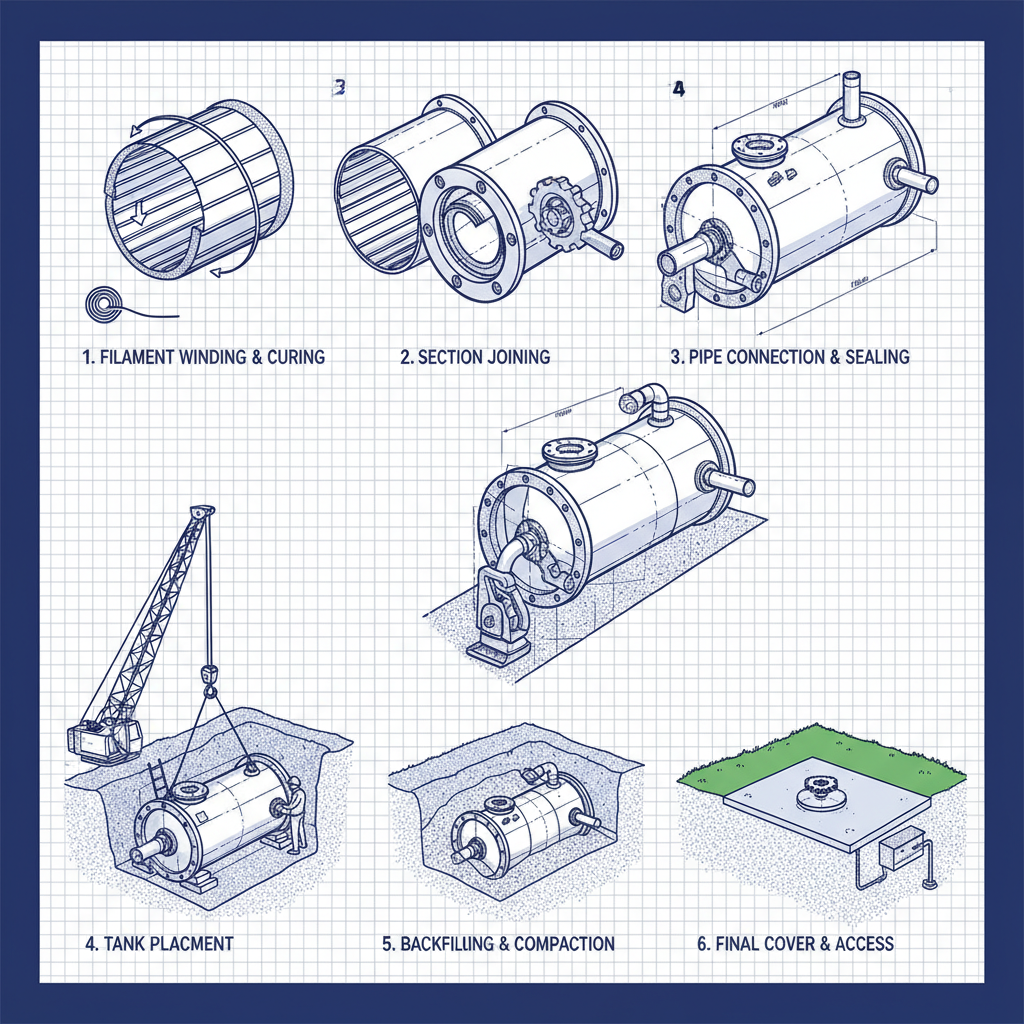
A: Installation requires a stable, leveled foundation and skilled labor to ensure no structural damage occurs. Many vendors provide installation guidance or full services.
Q5: How do fiberglass retention tanks compare environmentally to steel tanks?
A: Fiberglass production has a lower carbon footprint in many cases and offers long-term leak resistance that prevents soil and groundwater contamination. Plus, recycling and disposal methods are improving.
Conclusion and Next Steps
To wrap it all up, fiberglass retention tanks represent a smart, forward-thinking choice for industries and regions requiring secure, long-lasting storage solutions. Their blend of durability, environmental compatibility, and economic practicality answers many challenges modern operations face. If you’re considering a reliable retention system, it’s worth exploring the latest fiberglass models on the market. For tailored advice, specifications, or a quote, don’t hesitate to visit our website: https://www.frpgrpmachine.com — where expertise meets innovation.
Mini Takeaway:
Choosing fiberglass retention tanks allows organizations to invest in safer, longer-lasting, and cost-effective storage solutions positioned for tomorrow’s industrial needs.
References
- ISO 20857: Chemical storage tanks standards
- World Bank: Water Scarcity and Related Data
- Fiberglass - Wikipedia