Durable and Safe 1000 Ltr Chemical Tanks for Industrial & Humanitarian Use
Why Understanding the 1000 Ltr Chemical Tank Matters Globally
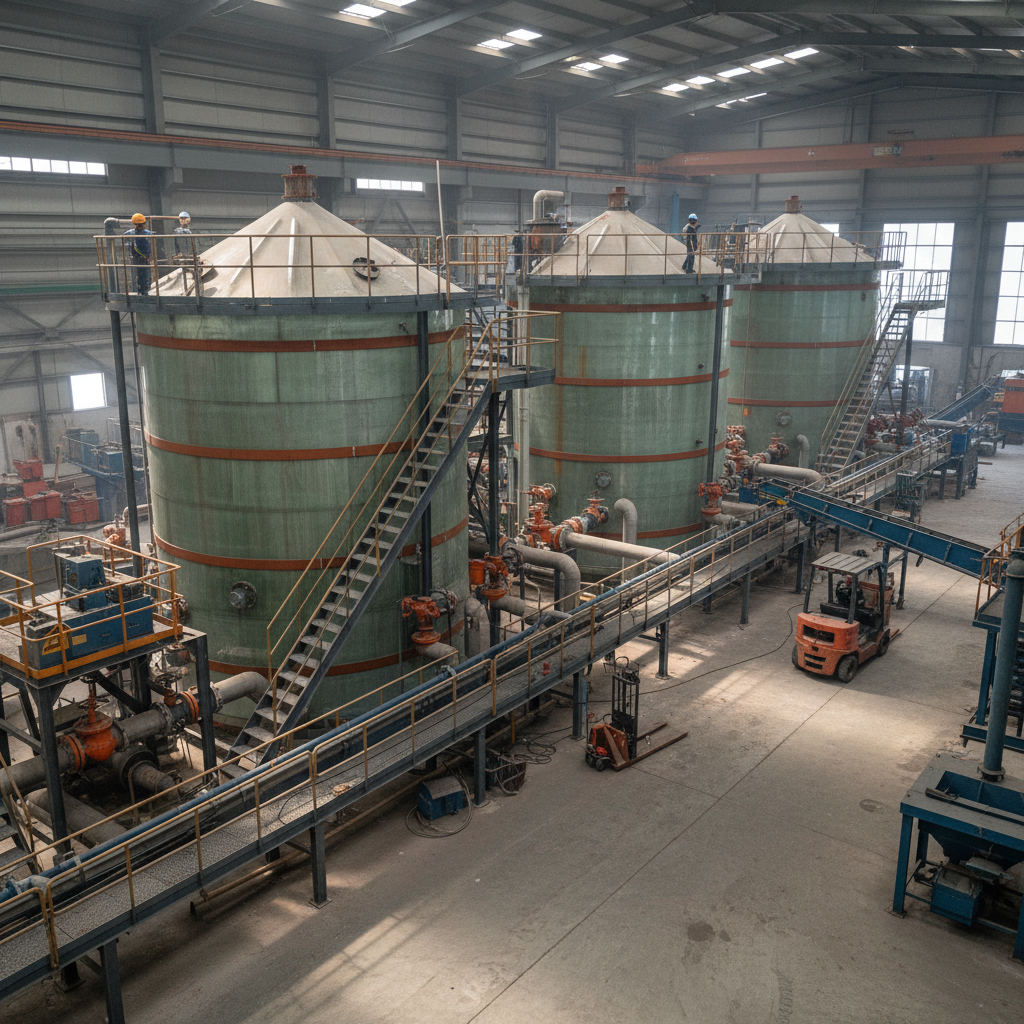
There’s a quiet hero in the background of many industries and humanitarian efforts – the 1000 ltr chemical tank. Whether you’re thinking about safe storage of hazardous liquids, efficient chemical processing, or environmental protection, these tanks play a pivotal role worldwide. Industrial facilities, water treatment plants, agricultural suppliers, or disaster relief operations all benefit from a robust solution to handle chemicals safely and efficiently.
Why does it matter? Well, with increasing global industrialization and a growing demand for sustainable chemical management, understanding the design, utility, and innovations surrounding these tanks isn’t just for engineers. It’s important for regulators, planners, and even NGOs working in challenging environments. Get it right, and you dramatically reduce risks, improve process efficiency, and protect communities and ecosystems.
The Global Context: Why 1000 Ltr Chemical Tanks Are Crucial Today
Chemical storage solutions are under scrutiny worldwide as regulations tighten and industries seek safer, more eco-friendly approaches. According to the ISO safety standards, careful containment of chemicals is essential to prevent leaks, contamination, and accidents.
Globally, the chemical storage market is expected to grow significantly, driven by expanding sectors like pharmaceuticals, agriculture, and industrial manufacturing (World Bank reports estimate a 4% annual rise in chemical production). But there's a challenge: many regions still rely on outdated or unsafe tanks, risking spills or violations.
A 1000 ltr capacity strikes a pragmatic balance – large enough for bulk needs but still manageable, transportable, and scalable for various uses. The tank’s versatility meets the diverse global demand, from remote mining sites in Australia to flood-prone areas in South Asia where storage needs to be both mobile and secure.
Mini Takeaway:
- Growing chemical industries demand reliable storage solutions.
- 1000 ltr tanks fit global needs for size, safety, and transport.
- International standards push innovation and compliance accuracy.
What Exactly Is a 1000 Ltr Chemical Tank?
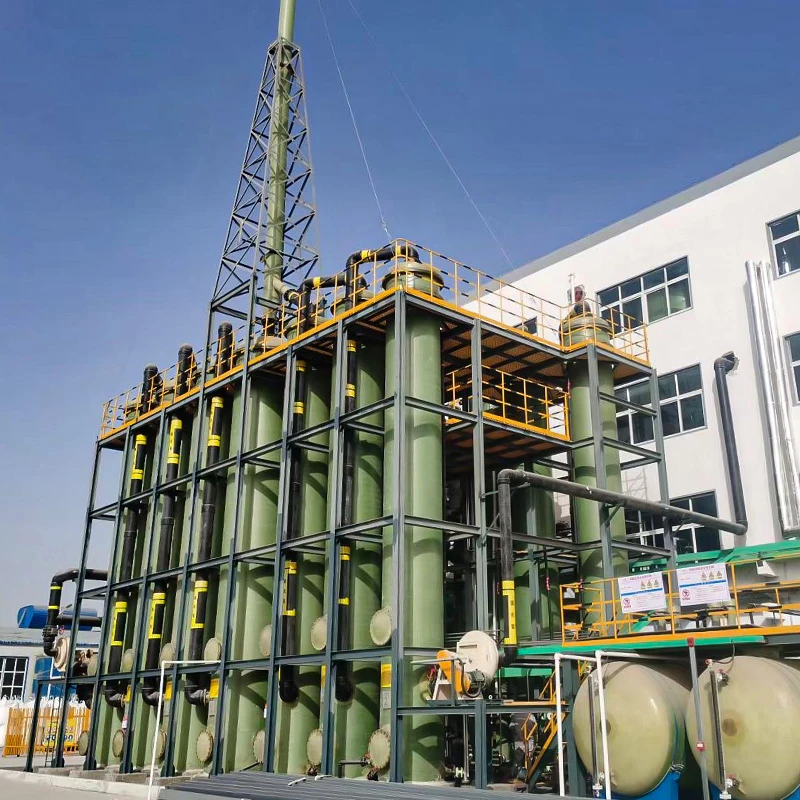
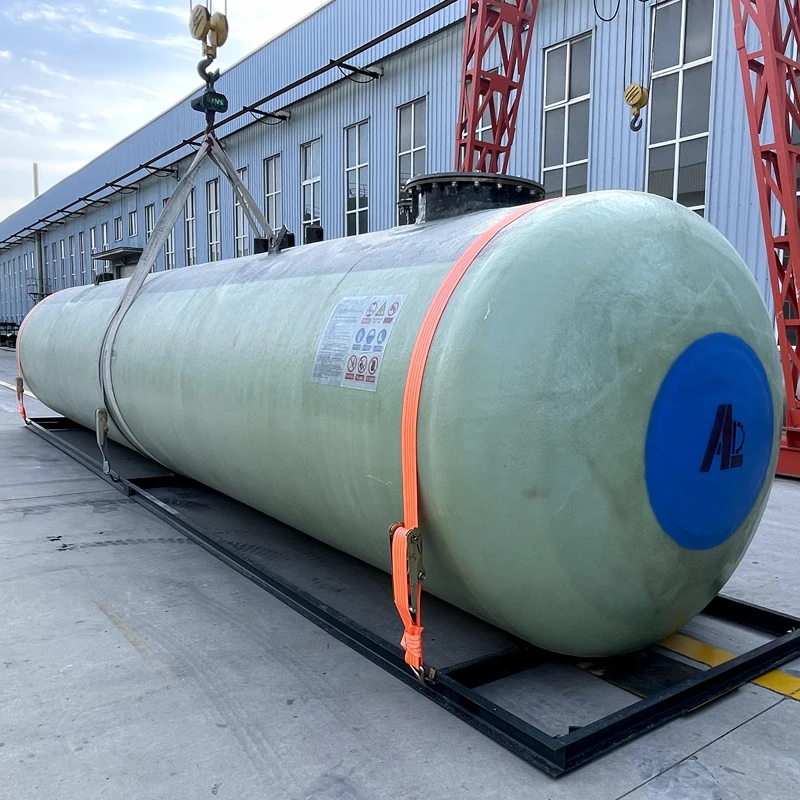
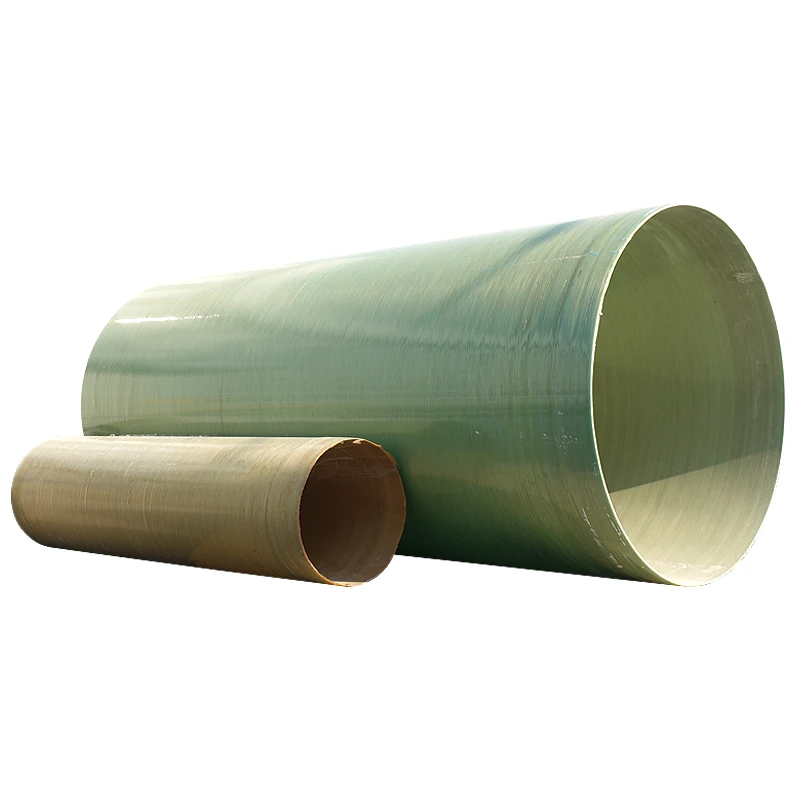
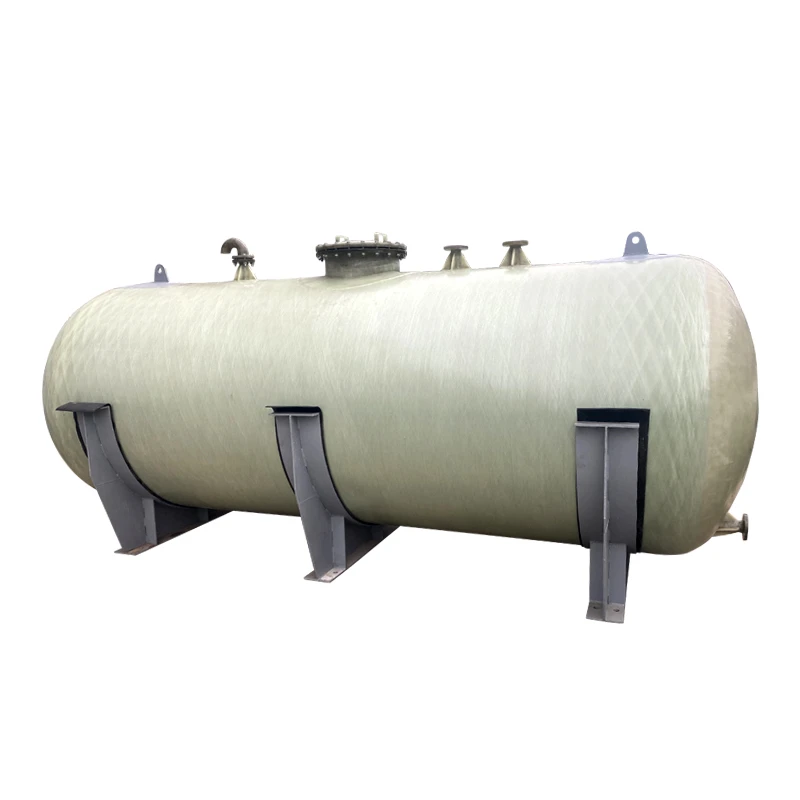
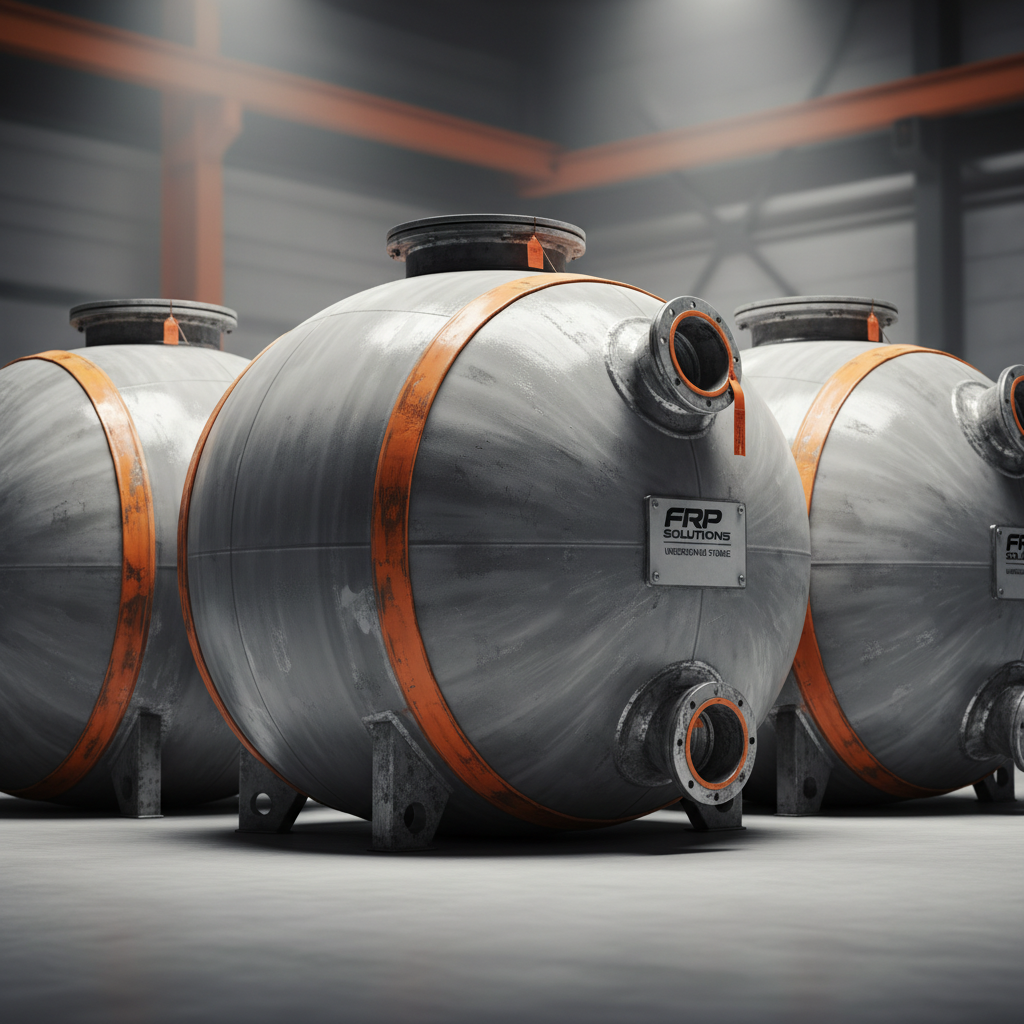
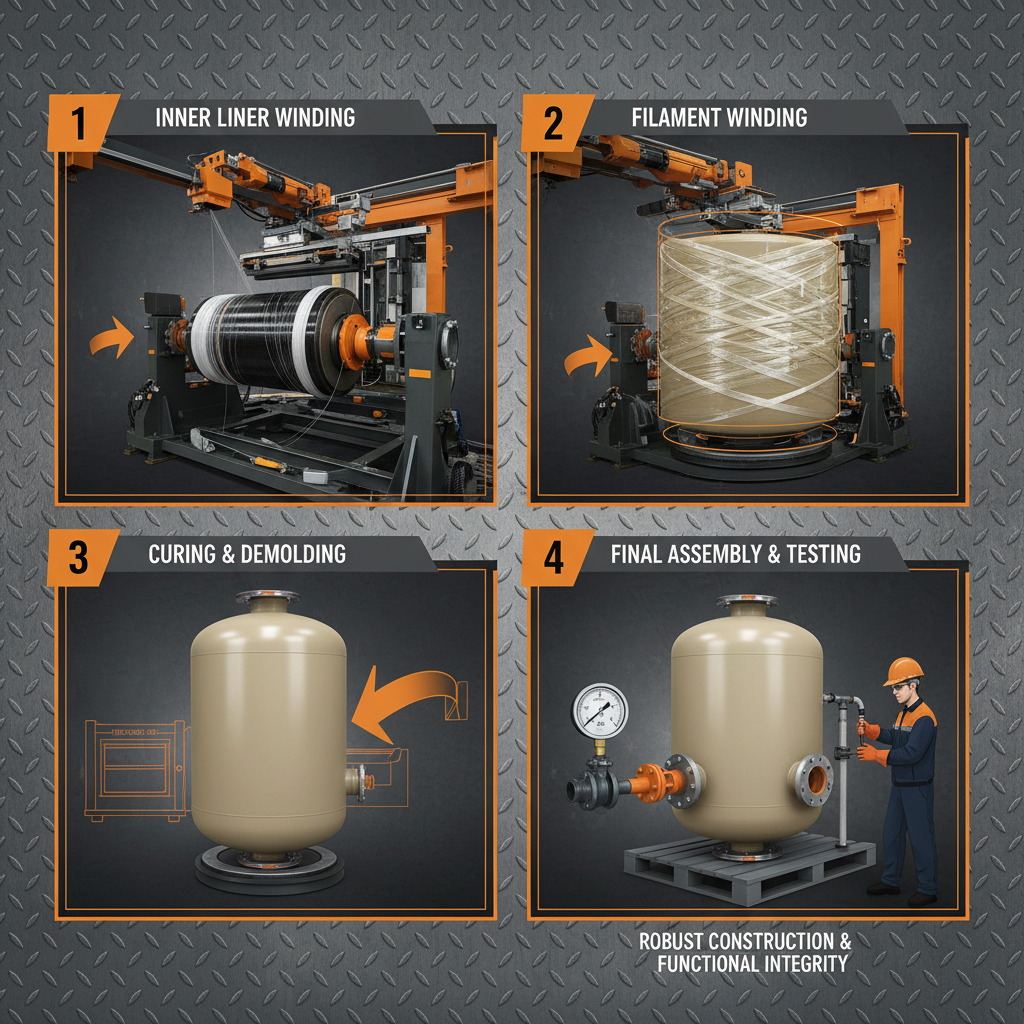
Simply put, a 1000 ltr chemical tank is a container designed to store or transport chemicals securely, with a capacity of approximately 1000 liters (roughly 264 gallons). They come in various materials like polyethylene, fiberglass-reinforced plastic (FRP), stainless steel, or even specialized composites — each chosen based on the chemical stored.
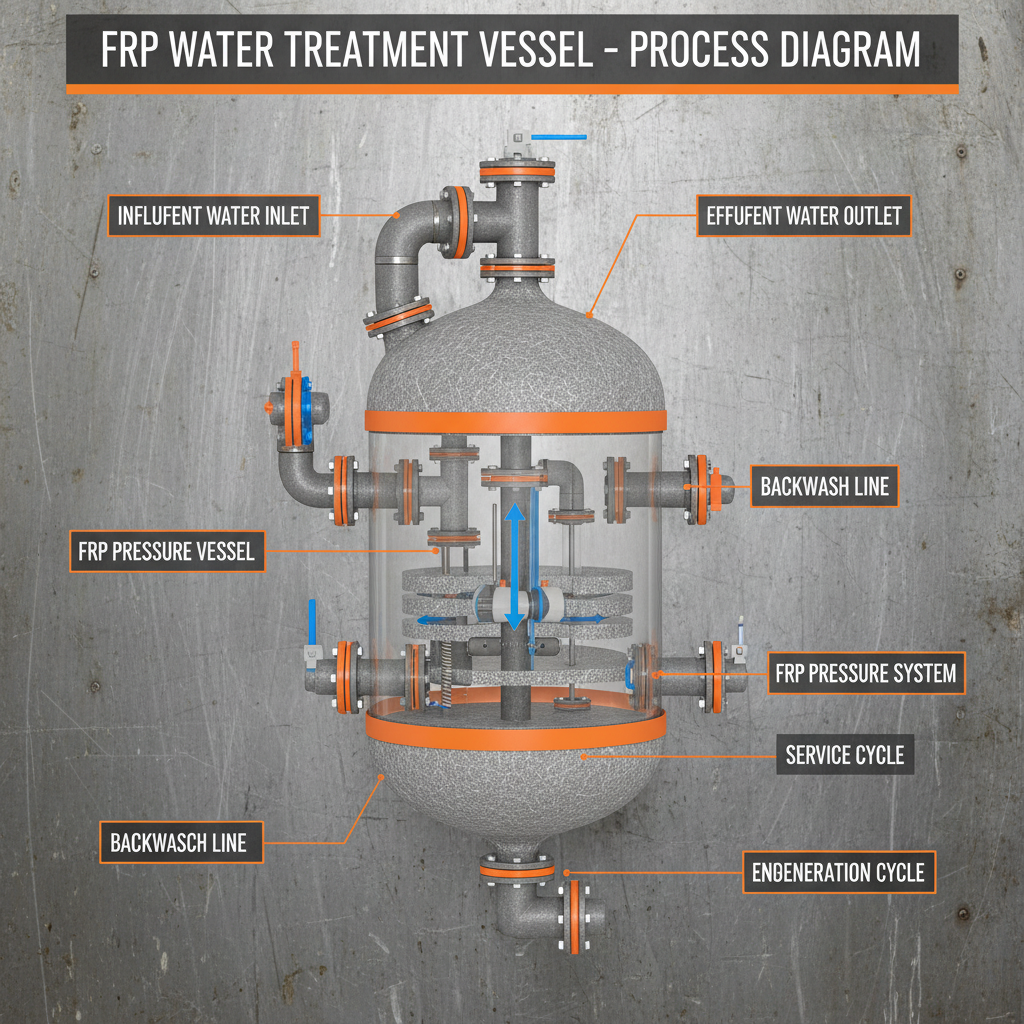
These tanks aren’t just large buckets; their design incorporates features to resist corrosion, prevent leaks, and sometimes even control temperature or pressure. In industrial terms, they’re critical infrastructure to handle everything from acids and solvents to water treatment chemicals and agricultural fertilizers.
From a humanitarian standpoint, these tanks provide safe chemical storage for water purification solutions or sanitation chemicals in disaster zones. It’s an intersection of engineering and social responsibility.
Mini Takeaway:
- Defined by type, size (1000 liters), and material.
- Designed for chemical compatibility and safety.
- Vital for both industry and emergency relief.
Key Components That Make a 1000 Ltr Chemical Tank Work
1. Durability and Material Selection
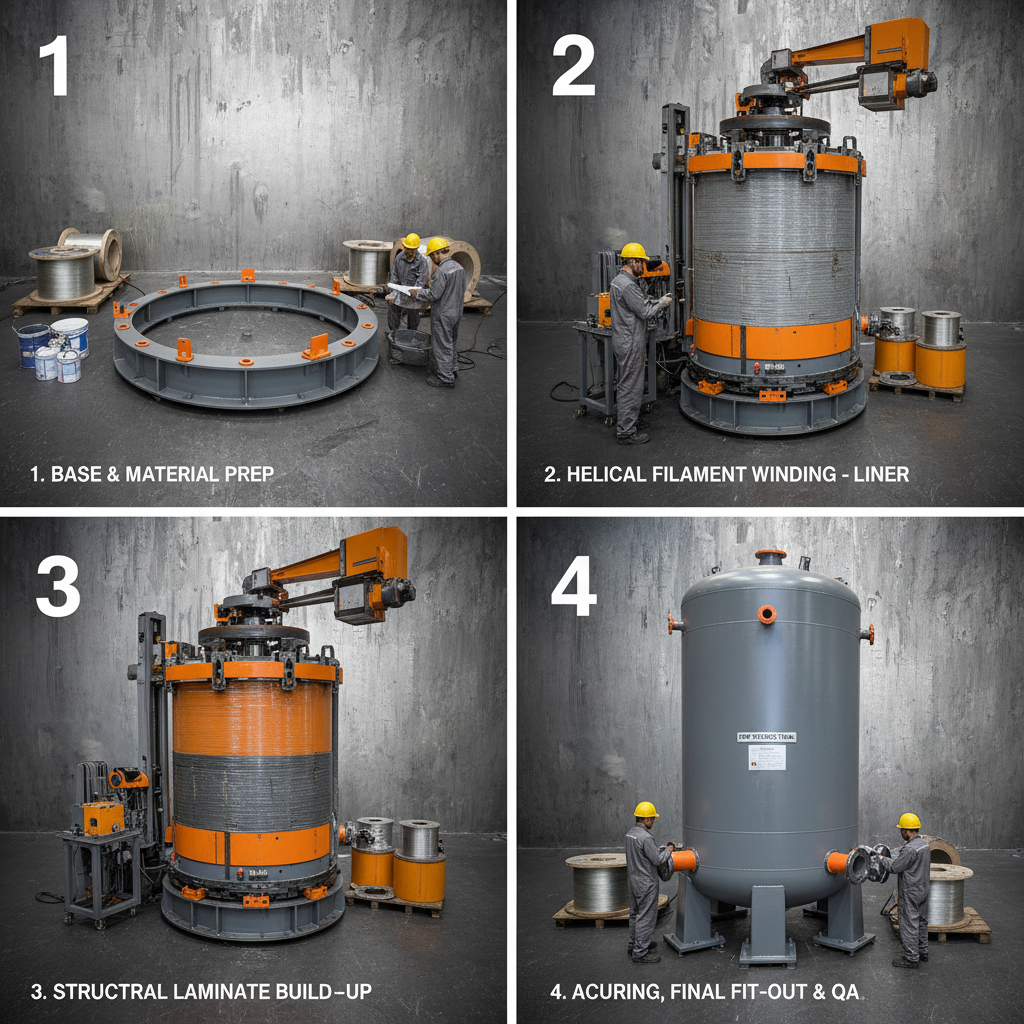
Whether it’s UV-resistant polyethylene or corrosion-proof stainless steel, the material dictates the tank’s longevity and safety. Many manufacturers use FRP (fiberglass-reinforced plastic) for a solid balance of cost and durability.
2. Leak Prevention and Sealing
Sealing mechanisms—gaskets, lids, and fittings—are essential. The last thing anyone wants is a chemical spill, especially for hazardous substances. Tanks often include secondary containment as a safeguard.
3. Portability and Design Ergonomics
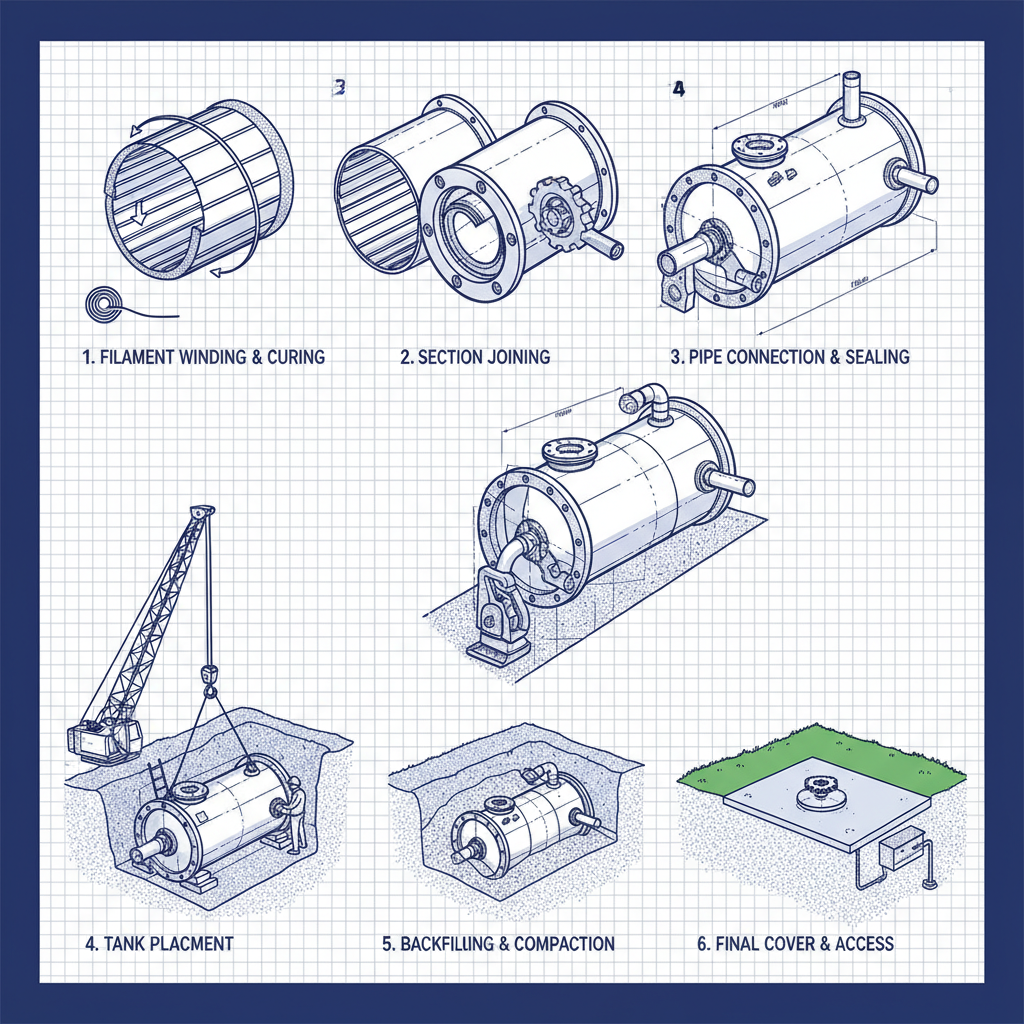
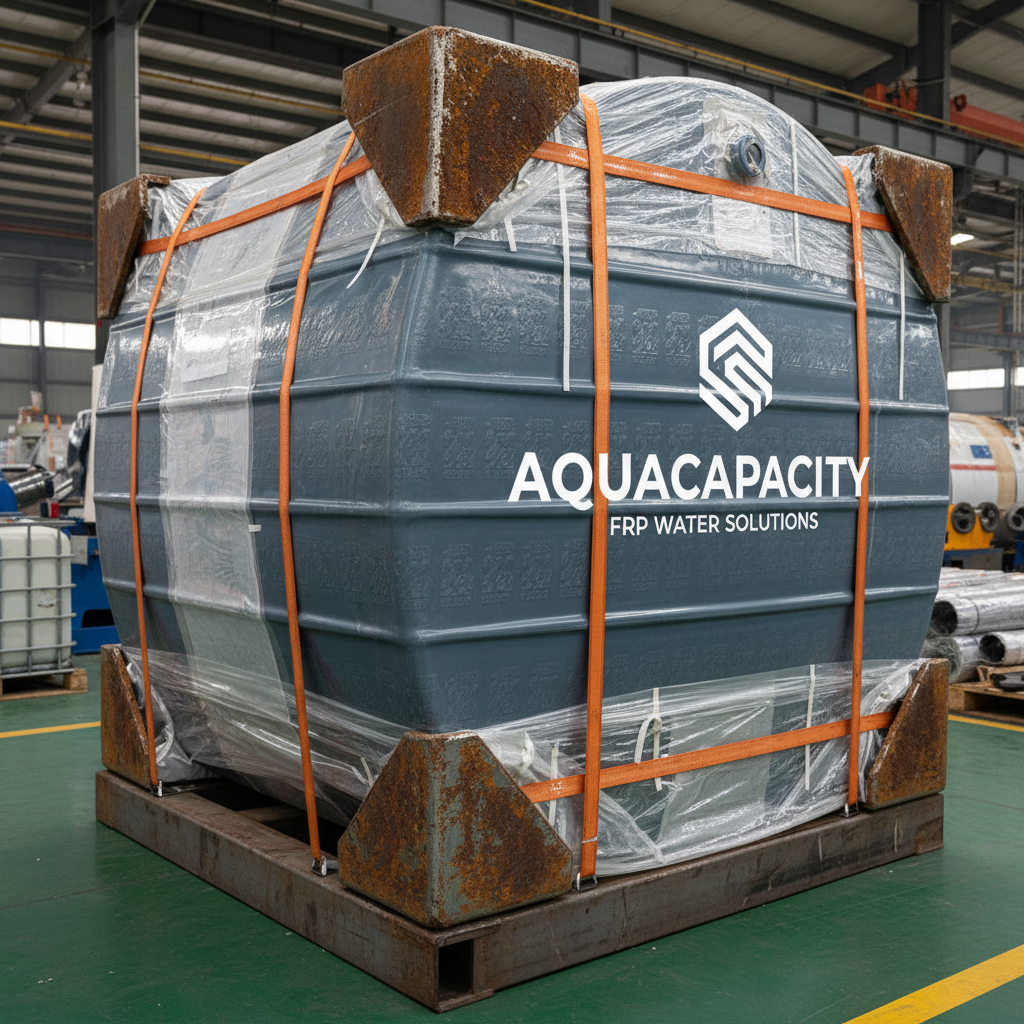
1000 liter tanks are often shaped with ease of transport in mind—some even fork-lift compatible or designed modularly to stack or connect.
4. Compliance Features
Markings, certifications, and built-in safety valves ensure that the tanks meet international safety and environmental regulations, which is critical for cross-border transport and operations.
5. Customization and Monitoring
In growing smart-industry trends, tanks are sometimes equipped with sensors for level monitoring, leak detection, or temperature controls—a peek at the future.
Mini Takeaway:
- Material choice is the foundation of both cost and safety.
- Leak prevention and safety features reduce risk.
- Design balances portability with compliance.
- Smart tech enhances monitoring and efficiency.
Real-World Applications of 1000 Ltr Chemical Tanks
You’ll find these tanks in use across industries and geographies:
- Industrial Manufacturing: Chemical plants use 1000 ltr tanks for intermediate storage of solvents and reagents on production lines.
- Agricultural Sector: For safely storing fertilizers and pesticides close to farm sites, often critical in countries like Brazil and India.
- Water Treatment Facilities: For chlorination and flocculants, tanks provide controlled dosing in municipal systems.
- Disaster Relief and Humanitarian Aid: Organizations deploy transportable 1000 ltr tanks stocked with water treatment chemicals in flood-affected regions of Southeast Asia, for example.
- Mining and Remote Operations: In Australia or Canada, chemical tanks are used onsite for mineral processing chemicals, balancing safety with rugged transportability.
Clearly, their adaptability is a major reason they’re indispensable worldwide.
Mini Takeaway:
- Used in manufacturing, agriculture, water treatment, relief efforts.
- Serve both permanent and mobile chemical storage needs.
- Ideal for regions with regulatory or environmental challenges.
What Makes the 1000 Ltr Chemical Tank Worth the Investment?
Aside from size convenience, the benefits extend deeper:
- Cost Efficiency: Managing chemicals in bulk reduces handling losses and operational downtime.
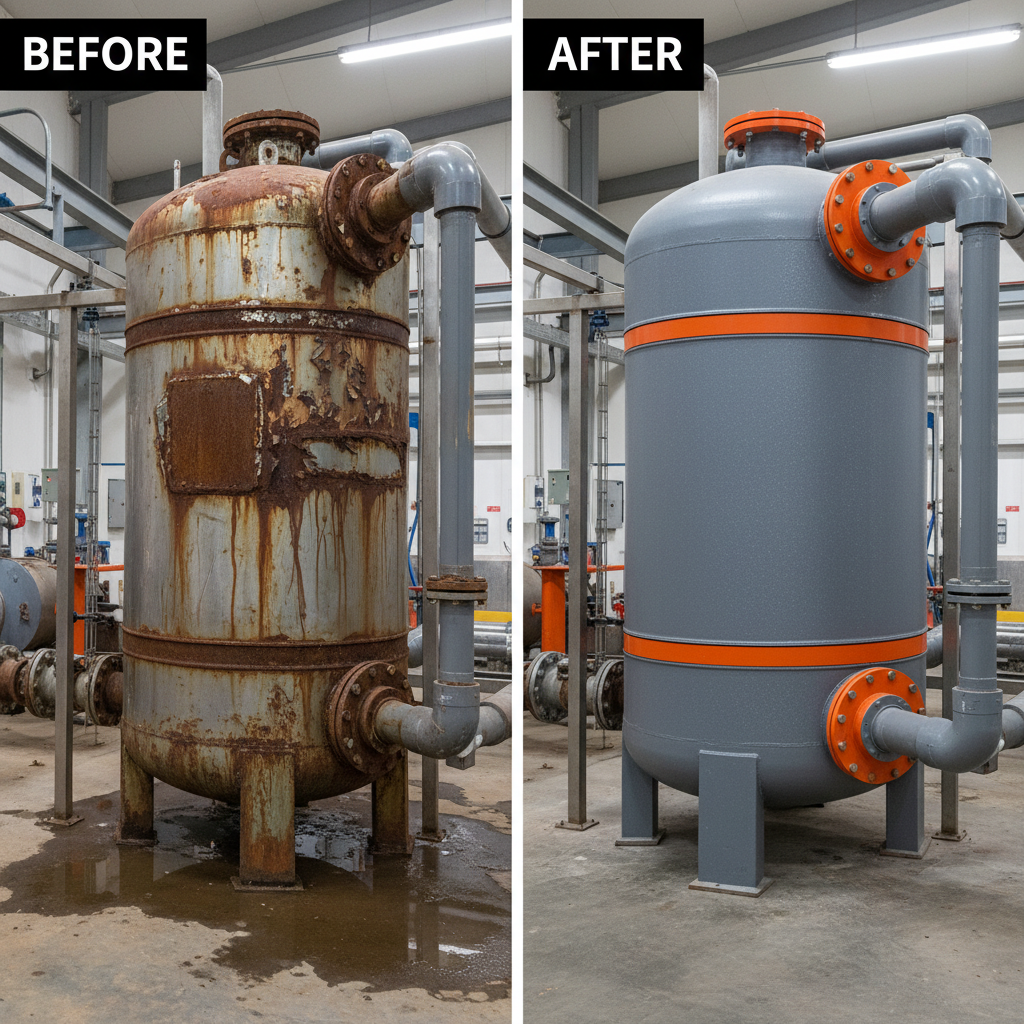
- Sustainability: Durable tanks reduce waste and environmental contamination.
- Safety and Compliance: Certified tanks protect employees and communities from exposure.
- Long-Term Reliability: Many tanks last 10+ years with minimal maintenance, lowering lifecycle costs.
- Emotional Impact: Knowing hazardous chemicals are securely stored provides peace of mind—often overlooked but real.
Product Specifications — Sample 1000 Ltr Chemical Tank Table
| Specification | Details |
|---|---|
| Capacity | 1000 liters (approx. 264 gallons) |
| Material | FRP, HDPE, or Stainless Steel |
| Dimensions (L × W × H) | 1200 mm × 900 mm × 1100 mm (varies by design) |
| Weight (empty) | Approx. 50-70 kg (material-dependent) |
| Certifications | ISO 9001, UN/DOT approved (optional) |
| Temperature Range | -20°C to 60°C (depending on material) |
| Accessories | Valves, level sensors, LCD monitoring (optional) |
Vendor Comparison: Choosing Your 1000 Ltr Chemical Tank Supplier
| Vendor | Material Options | Certifications | Pricing Range (USD) | Customization |
|---|---|---|---|---|
| TankCo Solutions | FRP, HDPE | ISO 9001, UN | $500–$750 | Level sensors, colors |
| ChemSafe Inc. | Stainless Steel | ISO 9001, FDA | $900–$1200 | Custom fittings, sensors |
| Global Tanks Ltd. | HDPE, FRP, Steel | ISO, UN, CE | $600–$1000 | Design & labeling |
Looking Ahead: Innovations in 1000 Ltr Chemical Tanks
The future is shaping up to be pretty smart for these tanks. Imagine built-in IoT sensors tracking fill levels and chemical integrity in real-time, reducing human error and allowing remote monitoring.
Materials are evolving, too—bio-based resins and composite plastics are making tanks lighter, tougher, and greener. Plus, modular designs that snap together to expand capacity on demand are gaining traction, especially for industries that need flexible setups.
On the policy side, increasing environmental regulations globally will drive adoption of environmentally friendly tanks with zero-leak guarantees and recyclable components—a nice example where green tech and industry converge.
Challenges and How Industry Is Dealing With Them
One obvious hurdle: chemical compatibility. Not all tanks work well with every chemical—picking wrong can lead to degradation or leaks. Then there’s the cost–durability balance where premium materials bump price tags, discouraging smaller enterprises.
However, innovation is closing that gap with hybrid materials and better coatings. Also, training and clearer global guidelines help operators select the right tanks. Plus, specialized vendors now offer consultation alongside products — helping customers navigate complex choices.
Frequently Asked Questions About 1000 Ltr Chemical Tanks
- Q: How do I know which material is best for my chemical?
A: Compatibility tables and vendor consultations help determine if HDPE, FRP, or stainless steel suits your chemical’s properties. Safety first! - Q: Can these tanks be transported while full?
A: Generally, yes, but it depends on the tank design and chemical regulations. Many 1000 ltr tanks are designed to be forklift-movable and shipped within guidelines. - Q: How often should a chemical tank be inspected?
A: Routine inspections every 6 to 12 months are recommended, depending on chemical and environment. Look for cracks, leaks, and gasket integrity. - Q: Are these tanks customizable for automation?
A: Increasingly so. Many manufacturers offer add-ons like level indicators, remote sensors, or integration into larger process control systems. - Q: What safety certifications should I look for?
A: ISO 9001 is standard for quality. UN/DOT approval is key if shipping hazardous chemicals internationally. Local regulations might require additional certifications.
In Conclusion: Why Investing in a 1000 Ltr Chemical Tank Is a Smart, Sustainable Choice
In real terms, a 1000 ltr chemical tank is much more than a container — it’s a solution crafted to meet global demands for safe, efficient, and sustainable chemical storage and transport. Industries and humanitarian efforts alike rely on these tanks for versatility, trustworthiness, and future-ready innovations.
For anyone weighing options, it’s worth taking a closer look at product features and quality certifications, because safety and cost-efficiency pay off over time.
Want to explore high-quality, customizable models? Visit our website: 1000 ltr chemical tank for a range of industry-standard options that could fit your needs.