Durable Fiber Water Storage Tanks for Sustainable Water Solutions
What is a Fiber Water Storage Tank and Why Should You Care?
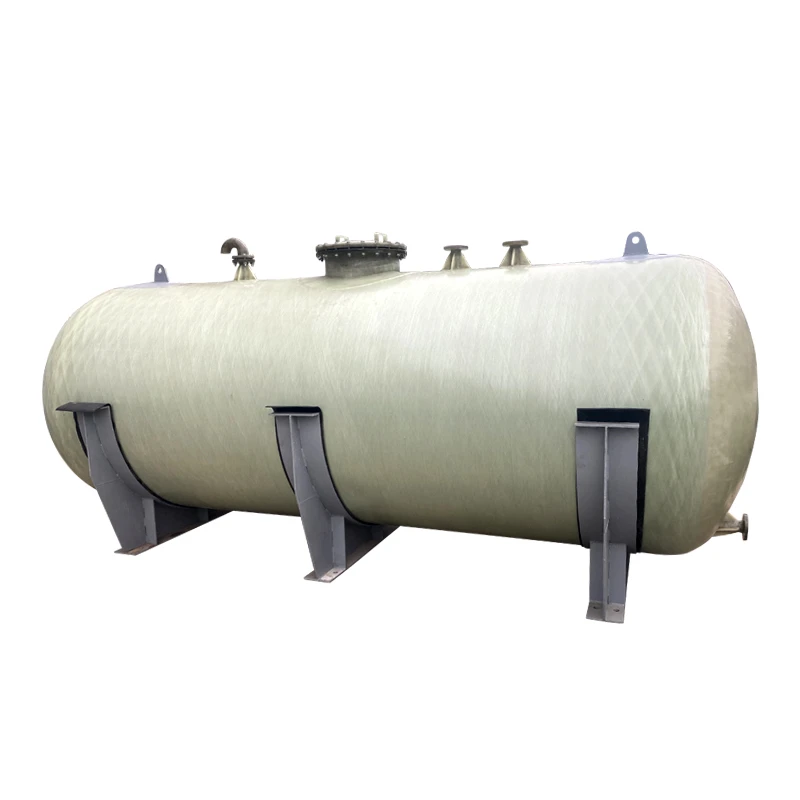
Water storage — it sounds simple, right? Just some container holding water. But when it comes to global needs, especially in places where infrastructure struggles, how you store water ramps up to a whole new level of importance. A fiber water storage tank isn’t just any old barrel. It’s this sophisticated yet practical container made from fiber-reinforced materials designed to safely and sustainably hold large volumes of water.
Whether it's for supplying clean drinking water in rural villages, sustaining agriculture in drought-prone regions, or emergency relief efforts following natural disasters, understanding these tanks unlocks real-world solutions to critical water challenges. Knowing about fiber water storage tanks means appreciating how technical innovation blends with social impact worldwide.
The Global Context: Why Fiber Water Storage Tanks Matter Today
Water scarcity affects roughly 2 billion people worldwide, according to the UN Water Report 2022, while nearly half of the global population lives in water-stressed areas. Traditional water storage options often crack under pressure — literally and figuratively — during extreme weather or heavy use. Enter fiber water storage tanks. These tanks help fill the gap by providing durable, lightweight, and corrosion-resistant storage solutions.
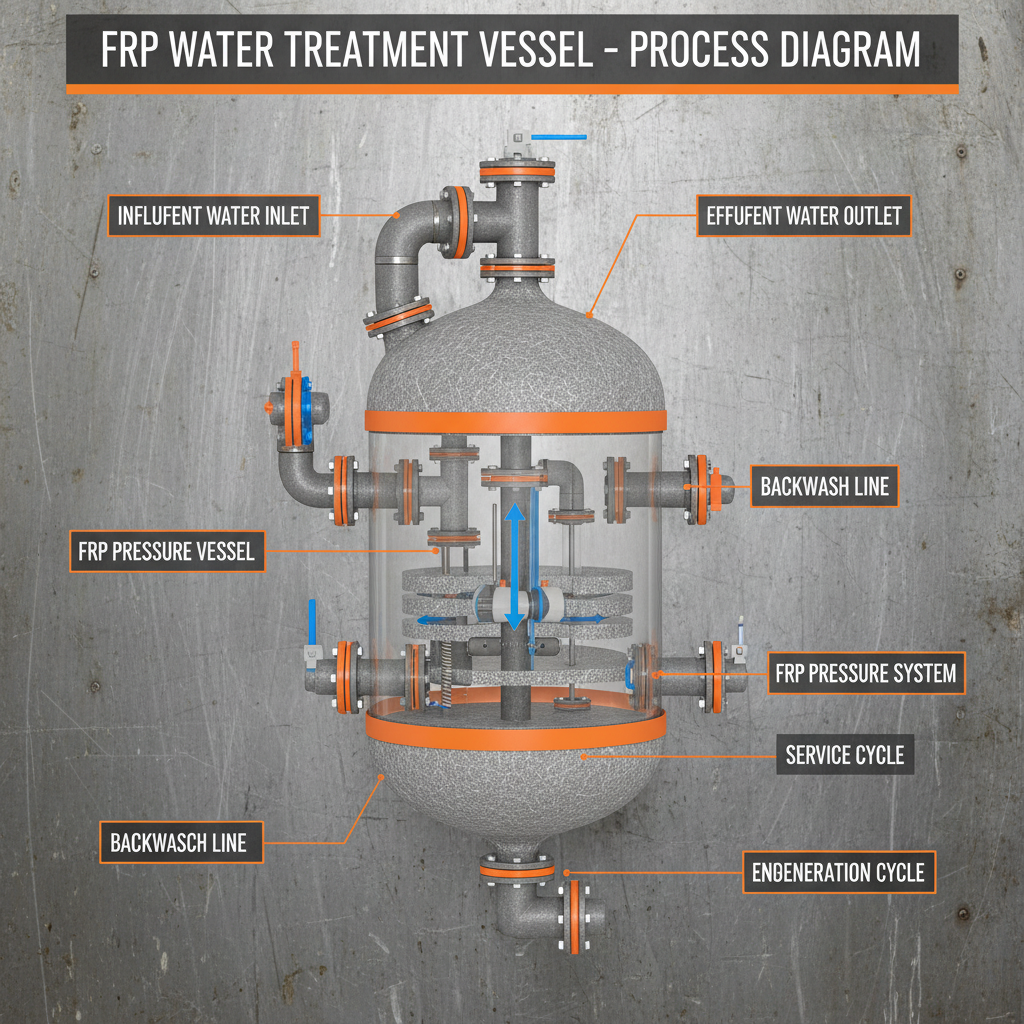
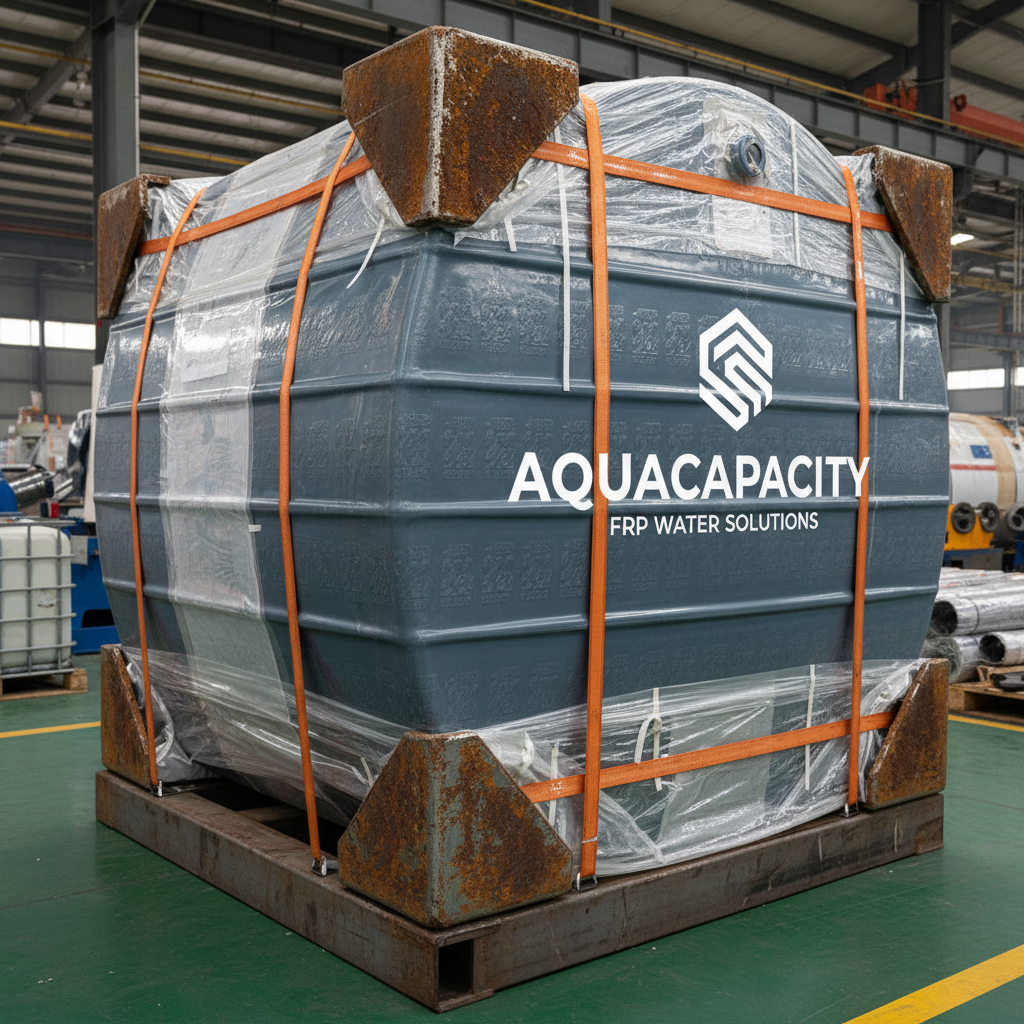
Take remote industrial zones, for example, where drilling operations or manufacturing runs often require reliable, on-site water storage. Or think of humanitarian agencies responding to floods or earthquakes. Instead of relying on bulky, rust-prone steel tanks, fiber tanks offer quick deployment with a fraction of the weight and logistical hassle.
This topic really highlights sustainability too: fiber tanks tend to have longer lifespans and fewer environmental drawbacks than plastic or metal counterparts, aligning well with ISO standards on water safety and environmental protection.
Breaking Down the Fiber Water Storage Tank
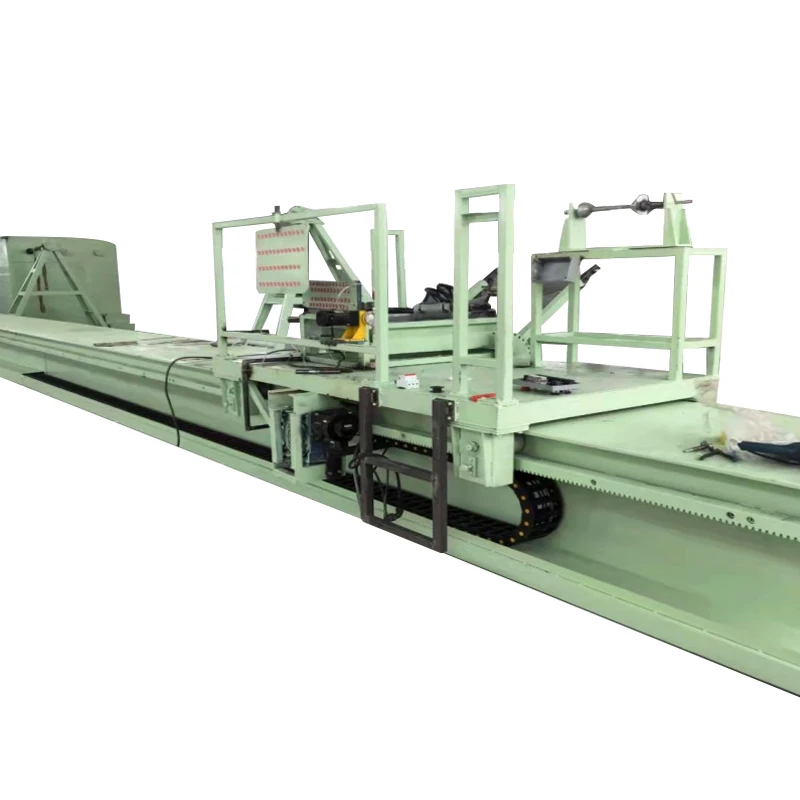
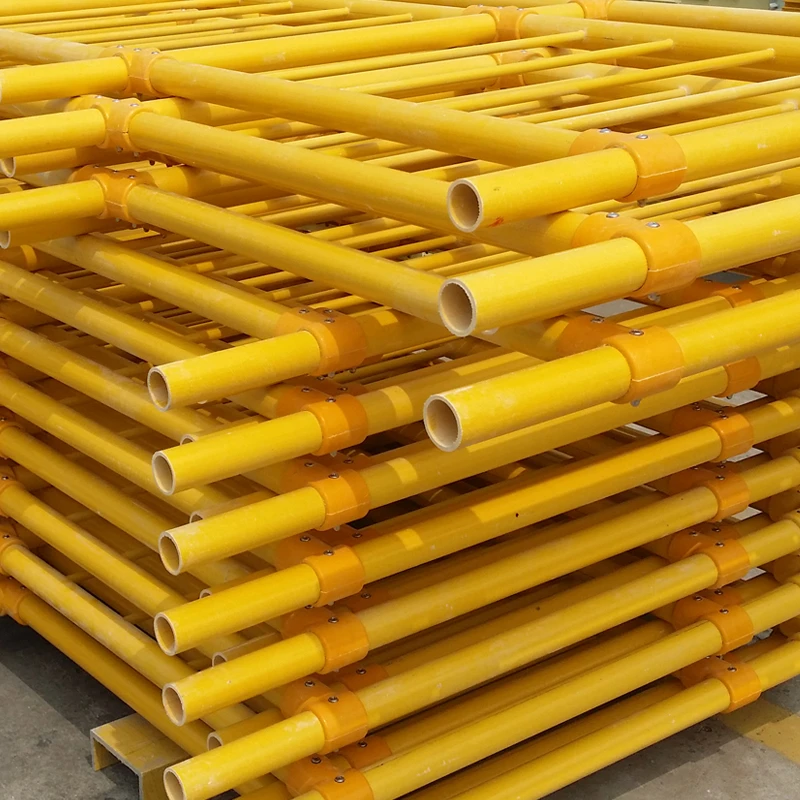
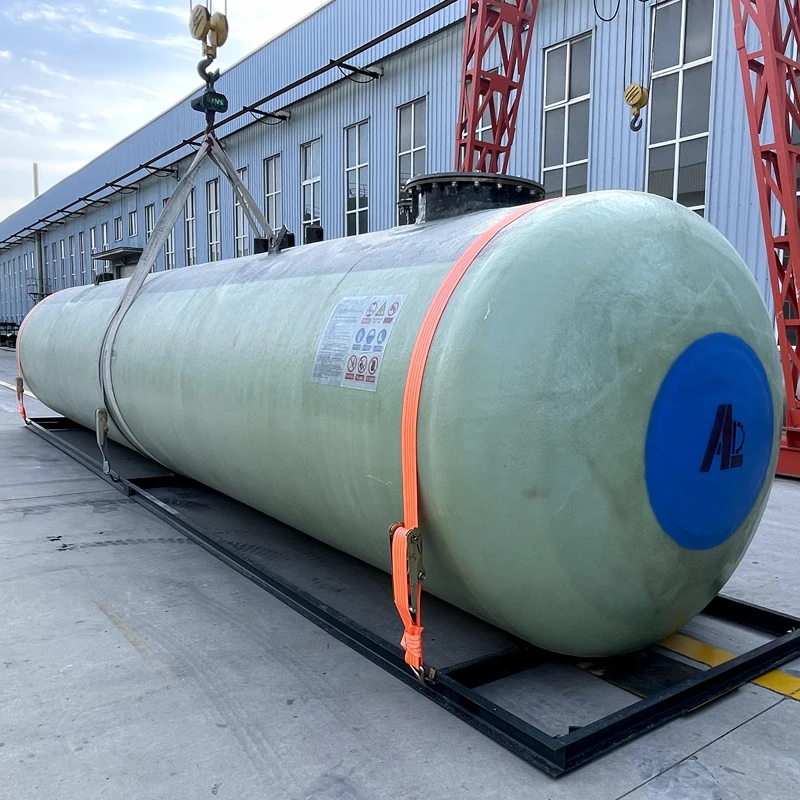
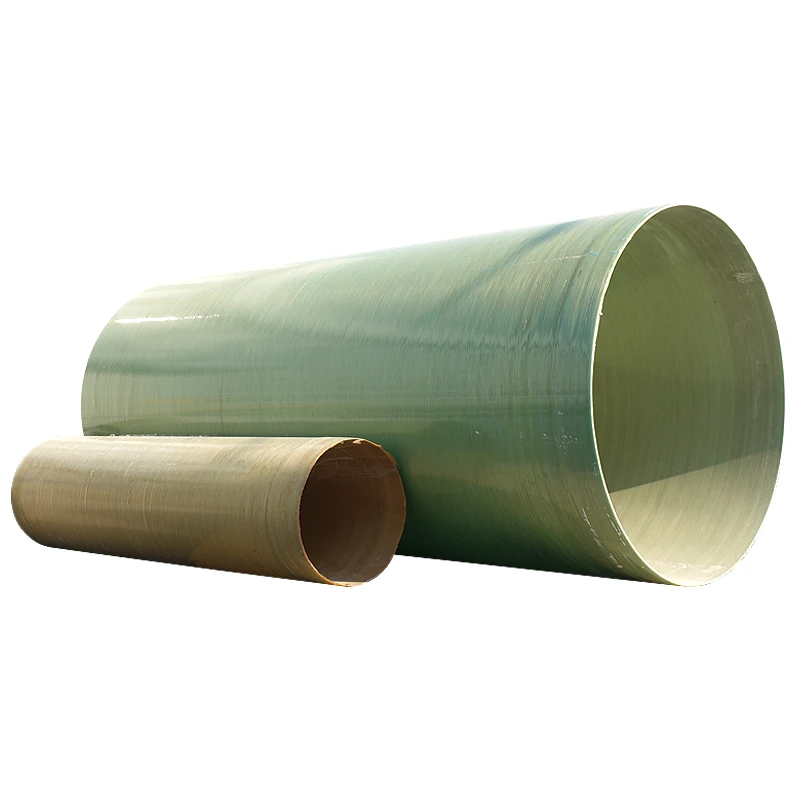
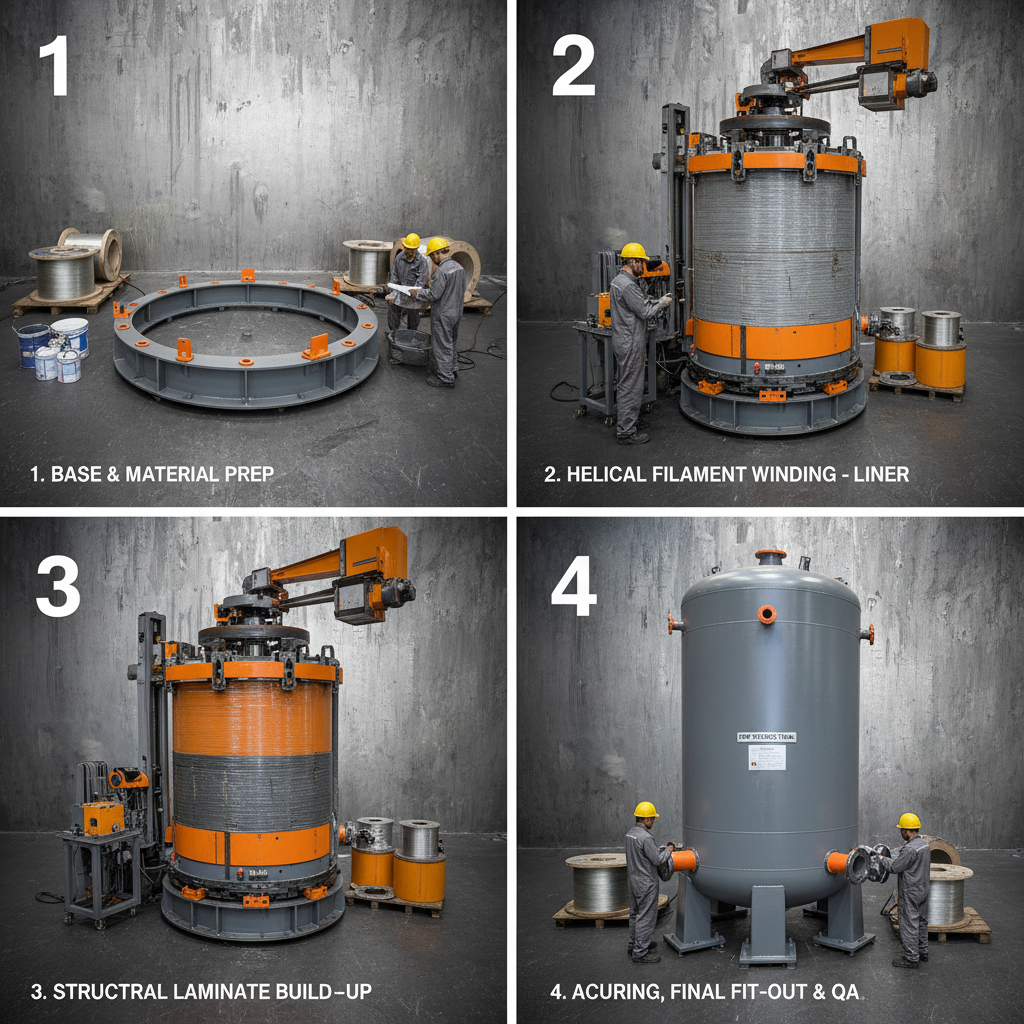
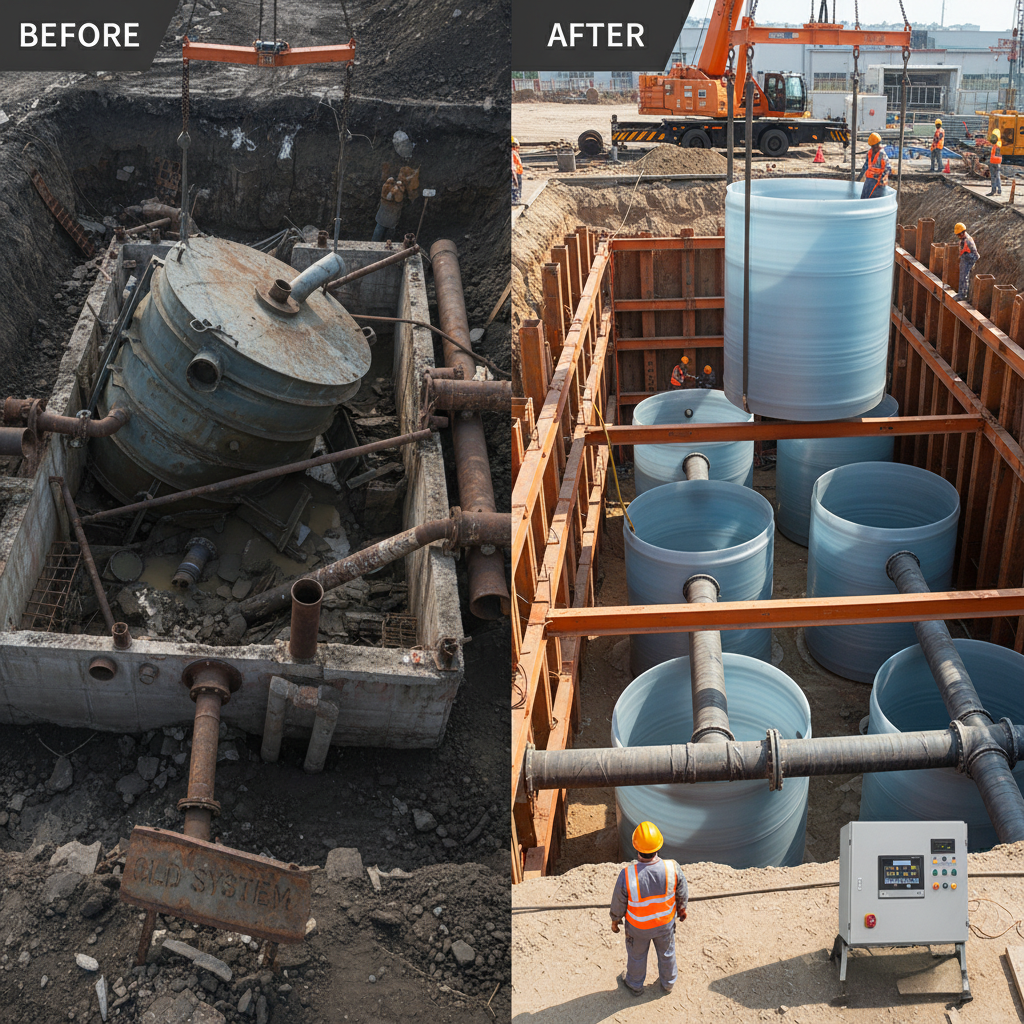
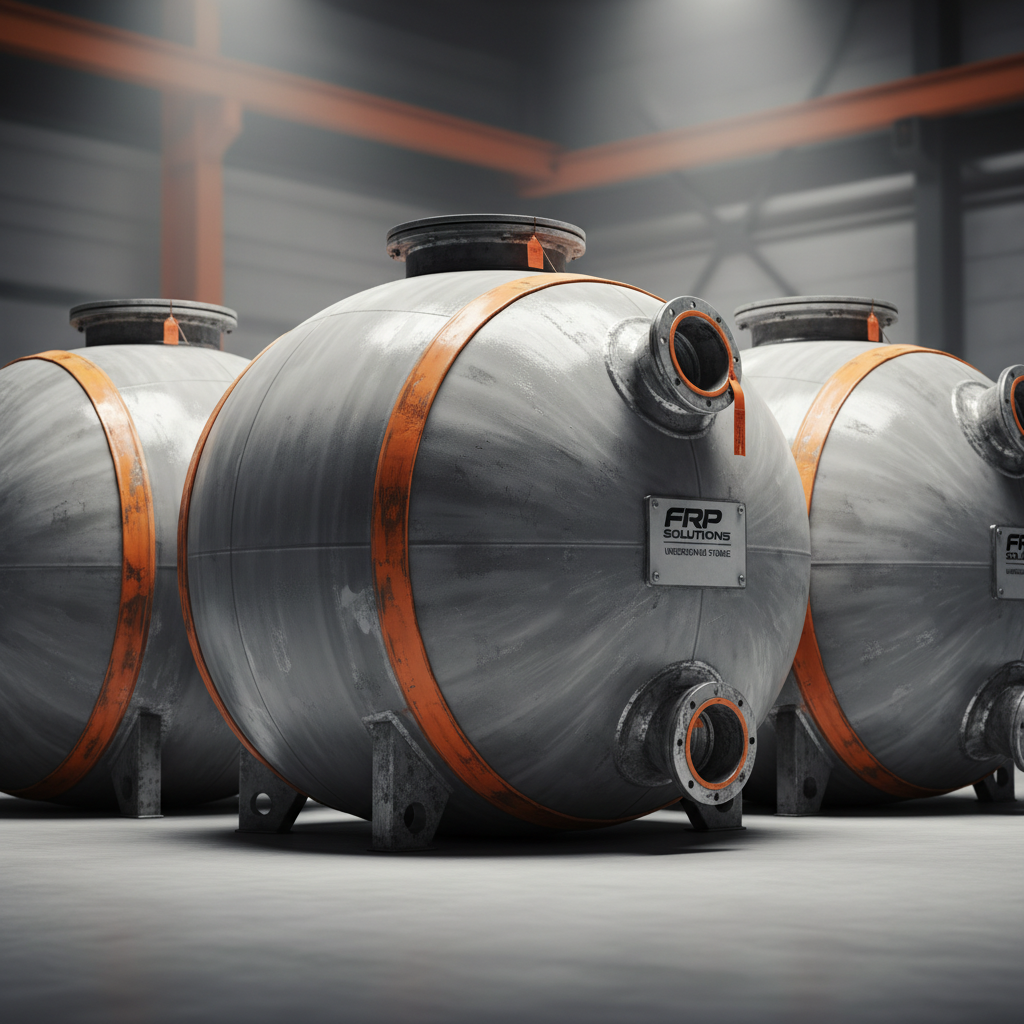
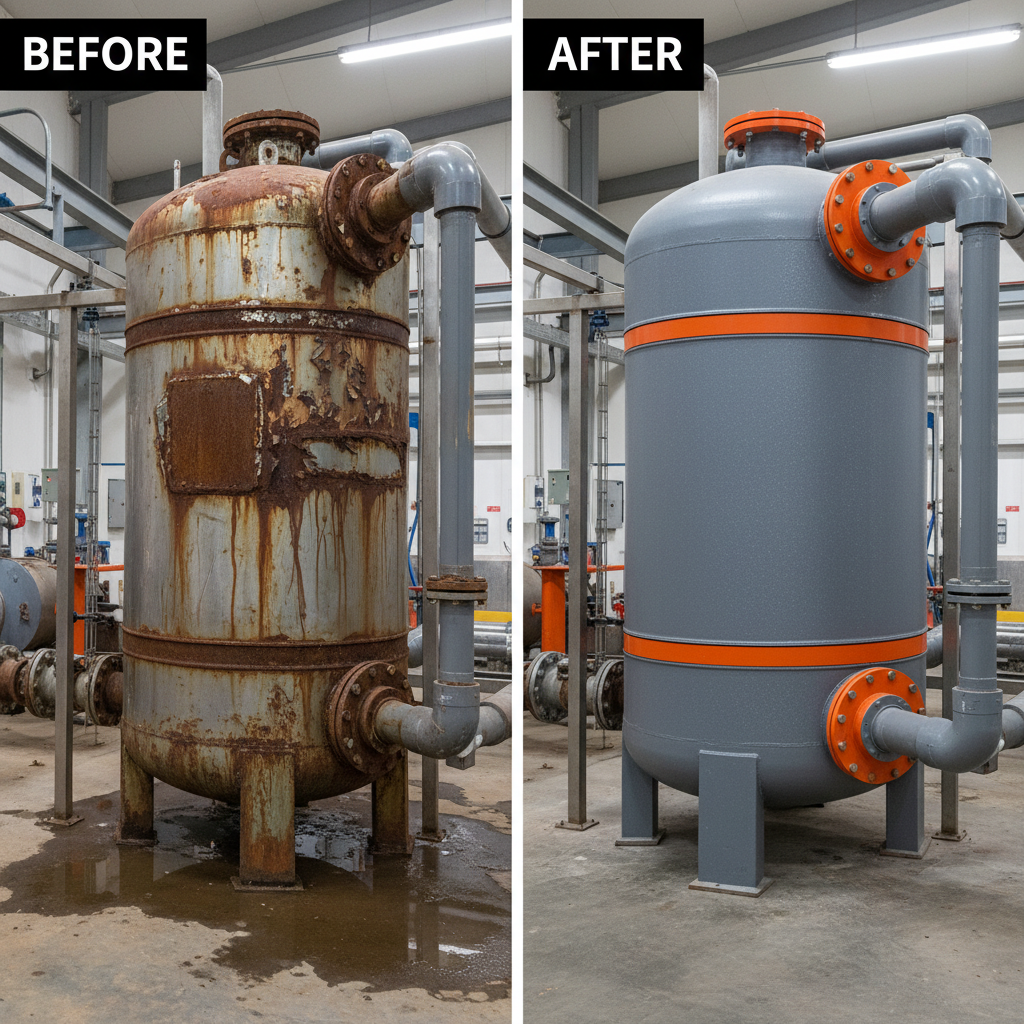
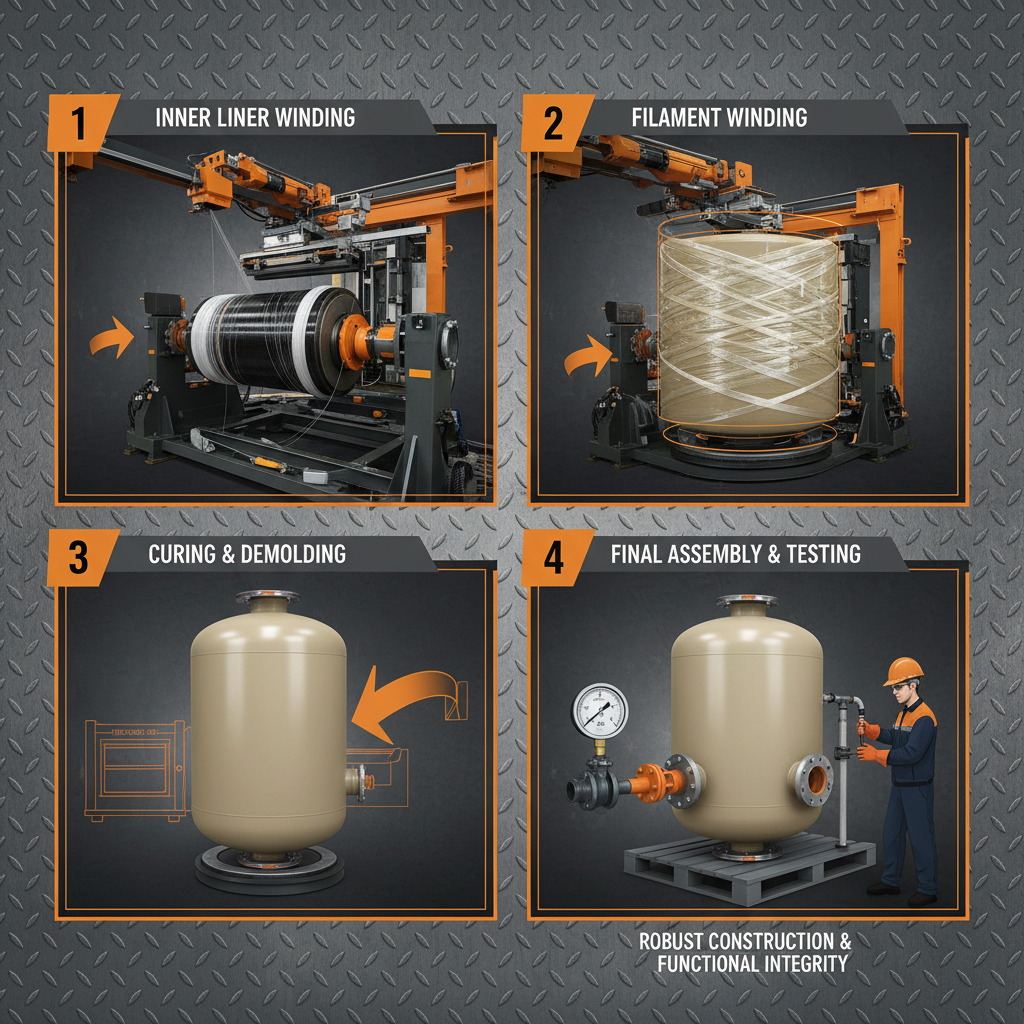
In simplest terms, a fiber water storage tank is a vessel constructed mainly from fiber-reinforced plastic (FRP) or fiberglass materials. This means the tanks combine polymer resins with glass fibers, creating a strong, lightweight composite. Unlike concrete or metal tanks that can corrode, these tanks resist rust, UV degradation, and many chemicals.
Their design suits a wide range of industries, from agriculture and construction to emergency management. Frankly, the tank isn’t just about holding water; it’s about enabling communities and industries to keep clean water accessible, regardless of infrastructure constraints.
Durability
One of the biggest selling points for fiber water storage tanks is how well they handle the elements. The fiberglass composite resists cracking, rust, and many kinds of wear. This means less maintenance and longer life — often two or three decades under optimal conditions.
Scalability
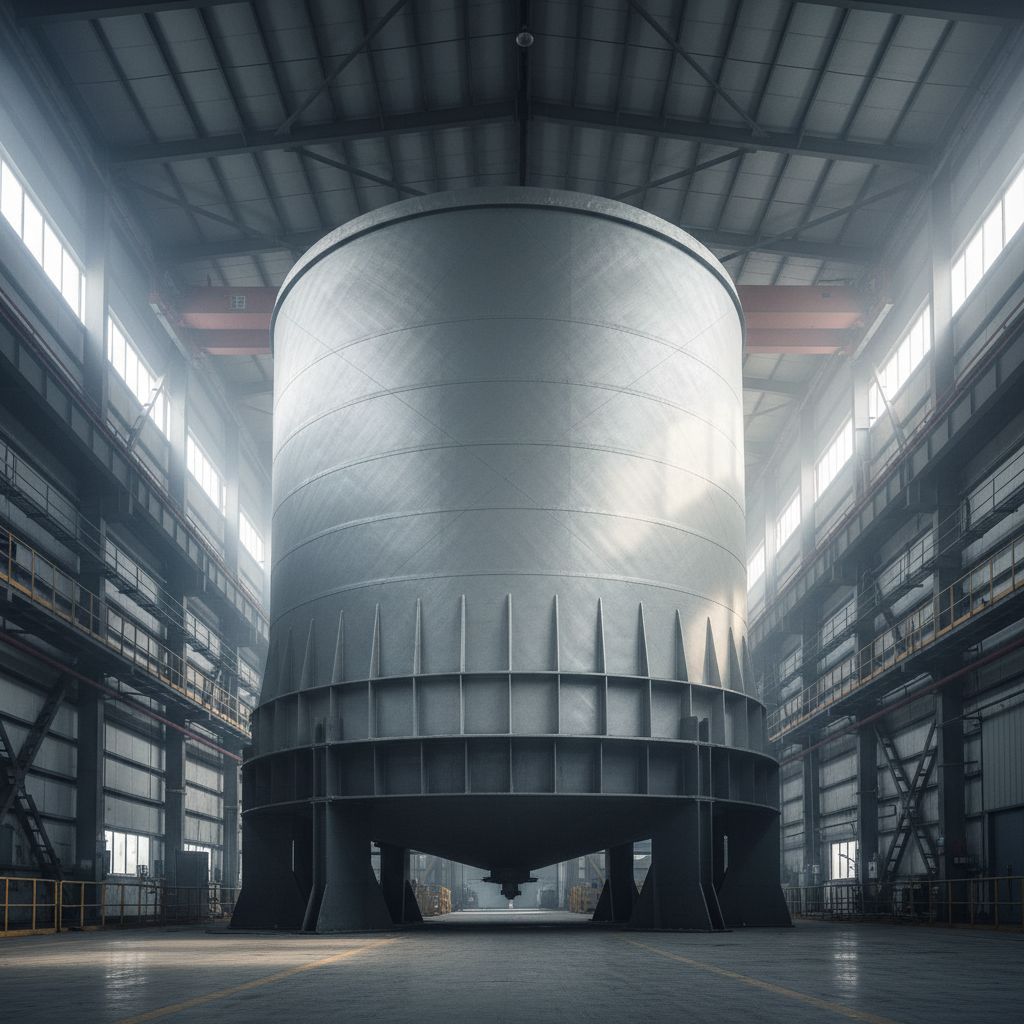
Fiber tanks come in a variety of sizes, from small 500-liter units to massive 20,000-liter or larger capacities. This flexibility lets you choose a size that fits your project, be it a tiny village water system or a remote industrial site.
Cost Efficiency
Compared to steel or concrete tanks, fiber water tanks often offer lower upfront costs and reduced transportation expenses because of lighter weight. Plus, lower maintenance means fewer ongoing costs.
Ease of Installation
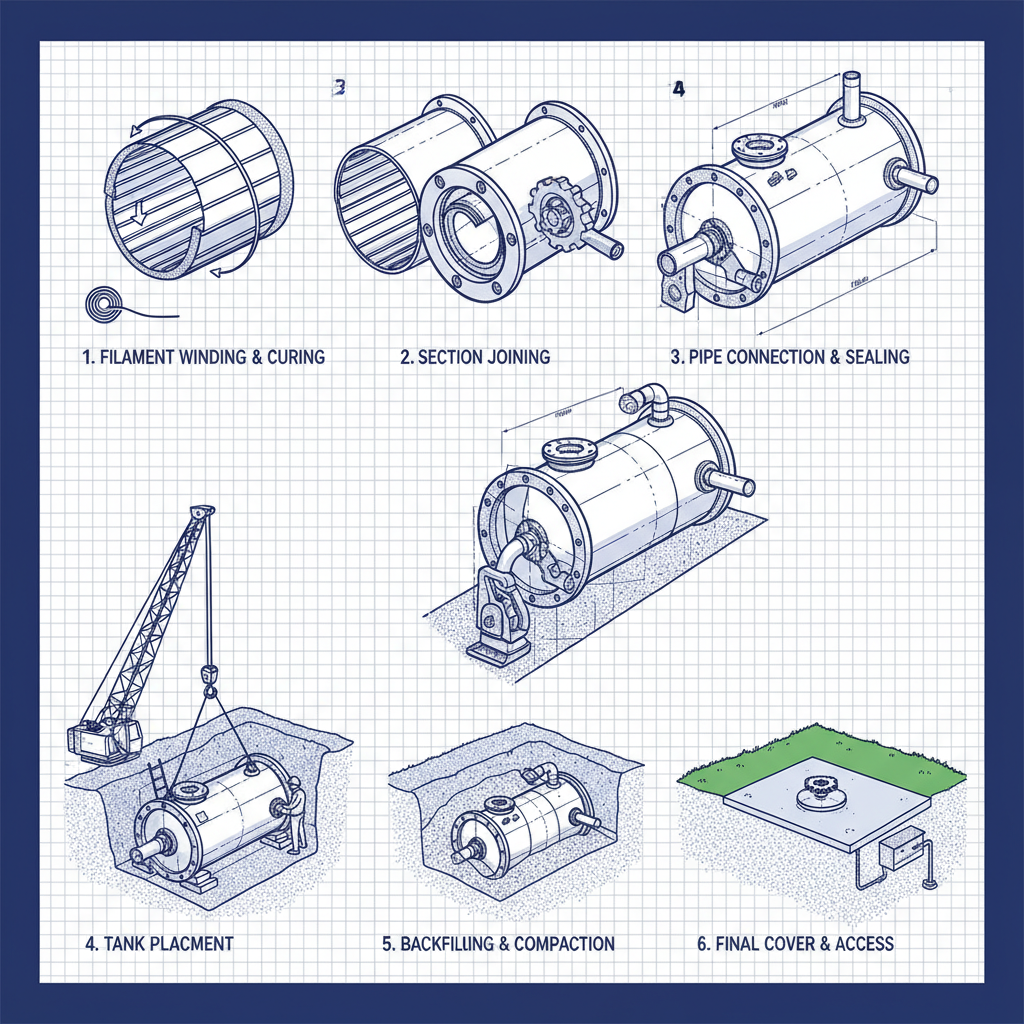
Thanks to their lightweight and modular design, fiber tanks can often be installed without heavy cranes or foundations, making them particularly useful in challenging locations.
Environmental Resistance
UV rays, chemical exposure, and moisture — these tanks shrug off the worst conditions. This resistance keeps water quality stable and prevents tank degradation over time.
Sanitation & Safety Features
Many fiber tanks include food-grade linings or coatings that meet health and safety regulations, protecting water from contamination.
Real-World Applications: Where Fiber Water Storage Tanks Shine
It’s one thing to talk specs — but seeing them in action is where the story really comes alive. In regions like Sub-Saharan Africa, fiber water storage tanks help communities capture and store rainwater during wet seasons to survive dry spells. NGOs often deploy fiber tanks in refugee camps due to their speed of deployment and resilience.
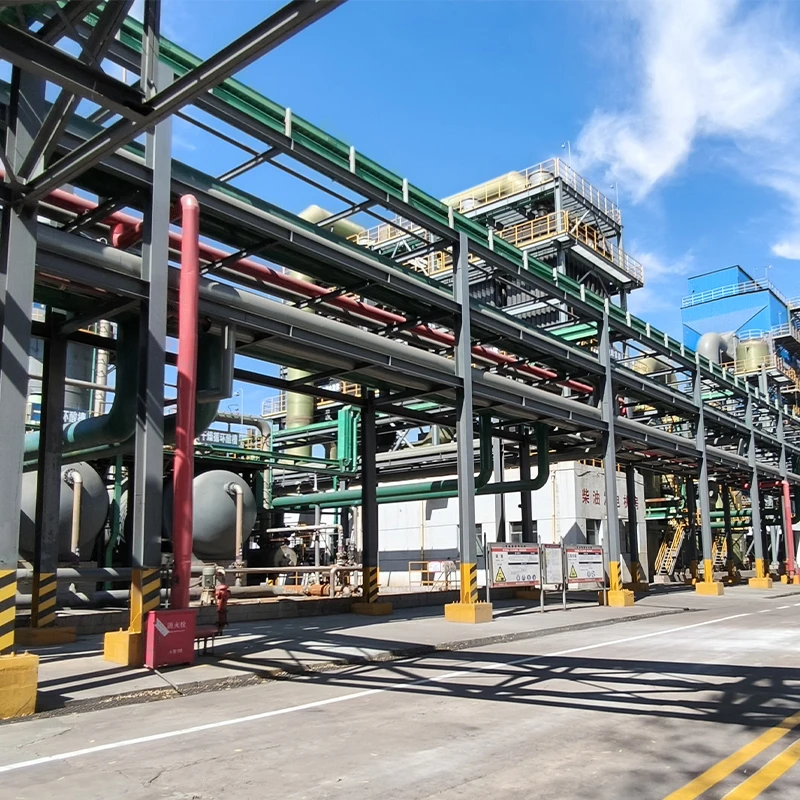
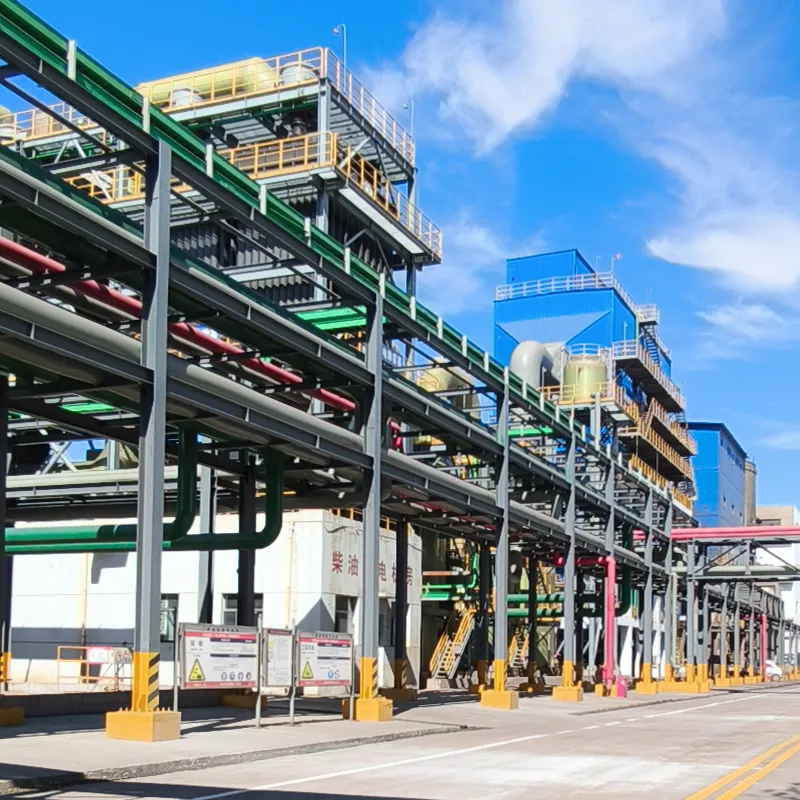
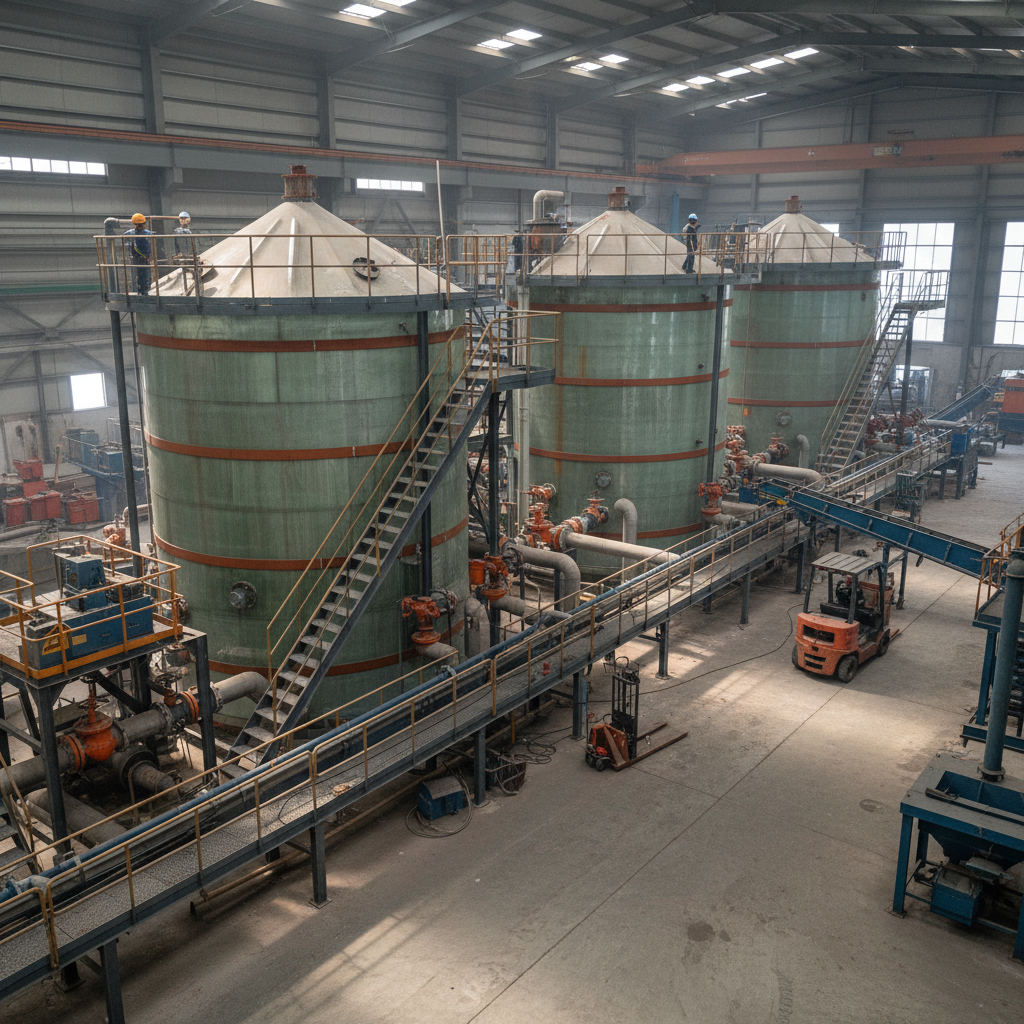
Industrial sectors worldwide use these tanks for storing process water safely and cleanly without risk of chemical corrosion. Oddly enough, even recreational parks and resorts appreciate fiber tanks for their low maintenance and aesthetic appeal — blending utility with design.
In disaster aftermath scenarios, where traditional water infrastructure breaks down, fiber tanks have been central to maintaining potable water supply quickly. For instance, in 2019 cyclone-hit regions of Southeast Asia, relief organizations leaned heavily on fiber water storage tanks for sustained aid.
Mini takeaway:
Fiber water storage tanks serve a surprisingly broad spectrum of functions — from humanitarian to commercial. Their blend of durability, versatility, and ease-of-use makes them integral in so many sectors.
Advantages & Long-Term Value: What You Really Gain
Looking purely at numbers, fiber tanks reduce costs through less maintenance, ease of transport, and installation savings. But there's more — they foster social trust by delivering safe water, uphold environmental stewardship by reducing plastic waste and corrosion, and bring peace of mind by ensuring water availability under harsh conditions.
Imagine a drought-stricken community relying on a fiber water storage tank to preserve their precious water for months — it’s not just a tank, it’s a lifeline. That emotional value, in some ways, can’t be quantified but is just as real as ROI.
Future Trends and Innovations in Fiber Water Storage Tanks
The field isn't standing still. New composite materials with higher tensile strength and eco-friendly resins are emerging, making tanks lighter and greener. Some manufacturers are integrating IoT sensors that monitor water levels and quality remotely, so a tank can “talk” to operators — a feature that’s game-changing for large or remote setups.
Automation also shows promise: automated filling and cleaning systems paired with renewable solar-powered pumps reduce manual labor and enhance sustainability. It's a smart blend of tradition (storing water) with tomorrow’s technology.
Challenges & Ways Forward
Admittedly, there are still hurdles. Initial skepticism about composite material longevity, limited repair options in the field, and supply chain issues for quality fiber materials sometimes slow adoption. However, many engineers advocate for standardization (like ISO 9001 for manufacturing) and better field training to improve uptake.
Furthermore, hybrid tanks combining fiber with metals or newer polymers are being explored to enhance durability while keeping costs down.
Frequently Asked Questions About Fiber Water Storage Tanks
- Q: What size of fiber water storage tank do I need for a small community?
A: Typically, a community of 50 people requires a tank holding around 10,000 liters, depending on daily water consumption and refill frequency. It's best to discuss with a supplier for tailored advice. - Q: How long do fiber water storage tanks typically last?
A: With proper maintenance, fiber tanks can last 20 to 30 years. Their composite structure resists corrosion and physical wear better than metal tanks. - Q: Can fiber water tanks be installed in cold climates?
A: Yes, but insulation or additional coatings might be necessary to prevent freezing damage, depending on local conditions. - Q: Are fiber water tanks safe for drinking water storage?
A: When made with food-grade resins and appropriate linings, fiber tanks meet health standards and are safe for potable water storage. - Q: How quickly can fiber water tanks be deployed in emergency situations?
A: Because of their modular, lightweight design, they can often be installed within hours to days, vastly speeding up emergency water supply efforts.
Specification Table: Typical Fiber Water Storage Tank
| Feature | Specification |
|---|---|
| Material | Fiberglass Reinforced Plastic (FRP) |
| Capacity Range | 500 L to 25,000 L |
| Weight (Empty) | 50 kg to 600 kg (depending on size) |
| UV Resistance | Excellent |
| Corrosion Resistance | High |
| Typical Lifespan | 20-30 years |
Vendor Comparison: Leading Fiber Water Storage Tank Suppliers
| Vendor | Material Quality | Price Range | Lead Time | Customization Options |
|---|---|---|---|---|
| FiberTech Solutions | Premium FRP with food-grade coatings | $$$ | 2-3 weeks | Sizes, fittings, sensors |
| AquaFiber Tanks | Standard FRP with UV additives | $$ | 1-2 weeks | Limited color and size |
| Global Composite Tanks | Mid-grade FRP with enhanced corrosion resistance | $$ | 3-4 weeks | Custom branding, sensor integration |
Wrapping Up: Why a Fiber Water Storage Tank Makes Sense
To sum it all up, fiber water storage tanks blend practicality with innovation, offering strong, cost-effective, long-lasting solutions for critical water storage needs worldwide. Whether you’re in humanitarian relief, agriculture, or industrial sectors, these tanks deliver measurable benefits in reliability and sustainability.
Curious to learn more or ready to find the fiber water storage tank that fits your needs? Visit our website and explore how the right water storage setup can make a world of difference. It might just be the fix your project or community has been waiting for.