Durable FRP Pultruded Sections for Industrial Applications | Expert Insights
Understanding FRP Pultruded Sections: A Veteran’s Take
Having spent a good chunk of my career in the industrial equipment sector, I’ve seen my share of materials come and go. But there’s one that stubbornly stays relevant — FRP pultruded sections. Oddly enough, despite being around for decades, they still surprise me with their versatility and durability in harsh environments.
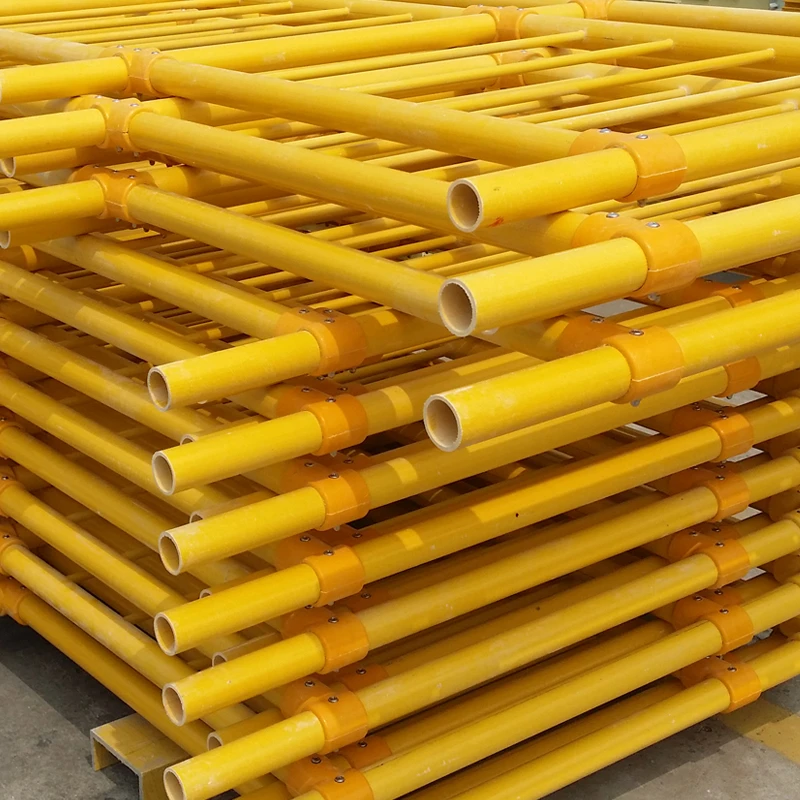
Now, if you’re unfamiliar, FRP stands for fiberglass-reinforced plastic, and pultrusion is a manufacturing technique where continuous fibers are pulled through a resin bath and then shaped — often into structural profiles like I-beams, angles, or channels. I suppose what really sets these sections apart is their unmatched ratio of strength-to-weight, coupled with corrosion resistance that metals simply can’t match, especially when working around chemicals or moisture.
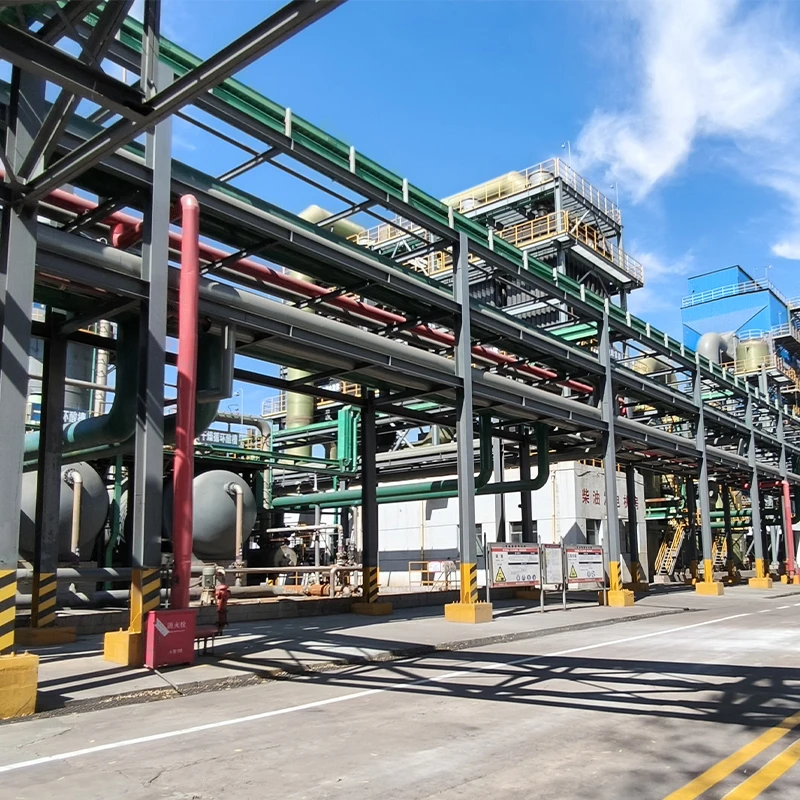
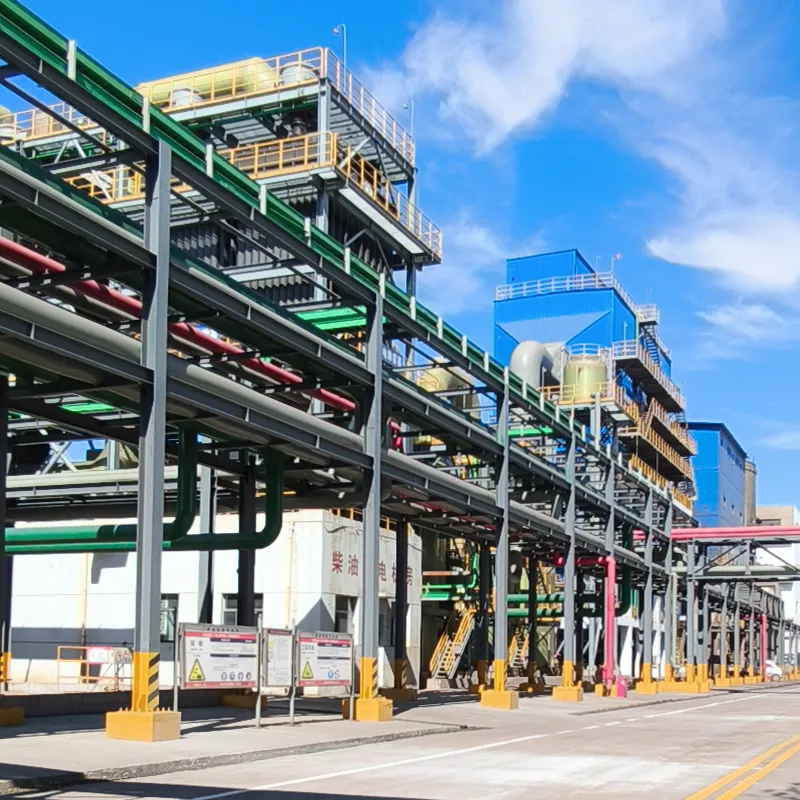
If you ask many engineers, they’ll say that modern FRP pultruded profiles offer a remarkable alternative to steel or aluminum — lighter, easier to install, and often with lower maintenance costs. But the truth is, their performance depends heavily on things like fiber type, resin formulation, and the pultrusion process itself. I once worked on a project where the FRP sections had to support an outdoor walkway in a coastal chemical plant. The salt air usually wrecks steel super fast, but those pultruded sections stood firm for years with minimal upkeep. It was impressive.
Let’s get a little more technical — here’s a snapshot of common FRP pultruded section specs I’ve come across. This might help if you’re sizing for a particular load or environment:
| Section Type | Typical Dimensions (mm) | Density (kg/m³) | Tensile Strength (MPa) | Flexural Modulus (GPa) |
|---|---|---|---|---|
| I-Beam | 100 x 50 x 6 | 1850 | 600 | 25 |
| Square Tube | 50 x 50 x 4 | 1780 | 550 | 22 |
| Channel | 75 x 30 x 5 | 1820 | 580 | 24 |
When choosing a vendor, you quickly realize not all FRP manufacturers are created equal. Some focus heavily on resin quality, others on fiber orientation and curing processes. I’ve worked with three main suppliers over time — each with their own strengths and quirks. Here’s a quick comparison to help you get your bearings:
| Vendor | Fiber Quality | Resin Types | Typical Lead Time | Customization Options |
|---|---|---|---|---|
| FiberMax Inc. | Premium E-glass | Polyester, Vinyl Ester | 3-4 weeks | Extensive |
| Nebula Composites | Standard E-glass | Polyester only | 2-3 weeks | Limited |
| AquaFiber Solutions | Premium S-glass | Vinyl Ester, Epoxy | 4-5 weeks | Custom colors & finishes |
From my experience, the best way to really grasp the value of FRP pultruded sections is to see them in action. I remember advising a client who floated the idea of switching to steel for their outdoor framework. After some back and forth, they trusted the FRP pultruded sections. Years later, they reported it was one of the best maintenance decisions they ever made — fewer repairs, less downtime, and satisfied inspectors. In real terms, that kind of peace of mind is priceless.
Of course, there's no one-size-fits-all solution, so make sure to talk specs, environmental exposure, and project needs with your supplier before buying. Yet, seeing the evolution in resin technology and fiber reinforcement over the years, I’m pretty sure FRP pultrusions will keep proving their value in industrial applications for a long time.
So if you’re exploring corrosion-resistant, lightweight structure options, FRP pultruded sections are definitely worth a look.
References:
1. Industry Composite Materials Handbook, 2021 Edition.
2. International Pultrusion Conference Proceedings, 2023.
3. Manufacturer datasheets from FiberMax Inc., Nebula Composites, AquaFiber Solutions.