Profile Composite Insights for Industrial Equipment – Expert Overview
Understanding Profile Composite: A Veteran’s Take on Industrial Applications
Having clocked years in the profile composite sector, I’ve seen firsthand how this material steadily carved a niche in industrial use. Oddly enough, what really struck me early on was how versatile profile composites are — it’s not just about strength or weight savings; it’s the subtle interplay of chemistry and design that makes them shine in so many applications.
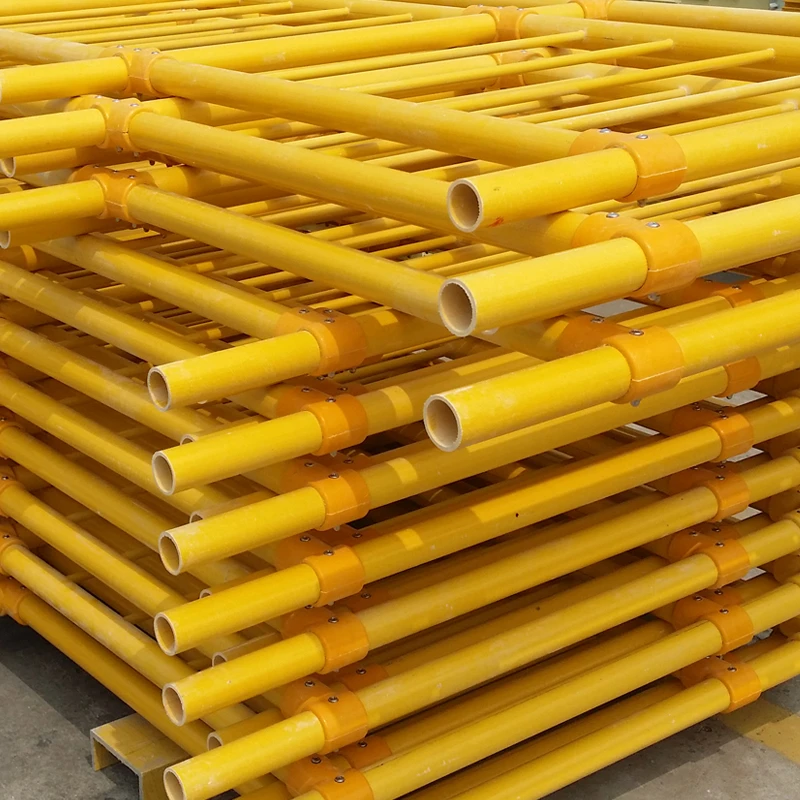
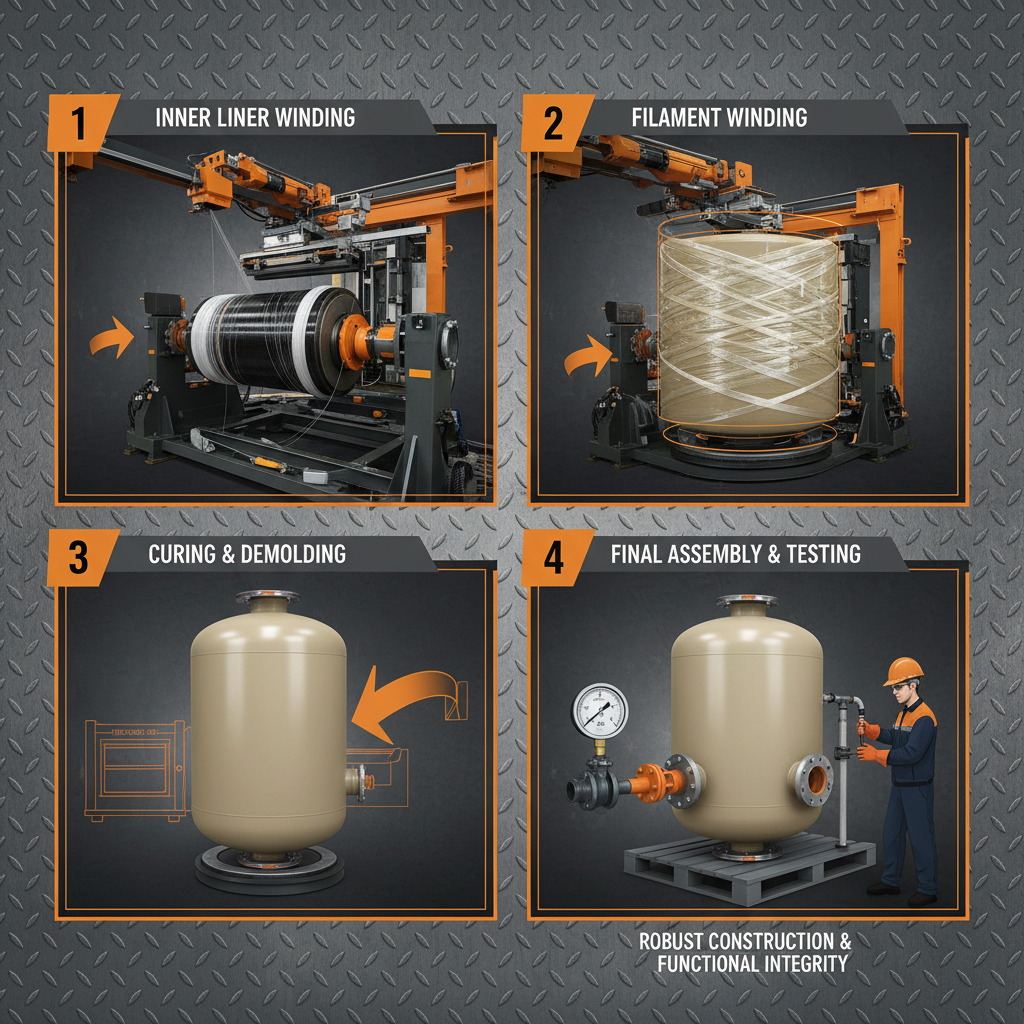
For those outside the sector, profile composite typically refers to engineered structural profiles made by combining fibers (often glass or carbon) with a resin matrix. These aren’t your run-of-the-mill plastics — they’re carefully laid-up, sometimes pultruded, profiles that bring serious mechanical properties to the table without the weight penalty steel or aluminum often carry.
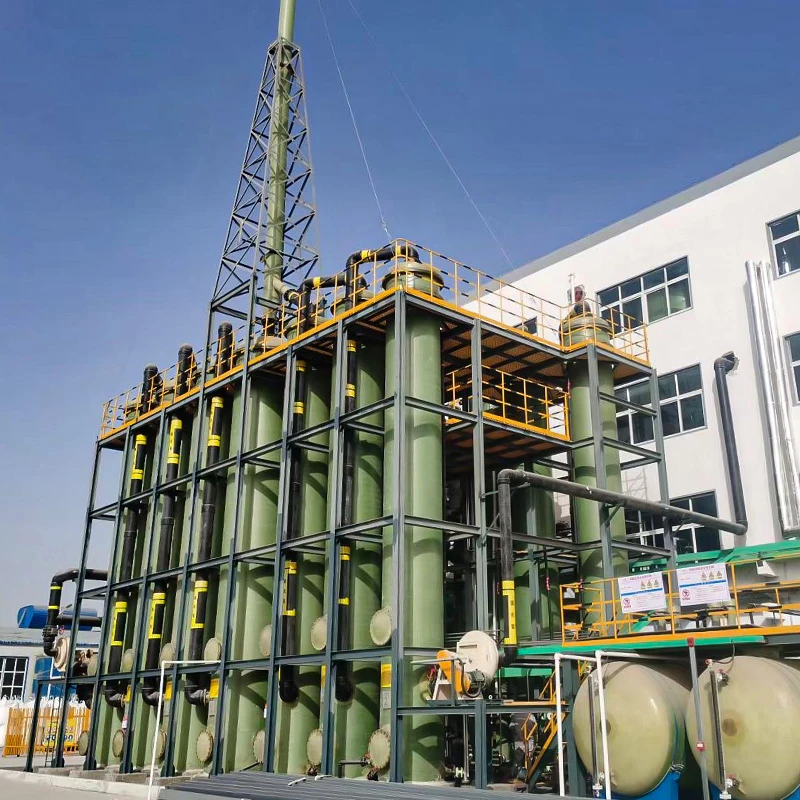
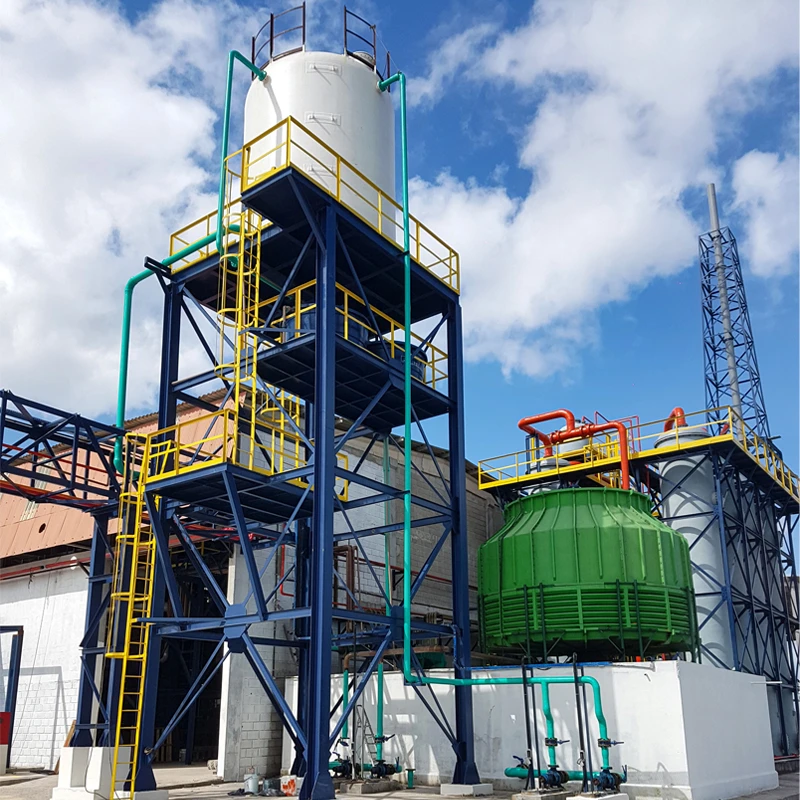
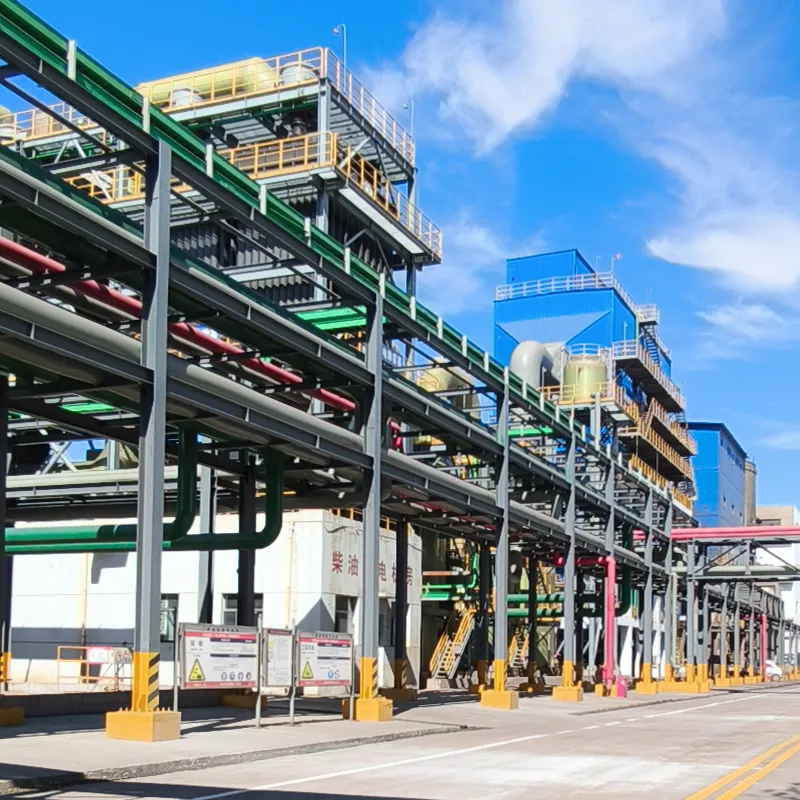
When I first dived into projects involving profile composites, the immediate benefit everyone noticed was durability without bulk. Imagine a rail or ladder component that won’t rust, won’t deform easily, and can handle harsh environmental conditions without breaking a sweat. That’s exactly why industries like chemical processing, power generation, or even construction gravitate toward these materials.
Now, if you’re wondering about specific performance characteristics, here's a quick specs snapshot I gathered from some pretty representative pultruded profiles (typical in industrial contexts):
| Property | Value | Unit |
|---|---|---|
| Tensile Strength | 1400–1800 | MPa |
| Flexural Modulus | 22,000–30,000 | MPa |
| Density | 1.8 | g/cm³ |
| Thermal Expansion Coefficient | 6 to 8 | ×10⁻⁶ /°C |
| Electrical Resistivity | ~10¹⁴ | Ω·cm |
These numbers might seem technical (and they are), but in real terms, they suggest a material that handles strain and heat pretty well, weighs less than metals, and offers excellent insulation. A friend who designs power substation frames swears by these composites because they help eliminate grounding issues—something steel never quite solved.
Speaking of designers and specifiers, one trend I’ve noticed is increasing demand for customization. You can tweak fiber orientation, resin formulation, and even surface finish to get just the right blend of stiffness, corrosion resistance, or UV stability. It’s almost like tailoring a suit, but for materials. I suppose this flexibility is why profile composites keep gaining traction across different sectors.
But it’s not enough just to look at specs — material integrity under real-world conditions matters a lot. Manufacturers often perform ASTM D2344 shear tests or ASTM D790 flexural testing. In my experience, vendors who transparently share these results tend to be more trustworthy. It’s surprising how many just gloss over test data, which frankly should be a red flag.
Below is a brief comparison of three prominent suppliers I’ve worked with or researched closely. Each has its strengths depending on what your project priorities are:
| Vendor | Customization | Lead Times | Price Tier | Quality Control |
|---|---|---|---|---|
| FibraTech Industries | High – fibers & resins | 4–6 weeks | Mid-range | ISO 9001 certified, batch testing |
| PultrudePro | Moderate – standard pultrusion | 2–3 weeks | Economical | Routine QA; limited batch testing |
| CompositeSolutions | Customizable, niche fibers | 6–8 weeks | Premium | Full traceability, in-depth testing |
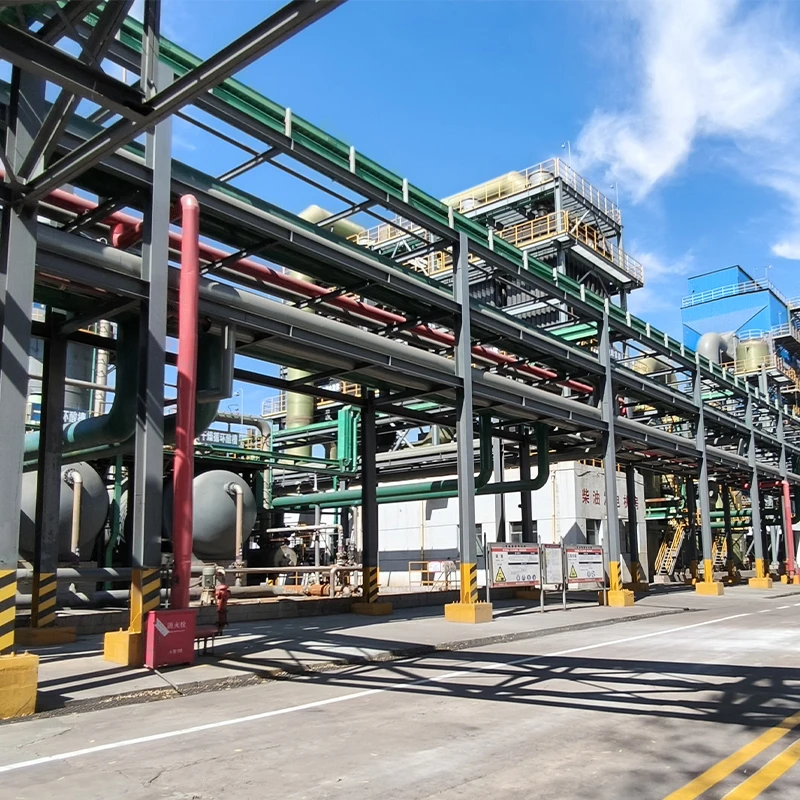
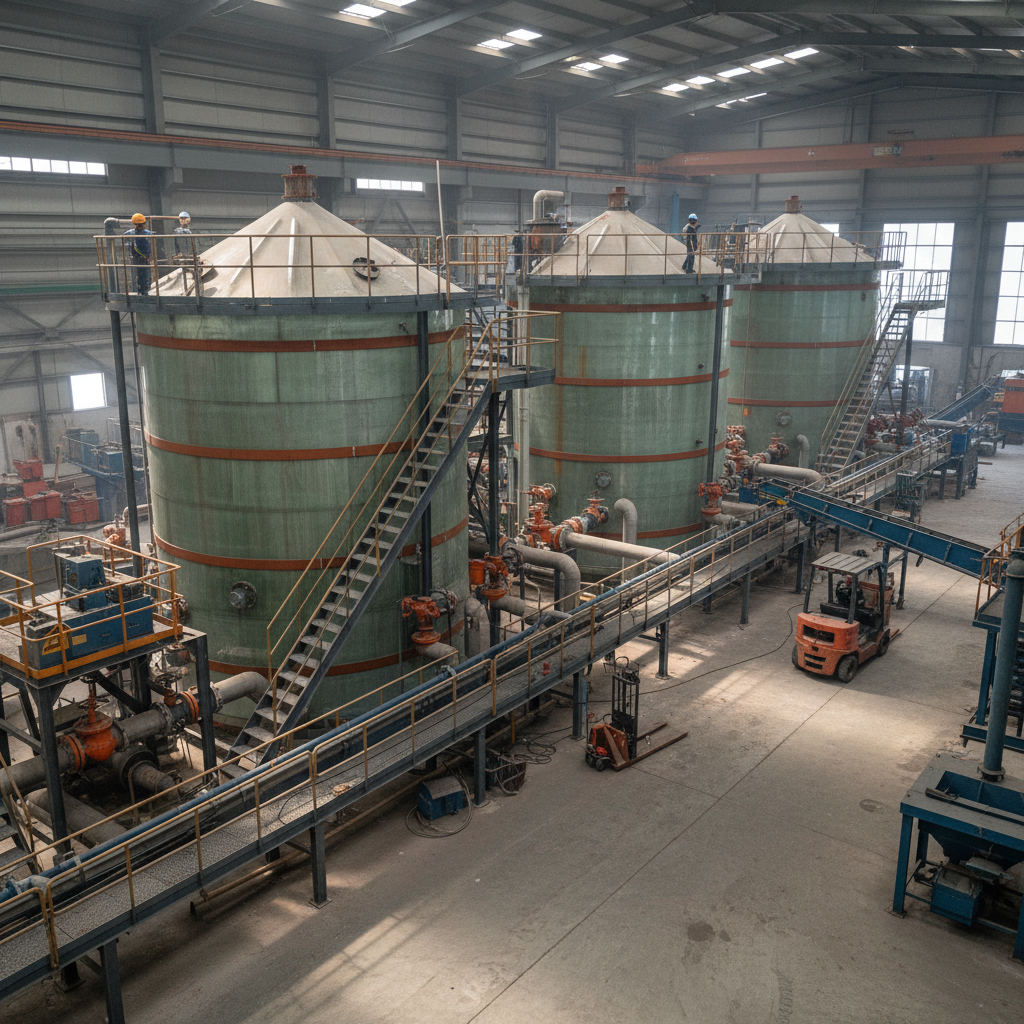
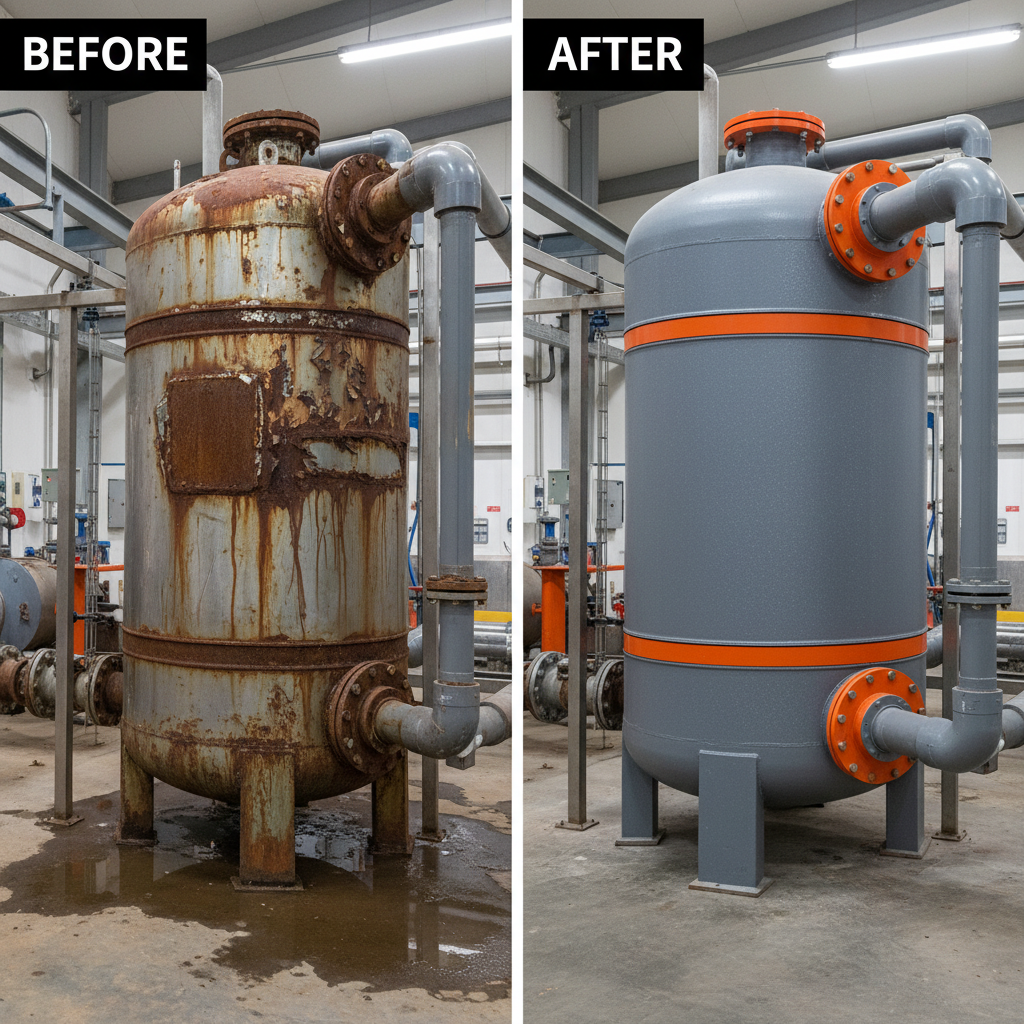
I recall one particular project from a few years ago—a wastewater treatment plant upgrade. The engineers there needed rails and structural supports that could stand up to harsh chemicals and constant moisture exposure. They chose profile composite components over stainless steel after weighing corrosion resistance and upfront cost. Ten years on, maintenance reports still show minimal degradation. Those are the sort of success stories that stick with me.
In the end, deciding whether profile composite is the right material largely depends on weighing trade-offs: cost vs. longevity, customization vs. availability, and so on. Frankly, I think anyone in heavy equipment or infrastructure should at least seriously consider it for applications exposed to tough conditions.
If you want to dive deeper, exploring product datasheets and vendor certifications (like ISO standards) is a smart first step. And by the way, when you’re researching, keep an eye out for third-party test results — they’re often the best indicator of real-world performance.
So, to sum up my somewhat rambling take: profile composite is a fascinating, mature technology that offers practical, durable solutions for many industrial challenges. It might feel a bit like the “unsung hero” of modern materials, but it definitely deserves a spot in your spec book.
References:
- ASTM International, Composite Material Testing Standards
- “Pultrusion Process and Performance,” Industrial Composites Handbook, 2019
- Case Study: Wastewater Plant Structural Upgrades, Industrial Engineering Journal, 2017