Nov 20,2025
Essential Guide to Underground Chemical Storage Tanks: Safety & Innovation
Understanding Underground Chemical Storage Tanks: Why They Matter More Than Ever
If you’re not in the chemical or industrial sectors, underground chemical storage tanks might seem like a niche topic, but they’re quietly essential to global safety, environmental stewardship, and efficient industrial operations. These concealed workhorses store everything from acids and bases to fuels and solvents safely below ground, reducing risk and environmental impact. As industries expand and regulations grow tighter worldwide, knowing how these tanks function and why they’re critical gives you a front-row seat to modern infrastructure challenges and solutions. ### A Mini Takeaway Underground chemical storage tanks help balance industrial growth with environmental safety — a little-known but indispensable link in our global supply chain.The Global Context: Why Underground Chemical Storage Tanks Are a Big Deal
Worldwide, industries rely on secure chemical storage. According to the United Nations Environment Programme (UNEP), chemical production has increased dramatically over the last decades, with over 400 million tons manufactured annually. Storing these substances safely is a massive challenge — leaks or spills can harm communities, soil, and water sources irreversibly. Underground chemical storage tanks help mitigate this risk. ISO standards (like ISO 28765) specify safety and construction guidelines to manage these tanks worldwide — yet, even with standards, accidents do occur, especially in older facilities. The question is: how can industries reduce these incidents while expanding capacity? The answer often comes down to innovation in underground storage technology — improving durability, monitoring, and installation methods that not only protect the environment but cut costs and meet stricter regulations. ### A Mini Takeaway As global chemical output grows, underground chemical storage tanks become crucial for safe, regulated storage—especially amid rising environmental concerns.What Exactly Are Underground Chemical Storage Tanks?
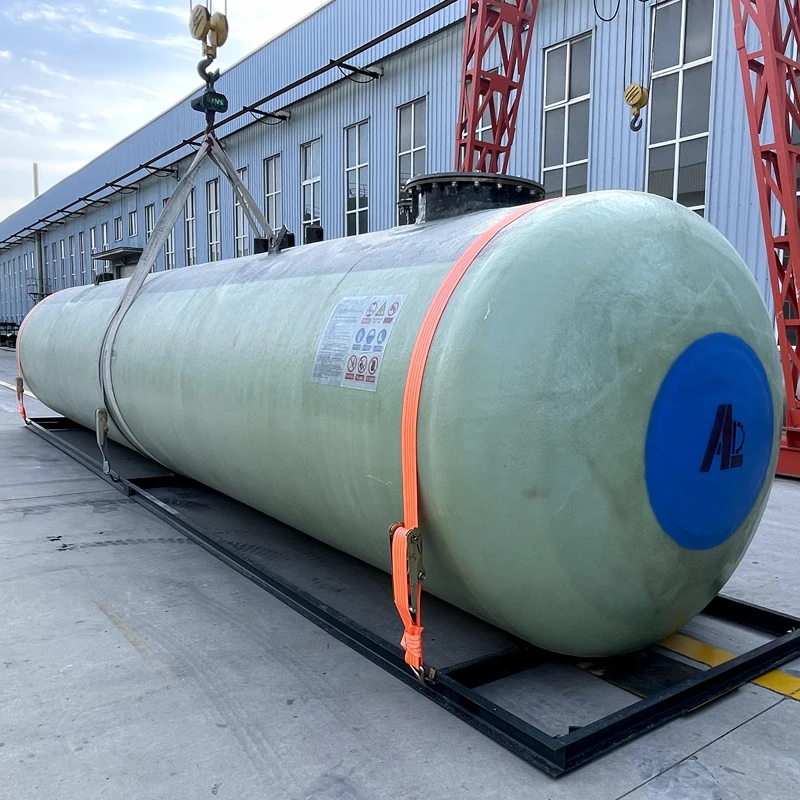
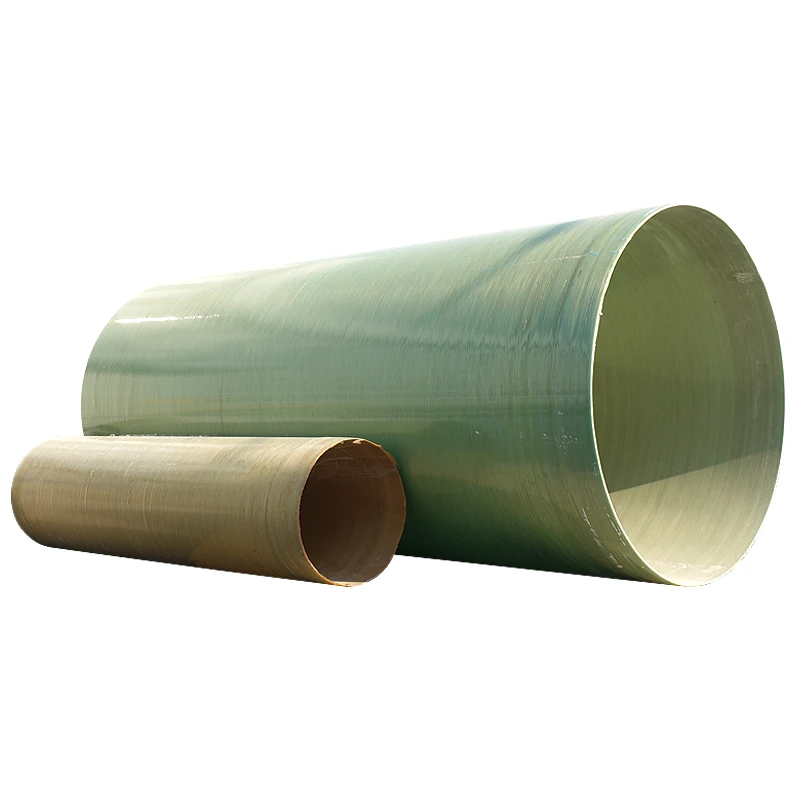
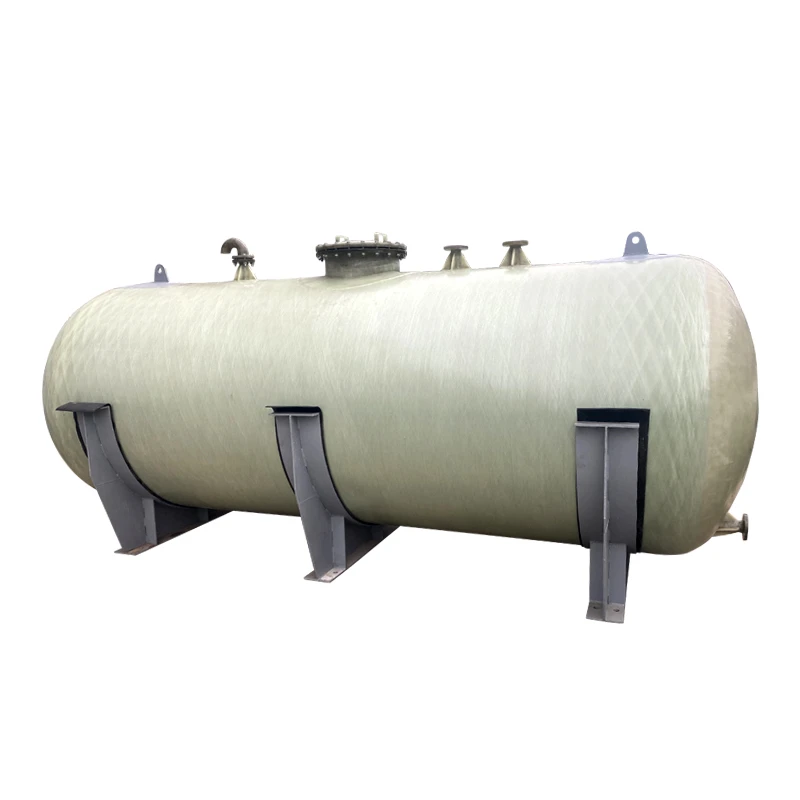
Put simply, an underground chemical storage tank is a vessel designed to hold hazardous or non-hazardous chemicals below the earth's surface. These tanks are typically made from reinforced fiberglass, steel, or composite materials and are engineered to withstand underground pressures, resist corrosion, and prevent leaks that might contaminate soil and groundwater. Their strategic location underground offers benefits: temperature regulation, space-saving, and importantly, minimizes exposure to accidental impacts or environmental wear. In modern industry, they’re indispensable for petroleum companies, waste management, farming, and even humanitarian relief operations, where discreet, sturdy chemical containment is vital. ### A Mini Takeaway Think of these tanks as the hidden backbone of chemical storage — engineered invisibly to safeguard aboveground structures and the environment.Key Components and Must-Have Features for Reliable Storage
Durability and Material Strength
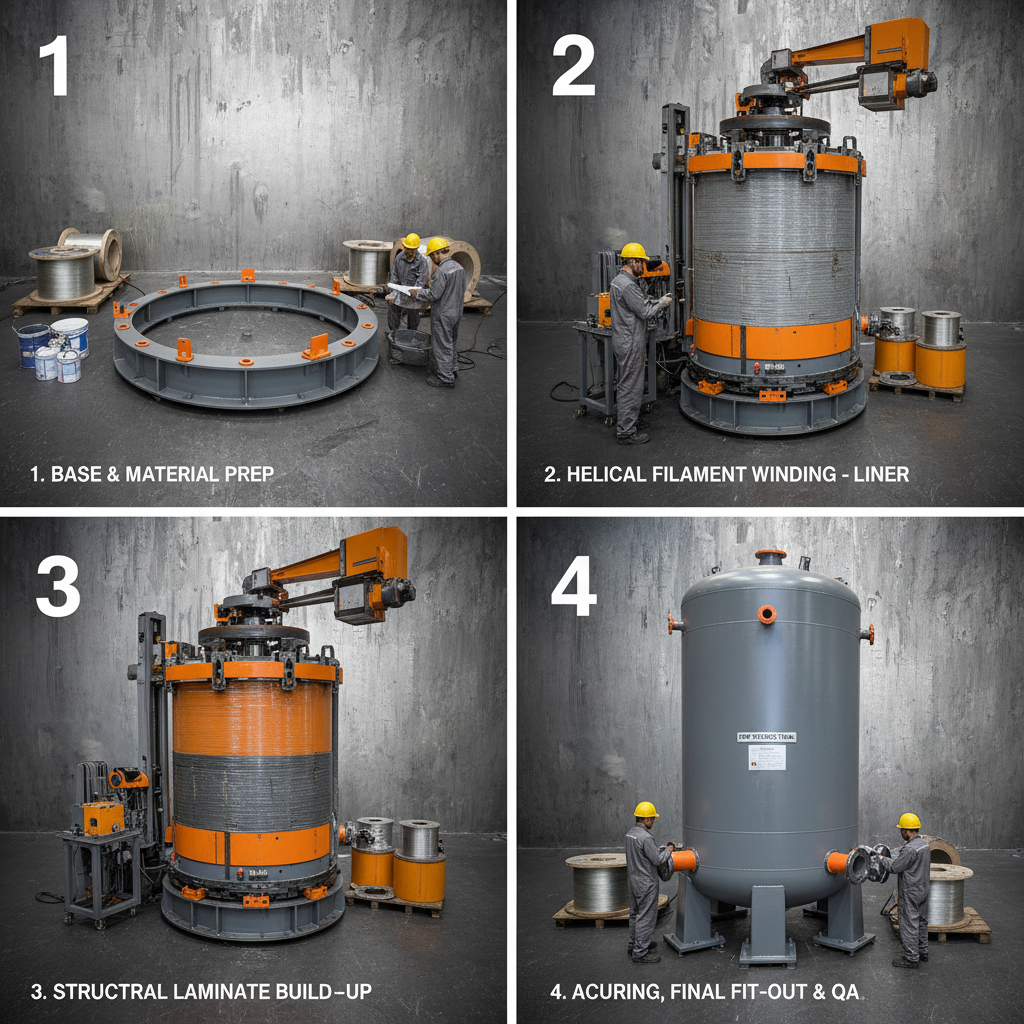
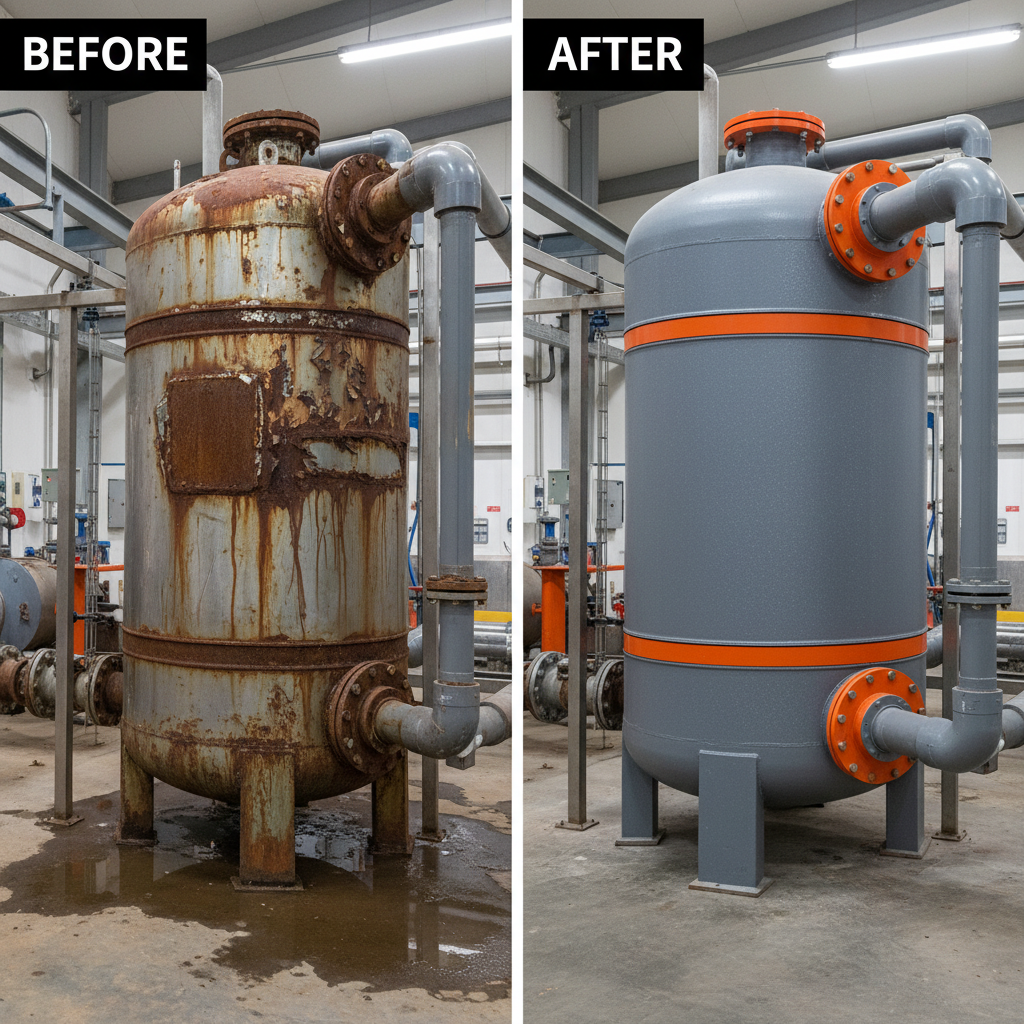
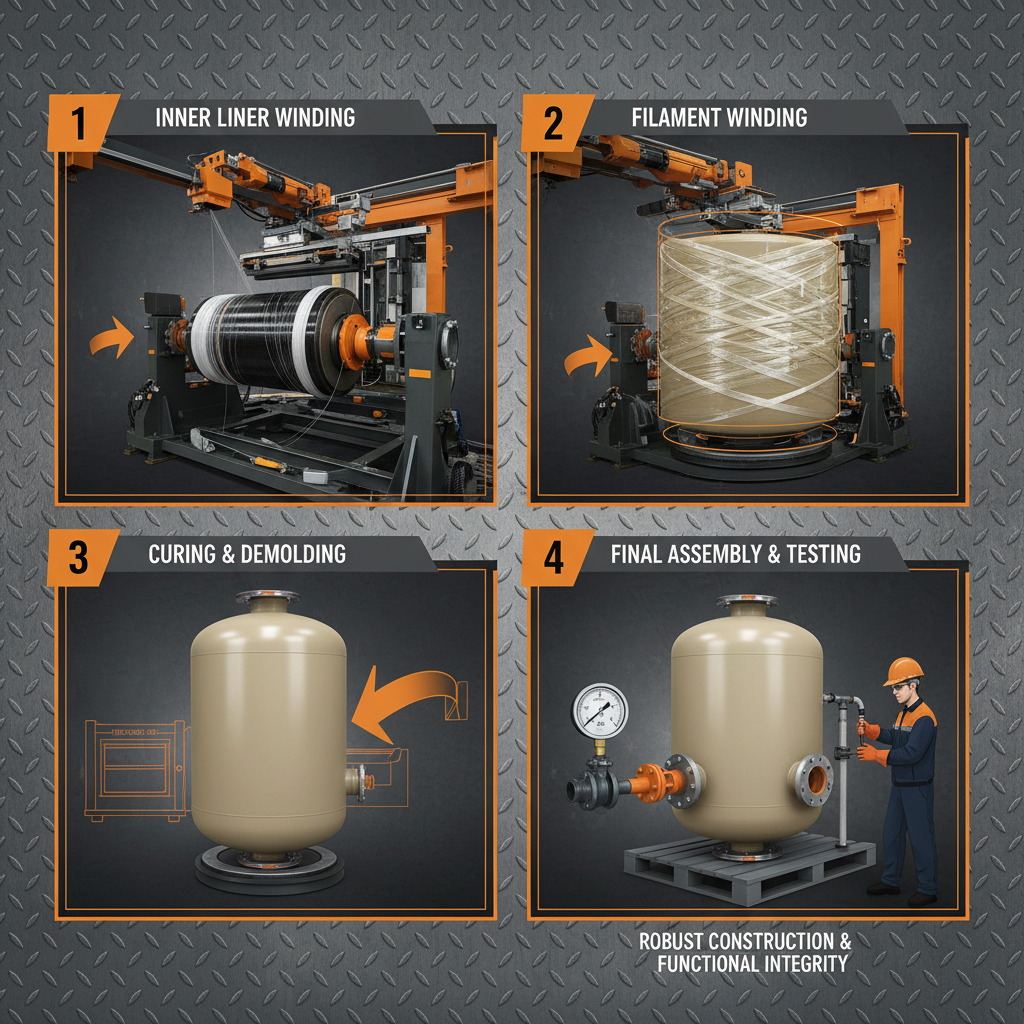
These tanks are typically made from high-density polyethylene (HDPE), fiberglass-reinforced plastic (FRP), or coated steel. Longevity depends on corrosion resistance, strength under compression, and chemical compatibility.Leak Detection Systems
Modern tanks come equipped with electronic sensors or double-wall designs that flag any breach almost instantly. In real terms, early detection can mean thousands of dollars saved and, frankly, lives protected.Scalability and Capacity
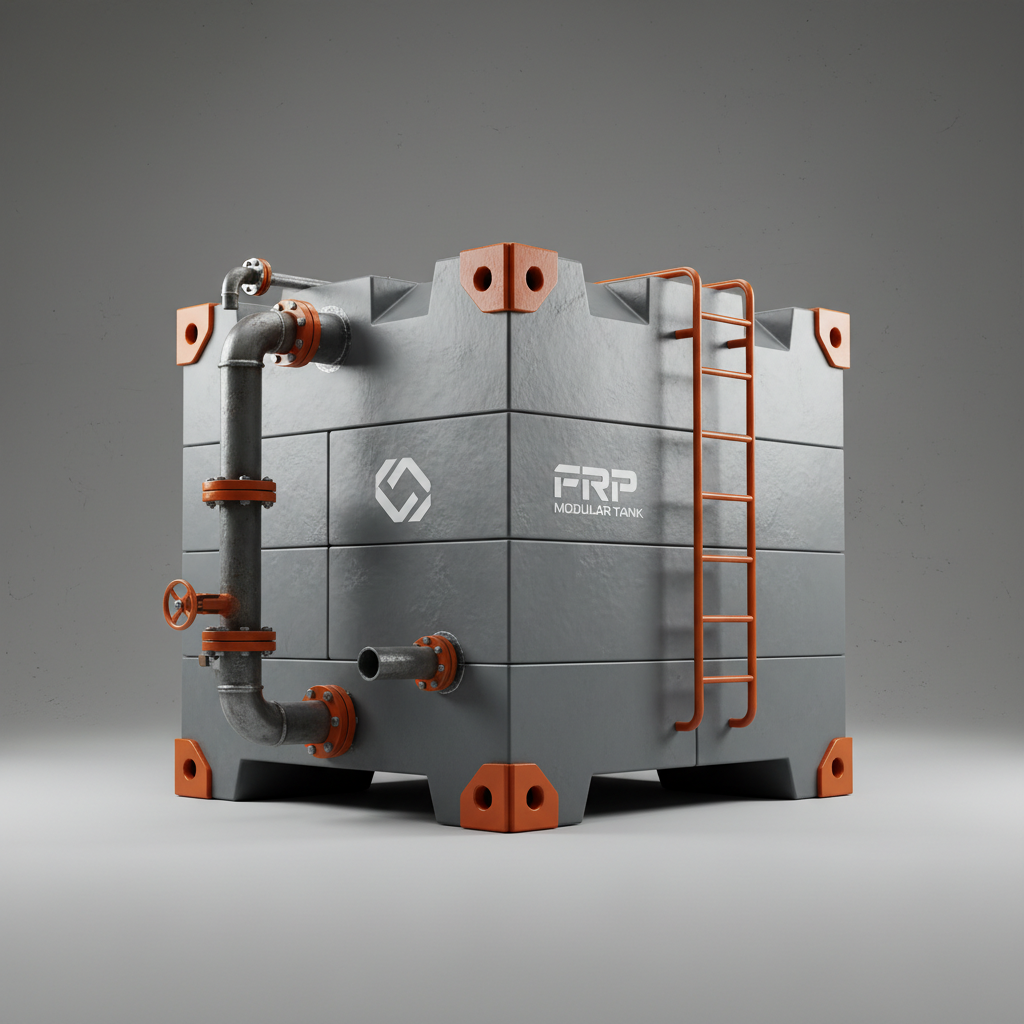
Depending on industry need—from small farm chemical storage to large petrochemical plants—tanks range from a few hundred gallons to millions of liters, with modular designs allowing easy expansions.Environmental Safeguards
Includes secondary containment, soil isolation barriers, and vapor recovery systems. Compliance with EPA and local standards is non-negotiable here.Ease of Installation and Maintenance
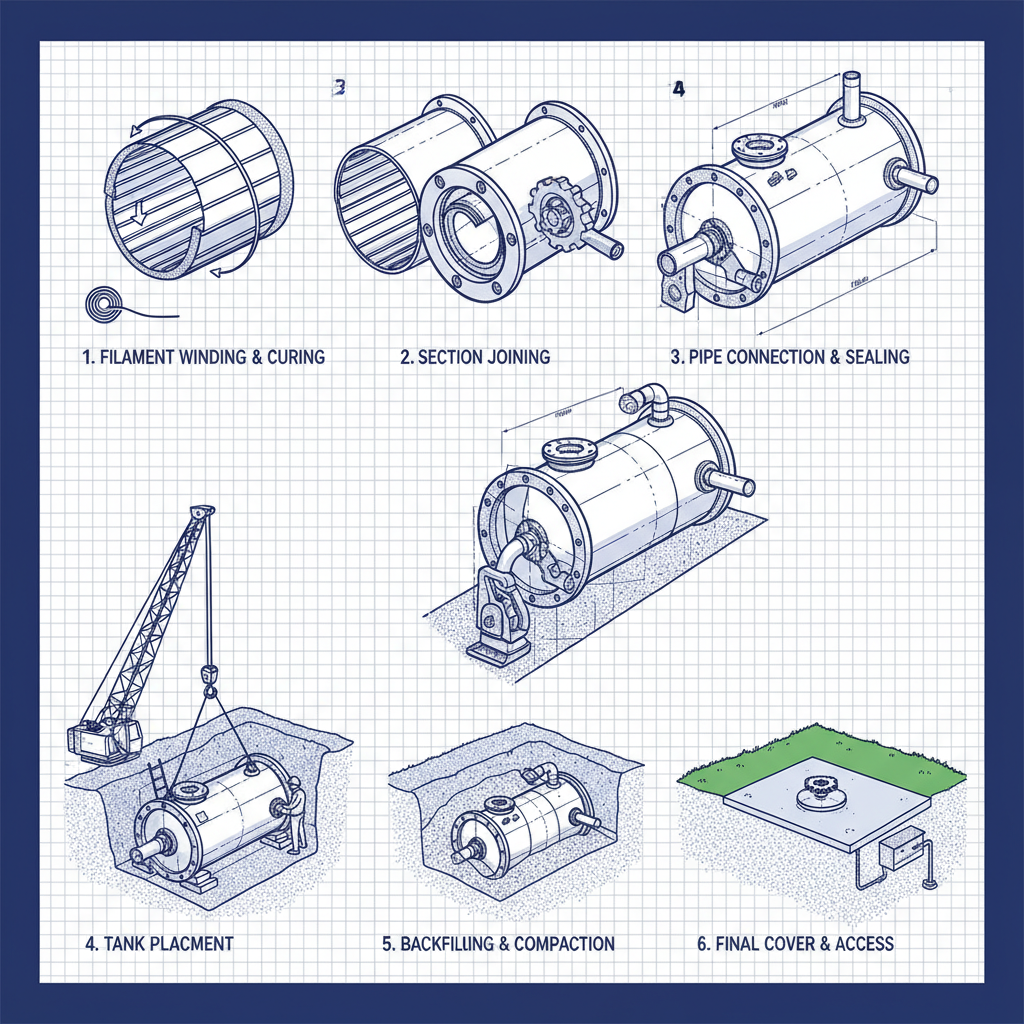
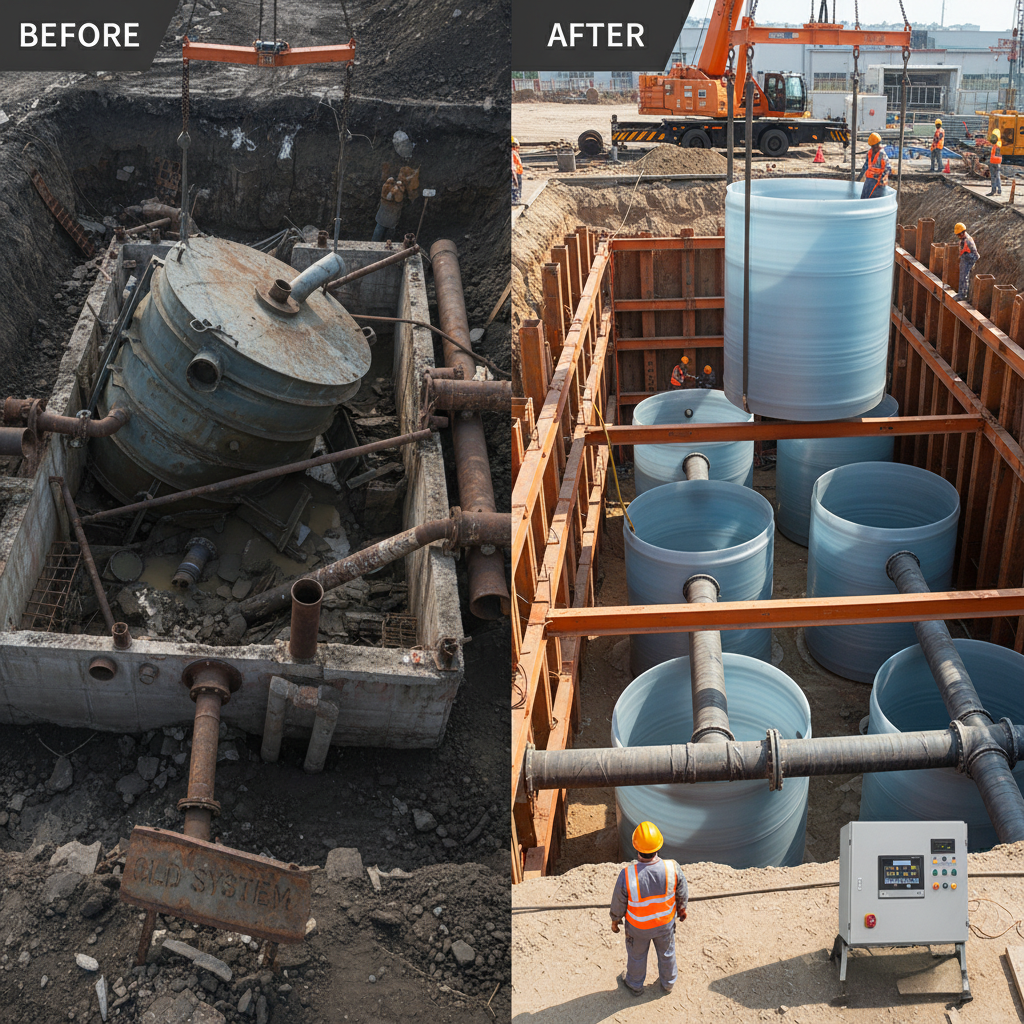
Underground placement requires precision. Many engineers favor prefabricated tanks designed for fast deployment to reduce disruptions during installation. ### Product Specification Table: Typical Underground Chemical Storage Tank| Feature | Specification |
|---|---|
| Material | Fiberglass Reinforced Plastic (FRP) / HDPE / Coated Steel |
| Capacity Range | 500 - 1,000,000+ Liters |
| Leak Detection | Double-wall with Sensors / Manual Inspection Ports |
| Installation | Prefabricated, Modular, Buried |
| Compliance | ISO 28765, EPA Regulations |
How Underground Chemical Storage Tanks Are Helping Industry Worldwide
From the oil fields of the Middle East to the agricultural heartlands of Asia, underground chemical storage tanks serve critical roles. In the United States, the EPA reports that such tanks store fuels safely across millions of sites, preventing leaks that would otherwise cause groundwater contamination. In developing countries, these tanks contribute to building safer infrastructure where regulatory frameworks might be catching up. Post-disaster relief zones, like after floods or earthquakes, rely on mobile underground chemical tanks to safely store cleaning agents and disinfectants. Remote mining operations in Australia and Canada use tanks to reduce spill risks in sensitive, less accessible environments. Even NGOs engaged in humanitarian aid appreciate how underground tanks allow discreet chemical storage, reducing community fears and safety concerns. ### Vendor Comparison Table: Leading Underground Chemical Storage Tank Providers| Provider | Materials Used | Customization Options | Global Reach | Notable Features |
|---|---|---|---|---|
| FRPGRP Machine | FRP, HDPE | Modular Sizes, Sensor Integration | International | Quick Deployment, Strong Corrosion Resistance |
| TankWorks Inc. | Steel with Epoxy Coatings | Custom Shapes & Sizes | North America, Europe | High Durability, Sensor Upgrades Available |
| GreenStor Solutions | Composite Materials | Eco-Friendly Designs, Monitoring Systems | Asia-Pacific | Sustainability Focus, Modular Units |
Why Go Underground? Advantages That Count for the Long Haul
The benefits of underground chemical storage tanks are multifaceted: - Safety First: Underground placement drastically cuts the risk of accidental impacts (think heavy machinery or weather-related incidents). - Environmental Peace of Mind: By containing chemicals away from soil surface and water, they help protect delicate ecosystems. - Cost Efficiency Over Time: While installation can be pricier upfront, fewer leaks and less environmental remediation lower total costs. - Temperature Control: Stable underground temps reduce chemical degradation or vaporization. - Discreet Footprint: In urban or sensitive areas, keeping tanks out of sight matters for aesthetics and social acceptance. Emotionally, communities feel safer knowing hazardous substances aren't sitting openly nearby. In practical terms, industries gain reliability and reduced insurance premiums — a win-win. ### A Mini Takeaway Underground tanks are not just practical; they boost trust between companies and communities while protecting our planet.Looking Forward: Innovations and What’s Next for Underground Chemical Storage
Tech in this space isn’t standing still: - Smart Sensors and IoT Integration: Real-time data on chemical levels, temperature, and leak detection are becoming standard. This means faster response and less downtime. - Advanced Materials: New composites that resist corrosion better and last longer reduce replacement frequency. - Green Policies: Increasingly, regulations require tanks to be recyclable or made from renewable materials — a push toward sustainability. - Automated Installation Systems: Robotics and drones are starting to assist in precisely installing tanks in challenging terrains. As digital twins (virtual models) gain traction, controlling tank conditions before physical issues occur could be the new norm — weird but useful, right? ### A Mini Takeaway Future tanks won't just store chemicals, they'll practically think for themselves — and protect the planet more efficiently.Challenges Underground Chemical Storage Tanks Face
It's not all roses. Some key hurdles: - High Installation Costs: Digging, soil preparation, and specialist equipment can add up. - Corrosion and Aging: Older tanks, especially steel ones, can corrode over decades, requiring vigilance. - Leak Detection Complexity: Despite tech improvements, some leaks remain hard to spot quickly. - Regulatory Changes: Different countries have varied standards, complicating global operations. Some solutions? Routine inspections with advanced sensors, use of composite materials to resist corrosion, and standardizing regulations internationally with groups like ISO and the UN. ### A Mini Takeaway Challenges are real but manageable with the right design, materials, and tech — the key is knowledge and preparation.FAQ: Your Top Questions About Underground Chemical Storage Tanks Answered
Q1: How often should underground chemical storage tanks be inspected?Most experts recommend inspections every 3 to 5 years, but tanks with integrated sensors allow for continuous monitoring, which can catch issues earlier and reduce inspection frequency. Regular inspections ensure tanks stay safe and compliant with regulations. Q2: Are underground chemical storage tanks environmentally safe?
When properly designed and maintained, these tanks significantly reduce environmental risks compared to above-ground options. Features like double-walls and leak detection systems help contain chemicals and protect soil and water from contamination. Q3: Can these tanks be customized to store different types of chemicals?
Absolutely. Material selection and internal linings can be tailored to resist the specific chemical they hold, whether acids, fuels, or solvents. Customization also extends to size, shape, and monitoring features. Q4: How long do these tanks typically last?
Depending on materials and maintenance, underground chemical storage tanks can last 30-50 years or more. Fiberglass and HDPE tanks often exceed the lifespan of traditional steel tanks, especially in corrosive environments. Q5: What industries benefit most from underground chemical storage tanks?
Petrochemical, agriculture, mining, waste management, and humanitarian sectors all rely heavily on these tanks. Their ability to offer safe, secure storage is critical wherever dangerous or valuable chemicals are involved.
Conclusion: Why Underground Chemical Storage Tanks Are Here to Stay
So yes, underground chemical storage tanks might not be the flashy tech your friends talk about, but in the real world, they’re quietly essential. Their role in protecting people, ecosystems, and global industry infrastructure is only growing as demand increases and regulations toughen. Choosing the right tank means balancing material science, cost, environmental impact, and innovation — not always easy, but absolutely worth it. For those ready to dive deeper or take the next step for their chemical storage needs, visiting FRPGRP Machine is a smart move. They specialize in modular, durable tanks with global reach and the kind of expertise you want on your side. Thanks for reading — and if you ever find yourself responsible for chemical storage safety, you’ll now have a better grasp of what’s underground, why it matters, and what the future holds.References:
1. United Nations Environment Programme (UNEP) – Global Chemicals Outlook Report
2. ISO 28765:2011 - Fiberglass Underground Storage Tanks
3. EPA.gov - Underground Storage Tank (UST) Regulations and Guidance