Comprehensive Guide to Chemical Solution Tanks – Features, Applications, and Innovations
Understanding Chemical Solution Tanks: Why They Matter Now More Than Ever
When you hear “chemical solution tank,” it might sound like just another industrial term thrown around in factories and warehouses. But the truth is, these tanks play a surprisingly significant role across multiple sectors — from water treatment plants in major cities to humanitarian efforts in disaster zones. Globally, managing chemicals safely and efficiently can literally mean the difference between contamination and clean water, between environmental disaster and sustainability.
According to the International Organization for Standardization (ISO), properly designed storage like chemical solution tanks directly impacts safety and product integrity. Whether in immunization factories in Africa or mining operations in Australia, these tanks are the unsung heroes making modern production and relief efforts possible.
Mini takeaway: Chemical solution tanks are foundational to industrial and humanitarian systems, influencing everything from safety to sustainability.
The Global Context: Why Chemical Solution Tanks Are a Worldwide Necessity
Global industry reports estimate that over 80% of chemical storage tanks, including chemical solution tanks, are used in water treatment, agriculture, manufacturing, and emergency aid. But a challenge looms large: many regions still face risks due to outdated or inadequate chemical storage systems that cause leaks or contamination.
Take this: The UN World Water Development Report 2023 underlines the pressing necessity for reliable chemical handling in water sanitation. Proper tanks mean safer water not only for cities but also remote communities, vital when clean drinking water is scarce.
In harsh industrial environments, equipment failure can halt entire production lines or worse—trigger environmental hazards. So, chemical solution tanks aren’t just storage vessels; they’re key players in global health, industry resilience, and environmental protection.
Mini takeaway: The need for reliable chemical solution tanks transcends borders, balancing public health, industry productivity, and ecological responsibility.
What Is a Chemical Solution Tank? Breaking It Down
In plain terms, a chemical solution tank is a container specifically designed to hold chemicals in liquid or solution form safely. These tanks are built to resist corrosion, withstand pressure, and prevent leaks, ensuring stored substances remain uncontaminated and don’t pose risks to people or the environment.
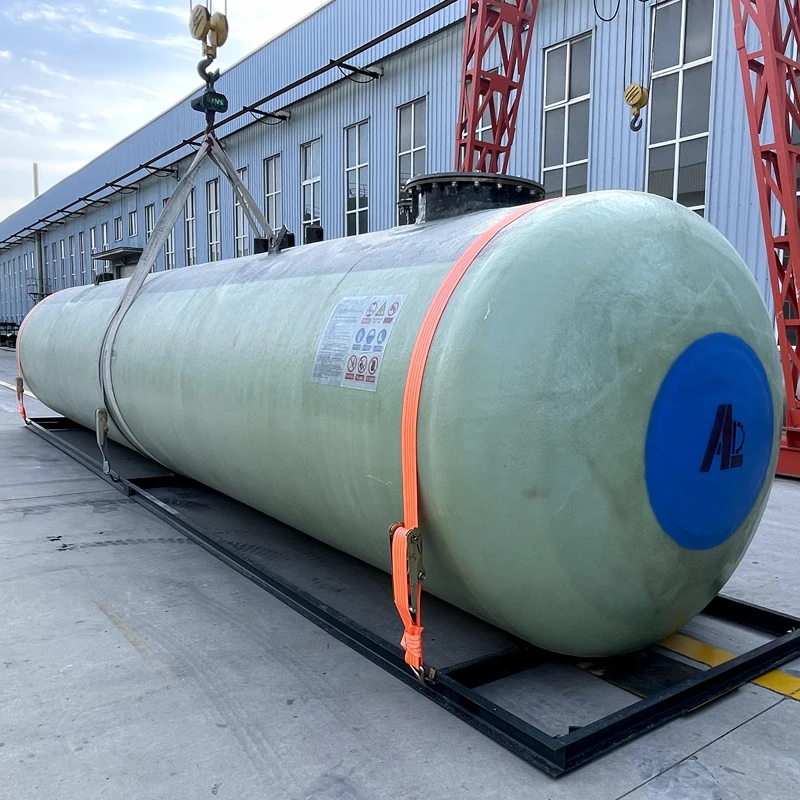
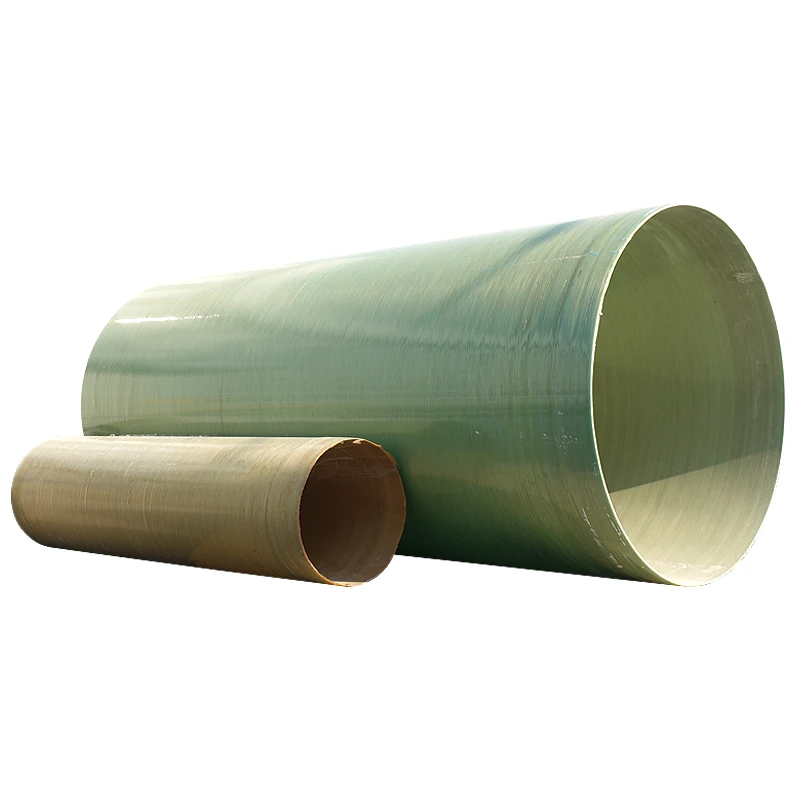
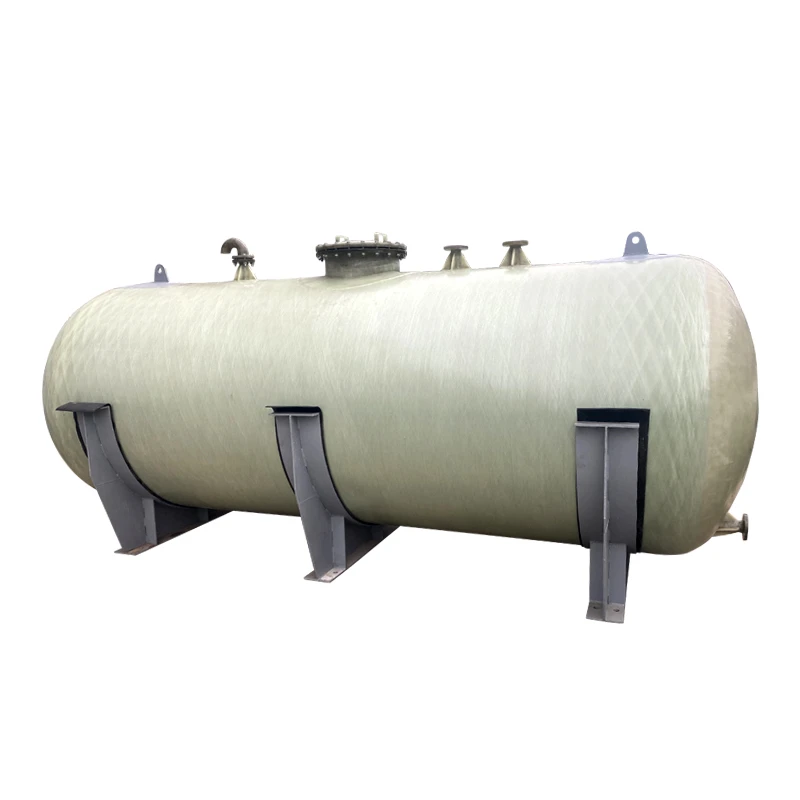
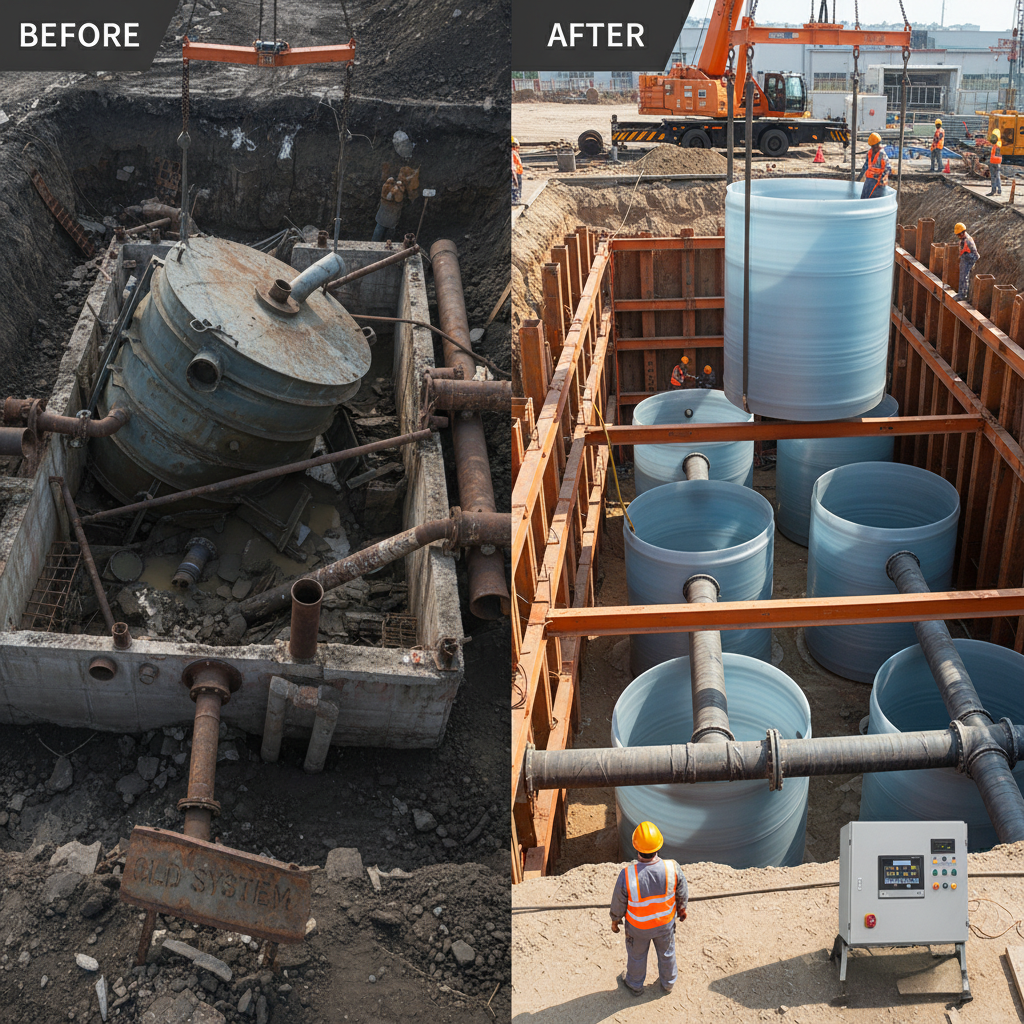
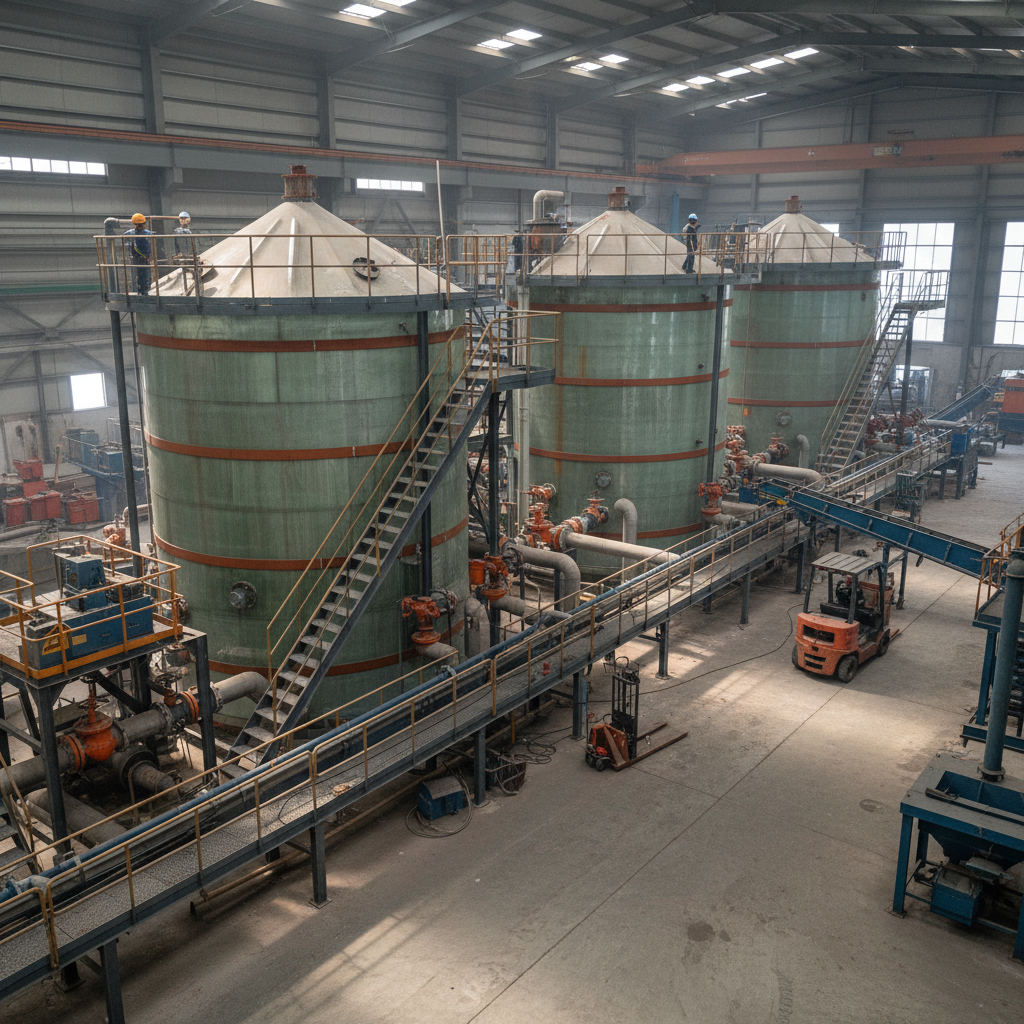
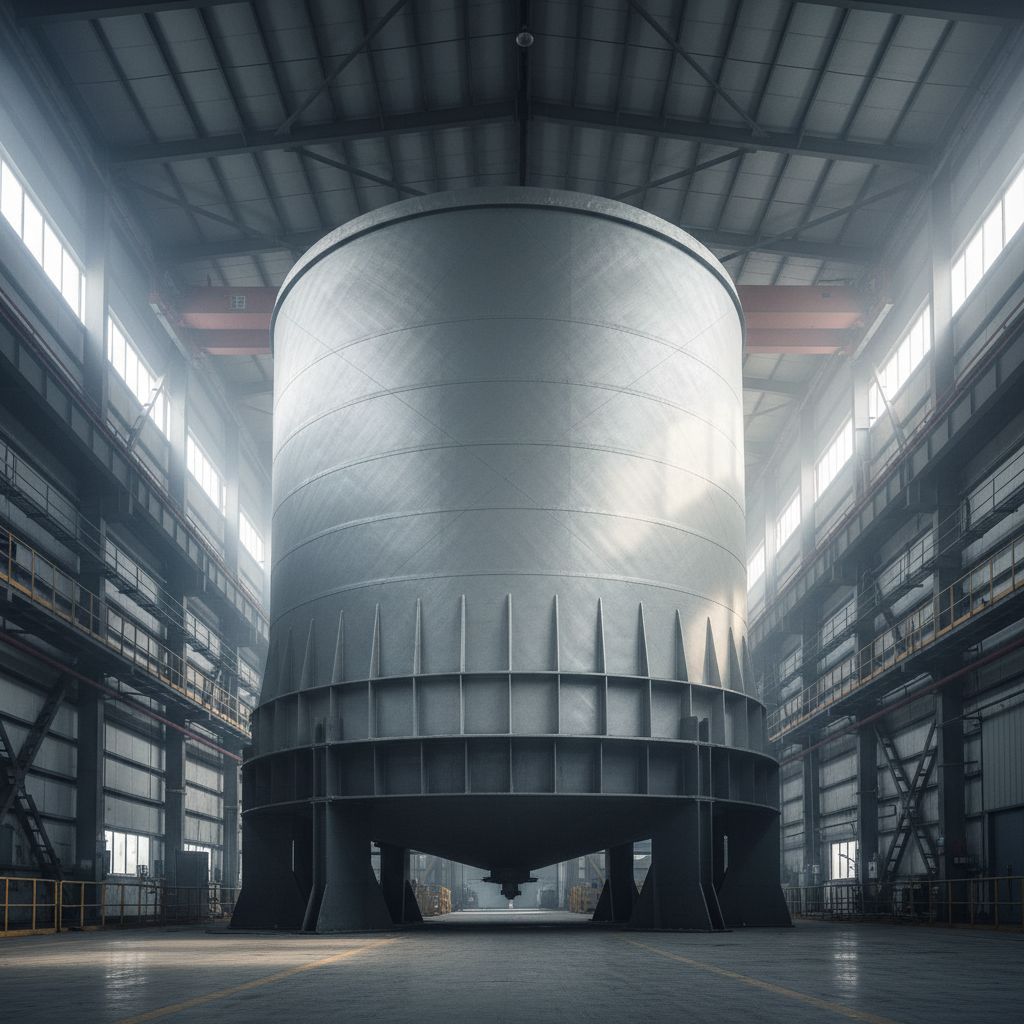
They range from small, portable units to massive fixed tanks embedded in large-scale facilities. Modern chemical solution tanks can be made from materials like polyethylene, stainless steel, or advanced composites, each chosen based on what chemical they need to hold.
Importantly, these tanks connect pivotal dots in industries such as pharmaceuticals, agriculture (fertilizers and pesticides), and water treatment, where precise chemical management is critical.
Mini takeaway: Simply put, chemical solution tanks are specially engineered containers that keep chemicals secure, functional, and safe.
Core Components That Make Chemical Solution Tanks Work
Material Durability
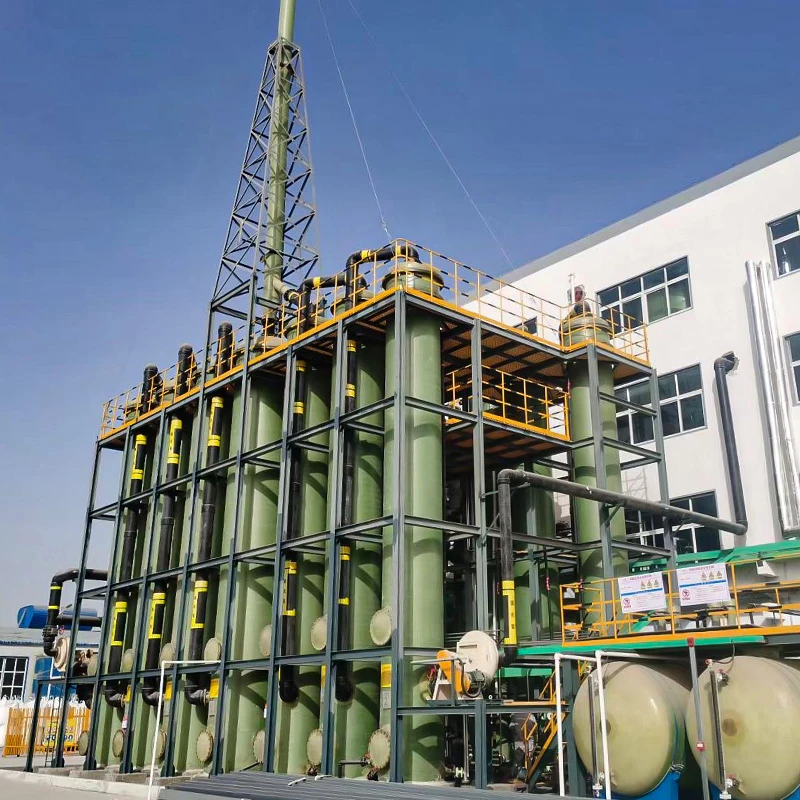
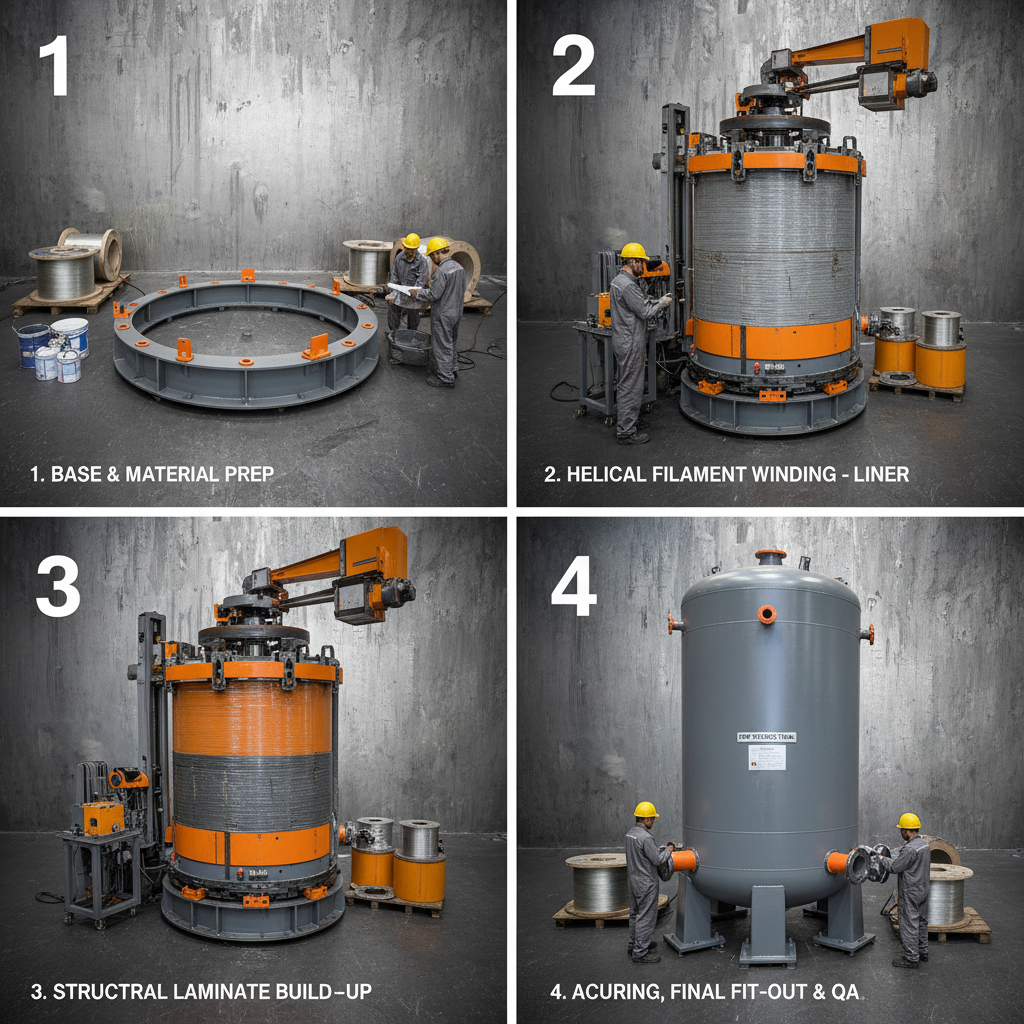
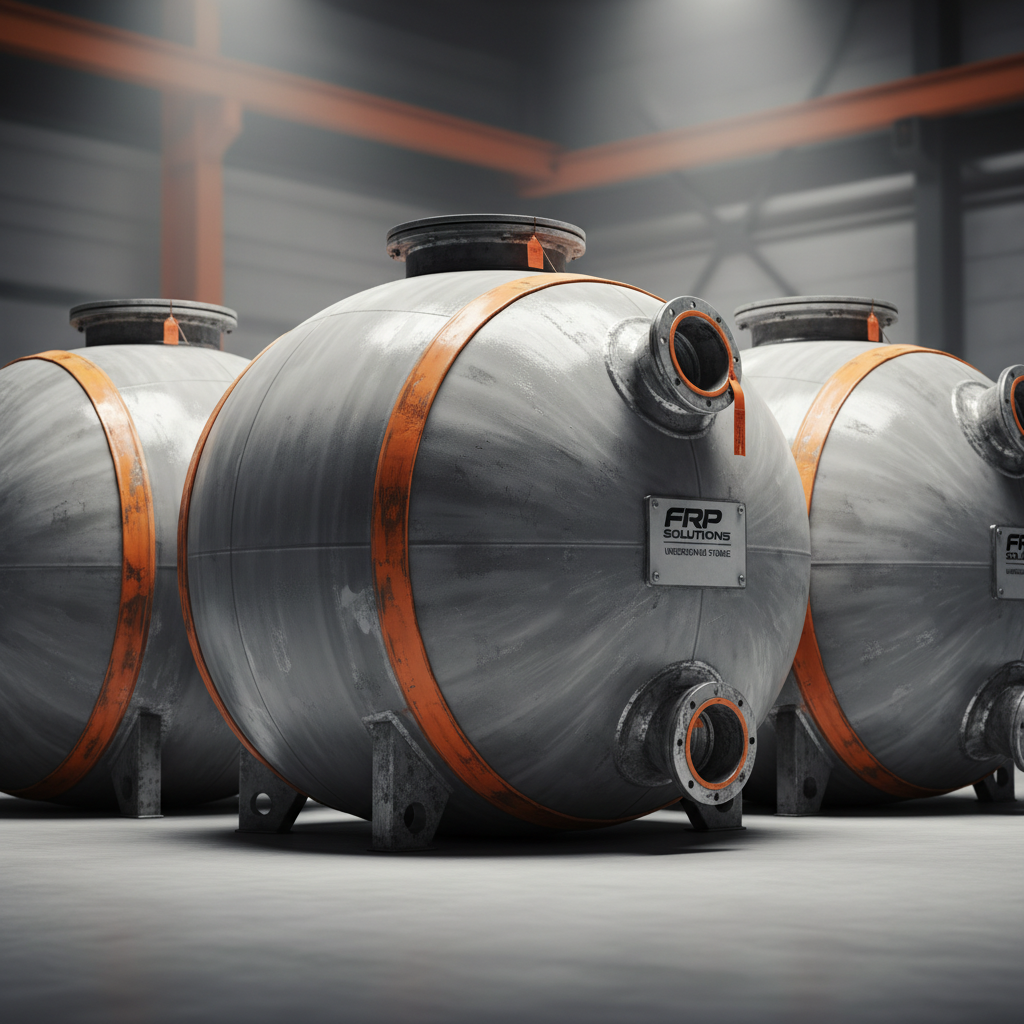
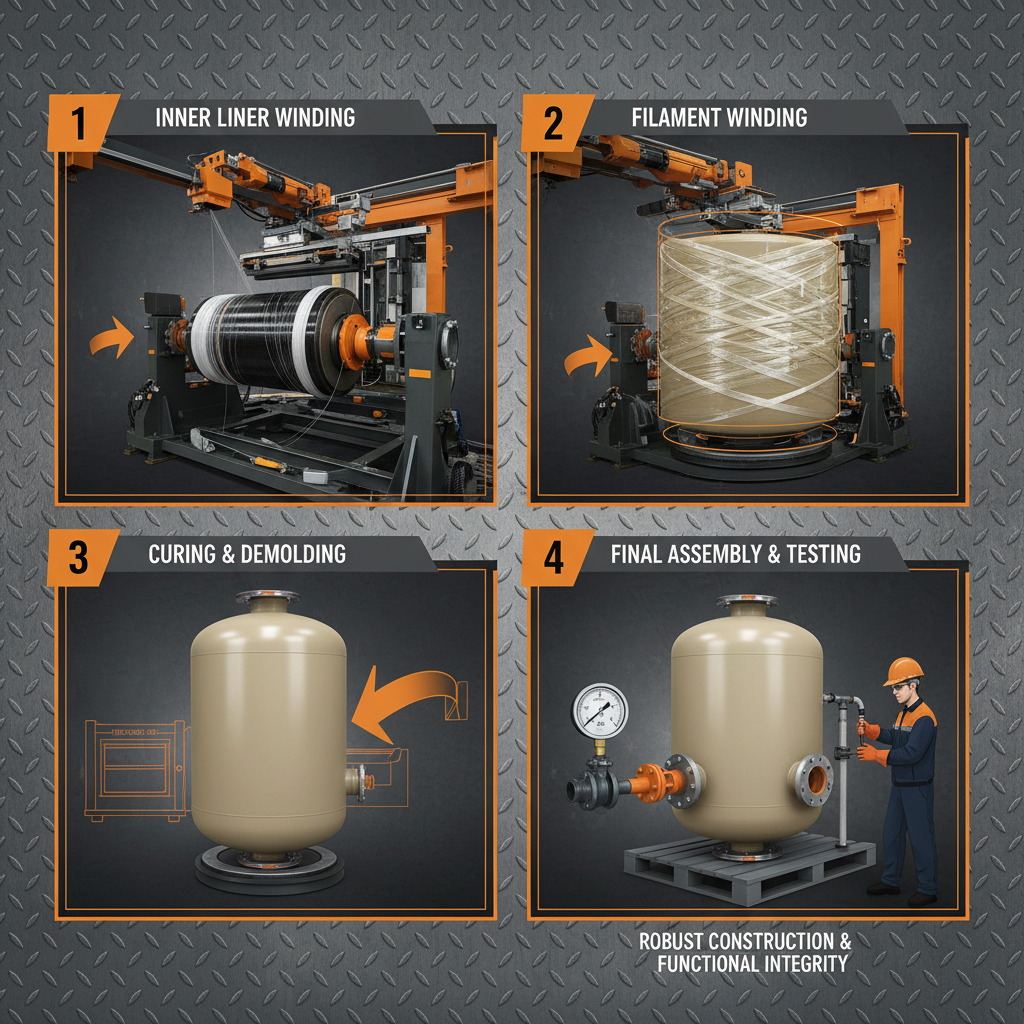
The first thing many engineers focus on is durability. Chemical tanks must endure acids, alkalis, UV exposure, and sometimes extreme temperatures. Materials like fiberglass-reinforced plastic or HDPE offer great resistance, ensuring the tank won’t degrade and contaminate its contents over time. Oddly enough, sometimes tanks look simple but rely on complex materials science.
Capacity and Scalability
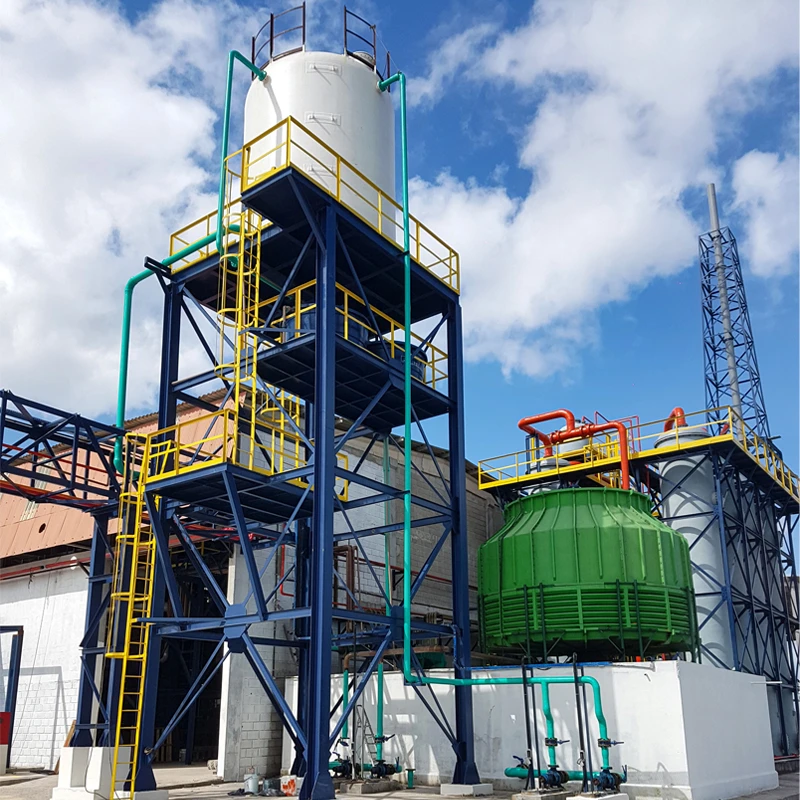
Whether you need a few hundred liters or tens of thousands of gallons, tank design scales up or down. Larger tanks serve water treatment plants, while smaller models are perfect for mobile labs or temporary setups. Being able to size chemical solution tanks properly means avoiding waste and ensuring operational efficiency. Many companies now provide modular tanks that can be linked for extra capacity.
Safety Features
Leak prevention, pressure release valves, and secure closures are all essential. Tanks often incorporate sensors to monitor levels and detect leaks early. This is not just a “nice to have”—in volatile or hazardous chemical applications, these features prevent accidents and costly downtime.
Cost Efficiency
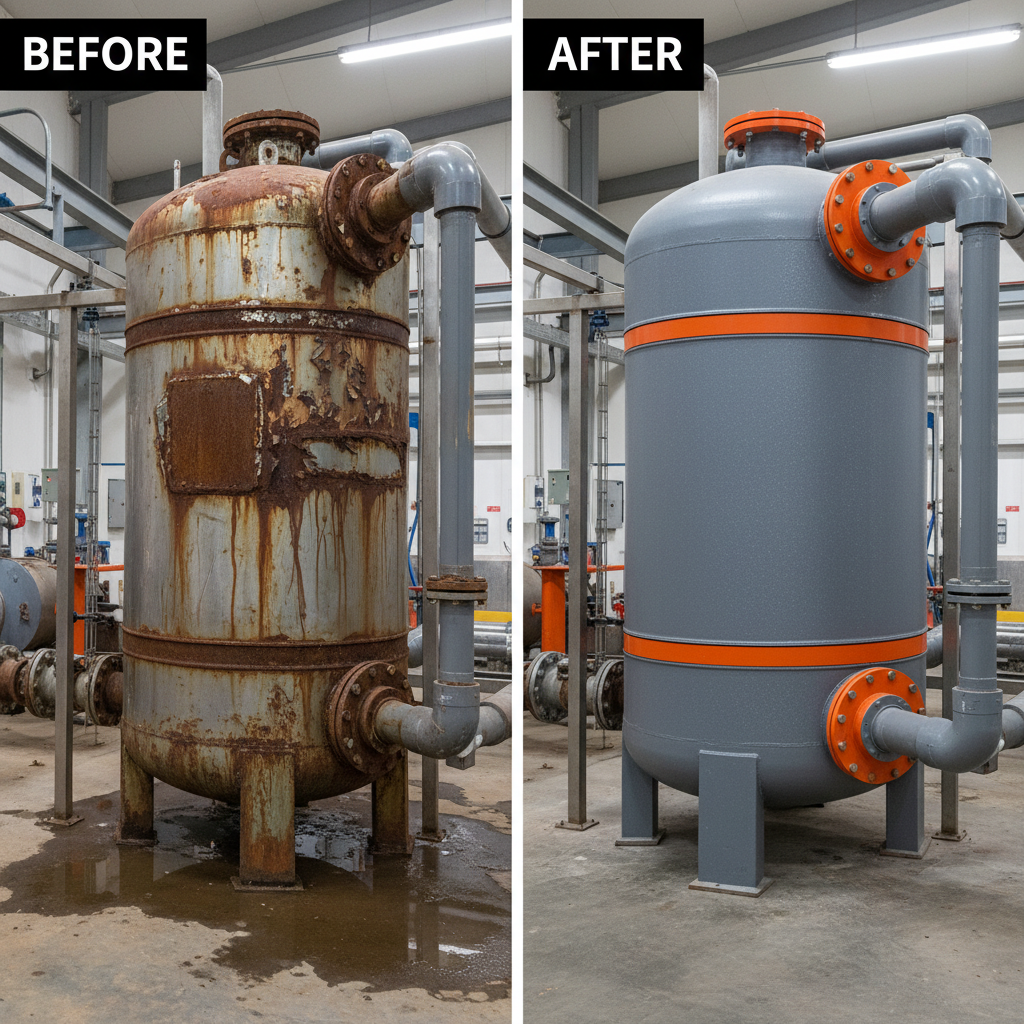
While upfront costs vary, modern tanks often save money over their lifespan through reduced maintenance and longer durability. Plus, when they prevent accidents or contamination, the indirect savings are substantial. Some materials and designs might seem pricey but are worth it in the long run.
Environmental Compatibility
From recyclable materials to designs that minimize spills, environmentally conscious features are growing. Innovations like double-walled tanks help prevent chemical leaks that damage ecosystems, and some tanks integrate with renewable energy-powered pumping systems nowadays.
Mini takeaway: Material robustness, scalable capacity, and safety innovations together define effective chemical solution tanks.
Global Applications: Where and How Chemical Solution Tanks Are Changing the Game
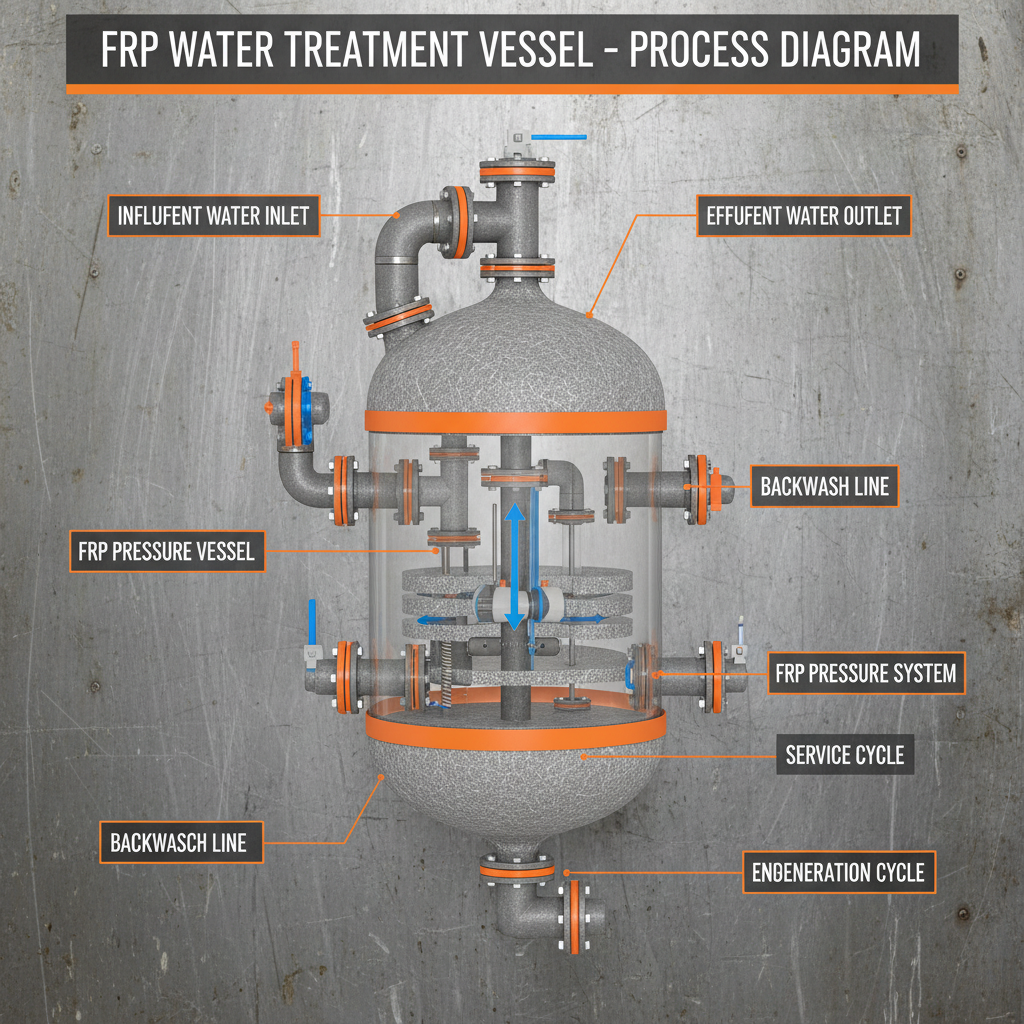
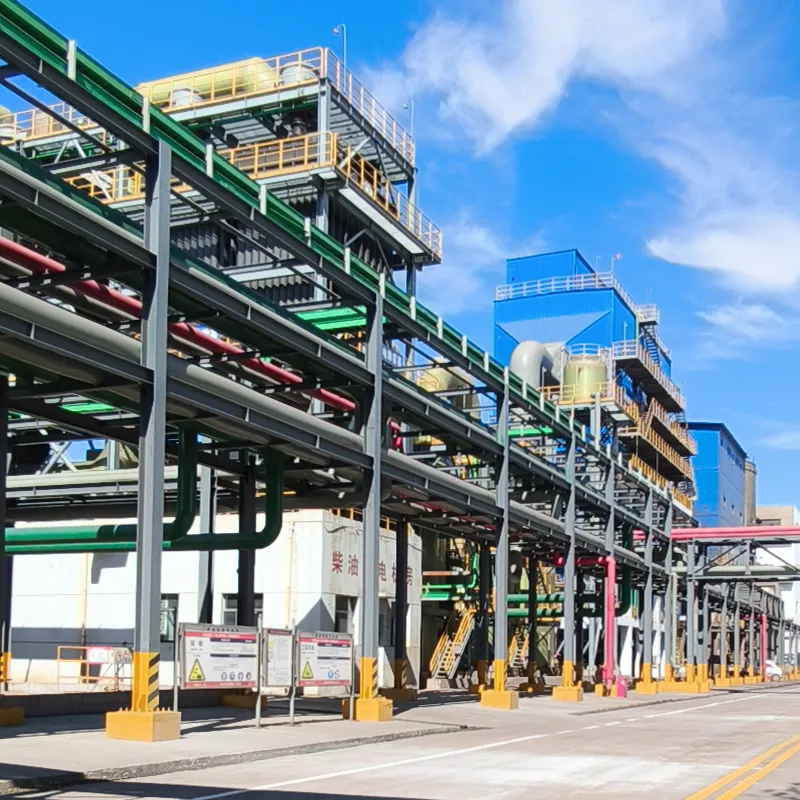
- Water Treatment Facilities: Across Europe and Asia, wastewater plants rely on chemical solution tanks to store coagulants and pH adjusters essential for clean water.
- Agricultural Supply Chains: In regions like Latin America, farmers depend on tanks for storing fertilizers and pesticides safely, improving crop yields and protecting workers.
- Pharmaceutical Manufacturing: In North America, stringent standards demand tanks that meet hygienic and precise storage criteria.
- Disaster Relief and Remote Operations: NGOs and governments use portable chemical solution tanks in disaster-hit zones—for example, after floods in South Asia—to ensure clean water supplies and safe sanitation chemicals.
One interesting case: In remote Australian mines, tanks made of fiberglass composite material resist harsh sunlight and chemicals, lasting years without much maintenance. It feels like these tanks quietly shoulder an outsized role in keeping industries running smoothly.
Mini takeaway: Chemical solution tanks support vital industries worldwide—from clean water in cities to nutrition in rural farms.
Advantages and Long-Term Value of Investing in Quality Chemical Solution Tanks
The benefits stack up quite nicely when you think about it. On the practical side, chemical tanks reduce contamination risk, lower operational downtime, and ensure compliance with safety regulations. On a bigger, more emotional scale, they safeguard workers, communities, and the environment.
- Cost Savings: Durable tanks mean fewer replacements and repairs.
- Sustainability: Less chemical leakage equals less environmental harm.
- Reliability: Features like automated sensors prevent accidents.
- Social Impact: Clean water and safer chemicals improve health outcomes globally.
It’s one of those investments that quietly enables massive sectors to function without smoke and mirrors. Behind the scenes, these tanks are a kind of unsung infrastructure that fosters trust and innovation.
Mini takeaway: Long-term, investing in quality chemical tanks returns precise control, social responsibility, and operational dependability.
Emerging Trends and Innovations to Watch
The world is changing, and chemical solution tanks aren’t staying behind. One big trend is digital integration — smart sensors, remote monitoring, and IoT connectivity now allow operators to track tank conditions in real time, no matter where they are.
Environmentally, manufacturers are pushing greener materials and designs: bio-based polymers, solar-powered mixing pumps, and better recycling protocols.
Automation in tank cleaning and refilling is another area gaining ground, reducing human exposure to hazardous chemicals while raising efficiency. Frankly, it feels like the next decade will bring tanks that think for themselves — well, almost.
Mini takeaway: Digital tech and sustainability are driving a smarter, greener future for chemical storage.
Common Challenges and How the Industry Addresses Them
Of course, it’s not all roses. Challenges include chemical reactions that degrade materials over time, difficulties in transporting large tanks safely, and high upfront costs for advanced designs.
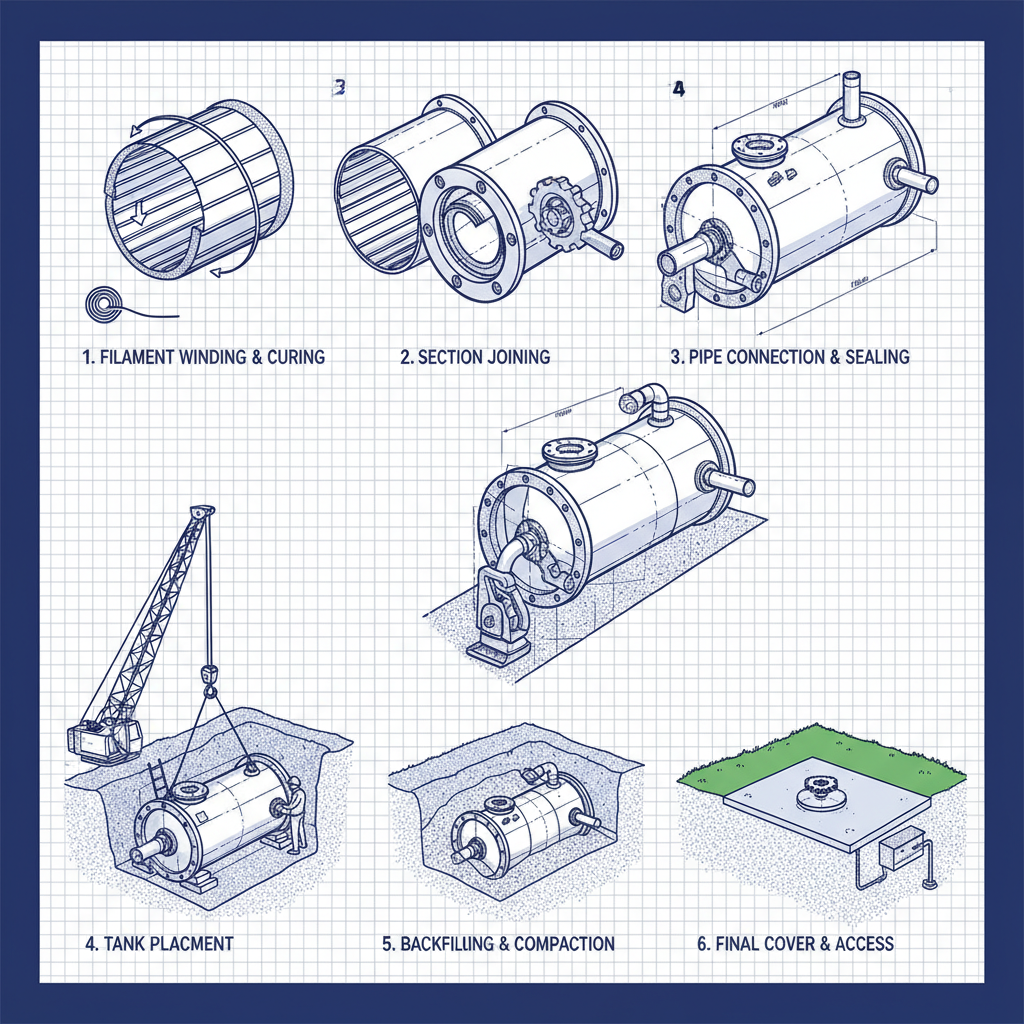
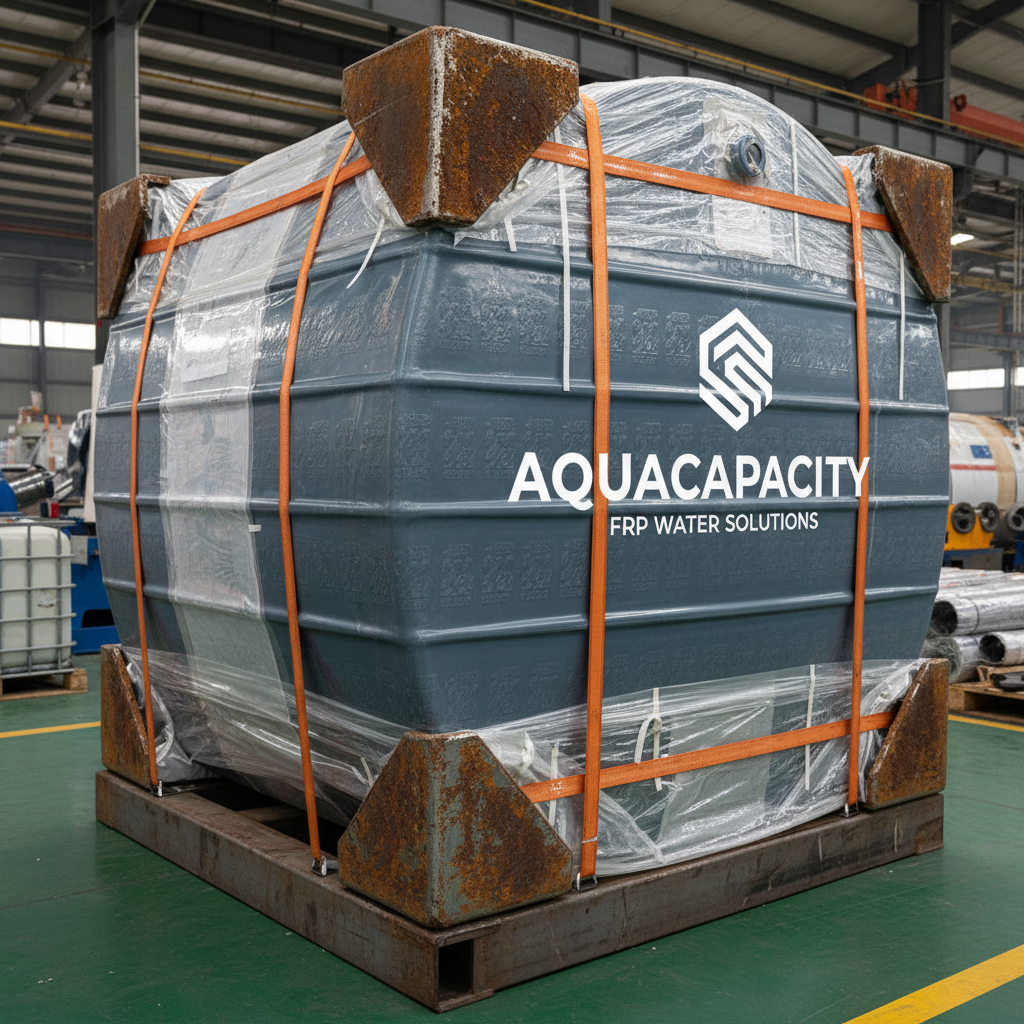
Innovative solutions like modular assembly (making transport easier), enhanced material coatings, and leasing programs for costly tanks are easing these pains.
Experts recommend regular inspections, stress testing, and partnering with vendors who understand specific chemical compatibilities — underscoring the value of experience over off-the-shelf fixes.
Mini takeaway: Challenges persist, but smart engineering and innovations keep moving the needle forward.
Frequently Asked Questions About Chemical Solution Tanks
- Q: What materials are best for chemical solution tanks storing acidic solutions?
- A: Tanks made from fiberglass-reinforced plastic (FRP) or high-density polyethylene (HDPE) resist acid corrosion well. Stainless steel can work too but may require coatings depending on the acid type.
- Q: How do I determine the correct tank size for my chemical solution needs?
- The tank size depends on your daily volume requirements and storage duration. Consulting with suppliers or engineers familiar with your application helps avoid oversizing or undersizing, which can cause cost or safety issues.
- Q: Are chemical solution tanks portable for emergency or field use?
- Yes, many vendors offer portable or modular tanks designed for quick deployment in disaster relief or remote operations, balancing durability and ease of transport.
- Q: How often should chemical tanks be inspected?
- Industry standards recommend routine inspections every 6 to 12 months, including checking for leaks, corrosion, and sensor functionality to maintain safety and performance.
- Q: Can chemical solution tanks be customized for specific industry standards?
- Absolutely. Most manufacturers provide customization options to meet regulatory requirements such as FDA for pharma or EPA for environmental safety.
Product Specification Table: Typical Chemical Solution Tank Features
| Feature | Specification | Notes |
|---|---|---|
| Capacity Range | 100L to 50,000L | Modular designs available |
| Material | FRP, HDPE, Stainless Steel | Depends on chemical compatibility |
| Operating Temperature | -20°C to 80°C | Varies by tank model |
| Safety Features | Pressure relief valves, leak sensors | Critical for hazardous chemicals |
| Customization | Yes | Industry-specific options |
| Projected Lifespan | 10–20 years | Depends on usage and maintenance |
Vendor Comparison: Leading Chemical Solution Tank Manufacturers
| Feature | FRP Global Tanks | AquaChem Solutions | SafeStor Industries |
|---|---|---|---|
| Material Options | FRP, HDPE | Stainless Steel, HDPE | HDPE only |
| Custom Sizes | Yes | Limited | Yes |
| Safety Features | Advanced sensors, relief valves | Basic leak detection | None standard |
| Typical Lead Time | 4–6 weeks | 2–3 weeks | 3–5 weeks |
| Warranty | 5 years | 3 years | 2 years |
Wrapping Up: Why Chemical Solution Tanks Are Worth the Investment
To sum it up, chemical solution tanks are more than simple containers. They are integral to safe and efficient chemical management globally, whether supporting urban water treatment, agricultural sustainability, or humanitarian aid. The benefits — spanning safety, environmental protection, cost savings, and technological innovation — make them a vital component of many industries and communities.
If your operation needs tanks that are reliable, safe, and tailored to your unique chemical requirements, take the next step and visit our website. The future of safe chemical storage starts with the right solution tank — and it’s well worth the thoughtful investment.
Until next time, keep watching how these “quiet workhorses” evolve; the next innovation might just surprise you.