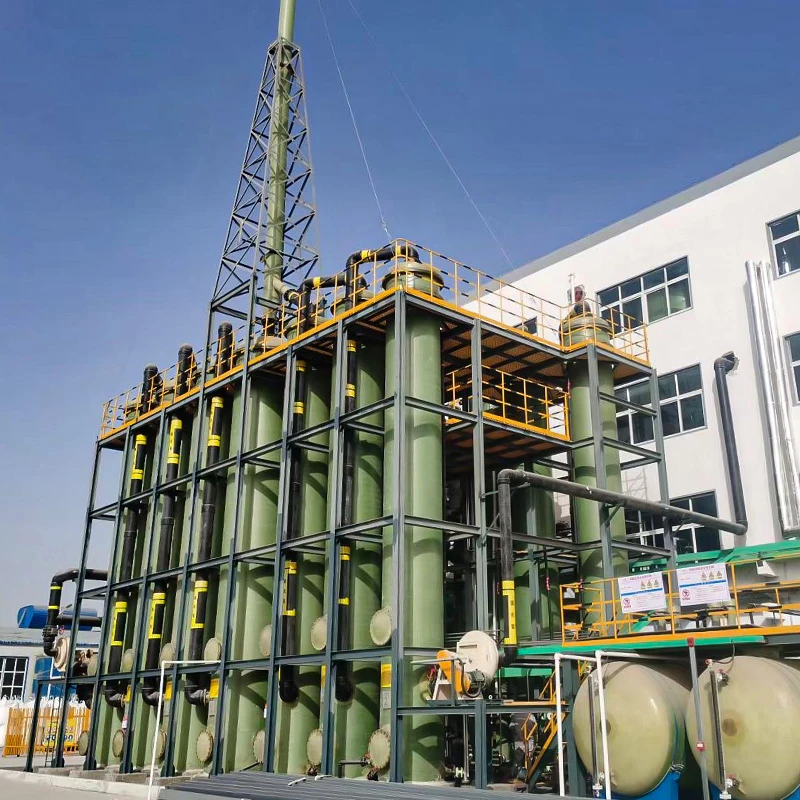
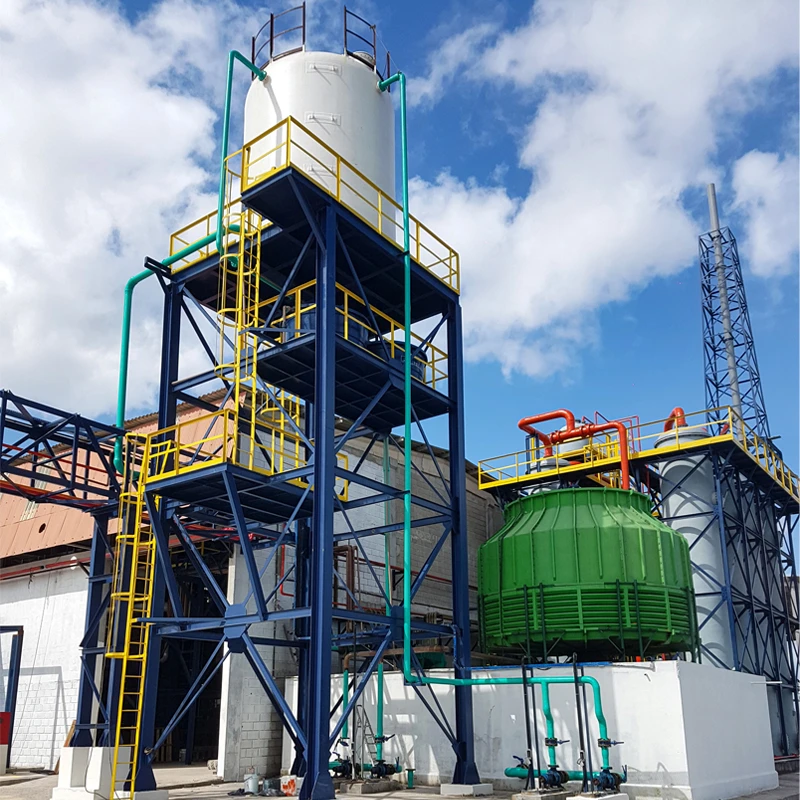
Fiberglass for Drinking Water – Durable, Safe, and Sustainable Pipeline Solutions
Fiberglass for Drinking Water: A Modern Solution with Global Impact
When we think of clean drinking water, the pipes delivering water rarely come to mind — yet the material used there is critically important. Fiberglass for drinking water has emerged as a game-changer worldwide, providing durable, safe, and cost-effective solutions for transporting potable water. From urban infrastructures in developed countries to emergency relief efforts in underserved areas, this technology bridges health and sustainability gaps.
Why should we care? Globally, safe water access remains a challenge for billions. According to the UN, nearly 2 billion people lack safely managed drinking water services (1). Outdated or corroded pipes often contaminate water supplies, putting millions at risk of illness. Fiberglass-reinforced piping addresses many of these challenges thanks to its non-corrosive nature and longevity. Understanding its core benefits helps engineers, policymakers, and aid organizations make smarter infrastructure choices for a healthier future.
Why Fiberglass for Drinking Water Matters Globally
Let’s put this in perspective. The World Bank estimates that water network leakage causes losses of up to 30-50% in some regions (2). Failures often happen because traditional steel or iron pipes corrode or burst, contaminating water, wasting resources, and costing municipalities dearly. This is where fiberglass piping benefits come into play.
Fiberglass materials are corrosion-resistant, lighter to handle, and adaptable across terrains that challenge conventional materials. This makes them ideal not only in cities but also in remote, disaster-prone, or developing regions where installation speed, reliability, and safety are paramount.
What Is Fiberglass for Drinking Water?
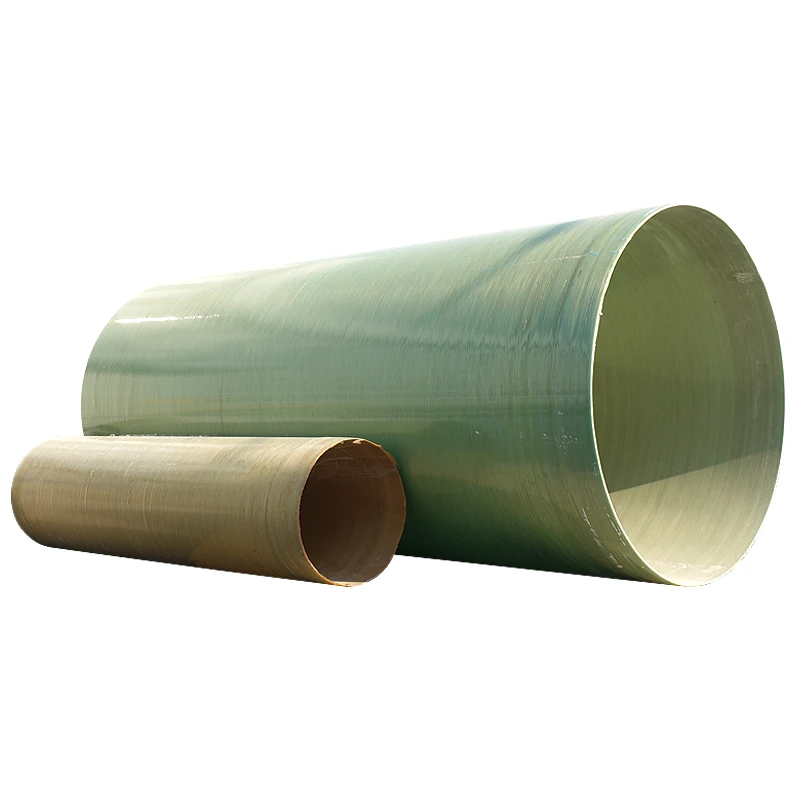
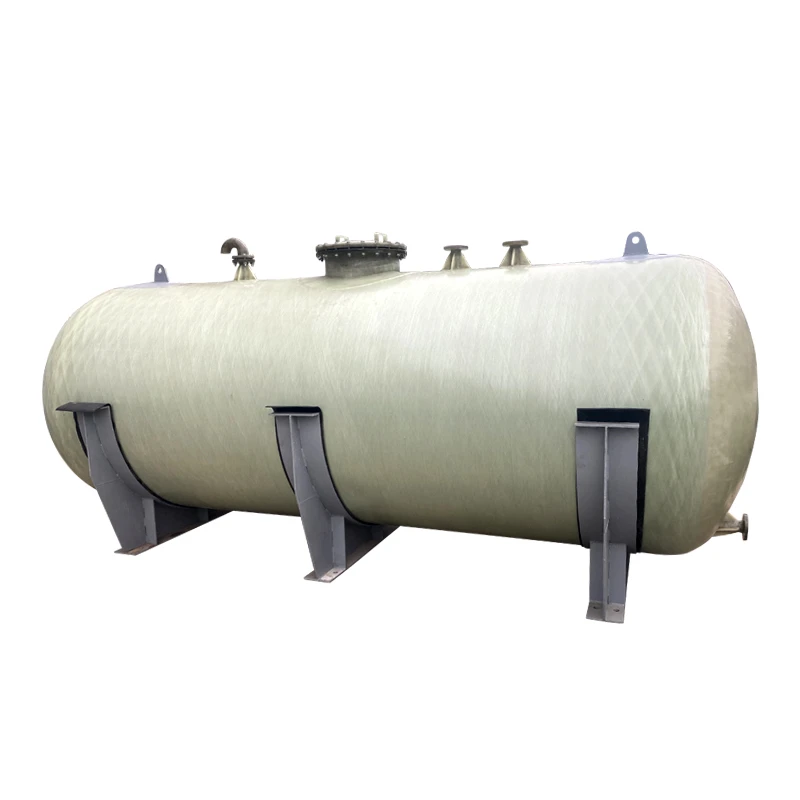
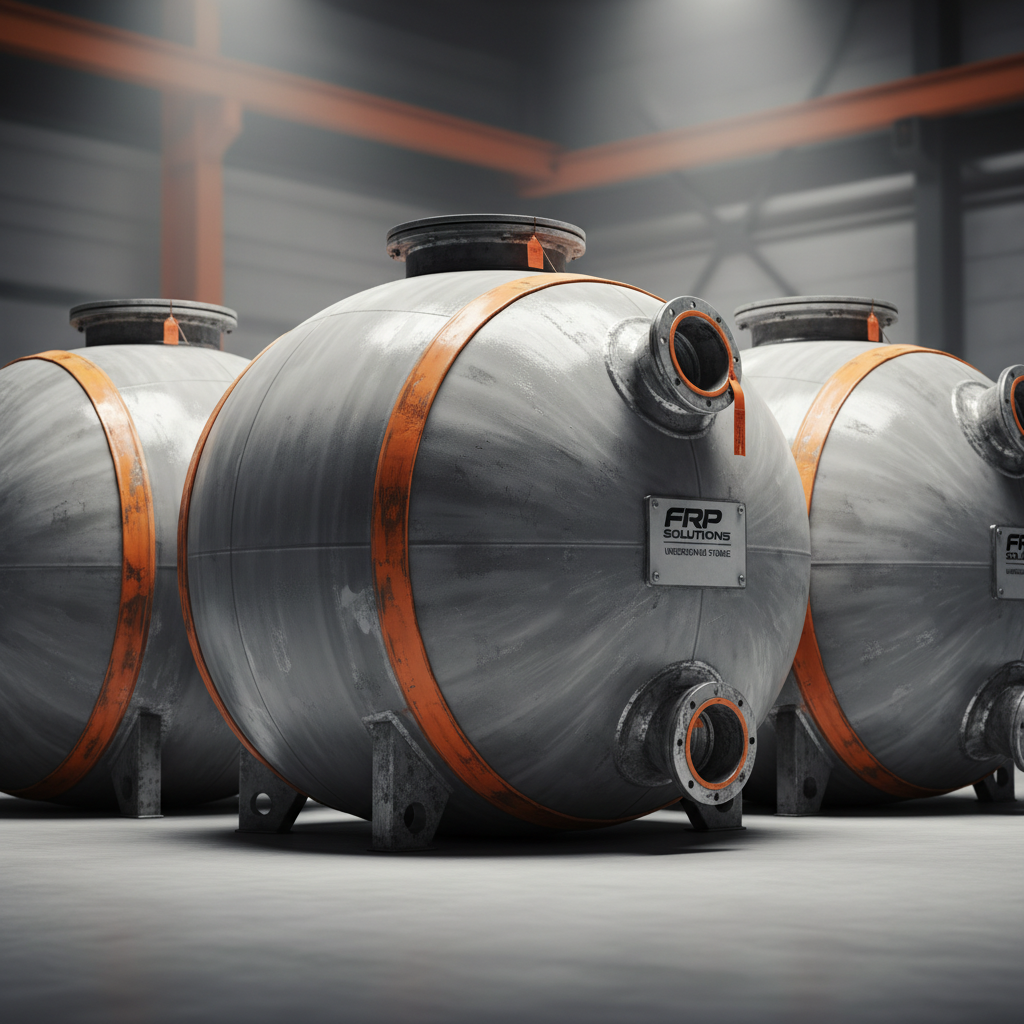
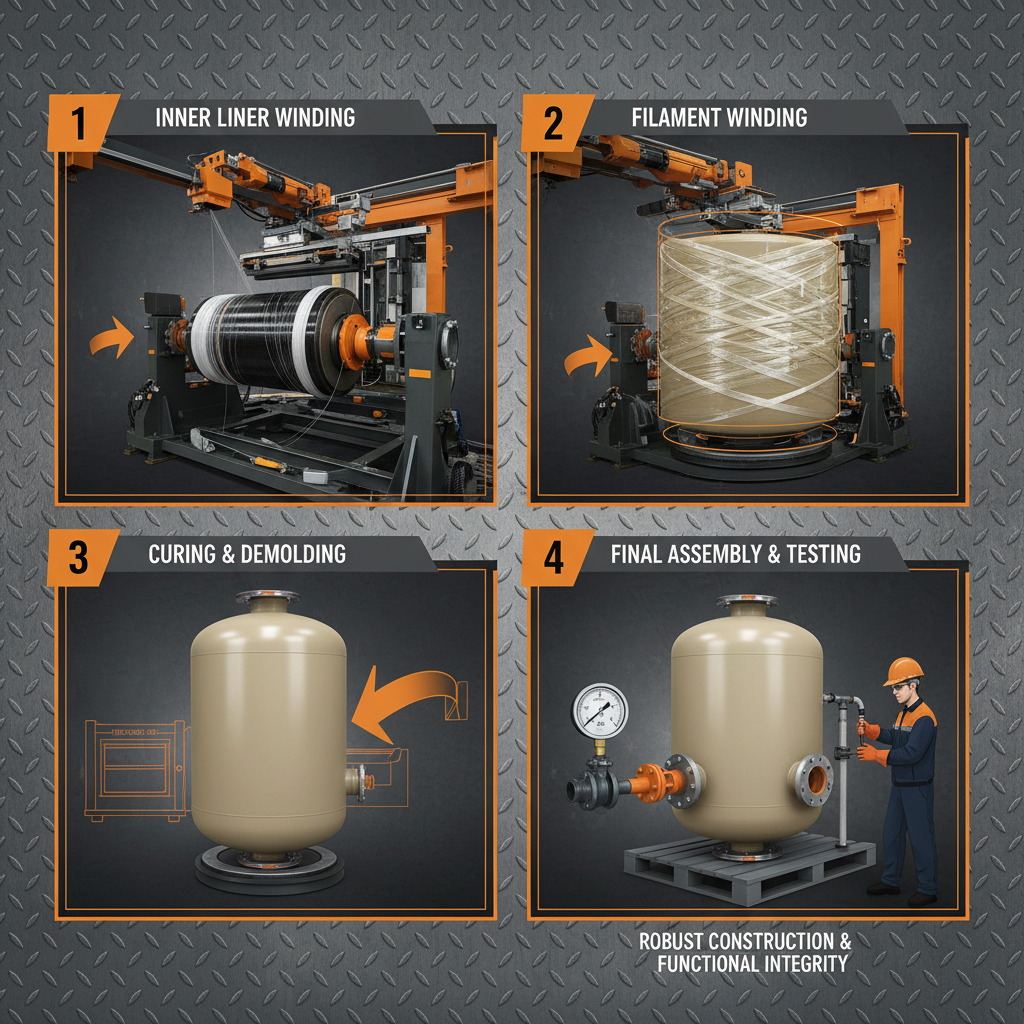
At its core, fiberglass for drinking water consists of pipes or tanks made from glass fibers woven or chopped and bonded with resin matrices. The result is a composite material: strong but lightweight, resistant to chemicals, heat, and pressure. Unlike metal pipes, fiberglass won’t rust or leach contaminants, preserving water purity over long periods.
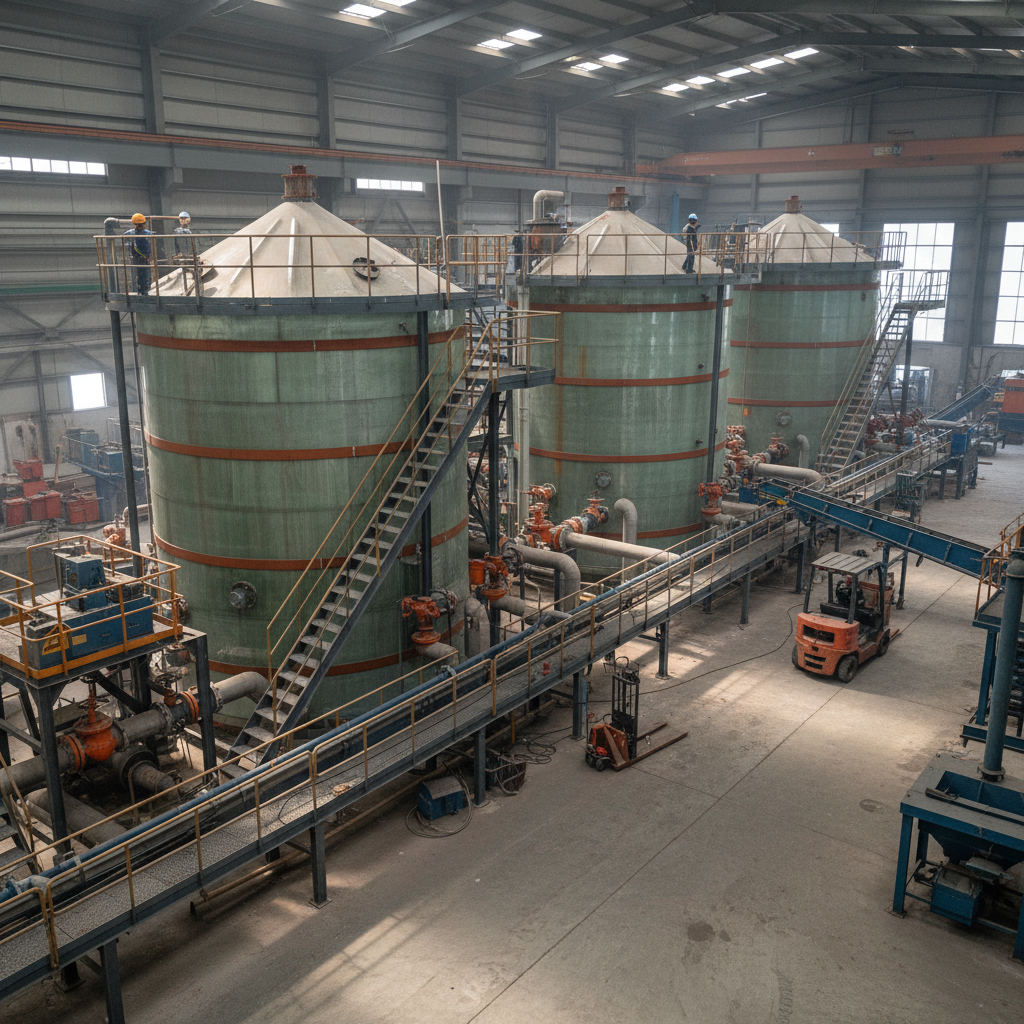
Industrially, these composites are increasingly favored for potable water transport, storage, and treatment facilities, especially where traditional materials fail or where quick deployment matters – think disaster zones or rapidly urbanizing areas.
Mini takeaway:
Fiberglass piping blends strength, chemical resistance, and lightness to ensure safer, cleaner drinking water delivery systems globally.
Core Factors Driving Fiberglass Use in Drinking Water Systems
Durability and Corrosion Resistance
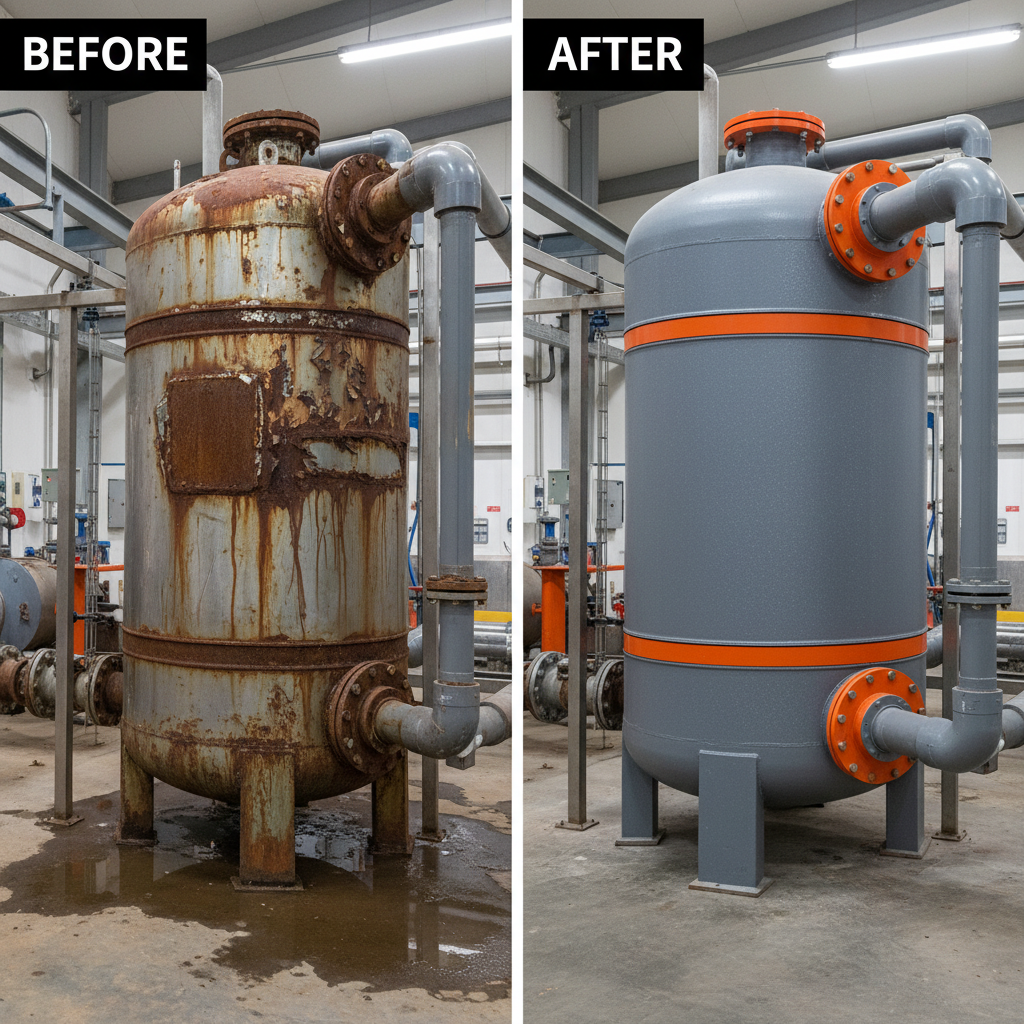
Unlike iron or steel, fiberglass pipes don’t corrode over time. This means fewer leaks, less maintenance, and longevity measured in decades rather than years. I’ve seen engineers emphasize how important this is for coastal or mineral-rich water supplies where corrosion ruins conventional pipes fast.
Lightweight Yet Strong
Fiberglass pipes weigh roughly 60-70% less than steel equivalents, reducing transportation and handling costs considerably. This factor alone can mean the difference between a project stalled due to logistics and one finished on time.
Cost-Efficiency Over Time
Initial fiberglass pipe costs can be higher than plastic, but you get what you pay for. Reduced downtime, fewer repairs, and extended lifespan pay dividends through reduced lifecycle costs — which many municipal procurement teams appreciate more than novel upfront savings.
Scalability and Customization
Fiberglass solutions can be tailored for varied diameters, lengths, and pressure tolerances — from small rural systems to large urban complexes. Custom resin formulations also enhance resistance to UV, chemicals, or temperature extremes, making them multipurpose.
Environmental Safety and Compliance
Fiberglass pipes meet ISO and NSF/ANSI standards for potable water (like NSF 61 certification), ensuring no harmful substances leach into drinking water (3). They’re also considered more sustainable than metal counterparts due to longer life spans and recyclability potential.
Mini takeaway:
Key technical advantages set fiberglass apart: durability, light weight, cost-efficiency over lifespan, adaptability, and environmental compliance.
Real-World Applications: Where Does Fiberglass Make a Difference?
Odds are quite high that if you’re next to a coastal city, remote mining town, or an emergency relief camp, fiberglass piping might be silently at work ensuring clean water delivery.
- Disaster Relief and Humanitarian Aid: Agencies building temporary water networks after floods or earthquakes benefit from quick-to-install, corrosion-free fiberglass pipes.
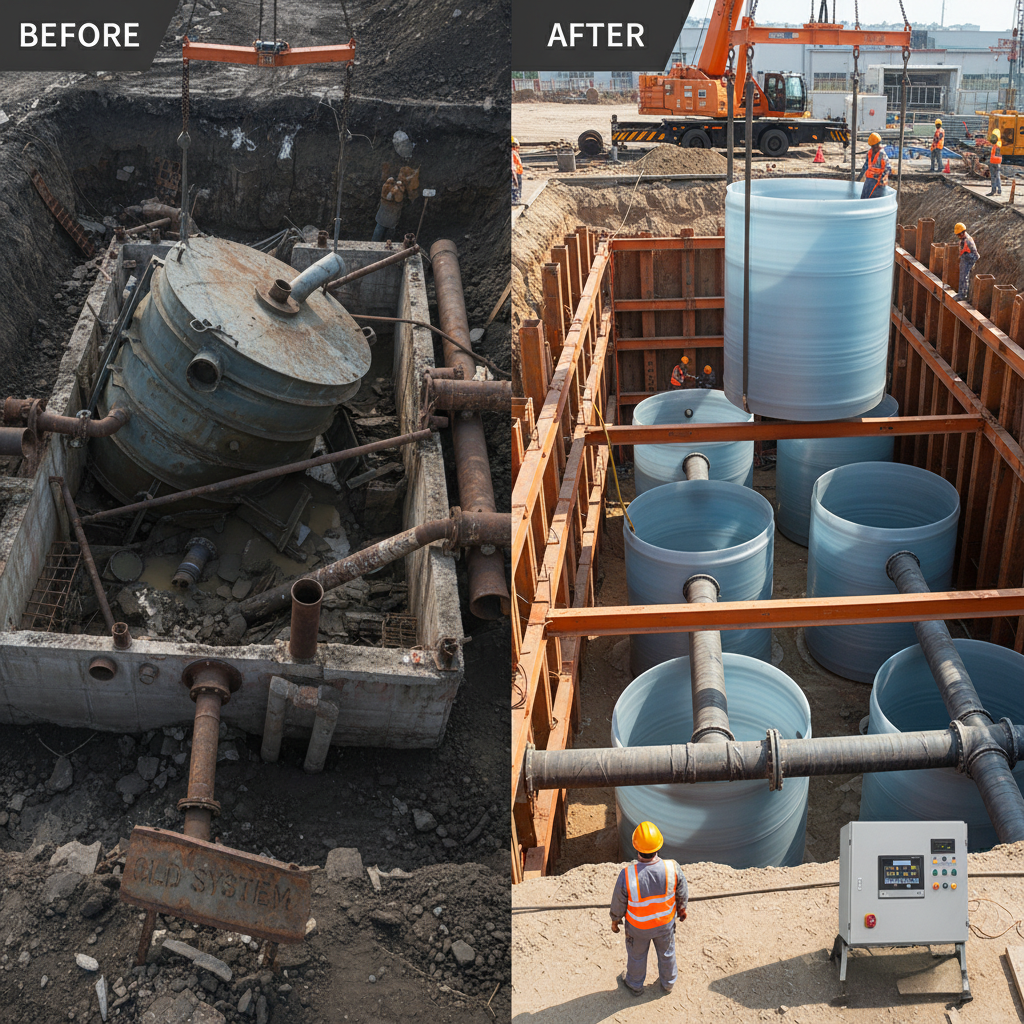
- Municipal and Urban Infrastructure: Major cities replacing aging cast iron pipes opt for fiberglass to cut leaks and service interruptions.
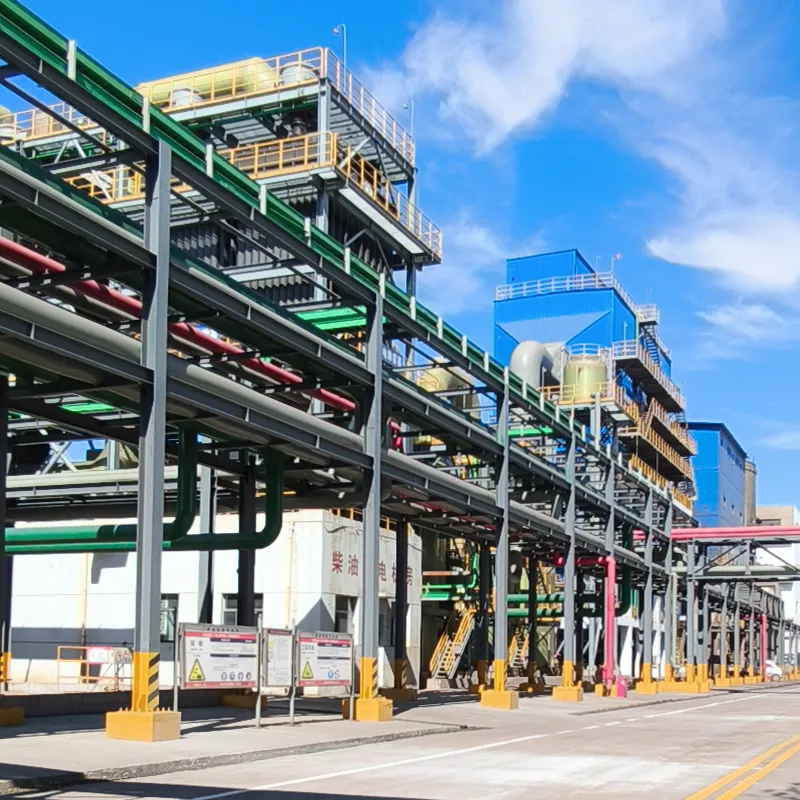
- Industrial Zones: In chemical plants or desalination facilities, fiberglass pipes handle aggressive water chemistries without loss of integrity.
- Remote & Developing Regions: Where technical labor is scarce, lightweight, easy-to-join fiberglass components simplify installation and maintenance.
A practical example: In the Philippines, following typhoon devastation, emergency water systems using fiberglass piping were deployed rapidly, restoring potable water access within days rather than weeks.
Mini takeaway:
From remote villages to sprawling cities, fiberglass pipes provide flexible, sustainable water solutions that meet diverse needs.
Advantages & Long-Term Value of Choosing Fiberglass
When municipal engineers tell you that fiberglass pipes are “the quiet achievers” of water systems, they mean these pipes work invisibly for years with minimal fuss.
- Cost Savings: Less maintenance and longer lifespan reduce lifecycle expenses.
- Health & Safety: Non-toxic, corrosion-free pipes protect water quality, promoting public health.
- Environmental Impact: Sustainable production methods and recyclability contribute to eco-friendly infrastructure.
- Social Impact: Reliable water access supports community dignity and well-being.
Emotionally, knowing pipes won’t fail and cause contamination brings peace of mind to decision makers and users alike — that counts for a lot.
Future Trends & Innovations in Fiberglass for Drinking Water
Innovation doesn’t stop here. Moving forward, expect:
- Green Resins: Bio-based and low-emission resins reduce carbon footprint in pipe production.
- Smart Monitoring: Embedded sensors within fiberglass pipes track flow, pressure, and early leak detection remotely.
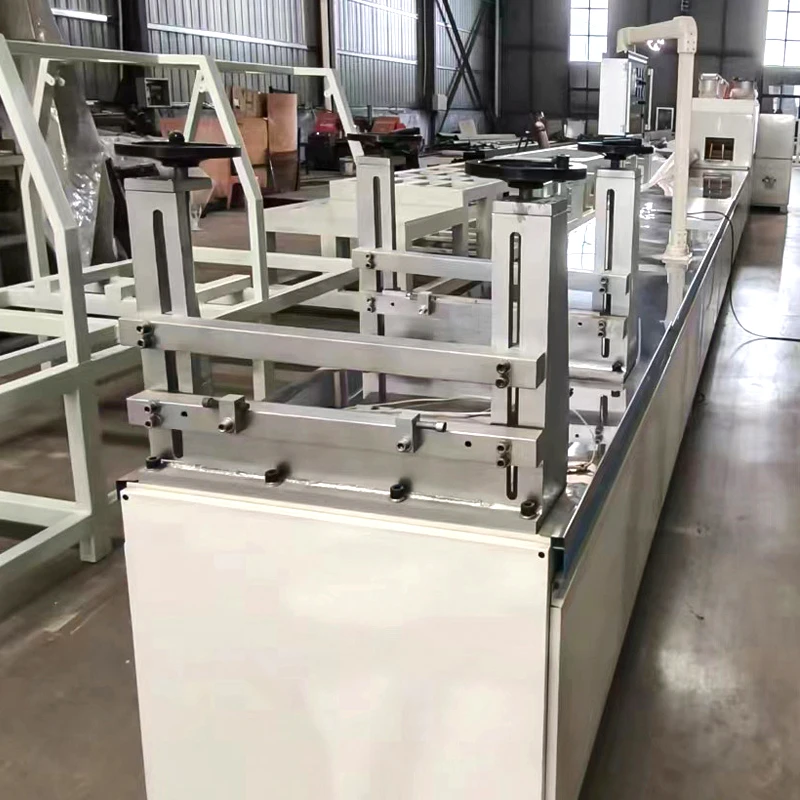
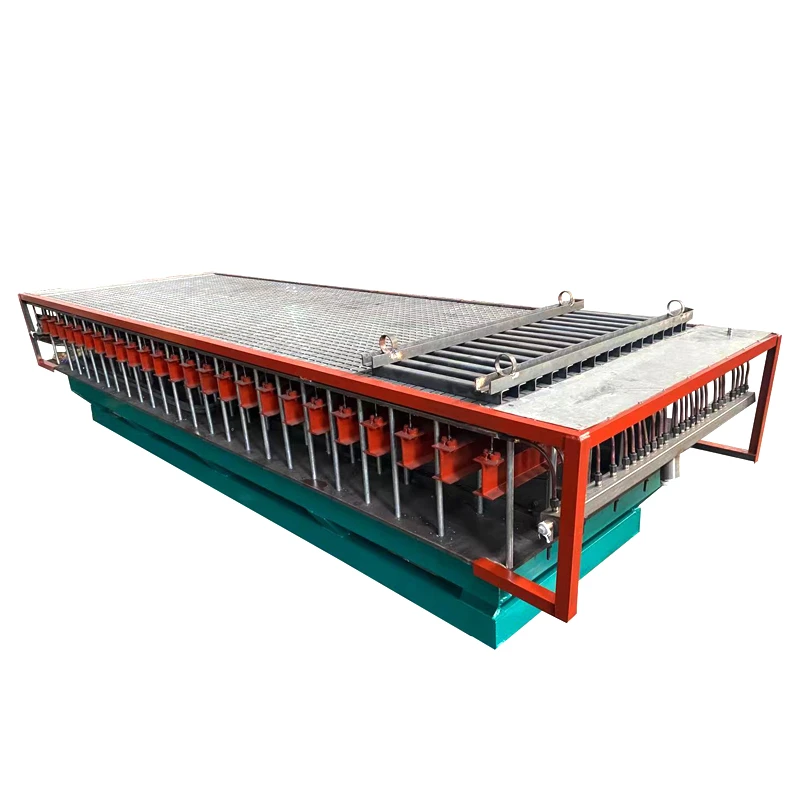
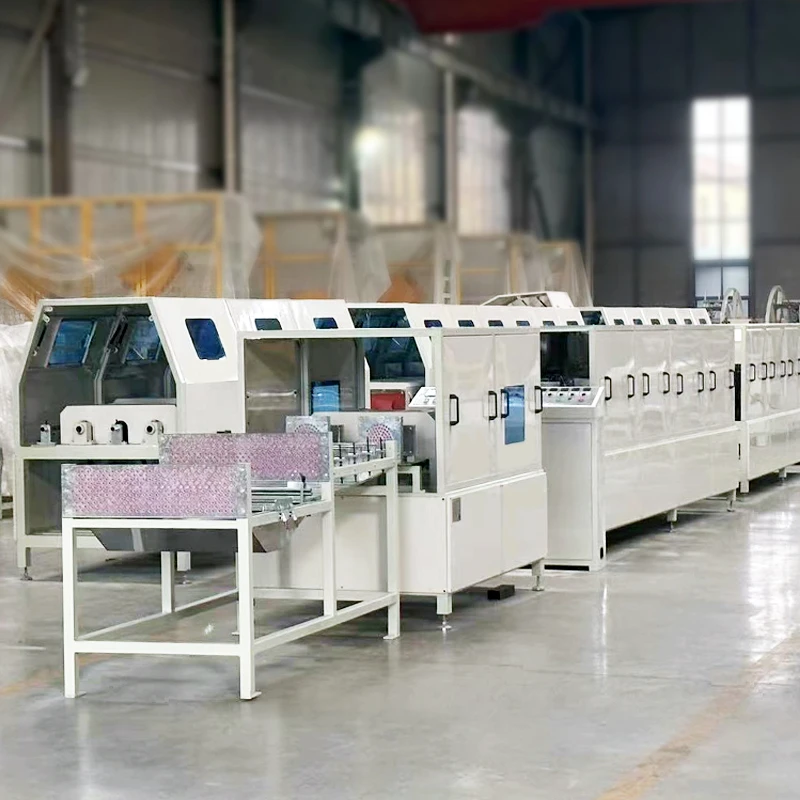
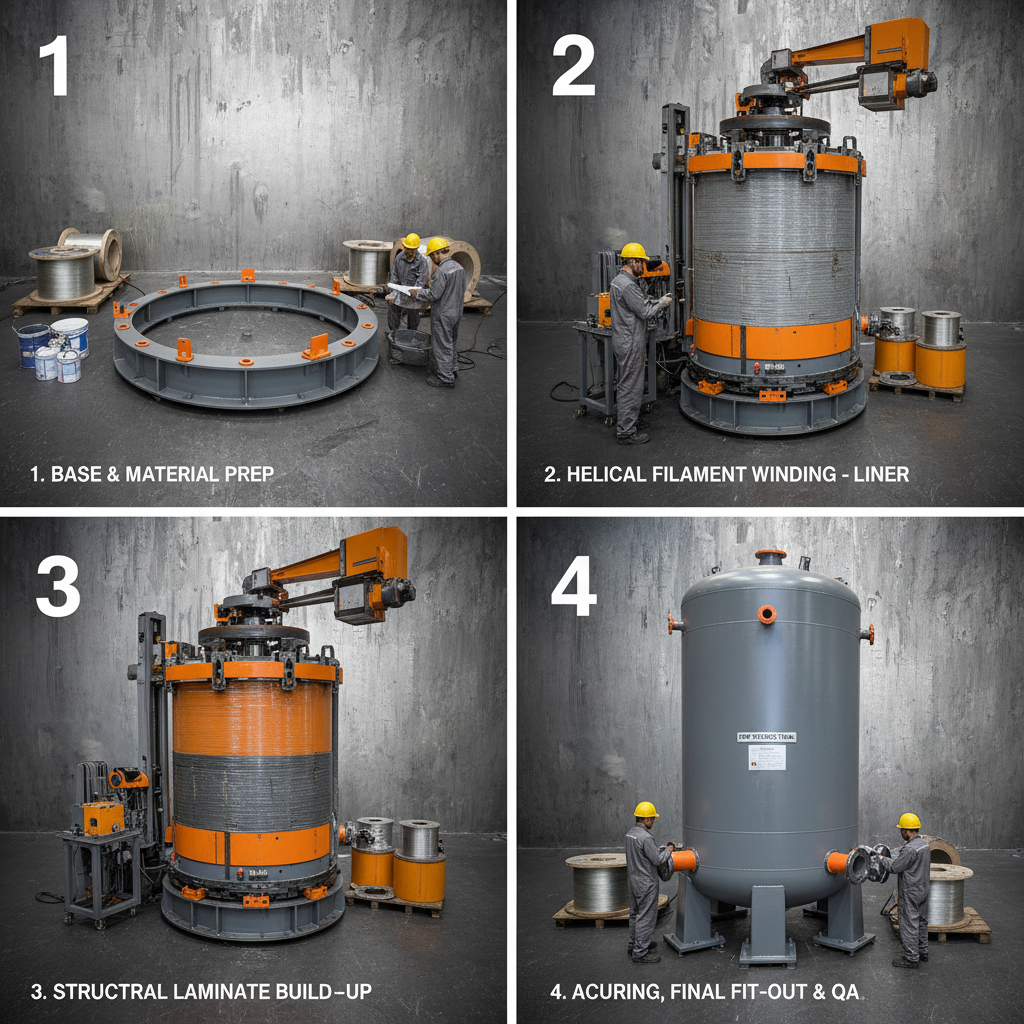
- Automated Manufacturing: Robotics improve quality control and reduce costs in producing these composites.
- Policy Advances: More governments adopting stricter water quality and infrastructure codes, increasing demand for certified, durable piping.
- Hybrid Systems: Combining fiberglass with other materials for tailored solutions where specific environmental stresses exist.
The blend of sustainability and digital oversight promises to revolutionize how potable water systems operate.
Challenges & Solutions in Deploying Fiberglass Systems
Like any material, fiberglass isn’t without quirks. Challenges include:
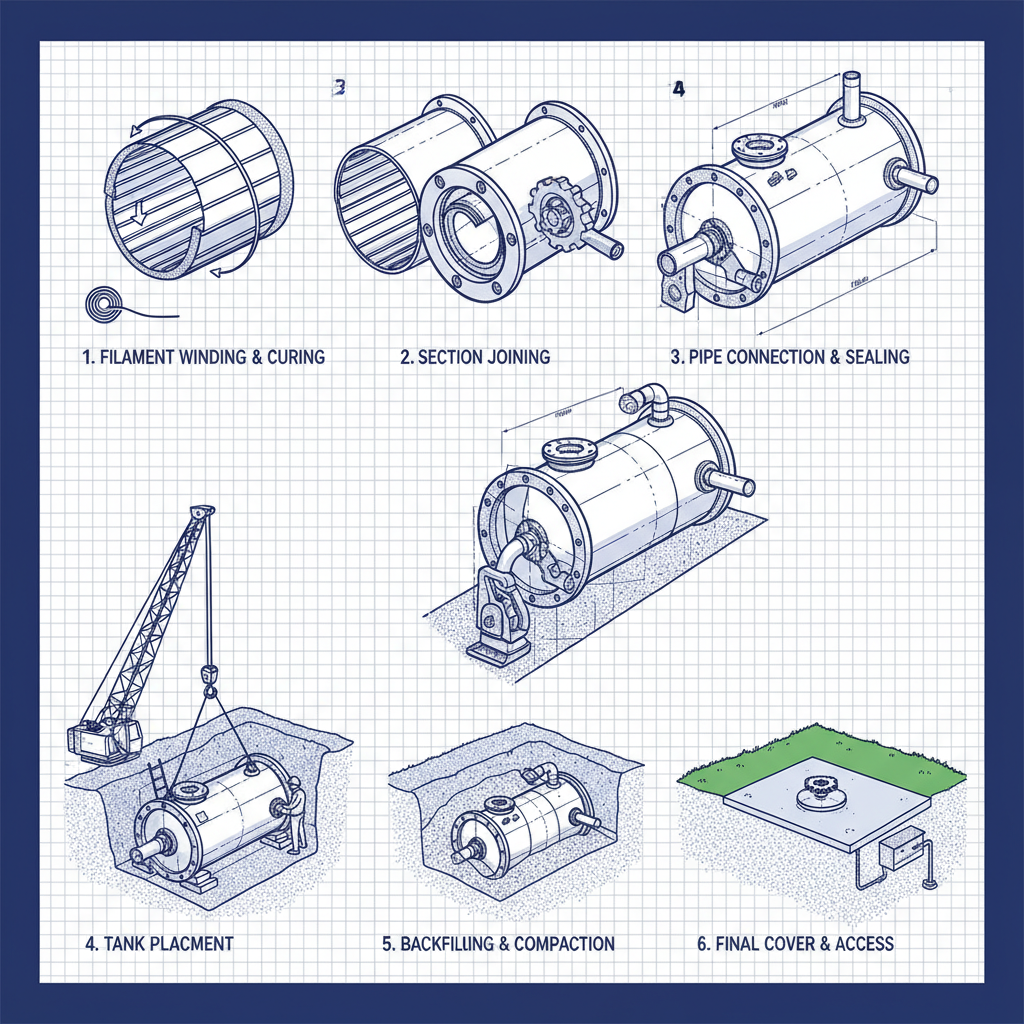
- Joining Techniques: Requires specialized adhesives or mechanical fittings; poor installation can cause leaks.
- UV Sensitivity: Untreated fiberglass can degrade if constantly exposed outdoors; coatings or additives are needed.
- Initial Investment: Upfront costs sometimes deter smaller municipalities despite long-term savings.
Experts recommend thorough training for installation crews and ongoing performance audits. Recent advances in UV-protective coatings and modular joint systems help overcome these issues.
Product Specification Table
| Specification | Details |
|---|---|
| Material Composition | Glass fibers + epoxy/polyester vinylester resin |
| Diameter Range | 50 mm to 1200 mm (customizable) |
| Pressure Rating | PN6 to PN25 (up to 25 bar) |
| Operating Temperature | -20 °C to 80 °C |
| Lifespan | 30+ years with proper maintenance |
| Certifications | NSF 61 (potable water), ISO 14692 |
Vendor Comparison Table
| Vendor | Certifications | Product Range | Lead Time | Notes |
|---|---|---|---|---|
| Fiberglass Pipes Co. | NSF, ISO | 50mm–1200mm, PN6-PN25 | 4–6 weeks | Custom resin options available |
| AquaSafe Materials | NSF 61 | 100mm–800mm, up to PN16 | 3–5 weeks | Focus on humanitarian projects |
| EcoPipe Solutions | ISO 14692 | 75mm–1000mm, PN6-PN20 | 6–8 weeks | Eco-friendly resins & coatings |
Frequently Asked Questions About Fiberglass for Drinking Water
1. Is fiberglass piping safe for drinking water systems?
Yes. Fiberglass pipes certified under NSF/ANSI 61 meet strict standards that prevent harmful substances from contaminating potable water. Their corrosion resistance further ensures long-term water purity.
2. How does fiberglass compare to traditional metal pipes in durability?
Fiberglass pipes generally outlast metal ones in corrosive environments because they don’t rust or degrade. While metals may last 10-20 years, fiberglass often exceeds 30 years with proper care.
3. Can fiberglass water pipes be easily repaired if damaged?
Minor damages can be repaired with compatible resin patches or mechanical couplings. However, proper installation reduces the risk of issues requiring repairs.
4. What installation challenges might I face with fiberglass pipes?
Fiberglass requires specialized adhesives or joint systems and careful handling to avoid damage. UV protection and installer training are also important factors.
5. Are fiberglass pipes environmentally friendly?
They offer significant benefits over traditional materials by reducing water losses and requiring less frequent replacements. Advances in bio-based resins also improve their sustainability footprint.
Conclusion: Why Fiberglass Is a Smart Choice for Drinking Water
Fiberglass for drinking water stands out as a modern, durable, and reliable material playing a vital role in global water safety and infrastructure. It combines science and practicality, making clean water delivery more sustainable and resilient — especially in environments where every drop counts.
If you’re exploring reliable piping solutions that align with long-term goals of sustainability and cost-efficiency, it’s worth diving deeper into fiberglass options. To learn more and explore cutting-edge products, please visit our website: fiberglass for drinking water.
Closing thoughts:
As climate change and urban demands stretch water systems worldwide, innovative materials like fiberglass offer essential lifelines — quietly strong, ready to deliver, and evolving alongside our global needs.