Durable & Cost-Effective Fiberglass Fuel Oil Tanks for Global Use | FRPM Group
What Is a Fiberglass Fuel Oil Tank and Why Does It Matter?
At first glance, a fiberglass fuel oil tank might sound like just another industrial container, but it’s far more than that. These tanks serve an essential purpose worldwide, especially for industries and communities that rely on safe and durable fuel storage solutions. Understanding fiberglass fuel oil tanks means tapping into their remarkable durability, corrosion resistance, and cost-efficiency, which are increasingly vital in a global context where energy storage and transport are crucial yet challenging.
As the world shifts towards more responsible fuel management and sustainable infrastructures, these tanks have quietly become indispensable. Whether it’s storing heating oil in cold climates or supplying remote industrial operations, fiberglass fuel oil tanks provide a reliable and relatively lightweight alternative to traditional steel tanks.
The Global Landscape: Why Fiberglass Fuel Oil Tanks Are in Demand
The demand for better fuel storage solutions is growing, largely fueled by the global industrial expansion and increased energy needs in developing and remote regions. According to the International Energy Agency, approximately 800 million people lack access to clean cooking fuels — which naturally extends the need for safe, portable oil storage.
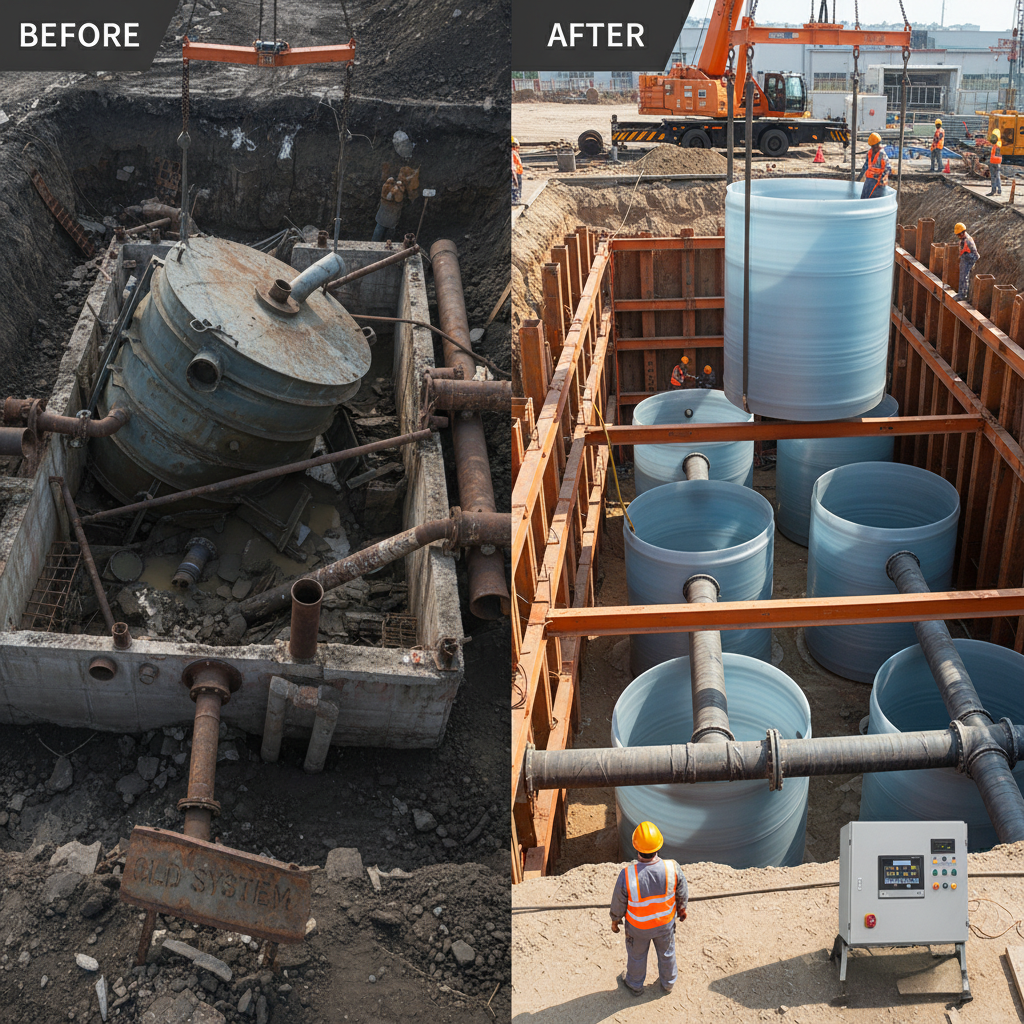
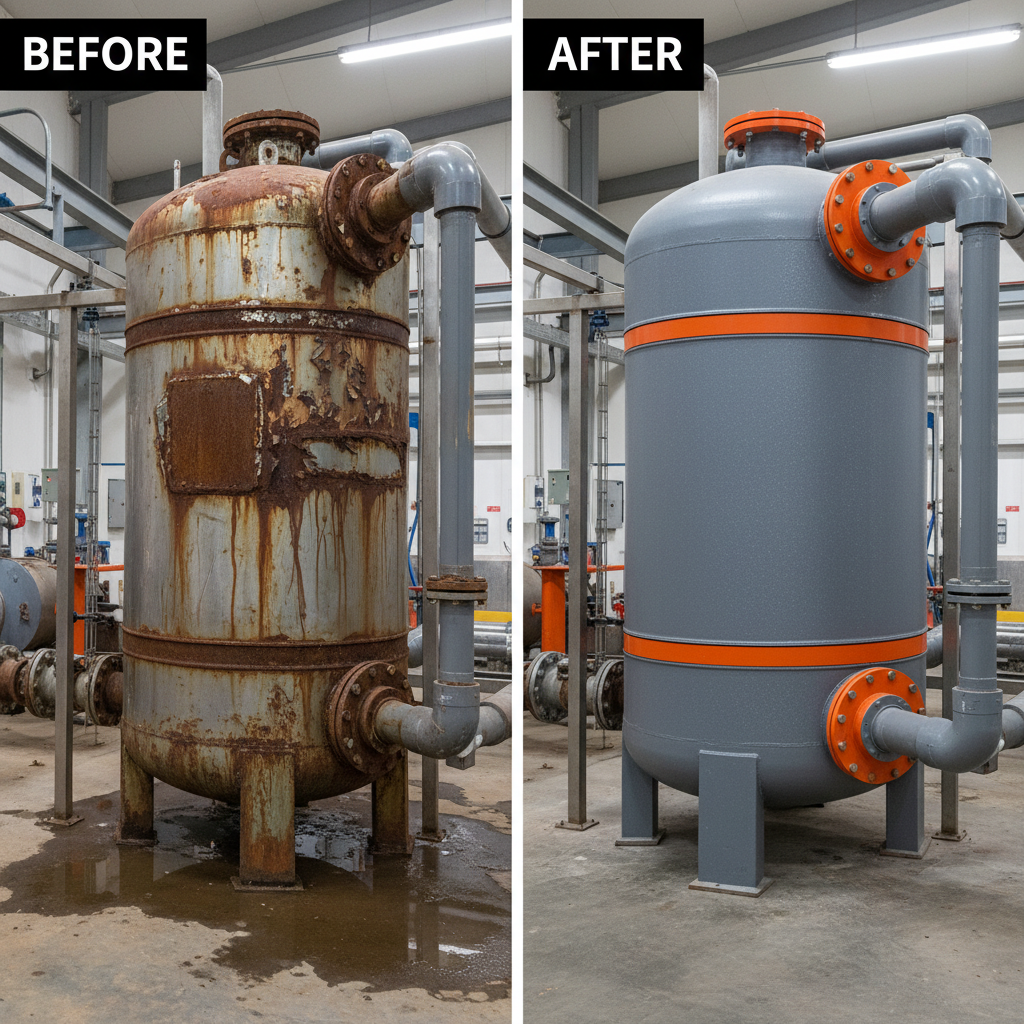
Fiberglass fuel oil tanks address several global challenges simultaneously: they reduce leakage risks, last longer under harsh conditions, and require less maintenance. The problem with conventional metal tanks is their susceptibility to corrosion and the hefty environmental impact if leaks occur.
Industries, NGOs, and governments worldwide acknowledge that fiberglass fuel oil tank technology offers a practical, affordable solution — especially in regions where infrastructure doesn’t allow for constant monitoring or frequent replacements.
Defining the Fiberglass Fuel Oil Tank
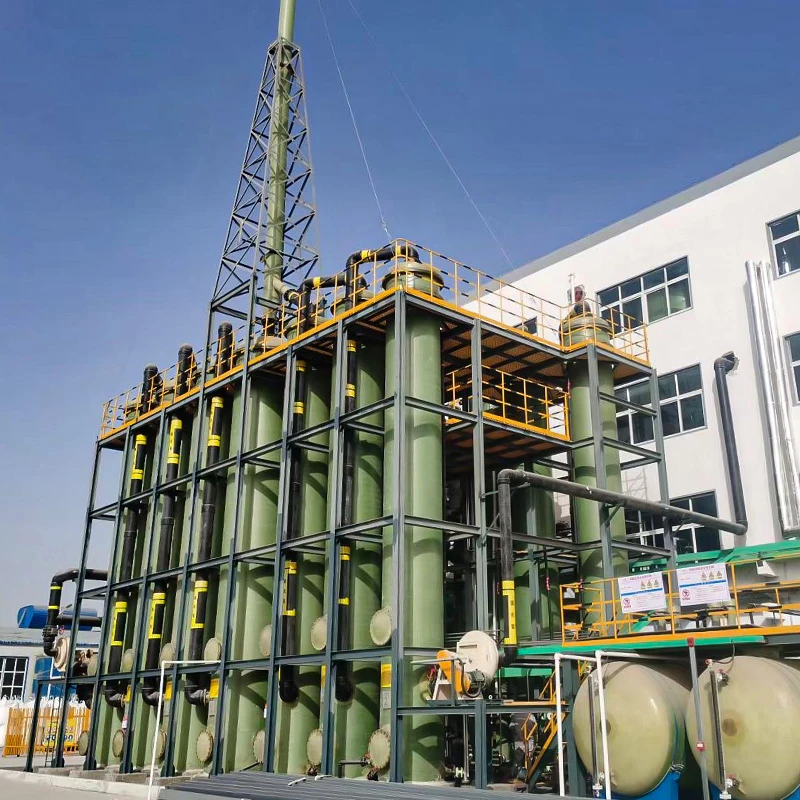
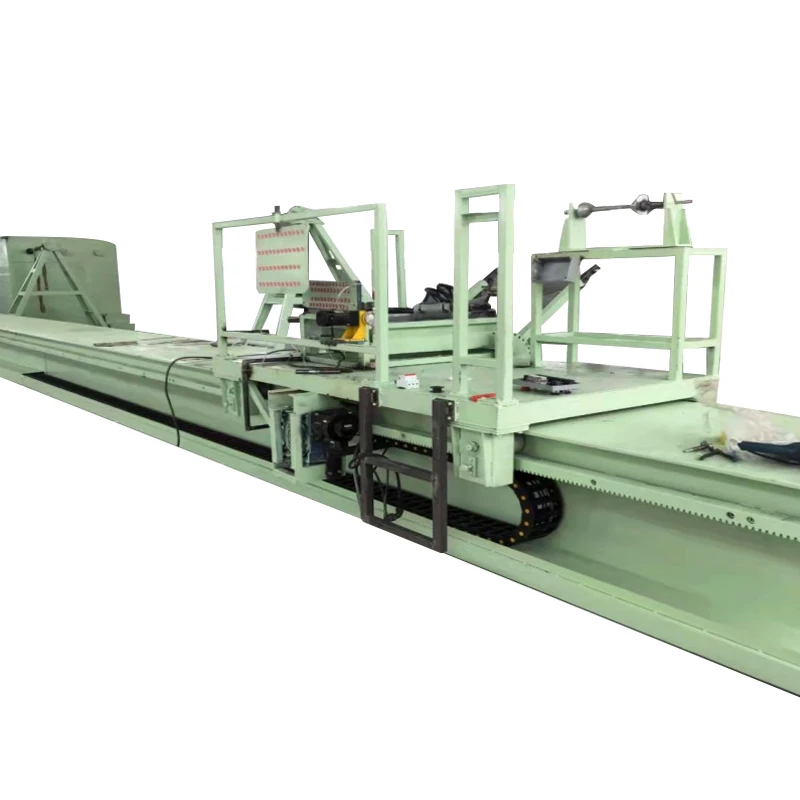
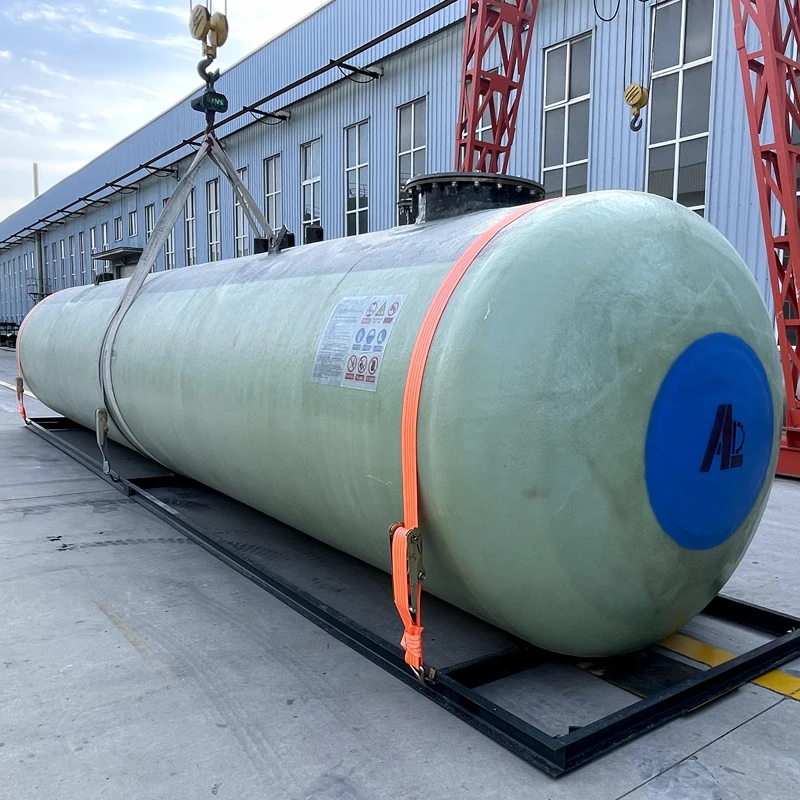
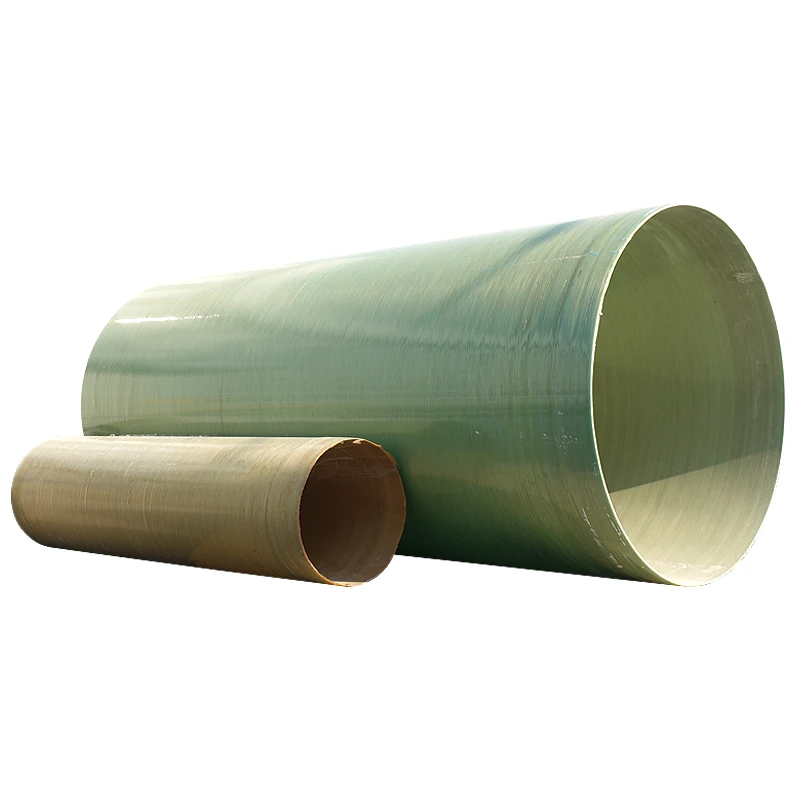
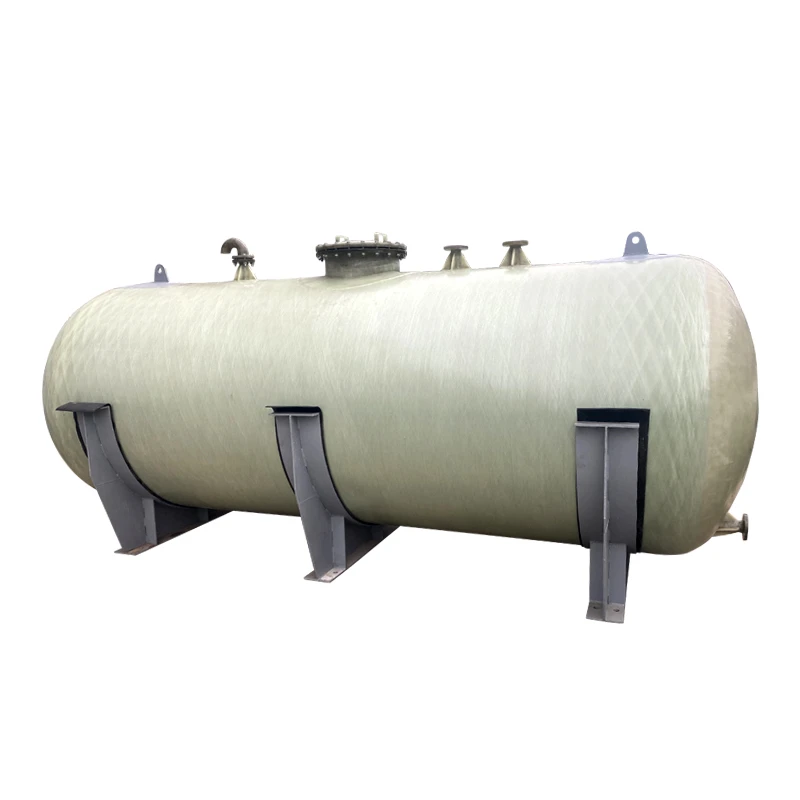
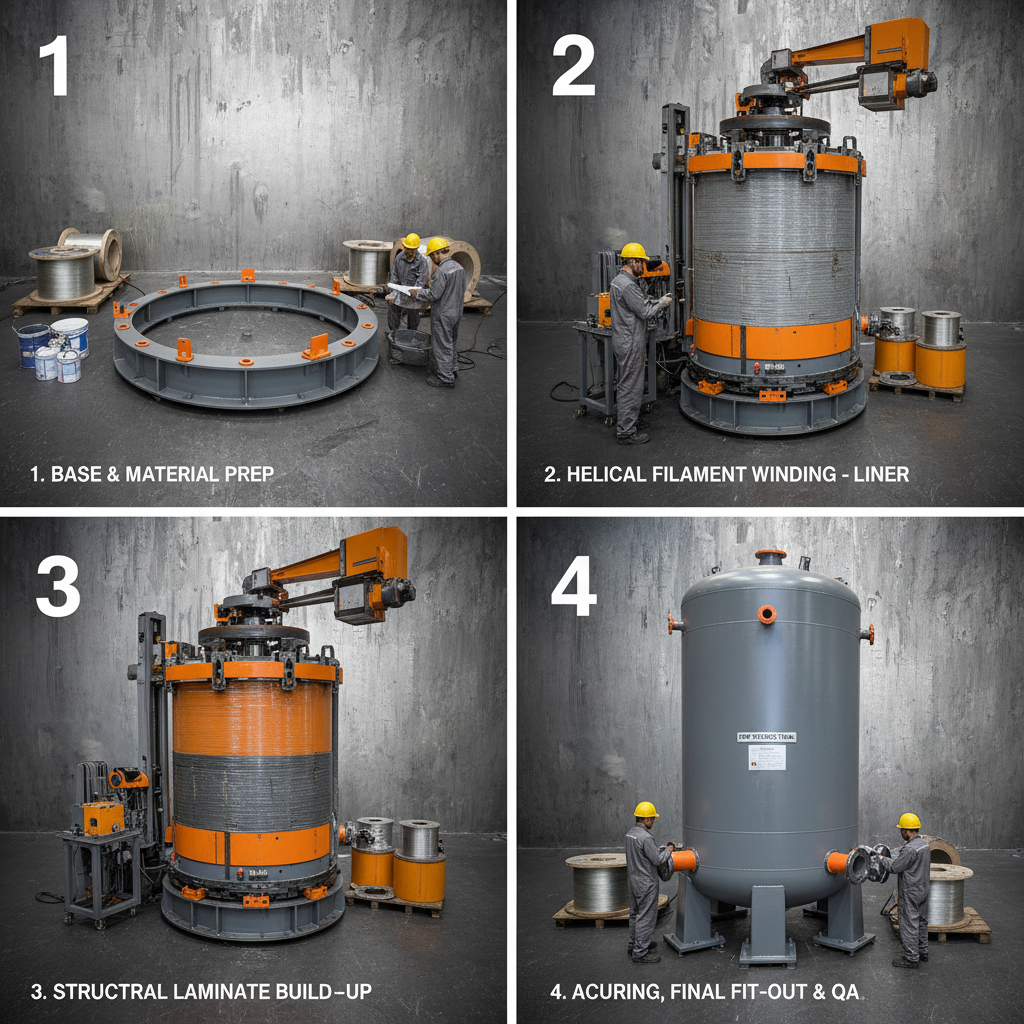
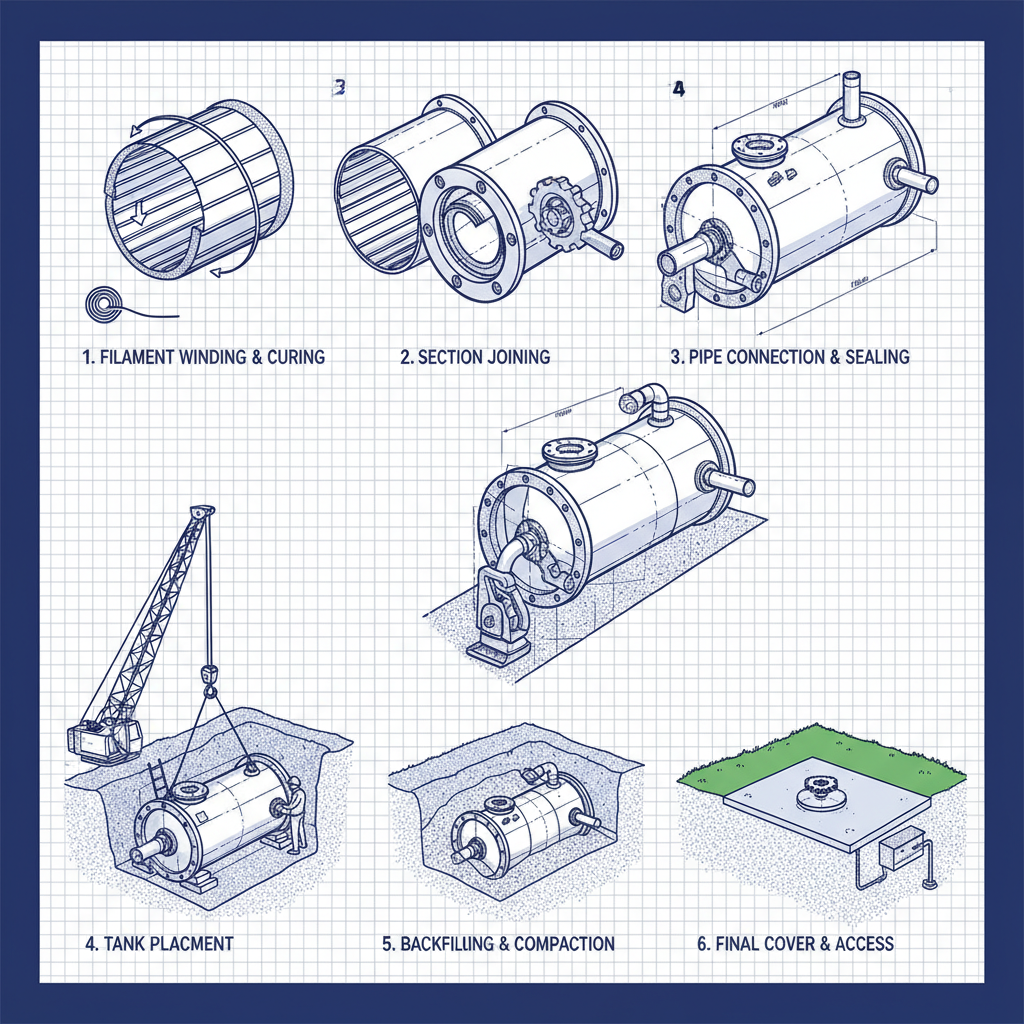
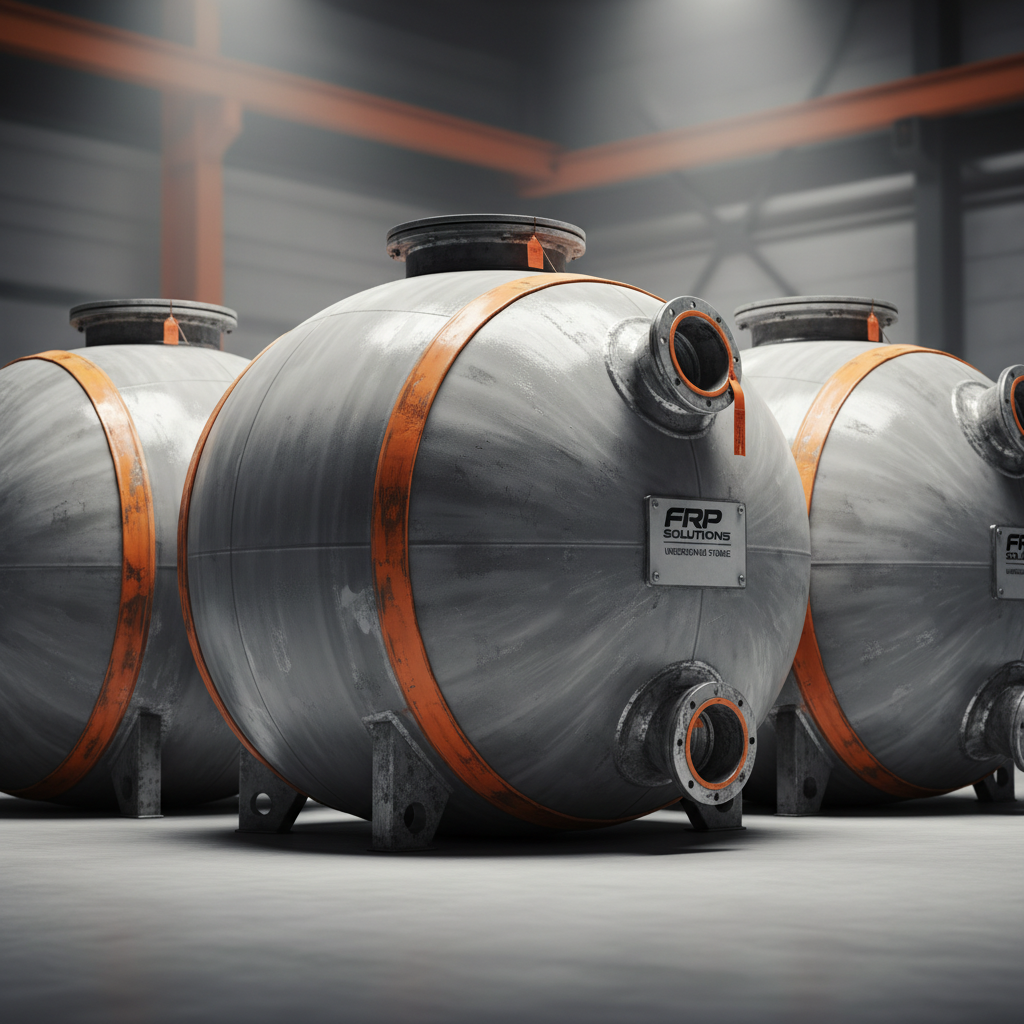
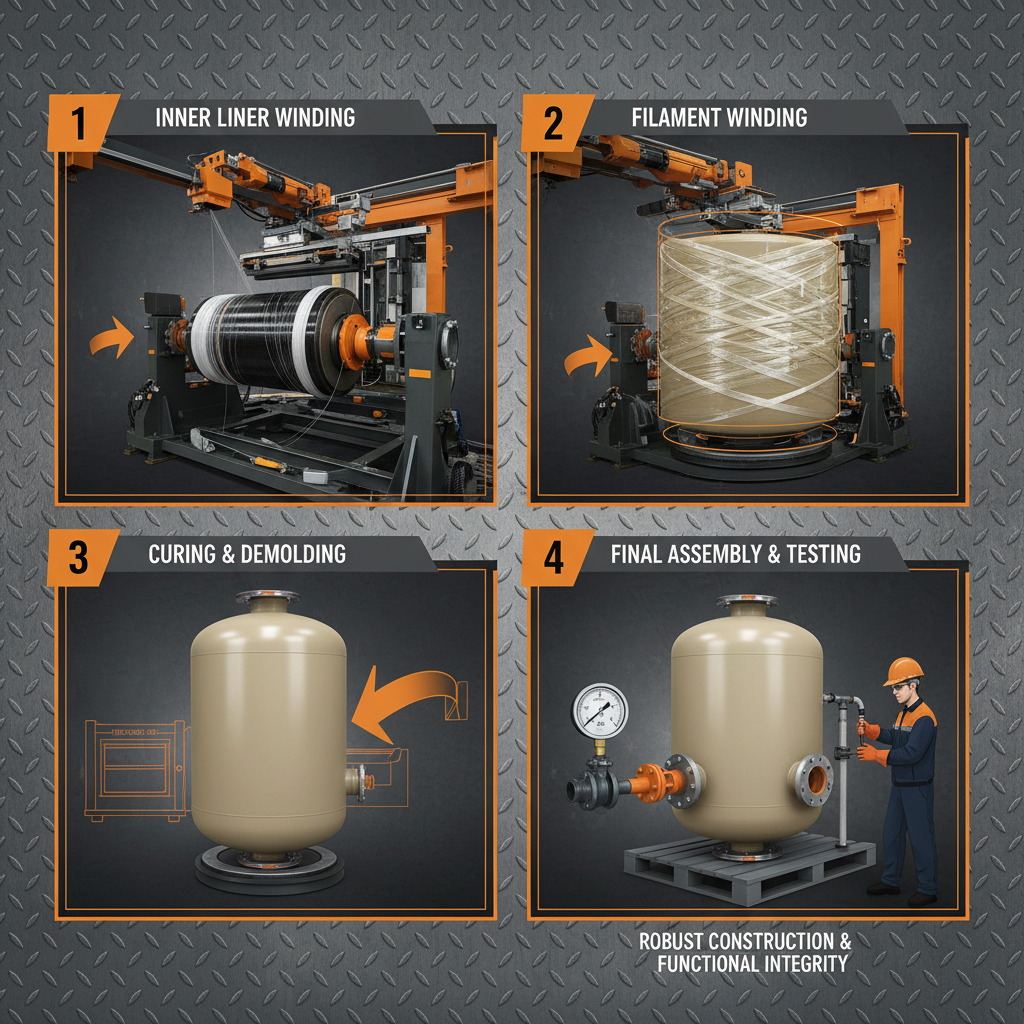
Simply put, a fiberglass fuel oil tank is a container specifically designed for storing oil-based fuels — heating oil, diesel, or fuel oil — made essentially from fiberglass-reinforced plastic (FRP). Unlike steel tanks, these tanks are corrosion-resistant and lightweight. They’re constructed by layering fiberglass with resins and curing them into tough, seamless containers.
What’s interesting is how these tanks have evolved to meet modern demands, often tailored for industrial use, residential heating, or even post-disaster fuel storage relief operations. They connect modern manufacturing capabilities to roles as straightforward as safely storing heating oil in a rural home.
Key Qualities That Make Fiberglass Fuel Oil Tanks Stand Out
1. Durability & Corrosion Resistance
One of the main reasons fiberglass fuel oil tanks are favored is their inherent resistance to rust and chemical corrosion. Unlike metal tanks, the fiberglass surface isn’t prone to rusting, which is a notorious issue leading to leaks and environmental hazards.
2. Lightweight and Easy Installation
These tanks are much lighter than their steel counterparts, making transport and installation less labor-intensive and cheaper. For remote locations or disaster relief sites, this can make all the difference in how quickly fuel can be deployed.
3. Cost Efficiency Over Time
Though fiberglass tanks can have a slightly higher upfront cost than basic metal tanks, their low maintenance needs and longer service life often balance the scales — saving money in the long run.
4. Flexibility and Scalability
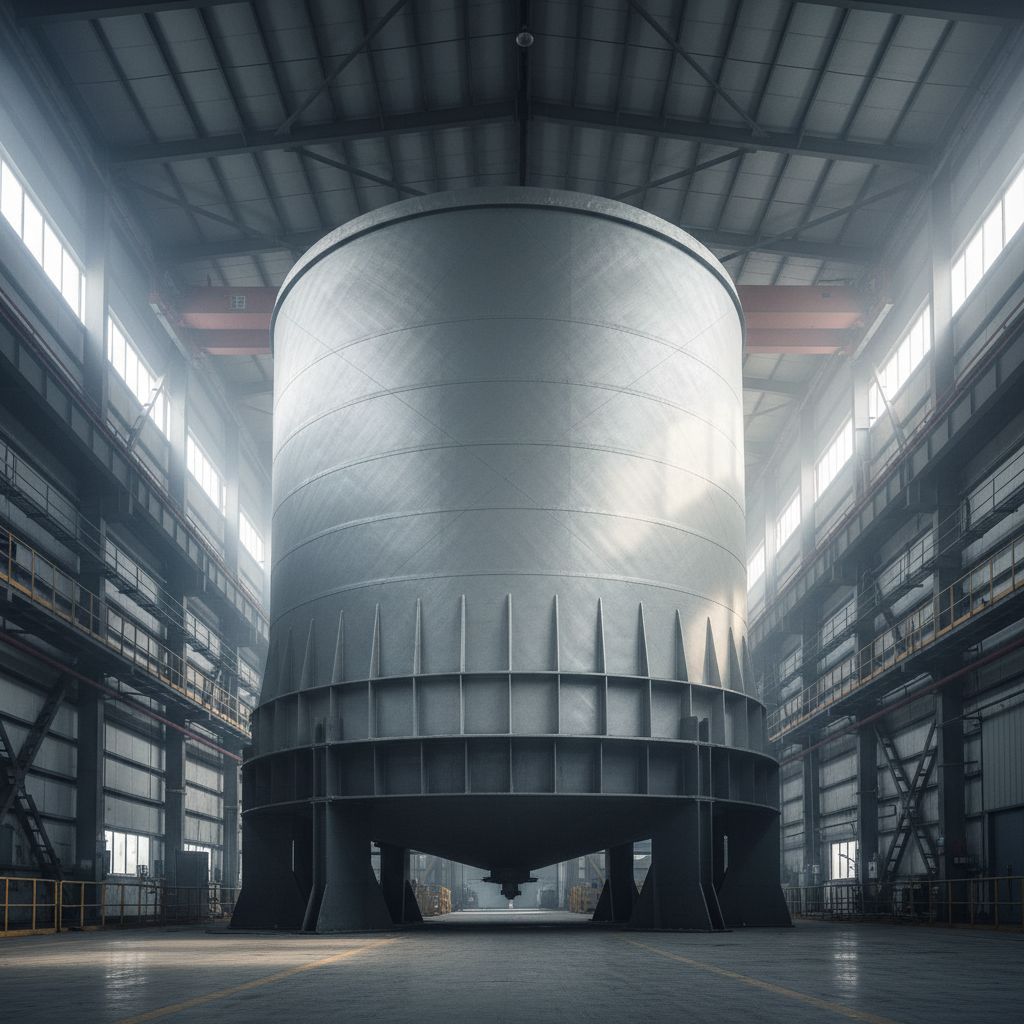
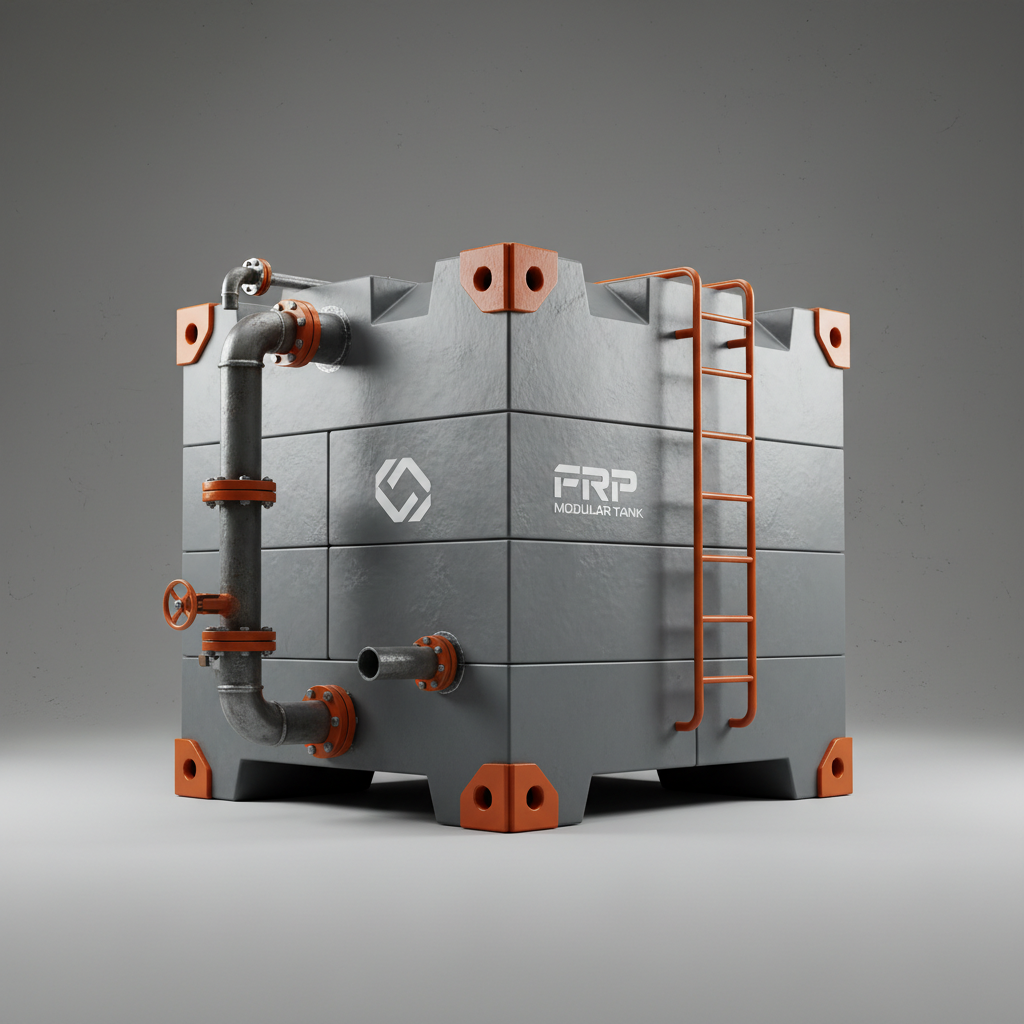
Fiberglass technology allows manufacturers to produce tanks in various shapes and sizes, from small residential containers to large industrial units. This flexibility meets diverse storage needs without reinventing the wheel.
5. Environmental Safety
The non-corrosive materials reduce the risk of fuel leaks, helping protect soil and groundwater — a subtle but critical factor especially in environmentally sensitive regions.
Where in the World Do Fiberglass Fuel Oil Tanks Make a Difference?
Fiber-reinforced plastic tanks find themselves used in a surprising range of settings. Fiberglass fuel oil tanks are increasingly common in:
- Remote industrial zones: Mining camps or oil rigs in harsh environments where lightweight, corrosion-resistant tanks reduce downtime and replacement challenges.
- Post-disaster relief: After hurricanes or earthquakes, mobile fuel storage is crucial for emergency generators, and fiberglass tanks' quick deployment speed matters.
- Residential & commercial heating: Especially in colder regions, where safe heating oil storage is necessary year-round.
- Agricultural settings: Farms often require diesel or fuel oil tanks that resist rust and can be moved seasonally.
There’s also a growing trend of fiberglass tanks in developing nations, where infrastructure and energy access lag, but demand for safe fuel storage remains.
Advantages and Enduring Value of Fiberglass Fuel Oil Tanks
Their tangibility lies not just in cost savings but also in reliability. Many engineers mention peace of mind as a chief advantage: less worry about leaks, contamination, or sudden failures. For operators, that’s pure gold.
Socially and environmentally, these tanks embody innovation that respects ecosystems and human safety. That unassuming piece of fiberglass is, in fact, part of a much bigger effort toward sustainable development, often overlooked.
On the Horizon: Innovations in Fiberglass Fuel Oil Storage
While fiberglass tanks are already beneficial, future trends hint at smart sensors for leak detection, integration with IoT for remote monitoring, and greener resin materials aimed at cutting carbon footprints even more. The industry is slowly evolving into a fusion of traditional durability and digital intelligence.
Also, hybrid tanks combining fiberglass with insulation layers are becoming popular for cold climate fuel storage, preventing fuel gelling in winter months — a neat little improvement that's quietly gaining ground.
Challenges and Ways Forward
Despite its many perks, fiberglass tank technology still faces some hurdles: UV degradation over very long exposures, and manufactured variations that sometimes produce inconsistent quality. However, industry standards like ISO 9001 certification and ASTM testing methods provide benchmarks to maintain high quality.
Innovations in UV-resistant coatings and on-site quality control are ongoing, addressing these challenges head-on.
Frequently Asked Questions About Fiberglass Fuel Oil Tanks
- How long does a typical fiberglass fuel oil tank last?
- On average, fiberglass tanks can last 30+ years with proper maintenance, often outliving steel tanks by a decade or more due to their corrosion resistance.
- Are fiberglass tanks suitable for indoor use?
- Yes. Their lightweight and corrosion resistance make them ideal for both indoor and outdoor environments, provided ventilation and safety codes are followed.
- Can these tanks be customized for specific fuel types?
- Absolutely. Resin and fiberglass compositions can be tailored to suit different fuel oils, including diesel, heating oil, and even certain biofuels.
- What maintenance do fiberglass fuel oil tanks require?
- Maintenance mainly involves visual inspections and cleaning vents or gauges. Unlike metal tanks, they rarely need rust treatment.
- How do fiberglass tanks compare cost-wise to steel tanks?
- Upfront costs may be 10-20% higher for fiberglass tanks, but longer lifespans and lower maintenance usually make them more economical over time.
Specifications of a Typical Fiberglass Fuel Oil Tank
| Specification | Details |
|---|---|
| Material | Fiberglass reinforced plastic (FRP) |
| Capacity Range | 500 gallons to 10,000 gallons |
| Weight | Approximately 30-50% lighter than steel equivalents |
| Corrosion Resistance | Excellent, no rust formation |
| UV Resistance | Available with UV protective coatings |
| Typical Lifespan | 30+ years |
Comparing Top Vendors of Fiberglass Fuel Oil Tanks
| Vendor | Customization Options | Price Range | Lead Time | Global Availability |
|---|---|---|---|---|
| FRPM Group | High (sizes, fittings, colors) | $$ | 2–4 weeks | Worldwide |
| Fiberglass Solutions Inc. | Medium (standard sizes) | $ | 3–6 weeks | North America, Europe |
| Global Tank Systems | Custom-design only | $$$ | 4–8 weeks | Worldwide |
Final Thoughts on Fiberglass Fuel Oil Tanks
In the end, it feels like fiberglass fuel oil tanks are the unsung heroes of modern fuel storage — combining resilience, safety, and adaptability. Their increasing adoption worldwide speaks volumes about their practical value and sustainability edge. Whether for remote energy projects, emergency response, or everyday heating needs, these tanks keep things flowing smoothly, quietly backing up industries and households alike.
If you’re interested in exploring high-quality options, I highly recommend visiting FRPM Group’s website to see their lineup. There’s always a model or a solution tailored to almost any storage challenge out there.
Mini Takeaways:
- Fiberglass fuel oil tanks offer unmatched corrosion resistance and durability.
- They provide cost-efficient, safe fuel storage for industries and homes.
- Global trends favor lightweight, scalable storage solutions, especially in hard-to-reach areas.
- Future innovations will further enhance their functionality, safety, and eco-friendliness.