Fiberglass Tanks for Sale: Corrosion Resistant Custom Sizes
FRP Tank/Vessel for the Chemical Industry: a practical buyer’s guide
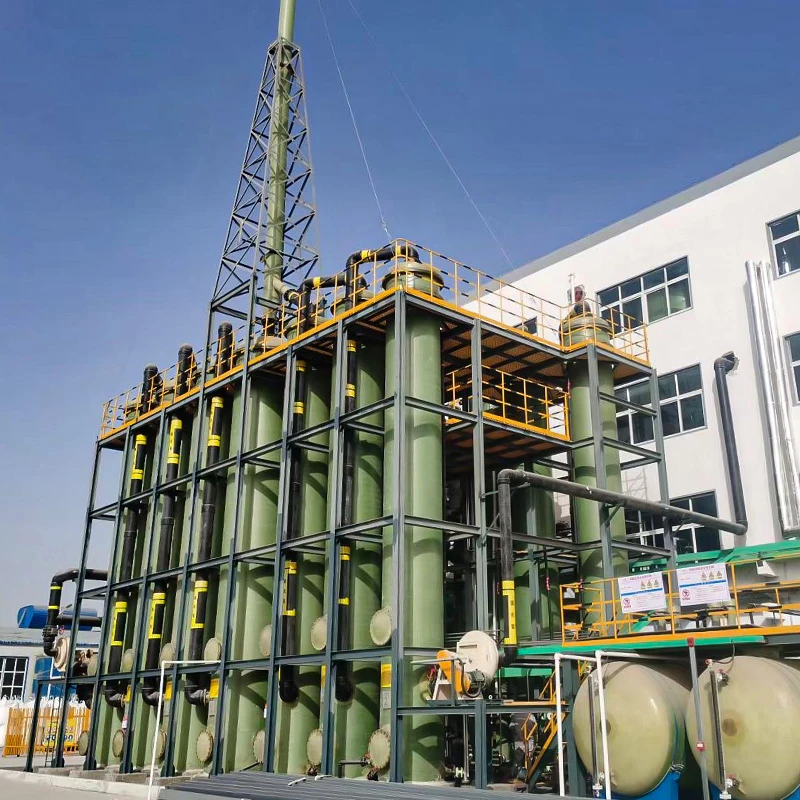
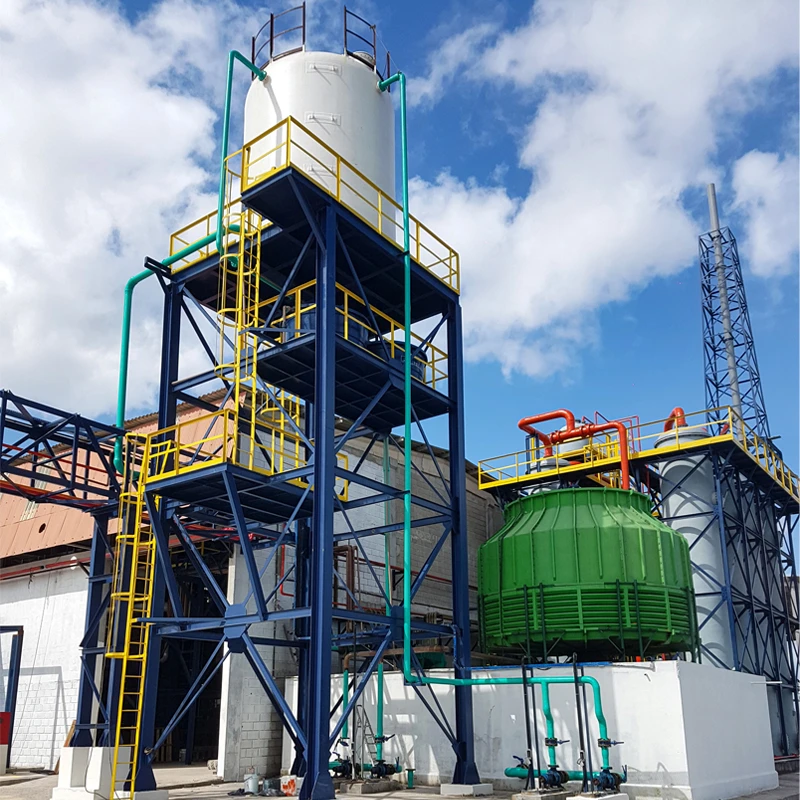
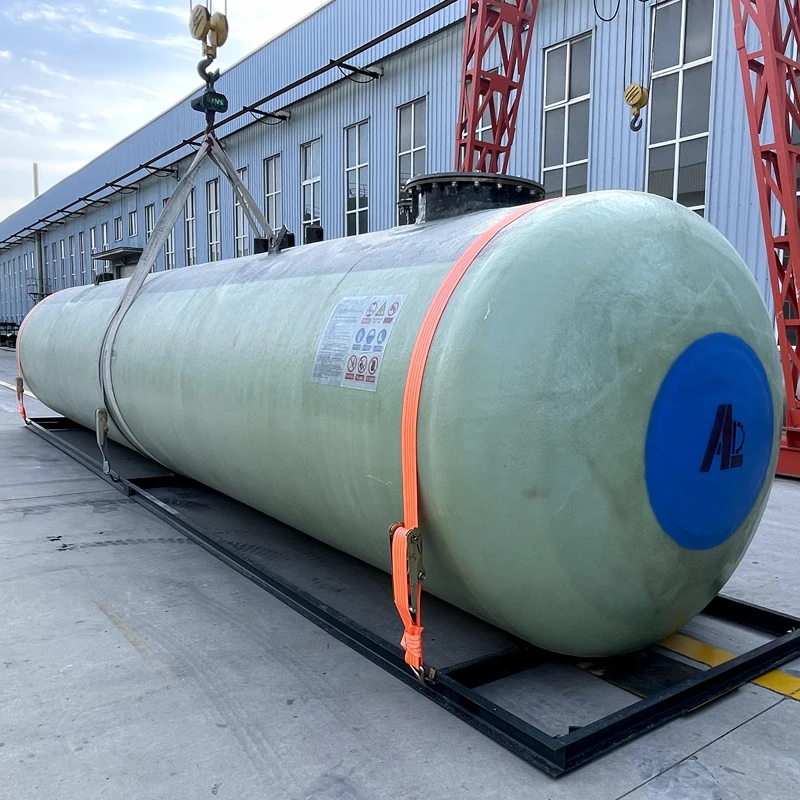
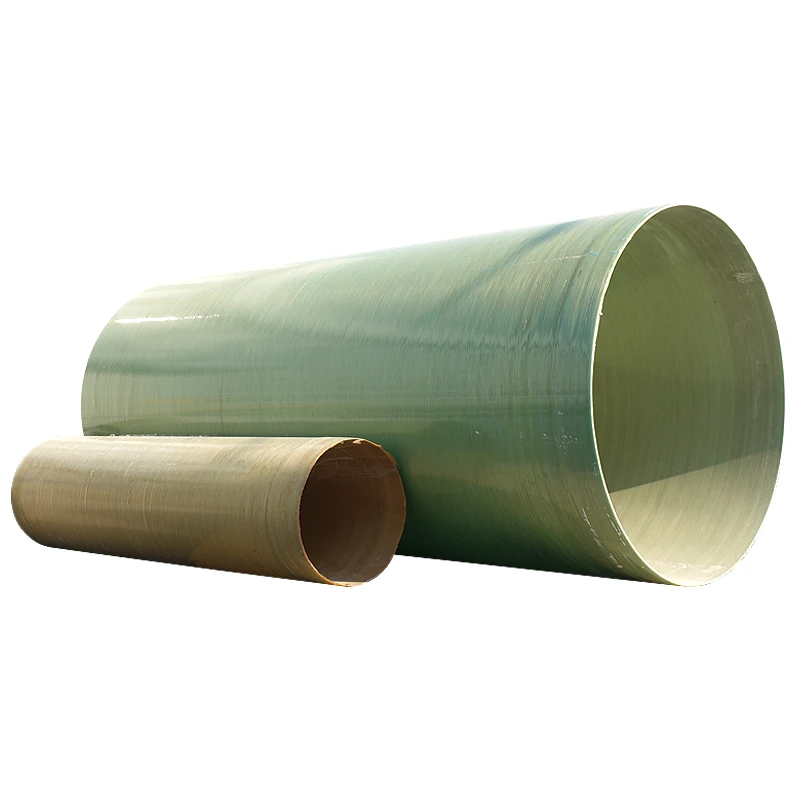
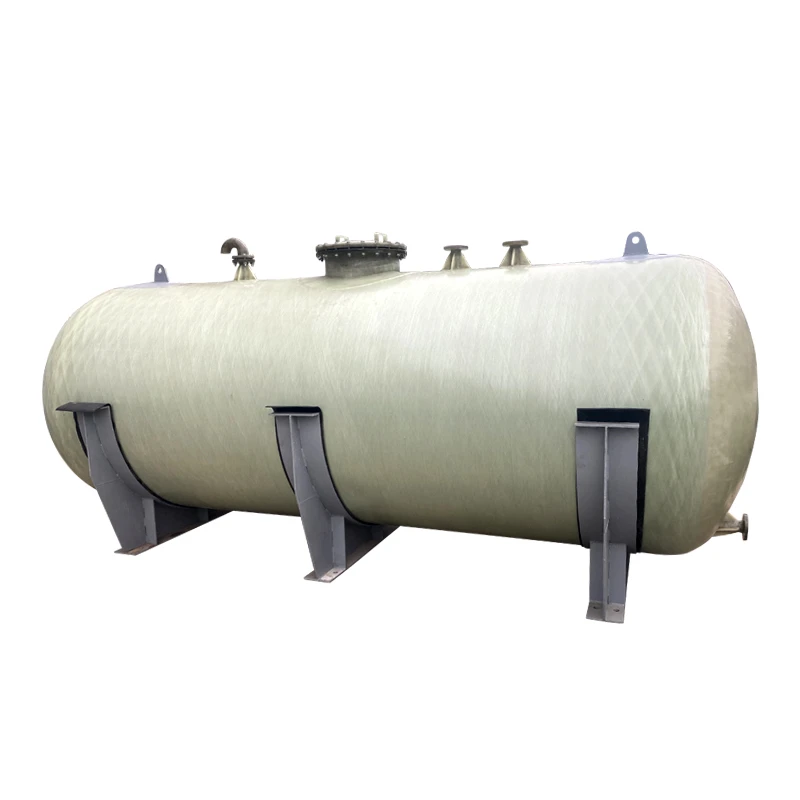
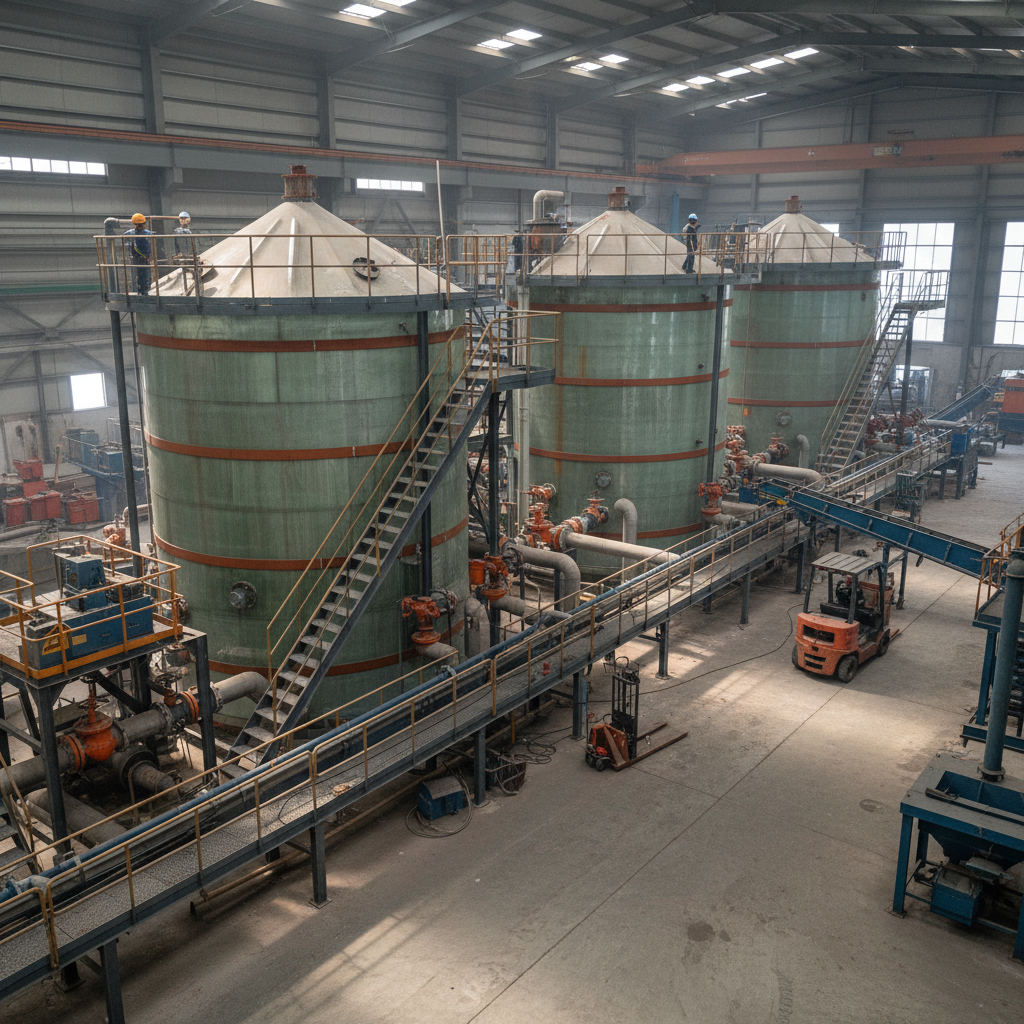
If you’re skimming the market for Fiberglass Tanks For Sale, here’s the insider version—less fluff, more field notes. This China-made FRP tank (filament-wound GRP) comes from Hengshui, Hebei—specifically, No. Room 211, 706 Xinghua North Street, Jizhou District. I visited a similar plant a while back; the resin smell sticks with you, but so does the precision of the winding rigs.
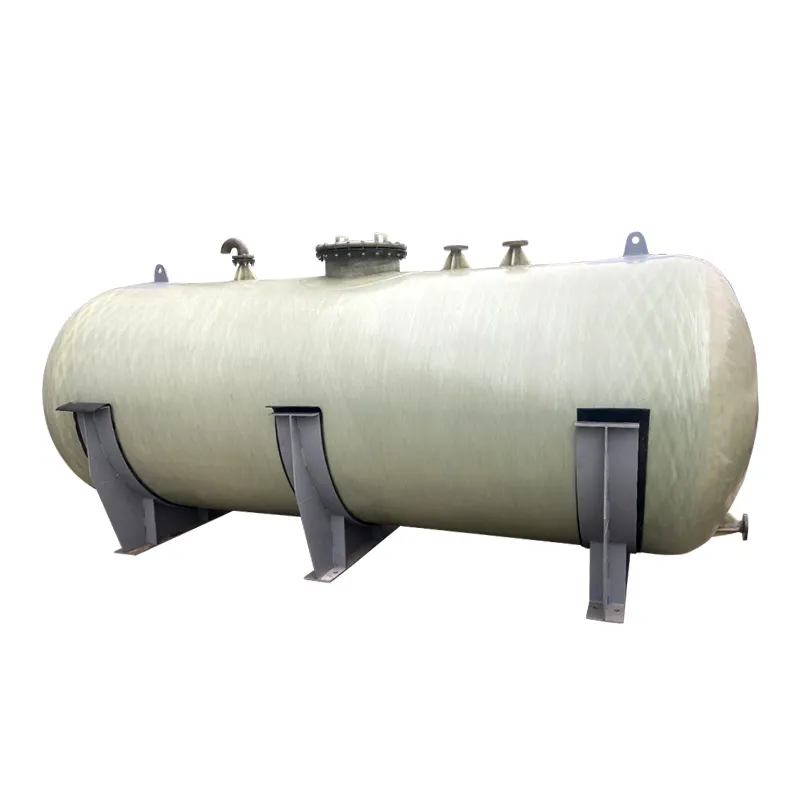
What’s trending (and why it matters)
- Vinyl ester liners for tougher acids/solvents (fewer failures at the interface).
- Anti-static and fire-retardant builds for ATEX-like zones—yes, FRP can be tailored.
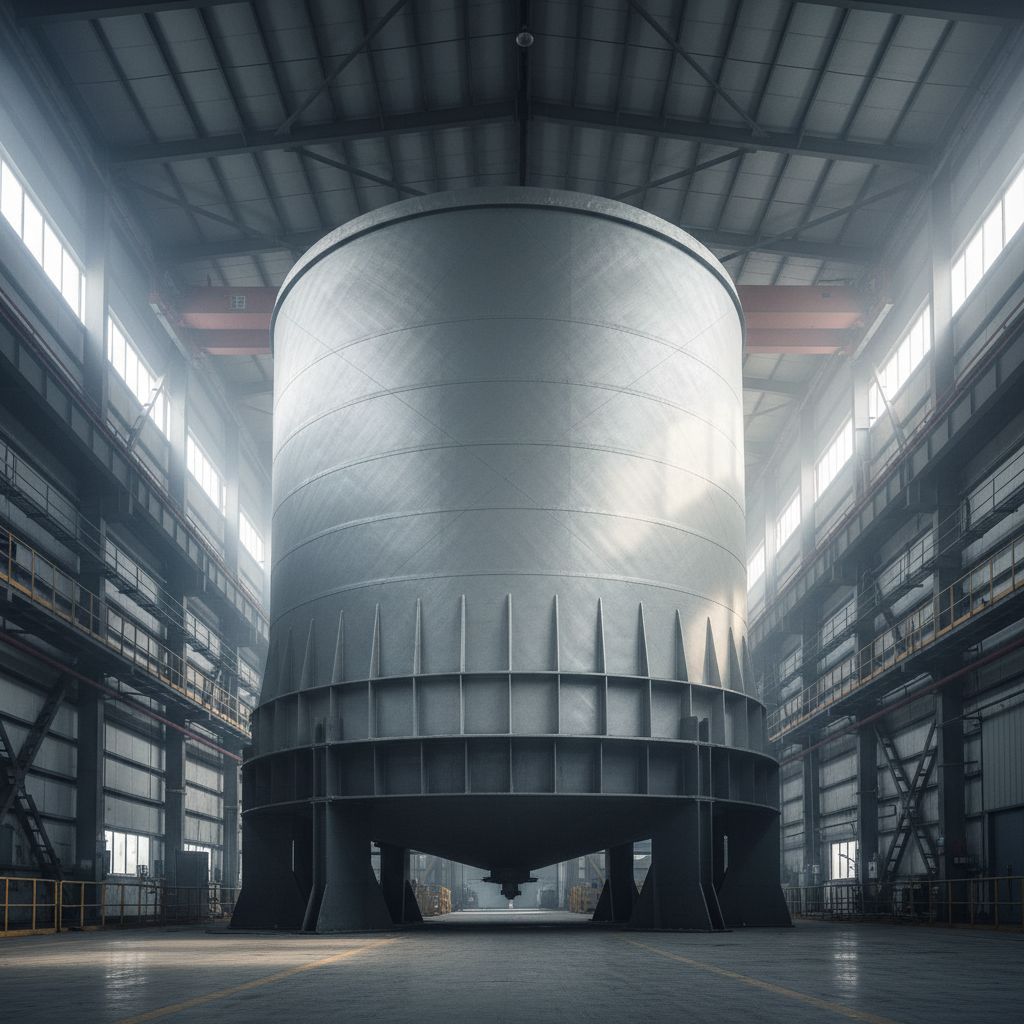
- Bigger diameters (up to ≈4–12 m) thanks to automated filament winding accuracy.
- More sensor ports: level, temperature, and leak detection—nice for audits.
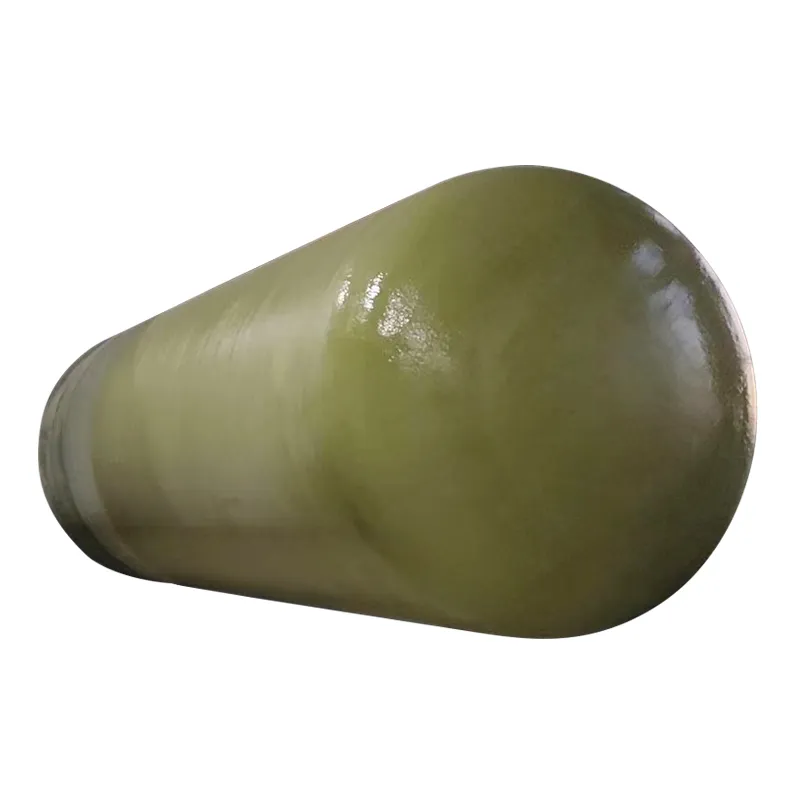
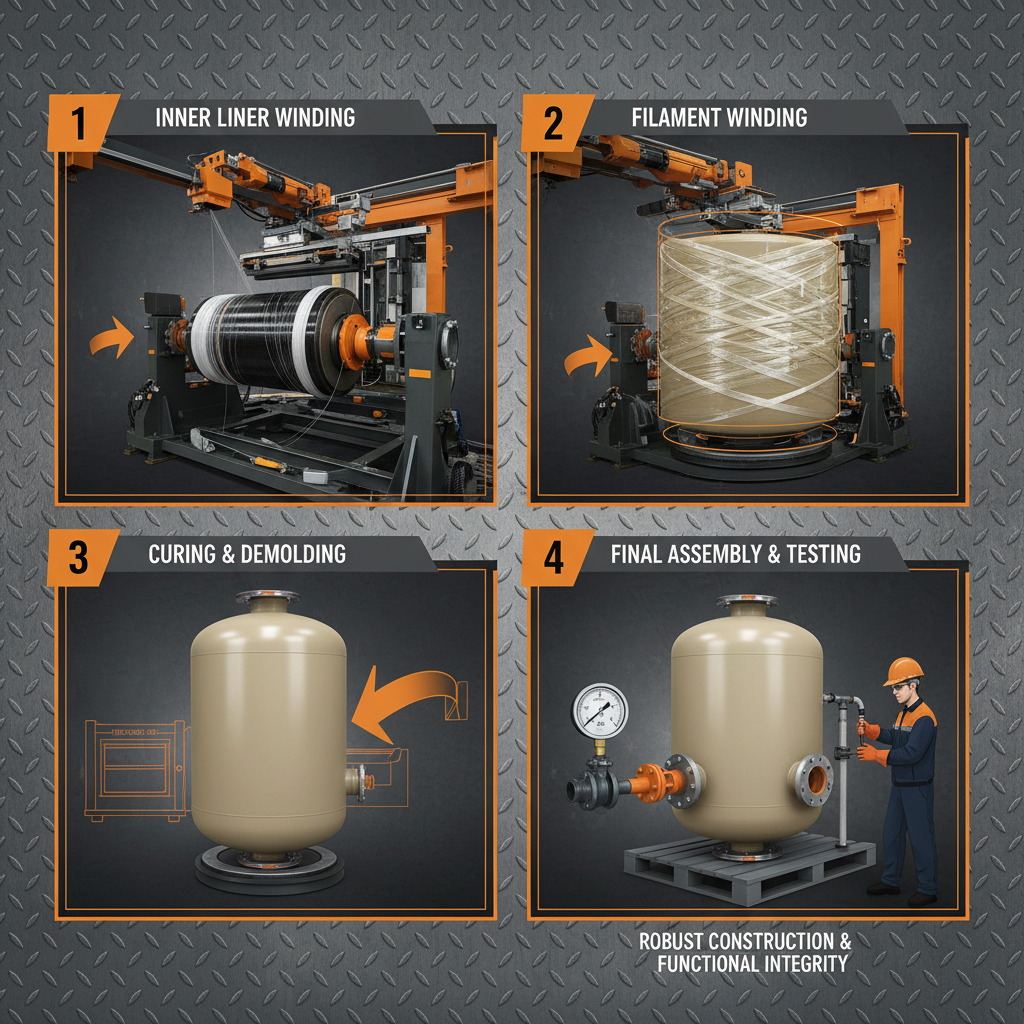
How the tank is built (quick process flow)
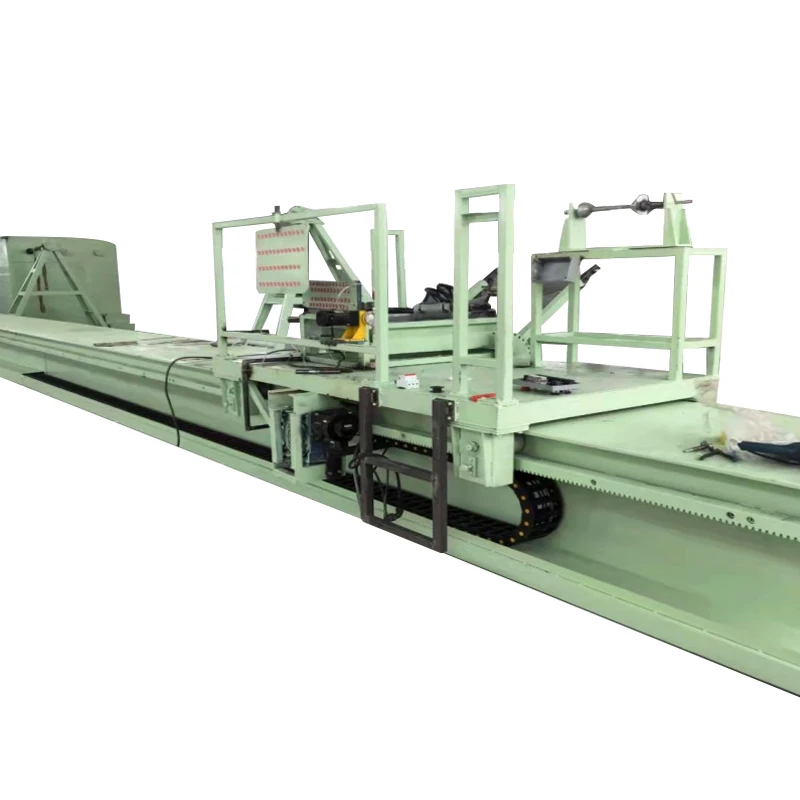
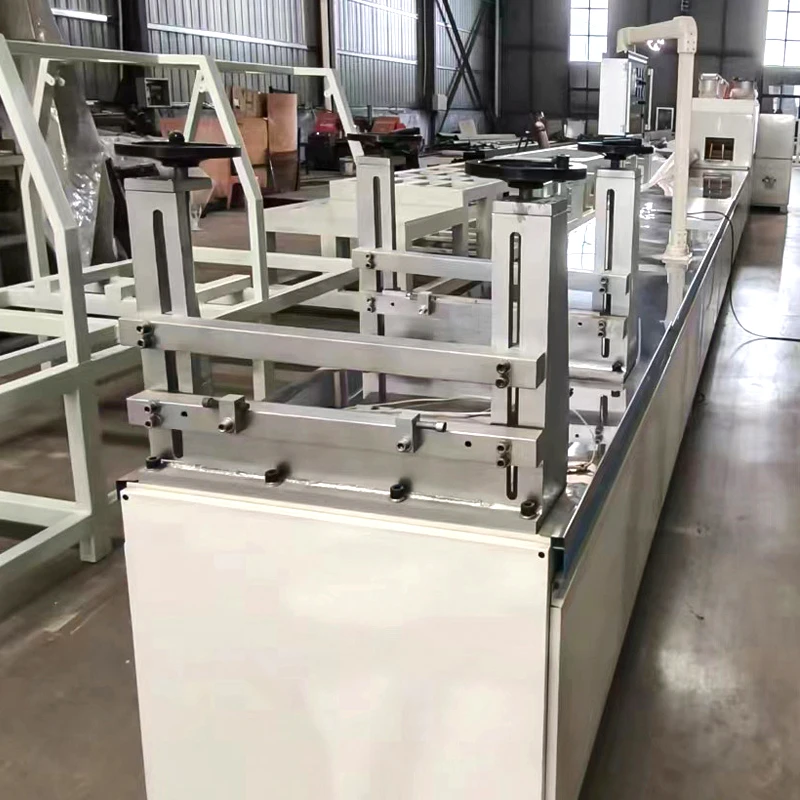
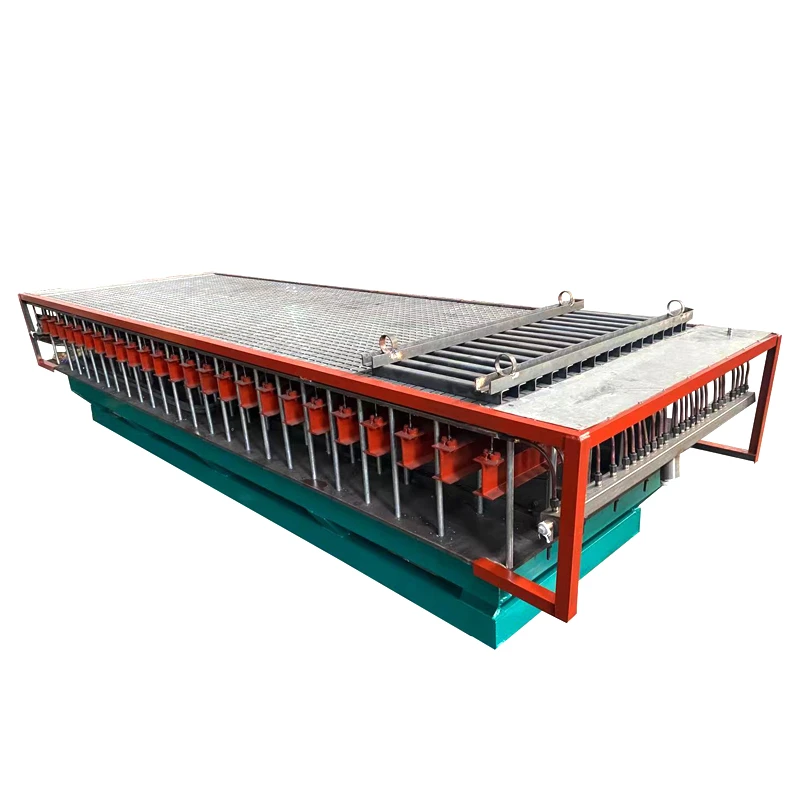
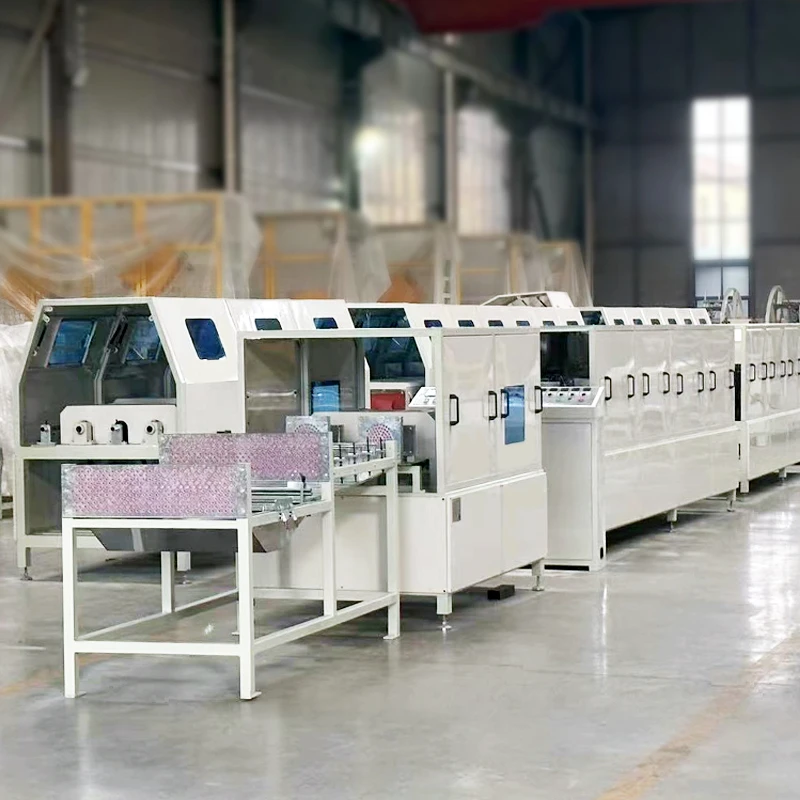
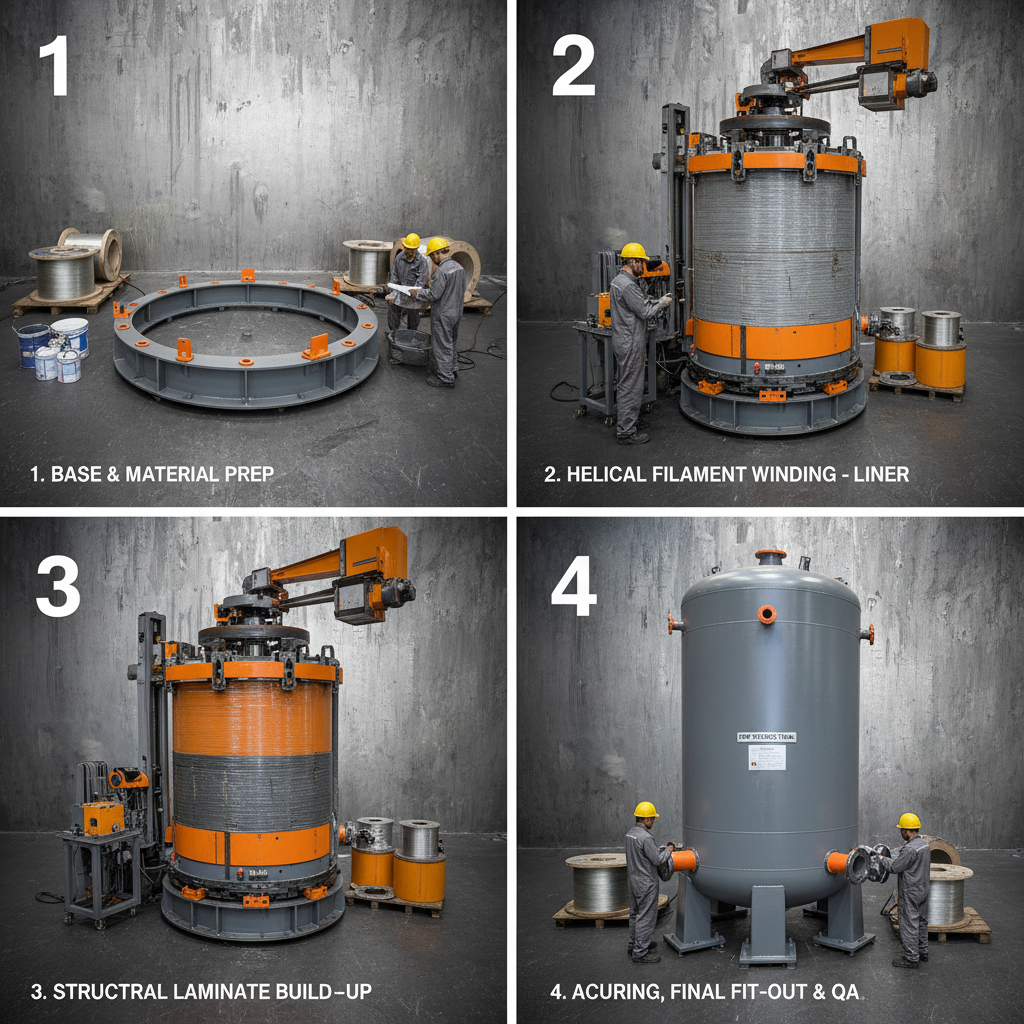
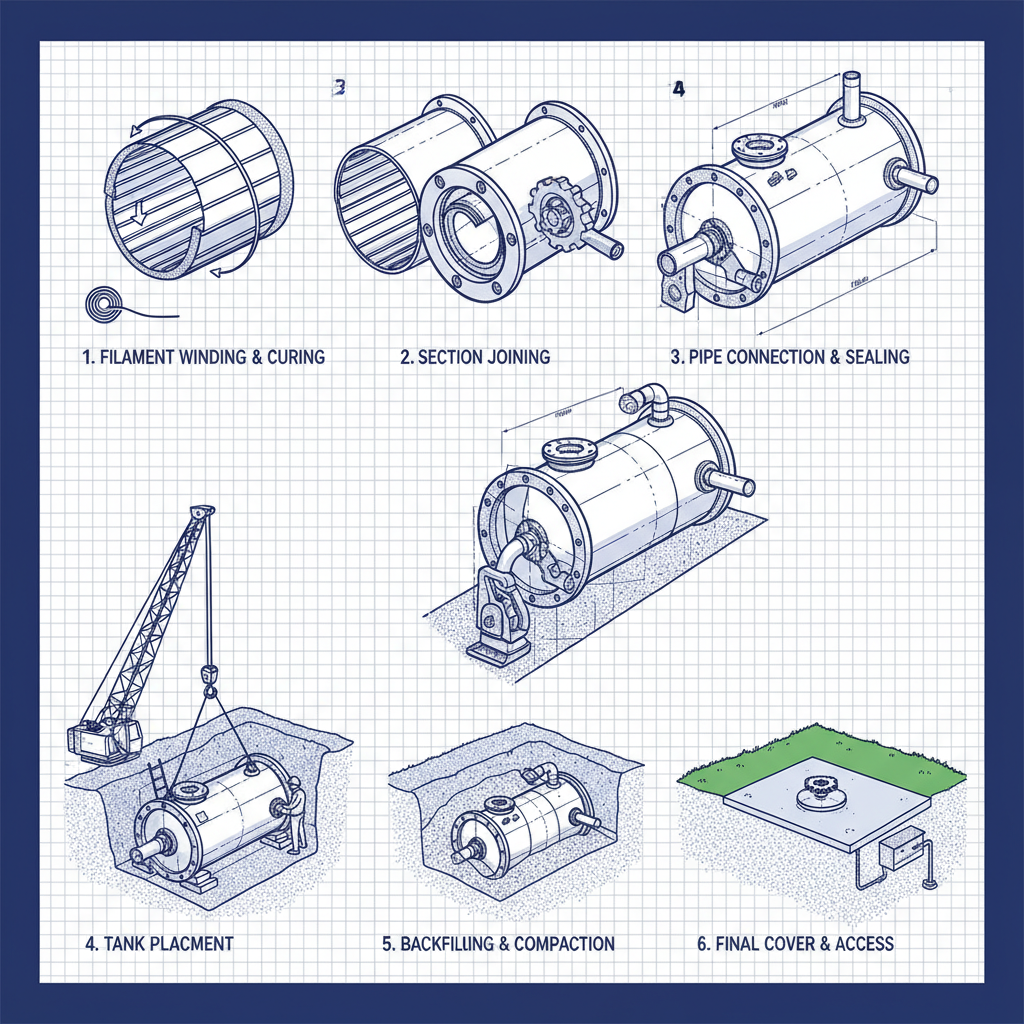
Materials: E-glass or ECR glass fibers, isophthalic or vinyl ester resin, UV inhibitors, optional conductive veil. Structure: inner liner → structural layer → outer protective layer. Method: resin-impregnated fibers wound under tension onto a rotating mandrel; cure; strip; post-cure; repair and finish. QA typically includes Barcol hardness, visual, dimensional checks, and hydrostatic test to ≈1.5× design pressure. Standards referenced: ASTM D3299 (filament-wound), ASME RTP-1; BS 4994 lingers in some specs.
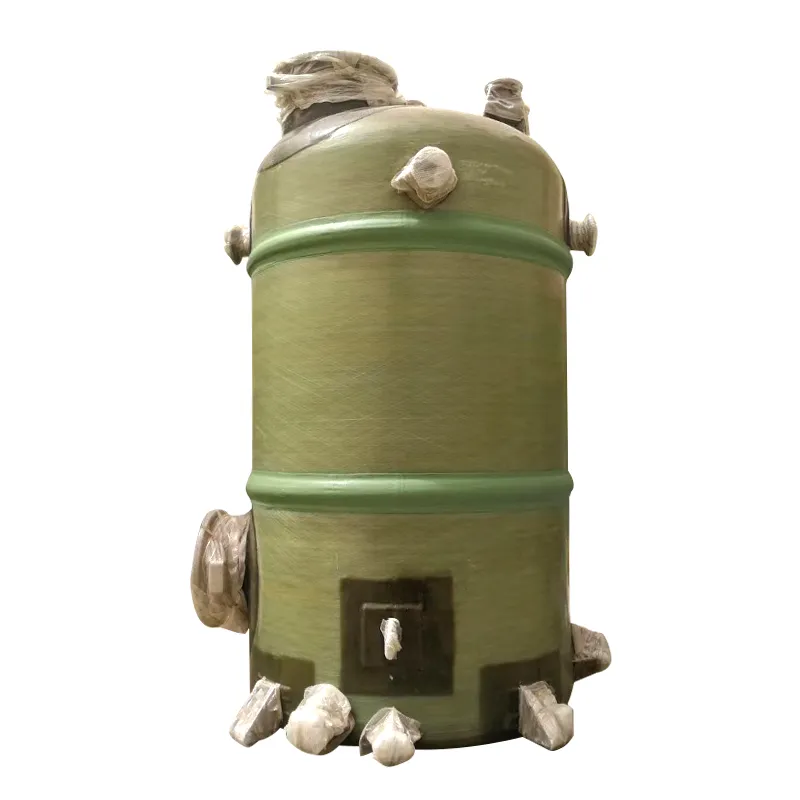
Core product specs (typical, configurable)
| Parameter | Spec (≈, real-world use may vary) |
|---|---|
| Diameter / Height | 1–12 m / up to ~20 m |
| Design Pressure | ATM to 1.6 MPa (vertical or horizontal) |
| Temperature Window | -40 to 110°C (vinyl ester liner) |
| Liner | Corrosion barrier (C-glass veil + VE/Iso resin) |
| Structural Layup | Filament-wound E/ECR glass, resin-rich exterior |
| Standards | ASTM D3299, ASTM D4097 (as applicable), ASME RTP-1 |
| Service Life | 20–30 years with proper resin selection |
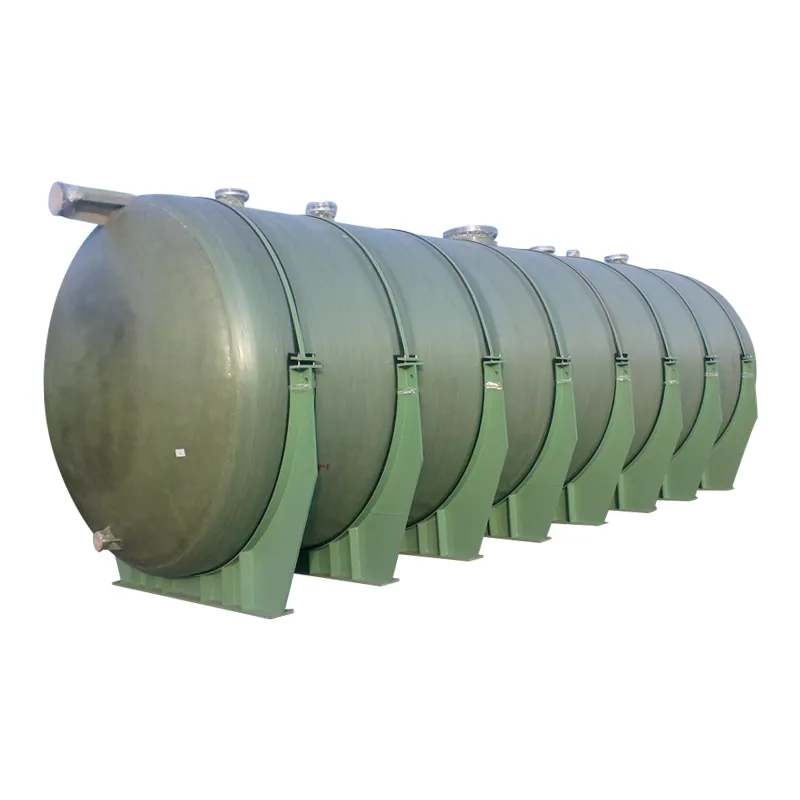
Where these tanks shine
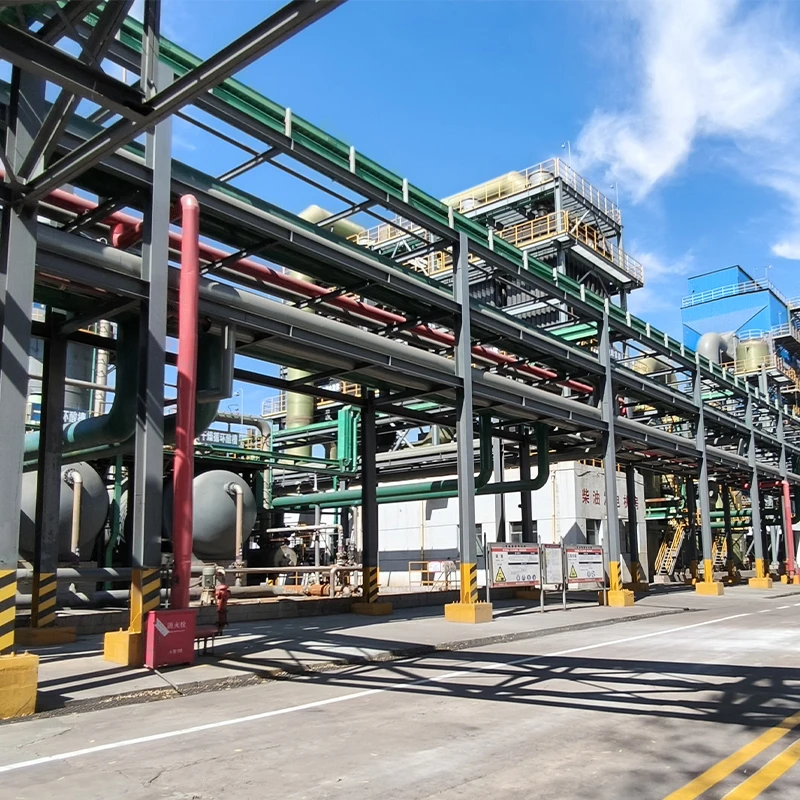
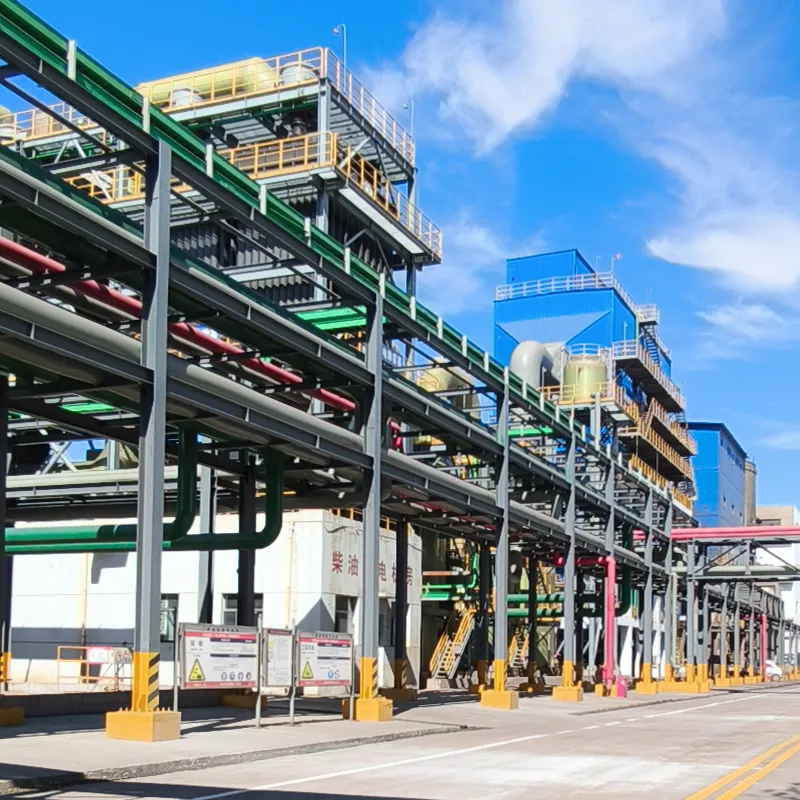
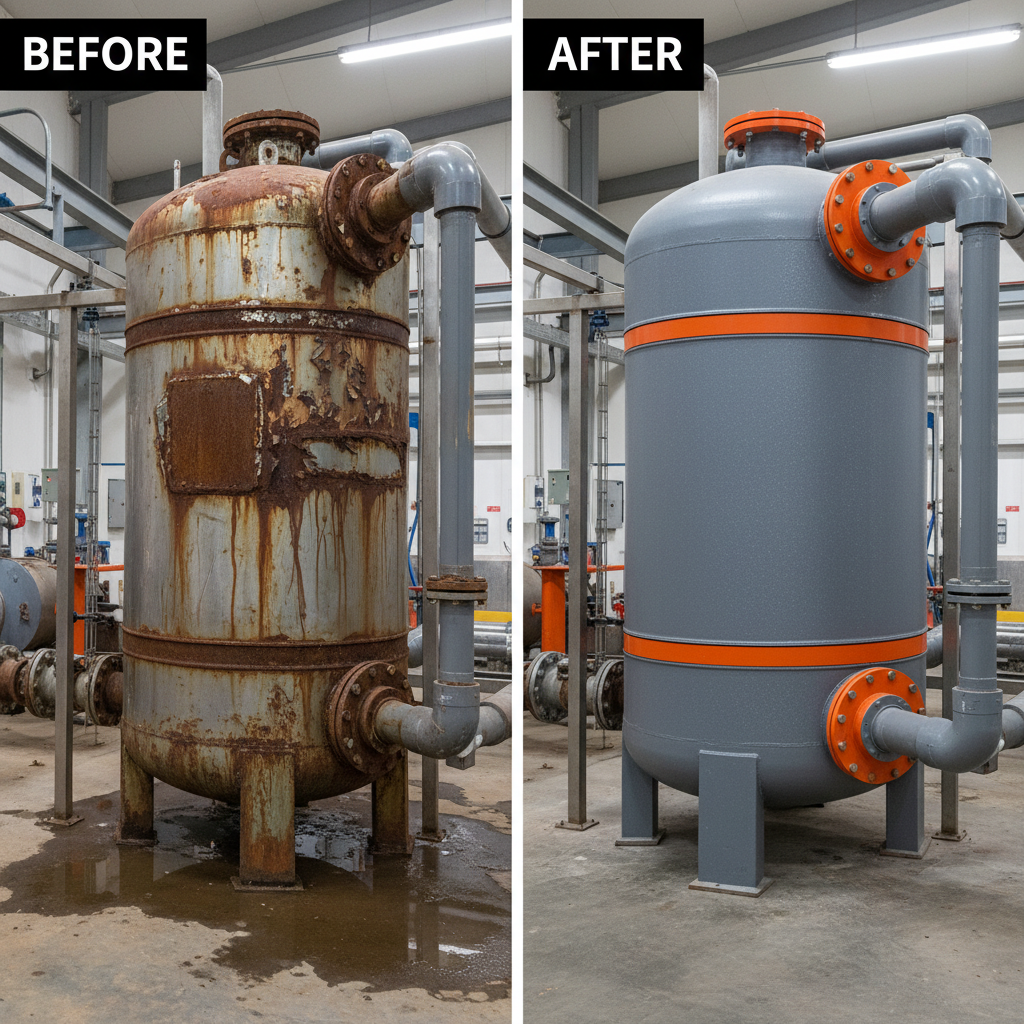
Acids (HCl, H2SO4≤≈70%), alkalis, brines, chlorinated water, fertilizer, pulp & paper, FGD scrubbers, food-grade brine (with FDA-compliant resin), and desalination. Many customers say corrosion headaches dropped sharply after switching from mild steel plus rubber lining.
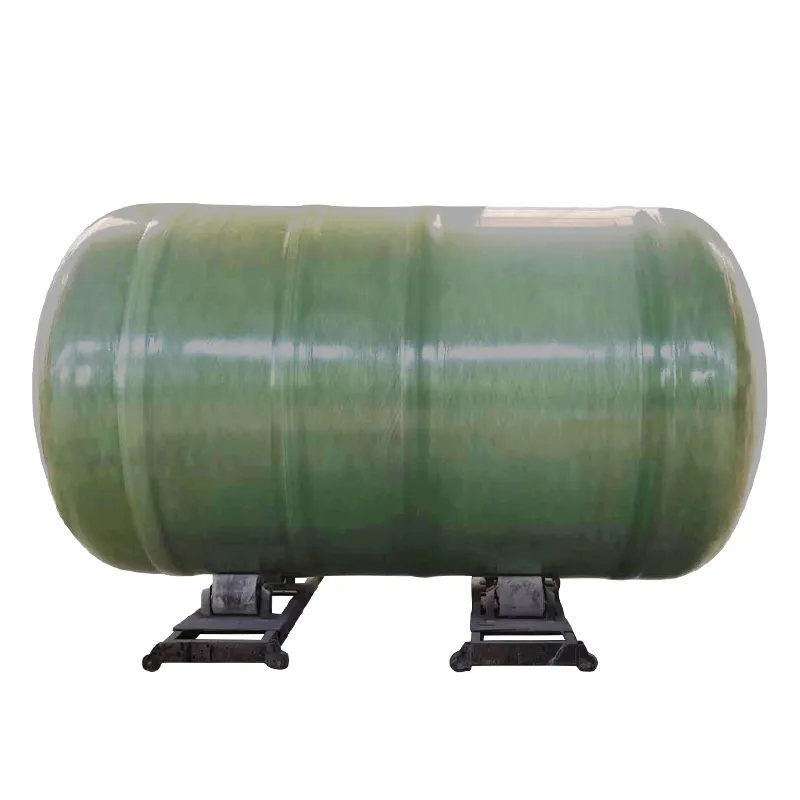
Advantages (the short version)
- Corrosion resistance without annual relining.
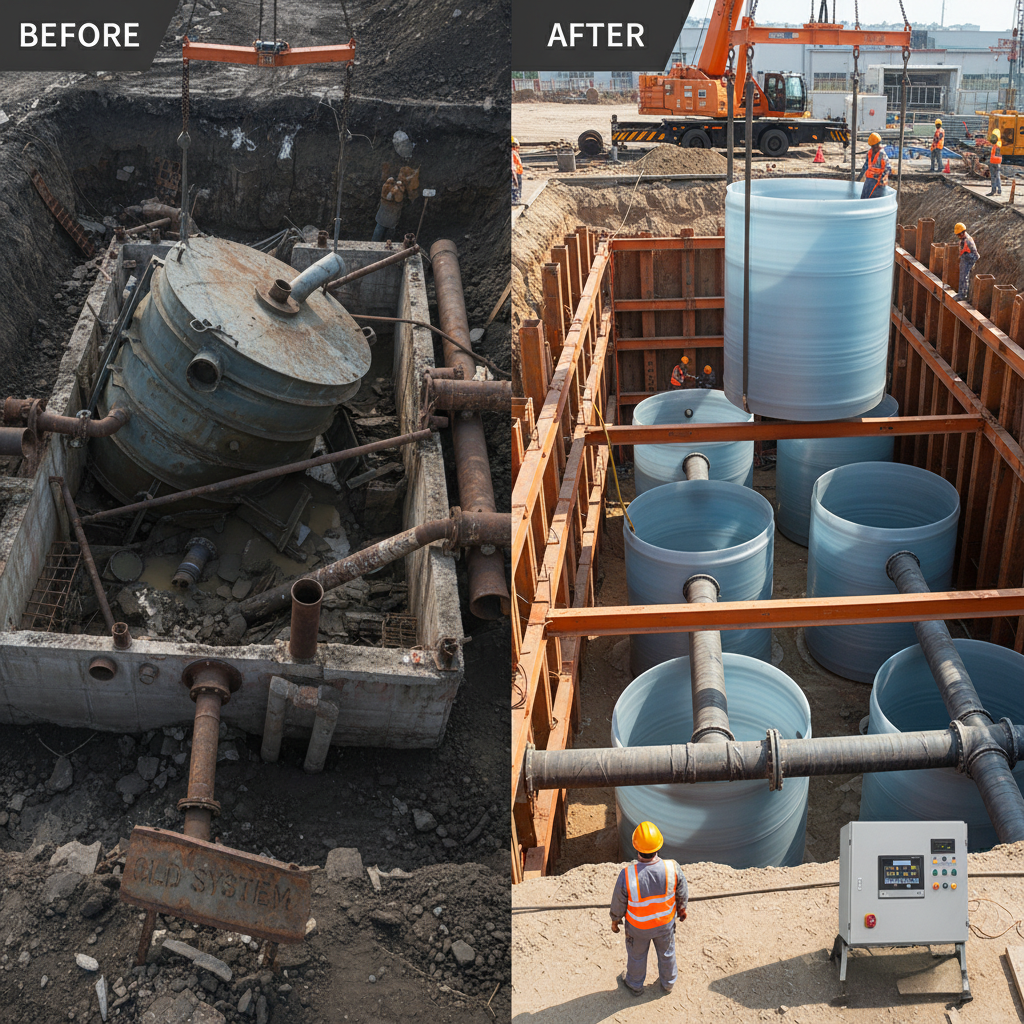
- Lightweight—easier installs, smaller foundations sometimes.
- Thermal stability and low thermal conductivity.
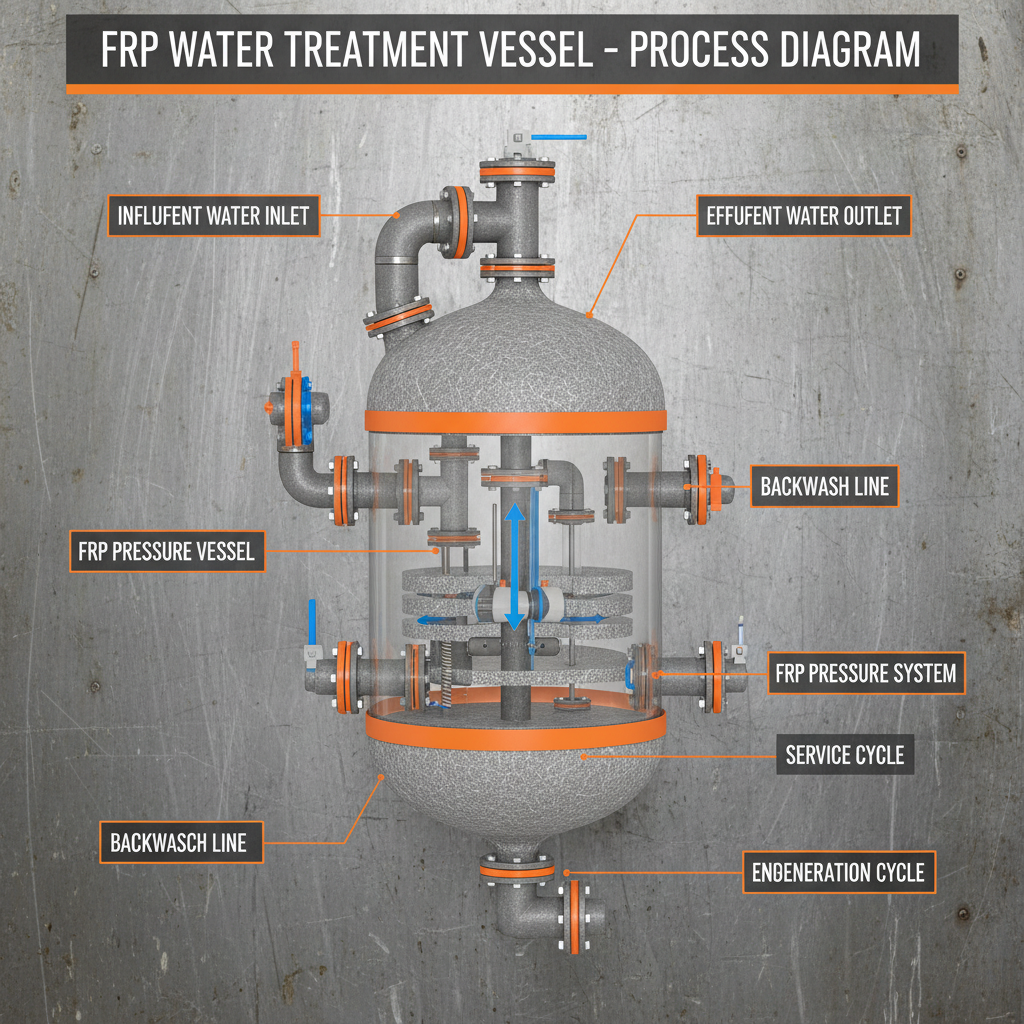
- Customizable ports, nozzles, manways, ladders, level gauges.
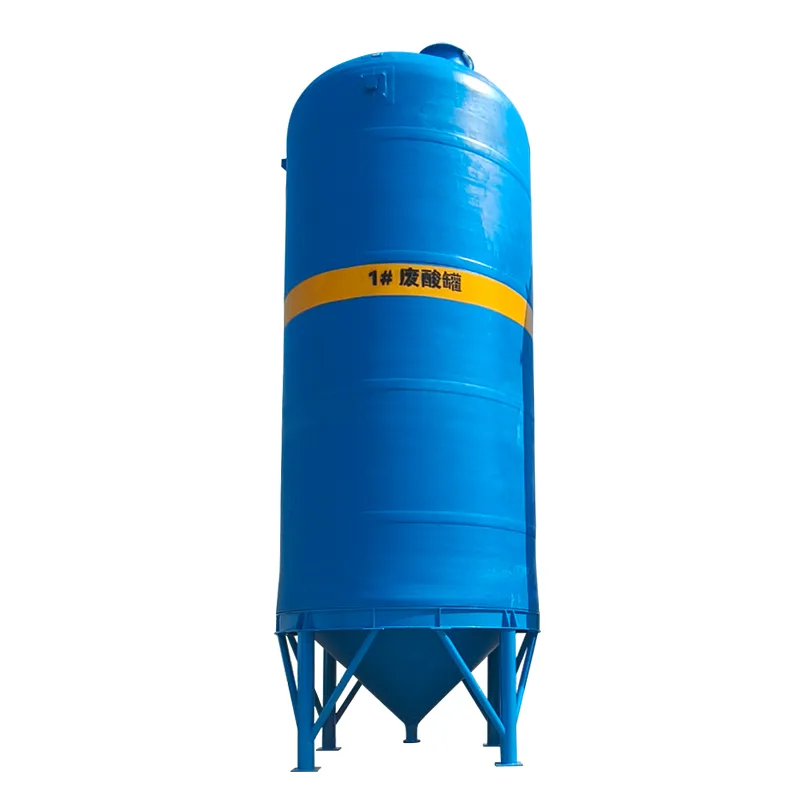
Vendor snapshot (field notes)
| Vendor | Standards/QA | Lead Time | Customization | Price Level |
|---|---|---|---|---|
| This manufacturer (Hengshui) | ASTM/ASME references, hydrostatic + Barcol; factory audit available | 4–10 weeks | High (resin, liner, anti-static, UV) | Competitive |
| Local fabricator (typical) | Varies; sometimes limited NDT | 2–8 weeks | Medium | Mid |
| Imported brand (tier-1) | Strict ASME RTP-1 program | 8–16 weeks | High | High |
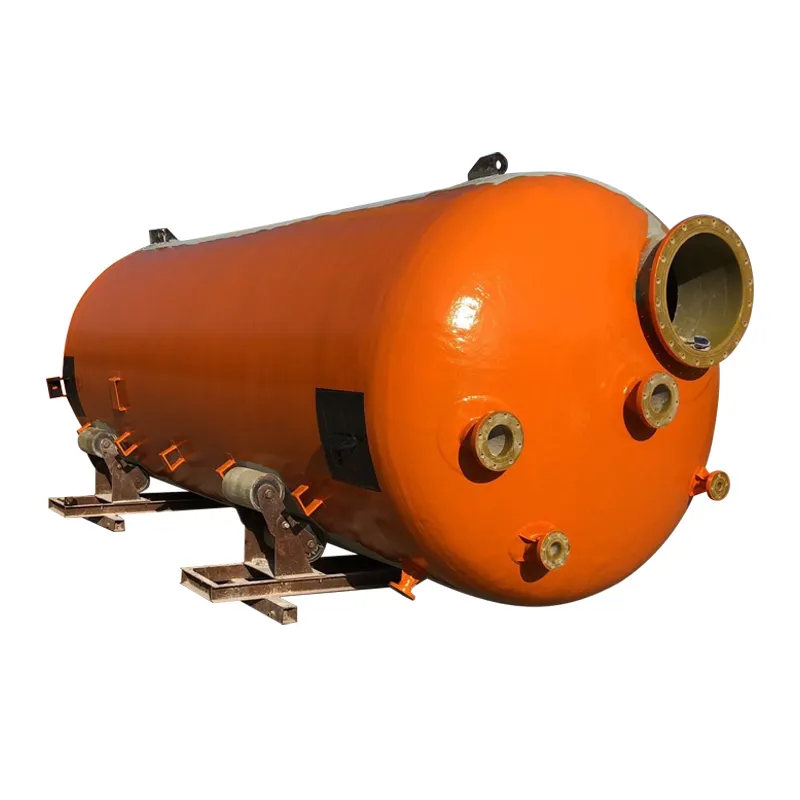
Customization checklist
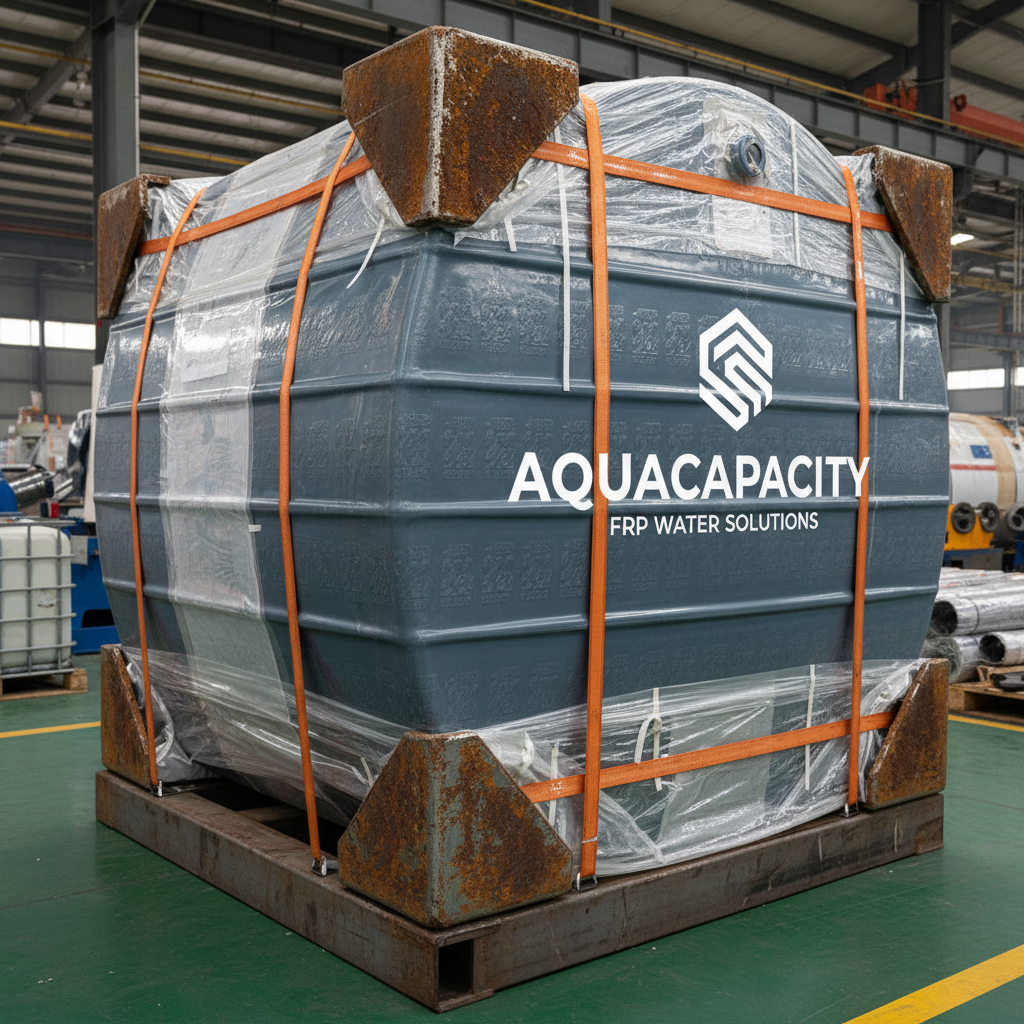
Resin system (Iso/VE/brominated FR), conductive veil, anti-UV gelcoat, nozzle schedule, seismic/wind calcs, internal coatings for food-grade, lifting lugs, skirt/support design, shipping-in-modules (for large diameters).
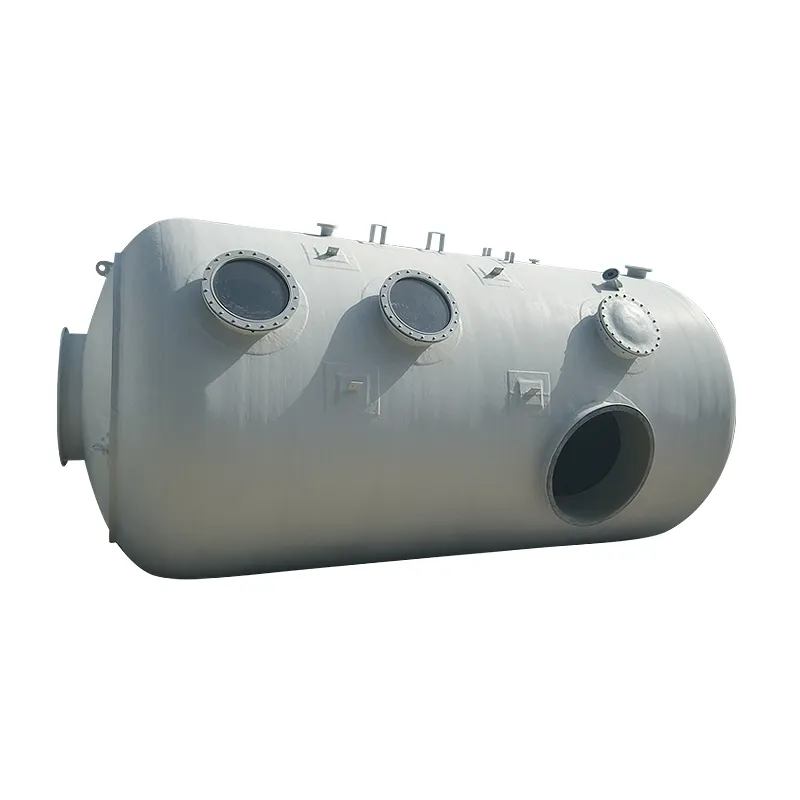
Real-world bits: testing and data
- Hydrostatic proof: 1.5× design pressure, no leaks/deformation.
- Barcol hardness: ≥ 40 on cured laminates (typical target).
- Glass content: 55–70% by weight (ISO 1172 burn-off), depending on layer.
- Chemical resistance screening per ASTM C581 coupons before full build—smart move for tricky media.
Customer feedback? A fertilizer plant PM told me downtime fell “by about two-thirds” after replacing corroded steel tanks. Not exactly lab-grade, but telling.
Quick case notes
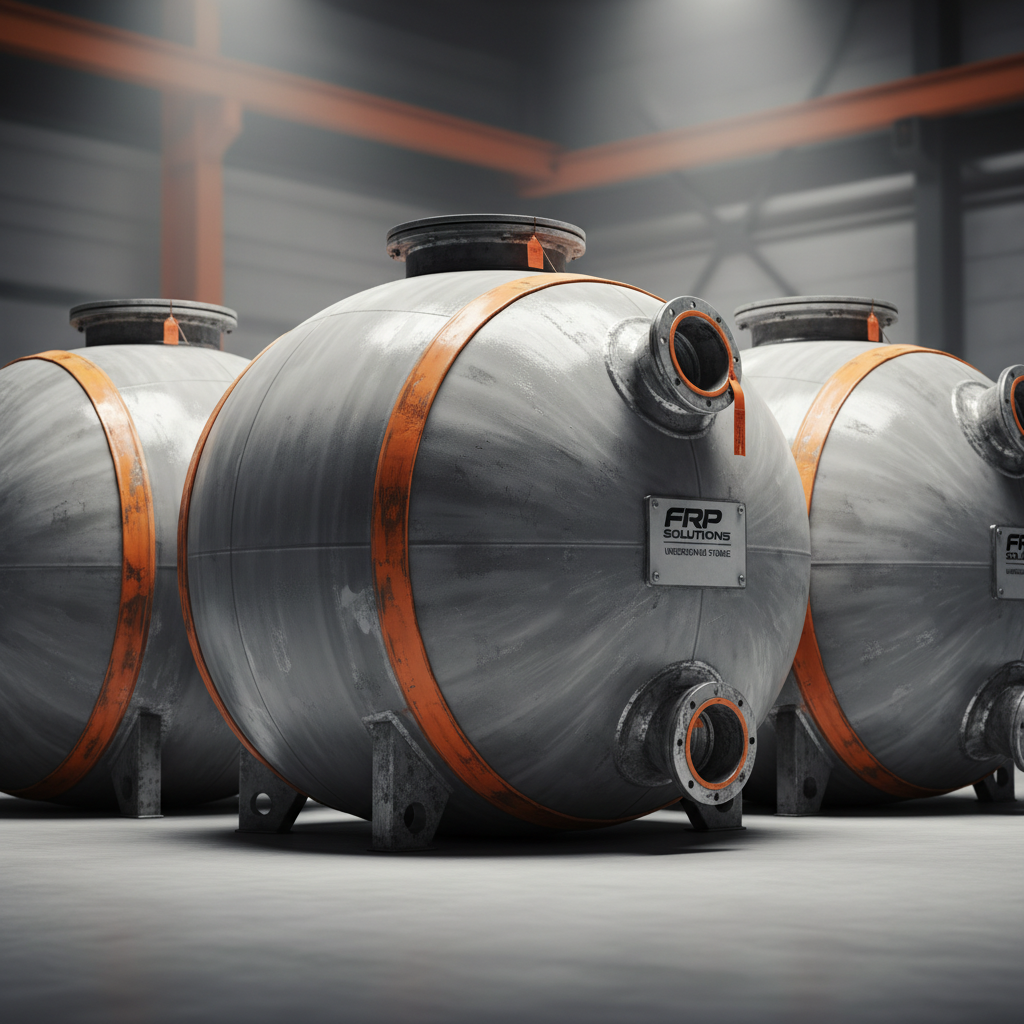
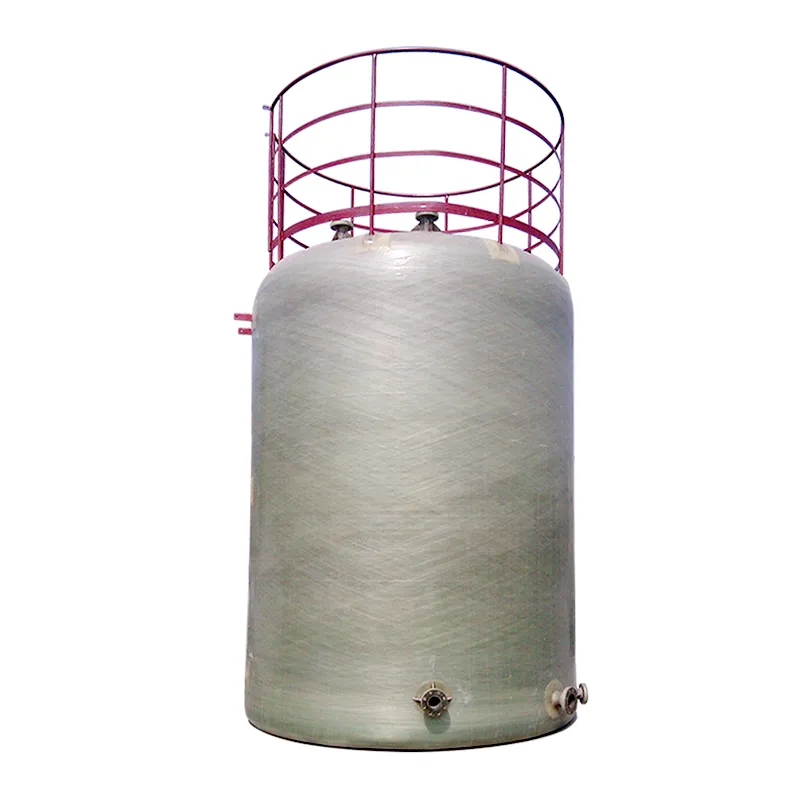
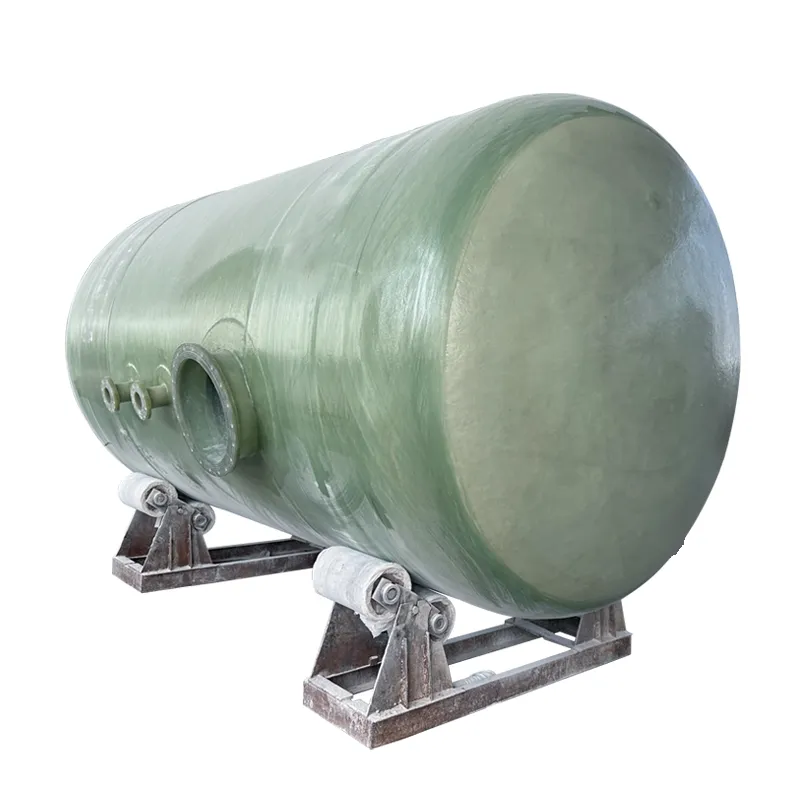
Chlor-alkali retrofit: 200 m³ vertical FRP with VE liner, antistatic veil; zero blistering at 18 months—operators happy. Desalination brine tank: horizontal FRP, UV gelcoat; coastal install, minimal maintenance so far (wind load calc included).
Should you shortlist these?
If your spec calls for corrosion resistance with sensible lead times, yes. For extreme temperatures or pressure beyond 1.6 MPa, you might cross-check with steel/rubber-lined or FRP with special design. For standard chemical duty, Fiberglass Tanks For Sale like this are a solid value.
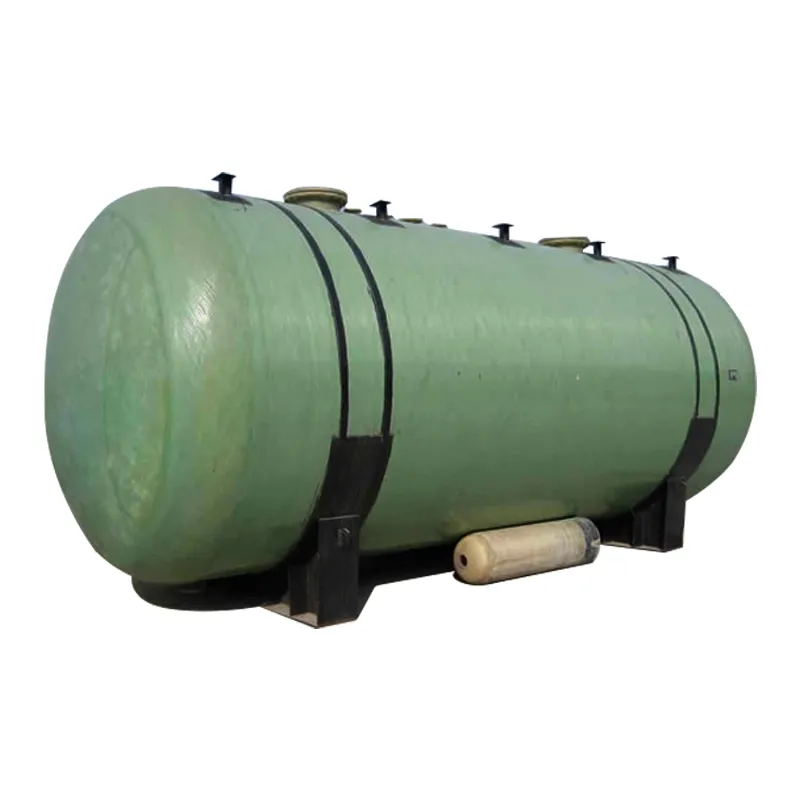
Note: Product name: Frp Tank/ Vessel For Chemical Industry China Manufacturer. Origin: Hengshui, Hebei Province. Description: filament-wound FRP with inner liner, structural layer, outer protective layer—what the maker calls “The Diversity” material, which, I guess, means flexible in design.
References
- ASTM D3299 – Filament-Wound FRP Tanks
- ASME RTP-1 – Reinforced Thermoset Plastic Corrosion-Resistant Equipment
- ASTM D4097 – Contact-Molded FRP Tanks
- BS 4994 – Design and Construction of Vessels and Tanks in FRP
- ASTM C581 – Chemical Resistance of Thermosetting Resins
- ISO 1172 – Textile-Glass-Reinforced Plastics—Glass Content