FRP Pipe Winding Machine: High-Speed, Precise & Durable?
Inside Today’s GRP Production Lines: What Sets a Modern Filament Winder Apart
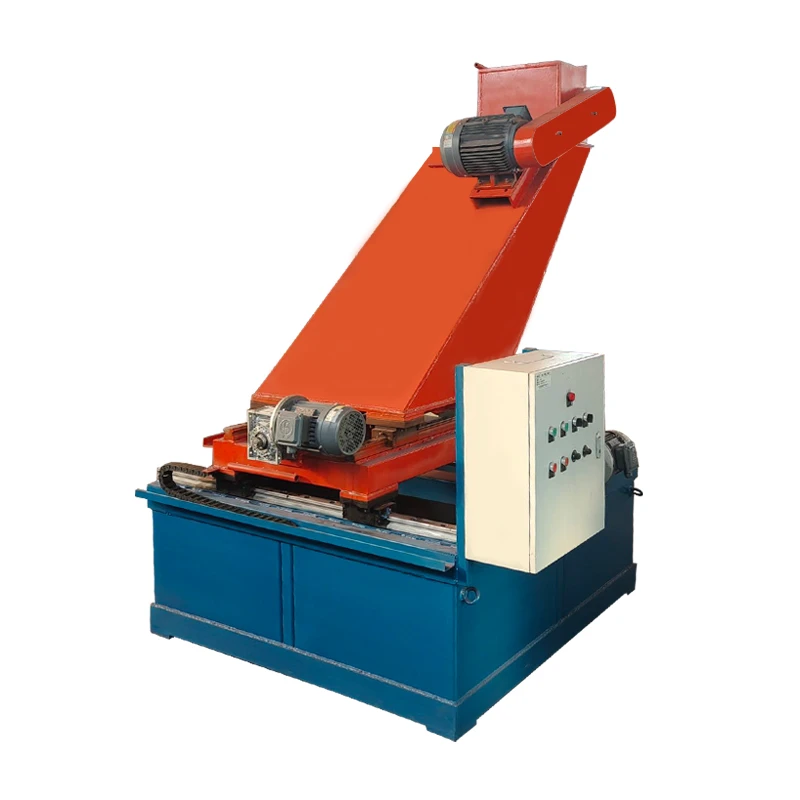
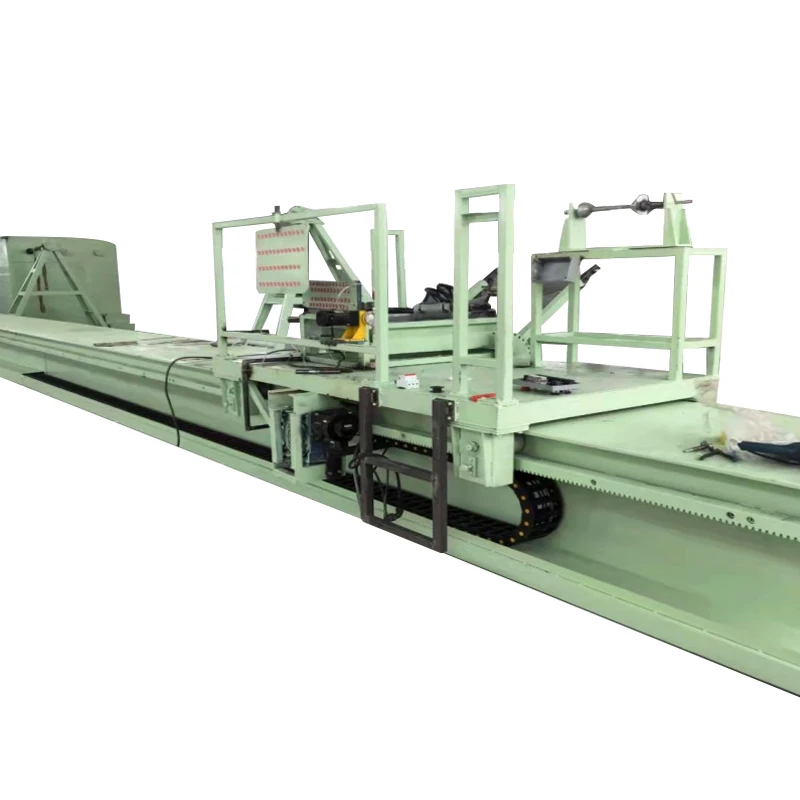
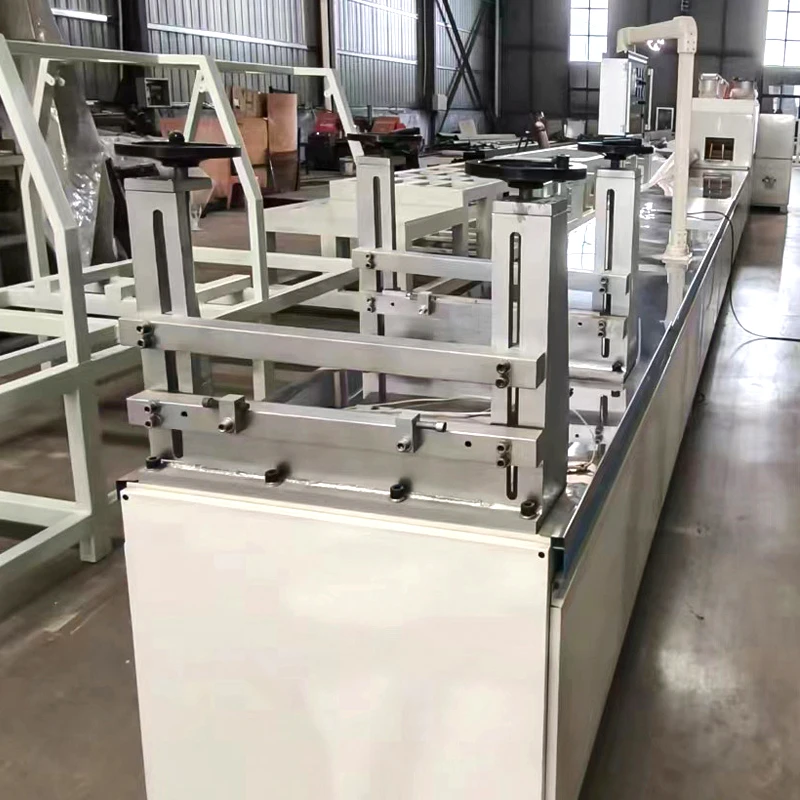
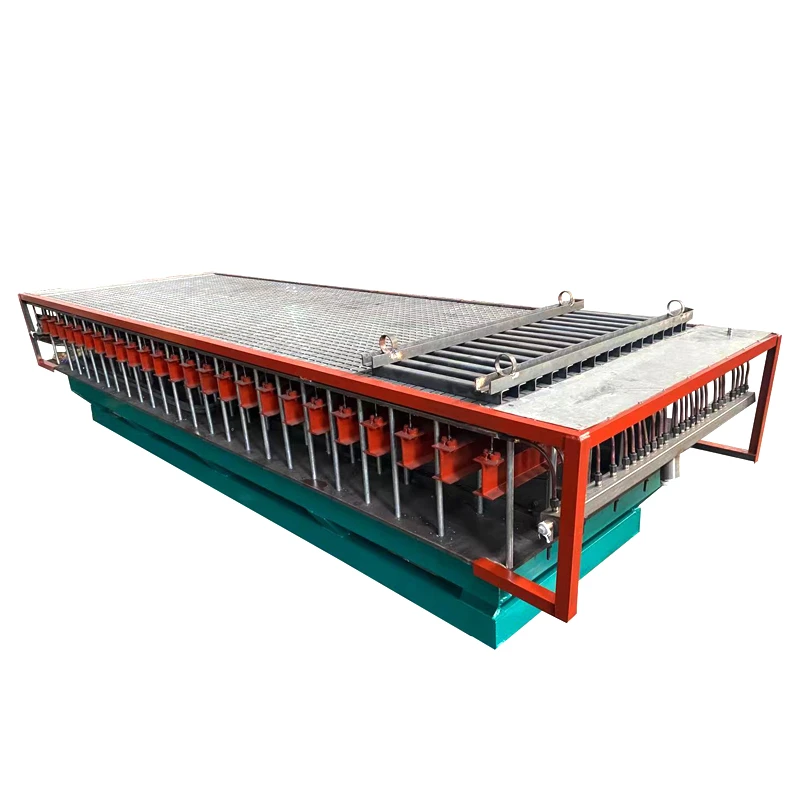
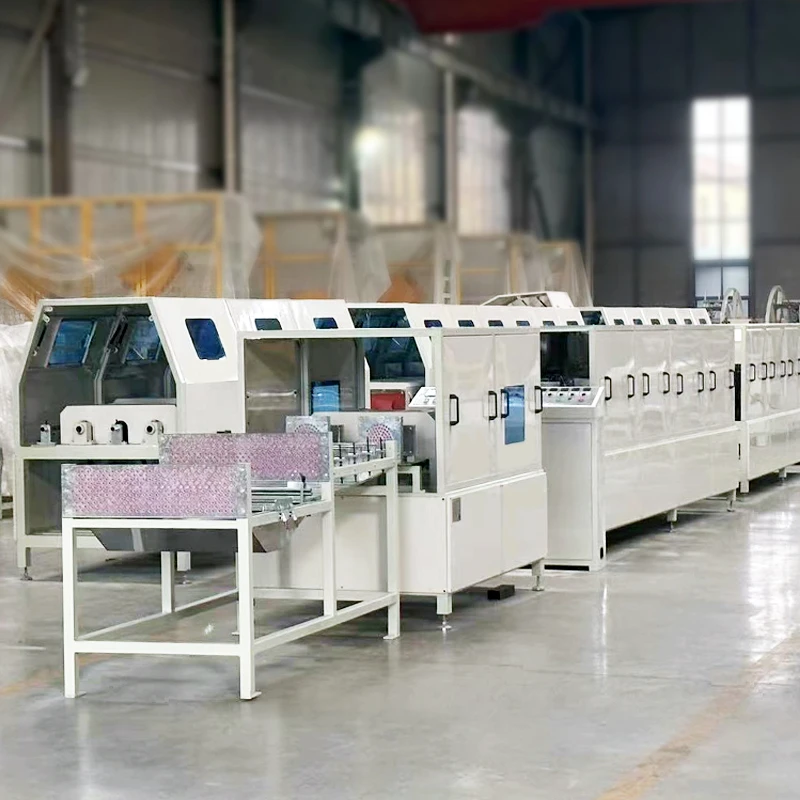
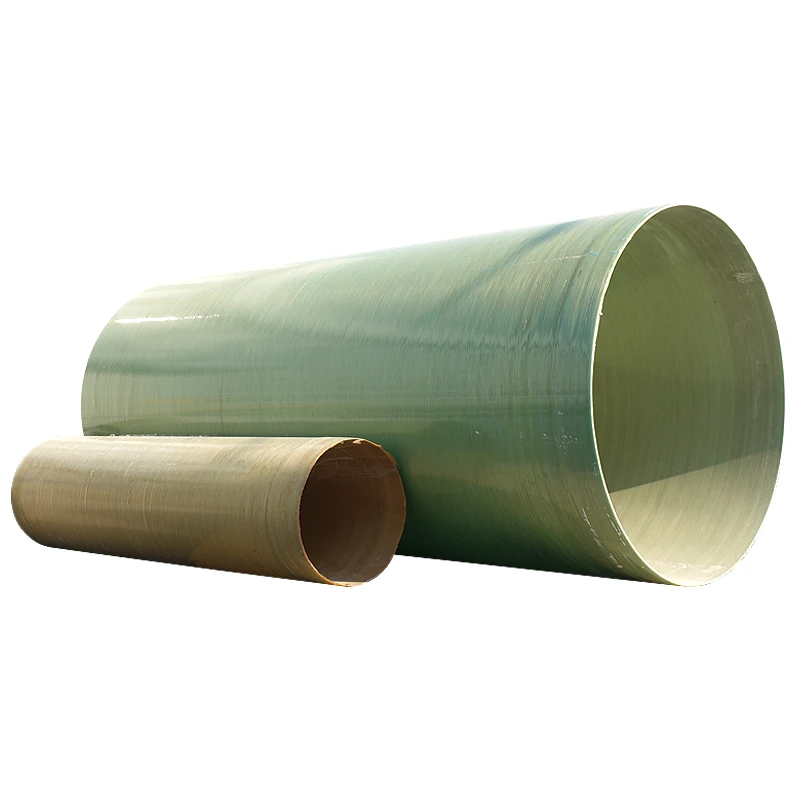
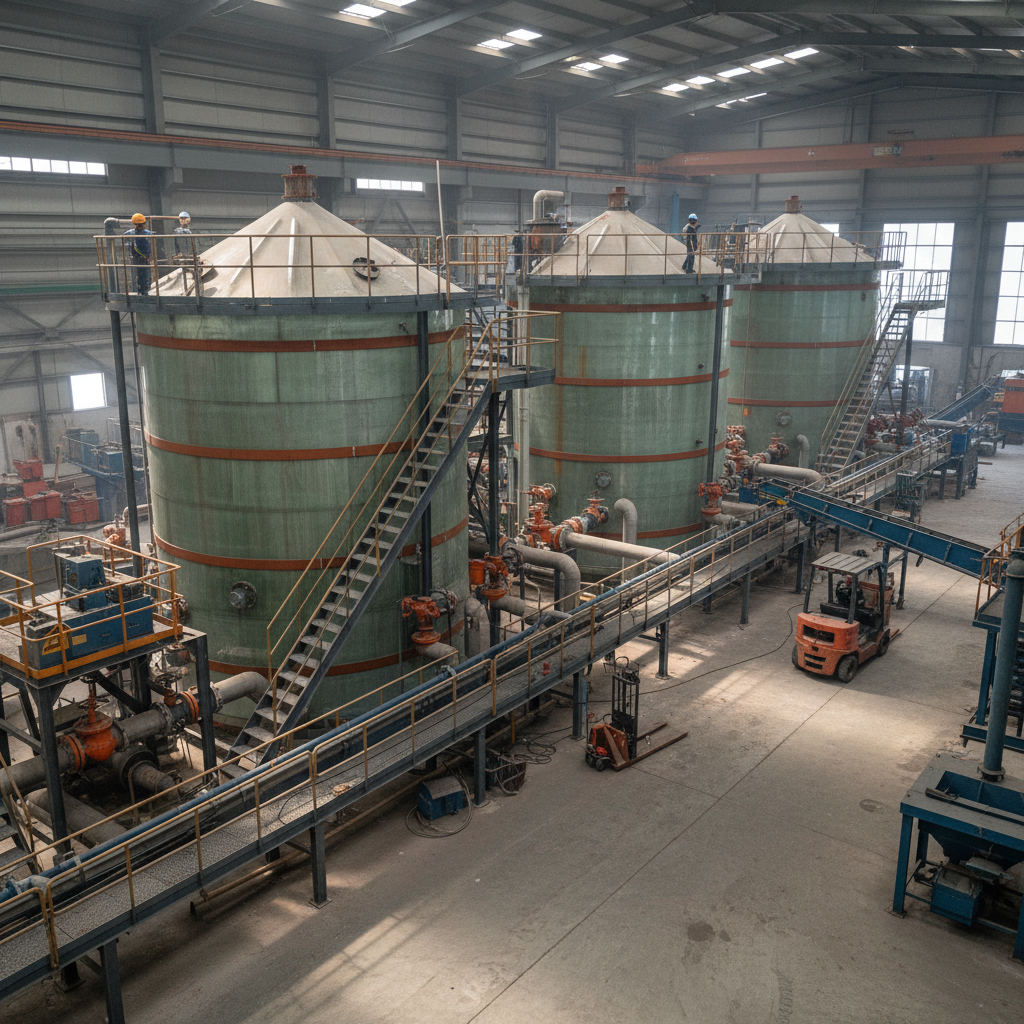
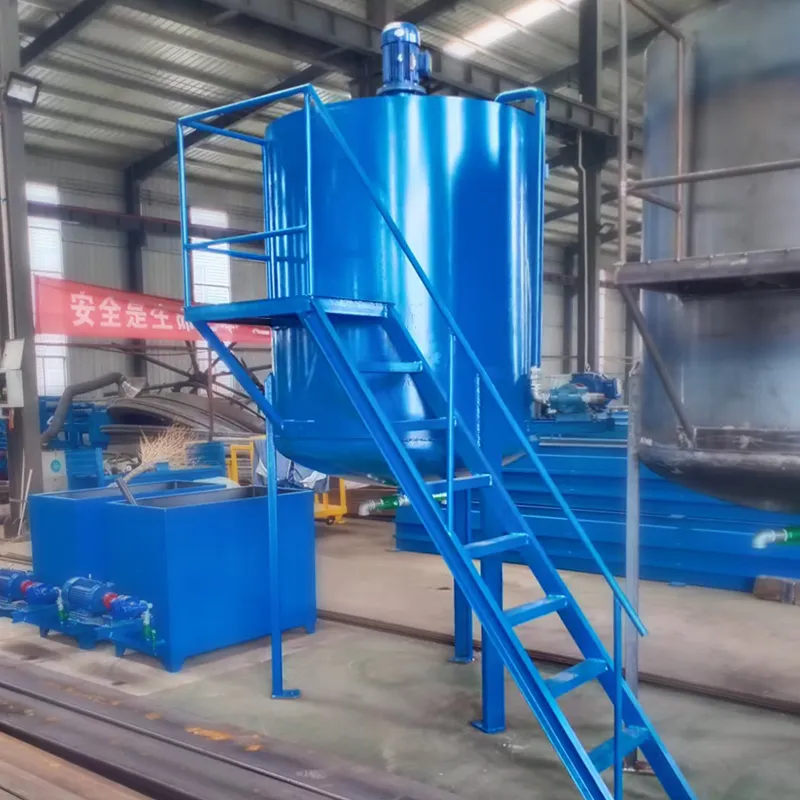
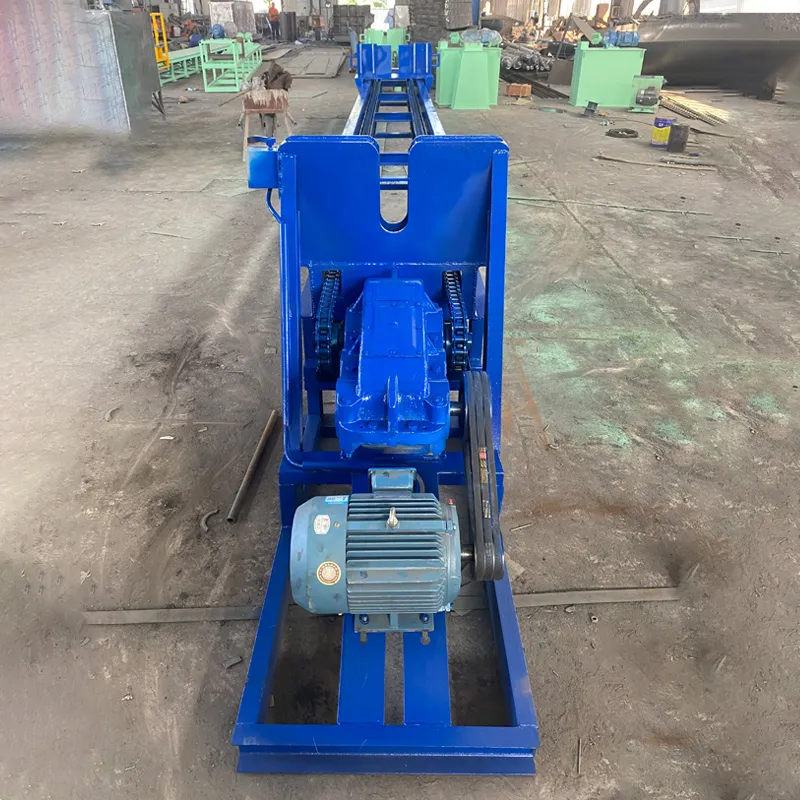
If you’ve toured a composites shop lately, you’ve probably seen one humming away: a frp pipe winding machine laying down glass and resin with almost eerie precision. I’ve watched these lines evolve over the last decade and, honestly, the jump in automation and QC is striking. This particular Frp Pipe Machine from Hebei (No. Room 211,706 Xinghua North Street, Jizhou District, Hengshui City) leans on a Taiwan-derived control system, six integrated stations, and mortar addition to boost stiffness while shaving cost. Vendors say RPM/GRP pipe can be ≈40% cheaper than DI/steel in many water jobs—your mileage may vary, but the economics are trending that way.
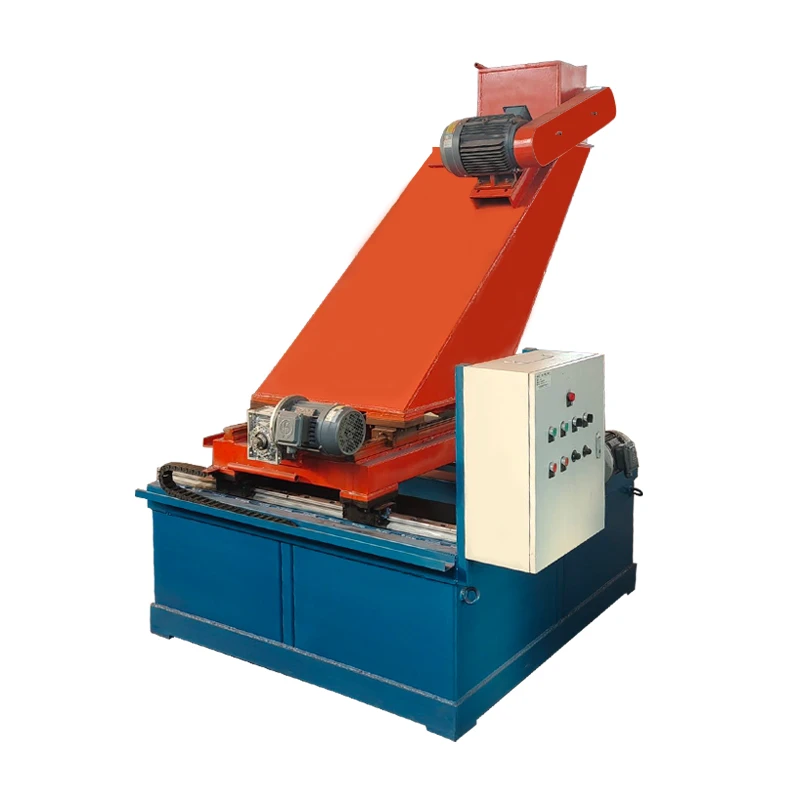
Why the surge now?
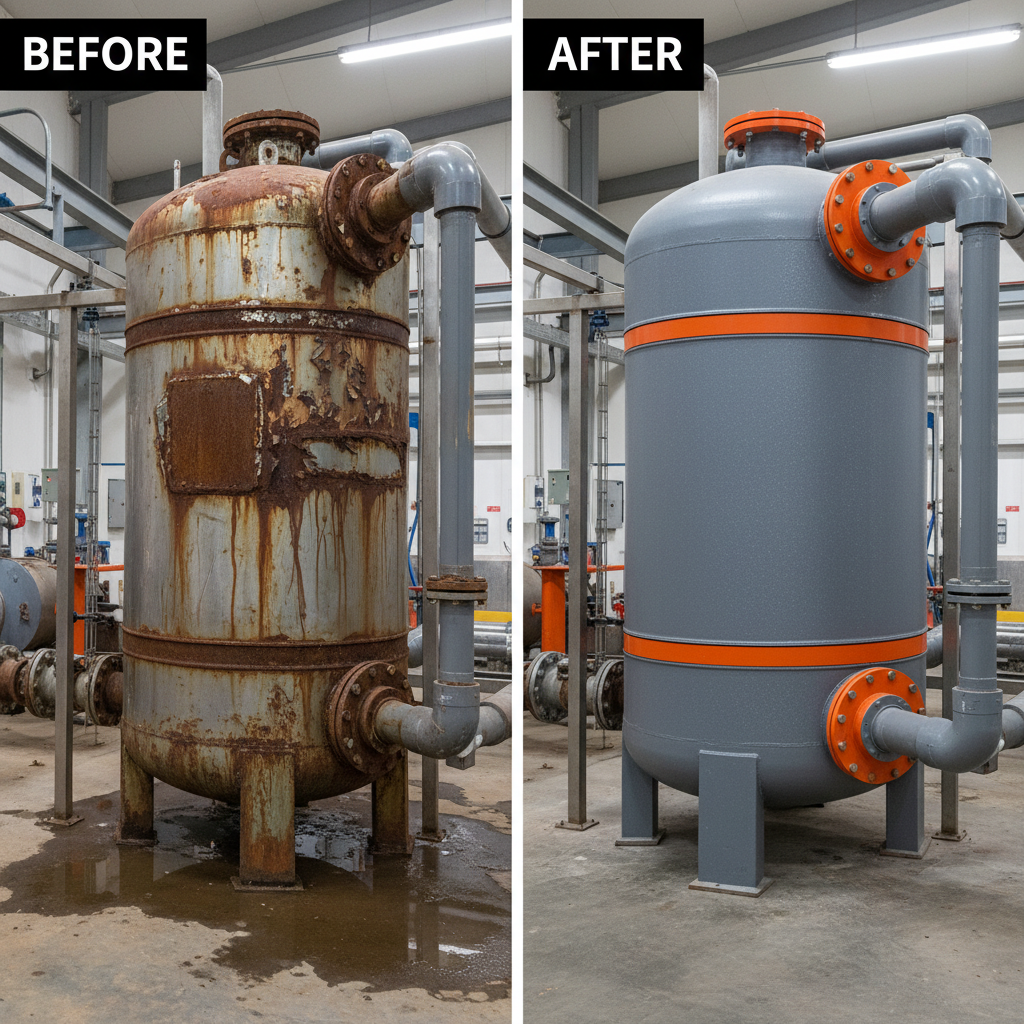
Two words: corrosion costs. Utilities, desalination plants, and chemical sites are tired of lining repairs. GRP’s low weight, smooth bore, and steady lifecycle costs look pretty attractive. Add a 5000 t/y line capacity and you’ve got scale. Customers tell me change orders drop because the winding is programmable and repeatable—less art, more science.
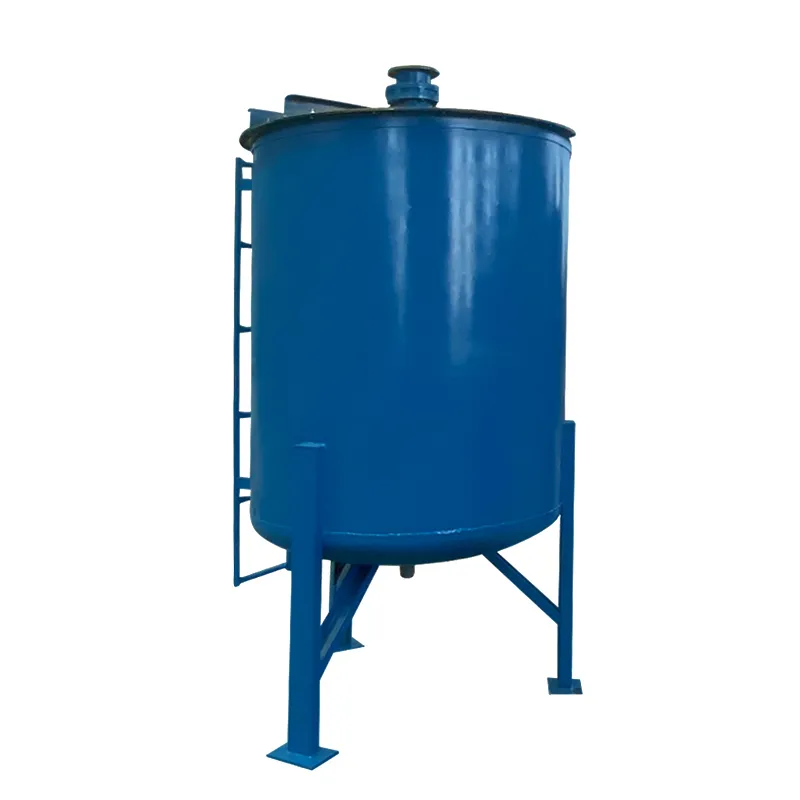
Typical Specs (Frp Pipe Machine)
| Diameter range | DN300–DN3000 (custom up to ≈DN4000) |
| Line speed | 0.2–3.0 m/min (depends on lay-up) |
| Winding angles | ±5–±85° helical + 90° hoop |
| Control system | Taiwan-sourced CNC; automatic recipe design |
| Resins | UP, VE, EP (with UV/anti-hydrolysis options) |
| Reinforcement | E-glass roving, mat; mortar/sand core for RPM |
| Accuracy | Lay-up deviation ≤±1 mm (real-world may vary) |
| Capacity | ≈5000 t/year line throughput |
| Power | 3-phase, ≈60–120 kW installed |
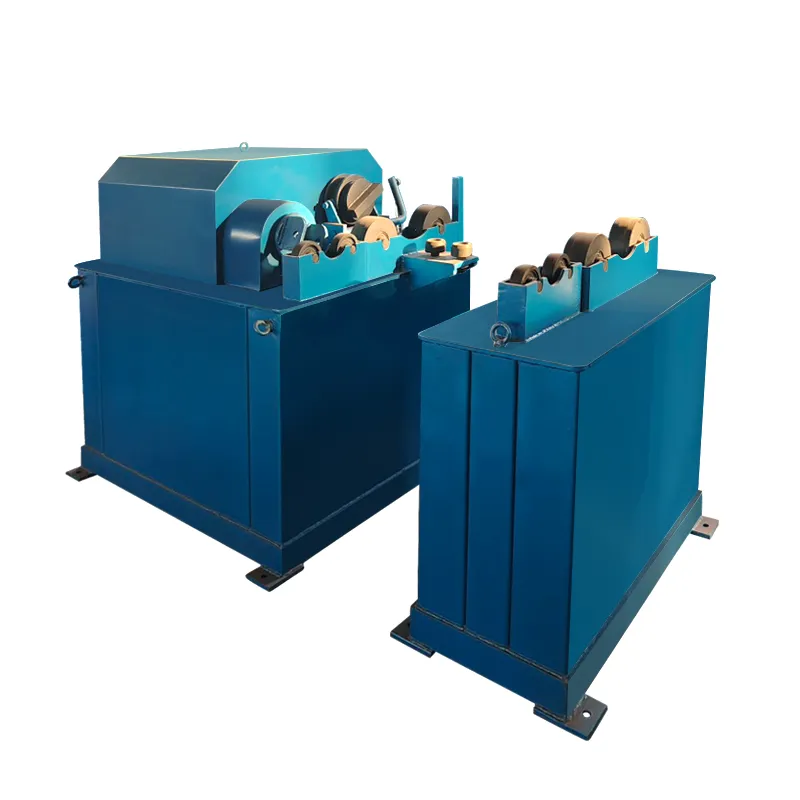
Process flow (short version I use on plant walk-throughs)
- Materials: E-glass roving, resin (UP/VE/EP), silica sand/mortar, catalyst, veil/barrier layer.
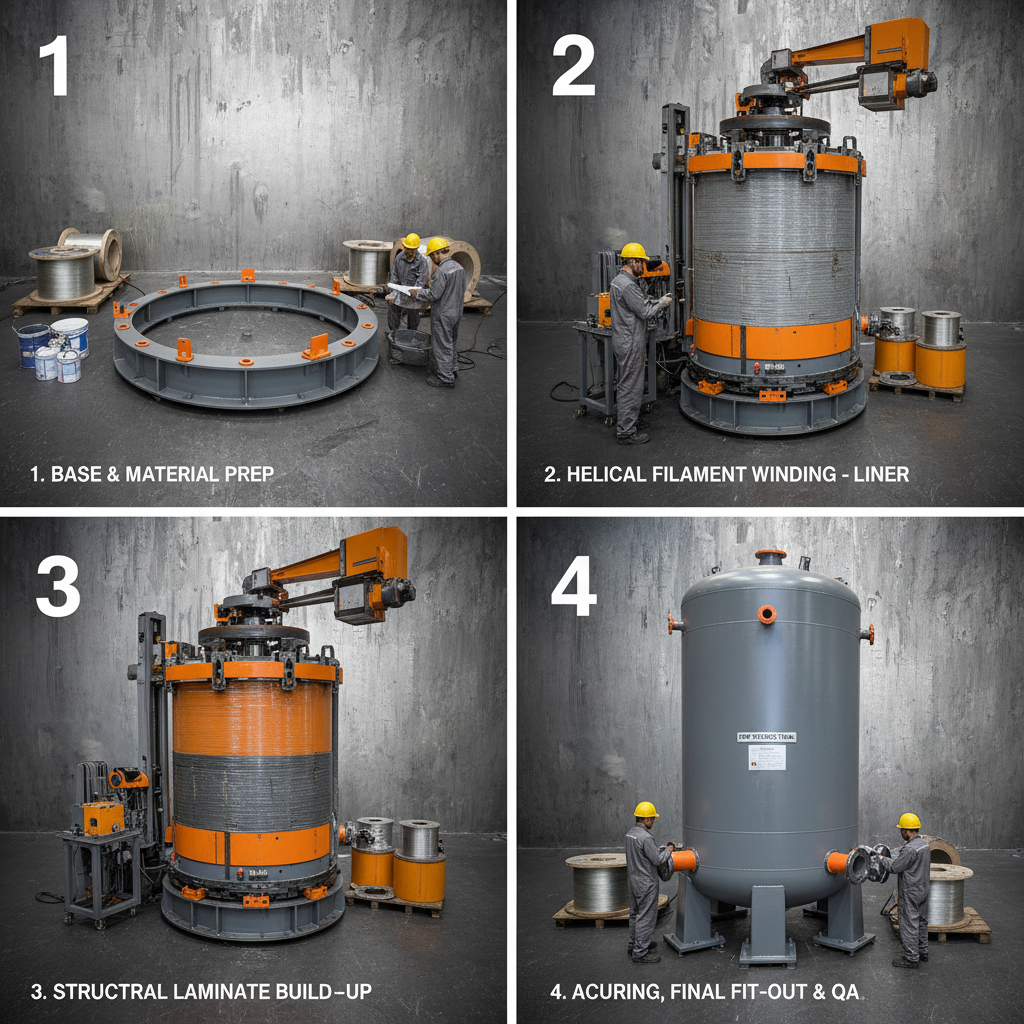
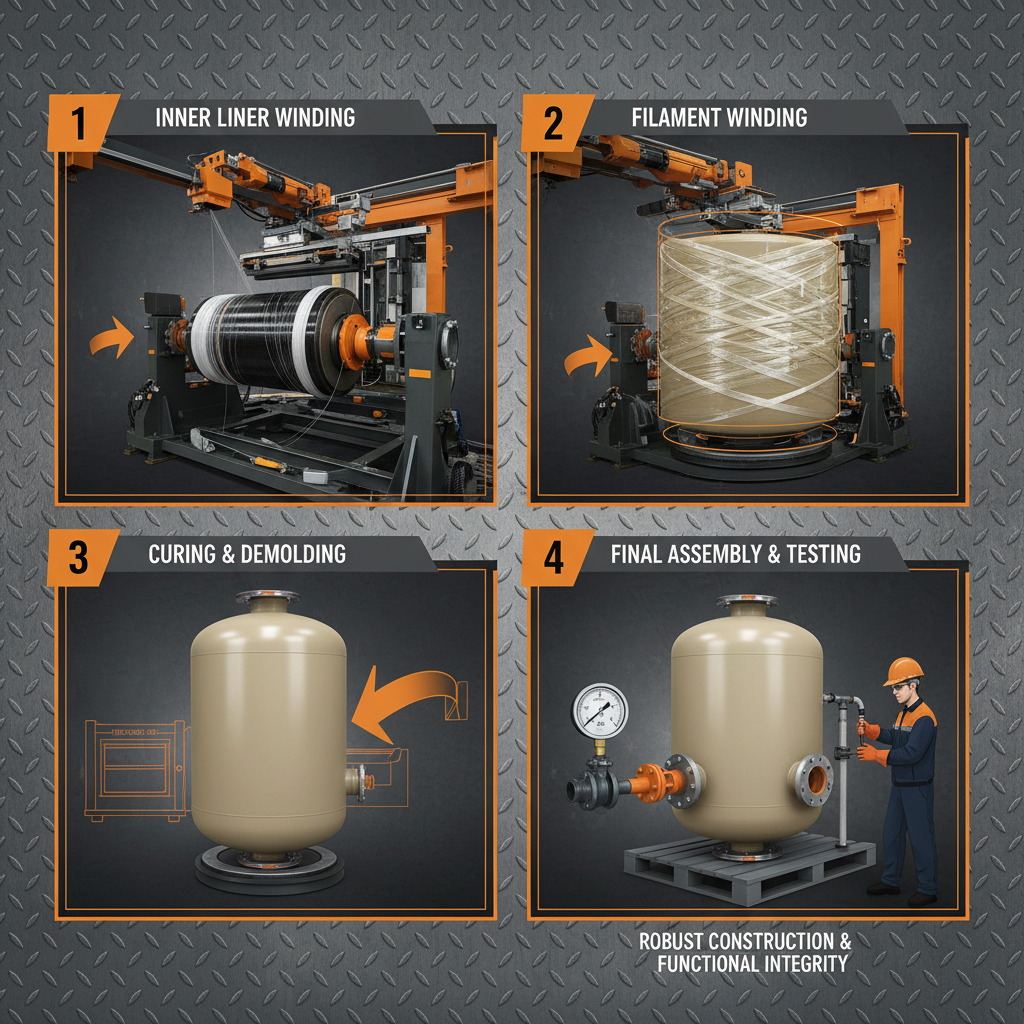
- Method: Mandrel prep → wet-out → ± helical + hoop winding → mortar core dosing (for RPM) → curing → demould → trimming/machining.
- QA/Tests: ASTM D2412 pipe stiffness, ASTM D2992 long-term hydrostatic strength, ASTM D638 tensile coupons, ASTM D1599 burst; AWWA C950 and ISO 14692 design checks.
- Service life: commonly designed for 50 years (assumes proper resin system and installation).
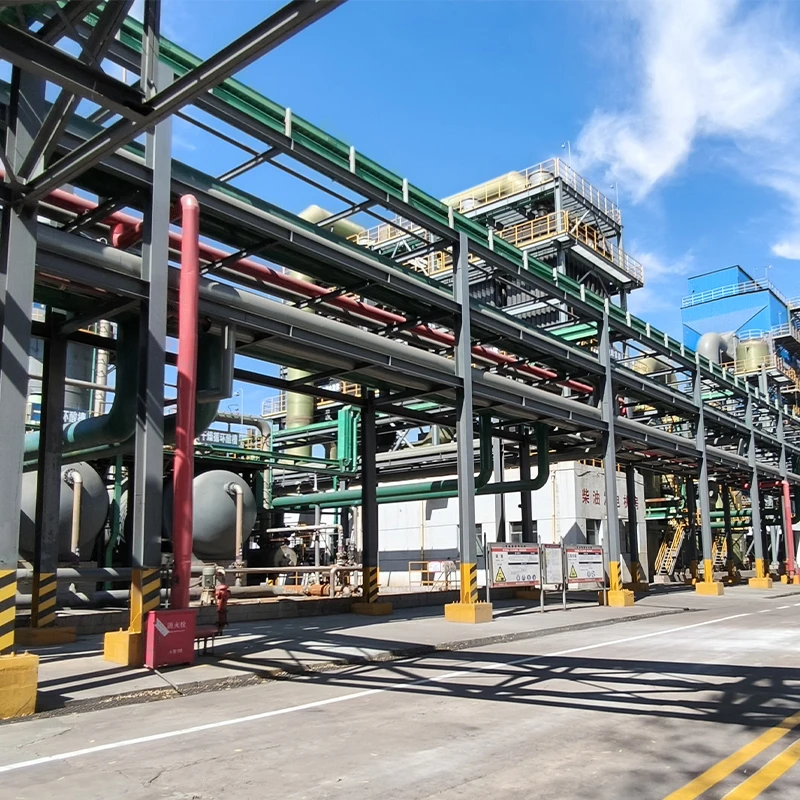
- Industries: municipal water/sewer, seawater intake/desal brine, cooling water, mining slurries (with abrasion veil), certain chemical effluents.
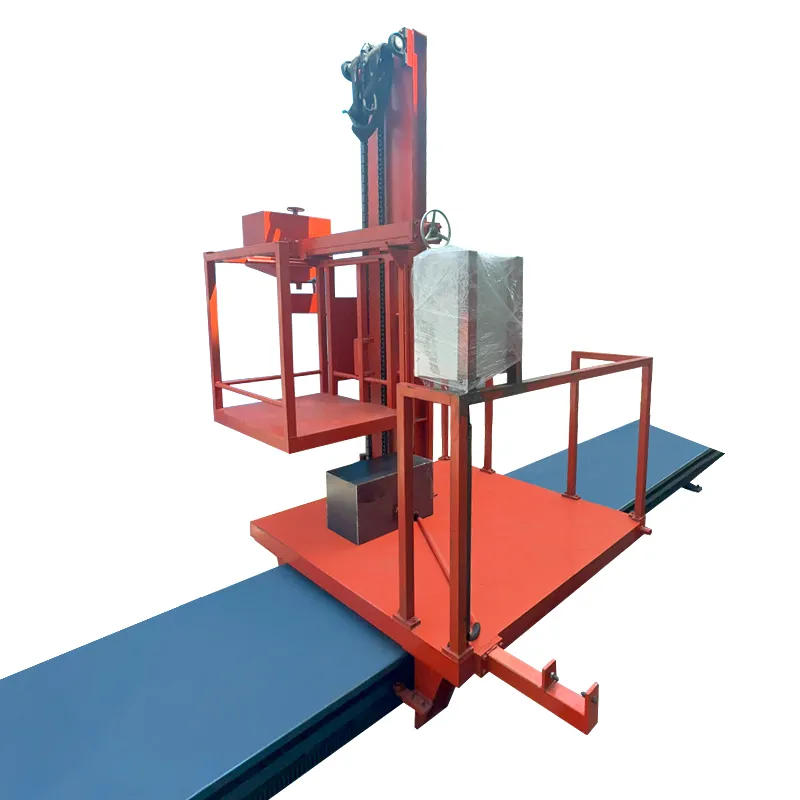
Real test snapshots I’ve seen: stiffness SN5000–SN10000 N/m² per D2412; burst pressures >2.5x design per D1599; hydrostatic qualification per D2992, Procedure B, to establish HDB/HL rates. Not every line hits the same numbers—resin choice and cure matter, a lot.
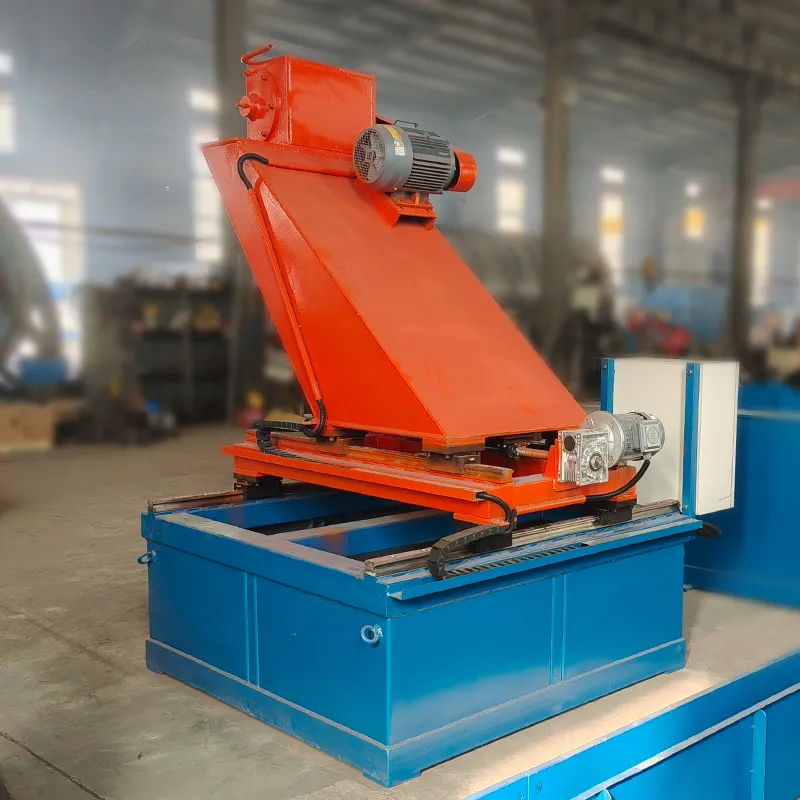
Advantages I actually notice in the field
- Automated design to winding: fewer lay-up errors.
- Mortar core: stiffness up, resin consumption down—cost per meter drops.
- Lightweight: smaller cranes, faster installs.
- Corrosion resistance: fewer headaches in brackish and industrial waters.
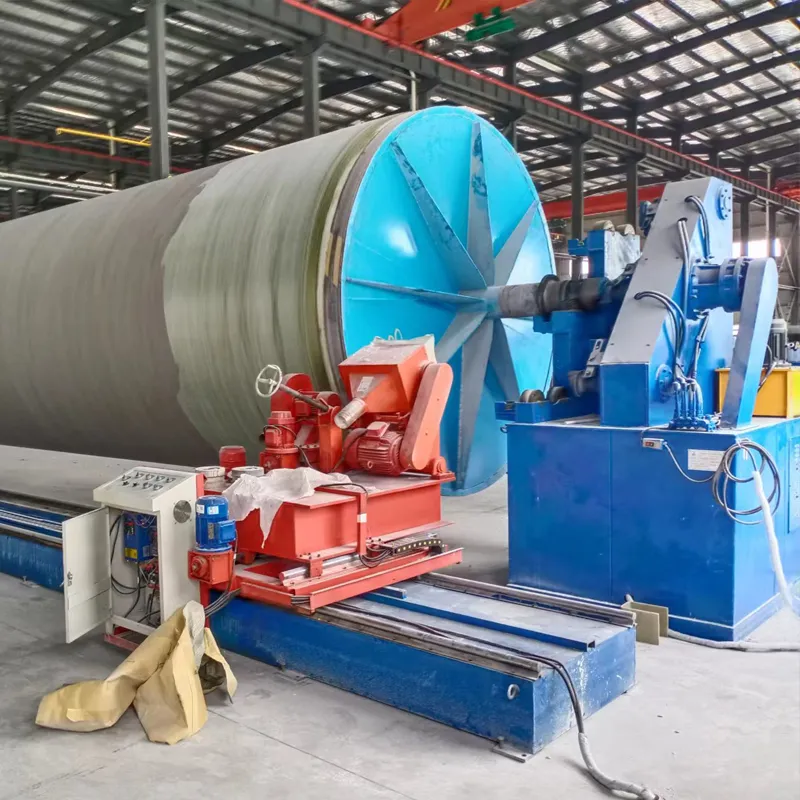
Vendor snapshot (quick, honest comparison)
| Item | Hebei Frp Pipe Machine | Typical Competitor |
|---|---|---|
| Control | Taiwan CNC, auto winding design | PLC with manual recipe edits |
| Capacity | ≈5000 t/y line | ≈3000–4000 t/y |
| Mortar dosing | Integrated, recipe-driven | Semi-automatic |
| Cert support | ISO 9001 and AWWA/ISO design guidance | ISO 9001 only (varies) |
| Price level | Competitive (RPM cost-down) | Moderate |
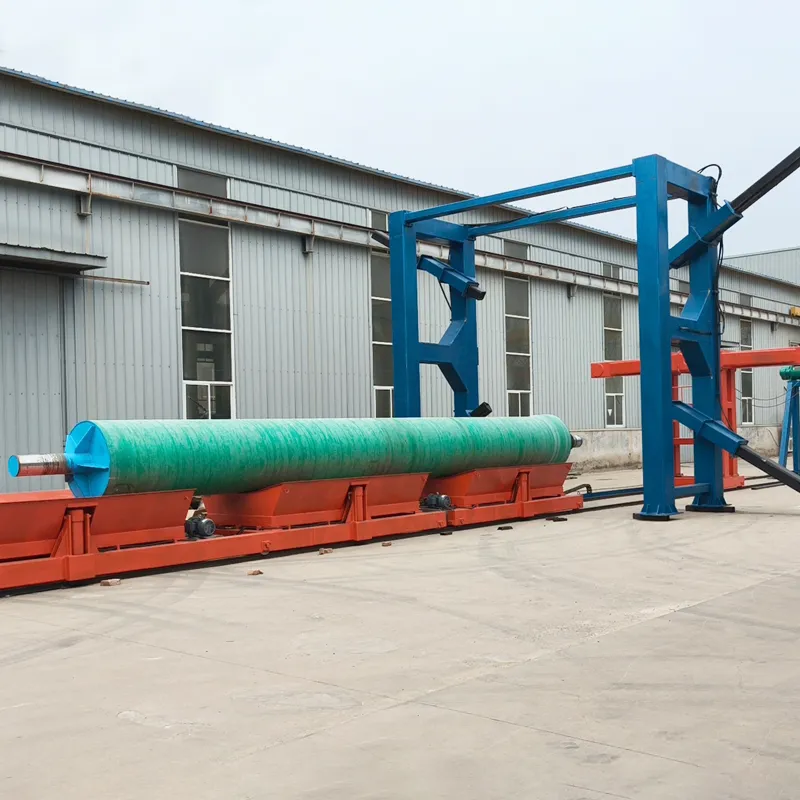
Customization
Design angles for pressure vs. gravity lines, abrasion liners for slurry, conductive veils for ATEX zones, and NSF/WRAS-type potable approvals where required. It’s not a one-recipe-fits-all game, and that’s okay.
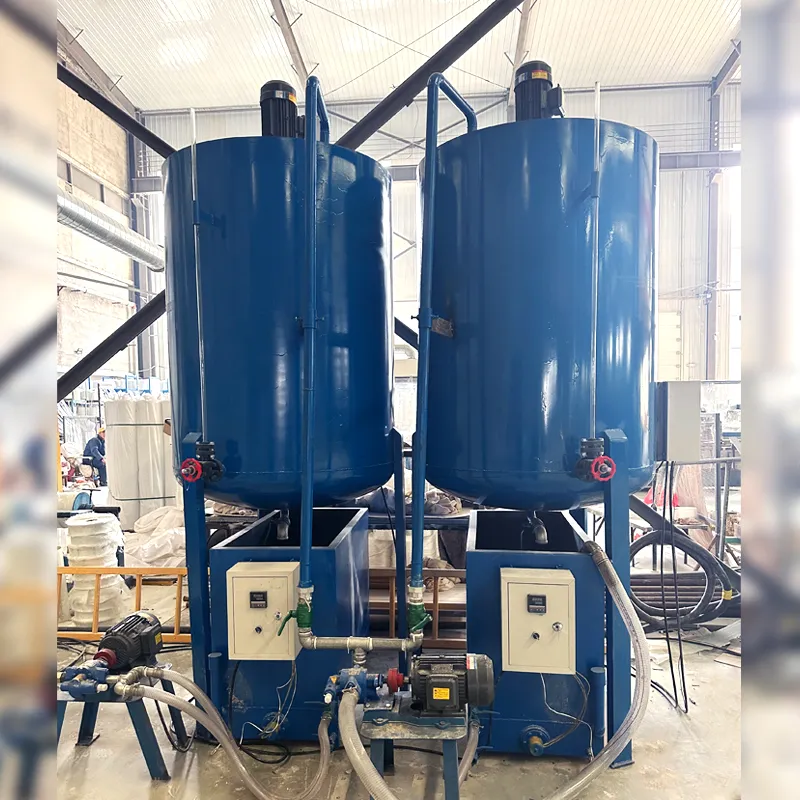
Two quick case notes
- Coastal water main, DN1600: switch to frp pipe winding machine-made RPM cut transport weight by ≈70% vs. steel, install pace up 25%.
- Chemical cooling loop: VE resin spec, hoop-dominant lay-up; 18 months in, operators report zero under-insulation corrosion. Good sign.
Compliance, certifications, and data
Look for ISO 9001 QMS on the machine maker and ISO 14692/AWWA C950 alignment on pipe design. Test plans should cite ASTM D2992, D2412, D1599, and D2105. Some projects also ask for CE machinery directives and potable-water approvals. Ask for a recent third-party test pack—always.
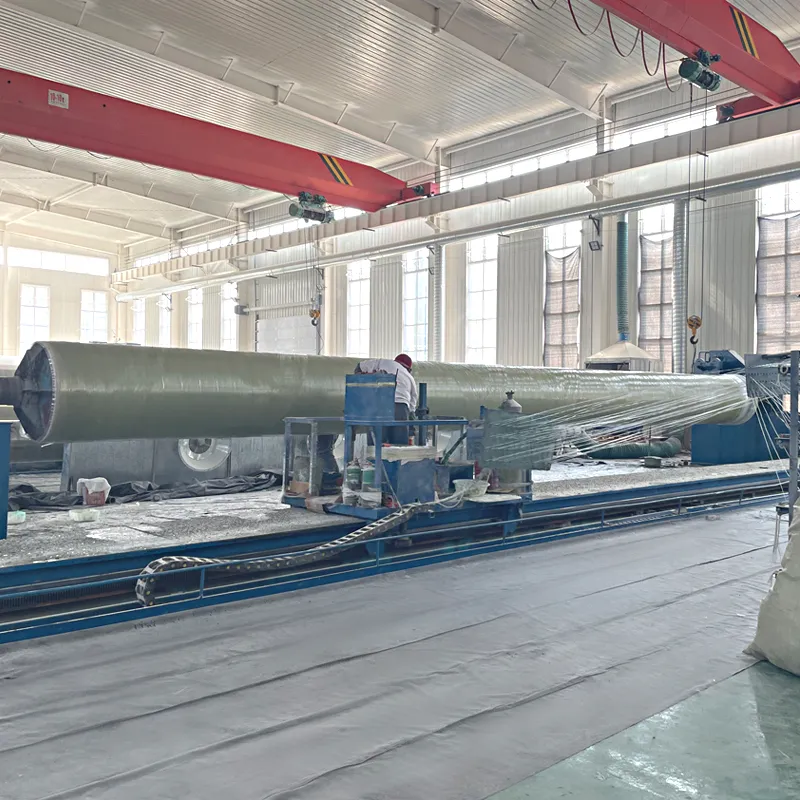
Customer feedback (a sampling): “recipe repeatability is the winner”; “surprisingly quiet line”; “QC reports are cleaner than our old files.” I guess that’s what good automation buys you.
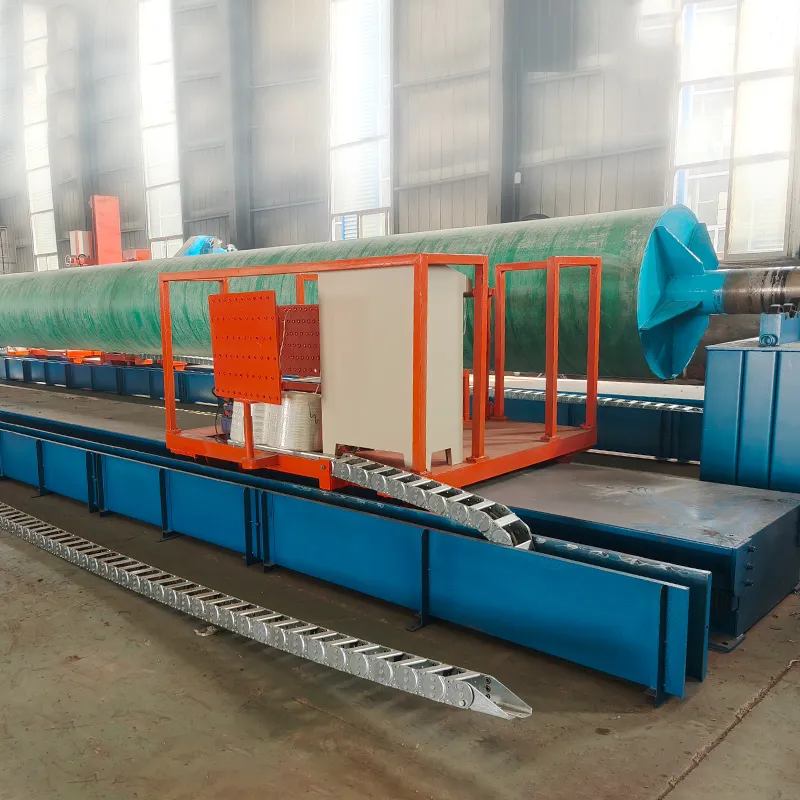
If you’re benchmarking, visit the plant. See the frp pipe winding machine run a live lay-up, and pull a coupon. Nothing beats first-hand data.
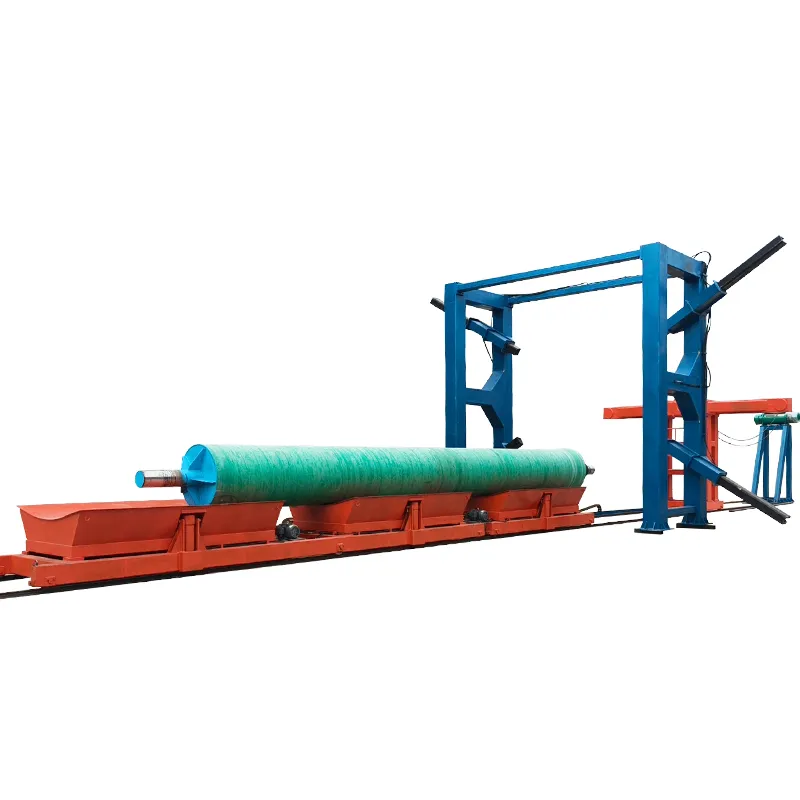
Origin note: production and support teams are based in Hengshui, Hebei—a long-time composites cluster with deep supply chains. That helps on spares and training, frankly.
Authoritative references
- ISO 14692: Petroleum and natural gas industries — Glass-reinforced plastics (GRP) piping.
- AWWA C950: Fiberglass pressure pipe standard.
- ASTM D2992, D2412, D1599, D2105: GRP pipe test methods and hydrostatic qualification.