Ground Tank Fiberglass: Durable, Efficient Water Storage Solutions Worldwide
Understanding Ground Tank Fiberglass: Building Durable Solutions for Water Storage
Ground tank fiberglass might sound like a niche term, but in fact, it represents a cornerstone of modern water storage solutions worldwide. Whether in agriculture, municipal water management, or disaster relief, these fiberglass-ground tanks offer an impressive blend of strength, longevity, and adaptability. Frankly, as water scarcity and infrastructure challenges grow globally, knowing about ground tank fiberglass is becoming essential for engineers, planners, and humanitarian agencies alike.
Introduction: Why Ground Tank Fiberglass Matters on a Global Scale
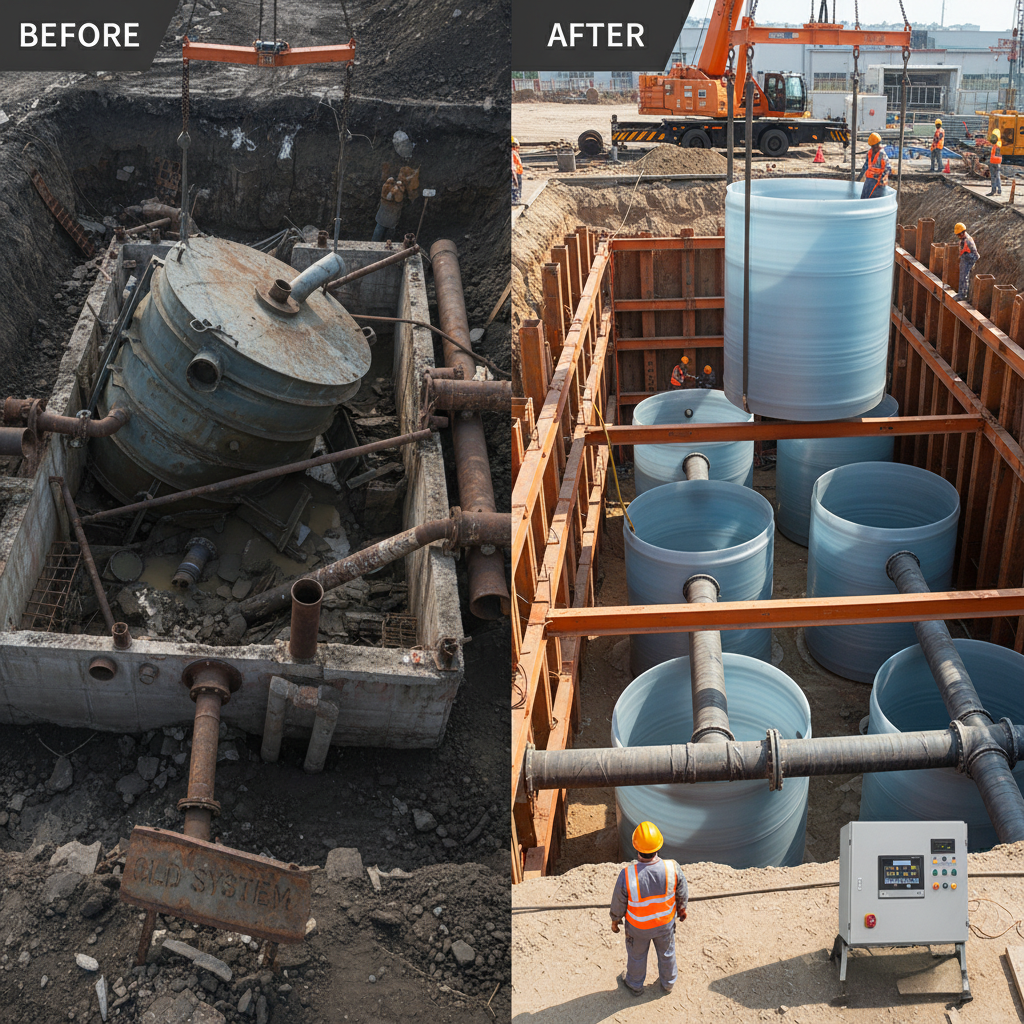
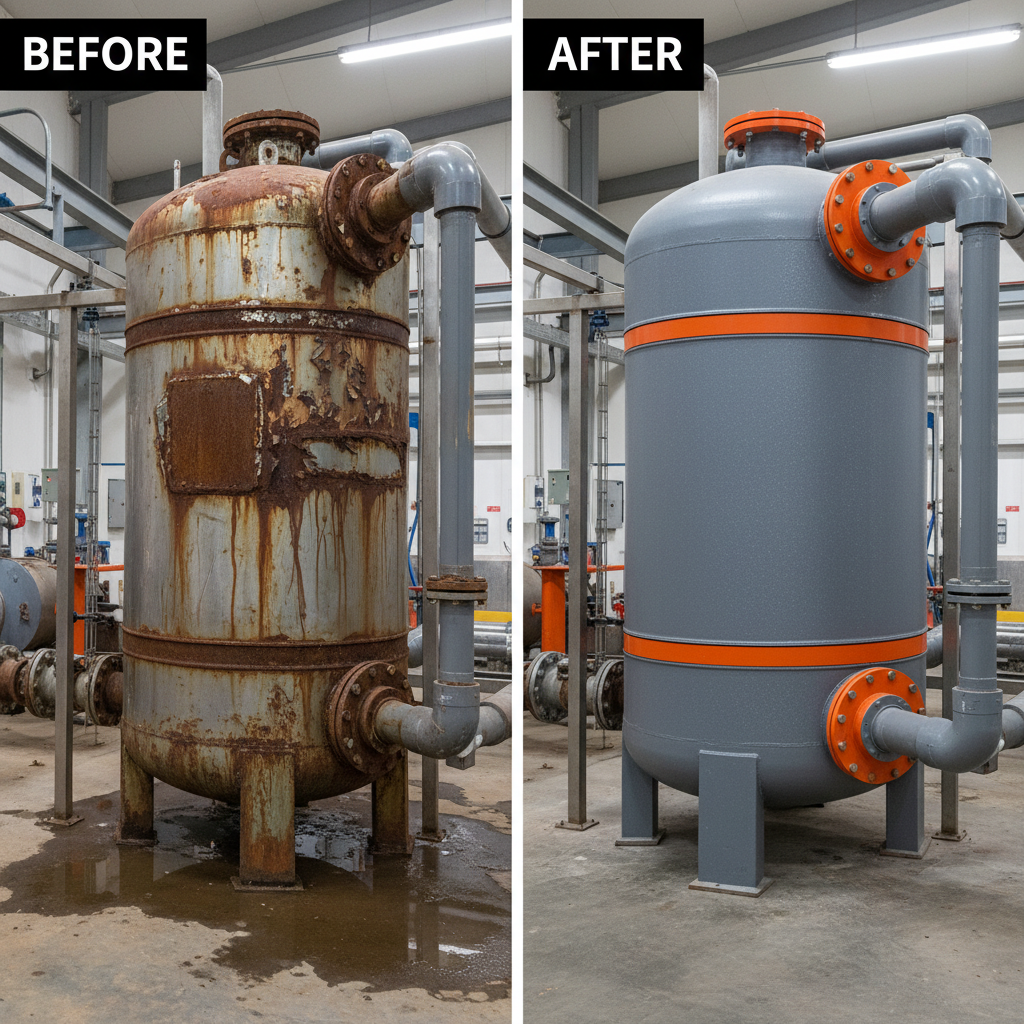
The United Nations estimates that by 2025, two-thirds of the world's population could face water shortages. Infrastructure to safely store and manage water becomes a pressing concern, especially in remote or disaster-hit areas. Traditional tanks made from steel or concrete often suffer from corrosion, cracking, or heavy maintenance, leading to costly failures. Enter ground tank fiberglass — a durable alternative that is corrosion-resistant and easy to install.
According to recent ISO standards on composite materials used in storage, fiberglass tanks boast superior performance when exposed to harsh climates. Plus, their lightweight nature reduces transportation and installation costs. This combination addresses many challenges faced by developing regions and industrial zones with limited access to reliable water storage.
Mini Takeaway: Ground tank fiberglass reduces water storage challenges by offering a corrosion-resistant, easy-to-deploy solution, crucial as water scarcity grows globally.
Defining Ground Tank Fiberglass
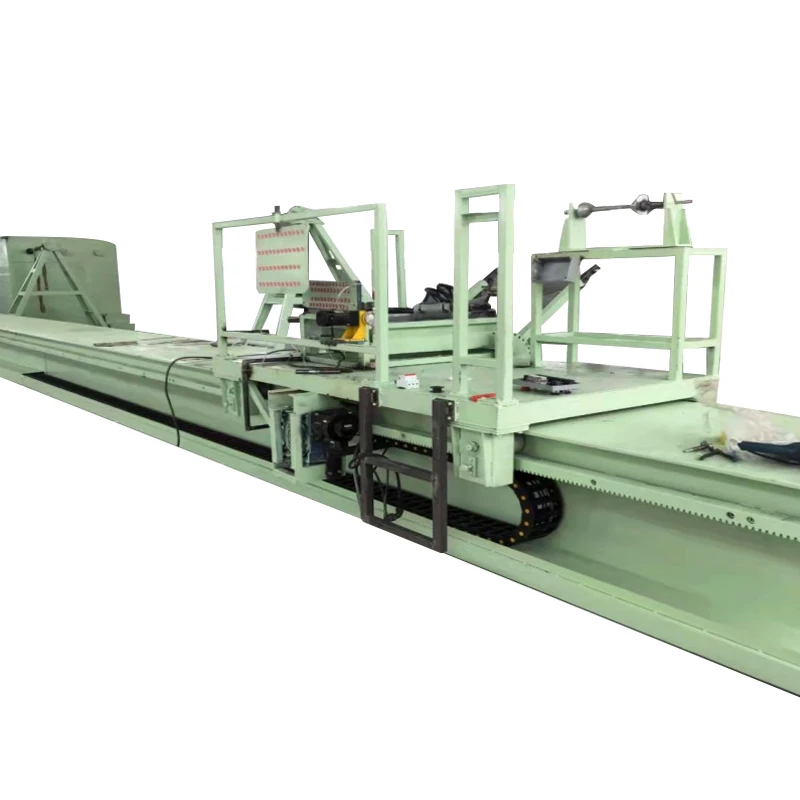
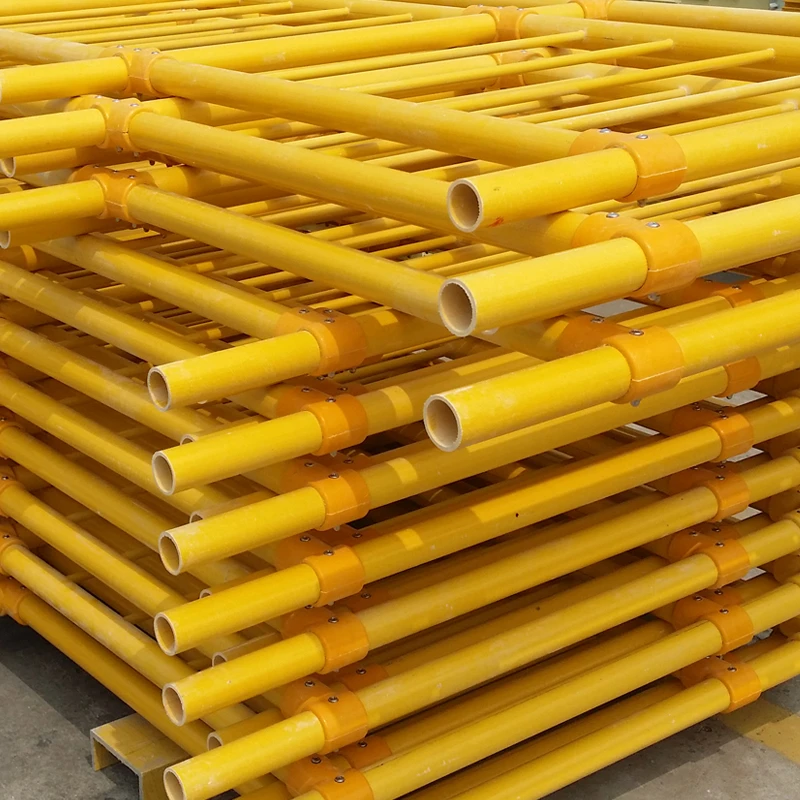
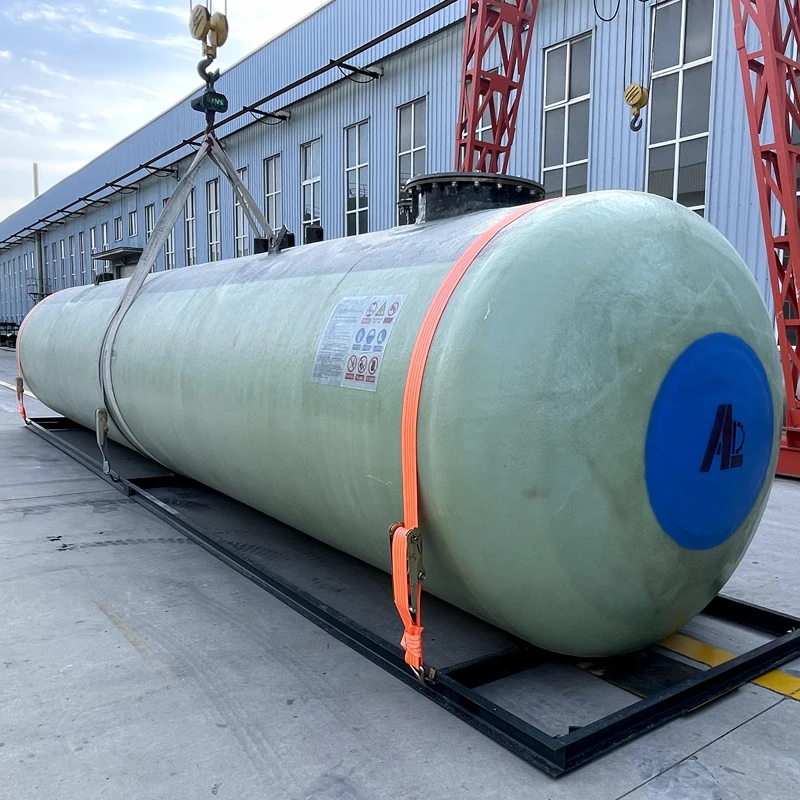
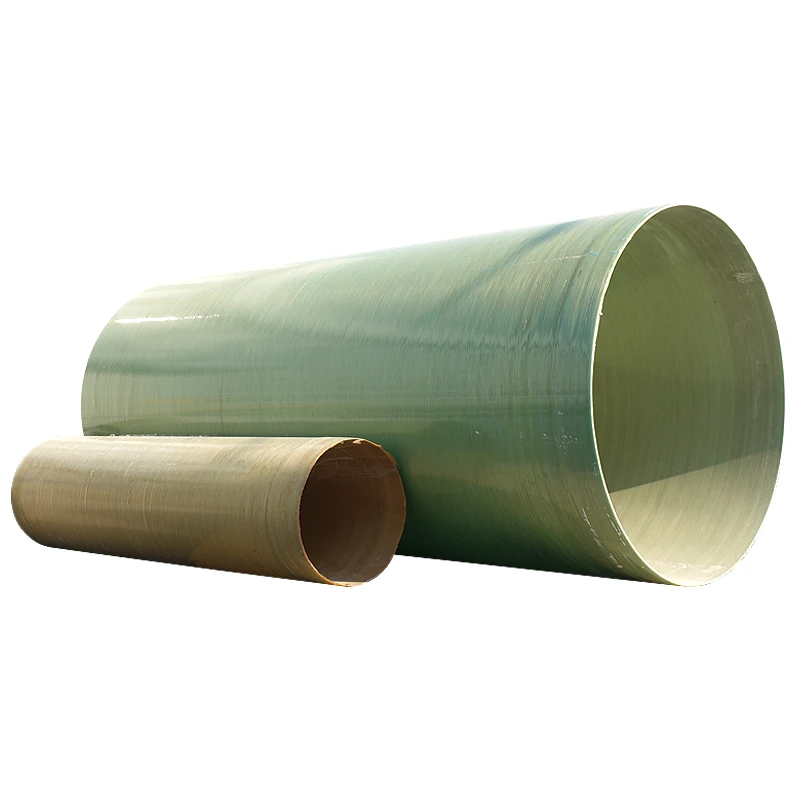
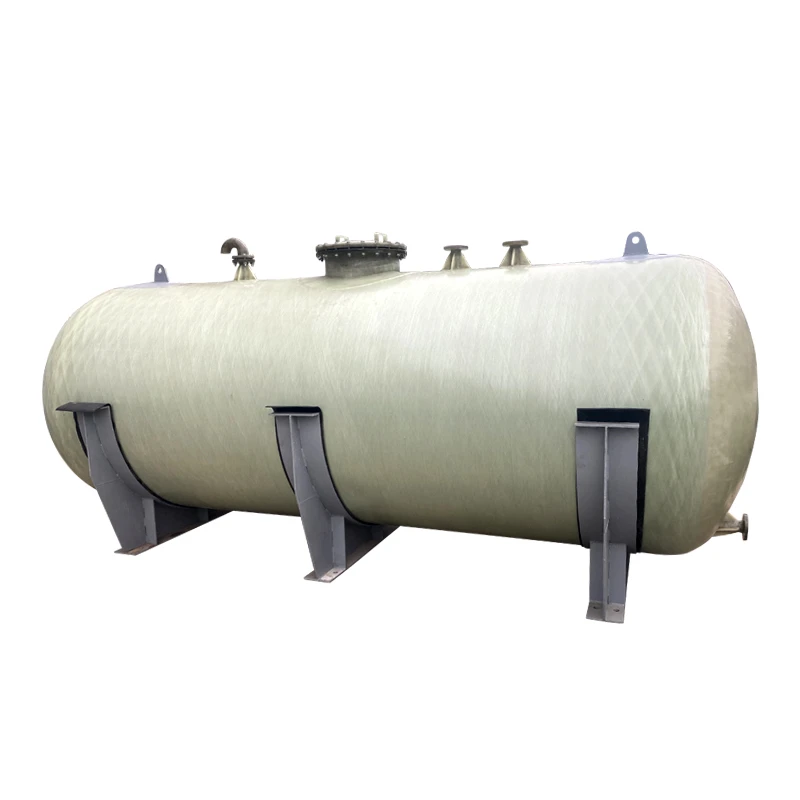
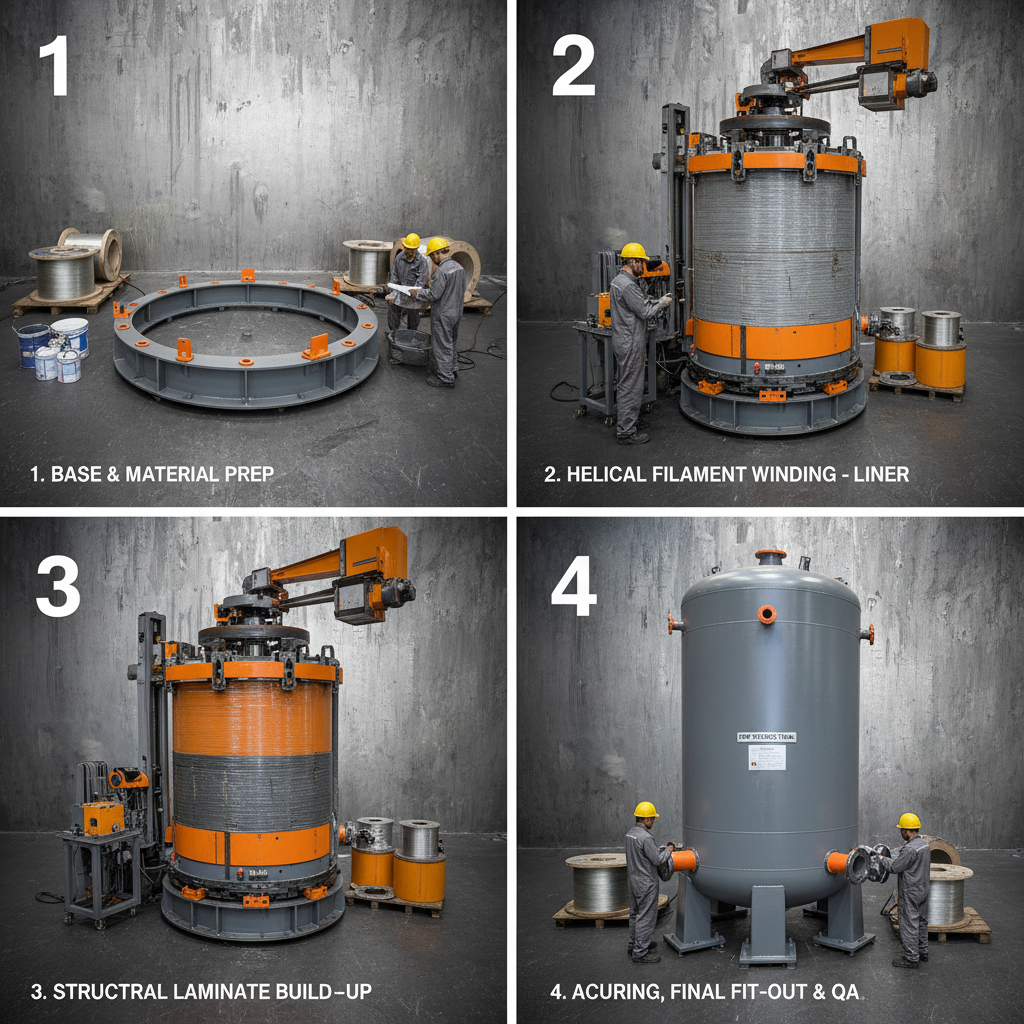
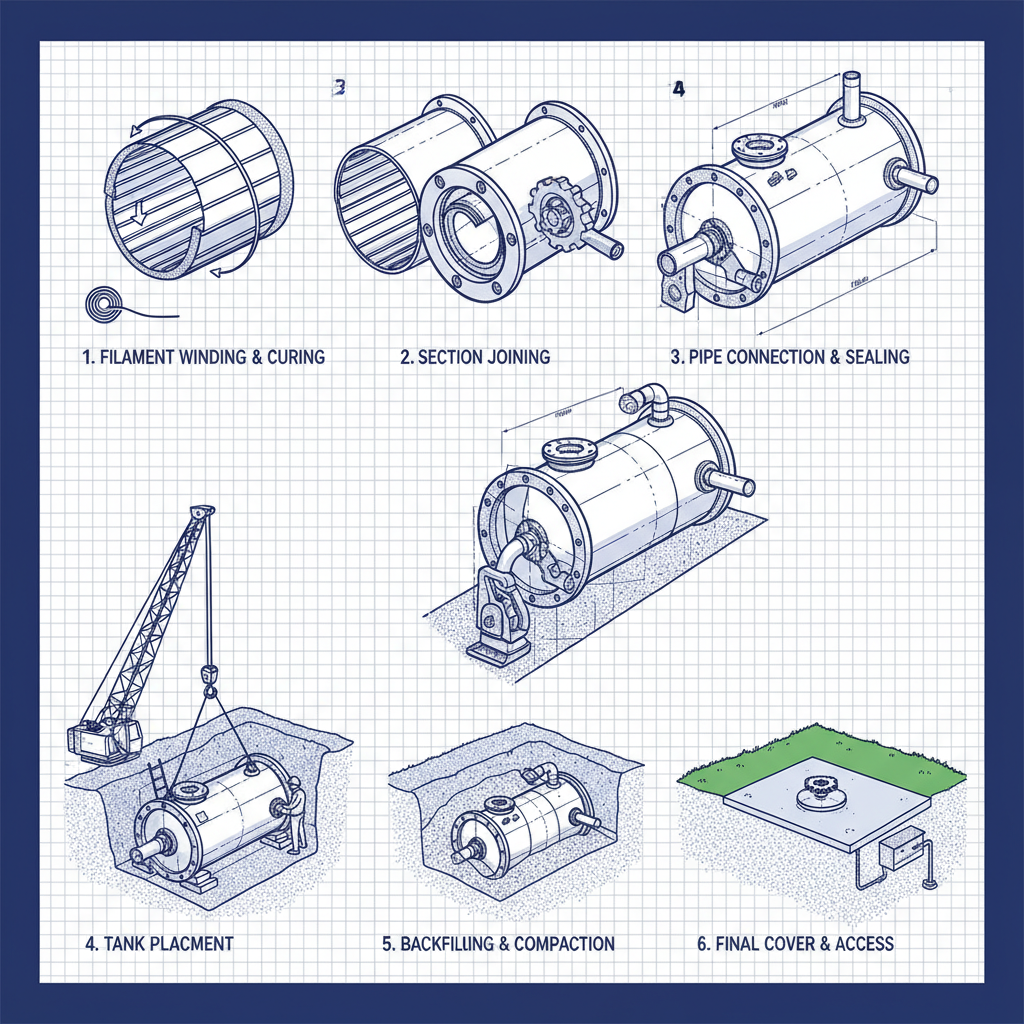
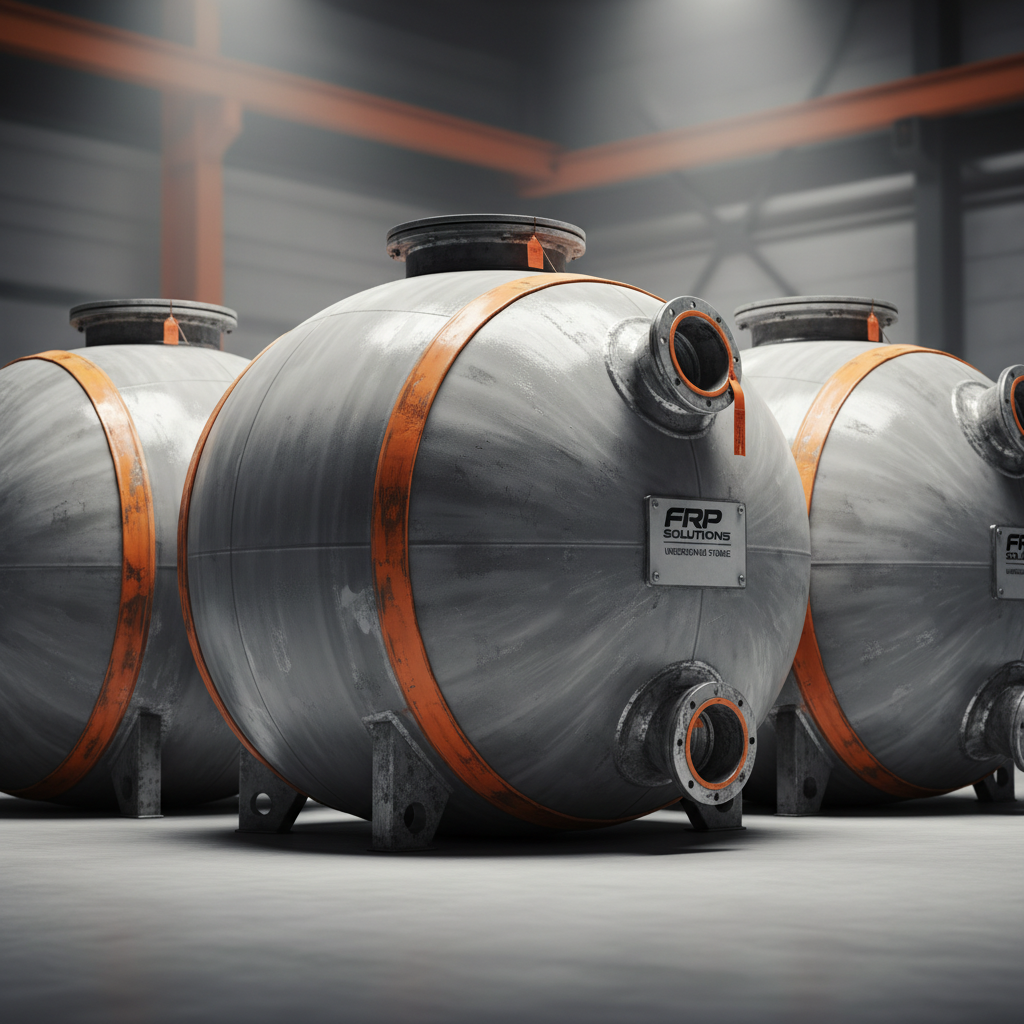
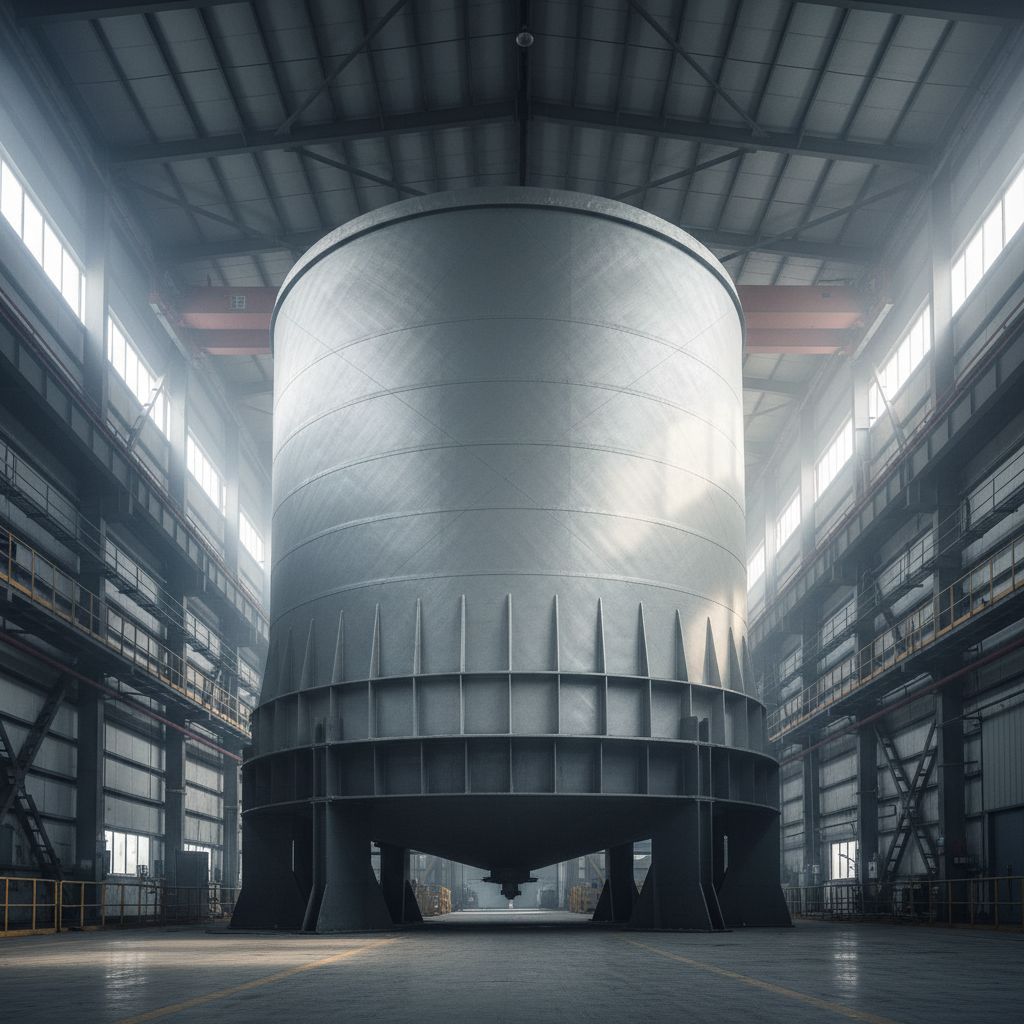
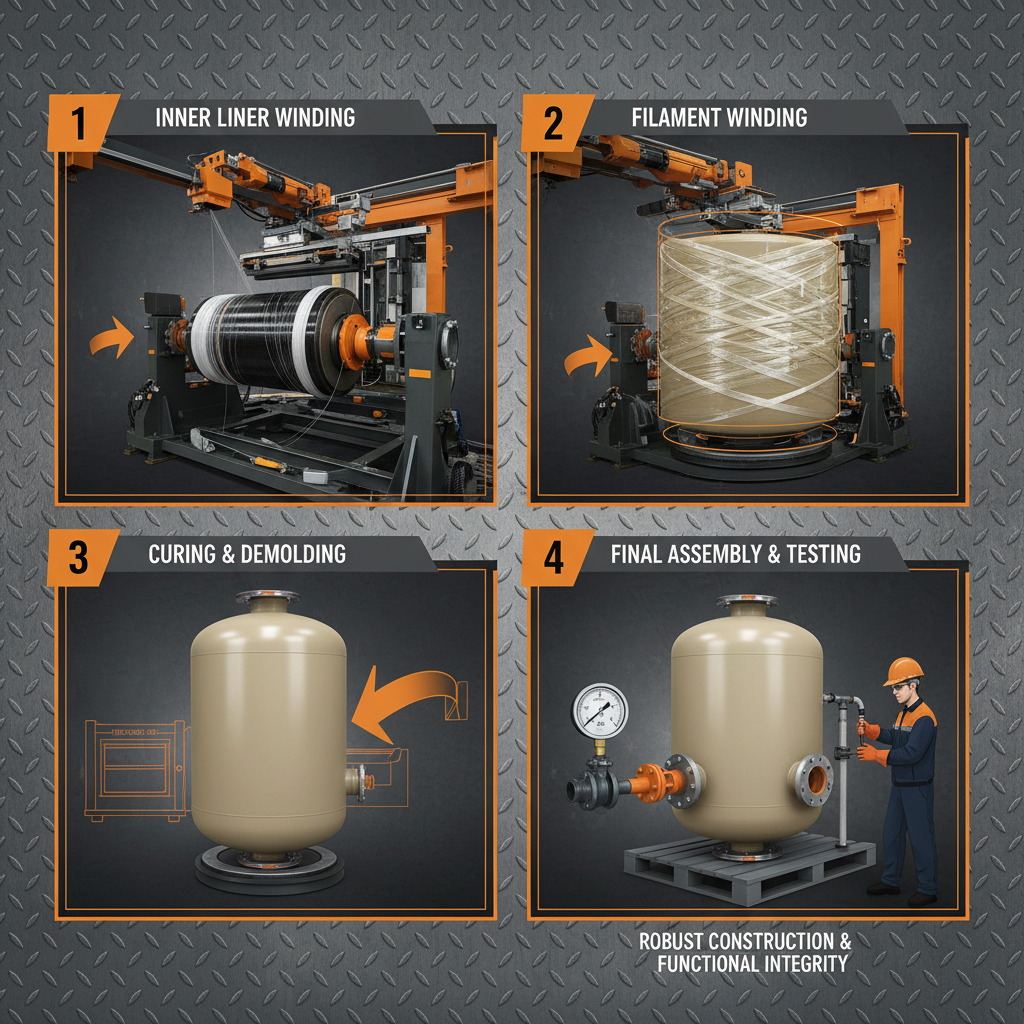
Simply put, a ground tank fiberglass is a water or liquid storage tank constructed primarily from fiberglass-reinforced plastic (FRP). These tanks sit directly on the ground and are designed to store potable water, chemicals, or wastewater safely and efficiently. The reinforced fiberglass structure gives these tanks their signature durability and lightweight characteristics.
Their connection to modern industrial and humanitarian needs can't be overstated. In industries like agriculture or mining, dependable water storage means smoother operations. Likewise, for humanitarian efforts, rapid deployment of these tanks in crisis zones often makes the difference in providing essential clean water.
Core Components of Ground Tank Fiberglass
Durability
Fiberglass tanks resist corrosion and UV damage far better than metal alternatives. This durability translates to lifespans often exceeding 20 years with minimal maintenance — a big deal when you're out in the field with limited resources.
Scalability
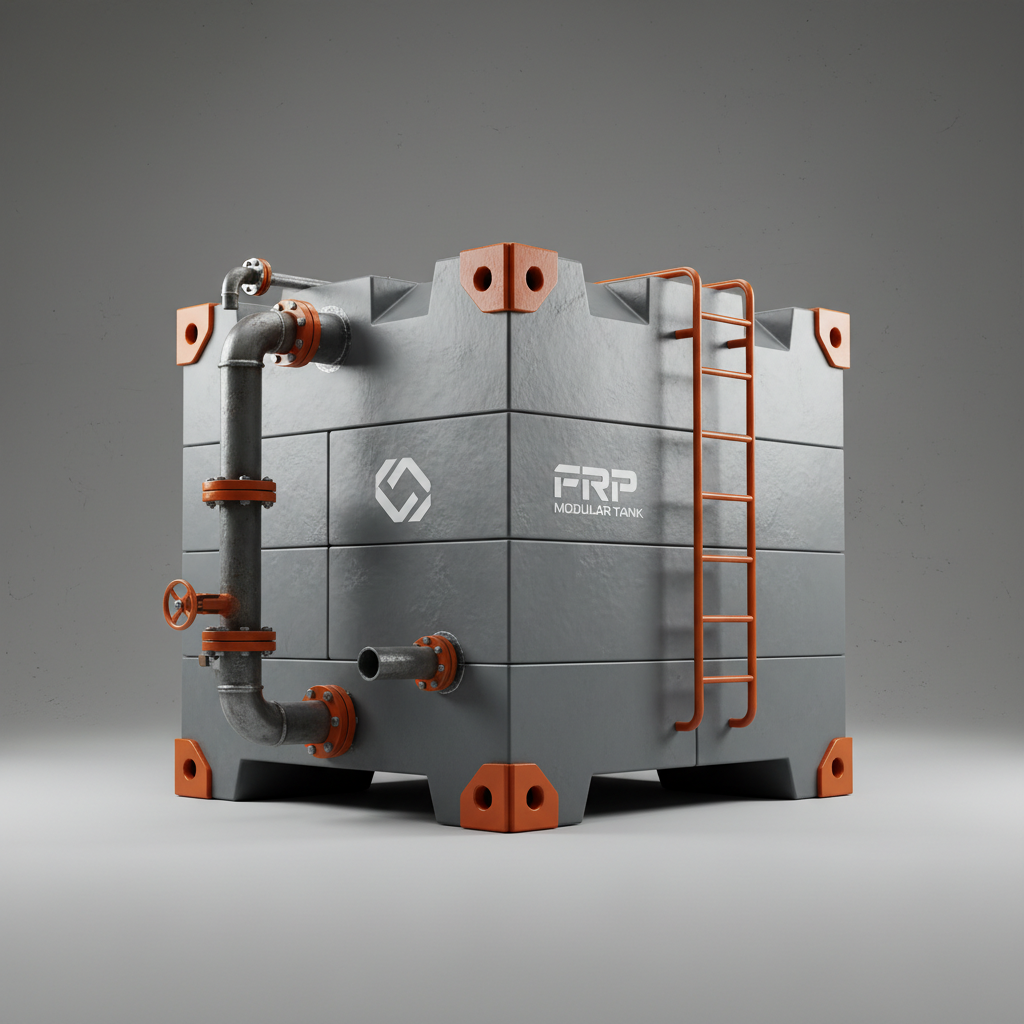
These tanks come in various sizes, from a few hundred liters to several thousand, making them scalable for both small farms and large industrial parks. Their modular design also means you can add capacity quickly without massive infrastructure changes.
Cost Efficiency
Oddly enough, despite a higher upfront cost compared to some plastic tanks, fiberglass ground tanks save money in the long run. They're cheaper to transport and install due to their light weight and require less upkeep.
Environmental Resistance
Designed to withstand extreme temperatures and chemical exposure, fiberglass ground tanks find use in challenging environments — be it desert heat or corrosive industrial chemicals.
Maintenance Ease
Smooth surfaces prevent algae growth and contamination easier than porous materials. Cleaning these tanks is straightforward, ensuring water quality remains high — something crucial for communities relying on them daily.
Product Specification Table
| Specification | Typical Value |
|---|---|
| Material | Fiberglass Reinforced Plastic (FRP) |
| Capacity Range | 500 Liters – 20,000 Liters |
| Lifespan | 20+ Years |
| UV Resistance | Excellent |
| Weight (Empty) | 600 - 3500 kg (varies with size) |
| Installation Time | 1-3 Days |
Mini Takeaway: Ground tank fiberglass blends durability with flexible sizing and low maintenance, making it ready for a variety of applications.
Who’s Using Ground Tank Fiberglass? Global Applications & Use Cases
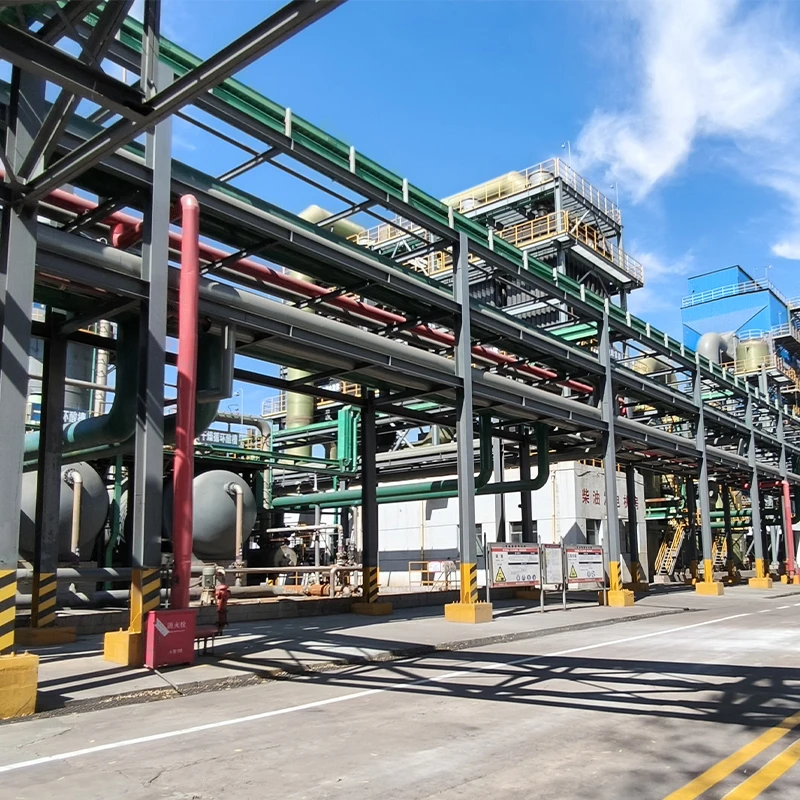
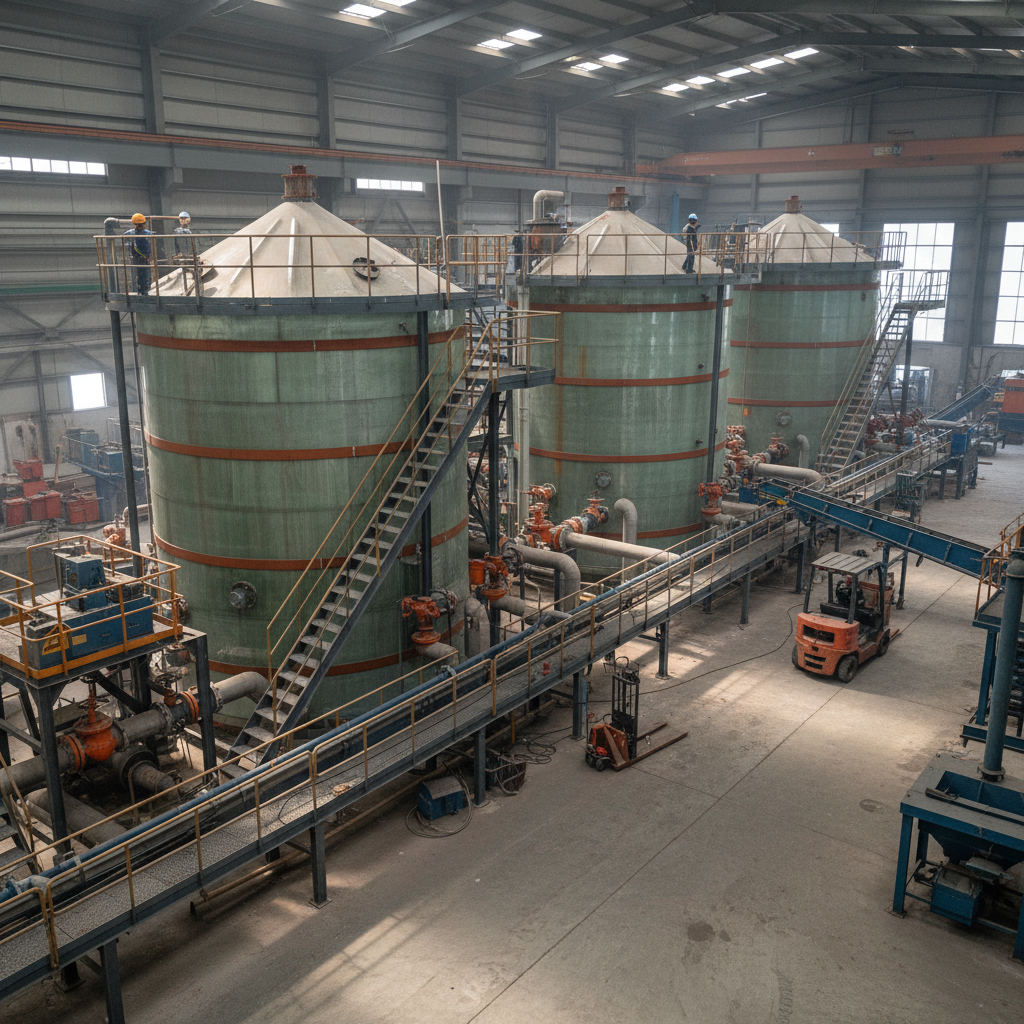
Around the world, industries and humanitarian groups increasingly turn to these tanks. In sub-Saharan Africa, NGOs incorporate them into emergency clean water systems after floods or droughts. In industrial settings, like chemical manufacturing in Southeast Asia, these tanks safely hold volatile liquids without risk of corrosion.
Australia’s mining sector uses fiberglass tanks extensively, where remote locations demand easy-to-transport and resilient infrastructure. Even municipal water authorities in Europe deploy fiberglass tanks for rainwater harvesting systems — a smart step toward sustainability.
Check out more options about ground tank fiberglass on this site: ground tank fiberglass.
Vendor Comparison Table
| Feature | Vendor A | Vendor B | Vendor C |
|---|---|---|---|
| Material Quality | High-grade FRP | Standard FRP | Enhanced UV Coating |
| Size Range | 500-15,000 L | 1,000-20,000 L | 300-10,000 L |
| Installation Time | 3 Days | 2 Days | 4 Days |
| Warranty | 20 Years | 15 Years | 10 Years |
| Price Level | High | Medium | Low |
Advantages & Long-Term Value of Ground Tank Fiberglass
When you think about storing water or chemicals, reliability matters — but so does trust. Fiberglass tanks offer a physical robustness that inspires confidence. Their corrosion resistance means fewer sudden failures, which protects communities and industrial processes alike.
On a social level, these tanks uphold dignity by providing safe, clean water capacity in vulnerable regions. Emotionally, knowing a clean water tank won’t fail after a storm resonates with NGOs and government agencies.
Looking Ahead: Future Trends and Innovations
Industry insiders tell me that next-gen tanks will incorporate smart sensors for real-time monitoring, enabling predictive maintenance — a big leap toward more sustainable water management. Plus, developments in bio-based resins could reduce environmental footprints.
Green energy integration, such as solar-powered pumps paired with fiberglass tanks, is gaining traction to create self-sufficient water systems — crucial in off-grid locales.
Challenges & Practical Solutions
No solution is perfect, obviously. Fiberglass tanks can be susceptible to impact damage if mishandled, and UV degradation can occur without protective coatings. Yet, advances in manufacturing and better installation training are mitigating these issues.
Experts suggest combining fiberglass tanks with proper siting and protective barriers to extend service life. Plus, a little routine inspection goes a long way.
FAQ: Practical Questions About Ground Tank Fiberglass
-
Q: How long does a fiberglass ground tank typically last?
A: These tanks often last 20 years or more, depending on environmental conditions and maintenance. Proper installation and UV protection can extend this lifespan. -
Q: Can ground tank fiberglass hold potable water safely?
A: Yes, FRP tanks designed for potable water meet strict standards ensuring no harmful leaching or contamination occurs. -
Q: Are fiberglass tanks easy to transport to remote sites?
A: Absolutely. Their lightweight construction greatly simplifies transport and installation compared to concrete or steel tanks. -
Q: What maintenance do fiberglass tanks require?
A: Routine inspections for cracks or UV damage and periodic cleaning typically suffice. Unlike metal tanks, they don’t need rust treatment.
Conclusion: A Practical Investment for Tomorrow’s Water Needs
Ground tank fiberglass stands out as a strong, adaptable, and sustainable solution amid rising global water challenges. Its long-term reliability and ease of deployment make it not just a smart choice, but increasingly a necessary one. If you’re looking to future-proof your water storage, or prepare for unpredictable climates, this technology deserves your attention.
For more details or to explore product options, visit ground tank fiberglass and discover how fiberglass tanks can help meet your unique water storage needs.
In real terms, investing in durable water tanks is investing in community resilience and industry stability.