Ground Tank Fiber: Durable Water Storage Solutions for Industry & Aid
Understanding Ground Tank Fiber: A Modern Solution to Water Storage Challenges
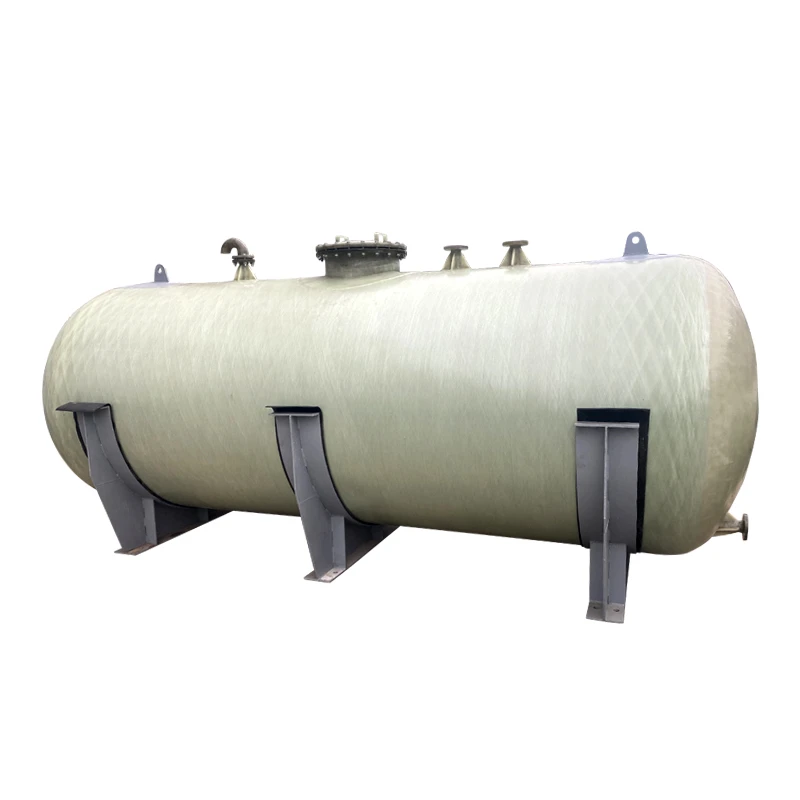
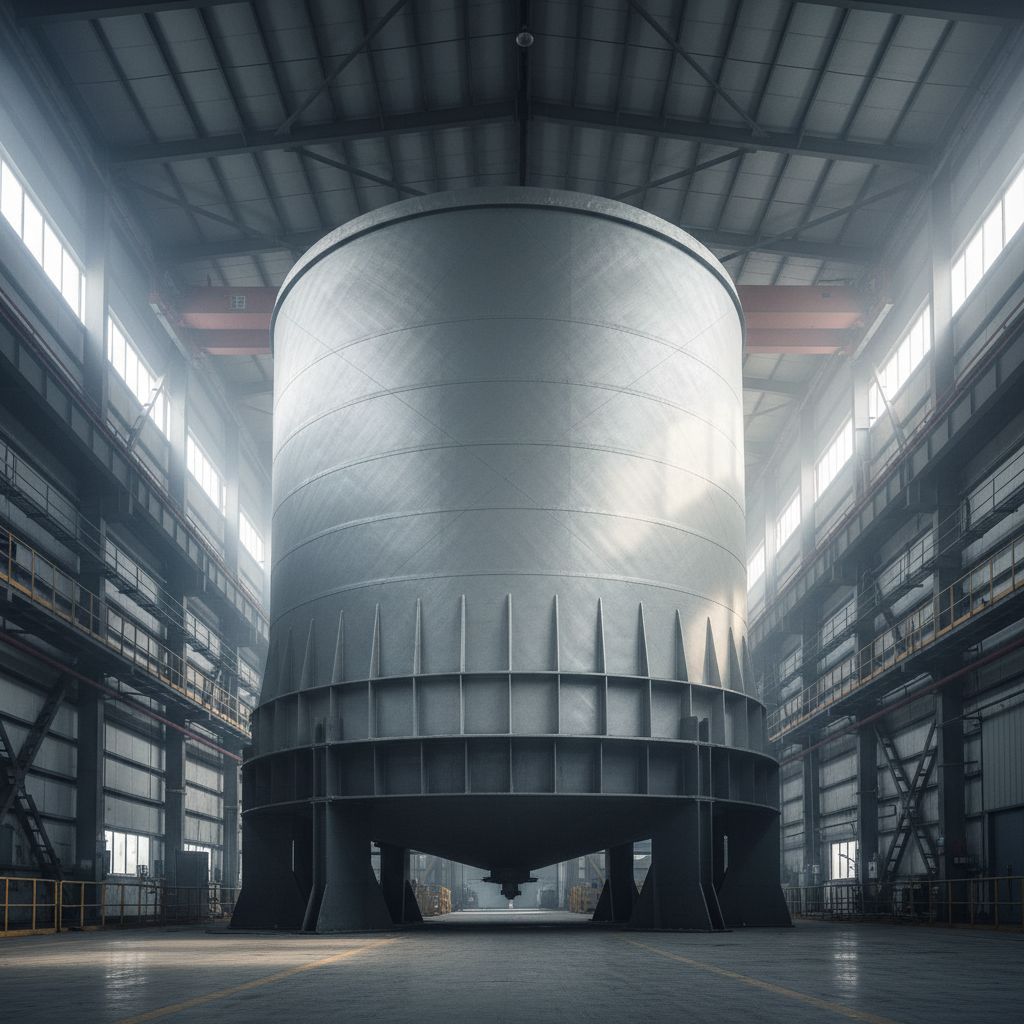
If you’ve ever worked in industries dealing with water storage, environmental management, or even disaster relief, you might have come across the term ground tank fiber. Quite frankly, it’s a niche topic, but its implications are global and critical. Ground tank fiber refers to fiber-reinforced polymer (FRP) or composite materials used to construct durable water storage tanks that rest directly on the ground. These tanks have revolutionized how water is stored, transported, and preserved, especially in remote or resource-scarce regions.
Why does this matter? Well, consider the fact that globally, according to the UN’s 2023 report, around 2 billion people lack access to safe drinking water. Traditional water storage solutions often struggle with corrosion, leakage, or contamination — challenges ground tank fiber effectively addresses. Understanding these tanks’ specs, benefits, and real-world applications can help industries and NGOs choose smarter, more sustainable options.
Global and Industry Context of Ground Tank Fiber
Water is the new gold—never truer in today’s climate-challenged world. The World Bank estimates that water demand will outpace supply by 40% by 2030, and on-the-ground infrastructure like water tanks plays a huge role. Oddly enough, the humble water tank — often taken for granted — becomes a frontline technology in water management strategies.
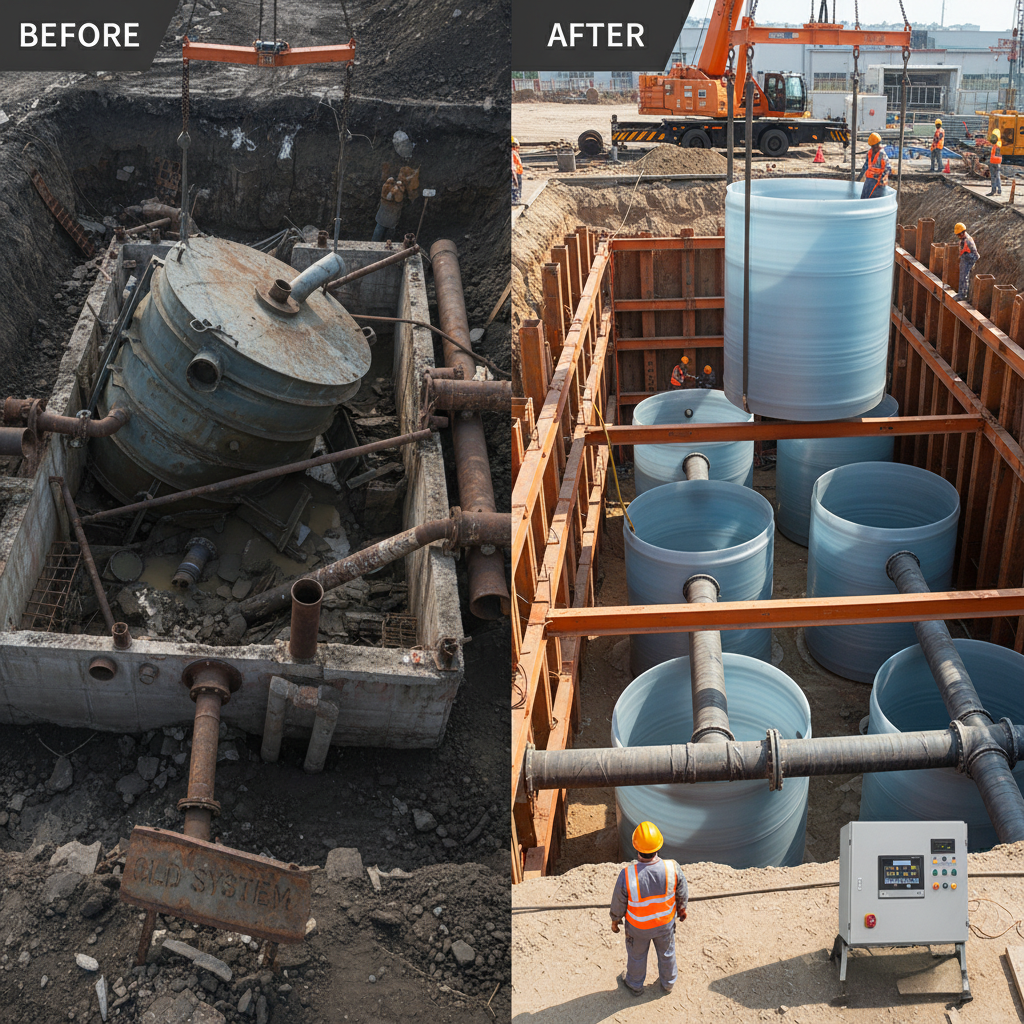
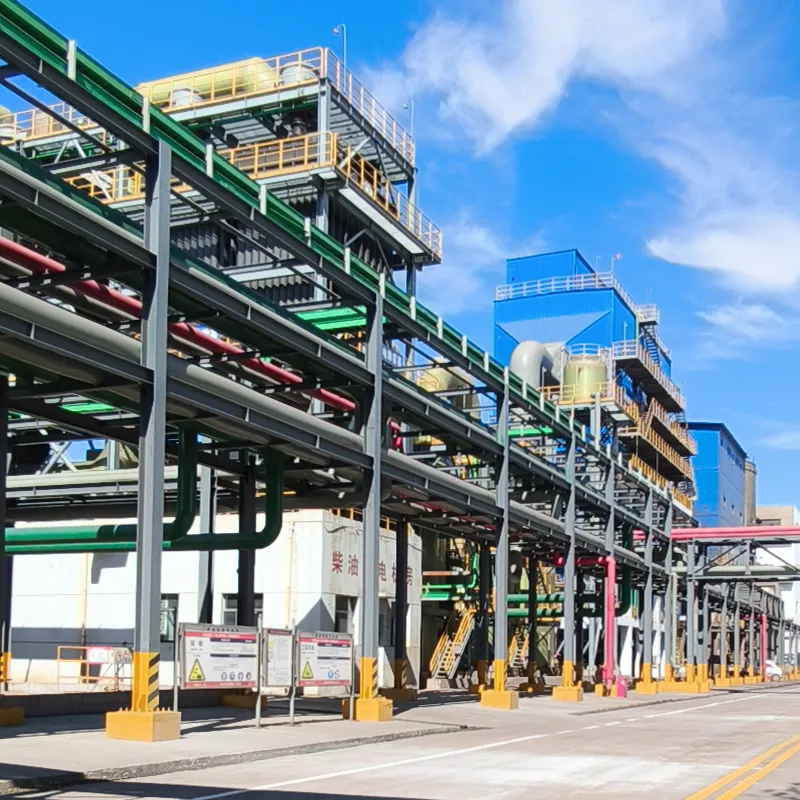
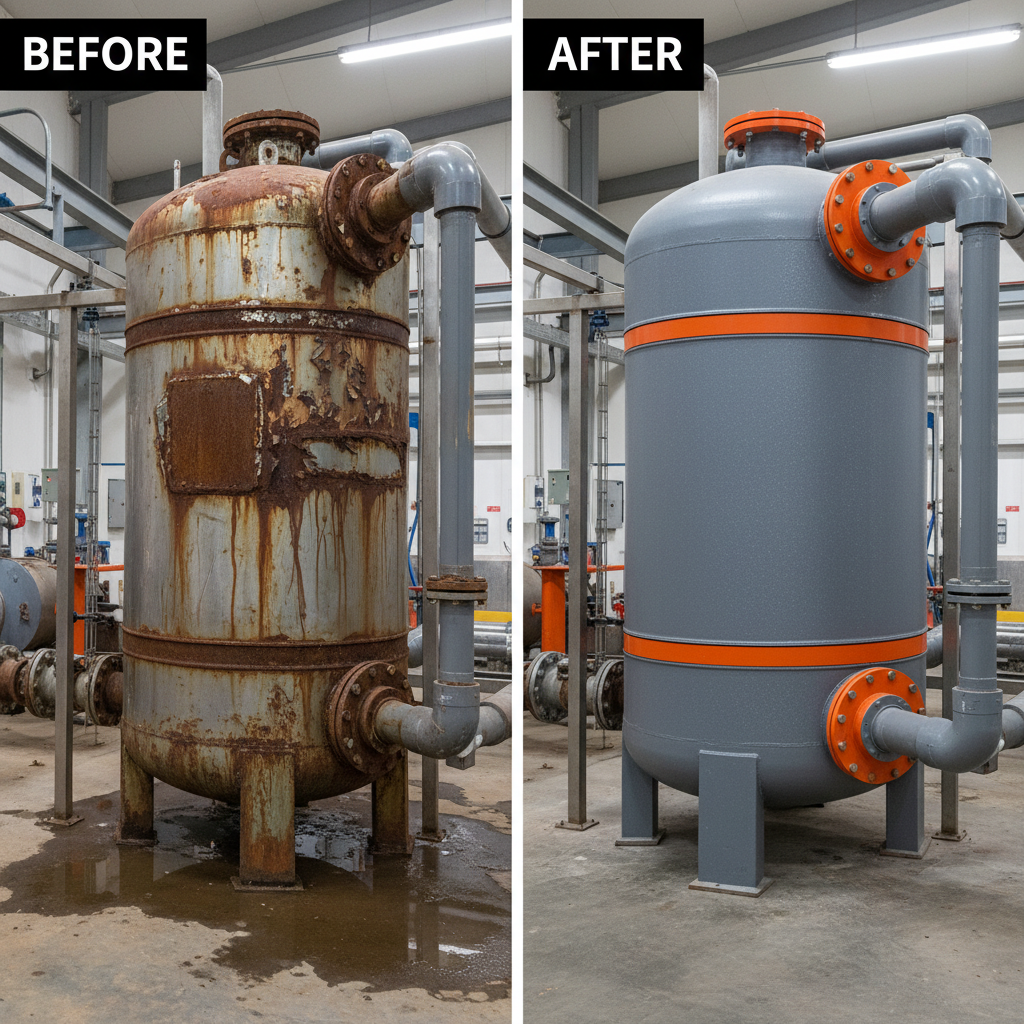
Fiber-based tanks, thanks to their resistance to rust and lightweight yet sturdy build, have become popular across agriculture, municipal water systems, and even industrial process water management. Problem is, many traditional tanks are bulky, prone to corrosion, or difficult to install in rugged terrains. This is precisely where ground tank fiber solutions shine, offering portability, longevity, and cost-efficiency.
What Exactly Is Ground Tank Fiber?
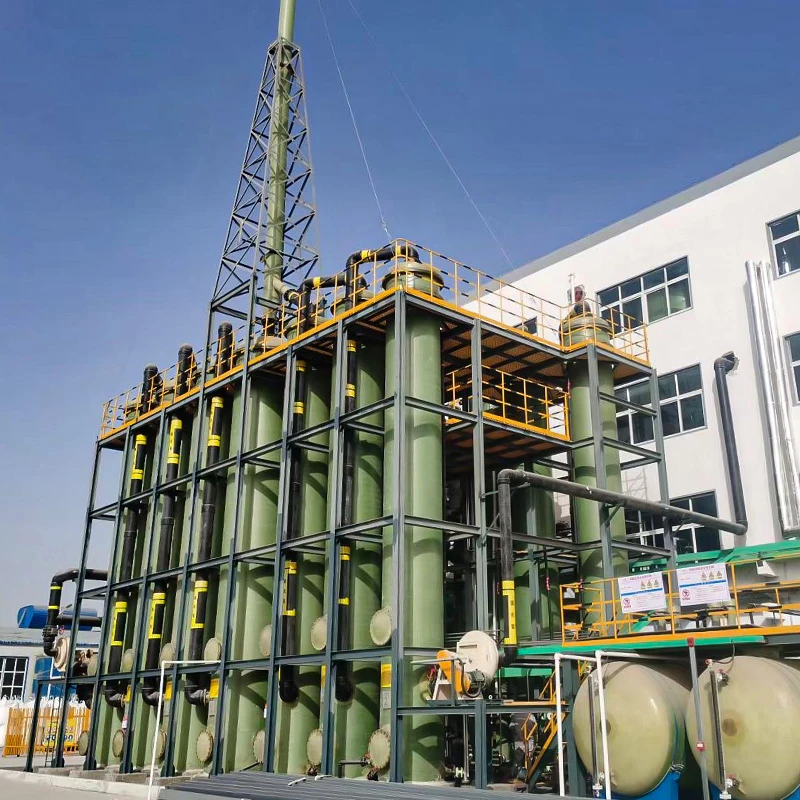
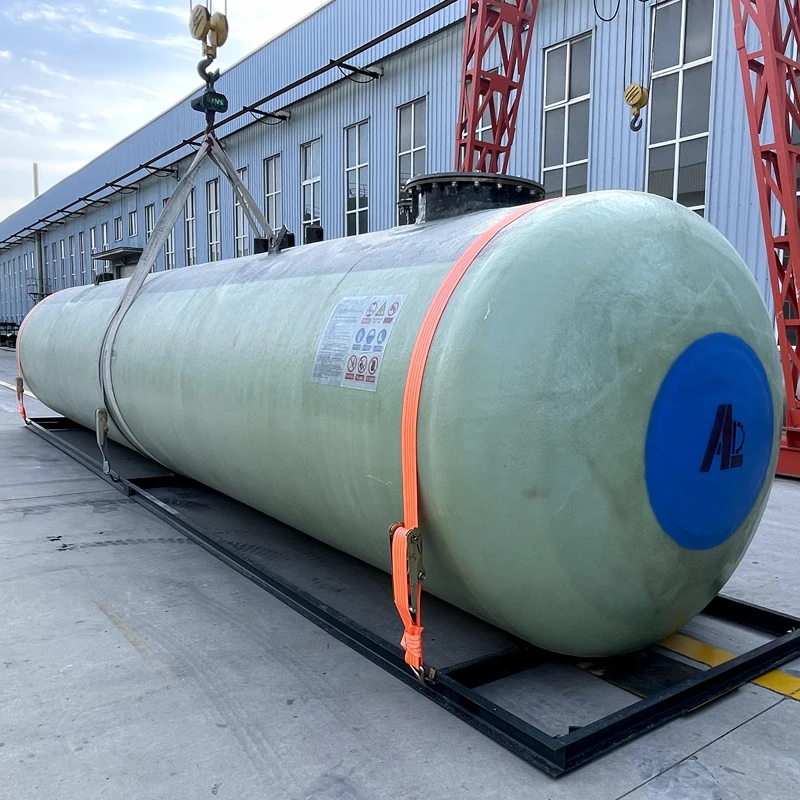
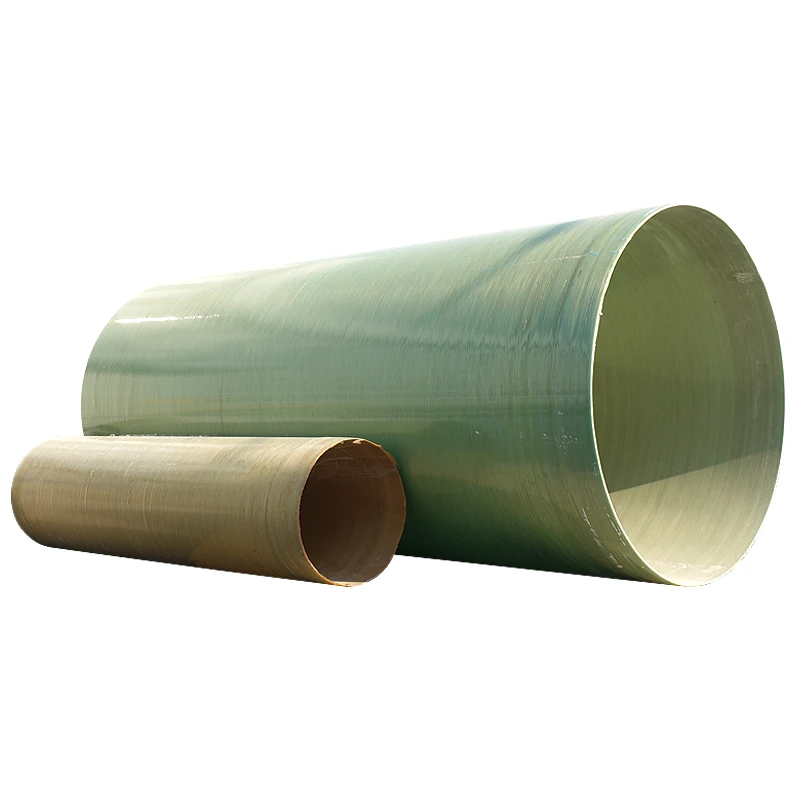
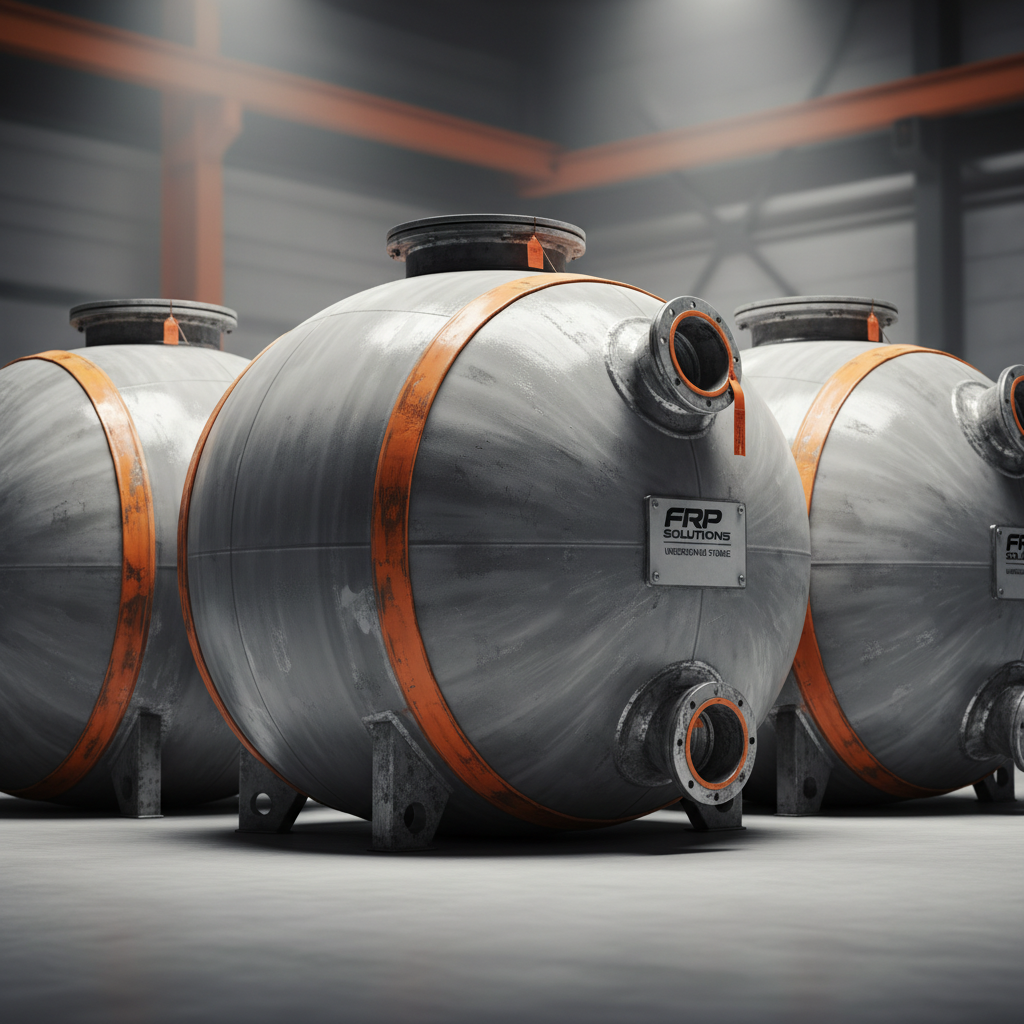
Simply put, ground tank fiber refers to tanks constructed from fiber-reinforced materials, typically fiberglass reinforced plastic (FRP). These tanks are designed to rest on the ground without the need for elevated platforms, reducing structural demands. Think of them as tough, corrosion-resistant containers that store water or other liquids safely on-site. Unlike metal or concrete tanks, these fiber tanks resist chemical damage, rotting, and require minimal maintenance, making them ideal for a wide range of industries.
In modern humanitarian aid or remote industrial operations, these tanks ensure water availability without the logistical nightmare of constant repairs or replacements. They’re basically engineered toughness with a lightweight twist.
Key Components of Ground Tank Fiber
1. Durability
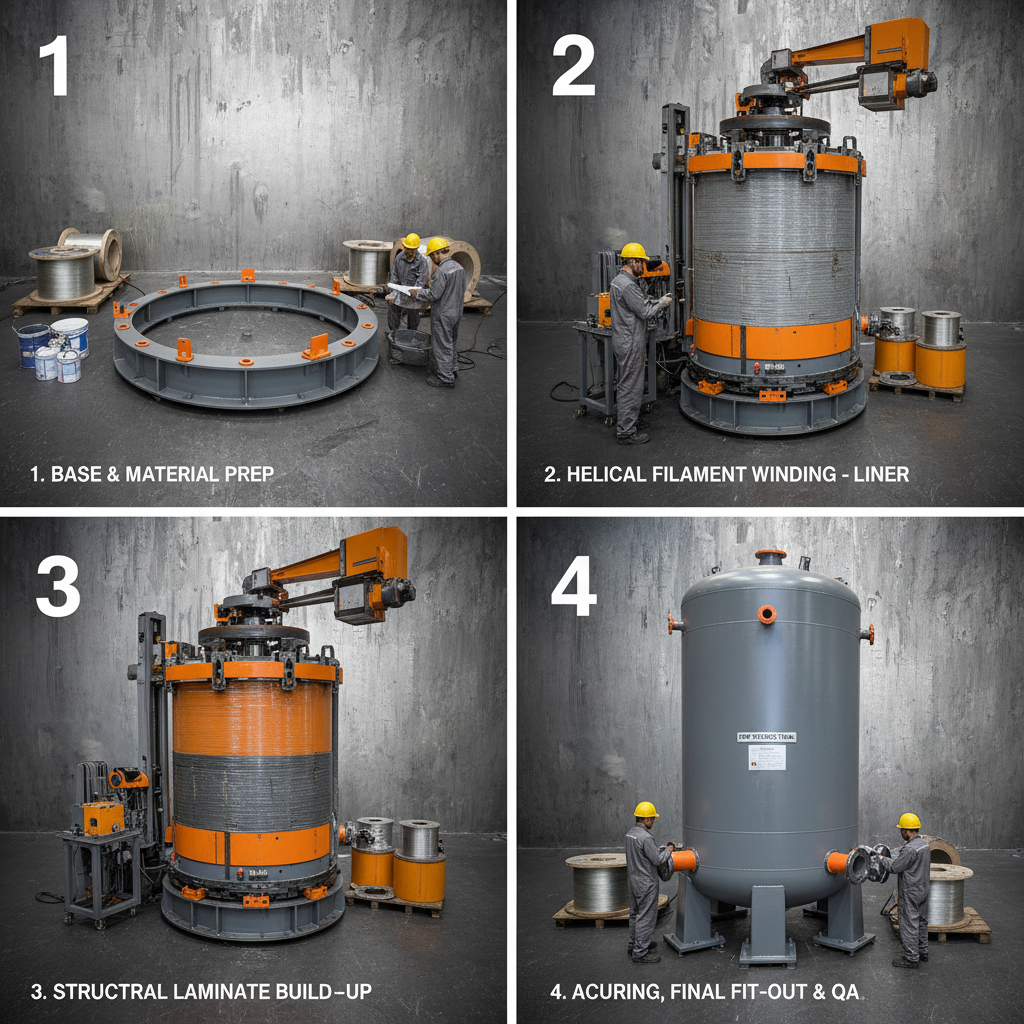
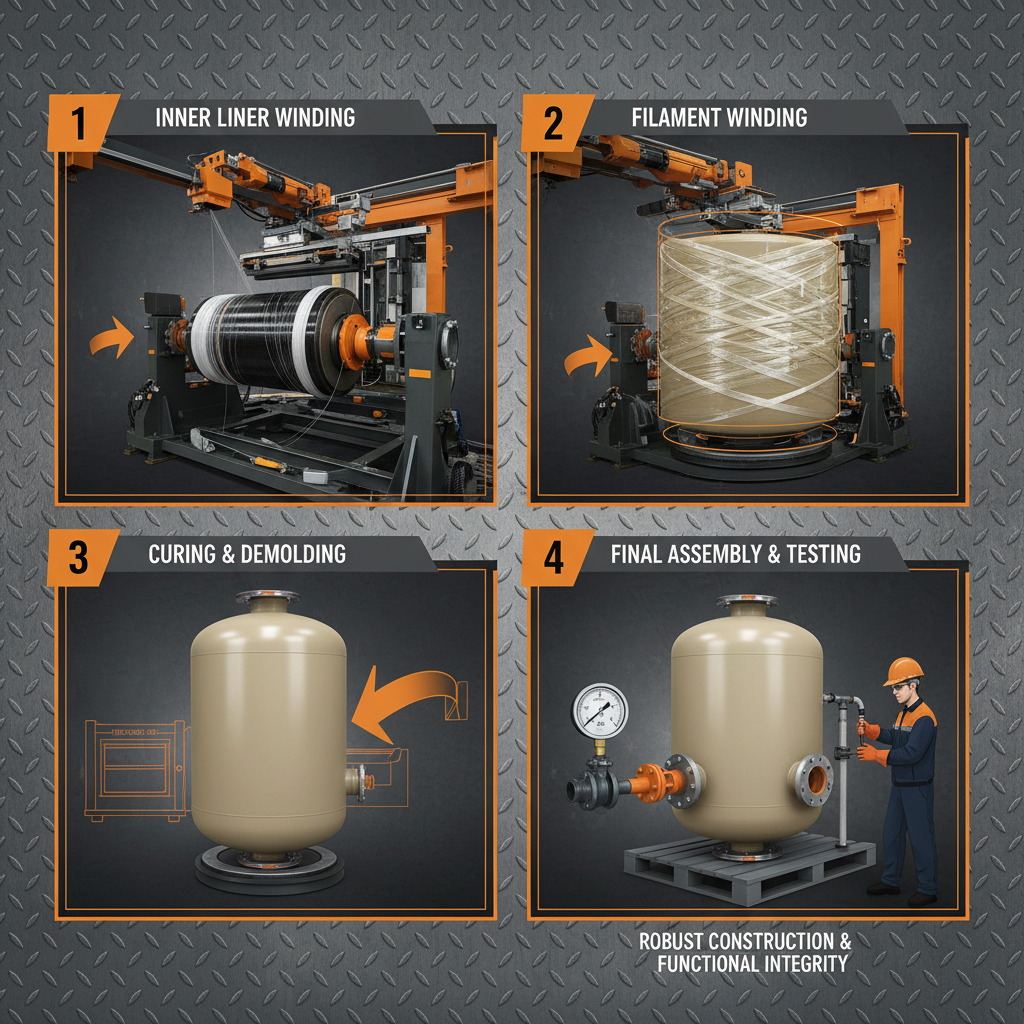
The backbone of these tanks is their fiberglass composite layering—a mixture of resin and glass fibers. This creates a tank shell that’s incredibly resistant to corrosion, UV radiation, and chemicals. Many engineers report these tanks last 20+ years with minimal degradation.
2. Scalability & Customizability
Ground tank fiber solutions can be produced in sizes ranging from a few hundred liters to several cubic meters. Custom shapes or fittings can be integrated during manufacturing, suiting unique project needs. This flexibility reduces installation times and cost overruns.
3. Cost Efficiency
While the initial price of FRP tanks can be slightly higher than basic plastic alternatives, their long-term savings on maintenance and durability more than compensate. Shipping and installation costs are also lower because of the tanks’ light weight.
4. Environmental Resistance
Unlike steel tanks, ground fiber tanks don’t rust. They can endure harsh environmental conditions, including salty air near coastlines or acidic industrial sites.
5. Ease of Installation
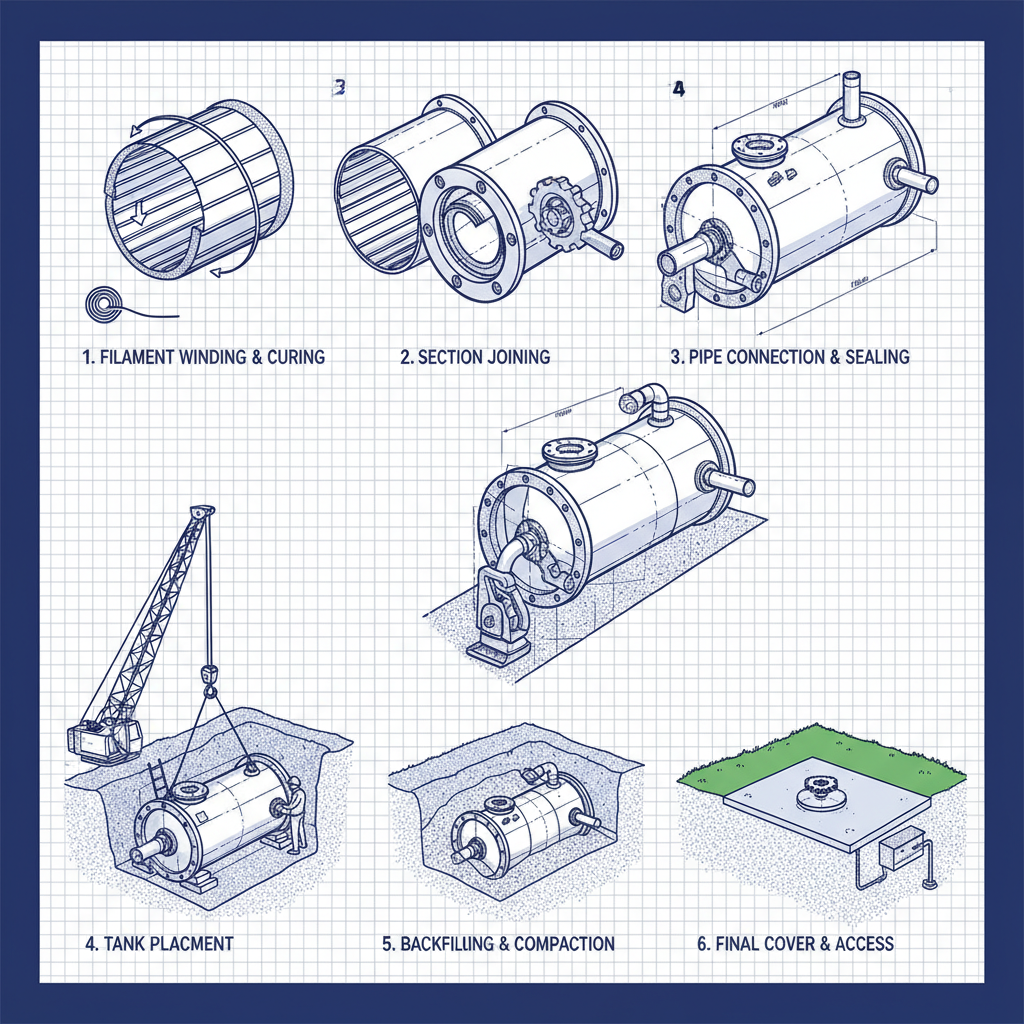
No heavy cranes or specialized foundations needed. These tanks are designed to be placed directly on leveled ground, ideal for disaster zones or rural sites with limited infrastructure.
Product Specification Table
| Specification | Typical Value | Unit |
|---|---|---|
| Material Composition | Fiberglass Reinforced Plastic (FRP) | - |
| Capacity Range | 500 - 50,000 | liters |
| Average Lifespan | 20-25 | years |
| Weight (empty) | 150 - 3000 | kg |
| Operating Temperature | -20 to 60 | °C |
Mini takeaway: These tanks balance strength, customization, and environmental resilience — a versatile choice for water storage challenges worldwide.
Global Applications and Use Cases
- Post-Disaster Relief: In crisis zones such as flood-hit areas or regions struck by earthquakes, rapid deployment of ground tank fiber units provides reliable access to potable water where infrastructure is decimated.
- Agricultural Irrigation: Farmers in arid regions of Africa or Asia rely on these tanks to store rainwater or well water, maintaining crop health throughout dry seasons.
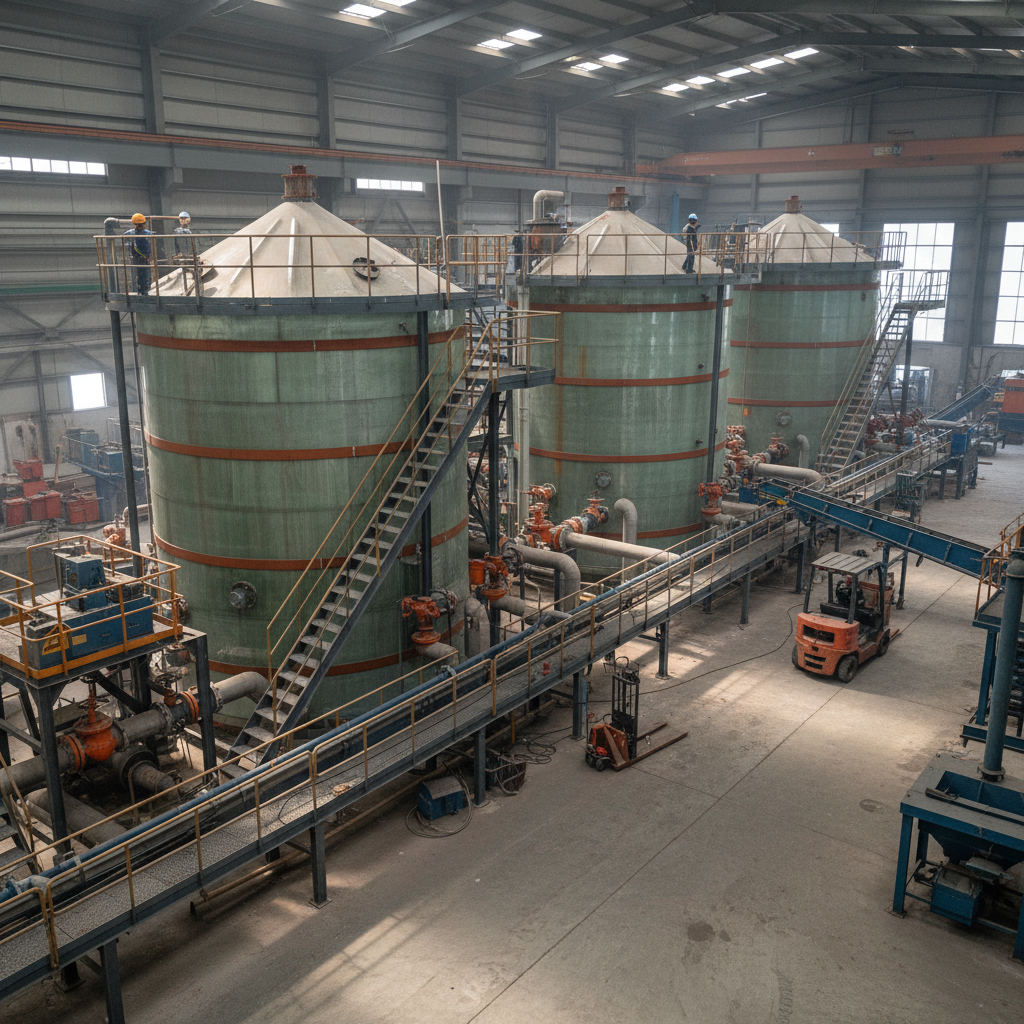
- Industrial Sites: Mining operations in South America or remote oil fields often require chemical-resistant tanks for storing process water or waste fluids.
- Municipal Water Storage: Small towns and rural communities deploy these tanks for clean water storage, reducing dependence on vulnerable pipeline networks.
For instance, a NGO working in Southeast Asia recently installed dozens of ground tanks in villages prone to seasonal droughts, effectively mitigating water scarcity that previously impacted health outcomes. This kind of use highlights the tanks’ real-world lifesaving potential.
Vendor Comparison Table
| Vendor | Capacity Range (L) | Customization | Typical Lead Time | Geographic Reach |
|---|---|---|---|---|
| AquaFiber Tanks | 500 - 10,000 | High - custom fittings and sizes | 4-6 weeks | Global |
| EnduroTanks | 1,000 - 50,000 | Moderate - standard sizes, some customization | 6-8 weeks | North America, Asia |
| FibraStor Systems | 750 - 20,000 | Standardized range only | 3-4 weeks | Europe, Middle East |
Advantages and Long-Term Value
When weighing options for your next water storage solution, think about these advantages:
- Cost Savings: Reduced maintenance means fewer unexpected expenses. Their long lifecycle offsets upfront costs.
- Environmental Sustainability: FRP materials are increasingly recyclable and reduce water contamination risks.
- Security and Safety: Leak-proof construction preserves water quality, protecting community health—especially crucial in humanitarian contexts.
- Innovation and Trust: Leading vendors often integrate digital sensors for remote monitoring—ensuring timely maintenance.
Emotionally, having reliable water storage means peace of mind, dignity for vulnerable communities, and a foundation for resilient development. It’s more than a container; it’s a cornerstone of modern infrastructure.
Future Trends & Innovations
The industry is evolving rapidly. Experts predict:
- Smart Tanks: Embedded IoT sensors that monitor water quality and levels in real-time.
- Green Materials: Biodegradable or recycled resin composites are on the rise.
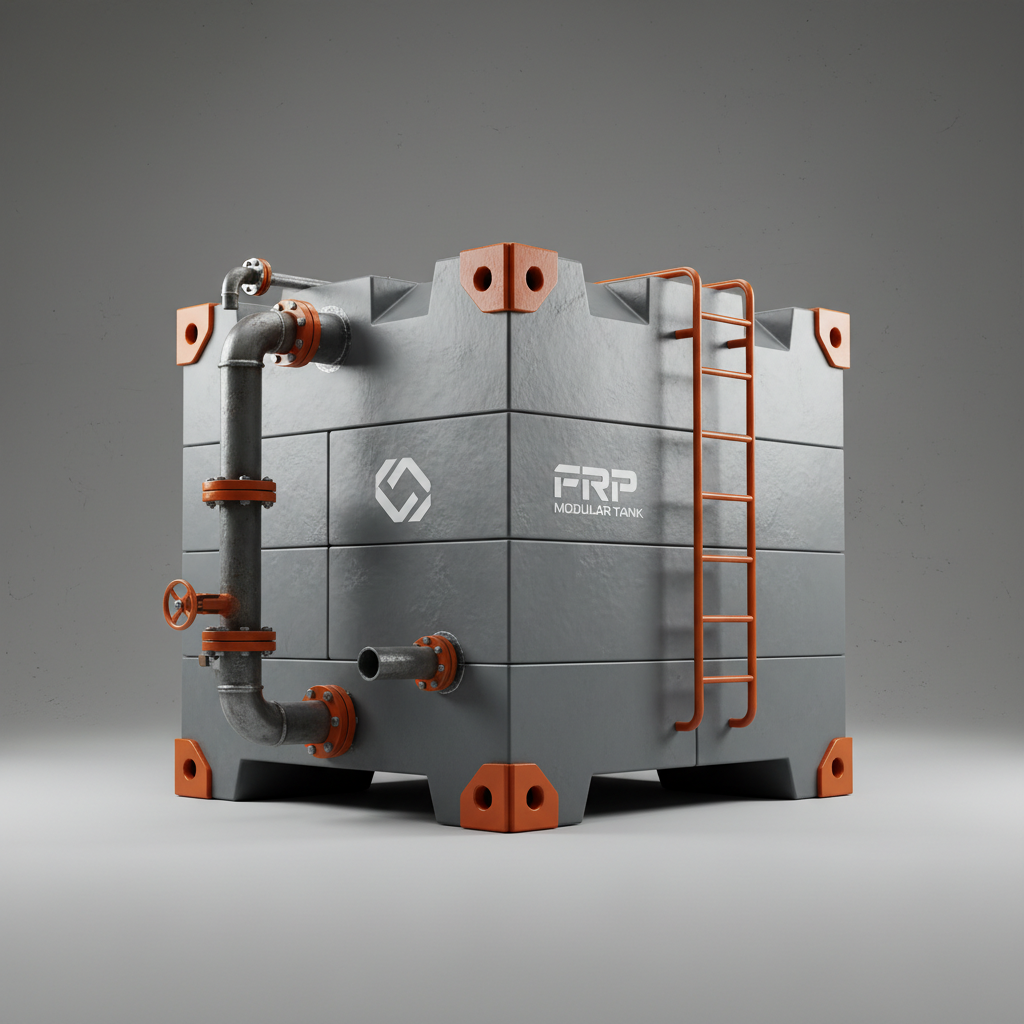
- Modular Designs: Tanks that can be easily connected or expanded on-site without specialized tools.
- Digital Supply Chains: Faster, more transparent manufacturing and shipping, driven by AI and blockchain.
As urban infrastructure adapts to climate challenges, ground tank fiber solutions will be part of the smart city conversation — balancing sustainability and user needs.
Challenges & Solutions
No tech is perfect. Ground tank fiber faces a few hurdles:
- Initial Investment: The upfront cost can be intimidating, especially for smaller NGOs or farms.
- Disposal Concerns: While durable, end-of-life recycling of composites remains tricky.
- Varying Quality: Not all manufacturers adhere to strict standards, so buyer diligence is key.
Addressing these:
- Financing Programs: Many NGOs partner with suppliers offering flexible payment plans.
- Material Innovation: Research into recyclable composites is promising and ongoing.
- Certification & Audits: Look for ISO-certified makers and insist on transparent quality testing.
FAQ: Frequently Asked Questions About Ground Tank Fiber
- 1. How long do ground tank fiber units last under harsh outdoor conditions?
- The average lifespan is around 20-25 years, but this depends on location and maintenance. Their corrosion resistance ensures minimal degradation even in salty or acidic environments.
- 2. Are these tanks easy to transport to remote sites?
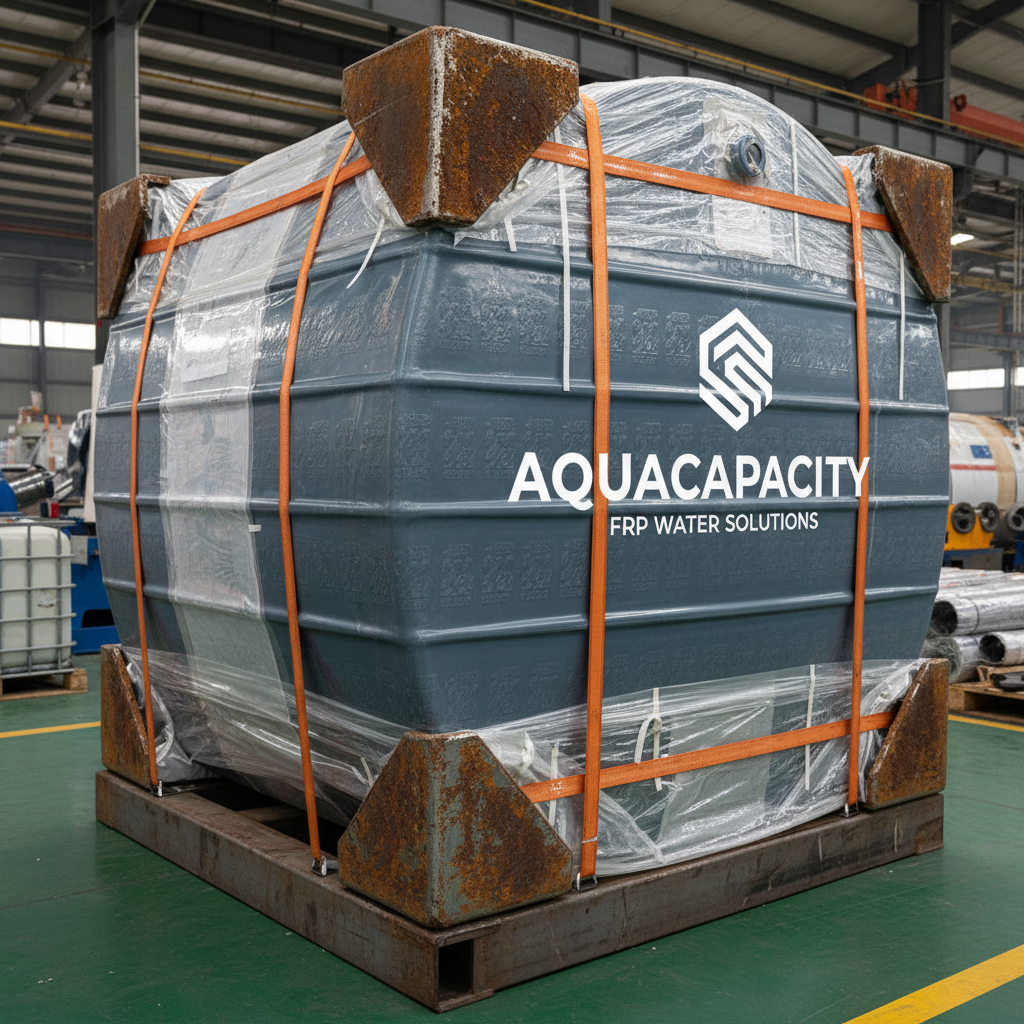
- Yes, their lightweight construction makes them much easier to ship and install than steel or concrete alternatives. Many come in modular or collapsible forms for even easier logistics.
- 3. Can ground tank fiber tanks store liquids other than water?
- Absolutely. They can store various chemicals or industrial fluids, provided the resin type is compatible. Always check with manufacturers for chemical resistance specifics.
- 4. How do I maintain a fiber-reinforced ground tank?
- Routine inspections for cracks or leaks, cleaning to prevent biofilm buildup, and ensuring proper drainage around the base typically suffice. In addition, some vendors offer remote monitoring systems.
- 5. Is importing these tanks internationally complicated?
- Not particularly—though custom duties and transport logistics vary by region. Working with experienced vendors familiar with export/import regulations smooths the process considerably.
Conclusion
Ground tank fiber solutions reflect a convergence of durability, smart design, and real-world practicality. Their ability to provide reliable, safe, and sustainable water storage worldwide makes them indispensable in tackling global water challenges. If your project demands a robust and adaptable storage solution, exploring modern fiber tanks is a wise move. For more information or to explore product options, visit our website: ground tank fiber.
It’s sometimes easy to overlook the tech behind something as “simple” as a water tank, but when you do, you miss out on how much potential innovation and impact hides beneath the surface.
Mini takeaway: When water storage is mission-critical, ground tank fiber offers unparalleled strength and flexibility, increasingly essential in today’s world.
References: