High-Purity Sodium Sulfate Production—Why Choose Our Plant?
Sodium Sulfate Production Line: field notes from a plant revamp
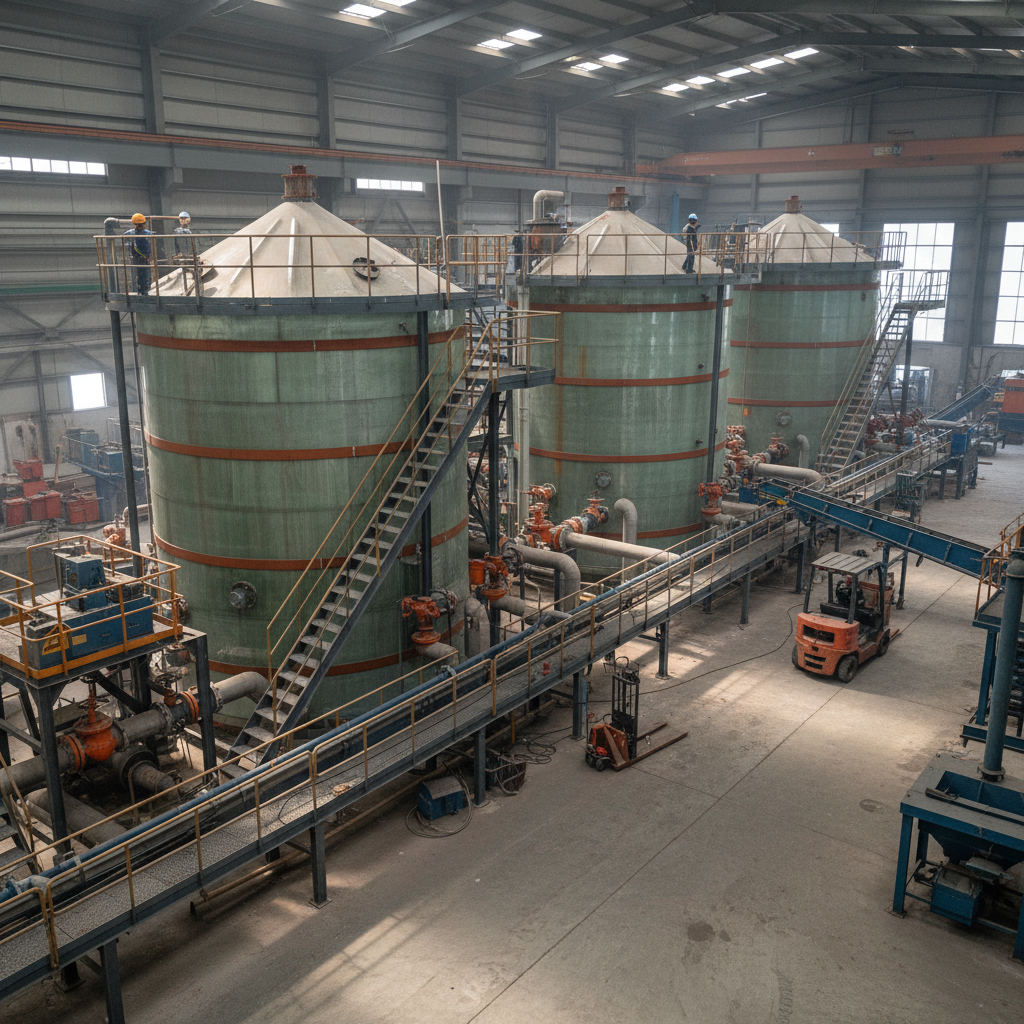
If you’re evaluating sodium sulfate production equipment, here’s the short version: the modernized Mannheim furnace lines coming out of Hebei have matured fast. On my last visit to Jizhou District, the team walked me through an upgrade that—honestly—looked simple on paper: better furnace construction, smarter heat balance, and tidy HCl recovery. In practice, it slashed energy and tightened purity. Not magic—just well-engineered details.
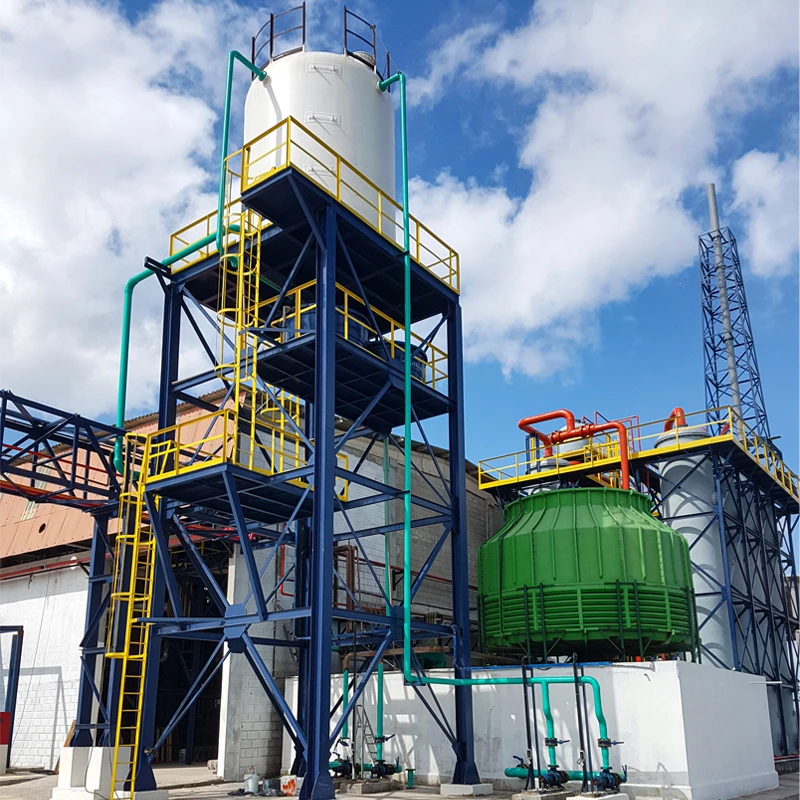
Industry snapshot and why it matters
Demand is steady, nudged by detergents and glass. Environmental control is the real battleground; plants that efficiently scrub and reuse byproduct HCl keep operating margins healthier. It seems that buyers now ask first about emissions and utilities, then about capacity. A healthy shift, to be honest.
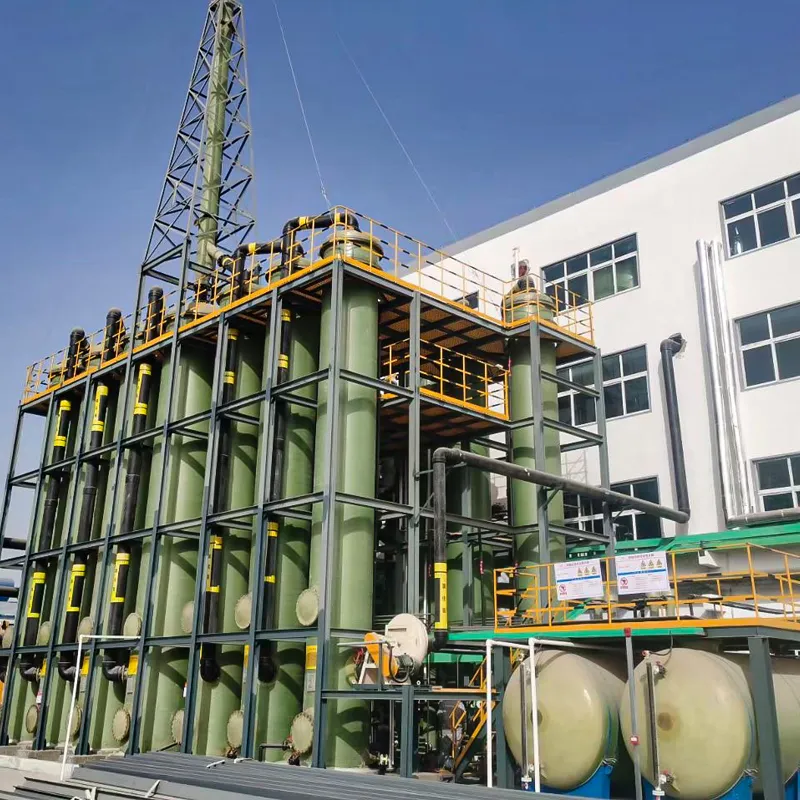
Process flow (Mannheim, tightened)
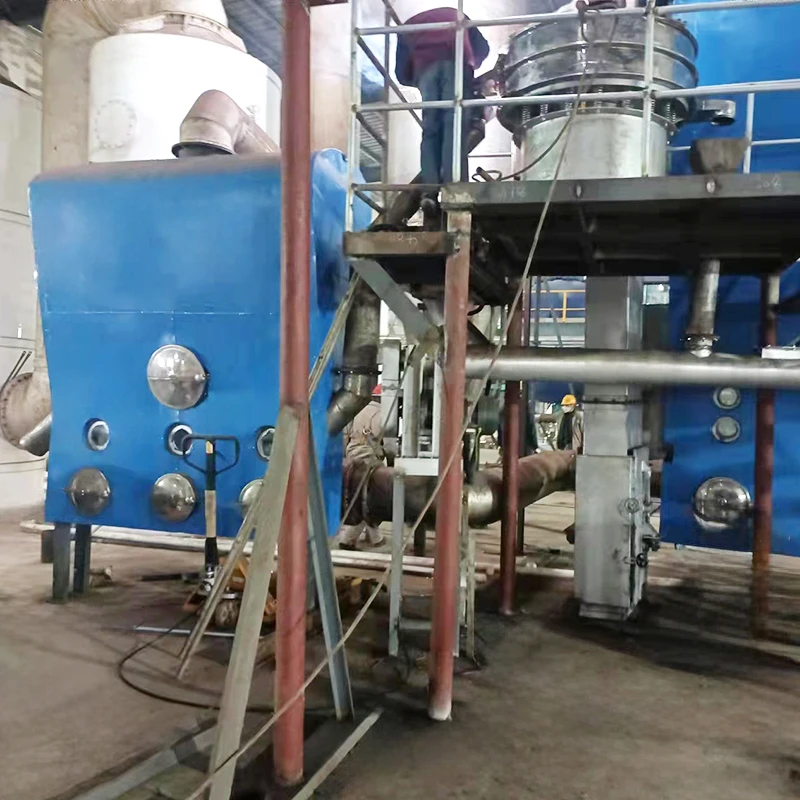
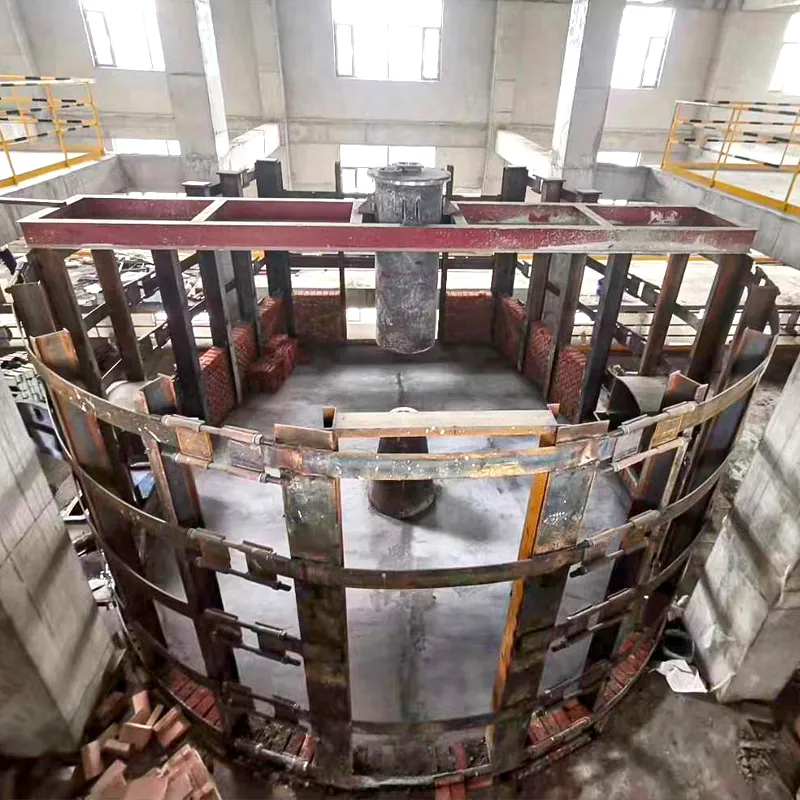
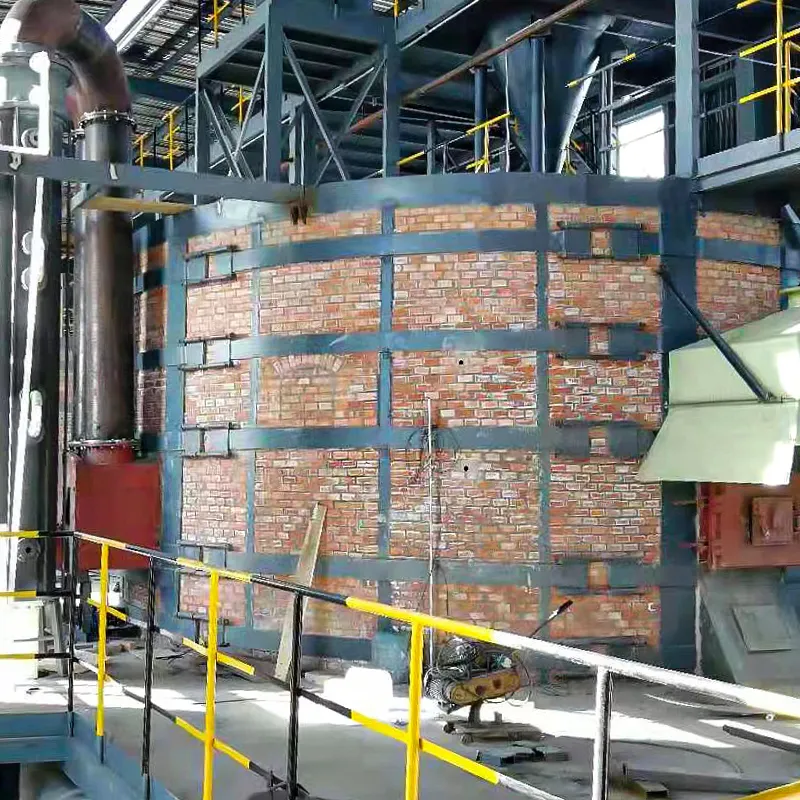
Materials: sodium chloride, sulfuric acid. Method: Mannheim furnace with acid‑resistant lining and even-heating geometry. Steps (condensed):
- Acid addition to preheated NaCl bed; controlled exotherm for complete reaction.
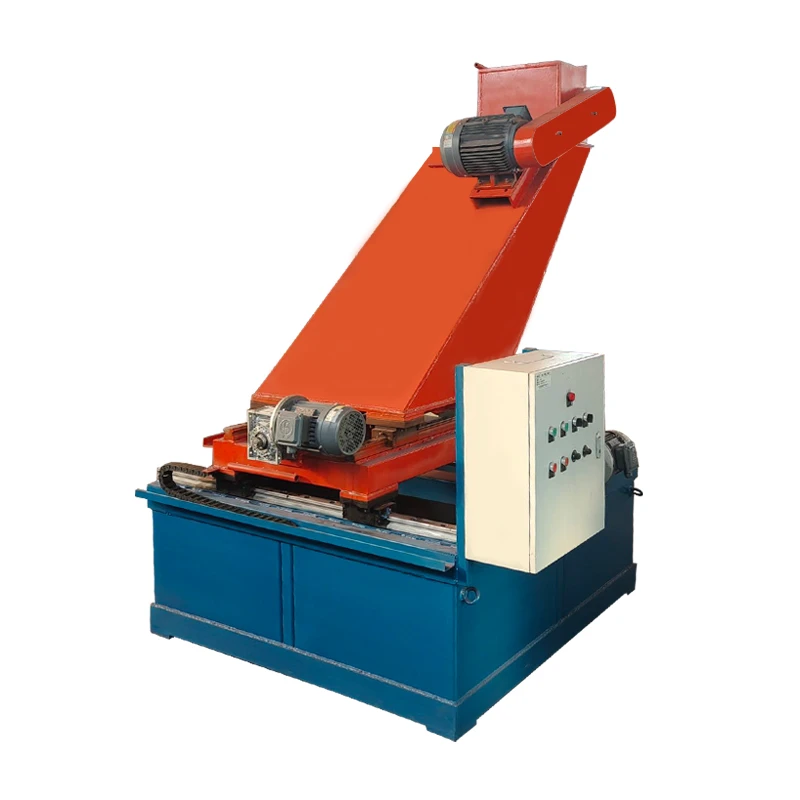
- Crystallization and solid handling; moisture trimming.
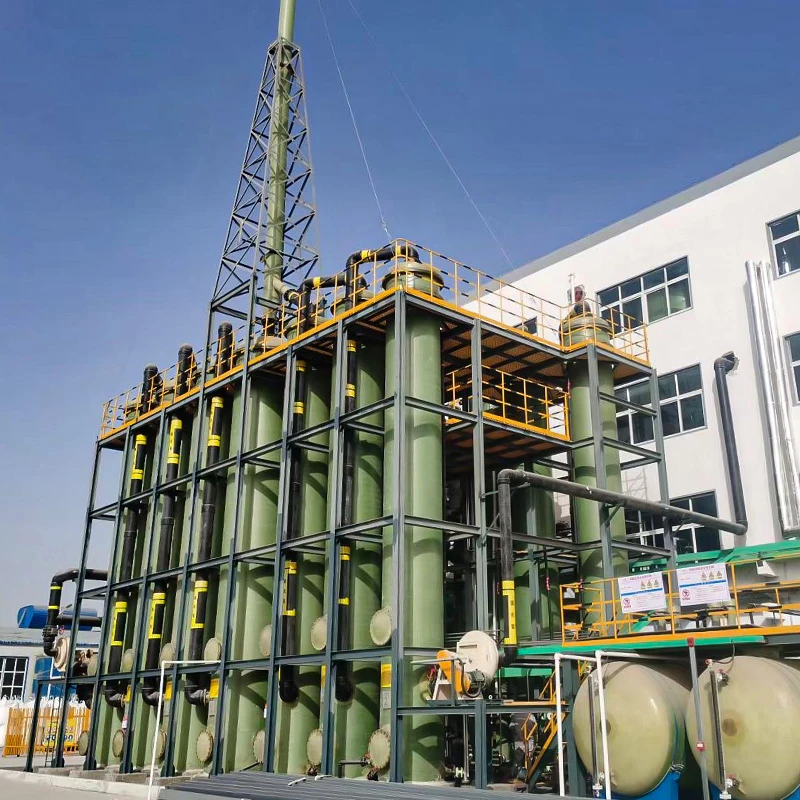
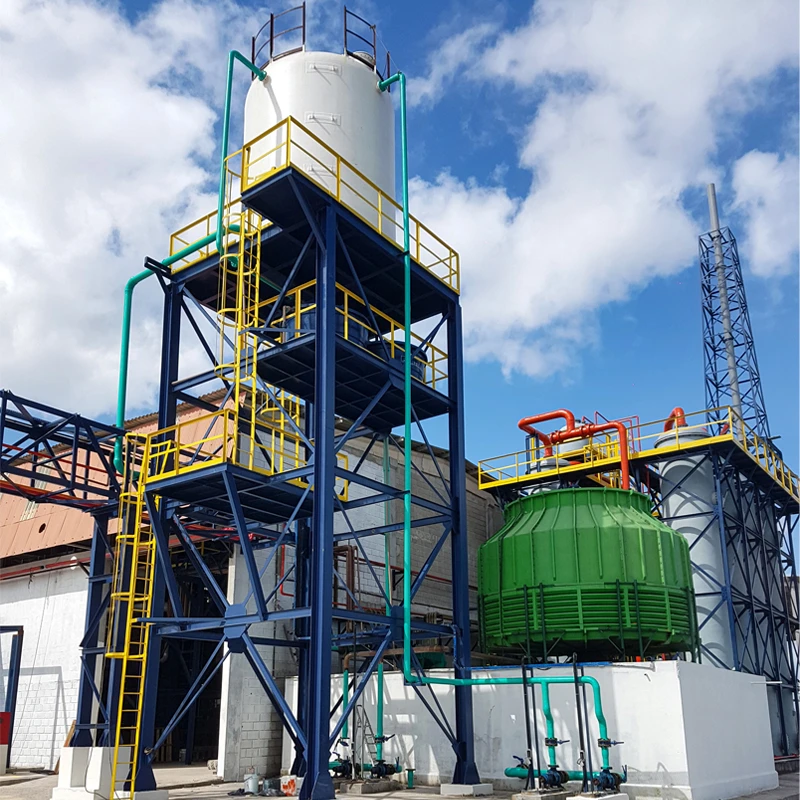
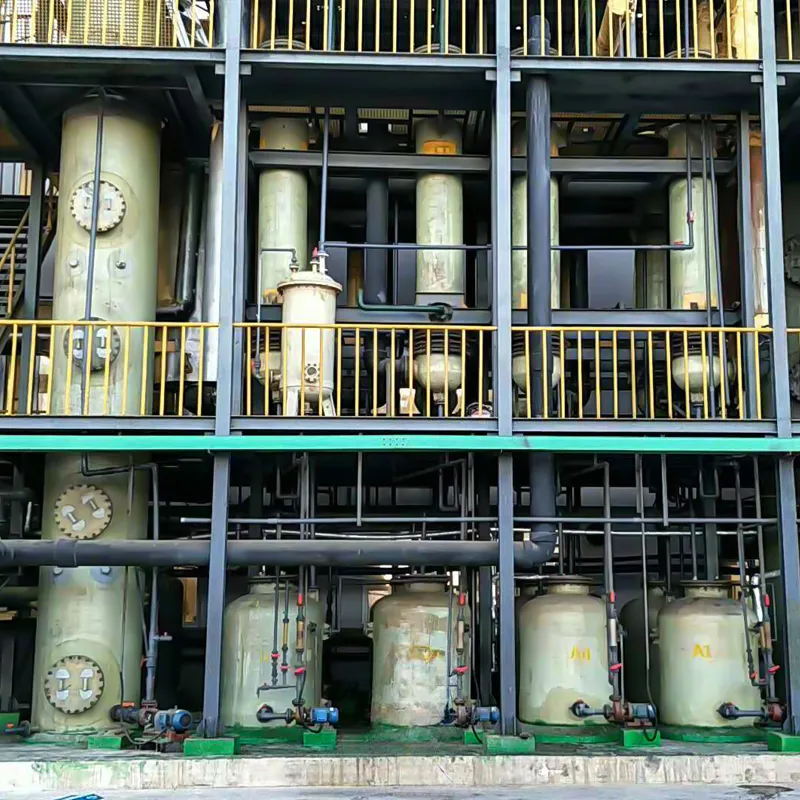
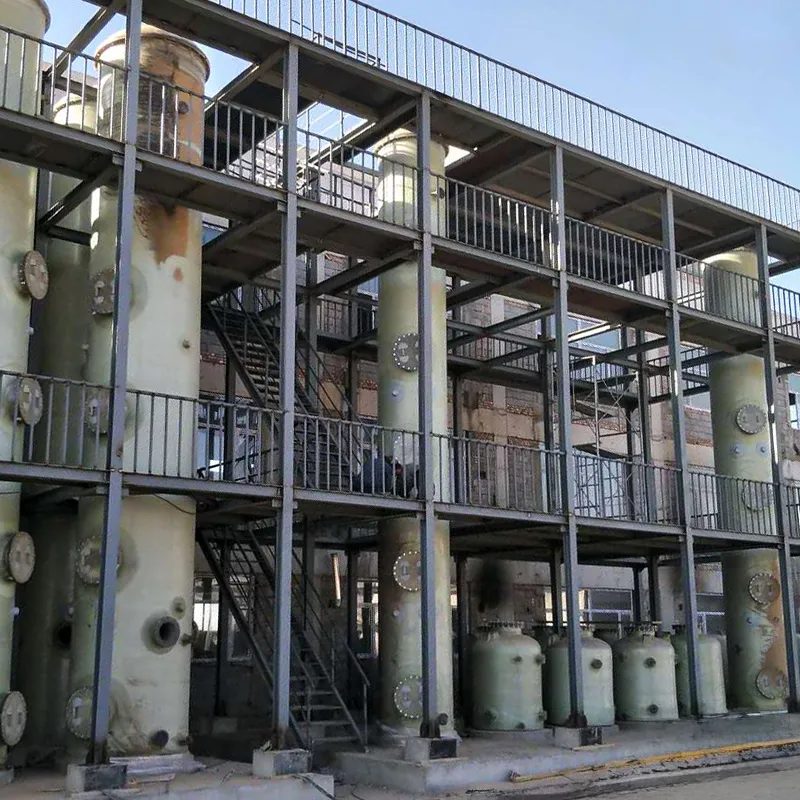
- HCl off-gas to packed scrubber—recovered as commercial acid.
- QC per GB/T 6009 for industrial sodium sulfate; particle sizing per buyer spec.
Test data from a recent run: Na2SO4 ≥ 99.1%, moisture 0.35%, Fe ≤ 8 ppm (real-world use may vary). Service life of critical sections: ≈10–15 years with routine brickwork inspection and burner tuning. This is where better heat uniformity pays back.
Product specifications (typical)
| Parameter | Typical value | Notes |
|---|---|---|
| Line capacity | 10,000–60,000 t/a | Scalable modules |
| Purity (Na2SO4) | ≥ 99.0% (typ. 99.1–99.3%) | GB/T 6009 compliant |
| Energy use | ≈ 0.35–0.45 t steam / t | Depends on waste heat recovery |
| Byproduct | HCl 28–32% | Closed-loop scrubbing |
| Service life | ≈ 10–15 years | With scheduled relining |
Vendor comparison (field-sourced, indicative)
| Vendor | Core tech | Customization | Lead time | Notes |
|---|---|---|---|---|
| Sodium Sulfate Production Line (Hebei) | Improved Mannheim; even-heating, low energy | High (furnace size, scrubber, automation) | 4–7 months | Origin: Room 211,706 Xinghua N. St., Jizhou, Hengshui |
| Domestic OEM B | Standard Mannheim package | Medium | 5–9 months | Lower capex; fewer energy options |
| Import Brand C | High-efficiency burners, digital twins | High | 8–12 months | Premium pricing; stellar documentation |
Applications and advantages
Use-cases: detergents, glass batch, dyeing auxiliaries, pulp and paper, and yes, thermal storage salts. Advantages of the upgraded line: tighter purity band, robust HCl capture, and fewer hotspots (the silent killer of brick linings). Many customers say maintenance cadence is calmer after year one.
Customization
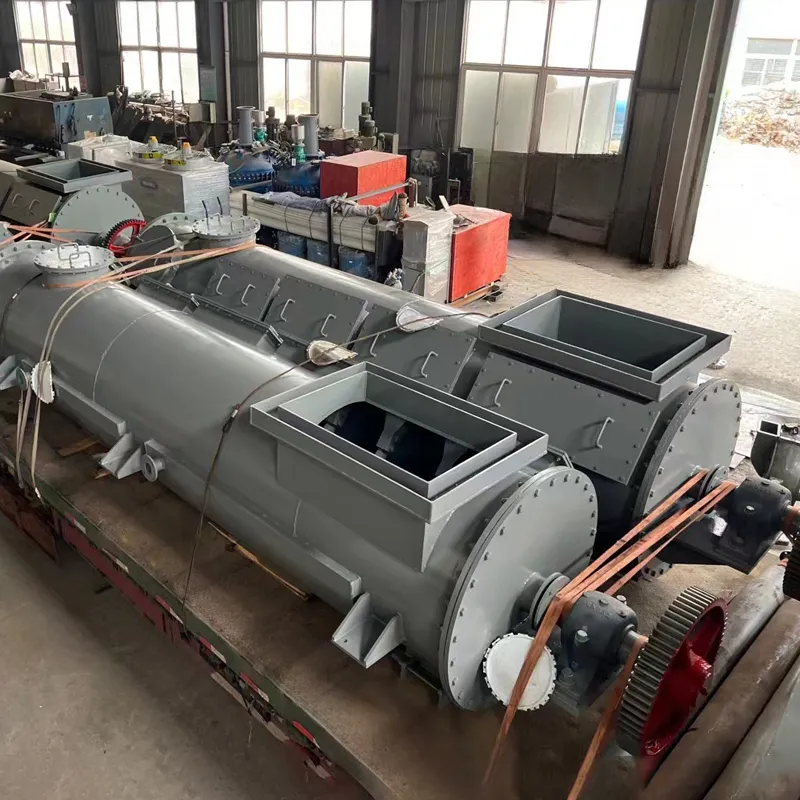
- Furnace size and lining grade; burner configuration.
- Scrubber design (targeting 28–32% HCl or alternative integration).
- DCS/PLC levels—from basic alarms to advanced interlocks.
- Crystal size control and drying packages.
Case notes and feedback
Case A (detergent maker, 30 kt/a): energy fell ≈11%, Na2SO4 purity rose from 98.8% to 99.2%. Case B (glass supplier, 20 kt/a): unplanned stoppages cut by half after burner tuning and better draft control. “It just runs steadier,” their maintenance lead told me—casual, but telling.
Compliance and standards
Product QC aligns with GB/T 6009 (industrial sodium sulfate). Plants commonly carry ISO 9001/14001, sometimes 45001. Safety audits check acid handling, furnace integrity, and HCl containment. For buyers, specify acceptance tests: purity, moisture, Fe, chloride, and a 72‑hour performance run. It’s a small ask that saves headaches.
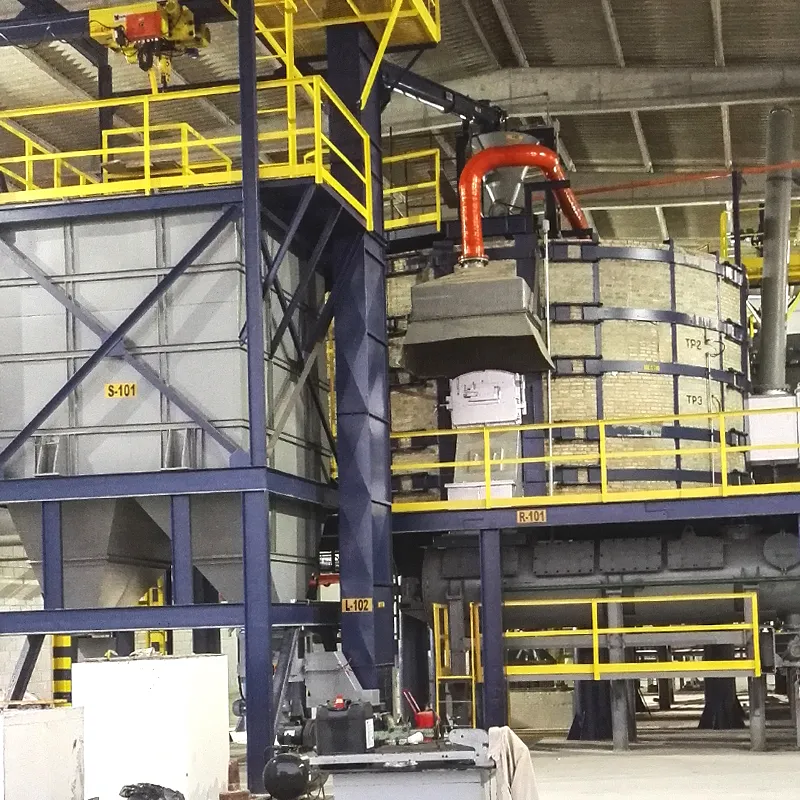
If you’re benchmarking sodium sulfate production lines, weight the unglamorous bits: brickwork, burners, scrubber hydraulics, and QC sampling points. That’s where this design quietly shines.
Authoritative citations
- Ullmann’s Encyclopedia of Industrial Chemistry: Sodium Sulfates, Mannheim process overview. https://onlinelibrary.wiley.com/
- GB/T 6009-2014: Industrial sodium sulfate specification (Chinese standard). https://std.samr.gov.cn/
- ECHA Substance Information: Sodium sulfate (EC 231-820-9). https://echa.europa.eu/substance-information
- ISO 9001 and ISO 14001 management systems. https://www.iso.org/